
by APCC | Cyanobacteria Info Series
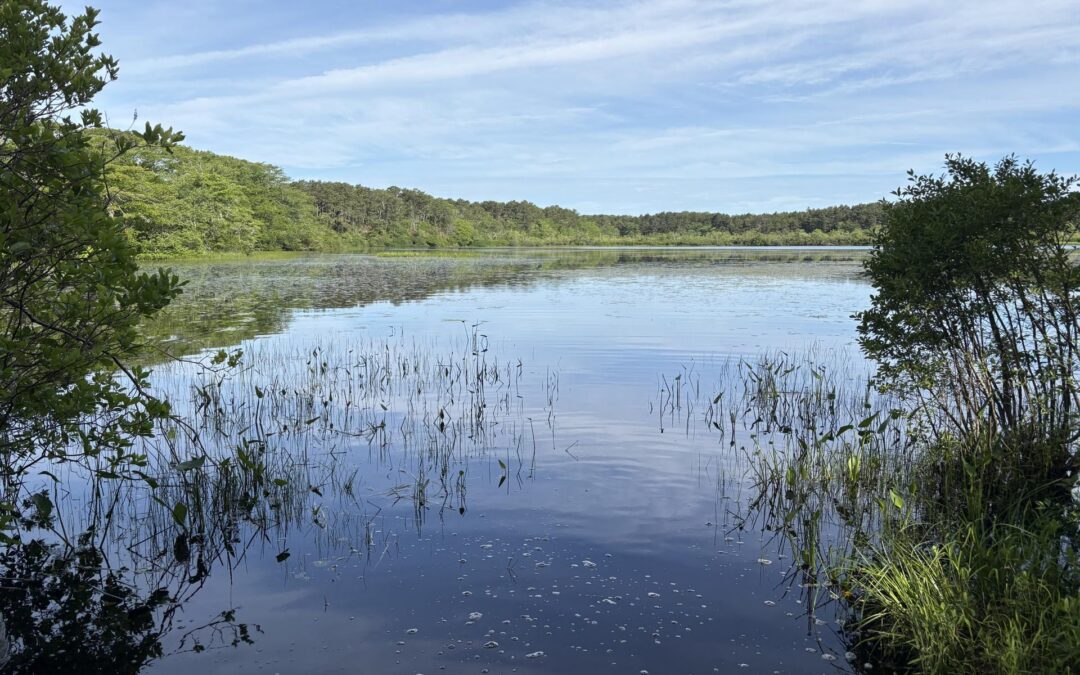
There is no single, universally applied method for assessing cyanobacteria risk. Across the United States, approaches vary in the monitoring methods, criteria, thresholds, and risk categories that are used. This isn’t unique to cyanobacteria. Risk frameworks are...
by APCC | Cyanobacteria Info Series
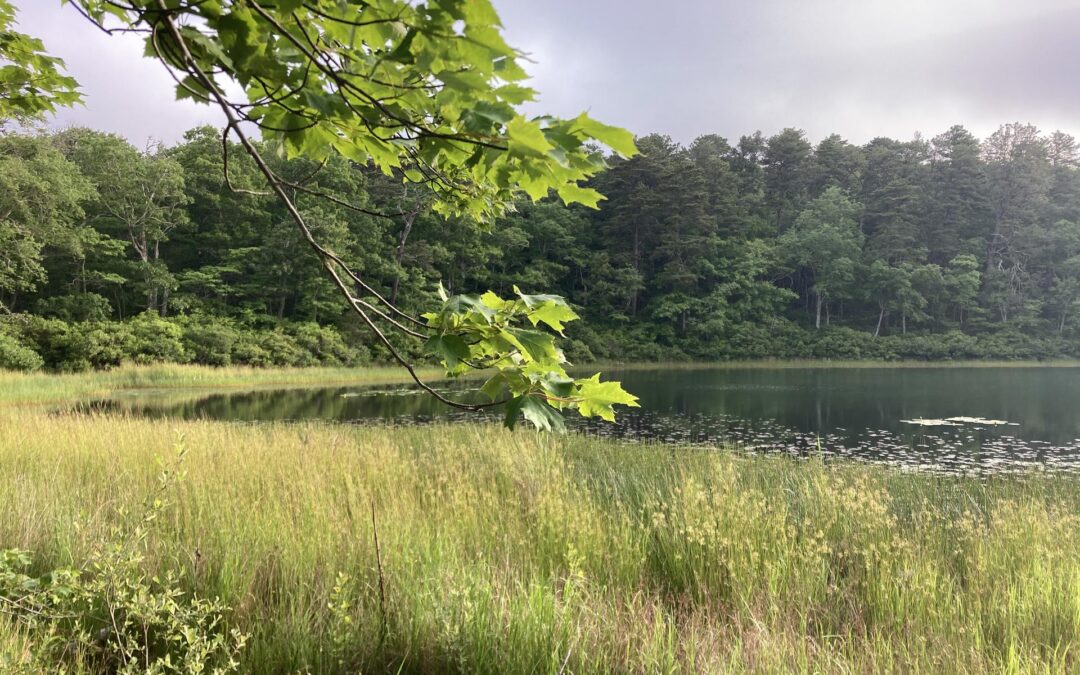
In our last installment of this cyanobacteria info series, we looked at why cyanotoxins can be present even when there is no obvious surface scum. This time, we want to take a closer look at cyanotoxin detection, and why understanding toxin presence involves more than...
by APCC | Cyanobacteria Info Series
In our last installment of APCC’s cyanobacteria info series, we explained that blooms don’t always appear as clear, visual green surface scums. Cyanobacteria can also be present as tiny particles or larger clumps suspended throughout the water, and a...

by APCC | Cyanobacteria Info Series
Cyanobacteria blooms can look like green paint, pea soup, floating or submerged mats, small particles in the water, or a scum line on the shore. Cyanobacteria blooms are often blue or green, or sometimes brown, red, or white. Not every green particle in the water is...
by APCC | Cyanobacteria Info Series
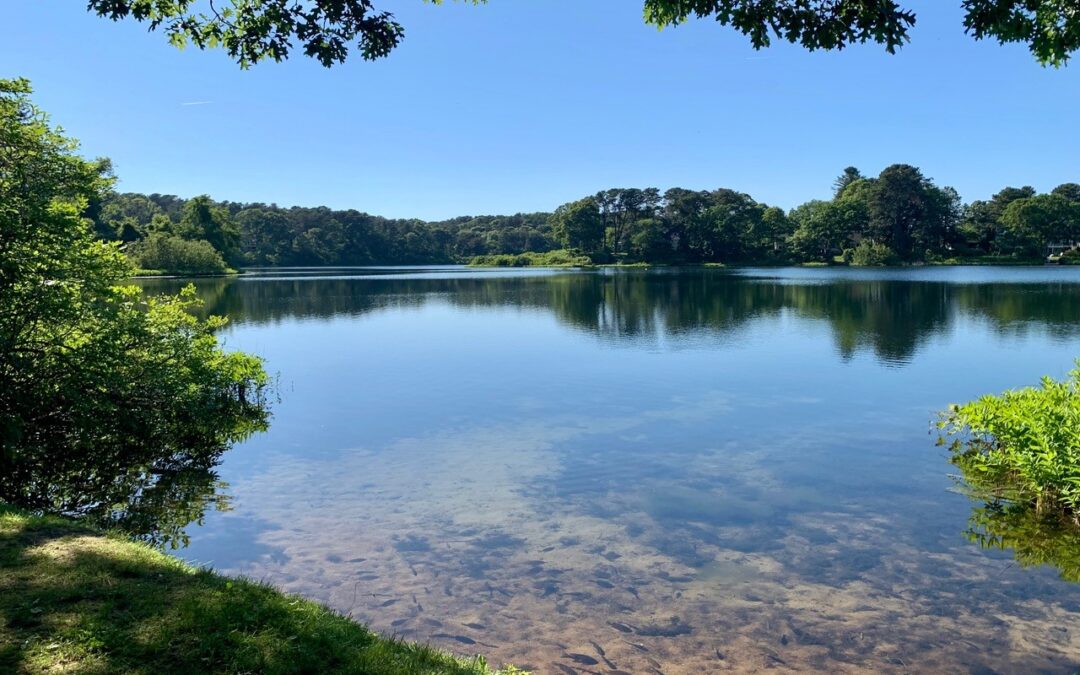
Above: Lovers Lake, Chatham. Photo by Sue Machie Cyanobacteria have been in the news a lot lately. While APCC provides information about cyanobacteria on our website, we recognize that the information can be dense and complicated. To demystify the subject, we are...