Association to Preserve Cape Cod |
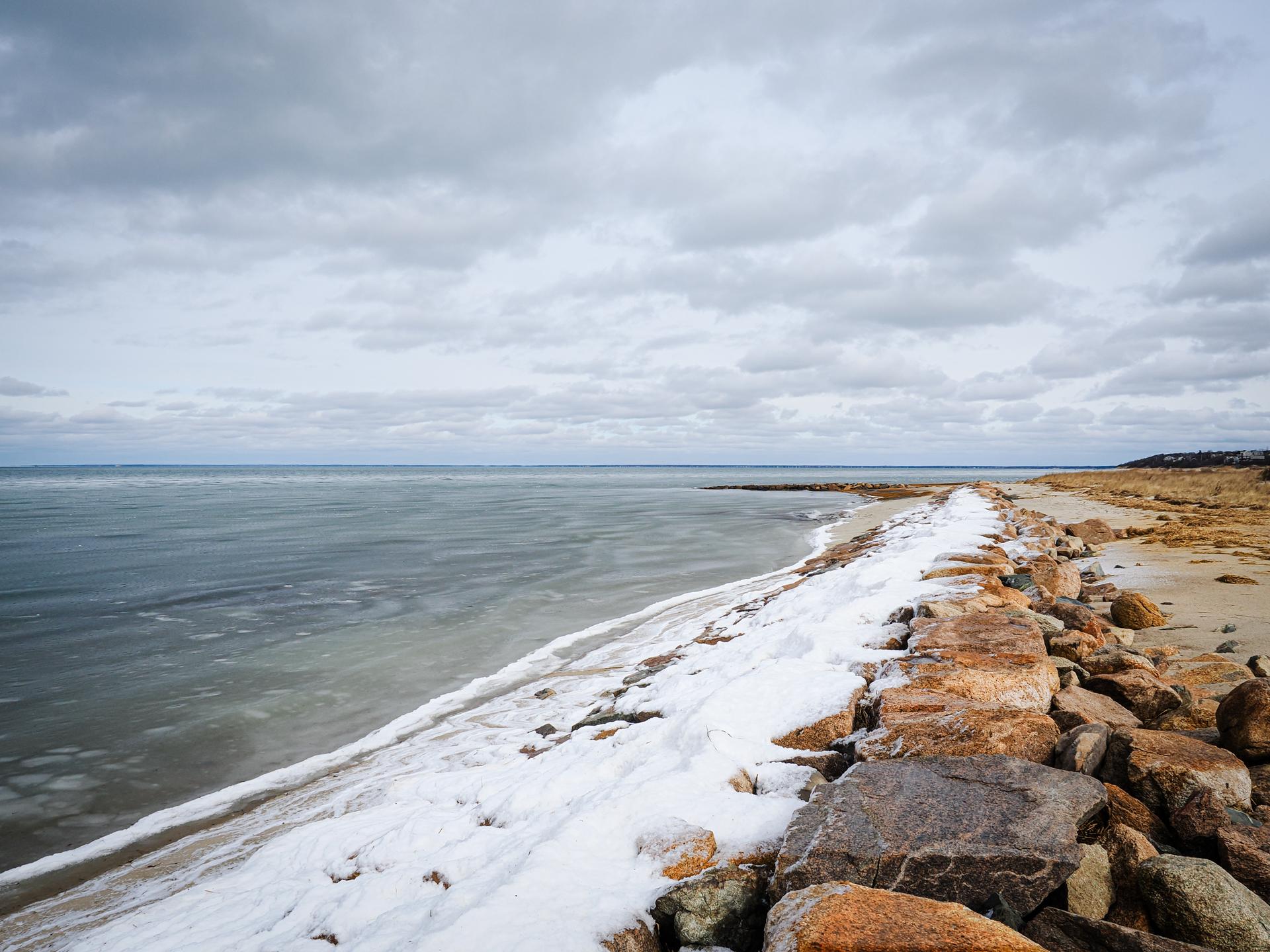
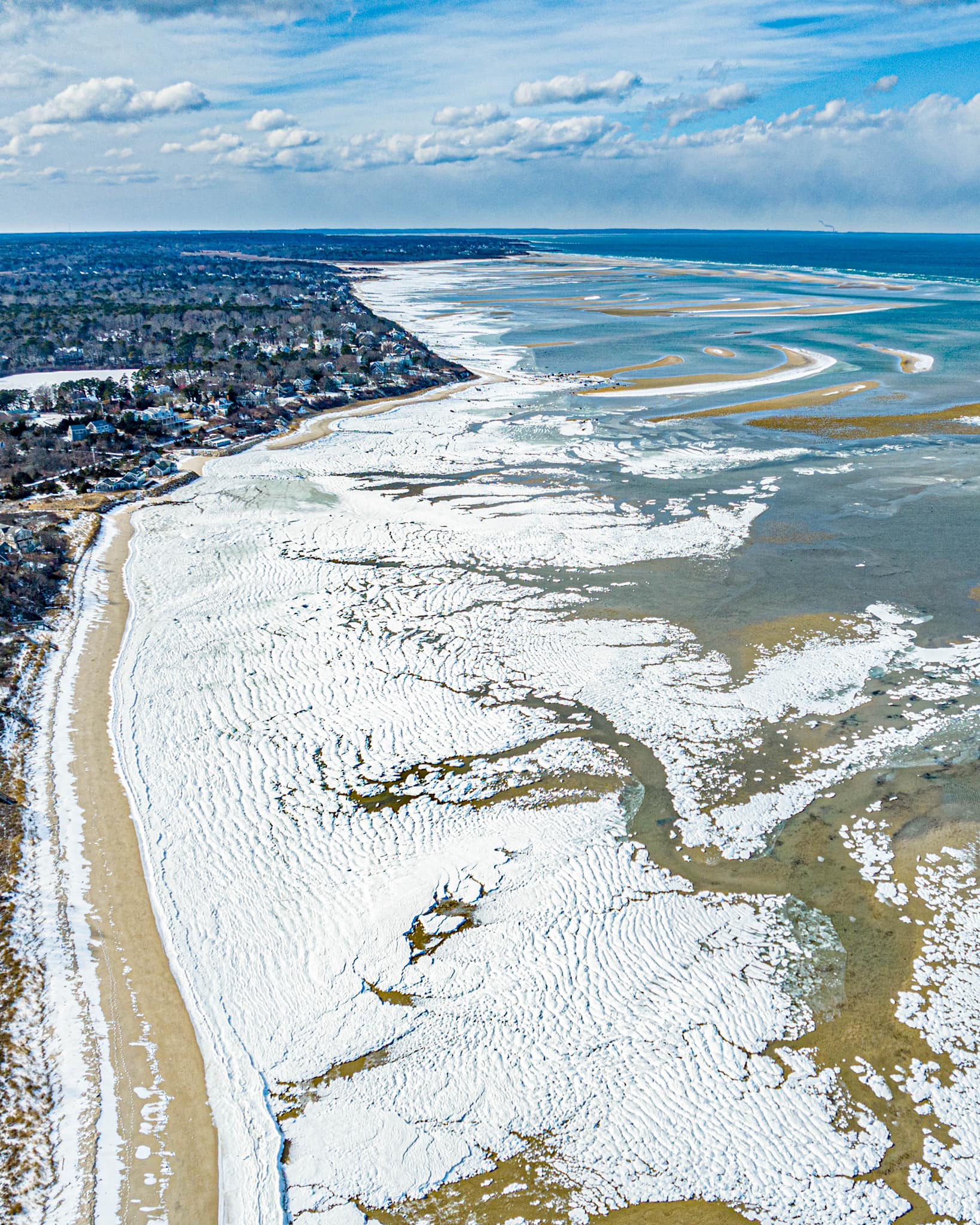
Above: Brewster. Photo by Sue Machie |
|
|
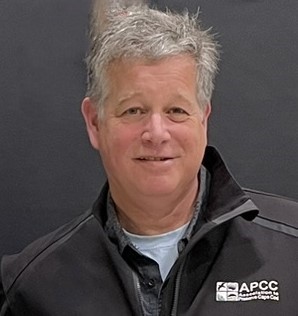
| It's Still Happening by Andrew Gottlieb, Executive Director |
Despite widespread news reports that would lead a reasonable person to conclude that frozen federal funds were flowing again, that is not the case. As of this writing, APCC remains unable to access the federal payment system to submit invoices for work legally authorized to be completed under the terms of binding contracts. This is the reality, despite the rescission of the Office of Management and Budget memo freezing trillions in federal spending commitments and several federal court rulings as recent as Monday ordering contractual obligations to be paid.
|
|
|
The truth is we have no idea what the rules are, having received no guidance from federal agencies. We don’t fault the staff at these agencies, as they don’t seem to know what the rules are and are being discouraged (that’s a polite way to say it) from talking to contract holders and grantees. We are left to suspect that the controlling document is Section 7 of this executive order (https://www.whitehouse.gov/presidential-actions/2025/01/unleashing-american-energy/) freezing spending of funds authorized under the Bipartisan Infrastructure Law and the Inflation Reduction Act.
You might ask what the big deal is here. There are many reasons why you should care about this unilateral breach of contract. Six heavily degraded water resources systems in four towns across the Cape are now in jeopardy. At a minimum, these projects will be delayed, and the result will be the continued burden on Cape residents and the environment that comes from poor water quality and degraded habitat. If the funding is eliminated, then these restoration projects may never happen, or the cost will be imposed on Cape Cod residents. Another impact will be on the workers, local members of the Cape Cod community with mortgages, children and parents to care for, property taxes to pay, and who shop at local stores and restaurants, who will not be paid to do the physical work needed to improve these resources.
Some people think that as the grant recipient, APCC enriches itself, so who cares? That is not how these grants work. APCC serves as the pass-through with roughly 95 percent of the $17.5 million in contracted grants flowing through APCC into the direct implementation of the projects. The remainder offsets a portion, but not all, of APCC’s time managing the projects and ensuring that all these public funds are spent lawfully, efficiently, and effectively. In this current scenario, the big losers are the people who appreciate and enjoy a cleaner environment, the environment itself, and the American workers whose future income and ability to contribute to the economic vibrancy of the region has been thrown into question.
Lastly, there is a larger question at hand. What does it mean to how business is done in America if contractual obligations have no meaning? This is a slippery slope here and the implications to basic tenets of business are profound. How does one move forward with anything if one’s contractual commitment is simply an unenforceable group of words?
Where we go from here is anyone’s guess. |
|
|
A state bill, An Act Restricting the use of Rodenticides in the Environment, has been filed in the House by Rep. James Hawkins HD.1721 and Senate by Sen. Michael Moore SD.1447. These bills would phase out the use of second generation anticoagulant rodenticides (SGARs) in Massachusetts, and need support from as many legislators as possible to gain some momentum. Ask your legislator to cosponsor the bills.
|
Herring Count Volunteers Needed for 2025
|
Spring is just around the corner, and we’re once again seeking volunteers to count river herring!
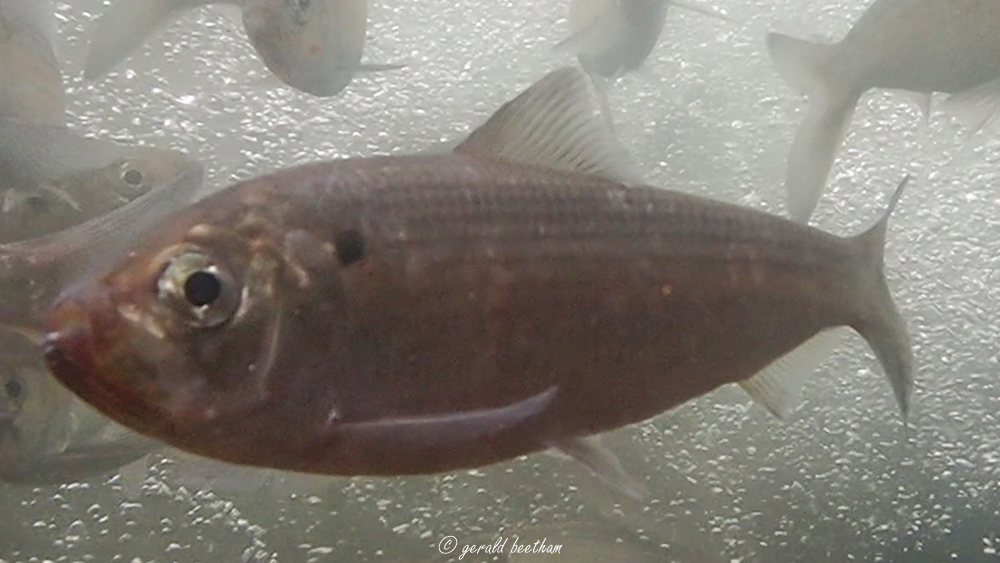
River herring include alewife (Alosa pseudoharengus) and blueback herring (A. aestivalis) and are considered keystone species in the Atlantic coastal ecosystem. These forage fish sustain a rich food web, nourishing predators like striped bass, ospreys, seals, and dolphins. Their annual spawning migrations transport vital nutrients from the ocean into freshwater systems, enriching these ecosystems and supporting aquatic life. Beyond their ecological importance, river herring have deep cultural and economic significance for coastal communities here on Cape Cod.
Volunteer counts of herring provide valuable scientific data on herring abundance and are used by fisheries managers to manage and protect herring stocks. Herring counts also help to document the need for restoration or improvement of fish runs and the success of restoration projects.
Cape Cod has many herring runs that provide opportunities for volunteers to view the spring herring migration while collecting valuable scientific data. This year volunteers are needed to count herring at runs throughout Cape Cod, including the following runs: - Stony Brook, Brewster
- Bound Brook and Scargo Lake, Dennis
- Trunk River, Falmouth
- Mashpee River, Quashnet River and Santuit Pond, Mashpee
-
Mill Creek, Sandwich
- Red Lily Pond, Centerville
- Long Pond, Yarmouth
- Baxter Grist Mill, Yarmouth
A complete list of the Cape Cod runs monitored by volunteers is listed on our Herring Hub webpage. Volunteers are needed to count several times a week between April 1 and June 15, though the counting season will vary depending on the arrival of the herring. Volunteers must be able to provide their own transportation to and from the counting site, safely traverse rough terrain, and be able to visually see fish in the stream. Counts are done for 10 minutes at a time. The data are reported to APCC via our web-based data entry system.
If you are interested in counting herring at any of the Cape Cod runs, you can sign up to volunteer here. We will contact you and/or refer you to the count coordinators for your run(s) of interest. Training events will be posted on our Herring Hub webpage as the information becomes available. Trainings will occur in March, so please sign up as soon as possible.
To learn more about APCC’s river herring monitoring program, instructions for counting, and estimates of past run sizes, please visit APCC’s herring webpage.
|
APCC Awarded Grant to Create the Cape Cod Native Plant Growers' Cooperative |
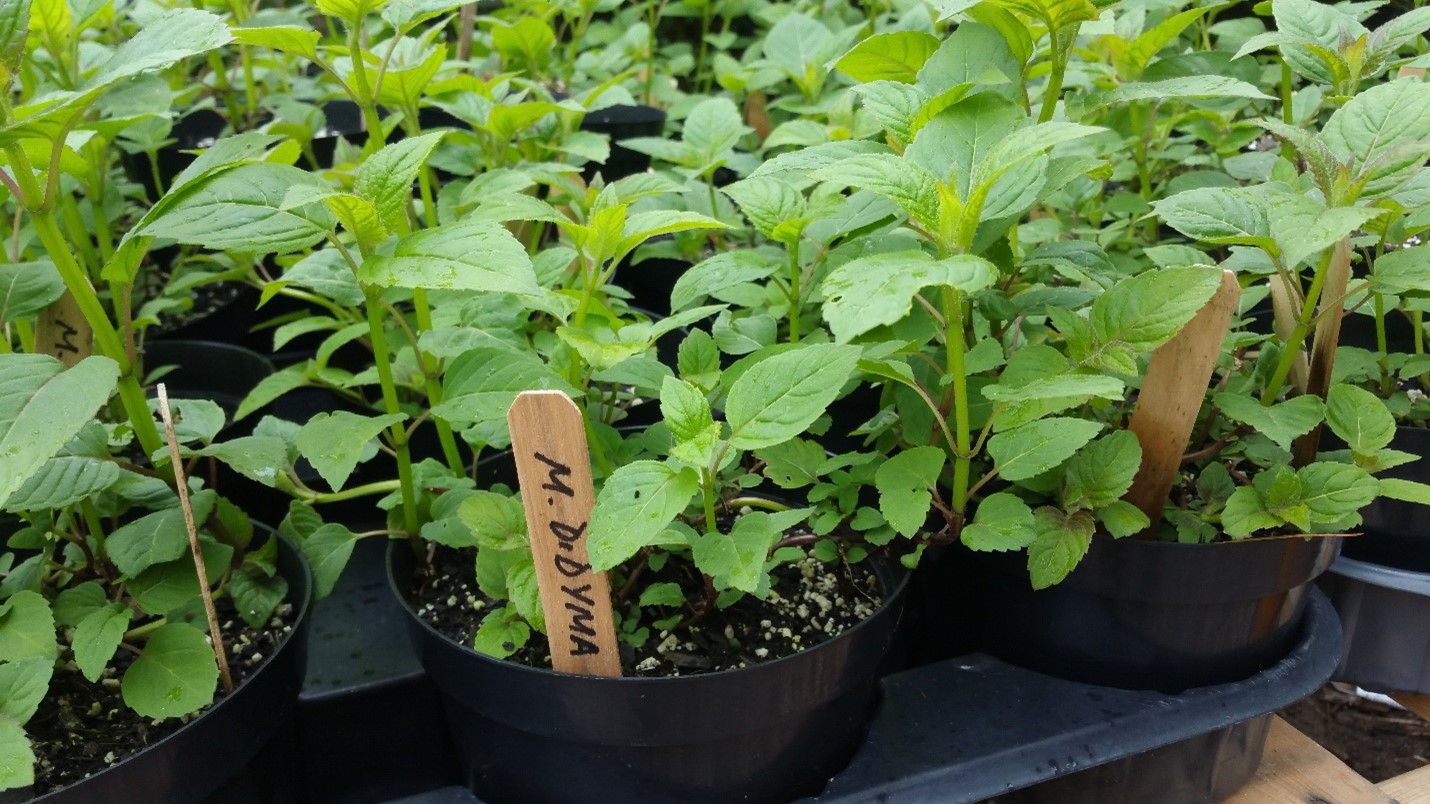
APCC was awarded $70,000 to launch the development of a growers' cooperative with the goal of bringing locally grown native plants to market. The funding is through the Cape Cod and Islands License Plate Grant program and was awarded by the Barnstable County Board of Regional Commissioners at the recommendation of the Barnstable County Economic Development Council (BCEDC). The program will engage and support the agricultural community and other interested entrepreneurs with technical advice, branding, and marketing to grow local and to fill the demand for native plants for home gardeners and restoration of ecosystems. For more information about the program, to sign up for updates, click here! |
|
|
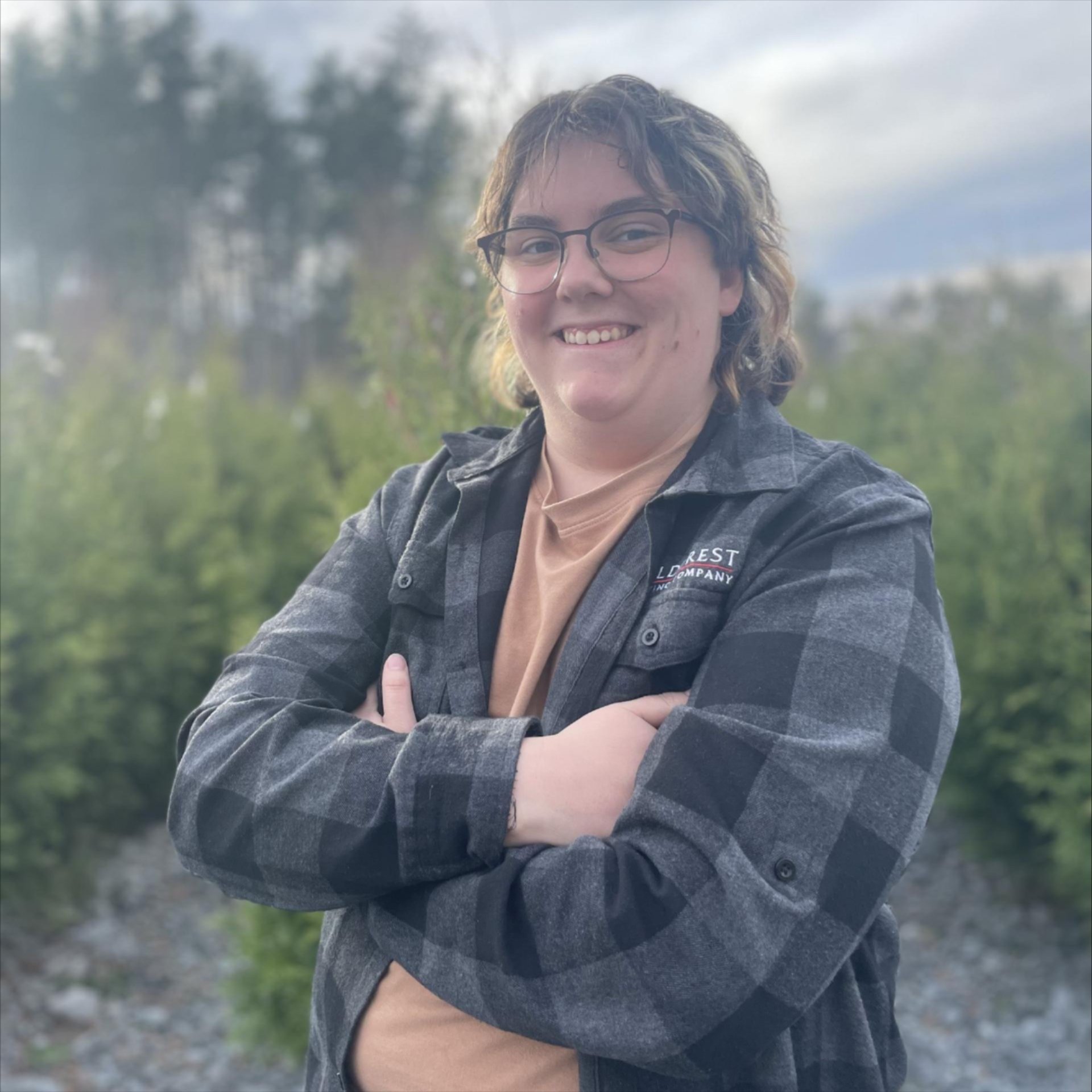
Above: Erin Camire, APCC Ecolandscape Program Coordinator |
| We welcome Erin Camire as the newest APCC full-time staff person!
Erin is APCC's lead on developing the Cape Cod Native Plant Growers’ Cooperative program. Last summer, Erin served as the team leader of APCC's ecolandscape consultation program and will have that role again this year. As our ecolandscape program coordinator, Erin will assist with educational programming, and with the help of volunteers, manage the grounds at APCC headquarters. |
|
|
APCC Ecosystem Restoration Program |
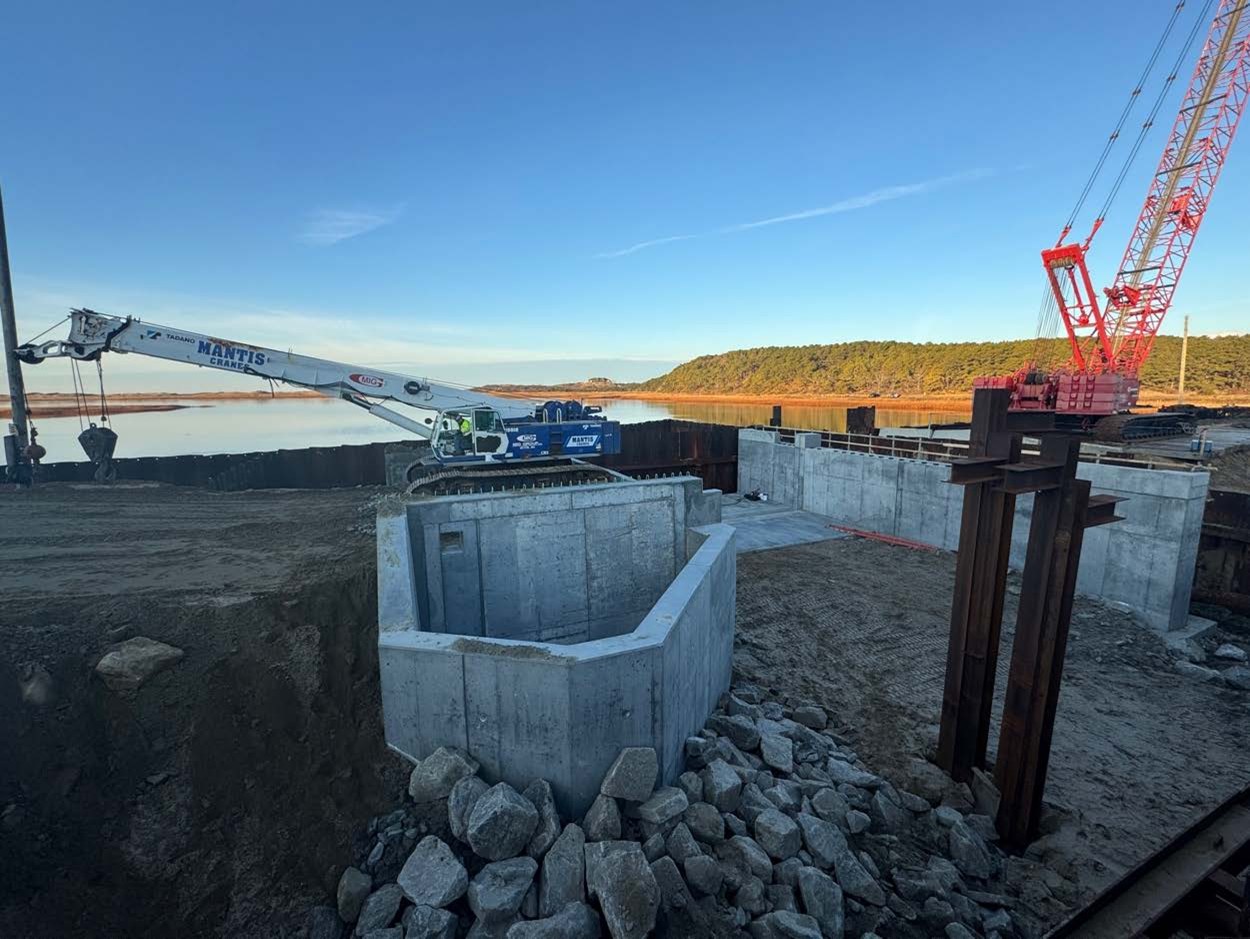
Above: Construction has been underway since last winter to complete the main bridge and culvert system at Herring River in Wellfleet. The project team aims to finish construction by later this year. |
Regional Restoration Partnership –
Cape Cod Water Resources Restoration Project
APCC’s Ecosystem Restoration Program endeavors to support and grow Cape-wide partnerships to identify, fund, and implement priority ecological restoration projects. One such long-standing partnership is with the USDA Natural Resources Conservation Service (NRCS) and the Cape Cod Conservation District (CCCD). APCC, along with the CCCD, advocated for the 2009 congressionally approved plan for the NRCS-sponsored Cape Cod Water Resources Restoration Project (CCWRRP). The CCWRRP project aims to bring priority restoration projects from concept to implementation, with a focus on fish passage restoration for river herring, stormwater remediation to improve shellfish beds, and salt marsh restoration to benefit fish and shellfish resources.
Through a collaborative effort between the NRCS, CCCD, all 15 Cape Cod towns, and the Barnstable County Commissioners, 98 projects have been identified for restoration under the comprehensive CCWRRP plan. Between 2010 and 2023, 31 projects were completed with funding from the NRCS and additional sources. Since 2018, approximately $69 million in additional funding has continued to support priority projects with annual funding requests submitted by NRCS.
APCC worked with the NRCS and CCCD to create a CCWRRP map that showcases and tracks progress on CCWRRP restoration sites across the region. Our staff is currently working with NRCS, CCCD, and other partners on several CCWRRP priority projects, including salt marsh restoration of Weir Creek in Dennis and Oyster Pond in West Falmouth, Follins Pond and Standish Way stormwater management projects in Yarmouth, and the Mashpee River restoration.
Project in the Spotlight
Around $32 million of NRCS funds have been awarded to date to help restore the Herring River in Wellfleet as part of the CCWRRP. The Herring River Restoration Project, the largest tidal restoration in the Northeast, is a result of decades of research, collaboration, advocacy, fundraising, designs and permitting. Phase 1 of the project will restore 570 acres of former tidal wetlands. This restoration includes completing the new Chequessett Neck Road Bridge, replacing the existing dike, and adding adjustable tide gates, and additional upstream water control structures. By restoring tidal flow, this project aims to improve the salt marsh, water quality and habitat for aquatic species and other wildlife throughout the system.
As this project progresses through phases of restoration, expectations are that herring will return upstream, salt marsh habitat will expand, and shellfish habitat will increase. APCC has supported this project through many phases of planning and has served on the Herring River Stakeholder Group since 2018. |
Below: Timelapse video of bridge construction, courtesy of Friends of Herring River. |
Cape Cod Natural History Conference, Saturday, March 8, 2025
APCC has been accepted to present and have a poster at the annual Cape Cod Natural History Conference, hosted by MA Audubon. It's another great lineup and the event is an important networking opportunity! Registration required. Don't miss it. |
BUD ID - Red Maple, Part 2 by Erin Camire, APCC Ecolandscape Program Coordinator |
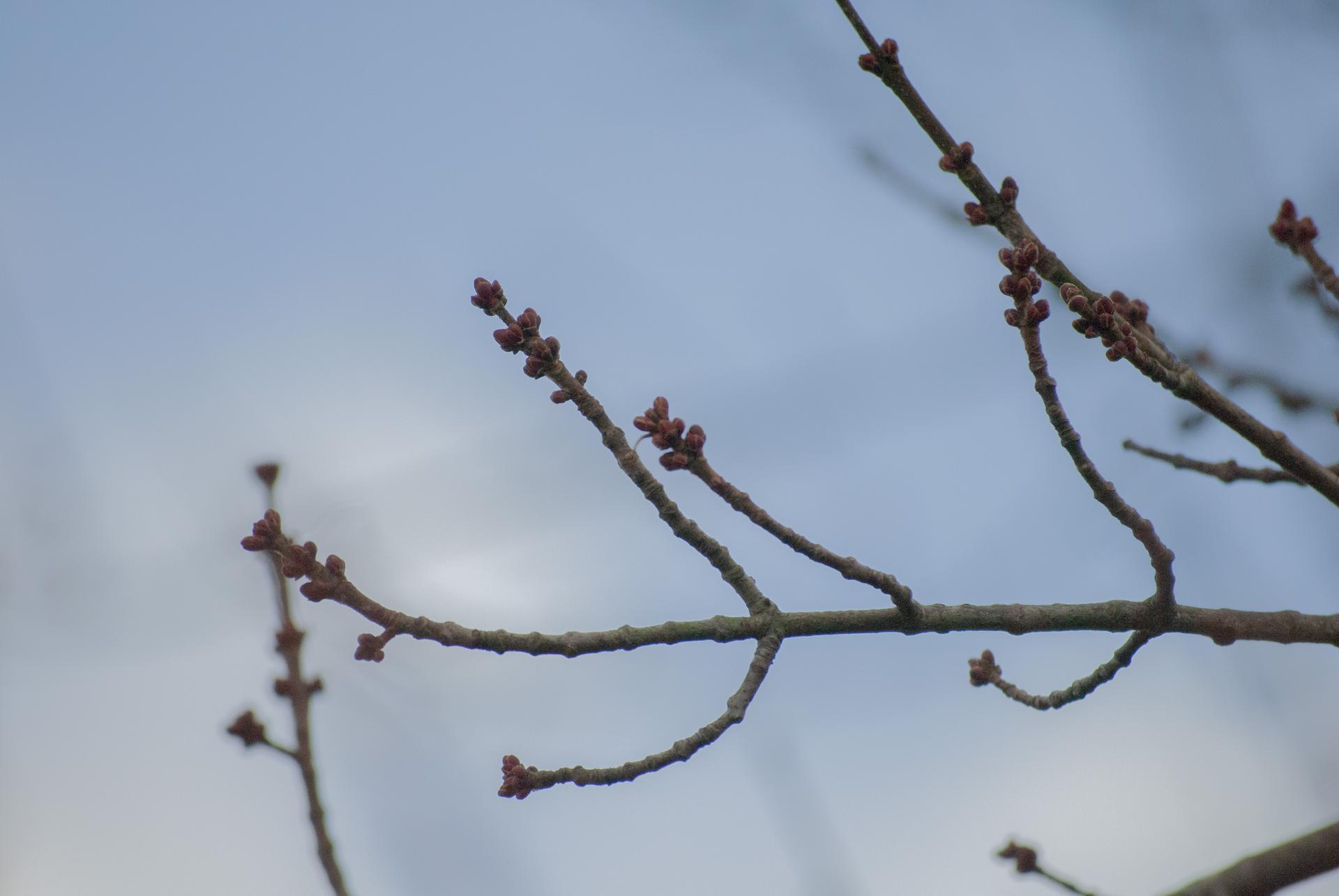
Welcome back to the second part of identifying the buds of red maples (Acer rubrum). Last time around we covered this plant’s opposite branching pattern, which feature smooth buds with large imbricate scales.
Next up on our list of identifying features is bud placement, which is a useful feature for red maple identification. This is because some red maples feature bud clusters, or masses of buds down the twig. These clusters aren’t purely terminal, like oaks, but instead seem to happen on the last three to seven nodes of any given twig. It’s worth noting that I said only some red maples display this feature, so if you’ve got a twig that matches everything else, but not the bud clusters, it’s likely your branch is still a red maple.
This feature is only present on some trees because in spring these bud clusters will not produce twigs and leaves, as you’d expect, but rather small, non-showy flowers, and then the samaras or “helicopters,” which are winged seeds. Of course this is only the case for female flowers, as male flowers are much smaller, and only produce pollen. Don’t worry about trying to differentiate the sex of the tree you’re staring at, since red maples are polygamo-dioecious, which is just a fancy way of saying some trees are male, some are female, and some display both male and female traits on different branches. But none of this is important for simple bud identification; just remember that sometimes there are bud clusters, and sometimes there aren’t!
The leaf scars of red maple are typically small and insignificant for ID purposes, but there’s another feature we need to discuss while we’re looking at the twig, and that is color. As the same suggests, red maples often display bright red twigs and/or buds. How vibrant this red is varies; some twigs have a slight red tint, and other can be spotted from 10 feet away because they are firetruck red. The color also varies on both the bark of the twig itself, and the buds. Sometimes the twigs will be brown, but the buds feature a red glow, and other times the stem will be so red the buds look brown by comparison.
To review everything we’ve covered in this article and the last, and walk through the way I go about identifying red maple buds, let’s take things from the top. If I don’t immediately notice the red tint of the twig and buds, the first thing that catches my eye is the opposite branching pattern, which as we’ve covered, narrows things down significantly. From this point I’ll notice that the buds are egg/conical shaped, and feature large, overlapping scales, with no bud coatings. At this point, if I haven’t already, I’ll begin to get clued in by the red color of the buds and/or twigs, and I’ll potentially notice some bud clusters, which will seal the deal on my guess. When trying to look for red maple buds, I would say your key identification features would be an opposite branching pattern, red coloration of the twigs and/or buds, and potentially bud clusters as a bonus.
That’s all I’ve got for Acer rubrum, so get out there and see if you can find it! For almost everything you'd want to know about red maple, click here. |
APCC Seeks Seasonal Interns |
|
|
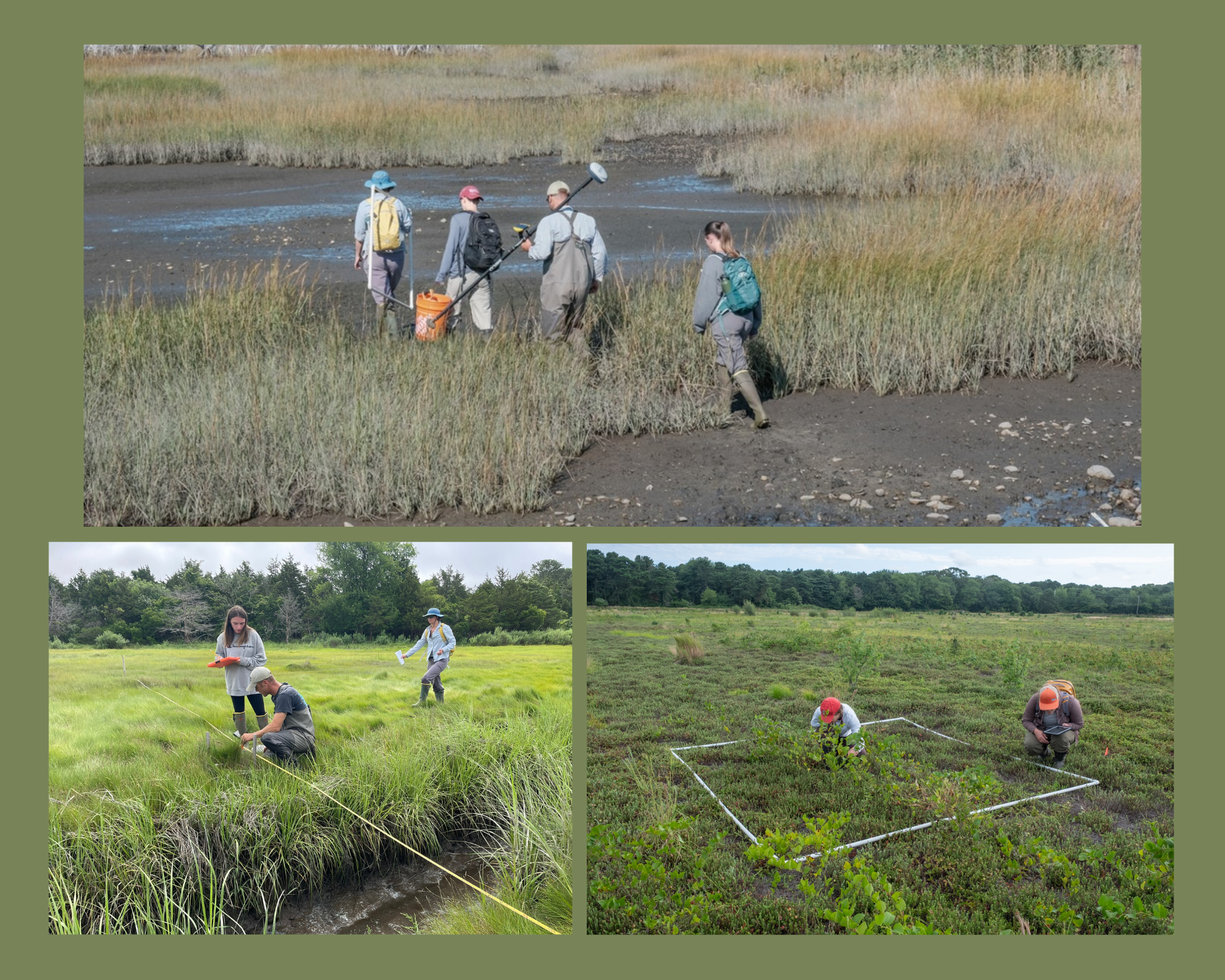
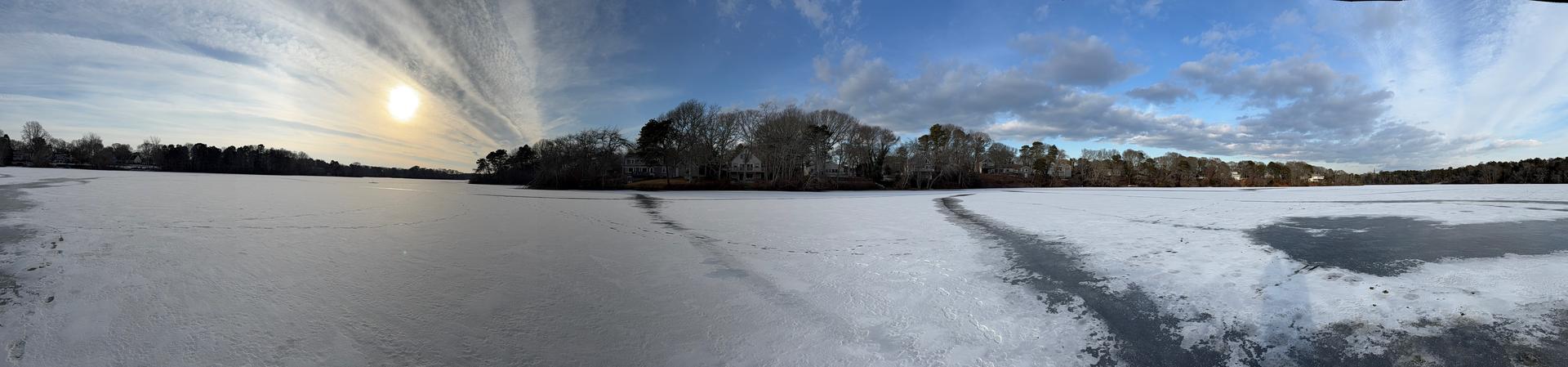
Above: Long Pond, South Yarmouth. Photo credit: Lee Ann O'Connor |
SAVE THE DATE ~ Next meeting of the Cape Cod Ponds Network via Zoom on
Wednesday, February 26 at 4:30 p.m.
If you've signed up for the Ponds Network, you'll receive an email with the Zoom link. If you'd like to receive Ponds Network emails, sign up here.
|
|
|
A Cape-wide Conservation Event Calendar
|
|
|
The Compact of Cape Cod Conservation Trusts (“the Compact”) and its nonprofit members launched a new regional calendar of events. The Conservation Calendar includes programs across Cape Cod hosted by these groups. The goal of the calendar is to encourage visitors and residents to take part in nature and environmental events. You can always find the link to the calendar on APCC's website under News & Events.
|
A Cape Cod Native Plant-selector ~ to help you choose the perfect native plants for your garden. |
|
|
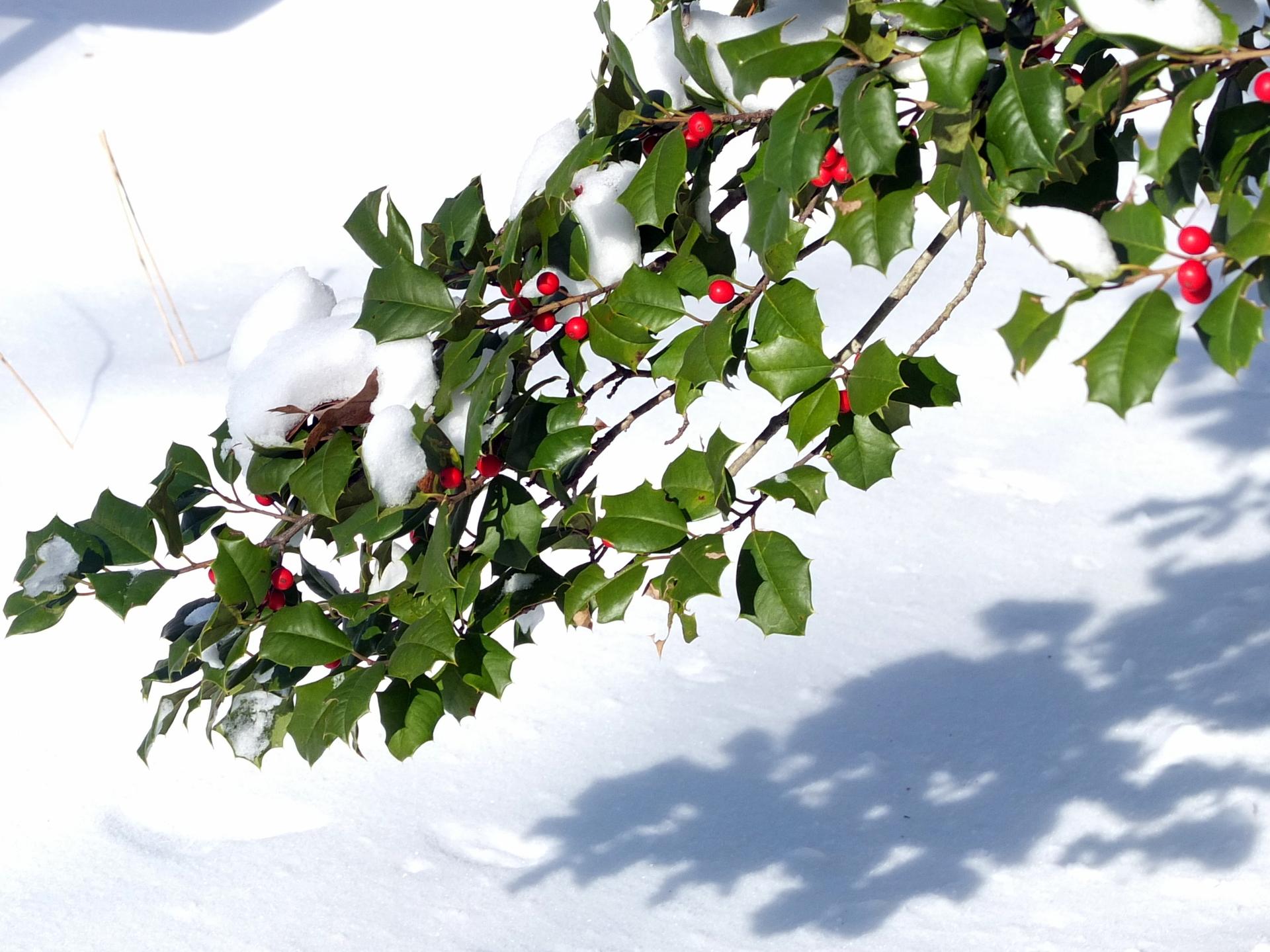
| American Holly
Ilex opaca |
|
|
Email kandres@apcc.org and we'll send you a CapeCodNativePlants.org decal. |
|
|
Guidelines for Cape-friendly Landscapes - an APCC publication |
The Guidelines gives homeowners steps they can take in the design and maintenance of their properties that will support pollinators and birds, manage stormwater, conserve water, and protect the Cape's water quality. This 40-page booklet is beautifully illustrated by Marcy Ford with content that is easily digestible and supported by numerous resources for additional learning.
|
Thank you for this important book! Hopefully everyone of us with a yard will read it and put it to use! - Vicky Titcomb of Titcomb Bookshop |
We are grateful for the several retail shops that are partnering with us to make this publication more widely available: Brewster Book Store, Birdwatchers General Store, Crocker Nurseries, Wellfleet Audubon Wildlife Sanctuary, Cape Abilities Farm, Cape Cod Museum of Natural History, the Cape Cod Lavender Farm, Heritage Museums and Gardens, Titcomb's Bookshop, Sea Howl Bookshop, Soares Flower Garden Nursery, and Eight Cousins Bookshop.
If you are a retailer and would like to sell this publication at your store, please contact us. |
|
|
| Available for online purchase and shipping in the U.S. is free: APCC caps $25
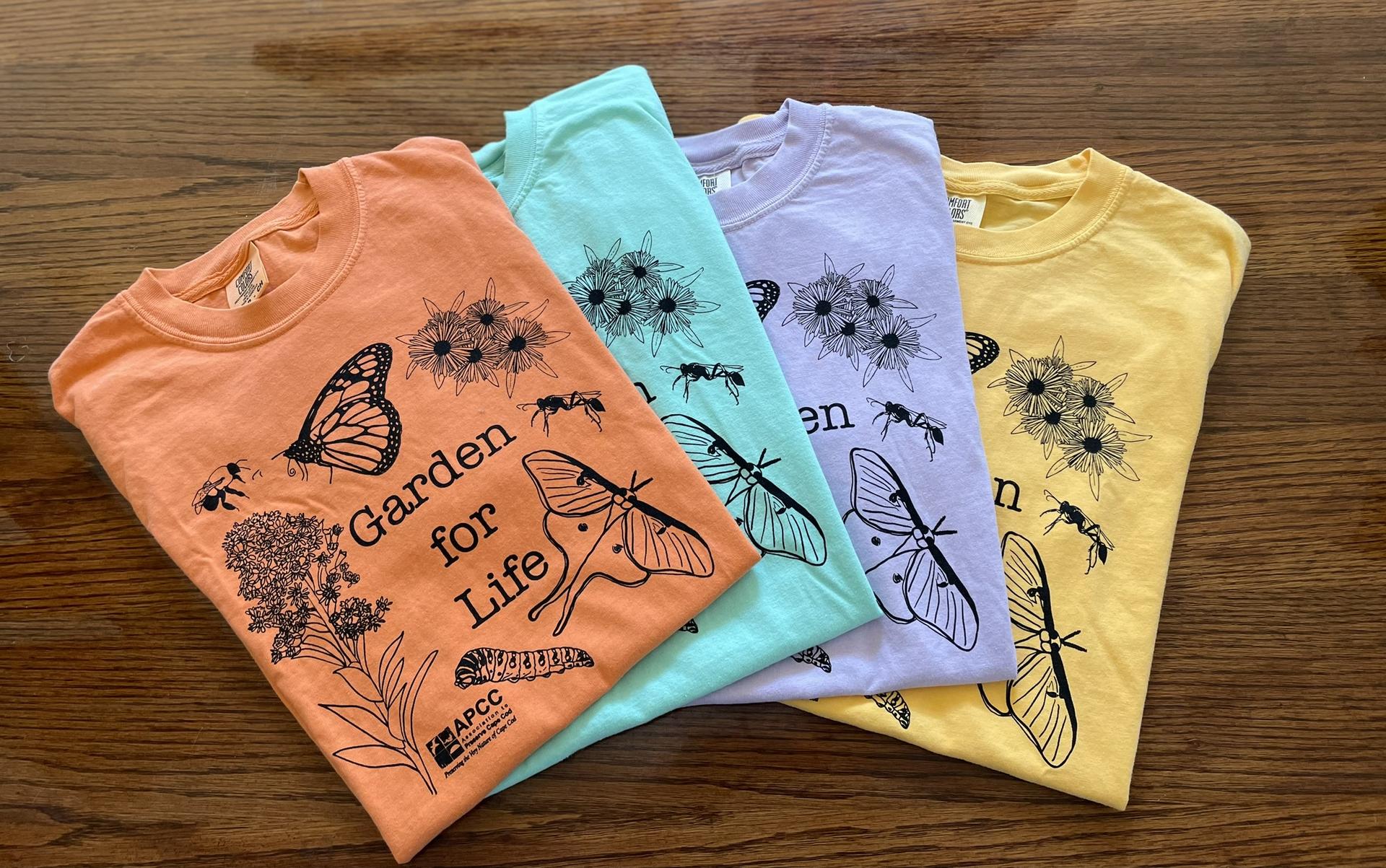
+++++++++++++++++ Garden for Life T's $30
Click here
for more information and to order. |
|
|
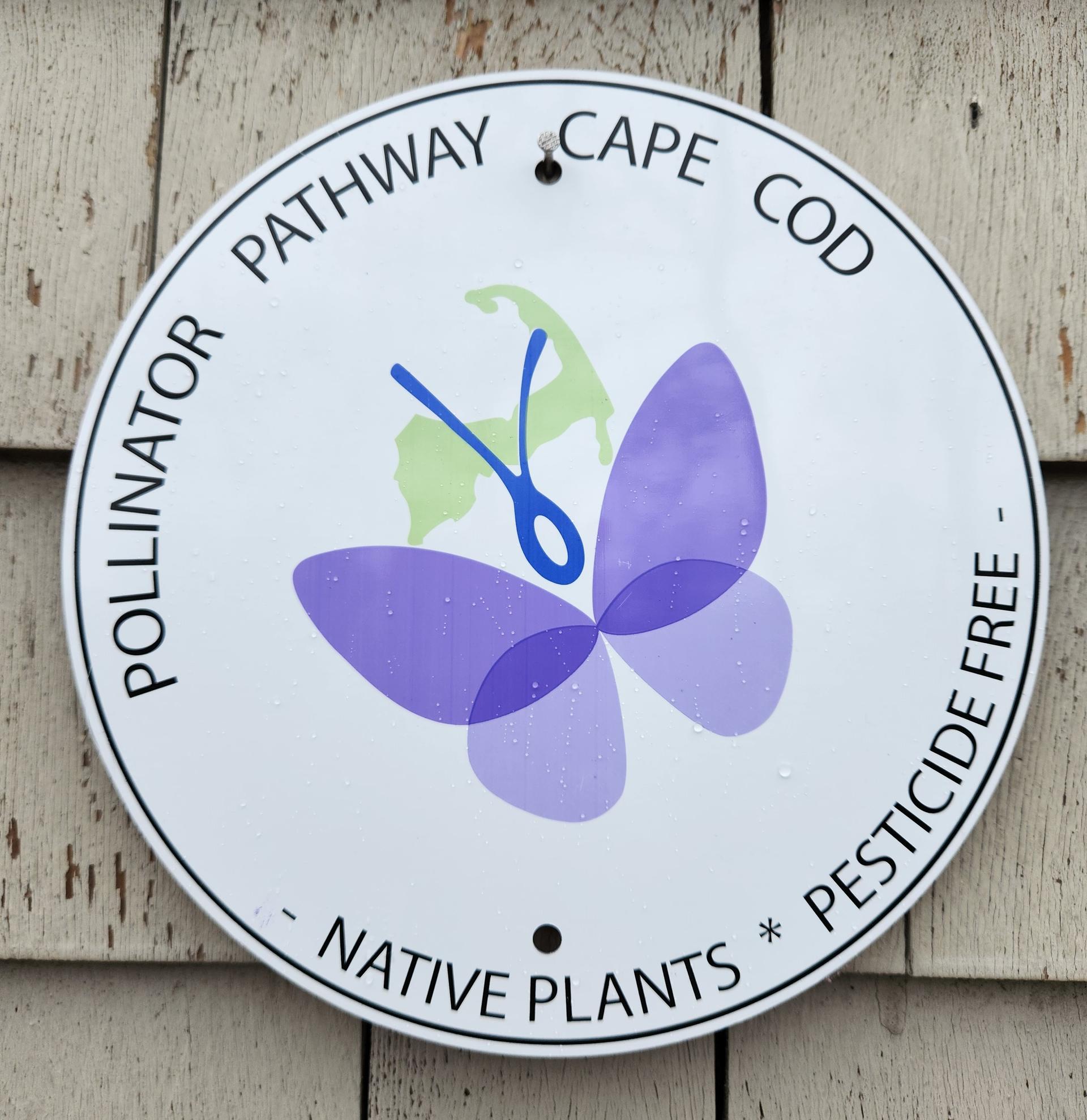
The Pollinator Pathway Cape Cod is a group of organizations promoting native plants and pollinator-friendly land care practices to create a boat load of safe oases for our native bees, butterflies and a whole host of other pollinators that are crucial to the health of our ecosystems.
Join us! It's easy. There are no fees. You just need to pledge to ADD native plants, SUBTRACT a little lawn, AVOID yard chemicals, especially pesticides, and LEAVE the leaves. And, help us spread the word. Please get on the map to show your support of pollinators on Cape Cod!
You can purchase the 9-inch aluminum Pollinator Pathway Cape Cod sign at Hyannis Country Garden, Crocker Nurseries, Brewster Book Store, Orleans Conservation Trust, and Cape Abilities Farm.
If you are a retailer, and you would like to sell the signs, you can order online here, or email pollinators@apcc.org. |
|
|
|
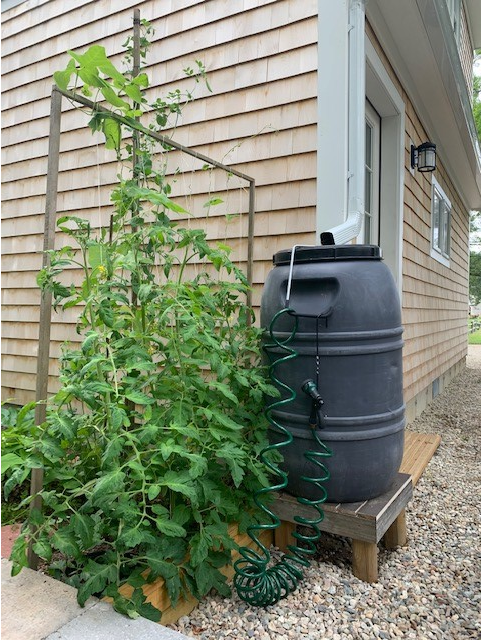
Rain Barrels for Cape Cod Order online from Upcycle Products
$122 each includes FedEx shipping to your door
55 gallon, repurposed food barrels Keep a barrel out of a landfill, and capture some free rainwater.
APCC receives a portion of the proceeds. For more information, click here. |
|
|
| APCC eNewsletters.
Our weekly newsletters are archived on our website and easily shared.
You can find past newsletters and share with your friends. Encourage others to sign up for future enewsletters HERE.
|
|
|
Are you thinking of going solar? We hope so!
In partnership with E2 SOLAR in Dennis, APCC receives $500 for every solar installation when APCC is named as referral. |
|
|
| Thank you to the homeowners who just contracted to install solar panels through E2 Solar.
May the sun always shine for you! |
|
|
Expressions Gallery, 578 Main Street, Chatham CLICK HERE |
Expressions Gallery donates 20 percent of its profits to APCC's work. |
|
|
Thank you to our business sponsors! |
|
|
APCC is rated four stars by Charity Navigator, 2023 Platinum by Candid (formerly Guidestar), and
2024 Top-Rated by GreatNonprofits. |
|
|
Our Contact Information
*{{Organization Name}}*
*{{Organization Address}}*
*{{Organization Phone}}*
*{{Organization Website}}*
*{{Unsubscribe}}* |
| |
|
|