
Speakers Bureau
Looking for a speaker to give a talk to your civic group, neighborhood association, or classroom?
APCC staff members are prepared to provide presentations on a variety of topics. Please contact the speaker of your choice to inquire about scheduling.

While we do not require an honorarium or mileage reimbursement for our speakers, a donation to APCC according to your budget will be very much appreciated.
Andrew Gottlieb, Executive Director
Contact Andrew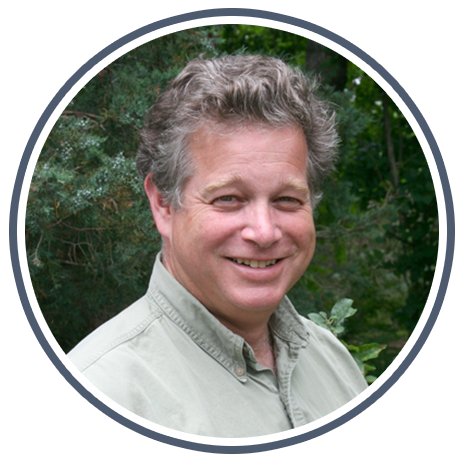
Andrew has more than 30 years of environmental protection experience in government and elected terms in municipal office. He has extensive experience working at all levels of government, having served as a local, state, and county official as well as a legislative staff person. A resident of Mashpee, Andrew has served on the Mashpee Board of Selectmen.
Topics:
⦁ Funding drinking water and wastewater infrastructure projects
⦁ “State of the Waters: Cape Cod”
⦁ How to work with local and state government to get things done
⦁ The connection between environmental protection, transportation, and economic development
⦁ Environmental trends affecting Cape Cod and Massachusetts
Kristin Andres, Associate Director for Education
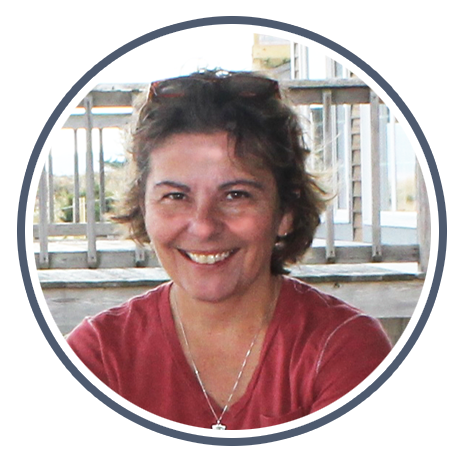
Kristin is responsible for APCC’s educational programming. She is deeply involved in APCC’s native plant initiative and promotes ecological land care and thoughtful stewardship of our managed landscapes. On the APCC grounds, Kristin continues to oversee the Living Landscape, which includes displays of native gardens and showcases sustainable land care practices.
Before joining the staff at APCC in 2015, Kristin served the town of Chatham as its first conservation agent for 16 years. She writes a bi-weekly conservation column for the Cape Cod Chronicle. Kristin served on board of the Ecological Landscape Alliance for many years, is the regional liaison for Grow Native Massachusetts, and currently serves on the Pollinator Pathway Cape Cod steering committee and several other local boards and committees.
Topics:
⦁ Native plants and eco-friendly land care practices
⦁ Rain gardens and stormwater management
⦁ Pond health – How to Love Your Pond
⦁ Climate-wise land care practices
⦁ The Nature Connection in Our Gardens
⦁ Pollinator Pathway Cape Cod – Meet the Pollinators and learn how to support them
April Wobst, Restoration Program Manager and MassBays Regional Coordinator
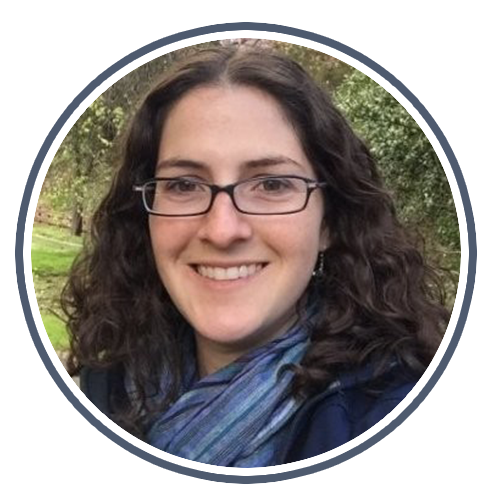
April manages APCC’s Ecosystem Restoration Program, working with towns and communities on planning and implementation of restoration projects. APCC has worked with Cape communities to identify more than 170 projects aimed at restoring impaired salt marshes, fish runs, and shellfish beds, along with improving water quality through stormwater remediation and addressing the impacts of climate change on our coastlines. As Program Manager, April supports restoration by providing technical, planning, permitting, fundraising, and project management support to communities interested in completing restoration projects.
April has more than 10 years of experience in environmental protection, including project management, long-term ecological monitoring, restoration, and invasive species management. She has particular expertise and training in adaptive management and project planning. April has a B.S. in Biology and Psychology from the University of Pittsburgh and an M.S. in Sustainable Development and Conservation Biology from the University of Maryland.
Topics:
- Ecological restoration—defining restoration and its benefits
- APCC’s Ecosystem Restoration Program and restoration types (salt marsh, river & bog, stormwater)
- Stormwater management
- Freshwater pond restoration
Jordan Mora, Lead Ecologist and Science Advisor
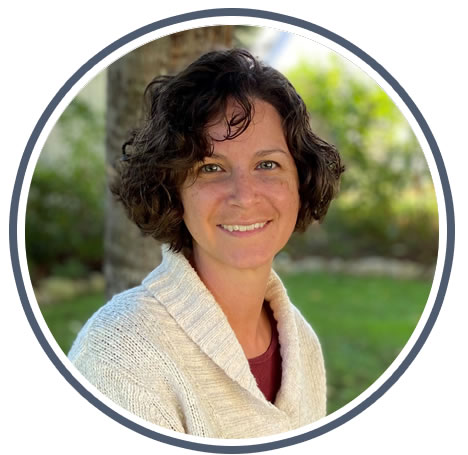
Jordan has roughly fifteen years of experience in aquatic systems research and monitoring with technical expertise in GIS-based mapping, data analysis, and field survey and sampling techniques. She spent ten years at Waquoit Bay National Estuarine Research Reserve running two long-term water quality monitoring programs. Her research interests and scientific journal publications address the impacts of climate change, excess nutrient loading, and tidal restrictions on estuarine habitats. She obtained her MS in Water Resources from the University of New Hampshire where she studied tidally restricted salt marshes and holds bachelor’s degrees in environmental studies and music performance from Denison University.
Jordan manages salt marsh restoration projects and provides advisory support and coordination of monitoring and GIS mapping across our science programs.
Topics:
- Salt marsh habitat and restoration: ecosystem services; climate change impacts; and developing monitoring standards
- Water quality: monitoring design and techniques; impacts of excess nutrients and climate change on estuarine and freshwater systems
- Stream and cranberry bog restoration: overview of approach and goals for improving habitat, mitigating nitrogen, and enhancing climate change resiliency; strategies for outreach and coordination
Mike Palmer, Restoration Ecologist
Contact Mike
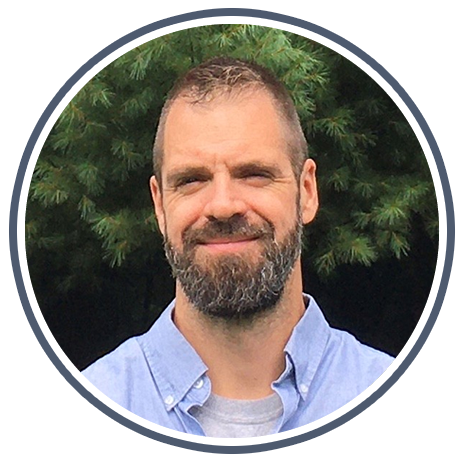
Mike focuses on river and cranberry bog restoration, fish passage, and place-based monitoring that connects fieldwork to real-world outcomes for Cape Cod watersheds. He brings a strong science and data background from nearly two decades as a fisheries scientist with NOAA’s Northeast Fisheries Science Center in Woods Hole, where he worked on stock assessments and applied monitoring to management questions—experience he now applies locally through restoration planning, pre- and post-construction evaluation, and tools that help partners track progress and make decisions. Mike has a BS in Marine Science from the University of Maine Orono and MS in fisheries oceanography from the University of Alaska Fairbanks.
Topics:
- River and cranberry bog-to-river restoration: reconnecting streams, floodplains, and habitat
- River herring: monitoring, run timing, barriers, and in-season coordination
- Brook trout and coldwater habitat: fish passage, thermal refuge, and post-restoration response
- STEM/STEAM in watershed restoration: hands-on activities, datasets, and career pathways