Association to Preserve Cape Cod |
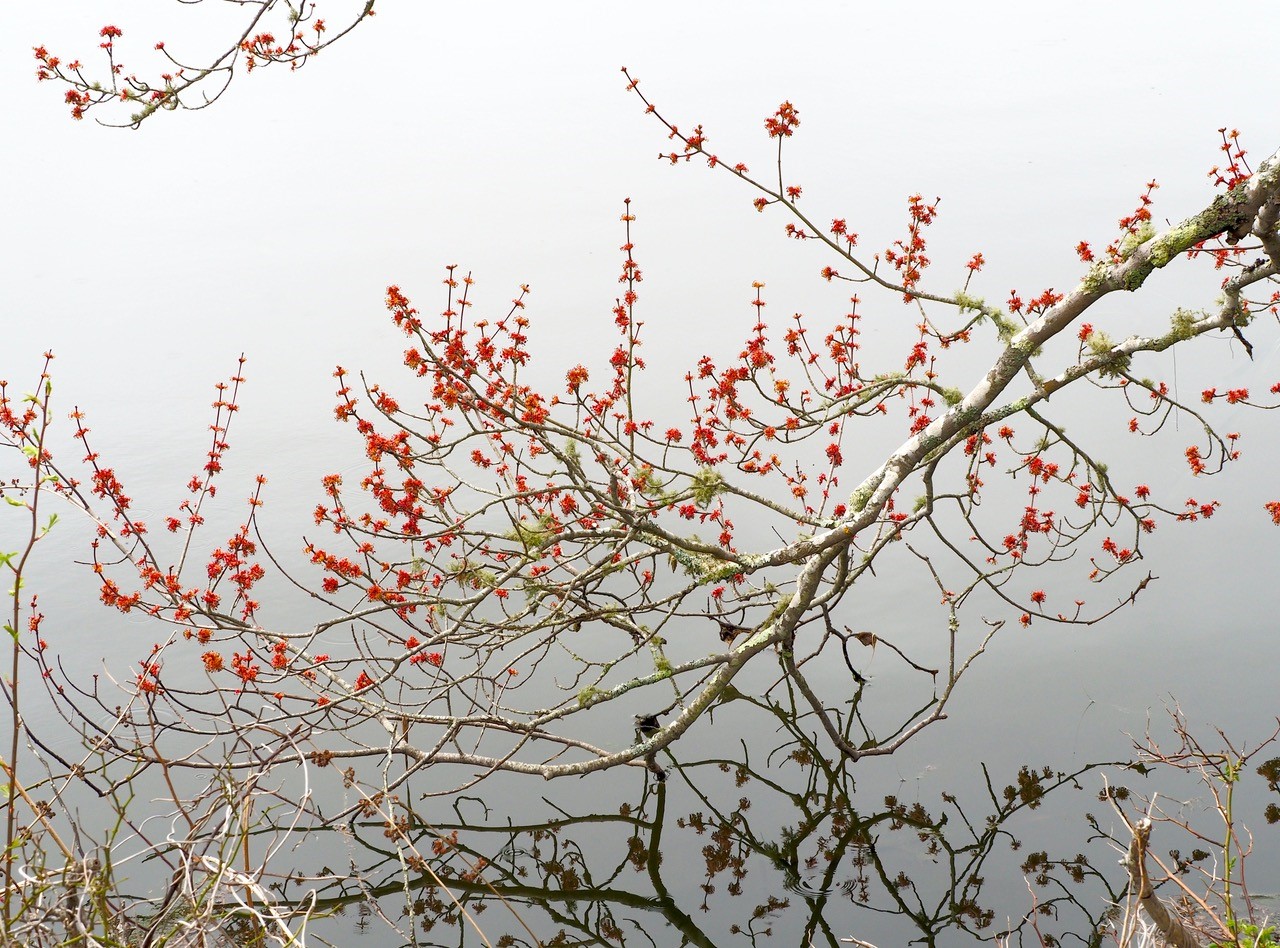
Above: Red maple flowers. Photo by Sue Machie |
|
|
Ecosystem Restoration Program |
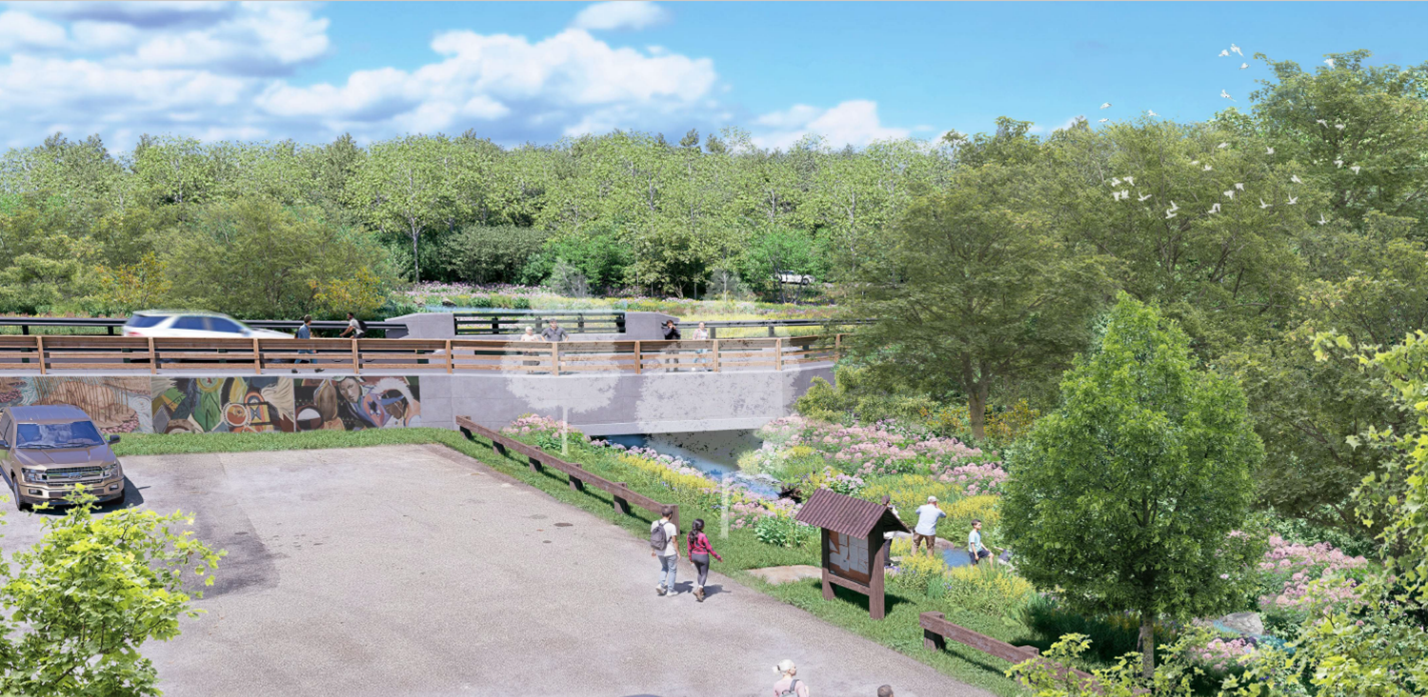
Above: Conceptual rendering of the proposed Mashpee River restoration at the Route 130 crossing, illustrating improved fish passage, a more naturalized stream channel, and enhanced public access integrated with the surrounding landscape (credit: Tighe & Bond). |
Join Us: Mashpee River Restoration Community Meeting
APCC and its project partners invite you to a public community meeting focused on the ongoing restoration of the Mashpee River at the Route 130 crossing. This work is part of a broader effort to improve fish passage, restore natural river function, and enhance public safety along this important stretch of river.
Join us to learn about the latest progress, view design concepts, and hear how community feedback is shaping the project. We’ll also discuss next steps in design, permitting, and implementation—and provide time for questions and discussion. Monday, April 27, 2026
6:00 – 8:00 p.m.
Mashpee Public Library This is an opportunity to help ensure the project reflects the values and priorities of the community. We hope to see you there.
The project is supported by funding from the USDA Natural Resources Conservation Service, the Town of Mashpee, and private foundation support secured by APCC. Most recently, APCC also secured federal funding from the NOAA Restoration Center, U.S. Department of Commerce.
Partners in this effort include the Association to Preserve Cape Cod, Cape Cod Conservation District, Massachusetts Bays National Estuary Partnership, Mashpee Wampanoag Tribe, NOAA Restoration Center, Tighe & Bond, The Trustees of Reservations, the Town of Mashpee, USDA Natural Resources Conservation Service, and Waquoit Bay National Estuarine Research Reserve. |
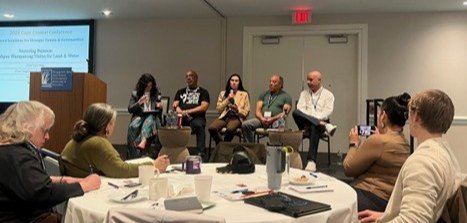
Above: Panel discussion featuring members of the Mashpee Wampanoag Tribe, highlighting Indigenous perspectives on cultural stewardship and restoration as a living practice. |
Shared Solutions for Stronger Coasts and Communities
The 2026 Cape Coastal Conference, Shared Solutions for Stronger Coasts & Communities, brought together municipal leaders, state agencies, nonprofit organizations, scientists, engineers, consultants, and community partners to explore a wide range of coastal resilience and restoration issues facing Cape Cod and the region. The program spanned topics including biodiversity, salt marsh restoration, eelgrass and kelp, dredged material reuse, wetland and river restoration, voluntary relocation, flood resilience, and insurance—reflecting the breadth of work now needed to support coastal communities.
The opening keynote panel discussion from the Mashpee Wampanoag Tribe provided a powerful start to the conference, framing restoration as an ongoing practice of cultural stewardship and care for land and water. That perspective grounded the conference in a deeper understanding of place and resonated strongly with ongoing collaborative restoration efforts with APCC, including work in the Mashpee River watershed.
|
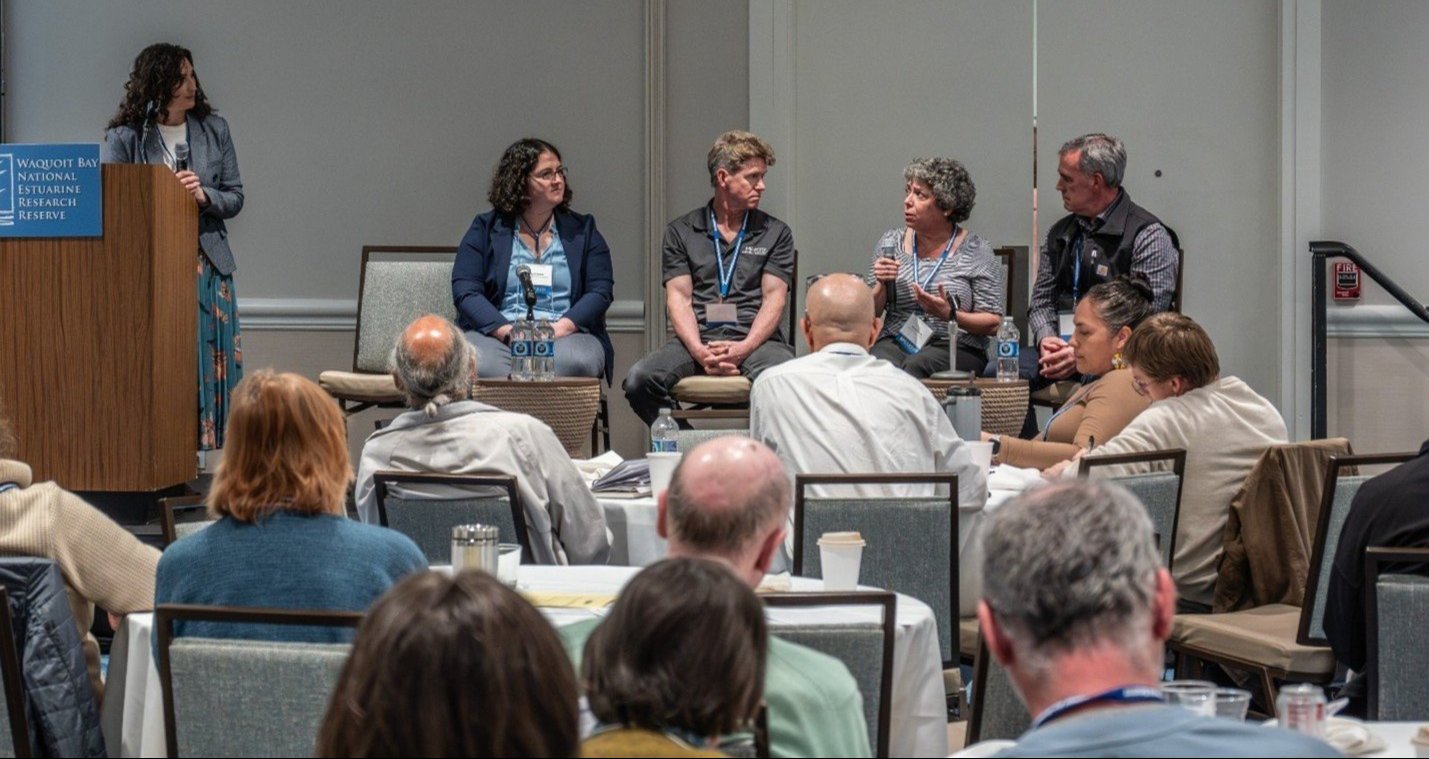
Above: April Wobst, APCC restoration program manager and MassBays regional coordinator, participating in a plenary panel discussion on applying restoration science to real-world coastal management and decision-making. Photo credit: Gerald Beetham |
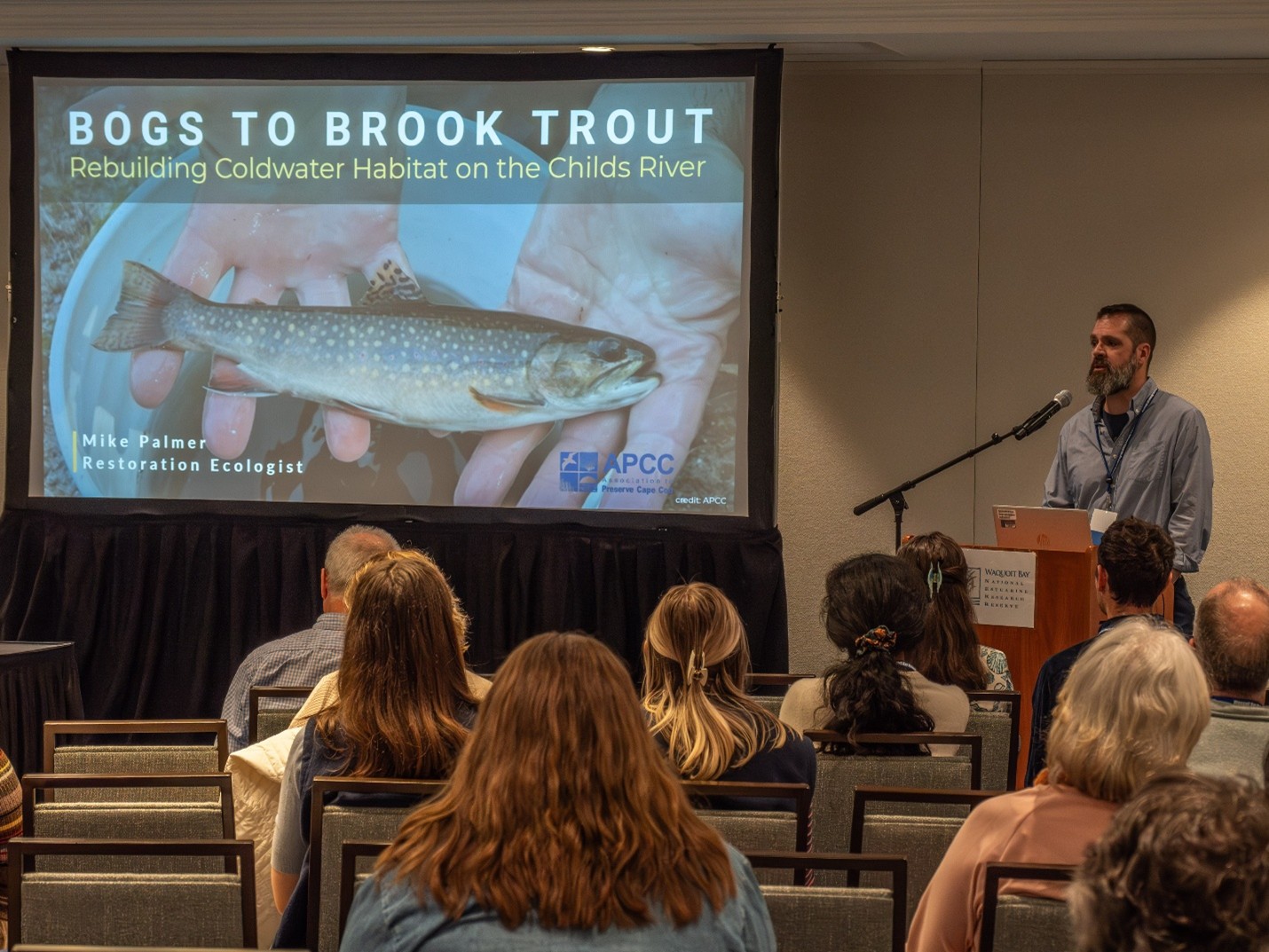
APCC was represented across the program. April Wobst served on the planning committee and joined the plenary panel on applying restoration science to action, emphasizing the importance of moving from planning to implementation. Mike Palmer presented on the Childs River restoration, highlighting efforts to restore coldwater habitat for brook trout. In the early career poster session, Molly Autery shared work on salt marsh assessment and monitoring at Weir Creek and Oyster Pond, contributing to the conference’s focus on practical tools and applied science.
One of the strongest themes running through the conference was the need to not only complete restoration projects, but also to define how success is measured over time. From workshops on resilience metrics for decision-makers to presentations on monitoring and adaptive management, the conference highlighted the importance of developing meaningful metrics to track ecological improvement, community benefit, and long-term resilience.
These efforts are supported by strong partnerships, with municipalities, state agencies, regional organizations, and environmental engineers and consultants all playing key roles in advancing projects from concept to implementation. APCC’s planning and participation in this conference was supported in part by the MassBays National Estuary Partnership. |
Above: APCC Restoration Ecologist Mike Palmer presents on the status of brook trout restoration on the Childs River. Photo credit: Gerald Beetham |
|
|
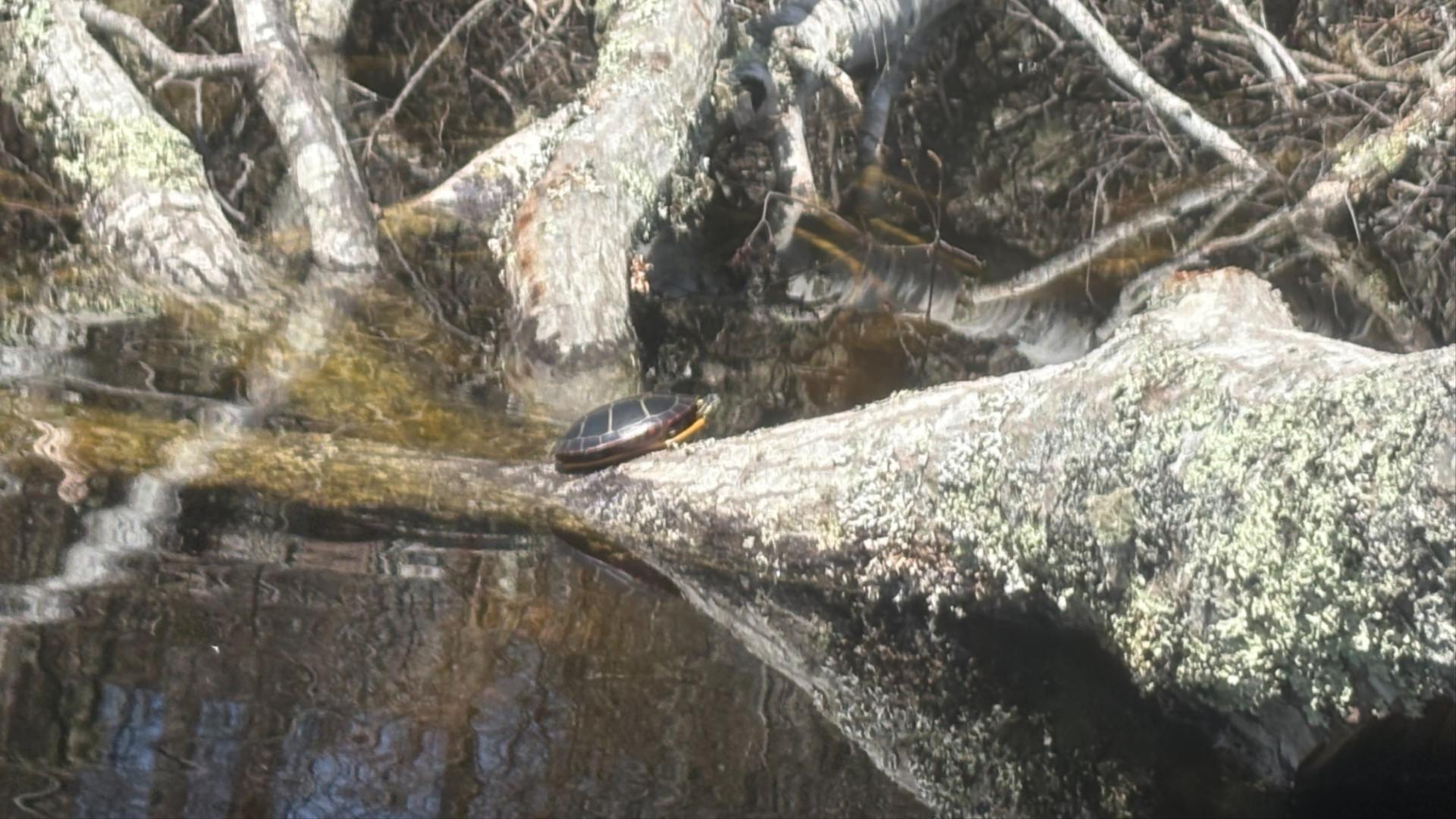
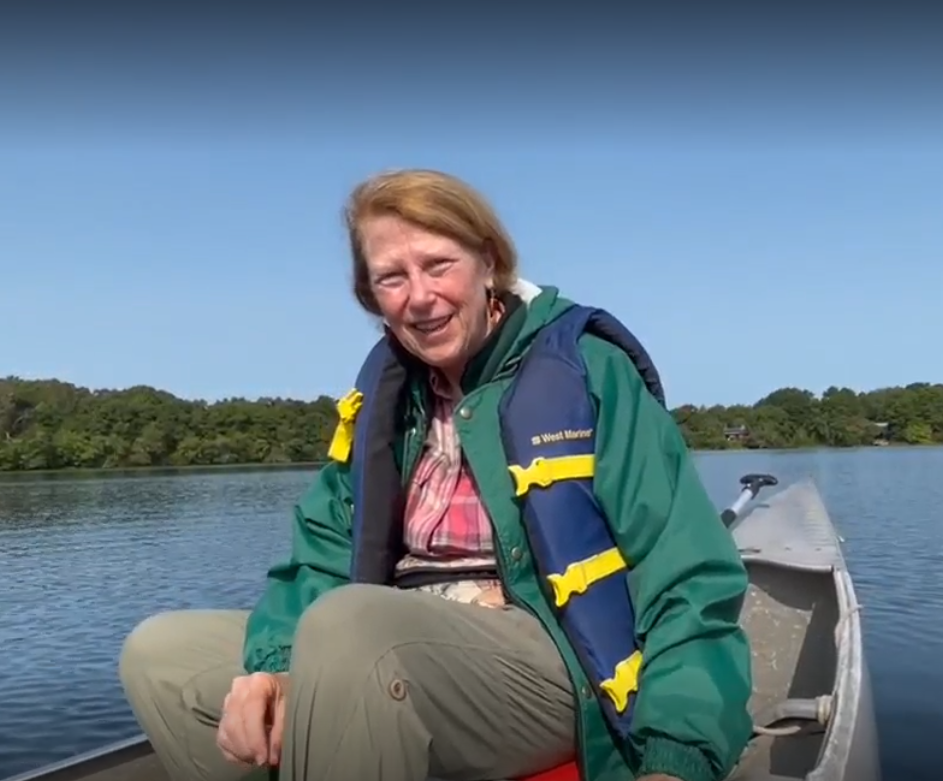
Above: Painted turtle at Reubens Pond, Orleans on April 14, 2026. |
A painted turtle made an appearance at Reubens Pond in Orleans this week. The turtle was spotted by APCC Pond Technician James Michielli from the canoe as he was collecting water quality data.
Painted turtles spend the winter settled into the muddy bottoms of the Cape’s ponds, entering a state of dormancy called brumation, where their metabolism slows dramatically. Some can even survive long periods with little to no oxygen, an impressive adaptation that allows them to overwinter beneath the ice. As temperatures warm, they become active again, emerging to feed, swim, and bask on logs to regulate their body temperature.
It was a lovely moment to catch, and we’re looking forward to many more like it as the season continues. See you out there! |
|
|
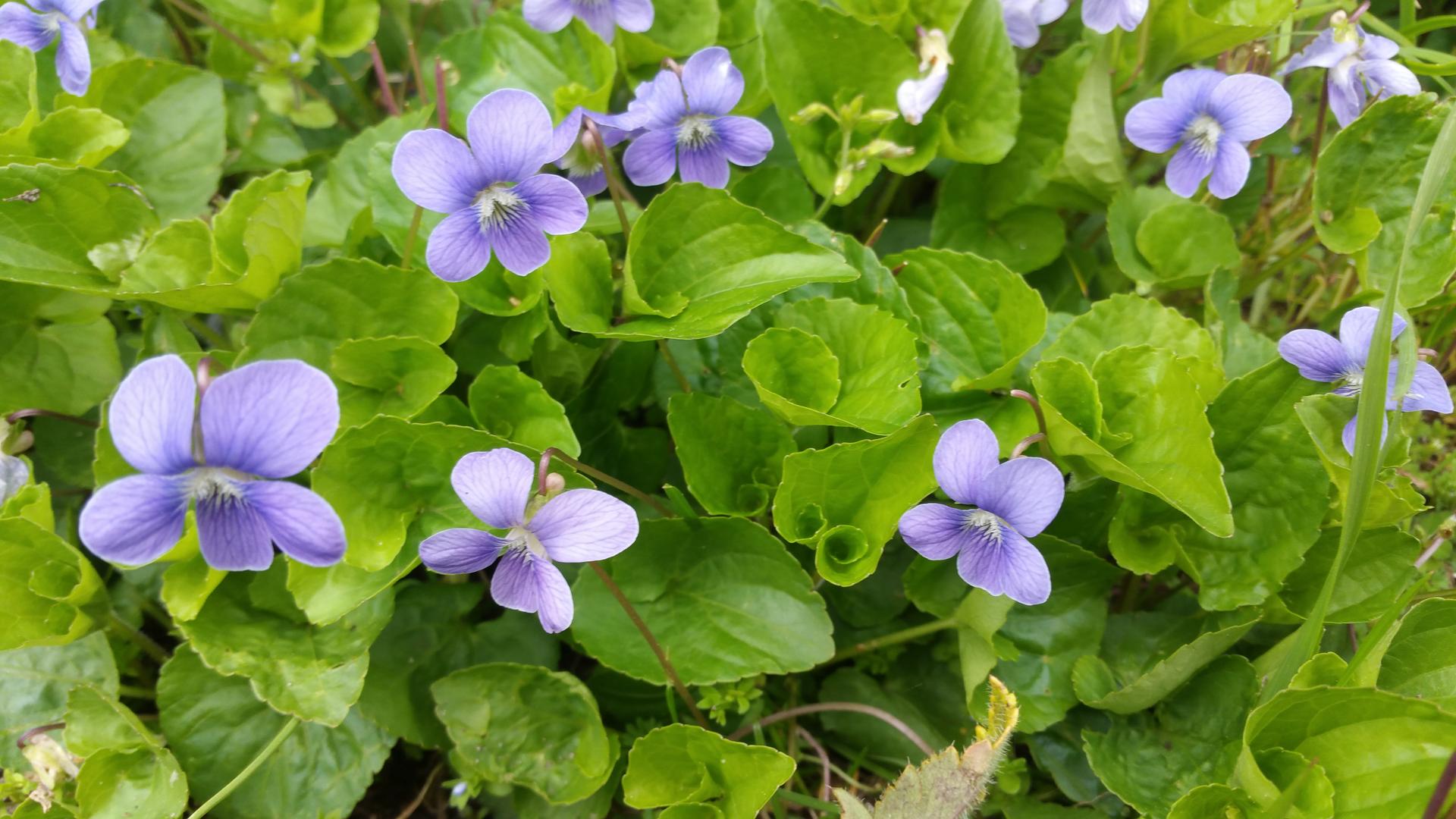
Above: Common blue violet, Viola sororia. |
There are about 30 species of violets found in New England. As a hobby botanist/naturalist, you may be glad to hear that the genus Viola can be difficult to identify because hybrids are often produced—so don't fret it. The Native Plant Trust notes that the blue violets are especially difficult.
Further complicating identification, violets with basal leaves come in two types: those in which all leaves are similarly lobed or unlobed, and those that produce a first set of leaves that are unlobed while the later leaves are lobed. Violets have two types of flowers: chasmogamous (flowers that are pollinated when open) and cleistogamous (flowers that self-pollinate while closed). You can tell the fruits apart by the shape of the style—the chasmogamous fruits have a long, straight style, while the cleistogamous fruits are coiled. |
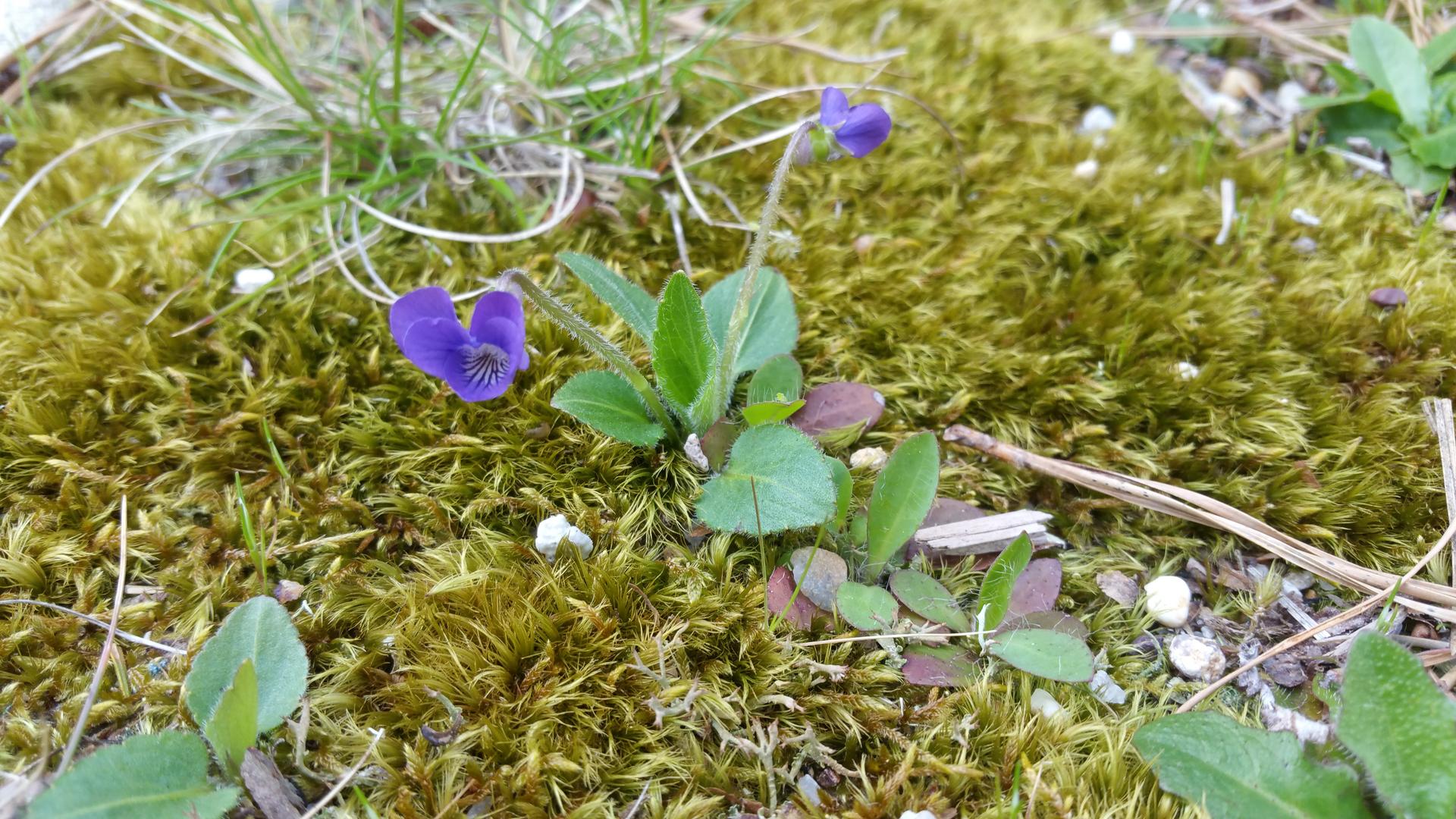
Above: Arrowhead violet, Viola sagittata var. ovata. |
Violets spread by seed dispersed by exploding seed pods that propel the seeds up to ten feet away from the parent plant.
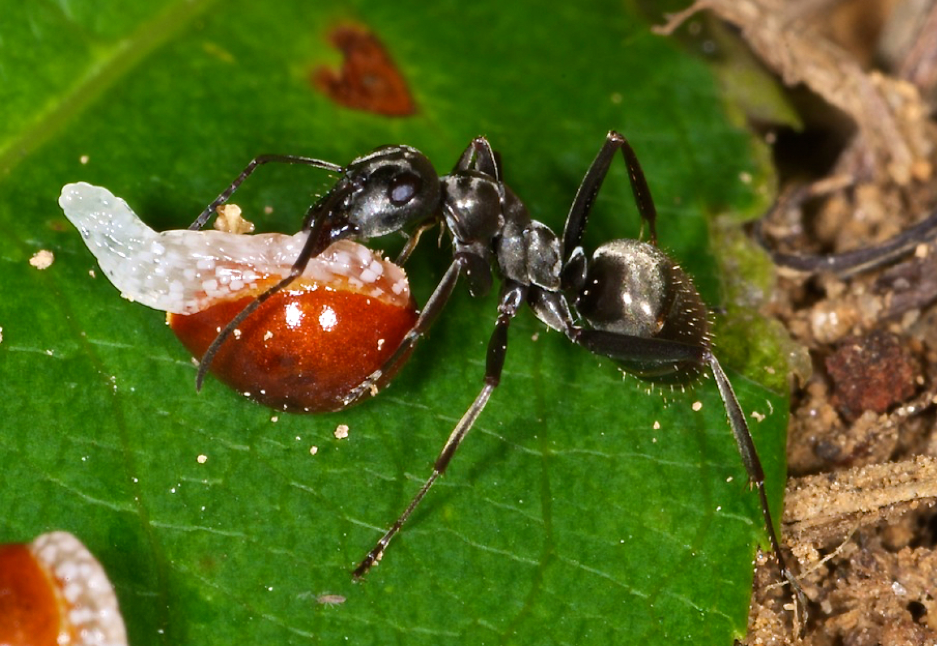
But violets also rely on seed dispersal by ants, called myrmecochory—an example of mutualism—a relationship in which both species benefit.
Violet seeds develop a gelatinous mix of protein and lipids—yummy treats for ants, called elaiosomes. The only purpose of the elaiosome is as an attractant to tempt ants to gather the seeds and bring them back to their nests to feed their larvae.
Once the coating is consumed, the ants discard the seeds in their waste piles, effectively planting the seeds. The waste piles of ants are underground heaps of decaying plant and animal material full of nutrients.
Not only do the seeds get carried away from their parent plant and buried in nourishing soil, but they are also protected from predators, like slugs and mice, that might otherwise eat the entire seed. |
Above: Ant with brown seed with elaiosome attached.
Photo courtesy of Grow Native Massachusetts. |
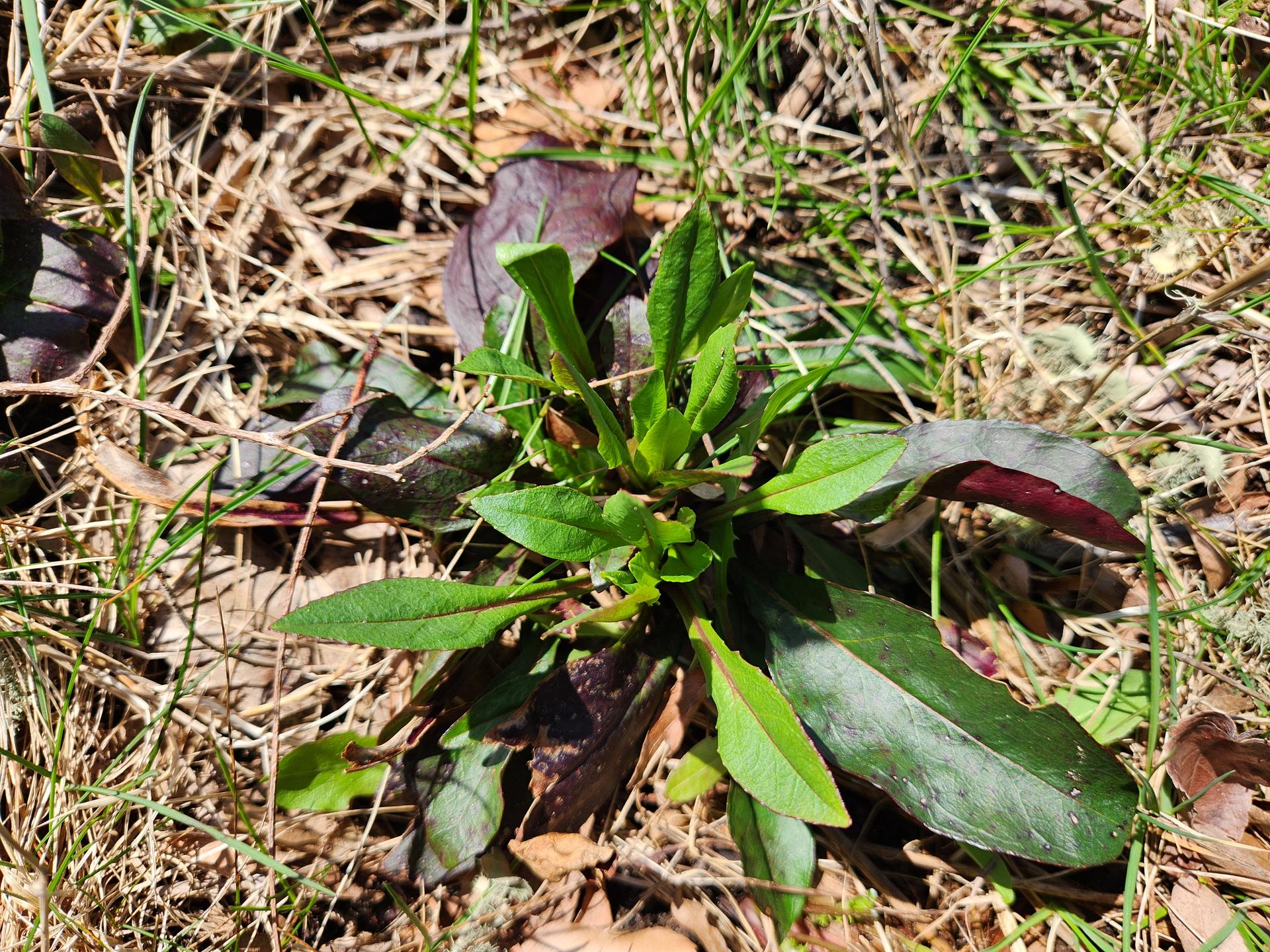
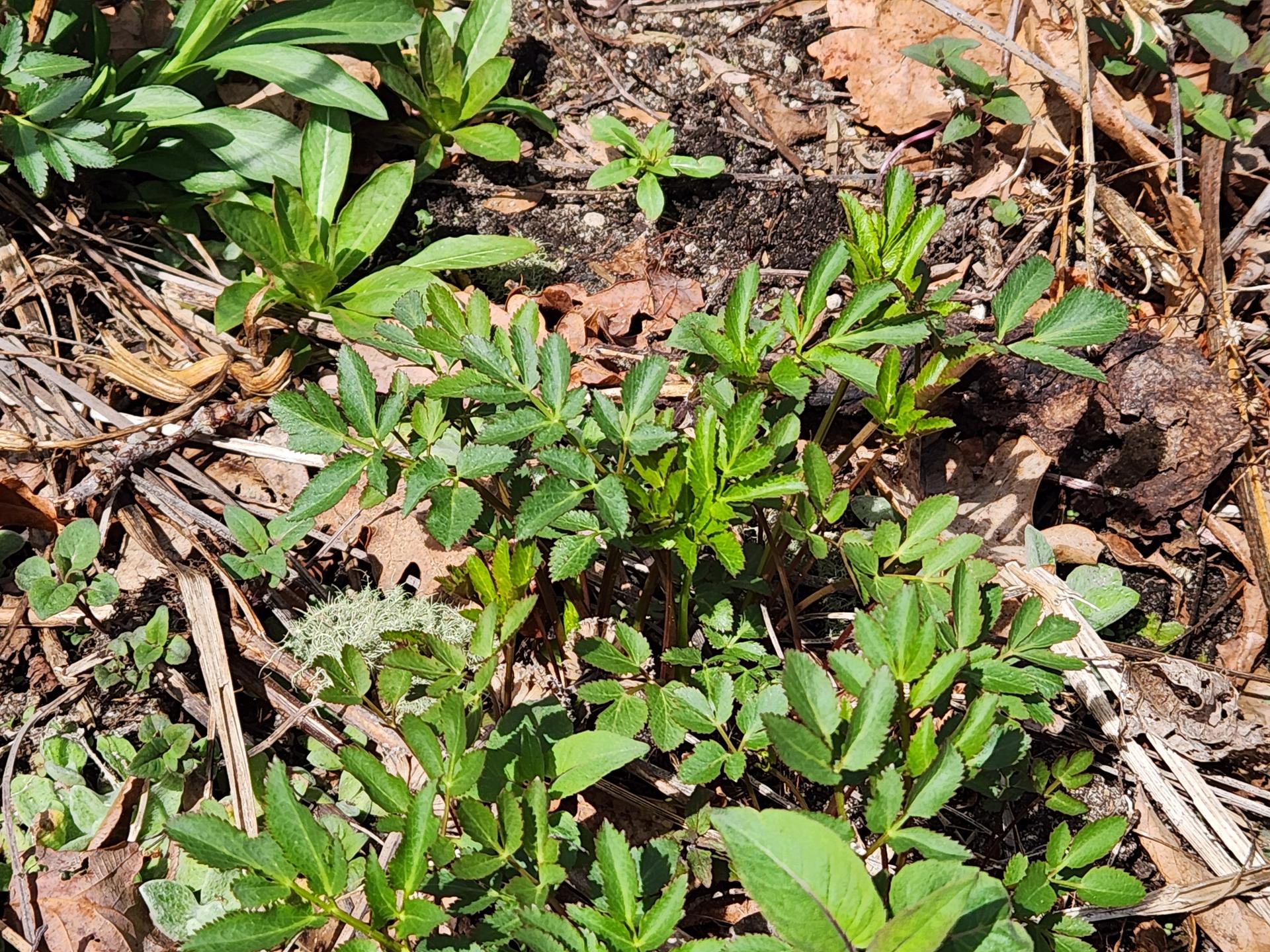
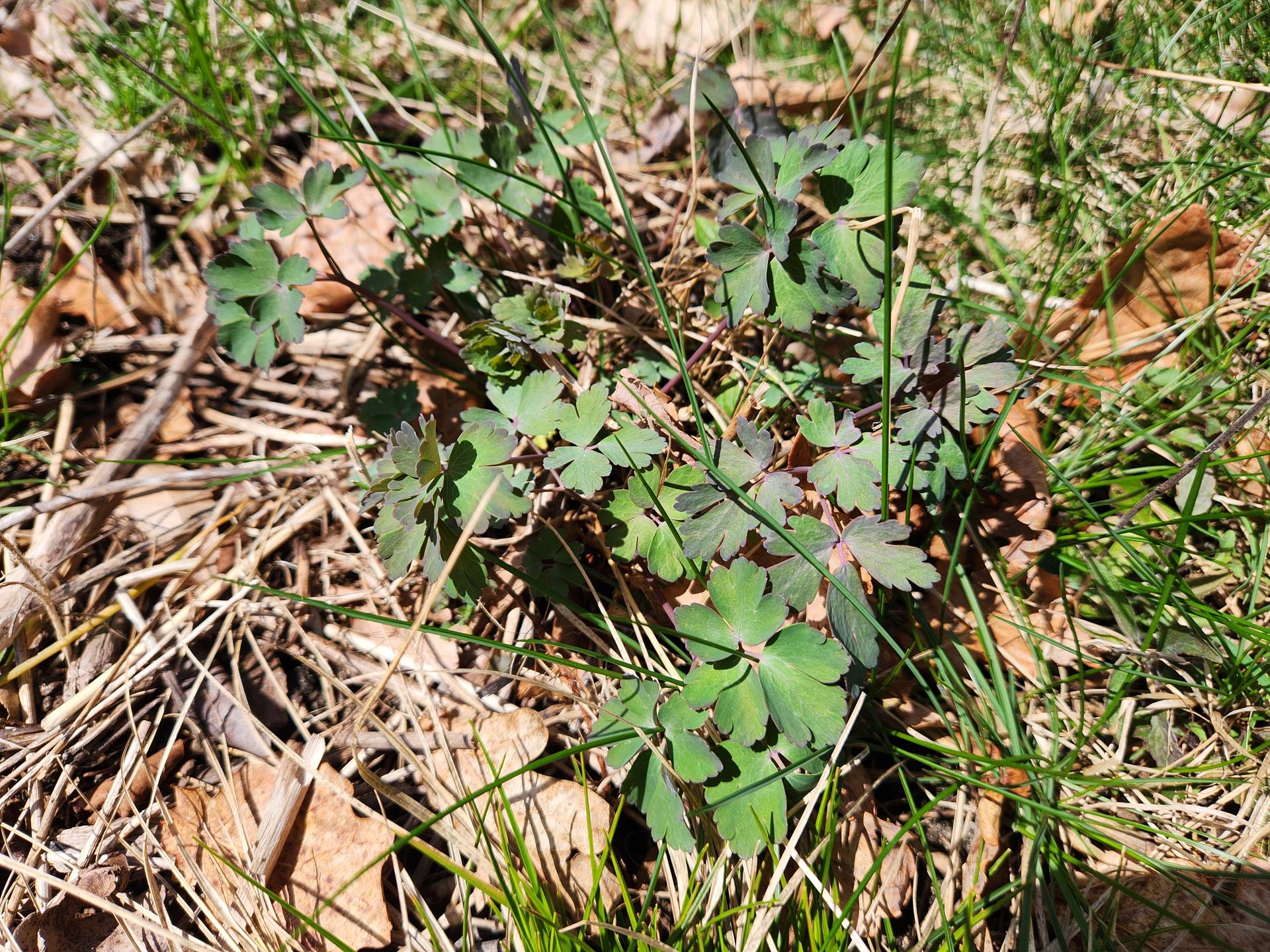
This is what's coming up in APCC's living landscape. Can you identify them? |
|
|
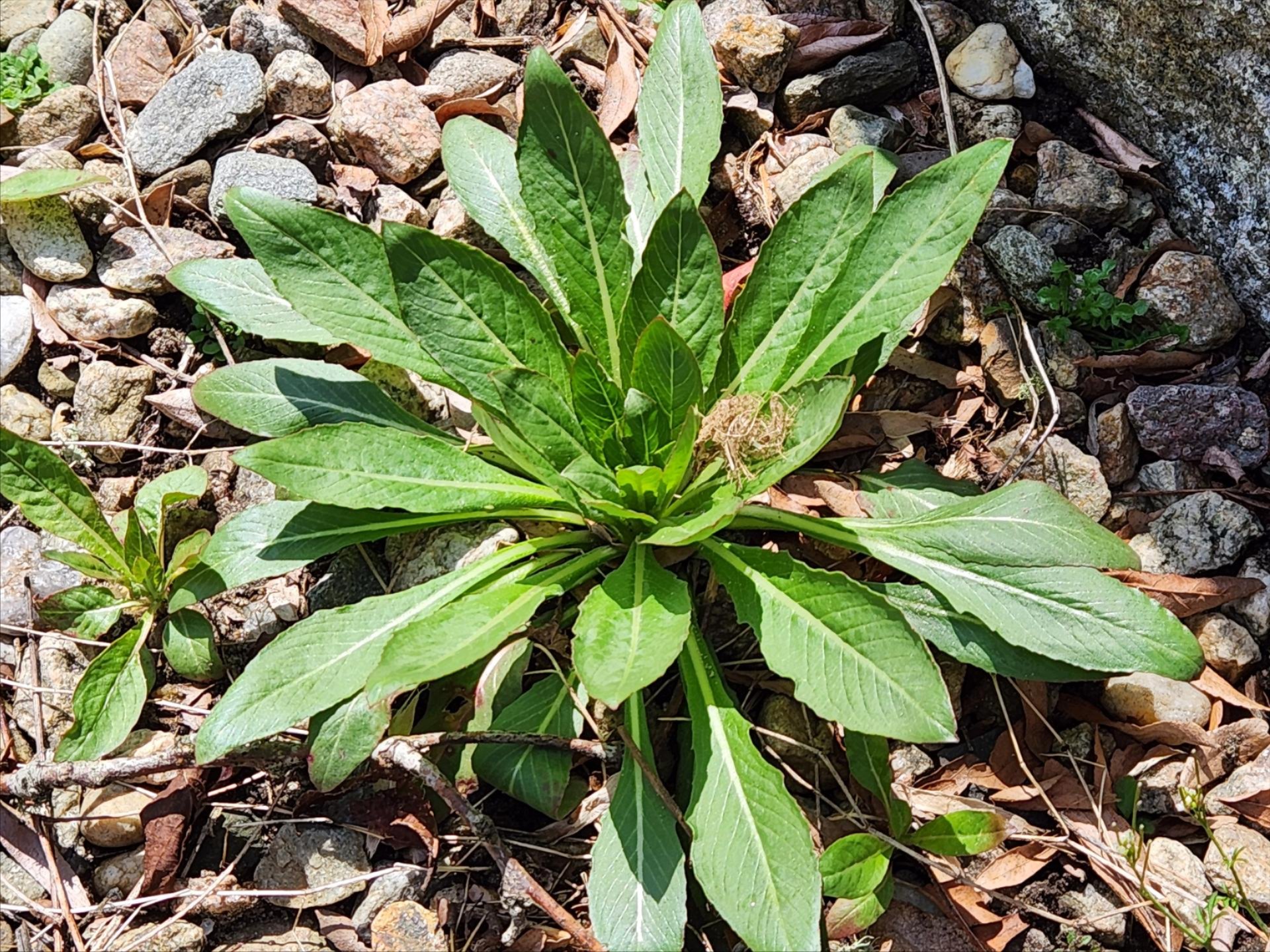
Above and clockwise if you are viewing on your computer or in order if on your phone: Foxglove beardtongue, Penstemon digitalis; golden Alexanders, Zizea aurea; wild columbine, Aquilegia canadensis; evening primrose, Oenothera biennis. |
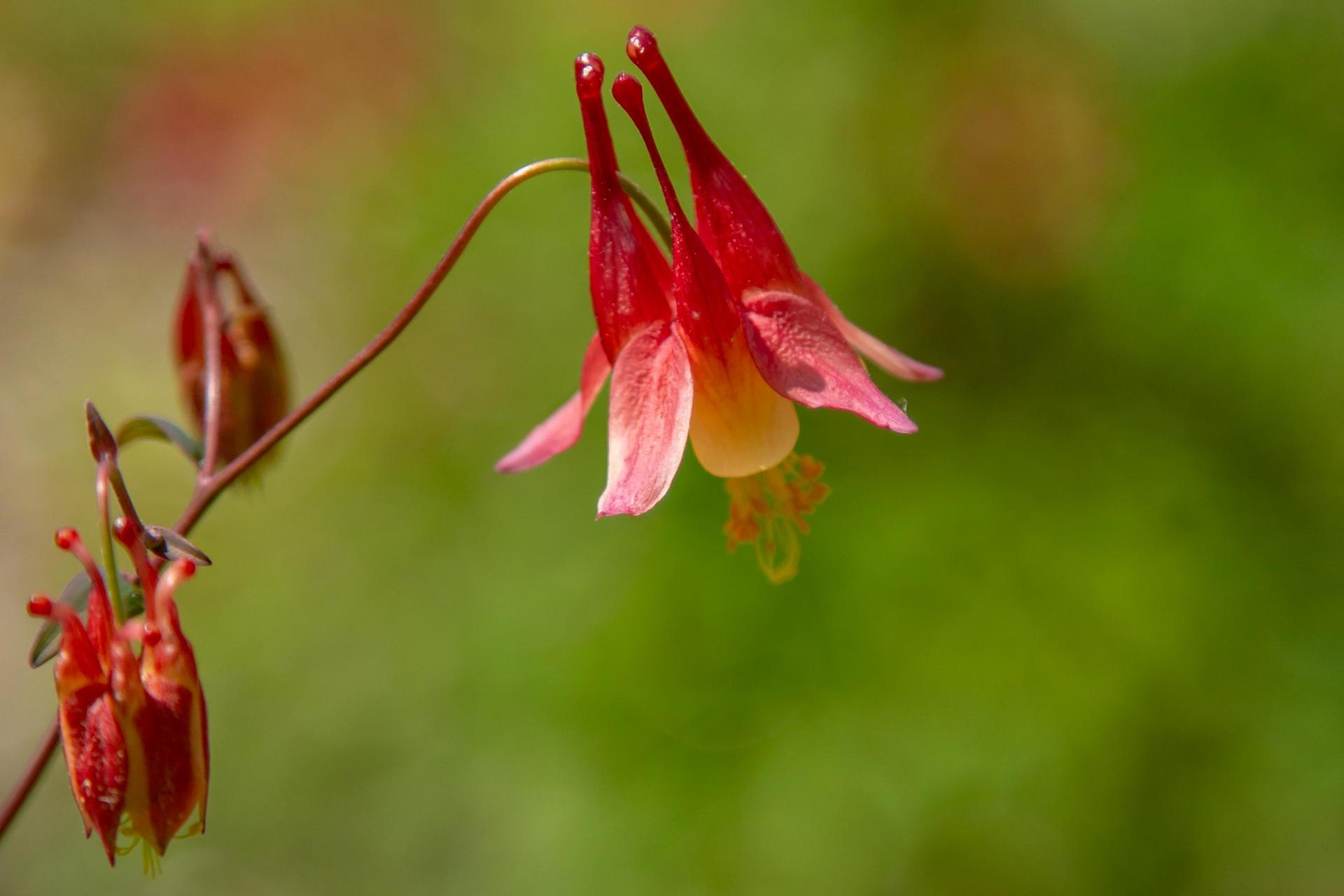
Above: Wild columbine, Aquilegia canadensis. Photo credit: Gerald Beetham |
Fuel-Up!
Wild Columbine and Ruby-throated Hummingbirds |
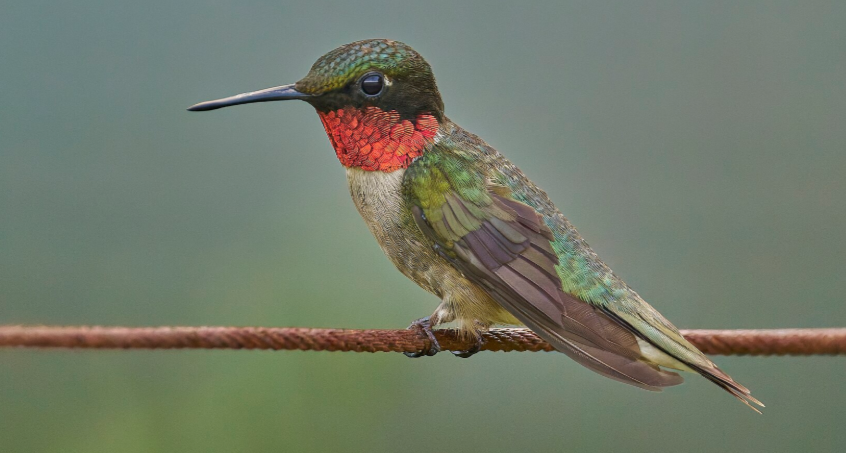
As temperatures get warm on Cape, many of our migratory bird species are taking a road trip to spend their summers here. One such species is the showy ruby-throated hummingbird. This is the only hummingbird that nests in the Northeast, and the only one that takes a non-stop, 500-mile journey from Mexico and Central America over the Gulf of Mexico and up the eastern coast on its spring migration.
This is quite the journey for a bird that typically weighs no more than a penny. It requires these hummingbirds to nearly double their weight by feeding on spiders, flies, and gnats before making the trek. There is, however, another important food source these hummingbirds need to find on their journey, and it is the wild columbine (Aquilegia canadensis).
These species have co-evolved to help each other in spring, as the columbine has evolved to bloom just as these hummingbirds are passing by, and the ruby-throated hummingbirds have evolved with extra cones in their retinas, allowing them to spot red/orange colors with ease.
If you’ve ever wondered or marveled at the unique shape of columbine flowers, you have our hummingbird friends to thank, along with long-tongued native wild bees. The “spurs” at the back of the flower are where most of the nectar is found—meaning that any insect, or in our case any hummingbird, that wants a sugary energy boost will inevitably rub up against the stamens, collecting pollen before it rushes off to feed (and pollinate) the next flower.
The importance of wild columbine to ruby-throated hummingbirds cannot be overstated as it provides a critical nectar source all the way up the eastern coast. However, habitat loss and the spread of the American lawn threaten this relationship, leaving these small birds without a reliable energy source during a crucial part of their life cycle. Red hummingbird feeders of sugar water do not adequately fill this gap—wild columbine offers a lot more than just feeding our hummingbirds, including amino acids. The nectar from wild columbine is dilute, containing about 20-23% sugar, which is typical of flowers sought by hummingbirds.
|
Wild columbine is also the host plant for a number of butterfly and moth species, providing not only for the insects themselves, but also for the birds who rely on insect abundance in order to feed their young and prepare themselves for a fall migration.
Wild columbine is a great addition to a shady garden spot and is able to handle the sandy soils of the Cape, as long as it is either in the shade or close to a water source. The lovely red flowers bloom around May, and it is crucial to plant the straight species, with red colored flowers, in order to attract ruby-throated hummingbirds. There are many blue/purple cultivars of columbine out there, but as we previously discussed, red colors are critical for catching the eye of these beautiful birds.
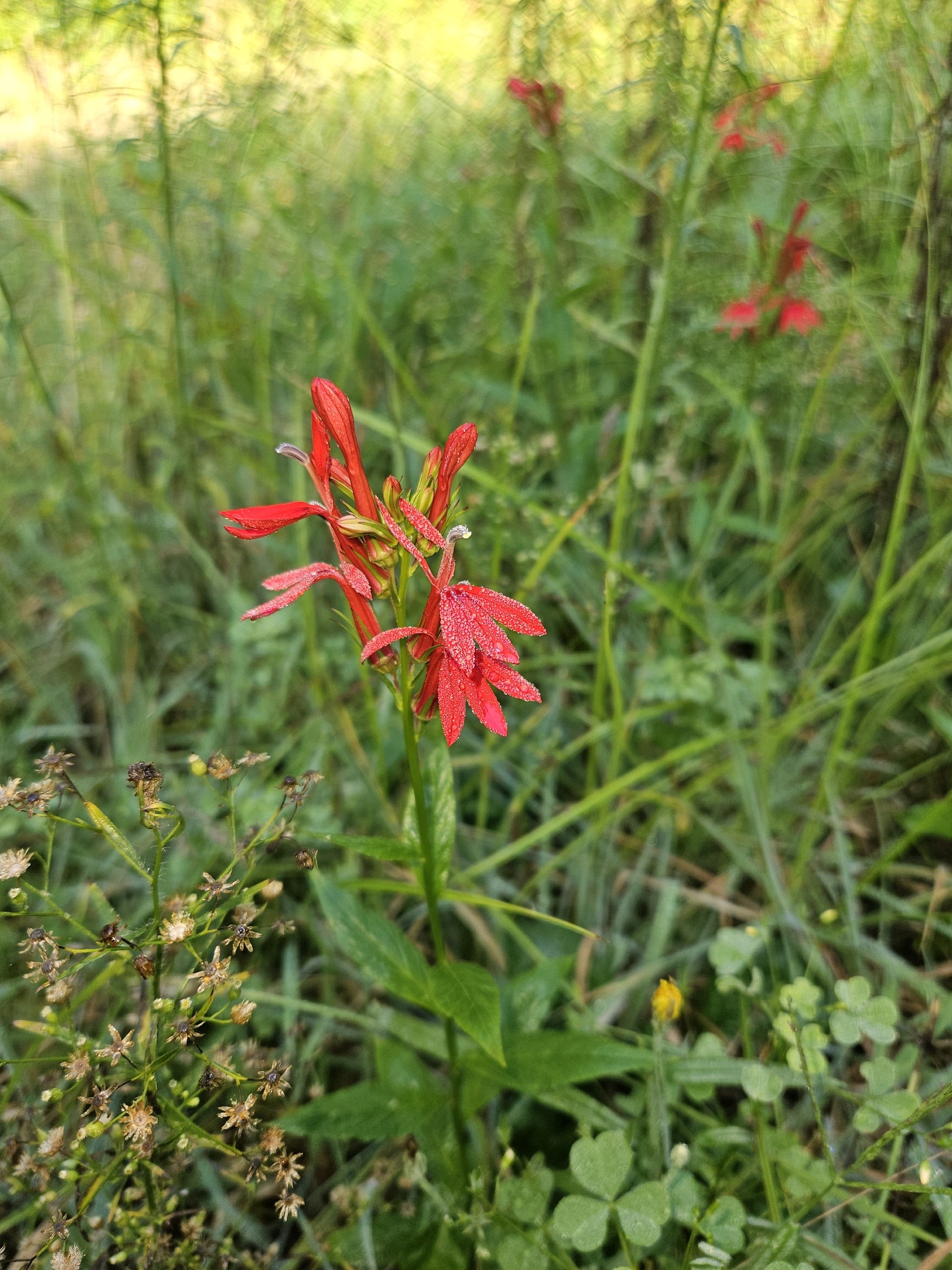
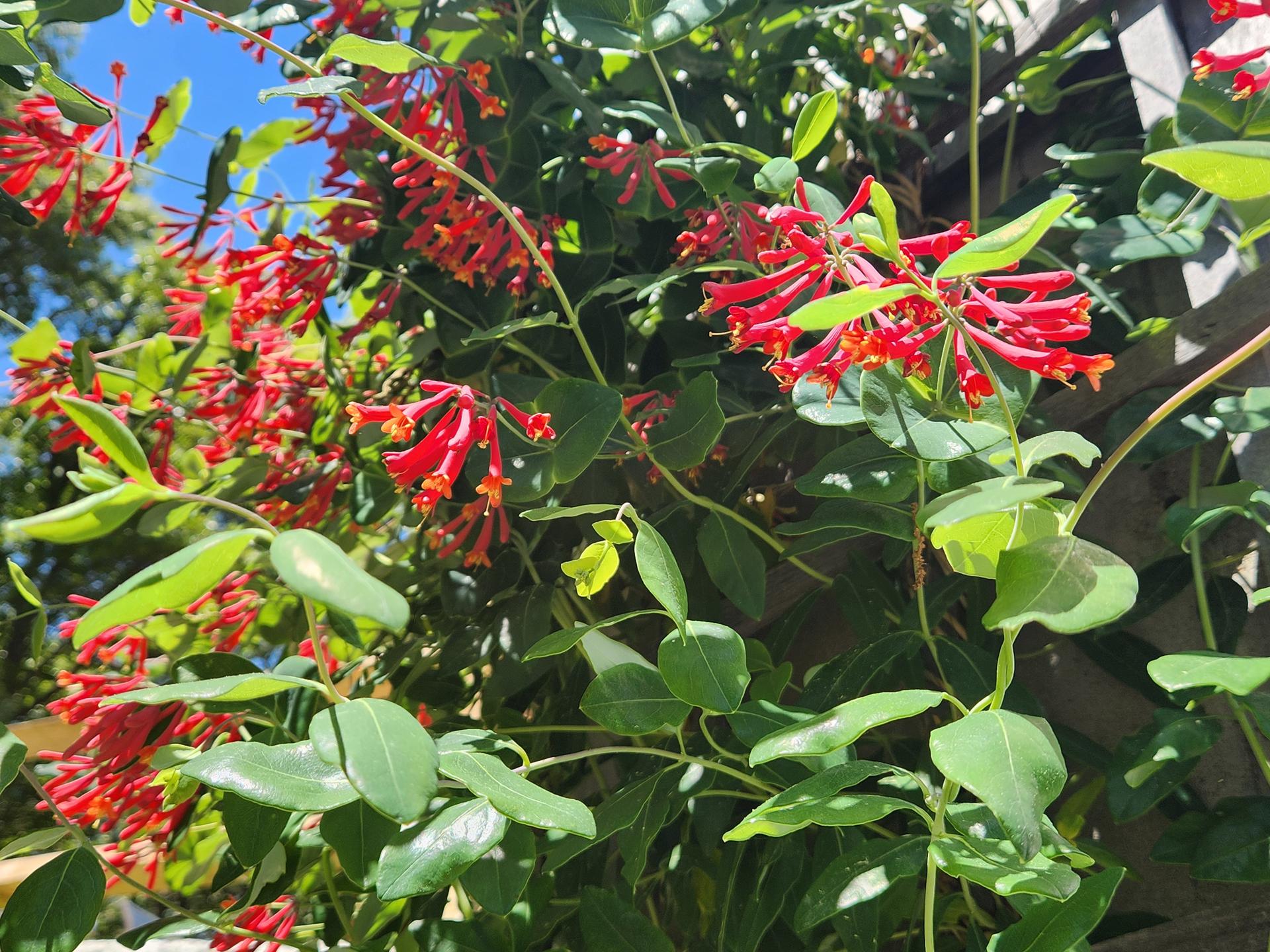
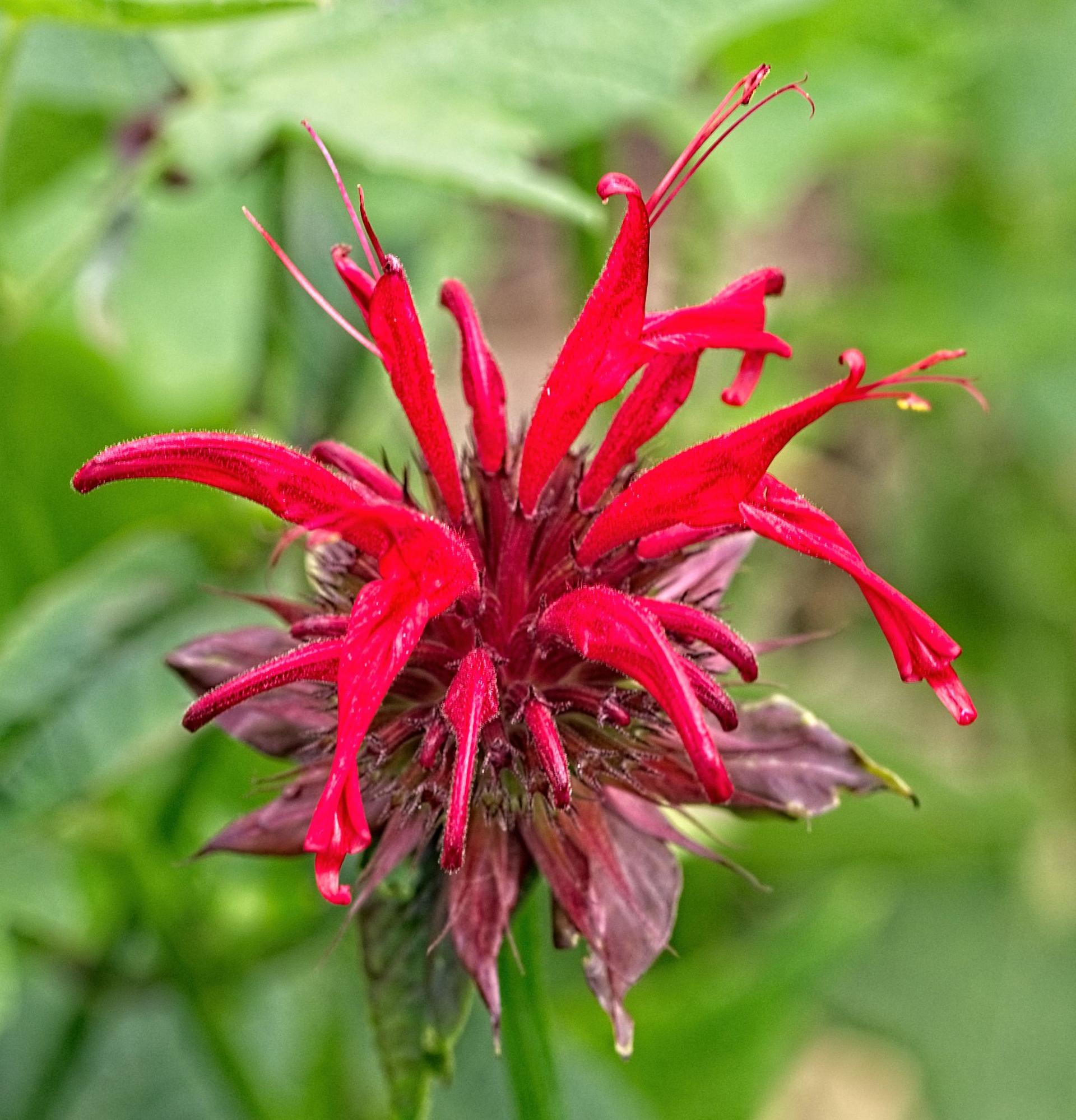
To make sure ruby-throated hummingbirds can enjoy your backyard year round, providing them with other long, tubular, red flowering plants is key and examples include cardinal flower (Lobelia cardinalis), trumpet honeysuckle (Lonicera sempervirens), and scarlet bee balm (Monarda didyma). Native plants are the backbone of healthy, resilient ecosystems, and the plant-bird connection we highlighted today is just one of millions that exist throughout our natural world. As the wild columbine and the ruby-throated hummingbird depend on each other, they also both depend on us to restore life and biodiversity to our landscapes, one plant at a time. |
|
|
| Above: Trumpet honeysuckle vine. |
Above: Scarlet bee balm. Photo credit: F. D. Richards, CC BY-SA 2.0, via Wikimedia Commons |
|
|
APCC attends Honor the Earth Fair |
|
|
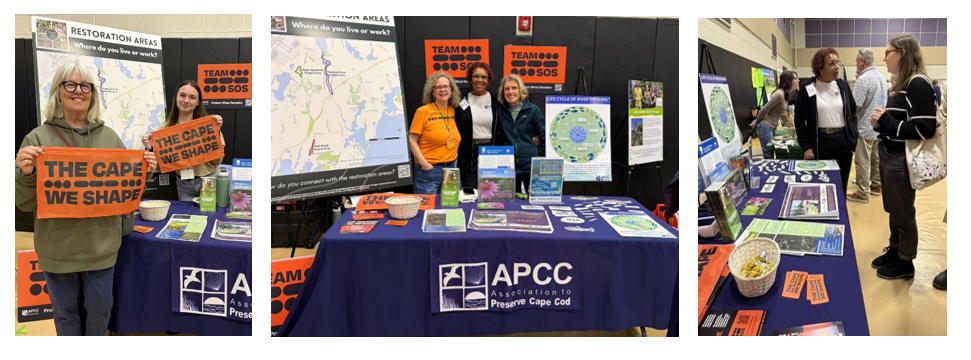
APCC staff and volunteers were excited to participate in the 2026 Honor the Earth Fair at the Mashpee Wampanoag Community and Government Center. The Mashpee Wampanoag Tribe, in partnership with the Native Land Conservancy and the Tribe’s natural resources department, celebrated the Earth and brought together exhibitors, artists, educators, and community members who share a commitment to protecting and preserving the ancestral homelands of the Wampanoag people.
The event included over 40 local and regional non-profit organizations, cultural craft vendors, and natural resource exhibits. The opening ceremony, led by Chief Earl Mills Jr., was followed by a variety of activities including singing, dancing, and the popular Taste of the Earth Contest, a plant-based cooking challenge sponsored by WCAI.
APCC staff members Dorria Marsh and Hannah Brown, APCC board member Meredith Harris, and volunteers Bernadette Sullivan-Ericson, Diana DiGioia, and Sally Mavroides enjoyed the opportunity to connect with the community and talk about APCC projects and programs including the Mashpee restoration projects, The Cape We Shape campaign, and the River Herring Monitoring program. |
Learn more about The Cape We Shape campaign and sign up to be part of Team SOS to engage in efforts to permanently protect the last undeveloped acres that have been identified as priority natural resource areas.
As part of Team SOS, look for regular emails most Mondays to learn of news,
next steps, and how you can help. If you are NOT getting our Monday update emails, please let us know and we will ensure you do. Come pick up campaign signs, flags, handouts, stickers at APCC's office in Dennis: email TeamSOS@apcc.org to arrange day and time.
We now have Team SOS t-shirts available for purchase. |
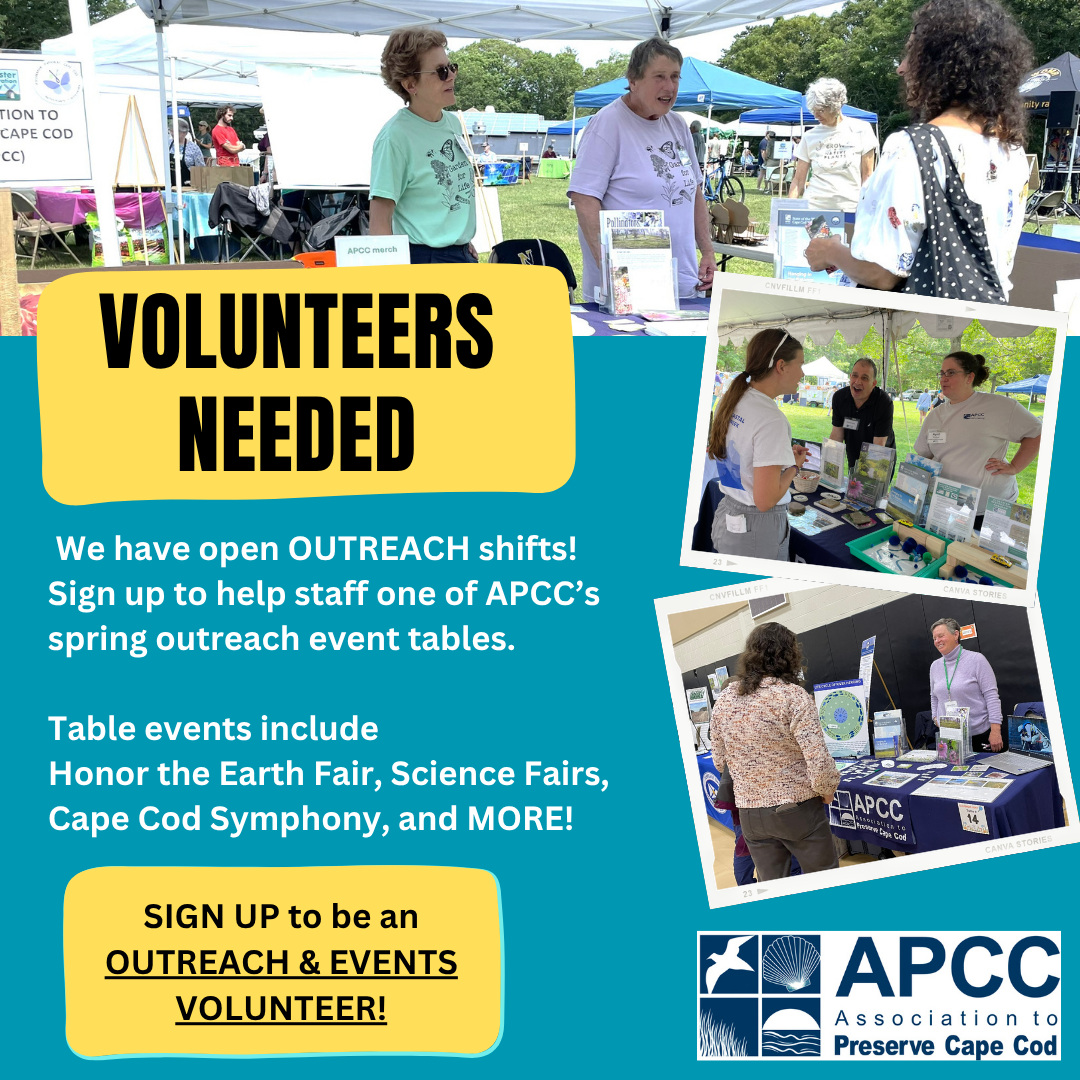
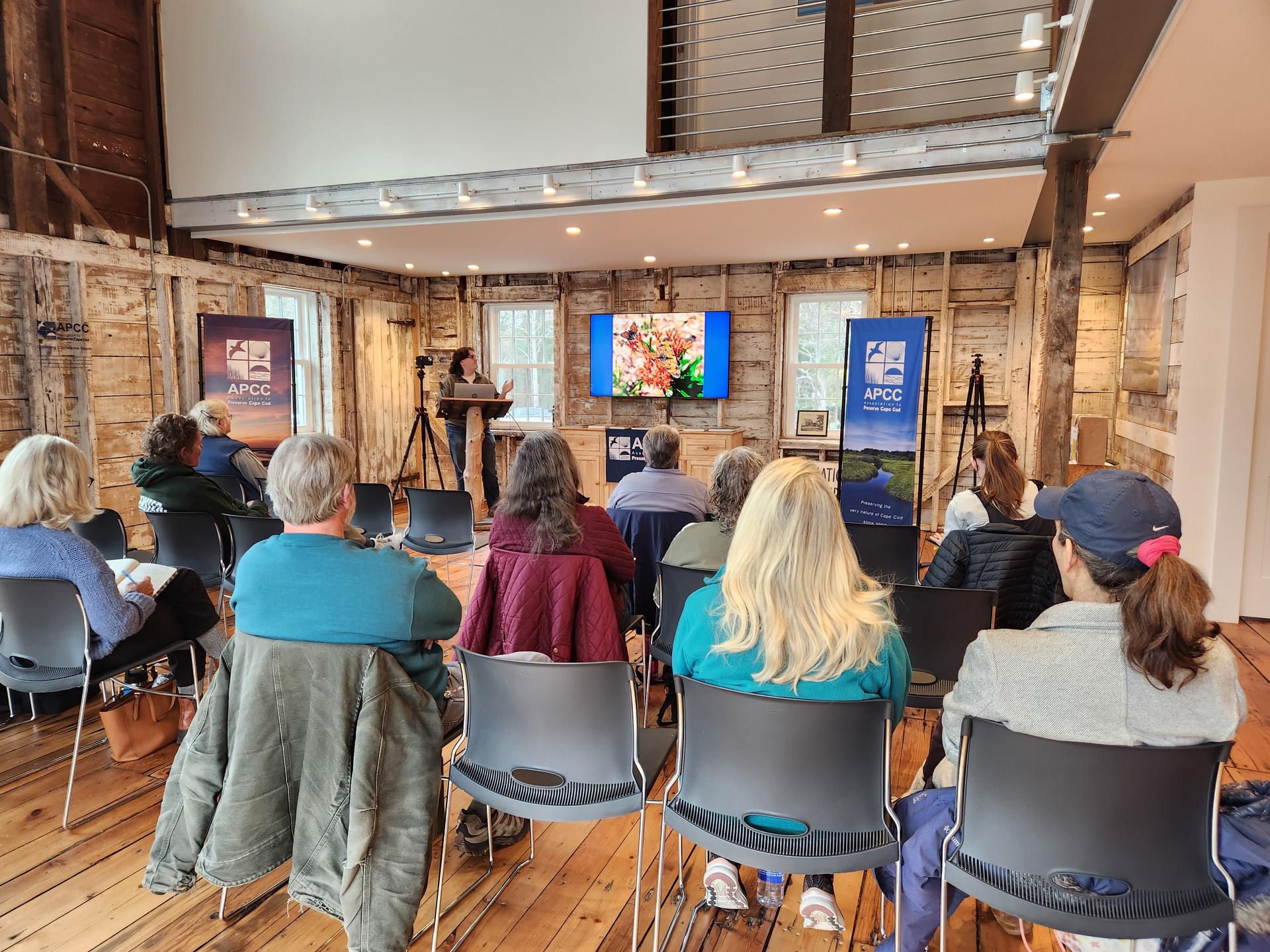
Volunteers are needed now! We are currently looking for volunteers to help with our spring event educational outreach tables. In many cases we are double booked and need an extra hand or two to help set up and staff our tables. This is a fun way to get involved and learn more about preservation and restoration projects happening all over the Cape. Come meet your neighbors and fellow conservationists!
APCC volunteer opportunities abound! There are so many ways you can participate as an APCC volunteer this spring. Sign up now to help join staff at one of our educational outreach tables, prepare for our annual native plant sale, get outside with the ecolandscape garden crew, or get involved with The Cape We Shape campaign. |
Attention Runners:
Run the 2026 Falmouth Road Race for APCC |
|
|
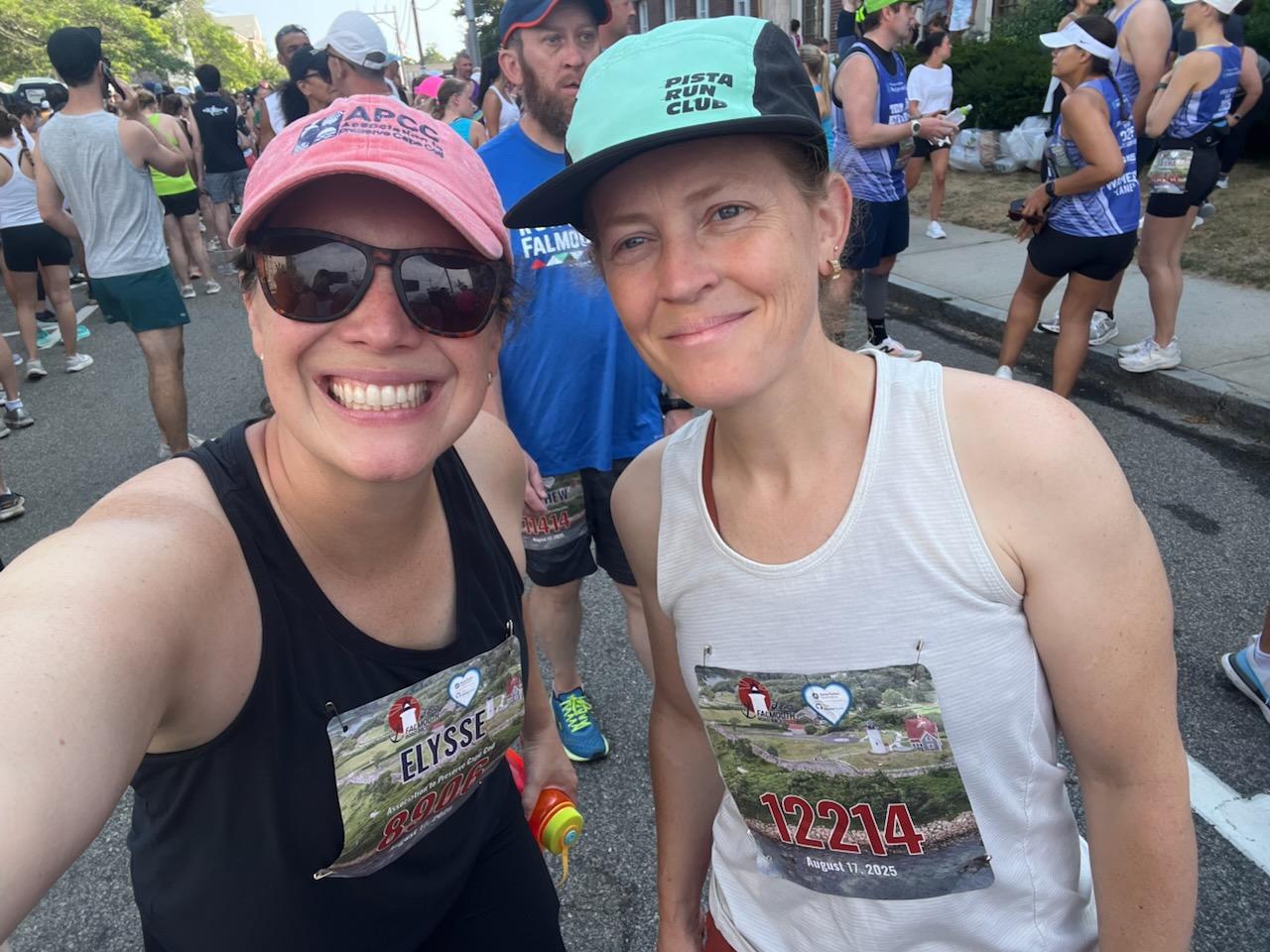
Above: Elysse Magnotto-Cleary, APCC president, and her friend Mary ran for APCC in 2025. |
|
APCC is thrilled to be a part of the "Numbers for Nonprofits" program for the 2026 Asics Falmouth Road Race, and we are currently accepting applications for this year's team. Team members will receive a guaranteed race entry, fundraising tips and tools, a fundraising web page, and support throughout the process. If you're interested in amplifying APCC's work in a fun and unique way,
please apply here.
Questions? Please reach out to runforapcc@gmail.com |
|
|
|
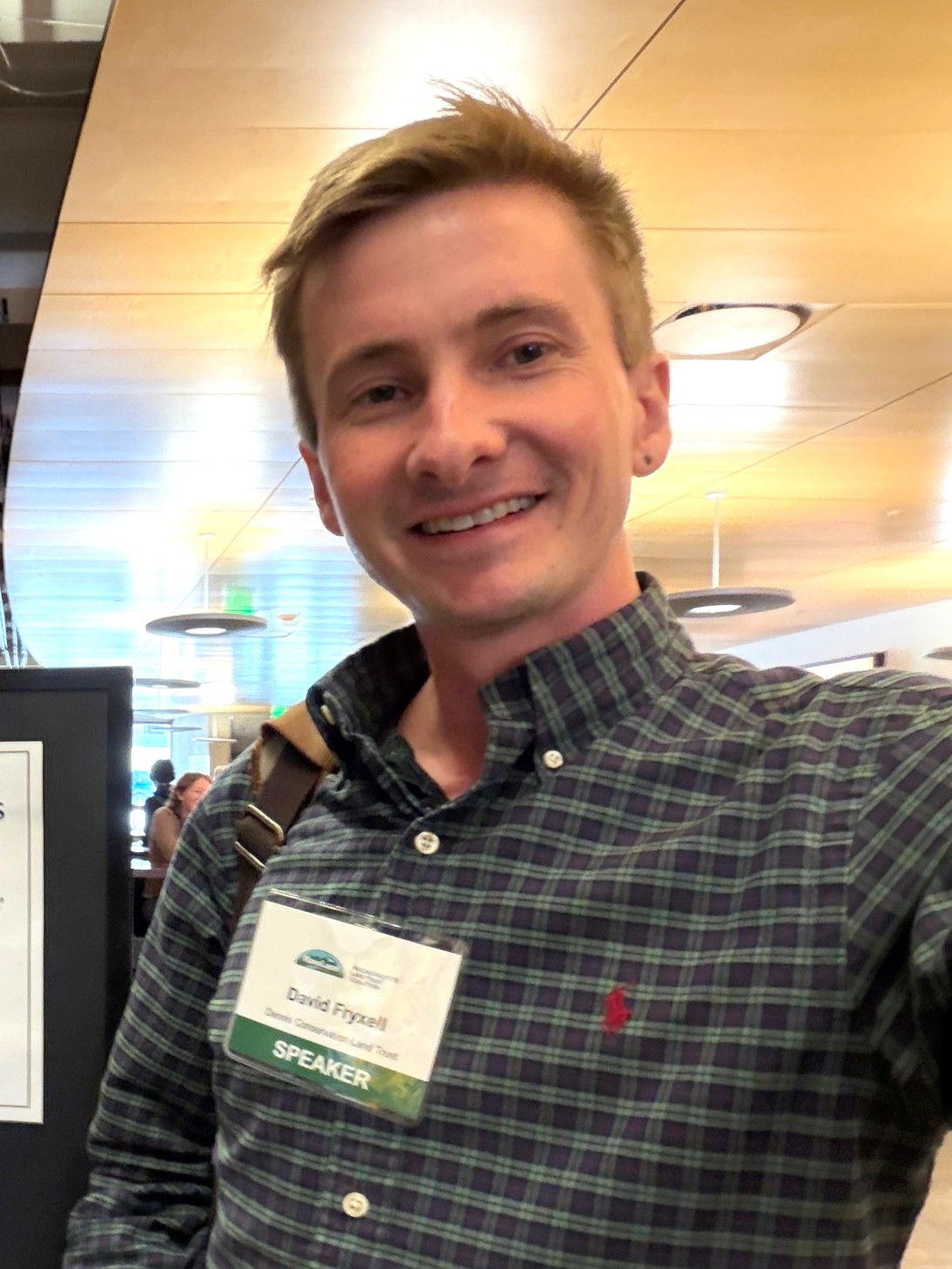
Pond Ecology Matters: Biodiversity and Its Role in Pond Health with Dave Fryxell, Ph.D., Dennis Conservation Land Trust Executive Director |
Friday, May 1st
1:00 - 2:30 p.m. At APCC's headquarters in the Koppel Center in Dennis and online via Zoom.
In this talk, Dave will explore how the plants, animals, and microscopic life within ponds shape their health, resilience, and function. Drawing on classic studies and compelling real-world, local examples, he will share stories that reveal how ponds both support and depend on the rich web of life they contain. Read more...
|
|
|
| Monitoring Pond Health on Cape Cod
with Julie Hambrook, Ph.D., APCC Pond & Cyanobacteria Program Manager Friday, May 8th
10:00 a.m. – 11:30 a.m. Hybrid: APCC Koppel Center, 482 Main St (Route 6A), Dennis and via Zoom |
|
|
Freshwater ponds are an important part of the quality of life on Cape Cod. APCC has developed several programs designed to measure water quality and provide information to the public.
Julie will provide an overview of APCC’s programs and the range of water quality indicators that our monitoring results provide and what they mean to the ecology of the pond. You will come away with a broader perspective of the water quality of Cape Cod ponds and what has been measured during our years of monitoring. |
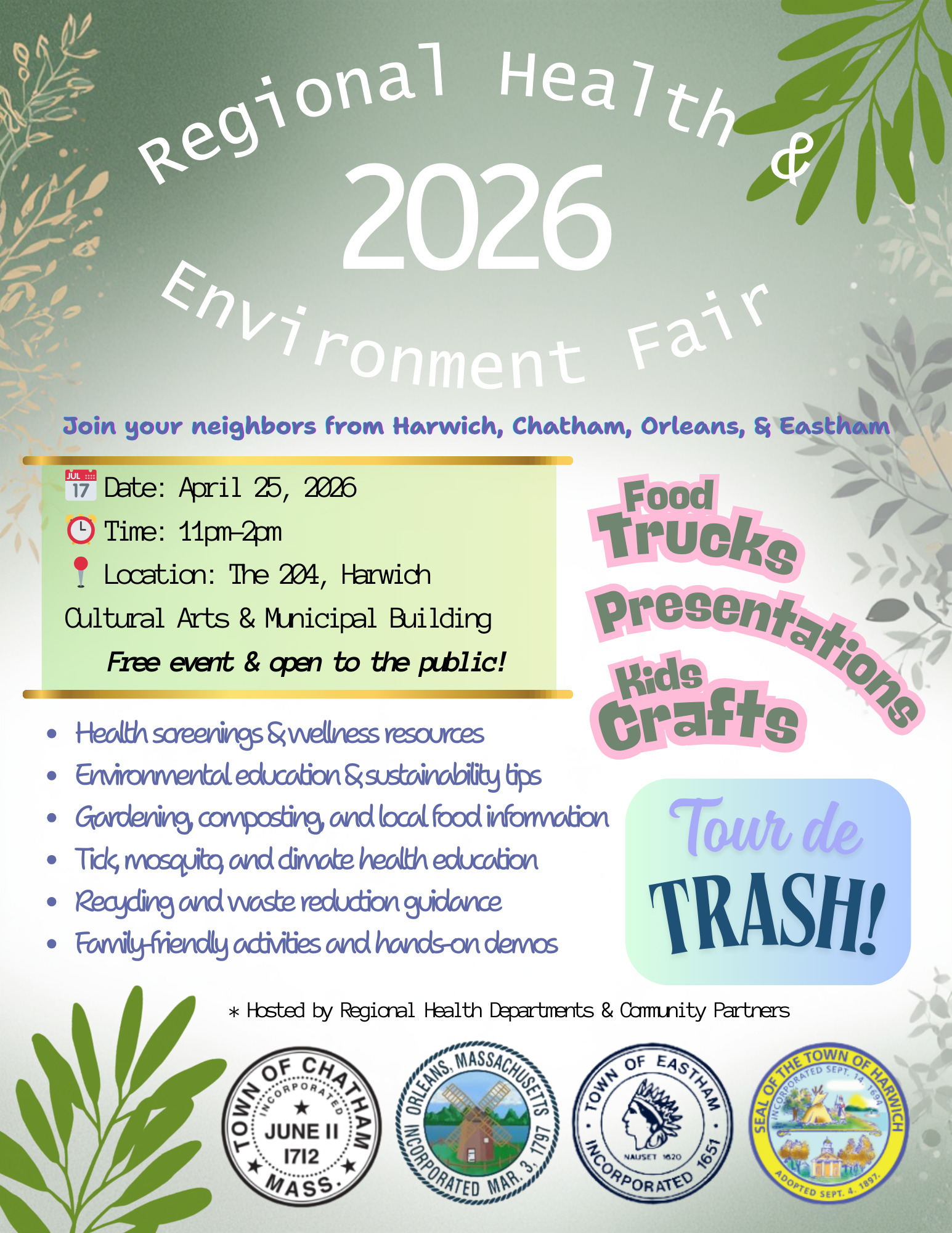
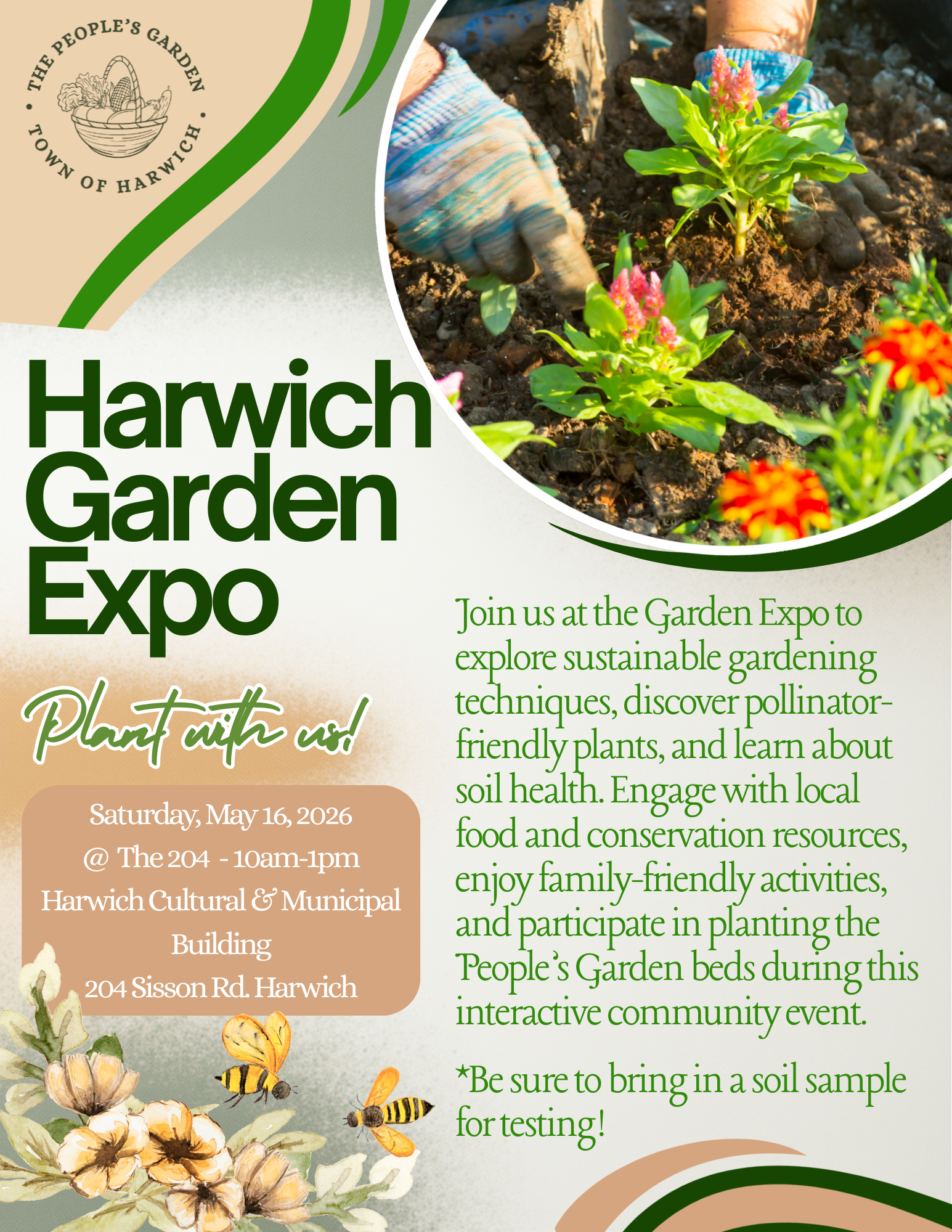
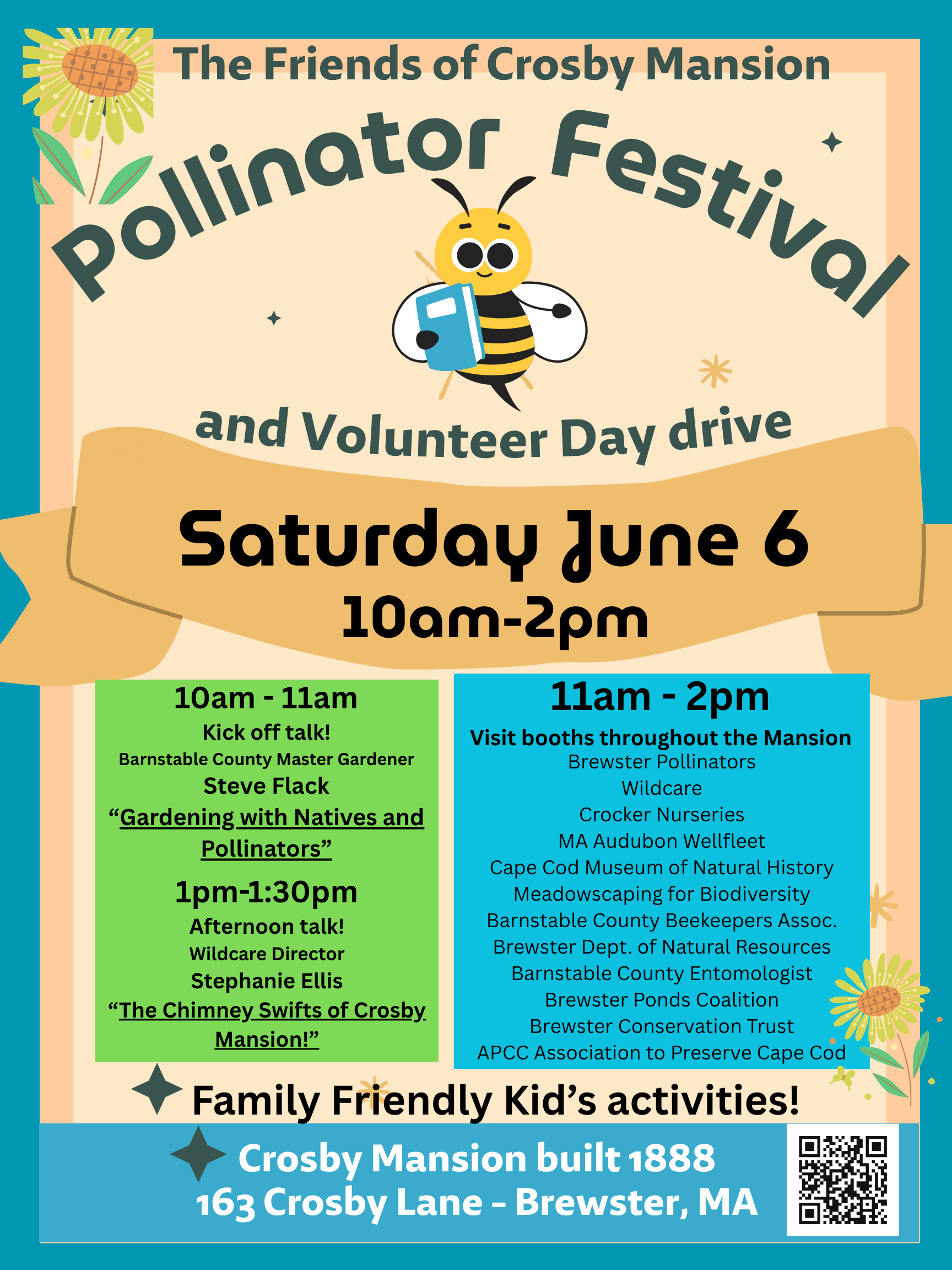
A Cape-wide Conservation Event Calendar |
The Compact of Cape Cod Conservation Trusts (“the Compact”) and its nonprofit members launched a new regional calendar of events. The Conservation Calendar includes programs across Cape Cod hosted by these groups. The goal of the calendar is to encourage visitors and residents to take part in nature and environmental events. You can always find the link to the calendar on APCC's website under News & Events.
|
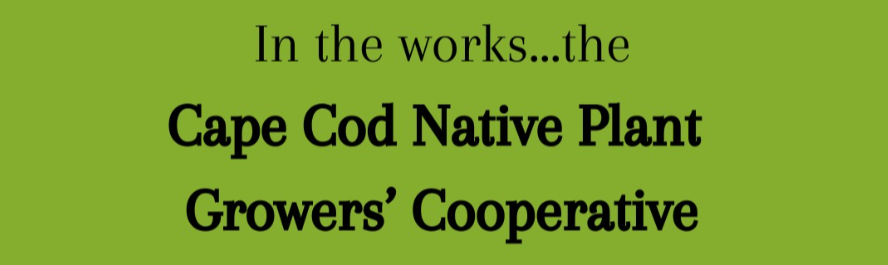
If you are a farmer or someone who wants to grow native plants to sell, or you just want to be updated on the program's development, please submit the interest form that appears on our webpage. We will be sending periodic email notices of workshops and meetings.
Funding for the project is provided by Barnstable County and its Economic Development Council License Plate Grant Program through the Cape Cod Commission, the Kelley Foundation and private donors. |
Ten talks for prospective growers as part of the Cape Cod Native Plant Growers' Cooperative program have been presented thus far, with more scheduled in the upcoming weeks. These past workshops can be viewed here: |
A Cape Cod Native Plant-selector ~ to help you choose the perfect native plants for your garden. |
|
|
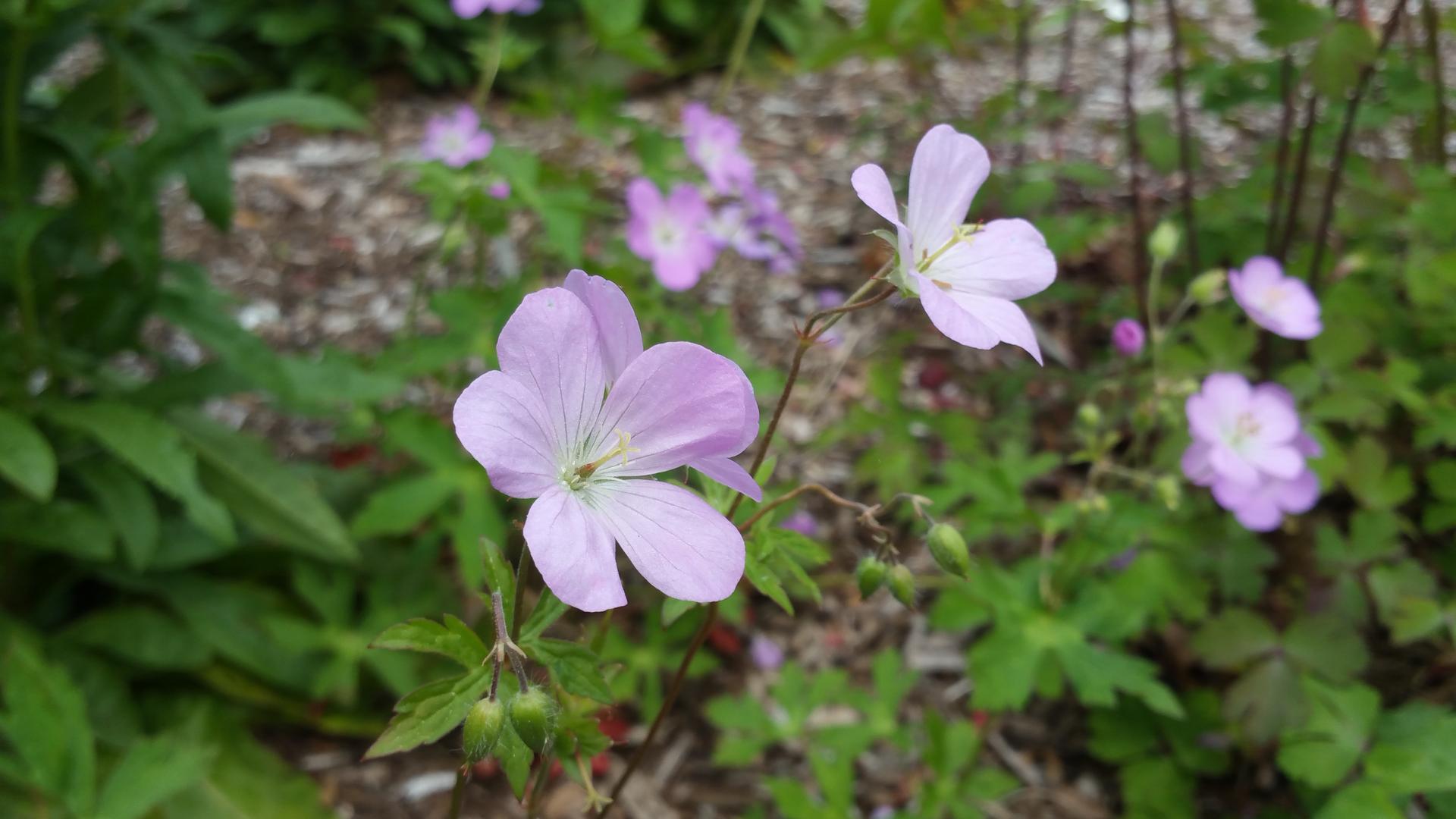
Email kandres@apcc.org and we'll send you a CapeCodNativePlants.org decal. | | Wild Geranium Geranium maculatum |
|
|
The purpose of CapeCodNativePlants.org is to help native plant enthusiasts select the right plant for the right place. While not all native plants presented here are indigenous to Cape Cod, they are suitable native species for Cape gardens and managed landscapes.
Why Native Plants? Many native plants are drought tolerant, salt tolerant, and thrive in the “thin” soils found on Cape Cod. Native plants are as attractive as any plant, and are reflective of the Cape’s natural beauty. By planting native species appropriate for Cape Cod, you can conserve water, avoid pesticide and fertilizer use, and support pollinators and birds.
|
|
|
|
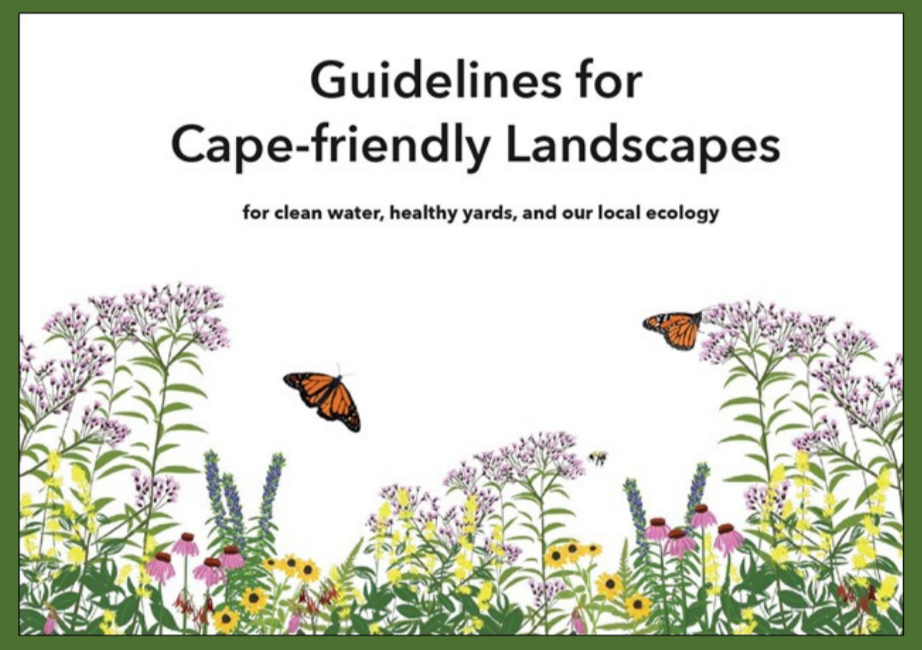
The Guidelines gives homeowners steps they can take in the design and maintenance of their properties that will support pollinators and birds, manage stormwater, conserve water, and protect the Cape's water quality. This 40-page booklet is beautifully illustrated by Marcy Ford with content that is easily digestible and supported by numerous resources for additional learning.
|
|
|
We are grateful for the several retail shops that are partnering with us to make this publication more widely available: Brewster Book Store, Birdwatchers General Store, Crocker Nurseries, Wellfleet Audubon Wildlife Sanctuary, Cape Abilities Farm, Cape Cod Museum of Natural History, the Cape Cod Lavender Farm, Heritage Museums and Gardens, Titcomb's Bookshop, Sea Howl Bookshop, Soares Flower Garden Nursery, Hyannis Country Garden, Orleans Whole Food Store, and Eight Cousins Bookshop.
If you are a retailer and would like to sell this publication at your store, please contact us. |
|
|
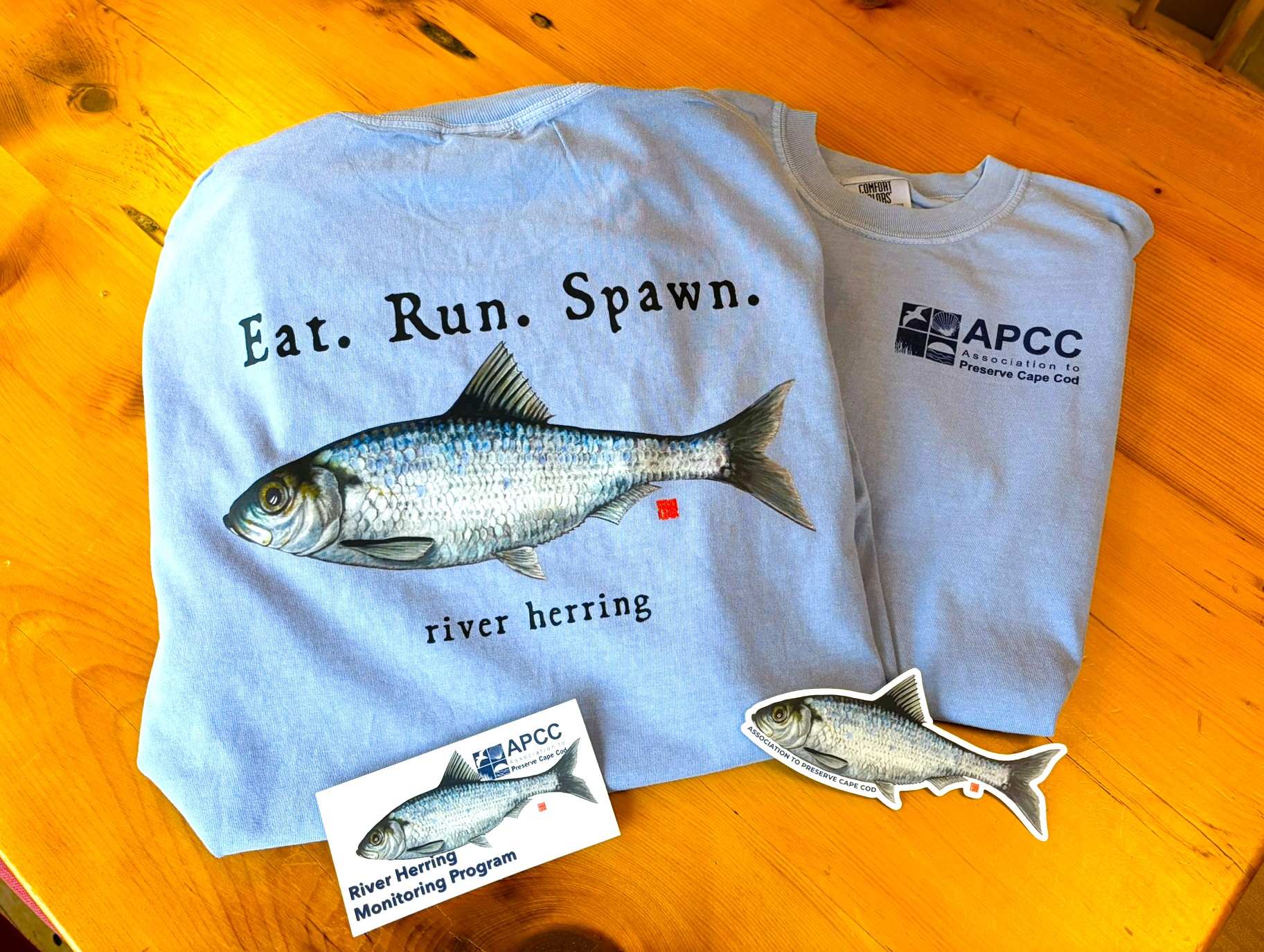
New Offering - Celebrate the Run! Herring T's color denim blue $30 - includes USPS delivery in the U.S. |
Team SOS $30 - includes USPS delivery in the U.S. |
|
|
APCC caps $25 -includes USPS delivery in the U.S. |
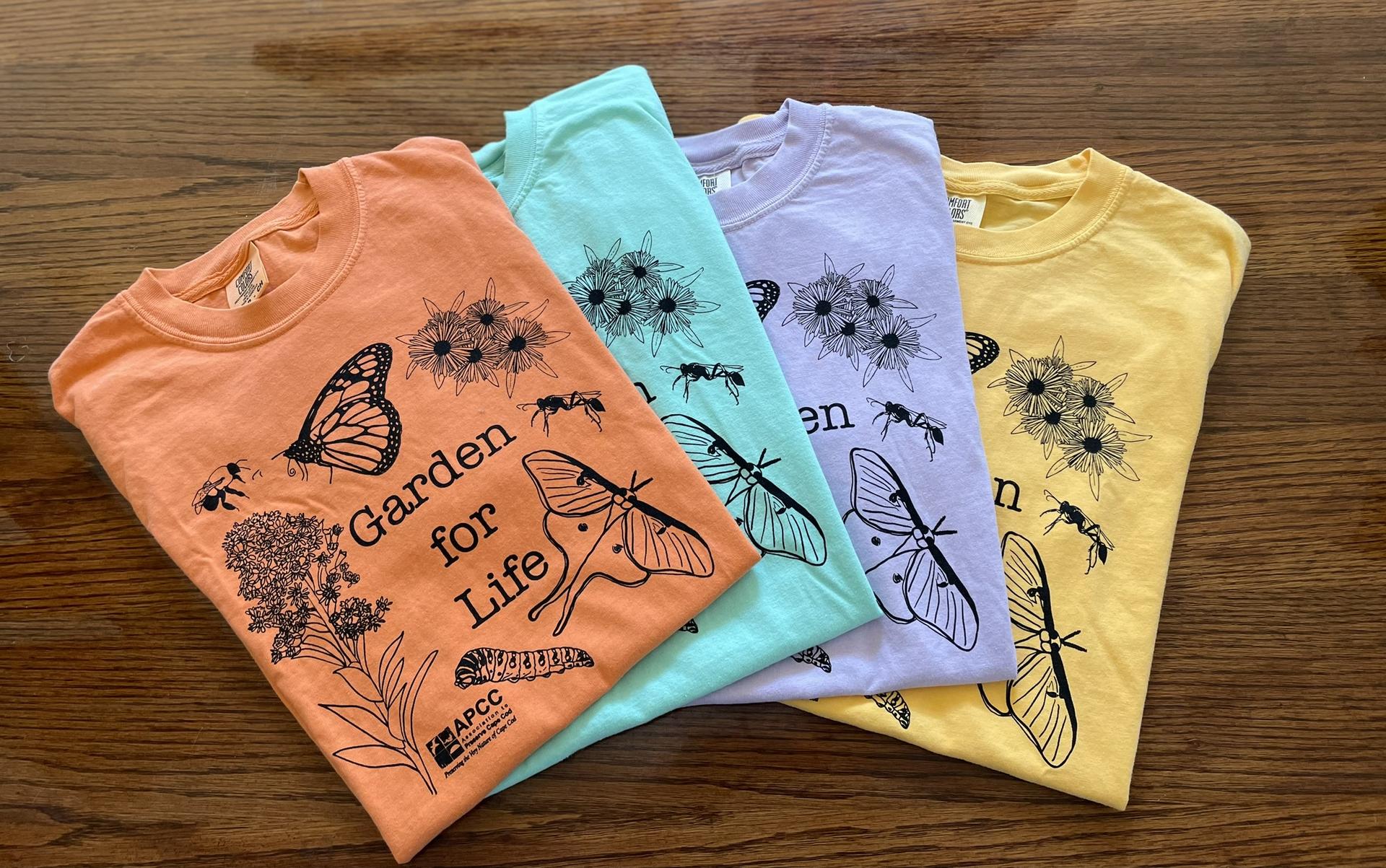
Garden for Life T's $30 -includes USPS delivery in U.S. |
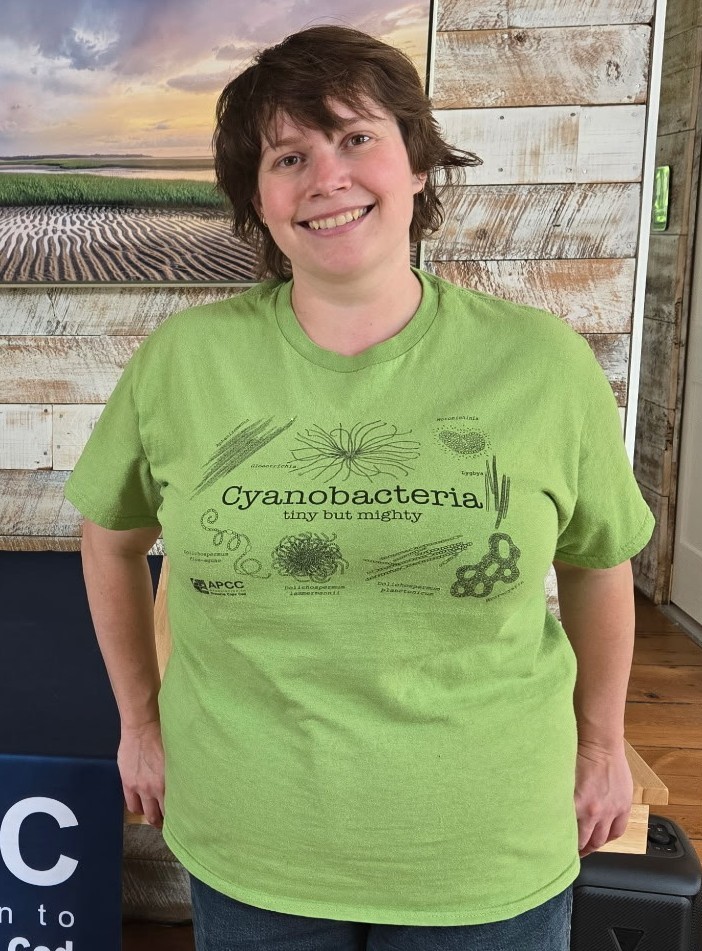
| Cyanobacteria ~ tiny but mighty color kiwi
$30 -includes USPS delivery in the U.S. |
|
|
| APCC eNewsletters.
Our weekly newsletters are archived on our website and easily shared.
You can find past newsletters and share with your friends. Encourage others to sign up for future enewsletters HERE.
|
|
|
Are you thinking of going solar? We hope so!
In partnership with E2 SOLAR in Dennis, APCC receives $500 for every solar installation when APCC is named as referral. |
|
|
|
Thank you to the homeowners who just contracted to install solar panels through E2 Solar. May the sun always shine for you! |
|
|
Expressions Gallery, 578 Main Street, Chatham
CLICK HERE |
Expressions Gallery donates 20 percent of its profits to APCC's work. |
|
|
Thank you to our business sponsors! |
|
|
APCC is rated four stars by Charity Navigator, 2025 Platinum by Candid (formerly Guidestar), and 2024 Top-Rated by GreatNonprofits. |
|
|
Our Contact Information
*{{Organization Name}}*
*{{Organization Address}}*
*{{Organization Phone}}*
*{{Organization Website}}*
*{{Unsubscribe}}* |
| |
|
|