Association to Preserve Cape Cod |
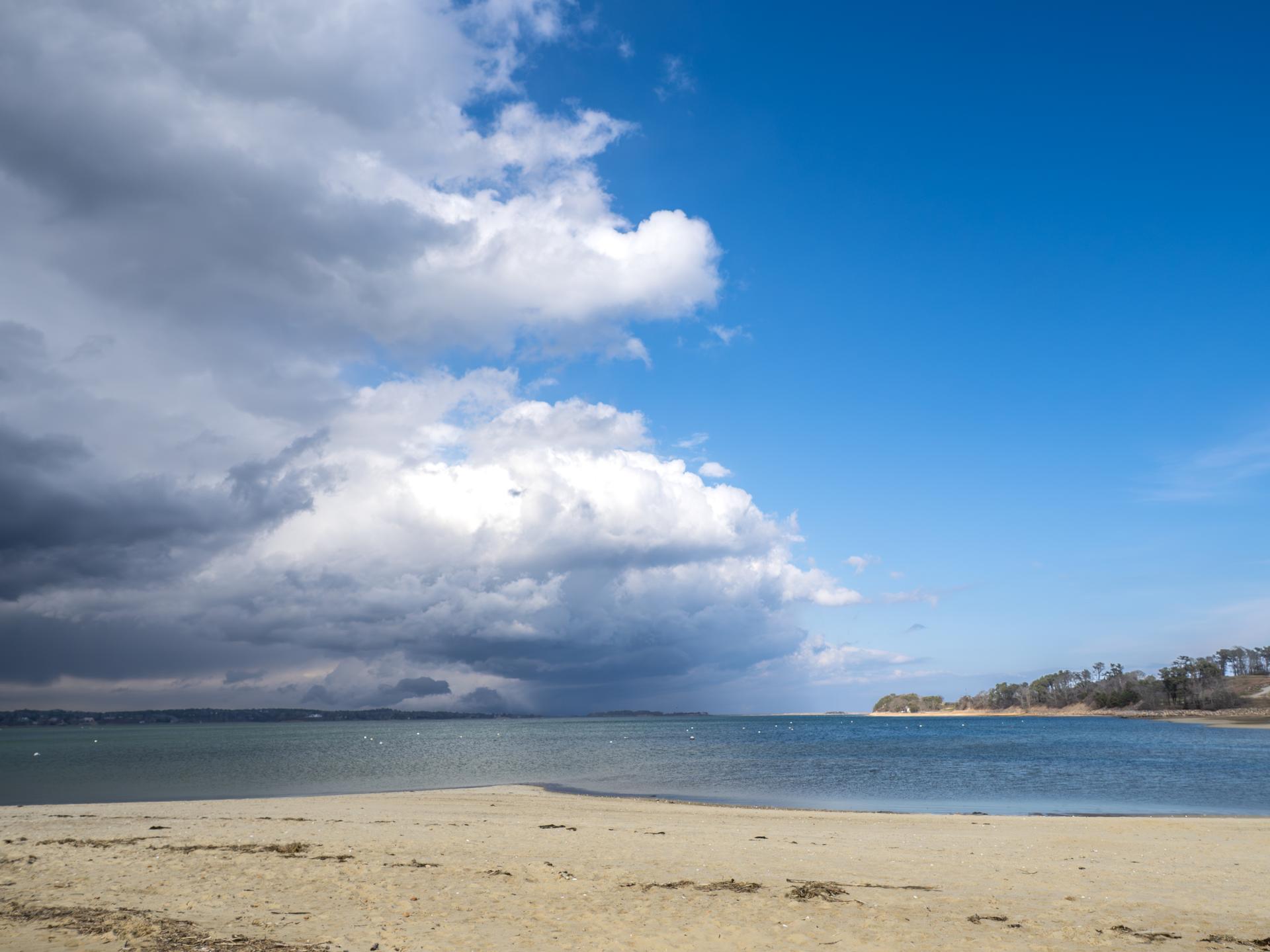
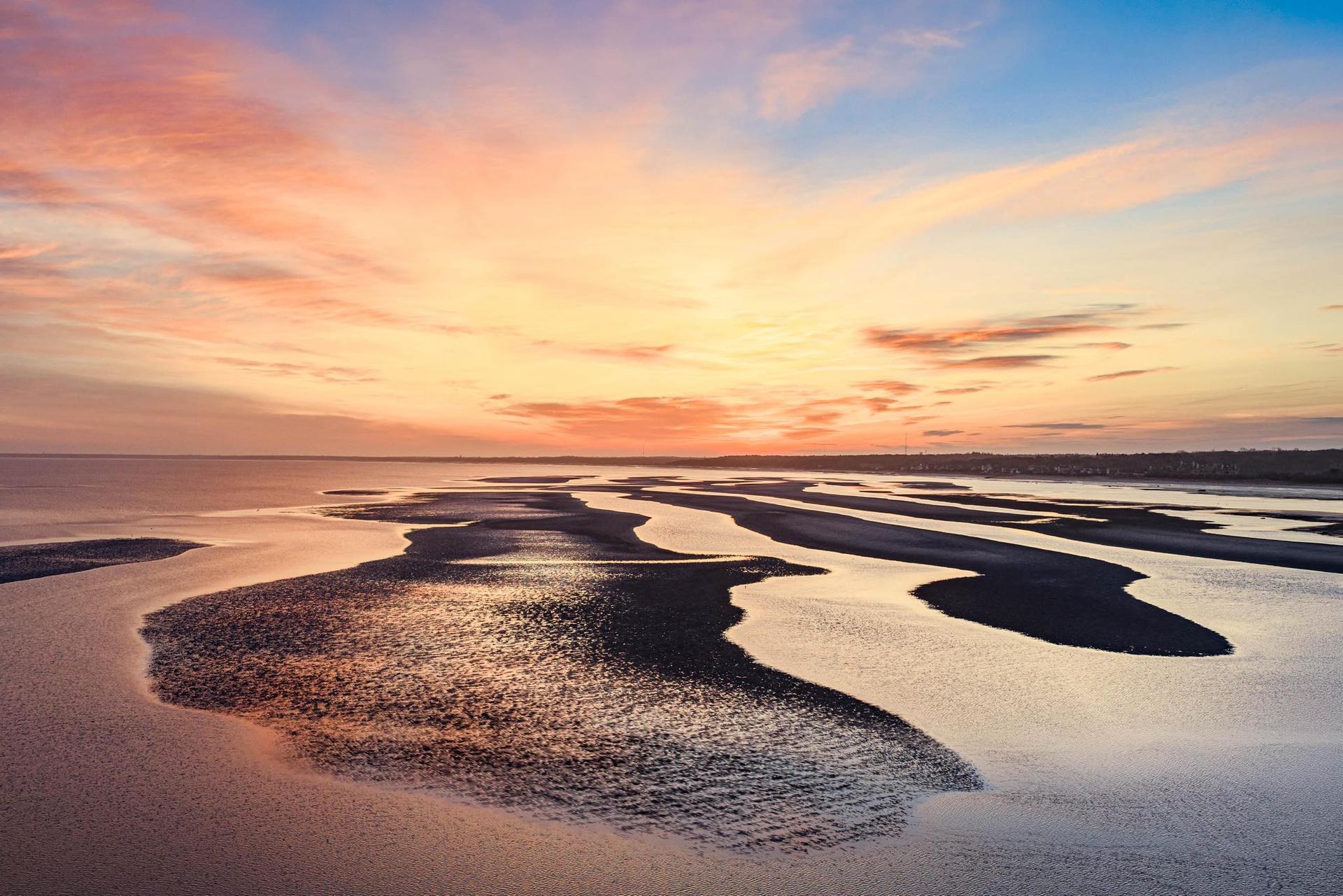
Above: Jackknife Harbor, Chatham. Photo by Sue Machie |
|
|
|
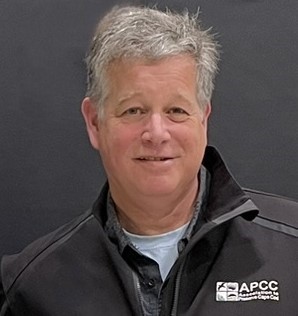
A First Step by Andrew Gottlieb |
Falmouth Town Meeting approved two transfers of town-owned land in the watershed of its drinking water reservoir to the care and custody of conservation commission. The two articles were the first supported by APCC under The Cape We Shape campaign and serve as an excellent model for the kind of initial actions we hope the campaign inspires residents to take in towns across the Cape.
|
|
|
Citizen awareness and grassroots activism spurred the Falmouth Town Meeting to ensure that land most people thought was already protected actually gained protected status. What was true in Falmouth is true in every Cape town. There is a general assumption that undeveloped town-owned property is inherently protected from development. But in reality, only land encumbered by a conservation restriction or held under the care and custody of a conservation commission is truly protected from development. The rest is generally not.
For municipal land to be protected from development, including land that falls within critical natural landscape areas, town meeting must approve that designation. An early objective of The Cape We Shape campaign is to work locally to encourage and support citizen efforts to identify environmentally important municipal land that should be protected from development and shepherd it through the local approval process to accomplish that objective. Protecting town-owned land from development is a low/no cost and high reward first step toward increasing the protection of important and sensitive resources.
A year from now, we hope to look back at the Falmouth Town Meeting as the one that helped get the ball rolling. We plan to engage citizens in all Cape towns with The Cape We Shape campaign to advance similar initiatives. This is how a regional political force is developed; one local action at a time. |
Ecosystem Restoration Program |
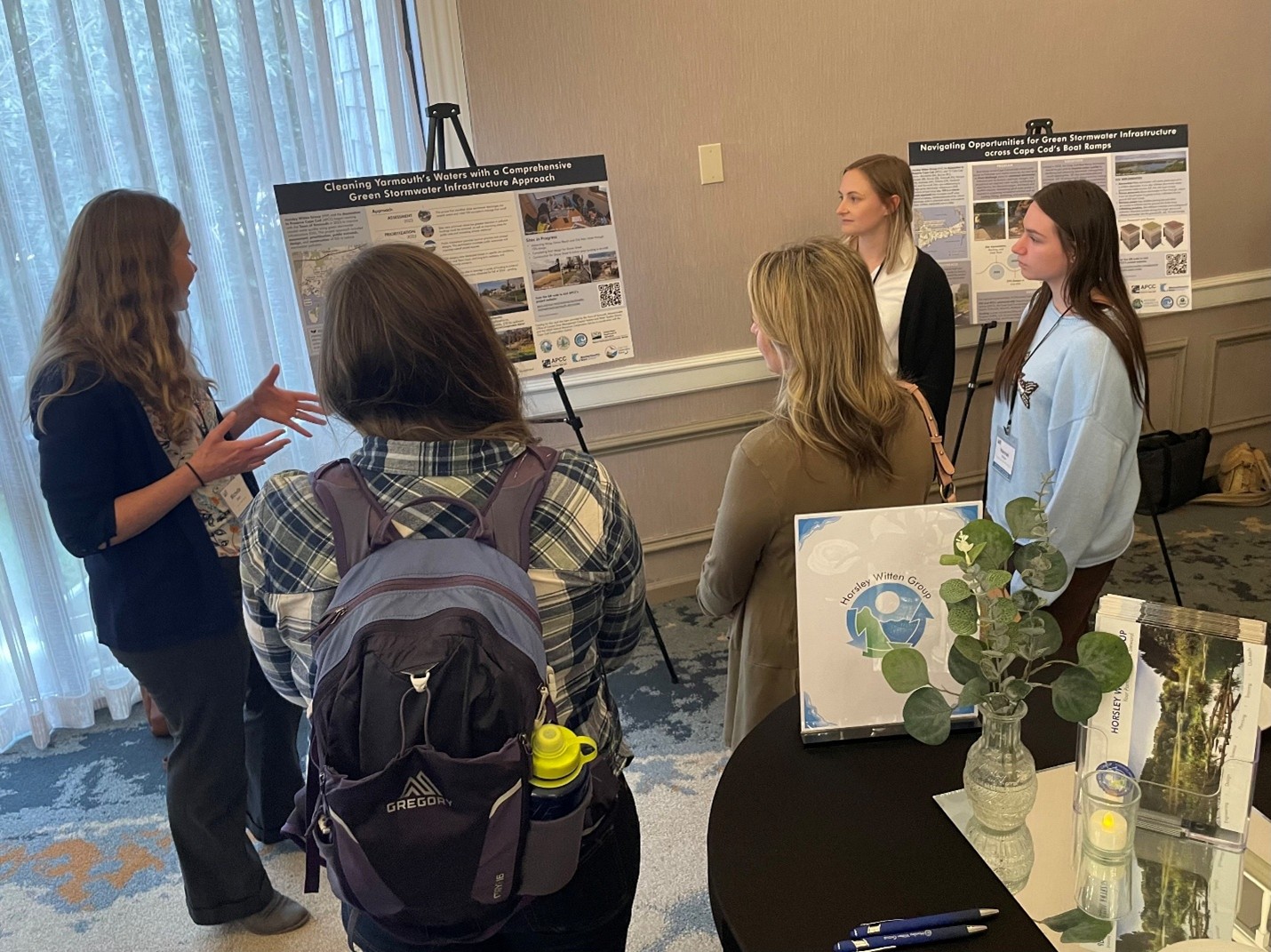
Above: APCC restoration staff joined the Horsley Witten Group at the NEWIPCC conference to share about ongoing stormwater projects on Cape Cod. |
Nonpoint Source Conference on Clean Water
APCC restoration program staff joined colleagues from Horsley Witten Group and the town of Yarmouth at the Nonpoint Source Conference in Plymouth last week to discuss two of our ongoing stormwater projects aimed at improving water quality on Cape Cod.
This regional conference focused on “non-point source pollution” or the more diffuse sources of pollution affecting our ponds and coastal waters, including septic systems, agriculture, and stormwater runoff from roads. Presentations focused on new tools, resources, funding opportunities, community engagement and—most of all—the impact of partnerships.
During the poster session, Horsley Witten and APCC shared details about our successful partnership with local municipalities through the Yarmouth stormwater project and public boat ramp stormwater project. Together these efforts have created a roadmap of priority sites in need of restoration, along with designs to capture and treat polluted stormwater runoff. Implementation of these green stormwater practices is improving the health and safety of our waters near beaches, boat ramps, herring runs, shellfish beds, and recreational areas important to our communities.
Construction was completed at four sites last year, and work is now underway at a fifth location in Mashpee. With up to four more sites targeted for completion over the next year, these projects are helping advance a larger regional effort to reduce polluted runoff and protect water quality.
Although much of the Ecosystem Restoration Program’s work focuses on restoration on public lands, addressing stormwater pollution requires action at many scales. Municipal projects play an important role, but so do everyday choices made by residents. Whether installing a rain garden, using native plants, monitoring the ponds, counting herring, or cleaning up our pet waste…we can all do our part to keep Cape Cod waters clean.
To learn more about stormwater check the Stormwater 101 video developed by APCC and Barnstable Channel 18 TV. |
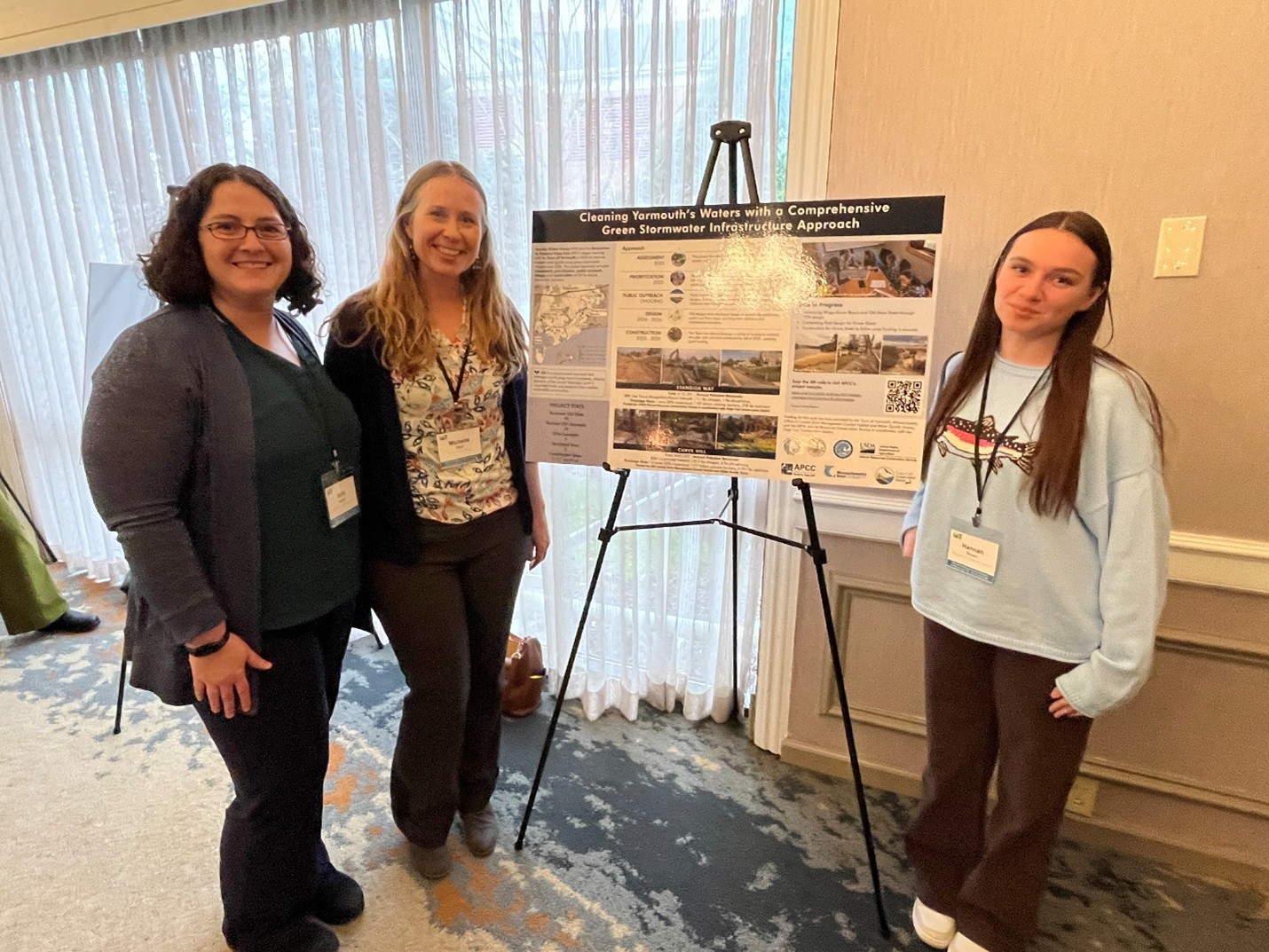
Above: April Wobst, APCC restoration program manager, Michelle West, Horsley Witten Group senior associate and water resources project manager, and Hannah Brown, APCC restoration coordinator, at the conference poster session. |
|
|
Herring Monitoring Program |
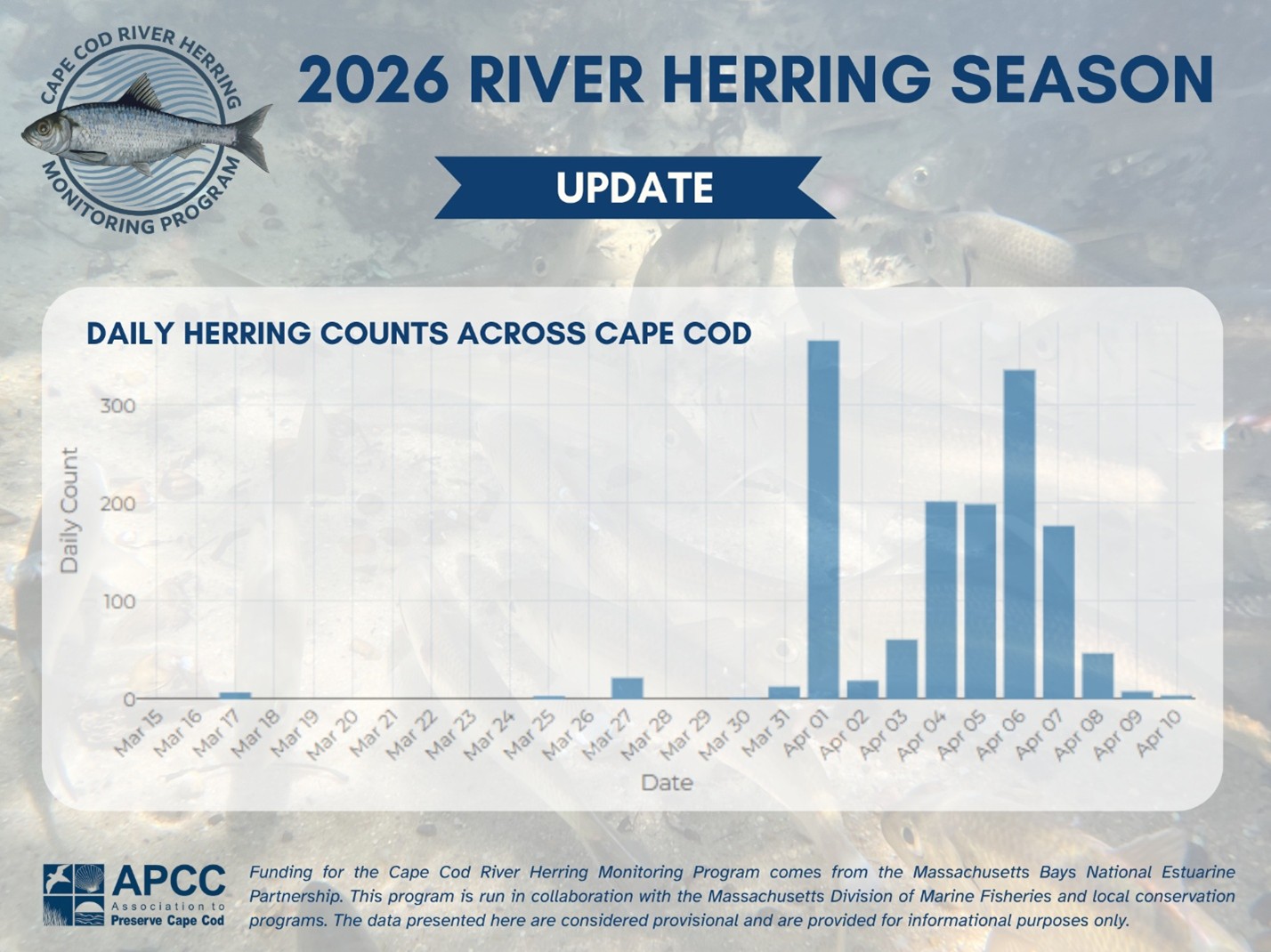
Early Season River Herring Snapshot: A Strong Start, With More to Come Each spring, the return of river herring carries a certain expectation—clear water, bright days, and fish stacking up at the runs.
But the reality is often something else entirely.
More often, it’s cold rain, raw wind, and long stretches of still water, where the only thing moving is the clock. Zero counts are part of the story too—and an important one. They help us understand timing, build accurate estimates, and capture the full rhythm of the run.
This year, the season got off to a strong and early start.
In the first week of April, we saw a notable pulse of fish across Cape Cod, with both north- and south-facing runs showing activity. Since then, counts have dropped off a bit, but that is not unusual. River herring rarely move in one steady stream. They tend to migrate in waves, often responding to shifts in water temperature, streamflow, and coastal conditions. What we are seeing now is part of that pattern.
If history is any guide, the largest pulse of fish is still ahead of us, with the strongest returns often arriving in mid to late April as conditions continue to improve.
Behind the scenes, another encouraging story is unfolding: volunteer effort has been exceptionally strong. Across the Cape, several runs have already recorded more than 70 observations this season. That kind of consistency—especially this early in the migration—gives us a much clearer picture of run timing, progression, and peak movement.
It is not always easy work. And it is not always sunshine and leaping herring.
But whether a count records hundreds of fish or none at all, every observation matters. Thank you to all of our volunteer monitors for showing up, rain or shine, and helping us document this year’s run.
The season is still unfolding—and we are watching closely.
For the most up-to-date information on river herring returns across Cape Cod, visit APCC’s river herring monitoring dashboard. |
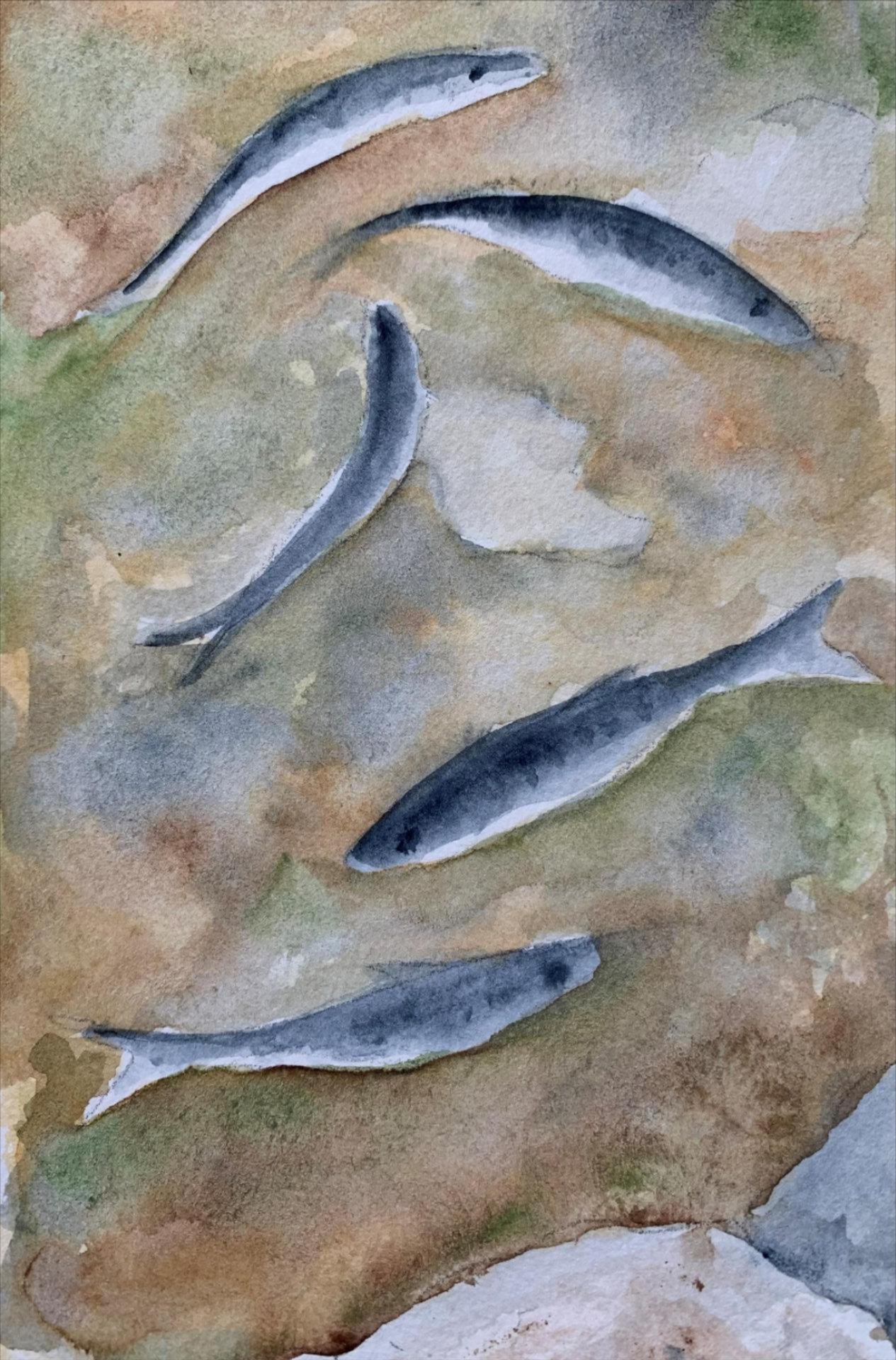
Above: Herring watercolor by Mary Richmond, courtesy of The Cape Cod Chronicle |
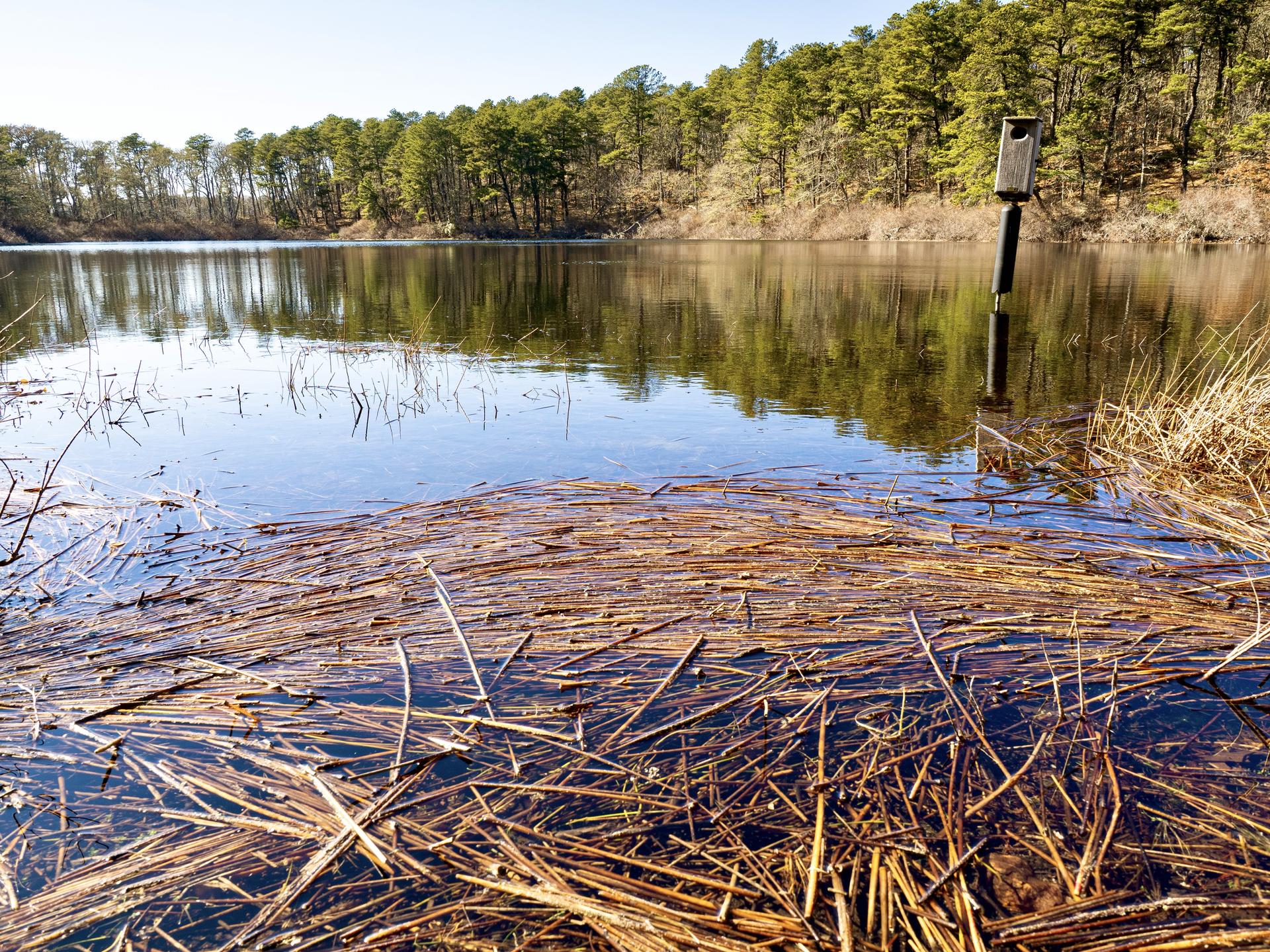
Above: Mary's Pond, Chatham. Photo by Sue Machie. |
It’s still feeling pretty chilly and windy here on Cape Cod, but if you head out to the ponds, you’ll notice the critters are starting to wake up from their winter rest (if they rested at all). Chatting with our pond technicians JT and James, they shared a few early-season sightings from their time out on the ponds over the last couple weeks.
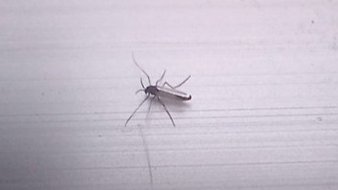
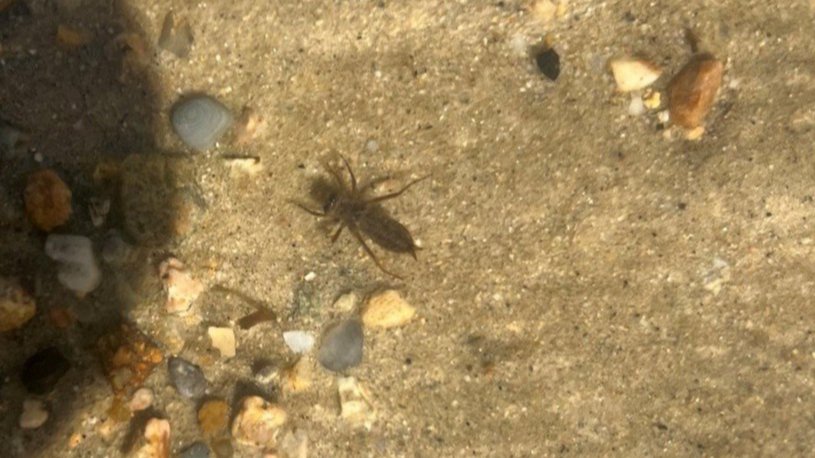
There was a quick otter sighting in Sandwich. James spotted a dragonfly larva emerging from its winter hiding place in the sandy, mucky pond sediment, and JT managed to capture two midges—one male and one female—using the micro camera setting on his phone. You can tell them apart by their antennae, with the males displaying the extra feathery, fuzzy ones. |
|
|
Above: Male midge at Great Pond in Eastham sitting on the canoe on April 7, 2026 |
| Above: Female midge at Great Pond in Eastham sitting on the canoe on April 7, 2026 |
|
|
Midges spend most of their lives as larvae down in the pond sediment. Through the warmer months, many species move quickly through their life cycle, and—in favorable conditions—a pond can see more than one generation emerge over the season. As temperatures drop, development slows, and they remain in the larval stage much longer, carrying them through the winter until conditions improve.
At this time of year, as waters begin to warm, they shift into the pupal stage and then emerge as short-lived adults—just long enough to mate, lay eggs, and start the cycle again. Midges are also an important food source for a wide range of aquatic and wetland wildlife and are a key part of the pond food web. JT learned firsthand just how abundant they can be, briefly finding himself surrounded by hundreds as he was packing the monitoring gear, likely drawn to the pale color and smooth surface of the truck and canoe.
So even if the pond team and volunteers are still reaching for dry-suits and an extra layer, the ponds are clearly shifting into spring mode. |
Above: Fawn Darner Larvae (Boyeria vinosa) at Flax Pond in Bourne on April 6, 2026 |
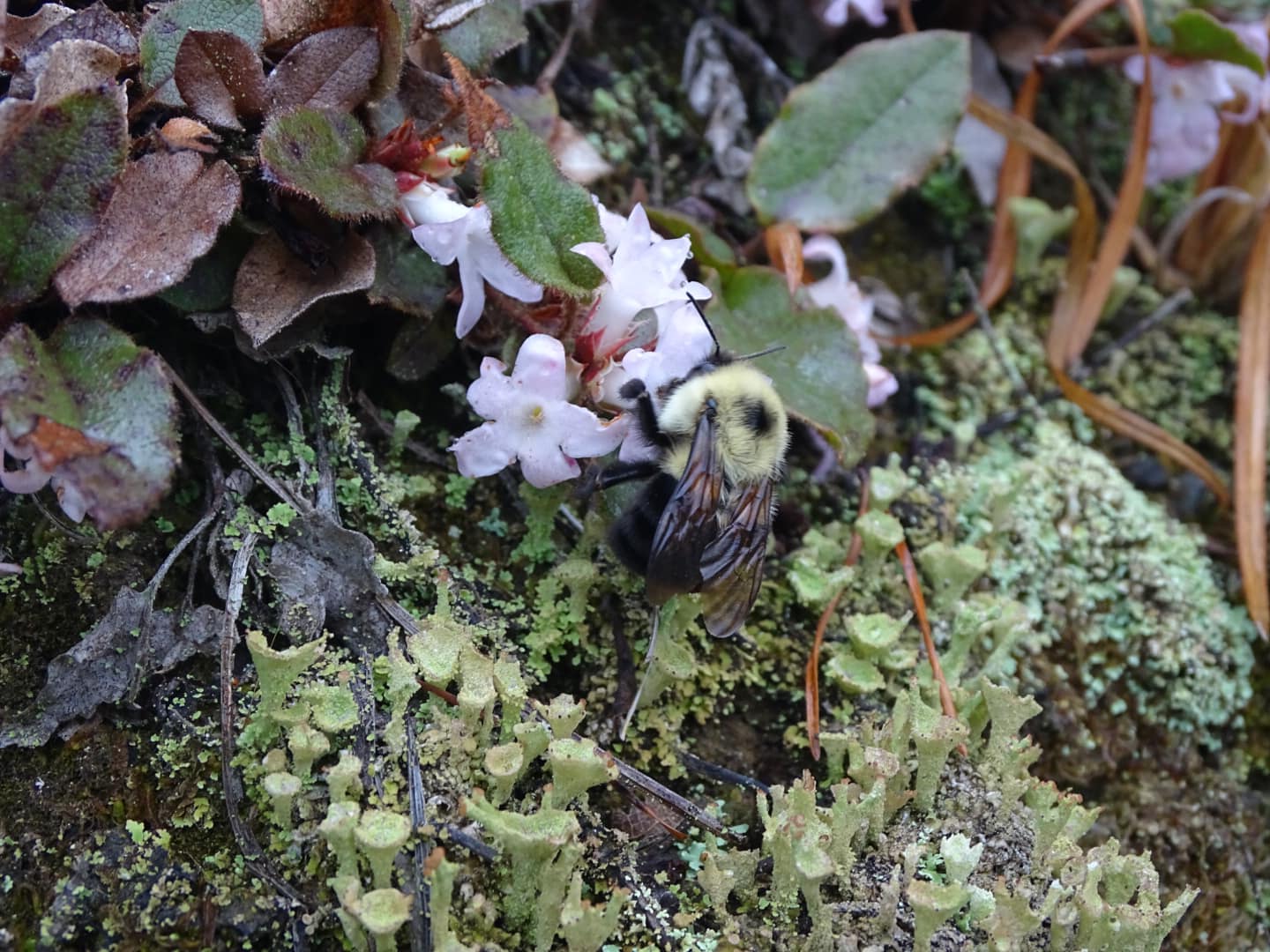
Above: photo by Maeve Coker |
Mayflower: A Herald of Spring by Meredith Gallogly, Grow Native Massachusetts
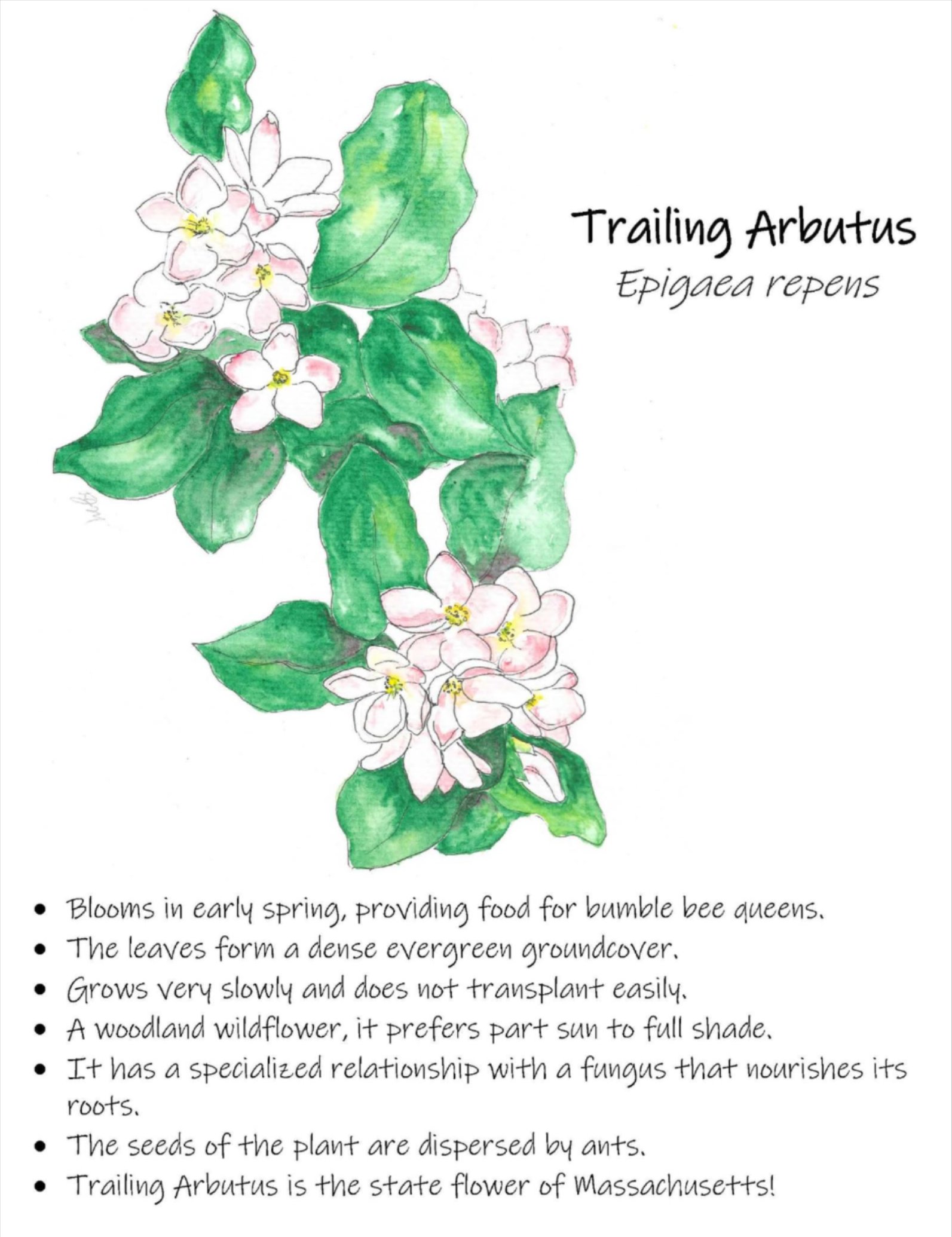
The flower that adorns the top banner of our website [Grow Native Massachusetts] is Epigaea repens (trailing arbutus or mayflower), a small plant with a storied history. Widespread throughout Massachusetts and the eastern United States but not common in the landscape, it is a trailing, evergreen shrub from the Ericaeae (heath family), a group that also includes cranberries and blueberries.
Epigaea is both delicate and tough—it grows slowly and is vulnerable to disturbance, but thrives in highly acidic sandy or peaty soils that are inhospitable to many plants. It is often found growing along trail cuts, sloping hillsides, and rocky outcrops—areas that are exposed or steep enough that leaf litter will not build up over the plant, and open enough for it to get a few hours of direct sun a day. Young forests with thinner and more open tree canopies offer ideal growing conditions for Epigaea; the species has become less abundant in New England over the last century as our forests age, growing denser and more shaded.
Anyone who has tried to grow mayflower in a garden knows that it is far from easy! This plant needs a spot that is consistently moist but well-drained, with soil that is acidic but also humusy, and just the right amount of light. However, once it is properly established, the reward is tremendous. Its white to pink, bell-shaped flowers are among the earliest to bloom in spring—hence mayflower—and have a lovely, strong fragrance. They not only harken the end of winter for us, but are an important source of nectar for bumblebees and other early-emerging insects. READ MORE...
|
Above: artwork by Kathy Johnson Miller |
|
|
Learn more about The Cape We Shape campaign and sign up to be part of Team SOS to engage in efforts to permanently protect the last undeveloped acres that have been identified as priority natural resource areas.
As part of Team SOS, look for regular emails most Mondays to learn of news,
next steps, and how you can help. If you are NOT getting our Monday update emails, please let us know and we will ensure you do. Come pick up campaign signs, flags, handouts, stickers at APCC's office in Dennis: email TeamSOS@apcc.org to arrange day and time.
We now have Team SOS t-shirts available for purchase. |
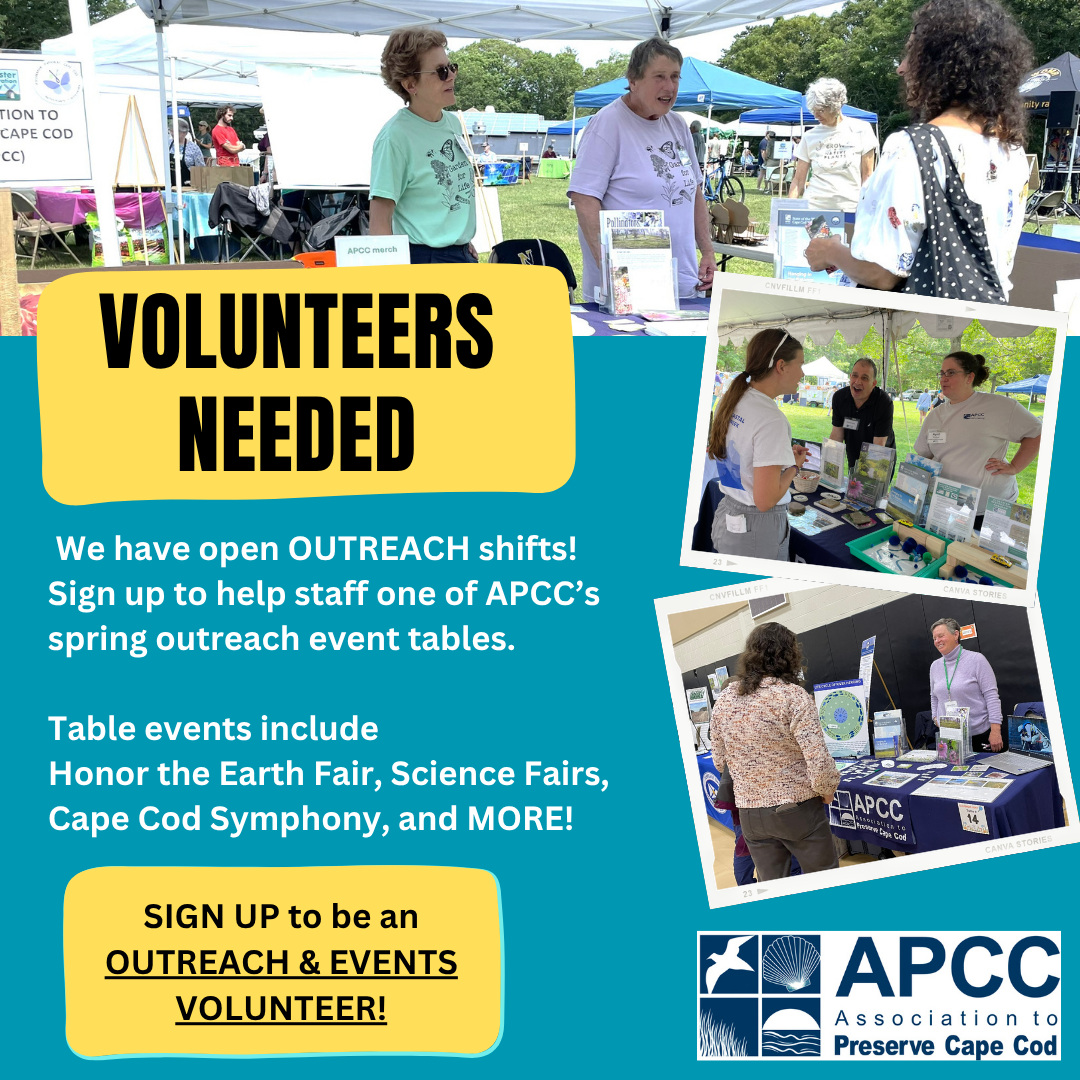
Volunteers are needed now! We are currently looking for volunteers to help with our spring event educational outreach tables. In many cases we are double booked and need an extra hand or two to help set up and staff our tables. This is a fun way to get involved and learn more about preservation and restoration projects happening all over the Cape. Come meet your neighbors and fellow conservationists!
APCC volunteer opportunities abound! There are so many ways you can participate as an APCC volunteer this spring. Sign up now to help join staff at one of our educational outreach tables, prepare for our annual native plant sale, get outside with the ecolandscape garden crew, or get involved with The Cape We Shape. |
Attention Runners:
Run the 2026 Falmouth Road Race for APCC |
|
|
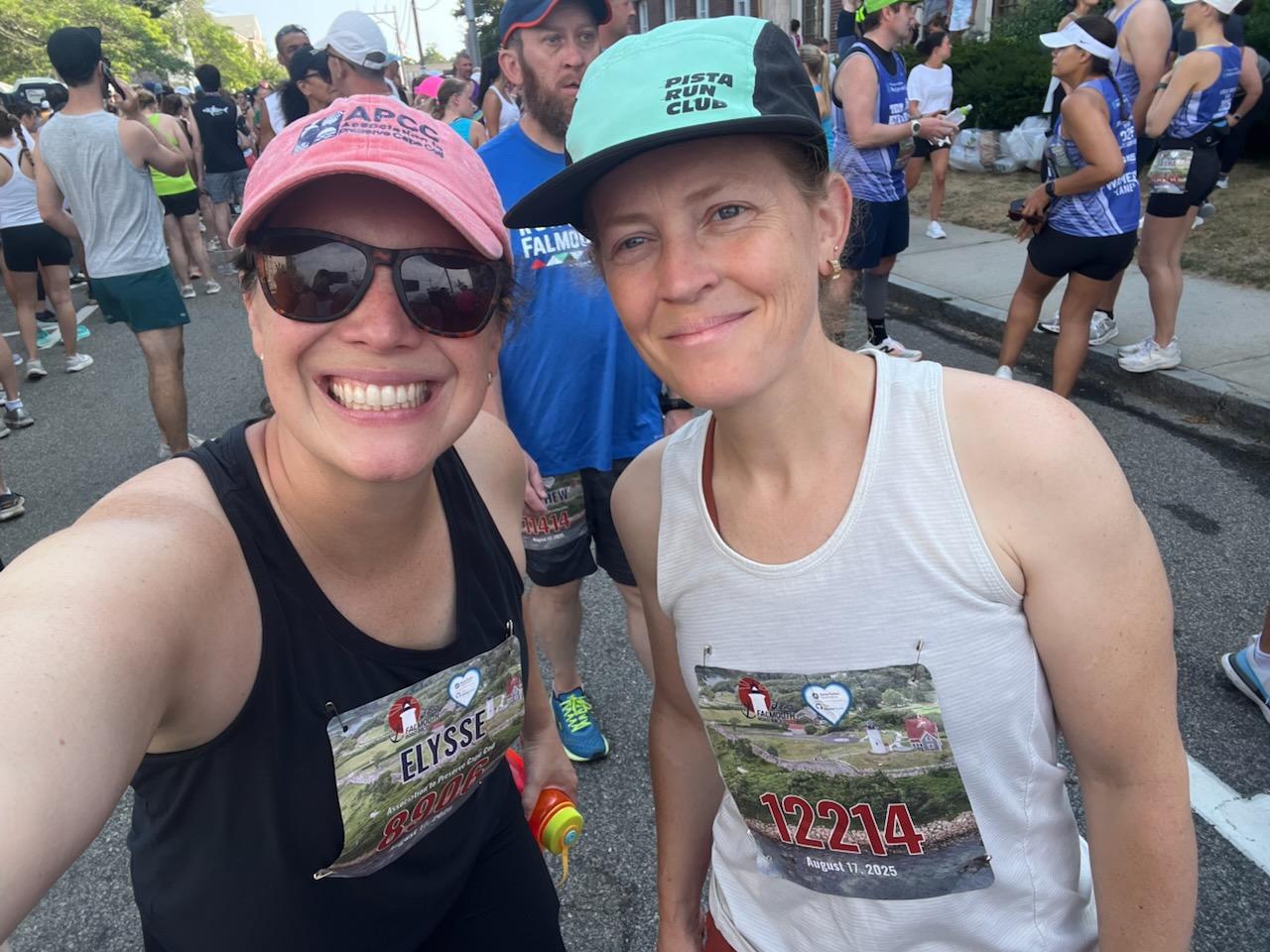
Above: Elysse Magnotto-Cleary, APCC president, and her friend Mary ran for APCC in 2025. |
|
APCC is thrilled to be a part of the "Numbers for Nonprofits" program for the 2026 Asics Falmouth Road Race, and we are currently accepting applications for this year's team. Team members will receive a guaranteed race entry, fundraising tips and tools, a fundraising web page, and support throughout the process. If you're interested in amplifying APCC's work in a fun and unique way,
please apply here.
Questions? Please reach out to runforapcc@gmail.com |
|
|
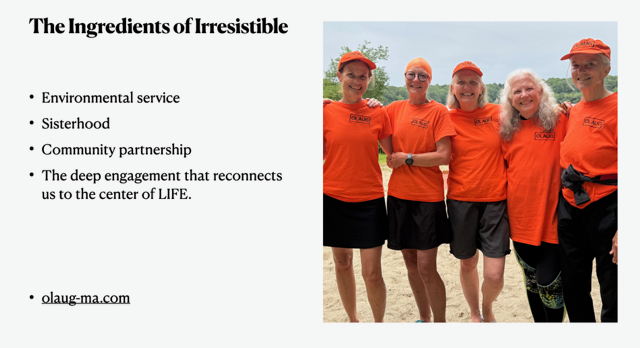
What Makes Helping the Planet Irresistible?
with Susan Baur, founder of Old Ladies Against Underwater Garbage Friday, April 17, 2026
1:00- 2:30 p.m. At APCC's headquarters in the Koppel Center in Dennis and online via Zoom.
Certain acts of environmental service break through into public awareness for a variety of reasons—the unusualness of the service itself, the unusualness of those performing it, or the unanticipated flood of emotions the action releases.
Susan will share with us what she knows about what makes diving for beer cans, golf balls, fishing lures, spent fireworks, and the occasional toilet or motorcycle—irresistible! |
|
|
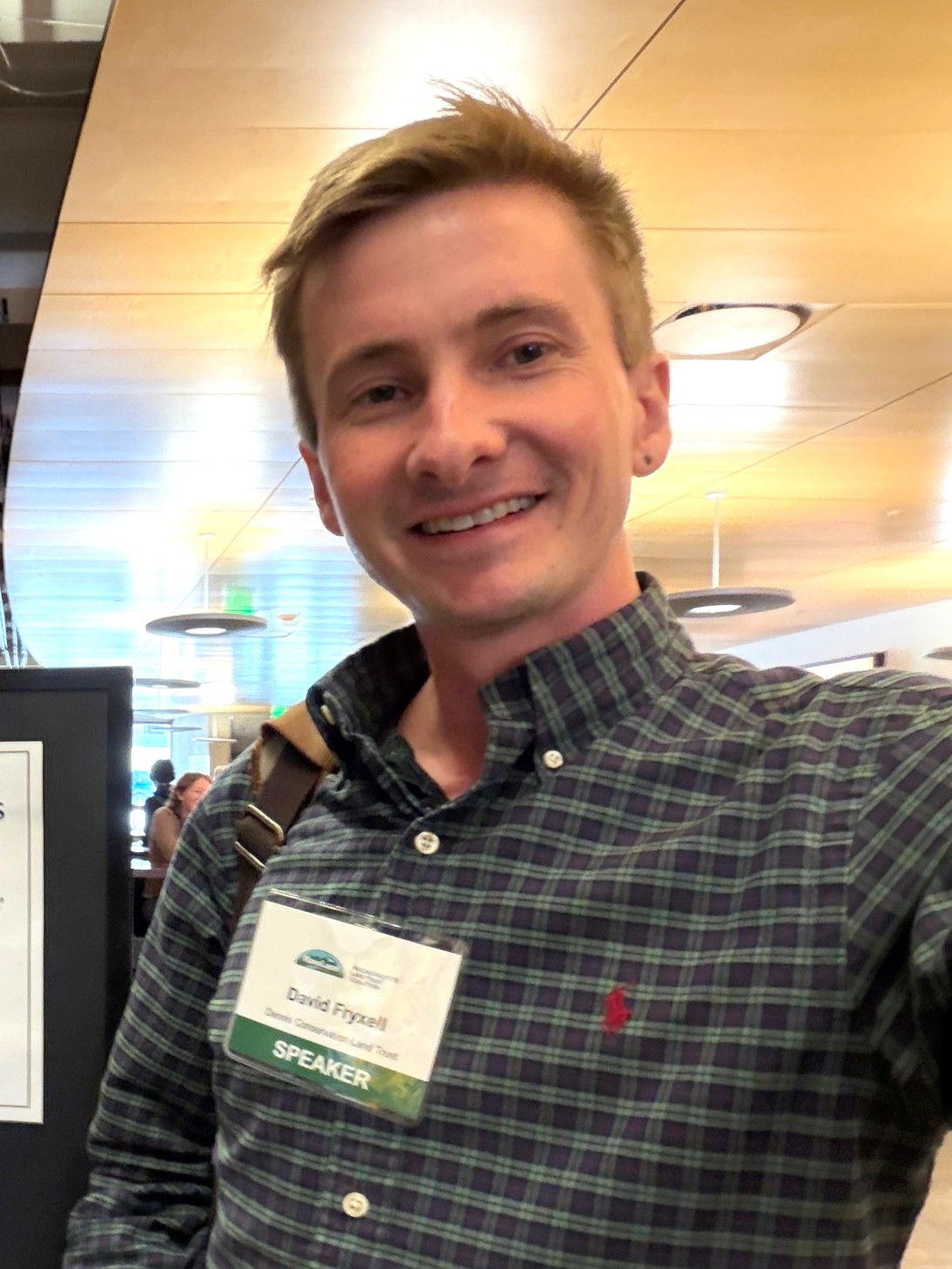
| Pond Ecology Matters: Biodiversity and Its Role in Pond Health with Dave Fryxell, Ph.D., Dennis Conservation Land Trust Executive Director |
Friday, May 1st 1:00 - 2:30 p.m.
At APCC's headquarters in the Koppel Center in Dennis and online via Zoom.
In this talk, Dave will explore how the plants, animals, and microscopic life within ponds shape their health, resilience, and function. Drawing on classic studies and compelling real-world, local examples, he will share stories that reveal how ponds both support and depend on the rich web of life they contain. Read more...
|
|
|
Join APCC at the 2026 Honor the Earth Fair, Saturday! (Attendees do not need to register.) |
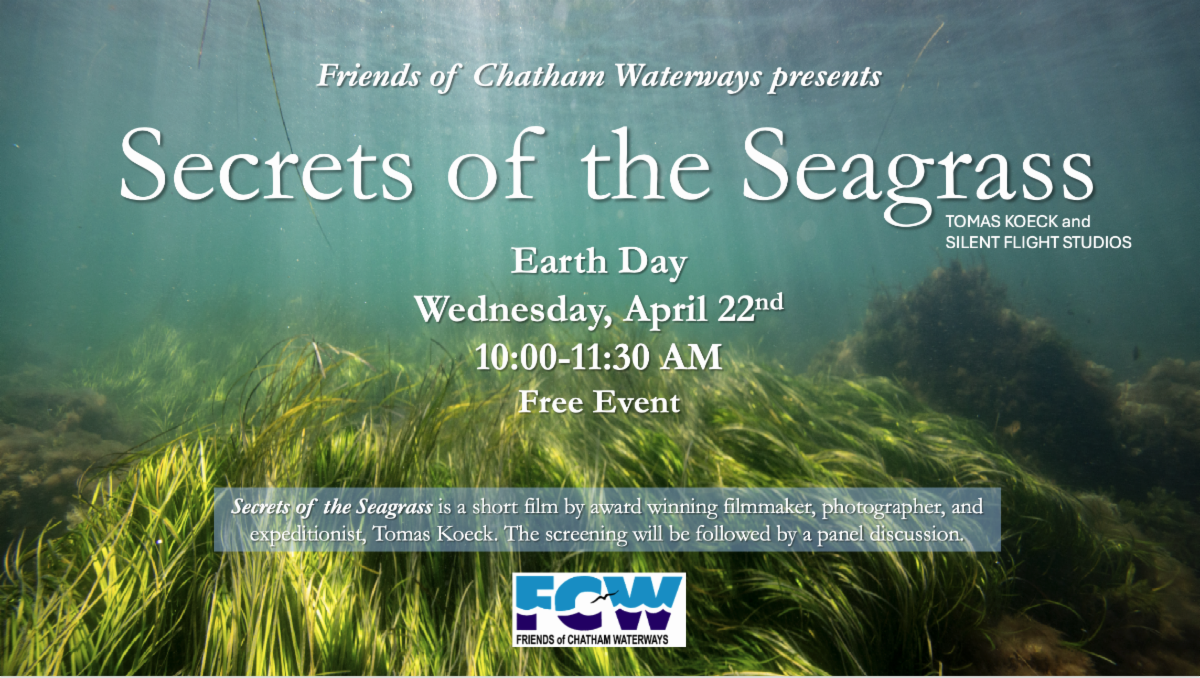
Celebrate Earth Day at the Chatham Orpheum theater where Friends of Chatham Waterways is hosting the showing of “Secrets of the Seagrass.” A discussion will follow with a notable panel, including the filmmaker, Tomas Koeck, Chatham’s director of natural resources, Greg Berman, and the director of both Seagrass Net and the Center for Coastal Studies’ Benthic Ecology Program, Dr. Agnes Mittermayr. |
A Cape-wide Conservation Event Calendar |
The Compact of Cape Cod Conservation Trusts (“the Compact”) and its nonprofit members launched a new regional calendar of events. The Conservation Calendar includes programs across Cape Cod hosted by these groups. The goal of the calendar is to encourage visitors and residents to take part in nature and environmental events. You can always find the link to the calendar on APCC's website under News & Events.
|
If you are a farmer or someone who wants to grow native plants to sell, or you just want to be updated on the program's development, please submit the interest form that appears on our webpage. We will be sending periodic email notices of workshops and meetings.
Funding for the project is provided by Barnstable County and its Economic Development Council License Plate Grant Program through the Cape Cod Commission, the Kelley Foundation and private donors. |
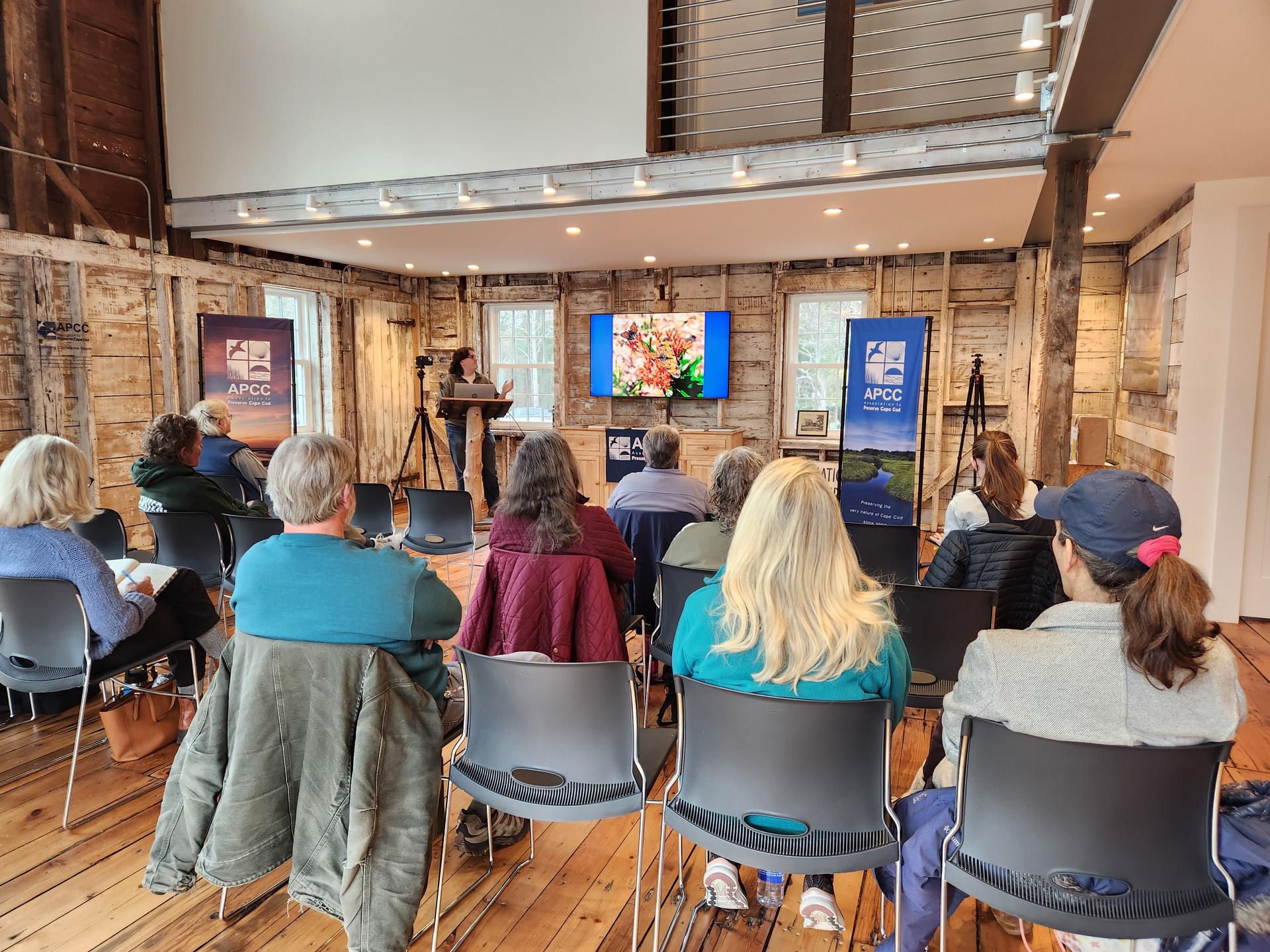
Ten talks for prospective growers as part of the Cape Cod Native Plant Growers' Cooperative program have been presented thus far, with more scheduled in the upcoming weeks. These past workshops can be viewed here: |
A Cape Cod Native Plant-selector ~ to help you choose the perfect native plants for your garden. |
|
|
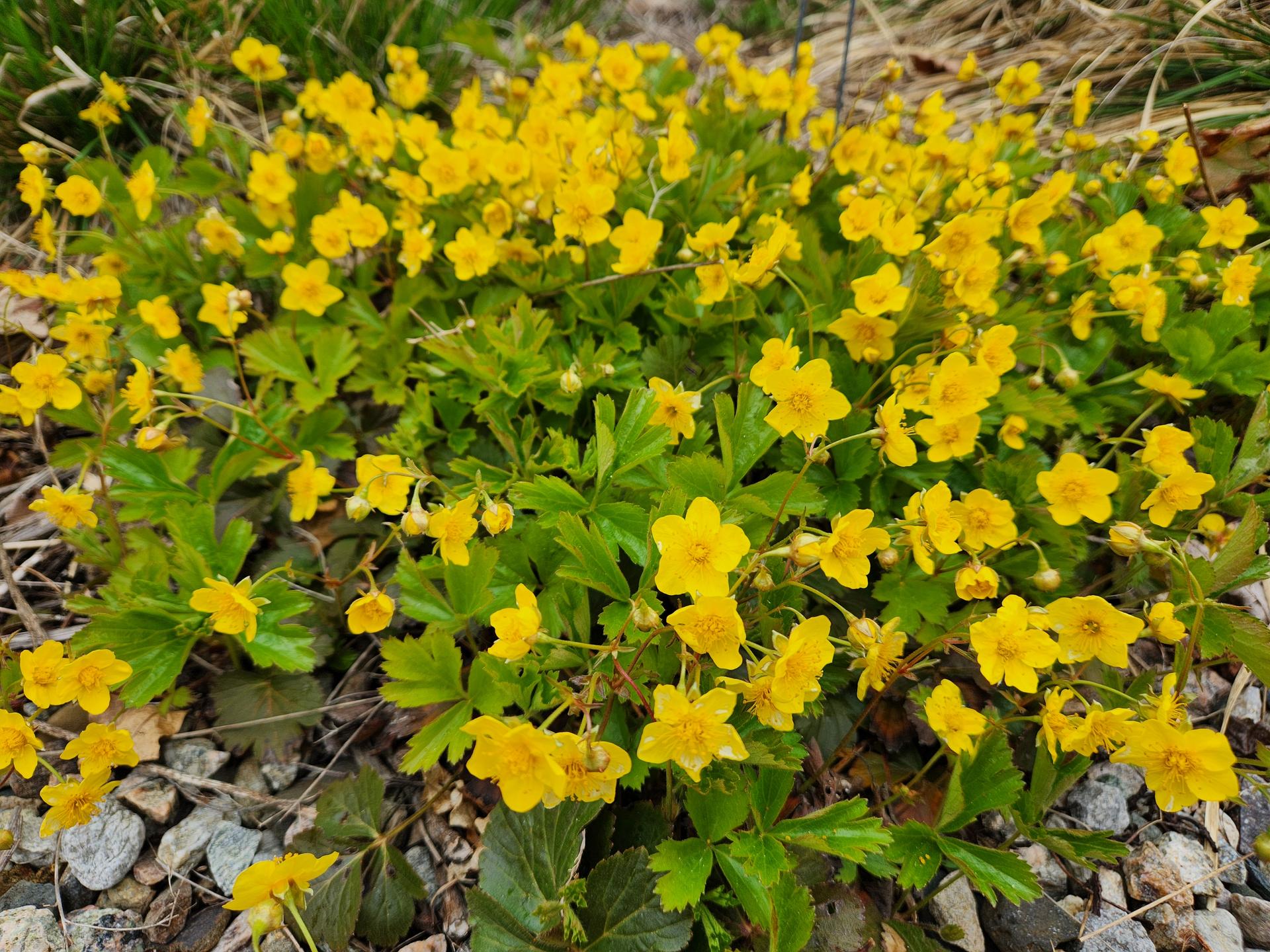
Email kandres@apcc.org and we'll send you a CapeCodNativePlants.org decal. | | Barren Strawberry Waldsteinia fragarioides |
|
|
The purpose of CapeCodNativePlants.org is to help native plant enthusiasts select the right plant for the right place. While not all native plants presented here are indigenous to Cape Cod, they are suitable native species for Cape gardens and managed landscapes.
Why Native Plants? Many native plants are drought tolerant, salt tolerant, and thrive in the “thin” soils found on Cape Cod. Native plants are as attractive as any plant, and are reflective of the Cape’s natural beauty. By planting native species appropriate for Cape Cod, you can conserve water, avoid pesticide and fertilizer use, and support pollinators and birds.
|
|
|
|
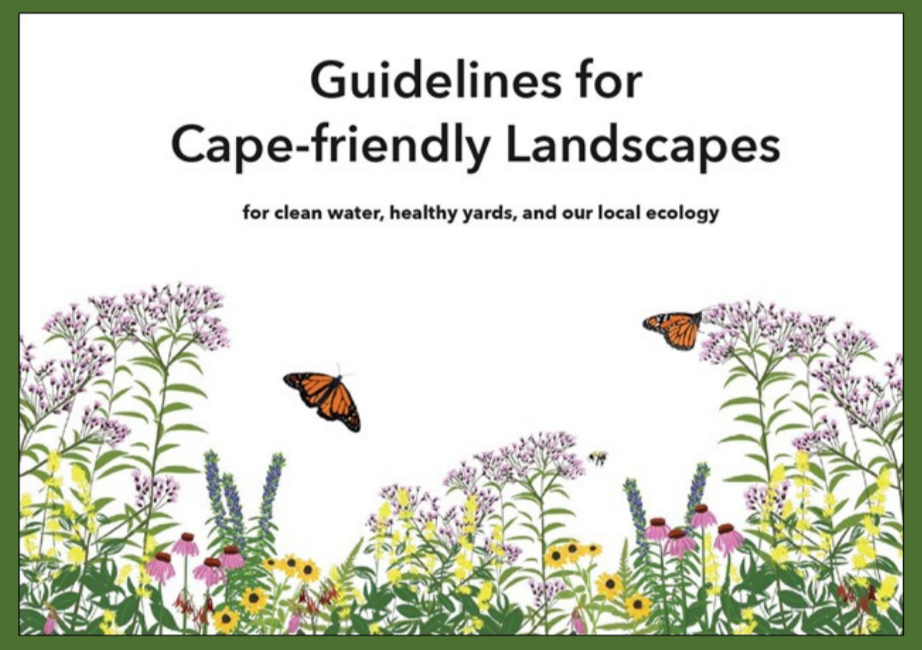
The Guidelines gives homeowners steps they can take in the design and maintenance of their properties that will support pollinators and birds, manage stormwater, conserve water, and protect the Cape's water quality. This 40-page booklet is beautifully illustrated by Marcy Ford with content that is easily digestible and supported by numerous resources for additional learning.
|
|
|
We are grateful for the several retail shops that are partnering with us to make this publication more widely available: Brewster Book Store, Birdwatchers General Store, Crocker Nurseries, Wellfleet Audubon Wildlife Sanctuary, Cape Abilities Farm, Cape Cod Museum of Natural History, the Cape Cod Lavender Farm, Heritage Museums and Gardens, Titcomb's Bookshop, Sea Howl Bookshop, Soares Flower Garden Nursery, Hyannis Country Garden, Orleans Whole Food Store, and Eight Cousins Bookshop.
If you are a retailer and would like to sell this publication at your store, please contact us. |
|
|
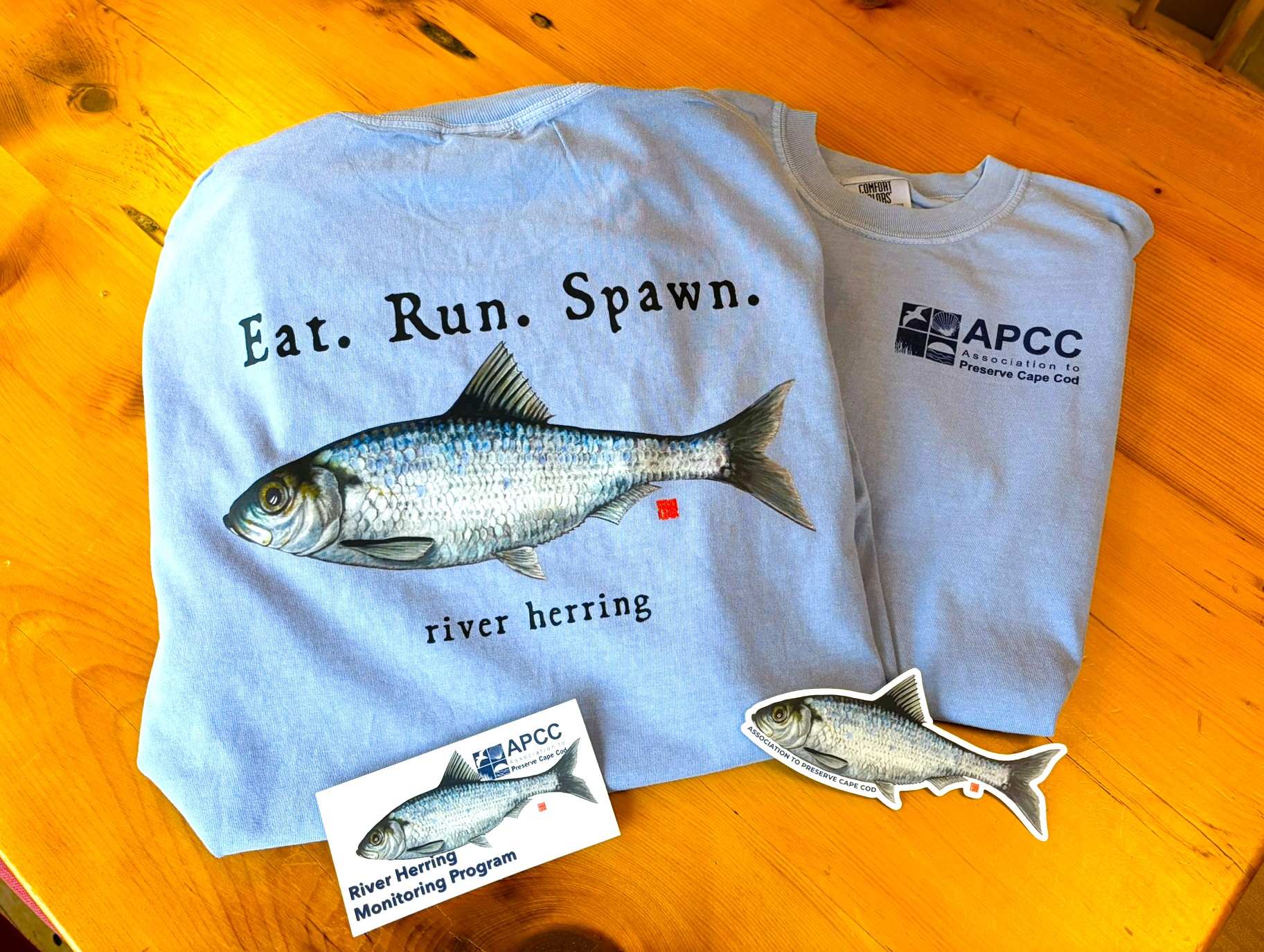
New Offering - Celebrate the Run! Herring T's color denim blue $30 - includes USPS delivery in the U.S. |
Team SOS $30 - includes USPS delivery in the U.S. |
|
|
APCC caps $25 -includes USPS delivery in the U.S. |
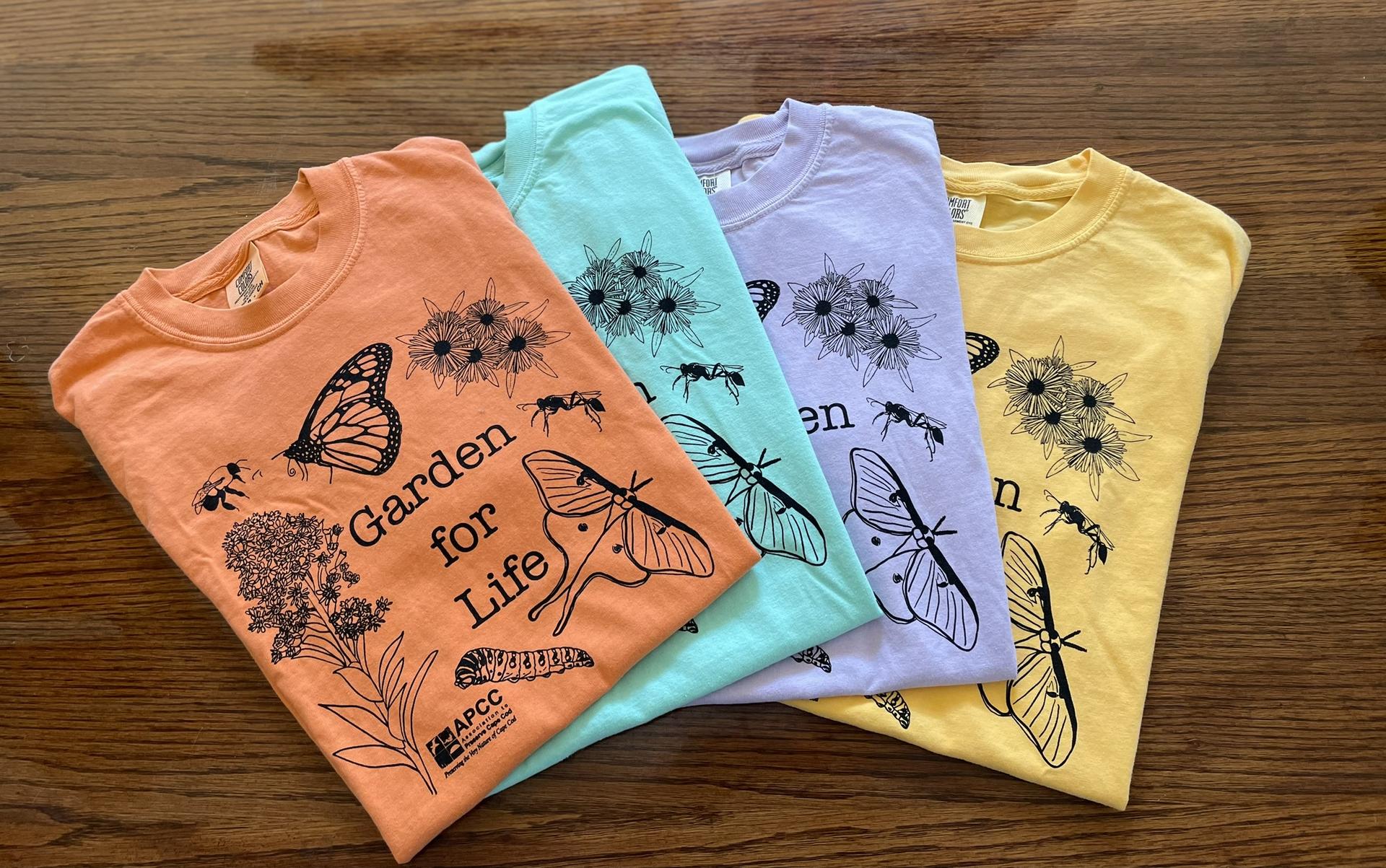
Garden for Life T's $30 -includes USPS delivery in U.S. |
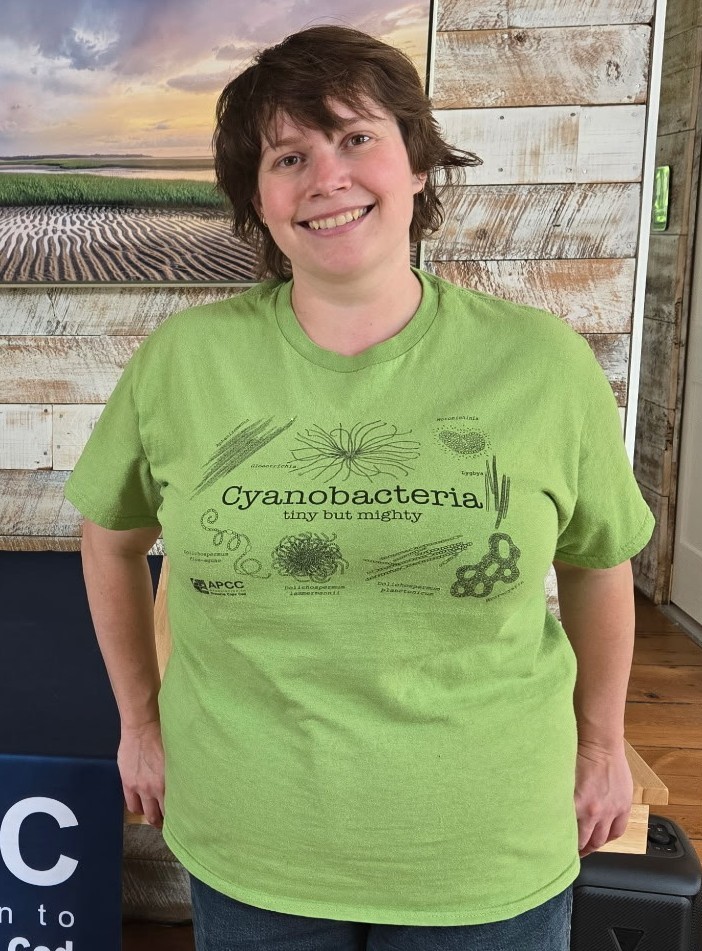
| Cyanobacteria ~ tiny but mighty color kiwi
$30 -includes USPS delivery in the U.S. |
|
|
| APCC eNewsletters.
Our weekly newsletters are archived on our website and easily shared.
You can find past newsletters and share with your friends. Encourage others to sign up for future enewsletters HERE.
|
|
|
Are you thinking of going solar? We hope so!
In partnership with E2 SOLAR in Dennis, APCC receives $500 for every solar installation when APCC is named as referral. |
|
|
|
Thank you to the homeowners who just contracted to install solar panels through E2 Solar. May the sun always shine for you! |
|
|
Expressions Gallery, 578 Main Street, Chatham
CLICK HERE |
Expressions Gallery donates 20 percent of its profits to APCC's work. |
|
|
Thank you to our business sponsors! |
|
|
APCC is rated four stars by Charity Navigator, 2025 Platinum by Candid (formerly Guidestar), and 2024 Top-Rated by GreatNonprofits. |
|
|
Our Contact Information
*{{Organization Name}}*
*{{Organization Address}}*
*{{Organization Phone}}*
*{{Organization Website}}*
*{{Unsubscribe}}* |
| |
|
|