Association to Preserve Cape Cod |
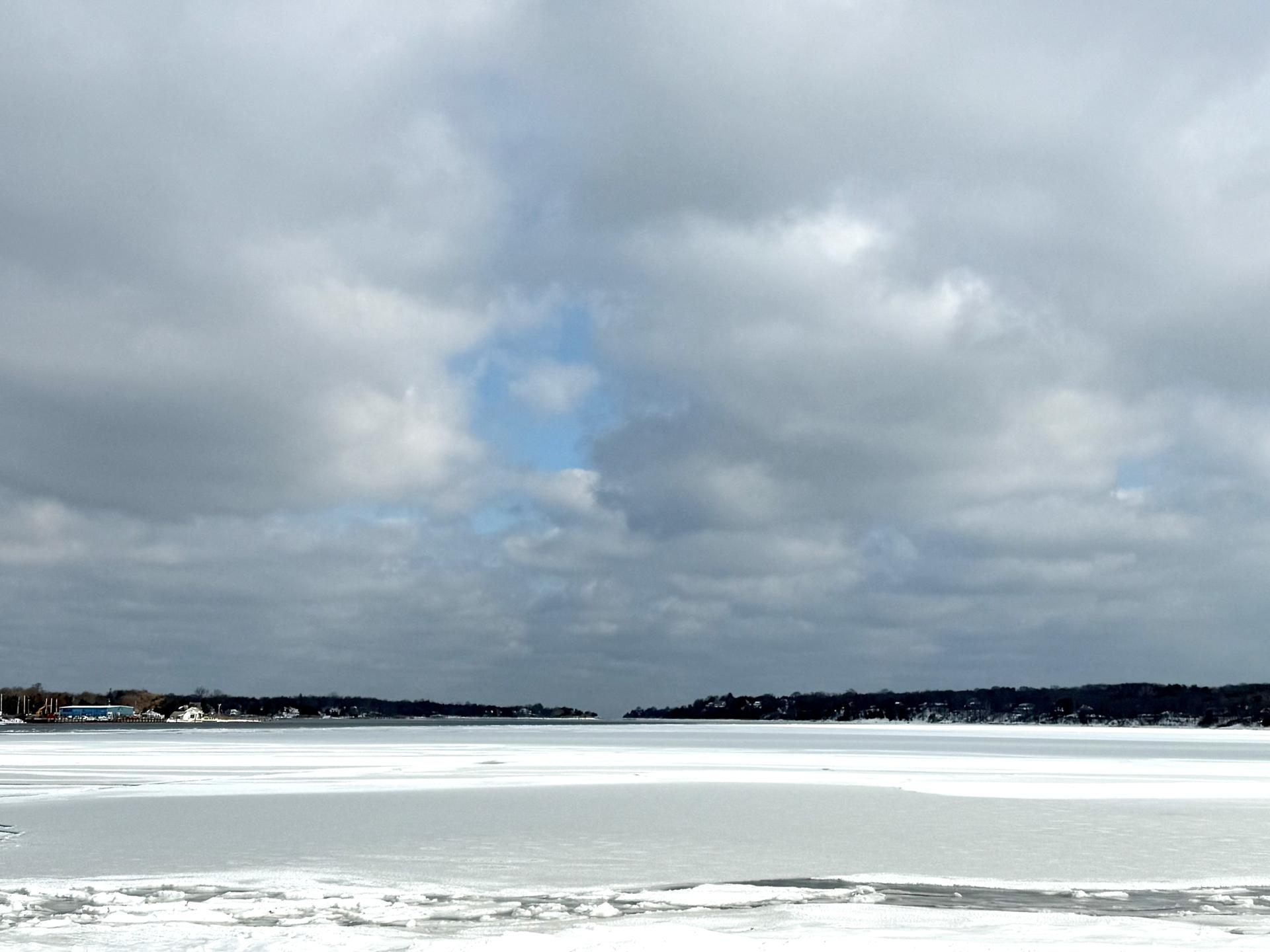
Above: Town Cove, Orleans. Photo by Sue Machie |
|
|
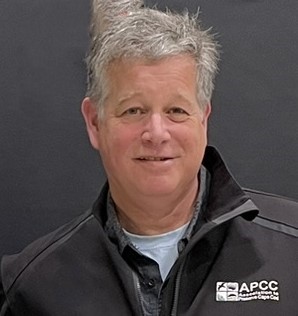
| More? C'mon by Andrew Gottlieb, Executive Director |
APCC has taken a stand against state permits for new development that will further degrade water quality. We have written to DEP to object to the draft groundwater discharge permit for a major development in Falmouth that will add nitrogen to an already overloaded estuary. |
|
|
The draft permit for Easterly is a canary in the coal mine and has broad implications for managing the impact of new development elsewhere on the Cape. Watch this one. We will be. |
Ecosystem Restoration Program |
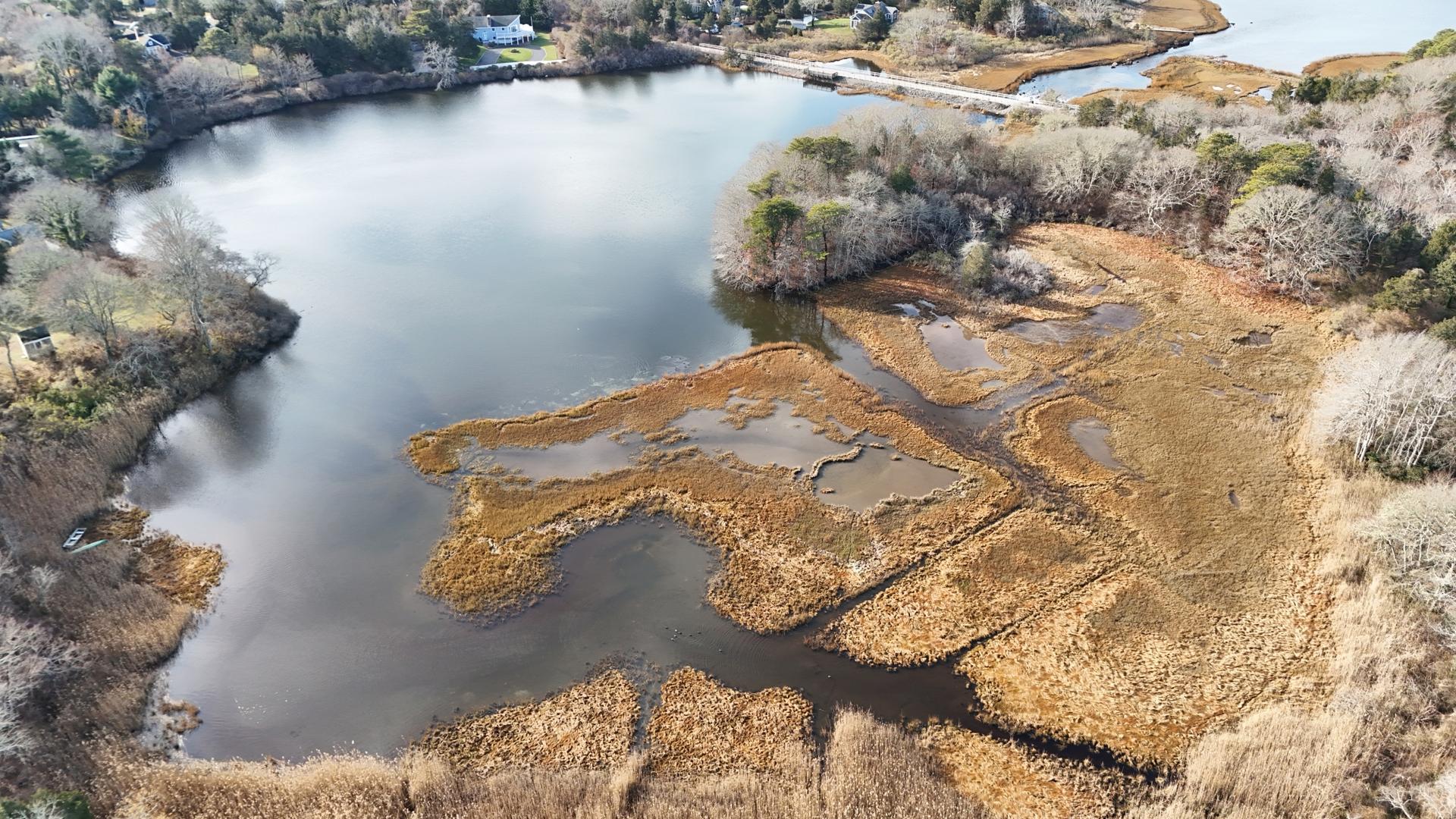
Above: Oyster Pond and Shining Sea Bikeway in West Falmouth |
APCC Secures Grant for Salt Marsh Restoration and Monitoring
We are excited to share news of $341,360 in funding for two salt marsh restoration projects secured through the Massachusetts Department of Environmental Protection Salt Marsh Restoration and Monitoring Grant. This funding will support salt marsh restoration design, permitting, and monitoring in Falmouth and Dennis where project goals include improving tidal hydrology, enhancing community resilience to storm surge flooding, managing invasive species, and rehabilitating salt marsh habitat for long-term stability.
The MassDEP funding supplements ongoing support from the Cape Cod Conservation District as part of the NRCS Cape Cod Water Resources Restoration Project, a 2024 NOAA Transformational Habitat Grant, a 2025 EPA Southeast New England Program Watershed Implementation Grant, and a private foundation.
The awarded projects include: -
Oyster Pond (West Falmouth Harbor) Restoration Project In coordination with the town of Falmouth and other partners, this project aims to improve tidal hydrology by replacing an undersized culvert under the Shining Sea Bikeway to restore habitat in three acres of salt marsh and improve water quality in seven acres of tidal pond. Visit the Oyster Pond project website to learn more!
- Weir Creek (West Dennis) Restoration Project
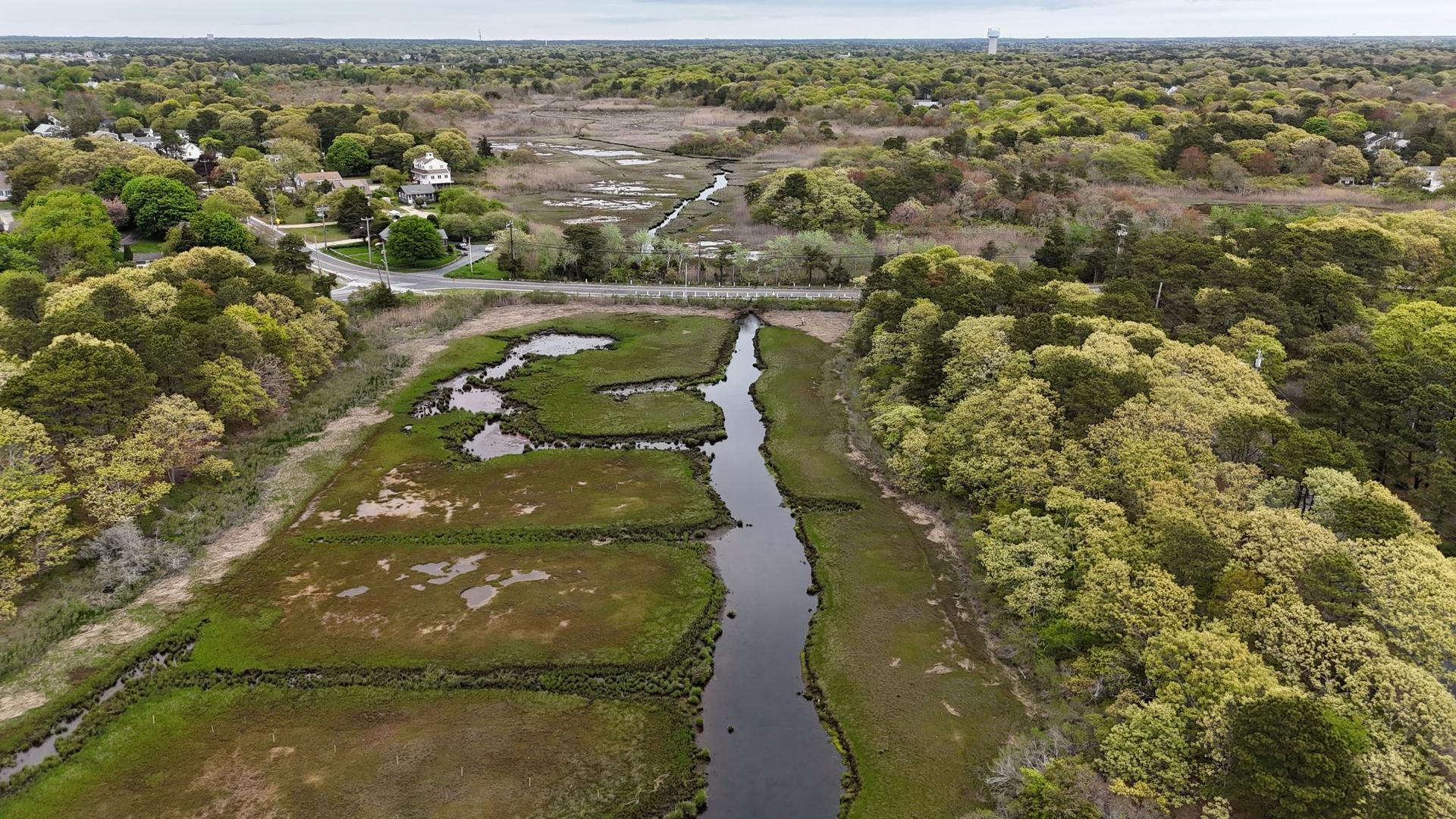
In coordination with the town of Dennis and other partners, this project is intended to improve roughly 80 acres of salt marsh habitat and enhance flooding resilience to the surrounding community by restoring tidal hydrology in Weir Creek (part of the Bass River watershed). Objectives include replacing two undersized culverts under Lower County Road, removing earthen berms from the interior of the marsh, reducing the cover of the invasive plant Phragmites australis, and enhancing drainage of waterlogged salt marsh habitat. Visit the Weir Creek project website and/or the Weir Creek Tidal Viewer to learn more!
With support from MassDEP, our local partners, and additional sources of funding, APCC is contributing to healthier ecosystems and a more climate resilient future for Cape Cod. |
Above: Weir Creek salt marsh and Lower County Road (western culvert) in West Dennis |
Resetting the Trajectory from Doom to Boon at the Chase Garden Creek Salt Marsh with Molly Autery, APCC salt marsh specialist |
|
|
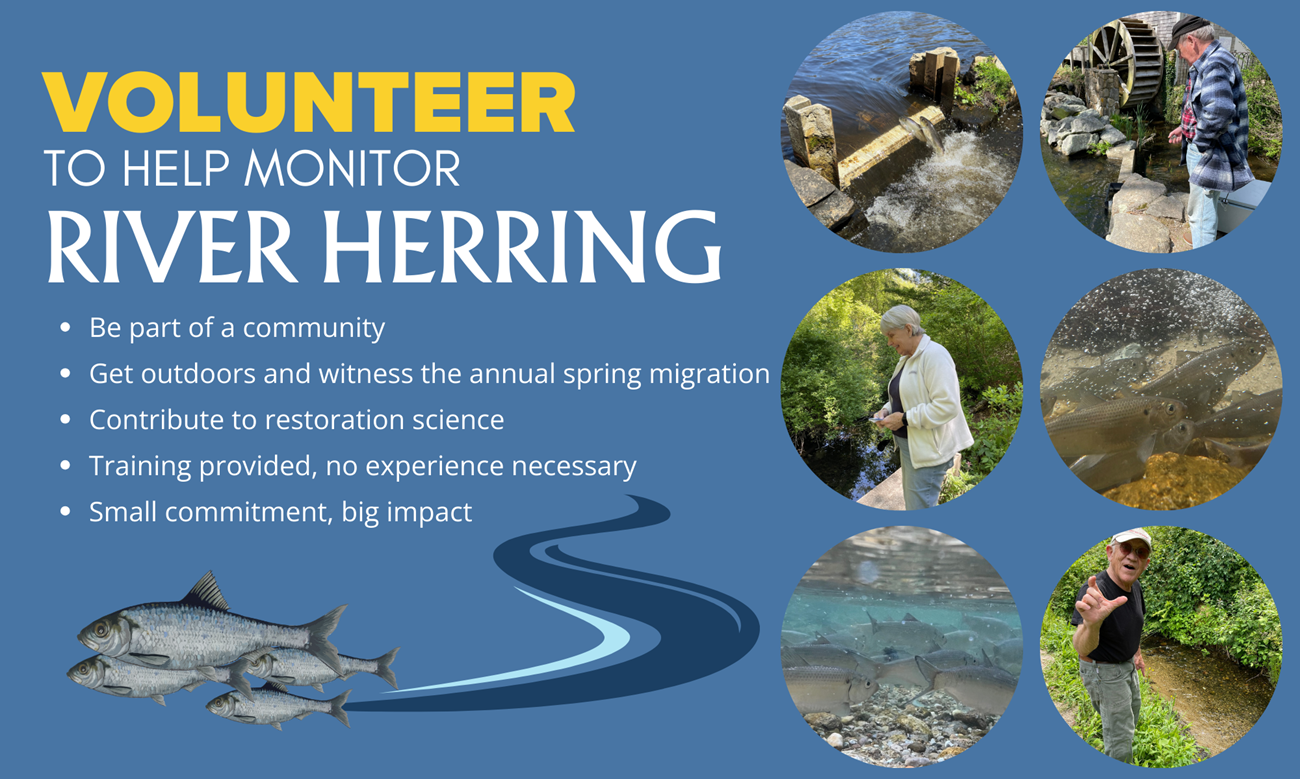
Cape Cod River Herring Runs Need You (Spring 2026 Volunteers)
Spring is just around the corner and we’re once again seeking volunteers to count river herring. River herring include alewife (Alosa pseudoharengus) and blueback herring (A. aestivalis) and are considered keystone species in the Atlantic coastal ecosystem.
These forage fish sustain a rich food web, nourishing predators like striped bass, ospreys, seals, and dolphins. Their annual spawning migrations transport vital nutrients from the ocean into freshwater systems, enriching these ecosystems and supporting aquatic life. Beyond their ecological importance, river herring have deep cultural and economic significance for coastal communities here on Cape Cod. Volunteer counts of river herring provide valuable scientific data on herring abundance and are used by fisheries managers to manage and protect herring stocks. Herring counts also help to document the need for restoration or improvement of fish runs and the success of restoration projects.
Where you can volunteer (2026)
We’re seeking volunteers at runs across Cape Cod, including: - Stony Brook (Brewster)
- Trunk River (Falmouth)
-
Mashpee River (Mashpee)
- Pilgrim Lake (Orleans)
- Mill Creek (Sandwich)
- Red Lily Pond (Centerville)
- Long Pond (Yarmouth)
- Baxter Grist Mill (Yarmouth)
A complete list of the Cape Cod runs monitored by volunteers is listed on our River Herring Hub website. What counting involves - When: Typically April 1 – June 15 (timing varies with the run)
-
Time commitment: A few counts per week, whenever you’re available
- How it works: 10-minute visual counts at a designated site
- Requirements: Your own transportation, comfort on uneven terrain, and the ability to visually spot fish in moving water
- Reporting: Counts are submitted through APCC’s web-based data entry system
Ready to sign up?
If you’d like to count herring at one or more runs: |
Once you sign up, we’ll follow up and/or connect you with the local count coordinator for your run(s) of interest. Trainings will be held in March, and we’ll post dates on the River Herring Hub website as they’re finalized—so please sign up soon.
To learn more about APCC’s river herring monitoring program, instructions for counting, and estimates of past run sizes, please visit APCC’s River Herring Webpage. Funding for the program comes from the Massachusetts Bays National Estuarine Partnership. This program is run in collaboration with the Massachusetts Division of Marine Fisheries and local conservation programs. |
One Fish, Two Fish… Ice Fish!
Each year, Mass-Wildlife stocks over 450 ponds, rivers and streams statewide with rainbow, brook, brown, and tiger trout. This includes 32 ponds located in 13 of the 15 Cape Cod towns.
Ponds are typically stocked at the beginning of March, and some ponds may receive an additional stocking in the fall. Many Cape Cod ponds are too warm in the summer and cannot support trout populations year-round. Stocking allows the species to exist seasonally, and helps reduce pressure on wild trout populations in cold water streams, which can be more sensitive to overfishing. This process helps to support trout populations and provides recreational fishing opportunities for the community.
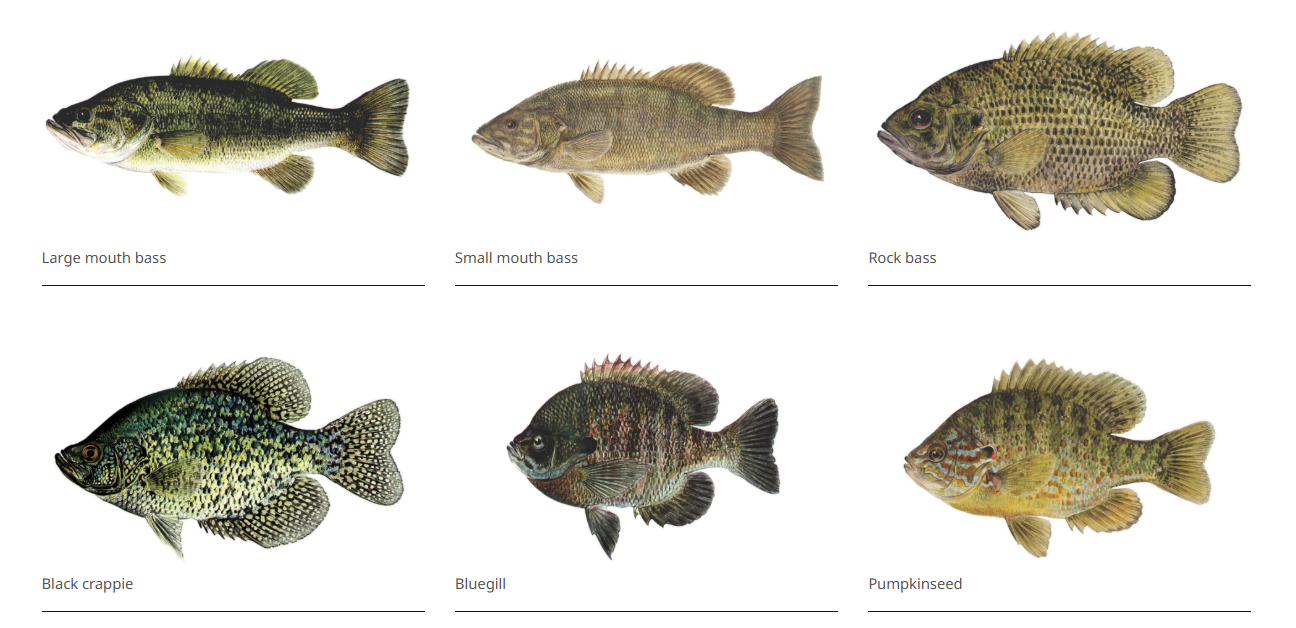
Fishing isn’t just limited to the summer months; when cold temperatures form an ice cover of at least four inches—the minimum safe thickness—many people turn to ice fishing. Some stocked trout may survive into the winter, especially in deeper ponds. However, it is more common to catch chain pickerel, yellow perch, and largemouth bass.
To survive the cold winter months, fish enter a dormant state called torpor. In this state, their metabolism, body temperature, and breathing slow to conserve energy. While most ponds are deep enough to prevent solid freezing, surface ice cover can be common. Ice-cover helps to insulate the pond and enables inverse stratification where the coldest water is found near the surface below the ice, and slightly warmer water lies below.
Since many fish are ectothermic, or cold-blooded, they rely on their environment to regulate body temperature. They will typically retreat to the warm, oxygen rich bottom layer, but they may also burrow into soft sediment. So, although the ponds appear frozen and motionless, life continues to thrive beneath the ice. To learn more: Freshwater Fishes of Massachusetts
Cape Cod Commission Pond Viewer |
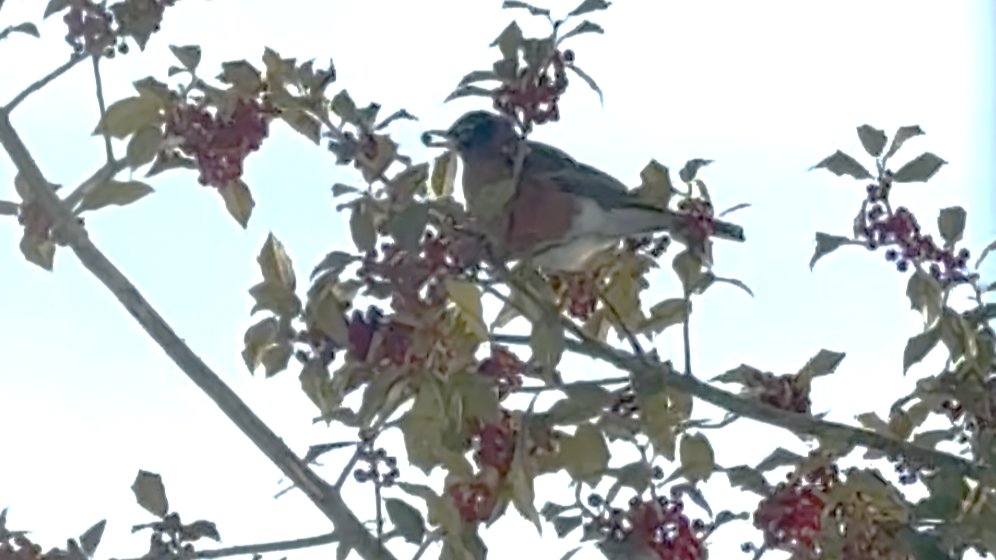
Above: Robin eating American holly berry in APCC's landscape, January 30, 2026 |
Back Before the Birdfeeder, There Were Hollies and Cedars
As the Cape continues to get buried under snow, our non-migratory birds must tough it out through this cold and unforgiving winter. While this may prompt some of us to stock a birdfeeder to help our feathered friends, let’s talk about the plants the came before the birdfeeder and why they often do a much better job of helping our native birds survive the winter.
Traditional birdfeeders have endless complications—all of which boil down to one simple fact: our native birds have evolved over the course of thousands of years to feed themselves on the seeds, fruits, and insects that our native plants supply. Seed mixes of peanuts, black sunflower seeds, and cracked corn do not offer a good substitute for this evolutionary history. Mismatched nutrients, especially those with extremely high concentrations of fats and carbs, do more harm than good. These mixes can overload our native birds, and can actually set birds off their natural breeding timelines.
Take Florida scrub-jays for example. Overfeeding caused by well-intentioned residents trying to help the federally threatened bird actually caused the jays to nest earlier in the season than is typical. This resulted in clutches of chicks hatching far before there was a large enough supply of caterpillars to feed their development, leading to malnutrition and starvation for the chicks. Additionally, let’s consider where these seeds are coming from. Are they organic? Pesticides have been shown to have a negative impact on bird health, especially if they are reliant on a feeder for a significant portion of their diet.
We all want to see birds in our backyard. But putting out a birdfeeder to attract them can further contribute to the downfall of these populations because we still have not supplied them with food and habitat that will actually help them get through their entire lifecycle.
How can we help our native birds through harsh winter weather? While birds still hunt for insects overwintering in dead stems or galls or crevices of tree bark, many birds shift their focus to nuts, seeds, and berries during the winter. |
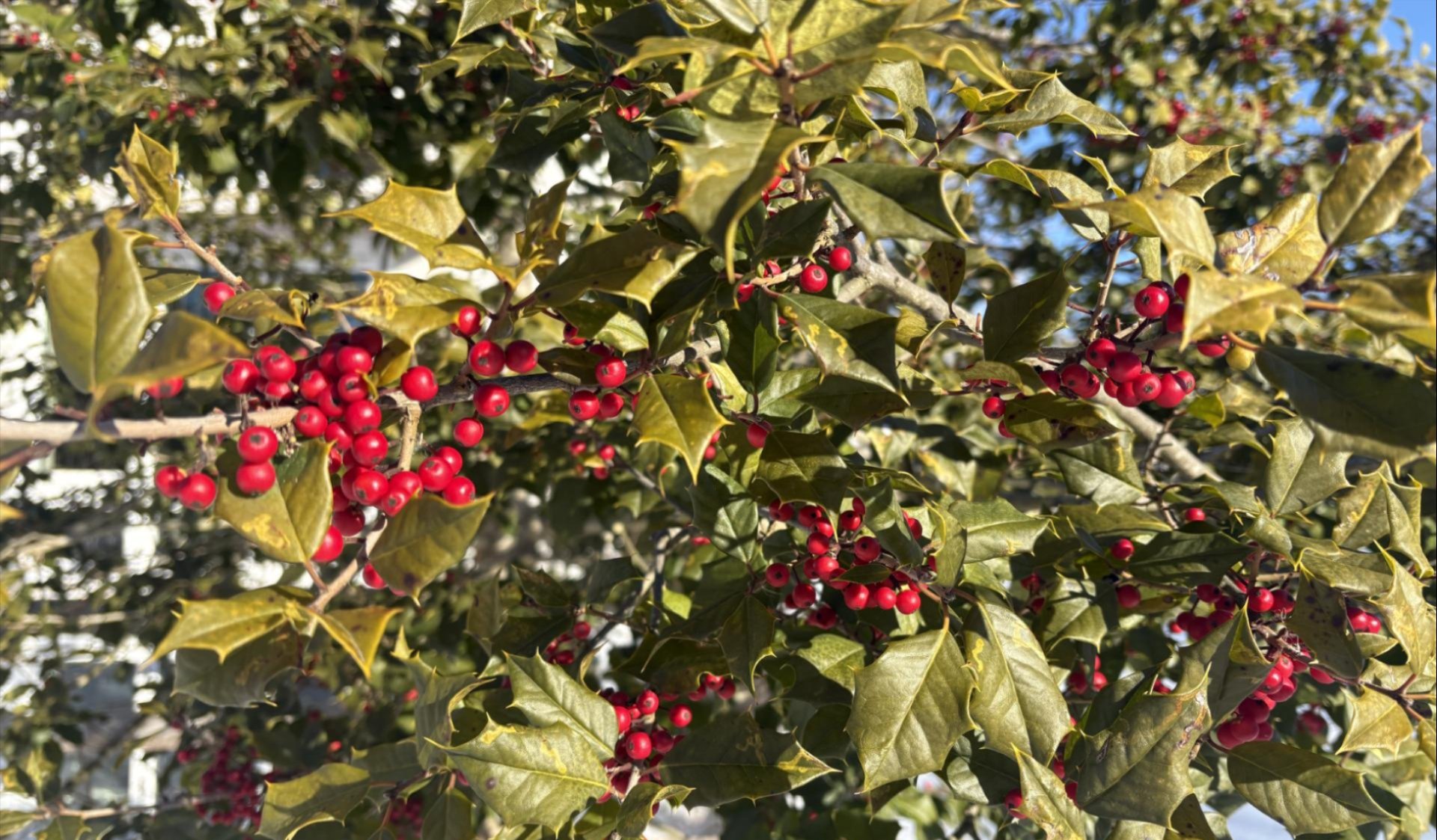
Above: American holly, Ilex opaca, in APCC's landscape |
Two plant species to highlight are the American holly (Ilex opaca) and the eastern red cedar (Juniperus virginiana). The reason for the focus is that a few days ago, a large flock of Canadian robins decided they wanted their version of a vacation on Cape Cod on APCC's property. While beach parties may be out, the robins have been having a wild time flying back and forth between our American holly tree and eastern red cedar, located just across the driveway from one another. Robins weren't the only bird species we spotted enjoying the feast: a tufted titmouse and cedar waxwings were also invited to dinner. It was a real treat to watch the birds fly to and from over the course of the last few days, and knowing that they were eating from nature.
What role do the fruits of invasive species, such as privet, play in feeding birds? According to one study from the Northeastern Naturalist, native berries of arrowwood viburnum (Viburnum dentatum) and spicebush (Lindera benzoin) have far higher fat contents and energy density than invasive multiflora rose (Rosa multiflora) and bush honeysuckles (Lonicera japonica). In addition, the study also examined how quickly these shrubs were stripped of their berries by passing birds, and unsurprisingly, they found that our native species and their berries were the first pick, having their berries eaten far faster than non-native species.
If you want to ditch your birdfeeder and feed them naturally, what plants should you consider adding to your home landscape? Consult the National Audubon website, where you can fill in your zip code to get recommendations of species native to your area, or the Birdy Dozen lists complied by the Wild Ones. Additionally, The Audubon Society Guide to Attracting Birds by Stephen Kress is an excellent and comprehensive guide, filled with plant lists for the Northeast.
Other helpful resources: |
Video Share!
Escape to thoughts of summer with this garden visit with Edwina von Gal. |
|
|
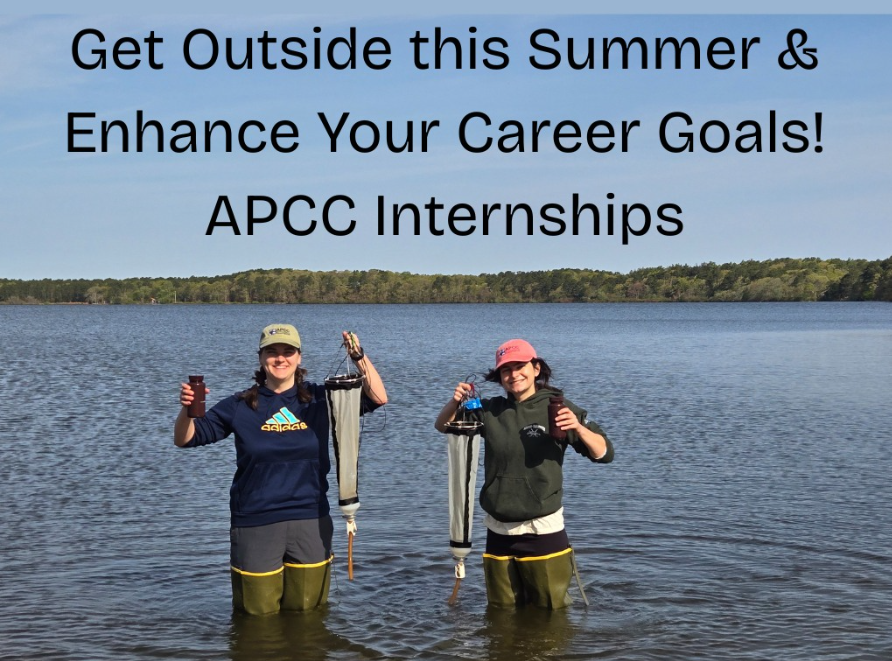
Announcing APCC Seasonal Internships |
|
|
If you are a farmer or someone who wants to grow native plants to sell, or you just want to be updated on the program's development, please submit the interest form that appears on our webpage. We will be sending periodic email notices of workshops and meetings.
Funding for the project is provided by Barnstable County and its Economic Development Council License Plate Grant Program through the Cape Cod Commission, the Kelley Foundation and private donors. |
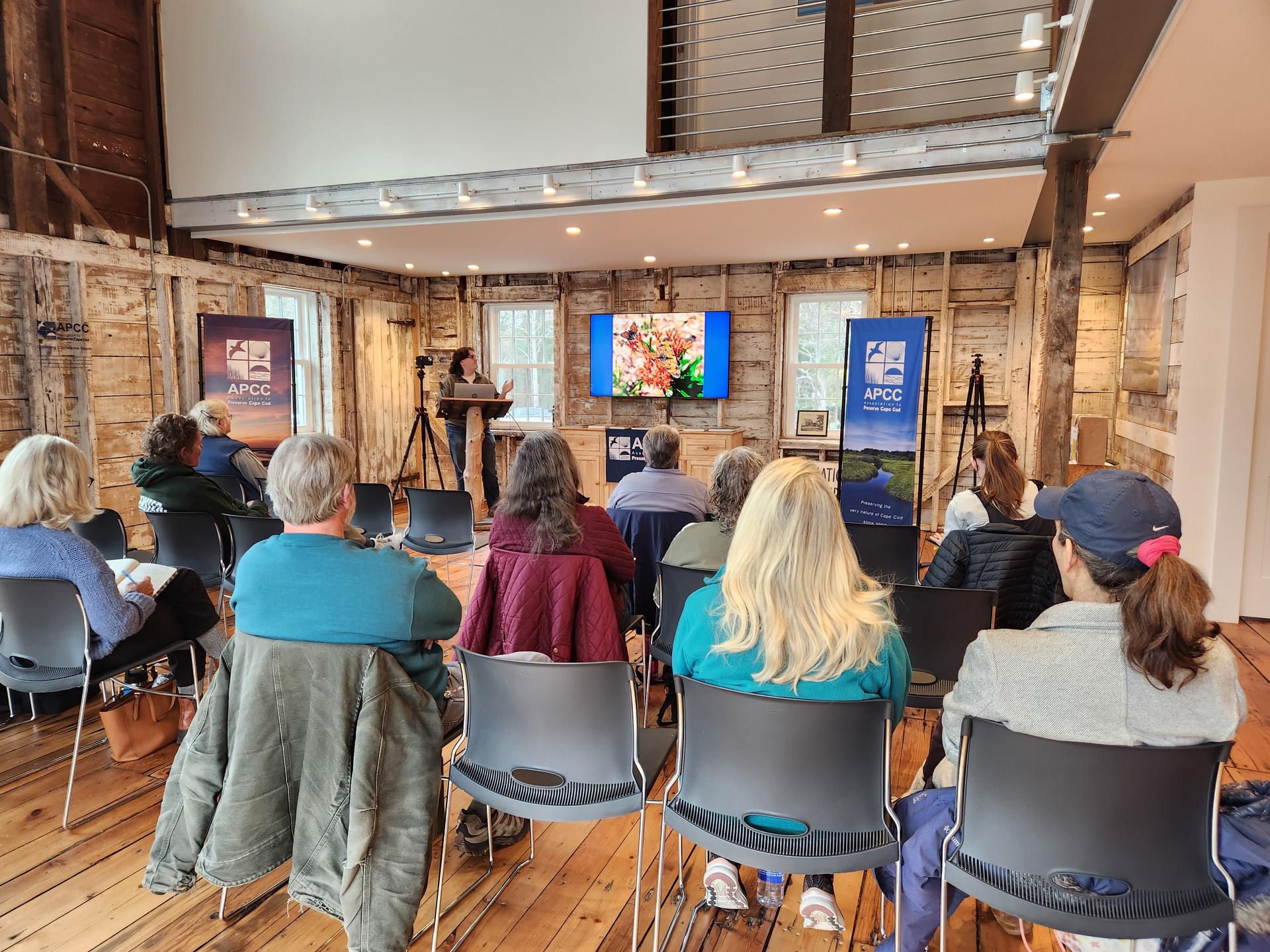
Four talks for prospective growers as part of the Cape Cod Native Plant Growers' Cooperative program have been presented thus far, with more scheduled in the upcoming weeks. These past workshops can be viewed here:
Registration for upcoming talks can be found on our events page.
|
Upcoming Events Hosted by Others |
A Cape-wide Conservation Event Calendar |
The Compact of Cape Cod Conservation Trusts (“the Compact”) and its nonprofit members launched a new regional calendar of events. The Conservation Calendar includes programs across Cape Cod hosted by these groups. The goal of the calendar is to encourage visitors and residents to take part in nature and environmental events. You can always find the link to the calendar on APCC's website under News & Events.
|
|
| A Cape Cod Native Plant-selector
~ to help you choose the perfect native plants for your garden. |
|
|
Email kandres@apcc.org and we'll send you a CapeCodNativePlants.org decal. |
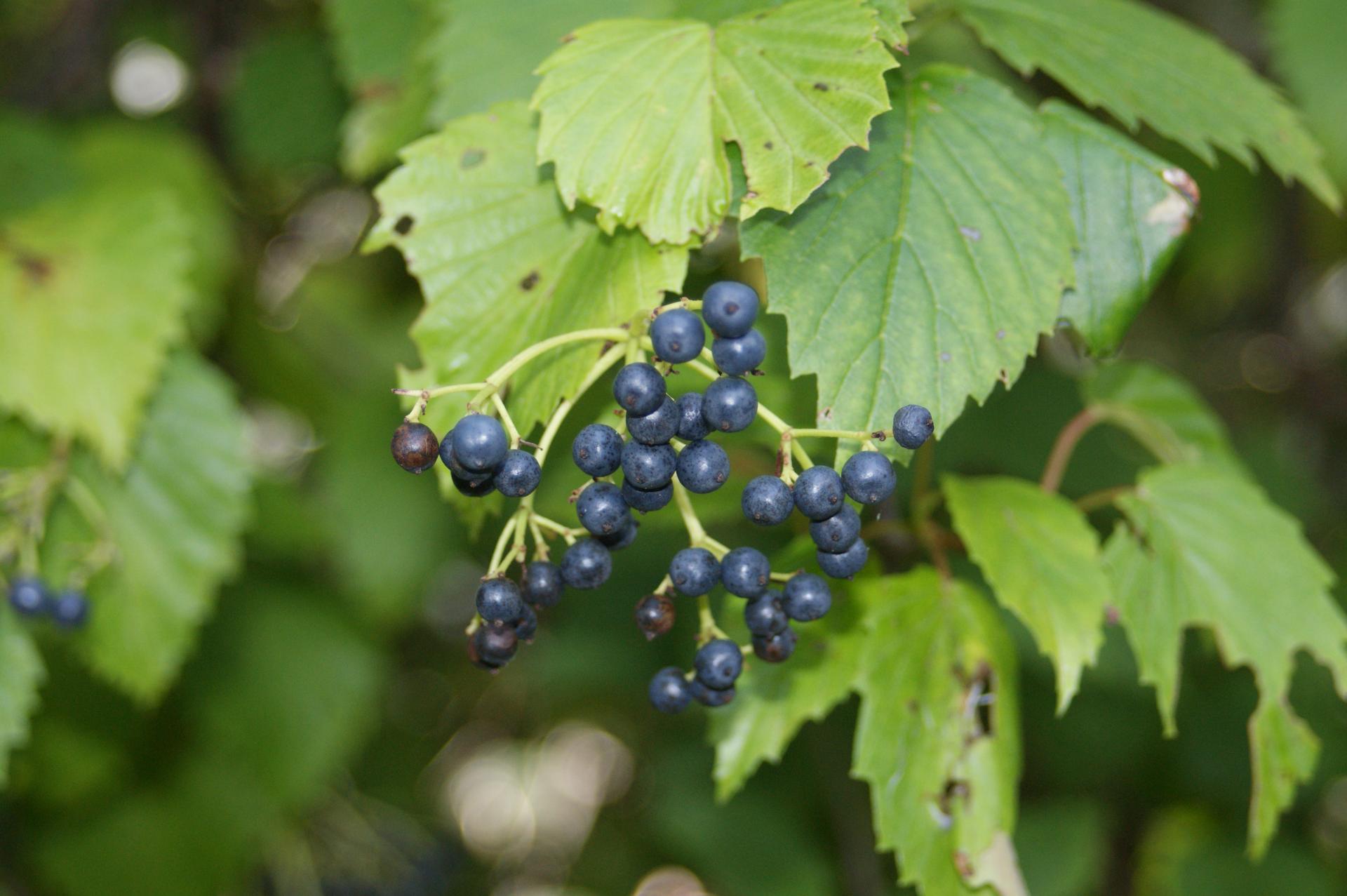
| Arrowwood
Viburnum dentatum |
|
|
|
The Guidelines gives homeowners steps they can take in the design and maintenance of their properties that will support pollinators and birds, manage stormwater, conserve water, and protect the Cape's water quality. This 40-page booklet is beautifully illustrated by Marcy Ford with content that is easily digestible and supported by numerous resources for additional learning.
|
|
|
We are grateful for the several retail shops that are partnering with us to make this publication more widely available: Brewster Book Store, Birdwatchers General Store, Crocker Nurseries, Wellfleet Audubon Wildlife Sanctuary, Cape Abilities Farm, Cape Cod Museum of Natural History, the Cape Cod Lavender Farm, Heritage Museums and Gardens, Titcomb's Bookshop, Sea Howl Bookshop, Soares Flower Garden Nursery, and Eight Cousins Bookshop.
If you are a retailer and would like to sell this publication at your store, please contact us. |
|
|
APCC caps $25 -includes USPS deliver in the U.S. |
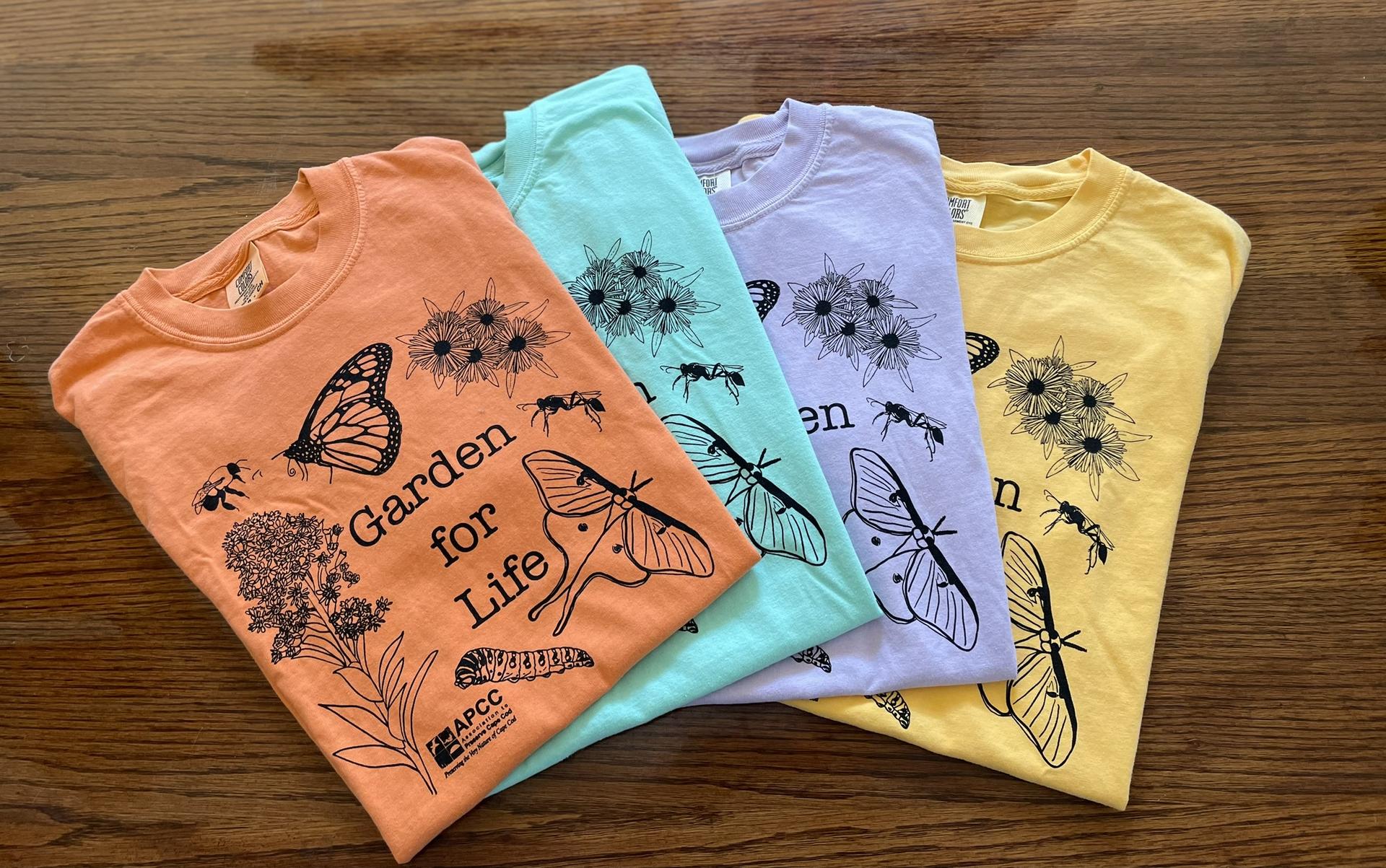
Garden for Life T's $30 -includes USPS delivery in U.S. |
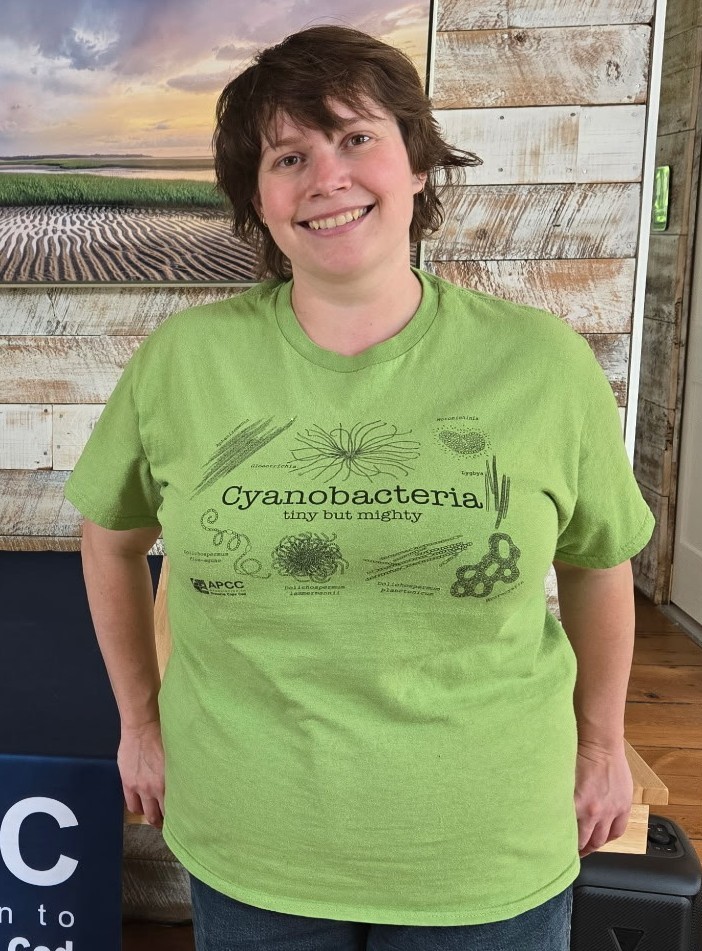
| Cyanobacteria ~ tiny but mighty color kiwi $30
-includes USPS delivery in the U.S. |
|
|
|
APCC eNewsletters. Our weekly newsletters are archived on our website and easily shared.
You can find past newsletters and share with your friends. Encourage others to sign up for future enewsletters HERE.
|
|
|
Are you thinking of going solar? We hope so!
In partnership with E2 SOLAR in Dennis, APCC receives $500 for every solar installation when APCC is named as referral. |
|
|
|
Thank you to the homeowners who just contracted to install solar panels through E2 Solar. May the sun always shine for you! |
|
|
Expressions Gallery, 578 Main Street, Chatham
CLICK HERE |
Expressions Gallery donates 20 percent of its profits to APCC's work. |
|
|
Thank you to our business sponsors! |
|
|
APCC is rated four stars by Charity Navigator,
2025 Platinum by Candid (formerly Guidestar), and 2024 Top-Rated by GreatNonprofits. |
|
|
Our Contact Information
*{{Organization Name}}*
*{{Organization Address}}*
*{{Organization Phone}}*
*{{Organization Website}}*
*{{Unsubscribe}}* |
| |
|
|