Association to Preserve Cape Cod |
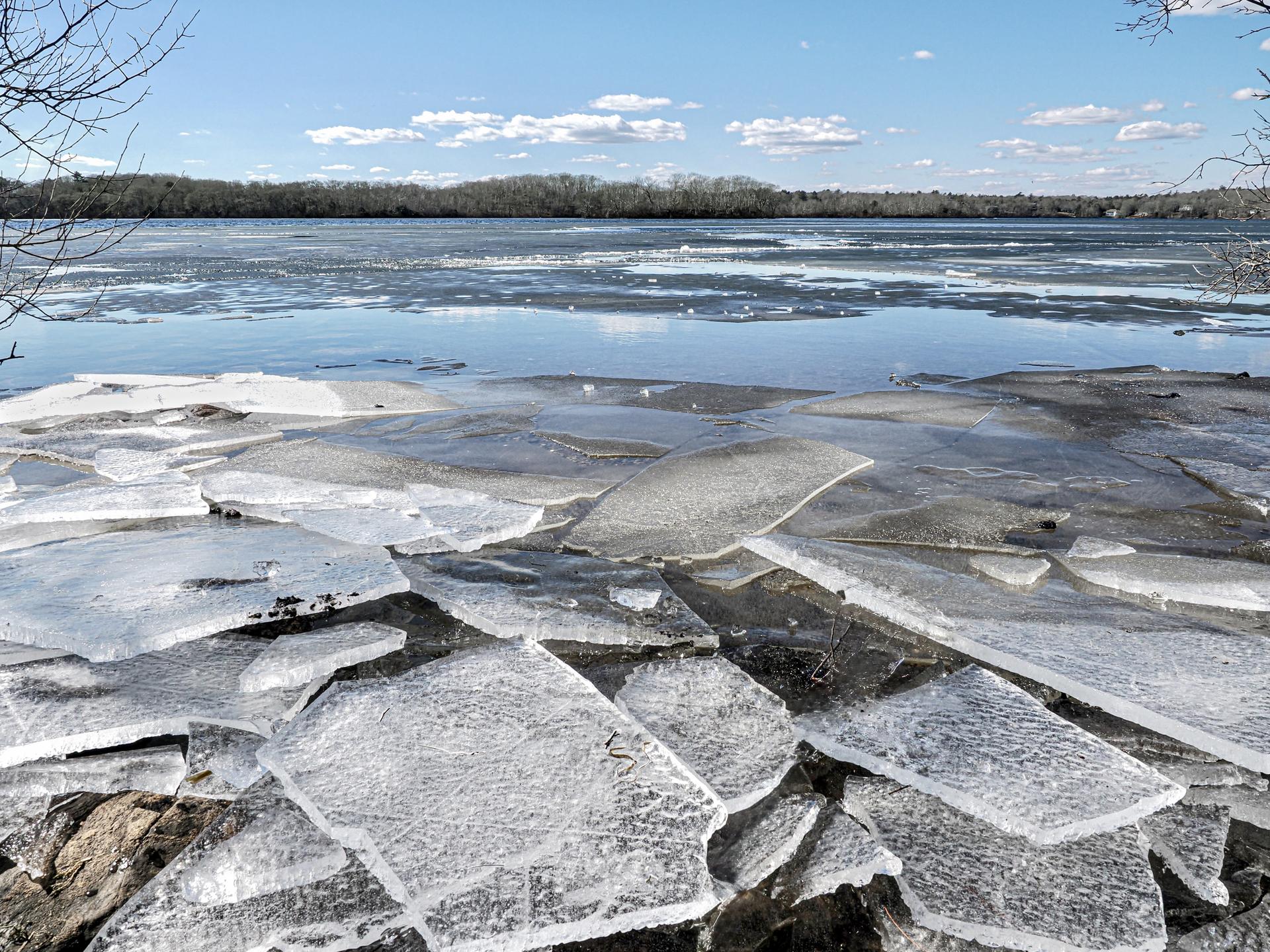
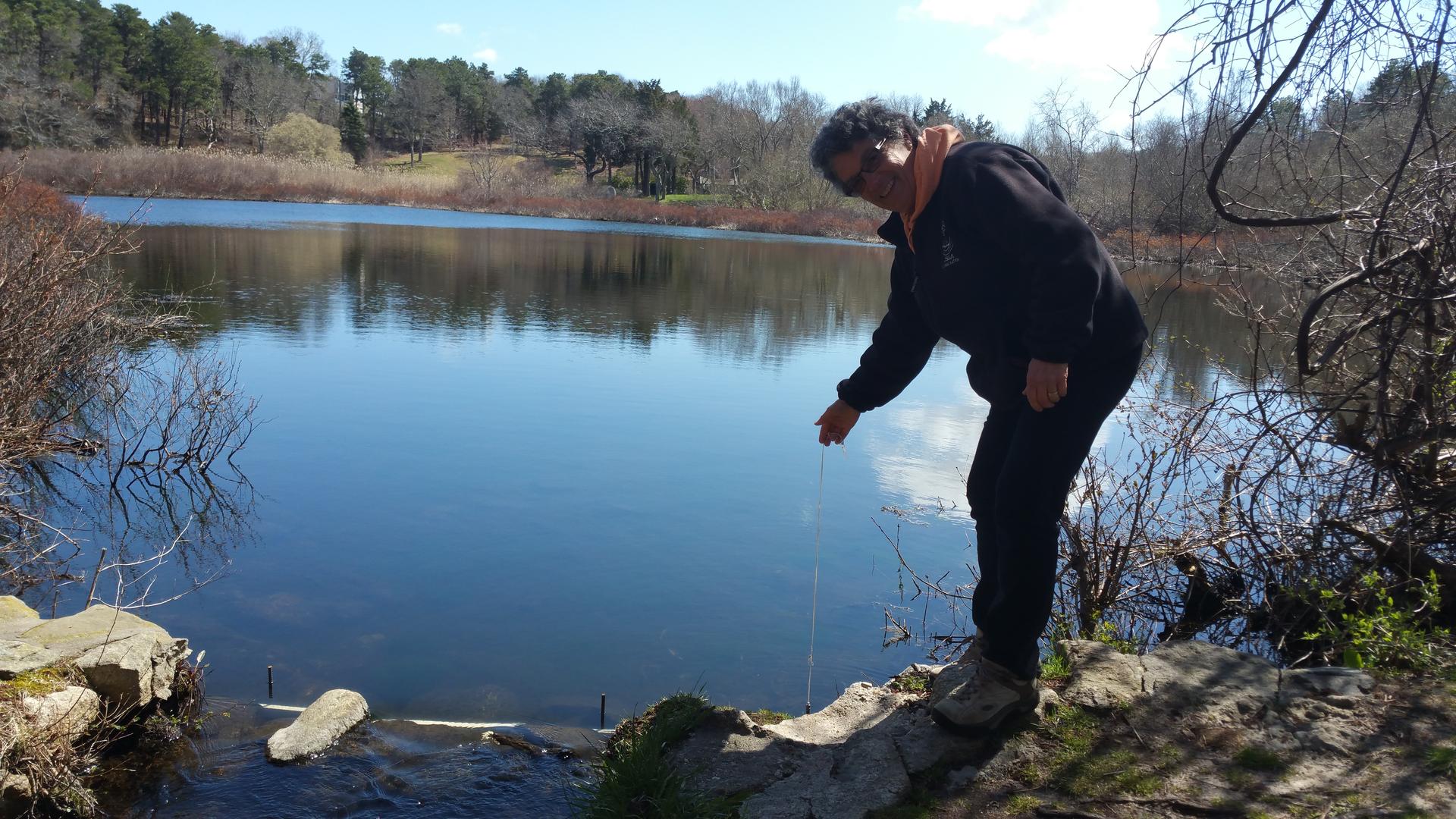
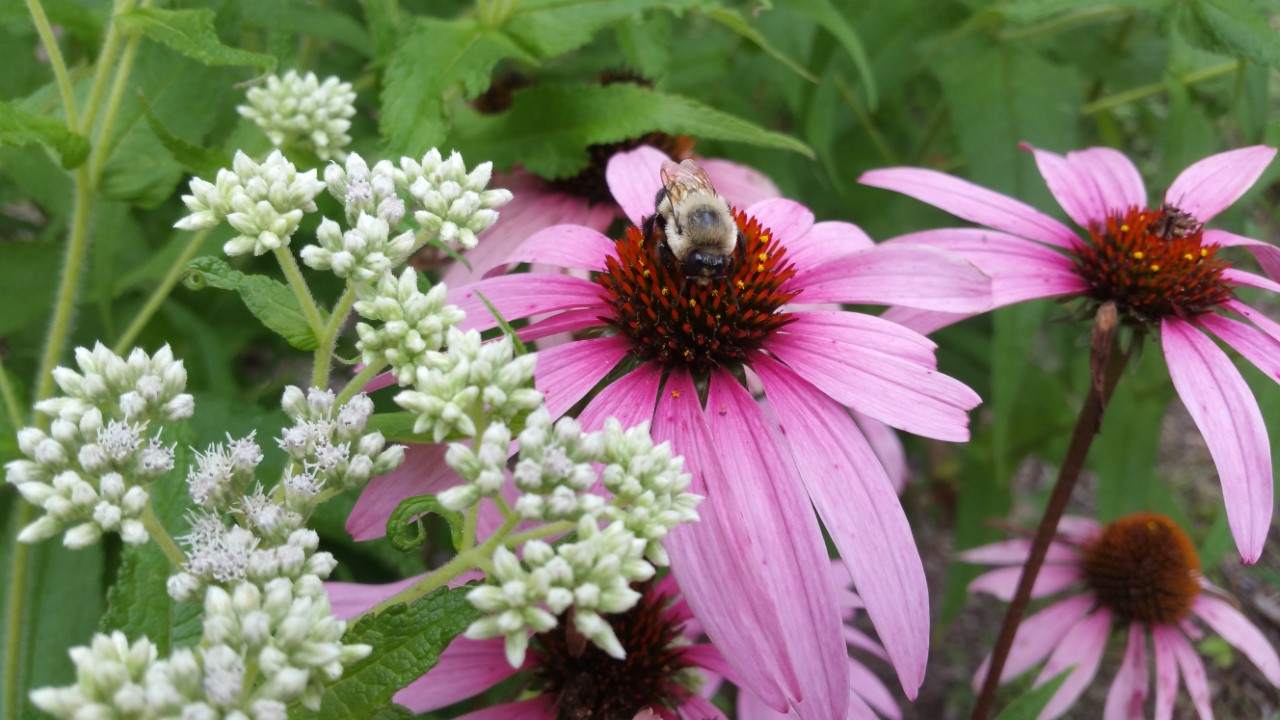
Above: Photo by Sue Machie | |
|
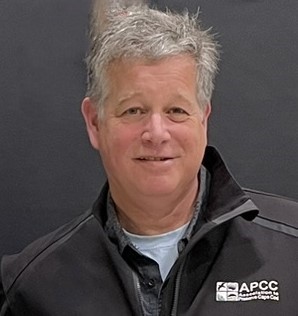
| Full Court Press by Andrew Gottlieb, Executive Director |
The Massachusetts National Guard recently signed a settlement agreement with APCC that obligates the Guard to pay over $26,000 in APCC’s legal fees to settle a public records lawsuit brought by APCC. The Guard is not eager to publicize it, but this settlement agreement is a public document, and the outcome of this lawsuit is a big deal for a variety of reasons. Perhaps most significantly, it offers an important lesson for all to keep in mind if, as expected, the Guard attempts to resurrect the now-cold corpse of the multipurpose machine gun range (MPMGR) project.
|
|
|
In 2024, APCC had to sue the Guard on a time-sensitive request for critical public records when the Guard insisted on stonewalling. APCC’s lawsuit sought to force the Guard to produce public records about the Guard’s desperate last-ditch scheme for trying to contractually commit MPMGR federal funds in the final days before the availability of those funds expired. The Guard made that desperate effort quietly, despite EPA Region 1’s expressed opposition to the project which poses grave environmental risks to a precious Cape Cod drinking water supply.
In direct response to APCC’s lawsuit, the attorney general’s office provided some requested documents which the Guard had previously gathered but withheld. Then, following an initial court hearing, the Guard conducted a further, broader search for additional responsive records, using the search parameters proposed by APCC. Additional responsive documents, gathered through that further effort, were then made available to APCC.
After disgorging those additional documents, the Guard agreed to pay APCC’s attorneys’ fees of over $26,000 in order to settle the case. This was an important part of the relief that APCC sought in the lawsuit. By settling, the Guard avoided the risk of having the court make a formal finding that the Guard had breached the public records law, as APCC had contended. The settlement further avoided a judicial determination of whether the Guard had failed to act in good faith and should be liable for punitive damages, in addition to APCC’s attorney’s fees.
The public records law is a key tool for extracting valuable public information, but the law is not always self-effectuating. Where government entities seek to shield their actions from public view, the up-front costs of seeking court relief are high. Agencies know that many record-requesters lack the resources to go to court to force public records law compliance. That is why the outcome of this case is so important—it shows that APCC stands ready to do its part in shouldering the burdens of keeping our government accountable to its citizens on matters that concern Cape Cod’s environmental health, and we succeed when we do so. We know we are not alone.
APCC takes this opportunity to publicize the Guard’s $26,000 settlement of our public records lawsuit because everyone should understand that non-compliance with the public records law will ultimately not be tolerated. Government agencies who refuse to honor their legal obligations can expect to face legal risks, financial costs, and public embarrassment.
Having sued the Guard to great effect in this case, APCC is prepared to do so again and we hope that others will do so as well, when necessary. Agencies in general, and the Guard in particular, should take notice; the ball is in your court to comply with future public records requests or you can expect to face the consequences in a court of law. |
APCC Ecosystem Restoration Program |
|
|
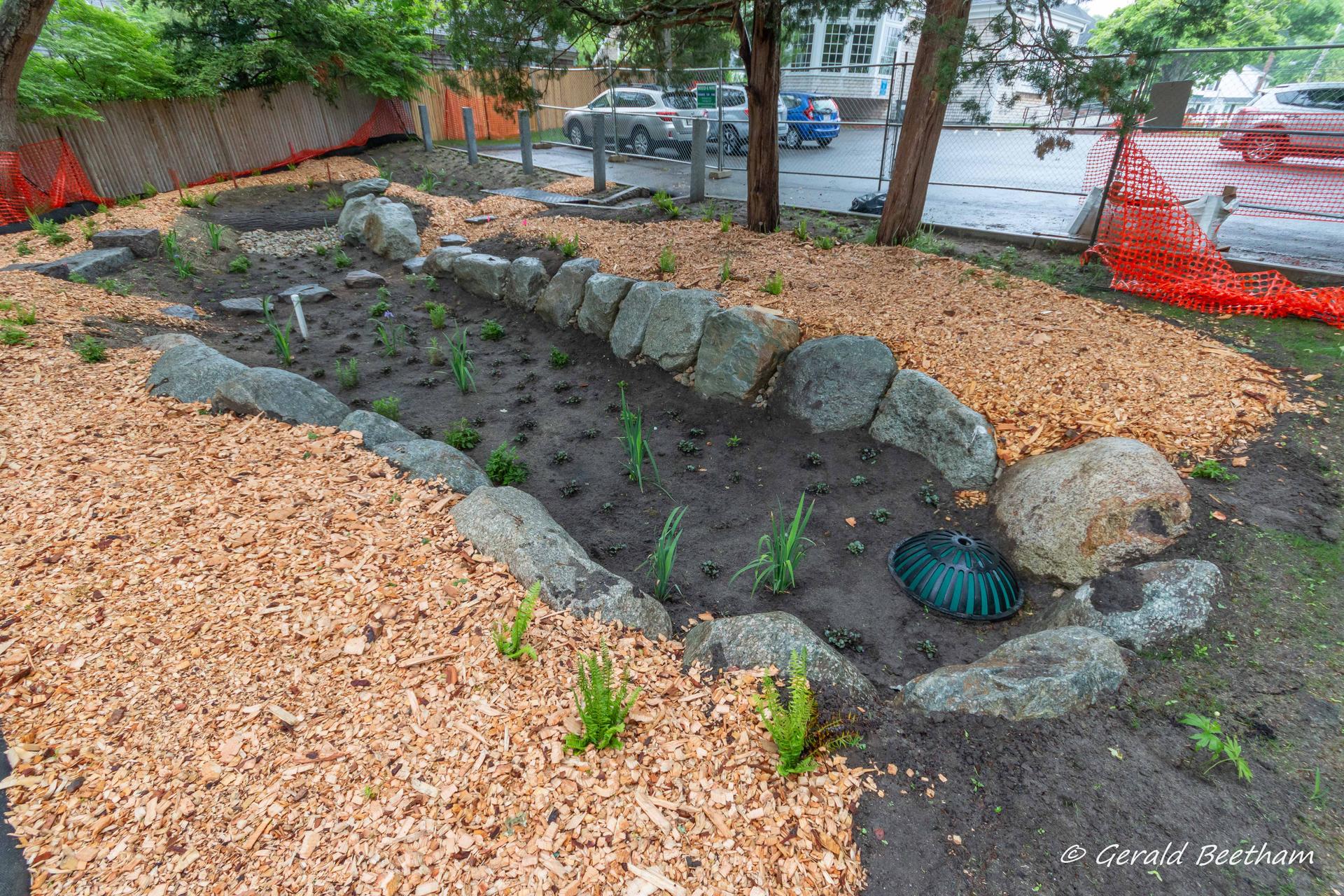
Above: A rain garden was installed at Cotuit Library as part of the Three Bays Project. |
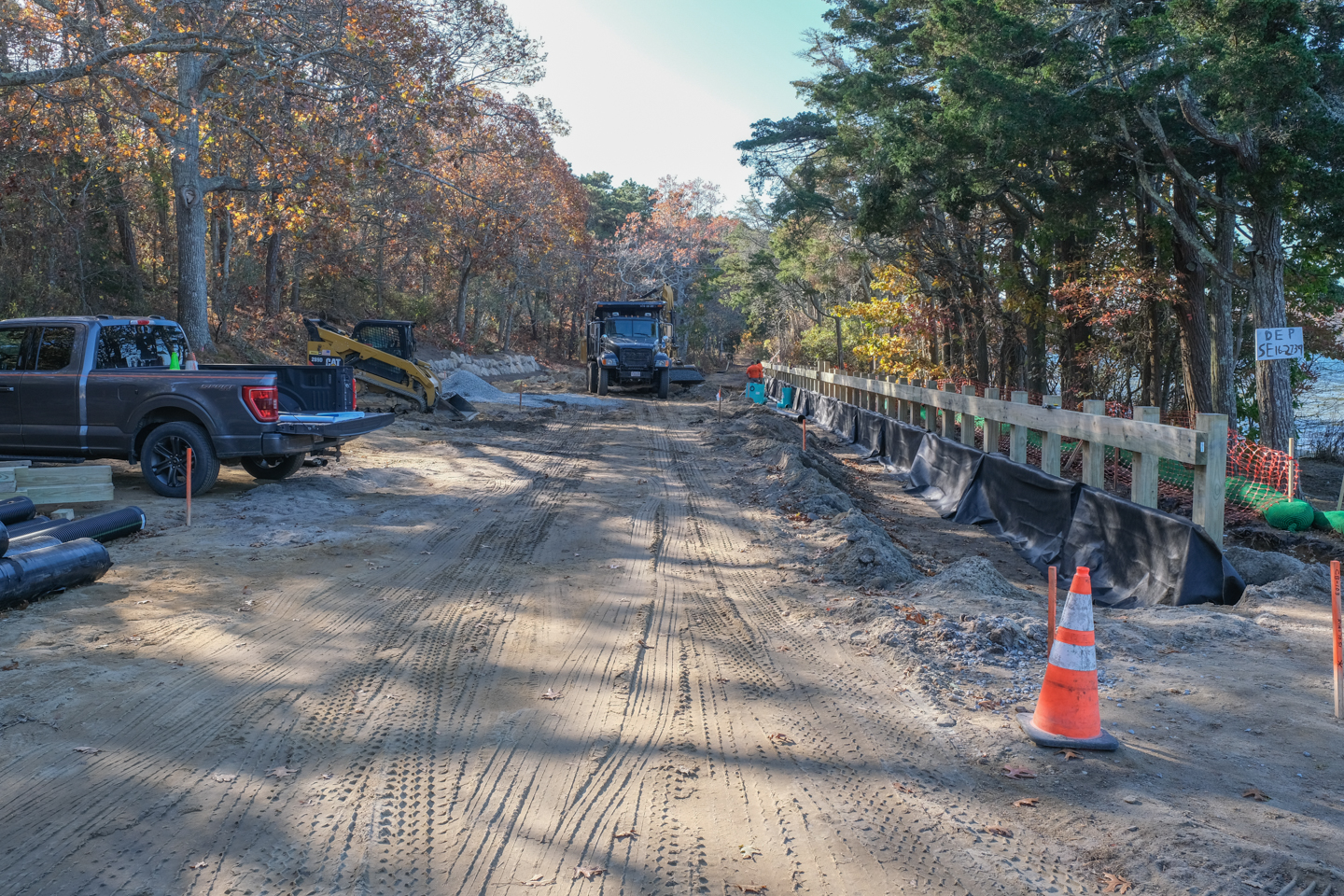
| Above: Construction at Dr. Lords Landing on Scargo Lake, Dennis in fall of 2024. |
|
|
Stormwater Management on Cape Cod: Building a Sustainable Future
Stormwater runoff and fertilizer use contribute pollutants, bacteria, and approximately 20 percent of the excess nitrogen flowing into Cape Cod’s coastal waters. With increased development and land use across the Cape, coupled with frequent rainstorms, addressing the impacts of stormwater events has become crucial to protecting our water resources from excess pollutants.
While some areas have stormwater infrastructure in place to manage flooding of roadways, other places—such as parking lots and roads near ponds, beaches, and wetlands—often lack such systems. As Cape Cod communities seek solutions to water quality issues, enhancing stormwater infrastructure with green stormwater practices is an effective, sustainable, and non-invasive way to protect surface water quality over the long term.
Over the past decade, APCC’s Ecosystem Restoration Program, formerly the Restoration Coordination Center, has been dedicated to helping local municipalities enhance their stormwater management practices. Following the successful completion of projects like The Three Bays Project, a collaborative effort between APCC and numerous partners, a clear blueprint for improving stormwater management has taken shape.
Two major projects, the Cape Cod Boat Ramp Stormwater Project, and the Yarmouth Stormwater Project, have allowed APCC, Horsley Witten Group, and numerous municipalities to assess the condition of stormwater management on a large scale, and develop plans for implementing effective green stormwater infrastructure. APCC looks forward to stormwater systems being completed at four sites this spring: two sites on Scargo Lake in Dennis, and two sites in Yarmouth along Curve Hill Road and Standish Way.
The work won’t stop there. Plans are underway to finalize permitting and designs at three additional sites in Mashpee, Harwich, and Yarmouth, and with the assessment and ranking completed at the outset of these projects, there is a prioritized list of sites already identified for the next phase of stormwater improvements. APCC will continue to provide support on these projects by securing funding, coordinating with partners, and providing expertise as needed.
Follow along with APCC for more construction updates on our projects in Dennis and Yarmouth. |
APCC Participates in Annual STEAM Night in Mashpee |
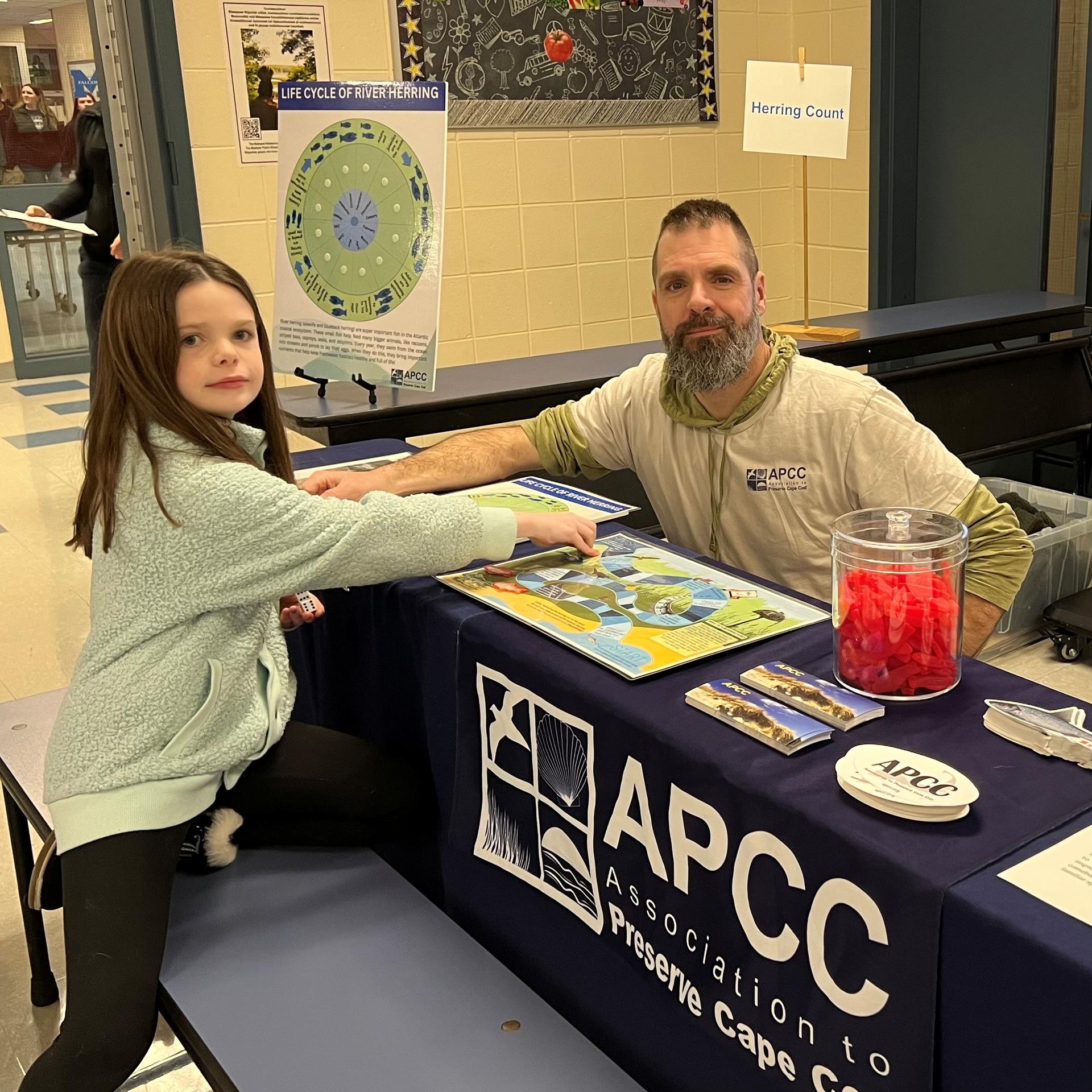
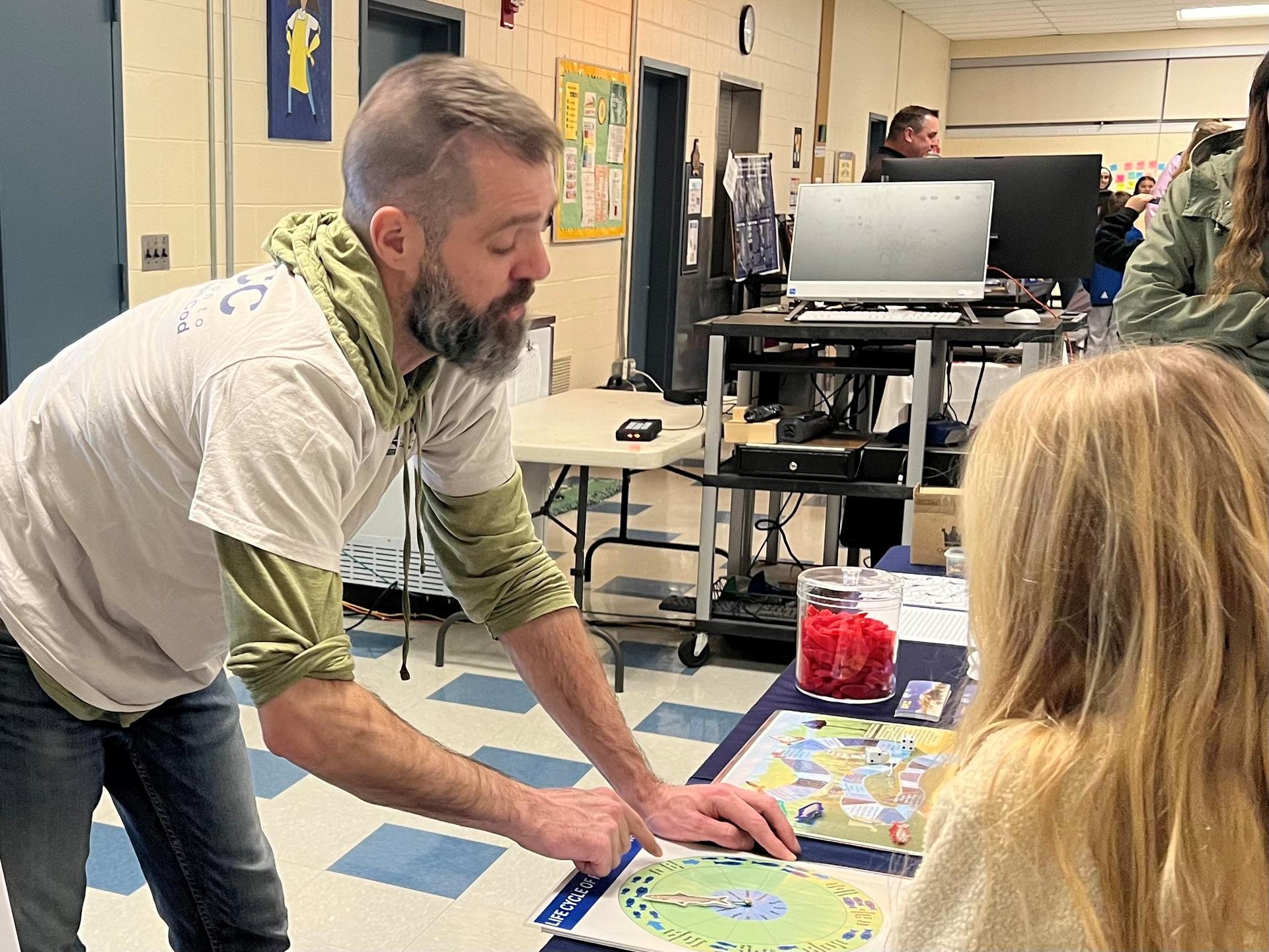
APCC restoration ecologist, Mike Palmer, was at Mashpee's Quashnet School's annual STEAM Night (Science, Technology, Engineering, Arts, and Mathematics), hosting an interactive table all about river herring.
Mike engaged students and families, teaching them what river herring are, why these fish are vital to the local ecosystem, and the fascinating details of their life cycle. Using interactive activities and games, kids learned about the challenges that river herring face as they migrate upstream each spring to spawn.
Visitors also learned how APCC and local volunteers count herring each year to help monitor their populations—an important step in protecting this key species. The hands-on experience sparked curiosity and encouraged young minds to get involved in caring for Cape Cod’s environment. |
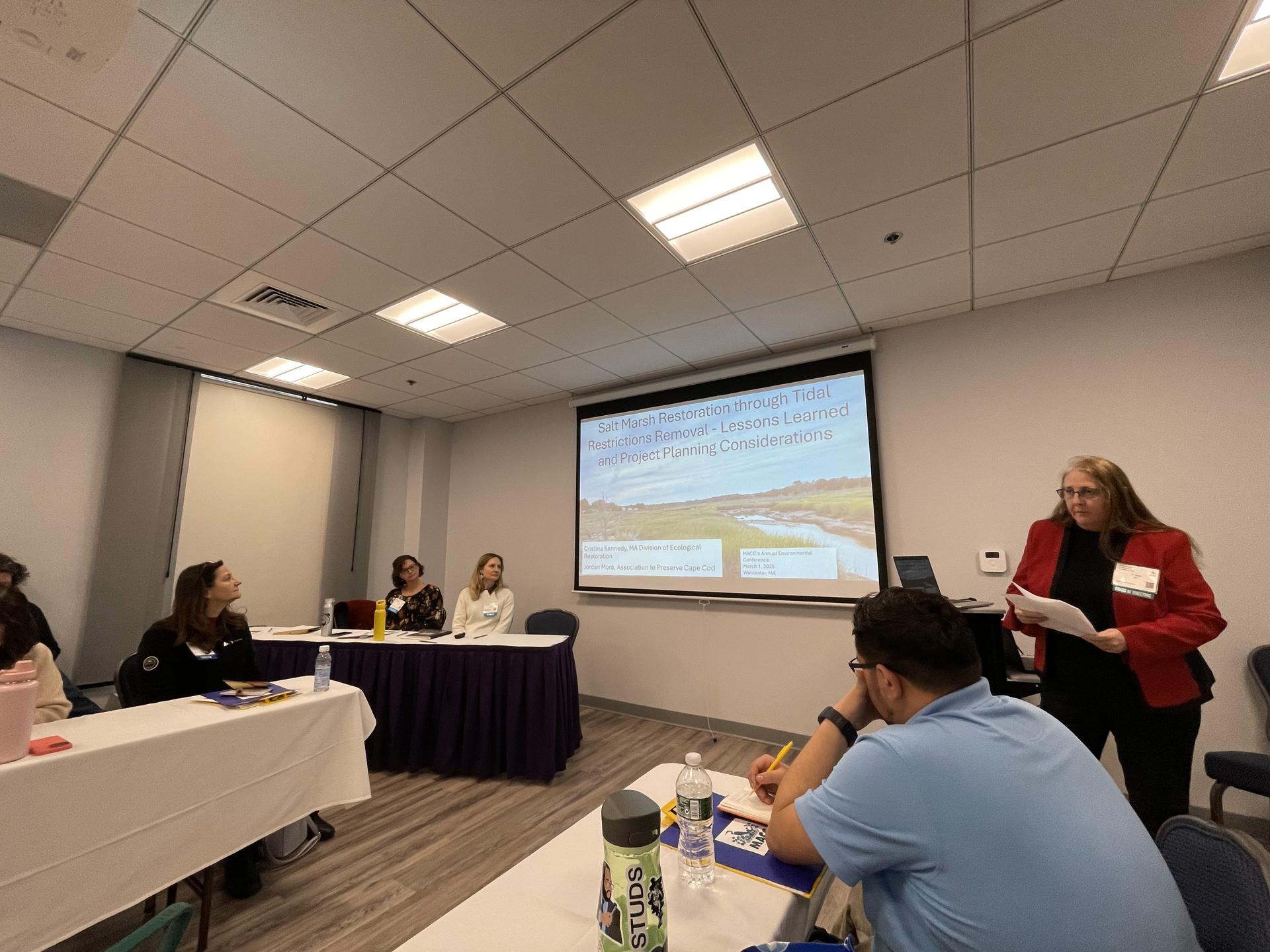
Above: Heidi Ricci, director of policy and advocacy at Mass Audubon (far right), introduces speakers Jordan Mora (center left) and Cristina Kennedy (center right) at the MA Association of Conservation Commissions Environmental Conference. Photo courtesy of Liz Gorrill, Division of Ecological Restoration. |
Jordan Mora, APCC's lead ecologist, and Cristina Kennedy, coastal wetlands restoration specialist for the Division of Ecological Restoration, MA Department of Fish and Game, co-led a workshop at the Massachusetts Association of Conservation Commissions (MACC) 2025 Annual Environmental Conference on Saturday, March 1st, in Worcester, MA. The workshop was entitled "Salt Marsh Restoration through Tidal Restrictions Removal – Lessons Learned and Project Planning Considerations" and drew a large group of interested participants.
The MACC conference was well attended with more than 635 registered from various academic institutions, consulting groups, state agencies, non-profits, and of course, a large cohort of town conservation commission members. There were 30 workshops provided as part of the MACC along with poster and sponsor exhibits spread across four floors of the Holy Cross Hogan Campus Center. All elements seemed to run like a well-oiled machine, and the only downside was the challenge having to pick only four of the 30 intriguing workshops to attend! Hats off to the MACC planning committee!
|
|
|
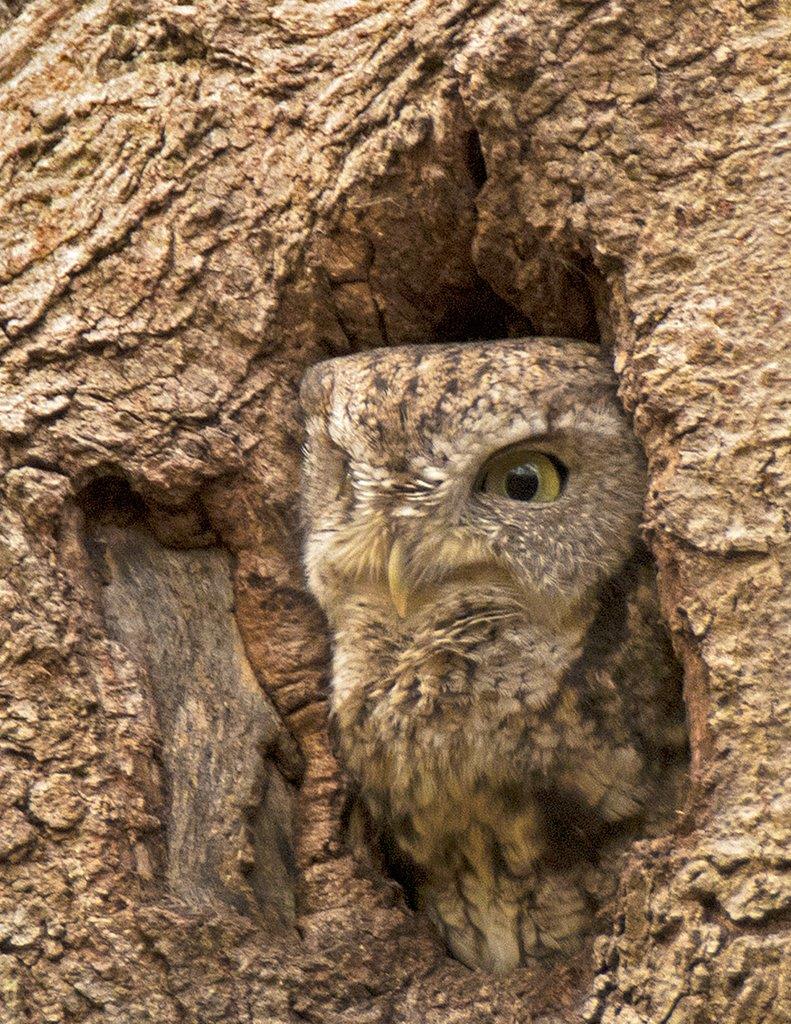
Above: screech owl. Photo courtesy of Cynthia Rand |
|
You speak up and your elected officials respond! To date, a big thank you to the following legislators from our region that have signed on to cosponsor the state bill, An Act Restricting the Use of Rodenticides in the Environment. - Sen. Fernandes
-
Rep. Vieira
- Rep. Xiarhos
- Rep. Luddy
- Rep. Flanagan
Who represents you in the state legislature that has not signed on yet?
Maybe they are waiting to hear from you! |
|
|
The bill has been filed in the House by Rep. James Hawkins (HD.1721) and Senate by Sen. Michael Moore (SD.1447). These bills would phase out the use of second generation anticoagulant rodenticides (SGARs) in Massachusetts, and need support from as many legislators as possible to gain some momentum.
Ask your legislator to cosponsor the bills. |
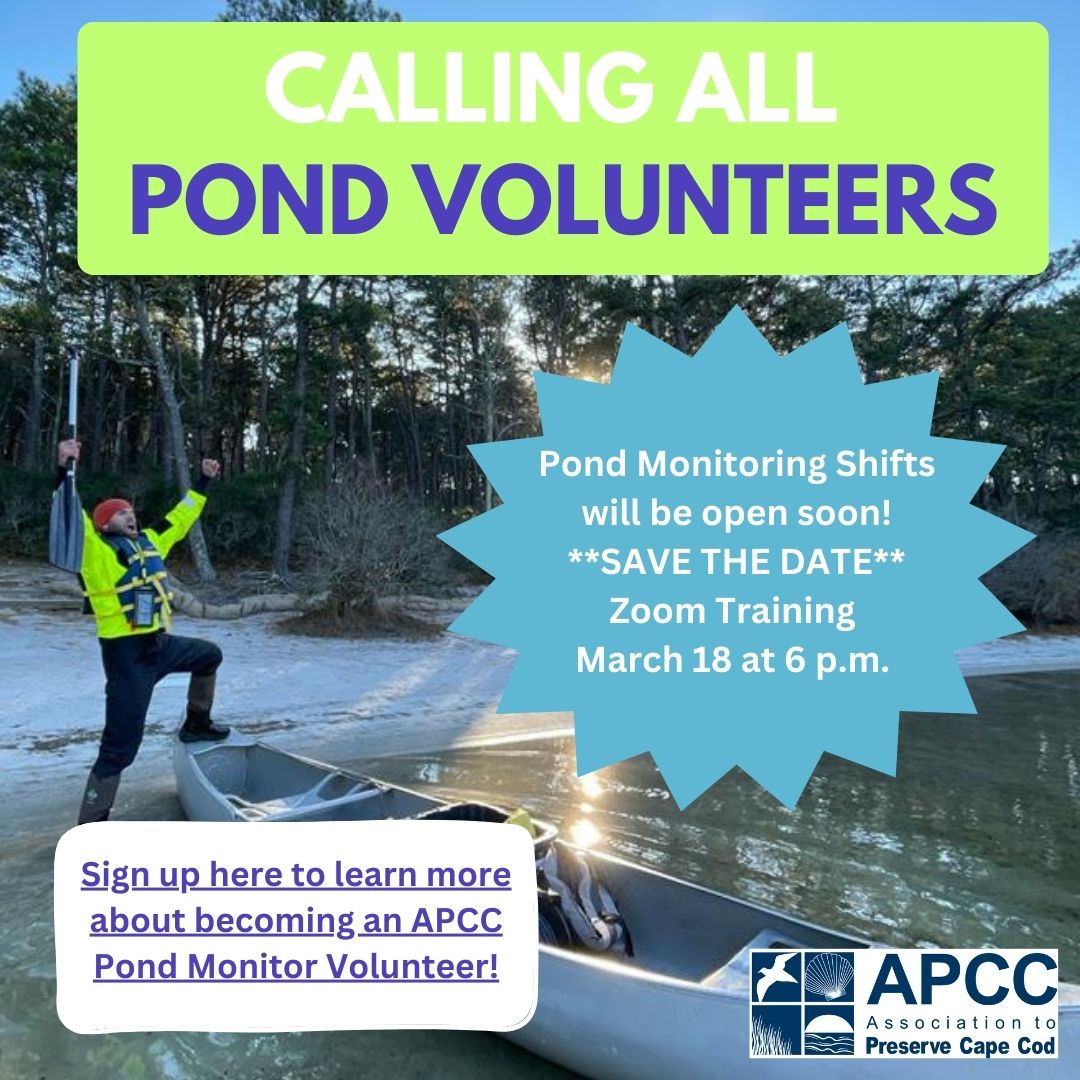
Help Us Count Cape Cod's Herring – Volunteer Today!
Spring is on its way, and that means Cape Cod's river herring will soon begin their annual journey upstream to spawn—a critical event for our region's ecosystems. But to protect these vital fish populations, we need your help!
Every year, dedicated volunteers help APCC and local partners monitor herring runs across Cape Cod by participating in visual herring counts. This citizen science effort provides essential data on herring populations—data that helps guide conservation efforts and protect our waterways. To generate reliable population estimates, each herring run needs at least 675 visual counts spread evenly across the migration season (April 1 to June 15th). Unfortunately, most of Cape Cod's herring runs fall far short of this goal, leaving critical gaps in our understanding of river herring populations.
That's where you come in! Volunteering is simple, rewarding, and makes a big difference. No experience is necessary—training will be provided on how to conduct counts and identify river herring. It only takes 10 minutes per day to make a lasting impact on local conservation efforts. You can sign up for as many shifts as you’d like. By signing up to count herring, you'll not only be helping to protect these important fish—you'll also be joining a passionate community of people working to preserve Cape Cod's natural heritage.
For more information or to register as a volunteer, visit our herring volunteer webpage. |
If you are a farmer or someone who wants to grow native plants to sell, or just want to be updated on the program's development, please submit an interest form that appears on our webpage. We will be sending periodic email notices of workshops and meetings.
Funding for the project is provided by Barnstable County and its Economic Development Council License Plate Grant Program through the Cape Cod Commission. |
|
|
Attention Runners:
Run this year’s Falmouth Road Race for APCC! |
|
|
APCC is thrilled to be a part of the "Numbers for Nonprofits" program for the 2025 Asics Falmouth Road Race. We are currently accepting applications for our 2025 team. Team members will receive a guaranteed race entry, fundraising tips and tools, a fundraising web page, and support throughout the process.
If you're interested in amplifying APCC's work in a fun and unique way, please apply here. Questions? Please reach out to runforapcc@gmail.com. |
|
|
Cape Cod Natural History Conference, Saturday, March 8, 2025
APCC has been accepted to present and have a poster at the annual Cape Cod Natural History Conference, hosted by Mass Audubon. It's another great lineup and the event is an important networking opportunity! Registration required. Don't miss it. |
Cape Cod Museum of Natural History |
|
|
| A Native Cape Cod Garden - Discovering the Nature Connection with Kristin Andres, APCC's associate director for education ~
Sunday, March 9, 2025 1:00 - 2:00 p.m. |
|
|
Our landscapes and gardens play an important role in the health of the Cape’s environment. Our plant choices and land care practices make a difference. Learn about some choices you can make in your very own garden that will support pollinators, birds, and butterflies, and that will also make your garden a beautiful, enjoyable space.
Tickets here. |
|
|
Join the Brewster Ponds Coalition for a presentation by Jon Idman, the town of Brewster's director of community planning and land use management, and town planner. His presentation will include an overview of his responsibilities as Brewster's town planner, current projects such as the recently updated Water Quality Protection District (WQPD) Bylaw and its proposed amendments, and a discussion of current and future planning department challenges and concerns.
This event is free and open to the public, and will be held at the Brewster Ladies Library, 1822 Main Street in Brewster, on Wednesday, March 12th, from 3:30 - 5 p.m. Please register for this free event at: https://tinyurl.com/BPC-Town-Projects-12Mar25. |
|
|
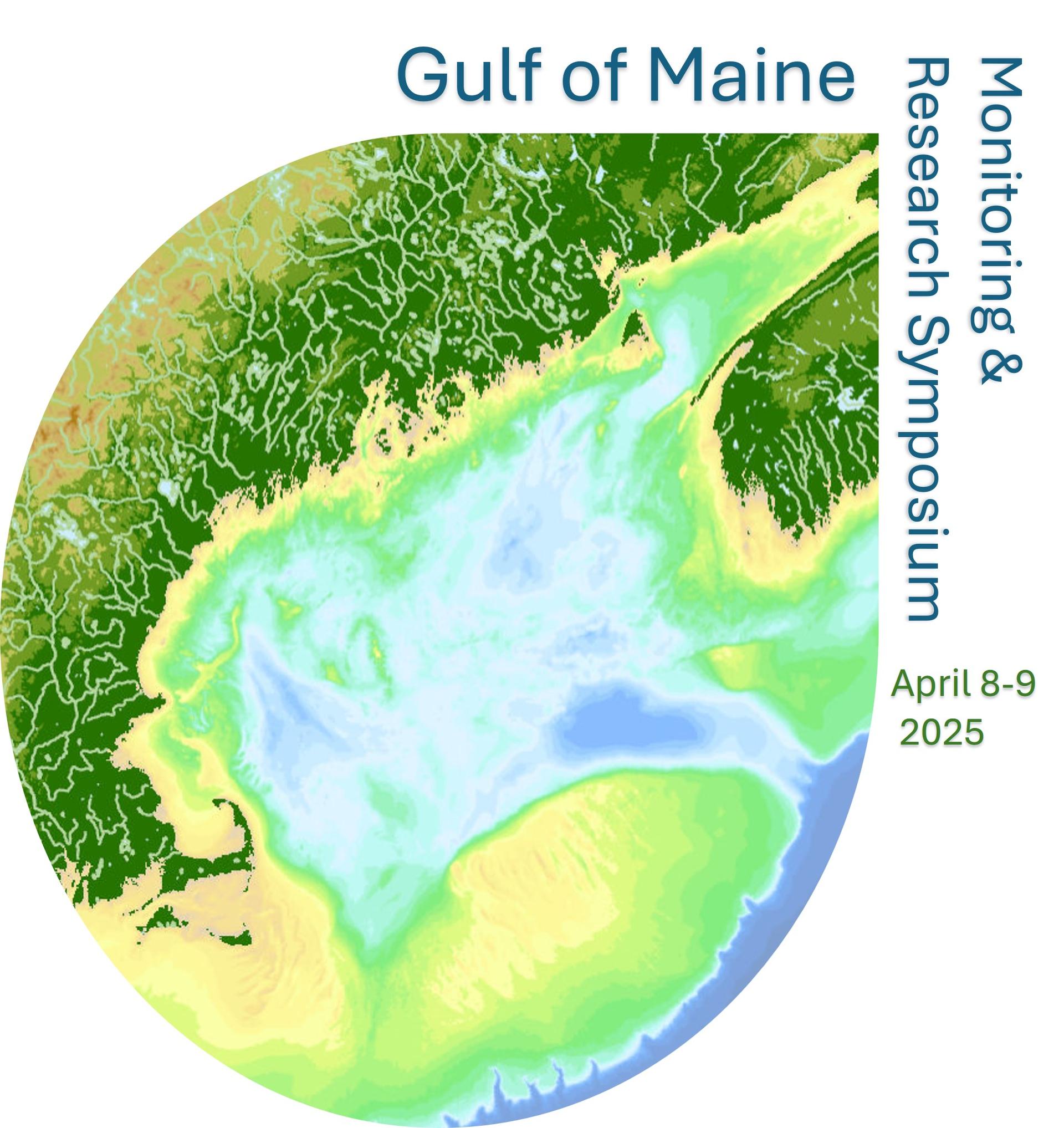
| Early Registration is open for the Gulf of Maine Monitoring & Research Symposium. The Gulf of Maine Monitoring and Research Symposium 2025 will be held on April 8-9, 2025, in Haverhill, MA. The symposium is hosted by the MassBays National Estuaries Partnership, MIT Sea Grant, the Massachusetts Water Resources Authority, and the Northeastern Regional Association of Coastal Ocean Observing Systems.
The symposium will convene monitoring program coordinators and researchers, data-users, and policymakers. Keynote speakers, Janet Duffy-Anderson Ph.D. and Damian Brady Ph.D., will talk about drivers of change in the Gulf of Maine and current efforts to highlight the need for action. Through a series of presentations, attendees will learn about ongoing water quality and habitat monitoring programs and discover ongoing research efforts that characterize the changing physical and ecological conditions in the Gulf of Maine.
|
|
|
Early registration for the symposium is open through March 6th, and registration for the symposium closes April 1st. A special registration fee is available for students. A limited number of scholarships are available to those who might otherwise not have the resources to participate in the symposium.
For more information, including general registration and scholarship applications, go to the Symposium home page here. |
April Wobst, APCC restoration program manager and MassBays’ Cape Cod regional coordinator, said that she “looks forward to attending the symposium and the opportunity to meet with MassBays and Gulf of Maine partners to learn about and discuss monitoring and research across our region.” |
|
|
A Cape-wide Conservation Event Calendar |
|
|
The Compact of Cape Cod Conservation Trusts (“the Compact”) and its nonprofit members launched a new regional calendar of events. The Conservation Calendar includes programs across Cape Cod hosted by these groups. The goal of the calendar is to encourage visitors and residents to take part in nature and environmental events. You can always find the link to the calendar on APCC's website under News & Events.
|
|
|
A Cape Cod Native Plant-selector
~ to help you choose the perfect native plants for your garden. |
|
|
Email kandres@apcc.org and we'll send you a CapeCodNativePlants.org decal. |
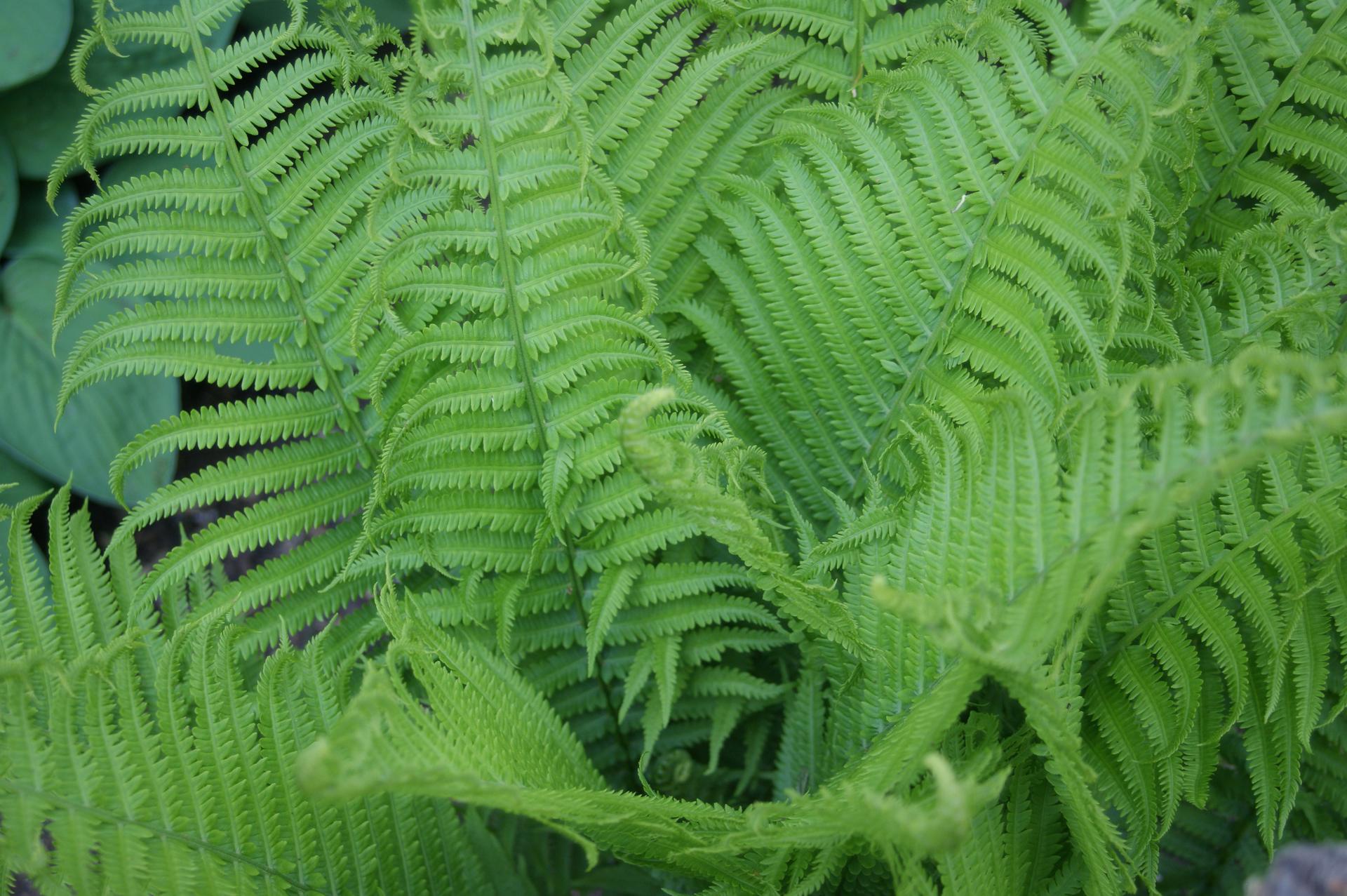
| Ostrich Fern Matteuccia struthiopteris |
|
|
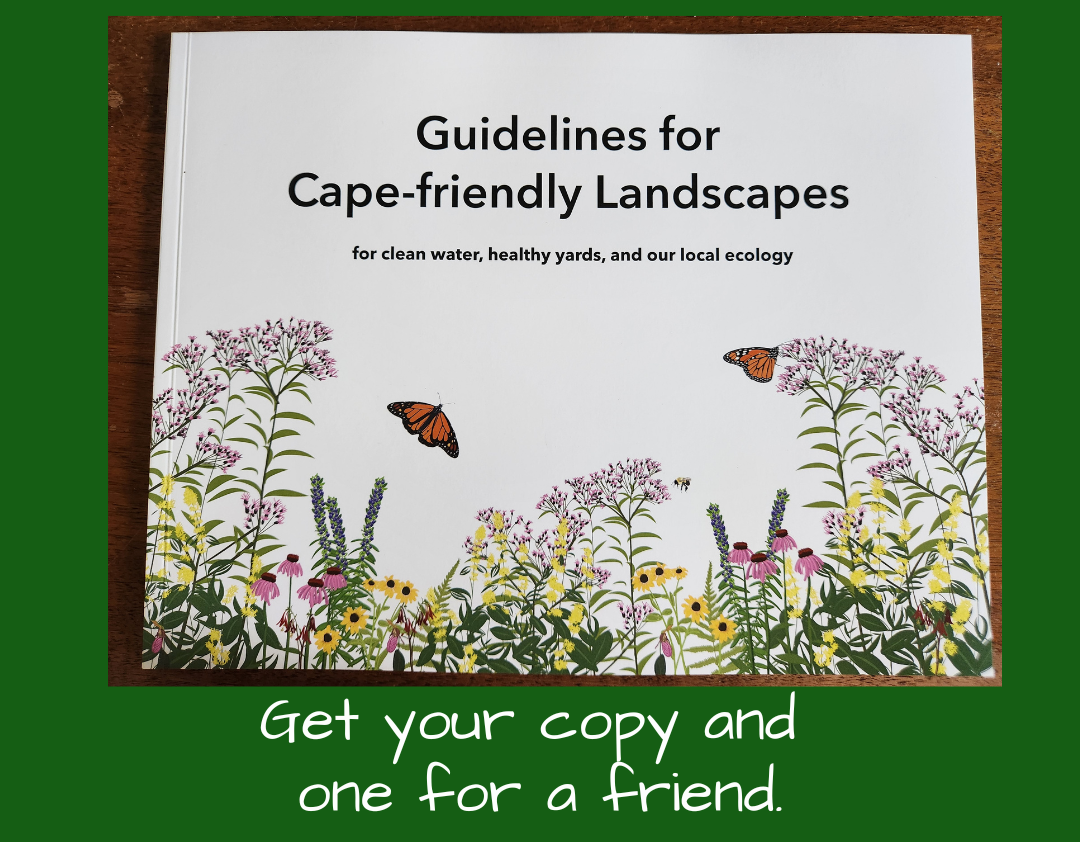
The Guidelines gives homeowners steps they can take in the design and maintenance of their properties that will support pollinators and birds, manage stormwater, conserve water, and protect the Cape's water quality. This 40-page booklet is beautifully illustrated by Marcy Ford with content that is easily digestible and supported by numerous resources for additional learning.
|
We are grateful for the several retail shops that are partnering with us to make this publication more widely available: Brewster Book Store, Birdwatchers General Store, Crocker Nurseries, Wellfleet Audubon Wildlife Sanctuary, Cape Abilities Farm, Cape Cod Museum of Natural History, the Cape Cod Lavender Farm, Heritage Museums and Gardens, Titcomb's Bookshop, Sea Howl Bookshop, Soares Flower Garden Nursery, and Eight Cousins Bookshop.
If you are a retailer and would like to sell this publication at your store, please contact us. |
|
|
|
Available for online purchase and shipping in the U.S. is free:
APCC caps $25 +++++++++++++++++
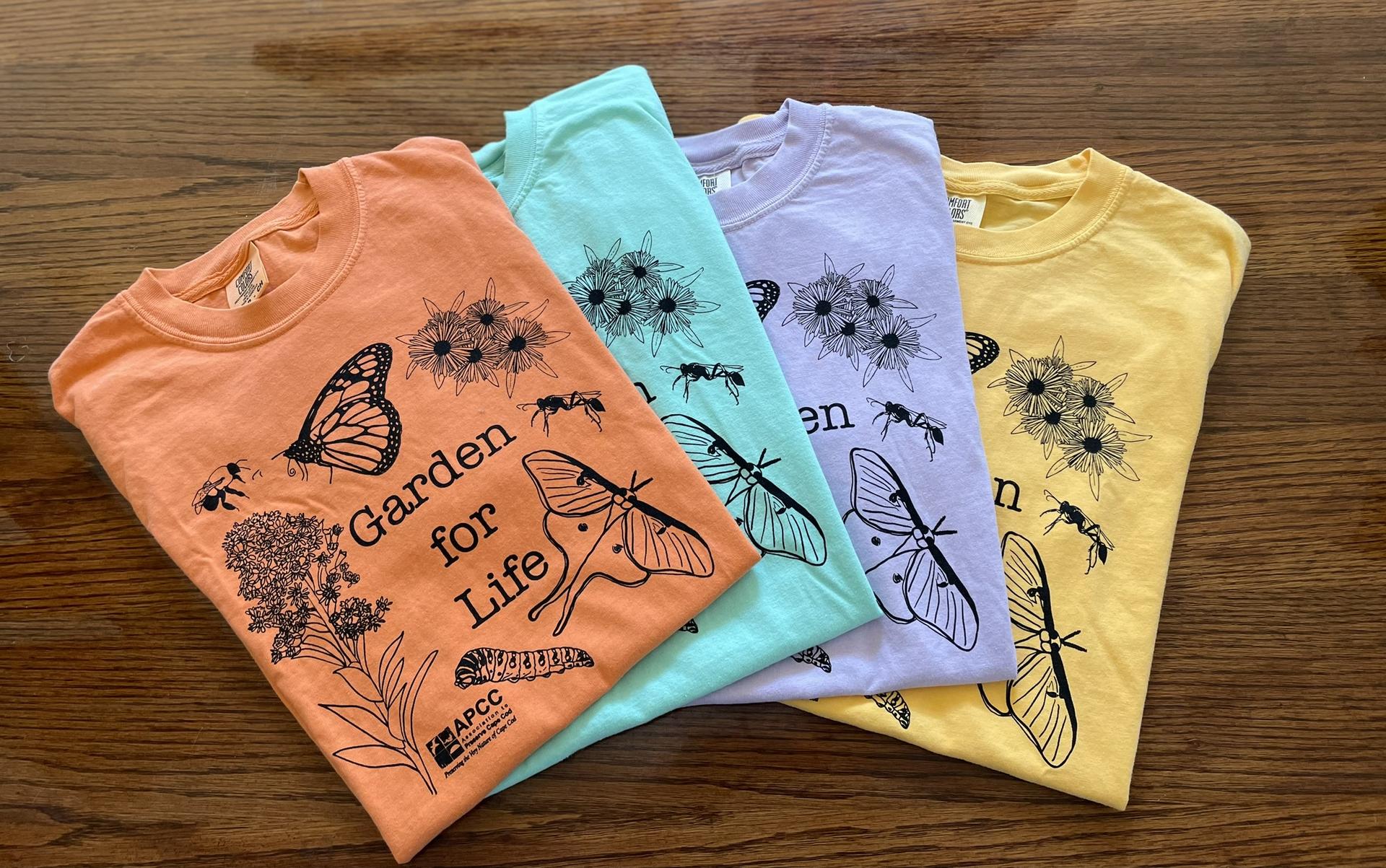
Garden for Life T's $30 Click here
for more information and to order. |
|
|
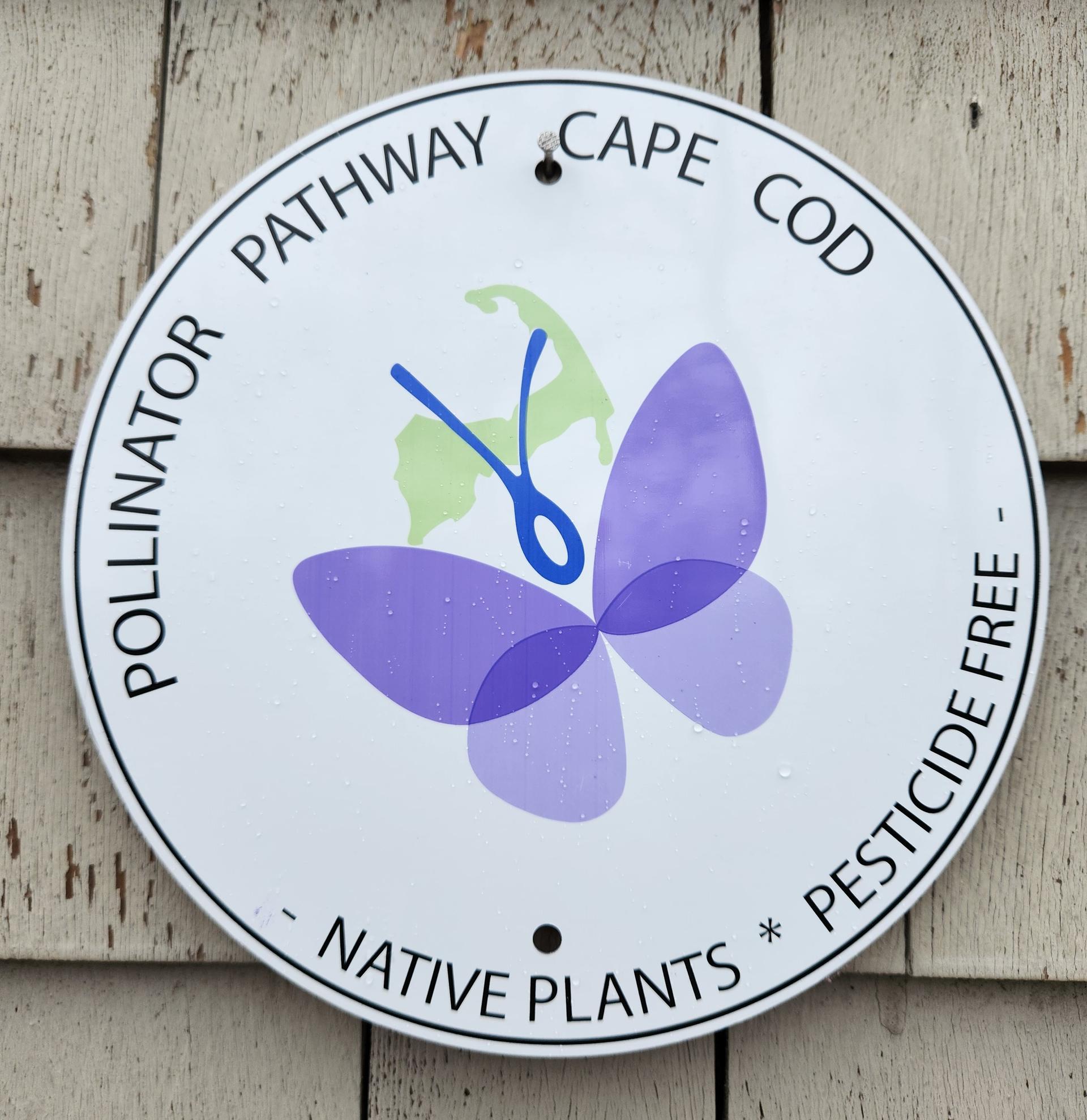
The Pollinator Pathway Cape Cod is a group of organizations promoting native plants and pollinator-friendly land care practices to create a boat load of safe oases for our native bees, butterflies and a whole host of other pollinators that are crucial to the health of our ecosystems.
Join us! It's easy. There are no fees. You just need to pledge to ADD native plants, SUBTRACT a little lawn, AVOID yard chemicals, especially pesticides, and LEAVE the leaves. And, help us spread the word. Please get on the map to show your support of pollinators on Cape Cod!
You can purchase the 9-inch aluminum Pollinator Pathway Cape Cod sign at Hyannis Country Garden, Crocker Nurseries, Brewster Book Store, Orleans Conservation Trust, and Cape Abilities Farm.
If you are a retailer, and you would like to sell the signs, you can order online here, or email pollinators@apcc.org. |
|
|
| Rain Barrels for Cape Cod
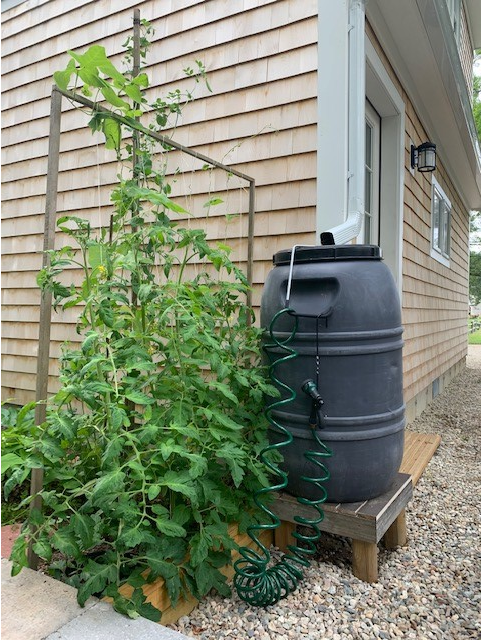
Order online from Upcycle Products $122 each includes FedEx shipping to your door 55 gallon, repurposed food barrels Keep a barrel out of a landfill, and capture some free rainwater. APCC receives a portion of the proceeds. For more information, click here. |
|
|
|
APCC eNewsletters.
Our weekly newsletters are archived on our website and easily shared.
You can find past newsletters and share with your friends. Encourage others to sign up for future enewsletters HERE.
|
|
|
Are you thinking of going solar? We hope so!
In partnership with E2 SOLAR in Dennis, APCC receives $500 for every solar installation when APCC is named as referral. |
|
|
| Thank you to the homeowners who just contracted to install solar panels through E2 Solar.
May the sun always shine for you! |
|
|
Expressions Gallery, 578 Main Street, Chatham CLICK HERE |
Expressions Gallery donates 20 percent of its profits to APCC's work. |
|
|
Thank you to our business sponsors! |
|
|
APCC is rated four stars by Charity Navigator,
2023 Platinum by Candid (formerly Guidestar), and 2024 Top-Rated by GreatNonprofits. |
|
|
Our Contact Information
*{{Organization Name}}*
*{{Organization Address}}*
*{{Organization Phone}}*
*{{Organization Website}}*
*{{Unsubscribe}}* |
| |
|
|