Association to Preserve Cape Cod |
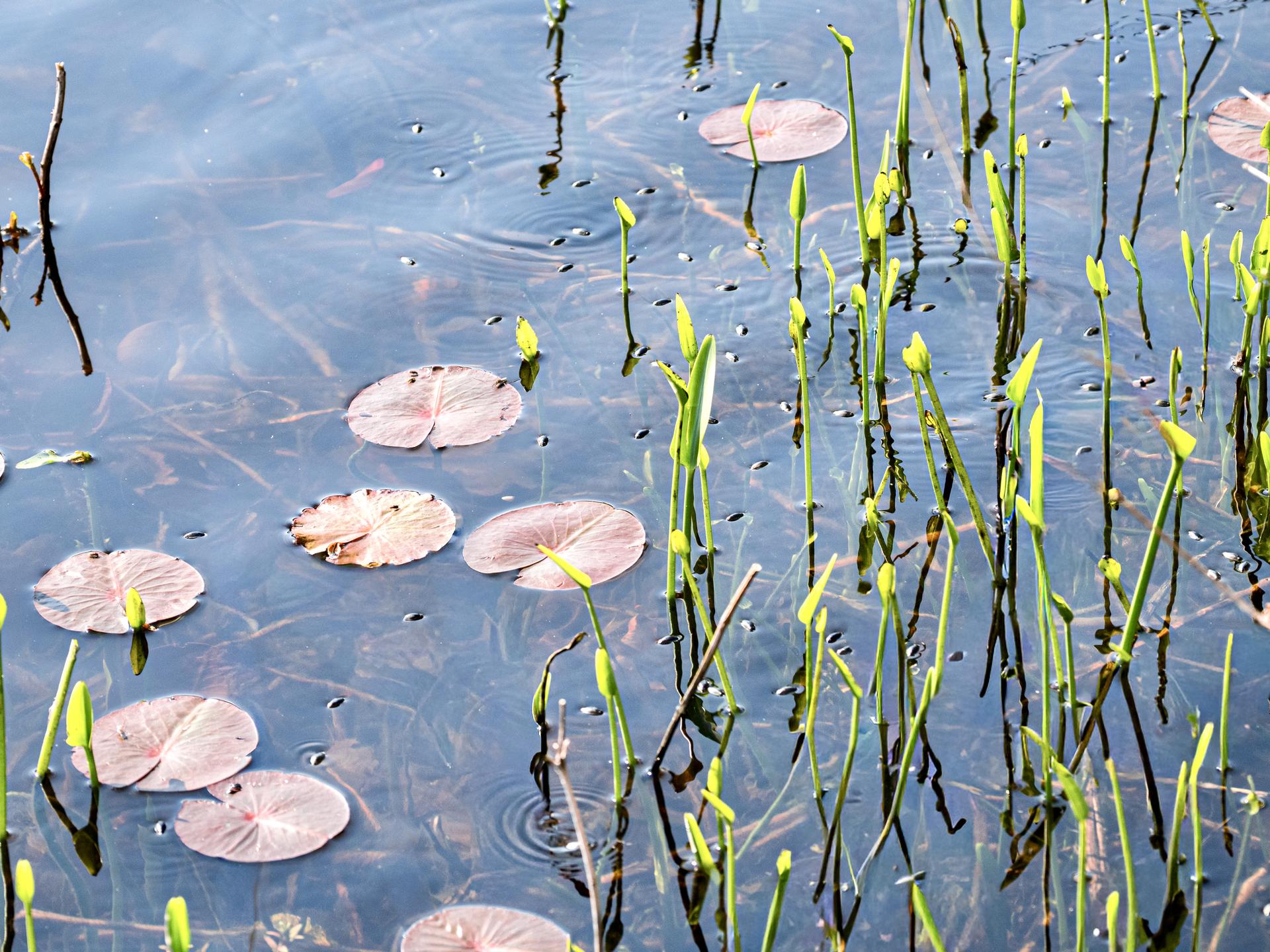
Above: Pond plants emerging. Photo by Sue Machie. |
|
|
|
Ecosystem Restoration Program |
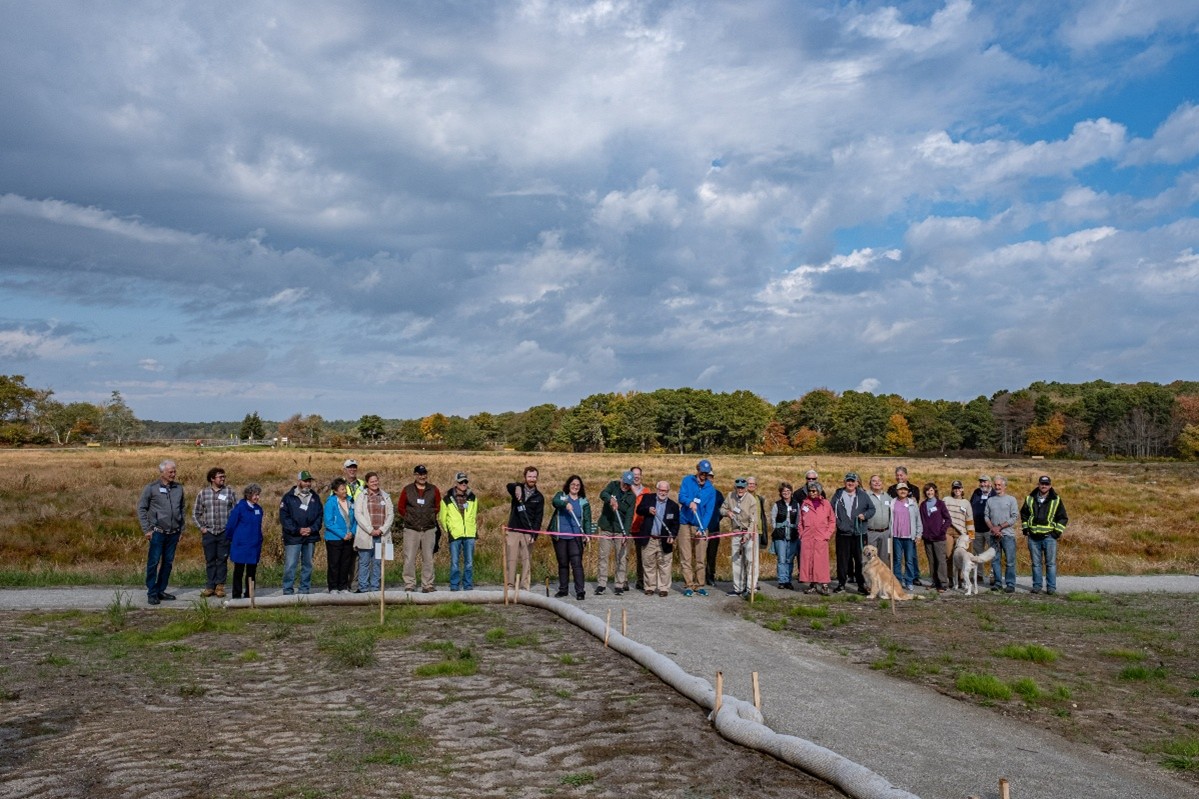
Above: Ribbon cutting event in October 2025 celebrating the completion of construction. |
Restoring Wetlands along Hinckleys Pond
Last October, APCC joined the Harwich Conservation Trust and multiple partners and funders in celebrating the completion of construction at the Hinckleys Pond Herring River Headwaters Eco-Restoration Project. This project, led by Harwich Conservation Trust, restored 30 acres of wetland habitat across two retired cranberry bogs bookending the pond and is the second major bog restoration project APCC has supported through implementation.
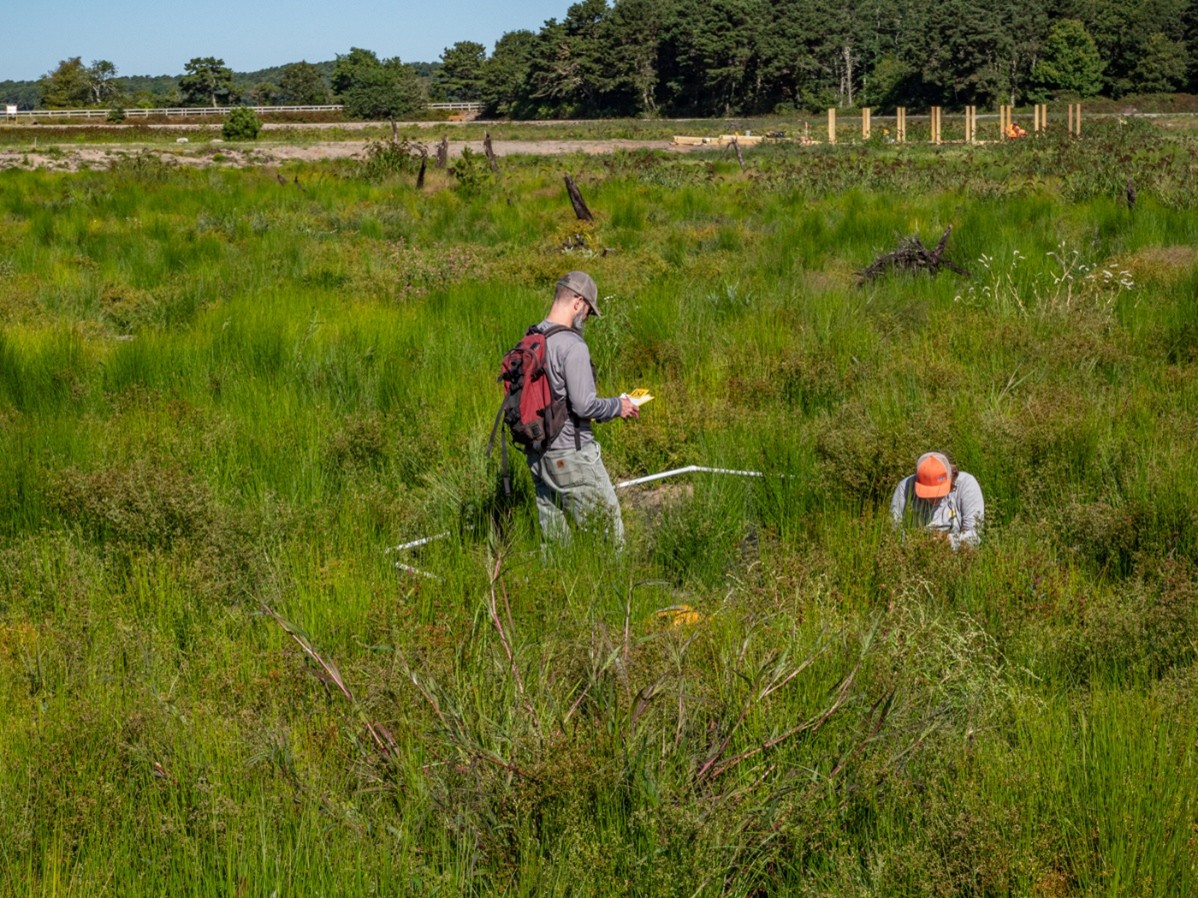
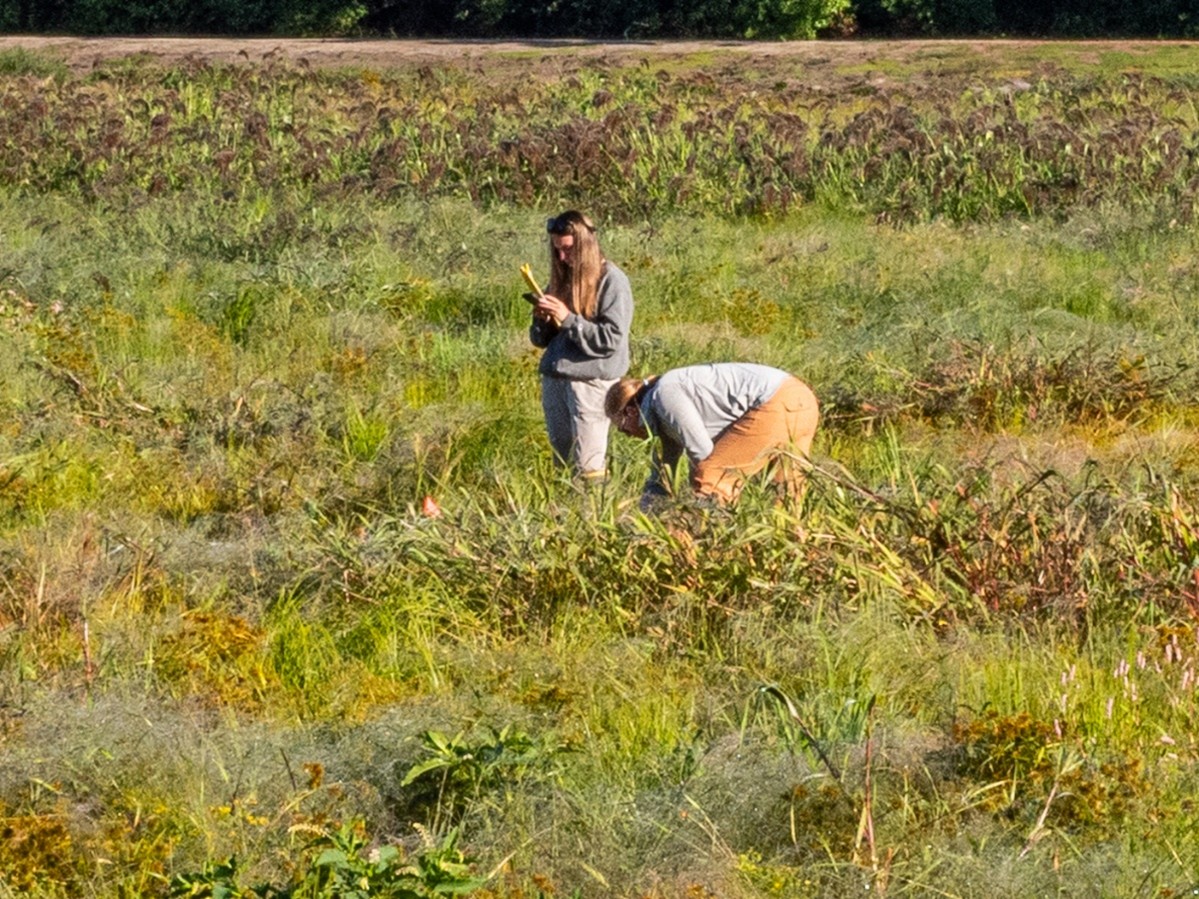
In August, APCC staff assisted Inter-Fluve scientists with a survey of the vegetation following construction. A similar survey completed in August of 2024 prior to restoration found a total of 58 plant species across the two former bogs including 50 native species and 29 wetland adapted species. The survey last August following restoration identified 91 plant species including 73 native and 44 wetland adapted species with more than double the diversity of wetland species per plot surveyed!
While an increase in plant diversity is typical following restoration and will likely decline some over the next 3-5 years as the system stabilizes the big improvement and measurement of impact is the increase in wetland plants.
The bogs at this site, like many in our region, were developed on former wetlands, likely in the early 1800s when commercial cranberry farming began in this area of Harwich. Over the past 150-200 years until retirement of these bogs in 2020 and 2021, these wetlands were ditched to maintain drainage and water control and covered with sand to support cranberry growth.
The process of restoring these retired bogs includes filling of these ditches and removal of water control structures to restore wetland hydrology. A major indicator to success is return of these wetland adapted species from plantings and the existing seed source in the underlying peat.
Another common practice to restore cranberry bogs to wetlands is to remove the excess sand layer added during farming but this can be expensive to do at large scale. At this site some areas were designed with sand removal and other sections without. In 2025, there was no significant difference in the plant species growing in these areas but we will be monitoring this site again in 2027, three years following restoration, to determine if over time these areas differ in achievement of the project goals and plant species and habitat created. Likewise, the monitoring last year showed an increase in bare area with no vegetation but we expect this to decline with time as the site continues to regrow.
While the Hinckleys Pond restoration was not specifically designed to study the utility of sand removal in bog restoration, we hope the monitoring and results here and at other projects will help inform our understanding of what can be achieved with different restoration processes like sand removal and microtopography to further inform how to weigh the construction costs against the ecological benefits of these restoration techniques on future projects.
To learn more check out the full detail in the Year 1 Post-Restoration report.
|
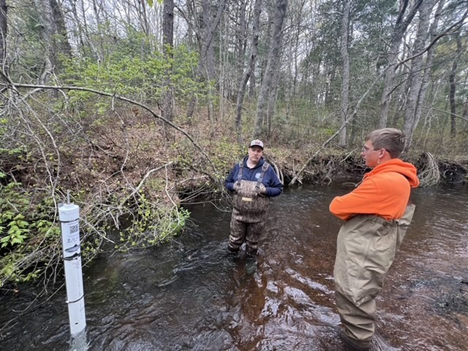
Above: Michael Palmer, APCC restoration ecologist, and Hannah Brown, APCC restoration coordinator, assisting Annie Spangenberger, Inter-Fluve ecologist, with the August 2025 vegetation survey. |
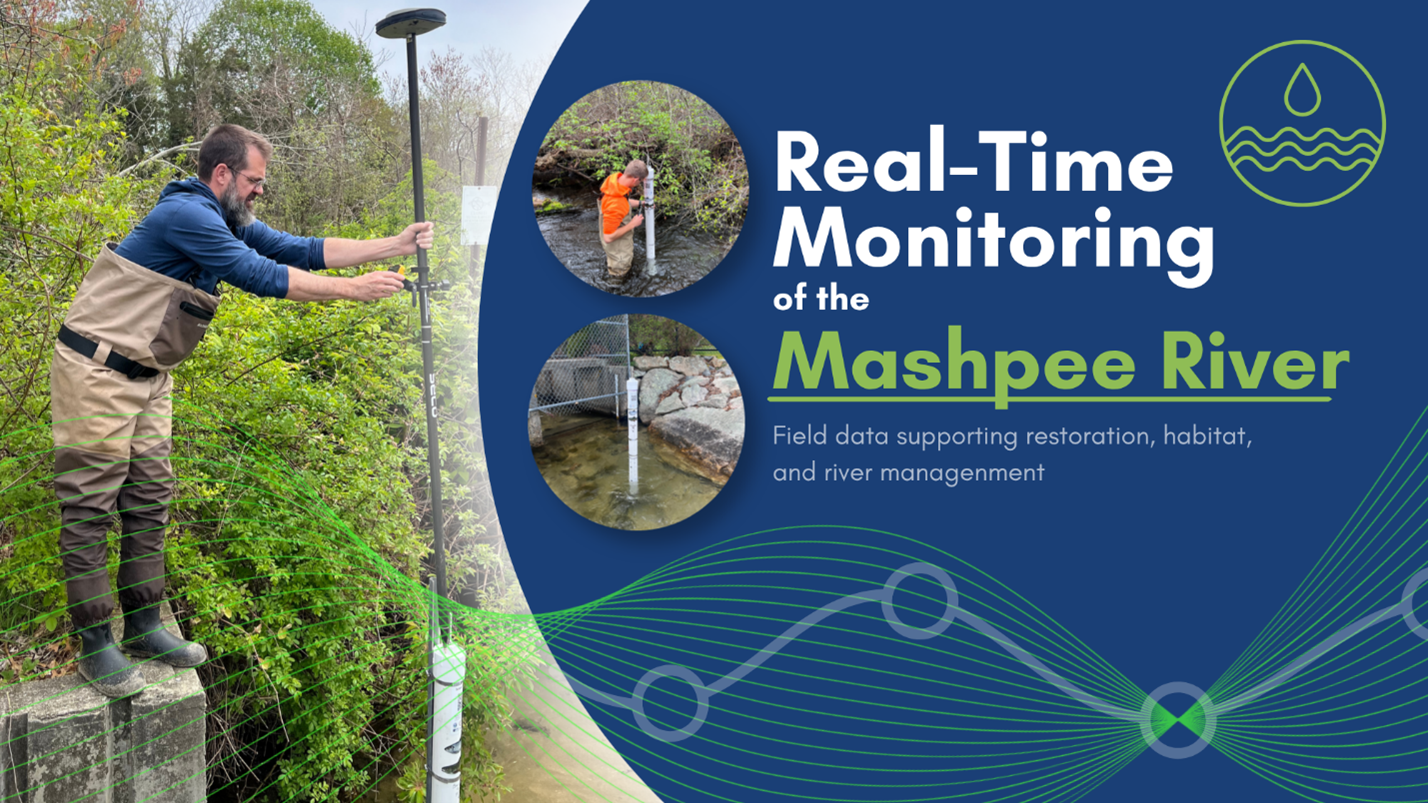
Real-Time Monitoring Comes to the Mashpee River
A new real-time monitoring network is now live on the Mashpee River, giving project partners, resource managers, and the public a new window into changing conditions along one of Cape Cod’s most important river systems.
The network includes three monitoring stations located along the river: one at the Mashpee-Wakeby Pond outlet, one near the fish ladder by the Mashpee Wampanoag Indian Museum, and one in the lower river just north of Asher’s Path. Together, these stations collect data on water level, air temperature, and water temperature across the system.
These data will help inform how the river is managed, particularly during the spring herring migration season when water levels and fish passage conditions are especially important. The information will also support ongoing efforts to better understand and protect downstream cold-water habitat, including habitat used by sea-run brook trout and other aquatic species.
The monitoring network is designed to serve both immediate management needs and longer-term restoration planning. One of the primary users will be the town’s herring warden, who has authority to manage the boards at the pond outlet and make operational decisions that affect water levels and fish passage. More broadly, the system will help the project team develop a pond and river management plan that uses real-time data to guide future decision-making.
The dashboard is also an opportunity to test how real-time environmental data can best support river management and public engagement. As more data are collected, APCC and partners will evaluate who is using the tool, what information is most useful, and how the dashboard can be improved for resource managers, project partners, and members of the public.
Each monitoring station includes signage with a QR code that allows visitors to access the dashboard and learn more about current conditions in the river. The Mashpee River real-time monitoring dashboard can be viewed here.
The full monitoring network went live on May 14, 2026. Instruments collect data every 30 minutes, with information uploaded daily and displayed on the dashboard at approximately six-hour intervals to keep the website responsive. Users can view recent conditions, customize the date range, and compare trends over time. This new system represents an important step toward more data-informed river management. By tracking water levels and temperatures from the pond outlet to the lower river, project partners will be better equipped to understand how the system responds to seasonal changes, management actions, and future restoration efforts. The monitoring network was developed in partnership with the town of Mashpee, the Mashpee Wampanoag Tribe, APCC, and other project partners, and made possible with funding support from the NOAA Restoration Center under award NA25NMFX463C0020-T1-01. |
|
|
|
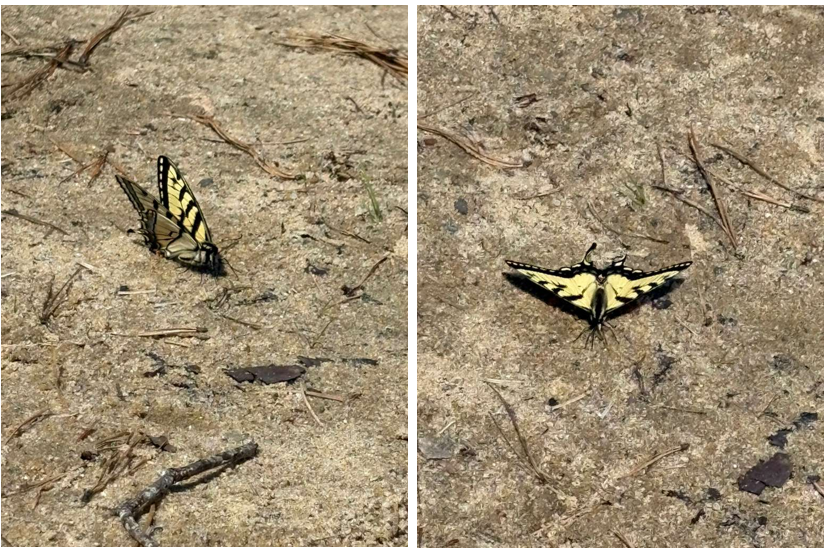
Above: Eastern tiger swallowtail |
Not All Life Around Ponds is Aquatic! |
This past week brought a beautiful encounter for one of our pond teams. APCC Pond Technician May Lopopolo came across this Eastern tiger swallowtail at Gull Pond in Wellfleet while preparing to paddle out in the canoe to collect water quality data.
The Eastern tiger swallowtail follows a four-stage life cycle: egg, caterpillar, chrysalis, and adult. It completes two to three generations per year. On Cape Cod, females lay solitary, round green eggs on the leaves of host plants from late May into June and then again in mid-to-late summer. On warm summer days, eggs can hatch in as few as 4 to 5 days.
Freshly hatched caterpillars resemble bird droppings, helping deter predators. As they mature, they turn bright green and develop large, false “eyespots” on their thorax. To gather strength, the caterpillars eat their nutrient-rich eggshells immediately after hatching, then begin chewing holes in the leaves of native trees that include birch, tulip tree, and cherry. These same leaves also provide shelter while they rest. Caterpillars often spin a flat pad of silk on the top surface of a leaf, allowing them to rest securely without slipping off.
After three to four weeks, they stop eating and completely empty their digestive tract. Their bright skin fades to a dull, translucent brown or honey color, and they leave their host tree to find a suitable spot to form a camouflaged chrysalis on a sturdy branch. Depending on when the tiger swallowtail hatches, it will overwinter in the chrysalis stage. This is an important reason to leave the leaves and let your winter garden rest until late spring, so as not to disturb overwintering swallotails.
Once adults emerge from the chrysalis, they live for one to two weeks, spending their time feeding on nectar, mating, and laying eggs. They often can be found along the shorelines of the Cape’s ponds, drinking mineral-rich water and searching for mates, as May observed on the sandy edge of Gull Pond in Wellfleet. Happy exploring to all you pond-goers! |
|
|
|
|
Sam Bartlett, Cyanobacteria Intern
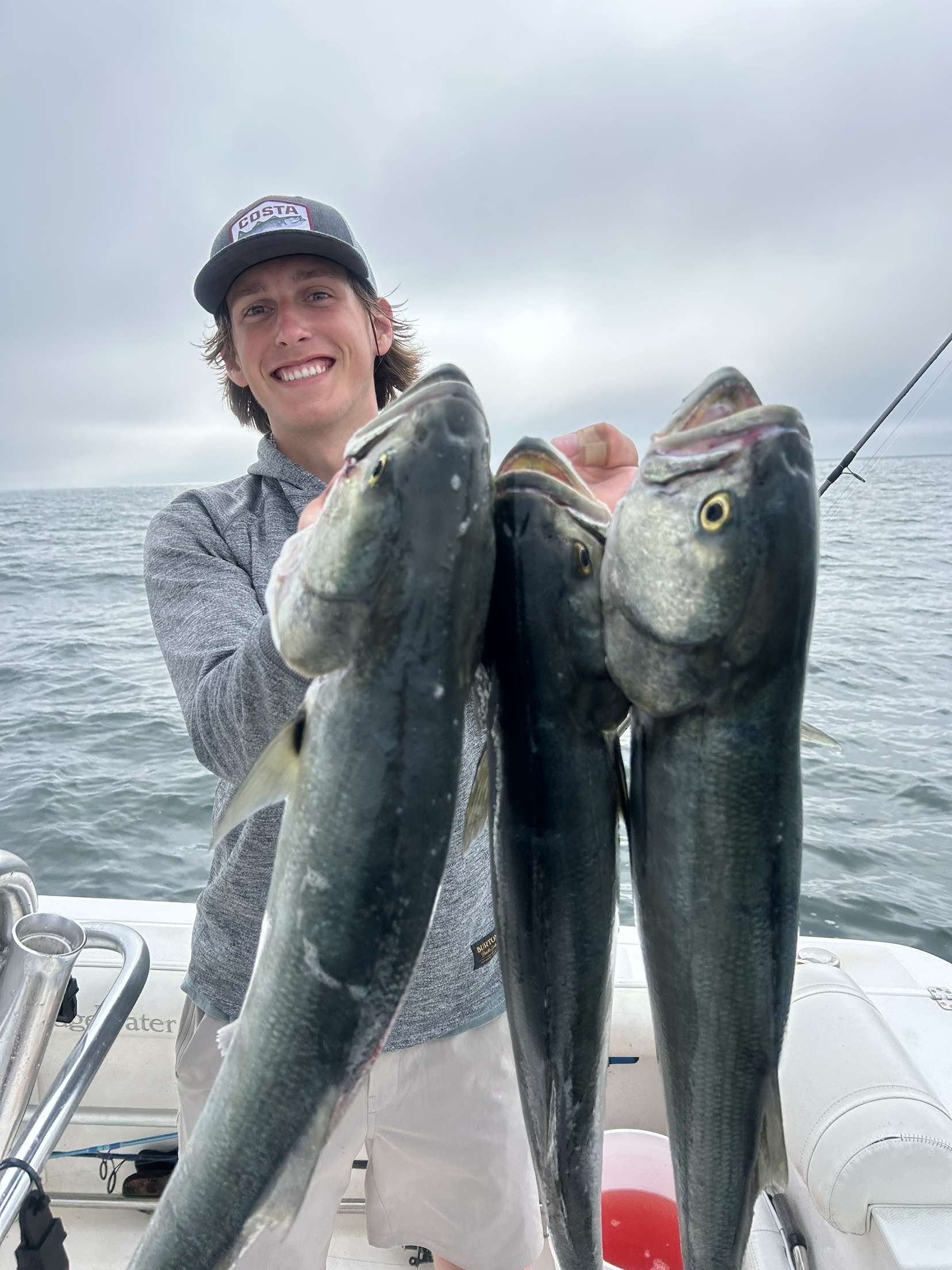
Hi everyone, my name is Sam Bartlett! I grew up on Cape Cod in the great town of Mashpee, and now I am headed into my sophomore year of college at the University of Hawaii at Manoa. I am studying earth sciences and am very passionate about the water as I am a sailor at UH, while I surf and fish on the side. I am super excited to explore microscopy this summer! |
|
|
|
| Calla Streeter, Ecological Land Care Intern
Hello, my name is Calla Streeter! I’m studying wildlife and conservation biology at the University of New Hampshire and entering my senior year this fall. It is such a privilege to live in Yarmouth near the unique coastal ecosystems of Cape Cod. While I’m certainly an animal lover, I’m also very passionate about plants. This summer, I’m excited to explore wildlife-vegetation relationships and help spread awareness about the importance of native plants to the public.
|
|
| |
Cyanobacteria Monitoring Program 2026 |
This week and next, we'll see the remaining cyanobacteria interns arrive and volunteers from pond group partners and towns getting ready for sampling their ponds for cyanobacteria for the 2026 season.
We send the resulting data to the local health department for their consideration—only the town can post a health advisory.
We send out an email alert when a cyanobacteria bloom is discovered. We've already sent out a cyano alert this month for Hamblin Pond and Mystic Lake, for which the town of Barnstable posted a pet advisory. If you'd like to receive the alerts, you can sign up here.
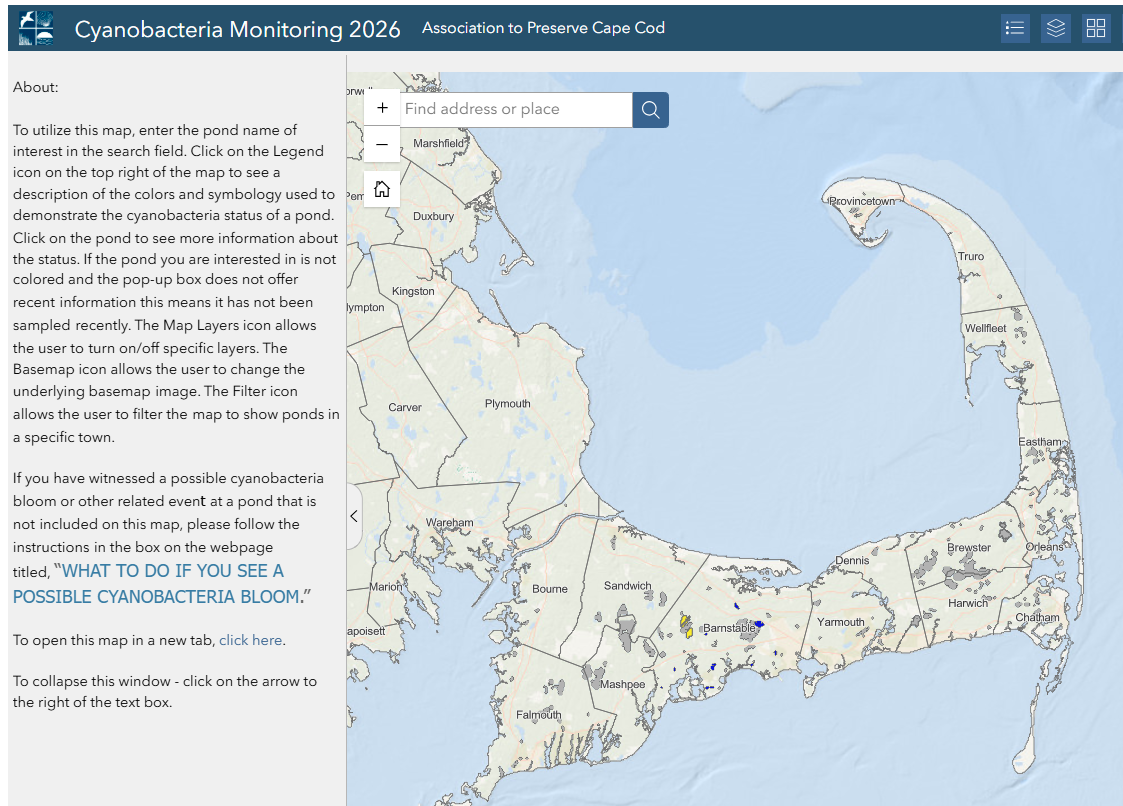
Our interactive map on APCC's website is color coded based on the bi-weekly sampling: acceptable (BLUE), potential for concern (YELLOW), or use restriction is warranted (RED). You can learn more here. If you notice pond water is scummy or discolored and may have a strong odor, avoid contact. If you see what you think might be a suspicious cyanobacteria bloom, notify your local health department and send a photo to cyano@apcc.org noting the location, day and time. |
|
|
|
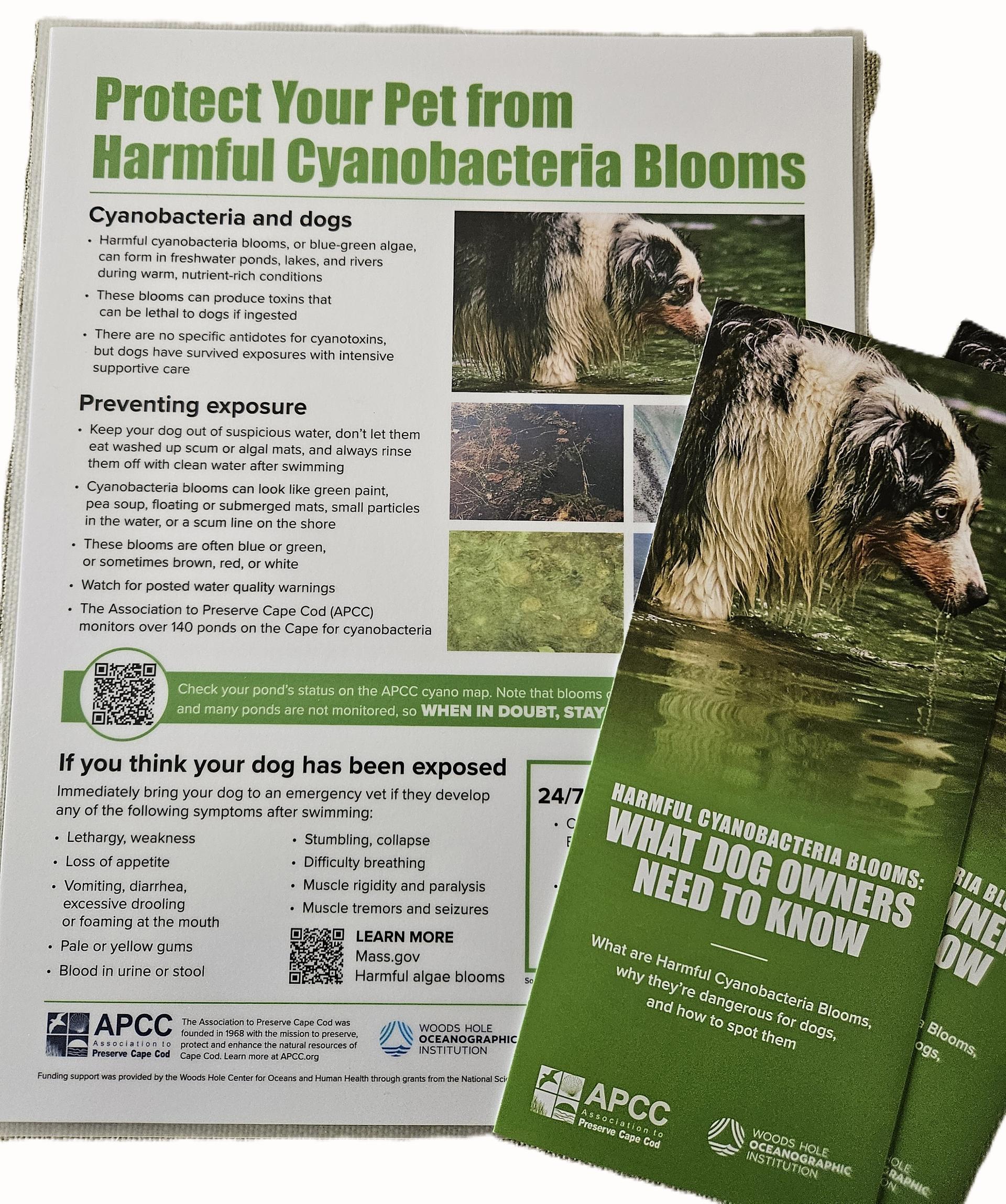
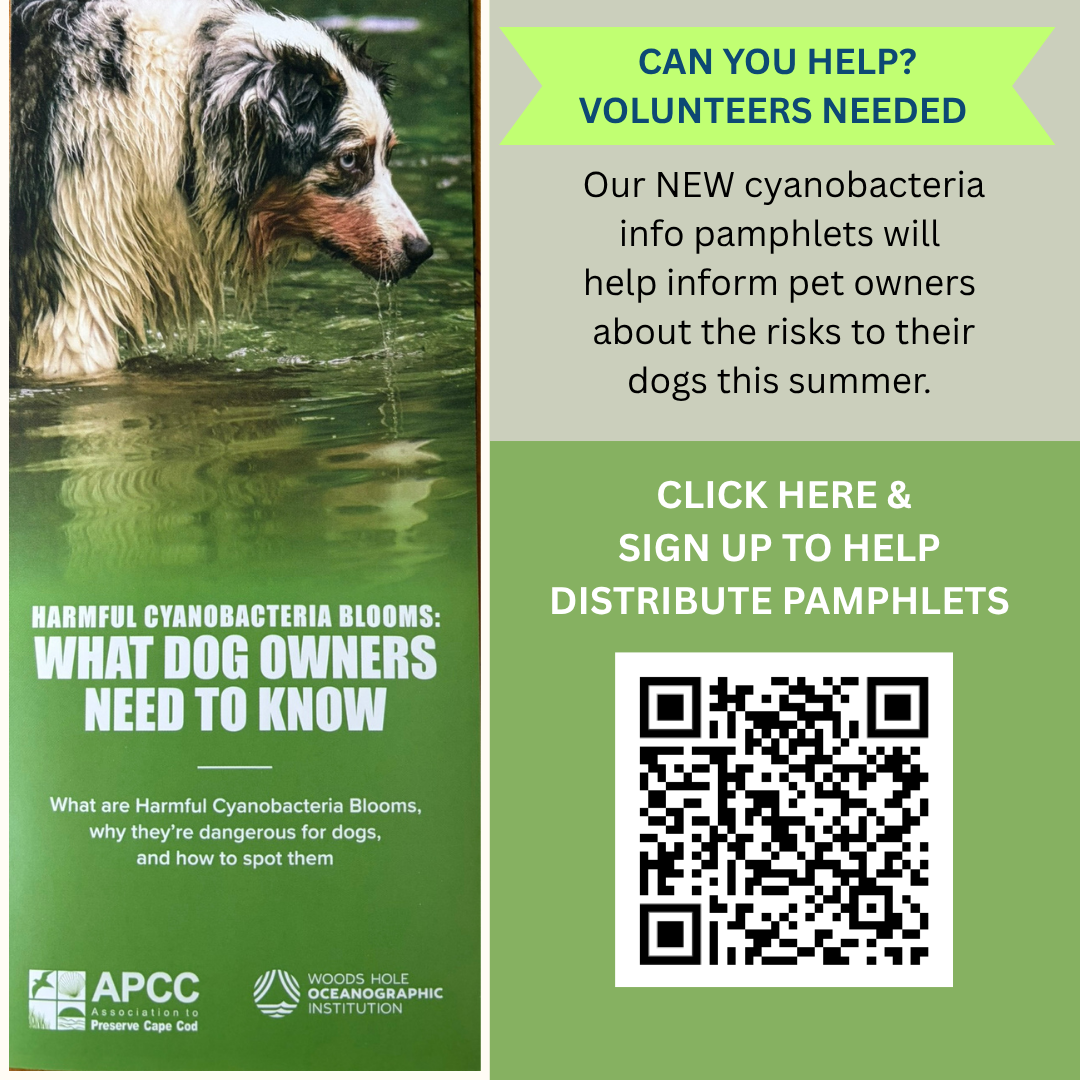
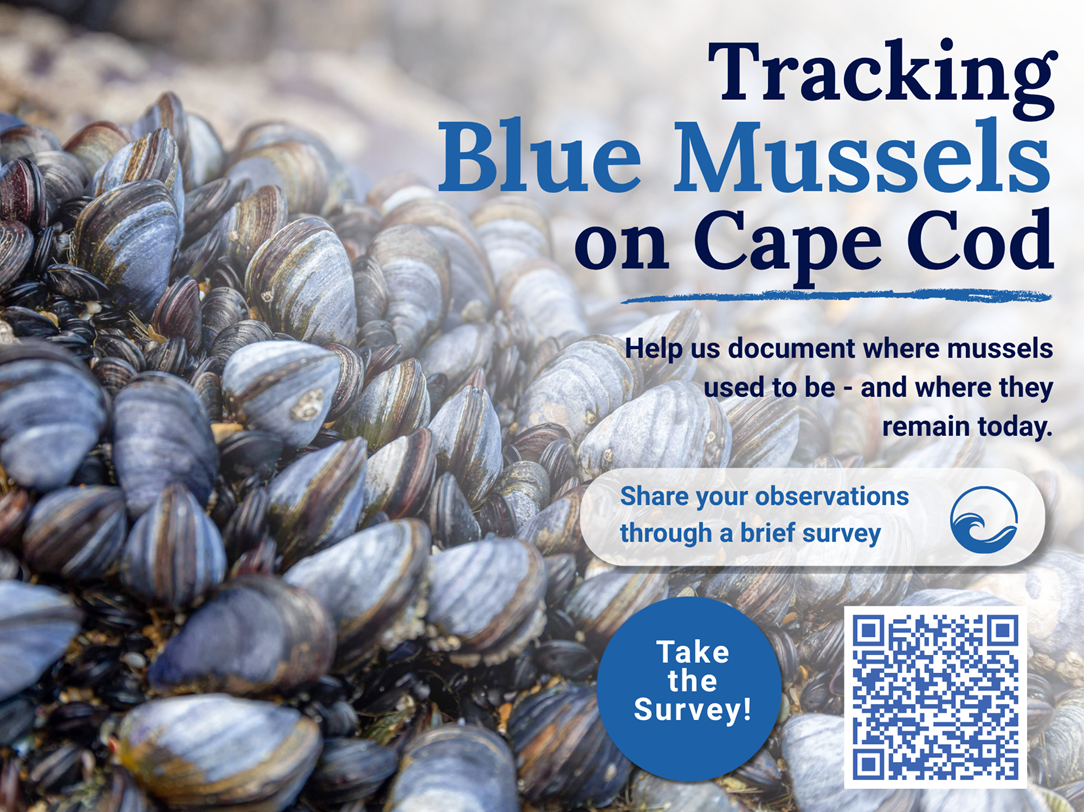
| In a joint project with Woods Hole Oceanographic Institute, we created posters and brochures about protecting your pet from harmful cyanobacteria blooms. A cadre of volunteers are helping to distribute the materials to veterinarian offices, town halls, and other locations in the next few weeks.
If you are part of a pond group and would like brochures to distribute at table events or otherwise handout, we have lots! Likewise, pick up posters if you know where they can be posted pondside. |
|
|
|
CALL FOR VOLUNTEERS! APCC and The Woods Hole Oceanographic Institute have produced an informational pamphlet about how to spot harmful cyanobacteria blooms and the dangers they present to our dogs. We are looking for volunteers to help us distribute pamphlets to local veterinary offices and municipal buildings around the Cape. |
The Plastic Pot Conundrum |
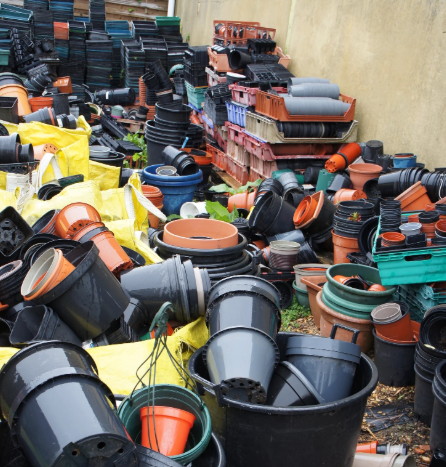
A dark side of the horticultural industry is the reliance on plastic that is largely single-use and not recyclable in our region. About 98 percent of perennials and 68 percent of shrubs are currently sold in petroleum-based plastic pots, and 90 percent of these pots are produced from virgin plastic and are made to be single use. These plastic pots contain different polymers that do not melt at the same temperature, making the recycling process costly and time-consuming—and the process requires the addition of virgin plastic.
Further, the closest recycling facility to our region is in Michigan, meaning even recycling plastic materials comes with a large carbon footprint. About 98 percent of plastic pots end up in the trash waste stream after just a single use. Plastic does not decompose, but rather breaks down into microplastics, which cause significant damage to our soil and water health, and are readily taken up by plants, causing further ecological damage to the food web.
It is important to note that even pots made from fabric are made from polypropylene—a petroleum-based plastic. These fabric pots are made from recycled PETE 1 plastics and therefore are still plastic and their use in the ground should be avoided.
Learn more at Healthy Pots, Healthy Planet.
At APCC, this year's annual native plant sale is plastic-free. We are using both pots made from recycle paper and others made of cow manure. Further, through our Cape Cod Native Plants Growers' Cooperative, we continue to seek alternatives and seek ways to reduce plastic as we encourage local production of native plants. |
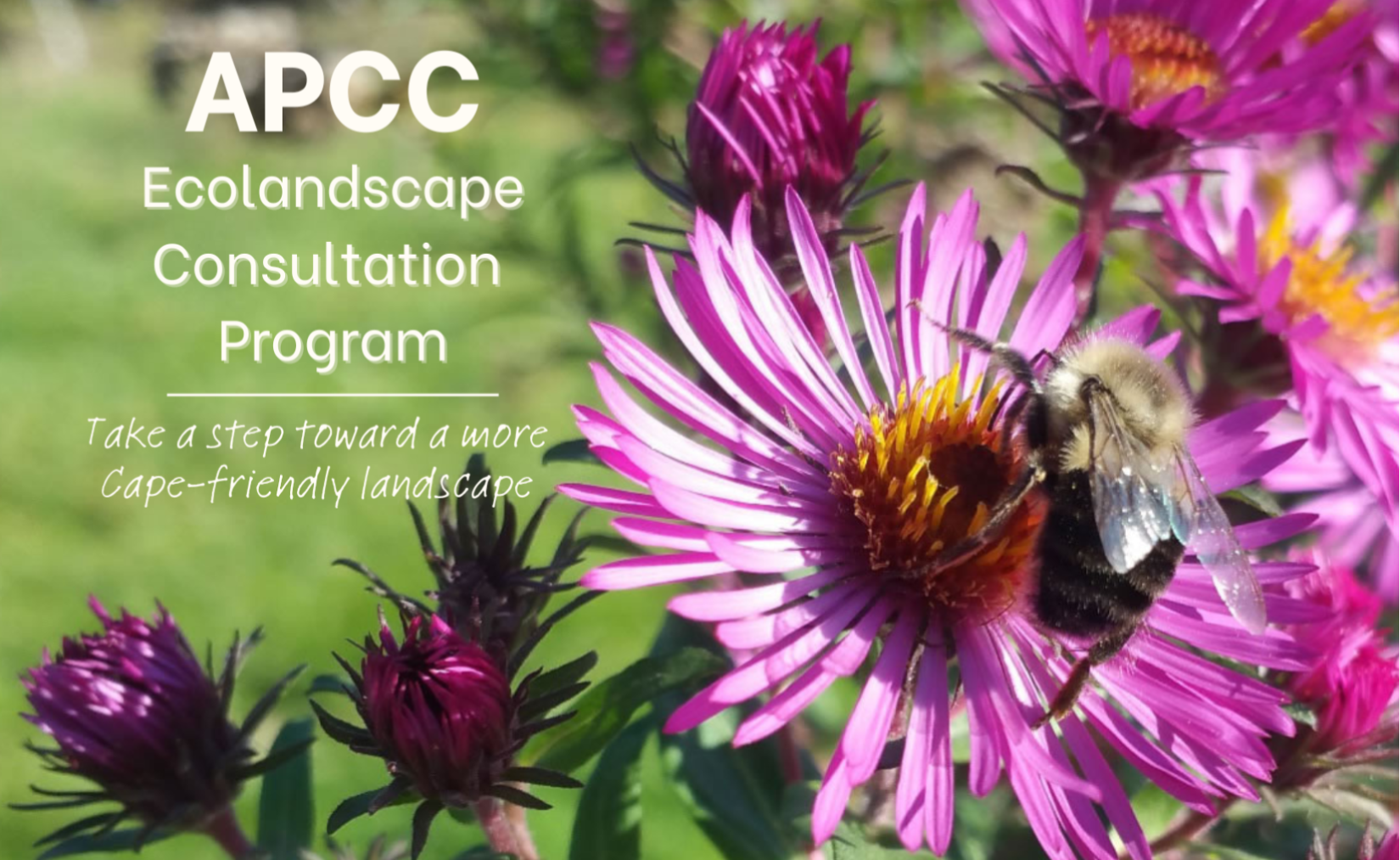
It's that time of year when we start accepting appointments for our Ecolandscape Consultation Program.
If you want to make your yard friendlier to pollinators and wildlife, learn more about native plants and controlling invasive species, and how to conserve water and protect the Cape’s water quality, we can help. Fill out the form and Erin Camire, our ecolandscape program coordinator, will contact you via email to set up a day and time for the consultation at your residential property in any Cape town from Bourne to Provincetown. The team will meet with you for an hour and a half, answer your questions, and send you a summary report. The fee is $350.
Read more here about the program and click on the "Get Started" button to schedule a consultation! |
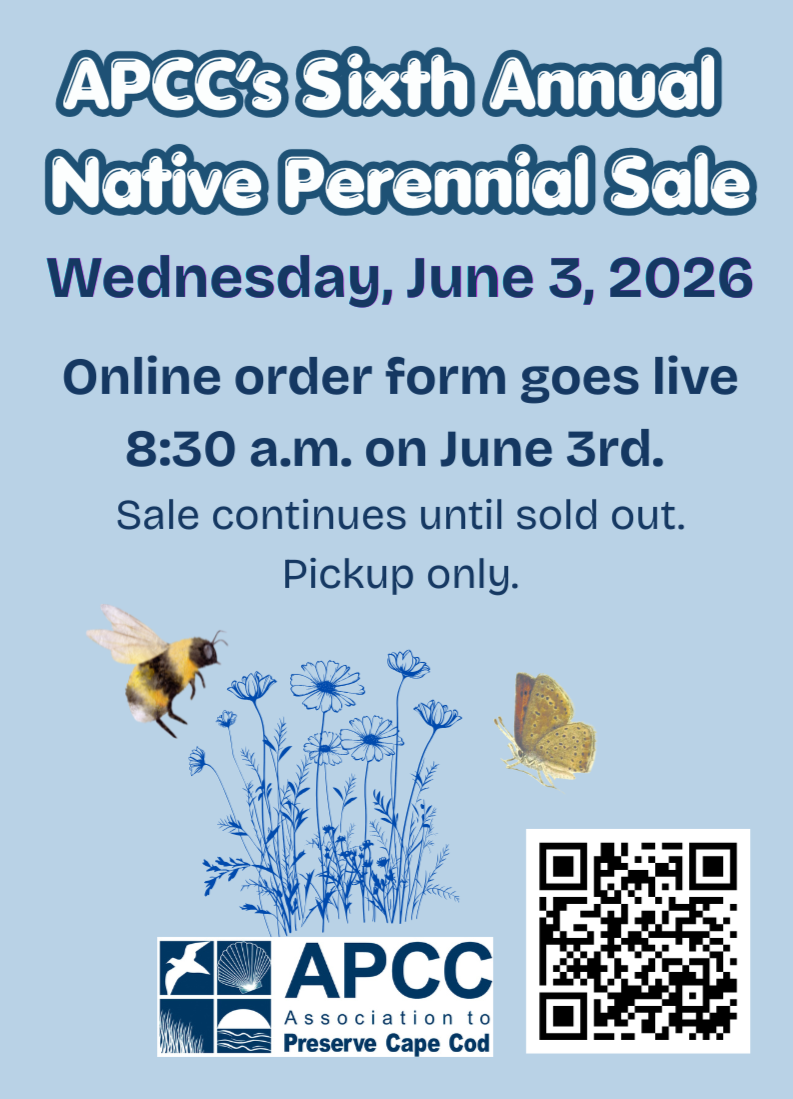
You've been asking when, so mark your calendar! |
|
|
|
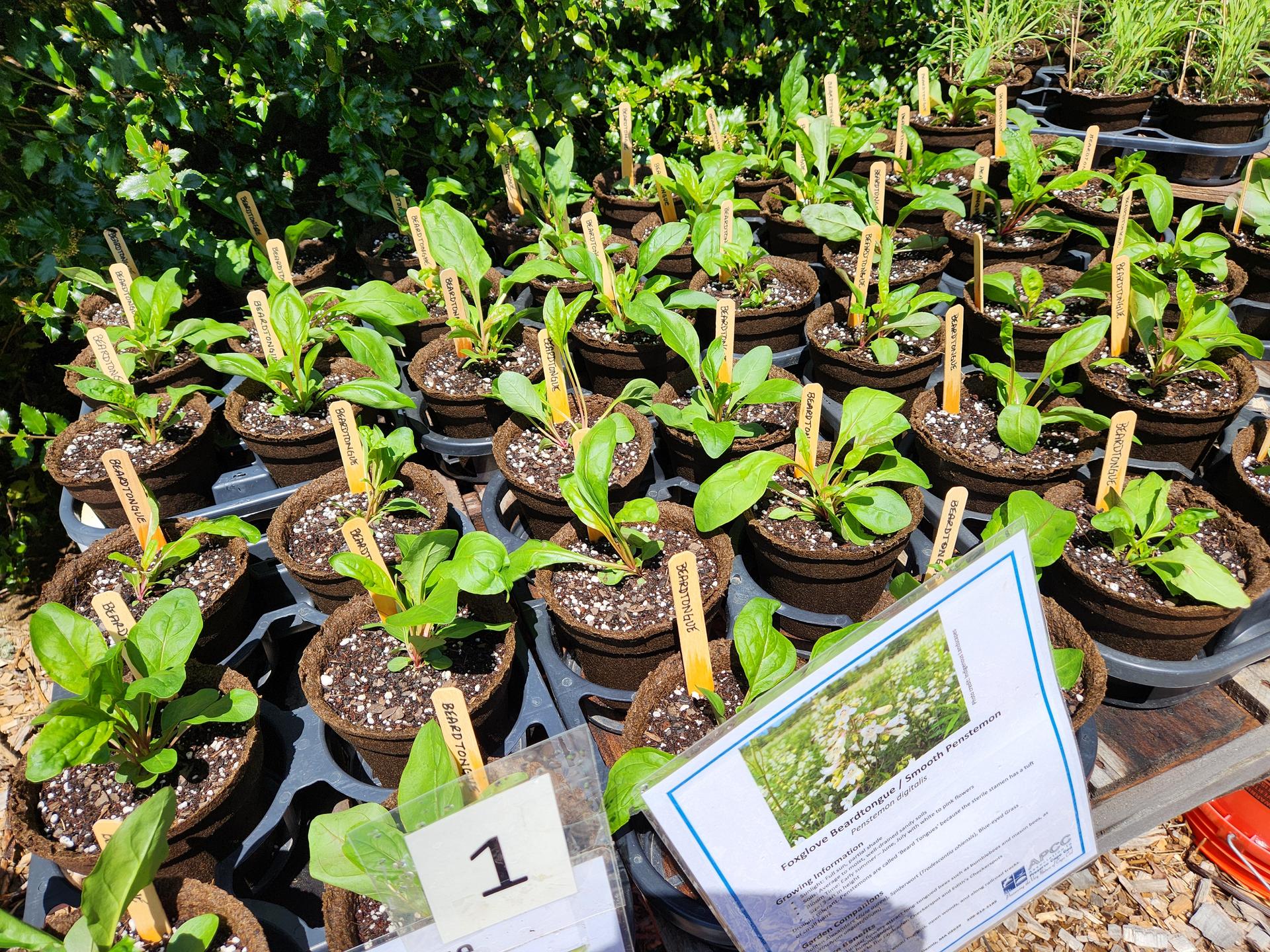
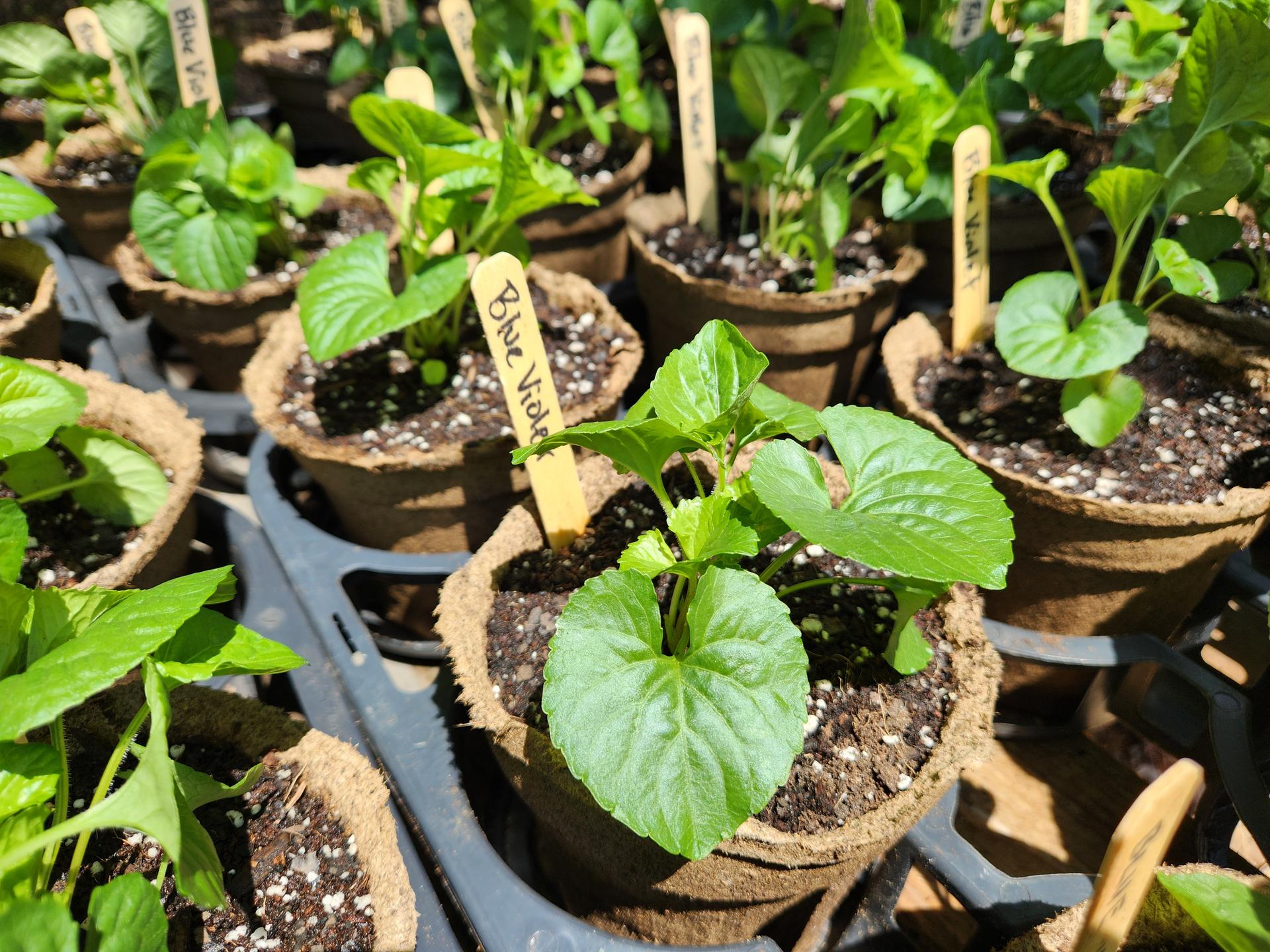
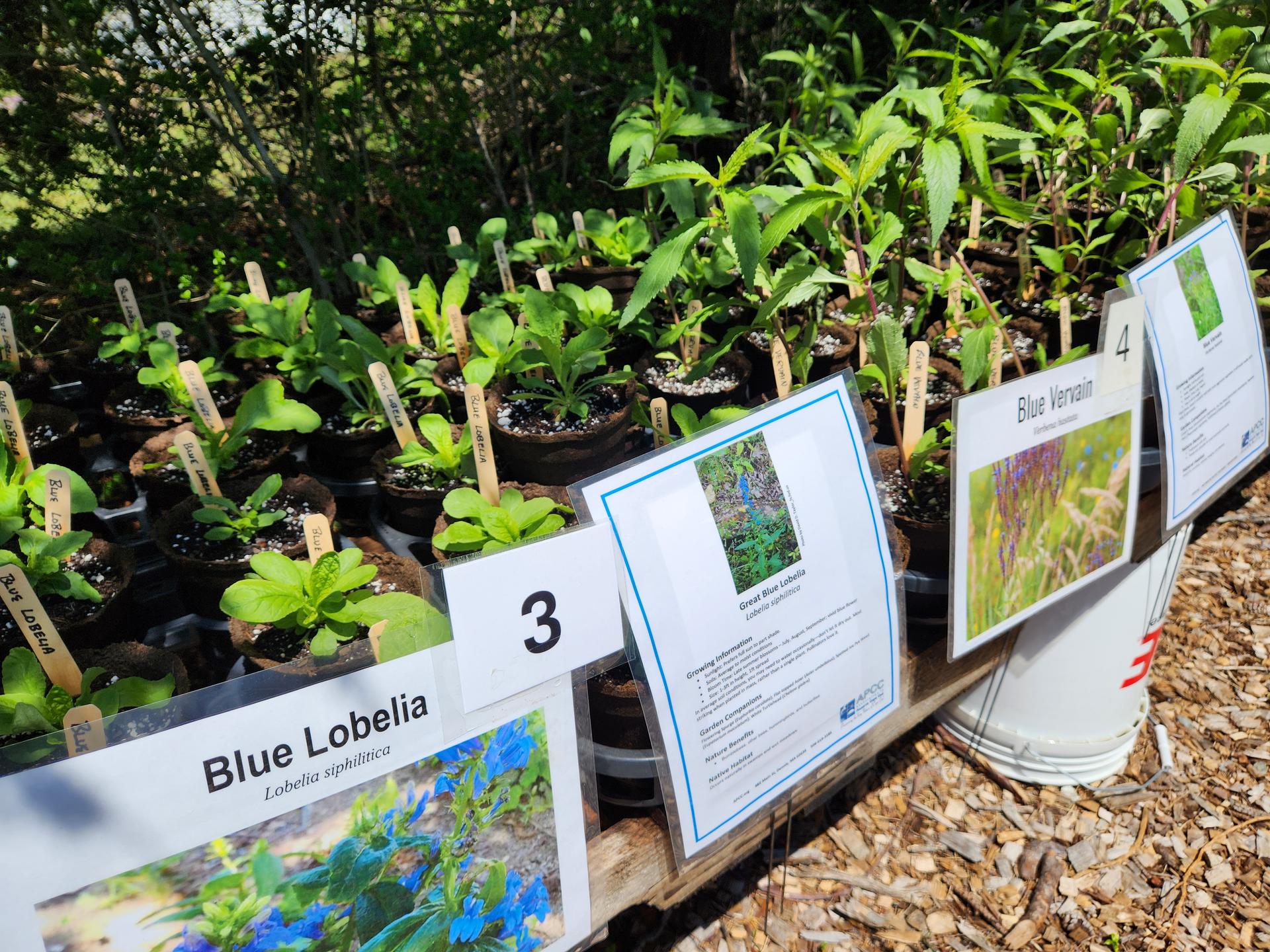
Get ready—it's just around the bend! The plant sale webpage has a list of what we will have—over 30 species.
Please note, our plant sale is a bit different than most: Online orders only. Pickup by appointment at APCC’s headquarters, 482 Main St, Dennis, June 3-5, 8:30 a.m. - 4 p.m.
Sale goes live Wednesday, June 3rd at 8:30 a.m. Click here for more information. We are proud to say that this year our plants are especially good for the planet: -
natives grown from ethically sourced seed to support genetic biodiversity
-
the potting soil we use is peat-free (instead, it is coir-based—a renewable resource)
- no plastic pots!
|
CALL FOR VOLUNTEERS! APCC and the Woods Hole Oceanographic Institute have produced an informational pamphlet about how to spot harmful cyanobacteria blooms and the dangers they present to our dogs. We are looking for volunteers to help us distribute pamphlets to local veterinary offices and municipal buildings around the Cape. |
The Cape We Shape Rally
Wednesday, June 17th 8:45 a.m. - 12:30 p.m. in Harwich
REGISTER HERE
Learn more about The Cape We Shape campaign and sign up to be part of Team SOS to engage in efforts to permanently protect the last undeveloped acres that have been identified as priority natural resource areas. As part of Team SOS, look for regular emails most Mondays to learn of news, next steps, and how you can help.
Come pick up campaign signs, flags, handouts, stickers at APCC's office in Dennis: email TeamSOS@apcc.org to arrange day and time.
We now have Team SOS t-shirts and The Cape We Shape caps available for purchase ($25 with pickup). |
Sign up to Volunteer with Team SOS here. Team SOS volunteers help distribute educational materials and work on town teams to support The Cape We Shape campaign efforts.
|
|
|
|
|
Harwich Ponds Coalition Annual Meeting on Saturday, June 6 at 10 a.m.
at the Harwich Community Center |
|
|
|
Please come join us to hear an update on the work we are doing to protect our ponds in Harwich! Guest speakers include: Brian Baumgaertel from MASSTC to share some of the innovative work his organization is doing; Marie Chieppo from CFS Regenerative Design on ecological design for Cape friendly landscapes; and Michael Lach to share the latest HCT update on the great conservation and ecological restoration efforts in Harwich. |
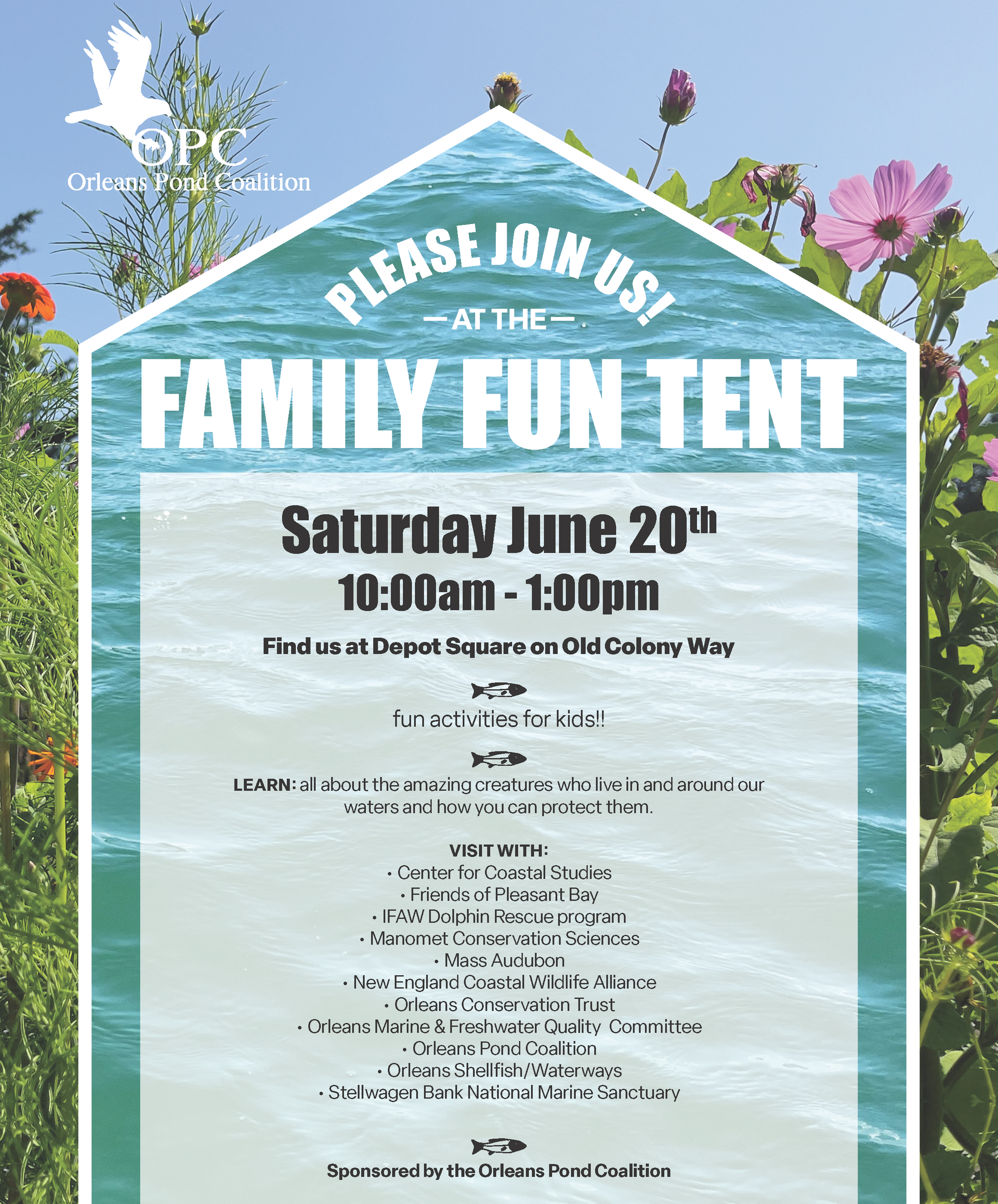
Join the Orleans Pond Coalition on Saturday, June 20 from 10 am to 1 pm for our Summer Kick-off Family Fun Tent at Depot Square (on Old Colony Way).
The theme this year is “protecting the animals that live in and rely on our waters.” Please go to www.orleanspondcoalition.org for more information. We look forward to
seeing you Saturday, June 20 from 10:00 a.m. to 1:00 p.m. at Depot Square in Orleans! |
A Cape-wide Conservation Event Calendar |
The Compact of Cape Cod Conservation Trusts (“the Compact”) and its nonprofit members launched a new regional calendar of events. The Conservation Calendar includes programs across Cape Cod hosted by these groups. The goal of the calendar is to encourage visitors and residents to take part in nature and environmental events. You can always find the link to the calendar on APCC's website under News & Events.
|
If you are a farmer or someone who wants to grow native plants to sell, or you just want to be updated on the program's development, please submit the interest form that appears on our webpage. We will be sending periodic email notices of workshops and meetings.
Funding for the project is provided by Barnstable County and its Economic Development Council License Plate Grant Program through the Cape Cod Commission, the Kelley Foundation and private donors. |
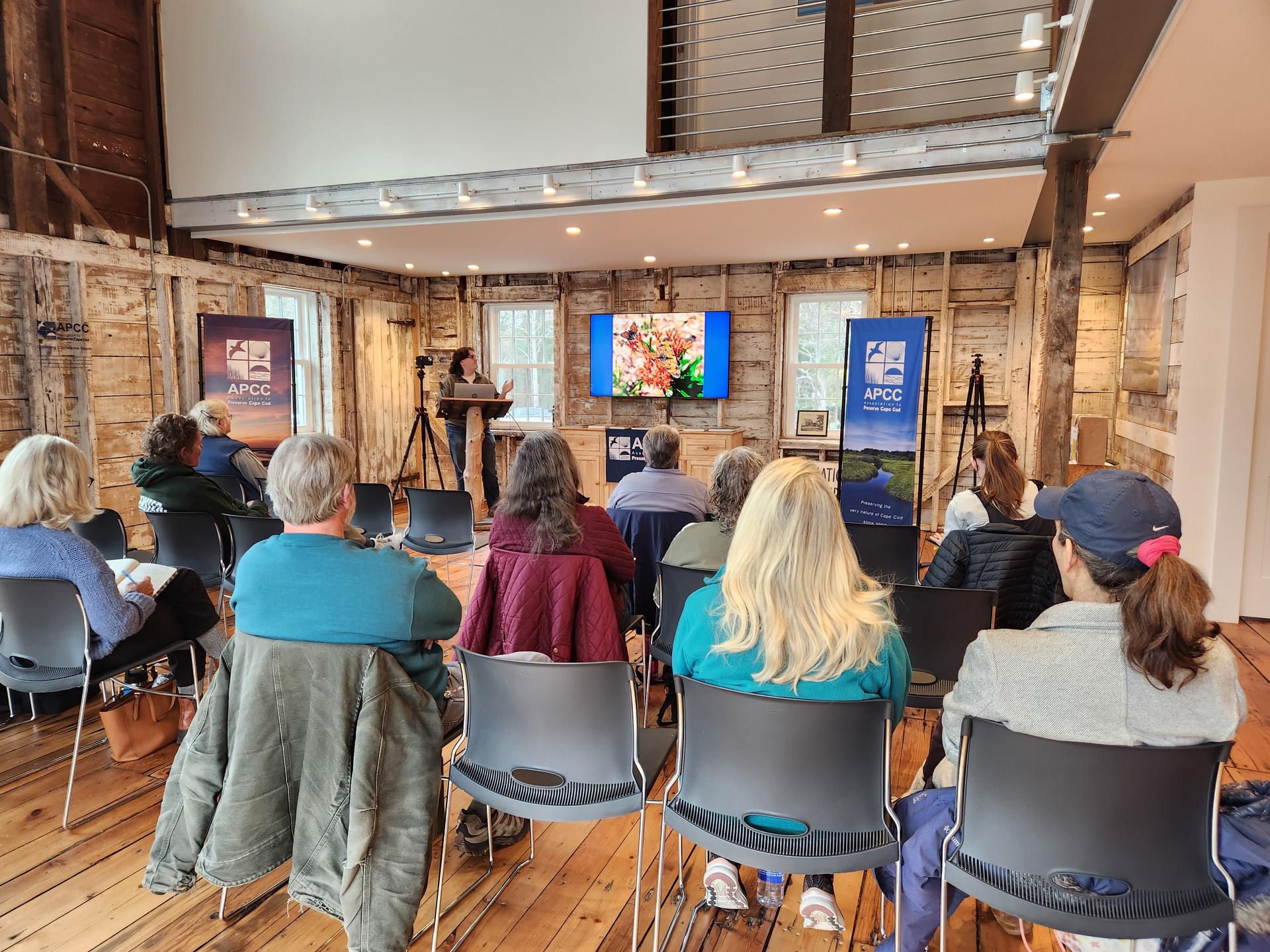
Ten talks for prospective growers as part of the Cape Cod Native Plant Growers' Cooperative program have been presented thus far, with more scheduled in the upcoming weeks. These past workshops can be viewed here: |
A Cape Cod Native Plant-selector ~ to help you choose the perfect native plants for your garden. |
|
|
|
Email kandres@apcc.org and we'll send you a CapeCodNativePlants.org decal. |
|
|
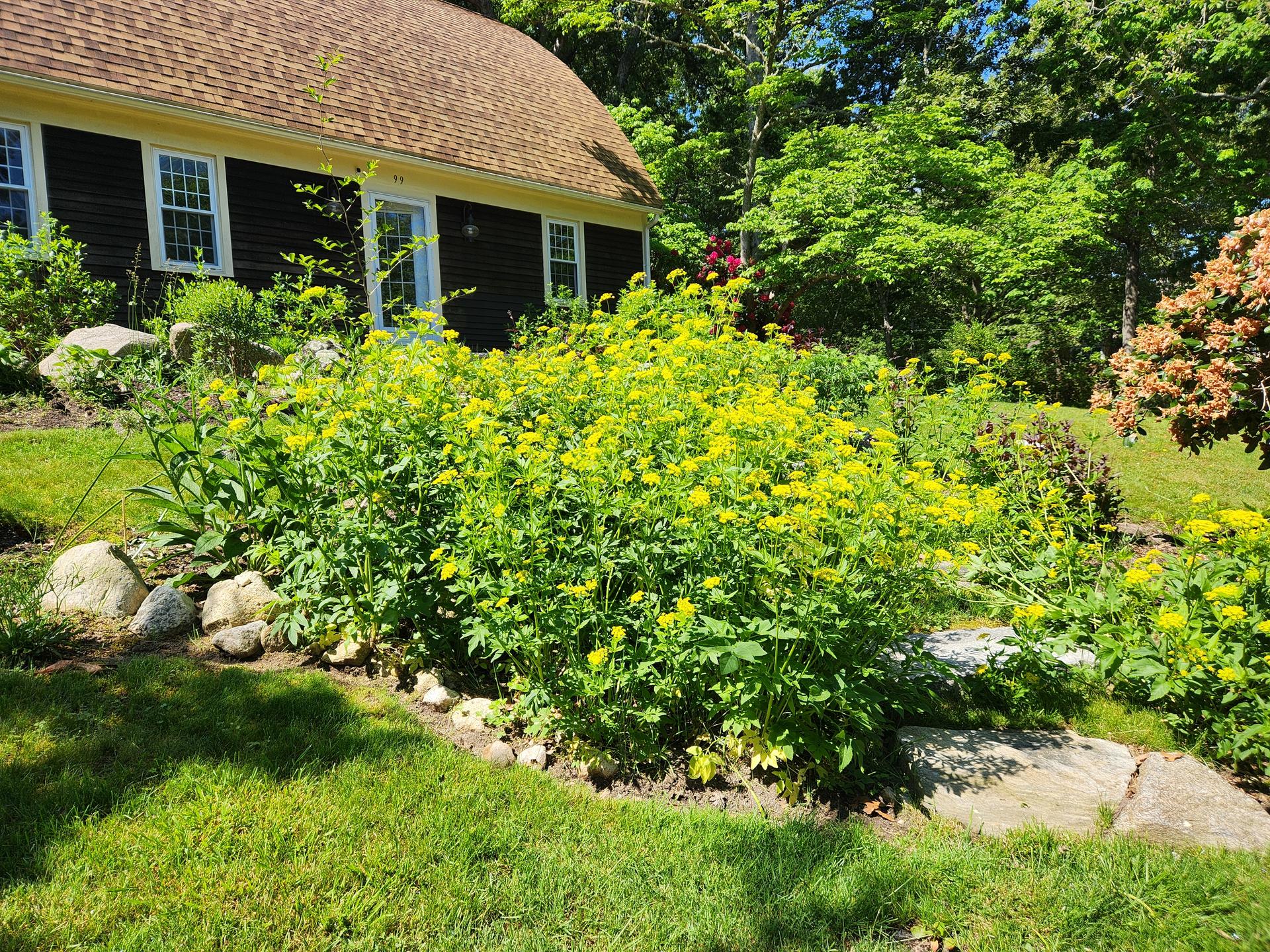
Golden Alexanders Zizea aurea |
|
|
|
The purpose of CapeCodNativePlants.org is to help native plant enthusiasts select the right plant for the right place. While not all native plants presented here are indigenous to Cape Cod, they are suitable native species for Cape gardens and managed landscapes.
Why Native Plants? Many native plants are drought tolerant, salt tolerant, and thrive in the “thin” soils found on Cape Cod. Native plants are as attractive as any plant, and are reflective of the Cape’s natural beauty. By planting native species appropriate for Cape Cod, you can conserve water, avoid pesticide and fertilizer use, and support pollinators and birds.
|
|
|
|
|
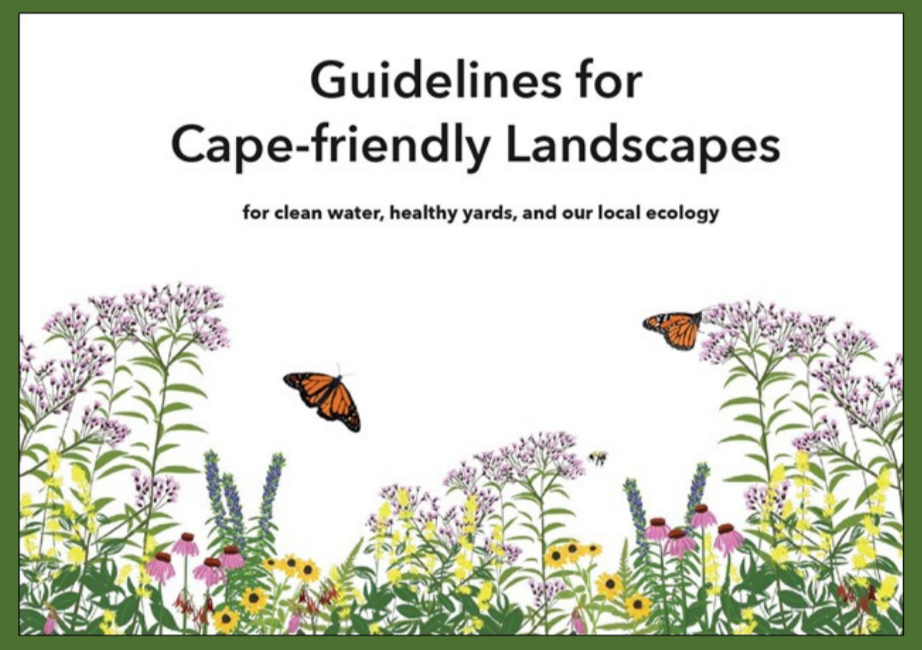
The Guidelines gives homeowners steps they can take in the design and maintenance of their properties that will support pollinators and birds, manage stormwater, conserve water, and protect the Cape's water quality. This 40-page booklet is beautifully illustrated by Marcy Ford with content that is easily digestible and supported by numerous resources for additional learning.
|
|
|
|
We are grateful for the several retail shops that are partnering with us to make this publication more widely available: Brewster Book Store, Birdwatchers General Store, Crocker Nurseries, Wellfleet Audubon Wildlife Sanctuary, Cape Abilities Farm, Cape Cod Museum of Natural History, the Cape Cod Lavender Farm, Heritage Museums and Gardens, Titcomb's Bookshop, Sea Howl Bookshop, Soares Flower Garden Nursery, Hyannis Country Garden, Orleans Whole Food Store, and Eight Cousins Bookshop.
If you are a retailer and would like to sell this publication at your store, please contact us. |
|
|
|
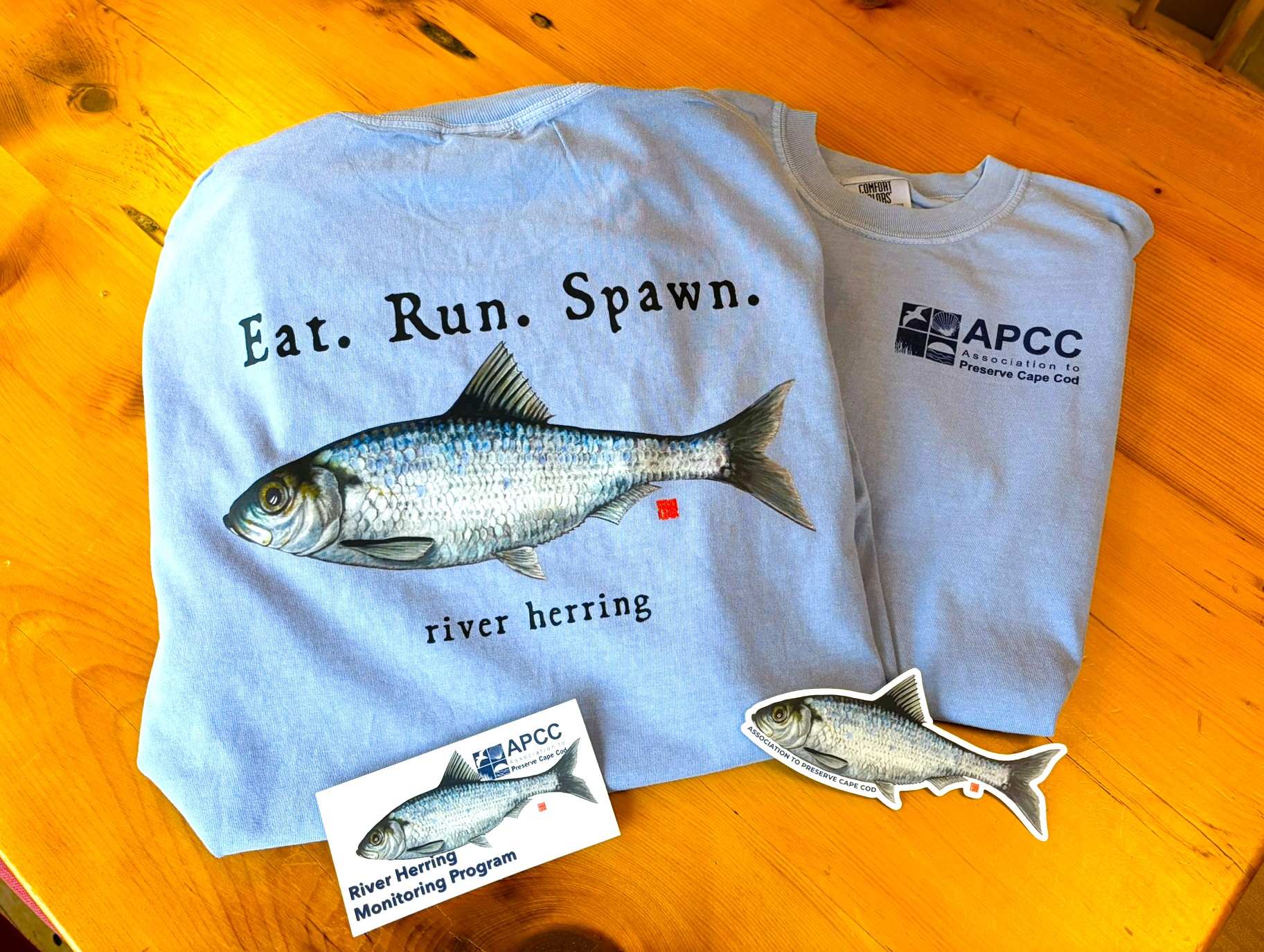
New Offering - Celebrate the Run! Herring T's
color denim blue $30 - includes USPS delivery in the U.S. |
|
|
|
Team SOS T-shirts $30 - includes USPS delivery in the U.S. |
|
| The Cape We Shape $30 - includes USPS delivery in the U.S. |
|
|
|
APCC caps $25 -includes USPS delivery in the U.S. |
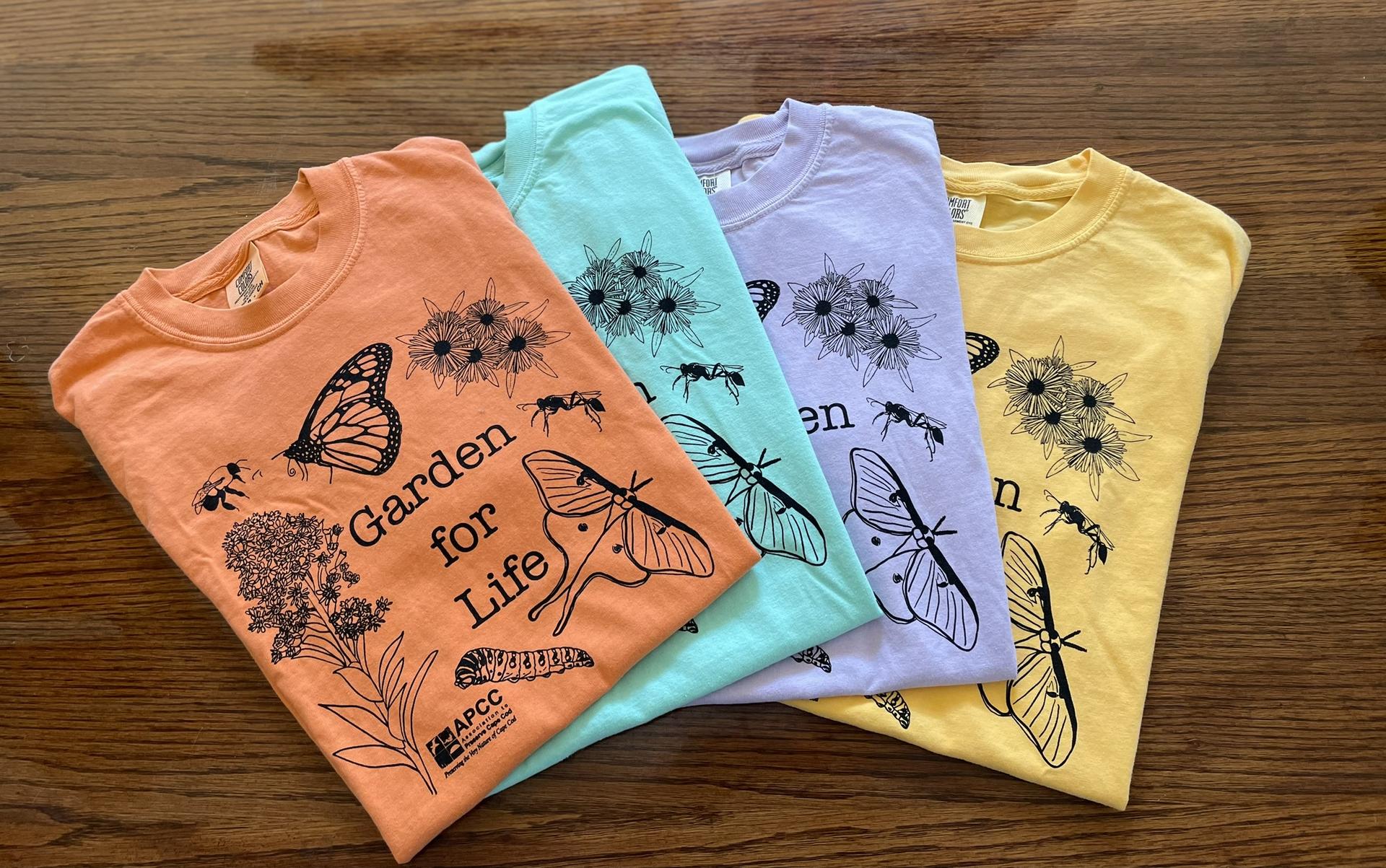
Garden for Life T's $30 -includes USPS delivery in U.S. |
|
|
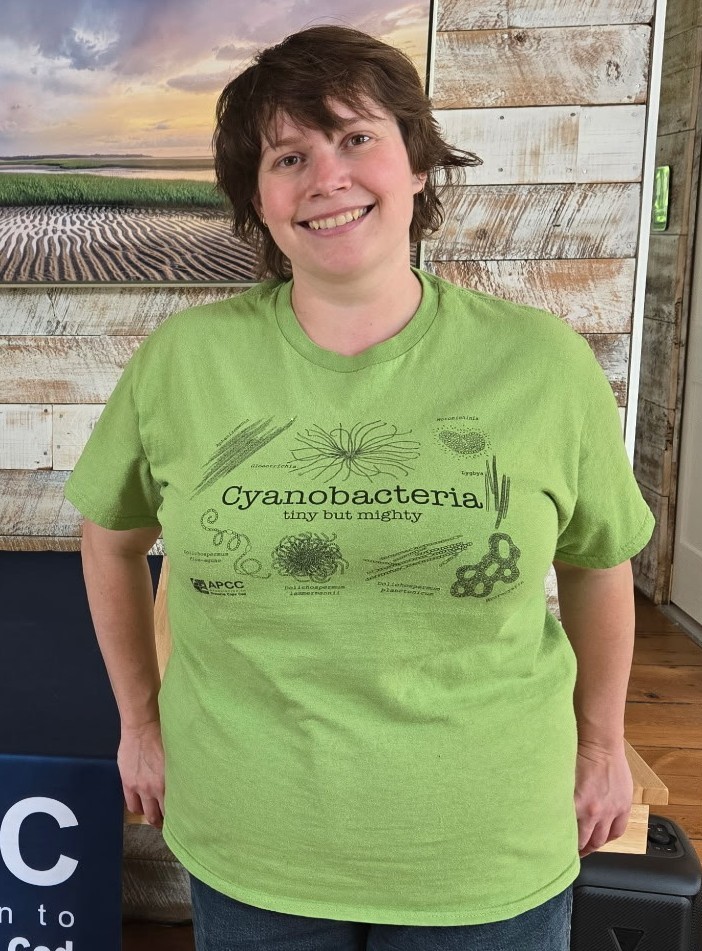
Cyanobacteria ~ tiny but mighty color kiwi $30 -includes USPS delivery in the U.S. |
|
|
|
|
APCC eNewsletters Our weekly newsletters are archived on our website and easily shared.
You can find past newsletters and share with your friends. Encourage others to sign up for future enewsletters HERE.
|
|
|
|
Are you thinking of going solar? We hope so! In partnership with E2 SOLAR in Dennis, APCC receives $500 for every solar installation when APCC is named as referral. |
|
|
|
| Thank you to the homeowners who just contracted to install solar panels through E2 Solar. May the sun always shine for you! |
|
|
|
Expressions Gallery, 578 Main Street, Chatham
CLICK HERE |
Expressions Gallery donates 20 percent of its profits to APCC's work. |
|
|
|
Thank you to our business sponsors! |
|
|
|
APCC is rated four stars by Charity Navigator,
2026 Platinum by Candid (formerly Guidestar). |
|
|
|
Our Contact Information
*{{Organization Name}}*
*{{Organization Address}}*
*{{Organization Phone}}*
*{{Organization Website}}*
*{{Unsubscribe}}* |
|
| |
|
|