Association to Preserve Cape Cod |
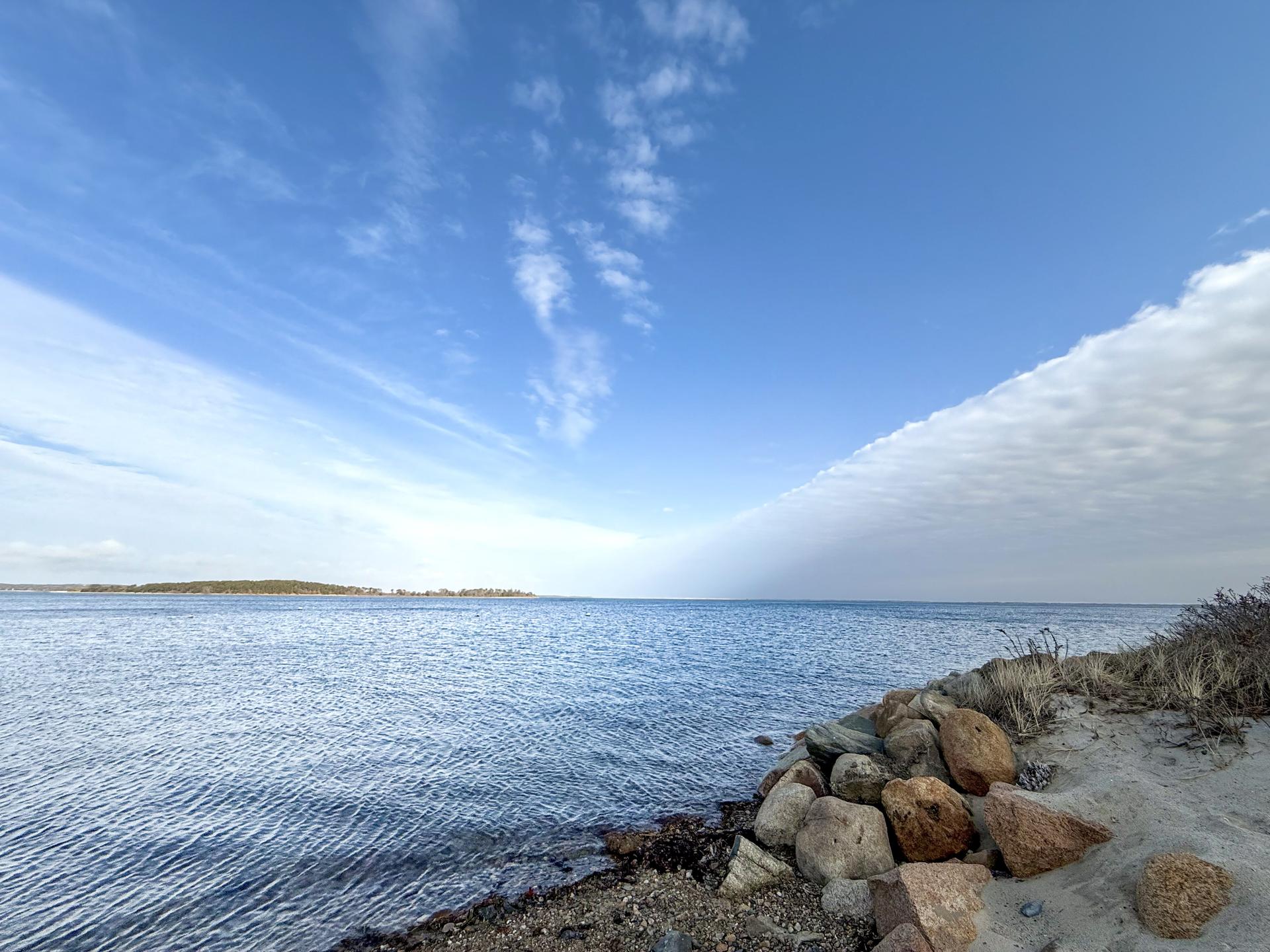
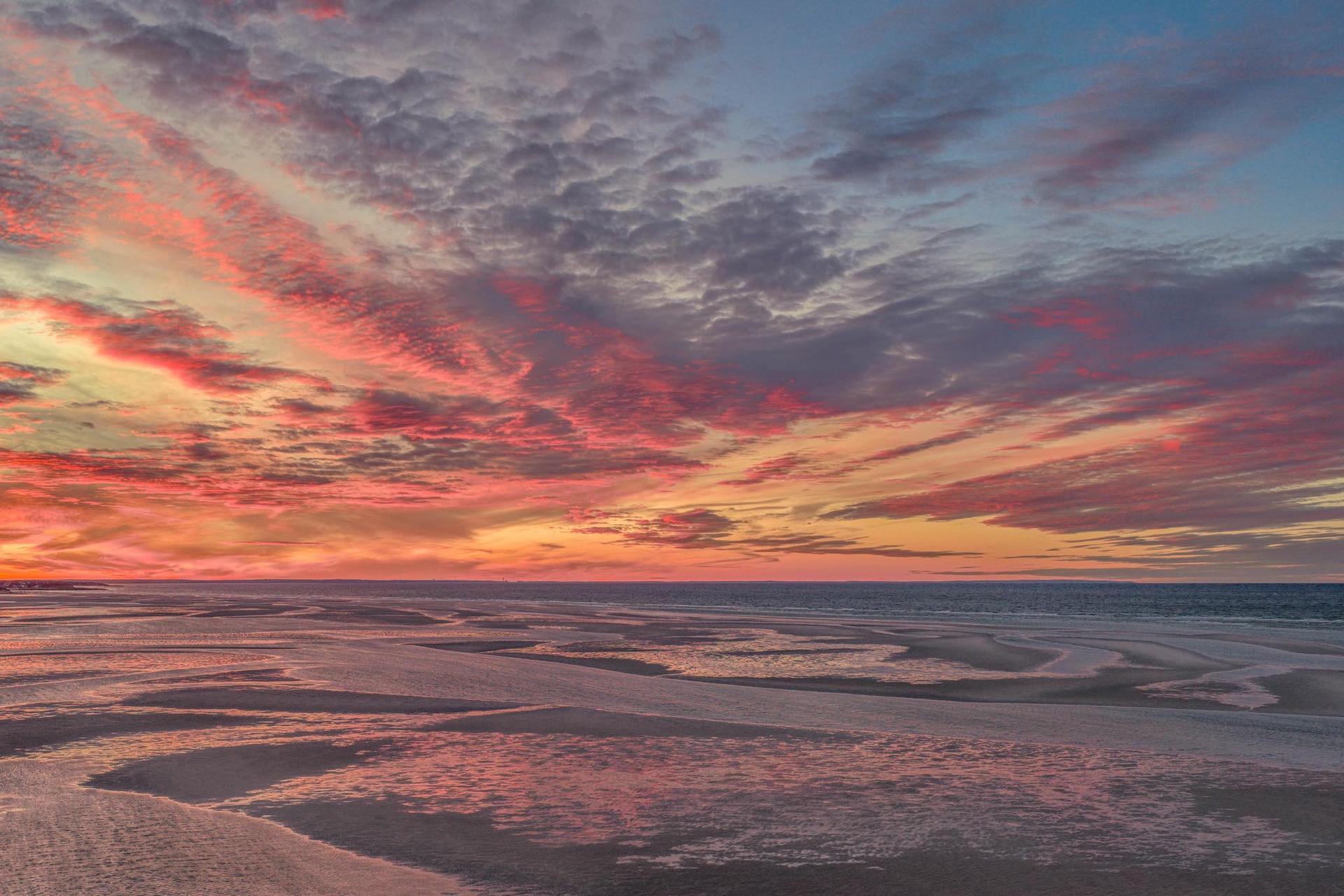
Above: Pleasant Bay from Cotchpinicut Landing, Chatham. Photo by Sue Machie |
|
|
| It Is In Your Hands
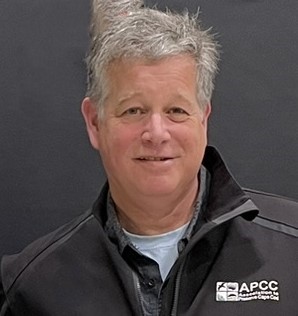
by Andrew Gottlieb, Executive Director |
2025 was a tough year for the environment. Regulatory pullbacks were the norm. Some were explicit rollbacks that lowered clean air and water standards. Some were overt and obvious political statements, like the complete retreat from efforts to manage and mitigate changes to the climate. Others have been more discreet and insidious, like redefining what had been dirty to now be clean. How does no longer considering the value of lives saved by reducing pollution in a cost benefit analysis sit with you? Do you feel safer and better protected? I don’t.
|
|
|
While things have been rough for the environment at the highest levels of government, the picture can be brighter at the local level—that is, if we collectively make it so. The weakening of broader environmental standards will reduce the quality of life of Cape Codders in due time, the reality remains that locally we can still make our environment better. We as voters will decide on many local projects that include wastewater investments, stormwater control, land acquisition, wetland restoration and wellhead protection.
Rather than throw in the towel because things are negative at the federal level, we all need to channel our energy into making progress locally. Now is the time when town meeting warrants are being set, local candidates are stepping forward, and environmental spending in municipal budgets is determined. Now is the time to speak up for the environment and to make sure that the federal retreats are not replicated locally.
So much of what goes on around us is beyond our control. The only way forward is to control what we CAN control. As individuals acting together, we can control a lot about what happens locally. Rather than wring our hands over things we cannot change right now, let’s focus on making things better in our own back yards. |
ADVOCACY
APCC joined numerous other organizations in signing a letter to U.S. Environmental Protection Agency Administrator Lee Zeldin and Assistant Secretary for Civil Works U.S. Army Corps of Engineers Adam Telle, urging the EPA to not alter the definition of the "waters of the United States" or to amend the proposed updated definition. READ HERE.
|
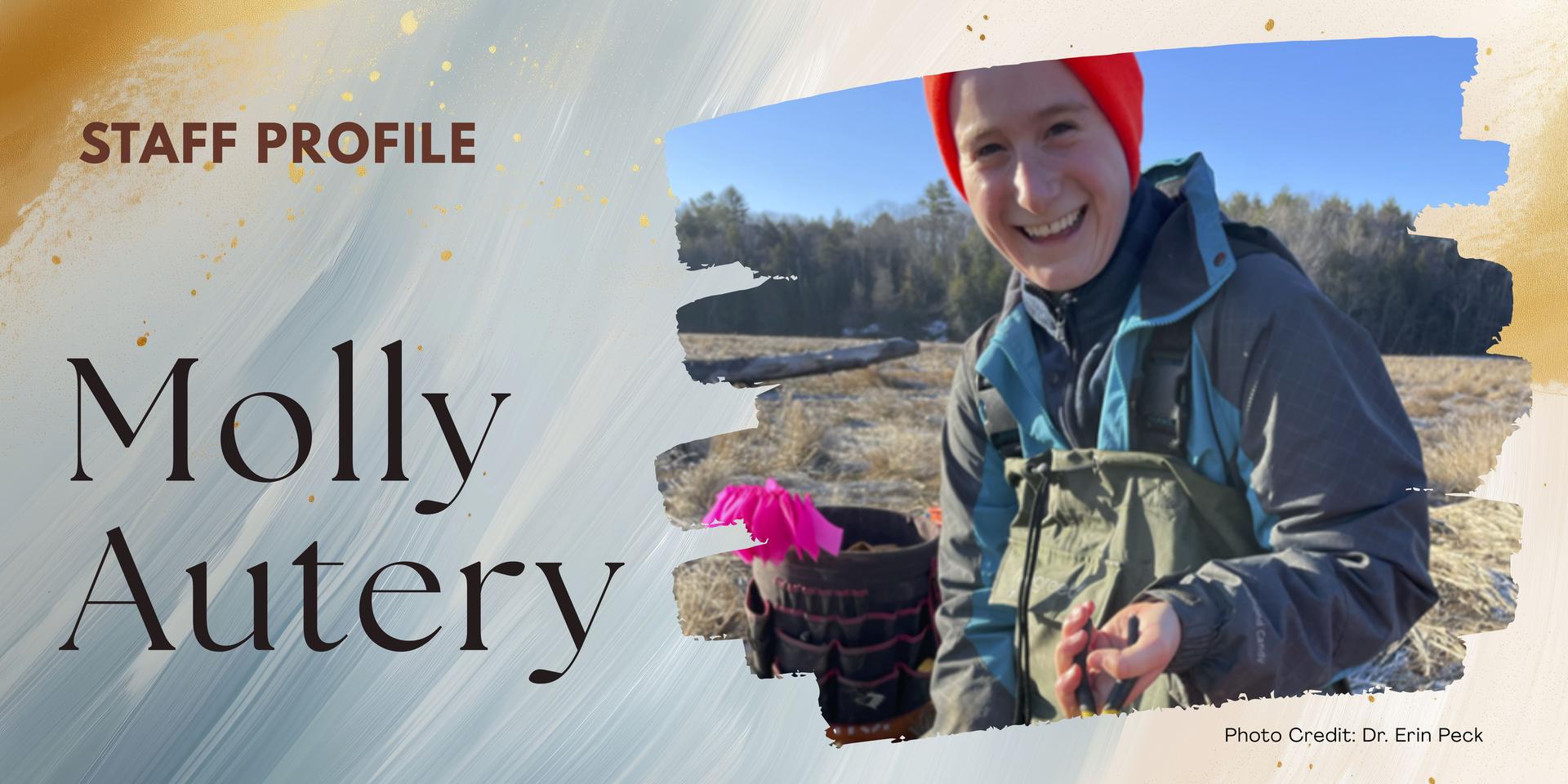
APCC Salt Marsh Specialist Molly Autery supports restoration work that helps keep Cape Cod’s coastal wetlands healthy and resilient. A Cape Cod native with strong coastal science training, Molly brings a practical, data-driven approach to projects that protect and restore salt marshes across the region.
Molly earned both a B.S. in geology and an M.S. in geoscience from UMass Amherst. In the Sediment and Coastal Dynamics Lab, her research focused on sediment movement in New England salt marshes and how human land use in estuaries can influence marsh health. That work blended field time and careful lab analysis, including collecting and interpreting sediment cores, sensor data, and other on-the-ground observations.
Now in her second year with APCC’s Ecosystem Restoration Program, Molly supports salt marsh restoration projects in Dennis, Yarmouth, and Falmouth. Her work spans monitoring and analysis, partner and stakeholder coordination, and helping connect technical findings to on-the-ground decisions and community engagement. Molly is proud to contribute to APCC’s mission to conserve and protect Cape Cod’s waters and wetlands for generations to come.
|
APCC Attends WaterWORKS 2026 Career Event |
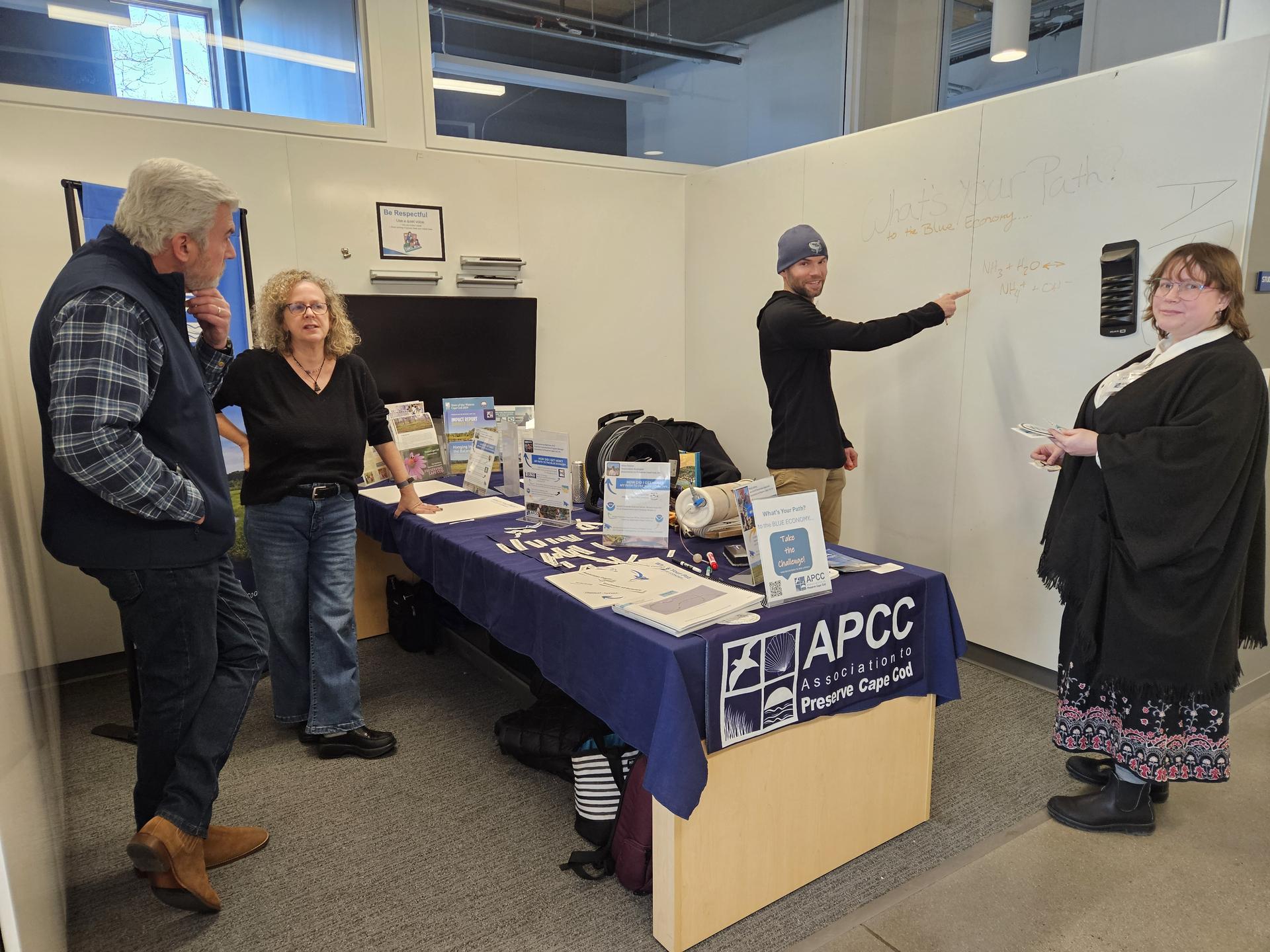
Above: APCC staff (Dee Marsh, communications specialist, JT Percy, senior pond monitoring technician, and Lynn Francis, pond and cyanobacteria operations manager) talk to participating students and community members at APCC’s interactive display table. |
APCC staff attended WaterWORKS 2026 at Cape Cod Community College. Organized by the Cape Cod Blue Economy Foundation, Inc., in partnership with several local and regional organizations, WaterWORKS is an interactive career event highlighting education and job opportunities in the blue economy and STEM fields. The event brought together more than 40 blue economy and STEM-related employers and educators, and drew over 200 students and early-career professionals from across Cape Cod.
Julie Hambrook, APCC pond and cyanobacteria program manager, and Molly Autery, APCC salt marsh specialist, joined a career panel and Q&A hosted by the MassHire Cape & Islands Workforce Board. They shared their career paths, what drew them to environmental science, and how their work at APCC connects directly to the blue economy. Lynn Francis, APCC pond and cyanobacteria operations manager, JT Percy, APCC senior pond monitoring technician, and Dee Marsh, APCC communications specialist, also engaged attendees at an interactive table—sharing examples of APCC’s work and the many different routes that can lead to careers in environmental protection and restoration.
APCC’s mission to preserve and protect Cape Cod’s natural resources is foundational to the region’s blue economy. By helping keep the Cape’s waters and lands clean, healthy, and resilient, APCC supports the communities, livelihoods, and local character that depend on them. |
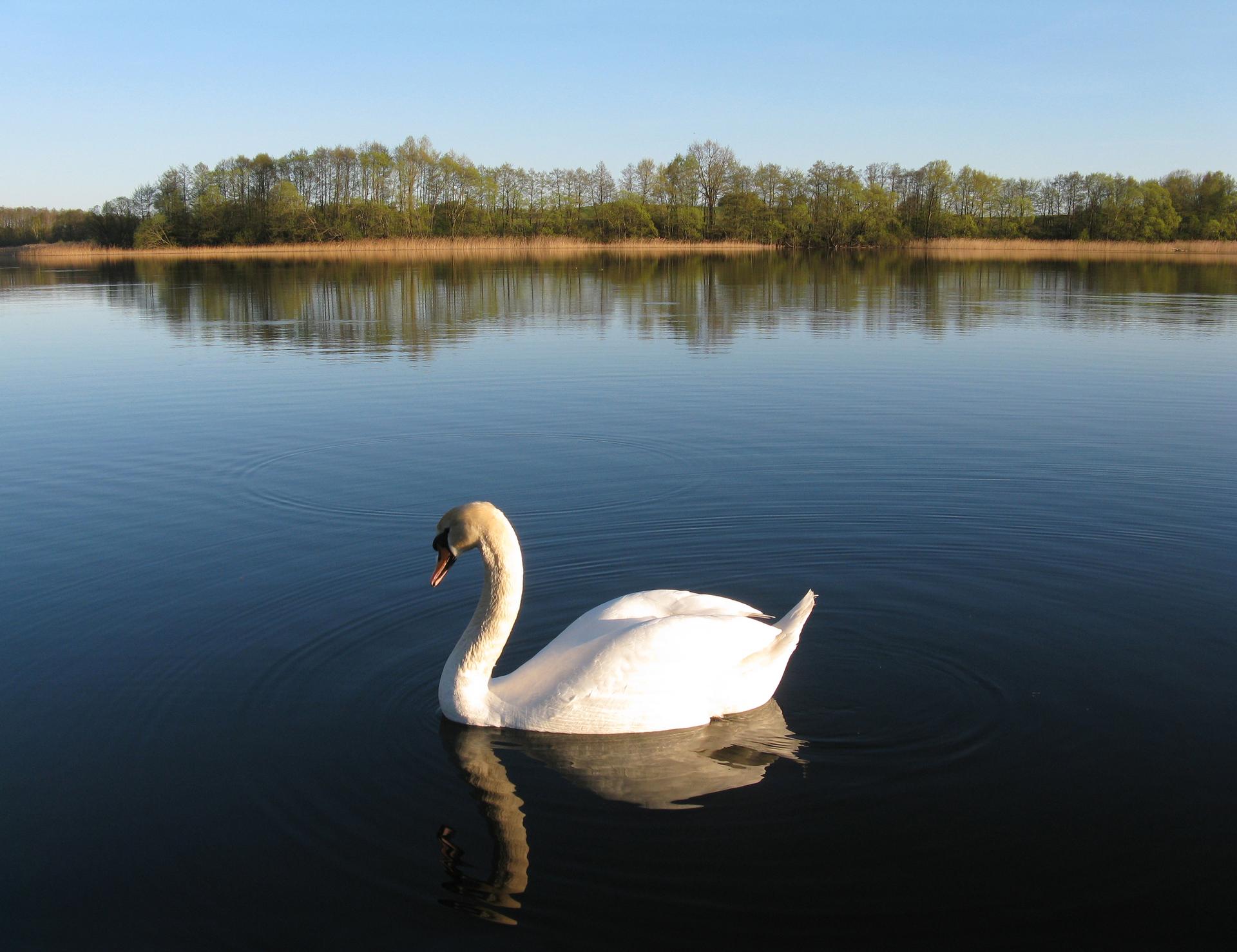
Although wildlife activity tends to be sparse during the winter months, there are a few species that brave the cold temperatures. One species you may still see at various freshwater ponds along the Cape is the mute swan, Cynus olor.
Swans are endothermic (warm-blooded) animals and naturally have a high body temperature that typically ranges between 104 and 106 degrees Fahrenheit. Their thick waterproof coats, which contain around 25,000 feathers, help trap body heat and maintain warmth.
ln addition to their thick coats that keep them warm, they also have a specialized circulatory system in their legs, which minimizes heat loss in frigid waters. This specific adaptation is called countercurrent heat exchange. Warm blood flows from the swans core to its legs, while cool blood flows back to its core. This process allows for maximum, continuous heat transfer from their heart to the tips of their webbed feet.
Swans will also position themselves in the unipedal position, where they float on one leg and tuck the other into their belly feathers. This is a behavior that allows them to conserve energy and minimize heat loss from their limbs. All of these adaptations allow mute swans to be year-round residents on the Cape’s ponds.
We must make mention that these swans are not native, but were brought here from Europe in the 1800s to decorate ponds in parks, estates, and zoos. Following escape from captivity, they have become established in several regions in the U.S. While beautiful, the swans are voracious eaters and their aggressive territorial behavior drives away native waterfowl from using these habitats for feeding and nesting—disrupting natural pond ecosystems.
|
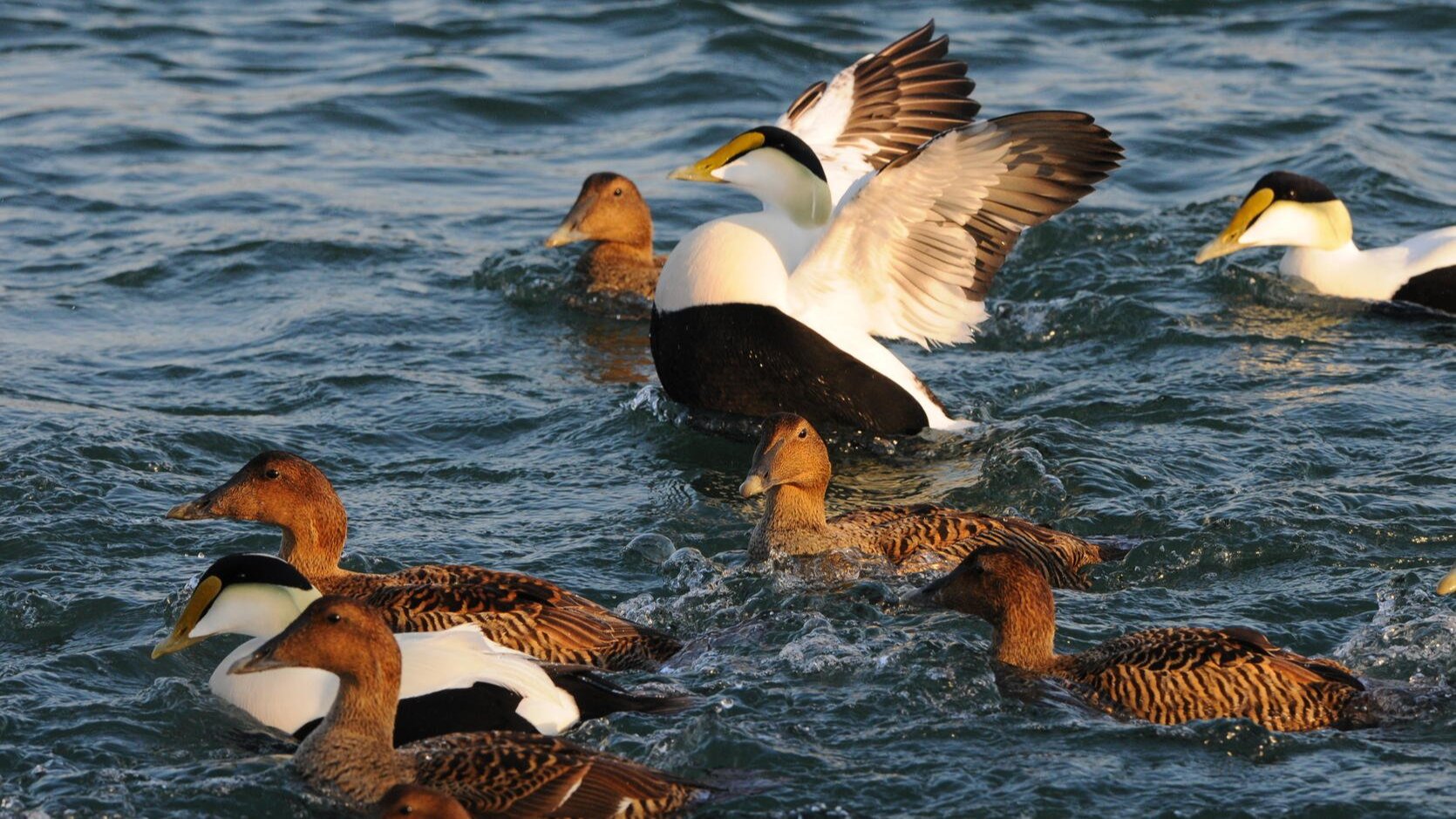
Above: American common eider, Somateria mollissima dresseri; photo by Bill Byrne |
"Common eiders are northern nesters. The American common eider (Somateria mollissima dresseri) breeds from central Labrador to southern Maine, though breeding colonies have also become established in Massachusetts. They winter from the island of Newfoundland to Massachusetts, primarily north and east of the Cape Cod Canal, but greater numbers are now wintering in Buzzards Bay.
"American common eiders nest on small and large offshore islets and islands along the northern Atlantic coast and the St. Lawrence River estuary. As island nesters, they often nest in dense colonies. Nest sites may be under shrubs, driftwood, or grasses and weeds. Eiders winter along coastal waters in bays, large estuaries, and on the open ocean. Eiders feed almost entirely on animal matter, mainly mussels. Blue mussels are especially important in the diet of the American race. Eiders typically feed in waters 1.8–7.6 m (6–25 ft) deep but can dive to twice that depth." (Source: Division of Fisheries and Wildlife)
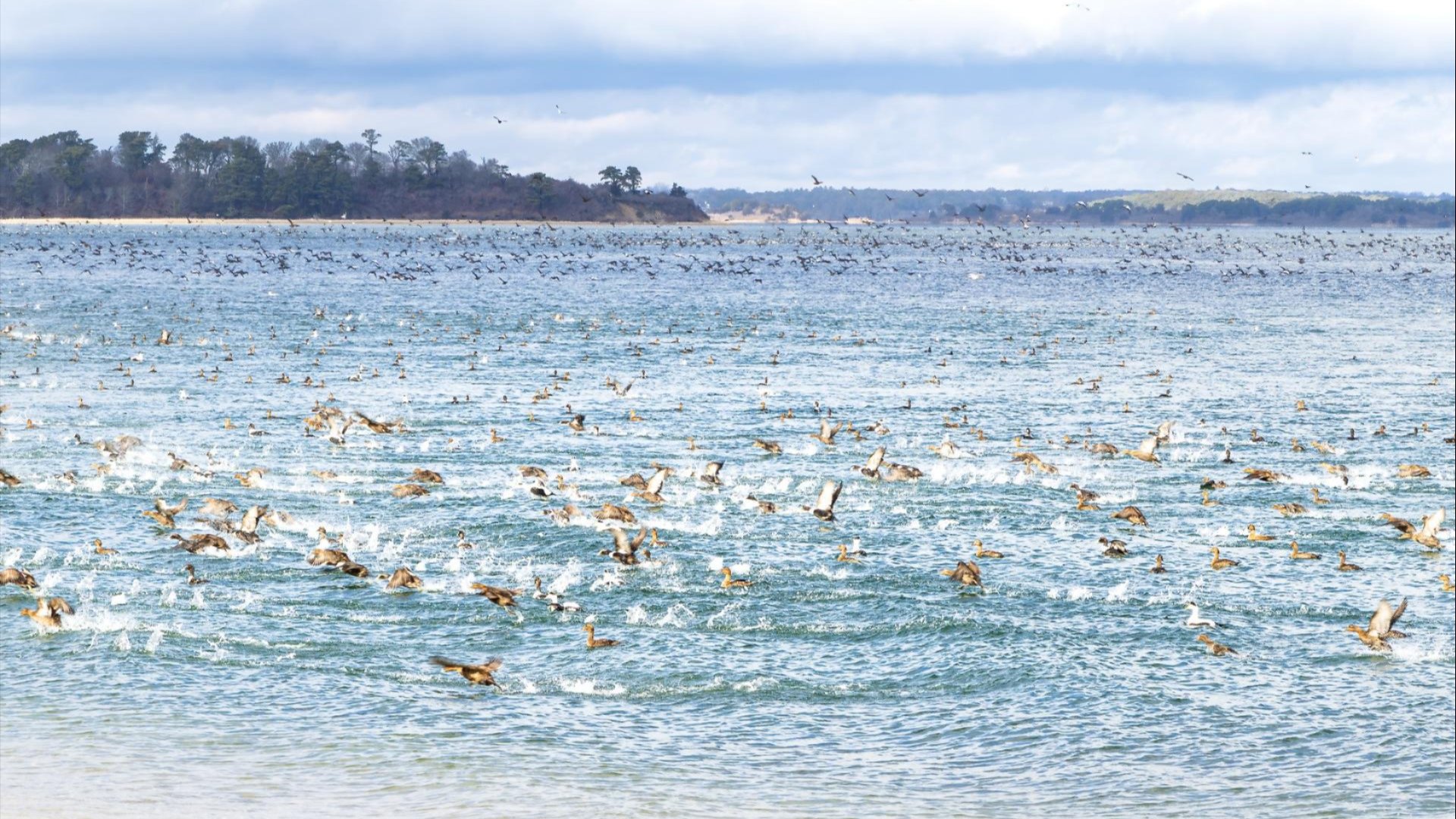
Eiders have been seen in the thousands in North Chatham over the last week, feasting on a set of blue mussels—mussels that humans also had their eyes on! |
Above: Eiders taking flight in North Chatham. Photo by Sue Machie. |
|
|
|
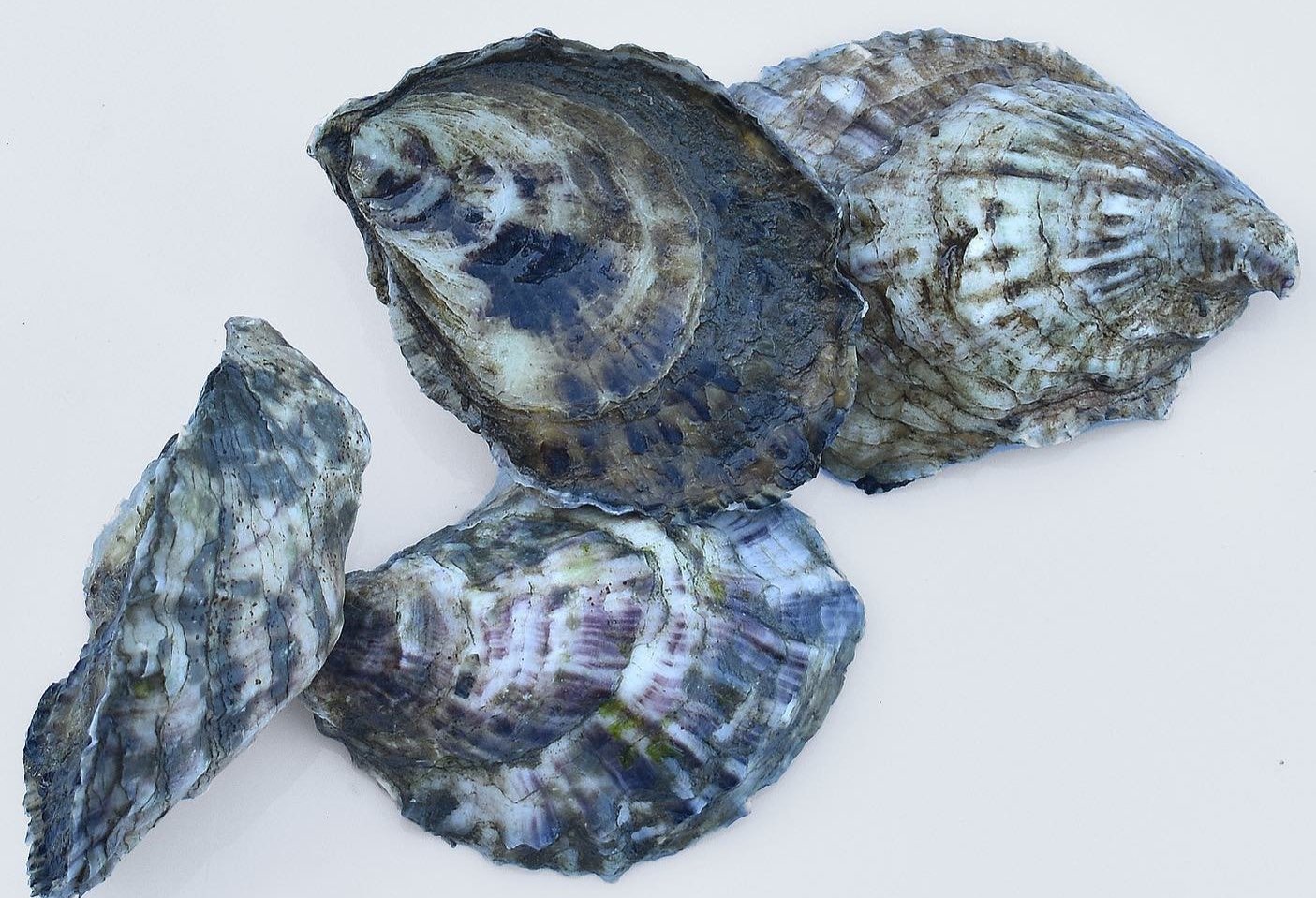
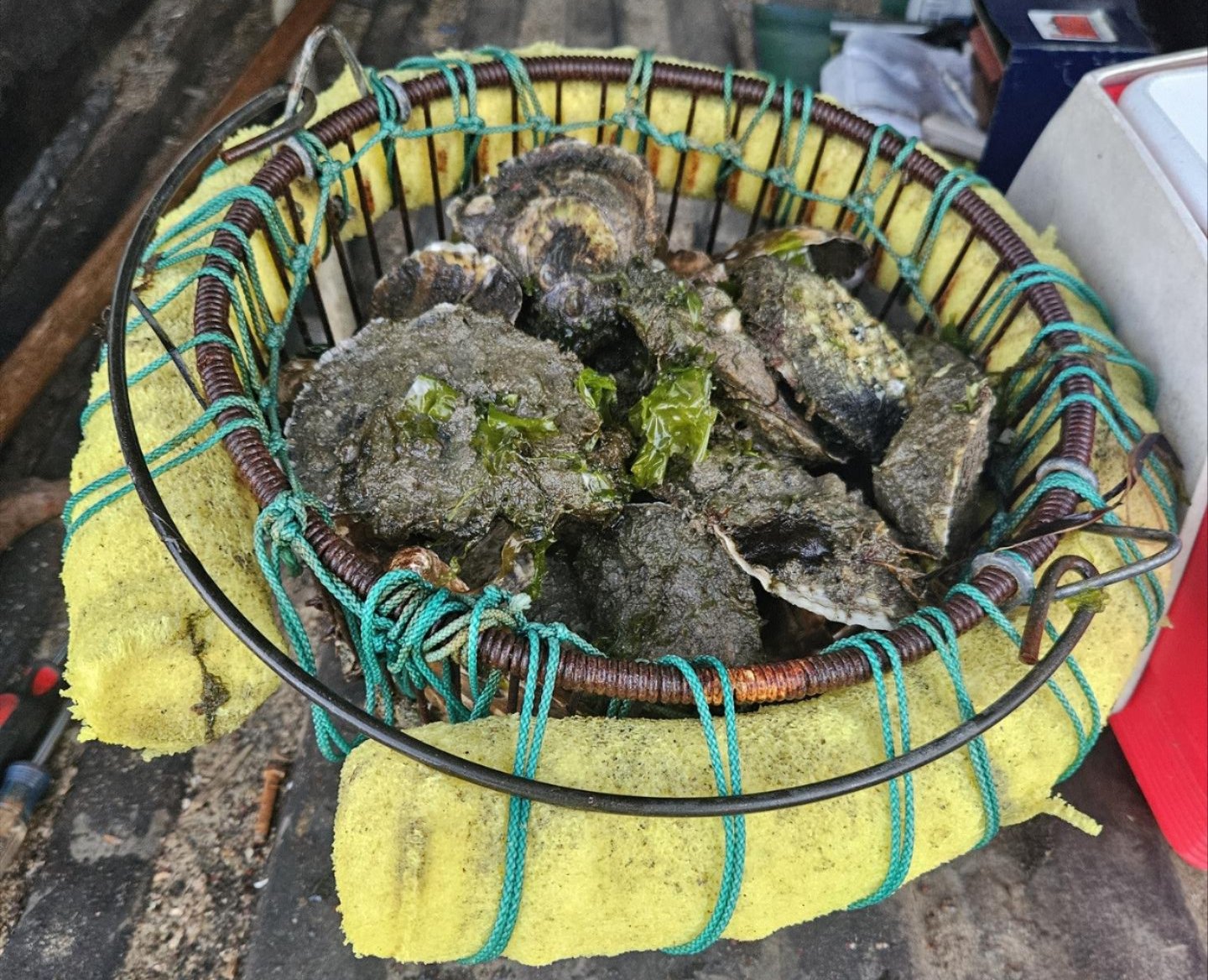
Above: A shellfisher's catch of oysters in Chatham |
|
|
The old timers say the months with an “R” are the best time to harvest oysters. This is because in warmer waters the shellfish spawn, depleting their body mass, and frankly, no one likes a skinny oyster. Warmer waters also mean there is an increase in bacteria and algae growth that could make the oysters distasteful or cause illness. Much of these concerns are now allayed due to shellfish regulations that only permit the harvesting of oysters during the colder months.
Washashores to Cape Cod may not realize how intrinsic oysters are to life on Cape Cod. Oysters have fed Cape Codders during winters for generations: Oysters, lightly poached in warm milk with pilot crackers, made a hearty and inexpensive meal. Oysters are low in calories, but loaded with nutrients, including protein, healthy fats, vitamins, and minerals. They are full of good omega-3 fatty acids that help to regulate inflammation, support heart and brain health, and protect against type 2 diabetes. Health sources also tout that oysters are a complete protein source, meaning they contain all nine essential amino acids your body needs, and are high in B12, zinc, iron—ticking off lots of the good food group objectives.
Around the time of the arrival of the pilgrims, reportedly the bottom of the ocean along the entire eastern coast was literally paved with oysters. In many written accounts, early colonists commented about the abundance of oysters around Cape Cod. Oysters were something the Europeans were familiar with and valued as food. Samuel De Champlain, in his second voyage in 1606, wrote that he found oyster beds in Chatham harbor and wrote that all of the harbors, bays and coastlines south of Portland Maine to Cape Cod were filled with a variety of fish and shellfish, “principally oysters”. In an early 1800 reference book, Chatham is referred to as “Oyster Island Harbour.”
Historically, reefs of oysters existed along the entire eastern seaboard. Over centuries, hundreds of square miles of oyster reefs naturally developed by colonizing oysters, the result of each season’s new spat adhering to existing shells. The formation of this shell mass creates secure habitat for oysters and marine invertebrates. Juvenile fish benefit from oyster reefs as refuge from predators and as a place to source food. One study says that oyster reefs are one of the most threatened marine habitats globally—we’ve lost about 90 percent of what once was. Oyster reefs are not just habitat, they also attenuate wave energy, provide quiescent waters for seagrass development, and serve as a buffer to shorelines from the erosive energy of storms.
|
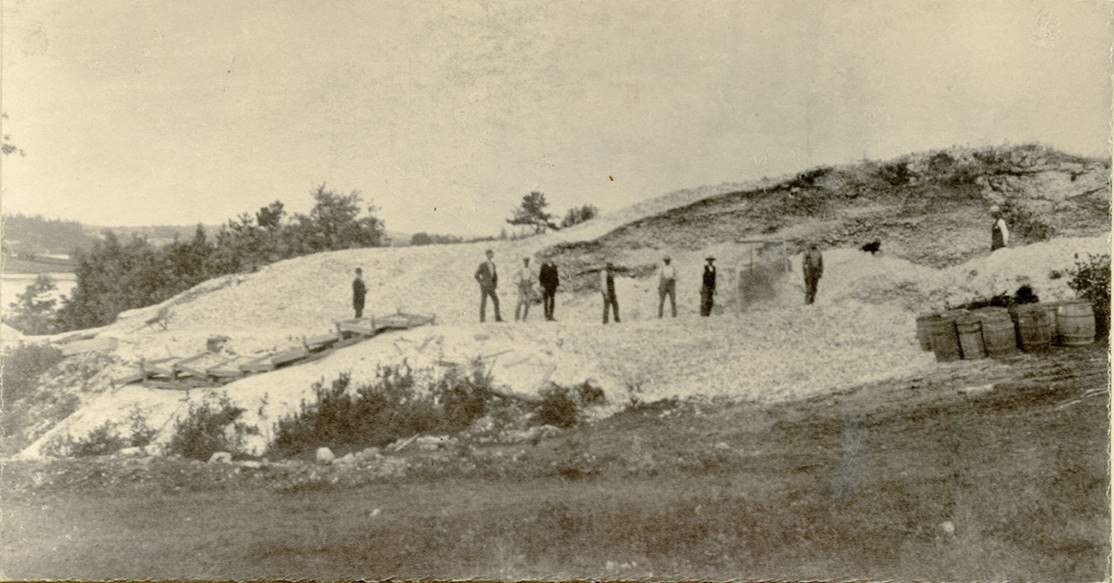
Above: Whaleback Shell Midden, Damariscotta, Maine courtesy of the Peabody Museum of Archaeology and Ethnology, Harvard University |
By the 1800s, the oyster beds had been decimated along the east coast from New Jersey north to Maine. An 1884 natural history book on invertebrates noted that oyster beds were clearly in decline and pointed out the loss of historic beds that had been of significant size north of Cape Cod to Prince Edward Isle. This was evidenced by the massive shell middens discovered. Some of the shell heaps measured 30 feet deep. Shellfish, particularly oysters, were an important food source to the indigenous people.
Oysters may be one of the most important species in Cape waters. They filter out small marine microscopic plants and actively clear suspended sediment. In doing so, oysters remove nitrogen, accelerate denitrification, and enhance water clarity. It is said that a single oyster can filter 50 gallons of water per day. Research in the Chesapeake Bay area found that historic oyster populations would have filtered the entire bay in less than a week. It’s unlikely that we will ever see the see that kind of historic abundance of oysters, but as we learn time and time again, we must learn to work within the natural systems as we try to restore and maintain a healthy environment in which to live and prosper.
A scientific scholar of the mid-1800s felt that the extinction of the great oyster beds was due to overfishing, pollution, and climatic changes. Over a century and a half later, sadly we continue to be faced with the same issues. Our wild oyster populations are a ghost of what once existed. But there are efforts underway, and some in our own Cape Cod estuaries, to bolster the wild oyster populations. Our local NPR station, WCAI, recently reported one such effort: The Nature Conservancy is working with local and state officials to do just this in Massachusetts estuaries.
It’s clear we need to restore water quality to make our estuaries habitable for shellfish by biting the bullet to address wastewater nutrients from all of our septic systems, spending dollars to enhance stormwater treatment, and at home, skipping the lawn fertilizer and pesticide use. And in some instances, we can provide the lost substrate oyster spat needs to hold them in place to maturity, so that they can in turn be part of a healthy ecosystem that takes care of life on Cape Cod, including for the people who call Cape Cod home.
The above article by APCC education director, Kristin Andres, appeared in a recent edition of the Cape Cod Chronicle. |
Below: Video of oysters clearing the water, an excerpt from APCC's 2014 Saving Paradise film series |
|
|
UPCOMING EVENTS HOSTED BY APCC |
Landscaping for Wildlife: the Birds and the Bees and Beyond Thursday, January 22, 2026
10:00 a.m. – 11:30 a.m.
Virtual only - In person is full
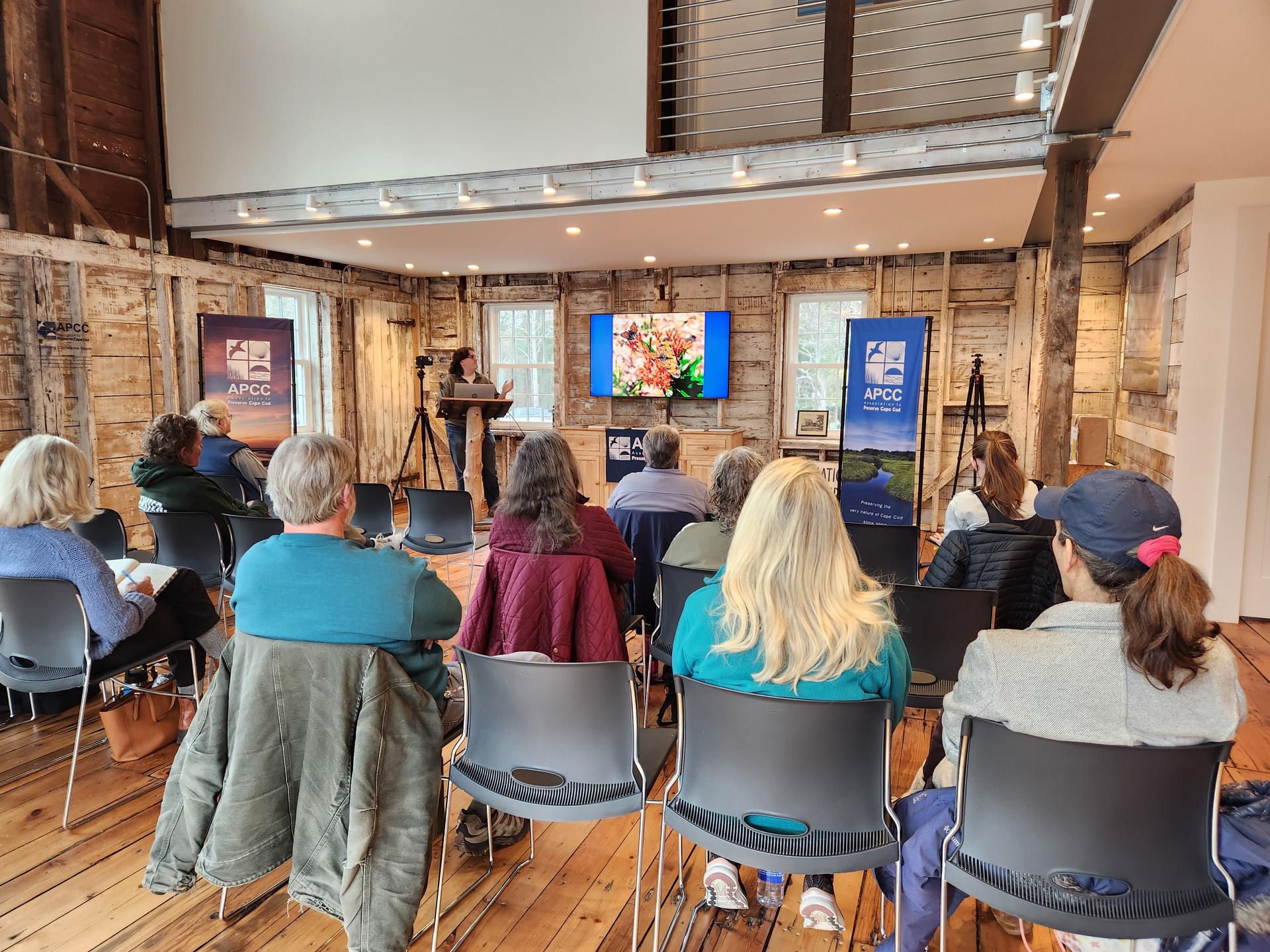
Mark Faherty, science coordinator for Mass Audubon's Wellfleet Bay Sanctuary, will talk about the birds and the bees and his experiences gardening for wildlife both at home and at the sanctuary, where he oversaw a complete redo of the pollinator garden and other outdoor spaces, adding hundreds of native trees and shrubs. He’ll cover the most important cultivated and wild plants to focus on to benefit birds, butterflies, bees and other wildlife, as well as what plants work or don’t work here on Cape Cod, land of hungry rabbits and annual droughts.
|
Virtual Panel Discussion for Prospective Native Plant Growers for Market
Friday, January 23, 2026
10:00 a.m. – 12:00 p.m. via Zoom |
Join us for a virtual panel discussion featuring experts in native plant propagation for the marketplace: Alexis Doshas, Native Plant Trust Nasami Farm nursery manager, Jasmin Callahan, founder of Dragonfly Natives, and Mark Brownlee, founder of ArcheWild and Douglas Mainhart, ArcheWild nursery manager. The panelists will give an introduction to their operations, showcasing their model of growing native plants for sale. Come prepared for a robust discussion where you can ask questions and get some practical advice based on our panelists’ experience in growing natives for sale. This talk is offered as part of the Cape Cod Native Plant Growers’ Cooperative Program to provide information to prospective growers. The program is made possible by funding from the Cape Cod and Islands License Plate Grant program and the Kelley Foundation. |
Native Plant Propagation for Professionals |
Thursday, January 29, 2026
1:00 p.m. – 3:00 p.m. Hybrid Presentation
Native Plant Trust’s Nursery Technician Peri Bergquist will give an overview of the plant production at Nasami Farm Nursery. They specialize in growing plugs of native plants from seeds of known ecotype. Topics will include common germination requirements, winter sowing, seedling biology, propagation methods, tips for specific species, propagation timeline, and troubleshooting common problems. Participants will leave with a list of common species, their germination codes and growing tips.
This talk is offered as part of the Cape Cod Native Plant Growers’ Cooperative Program to provide information to prospective growers. The program is made possible by funding from the Cape Cod and Islands License Plate Grant program and the Kelley Foundation. |
|
|
| Growing Native Seeds and Plants
with the Rhode Island Wild Plant Society Friday, January 30th 1:00 p.m. to 3:00 p.m. Hybrid Event
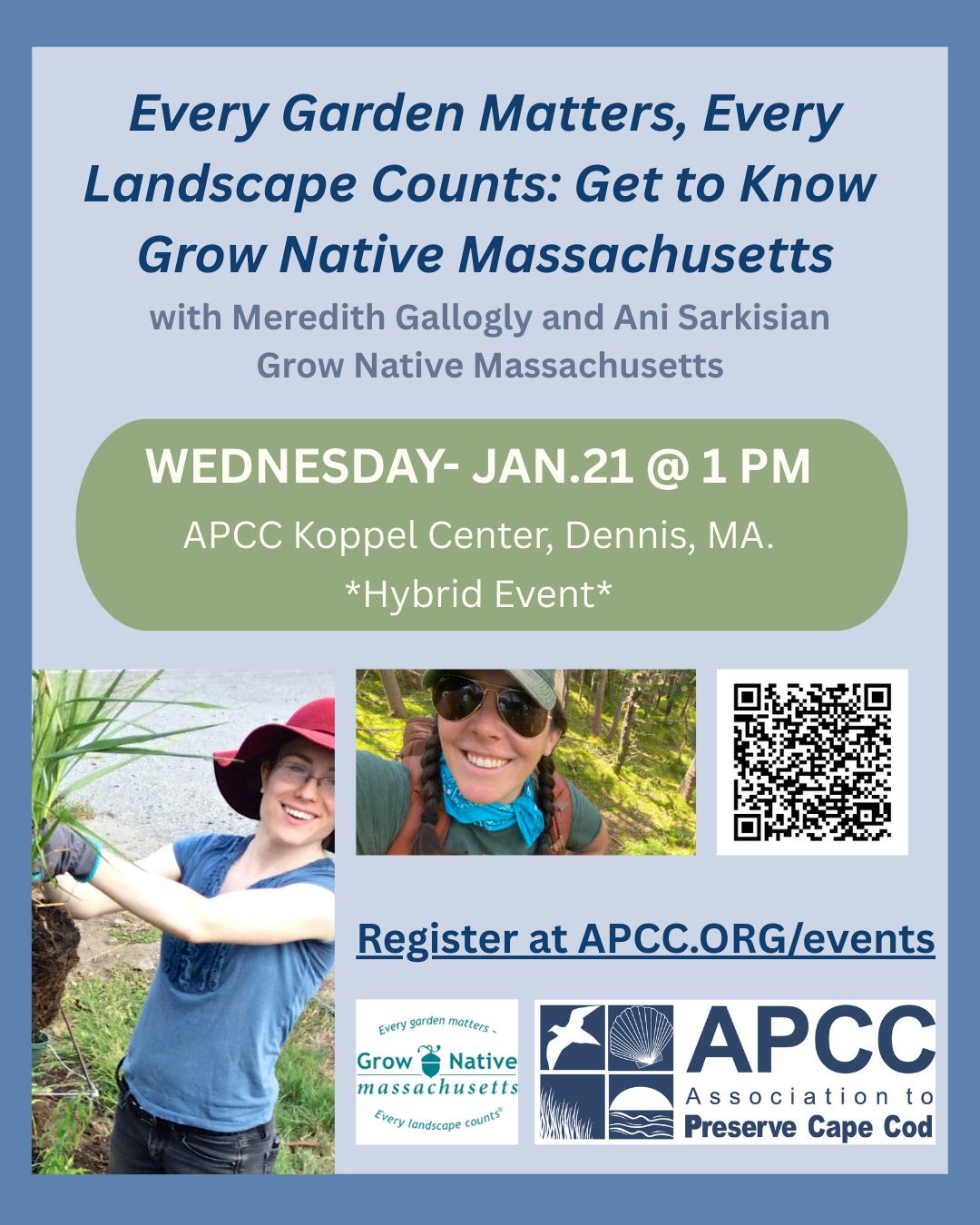
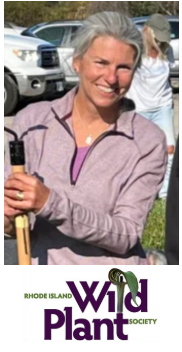
Sue Theriault has been a propagator with the Rhode Island Wild Plant Society since 2018 and is currently the RIWPS vice president. She is the leader of the society's ecotypic seed program known as ReSeeding Rhode Island, which was initiated in 2022 to create a local, sustainable source of native seeds in RI. In her talk, Sue will focus on how RIWPS grows plants for its spring and fall sales, sharing both successes and mistakes, and how ecotypic seed is produced for you to access and grow yourself.
|
|
|
If you are a farmer or someone who wants to grow native plants to sell, or you just want to be updated on the program's development, please submit the interest form that appears on our webpage. We will be sending periodic email notices of workshops and meetings.
Funding for the project is provided by Barnstable County and its Economic Development Council License Plate Grant Program through the Cape Cod Commission and the Kelley Foundation. |
Four talks for prospective growers as part of the Cape Cod Native Plant Growers' Cooperative program have been presented thus far, with several scheduled in the upcoming weeks. These past workshops can be viewed here:
Registration for upcoming talks can be found on our events page.
|
Upcoming Events Hosted by Others |
A Cape-wide Conservation Event Calendar |
The Compact of Cape Cod Conservation Trusts (“the Compact”) and its nonprofit members launched a new regional calendar of events. The Conservation Calendar includes programs across Cape Cod hosted by these groups. The goal of the calendar is to encourage visitors and residents to take part in nature and environmental events. You can always find the link to the calendar on APCC's website under News & Events.
|
|
|
A Cape Cod Native Plant-selector
~ to help you choose the perfect native plants for your garden. |
|
|
Email kandres@apcc.org and we'll send you a CapeCodNativePlants.org decal. |
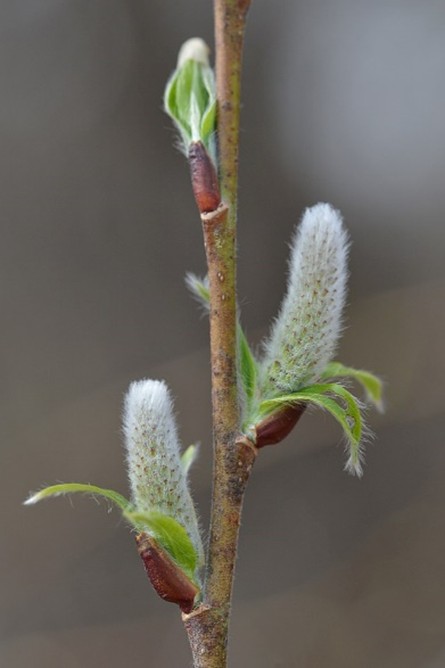
| Pussy Willow Salix discolor |
|
|
|
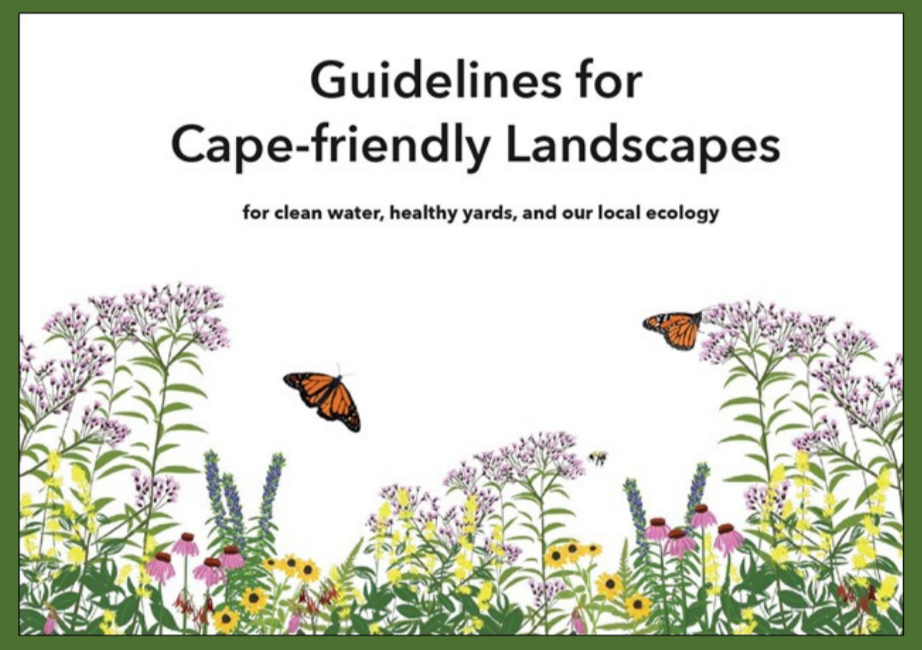
The Guidelines gives homeowners steps they can take in the design and maintenance of their properties that will support pollinators and birds, manage stormwater, conserve water, and protect the Cape's water quality. This 40-page booklet is beautifully illustrated by Marcy Ford with content that is easily digestible and supported by numerous resources for additional learning.
| |
|
We are grateful for the several retail shops that are partnering with us to make this publication more widely available: Brewster Book Store, Birdwatchers General Store, Crocker Nurseries, Wellfleet Audubon Wildlife Sanctuary, Cape Abilities Farm, Cape Cod Museum of Natural History, the Cape Cod Lavender Farm, Heritage Museums and Gardens, Titcomb's Bookshop, Sea Howl Bookshop, Soares Flower Garden Nursery, and Eight Cousins Bookshop.
If you are a retailer and would like to sell this publication at your store, please contact us. |
|
|
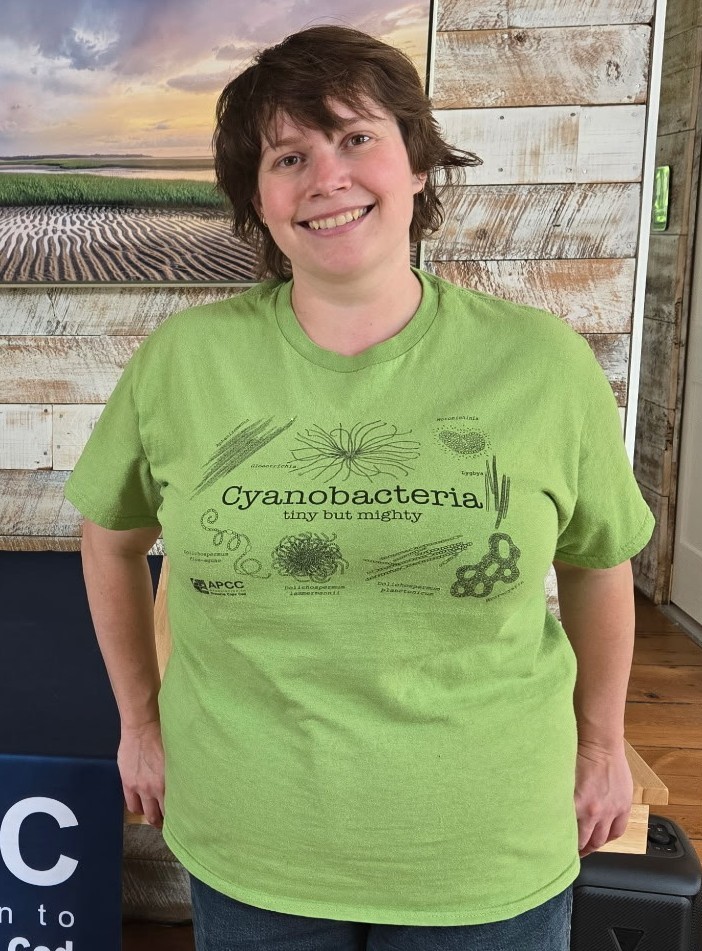
| Cyanobacteria ~ tiny but mighty
color kiwi $30 includes USPS shipping |
|
|
APCC caps
$25 -includes USPS deliver in the U.S. |
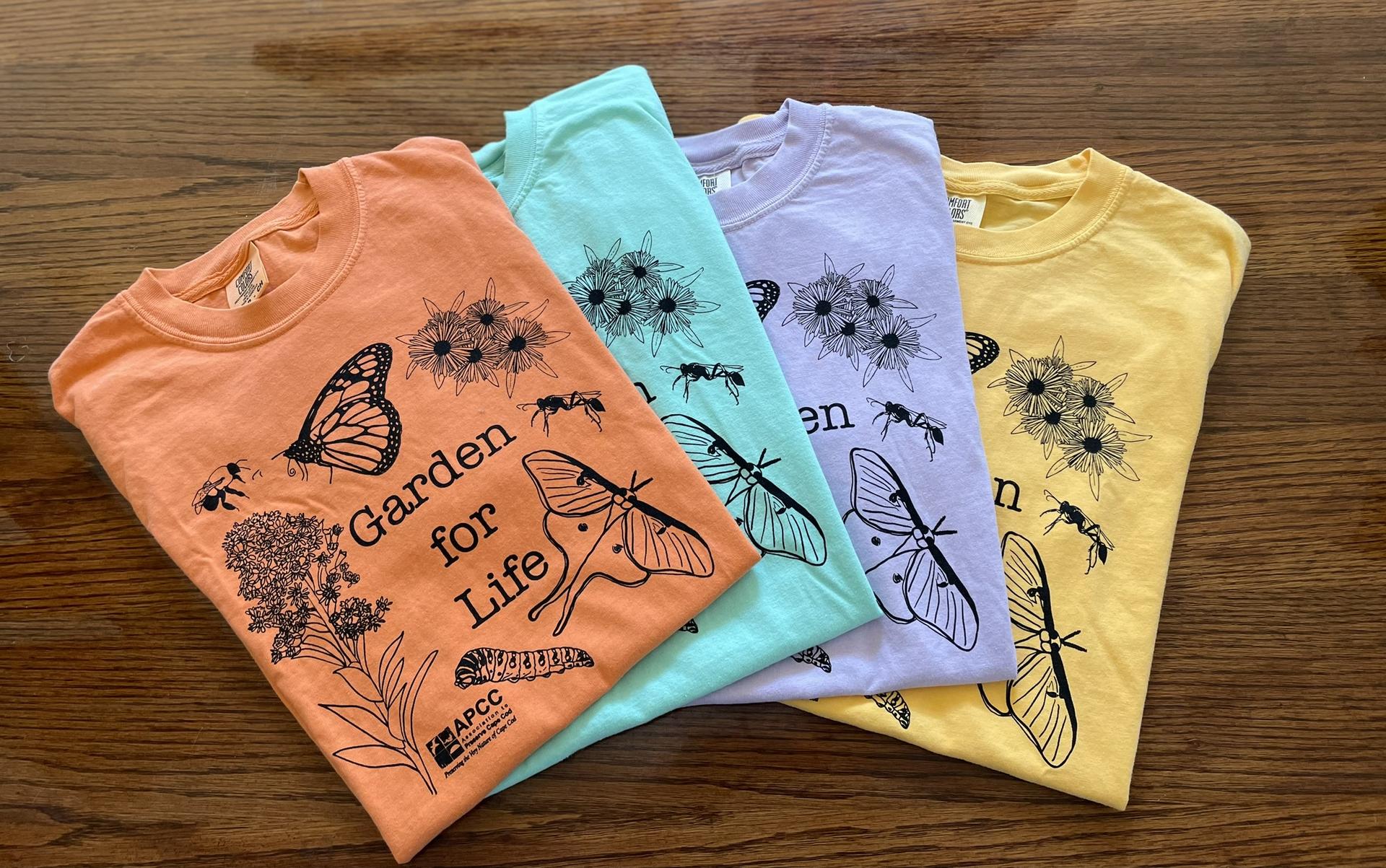
| Garden for Life T's $30 -includes USPS delivery in U.S. |
|
|
|
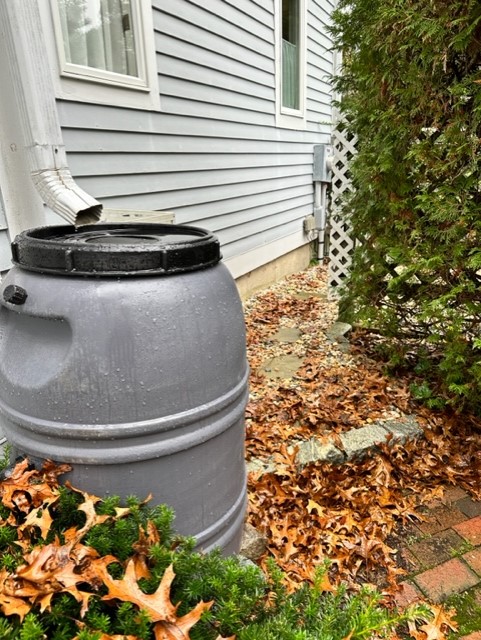
Rain Barrels for Cape Cod
Order online from Upcycle Products $122 each includes shipping to your door APCC receives a portion of the proceeds.
These are 55 gallon, repurposed food barrels. For more information, click here. |
|
|
| APCC eNewsletters.
Our weekly newsletters are archived on our website and easily shared.
You can find past newsletters and share with your friends. Encourage others to sign up for future enewsletters HERE.
|
|
|
Are you thinking of going solar? We hope so!
In partnership with E2 SOLAR in Dennis, APCC receives $500 for every solar installation when APCC is named as referral. |
|
|
|
Thank you to the homeowners who just contracted to install solar panels through E2 Solar. May the sun always shine for you! |
|
|
Expressions Gallery, 578 Main Street, Chatham
CLICK HERE |
Expressions Gallery donates 20 percent of its profits to APCC's work. |
|
|
Thank you to our business sponsors! |
|
|
APCC is rated four stars by Charity Navigator,
2025 Platinum by Candid (formerly Guidestar), and 2024 Top-Rated by GreatNonprofits. |
|
|
Our Contact Information
*{{Organization Name}}*
*{{Organization Address}}*
*{{Organization Phone}}*
*{{Organization Website}}*
*{{Unsubscribe}}* |
| |
|
|