Association to Preserve Cape Cod |
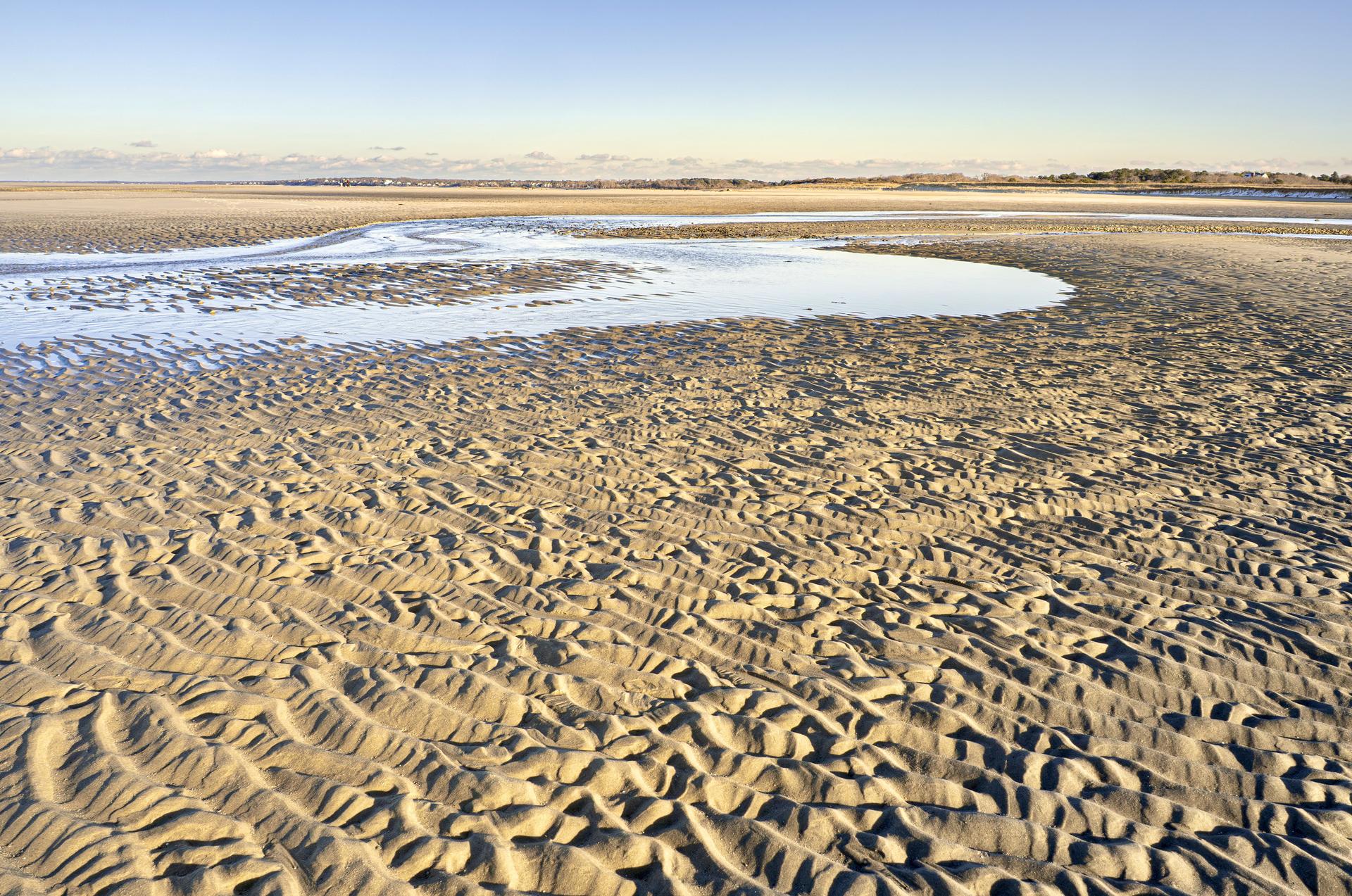
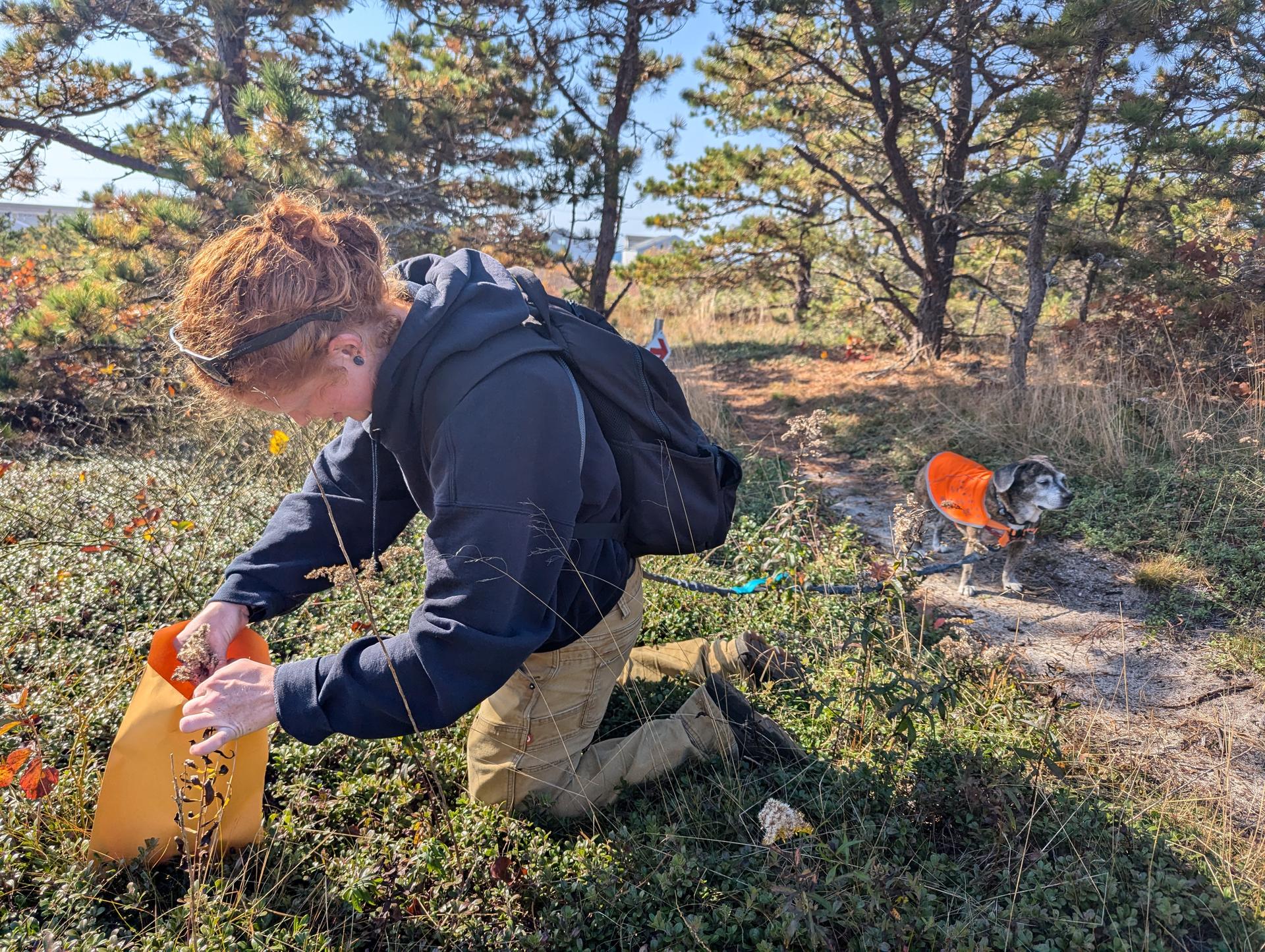
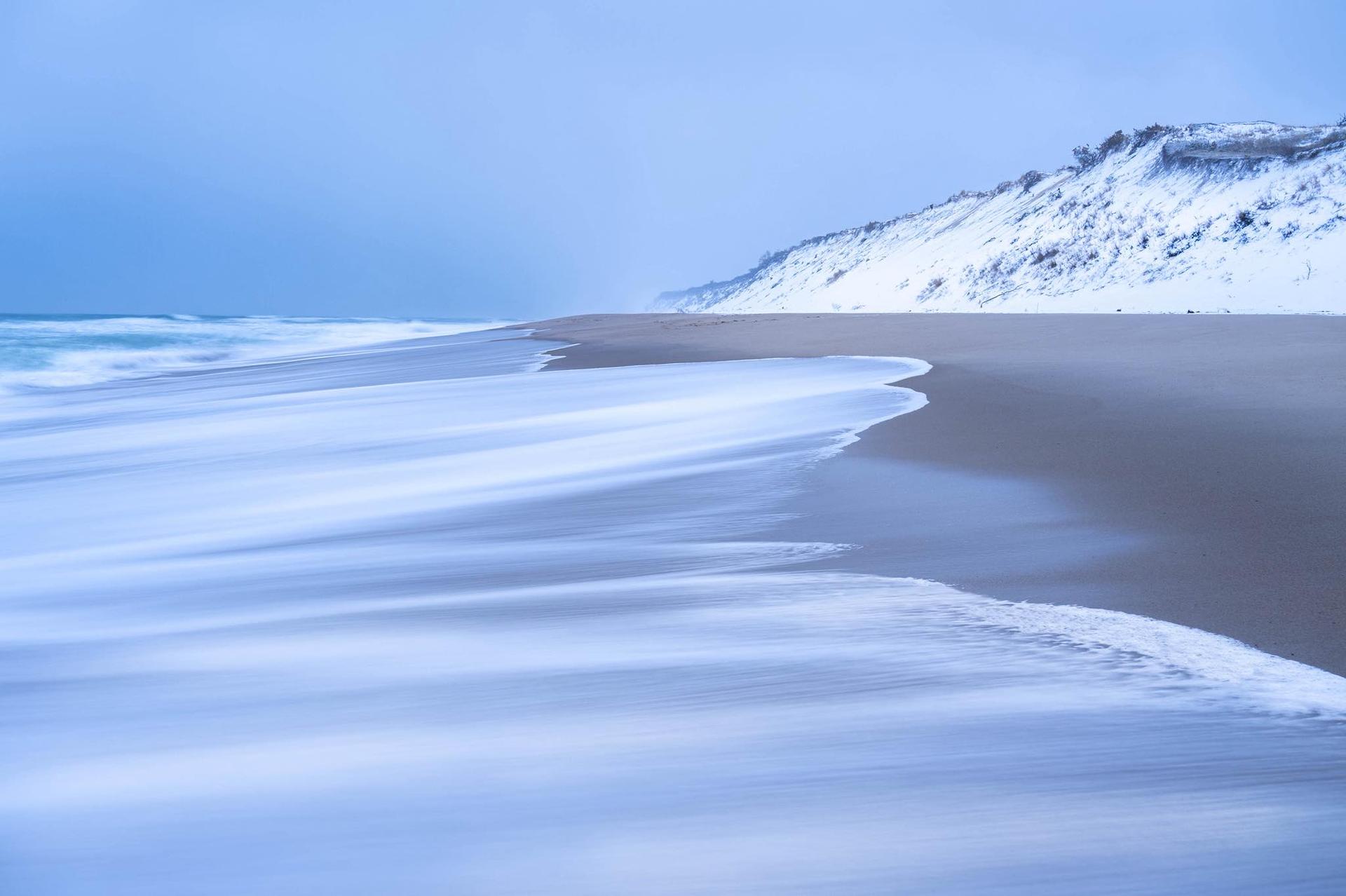
Above: Cold Storage Beach, Dennis. Photo by Sue Machie |
|
|
| Bring on 2026!
by Andrew Gottlieb, Executive Director |
Welcome to 2026. We made it! |
|
|
So now what? For us at APCC, the plan is to work even harder at making a positive contribution to our community. What that looks like for us is: -
tireless environmental advocacy, especially around enhanced land conservation efforts;
- expanded investment in water quality monitoring that is focused on lowering the risks of exposure to cyanobacteria and driving better management of freshwater ponds and estuaries;
-
increased restoration of wetlands and water resources, including reductions in stormwater pollution and rejuvenated streams and native wetlands;
- a major initiative to expand the availability and use of native plants to aid with restoring the balance of nature on Cape Cod; and
-
remaining your go-to place to learn about the most pressing environmental issues and to get guidance on what to do to make a positive impact.
Simply put, we enter 2026 ready to build on our strong record of success. How far we go really depends on what you all do to make the changes we promote reality. We need you to write the emails, make the calls, go to the meetings, participate in local elections and town meetings and continue to help us have the resources we need to be effective.
If 2026 is to be a good year for the environment, we need you to be as committed as we are. Onward! |
|
|
Ecosystem Restoration Program |
Restoration of Cape’s Resources – What’s Coming in 2026
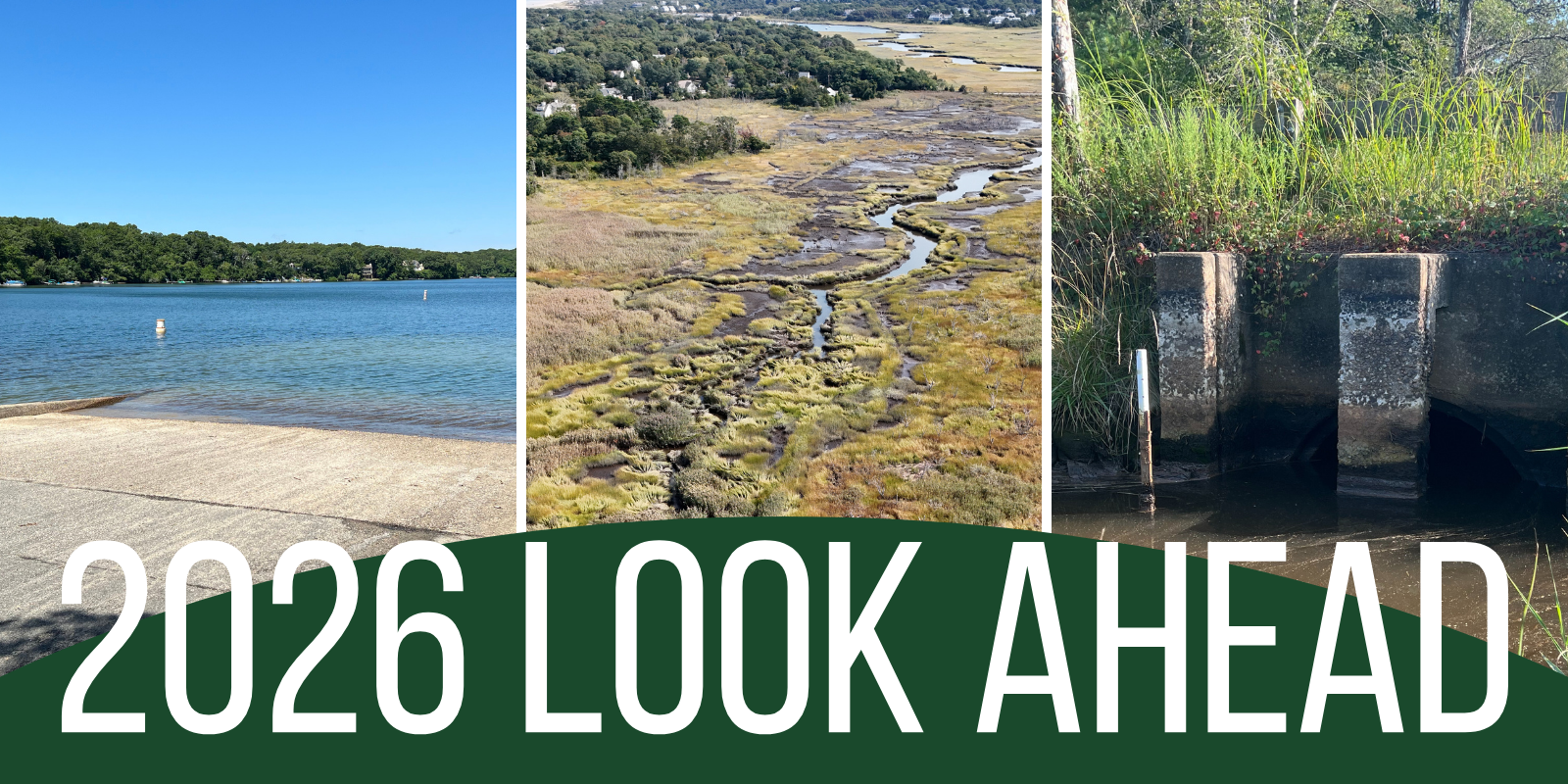
In 2026, APCC’s Ecosystem Restoration Program is shifting from laying groundwork to delivering—moving priority projects from design to construction, while scaling innovative restoration approaches across multiple watersheds and marsh systems. It will be a year focused on construction, measurable habitat gains, and scaling approaches that we’ve proven can work on Cape Cod: cleaner stormwater at heavily used access points, healthier salt marsh hydrology and vegetation, and watershed-scale barrier removal that reconnects rivers to the landscapes that sustain them.
Key projects positioned for completion in 2026 include:
Stormwater: Constructing new stormwater management measures at the Follins Pond boat ramp in Yarmouth and the Mashpee-Wakeby boat ramp on Mashpee Pond to reduce runoff impacts at high-use access points.
Salt marsh restoration: Implementing a large-scale Spartina alterniflora planting effort at Sesuit Creek to boost revegetation in persistent bare areas; improving drainage of oversaturated salt marsh habitat through close collaboration and coordination with the Cape Cod Mosquito Control Project in Falmouth and Dennis; developing restoration designs where historic, excessive ditching has caused subsidence at Chase Garden Creek; and removing tidal restrictions of all shapes and sizes to restore tidal hydrology at all four sites.
Bog and river restoration: Advancing a major culvert replacement, road elevation, and stormwater improvement project at the Red Brook Road crossing on the border of Mashpee and Falmouth, the first construction milestone in a watershed-scale river and bog restoration strategy. And as these projects take shape on the ground, we’ll keep telling the story—so Cape Codders can follow the progress, see the results, and understand the benefit to the waters they care about. |
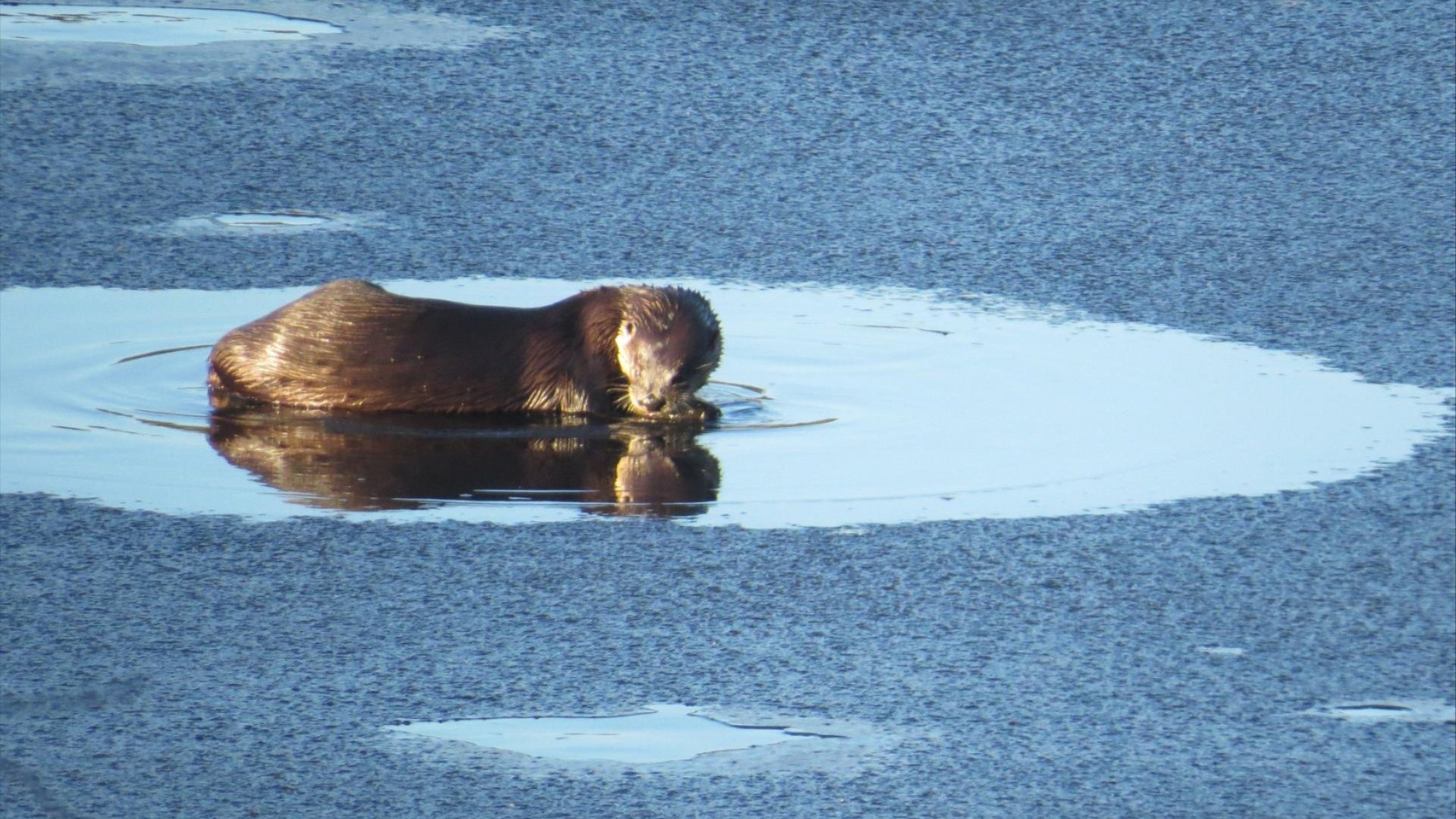
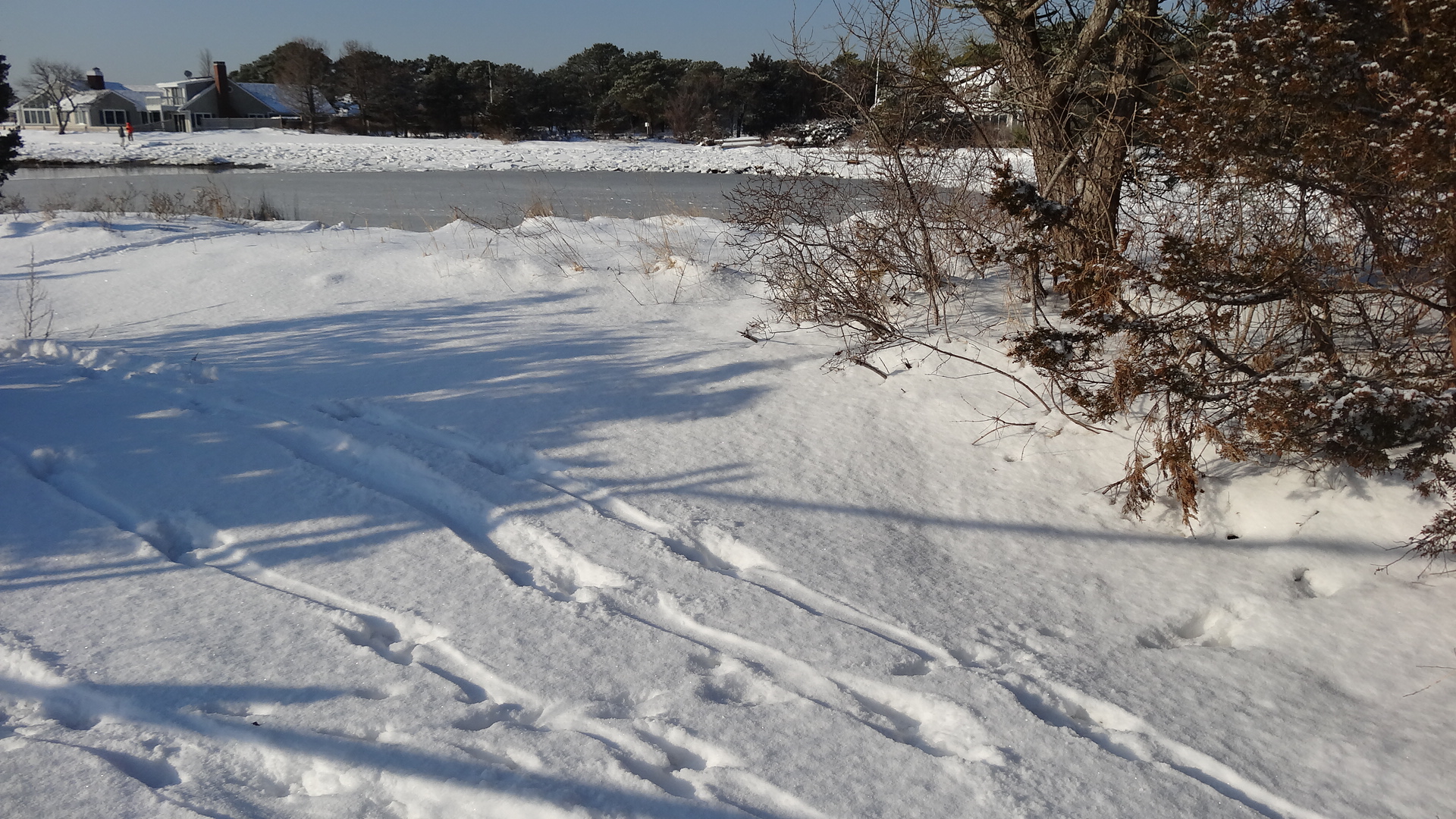
Above: River otter. Photo by Judith Bruce, February 2024, Orleans |
An interesting critter, seldom seen, is the river otter (Lontra canadensis). The river otter is a relatively large mammal, long and sleek, typically about three to four fee or more in length and weighing 11 to 34 pounds. As its name suggests, water is important to the river otter—it is the most aquatic member of the family Mustelidae. Other mustelids include weasels, skunks, badgers, and minks.
River otters are found throughout North America. Due to the loss of habitat through years of wetlands being drained, pollution, and over-trapping, by the 1970s the range of river otters was reduced to only a quarter of where they were historically found. Fortunately, with the protection and restoration of wetlands that occurred in the 1980s and with wildlife management programs reintroducing these carnivores into the wild in the 1990s, river otters have made a comeback.
River otters are found here on the Cape and the islands. They live in underground dens, most often making use of another animal’s burrow near the water or a muskrat den. They make use of several dens within their territory as they move in search of food. River otters may be active at any time but are wary animals. While you may find their tracks or scat, observations are rare.
River otters are well-adapted to hunting underwater. They have excellent hearing and eyesight and if the water is murky, their whiskers help them find prey. River otters eat small fish, frogs, crayfish, salamanders, snakes, turtles, earthworms, insects, mollusks, and crabs. The otter populations along the coast enjoy a wealth of food from the numerous freshwater ponds, streams, and coastal estuaries. If you are out on a trail near the water, such as a bog flume or creek bank, you may come across some scat consisting mostly of bits of shell and/or fish scales. This is an otter latrine, used by many otters. They use this location to communicate with each other and socialize.
River otters are active year ‘round. They are adapted to the cold climate of New England and their water habitat because they have a significant thick layer of fat, and their skin secretes squalene which serves as water-proofing for the fur. Special muscles in the skin, called piloerector muscles, allow them to fluff their fur, which traps air between hair follicles and helps the animal retain heat. |
|
|
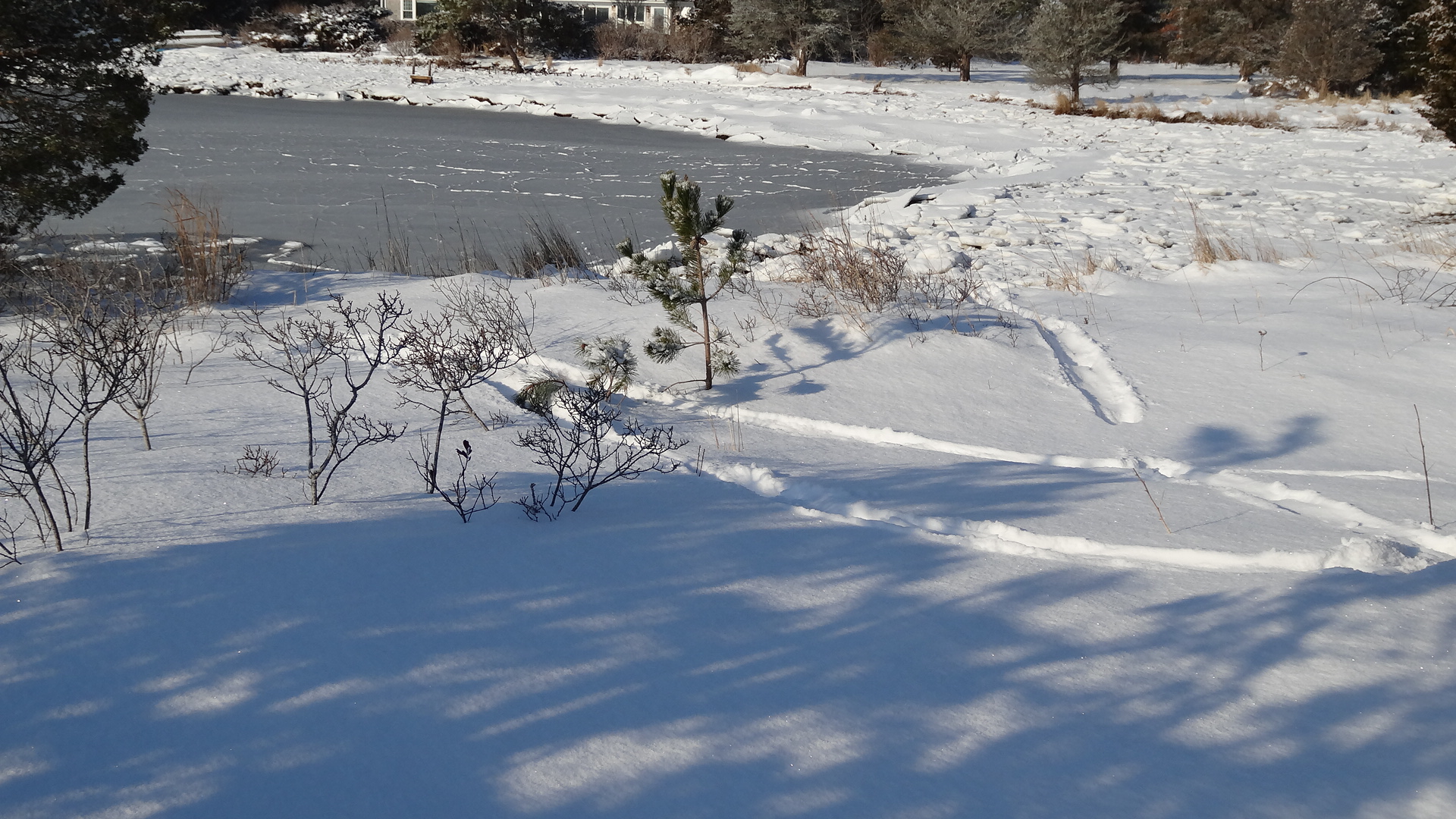
Above: Otter slides in the snow in Chatham |
River otters are monogamous. While the adult male and female mate in the spring, the gestation of the fertilized egg does not occur until months later, so the young are actually born in the spring the following year. Here in Massachusetts, the pups are born in early spring. A litter is one to five young, born blind, toothless, and with little fur. Within 60 days, the pups are out in the world with their mother, but rely on her for food and protection for almost an entire year. Life expectancy is upwards of 12 years. Adult otters have no real predators, and commonly lose their lives to vehicle collisions.
Sadly, last year an adult otter was struck and killed on Old Queen Anne Rd in Chatham. Even as its lifeless body lay on the pavement, it was a grand looking animal. Given the location, the animal was clearly enroute between Goose Pond and Muddy Creek—the same area where each spring at least one snapping turtle crosses the road from the creek to the upland to lay her eggs; a fox crosses the road to feed her kits still in their hidden den; salamanders and frogs move through the landscape to vernal pools to mate and lay eggs; and an opossum tries to get to the other side of the road.
The dead otter and the other animal casualties we will see on the roads in the spring months to come—a time when animals are on the move—are a reminder of the impacts of fragmented habitat due to development, and the value of preserving connected wild areas to provide important wildlife corridors. In other parts of the country and around the world, bridges have been constructed for animals to move over traffic, and tunnels under roadways that allow for safe passage for all manner of wildlife.
While we may not have the political will to build tunnels or overpasses for wildlife here on Cape Cod, we can support our local land trust and our town open space committee. Encourage these groups to be vigilant on protecting wildlife corridors that remain intact or can be restored. There are acres of wildlands still to be protected.
Hanging in the Balance, a natural resource assessment by APCC, makes a case that our preservation of wild areas on Cape is not over. Thousands of acres of undeveloped, unprotected wild areas on the Cape have been identified and mapped priority resource areas of critical habitat. As the report notes, “The actions we take now to protect what we have left will decide what kind of Cape Cod our future generations will inherit. It’s imperative that we protect our remaining natural resource areas and seriously rethink where and how we choose to grow.”
Otters and other wildlife enrich our lives and have a right to be here. Don’t you agree? |
©The above article by APCC education director, Kristin Andres, appeared in the Cape Cod Chronicle. |
| |
| Genetic Considerations in Plant Production
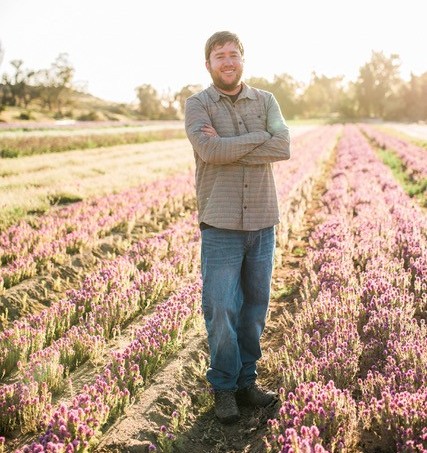
with Matt Garambone of Beechwood Environmental Thursday, January 15th
1:00 p.m. — 3:00 p.m. Hybrid Presentation |
|
|
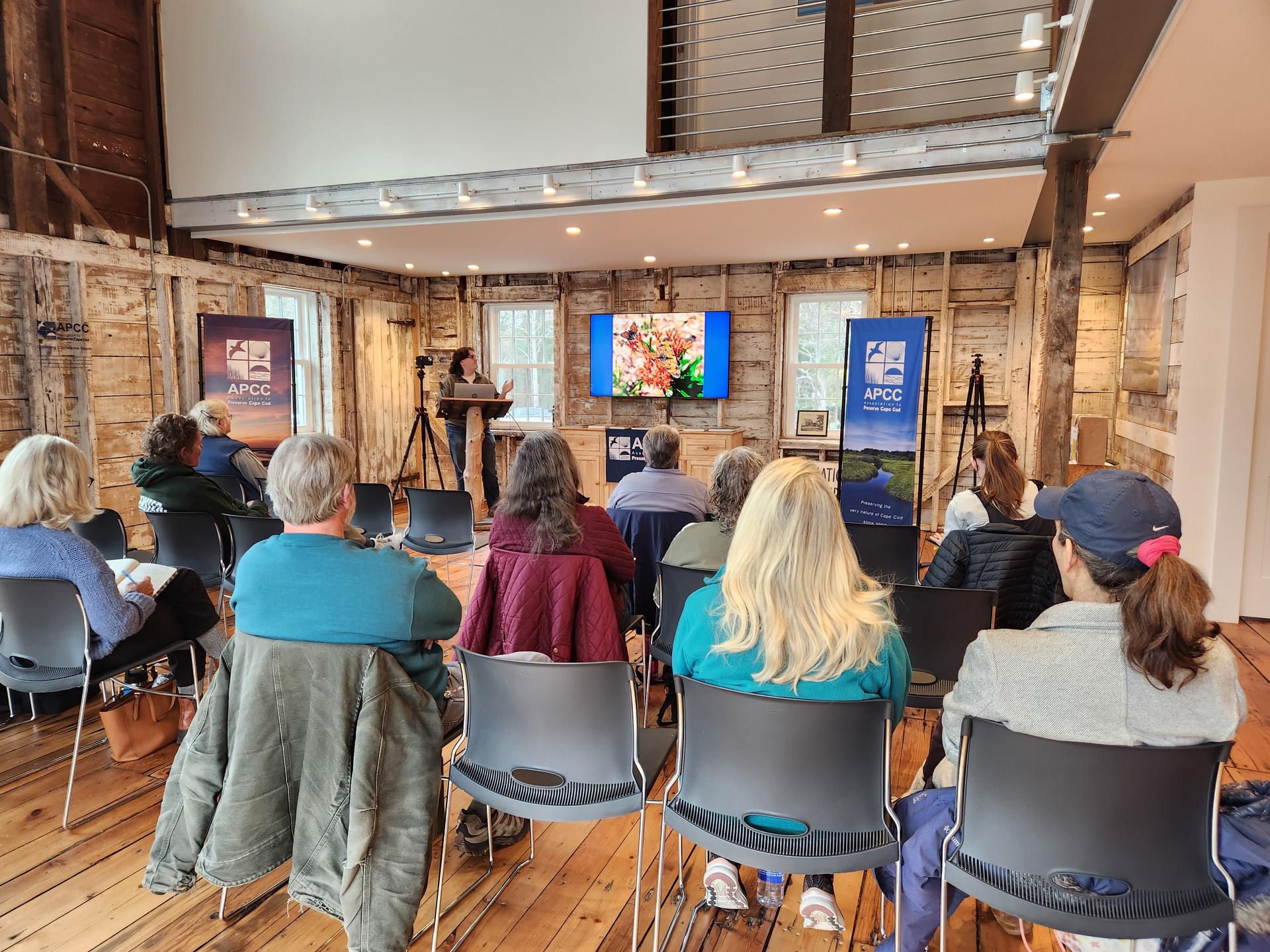
APCC’s Cape Cod Native Plant Growers' Cooperative presents Matthew Garrambone of Beechwood Environmental for a discussion on the importance of genetic diversity in plant populations, the benefits of growing from seed, and an overview of genetic considerations in nursery production. |
This talk is offered as part of the Cape Cod Native Plant Growers’ Cooperative Program to provide information to prospective growers. The program is made possible by funding from the Cape Cod and Islands License Plate Grant program and the Kelley Foundation. |
Landscaping for Wildlife: the Birds and the Bees and Beyond Thursday, January 22, 2026
10:00 a.m. – 11:30 a.m. Hybrid Presentation
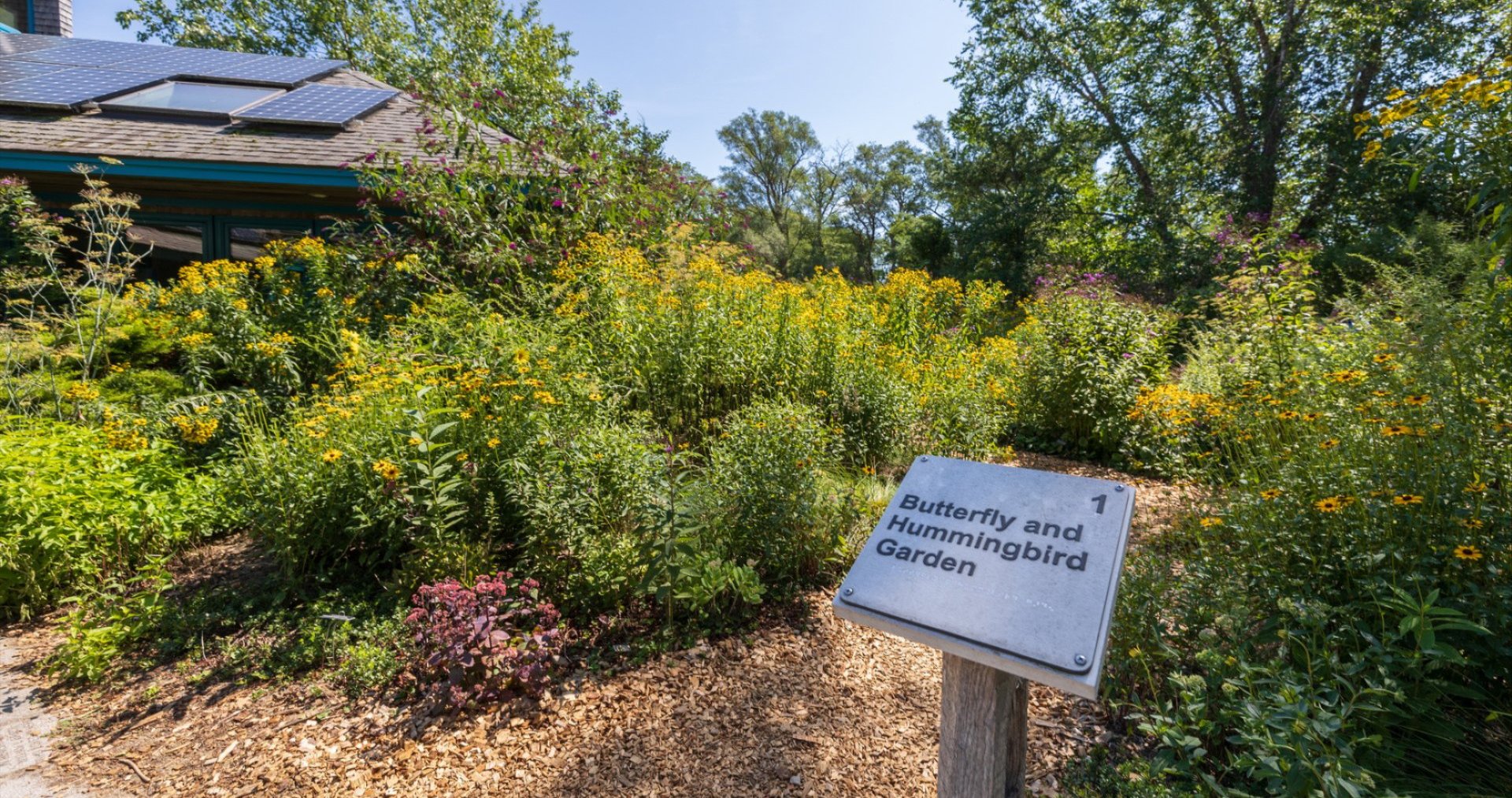
Mark Faherty, science coordinator for Mass Audubon's Wellfleet Bay Sanctuary, will talk about the birds and the bees and his experiences gardening for wildlife both at home and at the sanctuary, where he oversaw a complete redo of the pollinator garden and other outdoor spaces, adding hundreds of native trees and shrubs. He’ll cover the most important cultivated and wild plants to focus on to benefit birds, butterflies, bees and other wildlife, as well as what plants work or don’t work here on Cape Cod, land of hungry rabbits and annual droughts.
|
Native Plant Propagation for Professionals |
Thursday, January 29, 2026
1:00 p.m. – 3:00 p.m. Hybrid Presentation
Native Plant Trust’s Nursery Technician Peri Bergquist will give an overview of the plant production at Nasami Farm Nursery. They specialize in growing plugs of native plants from seeds of known ecotype. Topics will include common germination requirements, winter sowing, seedling biology, propagation methods, tips for specific species, propagation timeline, and troubleshooting common problems. Participants will leave with a list of common species, their germination codes and growing tips.
This talk is offered as part of the Cape Cod Native Plant Growers’ Cooperative Program to provide information to prospective growers. The program is made possible by funding from the Cape Cod and Islands License Plate Grant program and the Kelley Foundation. |
If you are a farmer or someone who wants to grow native plants to sell, or you just want to be updated on the program's development, please submit the interest form that appears on our webpage. We will be sending periodic email notices of workshops and meetings.
Funding for the project is provided by Barnstable County and its Economic Development Council License Plate Grant Program through the Cape Cod Commission and the Kelley Foundation. |
Four talks for prospective growers as part of the Cape Cod Native Plant Growers' Cooperative program have been presented thus far, with several scheduled in the upcoming weeks. These past workshops can be viewed here:
Registration for upcoming talks can be found on our events page.
|
|
| Upcoming Events Hosted by Others |
A Cape-wide Conservation Event Calendar |
The Compact of Cape Cod Conservation Trusts (“the Compact”) and its nonprofit members launched a new regional calendar of events. The Conservation Calendar includes programs across Cape Cod hosted by these groups. The goal of the calendar is to encourage visitors and residents to take part in nature and environmental events. You can always find the link to the calendar on APCC's website under News & Events.
|
|
|
A Cape Cod Native Plant-selector
~ to help you choose the perfect native plants for your garden. |
|
|
Email kandres@apcc.org and we'll send you a CapeCodNativePlants.org decal. |
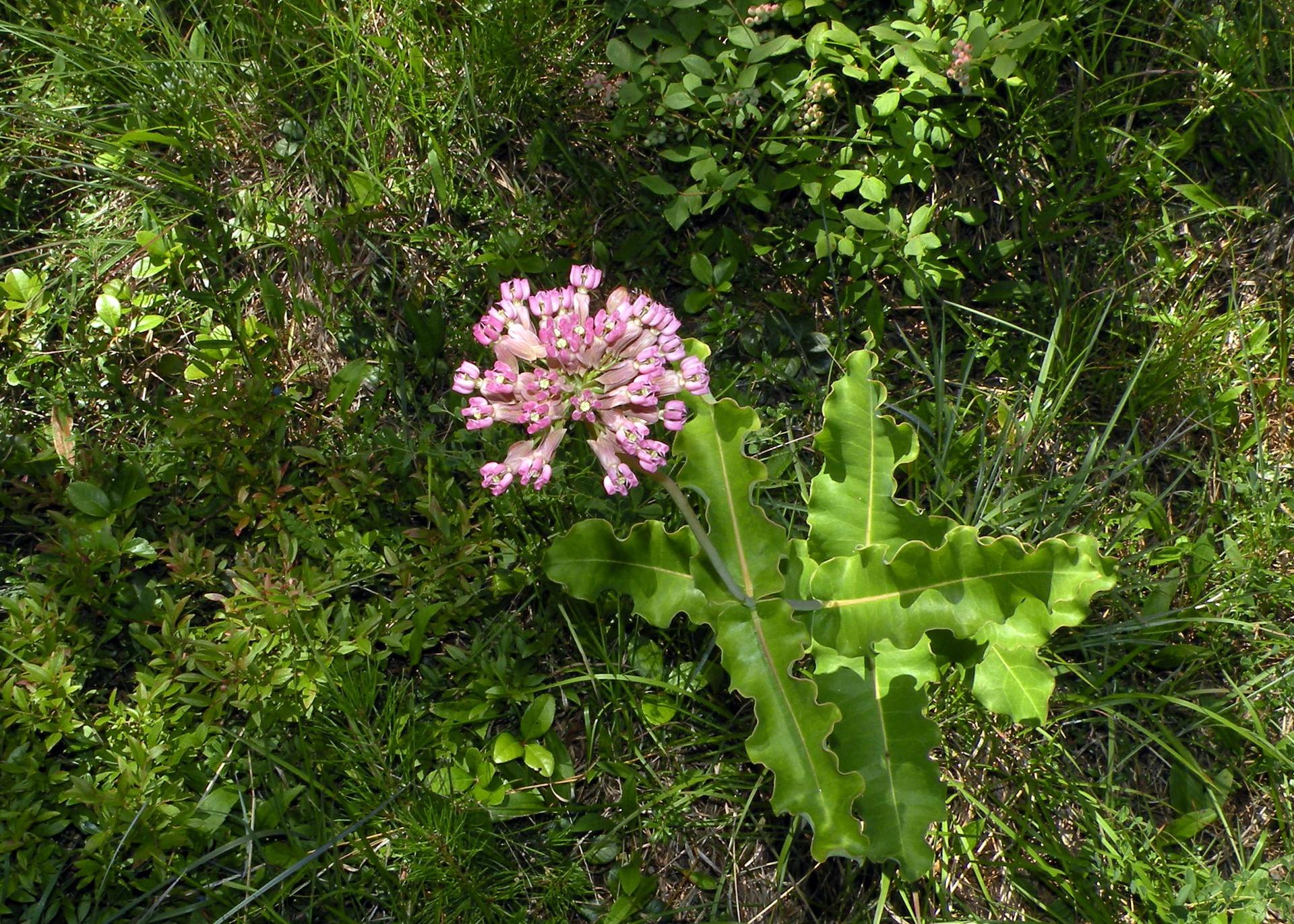
| Above: Photo by Doug McGrady CC by 2.0 |
Clasping Milkweed Asclepias amplexicaulis |
|
|
|
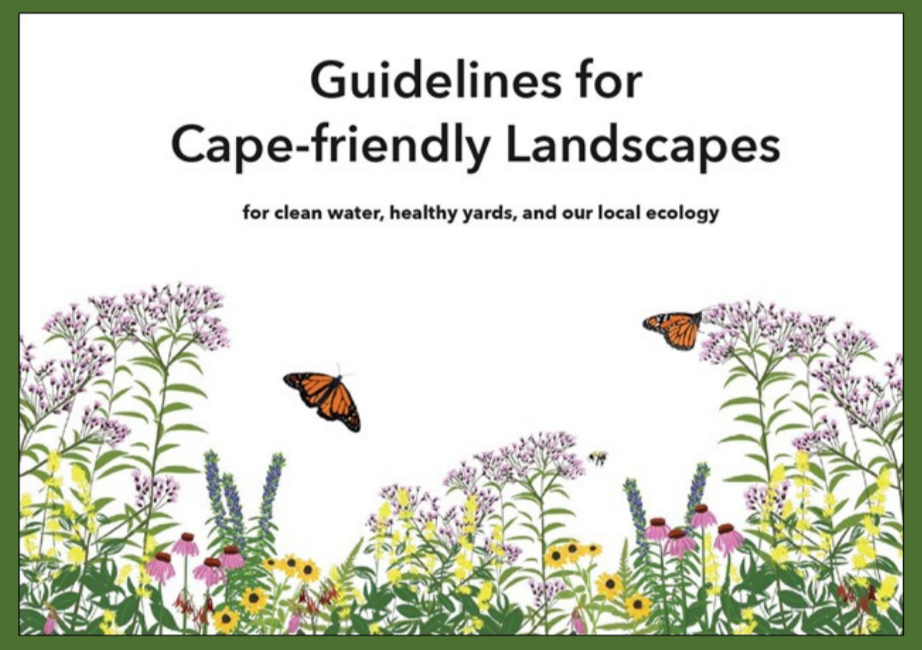
The Guidelines gives homeowners steps they can take in the design and maintenance of their properties that will support pollinators and birds, manage stormwater, conserve water, and protect the Cape's water quality. This 40-page booklet is beautifully illustrated by Marcy Ford with content that is easily digestible and supported by numerous resources for additional learning.
|
|
|
We are grateful for the several retail shops that are partnering with us to make this publication more widely available: Brewster Book Store, Birdwatchers General Store, Crocker Nurseries, Wellfleet Audubon Wildlife Sanctuary, Cape Abilities Farm, Cape Cod Museum of Natural History, the Cape Cod Lavender Farm, Heritage Museums and Gardens, Titcomb's Bookshop, Sea Howl Bookshop, Soares Flower Garden Nursery, and Eight Cousins Bookshop.
If you are a retailer and would like to sell this publication at your store, please contact us. |
|
|
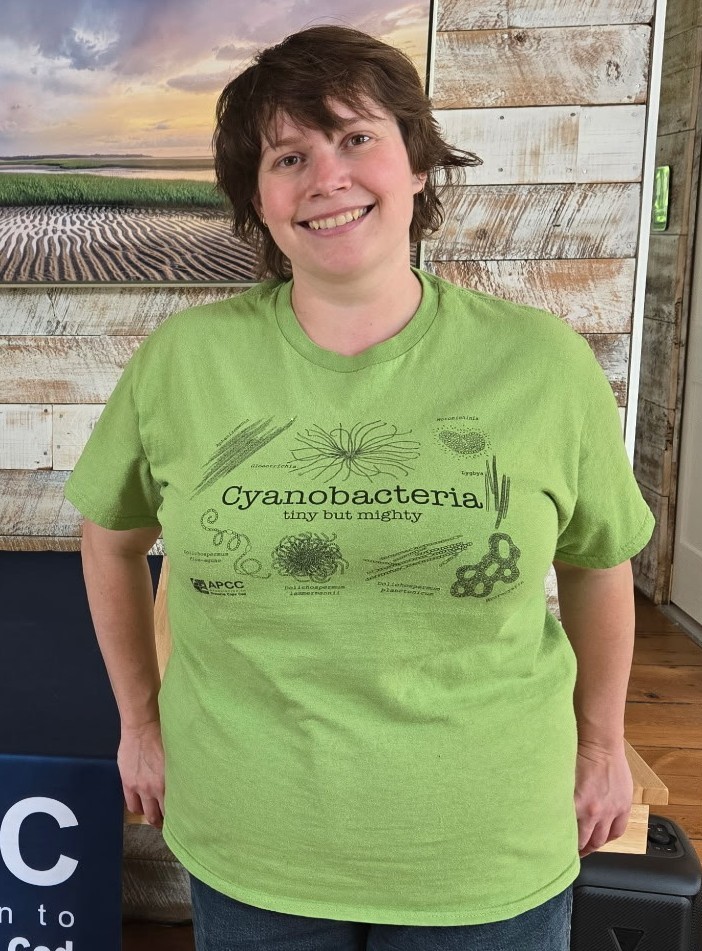
| Cyanobacteria ~ tiny but mighty
color kiwi $30 includes USPS shipping |
|
|
APCC caps
$25 -includes USPS deliver in the U.S. |
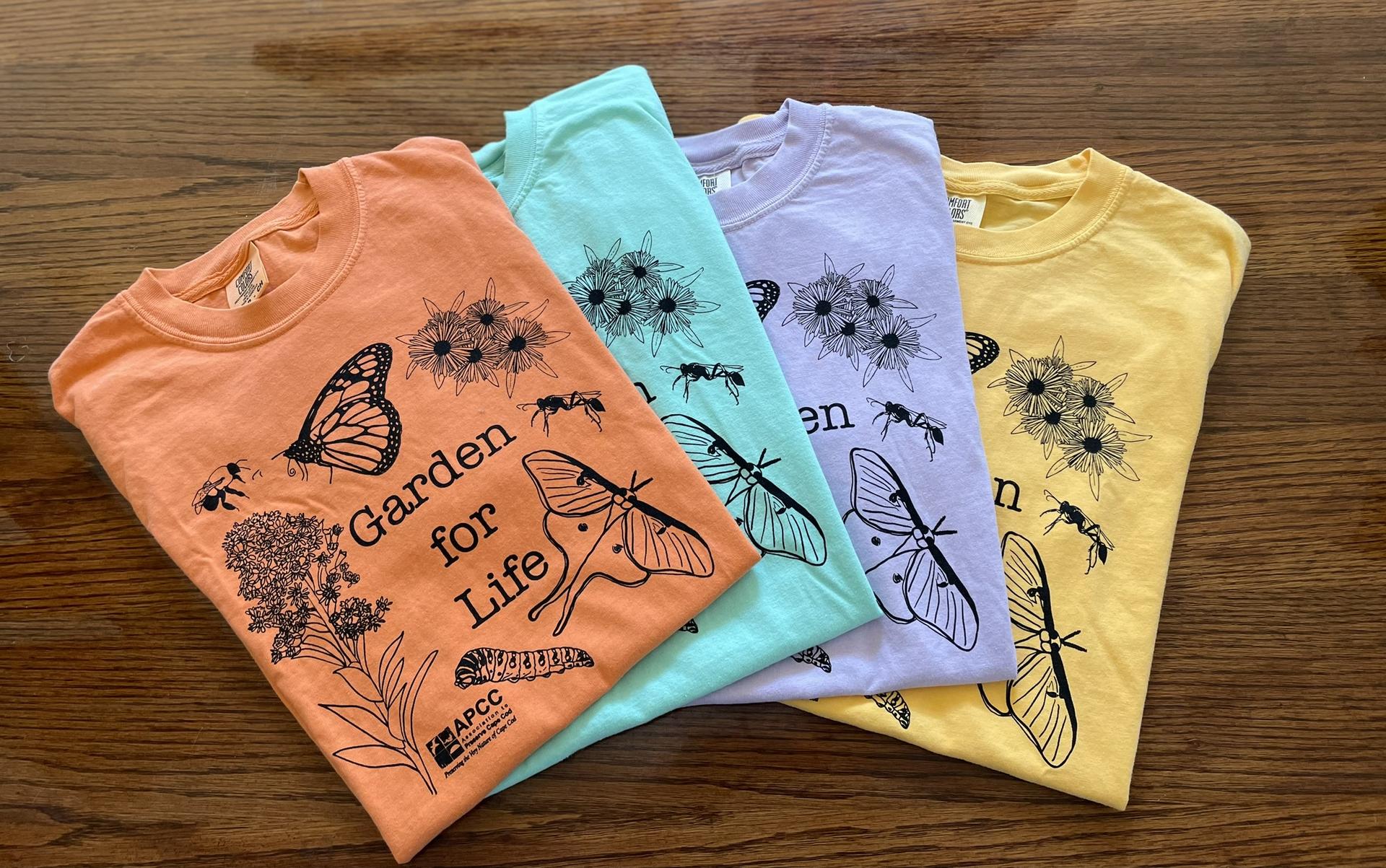
| Garden for Life T's $30 -includes USPS delivery in U.S. |
|
|
|
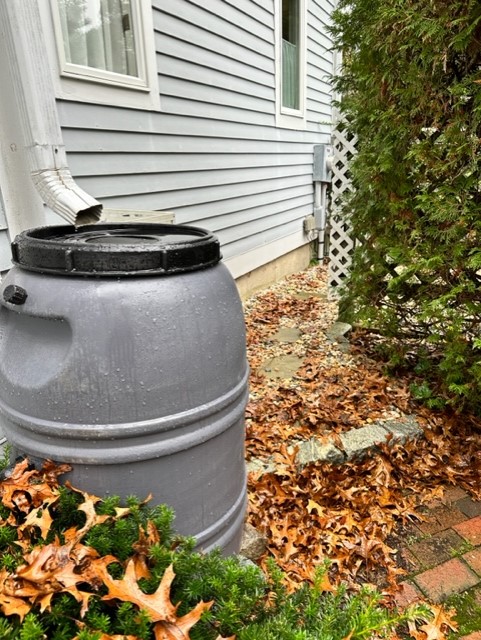
Rain Barrels for Cape Cod
Order online from Upcycle Products $122 each includes shipping to your door APCC receives a portion of the proceeds.
These are 55 gallon, repurposed food barrels. For more information, click here. |
|
|
| APCC eNewsletters.
Our weekly newsletters are archived on our website and easily shared.
You can find past newsletters and share with your friends. Encourage others to sign up for future enewsletters HERE.
|
|
|
Are you thinking of going solar? We hope so!
In partnership with E2 SOLAR in Dennis, APCC receives $500 for every solar installation when APCC is named as referral. |
|
|
|
Thank you to the homeowners who just contracted to install solar panels through E2 Solar. May the sun always shine for you! |
|
|
Expressions Gallery, 578 Main Street, Chatham
CLICK HERE |
Expressions Gallery donates 20 percent of its profits to APCC's work. |
|
|
Thank you to our business sponsors! |
|
|
APCC is rated four stars by Charity Navigator,
2025 Platinum by Candid (formerly Guidestar), and 2024 Top-Rated by GreatNonprofits. |
|
|
Our Contact Information
*{{Organization Name}}*
*{{Organization Address}}*
*{{Organization Phone}}*
*{{Organization Website}}*
*{{Unsubscribe}}* |
| |
|
|