Association to Preserve Cape Cod |
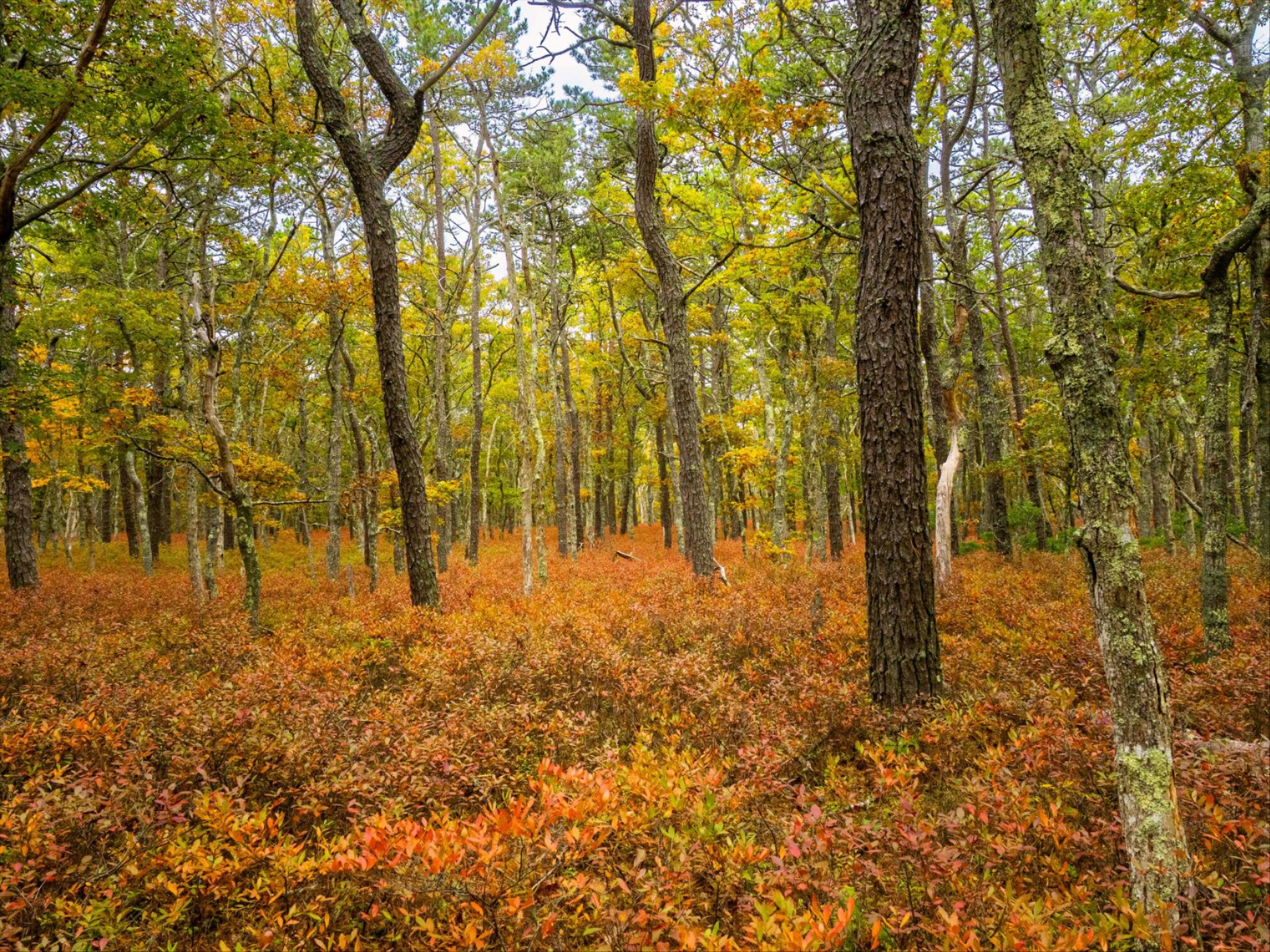
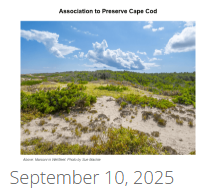
Above: Carpet of huckleberry in Mothers Bog Conservation Area, Brewster. Photo by Sue Machie |
|
|
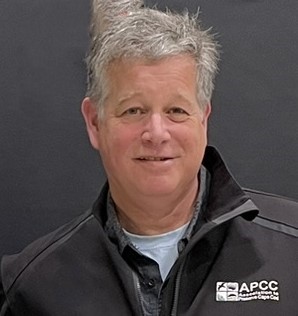
| Lakes People Rejoice by Andrew Gottlieb, Executive Director |
Mashpee voters overwhelmingly approved a town meeting article (80 percent yes) and the associated debt exclusion (75 percent yes) that gave the green light to a community treatment system to reduce nutrient loading to Mashpee Wakeby Pond. While great for Mashpee Wakeby, this project has much larger implications for broader nutrient management in ponds across the Cape. We now have a blueprint towns can follow to fit pond management into their overall nutrient reduction strategies that currently emphasize estuarine water quality over ponds.
|
|
|
The Mashpee project is a community scale Amphidrome treatment system that will reduce nitrogen and phosphorus in the wastewater of over 200 homes near and along the northern shore of Wakeby Pond, a majestic waterway severely degraded by excess phosphorus. Septic systems will be removed and the homes within the project area will be connected to the treatment system by sewer pipes to a modest-sized facility for subsurface disposal.
The significance of this project is that it demonstrates how a targeted intervention can be done without upsetting the broader plans that a town may have, that hard to reach areas can be treated and managed with a neighborhood scale satellite system, and that such projects are highly rated in the state funding system.
The Mashpee project is a proof of concept that changes everything for those of us who had been told that investing in pond water quality will have to wait. Regardless of if that were ever true or not, it is no longer so. Lake advocates are encouraged to learn more about the Mashpee Wakeby system and see if what was done there is applicable and offers a lifeline to the pond you love. |
|
|
Submit Testimony in Support of Bill H.898 – Protect Horseshoe Crabs |
|
|
|
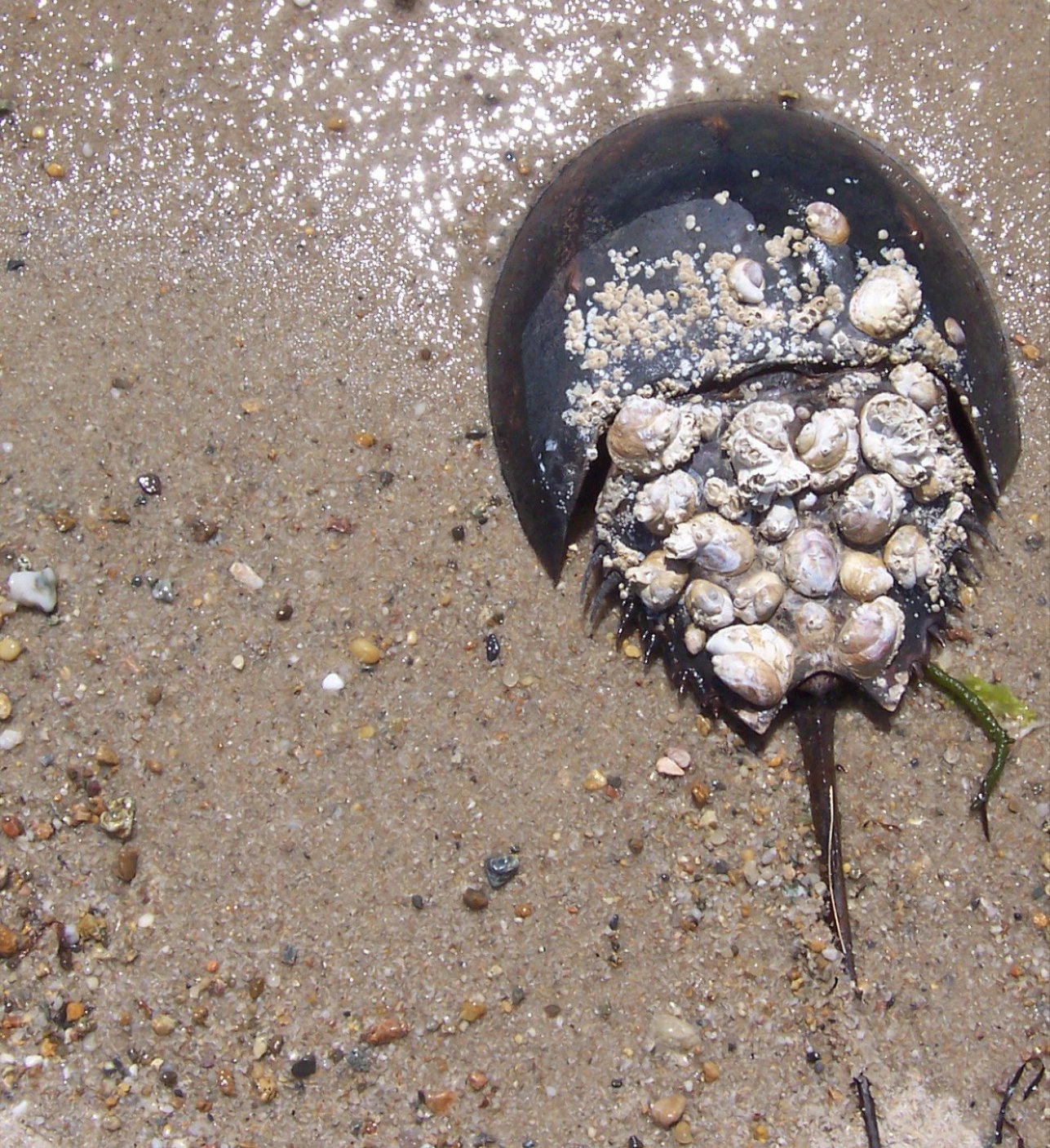
The State Legislature's Joint Committee on Environment and Natural Resources is accepting written testimony in support of H.898, An act to end the taking of horseshoe crabs for bait through November 4.
Submit your written testimony by email to: jointcommittee.environment@malegislature.gov or by mail to:
House Chair Christine Barber
Joint Committee on Environment and Natural Resources
ATTN: Jacob Newman
24 Beacon St. Room 167
Boston, MA 02133 |
|
|
Why we are asking you to take action:
Horseshoe crabs are uniquely essential to both human health and our coastal ecosystem. Shorebirds and marine species rely on their eggs for food, and their blue blood is critical for ensuring the safety of human medicine. Yet in 2025, Massachusetts authorized the take of 140,000 horseshoe crabs for bait—even though the bait market has collapsed. A letter from a Massachusetts bait dealer (p. 203) of the August 2025 Marine Fisheries Advisory Commission (MFAC) meeting materials, describes the use of horseshoe crabs for bait as “economic inefficiency, unnecessary mortality, and biological waste.”
APCC sent its letter of support in April; read it here. |
APCC Ecosystem Restoration Program |
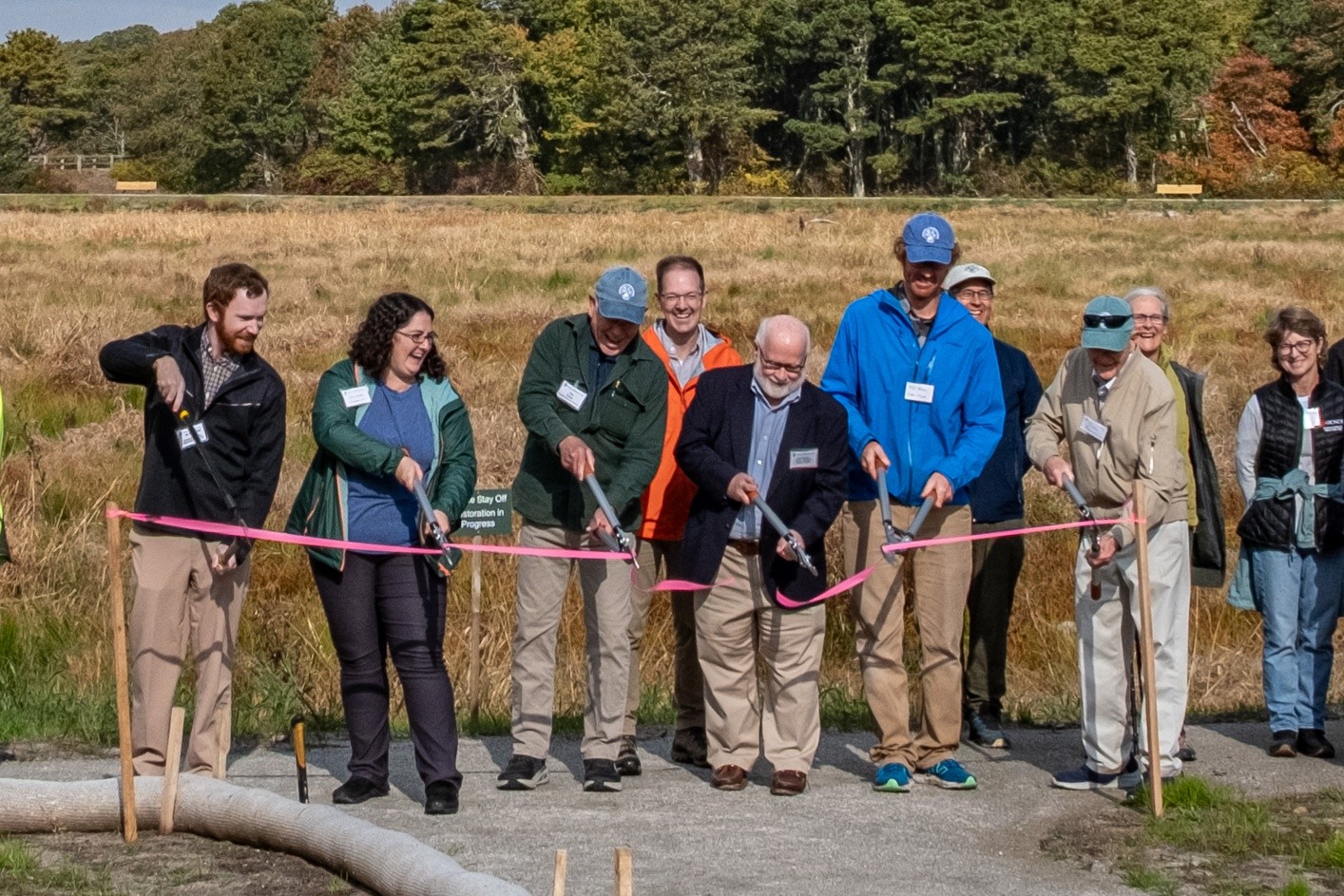
Above: Project partners cut the ribbon to mark the reopening of the Hinckleys Pond—Herring River Headwaters Preserve, after the completion of the eco-restoration effort. Photo by Gerry Beetham |
Rewilding Success in Harwich: Celebrating the Reopening of the Hinckleys Pond–Herring River Headwaters Preserve
We were honored to join Harwich Conservation Trust (HCT) on October 22nd for the re-opening of the restored Hinckleys Pond–Herring River Headwaters Preserve—a major milestone in Cape Cod’s growing movement to rewild retired cranberry bogs. This $1.9 million project has transformed 30 acres of former bog into thriving wetland habitat, restored the pond’s natural shoreline, and created a beautiful mile-long All Persons Trail that now connects the landscape to the Cape Cod Rail Trail, welcoming visitors of all abilities.
APCC was proud to help secure both federal and private foundation funding that made this ambitious restoration possible, including support through the National Oceanic and Atmospheric Administration’s Transformational Habitat Restoration & Coastal Resilience program. The event highlighted the strength of the partnership among HCT, the town of Harwich, APCC, ecological design and construction teams, and local landowners—all working together to restore nature and increase public access.
With native wetland vegetation already emerging across the site, the preserve is quickly coming back to life as both an ecological sanctuary and a community destination. Learn more and see more photos from the event here.
|
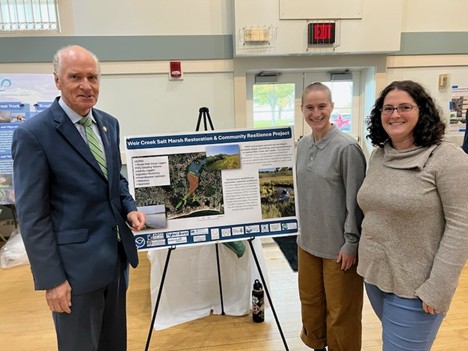
Above: Rep. Bill Keating (left) discusses the Weir Creek restoration project with Restoration Program Manager April Wobst and Restoration Specialist Molly Autery. APCC provided a poster presentation detailing the Weir Creek Salt Marsh Restoration and Community Resilience Project for which the SNEP grant was awarded. |
APCC Recognized at EPA Southeast New England Program Awards Event
APCC staff attended the Southeast New England Program (SNEP) awards event last week, where APCC was formally recognized for receiving a 2025 SNEP Restoration Capital Mini-Grant and Southeast New England Program Watershed Implementation Grants (SWIG) funding.
The $10,000 Capital Mini-grant award, secured this past summer, supported the purchase and installation of two new turbidity sensors at a salt marsh in Dennis to enhance long-term water quality monitoring. The second larger award of $215,037 will support design and permitting for the ongoing Weir Creek Salt Marsh Restoration project.
APCC received a SWIG award in 2021 to kickoff planning for the Weir Creek Restoration. This second SWIG award will advance planning for not only restoration of tidal flow to improve the marsh, but removal of old historic berms in the marsh from former cranberry farming and downstream shoaling from sediment in the system, significantly expanding the scope and scale of this project.
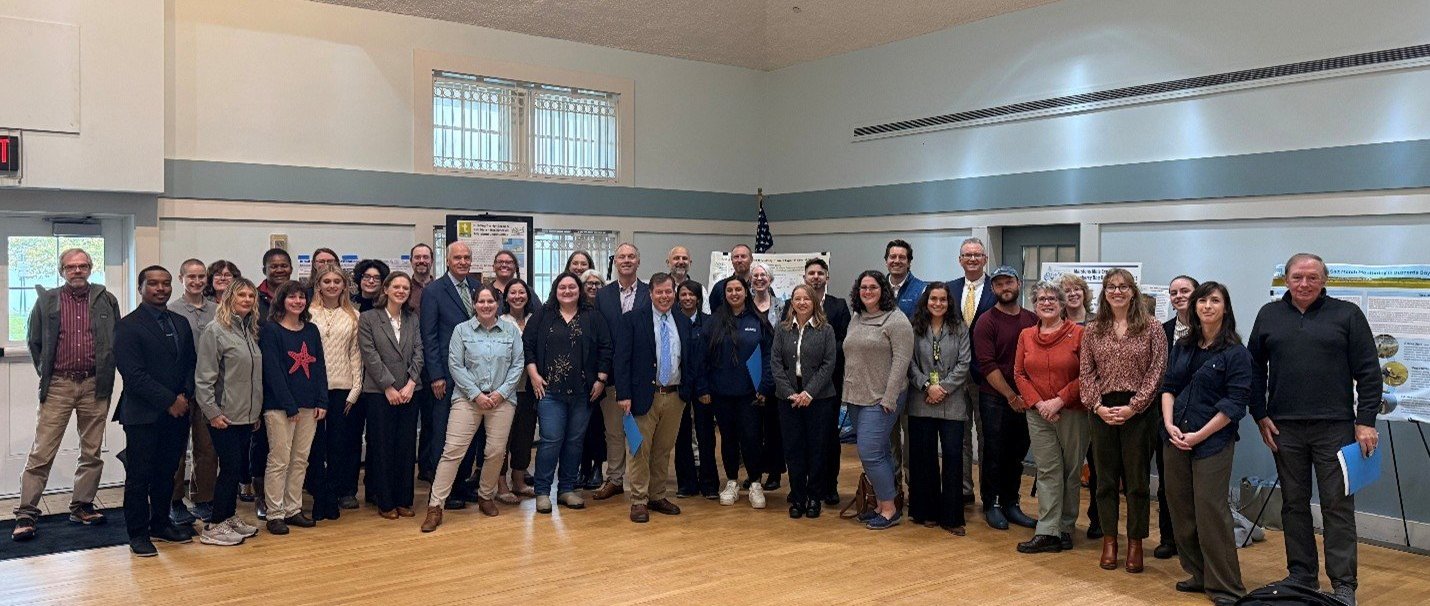
Hosted by Restore America’s Estuaries and New Bedford Mayor Jon Mitchell, the event featured remarks from Congressman Bill Keating and other regional environmental leaders. Grantees were acknowledged for their accomplishments, and the gathering included a poster session that facilitated discussion and collaboration among project partners from across New England. APCC was one of eight Massachusetts SWIG grant recipients. A total of $1.3 million was awarded to Massachusetts projects from among $12 million in requests.
APCC is honored to be among the organizations advancing innovative, science-based restoration and protection efforts for the region’s coastal ecosystems. |
Above: The 2025 SNEP grantees and invited speakers pose for a group photo among the poster presentations shared by grantees. Photo credit: SNEP Network |
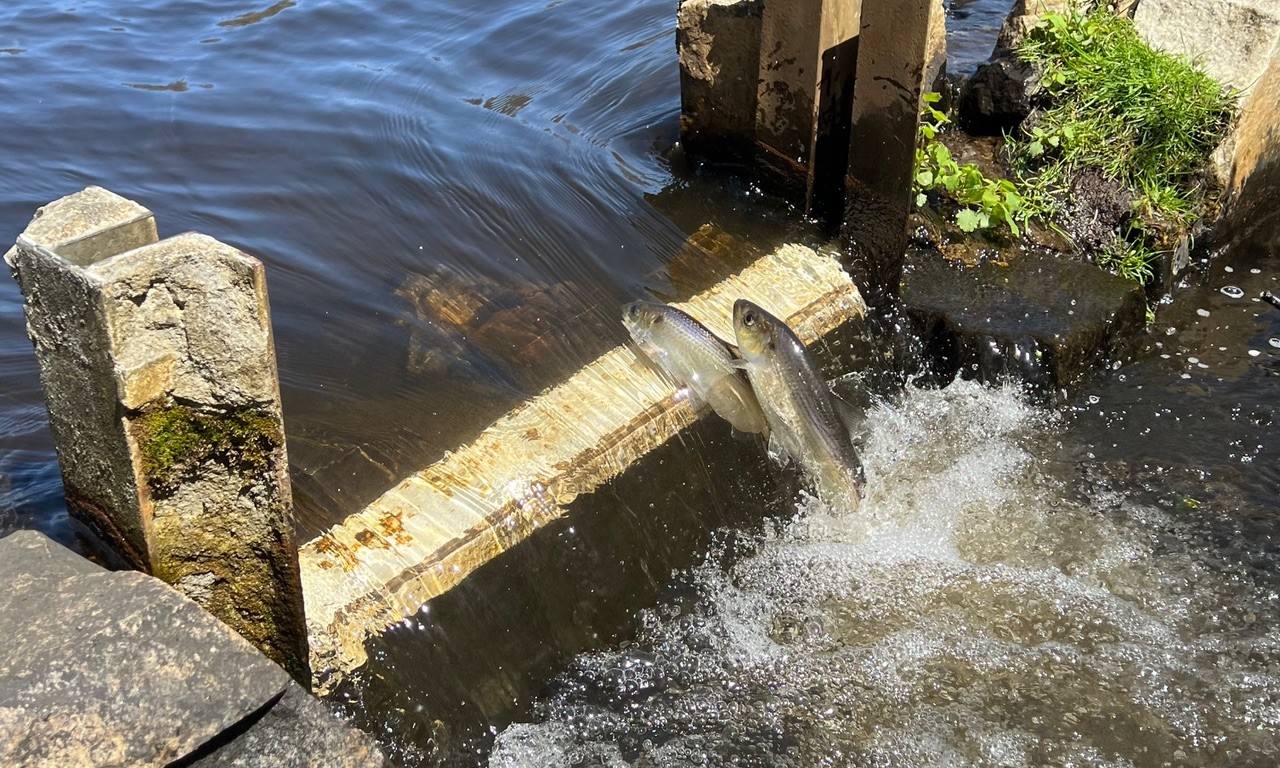
Above: River herring ascend the fish ladder into Mill Pond on the Marstons Mills River. River herring returns from the Marstons Mills River were one of the few brights spots among Cape Cod runs this past season. |
APCC Attends Statewide Herring Network Meeting and
Releases 2025 River Herring Results
APCC staff traveled to Lowell last week to participate in the annual Massachusetts River Herring Network Meeting, which brought together restoration practitioners, state, and local volunteer monitoring groups from across the Commonwealth. The meeting included an overview from the Massachusetts Department of Transportation's Highway Division on how natural resource protection and climate resilience are being incorporated into state transportation projects.
APCC invited attendees to explore our new public River Herring Monitoring Dashboard, which offers near-real time access to run data and long-term trends from across Cape Cod. The dashboard includes the newly released 2025 river herring monitoring results, showing that most runs across Cape Cod returned below their long-term averages this spring. Only four locations—Stony Brook in Brewster, Marstons Mills River and Middle Pond in Barnstable, and Long Pond / Parkers River in Yarmouth—exceeded historical median levels.
The Massachusetts Division of Marine Fisheries provided updates on current diadromous fish restoration, monitoring priorities, and statewide return results, which like Cape Cod runs, have been variable. Researchers from UMass Amherst shared emerging science on how drought conditions influence river herring survival, underscoring the importance of long-term monitoring.
In the afternoon, participants toured the Centennial Falls fish ladder and the Talbot Mills dam on the Concord River—a tributary of the Merrimack River. The Talbot Mills dam is slated for removal—and when completed, will be the largest dam removal project ever undertaken in Massachusetts. The dam has blocked native fish migration since the 1700s, and its removal will reconnect 135 miles and 740 acres of upstream habitat, benefiting river herring, American shad, American eel, sea lamprey, and several turtle species. In addition to restoring natural fish passage, the project is expected to reduce flooding, improve water quality, and enhance recreational boating access along the river.
This year’s meeting reinforced the increasing urgency—and opportunity—for science-based restoration, improved connectivity, and data-driven policy to support the long-term recovery of this keystone species. APCC—with funding from the Massachusetts Bays National Estuarine Partnership, support from the Massachusetts Division of Marine Fisheries, and collaboration with local partners—was proud to share Cape Cod data, tools, and restoration progress alongside statewide partners working toward the same goal.
|
|
|
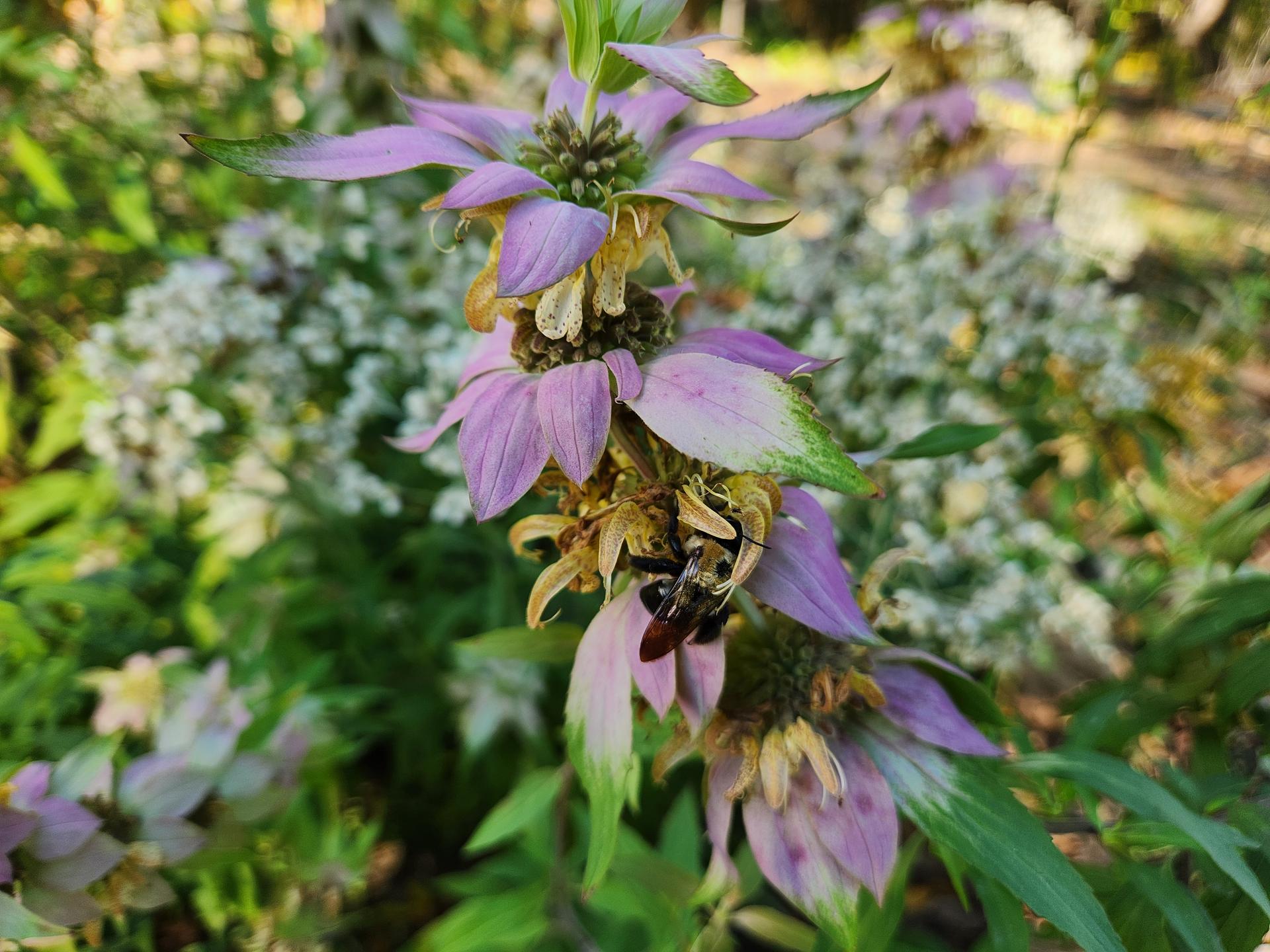
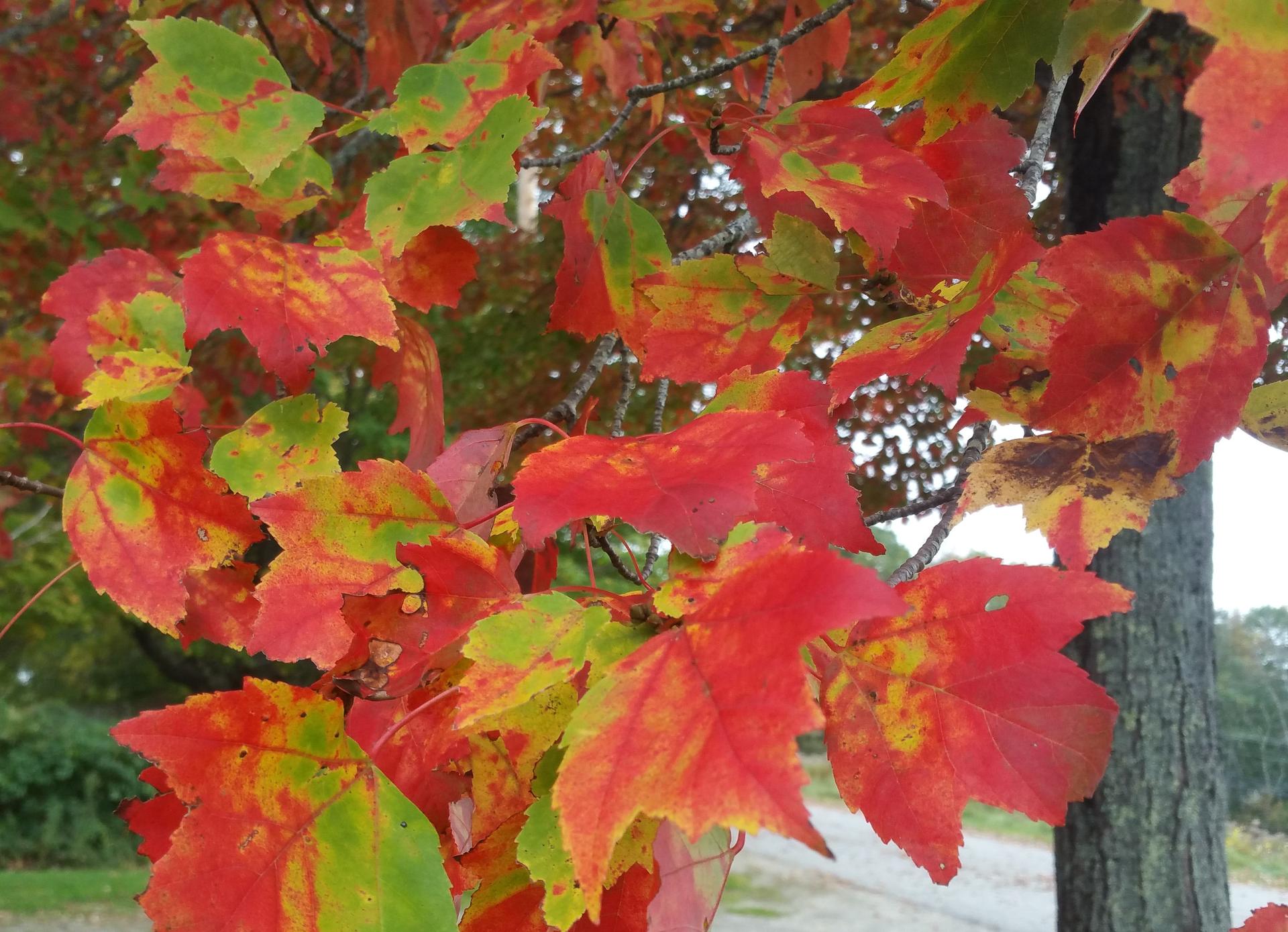
Spotted bee balm, Monarda punctata, is still giving pollinators pollen and nectar, and providing visual appeal in our landscape at the end of October! It is also called horsemint, and given that it is in the mint family—and while some of you will find this hard to believe—it does not appear to be a favorite of rabbits.
This plant will reseed around the landscape and next season it will be easily transplanted or weeded out where it is unwanted.
It has been observed to attract numerous pollinators, from teeny tiny brown bees to the largest of our native wild bees, the carpenter bee.
The plant is incredibly drought tolerant and has a lovely herb aroma when handled and can also be used as a cut flower. |
|
|
Pond Species Spotlight: Dragonflies |
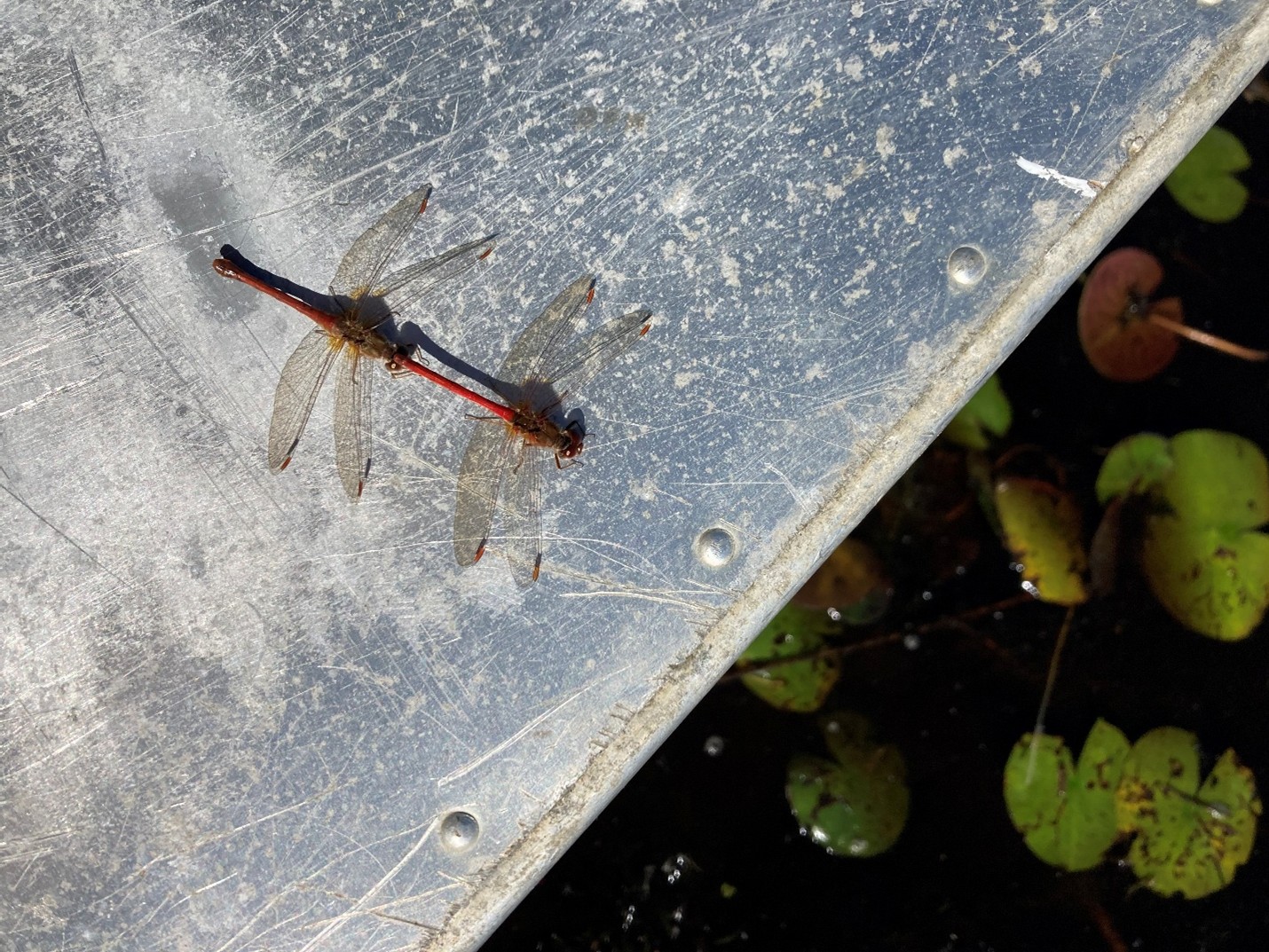
While the adult dragonflies we saw darting around ponds all summer are mostly gone by now, their life cycle continues underwater. Right now, dragonfly nymphs—their juvenile stage—are still active in the sandy/muddy bottoms of ponds across Cape Cod. They spend most of their lives in this aquatic phase, sometimes for several months or even years, depending on the species.
These nymphs are skilled predators, feeding on mosquito larvae, small insects, and even tadpoles. As water temperatures drop in late October, their activity slows, and they settle in for the winter. Next spring or summer, when conditions are right, they’ll climb out of the water, shed their exoskeletons, and emerge as winged adults.
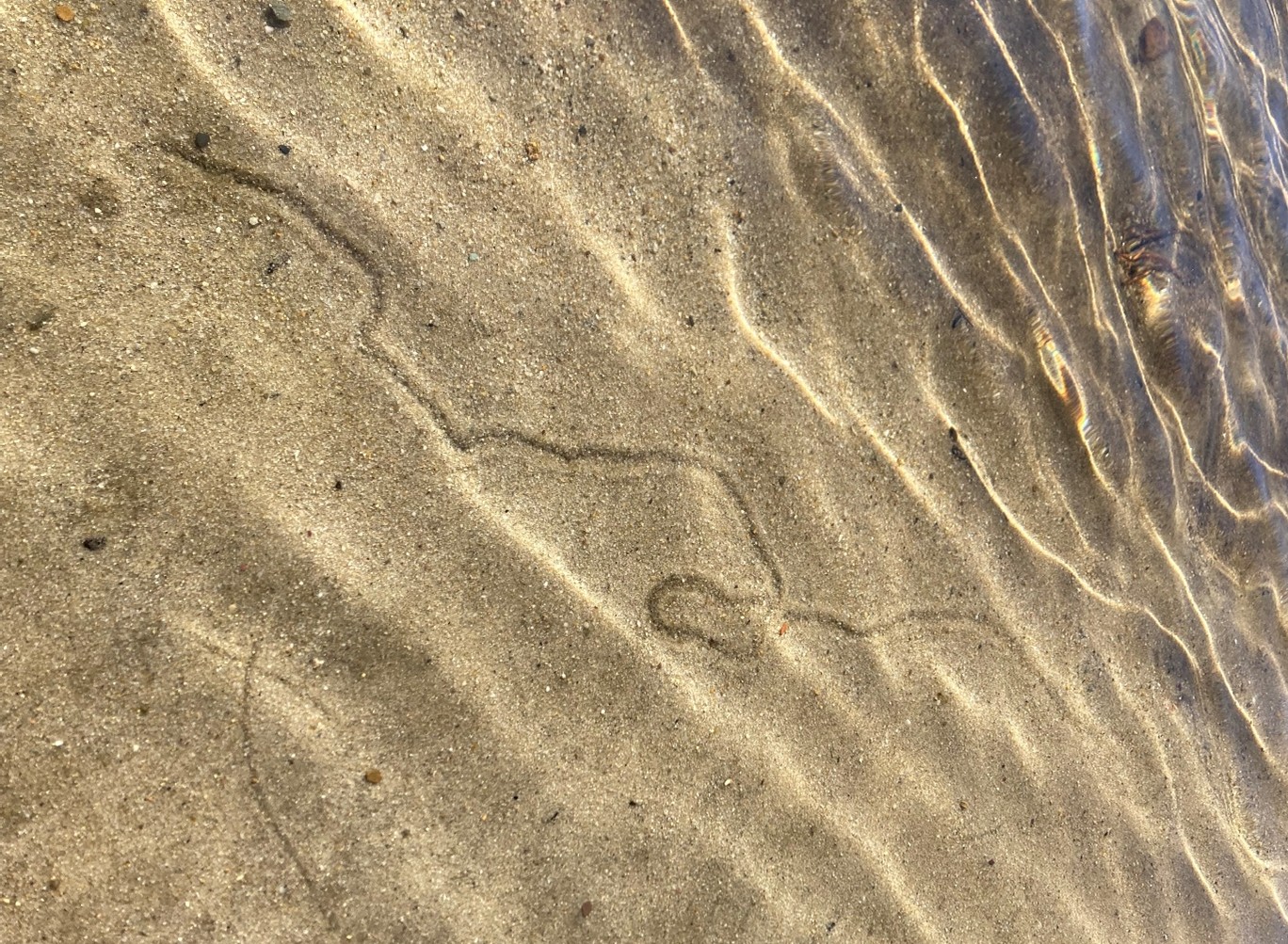
The photo below shows something you might spot on a fall walk along a pond—a track left in the sand by a dragonfly nymph. You won’t always see the nymph itself, but signs like this are a great reminder of how much life is happening just below the surface. Keep an eye out next time you're near a pond!
|
|
|
Cape Cod Pond Watchers Bio-survey Program ~ a training video on how to use the Survey123 app to log your observations in pondside! |
| |
|
APCC's Cyanobacteria Monitoring Program |
|
|
|
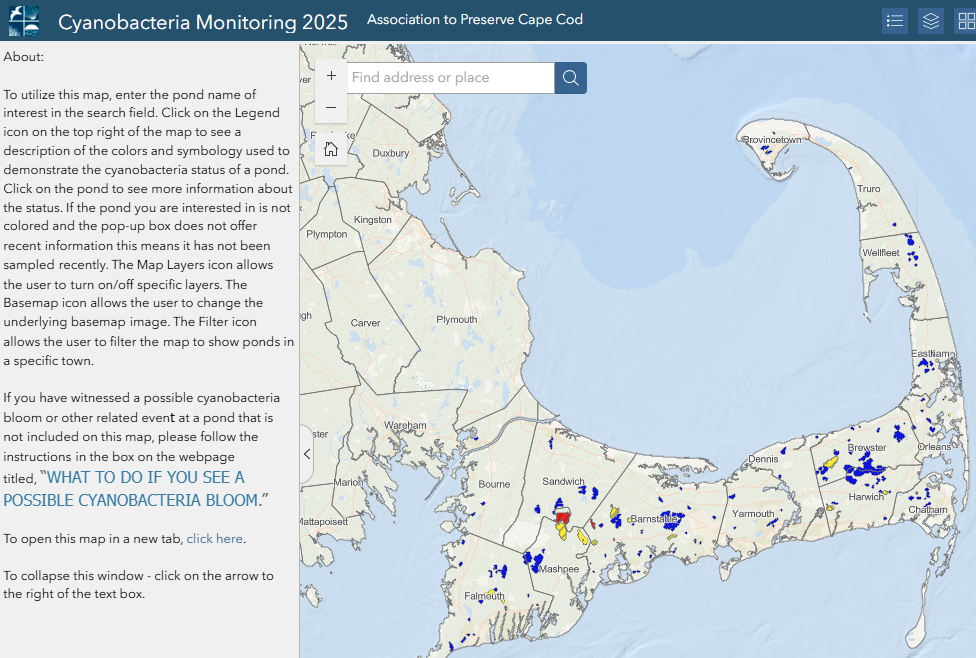
Check on the status of your favorite pond on our interactive map. If you see what appears to be a bloom, take a picture, note the day, location, and time and notify the local health department, and email to cyano@apcc.org.
Sign up for cyanobacteria email alerts.
Please note: The cyanobacteria alert is only sent out when a concern is first identified at a pond. All updates following this initial notice are shared on APCC’s interactive map. |
|
|
Cape Cod Ponds Network
in-person meeting; registration required Friday, November 7, 2025, 10:00 a.m. - 12:00 p.m. APCC headquarters, Koppel Center |
|
|
A Cape-wide Conservation Event Calendar |
The Compact of Cape Cod Conservation Trusts (“the Compact”) and its nonprofit members launched a new regional calendar of events. The Conservation Calendar includes programs across Cape Cod hosted by these groups. The goal of the calendar is to encourage visitors and residents to take part in nature and environmental events. You can always find the link to the calendar on APCC's website under News & Events.
|
If you are a farmer or someone who wants to grow native plants to sell, or just want to be updated on the program's development, please submit an interest form that appears on our webpage. We will be sending periodic email notices of workshops and meetings.
Funding for the project is provided by Barnstable County and its Economic Development Council License Plate Grant Program through the Cape Cod Commission. |
|
|
A Cape Cod Native Plant-selector
~ to help you choose the perfect native plants for your garden. |
|
|
Email kandres@apcc.org and we'll send you a CapeCodNativePlants.org decal. |
|
|
|
|
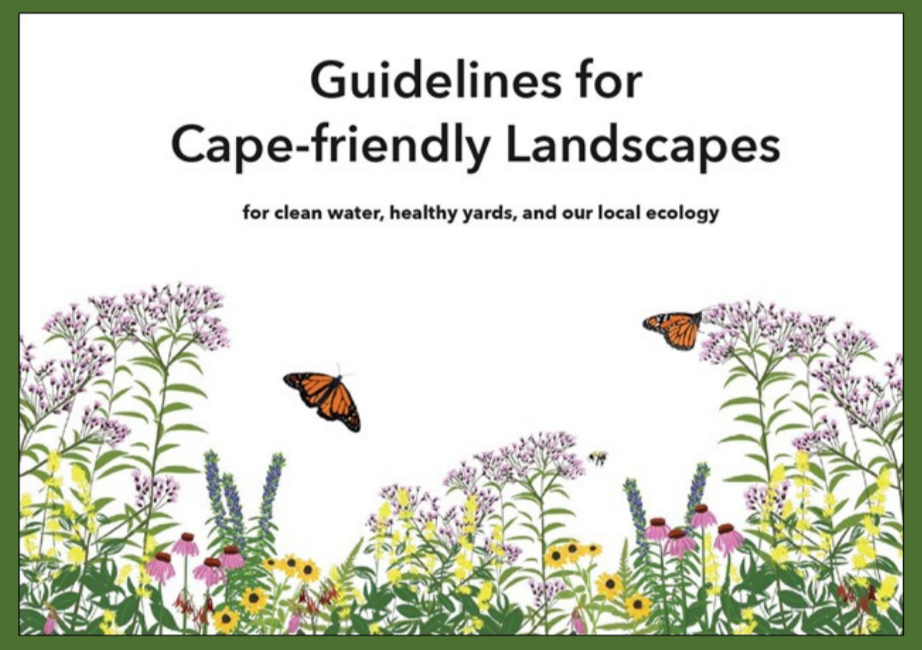
The Guidelines gives homeowners steps they can take in the design and maintenance of their properties that will support pollinators and birds, manage stormwater, conserve water, and protect the Cape's water quality. This 40-page booklet is beautifully illustrated by Marcy Ford with content that is easily digestible and supported by numerous resources for additional learning.
| |
|
We are grateful for the several retail shops that are partnering with us to make this publication more widely available: Brewster Book Store, Birdwatchers General Store, Crocker Nurseries, Wellfleet Audubon Wildlife Sanctuary, Cape Abilities Farm, Cape Cod Museum of Natural History, the Cape Cod Lavender Farm, Heritage Museums and Gardens, Titcomb's Bookshop, Sea Howl Bookshop, Soares Flower Garden Nursery, and Eight Cousins Bookshop.
If you are a retailer and would like to sell this publication at your store, please contact us. |
|
|
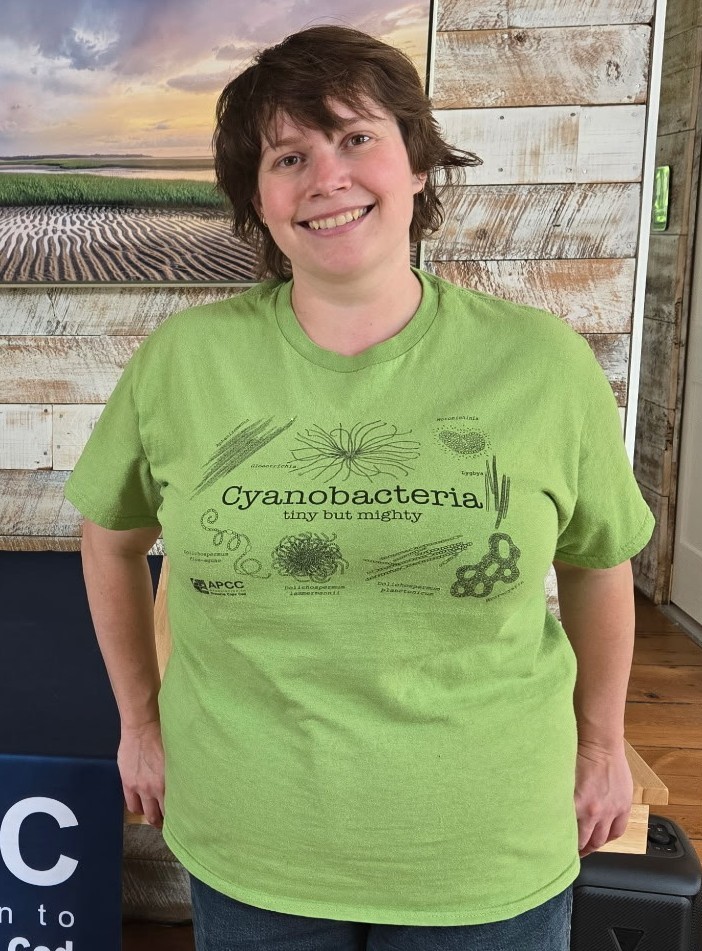
| Cyanobacteria ~ tiny but mighty
color kiwi $30 includes USPS shipping |
|
|
APCC caps
$25 -includes USPS deliver in the U.S. |
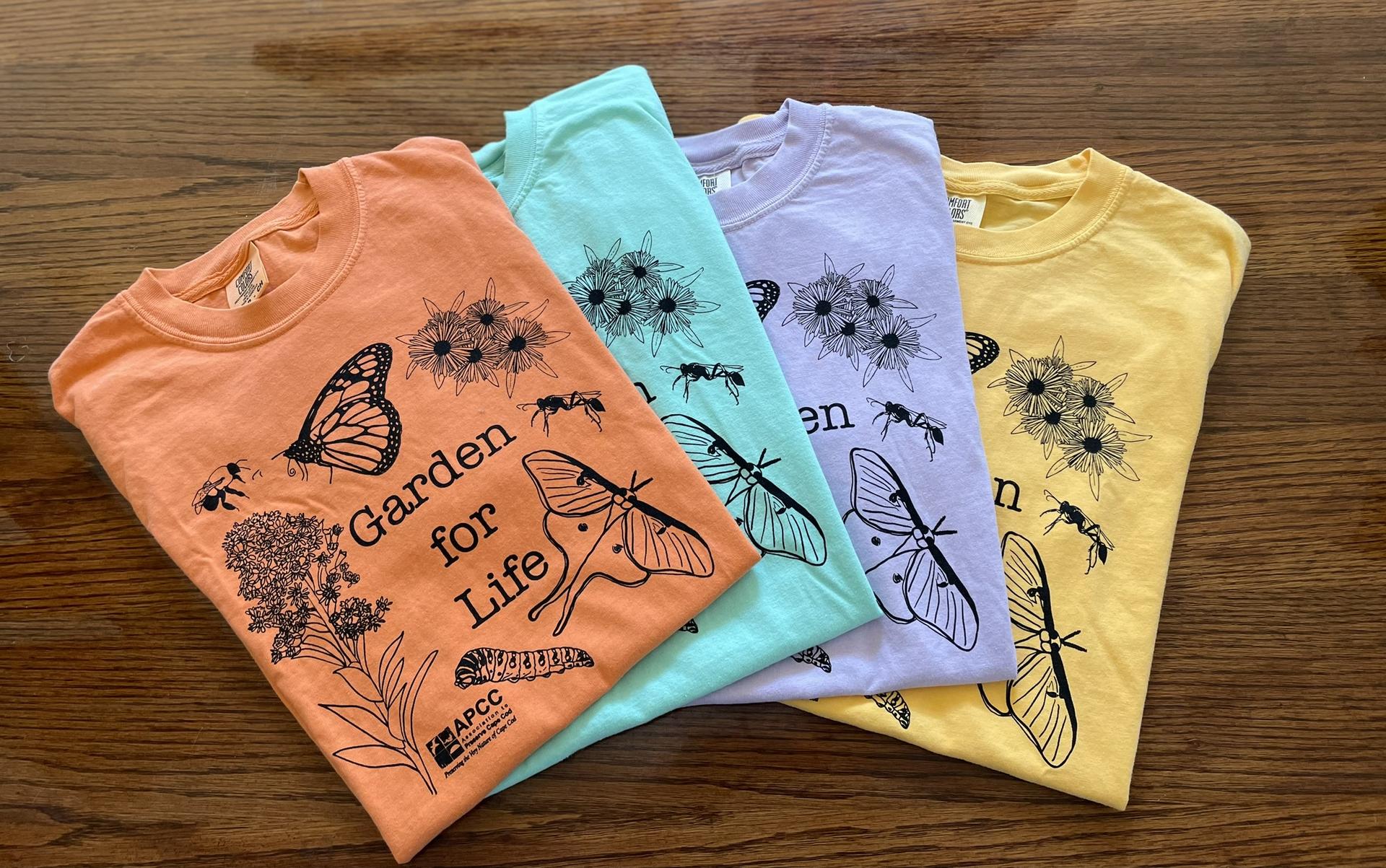
| Garden for Life T's $30 -includes USPS delivery in U.S. |
|
|
|
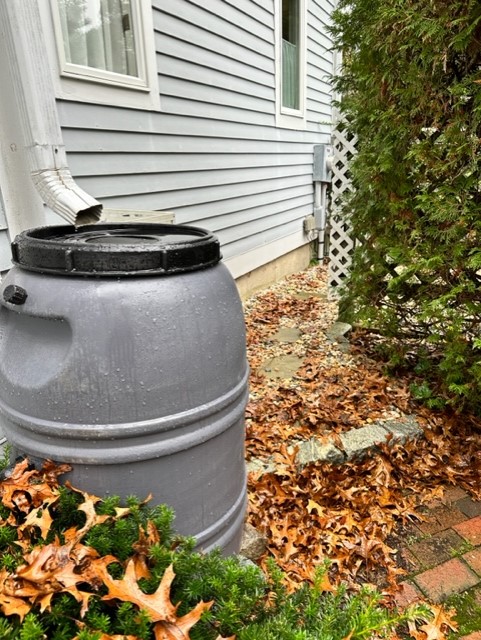
Rain Barrels for Cape Cod
Order online from Upcycle Products $122 each includes shipping to your door APCC receives a portion of the proceeds.
These are 55 gallon, repurposed food barrels. For more information, click here. |
|
|
| APCC eNewsletters.
Our weekly newsletters are archived on our website and easily shared.
You can find past newsletters and share with your friends. Encourage others to sign up for future enewsletters HERE.
|
|
|
Are you thinking of going solar? We hope so!
In partnership with E2 SOLAR in Dennis, APCC receives $500 for every solar installation when APCC is named as referral. |
|
|
|
Thank you to the homeowners who just contracted to install solar panels through E2 Solar. May the sun always shine for you! |
|
|
Expressions Gallery, 578 Main Street, Chatham
CLICK HERE |
Expressions Gallery donates 20 percent of its profits to APCC's work. |
|
|
Thank you to our business sponsors! |
|
|
APCC is rated four stars by Charity Navigator,
2025 Platinum by Candid (formerly Guidestar), and 2024 Top-Rated by GreatNonprofits. |
|
|
Our Contact Information
*{{Organization Name}}*
*{{Organization Address}}*
*{{Organization Phone}}*
*{{Organization Website}}*
*{{Unsubscribe}}* |
| |
|
|