Association to Preserve Cape Cod |
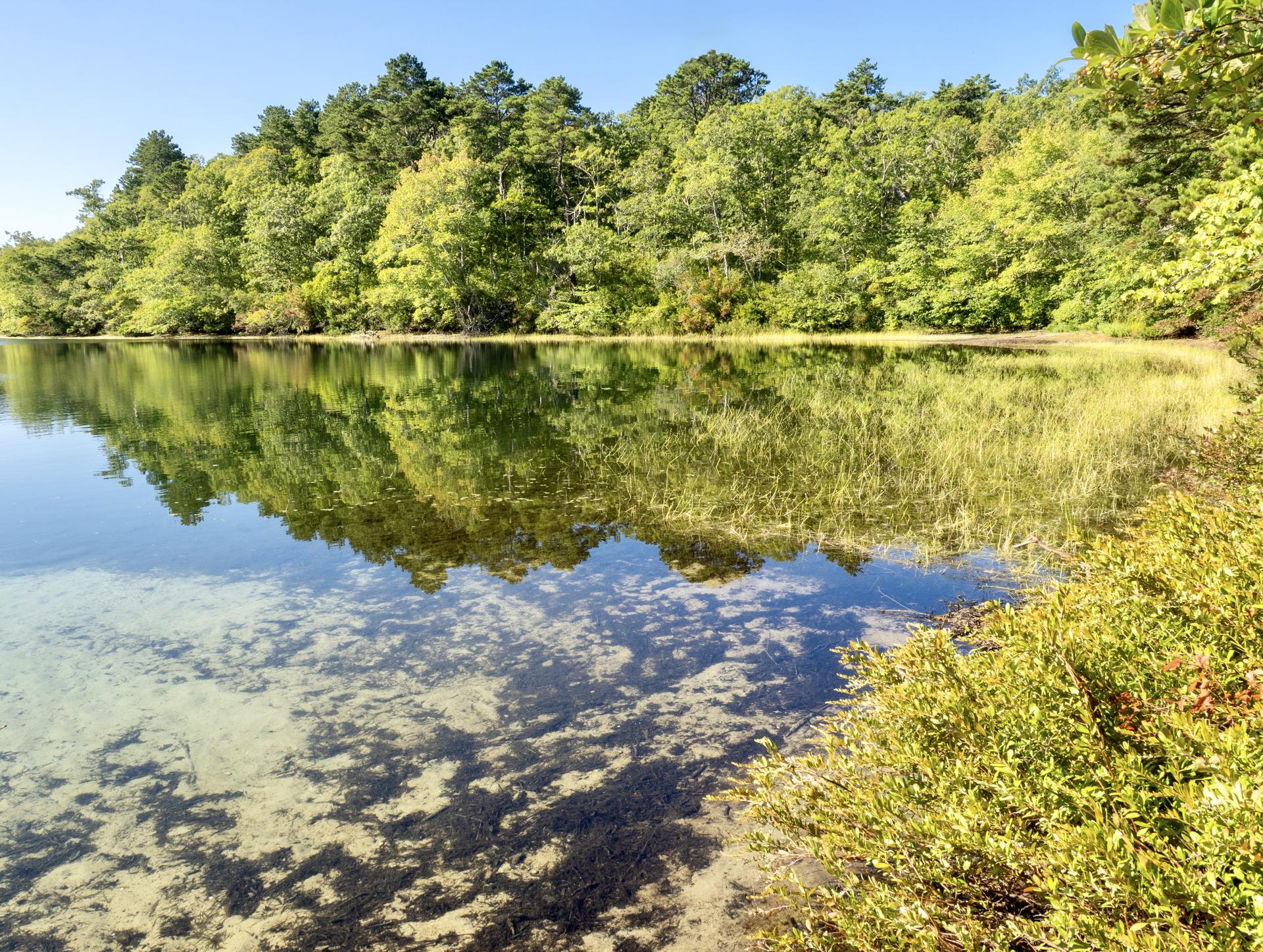
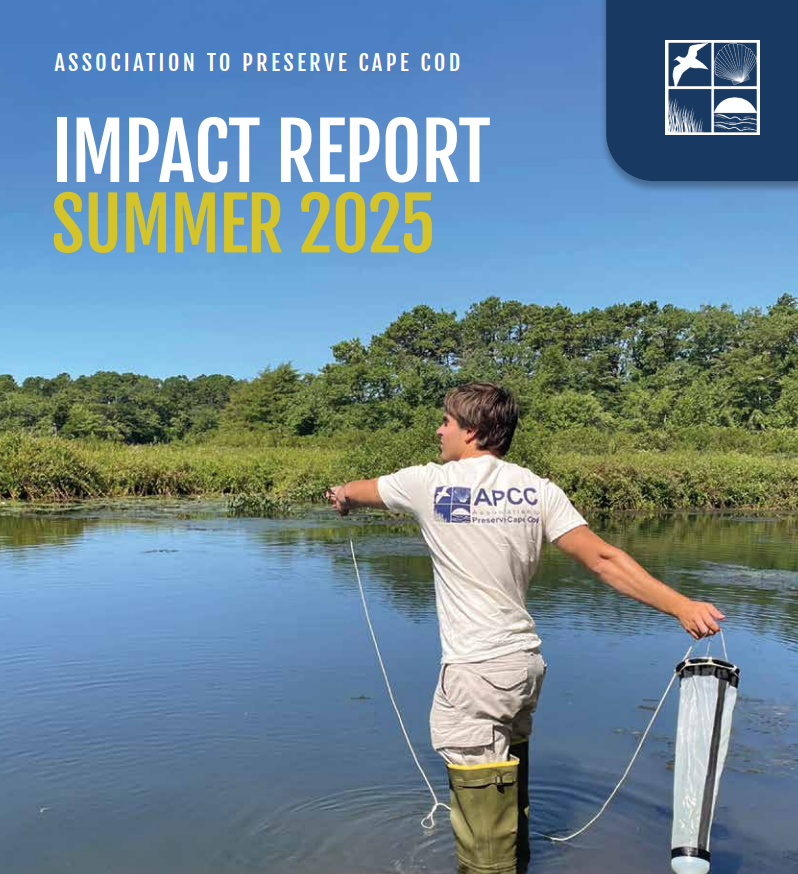
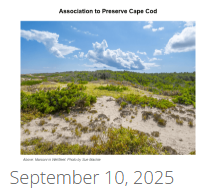
Above: Late summer at Round Cove, Wellfleet. Photo by Sue Machie | |
|
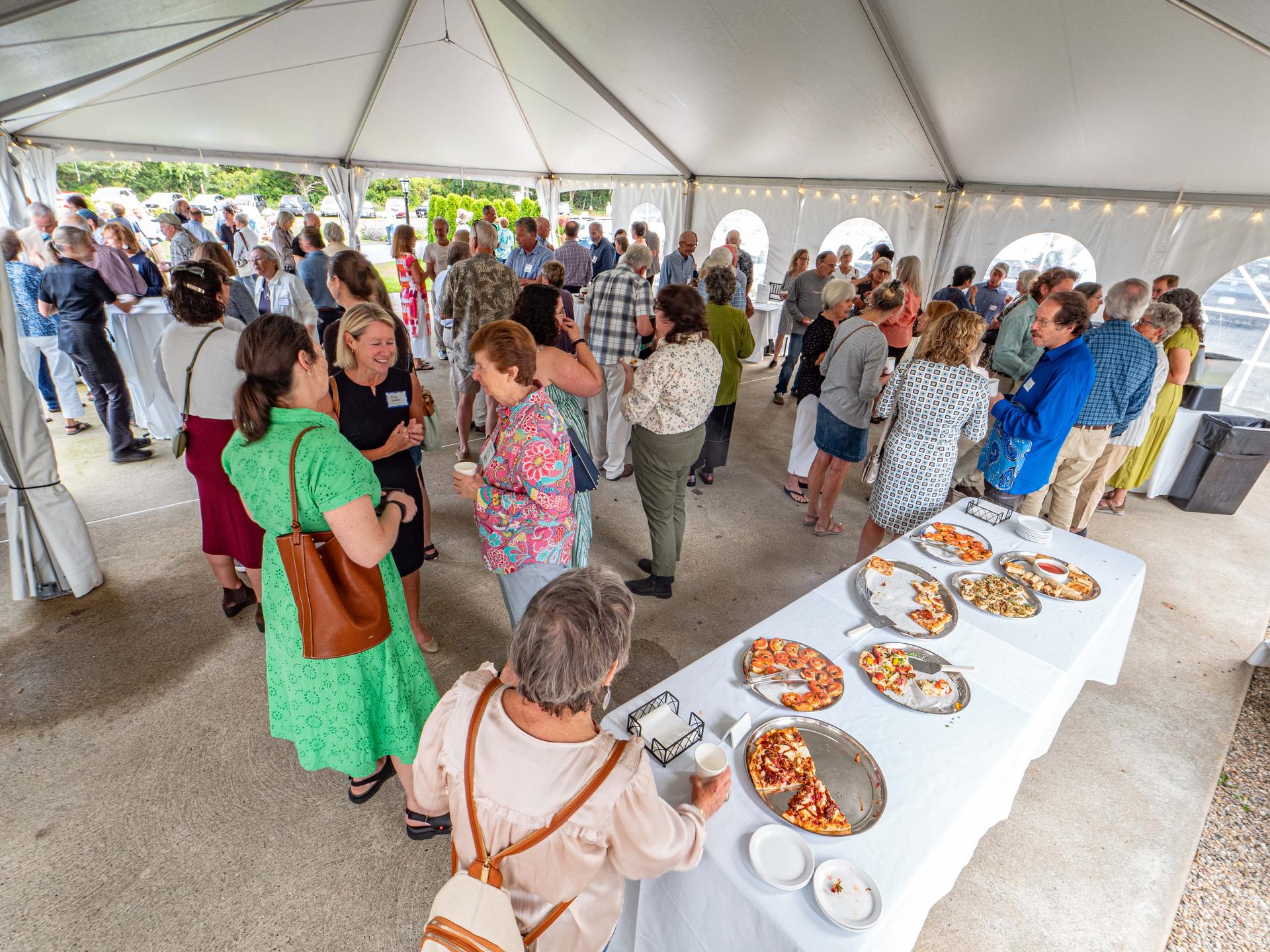
Thank you to all who attended our annual meeting at The Dennis Inn this past Sunday! We were honored to have DEP Commissioner Bonnie Heiple give the keynote address. |
|
|
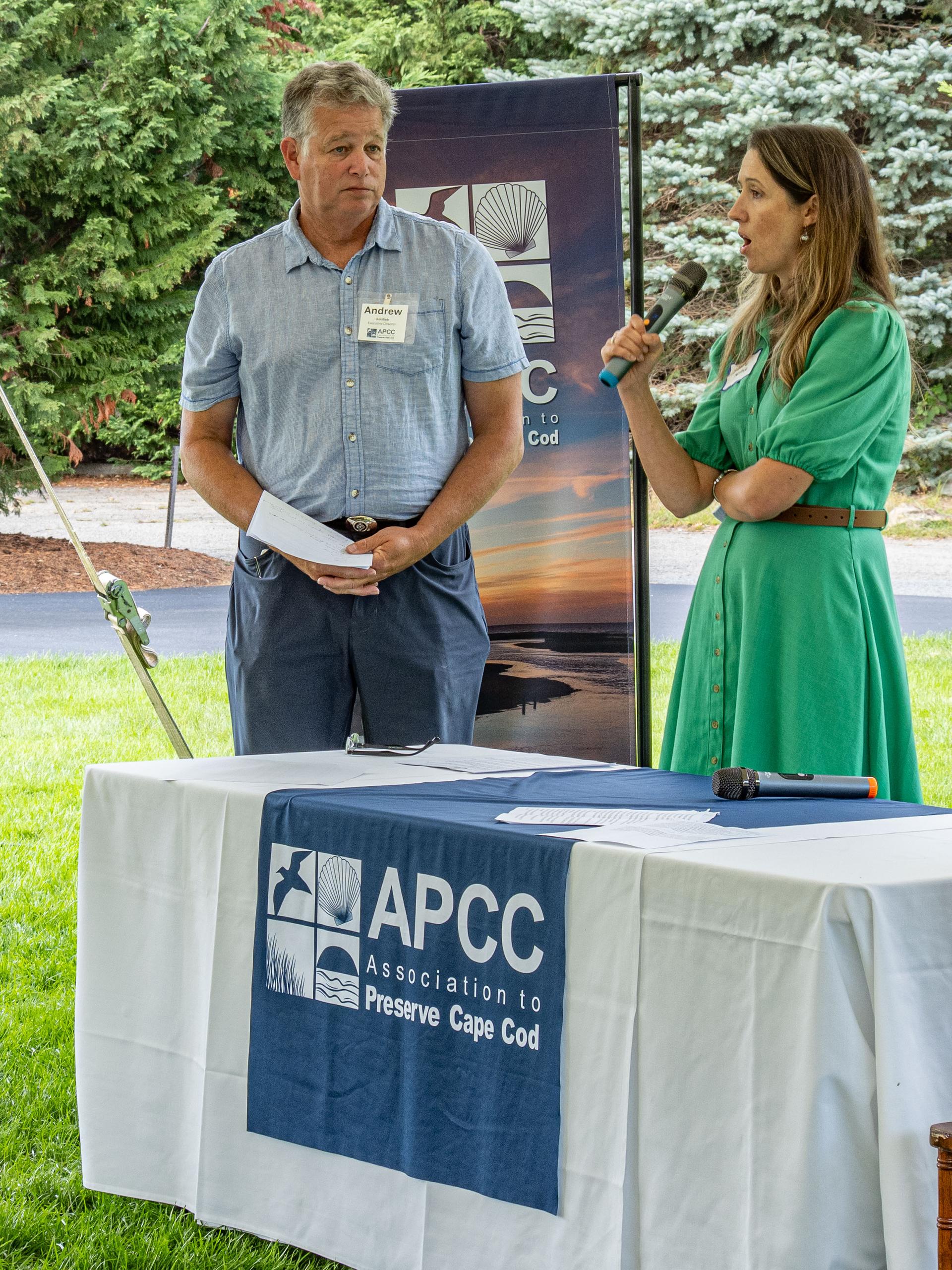
Above: APCC Executive Director Andrew Gottlieb and DEP Commissioner Bonnie Heiple |
|
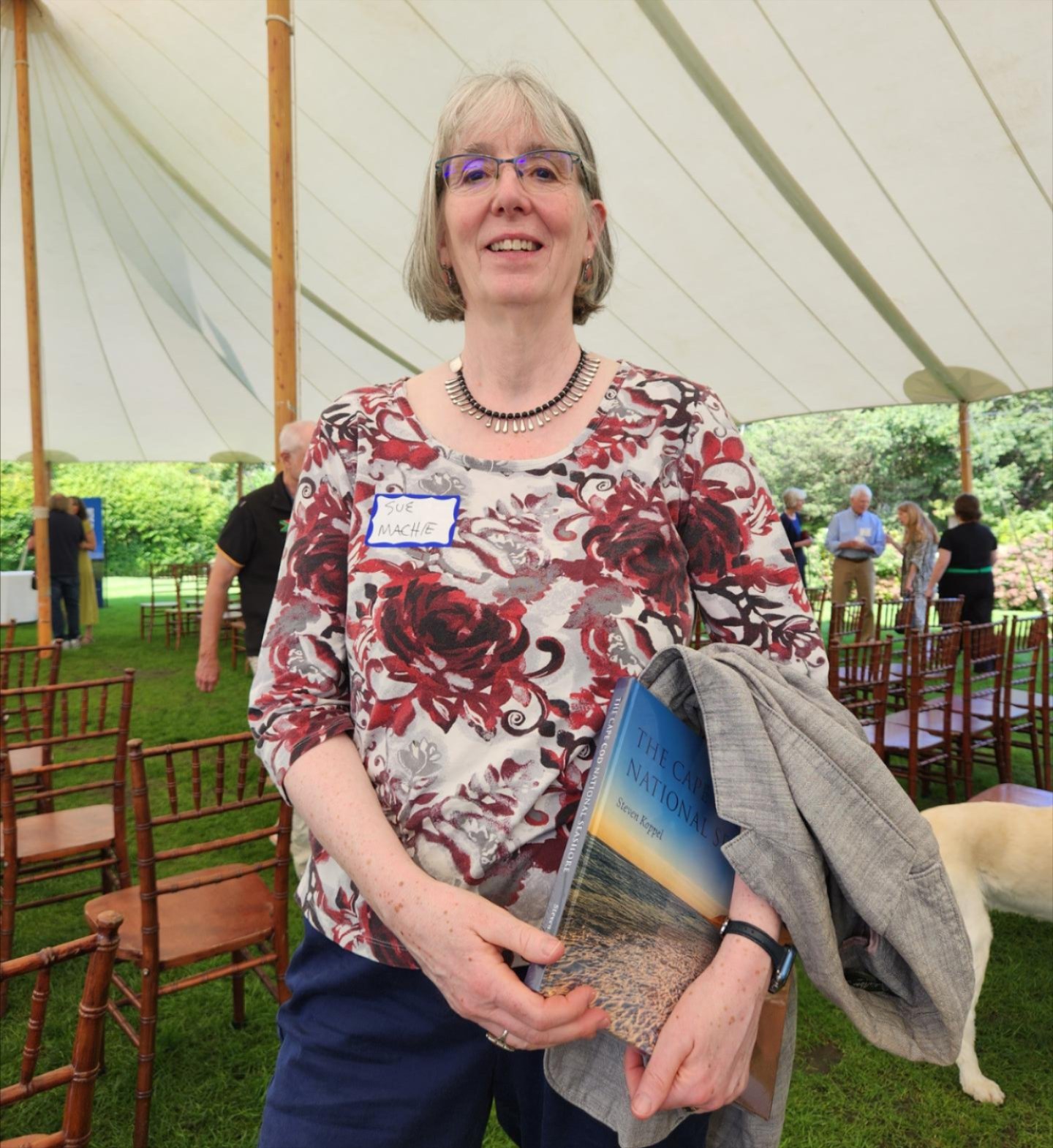
Above: Sue Machie was recognized as APCC Volunteer of the Year for her consistent contribution of photographs to APCC and other volunteer hours she contributes to our work! |
|
|
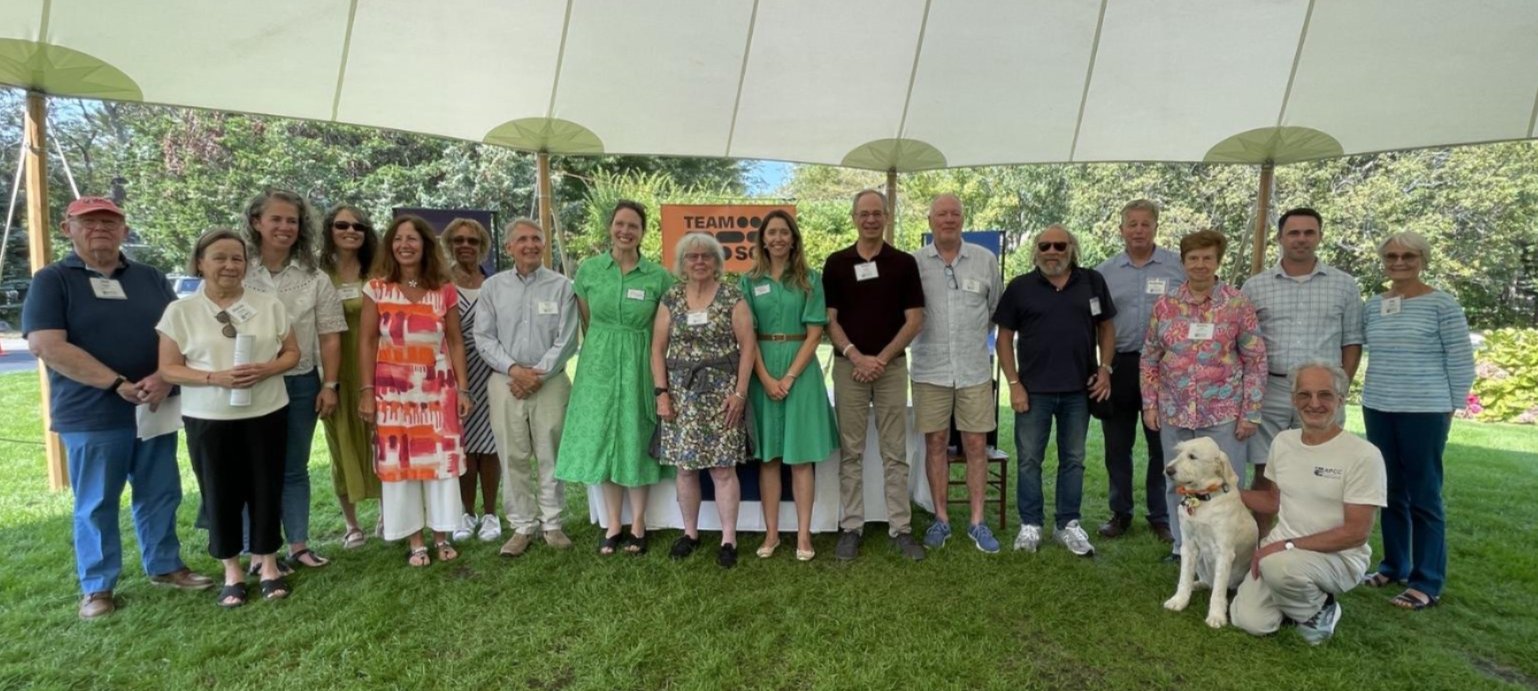
Above: APCC board of directors and DEP Commissioner Bonnie Heiple, APCC Executive Director Andrew Gottlieb |
APCC provides comments on Regional Policy Plan
Last week, APCC submitted written comments to the Cape Cod Commission regarding the draft update of the Regional Policy Plan, which is the Cape’s guiding document for regional planning strategies and regulatory oversight. A review and update of the RPP is undertaken approximately every five years.
In our comments, APCC called for the RPP to include bold language that would initiate policies and actions to increase open space preservation and prioritize protection and restoration of the Cape’s critical natural resource areas before they are lost to development. Read APCC's comments here.
Click here to read the draft Regional Policy Plan update and to submit comments before the close of the public comment period on Wednesday, September 24. |
2024 Annual Report Released
|
|
|
APCC Ecosystem Restoration Program |
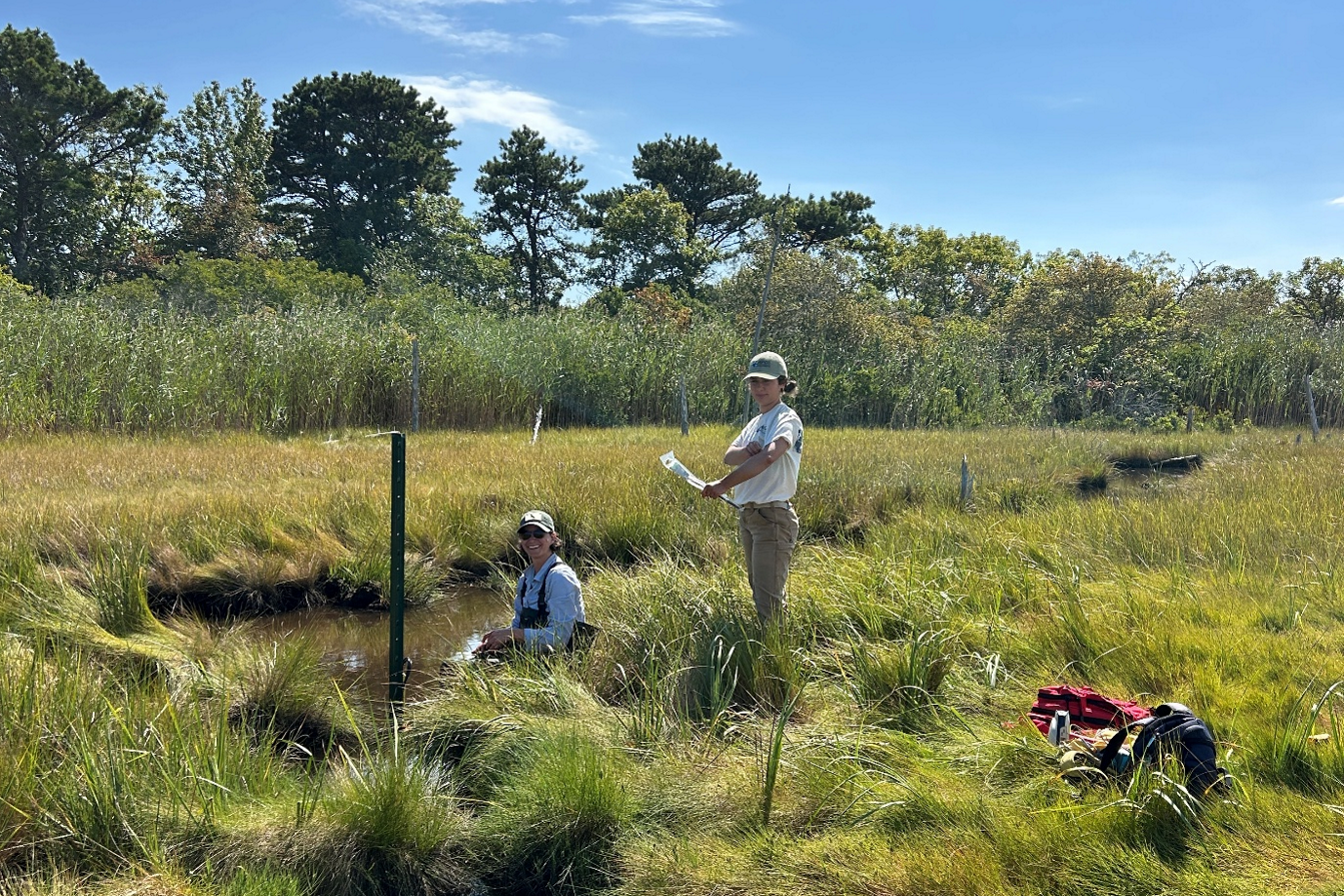
Above: APCC Lead Ecologist Jordan Mora and intern Lydia Rheinhardt are all smiles after the successful deployment of a turbidity sensor at a salt marsh in Dennis, MA. |
Tracking Sediment at West Dennis Salt Marsh
This summer, APCC obtained and installed two new turbidity sensors at a salt marsh in Dennis, MA, thanks to $10,000 received from the EPA’s Southeast New England Program (SNEP) 2025 Restoration Capital Mini-Grant program in partnership with Restore America’s Estuaries. The Environmental Protection Agency (EPA) provided 77 percent of the instrument cost with private foundation funding supporting the remaining 23 percent. These sensors will help us understand how sediment moves in and out of the marsh with the tides—information that is crucial for understanding the health and resilience of this vital ecosystem.
Sediment is more than just dirt; it’s a key building block of salt marsh peat. It supports plant growth, helps the marsh keep pace with rising sea levels, and strengthens the marsh against storms. By tracking sediment flow, restoration practitioners gain critical insight into how these landscapes function and how to plan for their long-term success.
Turbidity—the cloudiness of water caused by suspended particles—is a simple yet powerful way to monitor sediment. In a salt marsh, water carrying more sediment appears murkier or more “turbid.” Our sensors detect how light scatters off particles in the water, giving us a continuous, real-time picture of how sediment moves through the marsh with every tide. |
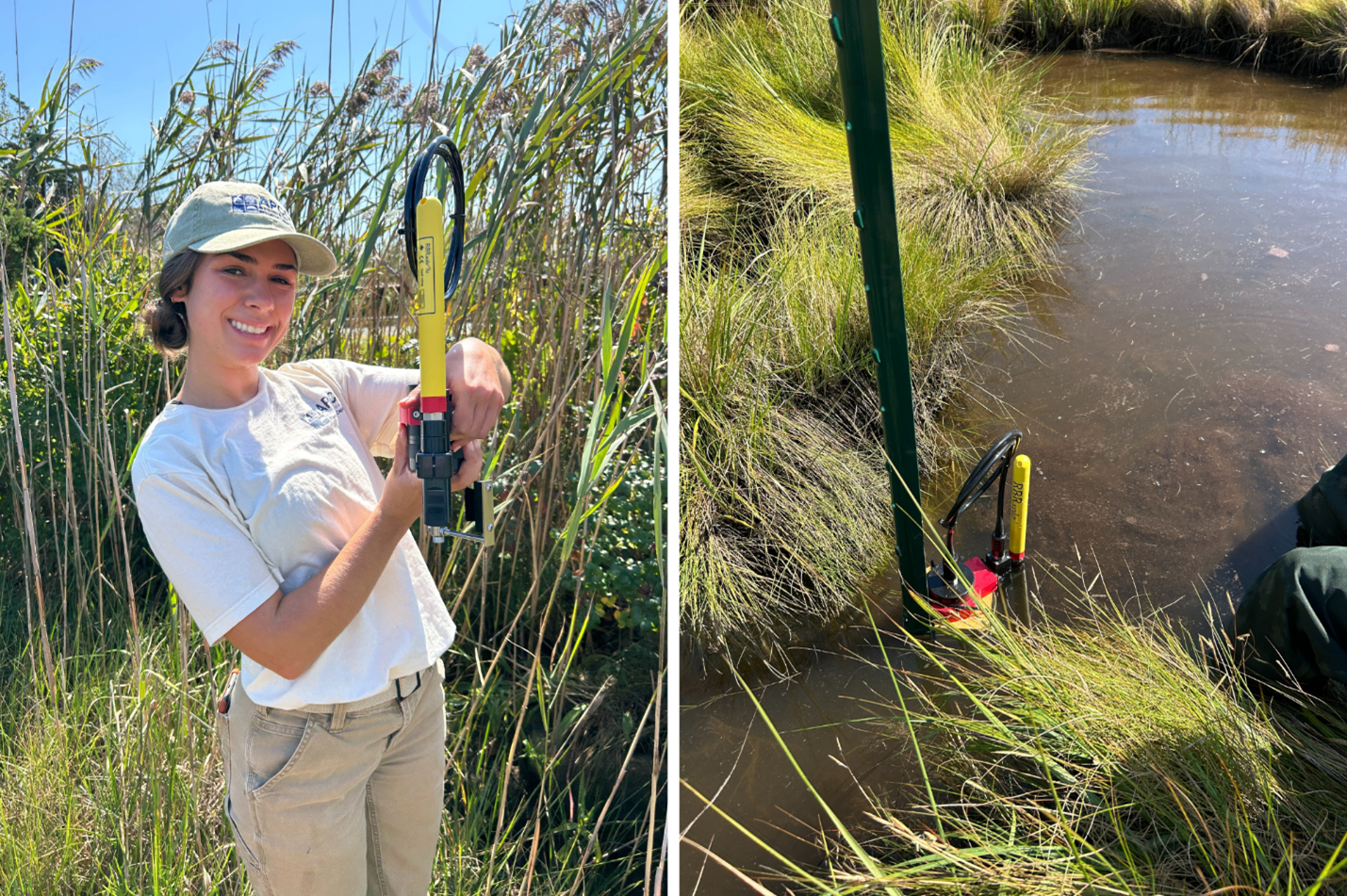
Above: Lydia Reinhardt, ecosystem restoration intern, holding a soon-to-be-installed turbidity sensor (left), and the sensor fully installed and collecting data in the salt marsh (right). |
New Dashboard Released with 2025 Cape Cod River Herring Results
Each spring, river herring return from the ocean to freshwater ponds across Cape Cod to spawn. These fish are an important part of the Cape’s ecology and history, and APCC’s Cape Cod River Herring Monitoring Program—powered by dedicated community science volunteers—tracks the health of these runs each year.
For many years, APCC shared results through a PDF summary sheet, which offered a valuable annual snapshot of river herring runs across Cape Cod. Building on that foundation, APCC has developed the Cape Cod River Herring Monitoring Dashboard—an interactive online tool that makes it easier than ever to explore the data, visualize trends, and see the story of herring runs unfold in real time.
APCC is pleased to release the updated dashboard with 2025 river herring results. The new dashboard replaces the old PDF and provides an easier way to view, compare, and understand herring runs across the Cape.
The dashboard includes several key features, including: -
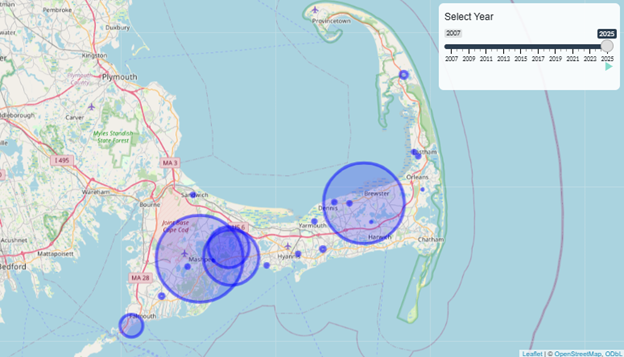
Geographic overview (Top Plot): A Cape-wide map shows the location of monitored runs and their 2025 indices, making it simple to see how different runs compare.
-
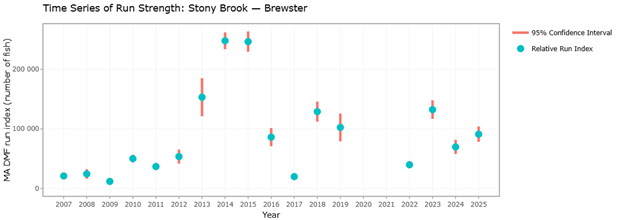
Run size over time (Middle Plot): A example graph showing the Stony Brook run in Brewster illustrates how the estimated number of fish has changed from year to year, with 95% confidence intervals included.
-
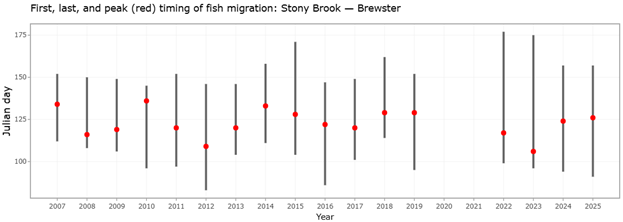
Run timing (Bottom Plot): Another chart shows when runs like Stony Brook first began arriving, when the run ended, and the peak migration date (marked with a red dot).
These tools give volunteers, scientists, and the public a clear view of patterns in herring populations and migration timing, and allow users to track changes over the years. Data can also be downloaded directly from the website for further exploration.
The 2025 dashboard release includes results for nearly all monitored rivers, with final returns from Pilgrim Lake (Orleans) and Herring River (Harwich) to be added once available.
APCC’s monitoring program depends on the dedication of volunteers who spend spring days along Cape Cod’s rivers and streams counting herring as they migrate upstream. Their observations create one of the most complete records of herring populations in the region and provide valuable information to local, state, and federal resource managers.
The new dashboard makes these results widely accessible. Whether you are a volunteer, researcher, teacher, or simply curious about herring, the data is now available in a clear, interactive format. Explore the dashboard here: apccorg.shinyapps.io/herring_monitoring
With the new platform, APCC will continue to build a living record of Cape Cod’s herring runs—highlighting the importance of these fish, the communities who count them, and the shared effort to preserve them. |
|
|
APCC's Pond Programs
<º/,}}}}}}}=<{ <º/,}}}}}}}=<{ |
|
|
Cyanobacteria Program 2025 Summer Intern Spotlight: Sullivan Gaffney |
|
|
Cape Cod Pond Watchers Bio-survey Program
~ a training video on how to use the Survey123 app to log your observations in pondside! |
| |
|
APCC's Cyanobacteria Monitoring Program |
|
|
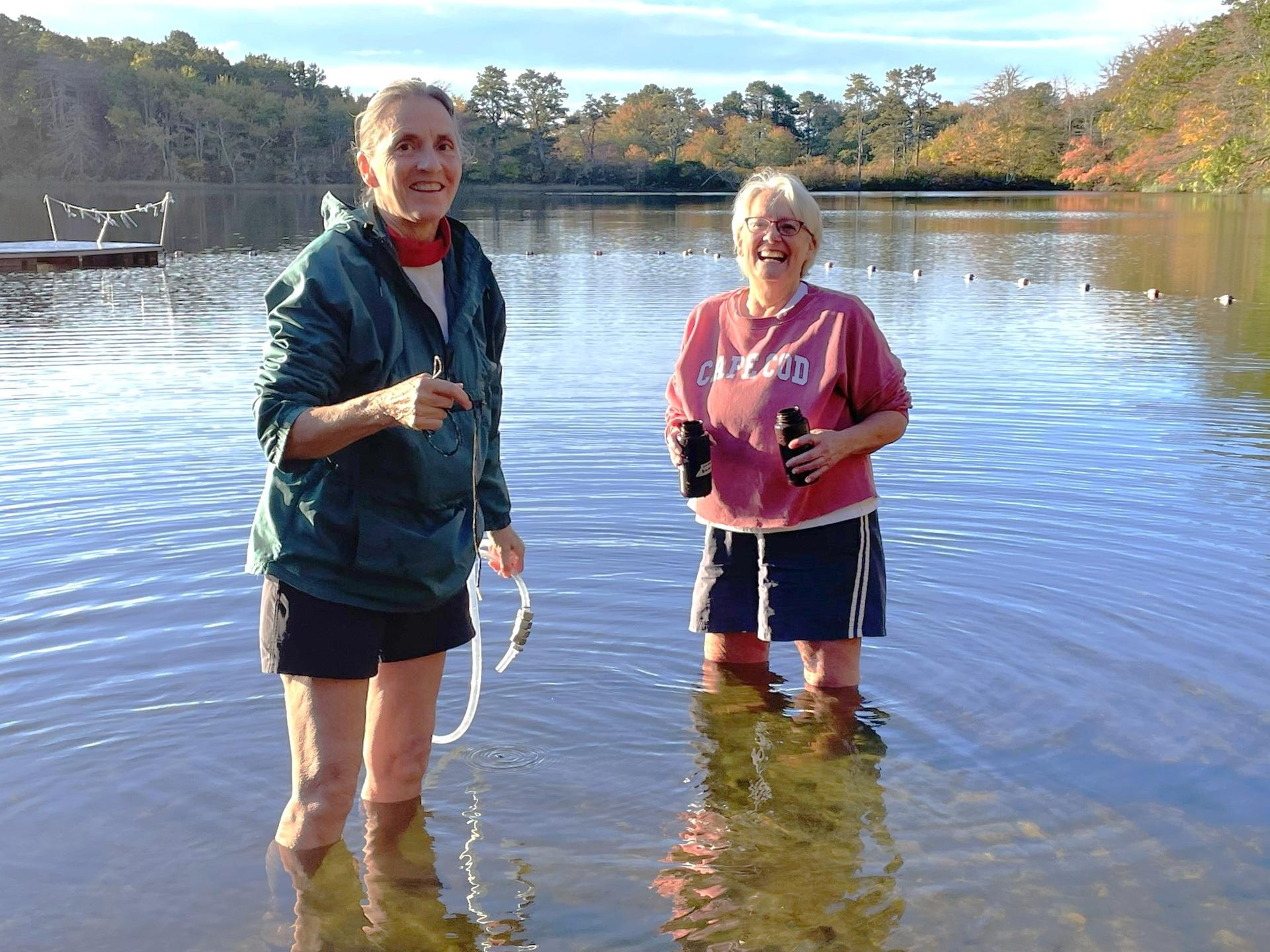
Above: Kristi Dondlinger and Karyn Frey, Brewster Ponds Coalition volunteers |
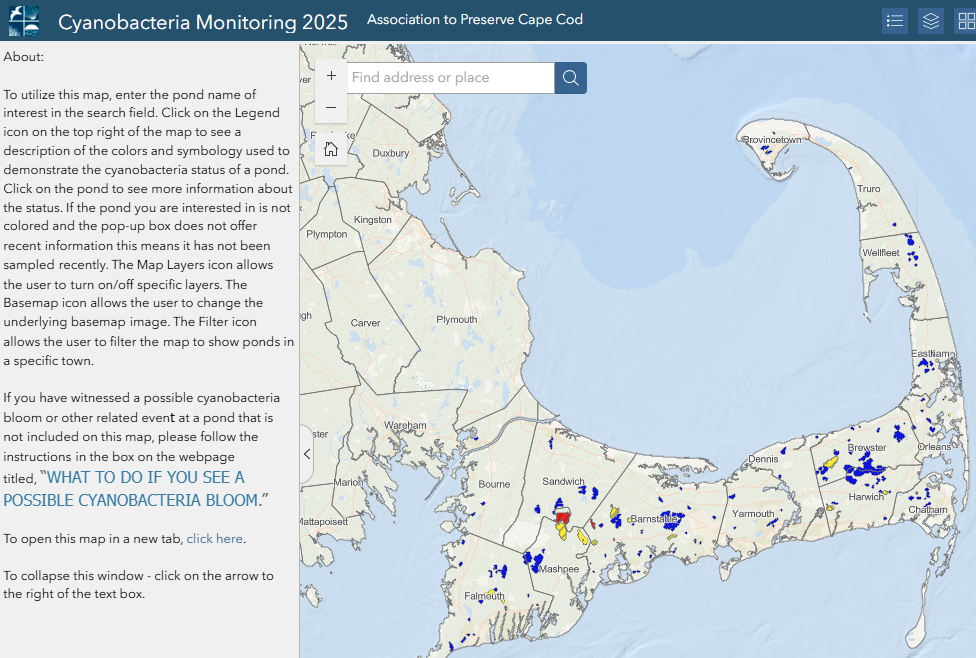
We are still at it: monitoring for potential cyanobacteria blooms through November 6th! The fall season normally brings less ponds to sample and smaller staff size, but cyanobacteria blooms keep occurring. These are the towns APCC is continue to monitor until the end of the season: Barnstable, Brewster, Chatham, Eastham, Falmouth, Harwich, Mashpee, Orleans, and Wellfleet. |
We monitor for potentially toxic cyanobacteria blooms that are of concern for pets, children and wildlife who are especially susceptible to health impacts due to their lower body weight and ingestion. |
|
|
|
Check on the status of your favorite pond on our interactive map. If you see what appears to be a bloom, take a picture, note the day, location, and time and notify the local health department, and email to cyano@apcc.org.
Sign up for cyanobacteria email alerts.
Please note: The cyanobacteria alert is only sent out when a concern is first identified at a pond. All updates following this initial notice are shared on APCC’s interactive map. |
|
|
APCC's Ecolandscape Consultation Program Concludes for 2025 |
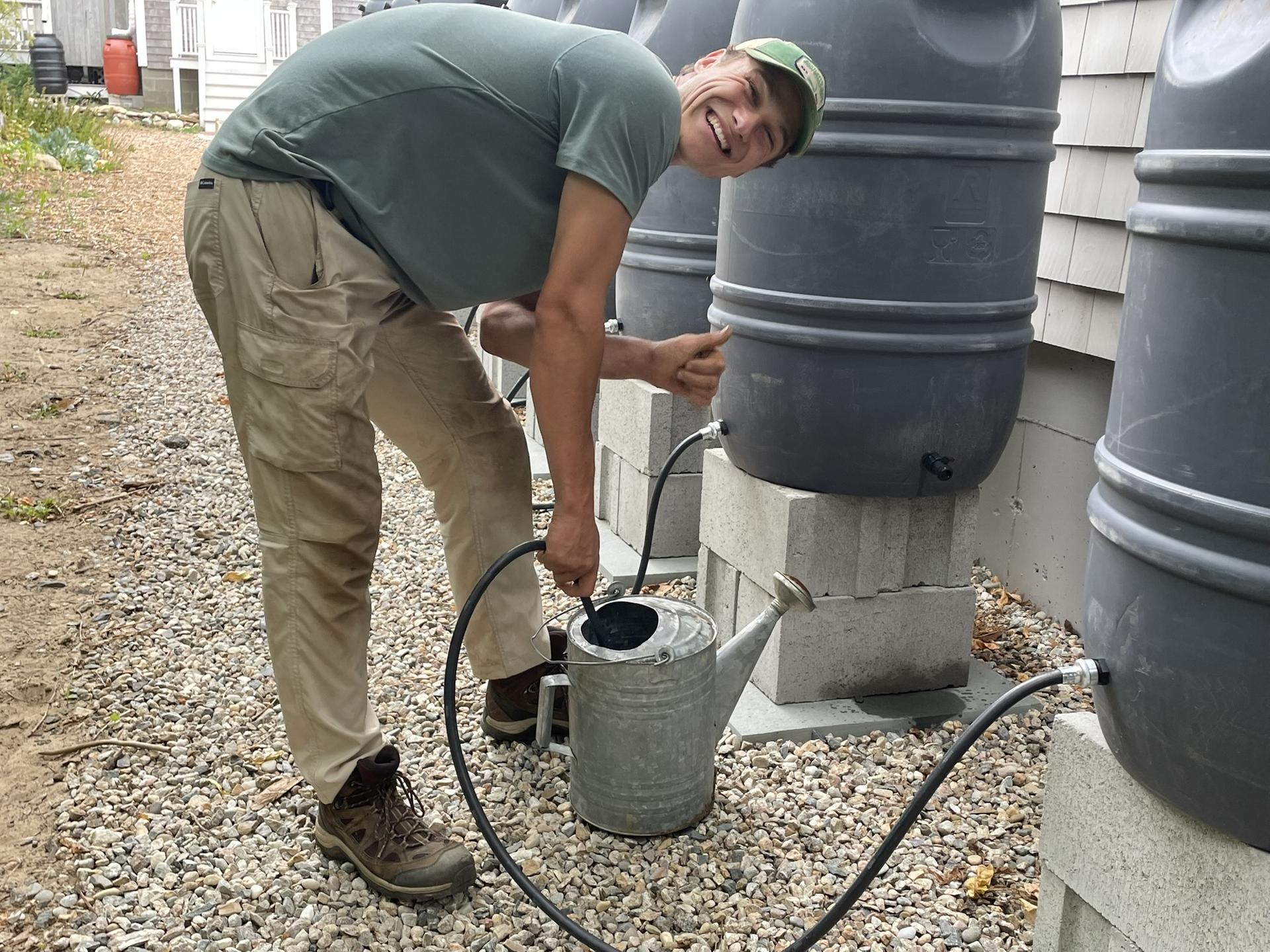
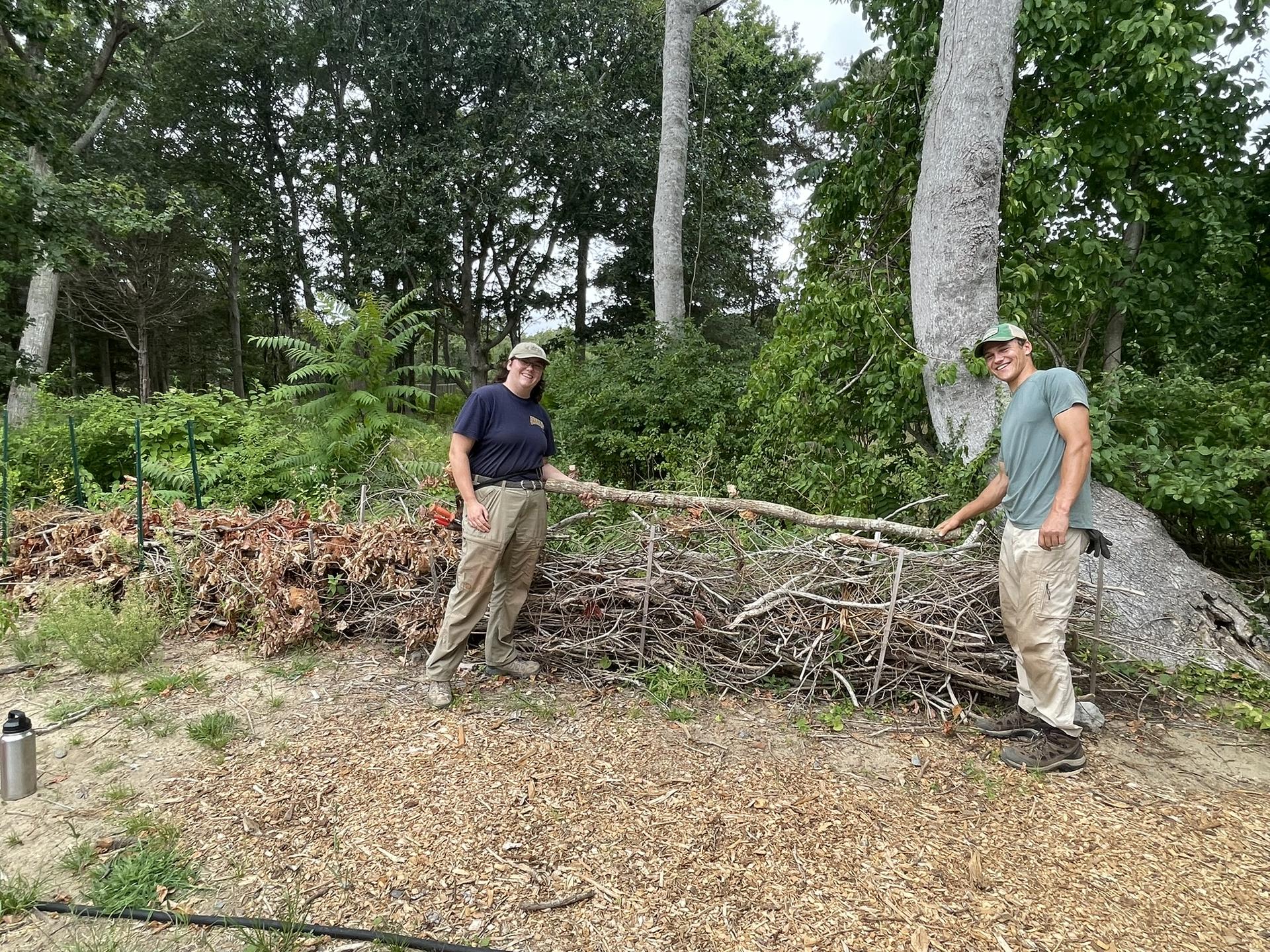
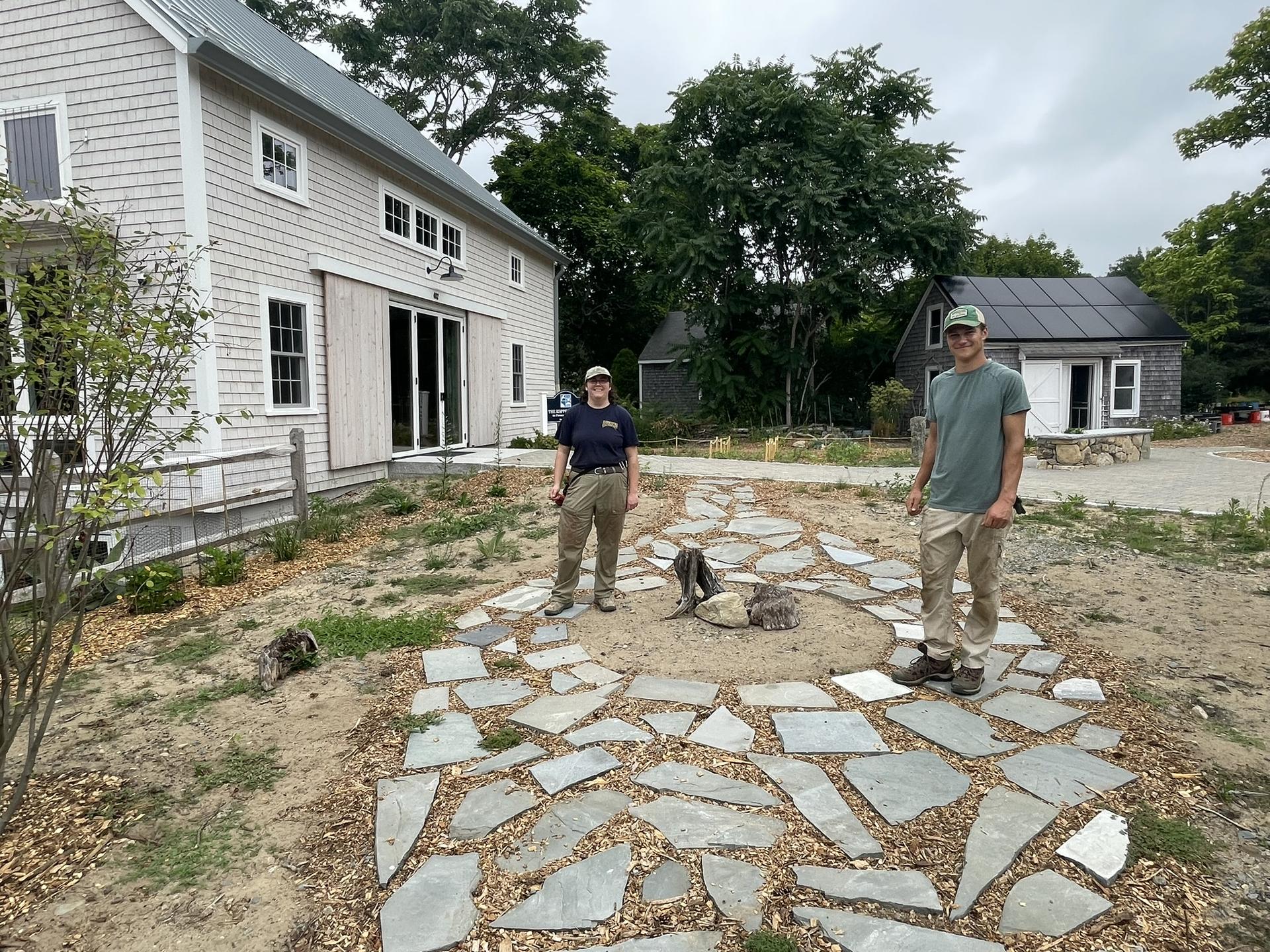
Our seasonal consultation program has concluded. Alan Ives, this summer's APCC ecological land care intern, has moved on to his next life experience: Colorado beckons him! Hear from Alan in this short video with his parting comments about his summer spent with APCC. We wish him well, and appreciate the energy and enthusiasm he gave to our program and the difference he made in APCC's living landscape project. |
|
|
APCC Upcoming Events and Workshops |
|
|
| Nibbling on Native Plants in
Your Back Yard and Beyond Wednesday, October 8, 2025
10:00 a.m. - 12:00 p.m. In person at the Koppel Center at APCC headquarters and virtual |
|
|
This event is hybrid and Russ's presentation will be recorded.
Seating is limited. Virtual attendance is unlimited. The event is free.
For more information and to register, CLICK HERE. |
|
|
A Cape-wide Conservation Event Calendar |
The Compact of Cape Cod Conservation Trusts (“the Compact”) and its nonprofit members launched a new regional calendar of events. The Conservation Calendar includes programs across Cape Cod hosted by these groups. The goal of the calendar is to encourage visitors and residents to take part in nature and environmental events. You can always find the link to the calendar on APCC's website under News & Events.
|
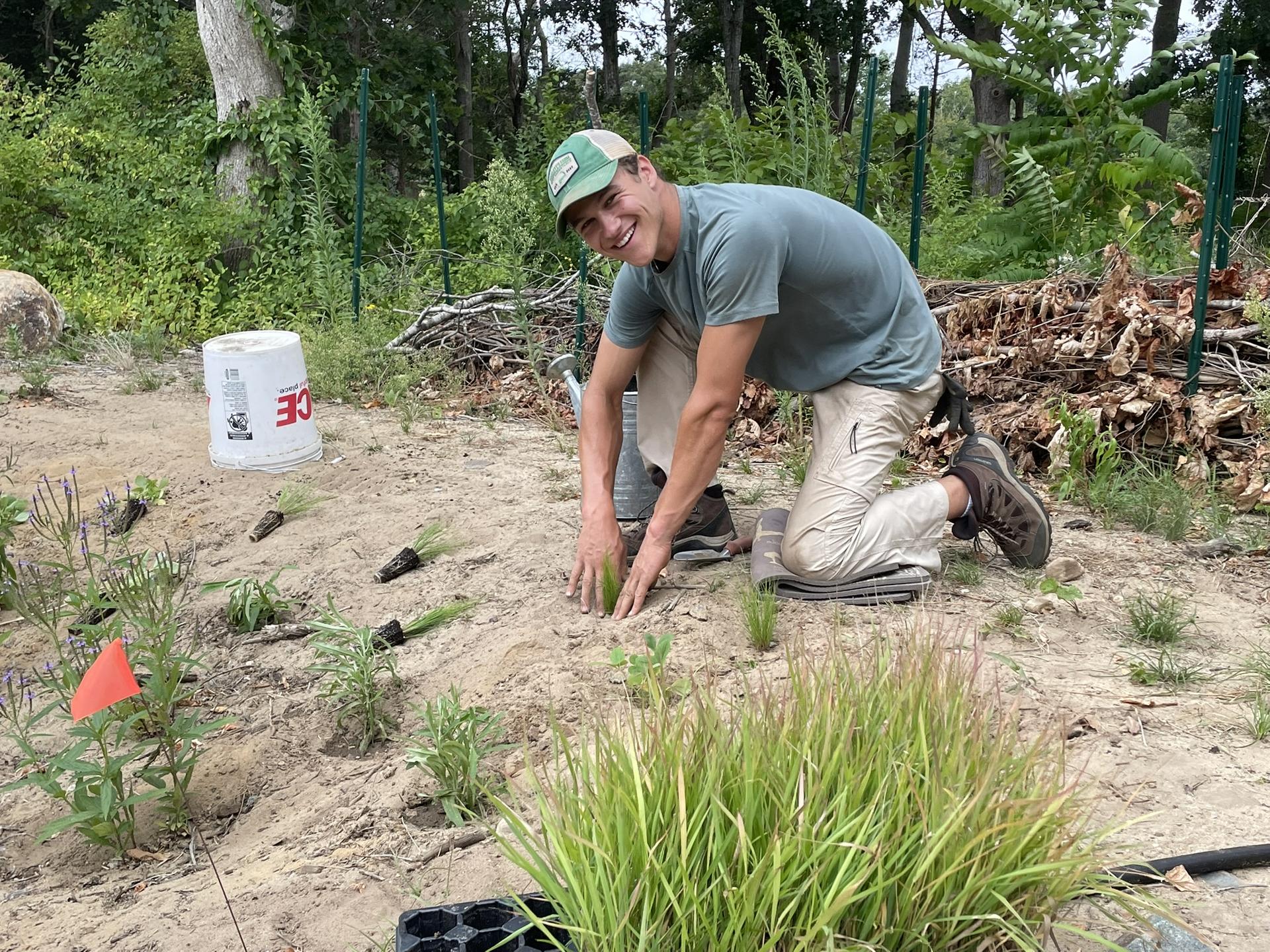
If you are a farmer or someone who wants to grow native plants to sell, or just want to be updated on the program's development, please submit an interest form that appears on our webpage. We will be sending periodic email notices of workshops and meetings.
Funding for the project is provided by Barnstable County and its Economic Development Council License Plate Grant Program through the Cape Cod Commission. |
|
|
A Cape Cod Native Plant-selector
~ to help you choose the perfect native plants for your garden. |
|
|
Email kandres@apcc.org and we'll send you a CapeCodNativePlants.org decal. |
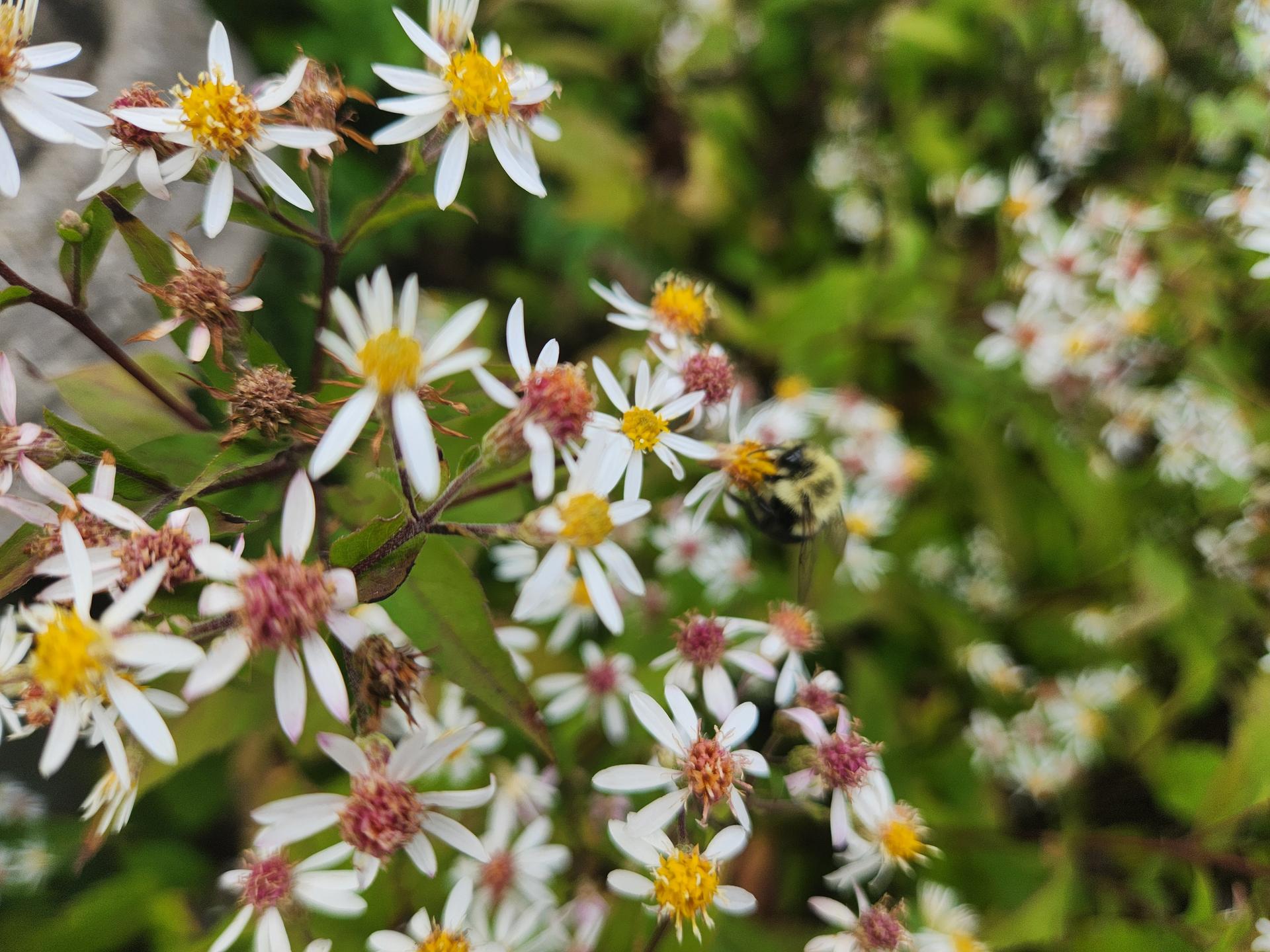
| White Wood Aster
Eurybia divaricata |
|
|
|
The Guidelines gives homeowners steps they can take in the design and maintenance of their properties that will support pollinators and birds, manage stormwater, conserve water, and protect the Cape's water quality. This 40-page booklet is beautifully illustrated by Marcy Ford with content that is easily digestible and supported by numerous resources for additional learning.
|
|
|
We are grateful for the several retail shops that are partnering with us to make this publication more widely available: Brewster Book Store, Birdwatchers General Store, Crocker Nurseries, Wellfleet Audubon Wildlife Sanctuary, Cape Abilities Farm, Cape Cod Museum of Natural History, the Cape Cod Lavender Farm, Heritage Museums and Gardens, Titcomb's Bookshop, Sea Howl Bookshop, Soares Flower Garden Nursery, and Eight Cousins Bookshop.
If you are a retailer and would like to sell this publication at your store, please contact us. |
|
|
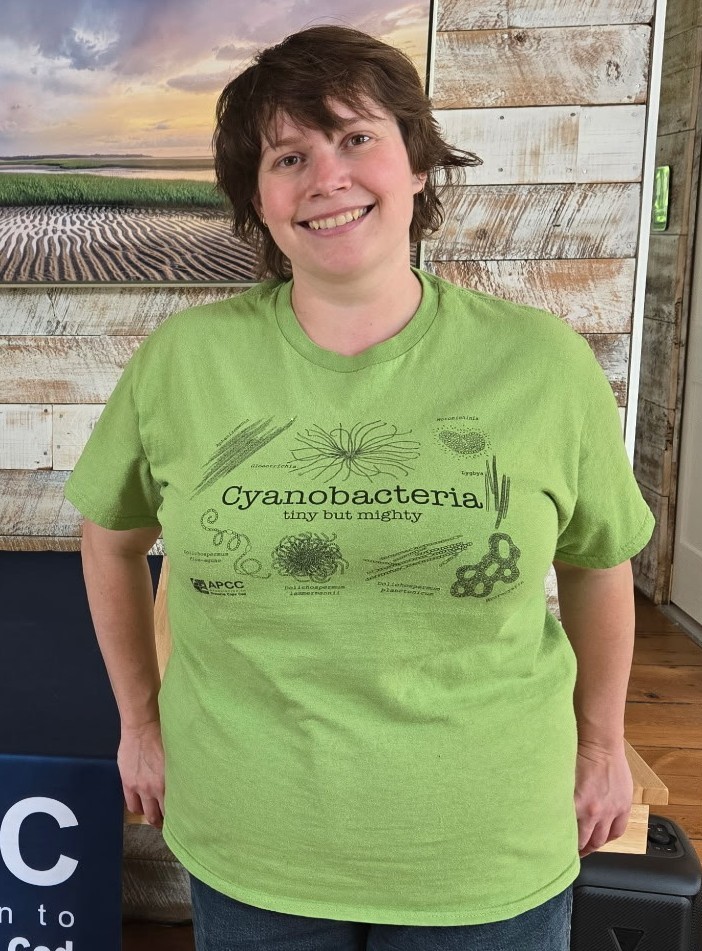
| Cyanobacteria ~ tiny but mighty
color kiwi $30 includes USPS shipping |
|
|
APCC caps
$25 -includes USPS deliver in the U.S. |
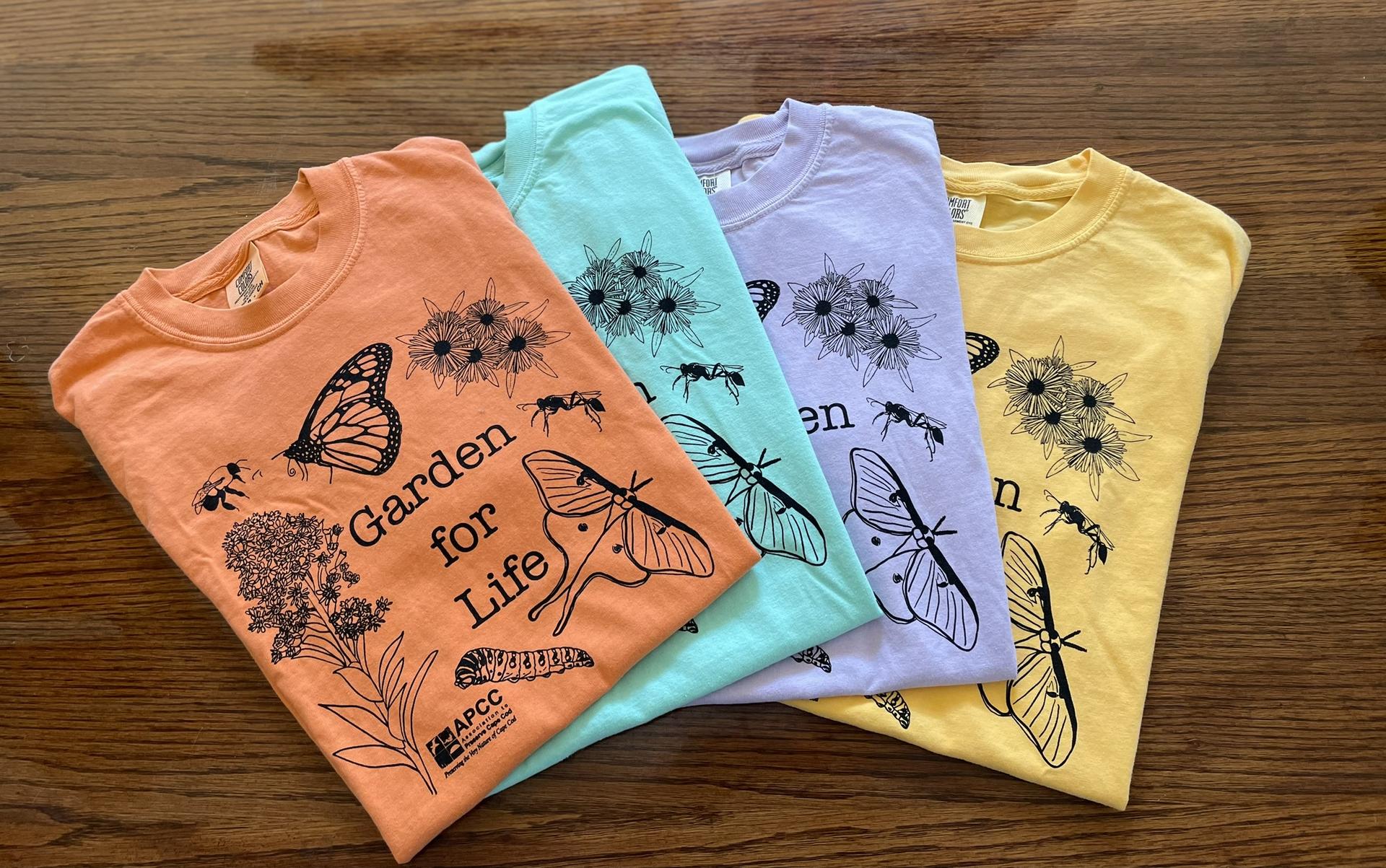
| Garden for Life T's $30 -includes USPS delivery in U.S. |
|
|
|
Rain Barrels for Cape Cod
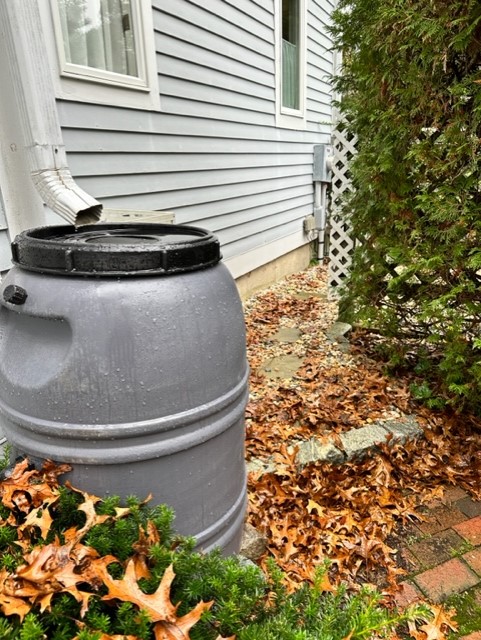
Order online from Upcycle Products $122 each includes shipping to your door APCC receives a portion of the proceeds.
These are 55 gallon, repurposed food barrels. For more information, click here. |
|
|
| APCC eNewsletters.
Our weekly newsletters are archived on our website and easily shared.
You can find past newsletters and share with your friends. Encourage others to sign up for future enewsletters HERE.
|
|
|
Are you thinking of going solar? We hope so!
In partnership with E2 SOLAR in Dennis, APCC receives $500 for every solar installation when APCC is named as referral. |
|
|
|
Thank you to the homeowners who just contracted to install solar panels through E2 Solar. May the sun always shine for you! |
|
|
Expressions Gallery, 578 Main Street, Chatham
CLICK HERE |
Expressions Gallery donates 20 percent of its profits to APCC's work. |
|
|
Thank you to our business sponsors! |
|
|
APCC is rated four stars by Charity Navigator,
2024 Platinum by Candid (formerly Guidestar), and 2024 Top-Rated by GreatNonprofits. |
|
|
Our Contact Information
*{{Organization Name}}*
*{{Organization Address}}*
*{{Organization Phone}}*
*{{Organization Website}}*
*{{Unsubscribe}}* |
| |
|
|