Association to Preserve Cape Cod |
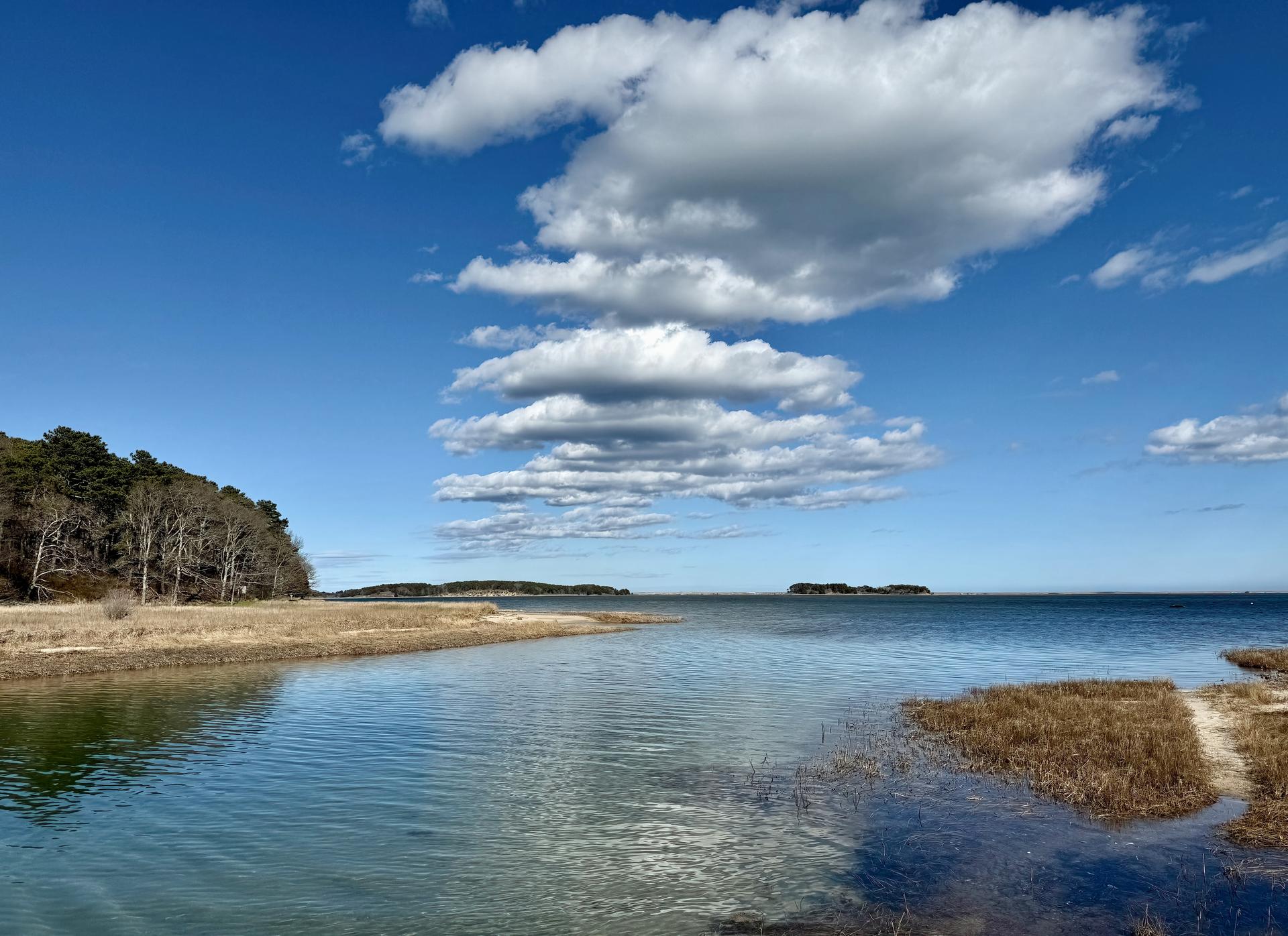
Above: Portanimicut, Orleans. Photo by Sue Machie. |
|
|
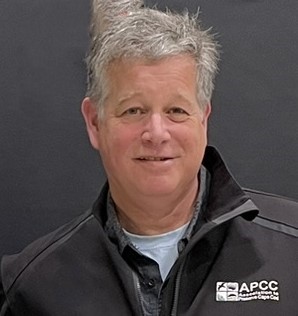
| It's Not Just the Environment by Andrew Gottlieb, APCC Executive Director |
Just in the last week in lead up to Earth Day, the federal government furthered its assault on environmental protections by further reducing EPA’s ability to help gather basic scientific information on chemicals and their impact on public health. Previously protected ocean monuments were opened to exploitation. They issued proposed amendments to the Endangered Species Act implementation rules to state that the destruction of rare species habitat is no longer considered a harm. Now, if you are careful in the construction of that dam or clear cutting of that forest to avoid killing the endangered species of choice, you are free to destroy the place where they live or reproduce. In this construct, we still protect endangered species from harm, it just doesn’t do much to, you know, actually help them not be endangered.
|
|
|
The bad acts of this past week must be taken in context with previously announced actions that have frozen funding for environmental restoration projects, halted almost all climate related funding and research, shut down environmental public health research funding and the firing of countless experienced environmental professionals across multiple agencies. While professing support for clean water, clean air and environmental quality, the administration has used Orwellian twisting of language to cover up egregious rollbacks like the redefinition of the term “harm” in the application of the Endangered Species Act. Like many things in life, watch what this crew does, not what it says.
It’s easy to look at all this and dismiss it as simply turning over natural resource exploitation to the environmental movement’s traditional boogeymen, but this is much more than that. And far more sinister. These rollbacks and funding cuts can’t be seen in isolation as just environmental. What is happening here, as pointed out by David Brooks last week, is the accumulation and consolidation of power in the hands of the current occupant of the Oval Office. By methodically cutting off funding for research, instilling fear of retribution to silence opposing voices, compromising the ability of the legal profession to represent clients with views that counter those of the government, and by raising questions about the ability to avoid jail without due process, the administration is methodically shutting down voices that could counter the official pronouncements of what the truth is now deemed to be.
Think about it for a minute. When no one is funded to determine what levels of pollution are acceptable in your air, water or food, there are no organizations to say things are getting worse, and anyone who knows better stays silent out of fear, then the government can tell you any version of their truth or assign blame without fear of contradiction. That’s the end game here, complete control of the narrative.
While the environment took a whack, this really isn’t just about the environment. It is not even really about the policy differences every administration is entitled to pursue. It’s about the extinguishing of the commitment to the freedom of thought and expression and the retaining of the ability to have and share views not blessed by the government. An attack on research, free thinking and expression, tax exempt status, access to representation and adherence to the rule of law and due process, no matter the specific sector being targeted, is an attack on all of us.
We all must resist the reflex to ignore that which doesn’t obviously and directly affect us and realize that unless you speak up for someone else or some other sector there will be no opportunity to do so, and perhaps no one left, when they come for you and your interests. We either hang together in defense of a knowledge- and science-based lawful world order or we hang separately. |
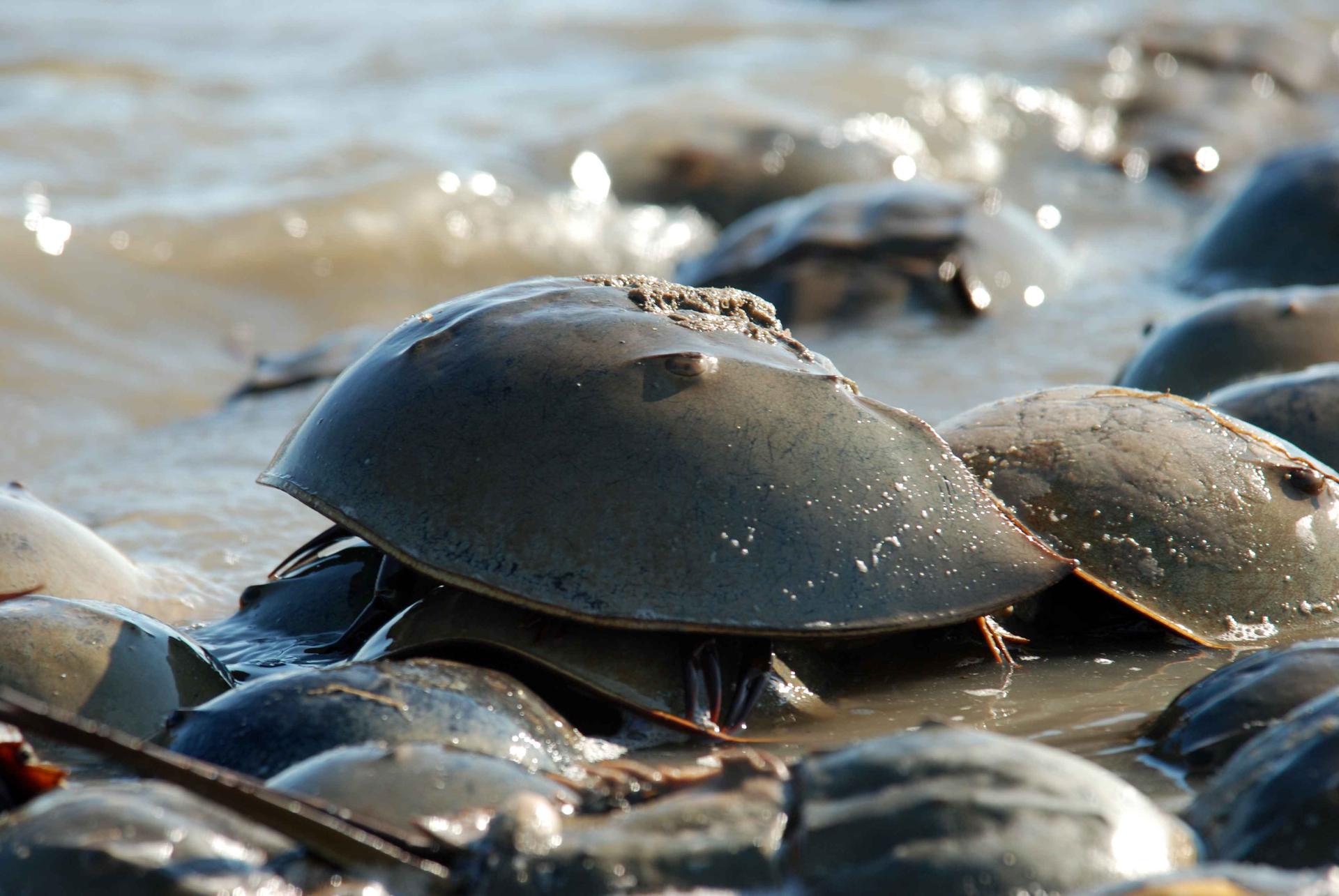
Above: Horseshoe crabs. Photo credit: Breese Greg, U.S. Fish and Wildlife Service, public domain, via Wikimedia Commons |
Bill H.898, An Act to End the Taking of Horseshoe Crabs for Bait Help protect a 450-million-year-old species that underpins both ecological and human health. Horseshoe crabs play a vital role in both coastal ecosystems and public health: -
Their eggs are a critical food source for migratory shorebirds, including the threatened red knot.
- They are slow to mature, taking 11 years to reach reproductive size, making them highly vulnerable to over-harvesting.
- Horseshoe crabs are taken just when they come ashore to spawn.
As we await the full transition of the pharmaceutic industry to synthetics, it is imperative to reduce preventable mortality. Bait harvest killed over 140,000 crabs last year in Massachusetts.
A personal letter will carry the most weight. Please write to your legislators and/or the Joint Committee on Environment and Natural Resources right now. Ask them to help move Bill H.898 out of committee. Legislator Letter Template (a Word doc. that you can personalize)
Fact Sheet for Legislators; One-pager Information Sheet; Joint Committee on Environment and Natural Resources; Find My Legislator
For more information, visit horseshoecrabs.org.
Thanks to the Southeastern Massachusetts Pine Barrens Alliance for providing the above content. |
APCC Ecosystem Restoration Program |
|
|
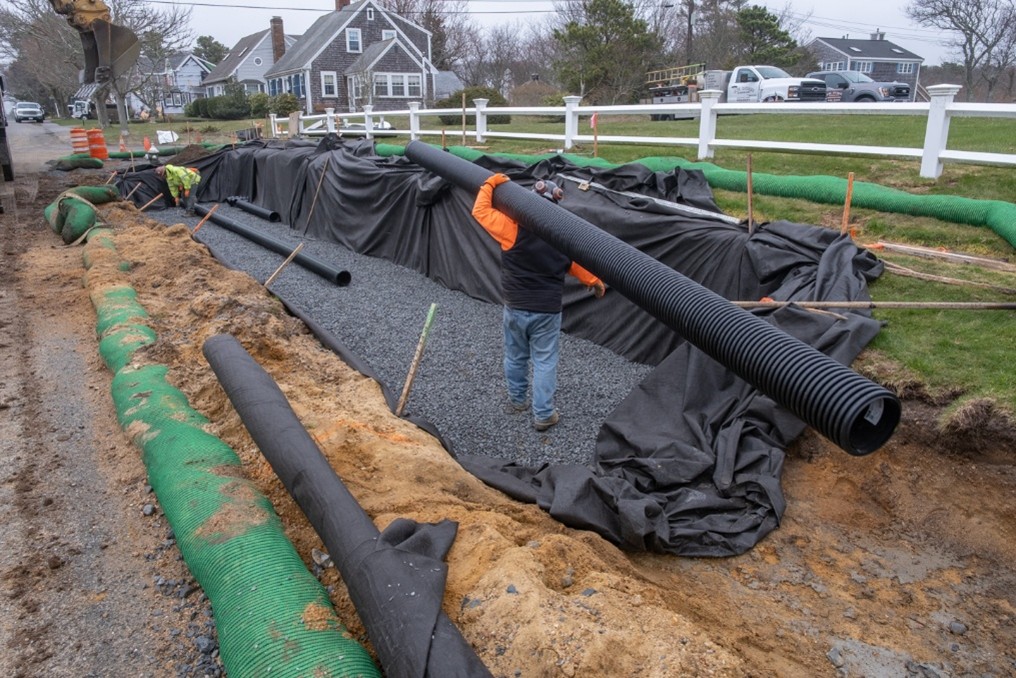
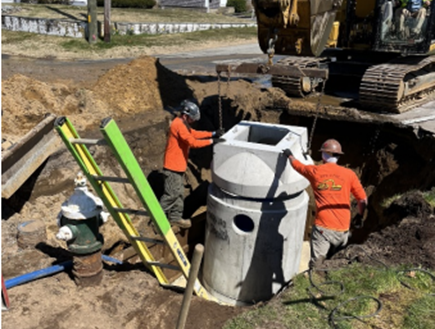
Above: Installation of underground piping that guides stormwater from the water quality unit through the infiltration trench. Photo credit: Gerry Beetham |
| Above: Water quality unit being installed at Standish Way. Photo credit: Michelle West |
|
|
Green Stormwater Construction Updates at Standish Way in Yarmouth |
|
|
This past week, crews installed new stormwater infrastructure along Standish Way in West Yarmouth, including a water quality unit, excavation for an infiltration trench, and a base layer of gravel for a porous pavement sidewalk.
Stormwater will first flow into the water quality unit, which traps sediment, debris, trash, and oil. From there, water will move into the infiltration trench, where native plants and shrubs provide natural filtration to remove pollutants such as bacteria, nitrogen, and phosphorus. The gravel base also marks the first step toward completing the new porous sidewalk, which will help further reduce runoff.
In the coming weeks, contractors will backfill the infiltration trench with native soil and complete the planting of native shrubs. Work will then shift to constructing a bioretention area—a shallow, vegetated basin that captures and treats stormwater runoff. The project will wrap up with final plantings throughout the site. Once complete, these upgrades will improve water quality in Lewis Bay, benefiting shellfish beds and providing long-term environmental benefits.
The town of Yarmouth has contracted J.W. Dubis & Sons to complete the excavation and installation of the stormwater infrastructure. O’Leary Landscaping & Irrigation, as subcontractor, will implement the planting and seeding plan.
Funding is provided by the Massachusetts Office of Coastal Zone Management’s Coastal Habitat and Water Quality Grants Program, the town of Yarmouth, and the USDA Natural Resources Conservation Service (NRCS). NRCS and the Cape Cod Conservation District also contributed technical support and site design expertise. For more information on the Yarmouth Stormwater Project, including this and other prioritized sites, visit APCC’s Yarmouth Stormwater webpage. |
|
|
From Sensors to Solutions: Tackling the Mashpee River’s Challenges |
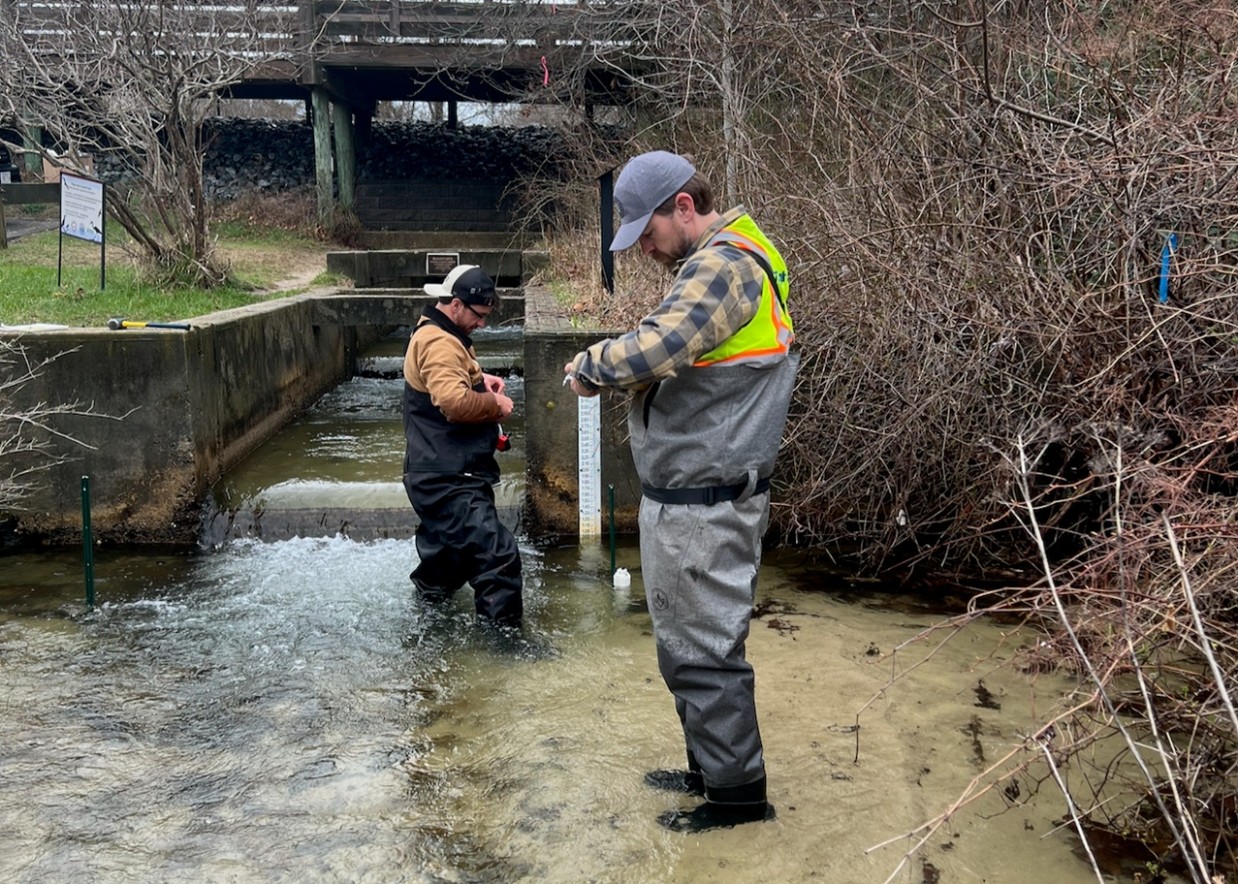
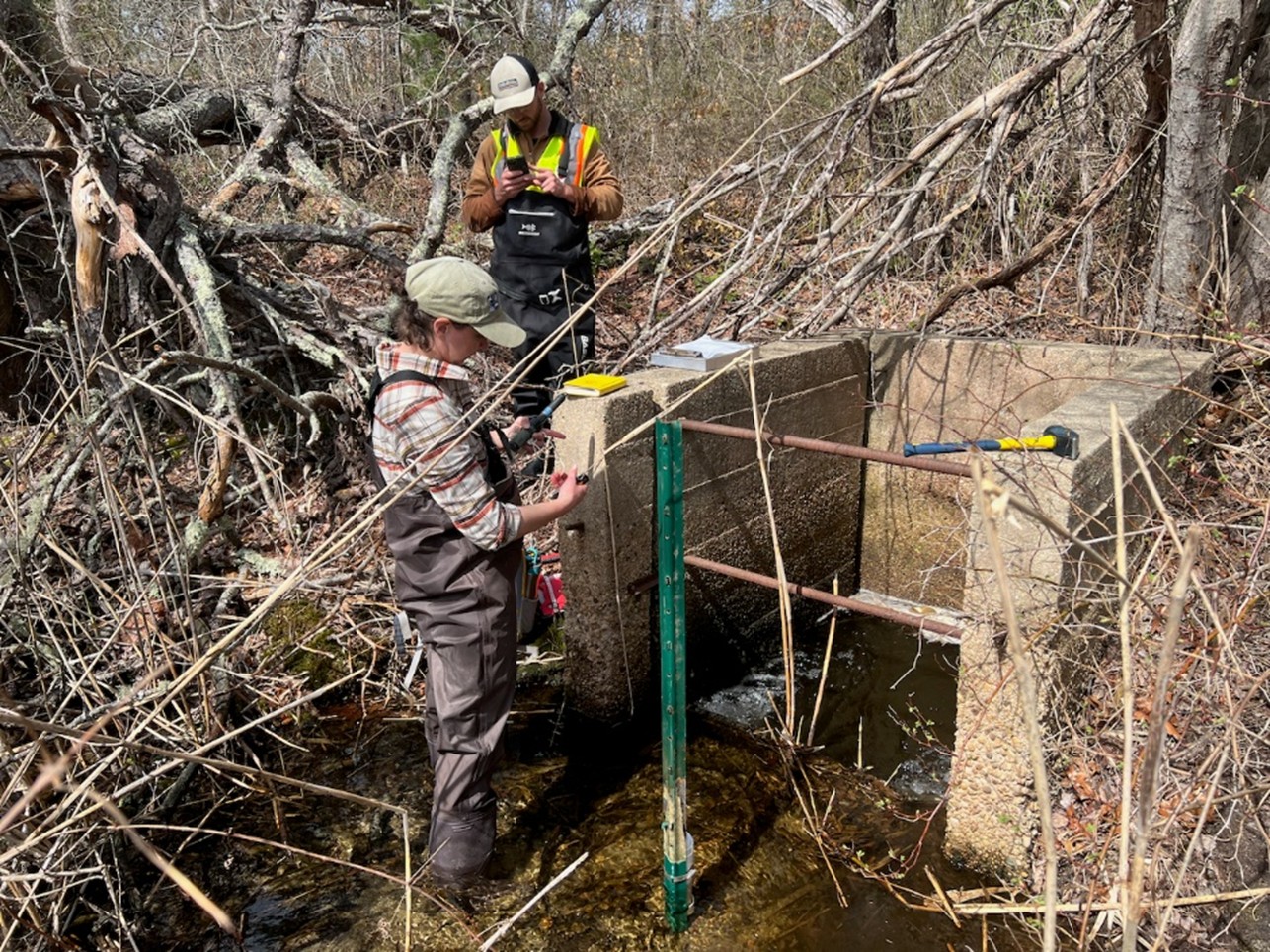
Above: Kris Houle and Austin Cahill (Tighe & Bond) finish installation of a water level logger below the fish ladder on the Mashpee River. The fish ladder exits Mill Pond, a warm water impoundment of the upper Mashpee River. |
Recently, our restoration team, in collaboration with Tighe & Bond, initiated field monitoring along the Mashpee River, a key habitat for native sea-run brook trout on Cape Cod and one of the Cape’s largest river herring runs. By deploying monitoring instruments, we are taking an important step toward understanding and protecting this freshwater ecosystem and the species it supports.
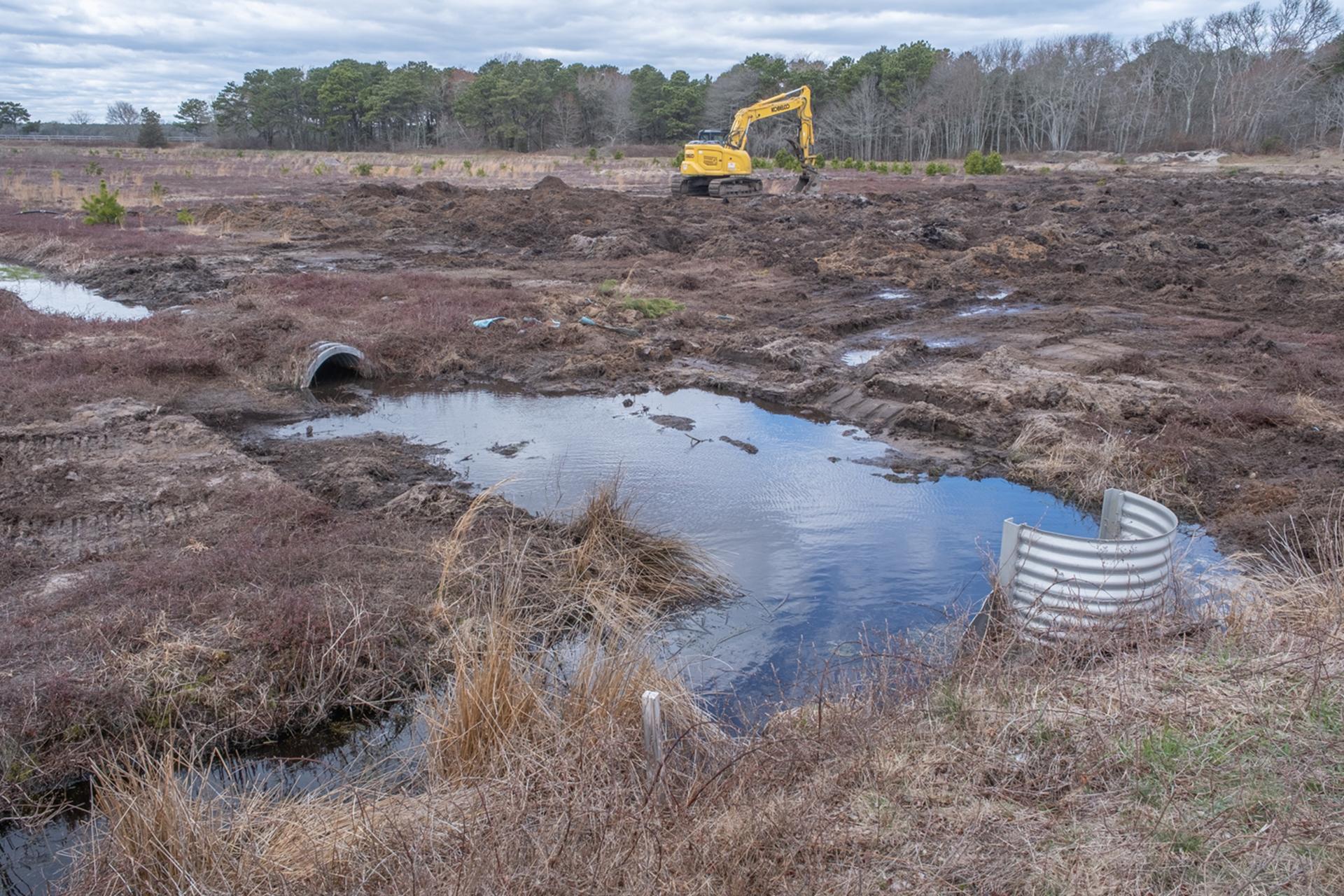
The Mashpee River flows south from Mashpee-Wakeby Pond, winding through former cranberry bogs before entering the wooded valley of the Mashpee River Reservation. In its lower stretches, the river benefits from cold groundwater seeps, maintaining a cool, clear environment vital for brook trout. However, human alterations to the upper river have created barriers that obstruct the movement of migratory species, including river herring and brook trout. Erosion and sedimentation have also caused the river to shallow, reducing its depth and flow. This has raised water temperatures, putting stress on cold-water species and making them more vulnerable to predation.
|
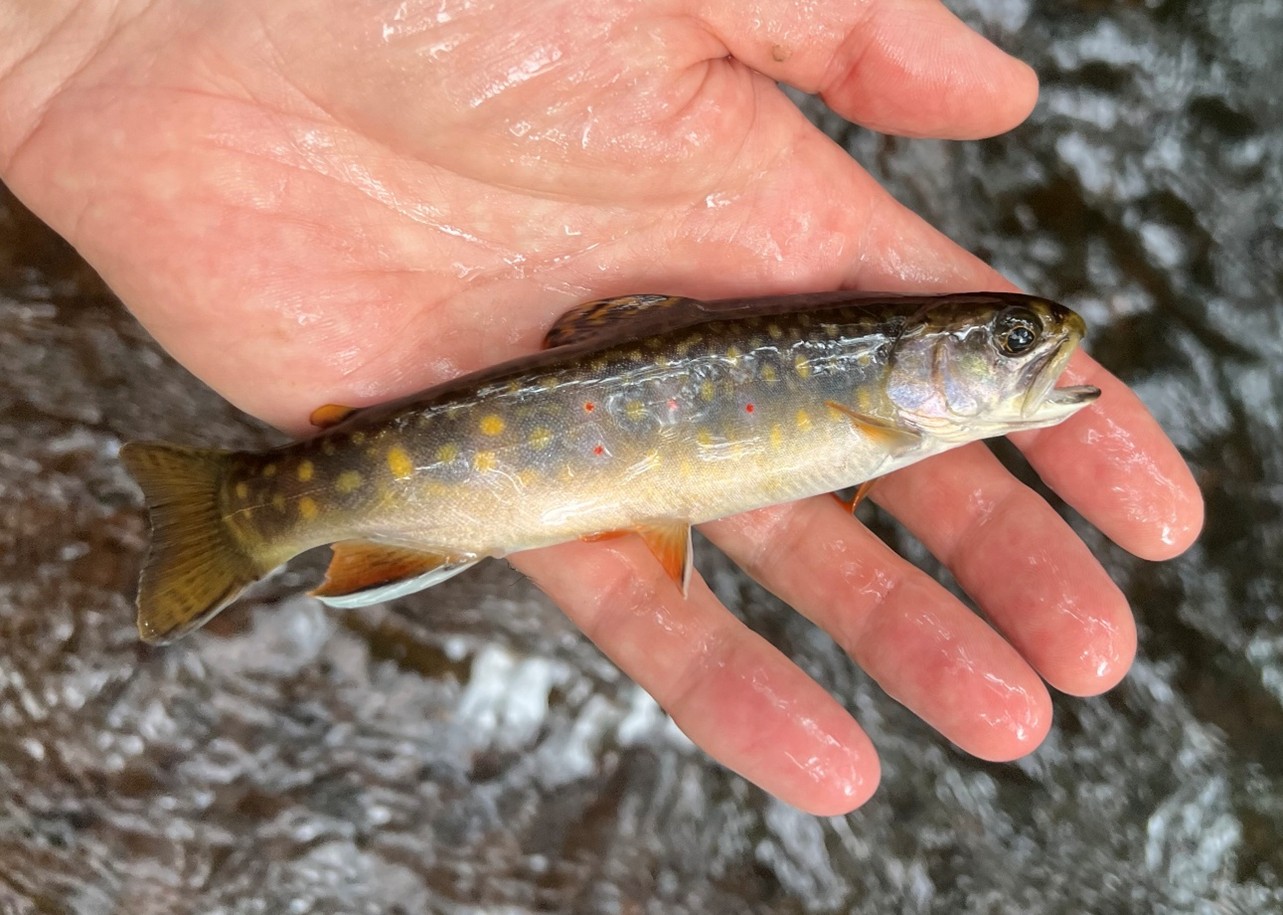
Above: A Mashpee River brook trout |
To assess these changes, we’ve deployed sensors throughout the river’s watershed. These sensors will monitor key factors such as stream temperatures and water levels, providing continuous data on the river’s health. These data will help us pinpoint areas where natural flows can be restored, identify sources of warm water entering the system, and map temperature habitats that are critical for brook trout and other cold-water species. Armed with this information, we can work with the community to identify restoration priorities, and develop focused, science-driven strategies for conservation and restoration.
This project is supported by funding from the NOAA Restoration Center, alongside contributions from private foundations. This work complements ongoing restoration efforts led by the town of Mashpee in partnership with the Cape Cod Conservation District and USDA Natural Resources Conservation Service. These partners are actively addressing fish passage challenges in the upper Mashpee River, helping to remove or modify barriers and improve conditions for migratory species like trout and herring. Together, these coordinated efforts are laying the groundwork for a healthier, more connected river system. Over the coming months, we’ll monitor the equipment and analyze the data. Stay tuned for updates from the field, photos of the river, and insights from our research.
If you’d like to get involved in the Mashpee River restoration project, please consider joining the Source to Sea initiative. The community-driven effort aims to engage the community in helping to shape the restoration of the local resources. The "Source to Sea" kickoff event will take place on Saturday, May 3, 2025, from 9:30 a.m. to 12:30 p.m. at the Mashpee Wampanoag Tribal Headquarters.
|
Above: Jordan Mora (APCC) and Austin Cahill (Tighe & Bond) install a water level logger near the Washburn Pond outlet. Washburn Pond is the location of a former cranberry bog along the upper Mashpee River. |
|
|
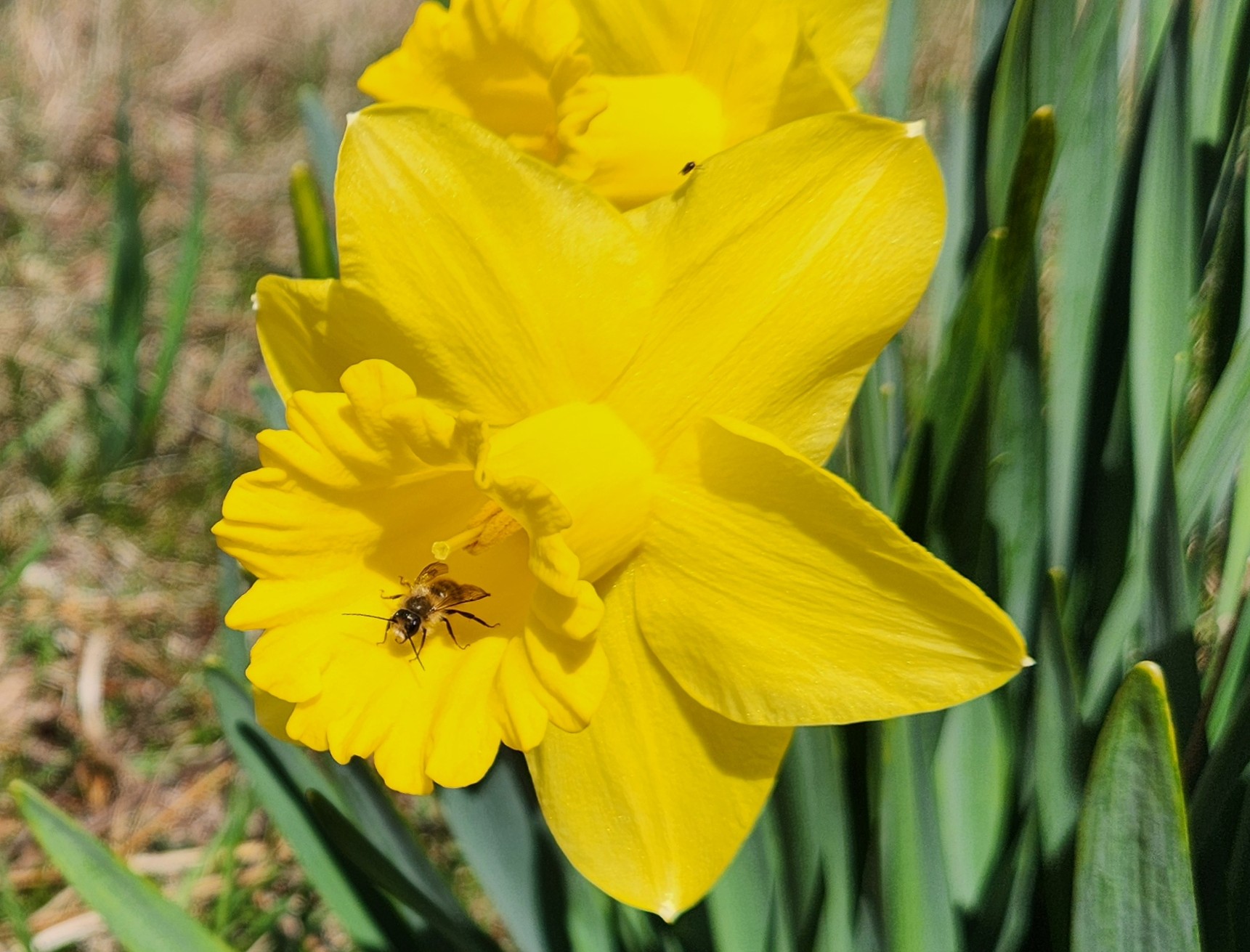
Above: Honeybee on a daffodil, but no nectar or pollen there! |
|
When spring comes around, landscape contractors are itching to get their contract work underway and start charging—and homeowners get the urge to be in the spring air and get at “clean up” (as if their yards need to be tidied to reflect their housekeeping standards).
Absolutely, it is good to be outside, but if we could talk a little bit about one of the routine things done in our landscapes that bears rethinking—and that is the annual practice of adding wood mulch. |
|
|
Somewhere in our landscape history, spreading large expanses of wood mulch became a thing, leaving each plant, tree or shrub to stand alone in a sea of mulch. In the world of landscape design, this is the lowest on the scale of creativity. Understandably, it appeals to those with neatnik tendencies, but it’s not how plants grow. After all, plants are living organisms—not living room furniture. It’s time to rethink the wood mulch mania.
Here are some things to ponder if you are looking for a reason to kick the wood mulch this year. No matter the color you choose (hmm, what do they use to make it black, red, or orange?), the colored mulch is likely made from pallets, which you might think is a good reuse practice. However, not knowing where the pallets came from, or what their earlier purpose was, there’s a good chance they have been treated with fungicides or may have been contaminated with any number of things you don’t want in your yard. Pallets containing pressed wood likely contain formaldehyde. So, you just don’t know what’s in that wood mulch!
The dark hemlock mulch comes from places well north of Cape Cod—with a big carbon footprint that’s something to consider. When bark mulch decomposes, soil nutrients are taken up, reducing their availability to plants growing there. Over time, with each year’s refreshment of mulch, this can result in compaction and loss of important air flow and water infiltration to plant roots.
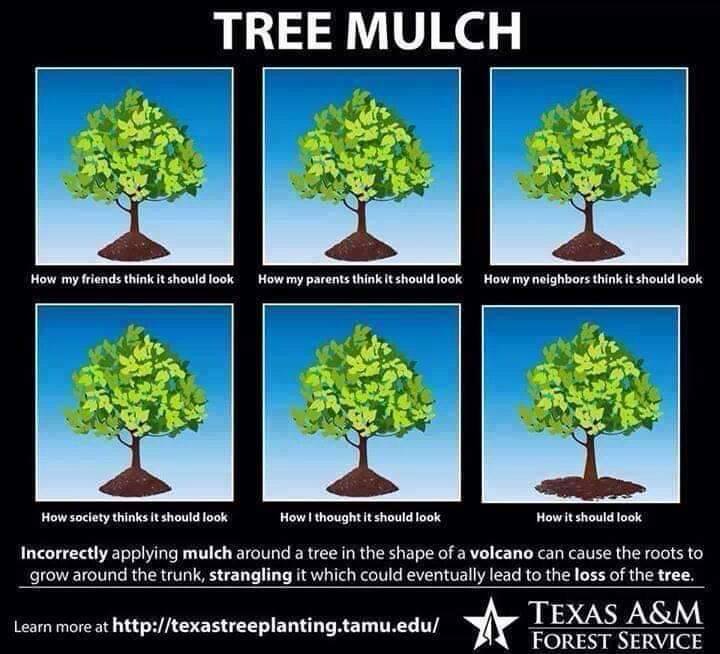
The yearly application of mulch smothers root systems. Around trees—you’ve seen this—the buildup of years of mulch into mounds around the tree trunk that is mockingly called in the ecolandscape world: “mulch volcanoes.” This is bad for the tree as it covers the root flare and invites decay. Don’t do it if you value your trees. If you are interested in supporting pollinators, then know that covering the ground heavily with wood mulch reduces the availability of areas for native bees and other beneficial insects that need to use the subsurface of the soil to nurture their next generation as they are accustomed to doing.
On a side note: Remember, if you hire a contractor to do this work, you are the boss. You have the right to tell them how you want it done. Do not assume they understand the best ecological practices without asking them questions and getting the answers that let you know they are knowledgeable about soil health, pollinators, native plants and the like, (and not just what chemical they want to use). If they want to keep you as their client, they will endeavor to follow your wishes and if they do not, find another who will.
|
|
|
Guess what? There are alternatives to wood mulch!
Leave the leaves—they provide soil protection in the winter, help existing plants in the landscape by retaining some soil moisture while keeping valuable air circulation. The leaves and those little invisible soil organisms are part of nature’s recycling system of nutrients. If you don’t have leaves, opt for local leaf mulch for moisture retention and to add a bit more organics to our sandy soils.
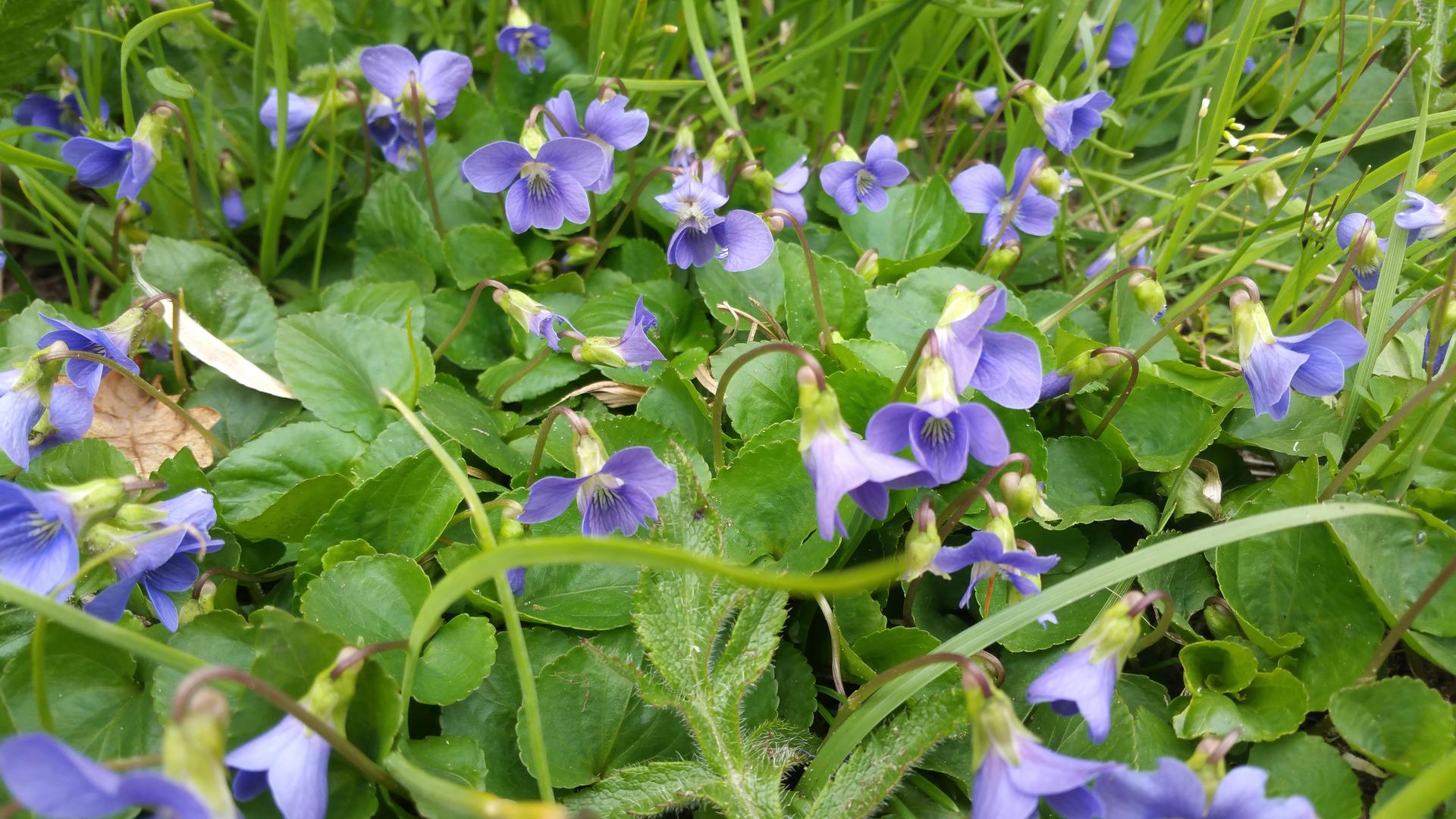
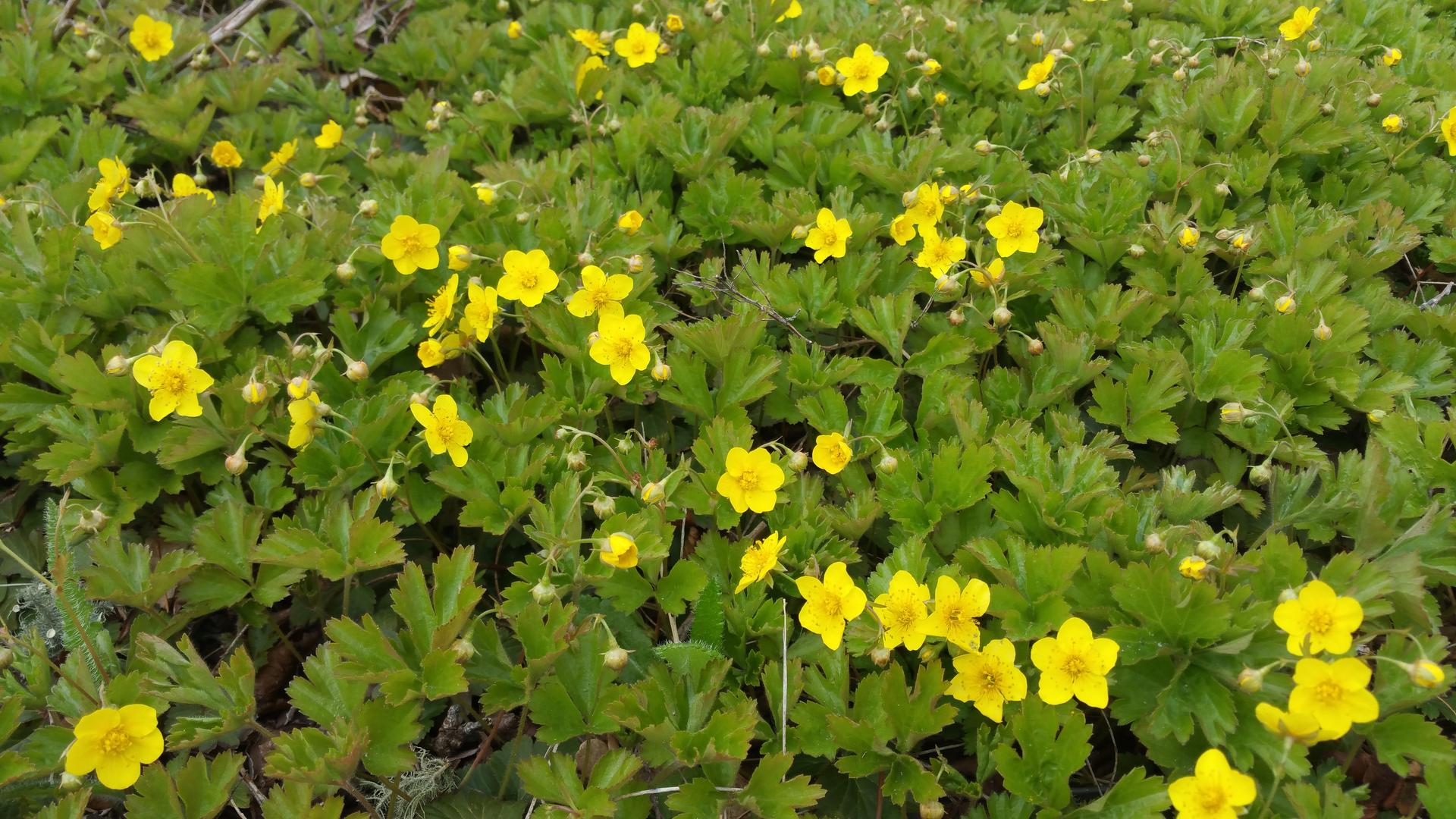
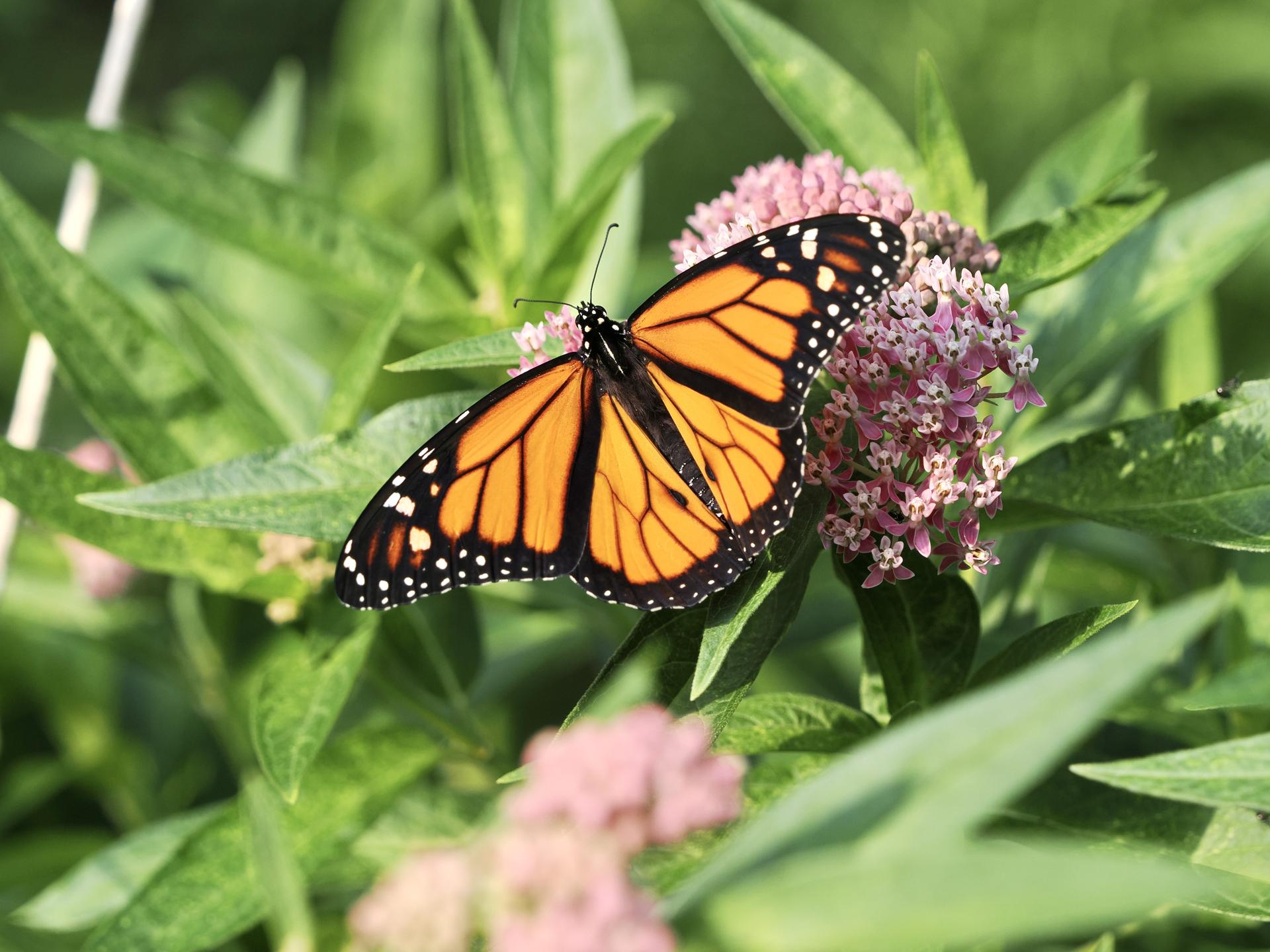
Plant more plants. Plant in layers. There are lots of native ground covers that will help to cover the ground—not like living room carpet perhaps, but enough to serve nature’s purpose of filling in the voids with what you want and not leaving it up to nature (remember, nature abhors a vacuum). Examples of native groundcovers include barren strawberry, wild strawberry, Pennsylvania sedge (and other sedges), bearberry, wild ginger, white wood aster, and others that readily fill garden real estate, and provided they are planted in the location of their liking, they can all help fill in the gaps and make your gardens look lush and full.
Around trees, plant shade plants—native plants that will serve as soft landings for insects for which the tree may be a host plant. When the insect moves to the next stage of development, they often drop to the ground where they hide under foliage or leaves to complete their life cycle; a naturalized area will give them the ability to do that.
More plants will make your landscape more interesting. Choose native species that support pollinators. Skip the wood mulch—save yourself some money and with your savings put in more plants (perennials, shrubs, and trees). But you say you’re afraid you’ll miss the smell of bark mulch that you associate with spring? Okay, so maybe you have to just do less this year as a way to moderate your wood mulch obsession. The important part is that you are thinking about it and making some change with nature in mind.
With less (or no) mulch this year, you’ll have some free cash in your landscape budget, so for ideas of what native plants you might want to add to your yard that do well on Cape Cod, check out CapeCodNativePlants.org. (And looky below, APCC's annual perennial sale is June 3rd!) This article by Kristin Andres, APCC's director for education, originally appeared in part in the Cape Cod Chronicle. |
|
|
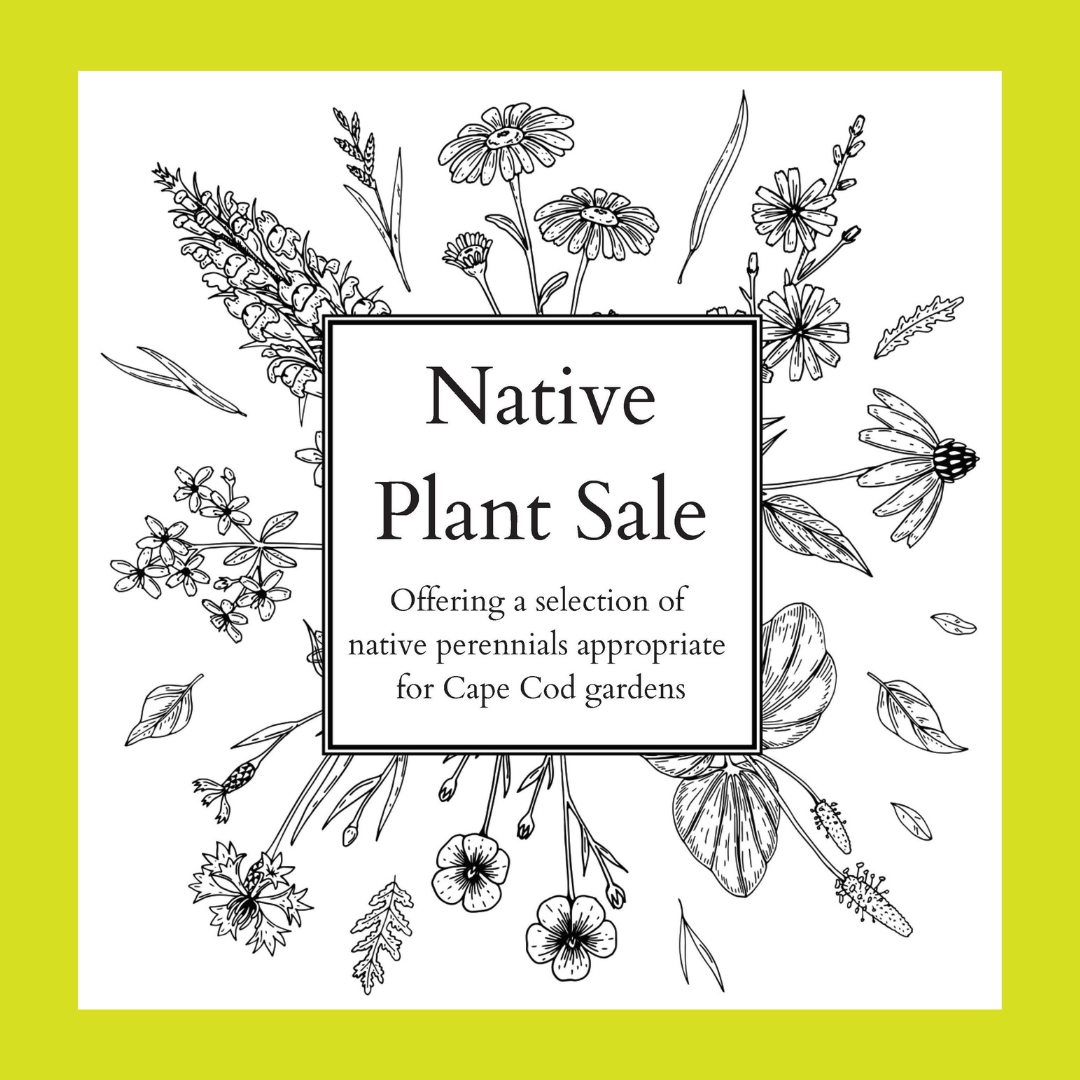
Get ready... APCC's annual plant sale goes live on Tuesday, June 3rd at 8:30 a.m. |
|
|
| Online orders only.
Pickup by appointment at APCC’s headquarters, 482 Main St, Dennis 02638 CLICK HERE for the list of species Perennials are 1-quart size pots
$10 each plus MA sales tax. Payment accepted at time of pickup: Credit Card, Apple Pay, Cash, Check accepted. Pickups will be scheduled for Wednesday, Thursday, and Friday (June 4 – 6) during our office hours: 8:30 a.m.– 4:30 p.m. only. |
|
|
If you are a farmer or someone who wants to grow native plants to sell, or just want to be updated on the program's development, please submit an interest form that appears on our webpage. We will be sending periodic email notices of workshops and meetings.
Funding for the project is provided by Barnstable County and its Economic Development Council License Plate Grant Program through the Cape Cod Commission. |
|
|
South Yarmouth Library, Wednesday, May 14, 2025 |
|
|
South Yarmouth Library, 312 Old Main Street South Yarmouth 02664 |
| Pollinator Pathway Cape Cod ~ meet the pollinators and learn how to support them. |
Learn about choices you can make in your garden that will support pollinators, birds, and butterflies and that will also make your garden a beautiful, enjoyable space. Kristin Andres is APCC's associate director for education. |
|
|
A Cape-wide Conservation Event Calendar |
|
|
The Compact of Cape Cod Conservation Trusts (“the Compact”) and its nonprofit members launched a new regional calendar of events. The Conservation Calendar includes programs across Cape Cod hosted by these groups. The goal of the calendar is to encourage visitors and residents to take part in nature and environmental events. You can always find the link to the calendar on APCC's website under News & Events.
|
|
|
A Cape Cod Native Plant-selector
~ to help you choose the perfect native plants for your garden. |
|
|
Email kandres@apcc.org and we'll send you a CapeCodNativePlants.org decal. |
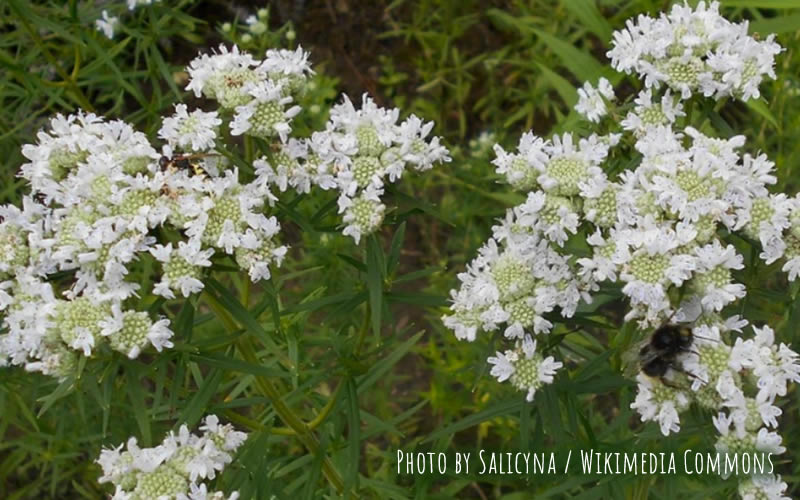
| Virginia Mountain Mint
Pycnanthemum virginianum |
|
|
The Guidelines gives homeowners steps they can take in the design and maintenance of their properties that will support pollinators and birds, manage stormwater, conserve water, and protect the Cape's water quality. This 40-page booklet is beautifully illustrated by Marcy Ford with content that is easily digestible and supported by numerous resources for additional learning.
|
We are grateful for the several retail shops that are partnering with us to make this publication more widely available: Brewster Book Store, Birdwatchers General Store, Crocker Nurseries, Wellfleet Audubon Wildlife Sanctuary, Cape Abilities Farm, Cape Cod Museum of Natural History, the Cape Cod Lavender Farm, Heritage Museums and Gardens, Titcomb's Bookshop, Sea Howl Bookshop, Soares Flower Garden Nursery, and Eight Cousins Bookshop.
If you are a retailer and would like to sell this publication at your store, please contact us. |
|
|
APCC caps
$25 -includes USPS deliver in the U.S. |
|
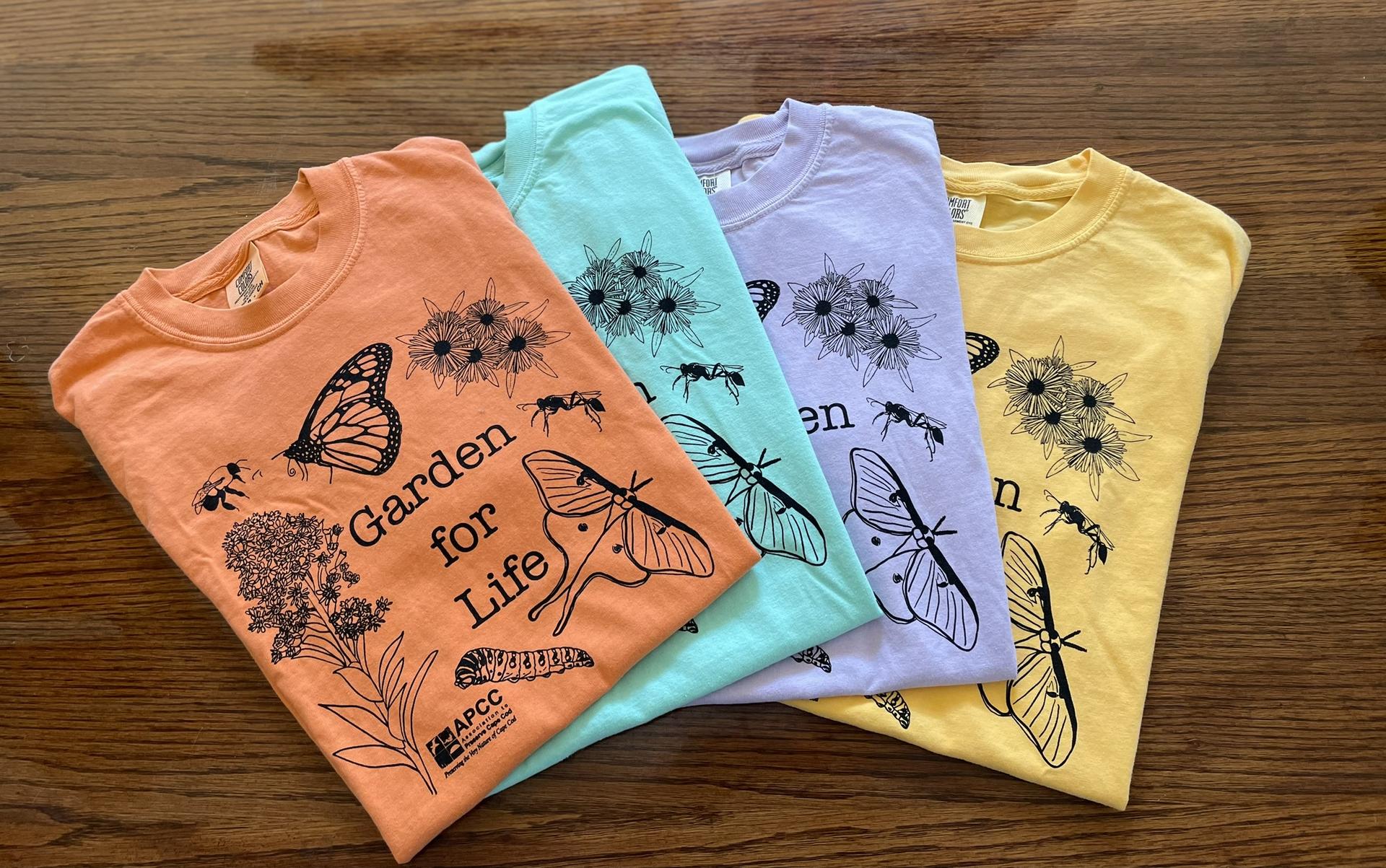
Garden for Life T's
$30 -includes USPS delivery in U.S. |
|
|
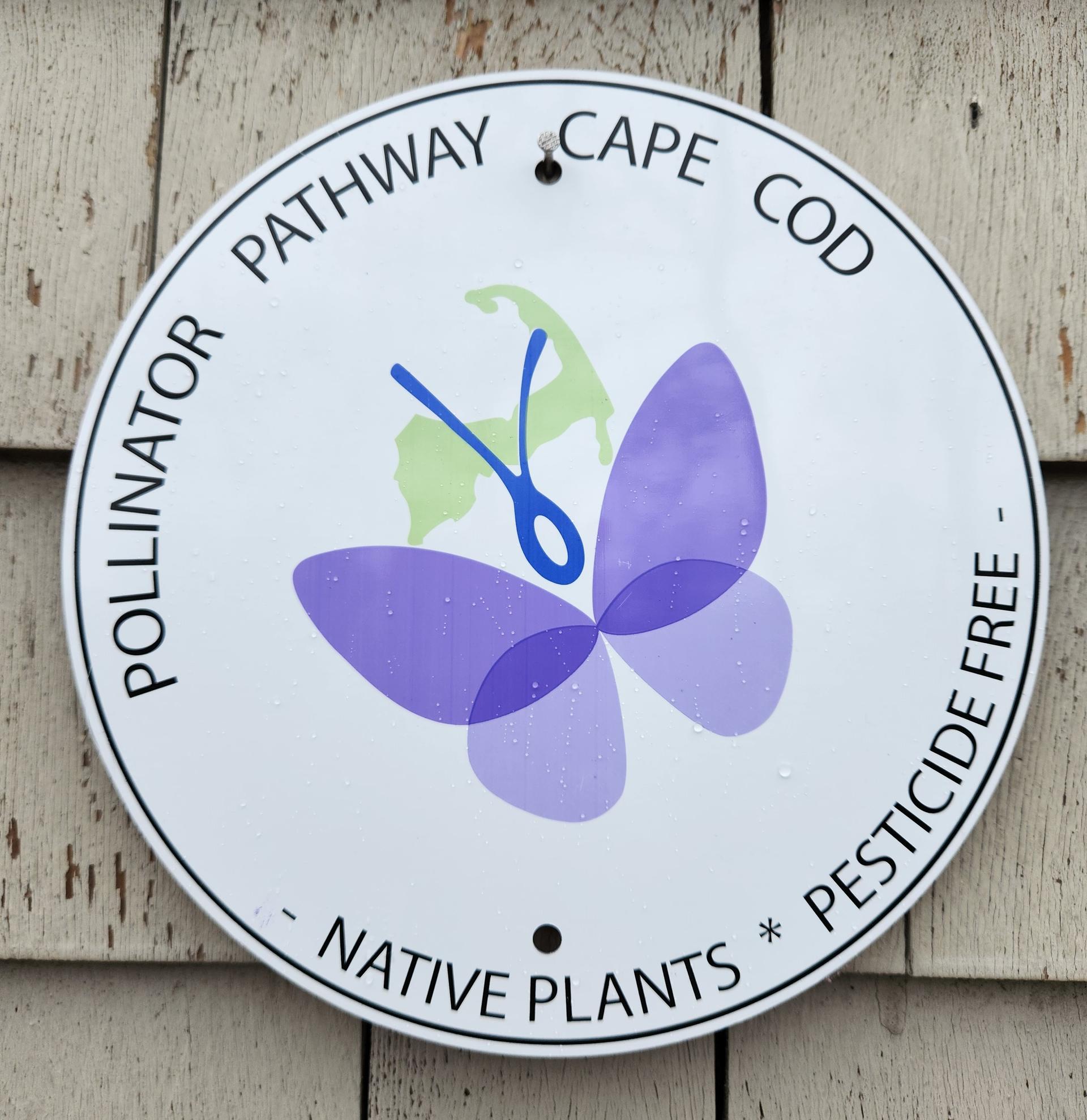
The Pollinator Pathway Cape Cod is a group of organizations promoting native plants and pollinator-friendly land care practices to create a boat load of safe oases for our native bees, butterflies and a whole host of other pollinators that are crucial to the health of our ecosystems.
Join us! It's easy. There are no fees. You just need to pledge to ADD native plants, SUBTRACT a little lawn, AVOID yard chemicals, especially pesticides, and LEAVE the leaves. And, help us spread the word. Please get on the map to show your support of pollinators on Cape Cod!
You can purchase the 9-inch aluminum Pollinator Pathway Cape Cod sign at Hyannis Country Garden, Crocker Nurseries, Brewster Book Store, Orleans Conservation Trust, and Cape Abilities Farm.
If you are a retailer, and you would like to sell the signs, you can order online here, or email pollinators@apcc.org. |
| |
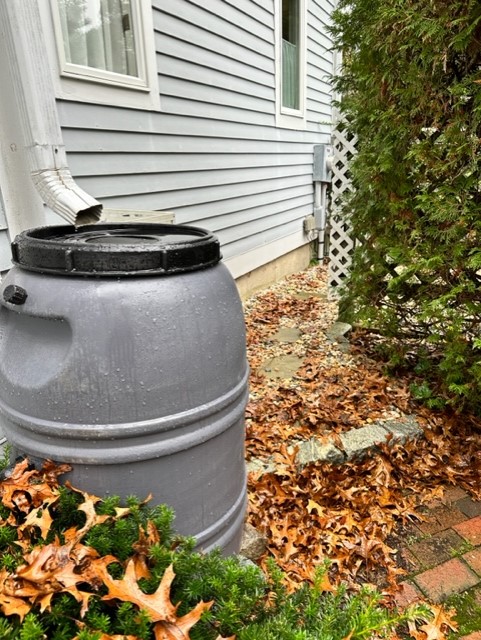
| Rain Barrels for Cape Cod
Order online from Upcycle Products $122 each includes shipping to your door 55 gallon, repurposed food barrels Keep a barrel out of a landfill, and capture some free rainwater. APCC receives a portion of the proceeds. For more information, click here. |
|
|
|
APCC eNewsletters.
Our weekly newsletters are archived on our website and easily shared.
You can find past newsletters and share with your friends. Encourage others to sign up for future enewsletters HERE.
|
|
|
Are you thinking of going solar? We hope so!
In partnership with E2 SOLAR in Dennis, APCC receives $500 for every solar installation when APCC is named as referral. |
|
|
| Thank you to the homeowners who just contracted to install solar panels through E2 Solar.
May the sun always shine for you! |
|
|
Expressions Gallery, 578 Main Street, Chatham CLICK HERE |
Expressions Gallery donates 20 percent of its profits to APCC's work. |
|
|
Thank you to our business sponsors! |
|
|
APCC is rated four stars by Charity Navigator, 2023 Platinum by Candid (formerly Guidestar), and 2024 Top-Rated by GreatNonprofits. |
|
|
Our Contact Information
*{{Organization Name}}*
*{{Organization Address}}*
*{{Organization Phone}}*
*{{Organization Website}}*
*{{Unsubscribe}}* |
| |
|
|