Association to Preserve Cape Cod |
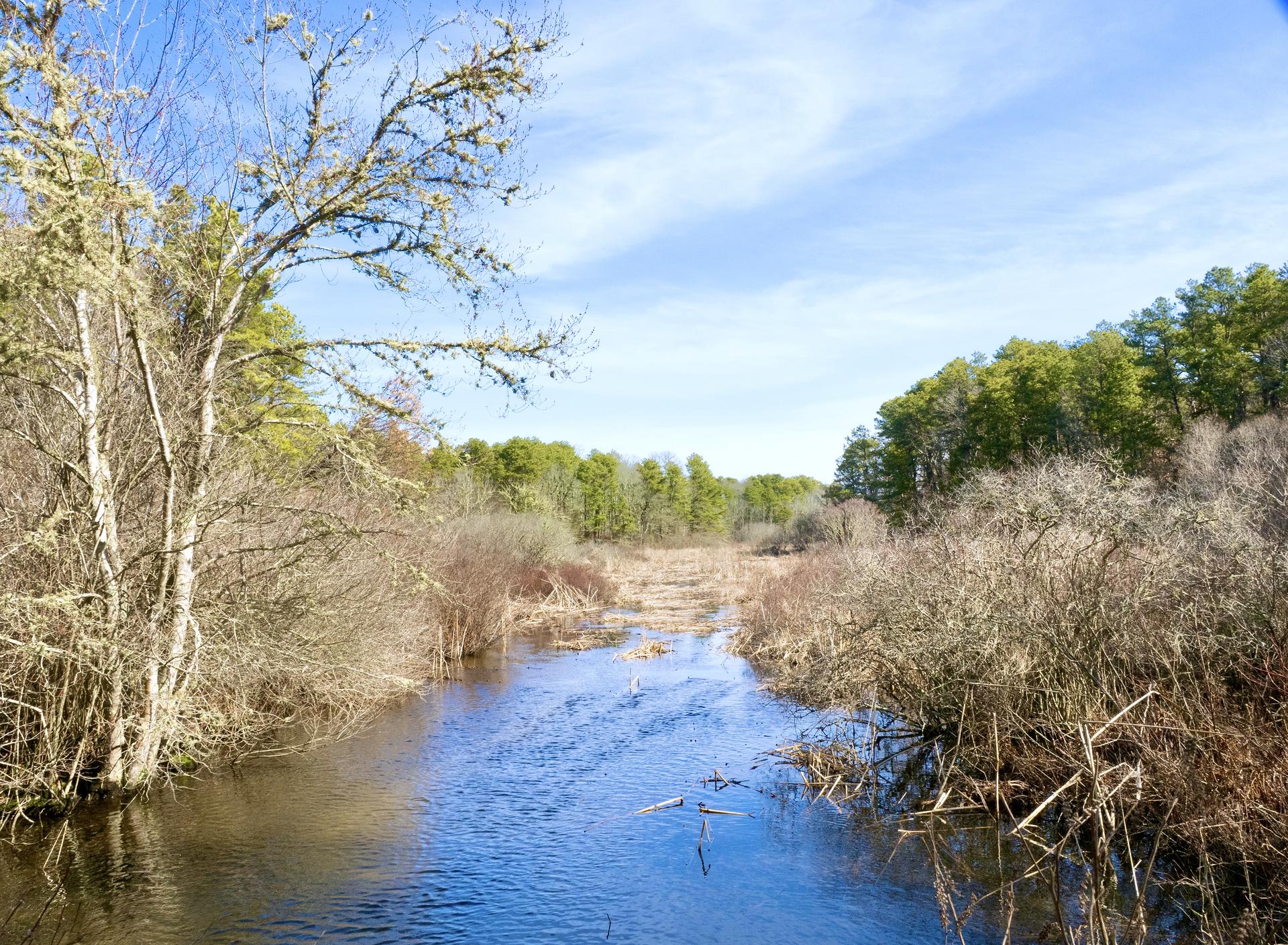
Above: View of Herring River at Sand Pond. Photo by Sue Machie. | |
|
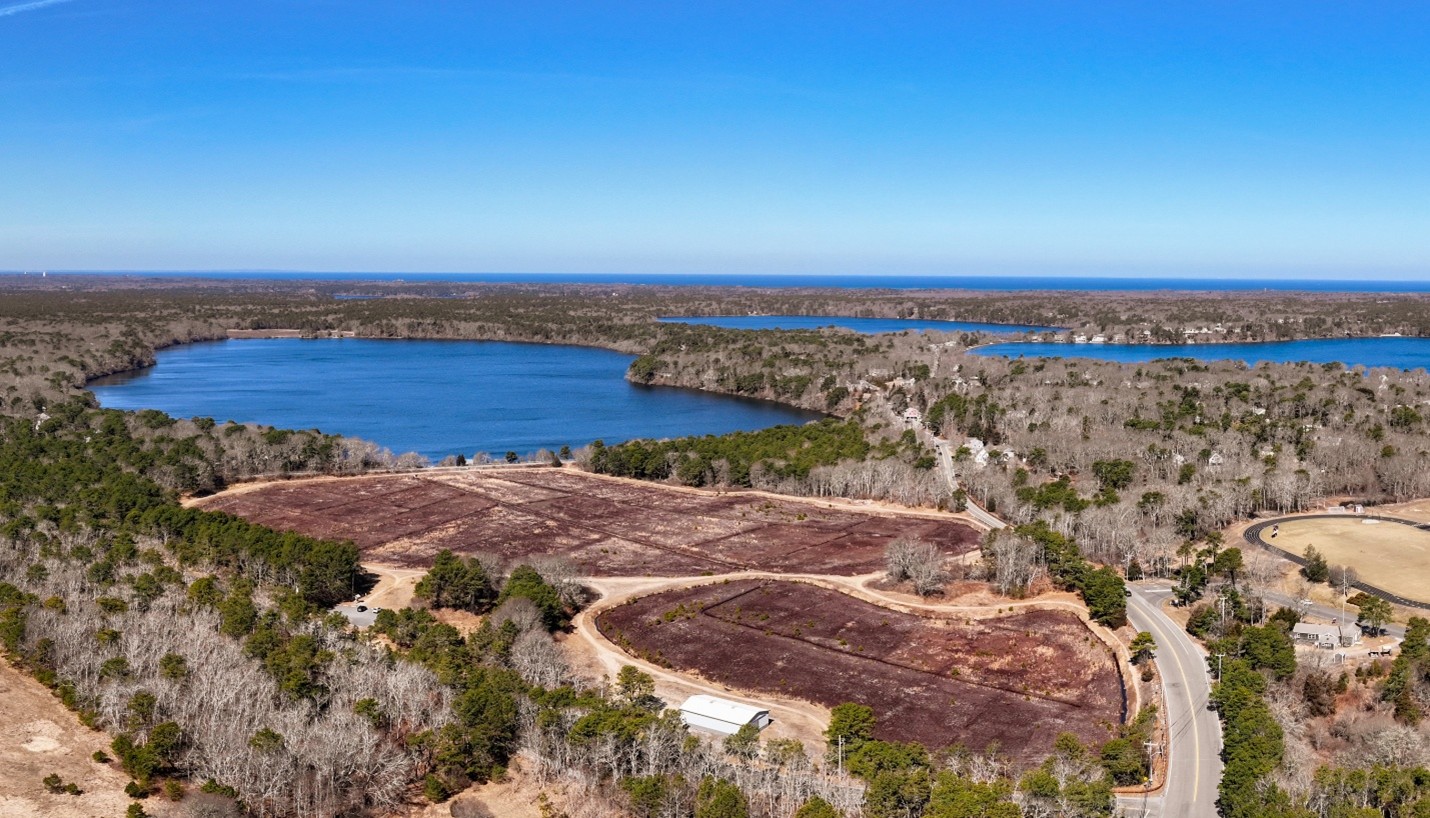
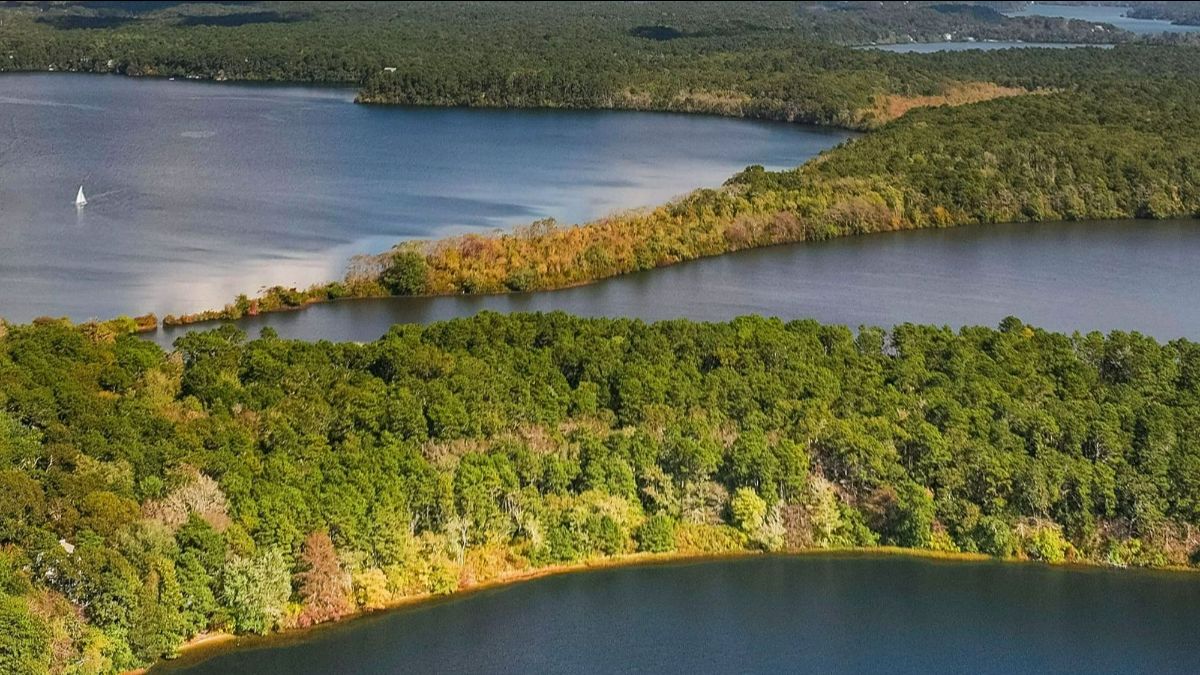
Above: Drone shot of Hinckleys Pond and the retired cranberry bogs, soon to be rewilded. Photo credit: Steve and Eileen Furlong. |
Construction Underway on Ecological Restoration at Hinckleys Pond
The Harwich Conservation Trust (HCT) is thrilled to announce that work has officially begun on a crucial ecological restoration project at Hinckleys Pond, a 174-acre herring spawning pond in Harwich. Launched in late March, the project focuses on rewilding two retired cranberry bogs—11 and 19 acres in size—located at the headwaters of the Herring River estuary. Spanning 30 acres of wetland and 500 feet of pond shoreline, this restoration is set to deliver significant environmental benefits, from improving water quality to creating vital habitats for wildlife and enhancing the area’s natural flood absorption capacity.
What’s in Store for the Community: -
Restoring Freshwater Wetlands: Native plants will be reintroduced through plantings and reconnecting the seed bank, creating 30 acres of valuable wildlife habitat and restoring ecological balance to the area.
-
Improved Water Quality: The project will enhance the water quality of both Hinckleys Pond and the Herring River, supporting aquatic life—including river herring—and improving the health of the watershed.
-
New Nature Trails: A new wheelchair-accessible trail, boardwalk, and overlook to the pond will wind through the restored area, offering stunning views for visitors of all ages and easy access from the Cape Cod Rail Trail.
From Cranberry Farming to Ecological Restoration
The cranberry bogs being restored have a rich history, dating back to the mid-1800s. However, as cranberry prices have declined due to oversupply, production at many bogs has become less profitable, resulting in retirement from farming. This presents an opportunity for ecological restoration. HCT has purchased the 31-acre site next to Hinckleys Pond, while the 11-acre site is owned by the Brown family. These retired bogs are now being transformed into healthy wetland habitats.
“We’re beyond excited to begin this transformative project that will enhance the natural beauty of Hinckleys Pond and improve the health of the entire Herring River ecosystem,” said Mike Lach, executive director of HCT. “Not only will this project restore vital habitats, but it will also open up new opportunities for our community to experience the outdoors. A heartfelt thank you to all of our partners for their dedication and support.”
APCC became involved in this project in 2023 when we had the opportunity to apply for a large regional NOAA grant to support transformational habitat restoration projects, such as the Hinckleys Pond Herring River Headwaters Eco-restoration. Awarded a grant for $15 million in 2024, APCC is able to support this project with $1.6 million for construction, monitoring and outreach and our staff time for grant administration and project technical support. Having joined the team in 2024, our restoration staff are supporting HCT in achieving final implementation of this project through wrap up of permitting, design, and now construction.
Stay Informed and Get Involved
Project updates will be available on the HCT website. The trails will be temporarily closed for about six months during the restoration process, but once completed, the public will be invited to explore the enhanced trails and scenic views. Visitors can also join free guided tours of Cold Brook in Harwich Port to learn more about the eco-restoration efforts. Sign up for tours at harwichconservationtrust.org under Walks & Events.
Generous Funding Support
This project is funded by the Harwich Conservation Trust, the Brown family, the South East New England Program (SNEP) Watershed Grant, the U.S. Environmental Protection Agency’s National Estuary Program Coastal Watershed Grant, Restore America’s Estuaries, the Massachusetts Department of Conservation and Recreation’s MassTrails Grant, and through the Association to Preserve Cape Cod, with support from a private foundation and NOAA Restoration Center funding.
|
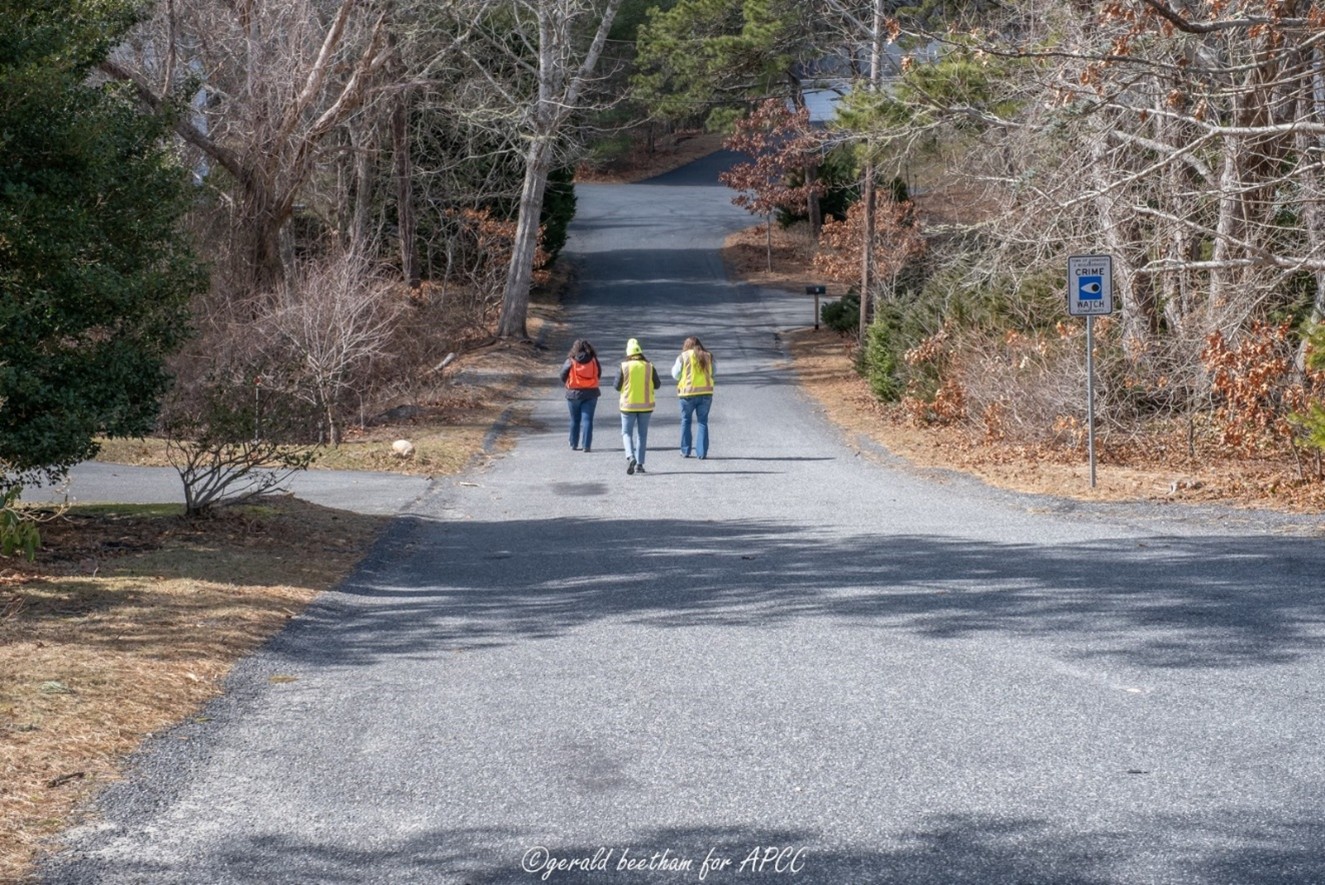
Above: Staff from APCC and Horsley Witten Group conducting a site visit at Curve Hill Road. Photo credit: Gerald Beetham |
Improving Stormwater in Yarmouth with a Constructed Wetland
Construction is scheduled to begin mid-April along Curve Hill Road in Yarmouth to install a constructed wetland designed to improve water quality in Bass River. APCC has partnered with the town of Yarmouth and Horsley Witten Group to assess the town’s stormwater infrastructure and develop a plan to address stormwater runoff using green stormwater infrastructure in priority locations. Initial assessments and concept designs were shared with the public in 2023 and 2024. Over the past year, the team has advanced designs for projects at Curve Hill Road and Standish Way through permitting and final construction plans.
The Curve Hill Road project will treat stormwater runoff that currently flows into a nearby wetland, which ultimately drains to Bass River. Runoff from Curve Hill Road and Great Western Road will be directed into an underground water quality treatment unit that will remove trash, sediment, grease, and bacteria. From there, water will flow into a constructed wetland—a shallow basin designed to filter pollutants naturally—before connecting to the adjacent wetland. The constructed wetland will feature deep pools, shallow areas, and native wetland plants that will further treat runoff by removing nutrients and bacteria.
|
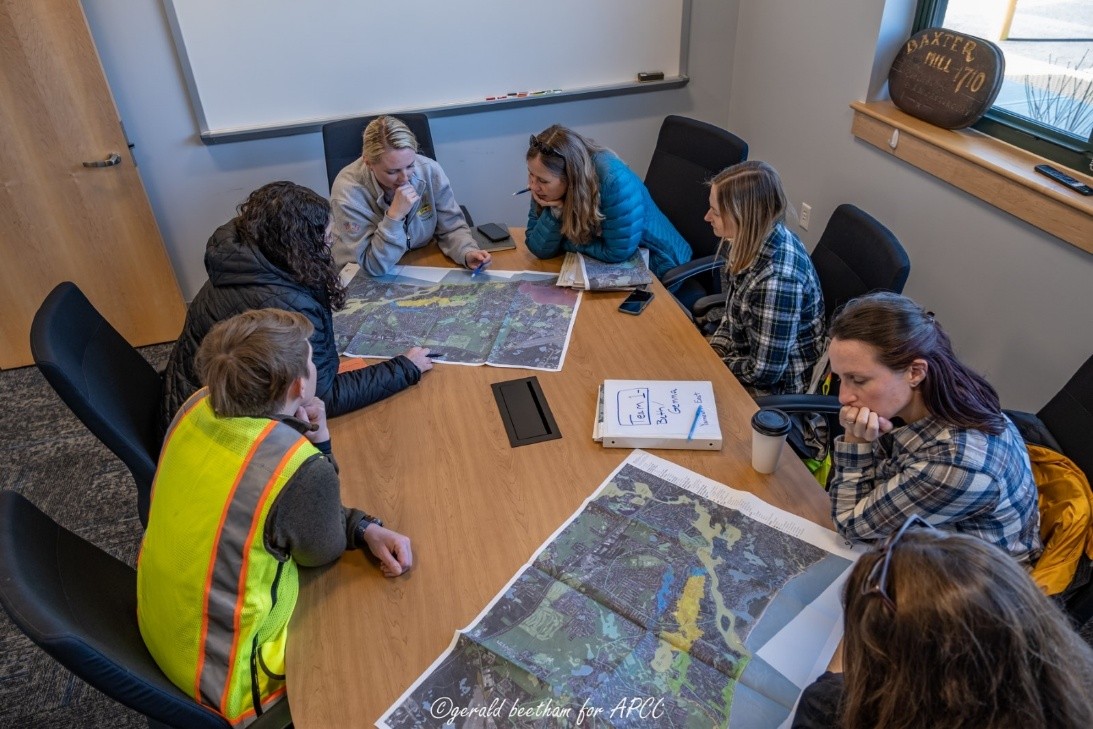
Above: Staff from APCC, Horsley Witten Group, and town of Yarmouth discussing plans with aerial photos of the Yarmouth stormwater project sites. Photo credit: Gerald Beetham |
The town of Yarmouth has contracted C.C. Construction to complete the excavation, grading, and installation of the water quality treatment system. Chase Landscaping, as subcontractor, will implement the planting and seeding plan to establish the wetland’s native vegetation.
Over the next few weeks, C.C. Construction will be completing final preparations before excavation for the constructed wetland begins. Once completed, this project will help improve water quality in Bass River, support wetland habitat, and provide long-term benefits for the local environment.
Funding for this project has been provided by the town of Yarmouth and the Massachusetts Office of Coastal Zone Management Coastal Habitat and Water Quality Grants. For more information on the Yarmouth Stormwater Project, including this and other prioritized sites, visit Yarmouth Stormwater | Association to Preserve Cape Cod. Stay tuned for more construction updates and site photos in our April newsletters!
|
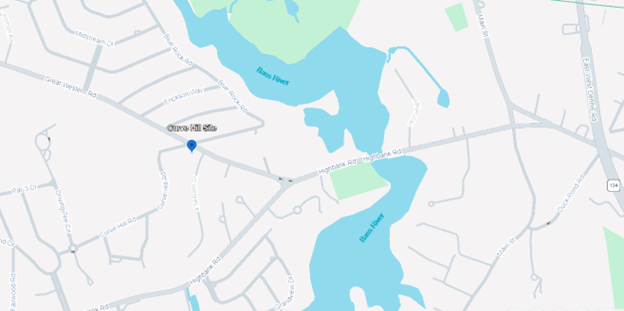
Above: Location of the Curve Hill Road stormwater management site, located just off Great Western Road and connected to Bass River through continuous wetland habitat south of the project site. |
|
|
Cape Cod Regional Pond Monitoring Program |
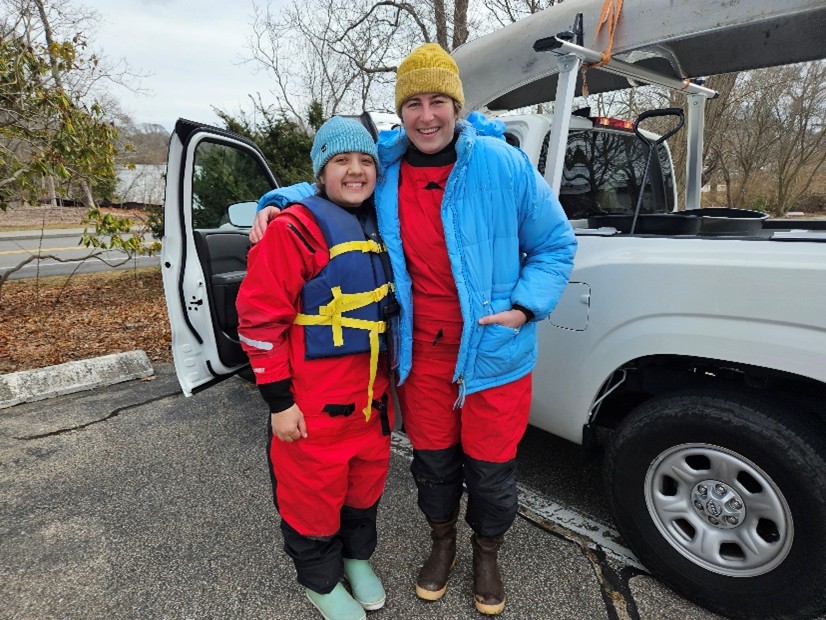
Above: Seasonal pond technician, May Lopopolo (left), was joined by freshwater science coordinator, Sophia Feuerhake (right), to monitor Falmouth ponds. Both are dressed in dry suits as a safety precaution due to cold water temperatures. |
In partnership with the Cape Cod Commission under its Freshwater Initiative, the 2025 pond monitoring season for APCC has begun! Getting out on the ponds as early as possible helps us capture information about the pond water while it is thoroughly mixed from the surface to the bottom before it warms and begins to stratify.
Senior pond monitoring technician, JT Percy, and seasonal pond technician, May Lopopolo, worked together to monitor 11 Cape ponds during the first two weeks of March. May and Sophia Feuerhake, APCC's freshwater science coordinator, pictured above, collected data from the deepest spots in Mares Pond and Shiverick’s Pond. Both of these ponds, as well as Barclays Pond in Chatham and Flax Pond in Dennis, have already begun to stratify—which is defined as a change in temperature of more than one degree Celsius per meter.
Fourteen out of the 18 ponds recorded thus far were still fully mixed as of March 24, 2025. The length of time Cape ponds stay stratified is one of the ways to observe changes in climate over time. |
Spring Is Here—Herring Have Returned, and We Need Your Help!
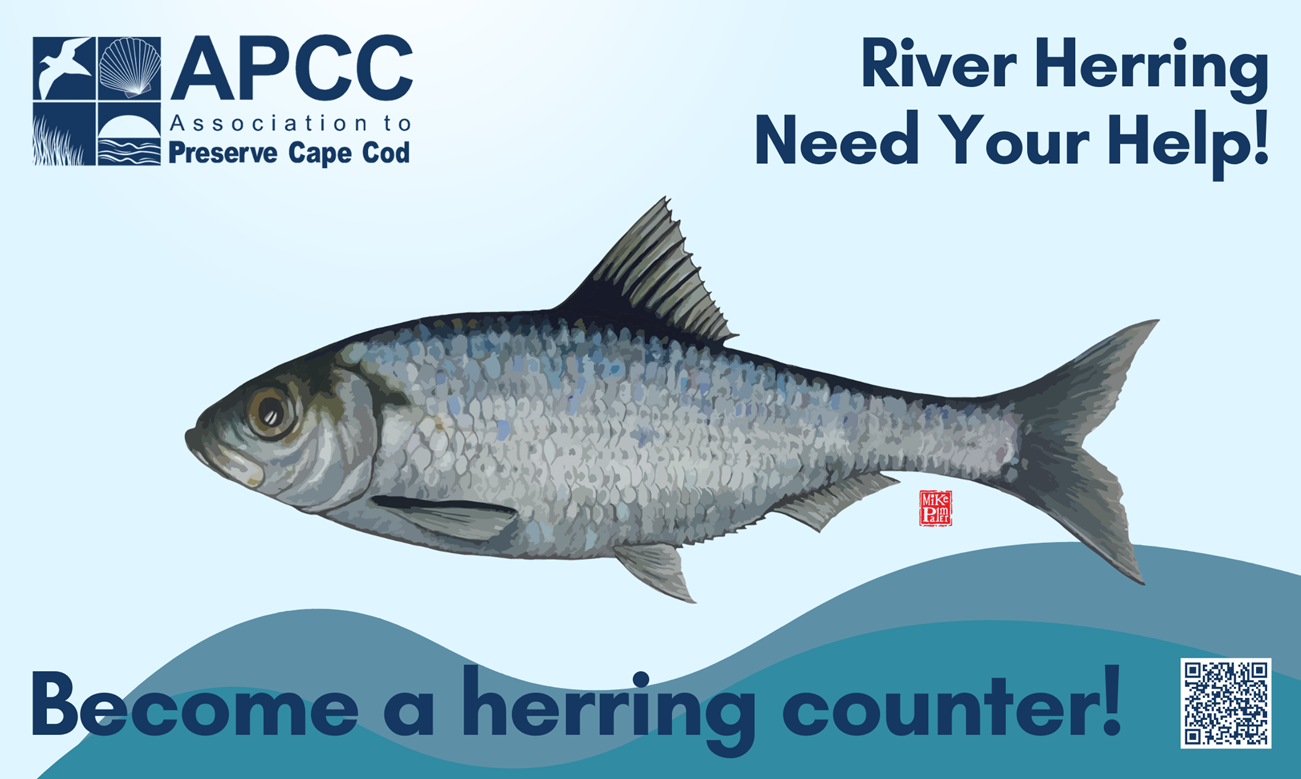
Spring arrived this past week, and with it, the return of river herring to Cape Cod! Herring have already been spotted in both the Quashnet and Marstons Mills rivers, marking the start of the monitoring season. This migration is a crucial event for our region's ecosystems, and we need your help to ensure these populations continue to thrive. Every year, passionate volunteers like you join forces with APCC and local run coordinators to monitor herring runs across Cape Cod. By participating in visual herring counts, you’ll help provide the critical data needed to protect these important fish and the health of our waterways.
However, we’re facing a challenge: We’re still short on volunteers—especially in key areas like Mashpee, Sandwich, and Yarmouth. Without enough counters, we risk leaving gaps in our understanding of these amazing fish and their migratory patterns.
That’s where you come in! Volunteering is easy, fun, and impactful! No experience is necessary. You’ll receive all the training you need to identify river herring and gather essential data. All it takes is 10 minutes a day to make a real difference. Plus, you can sign up for as many shifts as you'd like—whether it’s once a week or more regularly, every count helps! By volunteering, you’ll be joining a community of passionate individuals dedicated to protecting Cape Cod’s river herring for generations to come. Together, we can ensure these amazing fish continue their epic journey upstream each spring.
Visit our herring volunteer webpage for more details and to sign up today! Let's work together to protect Cape Cod's herring and the rivers they call home! |
Reminder: Join the 'Source to Sea' Kickoff Event!
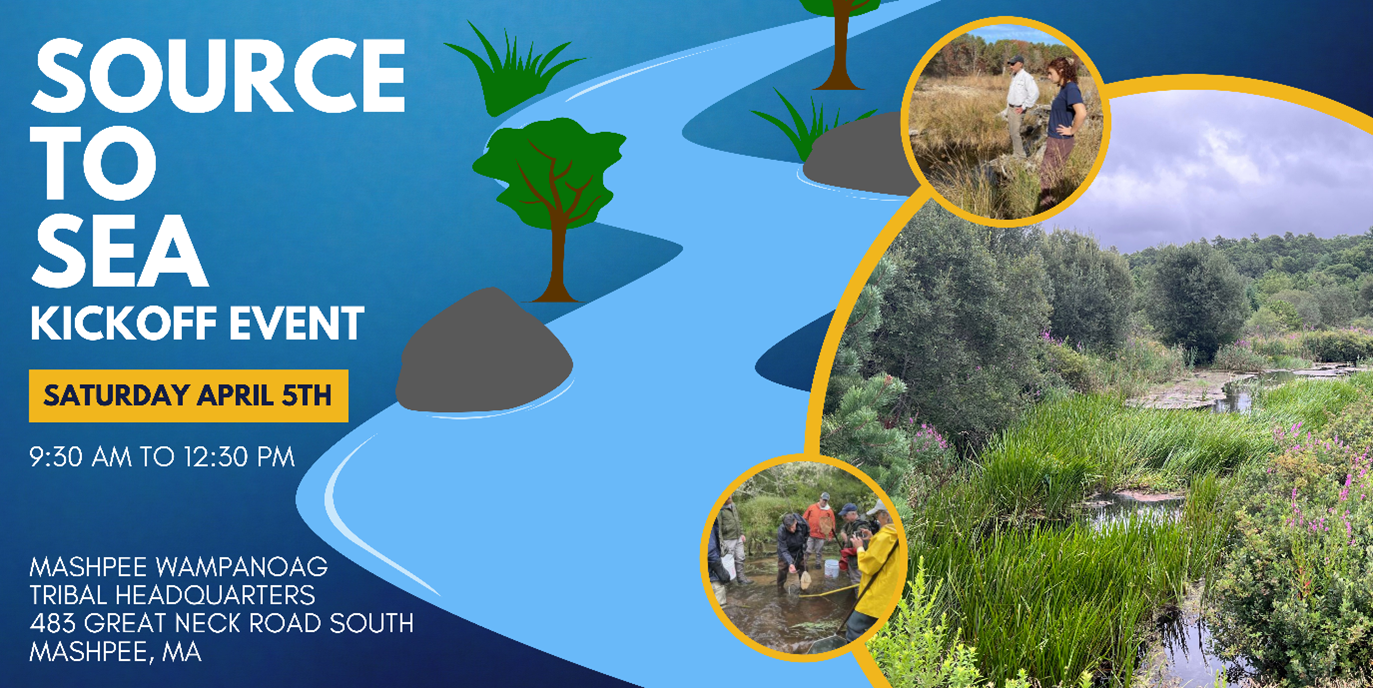
Be part of the effort to restore Red Brook, Upper Quashnet River, and Mashpee River! Join APCC and partners on Saturday, April 5, 2025, from 9:30 a.m. to 12:30 p.m. at the Mashpee Wampanoag Tribal Headquarters for the "Source to Sea" kickoff event.
Learn about the restoration plans, share your input, and connect with the project teams in an engaging, community-driven discussion. Light refreshments and childcare (with advanced registration) will be provided. Your voice matters in shaping the future of these vital waterways—get involved! Learn more and RSVP at the Source to Sea website. |
|
|
If you are a farmer or someone who wants to grow native plants to sell, or just want to be updated on the program's development, please submit an interest form that appears on our webpage. We will be sending periodic email notices of workshops and meetings.
Funding for the project is provided by Barnstable County and its Economic Development Council License Plate Grant Program through the Cape Cod Commission. |
| |
Brewster Ponds Coalition 2025 Pond Summit
Saturday, April 5, 2025
9:00 to 11:30 a.m.
Brewster Baptist Church (1848 Main Street)
It is very likely that you have heard or read about Chemicals of Emerging Concern in the news. It is a topic of much discussion both nationally and on Cape Cod. Please put the Brewster Ponds Coalition 2025 Pond Summit on your calendar as you will hear from two local experts on the impact of these chemicals across Cape Cod and how they are being managed accordingly. Together, these presentations are not to be missed. Here’s a quick snapshot of the speakers and what they will discuss.
Tom Camberari, water resource specialist and hydrologist with Sole Source Consulting, will give us a comprehensive look at these chemicals and explain how they spread through the environment and groundwater by primary and secondary sources. Such chemicals pose a threat to Cape Cod’s sole source aquifer and create health risk exposures via drinking water and the affected health of our ponds.
Tom Barr, deputy director of public works for the town of Chatham, will provide a real-world example of the PFAS issue in our nearby neighbor in Chatham. He will explain when and how the town of Chatham detected PFAS in the drinking water, what options were considered to remediate the problem, and the resulting course of action put in place.
The event is free and open to the public. Registration, coffee, and pastries will begin at 9:00 a.m., followed by the presentations at 9:30 a.m. The Leighton Team, a BPC business partner, is sponsoring this year’s Pond Summit. The recorded program will be posted on the BPC website and YouTube channel, for further viewing opportunities. REGISTER HERE TO ATTEND |
|
|
|
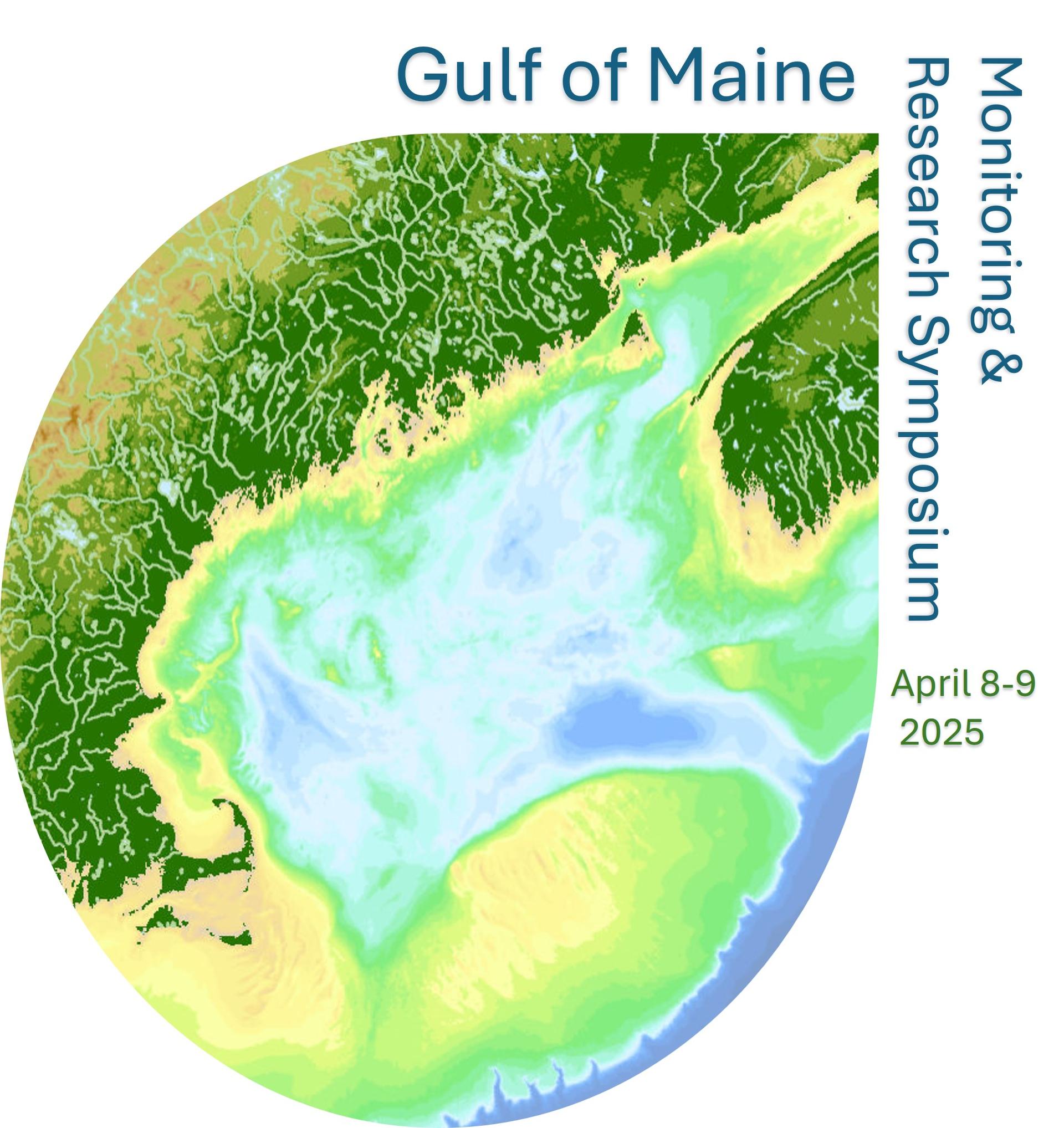
Early Registration is open for the Gulf of Maine Monitoring & Research Symposium.
The Gulf of Maine Monitoring and Research Symposium 2025 will be held on April 8-9, 2025, in Haverhill, MA. The symposium is hosted by the MassBays National Estuaries Partnership, MIT Sea Grant, the Massachusetts Water Resources Authority, and the Northeastern Regional Association of Coastal Ocean Observing Systems.
The symposium will convene monitoring program coordinators and researchers, data-users, and policymakers. Keynote speakers, Janet Duffy-Anderson Ph.D. and Damian Brady Ph.D., will talk about drivers of change in the Gulf of Maine and current efforts to highlight the need for action. Through a series of presentations, attendees will learn about ongoing water quality and habitat monitoring programs and discover ongoing research efforts that characterize the changing physical and ecological conditions in the Gulf of Maine.
|
|
|
Registration for the symposium closes April 1st. A special registration fee is available for students. A limited number of scholarships are available to those who might otherwise not have the resources to participate in the symposium. For more information, including general registration and scholarship applications, go to the Symposium home page here.
|
|
|
A Cape-wide Conservation Event Calendar | |
|
The Compact of Cape Cod Conservation Trusts (“the Compact”) and its nonprofit members launched a new regional calendar of events. The Conservation Calendar includes programs across Cape Cod hosted by these groups. The goal of the calendar is to encourage visitors and residents to take part in nature and environmental events. You can always find the link to the calendar on APCC's website under News & Events.
|
|
|
A Cape Cod Native Plant-selector
~ to help you choose the perfect native plants for your garden. |
|
|
| Photo credit: Robert Gessing |
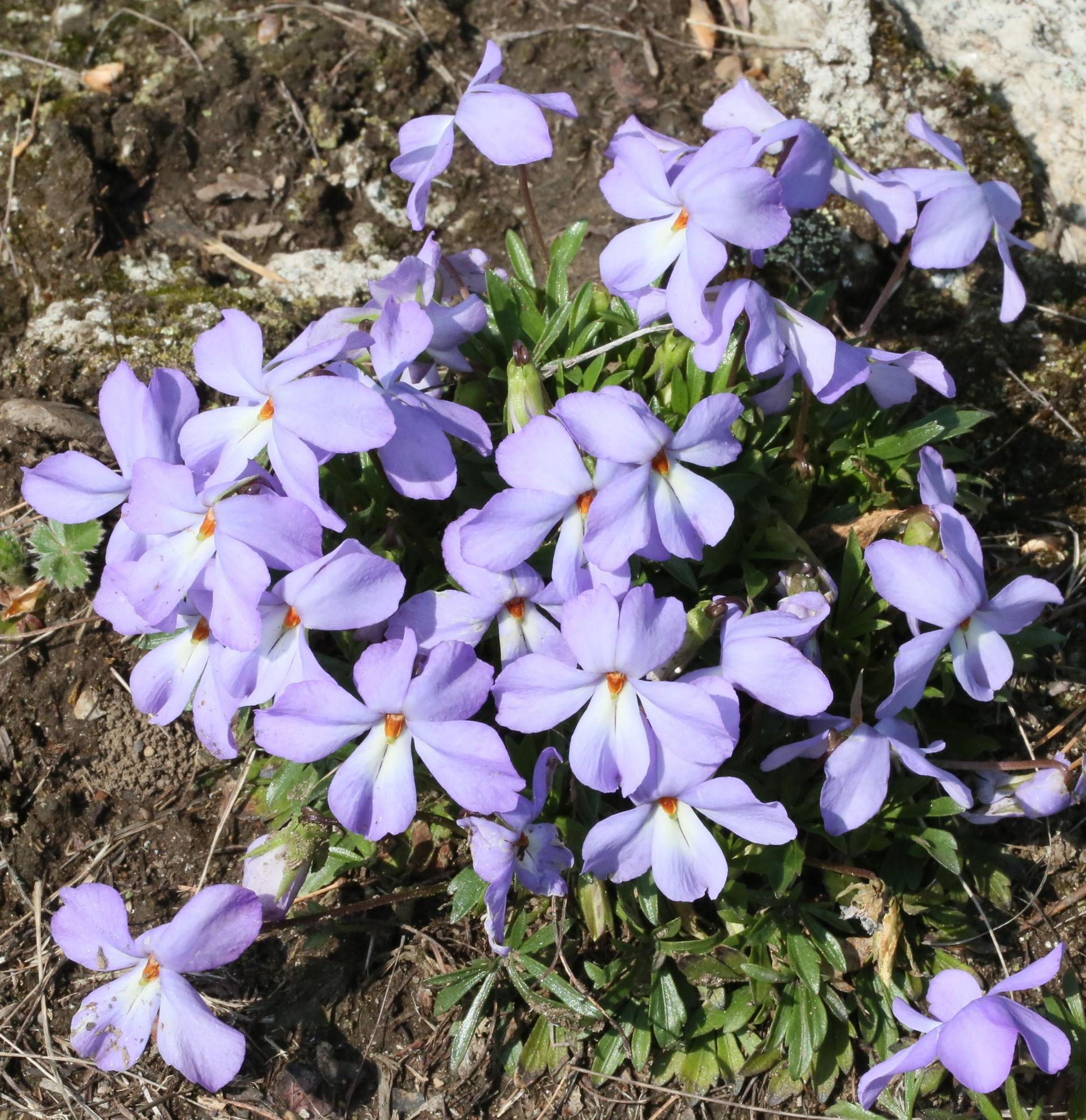
Birds Foot Violet Viola pedata |
|
|
Email kandres@apcc.org and we'll send you a CapeCodNativePlants.org decal. |
The Guidelines gives homeowners steps they can take in the design and maintenance of their properties that will support pollinators and birds, manage stormwater, conserve water, and protect the Cape's water quality. This 40-page booklet is beautifully illustrated by Marcy Ford with content that is easily digestible and supported by numerous resources for additional learning.
|
We are grateful for the several retail shops that are partnering with us to make this publication more widely available: Brewster Book Store, Birdwatchers General Store, Crocker Nurseries, Wellfleet Audubon Wildlife Sanctuary, Cape Abilities Farm, Cape Cod Museum of Natural History, the Cape Cod Lavender Farm, Heritage Museums and Gardens, Titcomb's Bookshop, Sea Howl Bookshop, Soares Flower Garden Nursery, and Eight Cousins Bookshop.
If you are a retailer and would like to sell this publication at your store, please contact us. |
|
|
|
Available for online purchase and shipping in the U.S. is free:
APCC caps $25 +++++++++++++++++
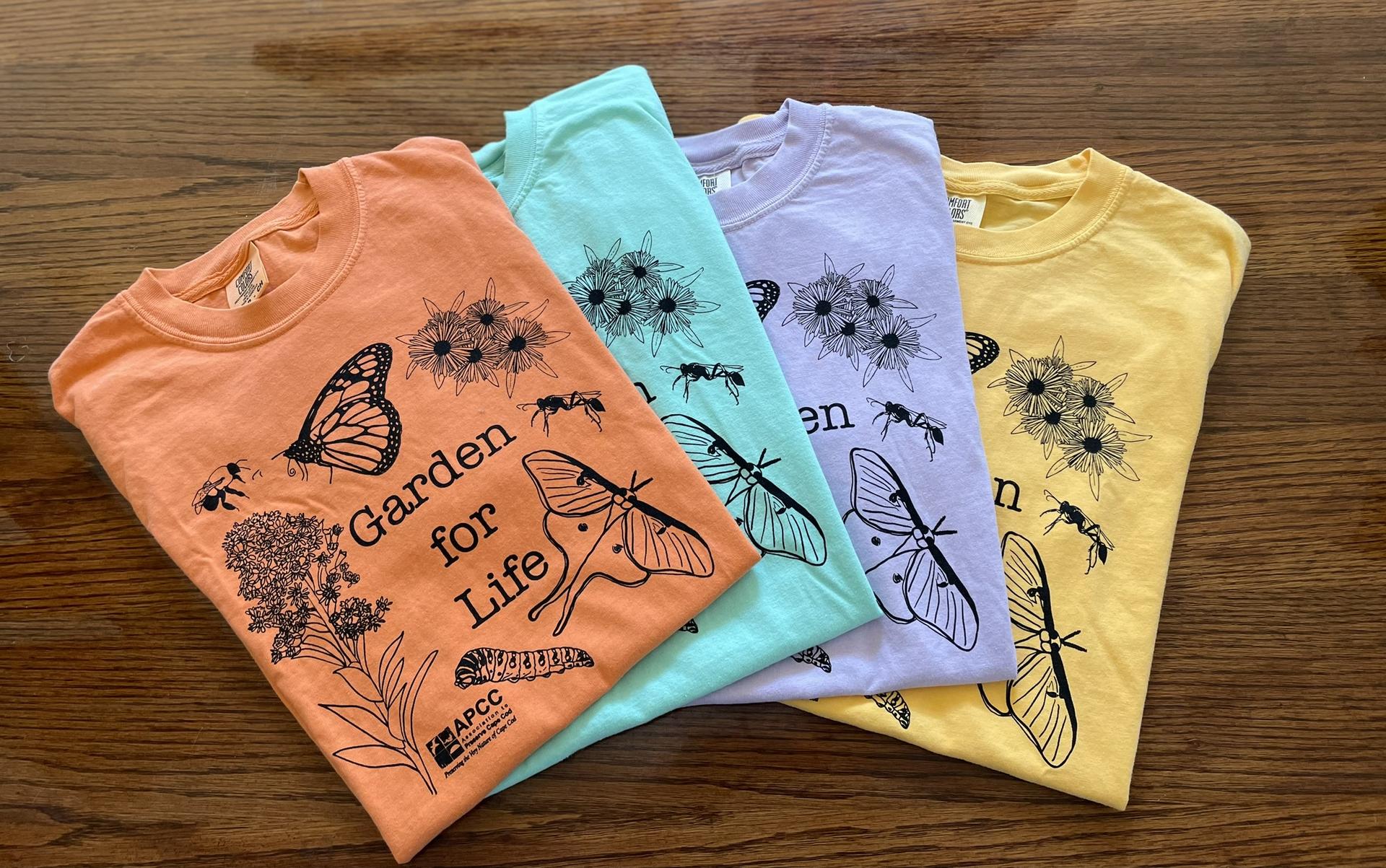
Garden for Life T's $30 Click here
for more information and to order. |
|
|
The Pollinator Pathway Cape Cod is a group of organizations promoting native plants and pollinator-friendly land care practices to create a boat load of safe oases for our native bees, butterflies and a whole host of other pollinators that are crucial to the health of our ecosystems.
Join us! It's easy. There are no fees. You just need to pledge to ADD native plants, SUBTRACT a little lawn, AVOID yard chemicals, especially pesticides, and LEAVE the leaves. And, help us spread the word. Please get on the map to show your support of pollinators on Cape Cod!
You can purchase the 9-inch aluminum Pollinator Pathway Cape Cod sign at Hyannis Country Garden, Crocker Nurseries, Brewster Book Store, Orleans Conservation Trust, and Cape Abilities Farm.
If you are a retailer, and you would like to sell the signs, you can order online here, or email pollinators@apcc.org. |
|
|
| Rain Barrels for Cape Cod
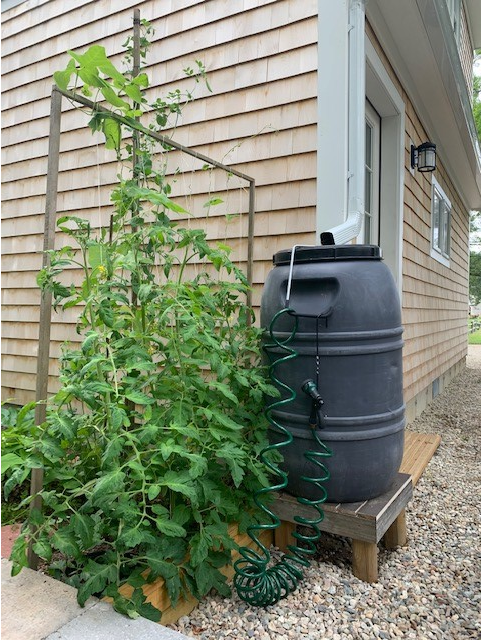
Order online from Upcycle Products $122 each includes FedEx shipping to your door 55 gallon, repurposed food barrels Keep a barrel out of a landfill, and capture some free rainwater. APCC receives a portion of the proceeds. For more information, click here. |
|
|
|
APCC eNewsletters.
Our weekly newsletters are archived on our website and easily shared.
You can find past newsletters and share with your friends. Encourage others to sign up for future enewsletters HERE.
|
|
|
Are you thinking of going solar? We hope so!
In partnership with E2 SOLAR in Dennis, APCC receives $500 for every solar installation when APCC is named as referral. |
|
|
| Thank you to the homeowners who just contracted to install solar panels through E2 Solar.
May the sun always shine for you! |
|
|
Expressions Gallery, 578 Main Street, Chatham CLICK HERE |
Expressions Gallery donates 20 percent of its profits to APCC's work. |
|
|
Thank you to our business sponsors! |
|
|
APCC is rated four stars by Charity Navigator,
2023 Platinum by Candid (formerly Guidestar), and 2024 Top-Rated by GreatNonprofits. |
|
|
Our Contact Information
*{{Organization Name}}*
*{{Organization Address}}*
*{{Organization Phone}}*
*{{Organization Website}}*
*{{Unsubscribe}}* |
| |
|
|