Association to Preserve Cape Cod |
|
|
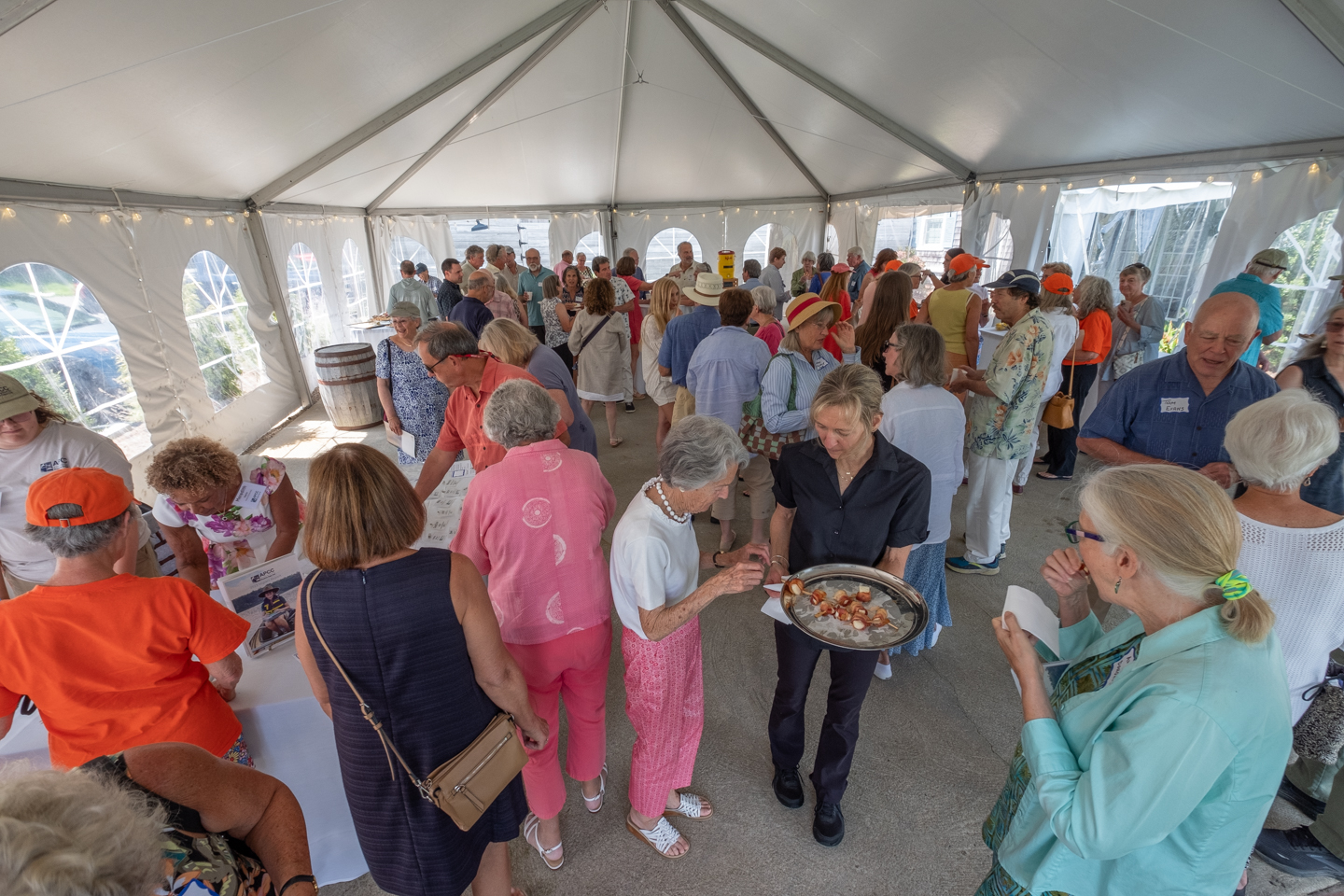
APCC Celebrates 56 Years! |
|
|
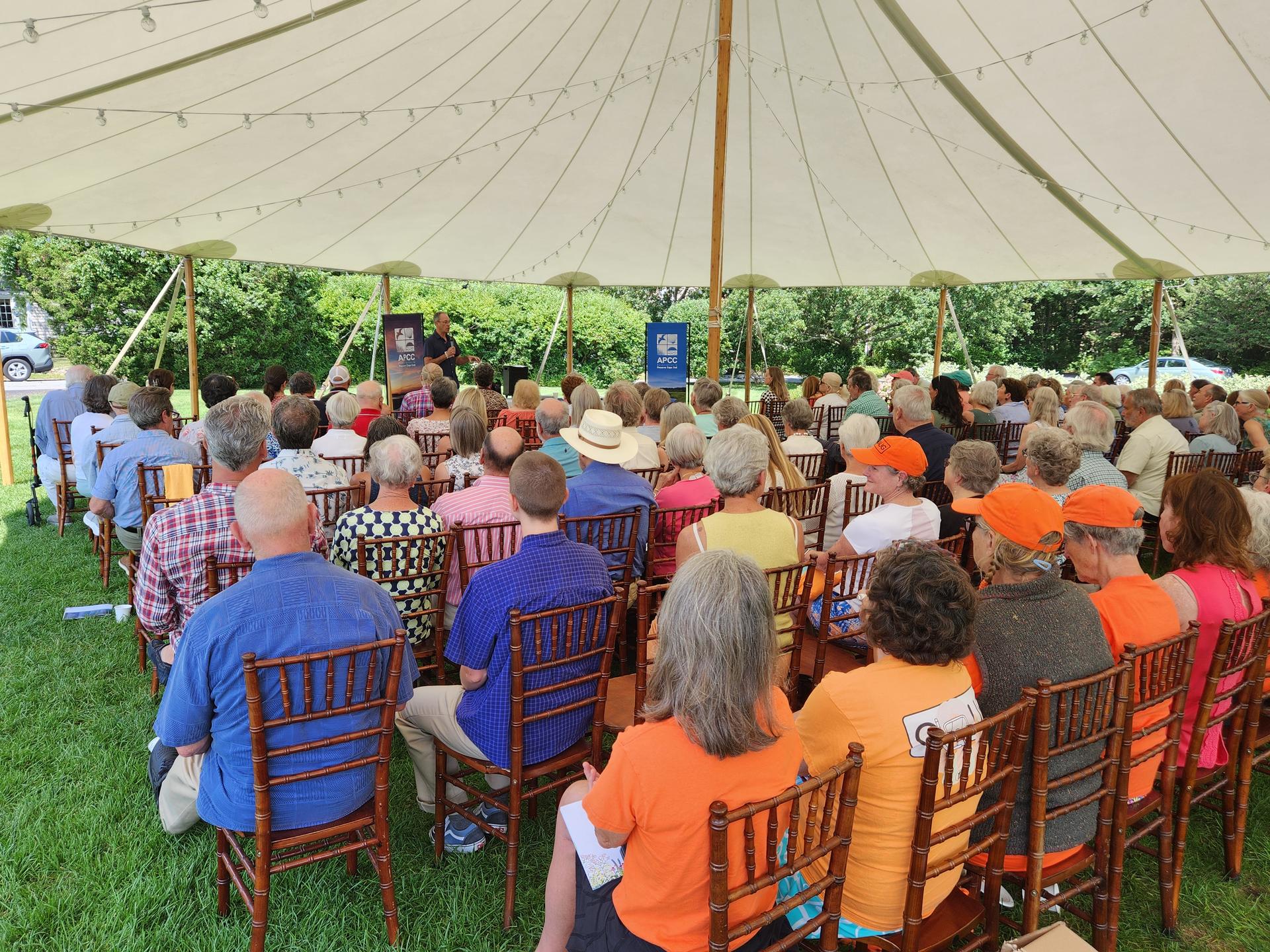
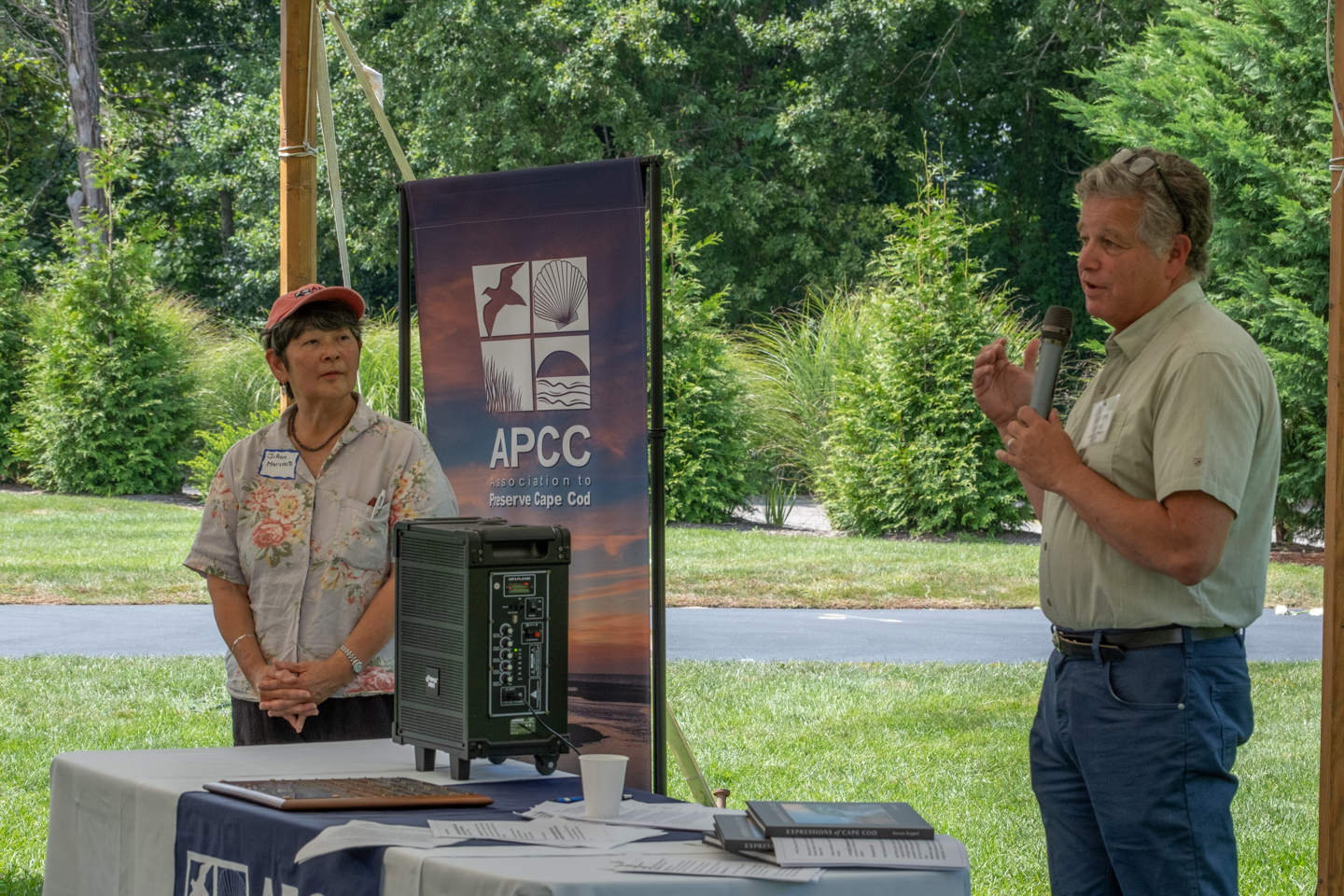
Above: APCC president, Steve Koppel, addresses the membership. |
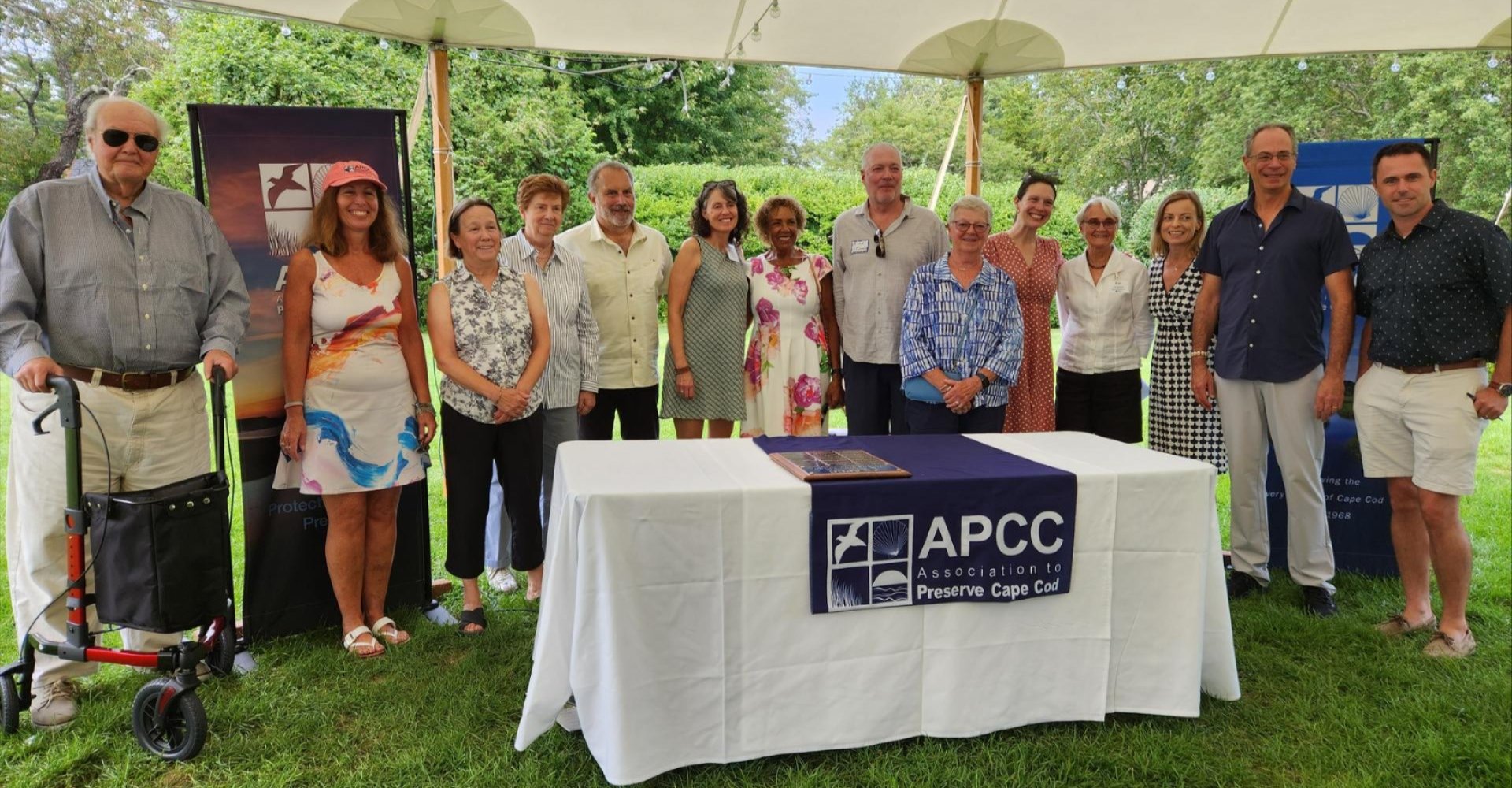
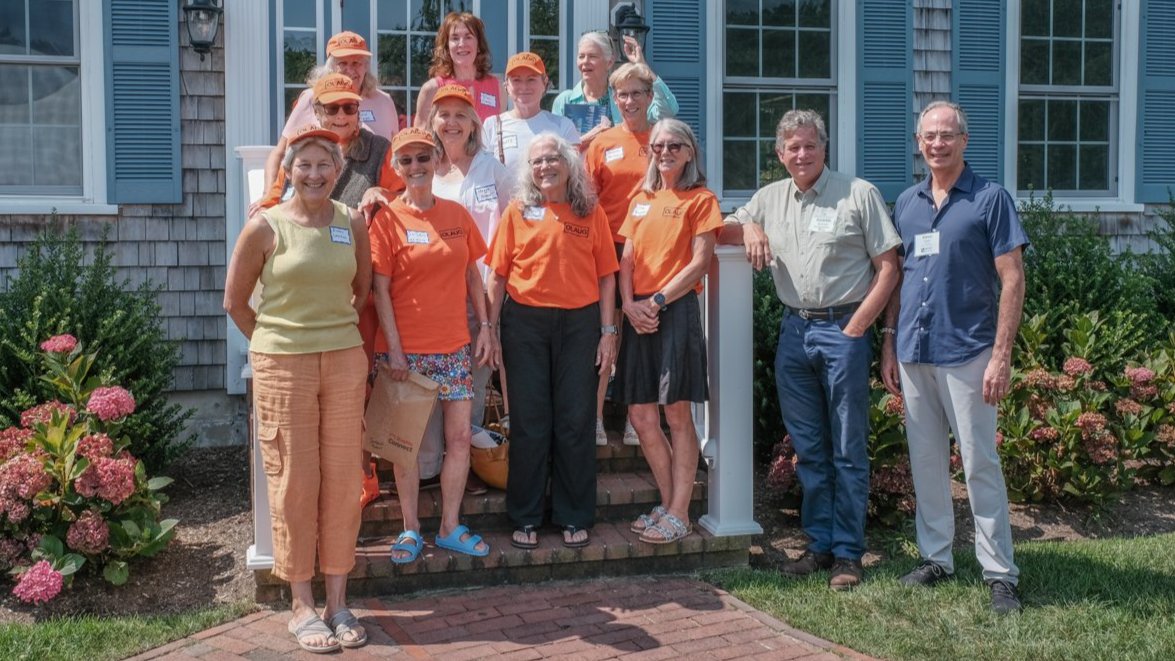
Above: APCC Board of Directors
Photo credit: Gerald Beetham |
|
|
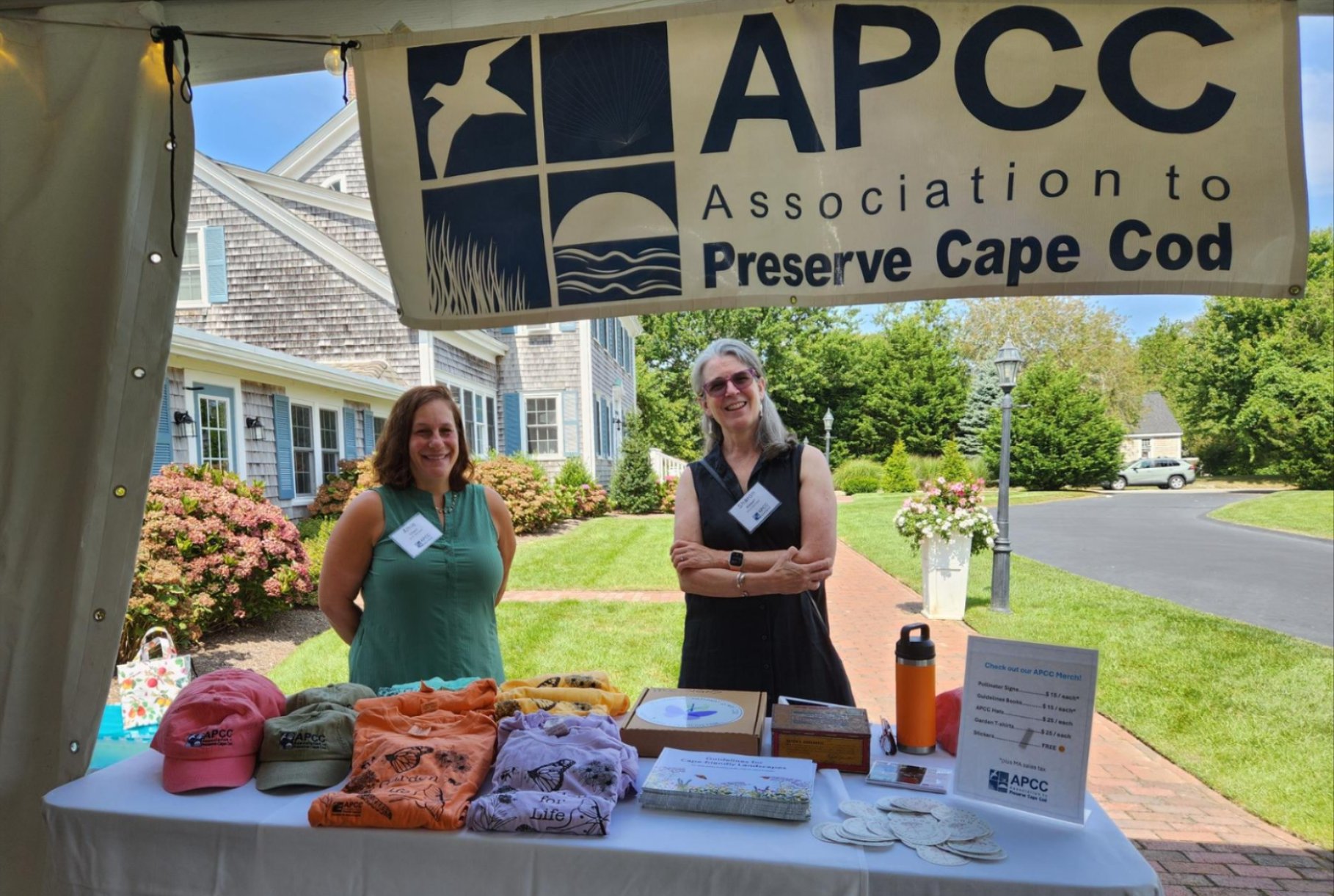
Above: Volunteers Amie Gilbert and Sharon Stewart |
|
Photo credit: Gerald Beetham |
|
|
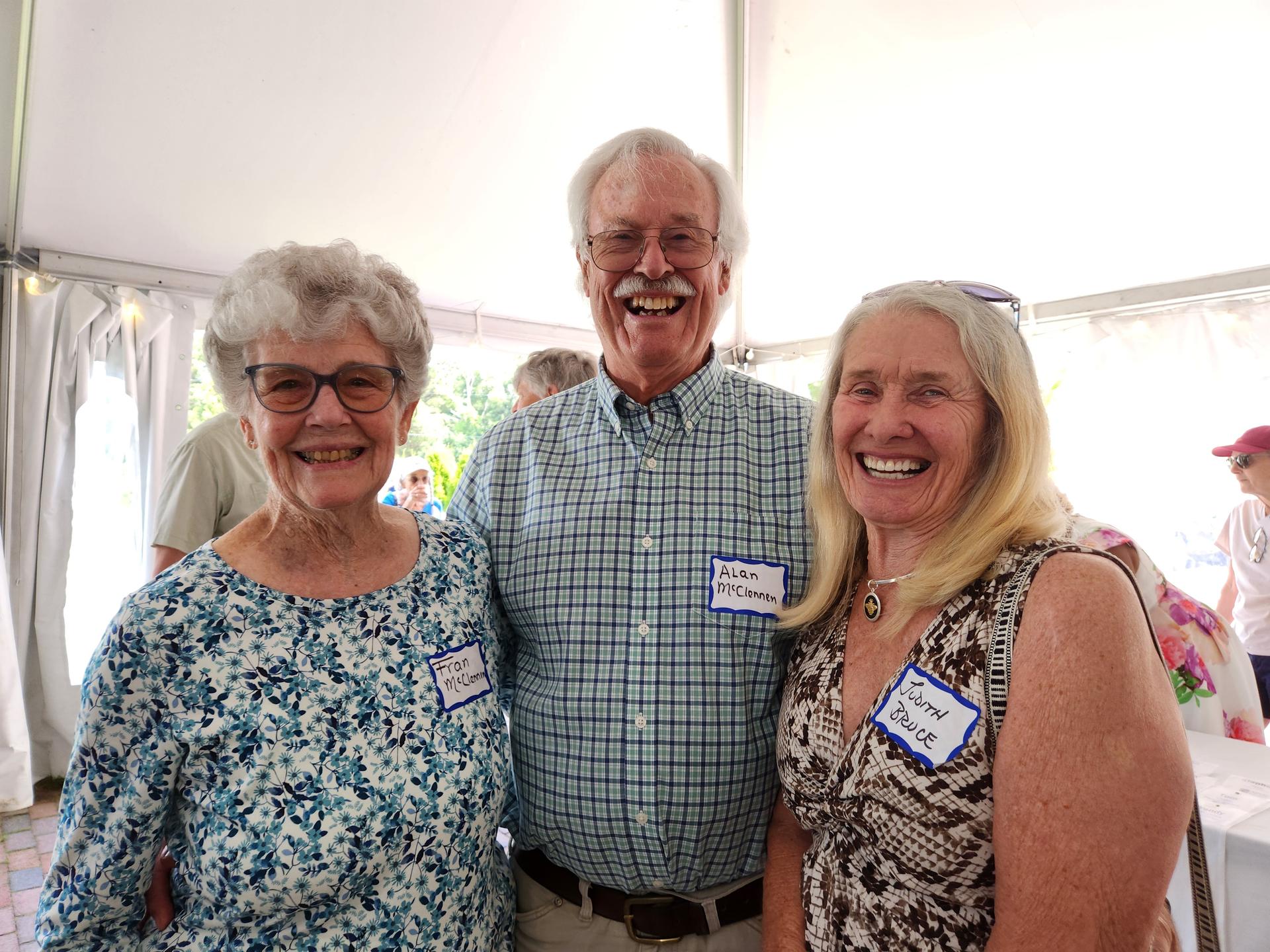
Above: Fran and Alan McClennen and Judith Bruce |
| Above: Lee Taylor and APCC board member, Meredith Harris |
|
|
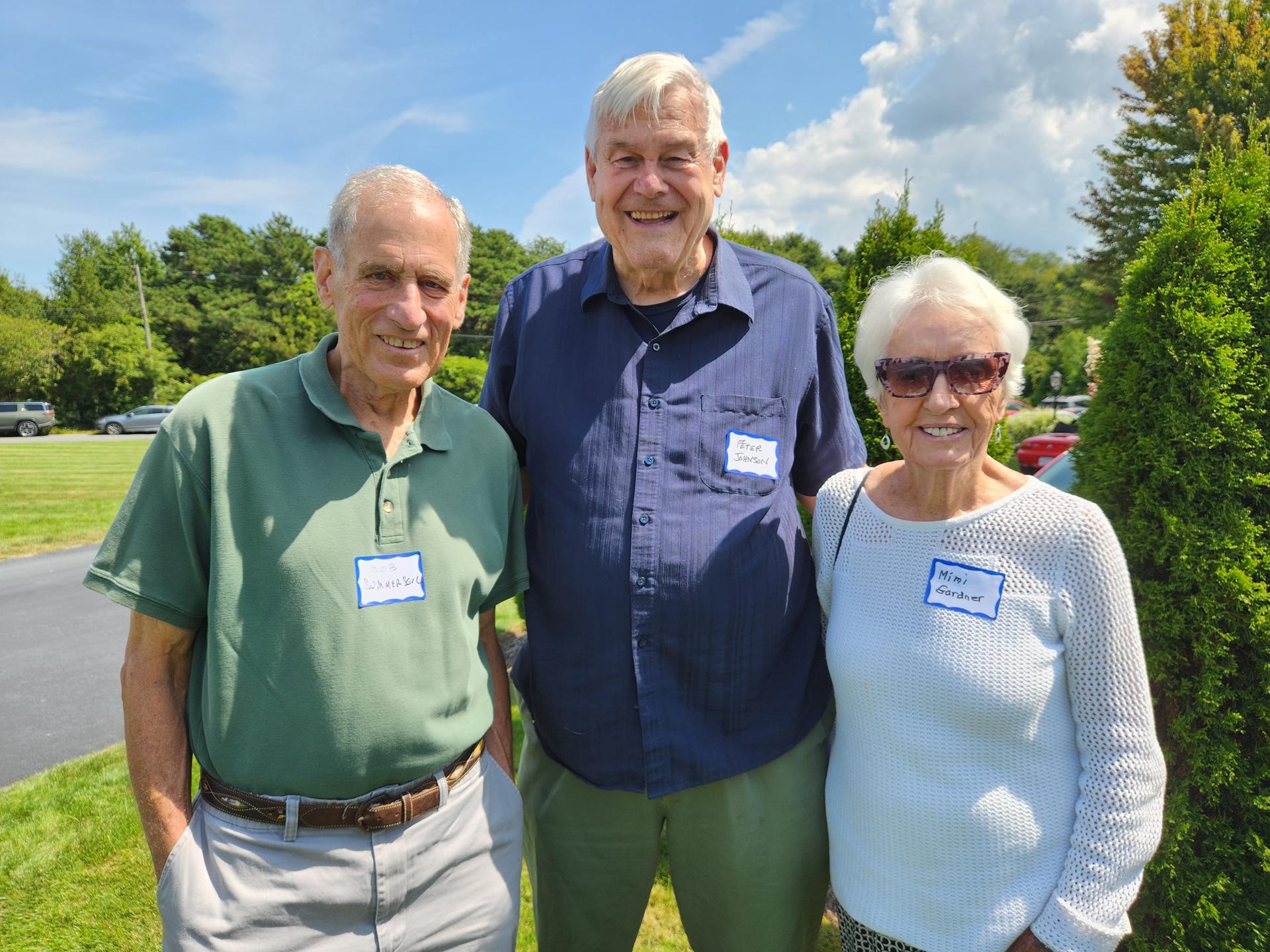
Above: Bob Summersgill, Peter Johnson, and Mimi Gardner |
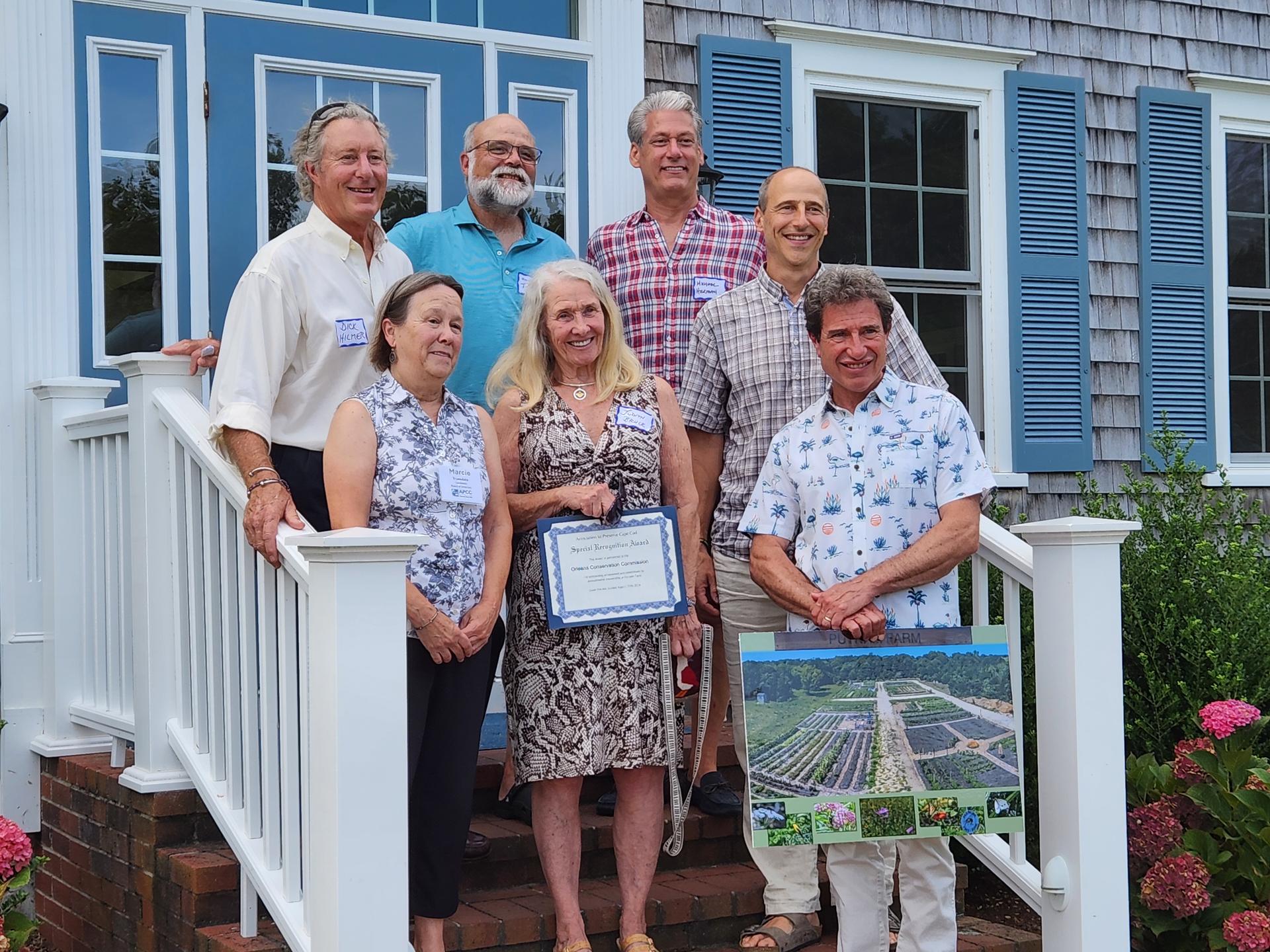
Above: Dick Hilmer, Hardie Truesdale, Michael Harmon, Marcie Truesdale, Judith Bruce, Ian Ives, and Rick Francolini |
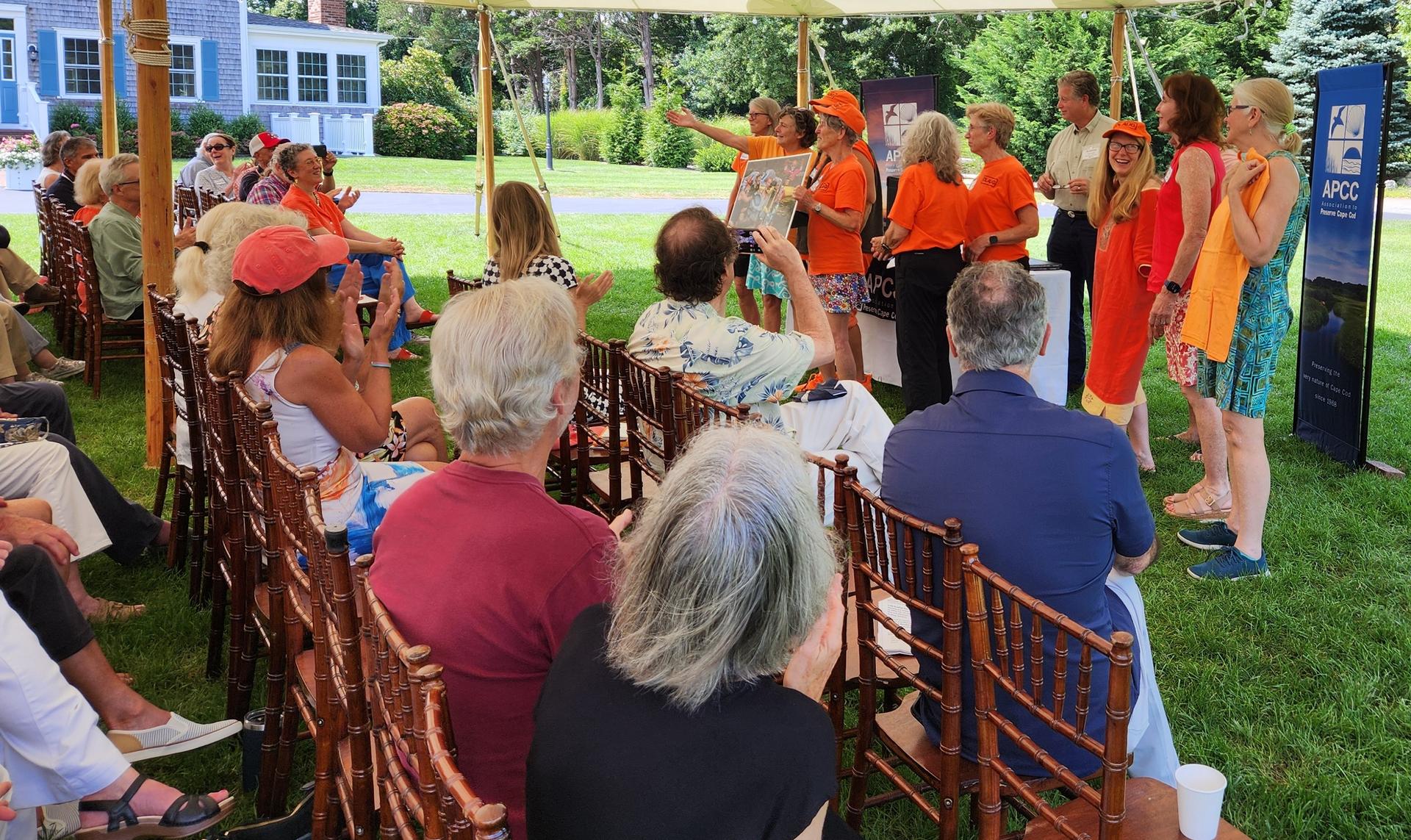
Above: OLAUGS receiving their special recognition award. Photo credit: Gerald Beetham |
Above: Jo Ann Muramoto, retired APCC science director, awarded APCC Honor Roll. Photo credit: Gerald Beetham |
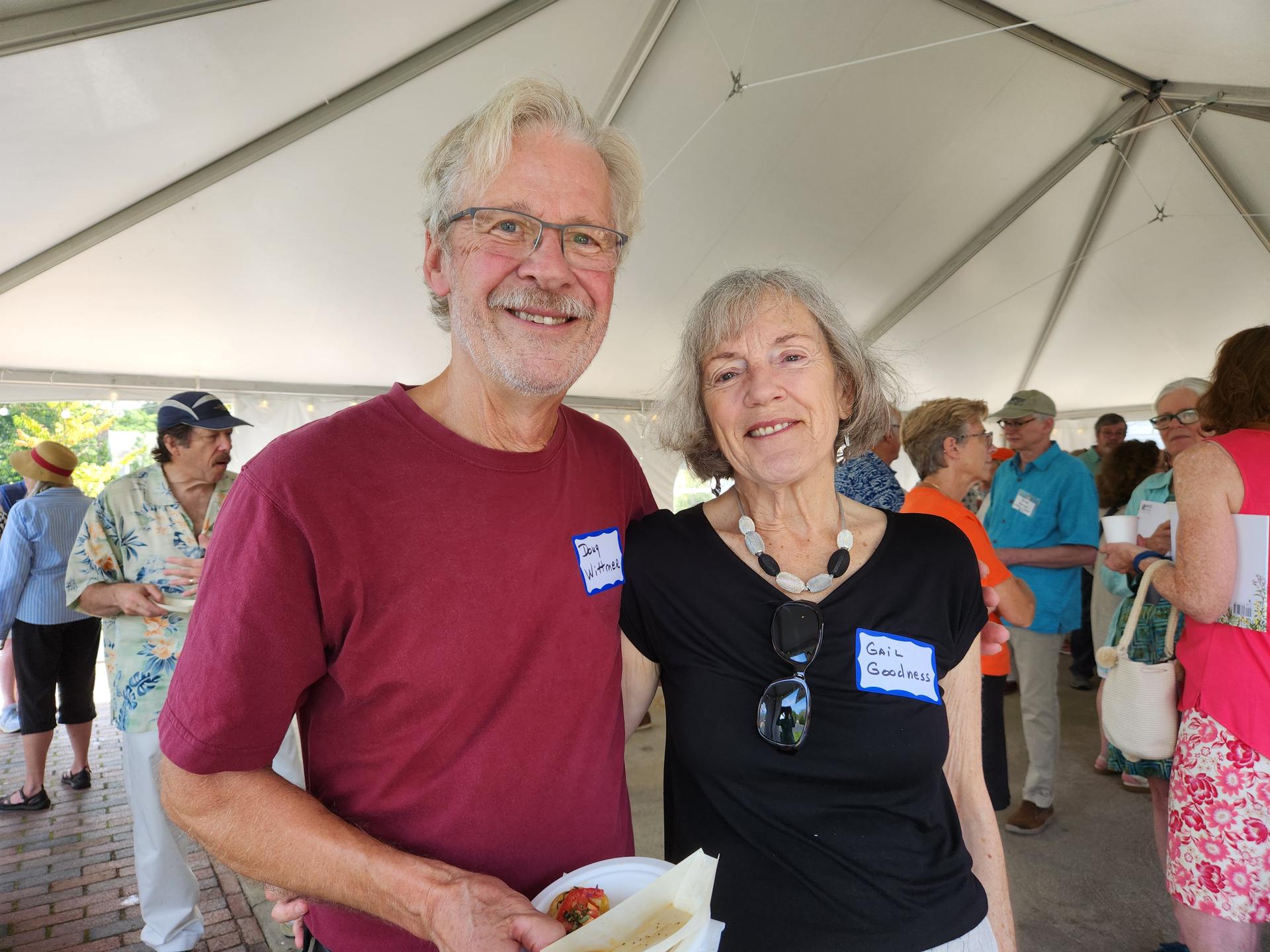
| Above: Doug Wittmer and Gail Goodness |
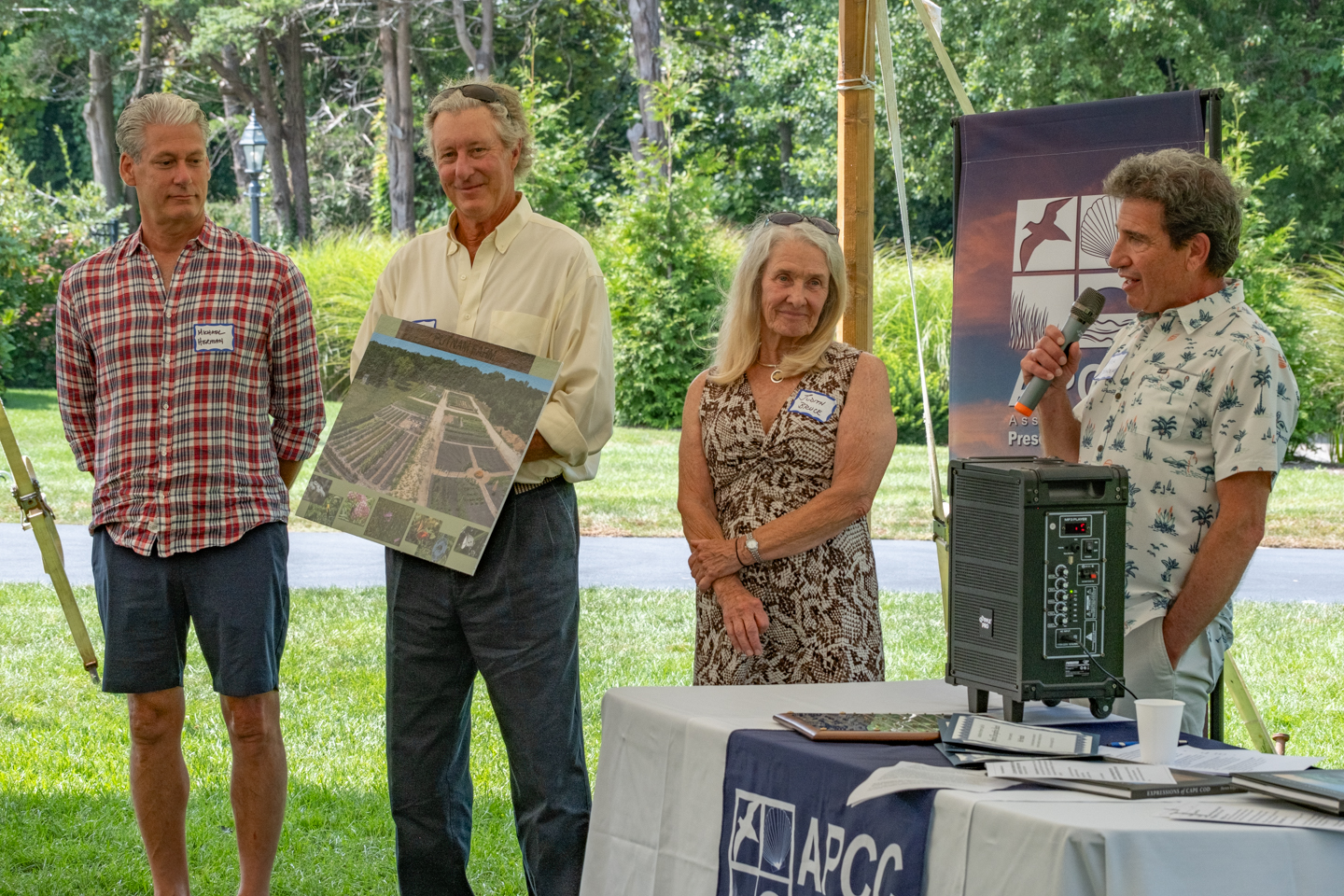
Above: Town of Orleans conservation commission and conservation agent and local advocate, Rick Francolini receive special recognition award for Putnam Farm. Photo credit: Gerald Beetham. |
Above: Susan Baur, the OLAUGS, APCC executive director, Andrew Gottlieb, and APCC president, Steve Koppel. Photo credit: Gerald Beetham |
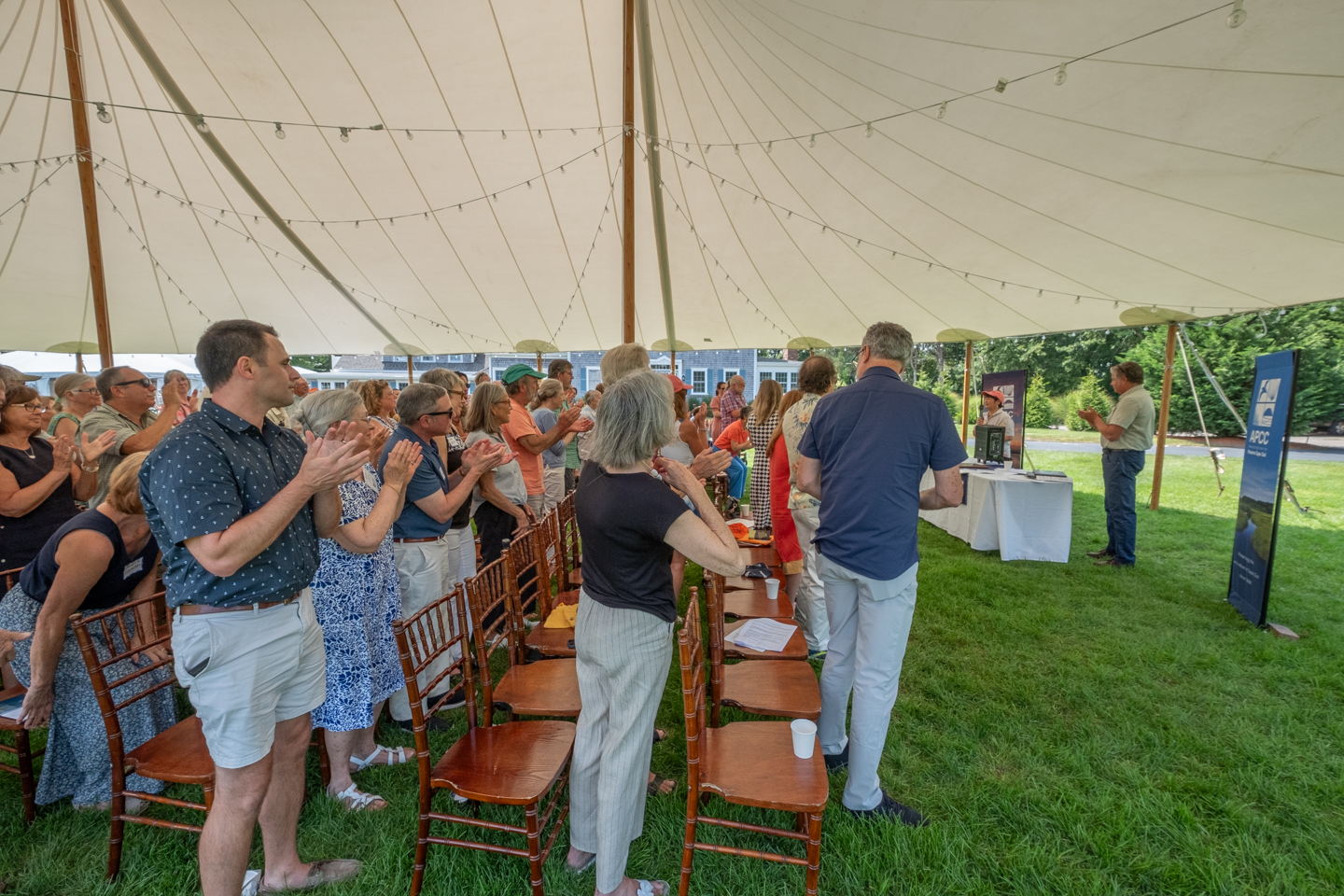
Above: Standing ovation for Jo Ann Muramoto
|
|
|
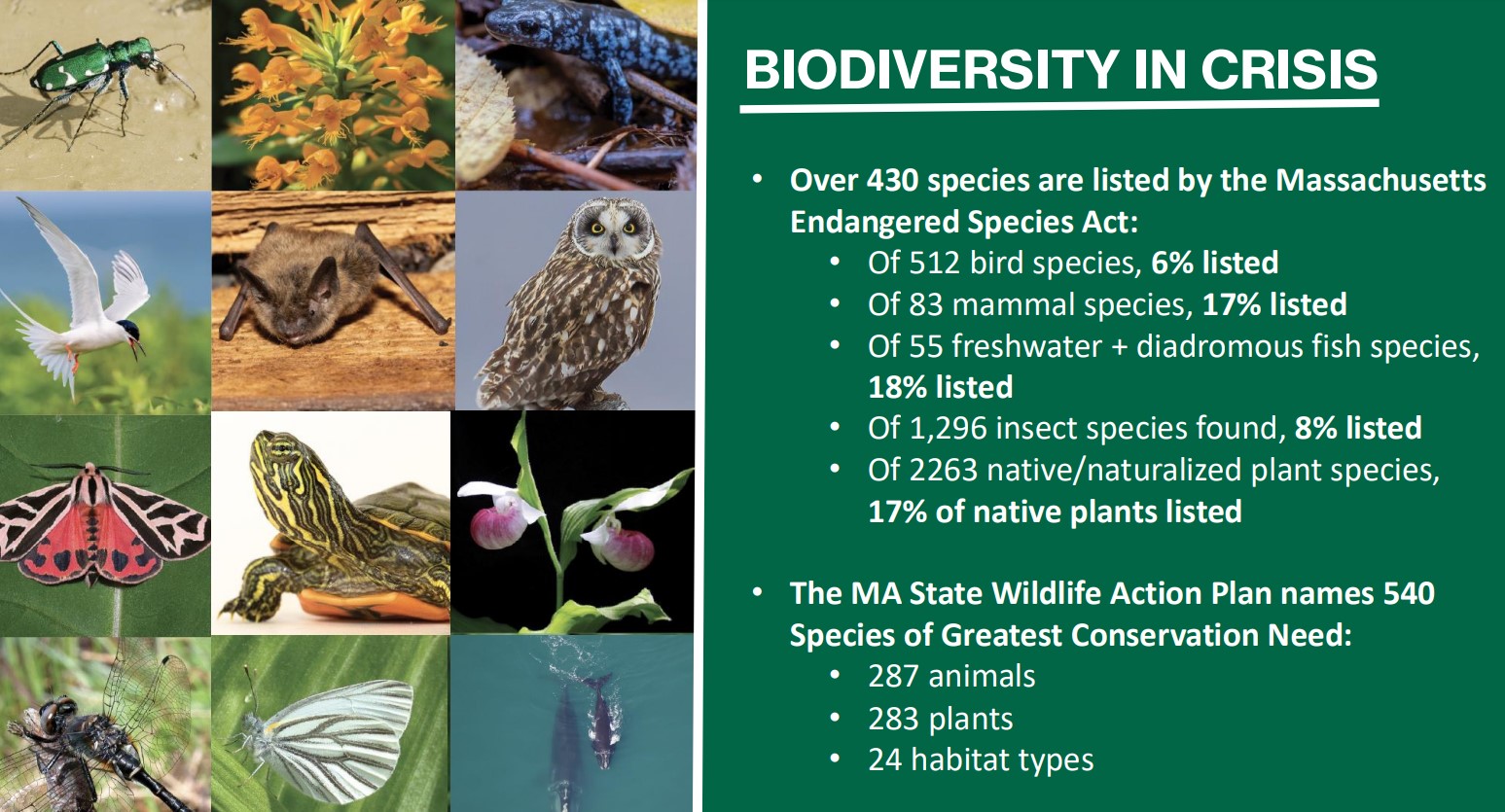
Biodiversity Goals for the Commonwealth - A bold vision for nature in 2050 and the roadmap to get there. |
|
|
From APCC's Ecosystem Restoration Program |
|
|
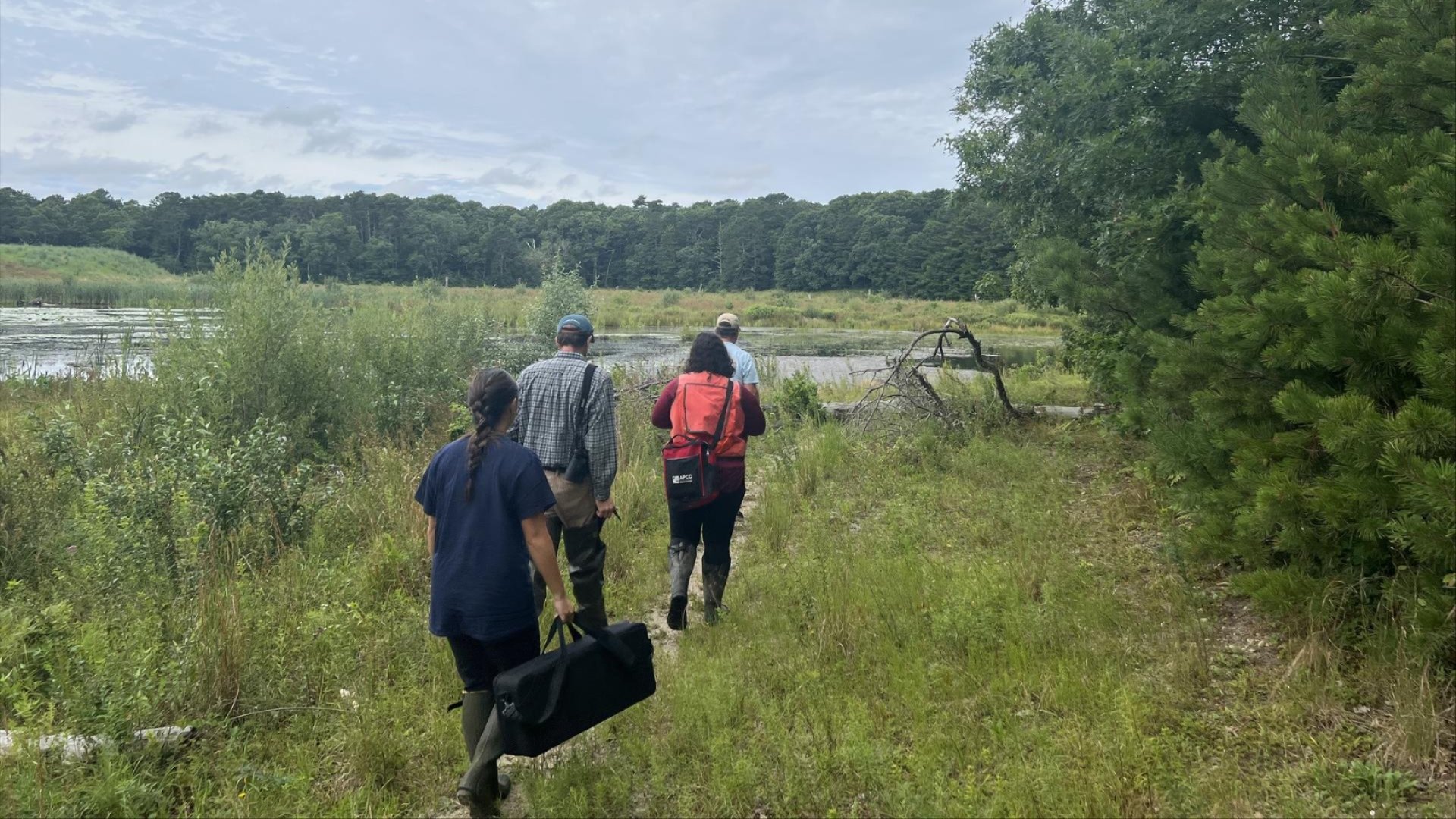
ABOVE: The Waquoit Bay National Estuarine Research Reserve, Falmouth Rod and Gun Club, and the Association to Preserve Cape Cod recently headed out to conduct water sampling at the former Farley Bog. This effort is part of the long-term monitoring of the Childs River restoration project. |
Cape Cod's Cranberries: A Legacy of Economic Prosperity and Ecological Balance
Cape Cod's cranberry bogs represent a unique chapter in the region's history, where human ingenuity transformed the landscape to cultivate this important crop. For nearly a century, these bogs supported a thriving industry. Over time, however, the agricultural practices necessary for cranberry production altered the natural hydrology and ecology of these wetlands.
Today, with many bogs no longer in active production, a remarkable opportunity arises. A scientific approach, termed "rewilding," is restoring these areas to their former wetlands. The process focuses on re-establishing the natural hydrology of the bogs. This involves breaching dams, removing sand, filling ditches, restoring river channels, tilling the bog surface, and manipulating water levels to mimic historical flow patterns. With this, life stirs anew. Invasive plant species are removed, making way for the return of native plants.
The benefits are far-reaching. A diverse community of plants and animals flourishes, providing habitat for insects, amphibians, and birds. Restored waterways welcome back native fish like brook trout and river herring. These revitalized wetlands act as nature's water filter, cleansing water before it reaches coastal ecosystems. Moreover, they function as natural sponges, absorbing excess water and mitigating flood risks in a changing climate. Beyond ecological advantages, restored bogs offer societal benefits. They provide new opportunities for recreation and environmental education, fostering a deeper connection with Cape Cod's unique landscape and its cultural history.
Several Cape Cod cranberry bogs have been successfully restored (Quashnet, Coonamessett, and Childs rivers), with several more projects underway. The Association to Preserve Cape Cod, along with its many partners, has played a leading role in these efforts and is at the forefront of ongoing bog restoration efforts here on Cape Cod. Learn more about our work at https://apcc.org/river-and-bog-restoration/.
|
Lower Cape TV - Restorations Securing Cape Cod's Future
This video takes a regional look at the ripple effects of these restorations that trickle into the local economy and what they mean to future generations. Where are the challenges and the barriers to these projects? And why is the drive to nurture our nature so strong on Cape Cod? |
|
|
A Thorn by Any Other Name
by Erin Camire, APCC Ecolandscape Audit Program Manager |
We are all familiar with the great Shakespearean ponderings about names, with a rose being his muse of choice, but in fact Shakespeare was closer than he could have realized to botanical word-play mastery when he selected the rose. Not for its many petals or colorful hue, but for its prickles, which by another name we call a thorn.
Thorns, spines, and prickles are all terms we’ve heard before, outside of the botanical world they lend themselves well to describing the things that seem to annoyingly poke us all day long, but why do we have so many names for the weapons some plants possess? Instead of turning to our glass-half-empty philosophical outlook on life, we can actually look to science! And I’m happy to say, that unlike many botanical naming conventions we unfortunately have to bear, (looking at you botanists who couldn’t spell Pennsylvania) the terminology we use to describe the sharp outgrowths of plants are actually quite different!
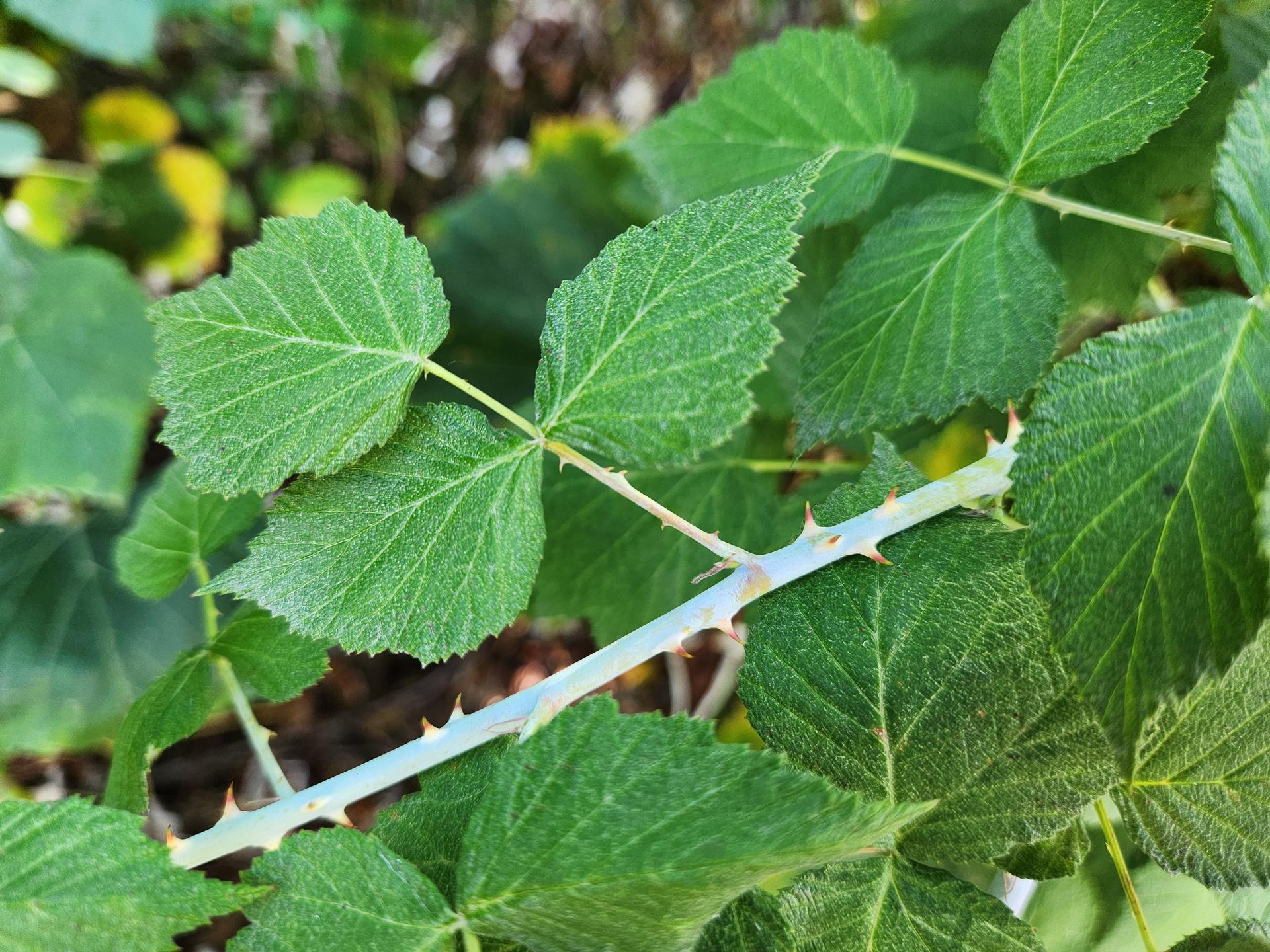
Let’s get back to our friend the rose, and dive into prickles. In contrast to what Bret Michaels would have you believe, roses do not possess thorns (which we’ll dive into later) but rather prickles. A prickle is best described as a corky outgrowth of the plant’s epidermis, or very outer layer of “skin.” These prickles are not connected to a plant’s vascular system, and therefore are easy to bend and break clean off. Prickles, unlike the other two weapons in the plant armory, do not grow in relation to a plant’s buds, meaning prickles occur sporadically all over the stem. In addition to roses, brambles (blackberry, raspberry, etc.) and greenbriers are other prickle-filled plants that you may have had the displeasure of bumping into.
Now that we’ve thoroughly debunked the rose, let’s get into what a thorn really is. Thorns are actually modified branches. Like a typical branch, a thorn is directly connected to a plant’s vascular system and a thorn will only grow out of a bud, meaning that thorns will be evenly spaced along the stem. The thorn emerges from the leaf axil, on top of the leaf scar. This pushes any leaves that will come out of this bud below or to the sides of the thorn. Some plants that wield thorns include the correctly named hawthorn and the ever present black locust. Be careful around plants with thorns, some of the largest weapons in the plant world, you could poke your eye out!
We’ve got one last plant weapon to discuss, the middle-man between prickles and thorns, and that is spines. Spines are actually modified leaves, and just like thorns, spines are connected to a plant’s vascular system and must grow out of a bud. This means that both spines and thorns grow out of bud axils, making them difficult to tell apart. It is the position of a spine to the leaf scar and bud that helps us solve this mystery, as spines emerge below the leaf scar, cupping the bud above them. The best example of plants maximizing spines would be many of our cacti, which have decided to convert all of their leaves to many, many spines.
So there you have it, prickles, thorns and spines. All very similar, but with very tangible differences. Now you have an excellent story to tell at your next cocktail party, or to annoy anyone who dares to say they were pricked by a rose's thorn. |
Thursday, September 12, 2024 at 12:00 p.m. The Everyday Conservationist: Nurturing Nature at Home with Danae Wolfe |
|
|
|
Climate change and biodiversity loss are creating existential threats to people and nature. But we can help. In this presentation, you’ll learn about how traditional landscape management is contributing to climate change and biodiversity loss and discover small steps we can all take in our own backyards and communities to steward our landscapes for nature and wildlife.
REGISTER HERE. |
|
|
Danae Wolfe is an award-winning conservation photographer, writer, educator, and TEDx speaker focused on fostering appreciation and stewardship of backyard bugs and wildlife. Ever the pragmatic, she believes that everyone has the power to make a difference in combating climate change and biodiversity loss. Danae was the 2022 recipient of the Garden Communicators International Emergent Communicator award, and her work has been featured in various outlets, including CNN, The American Gardener magazine, and Nature Conservancy Magazine. Through her community conservation initiative, Chasing Bugs, Danae has reached global audiences with science-based education about the importance of gardening for biodiversity and has inspired gardeners to appreciate the beauty of our natural world and embrace their role in its protection.
|
Take Action to protect the Upper Cape Water Supply Reserve |
|
|
If you've already written the governor, thank you! |
The Massachusetts National Guard, acting through the Massachusetts Military Division, is once again seeking bids to construct a multipurpose machine gun range (MPMGR) on top of the Upper Cape Water Supply Reserve.
Please write Governor Healey today
and demand that she direct her staff to cancel this bid solicitation.
Please use the state's contact form to send the governor a message (see the link to the state's website below). Here's a sample message you can copy and paste into the comments box on the state form:
Dear Gov. Healey,
I am writing to urge you to use your authority in putting a stop to the multipurpose machine gun range proposed for the Upper Cape Water Supply Reserve. I am very concerned about the Massachusetts National Guard’s recent transparent efforts to prevent existing project funds from expiring on September 30 by opening up another bidding process and securing a construction contract. A construction contract signed before October 1 would enable the Guard to continue to try to force the MPMGR on Cape Cod residents who are justifiably concerned that the project threatens the Upper Cape’s only source of drinking water.
This action by the Guard to advance contracting of the project is a further breach of the public trust and the commitment by your administration—which was agreed to by the Guard—that the project would not move forward until the U.S. Environmental Protection Agency has completed its work on the Sole Source Aquifer study and the state’s Environmental Management Commission has reviewed the project. Please use your authority as governor to order the bidding process to stop and to put a halt to this ill-conceived project. Thank you.
Link to state's website: https://www.mass.gov/info-details/email-the-governors-office#email-the-governor-&-lt.-governor-using-this-form- We'd like to exceed 1,000 emails to Governor Healey, demanding that she ensure this project does not go forward. |
|
|
We still have a few appointments available through September.
Click here for more information. |
|
|
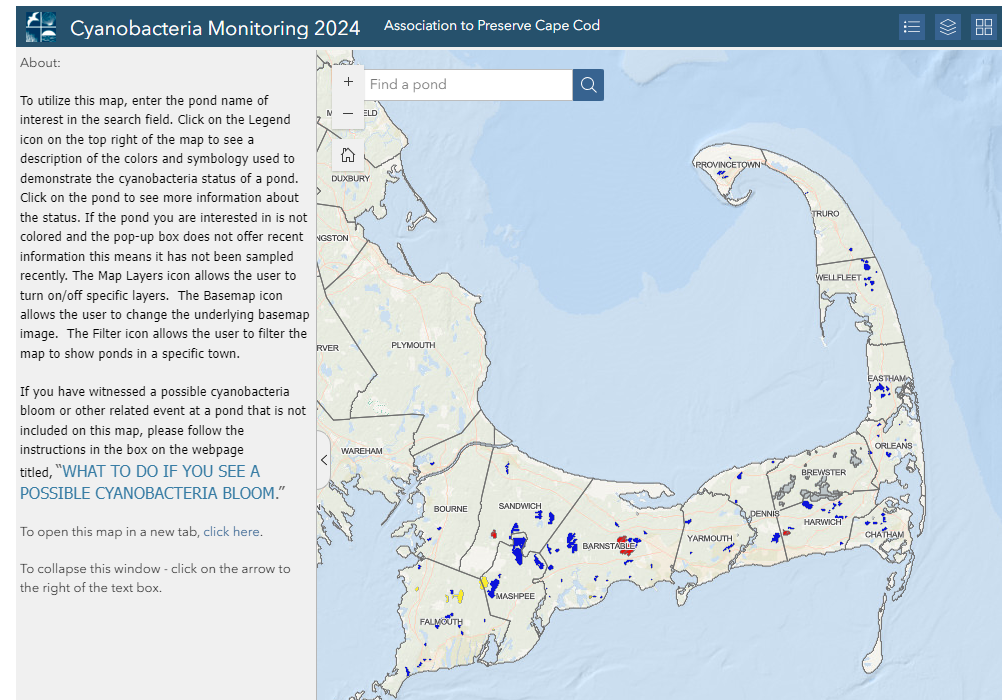
APCC's Cyanobacteria Monitoring Program |
|
|
Guidelines for Cape-friendly Landscapes - an APCC publication |
|
|
The Guidelines gives homeowners steps they can take in the design and maintenance of their properties that will support pollinators and birds, manage stormwater, conserve water, and protect the Cape's water quality. This 40-page booklet is beautifully illustrated by Marcy Ford with content that is easily digestible and supported by numerous resources for additional learning.
|
Thank you for this important book! Hopefully everyone of us with a yard will read it and put it to use! - Vicky Titcomb of Titcomb Bookshop |
We've enjoyed creating it and hope it will help you with ideas to help you steward your piece of Cape Cod and maybe foster an environmental ethic in the decisions we all make in our own managed landscapes. Get your copy here—and maybe one for a friend?
|
We are grateful for the several retail shops that are partnering with us to make this publication more widely available: Brewster Book Store, Birdwatchers General Store, Crocker Nurseries, Wellfleet Audubon Wildlife Sanctuary, Cape Abilities Farm, Cape Cod Museum of Natural History, the Cape Cod Lavender Farm, Heritage Museums and Gardens, Titcomb's Bookshop, Sea Howl Bookshop, Soares Flower Garden Nursery, and Eight Cousins Bookshop.
If you are a retailer and would like to sell this publication at your store, contact Kristin at kandres@apcc.org. |
|
|
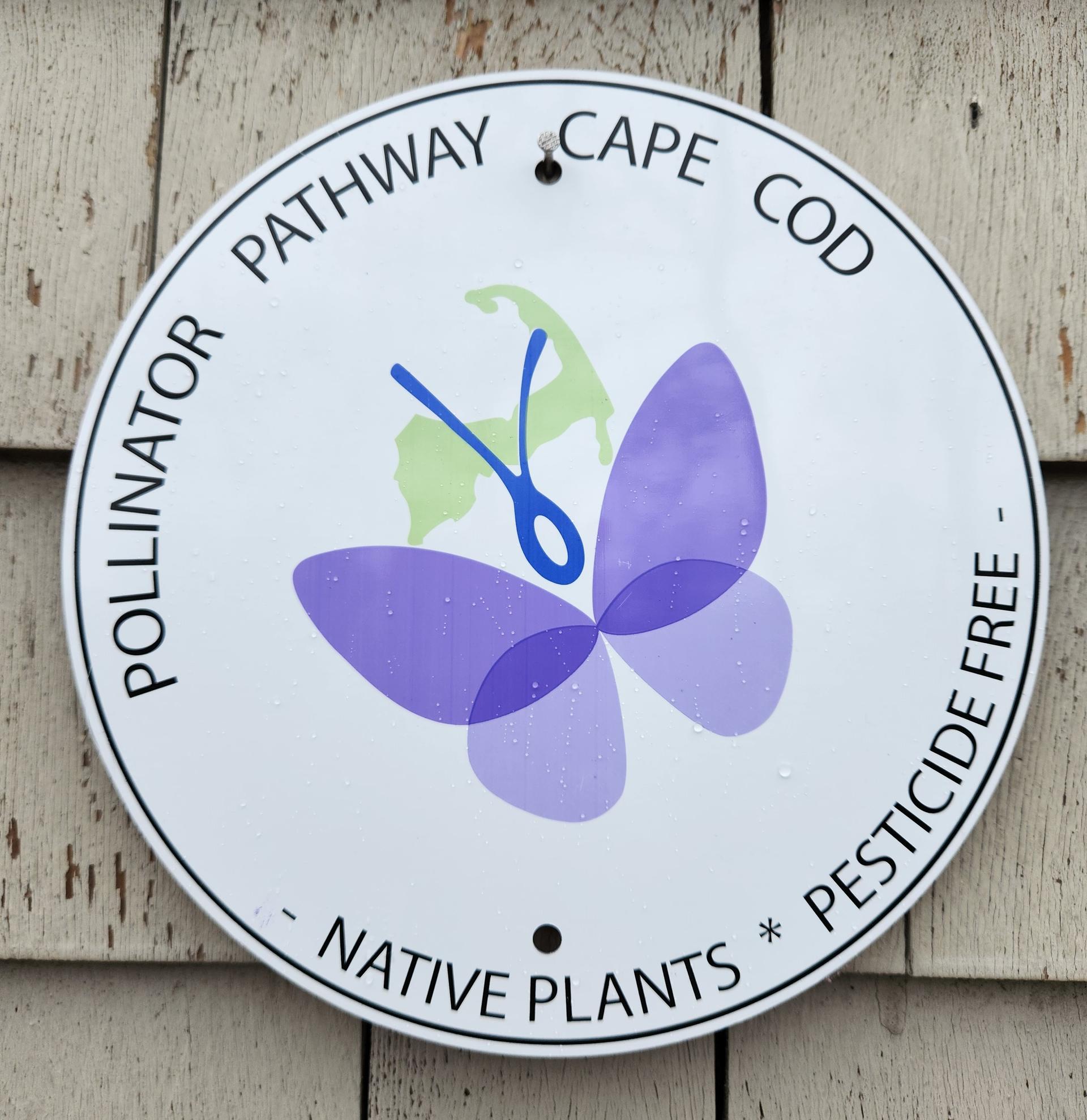
The Pollinator Pathway Cape Cod is a group of organizations promoting native plants and pollinator-friendly land care practices to create a boat load of safe oases for our native bees, butterflies and a whole host of other pollinators that are crucial to the health of our ecosystems.
Join us! It's easy. There are no fees. You just need to pledge to ADD native plants, SUBTRACT a little lawn, AVOID yard chemicals, especially pesticides, and LEAVE the leaves. And, help us spread the word. Please get on the map to show your support of pollinators on Cape Cod!
You can purchase now your 9-inch aluminum Pollinator Pathway Cape Cod sign at Hyannis Country Garden, Crocker Nurseries, Brewster Book Store, Orleans Conservation Trust, and
Cape Abilities Farm.
If you are a retailer, and you would like to sell the signs, you can order online here, or email pollinators@apcc.org. |
|
|
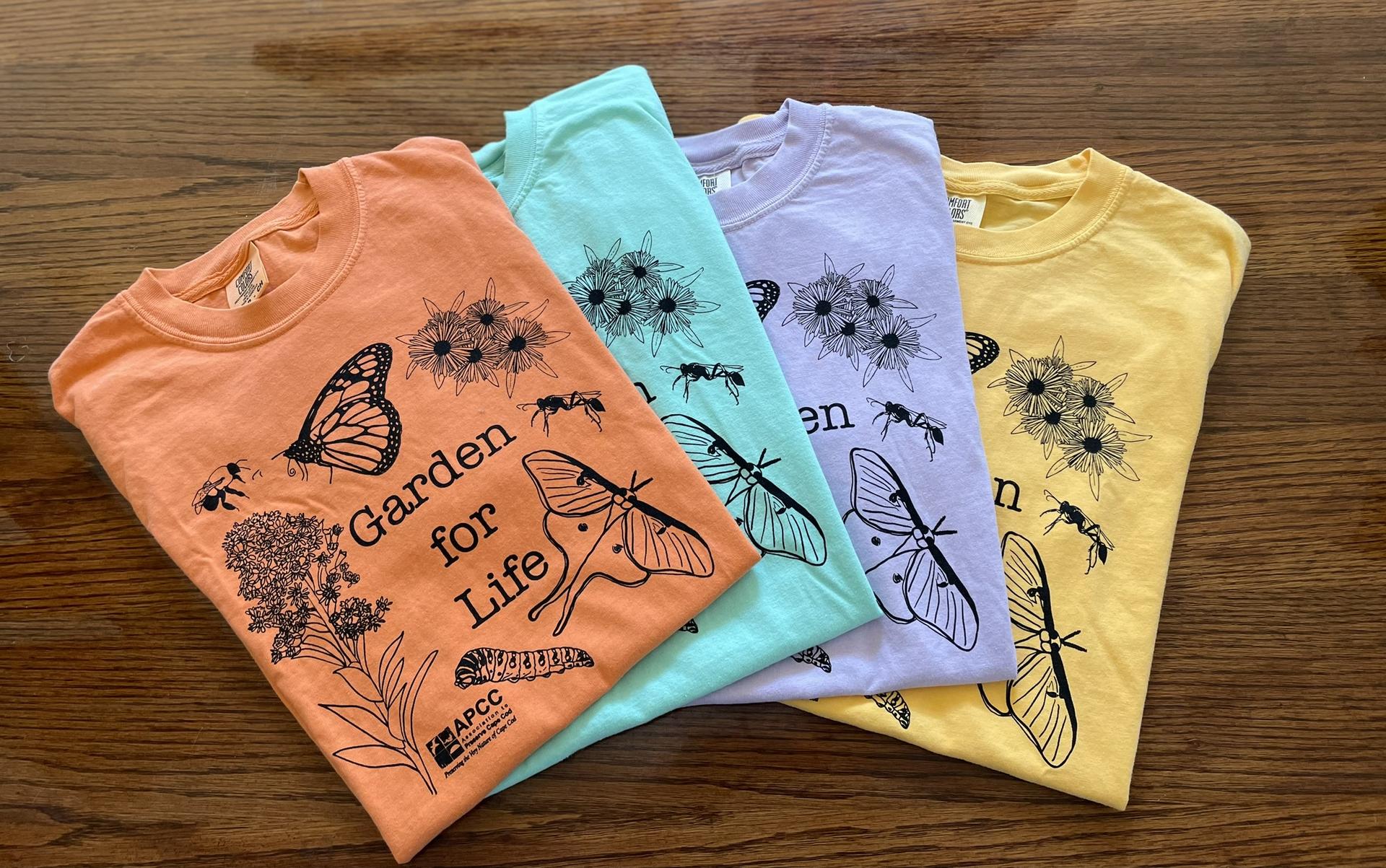
| Available for online purchase: APCC caps $25 includes shipping & handling +++++++++++++++++ Garden for Life T's $30 including shipping & handling Click here
for more information and to order. This is just one great way to show your support for APCC's work. |
|
|
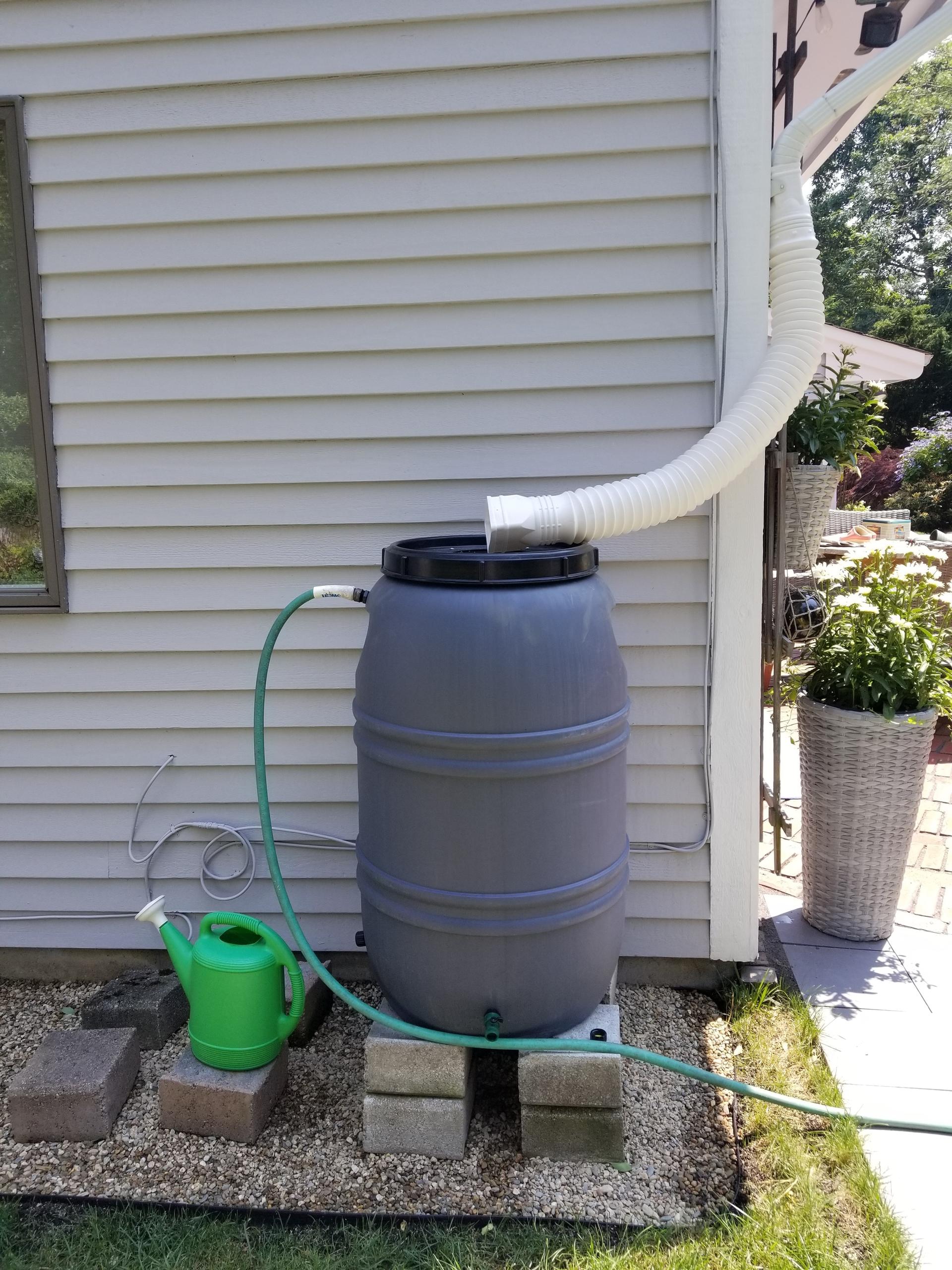
| Rain Barrels for Cape Cod Order online from Upcycle Products
$122 each includes FedEx shipping to your door
55 gallon, repurposed food barrels Keep a barrel out of a landfill, and capture some free rainwater.
APCC receives a portion of the proceeds. For more information, click here. |
|
|
A Cape Cod Native Plant-selector ~ to help you choose the perfect native plants for your garden. |
|
|
Email membership@apcc.org and we'll send you a CapeCodNativePlants.org decal. |
|
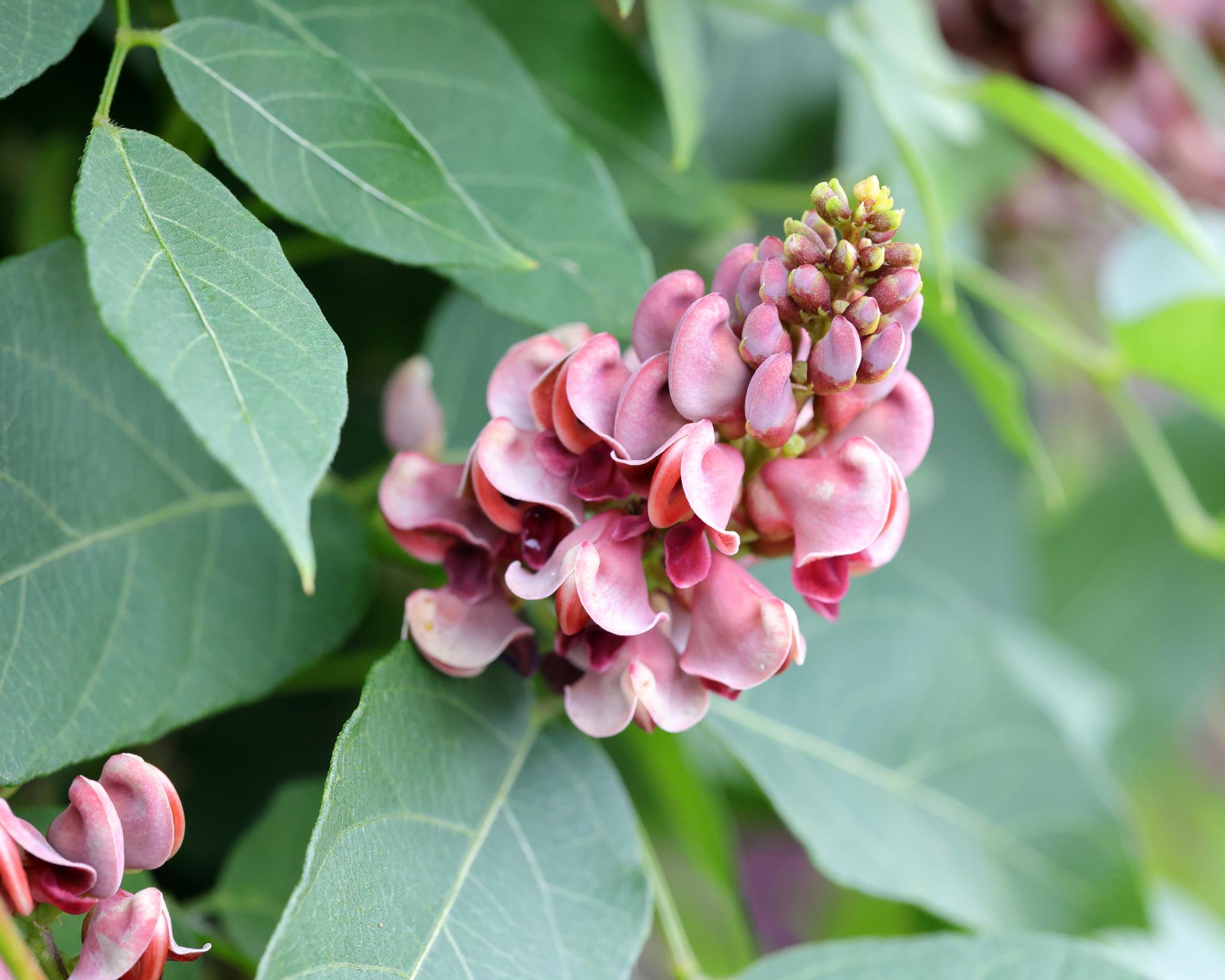
American Groundnut Apios americana |
|
|
| APCC eNewsletters.
Our weekly newsletters are archived on our website and easily shared.
You can find past newsletters and share with your friends. Encourage others to sign up for future enewsletters HERE.
|
|
|
Are you thinking of going solar? We hope so!
In partnership with E2 SOLAR in Dennis, APCC receives $500 for every solar installation when APCC is named as referral. |
|
|
|
Thank you to the homeowners who just contracted to install solar panels through E2 Solar. May the sun always shine for you! |
|
|
Expressions Gallery, 578 Main Street, Chatham
CLICK HERE |
Expressions Gallery donates 20 percent of its profits to APCC's work. |
|
|
Thank you to our business sponsors |
|
|
APCC is rated four stars by Charity Navigator and 2023 Platinum by Candid (formerly Guidestar). |
|
|
Our Contact Information
*{{Organization Name}}*
*{{Organization Address}}*
*{{Organization Phone}}*
*{{Organization Website}}*
*{{Unsubscribe}}* |
| |
|
|