Association to Preserve Cape Cod |
|
|
| Supremely Bad
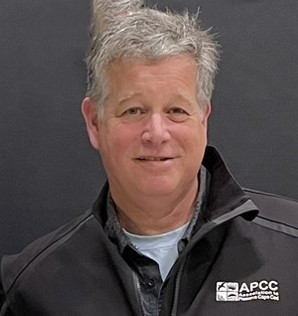
by Andrew Gottlieb, Executive Director |
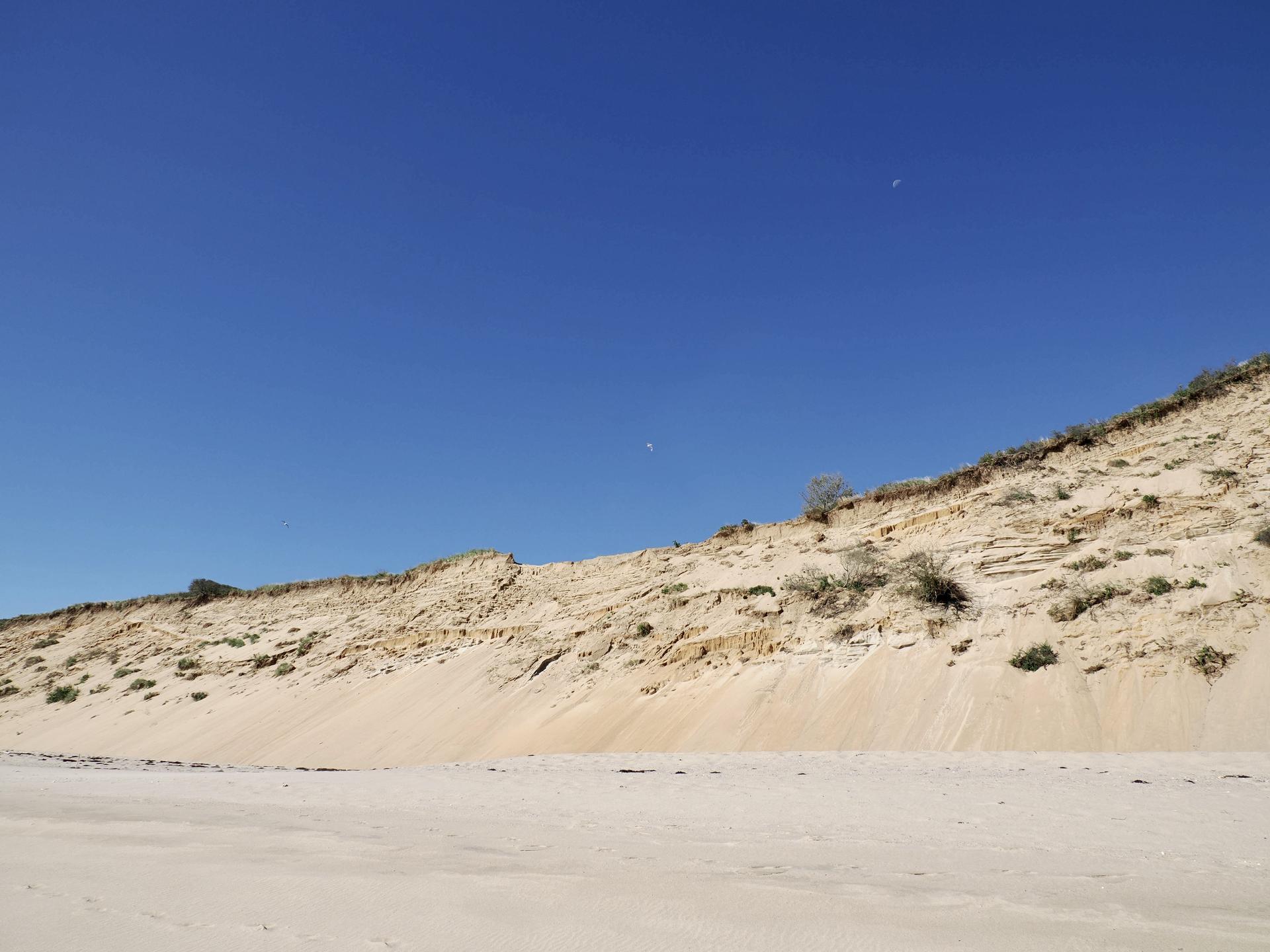
The Supreme Court made last week a bad one for Cape Cod and the environment. Beyond the anti-environmental predicate behind the overturning of the clean air and fisheries rules, these decisions have far-reaching implications beyond their immediate impact of making the environment worse right now. The direct impact of these rulings will subject Cape residents to dirtier air and will undermine efforts to restore herring populations to sustainable levels.
|
|
|
Even worse, though, is the trajectory of thought that these rulings reflect and what they signal about where we are headed. The conservative supermajority of the Court is openly hostile to what they consider the abuses of the modern administrative state where federal agencies with subject matter expertise apply broad statutes to make regulatory standards to protect the public welfare. Utilizing Koch-funded litigation, the Court has taken aim at environmental rules, but this is really a broader assault on the rules-based order that has constrained corporate and polluter abuses in the post-war era. The framework that has resulted in cleaner air and water, protected worker safety, and brought countless other societal benefits to the public was tossed aside Friday with the overturning of the Chevron precedent that required the courts to defer to reasonable agency discretion in implementing the law.
The reversal of Chevron is couched in language that is intended to appeal to the public. The PR spin is that the decision returns power to the elected representatives of the people to write specific laws not subject to interpretation by agencies. That might sound good, but think about it for a minute. Raise your hand if you think this, or any recent Congress, can parse through complex technical and scientific issues to pass specific legislation that addresses current and future problems. I don’t think that is possible from a body that cannot agree on the basic facts surrounding something we all saw with our own eyes on TV.
In the absence of new legislation, the courts will be in the business of deciding if agencies using 20th century laws to address 21st century problems have the authority to do so. The answer is clear. The conservative Court majority, groomed and selected by the Federalists to implement a 40-year strategy to scuttle the administrative state after the Bork nomination to the Court was rejected, will continue to reject rules-setting. With Congress unlikely to step in to update the governing legislation needed to protect the environment or address climate change, we are really at the mercy of a suddenly activist conservative Court that has demonstrated its animus to a forward-looking view as it looks backward at 18th century originalism for answers.
For us Cape Codders, expect more bad air days, dirtier water, rising temperatures and higher seas. That’s all just the tip of the melting iceberg. |
Saving Our Ponds: A video series from the Woods Hole Oceanographic Institute |
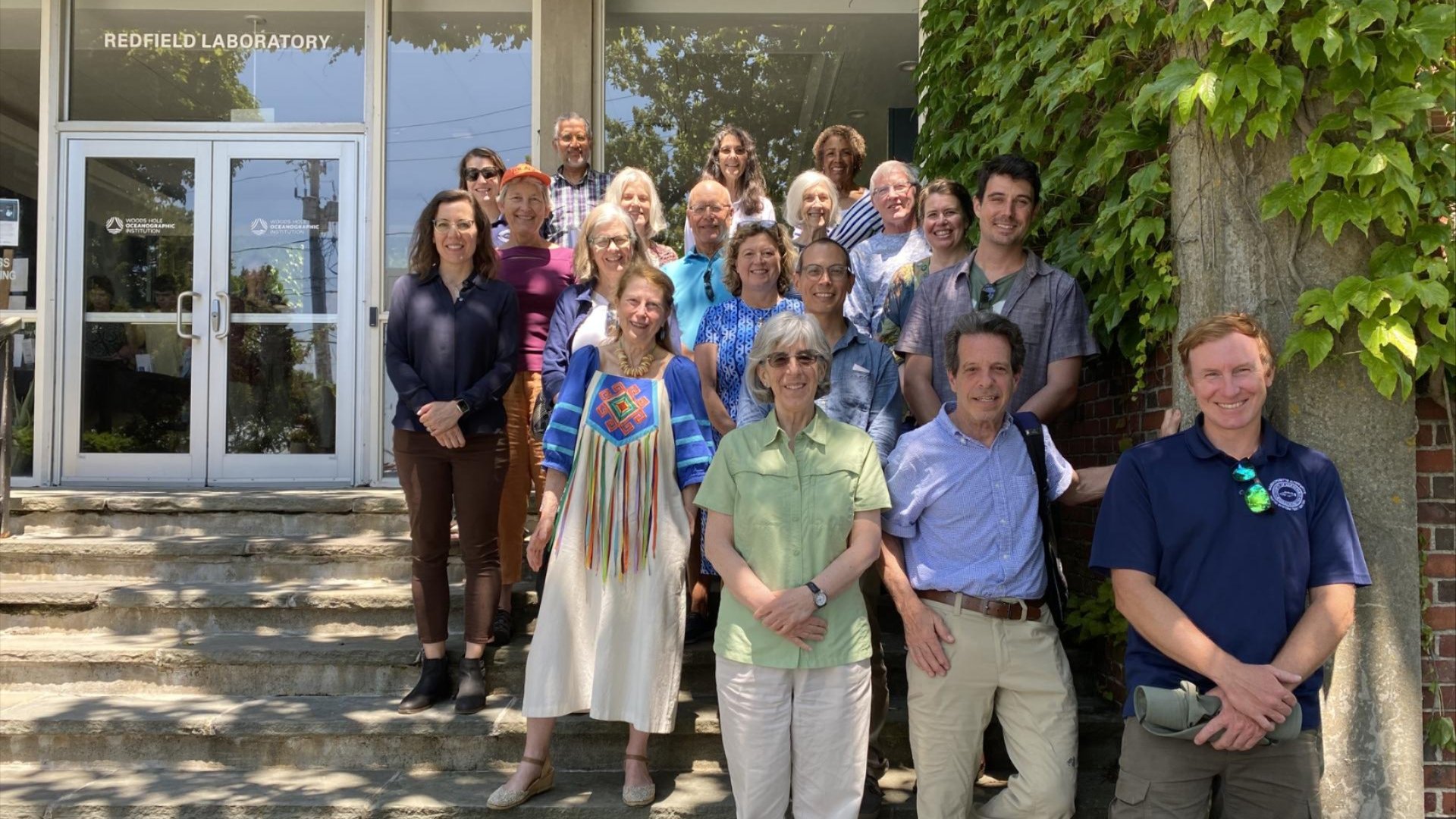
The beautiful ponds and waterways of Cape Cod and the Islands, beloved by residents and visitors alike, are increasingly under threat from toxic algae blooms. This series, "Saving Our Ponds," explores the impacts of these blooms on freshwater and brackish bodies around Cape Cod and the Islands, and highlights community-driven initiatives aimed at restoring water quality. |
|
|
Above: Participants contributing to the videos. |
APCC's Ecosystem Restoration Program In the Field: Chase Garden Creek Salt Marsh |
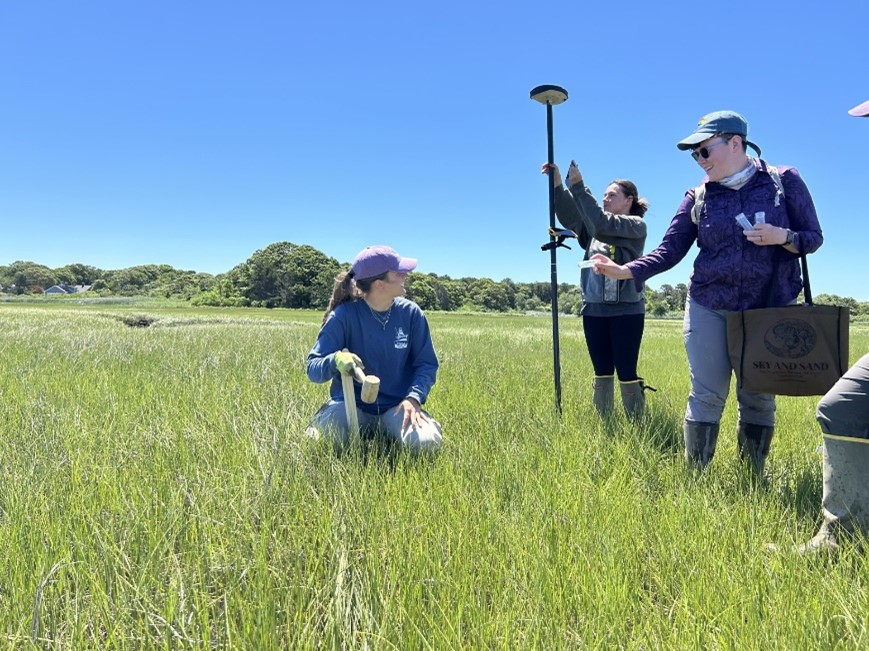
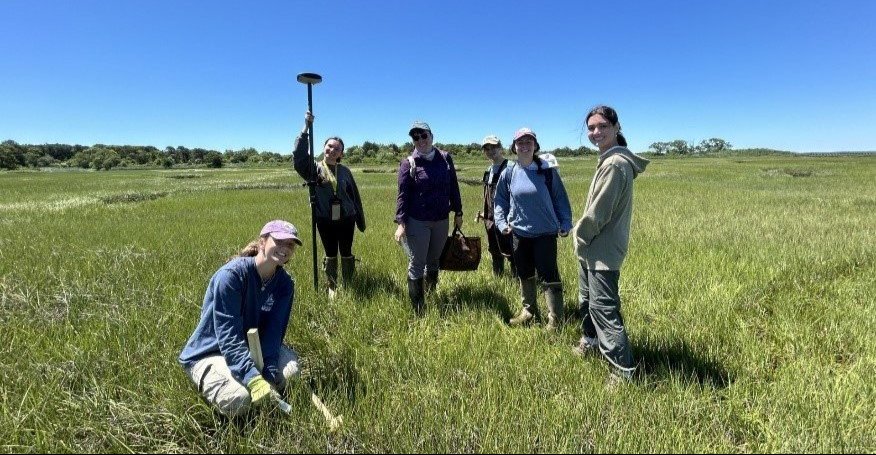
Above: Staff from APCC and CCS collect elevation data and place sediment traps at Chase Garden Creek. |
This past week, the restoration team at APCC along with staff from Center for Coastal Studies (CCS) took to the field at Chase Garden Creek. The team set up transects and placed sediment traps across three subsections of the marsh for the 2024 field season. Sediment Monitoring
In a typical saltmarsh system, coastal tides deposit sediment on the marsh, allowing for the marsh to grow vertically. Marshes that have a lack of sediment supply become vulnerable to environmental changes, such as sea level rise. APCC has contracted the CCS to assist with this sediment study. The sediment traps will inform us about the sedimentation rate in different areas of the marsh. Understanding the sediment supply to the marsh is crucial in developing strategies and targeting the location for restoration practices such as runneling or ditch remediation.
Further Monitoring
Later this summer, APCC will return to Chase Garden Creek to deploy water level loggers and conduct vegetation monitoring. Comparison of the vegetation types and any dieback of vegetation relative to previous years will provide insight into the most at-risk areas of the marsh. For further information about our previous work at Chase Garden Creek, please visit APCC's website.
This work is being funded by the Lavori Sterling Foundation and other private foundation funding awarded to support early assessment and project planning by APCC’s Ecosystem Restoration Program. |
Above: Staff from APCC and CCS in the field at Chase Garden Creek. |
|
|
Plant It and They Will Come! |
|
|
Above photo credit: Marcie Truesdale |
| Above photo credit: Greg Hume, CC BY-SA 3.0, via Wikimedia Commons |
|
|
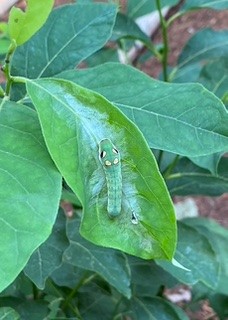
I wanted to find a spicebush caterpillar because I just couldn’t believe they actually looked like that—green with distinct markings that look like big eyes.
Well, this year, I had a small row of decent size spice bushes planted along one of my woodland paths. I kept looking and finally found a rolled leaf and over several days, a small brownish caterpillar emerged. I was a little disappointed until I looked up their life cycle and found they go through several stages.
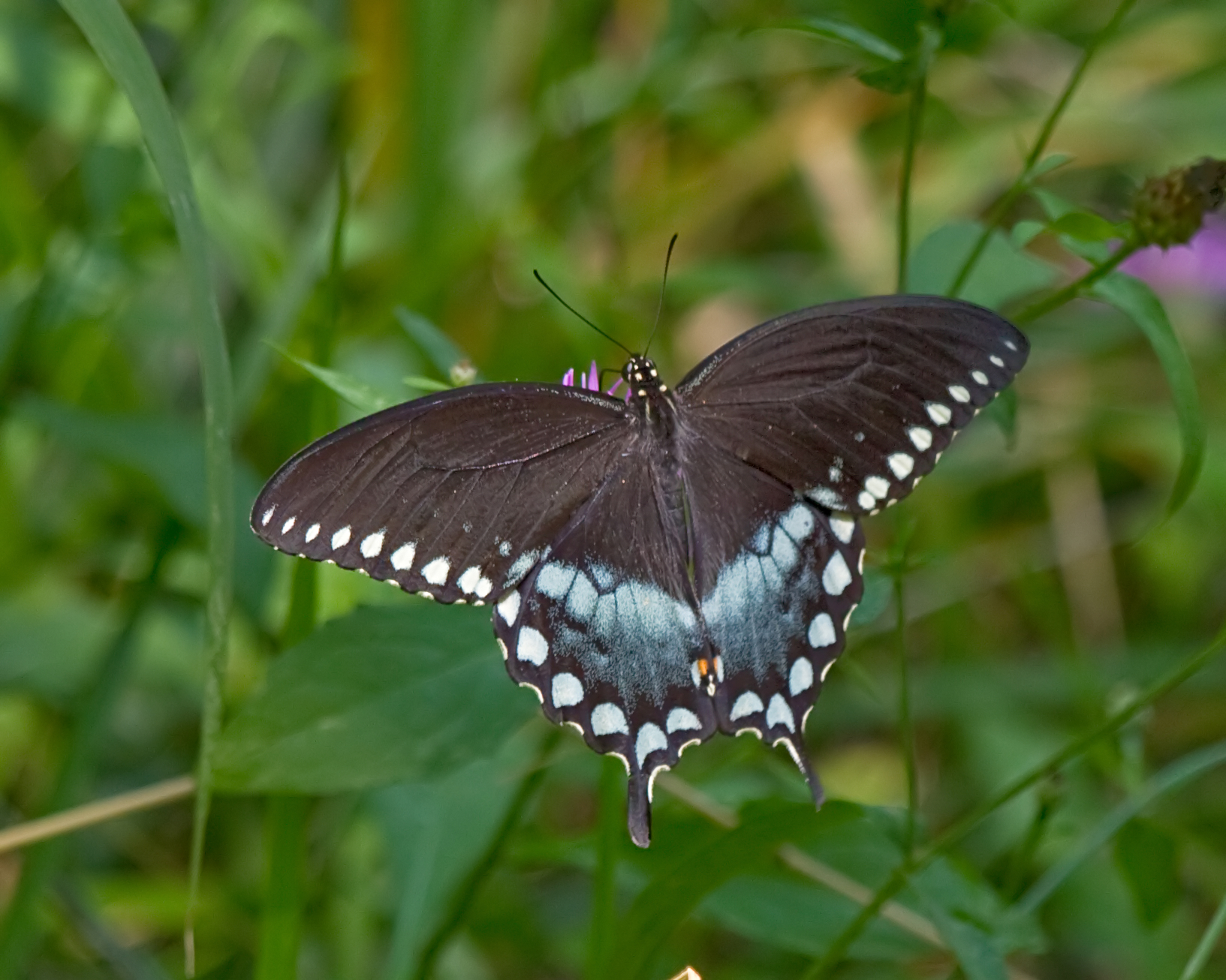
I was so excited when the next rolled leaf opened and I spotted this guy!! Hoping I will go on to find a chrysalis and eventually a spicebush butterfly will be fluttering about! -Marcie Truesdale |
|
|
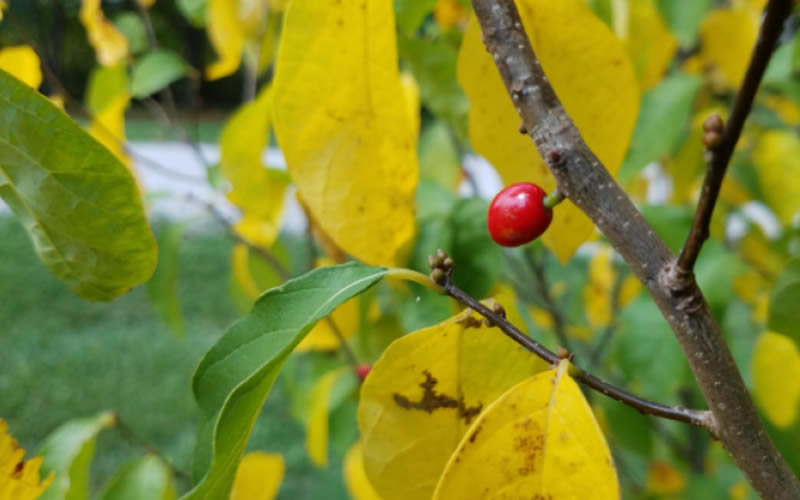
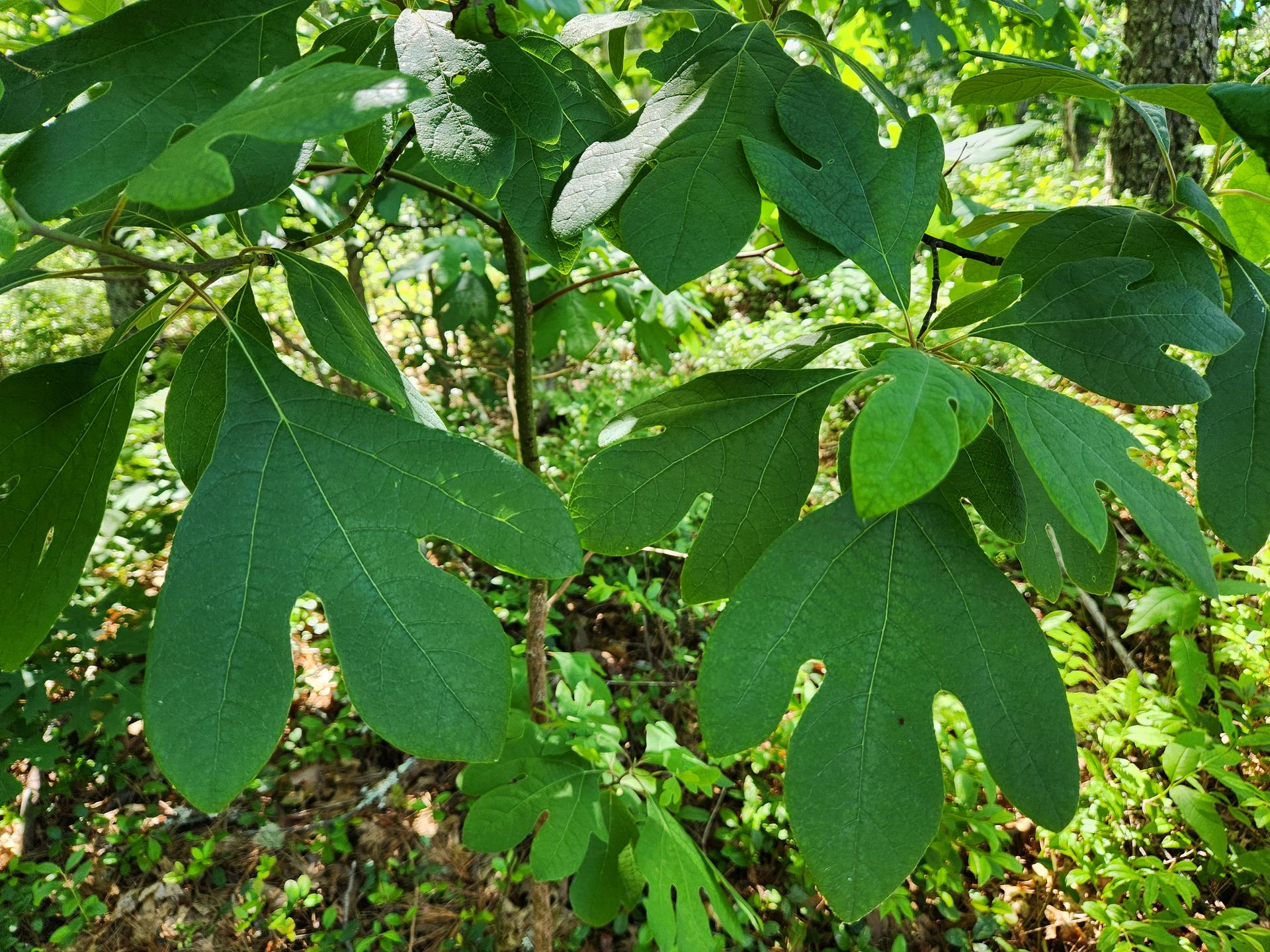
A spicebush swallowtail looks for spicebush and sassafras on which to lay her eggs. These are the swallowtail's host plants—a special relationship in its life cycle. So, if you want to see this lovely butterfly, your landscape has have spicebush or sassafras and be chemical-free. |
|
|
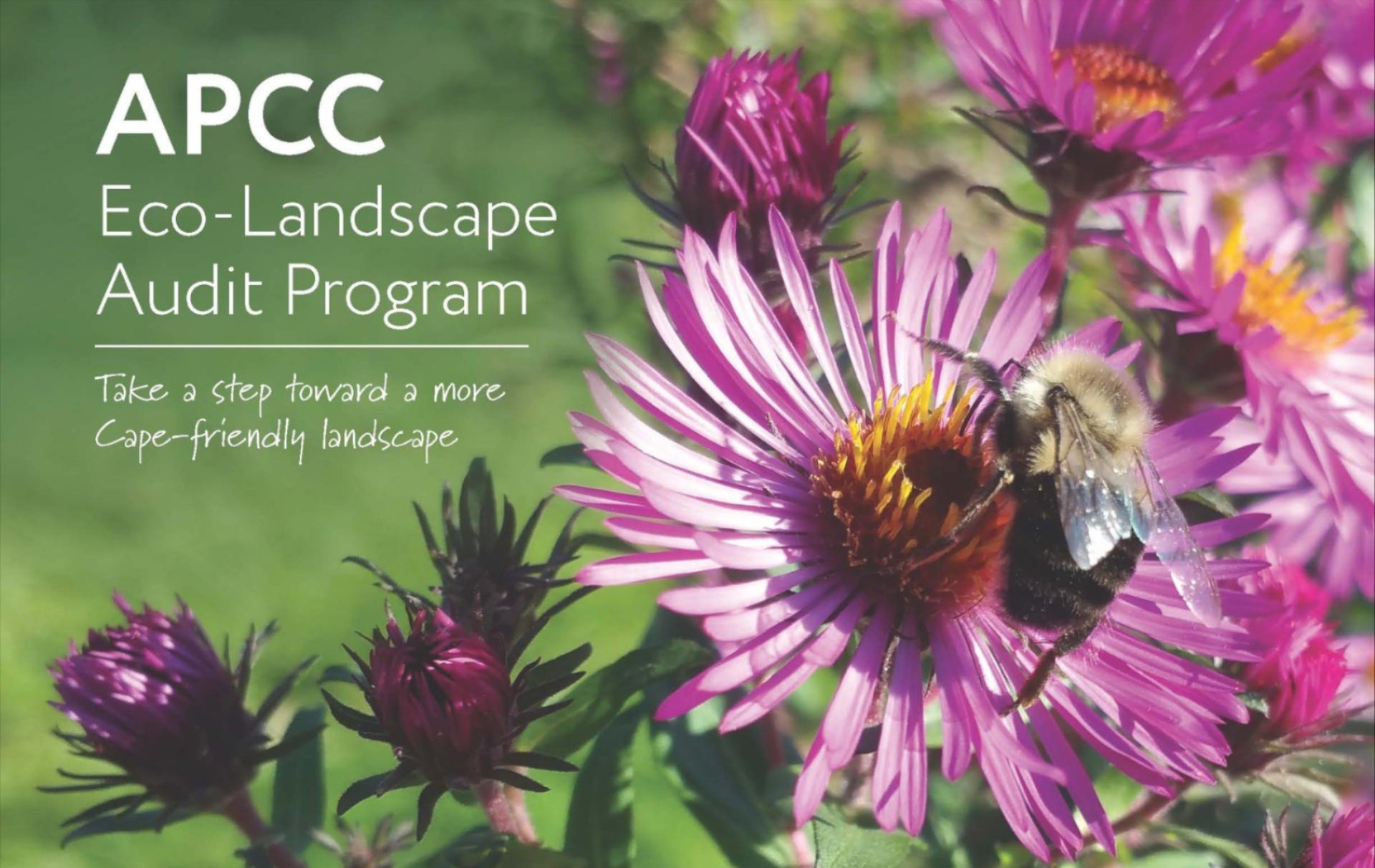
We are taking appointments now through August (first come, first serve). Click here for more information.
2024 testimonials: This is so fantastic!! You have provided so many great ideas and lots of detail, everything I need to be successful!! Thank you, thank you, thank you!! - Kathy W. Thank you for your ideas, suggestions, recommendations, and education. - Judith B.
Most excellent!! VERY well done, and SO much useful information. Definitely exceeded my expectations, which were pretty high! - Eli W.
APCC's Ecolandscape Audit Program is hands down, the best investment for the money that I have made in my yard EVER. What a comprehensive evaluation! It will leave you inspired to better your Cape Cod landscape in relation to water use, plant selection, and pollinator & animal habitat. Wonderful, wonderful! - Rick M. |
|
|
In Flux: Perspectives on Arctic Change from Woodwell Scientists and Art Science Fellows July 11 @ 5:30 p.m. - 7:30 p.m.
Highfield Hall & Gardens FREE
Join Woodwell Climate Research Center’s Dr. Susan Natali, Arctic program director and senior scientist, and Dr. Jennifer Watts, Arctic program director and associate scientist, along with Woodwell Art Science Fellows for an engaging panel discussion. This is a special opportunity to interact with those behind the research and art of Highfield’s summer exhibit "In Flux: Perspectives on Arctic Change from Woodwell Art Science Fellows."
Dr. Heather Goldstone, panel moderator, brings experience as a scientist, journalist, and former host of a weekly science-focused radio show to the conversation along with her passion to meld data and narrative in climate change stories that build awareness and inspire action. This public panel is hosted in collaboration with Woodwell Climate Research Center. Reception to follow. Highfield’s Science & Environment Speaker Series is made possible in part through the generous support of the Arts Foundation of Cape Cod, The Falmouth Fund, The Brabson Family Foundation, Cape Cod 5, the Woods Hole Foundation, and Woodwell Climate Research Center. This event is FREE but seats are limited, so please register for the event in advance.
Register online today or call 508-495-1878 ext. 2. |
|
|
APCC's Cyanobacteria Monitoring Program |
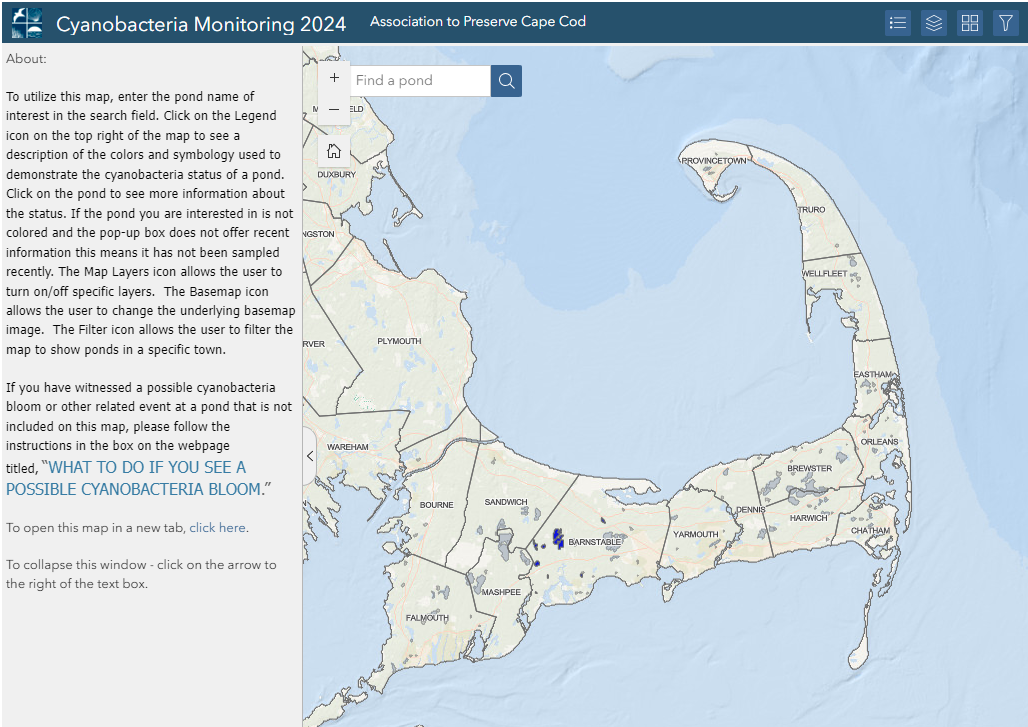
Our cyanobacteria monitoring map is live for 2024. The program begins in earnest this week and results are displayed on the interactive map. You can sign up for cyanobacteria bloom alerts here - and receive a notice when a bloom is detected.
| |
|
Guidelines for Cape-friendly Landscapes - an APCC publication |
|
|
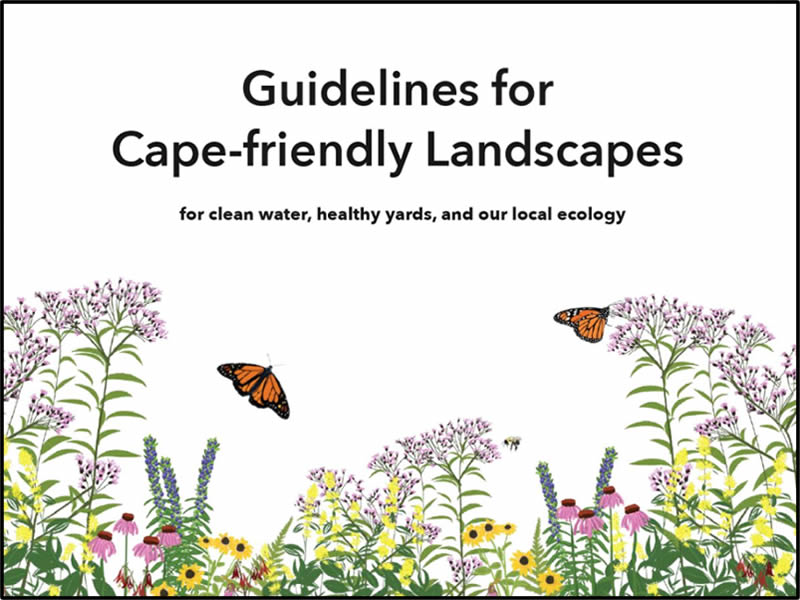
The Guidelines gives homeowners steps they can take in the design and maintenance of their properties that will support pollinators and birds, manage stormwater, conserve water, and protect the Cape's water quality. This 40-page booklet is beautifully illustrated by Marcy Ford with content that is easily digestible and supported by numerous resources for additional learning.
|
Thank you for this important book! Hopefully everyone of us with a yard will read it and put it to use! - Vicky Titcomb of Titcomb Bookshop |
We've enjoyed creating it and hope it will help you with ideas to help you steward your piece of Cape Cod and maybe foster an environmental ethic in the decisions we all make in our own managed landscapes. Get your copy here—and maybe one for a friend?
|
We are grateful for the several retail shops that are partnering with us to make this publication more widely available: Brewster Book Store, Birdwatchers General Store, Crocker Nurseries, Wellfleet Audubon Wildlife Sanctuary, Cape Abilities Farm, Cape Cod Museum of Natural History, the Cape Cod Lavender Farm, Heritage Museums and Gardens, Titcomb's Bookshop, Sea Howl Bookshop, Soares Flower Garden Nursery, and Eight Cousins Bookshop.
If you are a retailer and would like to sell this publication at your store, contact Kristin at kandres@apcc.org. |
|
|
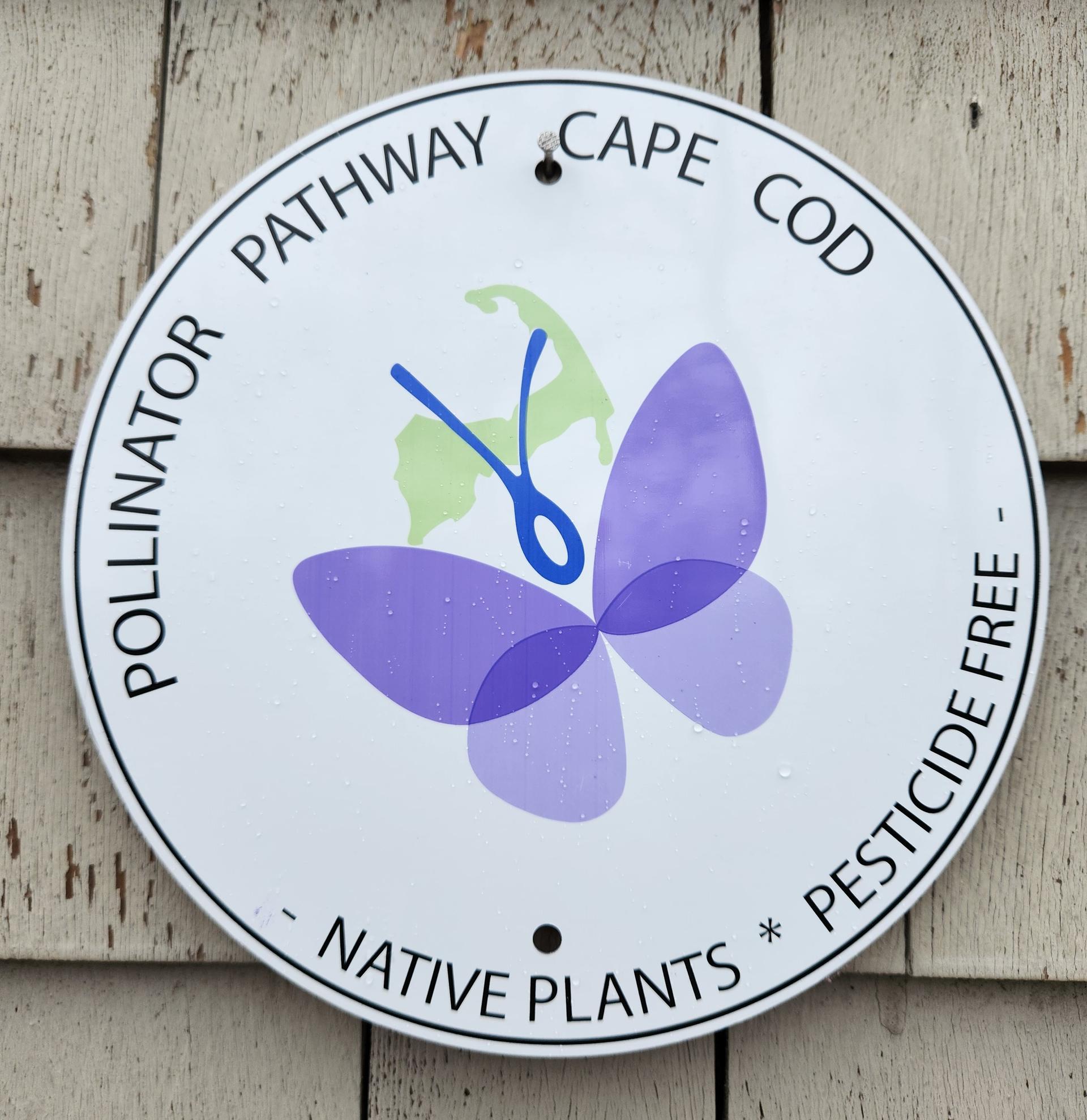
The Pollinator Pathway Cape Cod is a group of organizations promoting native plants and pollinator-friendly land care practices to create a boat load of safe oases for our native bees, butterflies and a whole host of other pollinators that are crucial to the health of our ecosystems.
Join us! It's easy. There are no fees. You just need to pledge to ADD native plants, SUBTRACT a little lawn, AVOID yard chemicals, especially pesticides, and LEAVE the leaves. And, help us spread the word. Please get on the map to show your support of pollinators on Cape Cod!
You can purchase now your 9-inch aluminum Pollinator Pathway Cape Cod sign at Hyannis Country Garden, Crocker Nurseries, Brewster Book Store, Orleans Conservation Trust, and
Cape Abilities Farm. If you are a retailer, and you would like to sell the signs, you can order online here, or email pollinators@apcc.org. |
|
|
| APCC Caps are available for purchase! $25 includes shipping & handling
Click here for more information and to order.
This is one great way to show your support for APCC's work. |
|
|
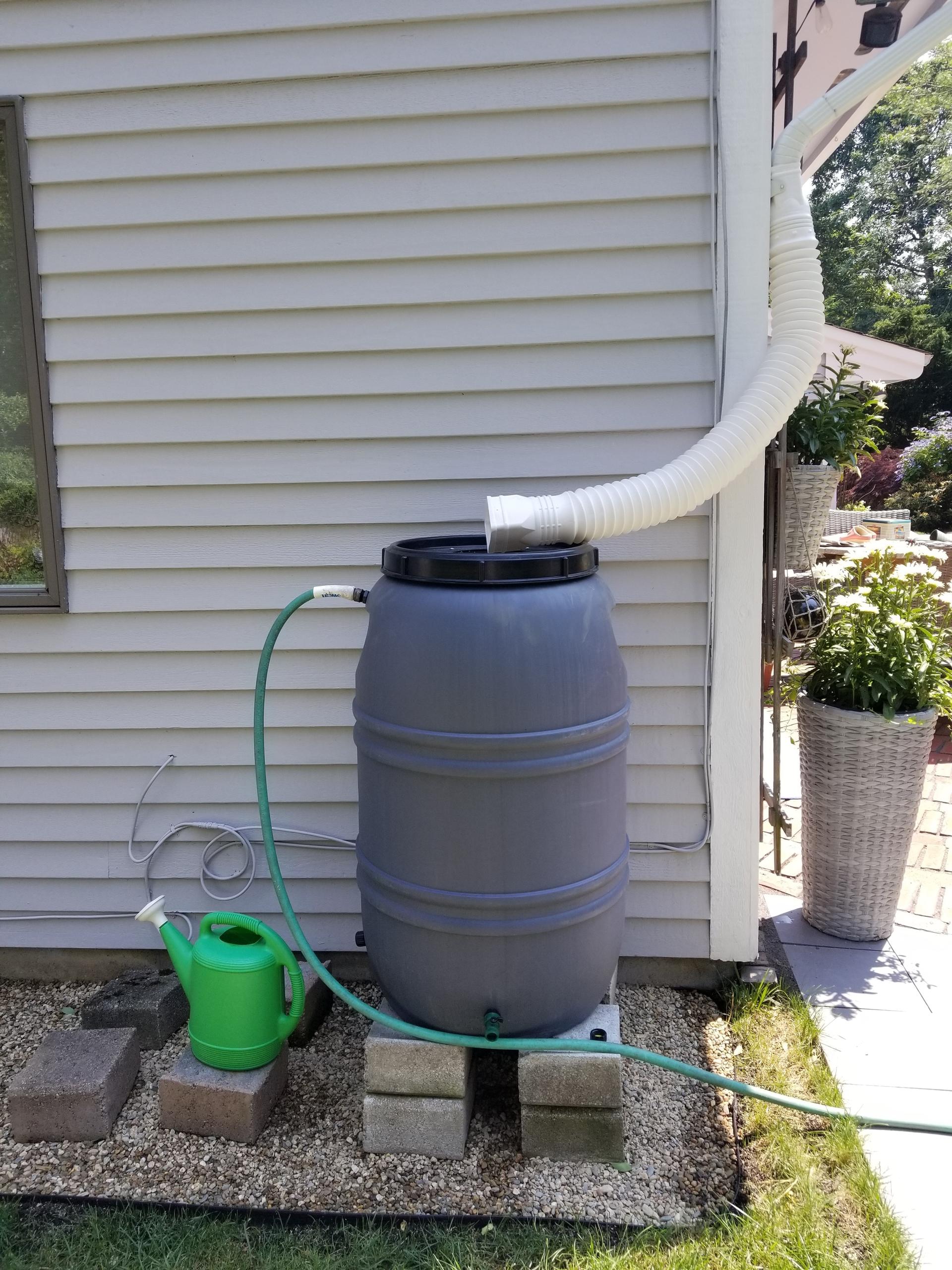
| Rain Barrels for Cape Cod
Order online from Upcycle Products $122 each
includes FedEx shipping to your door APCC receives a portion of the proceeds. For more information, click here. |
|
|
A Cape Cod Native Plant-selector ~ to help you choose the perfect native plants for your garden. |
|
|
Email membership@apcc.org and we'll send you a CapeCodNativePlants.org decal. |
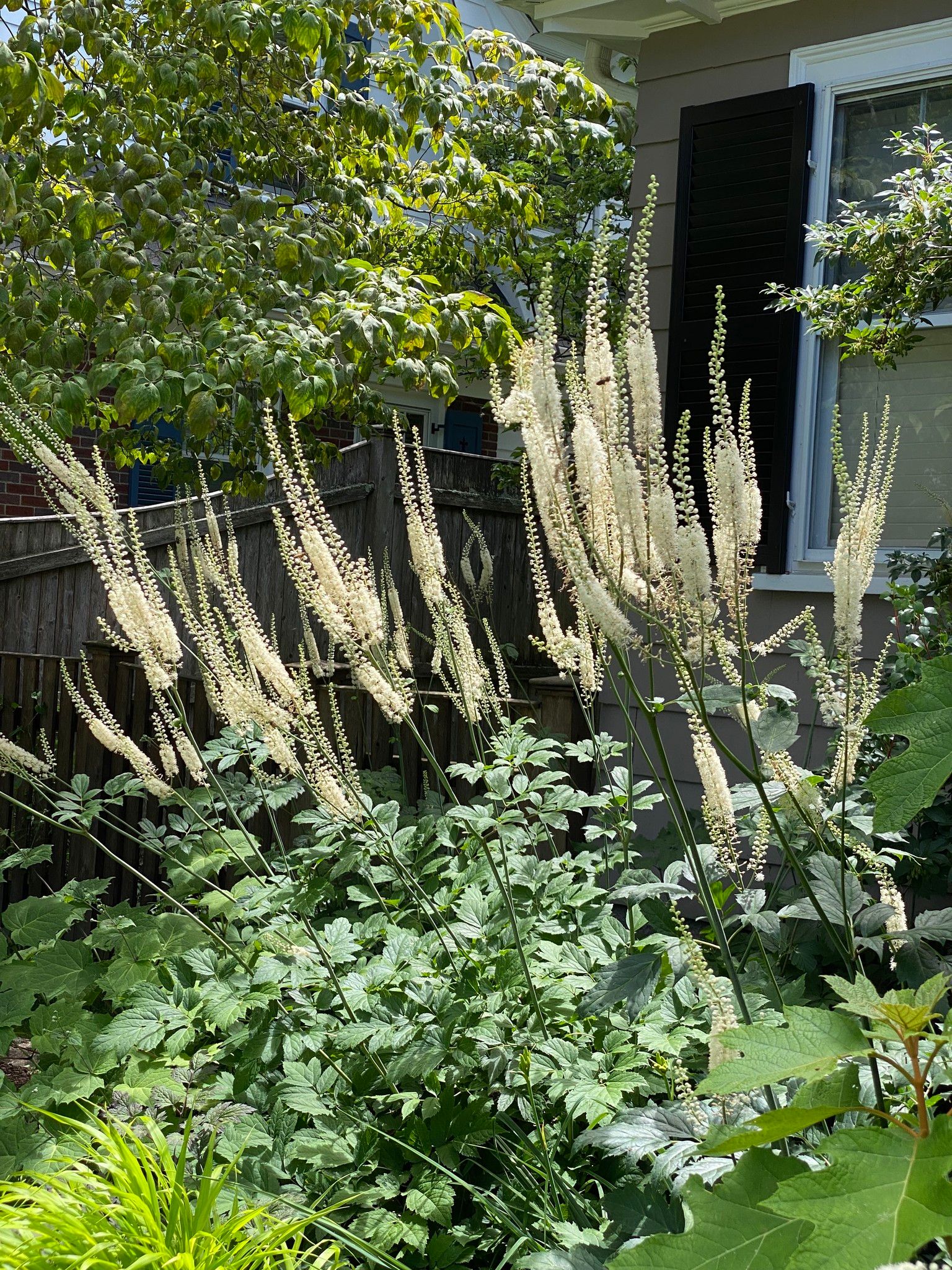
| Black Cohosh / Bugbane Actaea racemosa |
|
|
| APCC eNewsletters. Our weekly newsletters are archived on our website and easily shared.
You can find past newsletters and share with your friends to sign up for future enewsletters HERE. |
|
|
Are you thinking of going solar? We hope so!
In partnership with E2 SOLAR in Dennis, APCC receives $500 for every solar installation when APCC is named as referral. |
|
|
| Thank you to the homeowners who just contracted to install solar panels through E2 Solar. May the sun always shine for you! |
|
|
Expressions Gallery, 578 Main Street, Chatham
CLICK HERE |
Expressions Gallery donates 20 percent of its profits to APCC's work.
|
|
|
Thank you to our business sponsors |
|
|
APCC is rated four stars by Charity Navigator and 2023 Platinum by Candid (formerly Guidestar). |
|
|
Our Contact Information
*{{Organization Name}}*
*{{Organization Address}}*
*{{Organization Phone}}*
*{{Organization Website}}*
*{{Unsubscribe}}* |
| |
|
|