Association to Preserve Cape Cod |
|
|
Again, aggressive advocacy works. Senator Elizabeth Warren has announced her opposition to the inclusion of an extension of the funding for the multipurpose machine gun range. While we still do not know if the Senate Armed Services Committee draft of the 2025 National Defense Authorization Act will include a funding extension, it is very important that Senator Warren has made her position clear. APCC will provide an update on the outcome of the committee hearing when we have news. |
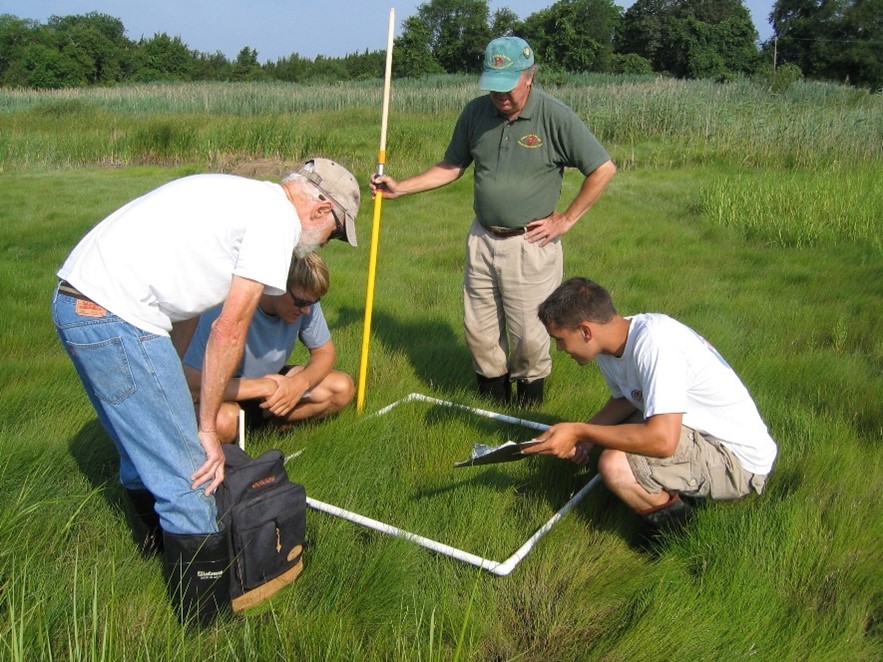
APCC trained volunteers assisting with salt marsh monitoring at Bridge Creek in 2005. |
|
|
New Report: Salt Marsh Restoration Summary
APCC, in partnership with the Massachusetts Division of Ecological Restoration, just released the results of pre- and post-restoration monitoring at eight different salt marsh sites restored between 2002 and 2010. Restoration of these sites involved removing tidal restrictions caused by berms and undersized culverts that limit tidal flow to upstream salt marshes. Read the report here.
Data was collected for these sites from 2003 through 2020 with the bulk of this data collected with support from our dedicated volunteers under leadership of APCC’s former staff biologist, Tara Nye Lewis, as part of APCC’s volunteer salt marsh monitoring program. More recent data was collected by our Ecosystem Restoration Program staff and interns and updated analysis was completed in 2022. Thank you to everyone who assisted with this work over the past 20 years!
Long-term monitoring like this is critical to understand how salt marsh ecosystems respond to restoration after decades of impairment and to inform how we can advance the practice of salt marsh restoration. Salt marshes are critical coastal systems that offer a wide range of benefits to the ecosystem such as wildlife and fisheries habitat, flood protection and more.
Findings were site-specific, but there were three overarching conclusions from the eight sites analyzed. First, the tidal restorations were successful at reintroducing native salt marsh grasses to upstream areas previously dominated by freshwater plants. However, secondly, the invasive Phragmites australis (common reed) was found to be more resistant to dieback after tidal restoration than expected. APCC is now implementing additional means of measurement and tracking to monitor the impact of restoration on this invasive.
And third, the data consistently demonstrated indicators of sea level rise impacting the marshes. Flood-tolerant low marsh vegetation has been migrating into the higher reaches of the marsh, negatively impacting high marsh, a critical habitat for salt marsh sparrow nesting. APCC is working now on advancements in salt marsh restoration techniques to make our marshes more resilient to the impacts of climate change.
|
|
|
Tara Nye Lewis, former APCC staff biologist, measuring fish length during a nekton survey at State Game Farm in Sandwich. |
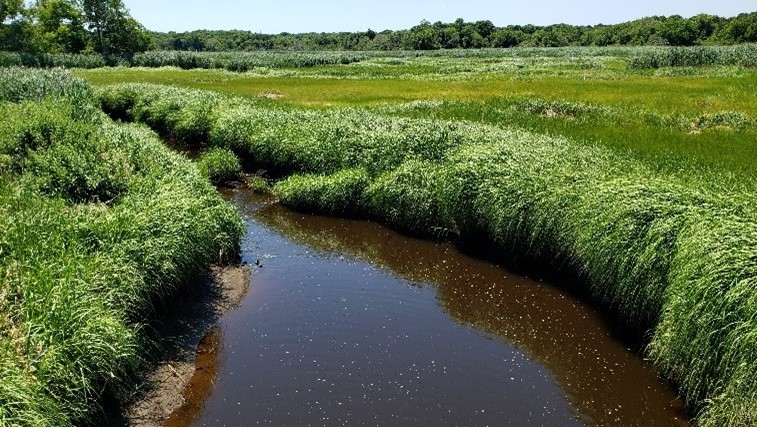
| Restored salt marsh at Bridge Creek in Barnstable (restoration completed in May of 2005, photo from 2019). |
|
|
| Ecosystem Restoration Program gains an intern
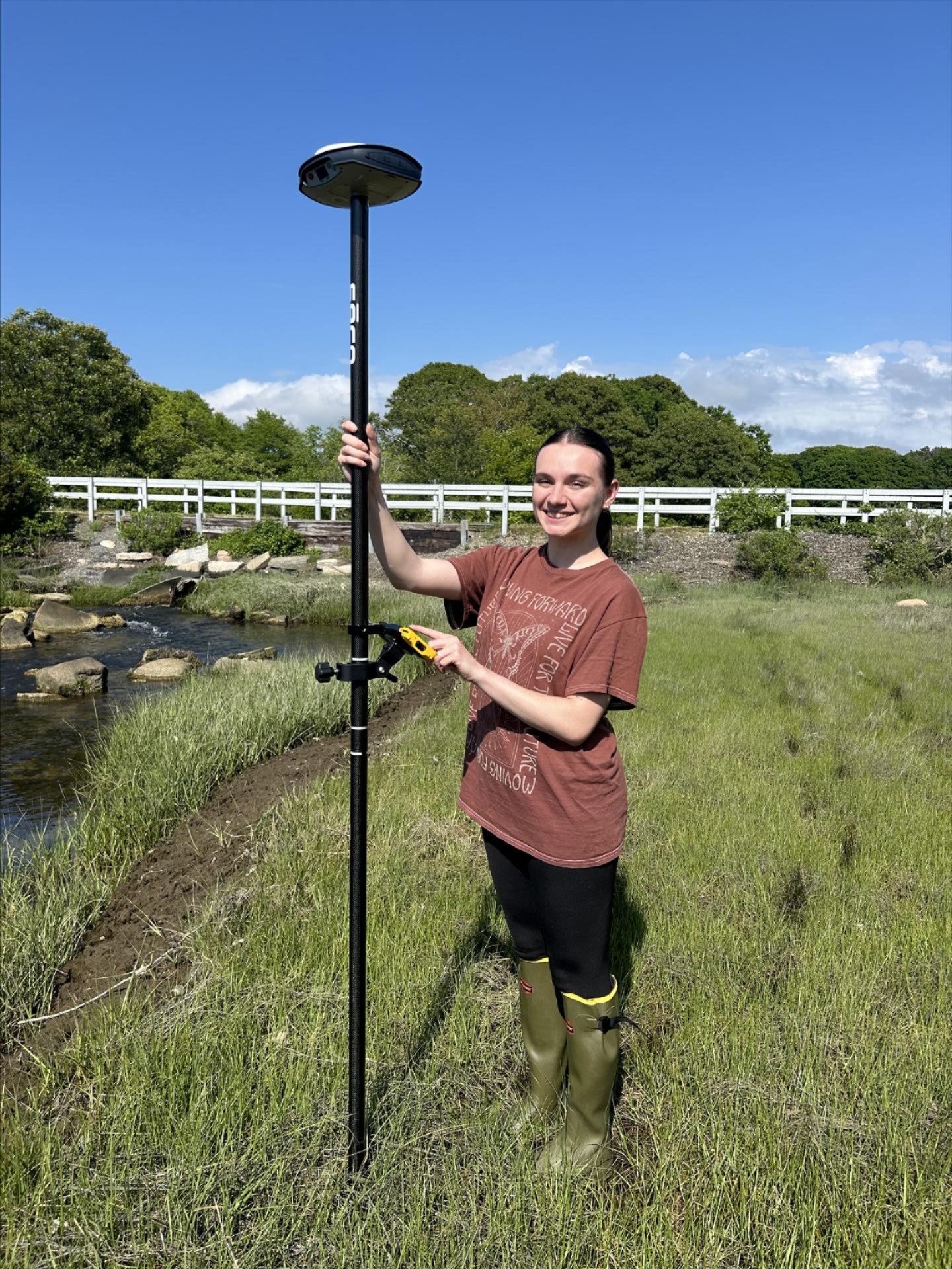
APCC is excited to announce that restoration intern, Hannah Brown, joined the Ecosystem Restoration Program team on June 3rd. She will assist with pre-restoration monitoring of plants and elevation at several salt marshes across the Cape and carry out the first season of the Weir Creek water quality monitoring program in Dennis. She recently graduated from the University of New Hampshire with a degree in wildlife and conservation biology and spent last summer conducting invasive plant monitoring at Shawangunk Grasslands National Wildlife Refuge in eastern New York. She is eager to share and further develop her skills this field season with APCC! |
|
|
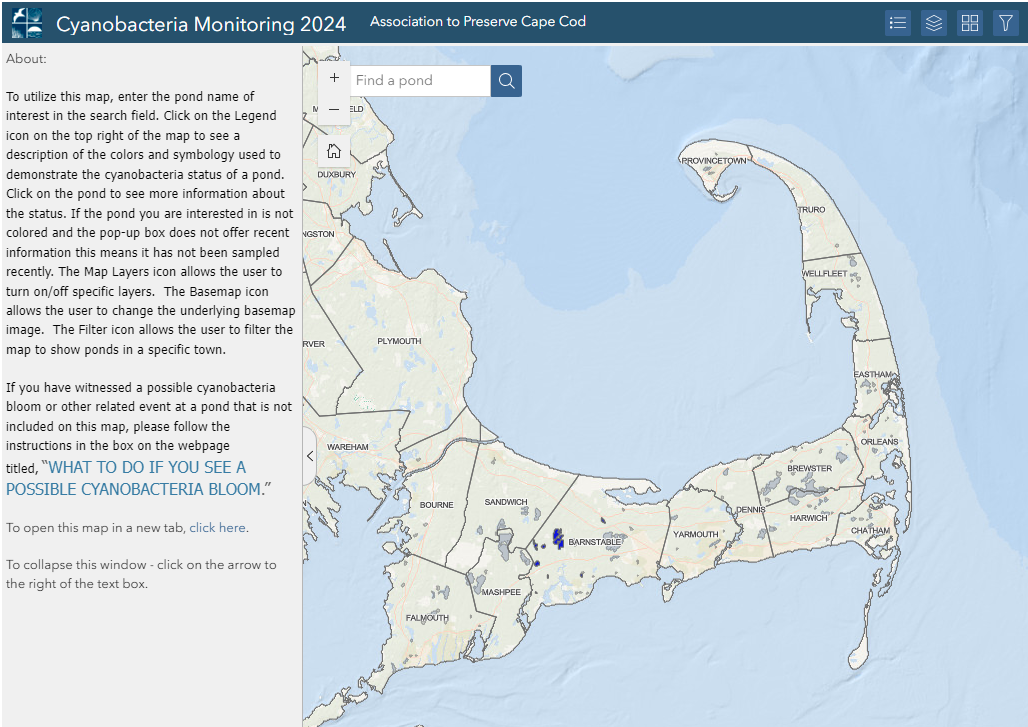
Cyanobacteria Monitoring Program in the news... |
Where not to swim on Cape Cod: Ponds with cyanobacteria advisories or concerns - Eric Williams, Cape Cod Times |
To see the status of ponds being monitored for cyanobacteria, go to APCC.org/cyano. |
|
|
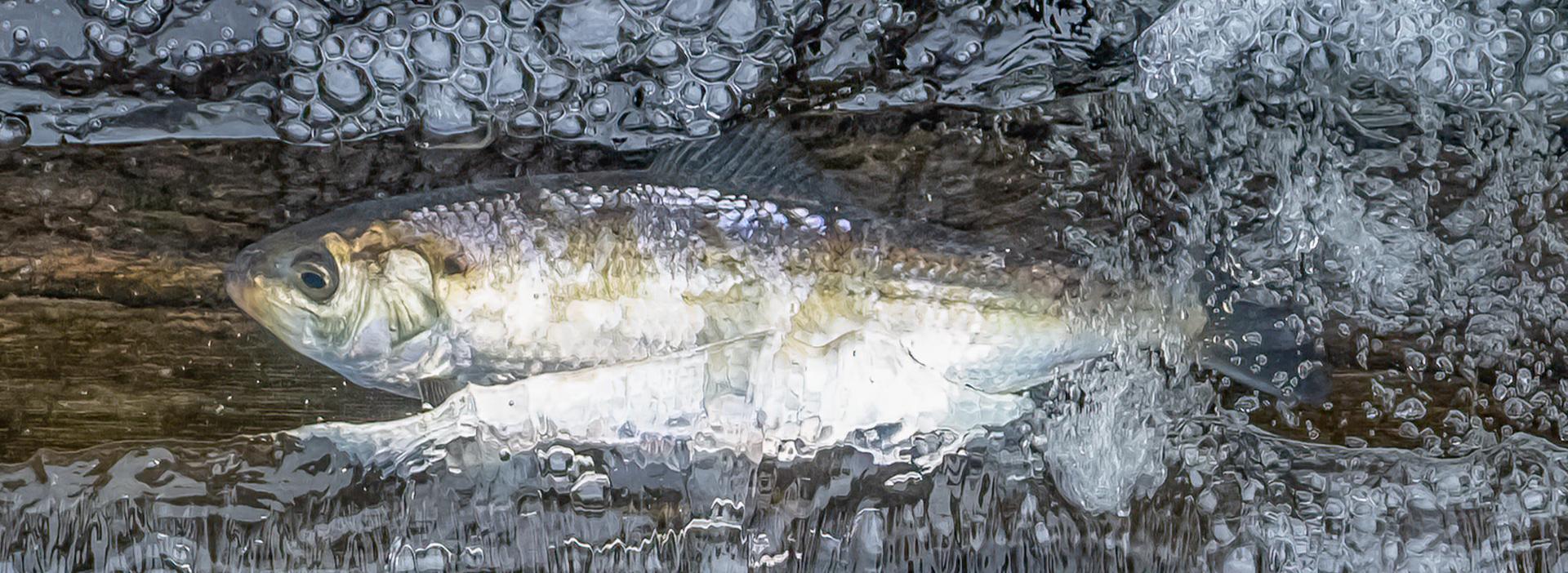
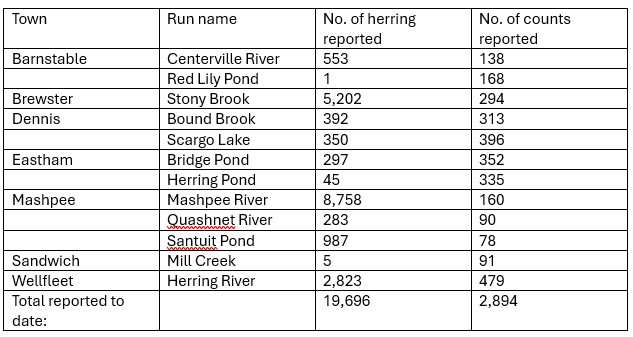
Herring Counts End June 15, 2024 Volunteers, Please Enter Your Counts by June 20 The 2024 Cape Cod volunteer herring count season is drawing to a close. As of June 7, 2024, the cumulative total volunteer herring counts reported at different runs were as follows: |
Note: The reported counts are counts that volunteers entered into APCC’s herring count data entry system on our website as of 6/7/24 and have not been reviewed for quality assurance. They are preliminary data not to be used for final counts.
Volunteers are asked to stop counting herring as of June 15, and to enter your counts at APCC’s online data entry system by June 20.
Here is a link to the online data entry system: https://apcc.org/our-work/science/community-science/herring/herring-count-volunteers/. After June 20, we will close the online data entry system to further entries to enable staff to review data before transferring it to DMF.
Please DO NOT mail your hard copies of count forms to APCC this year. We will provide a wrap-up article in the week of June 24. Thank you, volunteers and count coordinators, for your counts! |
|
|
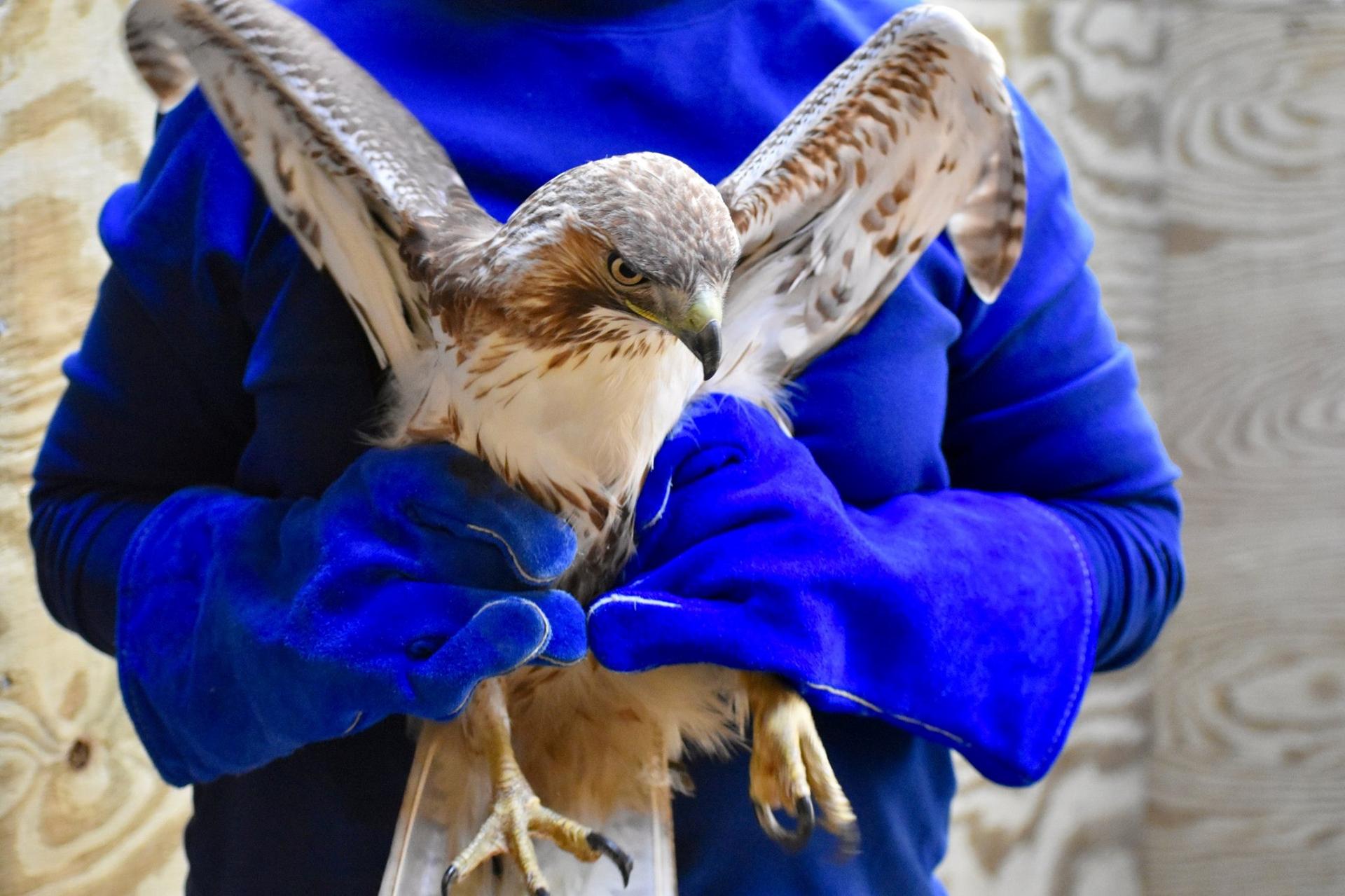
"Poison is Not the Answer" Thursday, June 13th at 12:00 p.m. with Stephanie Ellis, Executive Director of Wild Care Cape Cod |
|
|
| Wild Care is a wildlife rehabilitation center located in Eastham, dedicated to the rehabilitation of sick, injured and orphaned wildlife. On a regular basis, Wild Care receives hawks and owls suffering from secondary anticoagulant rodenticide poisoning. Join us for an informative talk on the harmful impacts rodenticides have on our wildlife with Wild Care's executive director, Stephanie Ellis. Stephanie will provide humane alternatives for controlling rodent populations long-term, discuss local efforts to curb rodenticide use at the town and state level, and dispel common "safe product" myths.
Stephanie has a special affinity for birds and mice and has worked extensively in the fields of wildlife rehabilitation and avian conservation on both U.S. coasts. She loves dancing, and enjoying Cape Cod's natural beauty.
Register here for the Zoom link.
|
|
|
Photos courtesy of Gerald Beetham |
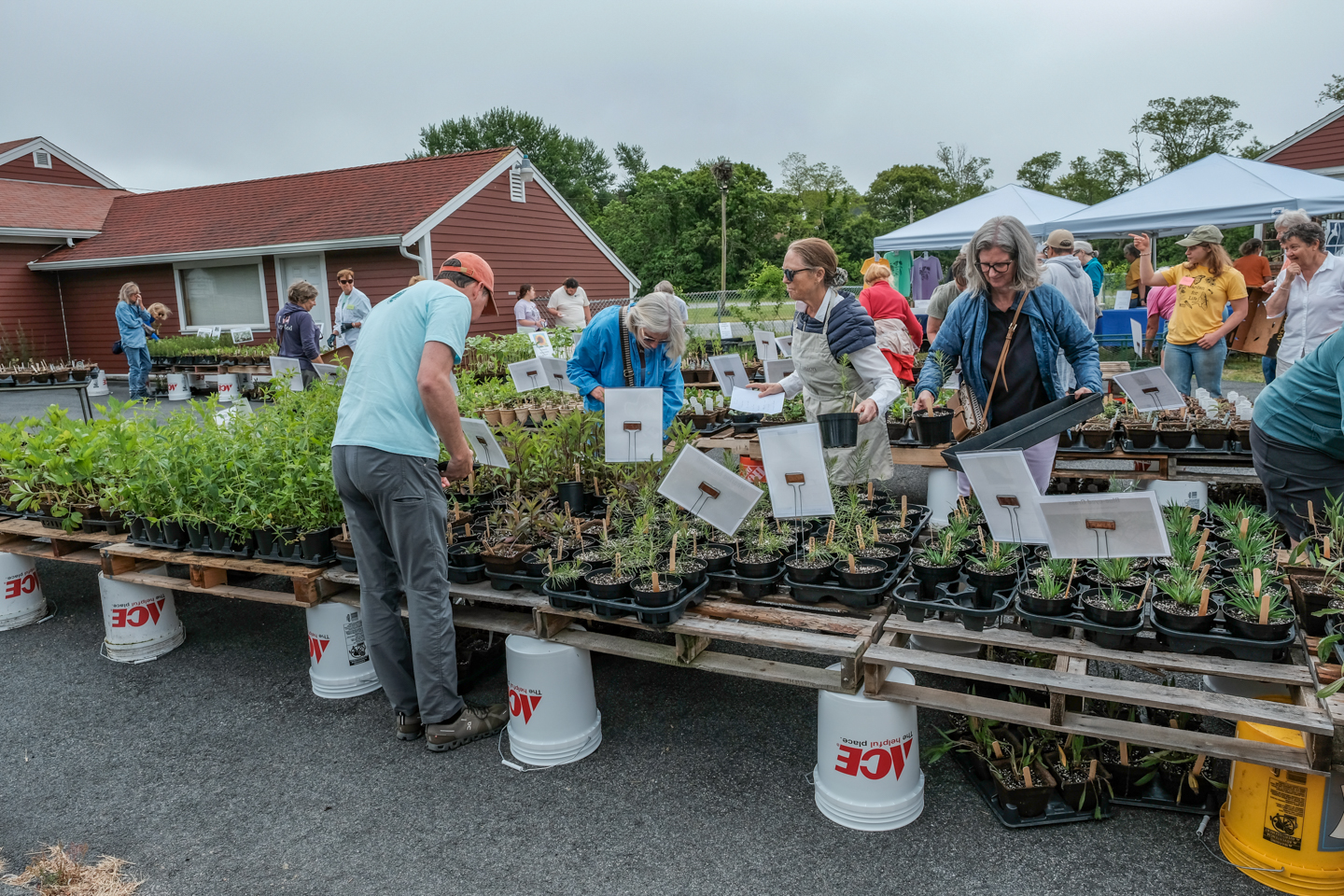
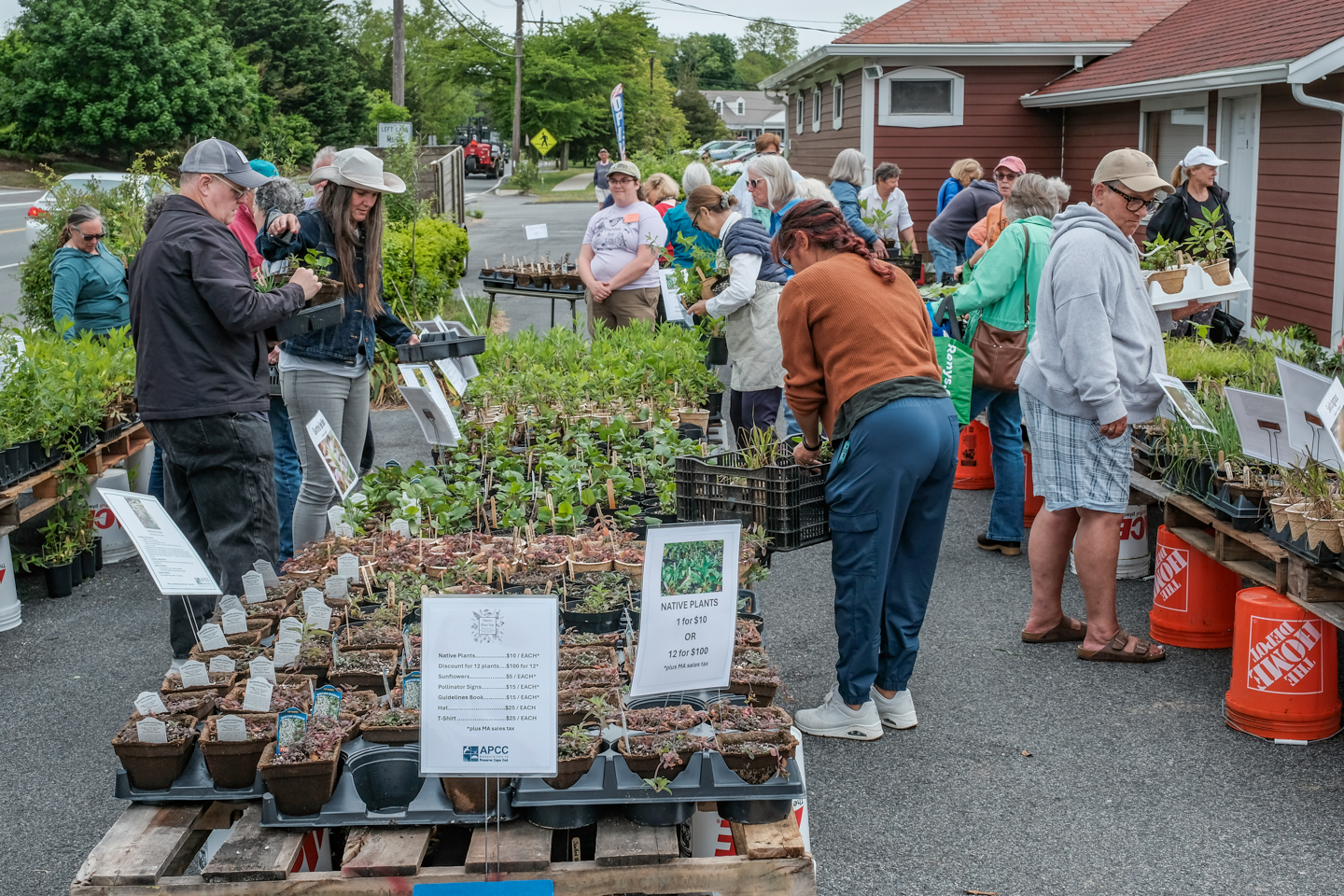
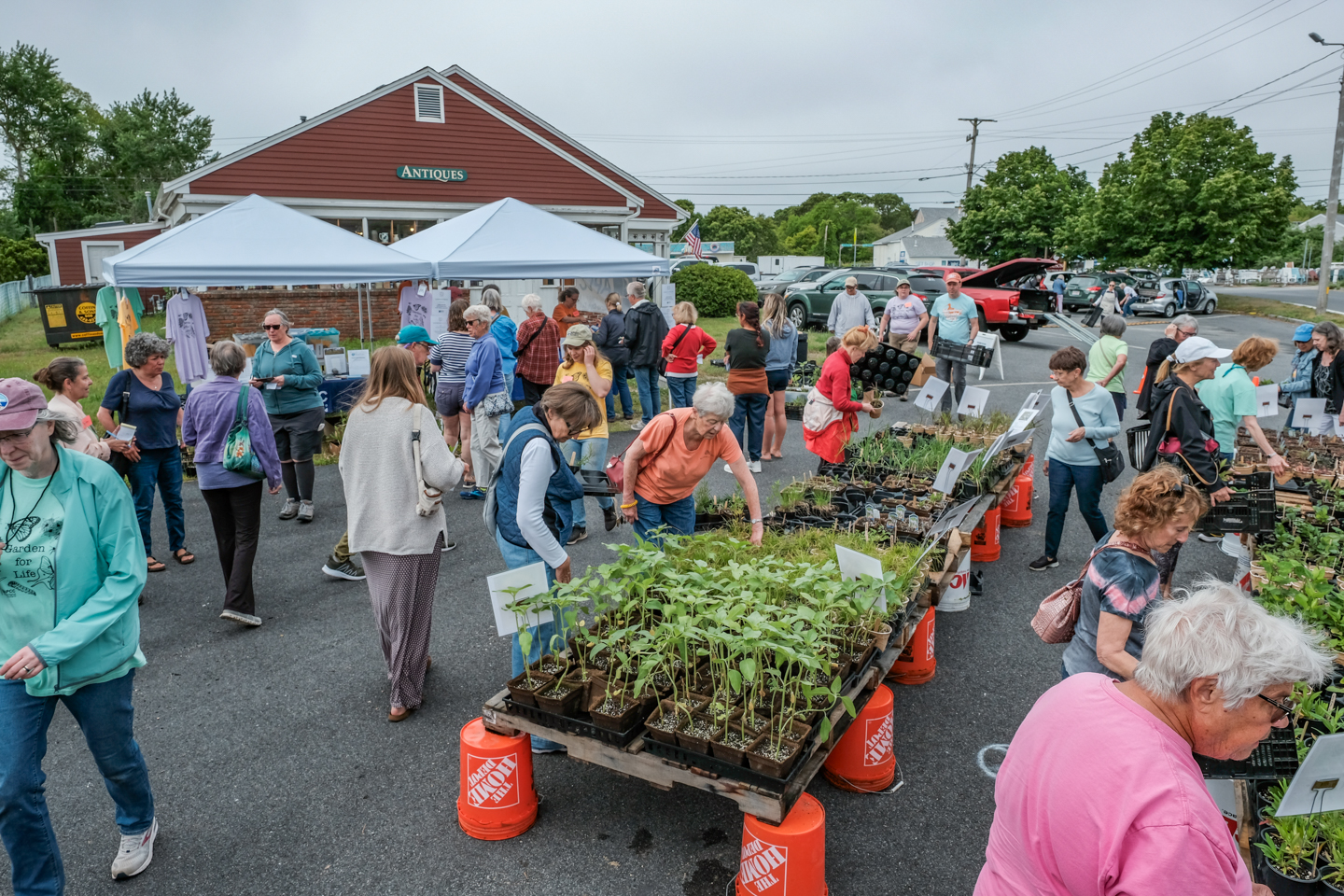
Flower Power! APCC's plant sale is another big success! |
The power of plants brought out well over 200 people to APCC's annual plant sale last Friday in Harwich Port. A HUGE thank you to all our volunteers who made the event possible—potting and caring and carrying some 1,300 plants to the point of sale! Thank you to Sandy Hall at Windsong Antiques who allowed us to use the space. And thank you to those of you who came and left with native perennials for your yards! |
|
|
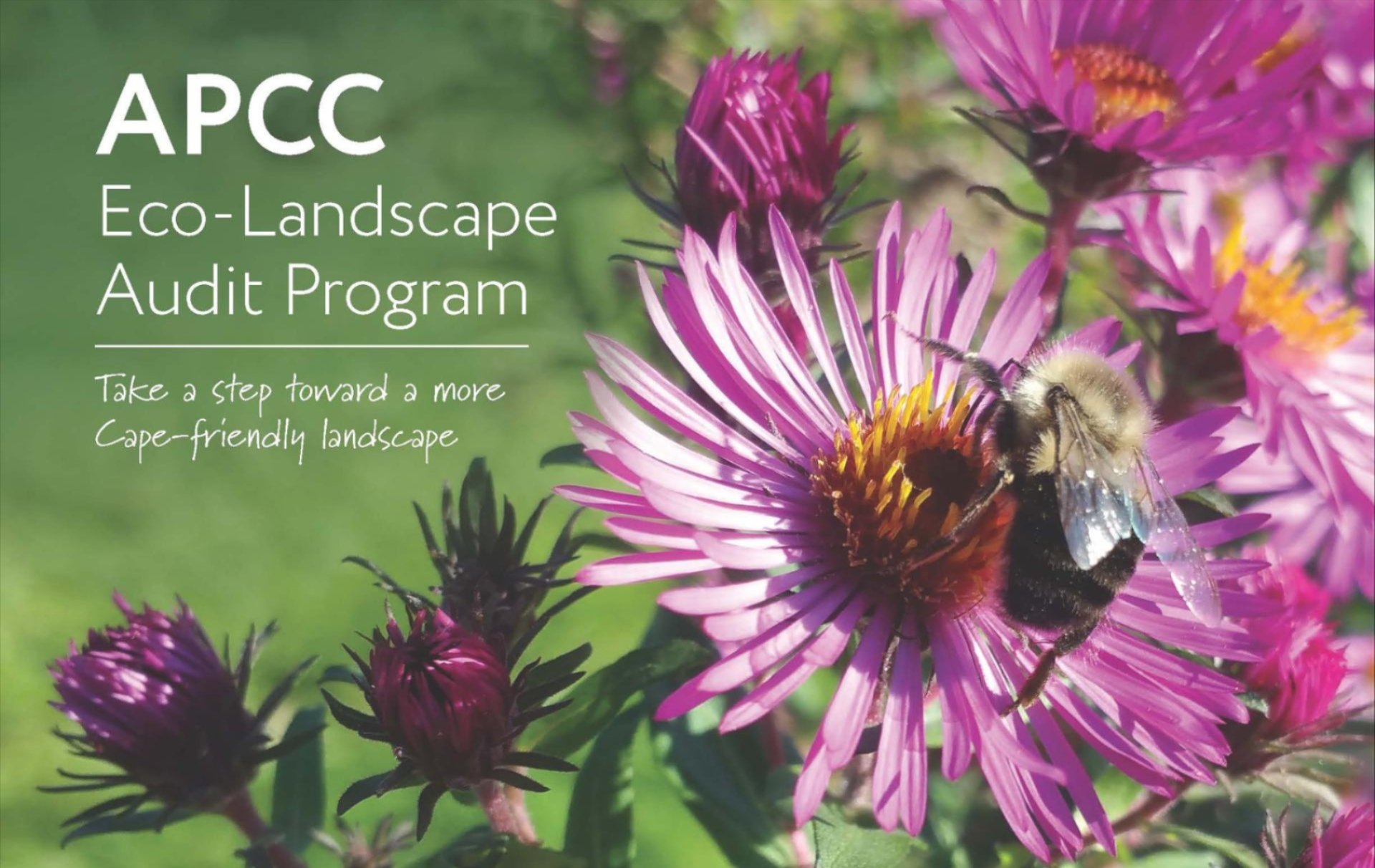
APCC's Ecolandscape Audit Program
is now taking appointments. Learn more HERE. |
A couple of testimonials:
This is so fantastic!! You have provided so many great ideas and lots of detail, everything I need to be successful!! Thank you, thank you, thank you!! Kathy W.
Thank you for your ideas, suggestions, recommendations, and education. Judith B. |
The Jewels of Cape Cod - Our Freshwater Ponds |
Cape Cod Ponds Network Next meeting of the CCPN will be in person at the Cape Cod Museum of Natural History, Route 6A, Brewster on Thursday, August 8th at 6 p.m. On the agenda is a presentation by Steve Hurley, fish biologist and Southeast District Fisheries manager, MA Fisheries & Wildlife. REGISTER HERE.
~~~~~~~~~
If you are not already on our email list and would like to attend quarterly Zoom meetings, sign up here. Any questions can be directed to Kristin Andres at kandres@apcc.org or Dr. Julie Hambrook at jhambrook@apcc.org.
|
|
|
APCC's Cyanobacteria Monitoring Program |
Our cyanobacteria monitoring map is live for 2024. The program begins in earnest this week and results are displayed on the interactive map. You can sign up for cyanobacteria bloom alerts here - and receive a notice when a bloom is detected.
| |
|
Guidelines for Cape-friendly Landscapes - an APCC publication |
|
|
The Guidelines gives homeowners steps they can take in the design and maintenance of their properties that will support pollinators and birds, manage stormwater, conserve water, and protect the Cape's water quality. This 40-page booklet is beautifully illustrated by Marcy Ford with content that is easily digestible and supported by numerous resources for additional learning.
|
Thank you for this important book! Hopefully everyone of us with a yard will read it and put it to use! - Vicky Titcomb of Titcomb Bookshop |
We've enjoyed creating it and hope it will help you with ideas to help you steward your piece of Cape Cod and maybe foster an environmental ethic in the decisions we all make in our own managed landscapes. Get your copy here—and maybe one for a friend?
|
We are grateful for the several retail shops that are partnering with us to make this publication more widely available: Brewster Book Store, Birdwatchers General Store, Crocker Nurseries, Wellfleet Audubon Wildlife Sanctuary, Cape Abilities Farm, Cape Cod Museum of Natural History, the Cape Cod Lavender Farm, Heritage Museums and Gardens, Titcomb's Bookshop, Sea Howl Bookshop, Soares Flower Garden Nursery, and Eight Cousins Bookshop.
If you are a retailer and would like to sell this publication at your store, contact Kristin at kandres@apcc.org. |
|
|
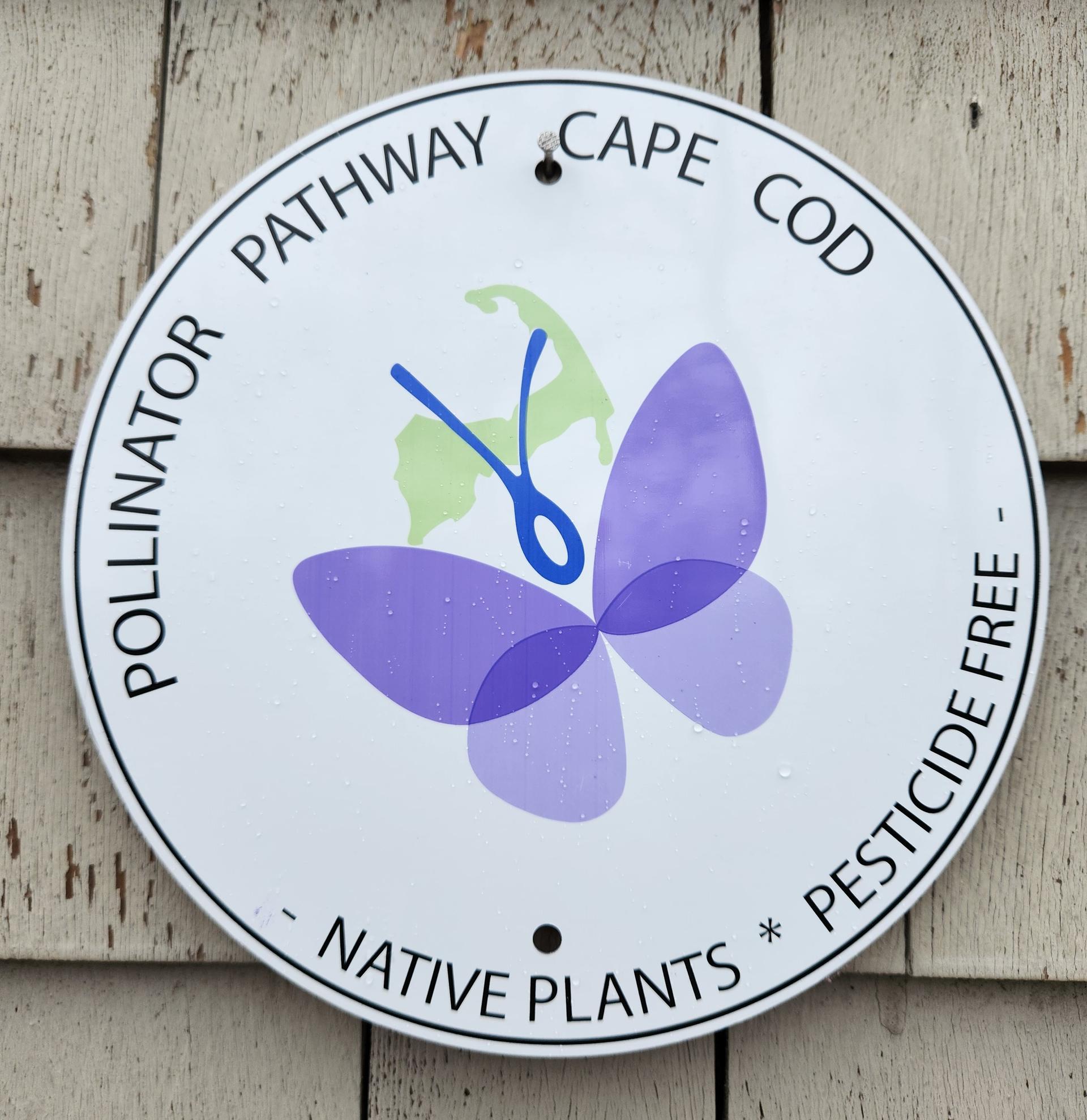
The Pollinator Pathway Cape Cod is a group of organizations promoting native plants and pollinator-friendly land care practices to create a boat load of safe oases for our native bees, butterflies and a whole host of other pollinators that are crucial to the health of our ecosystems.
Join us! It's easy. There are no fees. You just need to pledge to ADD native plants, SUBTRACT a little lawn, AVOID yard chemicals, especially pesticides, and LEAVE the leaves. And, help us spread the word. Please get on the map to show your support of pollinators on Cape Cod!
You can purchase now your 9-inch aluminum Pollinator Pathway Cape Cod sign at Hyannis Country Garden, Crocker Nurseries, Brewster Book Store, Orleans Conservation Trust, and
Cape Abilities Farm. If you are a retailer, and you would like to sell the signs, you can order online here, or email pollinators@apcc.org. |
|
|
| APCC Caps are available for purchase! $25 includes shipping & handling
Click here for more information and to order.
This is one great way to show your support for APCC's work. |
|
|
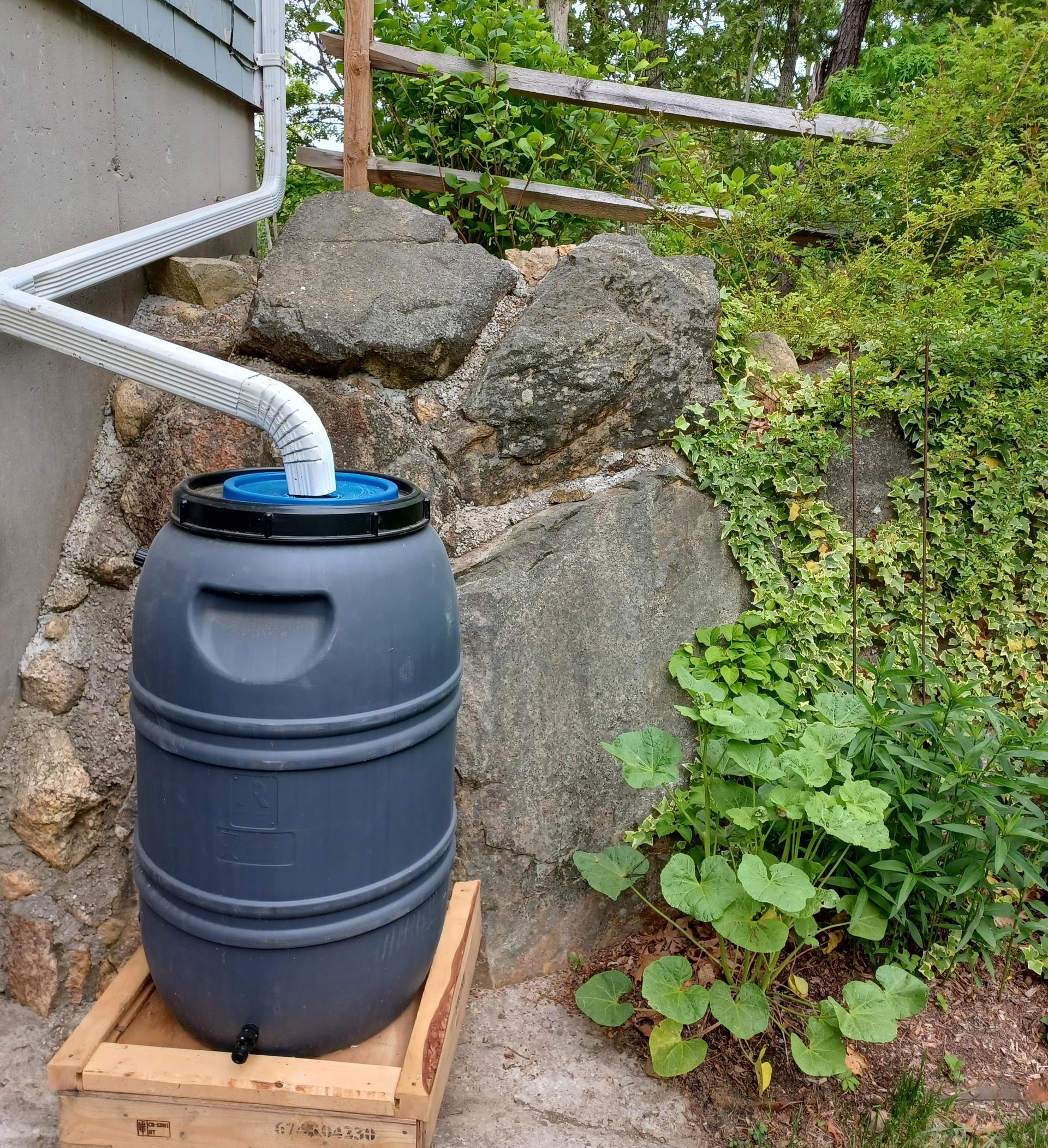
| Rain Barrels for Cape Cod
Order online from Upcycle Products $122 each
includes FedEx shipping to your door APCC receives a portion of the proceeds. For more information, click here. |
|
|
A Cape Cod Native Plant-selector ~ to help you choose the perfect native plants for your garden. |
|
|
Email membership@apcc.org and we'll send you a CapeCodNativePlants.org decal. |
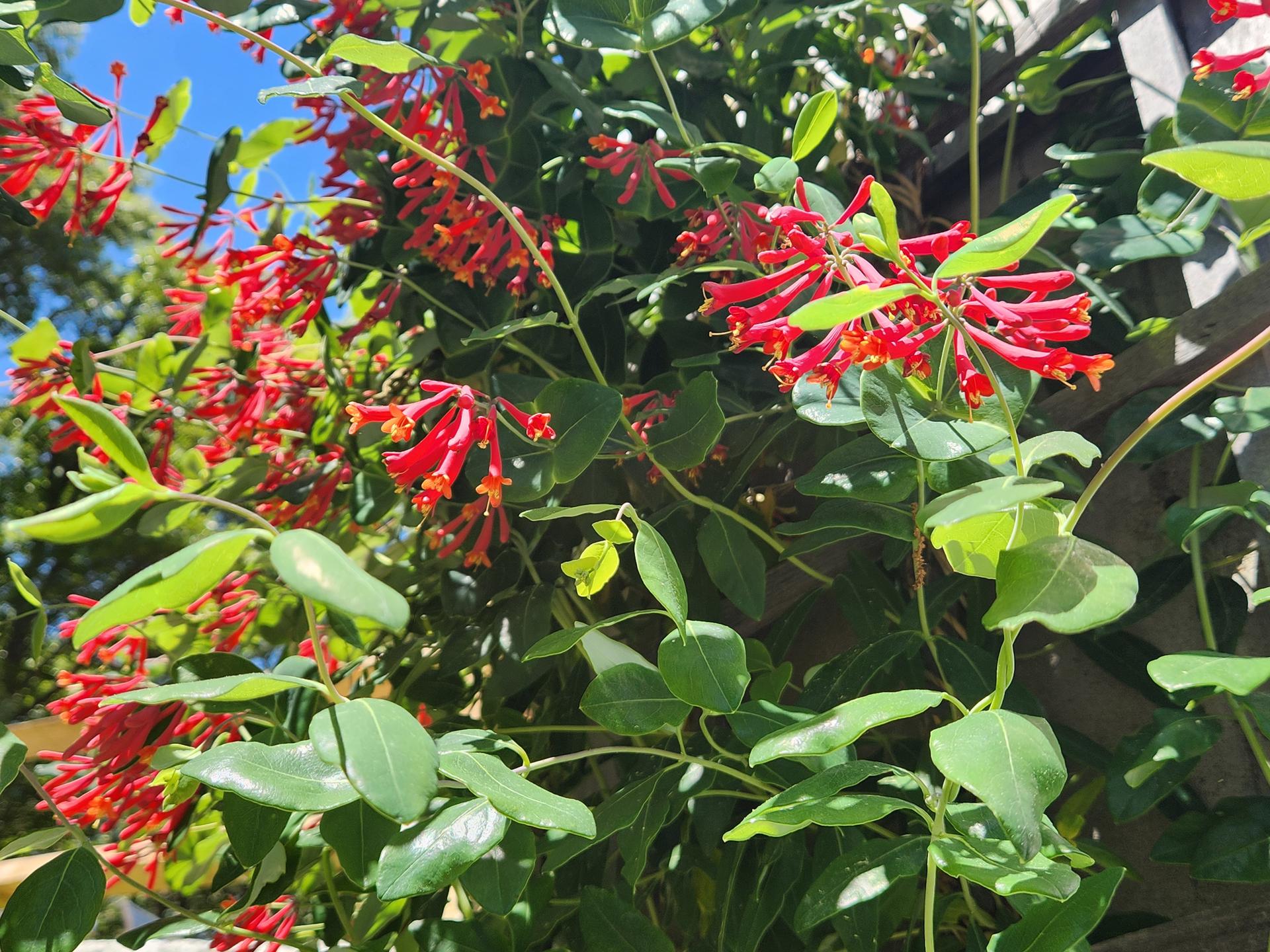
| Trumpet Honeysuckle (Vine) Lonicera sempervirens |
|
|
| APCC eNewsletters. Our weekly newsletters are archived on our website and easily shared.
You can find past newsletters and share with your friends to sign up for future enewsletters HERE. |
|
|
Are you thinking of going solar? We hope so!
In partnership with E2 SOLAR in Dennis, APCC receives $500 for every solar installation when APCC is named as referral. |
|
|
| Thank you to the homeowners who just contracted to install solar panels through E2 Solar. May the sun always shine for you! |
|
|
Expressions Gallery, 578 Main Street, Chatham
CLICK HERE |
Expressions Gallery donates 20 percent of its profits to APCC's work.
|
|
|
Thank you to our business sponsors |
|
|
APCC is rated four stars by Charity Navigator and 2023 Platinum by Candid (formerly Guidestar). |
|
|
Our Contact Information
*{{Organization Name}}*
*{{Organization Address}}*
*{{Organization Phone}}*
*{{Organization Website}}*
*{{Unsubscribe}}* |
| |
|
|