Association to Preserve Cape Cod - this week...


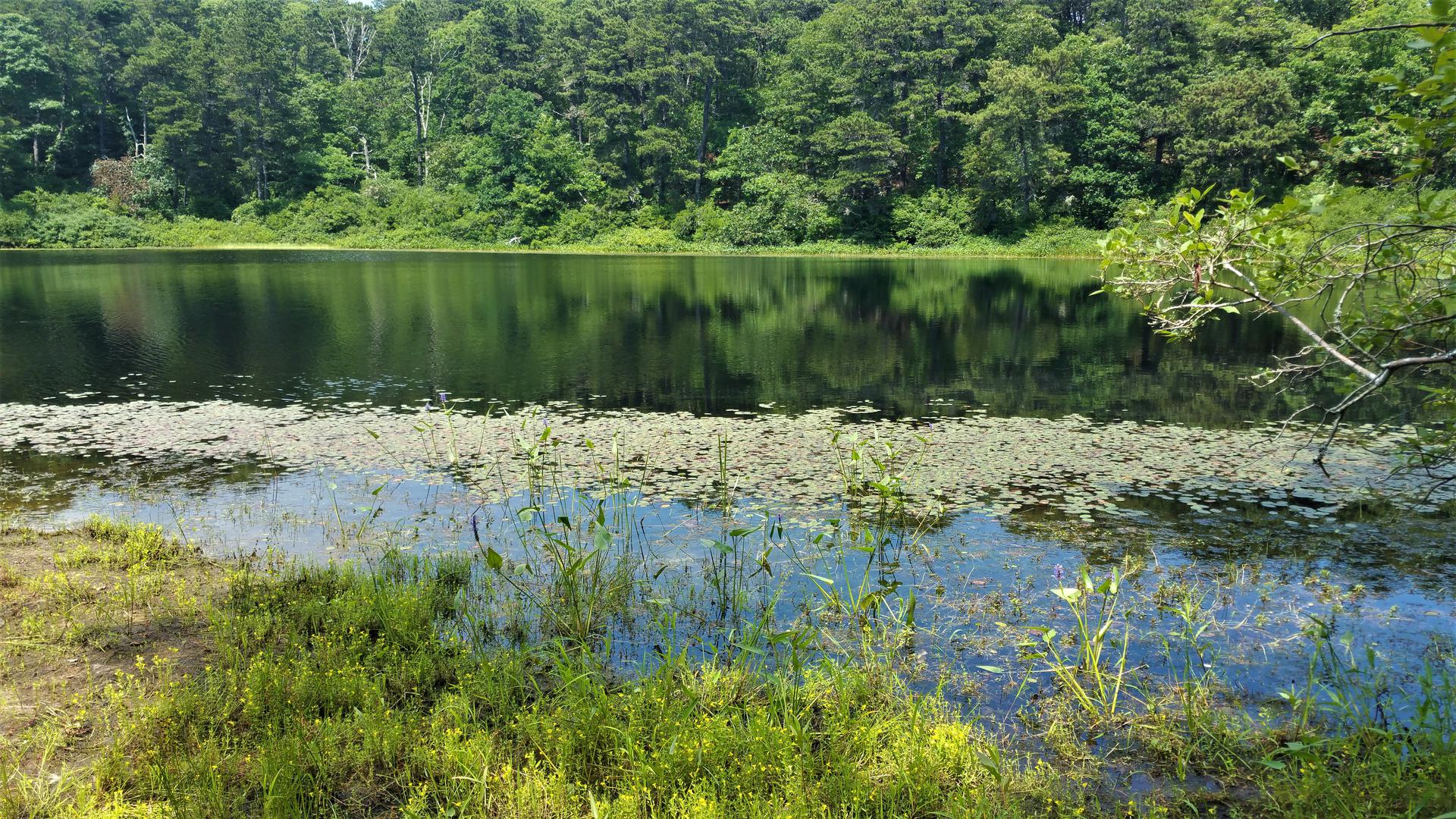
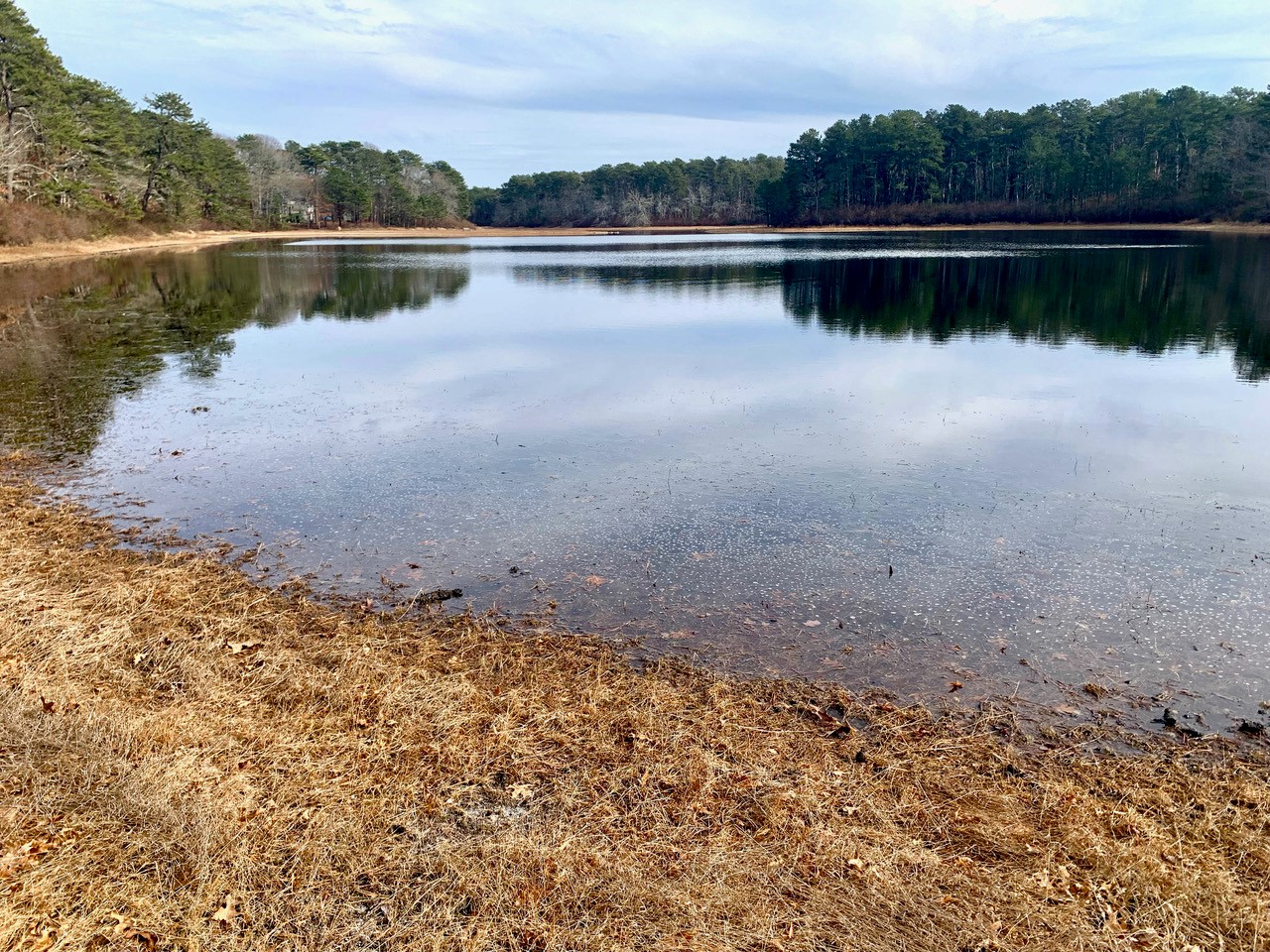
Grassy Pond, Dennis. Photo by Sue Machie


Herring Counts Start April 1


Volunteer herring counts officially start on April 1, and we’re looking forward to this harbinger of spring! 


Thank you to everyone who signed up to count herring at different herring runs throughout the Cape! We still need volunteers to count at the following runs:

  • Stony Brook, Brewster
  • Bound Brook and Scargo Lake, Dennis
  • Quashnet River at Johns Pond in Mashpee
  • Mill Creek, Sandwich

Volunteers are needed to count several times a week between April 1 and June 1. Counts are done for 10 minutes. Volunteers must be able to safely traverse rough terrain, be able to visually see fish in the stream, and provide their own transportation to and from the counting site. The counts are reported to APCC via our website data entry system.


People interested in counting herring at these runs can sign up at APCC’s website. You will be contacted via email with more information to help you get started and to coordinate with herring count coordinators in these towns.


To learn more about APCC’s herring count program, instructions for counting, past run sizes, and our website data entry system for volunteers, visit APCC’s website.

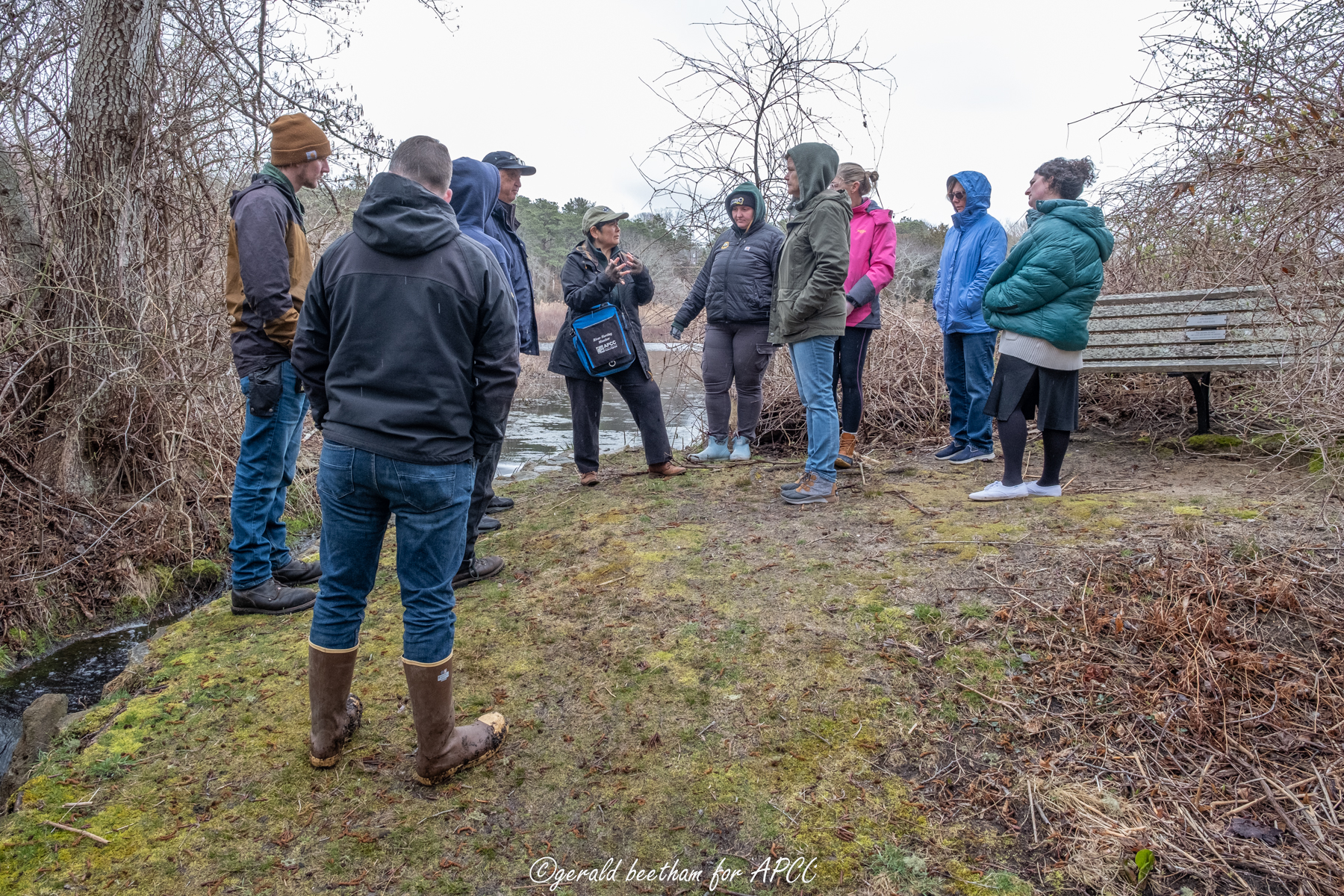
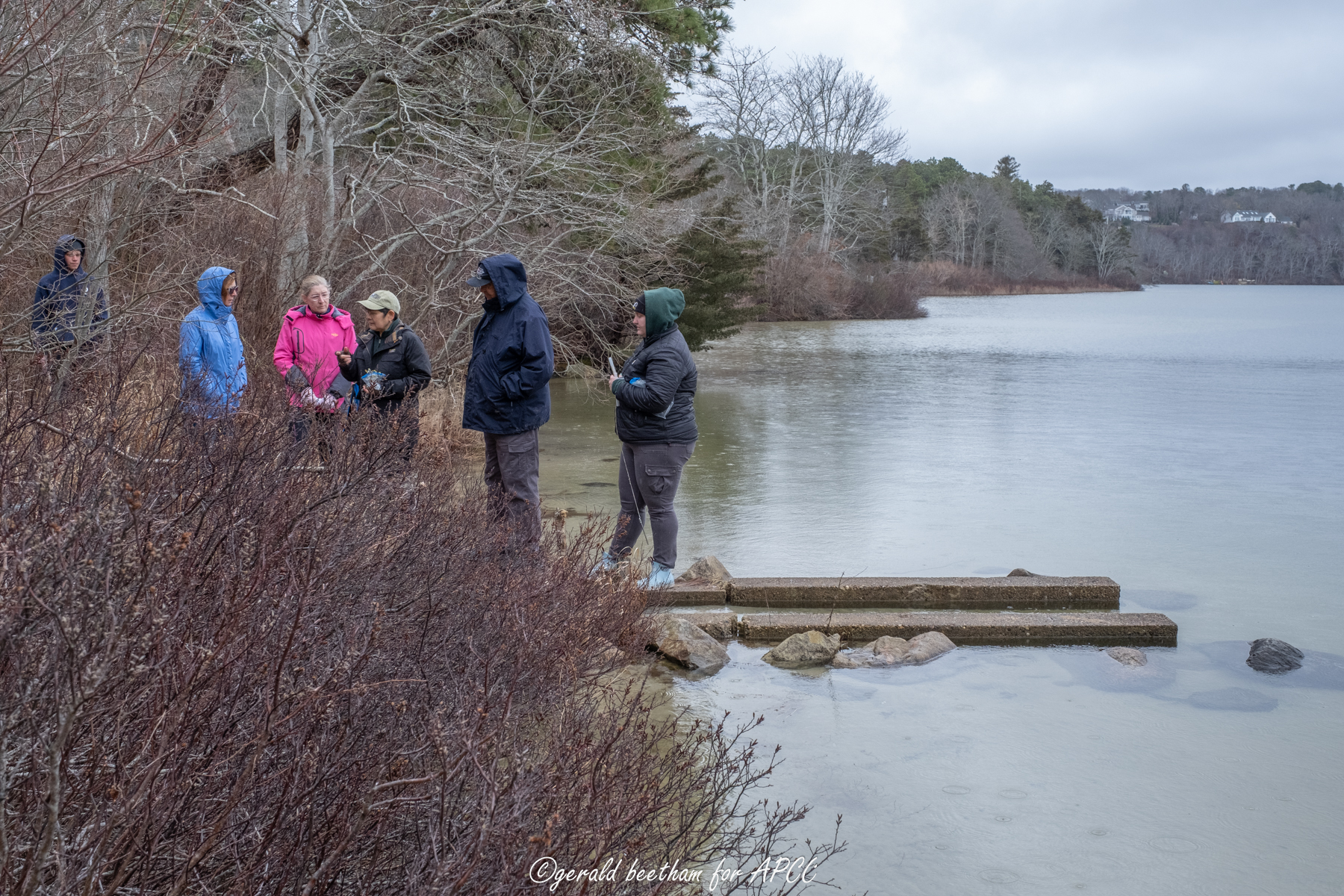
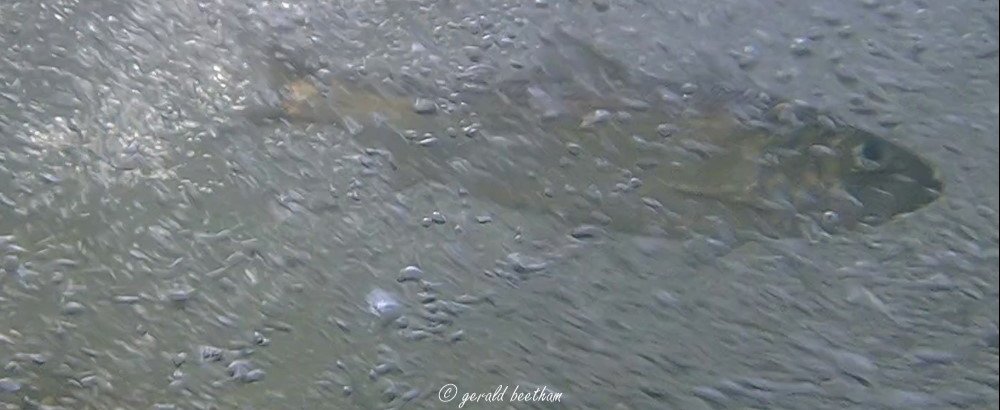
Trainings have been underway. Here are a few pictures from Brewster and Dennis this week.

Here is a short video of what our trained herring monitors are asked to do April 1st through June 1st at scheduled days and times. 

ratio 
 

Learn more about electrifying your life,

April 3rd at the Falmouth Public Library


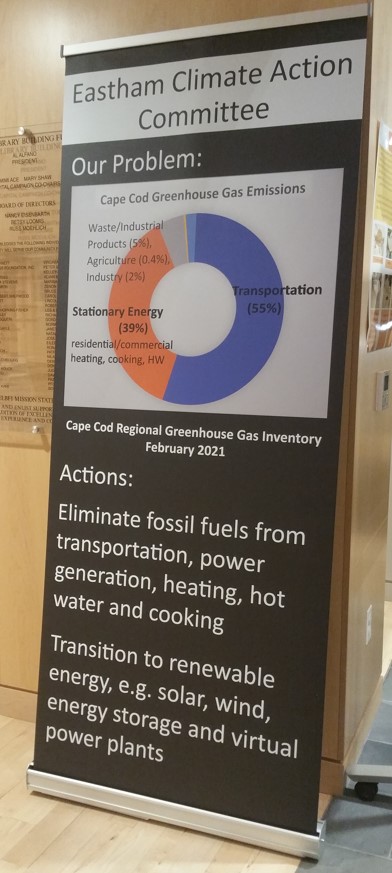
From the Eastham Climate Action Committee 


Climate Change: Its causes, impacts, and implications for Cape Cod


April 20th, from 6:00-7:30 p.m.

at the Eastham Library


Come to listen, learn and participate in a sciences-based discussion with guest speaker, Jud Stailey, a nationally recognized climatologist and NOAA meteorologist.


Engage in a discussion on what is causing climate change and how it impacts our local weather. Learn what the latest observations tell us about how this might play out in the future in our region, and how we can do our part to both prepare for and to mitigate these effects for ourselves and our children.


 WHICH NICHE

by Jillian Glover


One of my favorite cold season pastimes is to watch the activity at the bird feeders. Most of our feeders are on the north side of the house, which is built into an embankment. We look out in to the canopy of a dense scrub oak- pitch pine forest. The south side of the house is at ground level. These feeders are at the edge of an open field spotted with occasional oak trees. They are less visited, suited best for ground feeding birds, but also offer an option for birds driven away by the action on the opposing side of the house. At our feeders, suet, seeds, mealworms, and random berries are available.


The visual characteristics of the woodpecker family, Picidae, include a long chisel like bill, stiff tail, undulating flight, and zygodactyl feet. The stiff inner tail feathers allow the individuals to prop against a vertical tree while probing for insects. A zygodactyl foot refers to the atypical configuration of two toes pointing forward and two toes pointing backwards. This allows the bird to securely grasp bark with dexterity. The majority of bird families have two toes pointing forward and two toes pointing back.


Two less visible characteristics include a long protrusible tongue, and a skull adapted to protect the brain while drilling and drumming. The most distinctive of these is what is referred to as the hyoid apparatus. It refers to the tongue. The woodpecker can extend the tongue around the back of the brain. This feature assists in probing deep below the bark for insect and the like. It can be so far elongated, that in some species it almost reaches the nostrils. In addition, the end of the tongue is equipped with barbs to assist snagging prey deep in the bark.  


The protection of the woodpecker’s brain from excessive drilling has been studied. The theory is that there is a relatively spongy bone in front of the skull protecting the softer brain tissue. More recent research is focusing on the existence of stronger neck muscles and cranial bone structures compared to other bird families. Either physiological feature could be the protective adaptation. Continuing to ask questions, observe and research help us all learn and move forward.


Back to the four species foraging in the backyard.


Downy and hairy woodpeckers are visually similar from a distance. They both have white backs and underparts. The wings are patterned with black and white. The head has a black stripe and cap. Male birds have a red back cap. The downy woodpecker is the smallest of the four woodpeckers that visit our feeders, and is actually the smallest  woodpecker in North America. The downy will travel along in mixed flocks of small wintering birds that find food and protection as a group. The rest of the year it is most often found in woodlands bordering open areas. Weighing less than other woodpeckers, this species has the ability to forage further out on small branches and will also take advantage of seeds on forbs and grasses. The bill is relatively short and stout for a woodpecker. 


The hairy woodpecker is a medium sized woodpecker. It is slightly larger and bulkier than the downy. It prefers the denser deciduous and coniferous woods. The bill is longer allowing it to drill deeper into rough bark, as well as peel pieces off of larger trees in search of prey. The feet of the hairy are comparatively stronger, allowing it to grasp and forage on the underside of branches. It is more of a solitary bird, not seen as much during the breeding season.


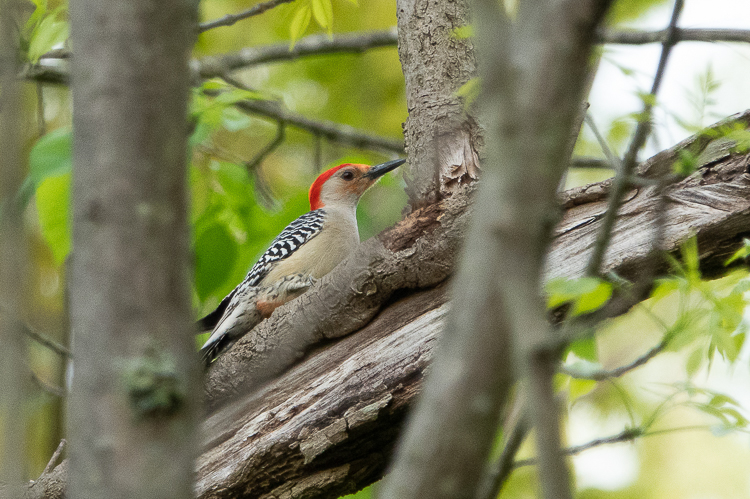
The red-bellied woodpecker is a medium size woodpecker. It has the advantage of being an omnivore, having a more varied diet. Their habitat is broad, living in open deciduous or coniferous forests and swampy areas. It prefers trees with softer bark for foraging. Although called the red-bellied, it has just a slight red wash. The striking red nape along with the black and white barring on both the back and wings make this species distinguishable. In addition, the male has a red crown.


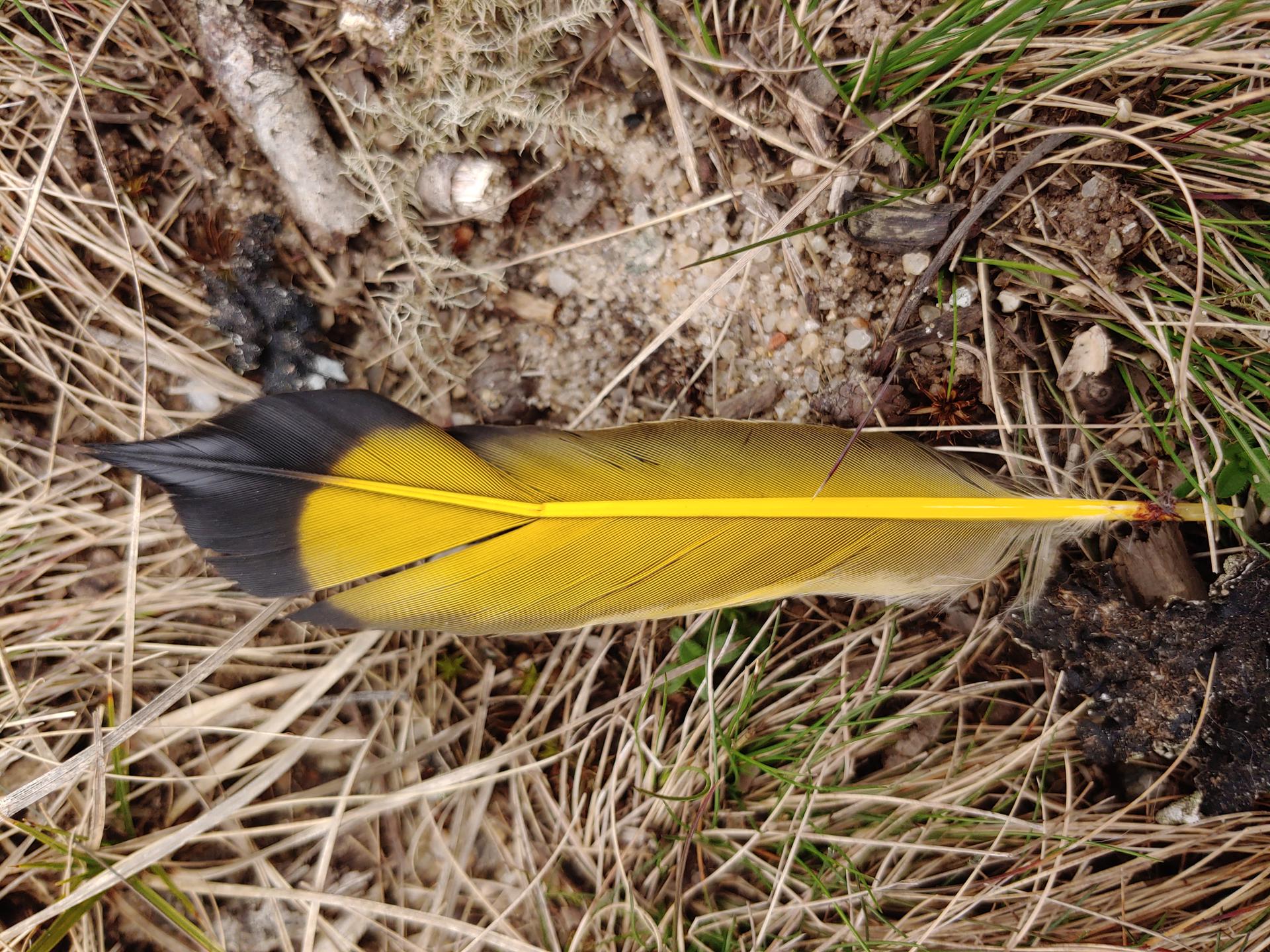
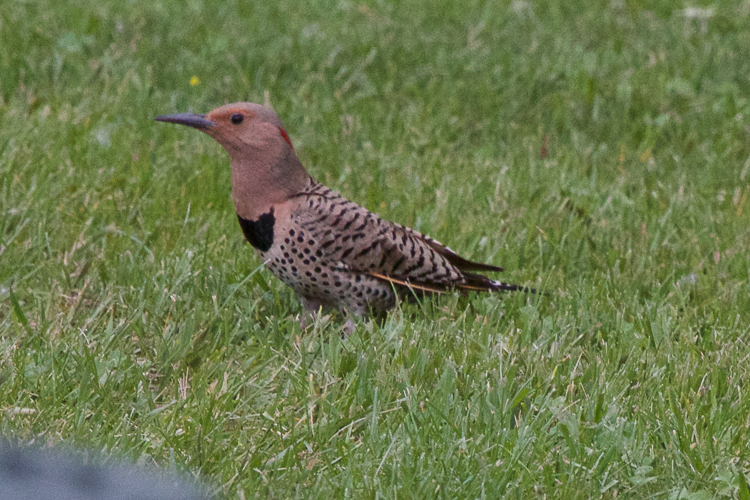
The northern flicker is the largest of the four woodpeckers. This species can extend its tongue two inches beyond the tip of the slightly down curved beak. Although the northern flicker is common at the feeders this time of year, its normal diet is mostly insects. The extremely long tongue with barbs allows it to extrude ants from underground tunnels and is often seen on the ground foraging in open areas or at the edge of woodlands. The plumage of this bird is very distinct. Both sexes have brown backs with black bars, the underparts are black speckled with a black bib. Males have a red crescent on the nape and a black mustache. Most eye catching is in flight, showing a white rump and bright yellow under wings.


For the most part these four species of woodpeckers are considered beneficial to human endeavors. The larvae, caterpillars and insects that often cause damage to orchards, woodlots and urban plantings are a large portion of their diet. However, the springtime territorial drilling on buildings is not in their favor. The louder the object resonates, the more satisfied the bird is for announcing its territory. To the contrary, homeowners are frustrated and unhappy. In most situations it is a temporary behavior. A few solutions that work include hanging windsocks, tin foil strips or pinwheels for deterrents at the chosen sights. Probably not what you would choose to temporarily decorate your house with in the spring, but maybe worth the effort.


Soon these species will disperse to their most preferred habitats as well as prey. Regardless of the variety of each species niche, all of these woodpeckers nest in cavities. The availability of dead and decaying trees is a crucial part of their existence. I hope you, too, have been able to enjoy the variety of woodpeckers at your feeders during the cold season on Cape Cod.
 

College Scholarships being offered by the Master Gardener Association of Cape Cod. Click here for more information.


Click here for your copy of  the 2023 Guide to Local Farms & Food


APCC is accepting applications for a seasonal intern

and a year-round position.

  • Internship for “State of the Waters: Cape Cod”, May - October
  • Restoration Technician

For more information on these position openings,

CLICK HERE.  


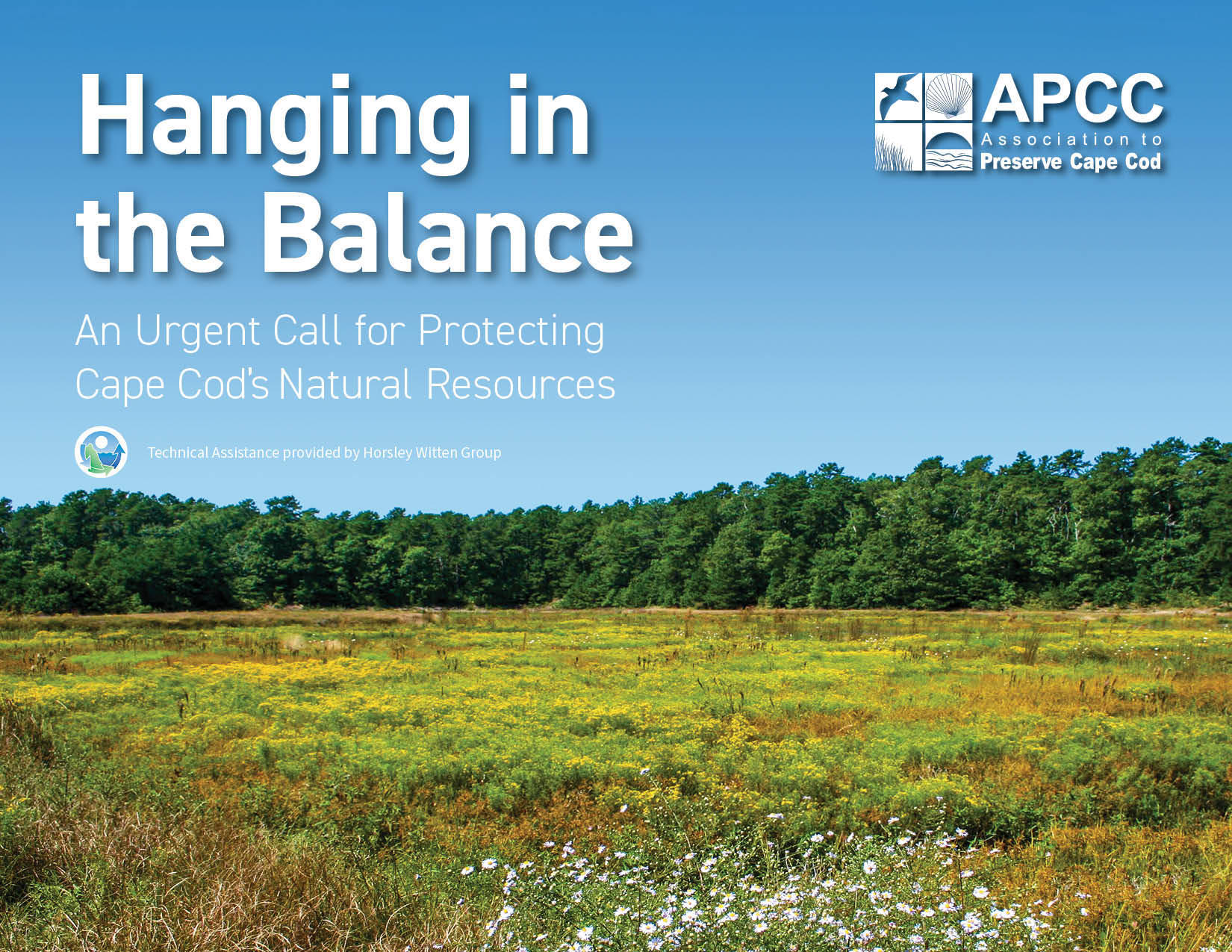
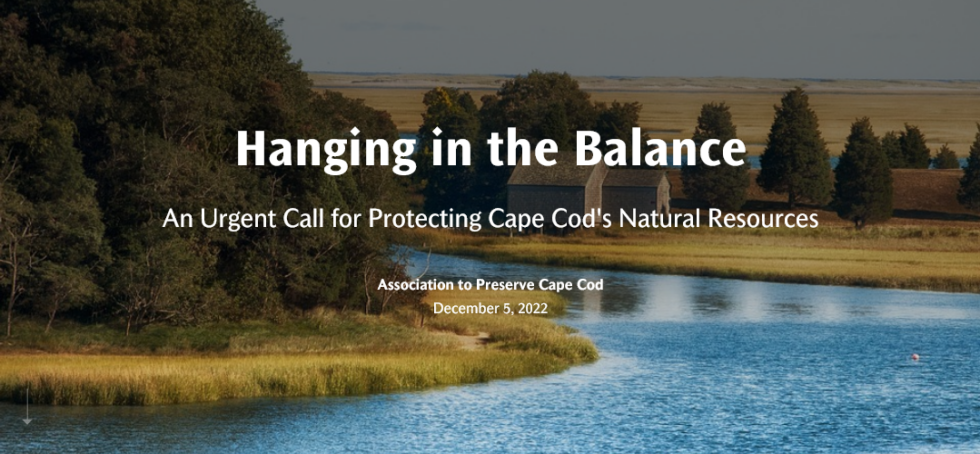
Hanging in the Balance - A New APCC Report


Hanging in the Balance: An Urgent Call for Protecting Cape Cod’s Natural Resources is a report by APCC that provides a comprehensive analysis of key natural resources on Cape Cod. The report examines past and present impacts to natural resources, current threats, case studies, and recommended actions that promote protection, preservation and restoration of the region’s most important resource areas.


Click here for the report pdf. 

It's Storytime!

Click on the photo below to reach the Hanging in the Balance story map. Don't know what a story map is? It's a format that allows images, both still shots, maps, and video to be linked together in one smooth transition accompanied by text. Once you click the photo, you will be at the story map. Then simply scroll down through the images and text that tell the story. 


The Jewels of Cape Cod ~ Our Freshwater Ponds

Barclay Pond, Chatham. Thinking of warm summer days ahead!


Pond Stories is a collection of writings and other media from Cape Codders and visitors who love the 890 local ponds that dot the Cape. We hope this collection of stories awakens your inner environmentalist to think deeper about our human impacts to these unique bodies of water.

Send us your favorite pond photo, story, poem, video, artwork—we want to share with everyone why the Cape's ponds and lakes are so special! Email your pond connection to kandres@apcc.org


Have a favorite pond? Want to connect with others who are active in protecting their ponds? Join the Cape Cod Ponds Network. For more information about past meetings of the Pond Network and to sign up (scroll down the page), click here. 


SAVE THE DATE!


Thursday, May 11th at 7 p.m.

For an APCC Film Event

The Erie Situation

with panel discussion to follow

at the Cape Cinema, Dennis

Tickets $15 through Cape Cinema

Proceeds support APCC


Just a Teaser -


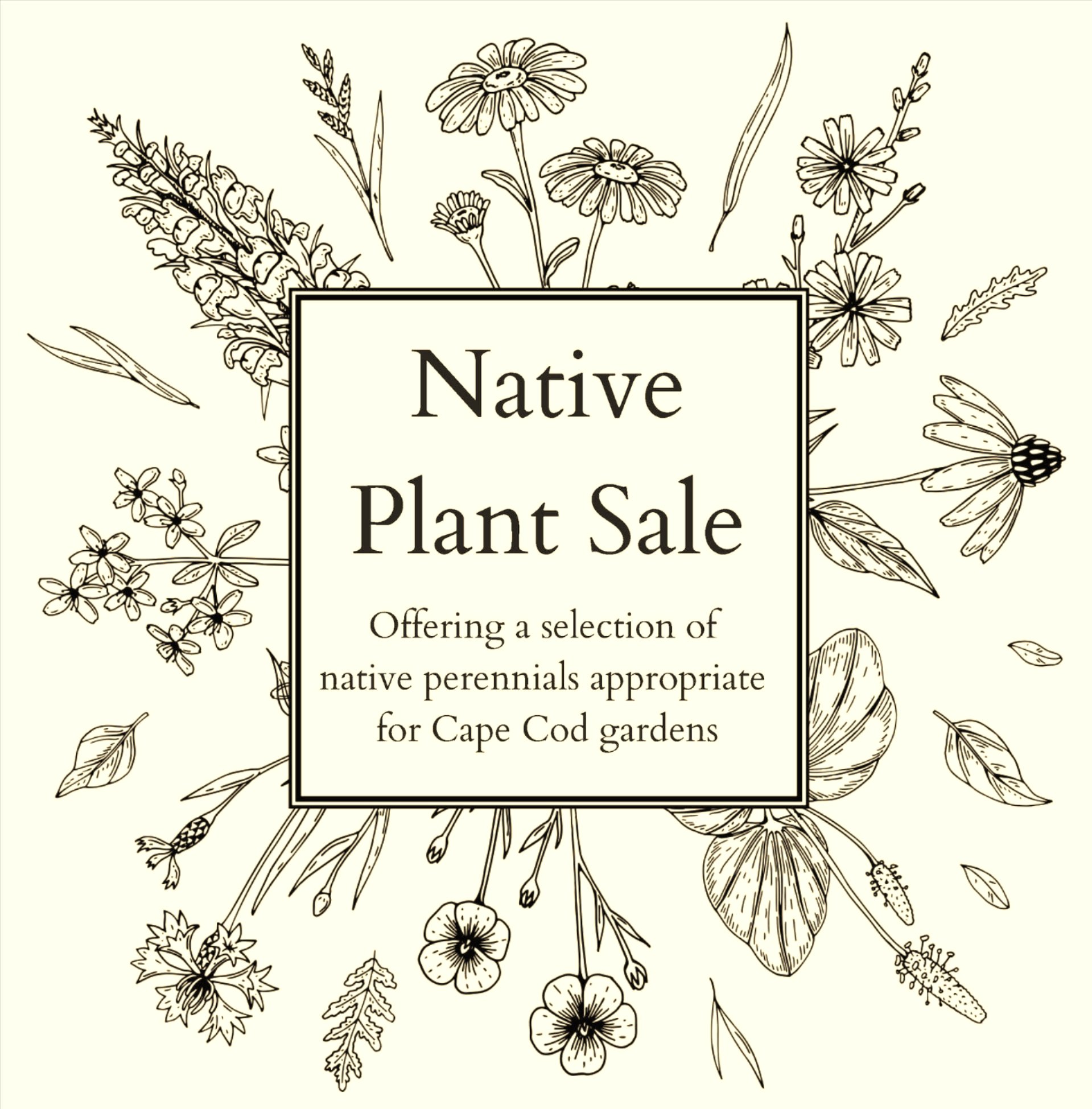
We will hold our third annual native plant sale in early June. More information to come in May.


In the meantime, be thinking about where you have room for more native plants, and where lawn can be reduced and planting beds expanded.
 

For some garden examples by Alex Kent of Kent Landscape Design in Wellfleet, click here and scroll down the page.


The Pollinator Pathway Cape Cod is a group of organizations promoting native plants and pollinator-friendly land care practices to create a boat load of safe oases for our native bees, butterflies and a whole host of other pollinators that are crucial to the health of our ecosystems. Join us! It's easy. There are no fees. You just need to pledge to ADD native plants, SUBTRACT a little lawn, AVOID yard chemicals, especially pesticides, and LEAVE the leaves. And, help us spread the word. If you wish, please get on the map to show your support of pollinators!


A Cape Cod Native Plant Selector

~ to help you choose the perfect native plant for your garden location.

Great Blue Lobelia, Lobelia siphilitica

Email kandres@apcc.org and

we'll send you a CapeCodNativePlants.org decal.


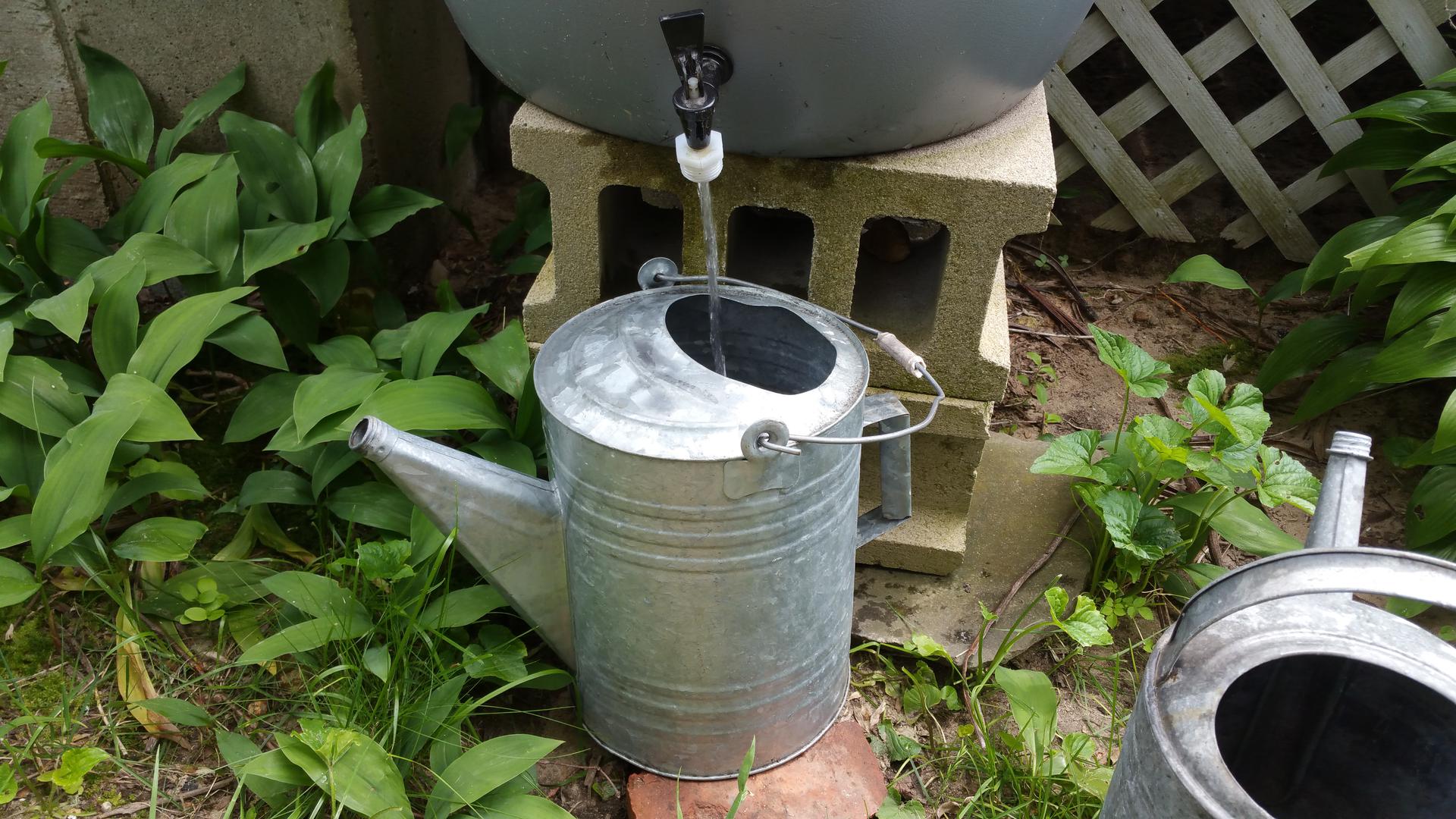
Rain Barrels for Cape Cod


Order online from Upcycle Products

$99 each

includes FedEx shipping to your door

APCC receives a portion of the proceeds.


For more information, click here.


APCC Enewsletters. Our weekly newsletters are now archived on our website and easily shared.


You can find past newsletters and share with your friends to sign up for future enewsletters HERE.


Are you thinking of going solar? We hope so!


In partnership with SUNPOWER BY E2 SOLAR in Dennis, APCC receives $500 for every solar installation when APCC is named as referral.


Thank you to the homeowners who just contracted to install solar panels through E2 Solar.


May the sun always shine for you! 


Expressions Gallery, 578 Main Street, Chatham

CLICK HERE


The gallery donates 20 percent of its profits to APCC.


Thank you to our business sponsors

Alternate text
Image
Image
Image
 
Facebook TwitterInstagram
Donate

Our Contact Information
*{{Organization Name}}*
*{{Organization Address}}*
*{{Organization Phone}}*
*{{Organization Website}}*

*{{Unsubscribe}}*

Image