Association to Preserve Cape Cod - this week...


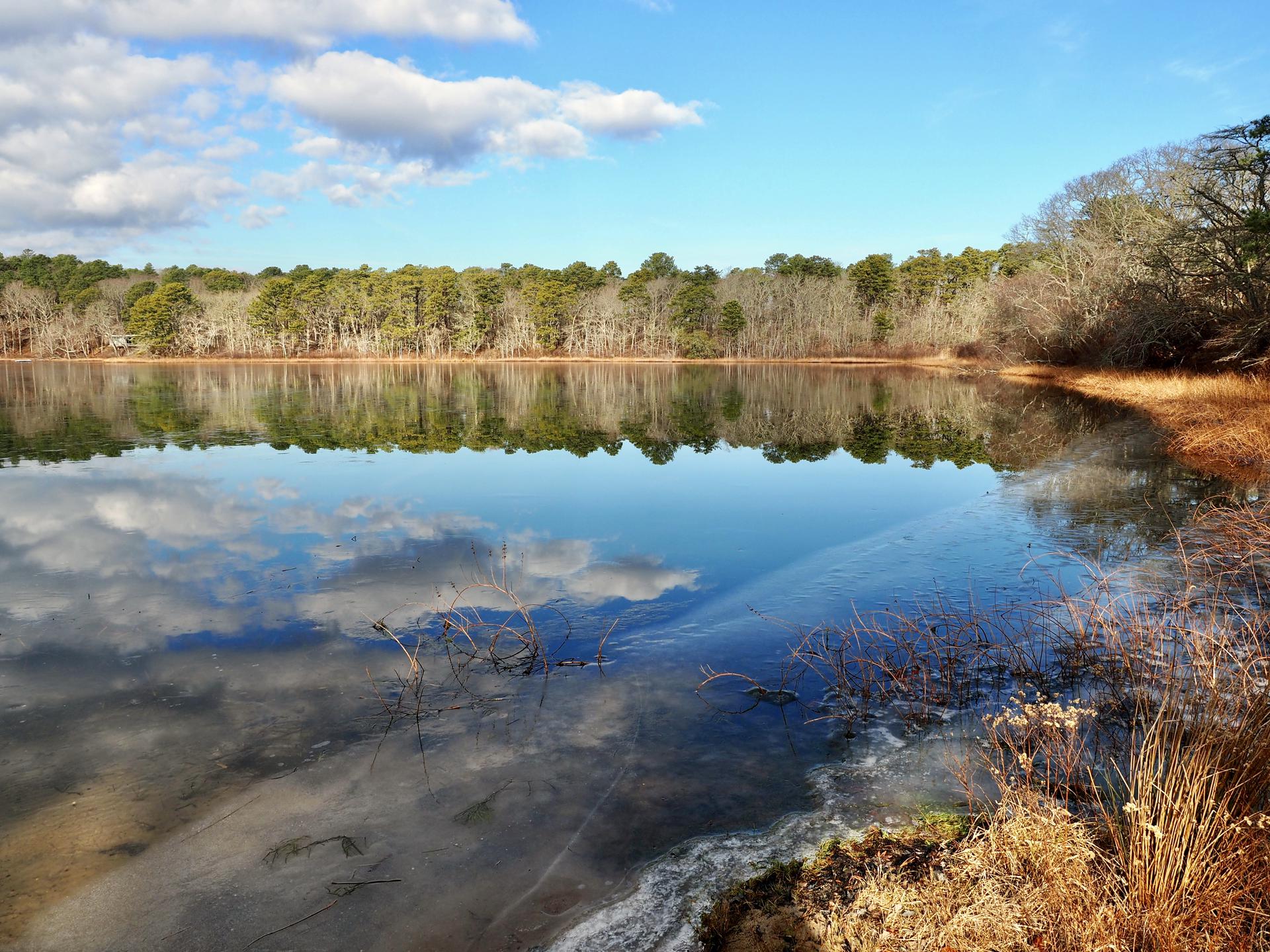
A Pond, Wellfleet. Photo by Sue Machie


What I'm Thinking... (yes, this is a repeat)

What does that mean?

by Andrew Gottlieb, Executive Director


The recent comments from some local officials taking positions against DEP’s proposed strengthening of septic systems standards might have left you saying “huh?”. That’s because a whole lot of people who have said they were in favor of clean water have opposed the revised regulations. In order to help you try to make sense of what people say versus what they mean, I am happy to provide this Wastewater Double Speak to English Translator. I hope this handy tool will help you understand how some key elected and appointed officials have opposed the proposed Clean Water rules while hoping to make you think they are committed to clean water.

When a local official says, “I support clean water, but these rules will be too expensive,” what they mean is that they support clean water only if someone else will pay. They also mean that they are unwilling to have a frank discussion with their constituents that reversing decades of water quality decline will cost money, that priorities need to be set and sacrifices may be required. A third meaning is that town hall finance staff are resistant and what they want is what really drives policy, not the elected policy makers. A fourth meaning is they don’t want to explain why they can’t pay for it, given that Cape towns have access to 0% loans, over 25% principal forgiveness on those 0% loans, huge sums of federal funds to offset local costs, new sources of money from short term rentals that lower property tax burdens, and that funds are available to help low- and moderate-income residents lower the costs of sewer connections and septic upgrades.


When a local official says, “I support clean water, but these rules impose unrealistic schedules on towns,” they really mean a lot of things. Most often what they mean is they don’t want you to realize that left to their own pace you have no hope of having clean water for the next quarter century at least. I’m 60; a quarter century wait for clean water puts me at great risk of being dead before it happens. In truth, it means that for a lot of us an accurate translation is that there will not be clean water in our lifetime. This phrase often also means that they are hoping that their term in office is over before someone must do the hard work of dealing with the problem and financing the solution. The final meaning can be that the town can’t comply with a schedule because there really is no plan. These meanings can be, and often are, all applicable at the same time.


When a local official says, “I support clean water, but these rules rely on technology that isn’t proven,” what they really mean is that they don’t want you to focus on the fact that a municipal wastewater treatment and collection program is already known to be reliable and effective at reaching the established nutrient load reduction targets. They want to distract you from the fact that a comprehensive municipal response will solve water quality problems and would rather have you wondering about how and if newer septic systems work.


When a local official says, “I support clean water, but I don’t know what we are supposed to do yet,” what they mean is that they don’t accept the clear science that lowering nutrient levels in our marine waters is what is needed. They might also mean that they haven’t paid attention to the multiple briefings and reports made to local boards and commissions that all basically say the same thing about the need, and methods, reduce nutrient loading. Lastly, they simply are stating they don’t want to take this on for all the reasons mentioned above.


When a local official says, “I support clean water but these rules aren’t fair,” what they mean is unclear, other than conveying they have no intention of doing anything productive. The precise reasons are garbled since there is no objective definition of what fair means, but the underlying commitment to continued inaction or movement at a glacial pace is crystal clear.


Lastly, when a local official tells you they support clean water but forwards misleading and negative information on social media without comment or context, what they are really doing is trying to muddy the waters without leaving any fingerprints or claiming any responsibility for the confusion they help spread.


Now that you know all these things, you should look at what your local officials do in commenting on these regulations. If they use any of these phrases or their close cousins, take note and hold them to account now and at the next election. I am not saying that these regulations have no room for improvement or refinement. Things can always be made better, but the “yeah, but” comments we have heard so much of in recent weeks are not serious attempts to get to a responsive solution that moves us toward a future with clean water. Unless your local officials are offering real and thoughtful suggestions for improving the regulations, they are more a part of the problem than part of the solution. Don’t let them slide on it unless you have given up on seeing clean water on Cape Cod again in your lifetime. I haven’t.


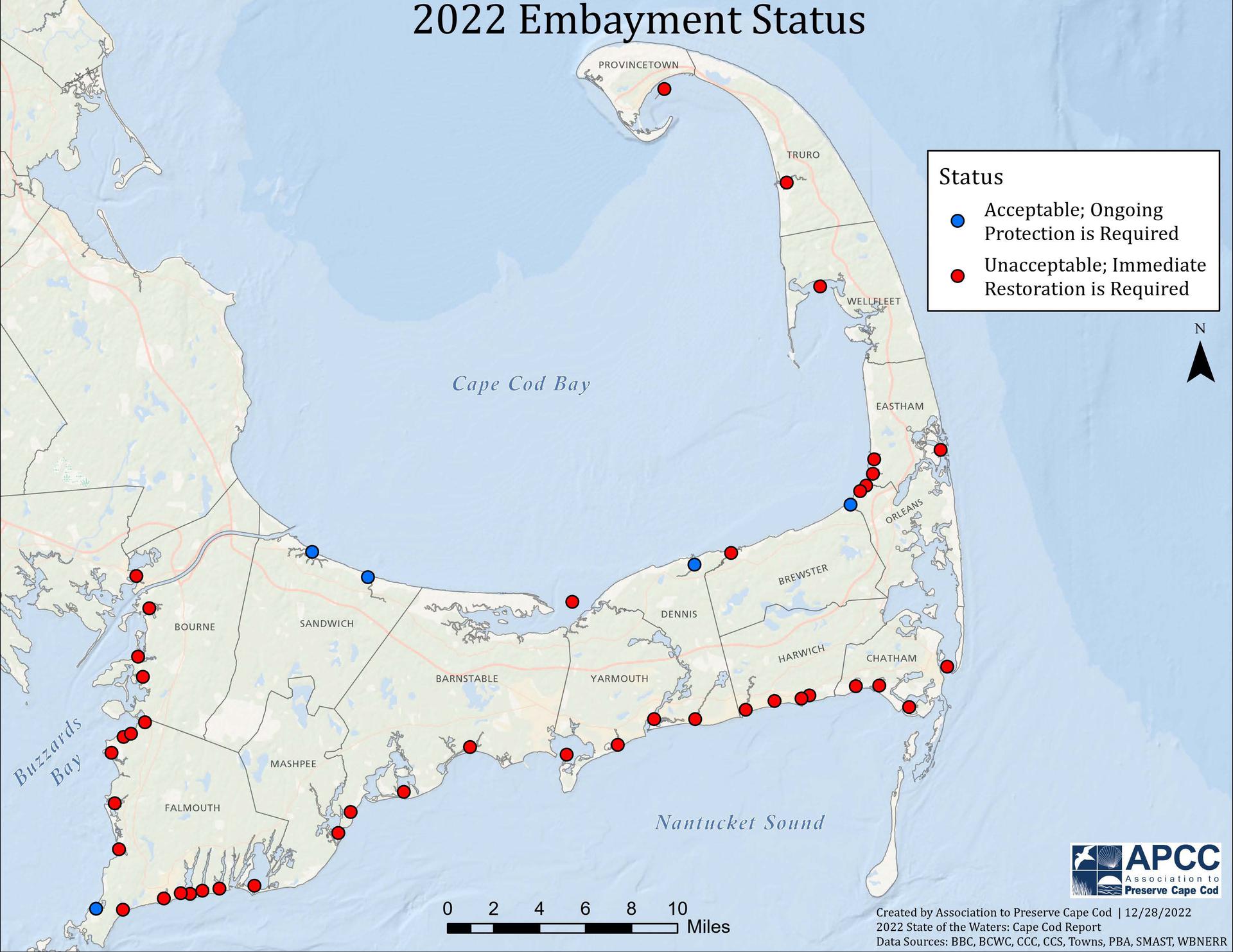
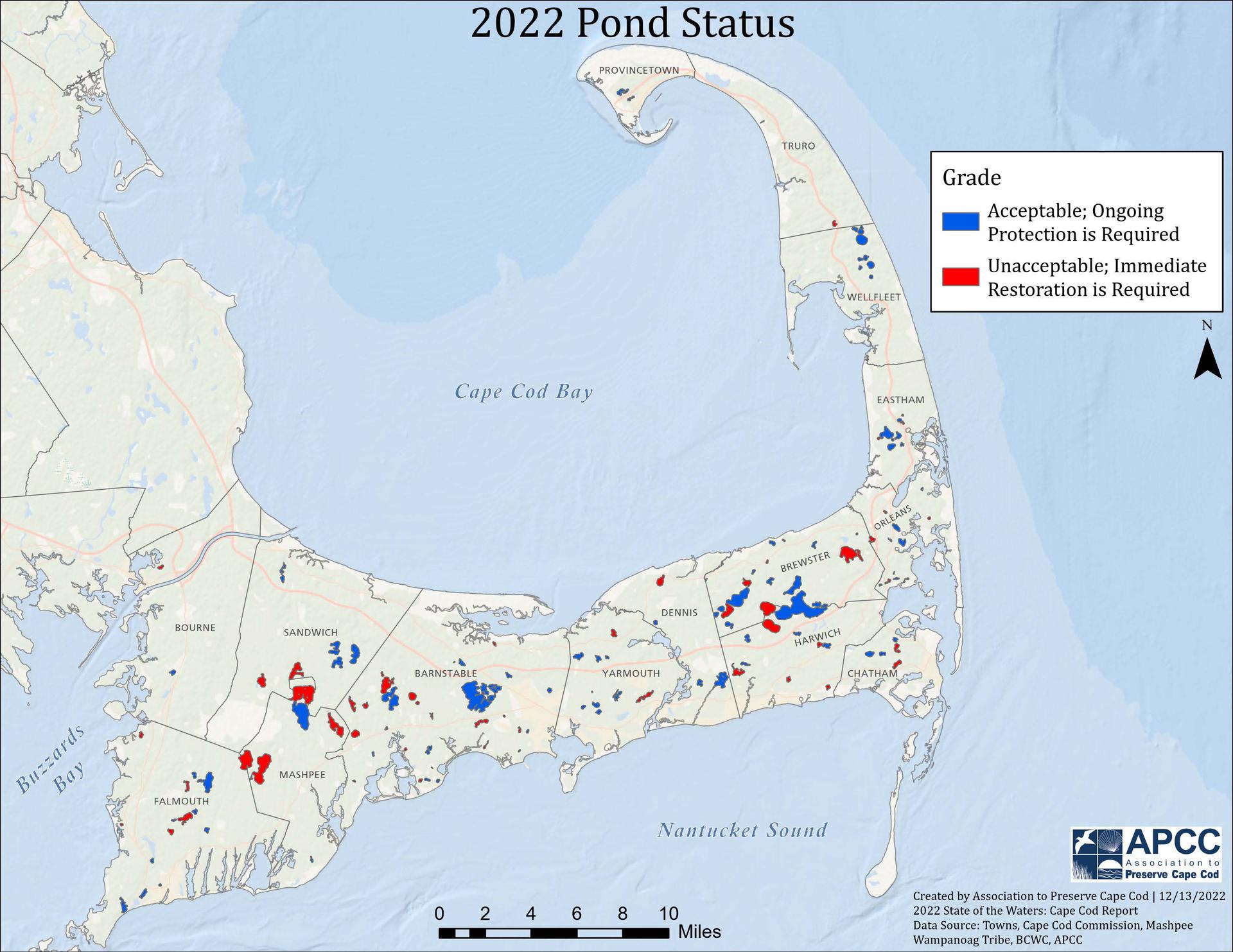
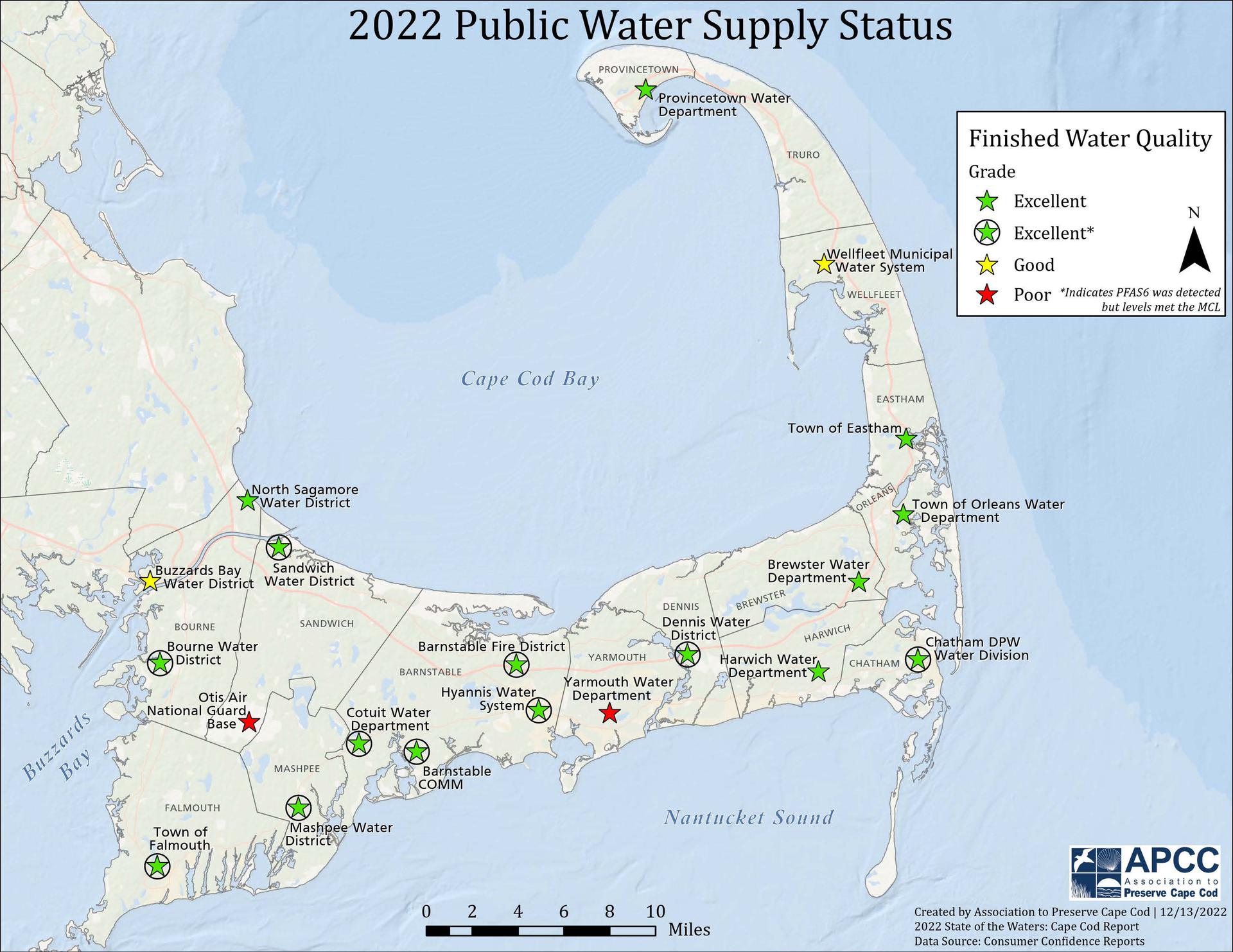
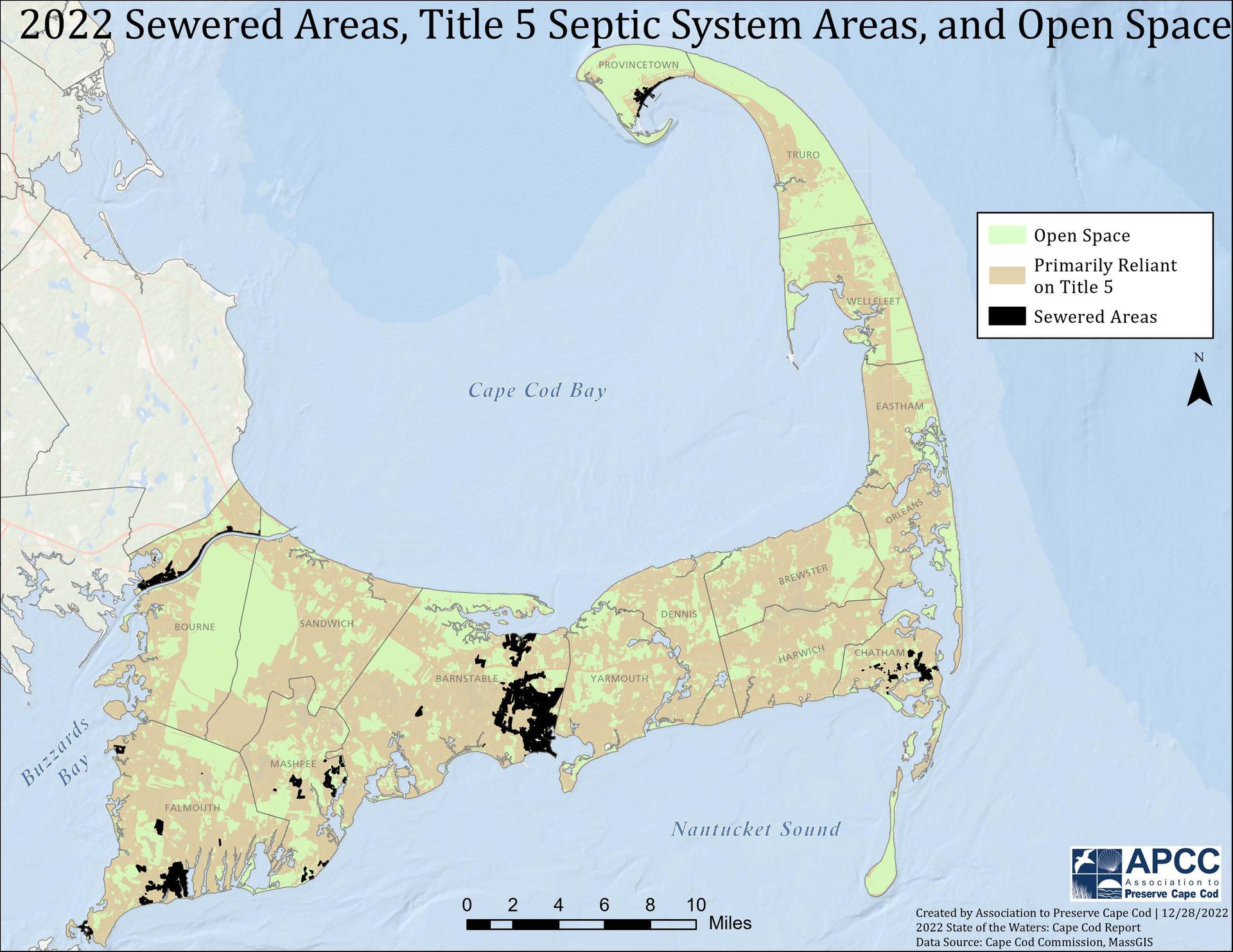
2022 State of the Waters: Cape Cod Report

How Healthy are the Waters of Cape Cod?

Again, for the fourth year in a row, water quality data tells us:

● Cape Cod’s saltwater embayments and freshwater ponds are suffering from the negative effects of too many nutrients.
● Water quality is in decline due to pollution from septic systems, stormwater and fertilizers.
● While the quality of most drinking water supplies remained excellent or good, two public drinking water supplies were poor because they did not meet two or more drinking water standards: One failed E. coli and total coliform bacteria standards and another failed PFAS6 and enteric bacteria standards.


For an interactive map, the full report, Atlas, and Action Plan,

visit CapeCodWaters.org


In the News...

WCAI: Health of Cape Cod waters continues to decline: new report


The Enterprise: New Bill Would Revamp Nuclear Plant Demolition Oversight


CapeCod.com: Sunday Journal – Nuclear Decommissioning, Title 5, and the State of the Waters


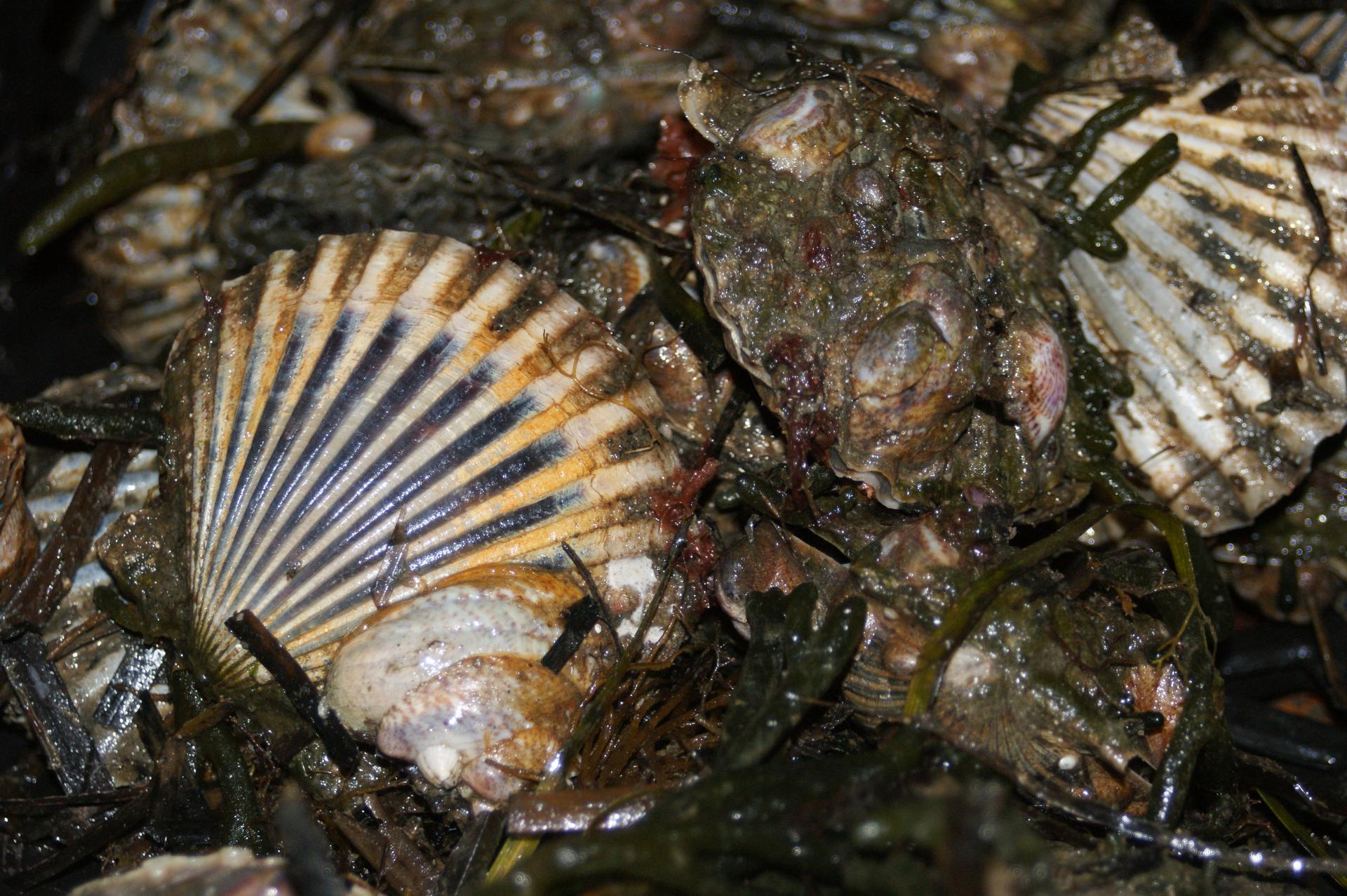
THE GREAT CHATHAM BAY SCALLOP FISHERY

by Bill Amaru


Every year around this time, some of us think back to when skiffs from Stage Harbor to Ryder’s Cove were outfitted with bay scallop dredges.


They had culling boards and a mast with a block and tackle to haul the dredge, filled with succulent bivalves, into the boat. These vessels were small, usually about 18 to 20 feet. They didn’t have huge outboard motors we see on present-day runabouts moored in the same harbors; rather than double and even triple outboards of 300 horsepower on elaborate fiberglass hulls, wooden skiffs with 18 to perhaps 40 horsepower were the rule.


These skiffs were working boats, their owners working men and women. Some were full-time fishermen. Most were tradesmen who took advantage of great sets of bay scallops that once graced shoals and eelgrass beds of our native waters.


The months of October, November and December were very important as mature and tasty bivalves were sought by fishers all around the bays within our estuaries. They even made their way to markets off-Cape. Prices were considered high at about three dollars per pound returned to the fishermen.


The flavor of the abductor muscle is so delicate and delicious it nearly defies description. A bay scallop is one of the true gifts our coastal waters. The income derived, while small, was very important and provided a maritime social network a few of us still remember.


A cottage industry existed for opening shells and scraping out small meats. Basements and shucking houses of citizens of this sea-town who opened their catch at the end of the day made for places of salty and local repartee. I remember Bob and Del Hyora’s basement cutting house off Barcliff Road. Del (Mrs. Hyora) was an expert shucker. Del opened for her sons Mark and Nick as well as a few others. She opened some of my catch, taken from Orleans’ waters in Cape Cod Bay.


The 1970s produced enormous catches in the bay and the shells were big but the meats were small compared to Chatham. As I carried my bushel baskets down the basement stairs she would say, “Boy, Billy, can’t you find something better than these peanuts you keep bringing me?”


Shuckers worked on a per-pound payout so small meats meant small pay. The rate was one dollar a pound of cut meat and at 50 to 60 per pound, Del would cut for hours and make twenty dollars at best. Still, she never refused my baskets.


When delivered to the marketplace, usually Nickerson’s at the fish pier, the scallop meat brought three dollars a pound. The 1970s were good years for a bay scalloper.


The bay scallop is a mollusk that inhabited the shallow bays from our Massachusetts shores to the Gulf of Mexico. We are indeed lucky that our Cape and Islands represents the northern limit of its historic range on the North American continent. As our climate warms, we may no longer own that distinction.


I have to speak in the past tense because bay scallops are no longer available in numbers that make the fishery a true fishery. Sets that kept more than 100 boats busy for the entire fall into winter are gone. Eelgrass beds and clean, oxygen-rich waters necessary for the young to grow are nearly depleted. There are so few left in Chatham that it has become impractical to drag a dredge or two and try to make a little money, despite the modern price of $28-$30 per pound to the fisherman — an amazing $60 per pound to the consumer.


The few scallops caught are mostly “landed” by herring and black-back gulls. Gulls drop them at landings, on docks and boats on their moorings. Dropped from high above, shells break open and provide a small meal.


So what happened? Why don’t we have them in numbers that allow for a fishery?


Have you noticed the explosion of emerald lawns, many close to or right on the water? Have you observed how, even in July and August, when it hasn’t rained a lick in weeks, 85 degrees day after day, they remain greener than green?


This was not the case when there were thousands of bushels of scallops landed every fall. Summer was the season of the “Cape Cod lawn” — dried out, brown, dormant — as nature intended. In September with the return of cooling rains and the lower angle of the sun, grassy fields and yards greened up again, like they did every fall.


It’s safe to say the loss of bay scallops over the past 30 to 40 years was caused by in-ground watering systems and the growing use of chemical fertilizers in towns surrounding our common estuaries. Run-off from those fertilized lawns and the high rate of nitrogen from our own waste stream, only partially controlled by sewering, has depleted oxygen and smothered eelgrass beds that were nurseries and hiding places for millions of creatures that no longer live among us.


Is there a chance we could see a return to a scallop fishery? Yes. The Atlantic Ocean is still remarkably clean and pristine. If we were to lower or eliminate excess nitrogen and other plant stimulants from entering our estuaries, we would return to the natural habitat that would support a bay scallop fishery again. Other shellfish and finfish, presently absent from much of our waters, would return as well

.

Orleans and Nantucket have voted to curtail fertilizer use. The hope is that soon other Cape communities will pass and enforce similar ordinances.


My mother often told me and my siblings, “You don’t miss that which you never had.” It is difficult to explain what it means to go out and catch your own dinner or earn money from the sweat of your brow or the calluses of your hands. Many of our new neighbors purchase bay scallops for $60 or more per pound. I am happy they can. But there are still some of us who would prefer to catch our own.


We all can do something to make that possible and we all would be better off for it.

====================

Bill Amaru joins a handful of fishermen who still go bay scalloping on Cape Cod Bay, which is  one of the final local hold-outs of Argopecten irradians, the bay scallop.


A special thank you to Bill for his permission to share his article. Learn more about our local fisheries on the website of Cape Cod Commercial Fishermen's Alliance.
 

APCC Seeks Seasonal Staff 

APCC Eco-Audit Program Manager

Looking for a qualified individual, passionate about native plants and ecologically friendly landscapes, to help establish a new APCC program offering ecological consultations for homeowners. The program is seasonal – April through November, 37.5 hours per week.


The candidate must be knowledgeable and enthusiastic about plants, green infrastructure, general natural history, and best ecological landscape practices. This is an educational program, and therefore the candidate must enjoy engaging with the public and be able to communicate information effectively. 


Ecological Land Care Summer Interns (2)

APCC is offering paid internships, June through August 2023. The ecological land care summer intern will be part of a team with APCC’s Eco-Audit Program that conducts property assessments for homeowners who want to know more about how they can make their properties eco-friendly. Intern will also help with maintaining the native landscape at APCC’s headquarters, and other related projects.


Candidates will be considered who are undergraduate students and/or have an educational background and interest in sustainability, landscape design, or environmental studies or the equivalent. Importantly, the candidate must have a passion for learning and understanding the natural environment.


For more information on these position openings and to apply,

CLICK HERE or email kandres@apcc.org. 


Grow Native Massachusetts Speaker Series 

Evenings with Experts

Starts February 1st - a webinar with Doug Tallamy, The Nature of Oaks


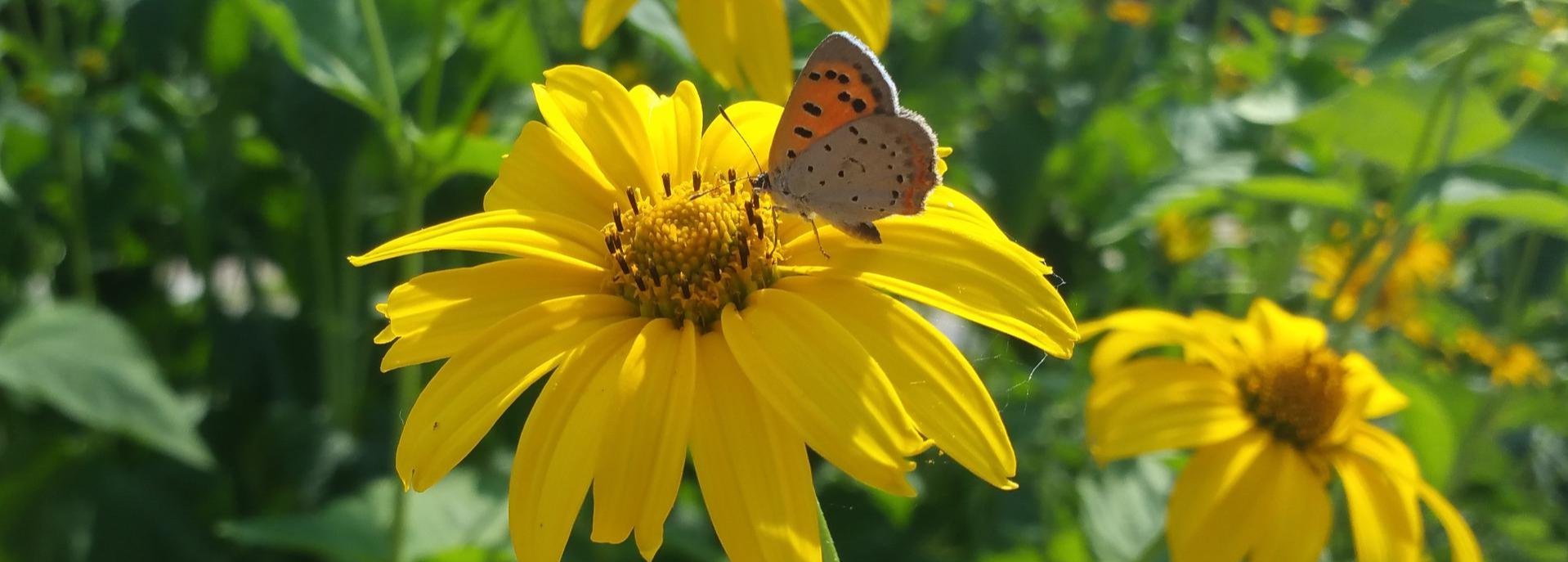
The Pollinator Pathway Cape Cod is a group of organizations promoting native plants and pollinator-friendly land care practices to create a boat load of safe oases for our native bees, butterflies and a whole host of other pollinators that are crucial to the health of our ecosystems. Join us! It's easy. There are no fees. You just need to pledge to ADD native plants, SUBTRACT a little lawn, AVOID yard chemicals, especially pesticides, and LEAVE the leaves. And, help us spread the word. If you wish, please get on the map to show your support of pollinators!


Looking for a speaker? Check out APCC's Speakers Bureau.

APCC staff speak on a variety of topics and are available by Zoom.

If interested, please contact the staff person directly to make arrangements.


The Jewels of Cape Cod ~ Our Freshwater Ponds

Musings

by Susan Surette          


thoughts mercurial as a New England morn

thoughts rooted in soil like trees absorbing life

thoughts galvanized like an upstream run 

sun warms, 

invigorates like supple fingers of a masseuse

skies dazzle

infinitely blue

like an ocean siphoned

then released overhead.

air exudes a heady fragrance

as winter’s stale breath dissipates

the barest of breezes whispering past

life rhythms heighten,

carried along on vibrant awakened vitality

body and soul welcome relief

from days of cold, numbing mediocrity 

deep earthy aromas

permeate freshly-turned loam 

rich in worms, soil’s decay

soft virgin essence

emanates from unfurling blossoms,

shyly emerging flora 

ospreys reign

over deep fish-filled kettle ponds,

salty shorelines

intricately spun spider silk

of glistening spindled knots

hang like fragile art

between dew-washed blades of grass

twilight lazily arrives,

colored like melted sherbet

trailing across the sky


Pond Stories is a collection of writings and other media from Cape Codders and visitors who love the 890 local ponds that dot the Cape. We hope this collection of stories awakens your inner environmentalist to think deeper about our human impacts to these unique bodies of water.

Send us your favorite pond photo, story, poem, video, artwork—we want to share with everyone why the Cape's ponds and lakes are so special! Email your pond connection to kandres@apcc.org


SAVE THE DATE!


Thursday, May 11th at 7pm

For an APCC Film Event

The Erie Situation

with panel discussion to follow

at the Cape Cinema, Dennis

Tickets $15

Proceeds support APCC


A Cape Cod Native Plant-finder

~ to help you choose the perfect native plant for your garden location.

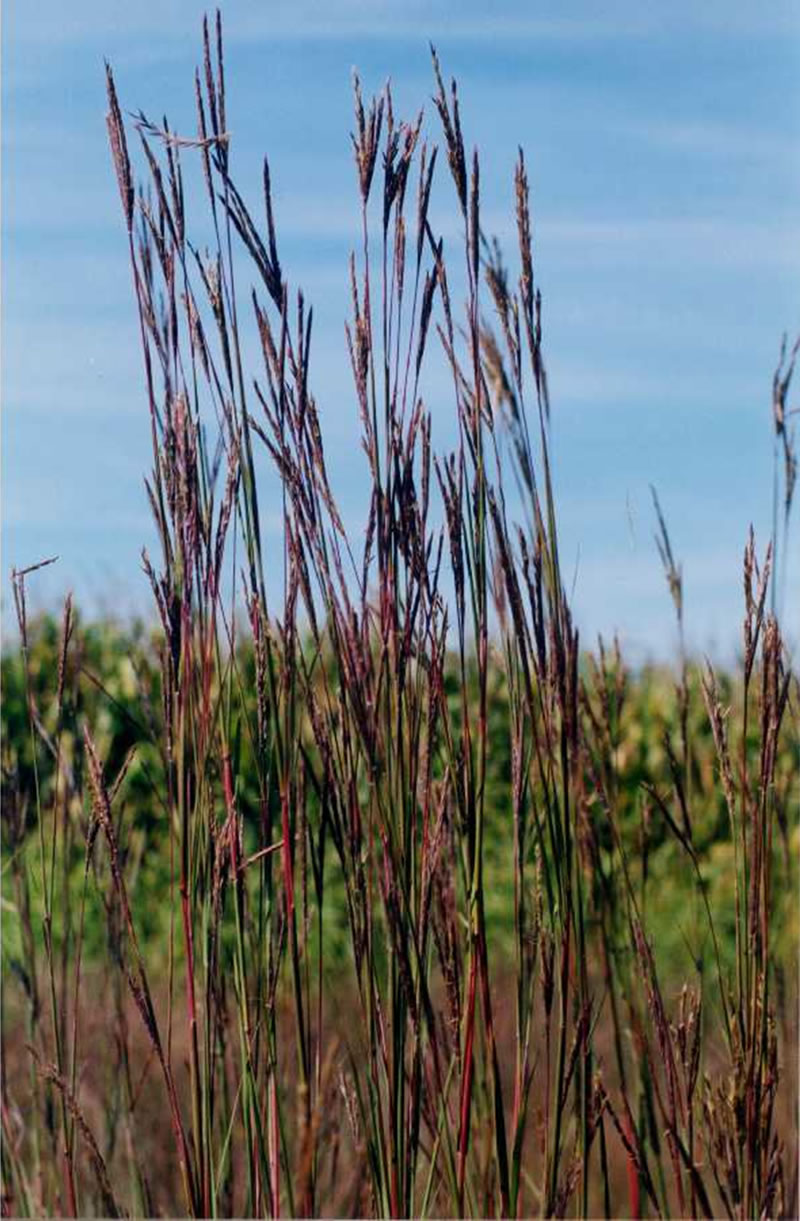
Big Bluestem, Andropogon gerardii

Email kandres@apcc.org and

we'll send you a CapeCodNativePlants.org decal.


Rain Barrels for Cape Cod


Order online from Upcycle Products

$99 each

includes FedEx shipping to your door


APCC receives a portion of the proceeds.


For more information, click here.


APCC Enewsletters. Our weekly newsletters will now be archived on our website and easily shared.


Here, you can find past newsletters from July 2022 on.


Share this with your friends and they can sign up HERE.


Are you thinking of going solar? We hope so!


In partnership with SUNPOWER BY E2 SOLAR in Dennis, APCC receives $500 for every solar installation when APCC is named as referral.


Thank you to the homeowners who just contracted to install solar panels through E2 Solar.


May the sun always shine for you! 


Expressions Gallery, 578 Main Street, Chatham

CLICK HERE

Ocean to Office. APCC has partnered with EXPRESSIONS, a fine art photography gallery located in Chatham center, to provide Cape businesses the opportunity to beautify their offices with coastal photography while directly supporting protection of our cherished environment. 


This special offering gives back to APCC. CLICK HERE to learn more.


Thank you to our business sponsors

Alternate text
Image
Image
Image
 
FacebookTwitter Instagram
Donate

Our Contact Information
*{{Organization Name}}*
*{{Organization Address}}*
*{{Organization Phone}}*
*{{Organization Website}}*

*{{Unsubscribe}}*

Image