Association to Preserve Cape Cod |
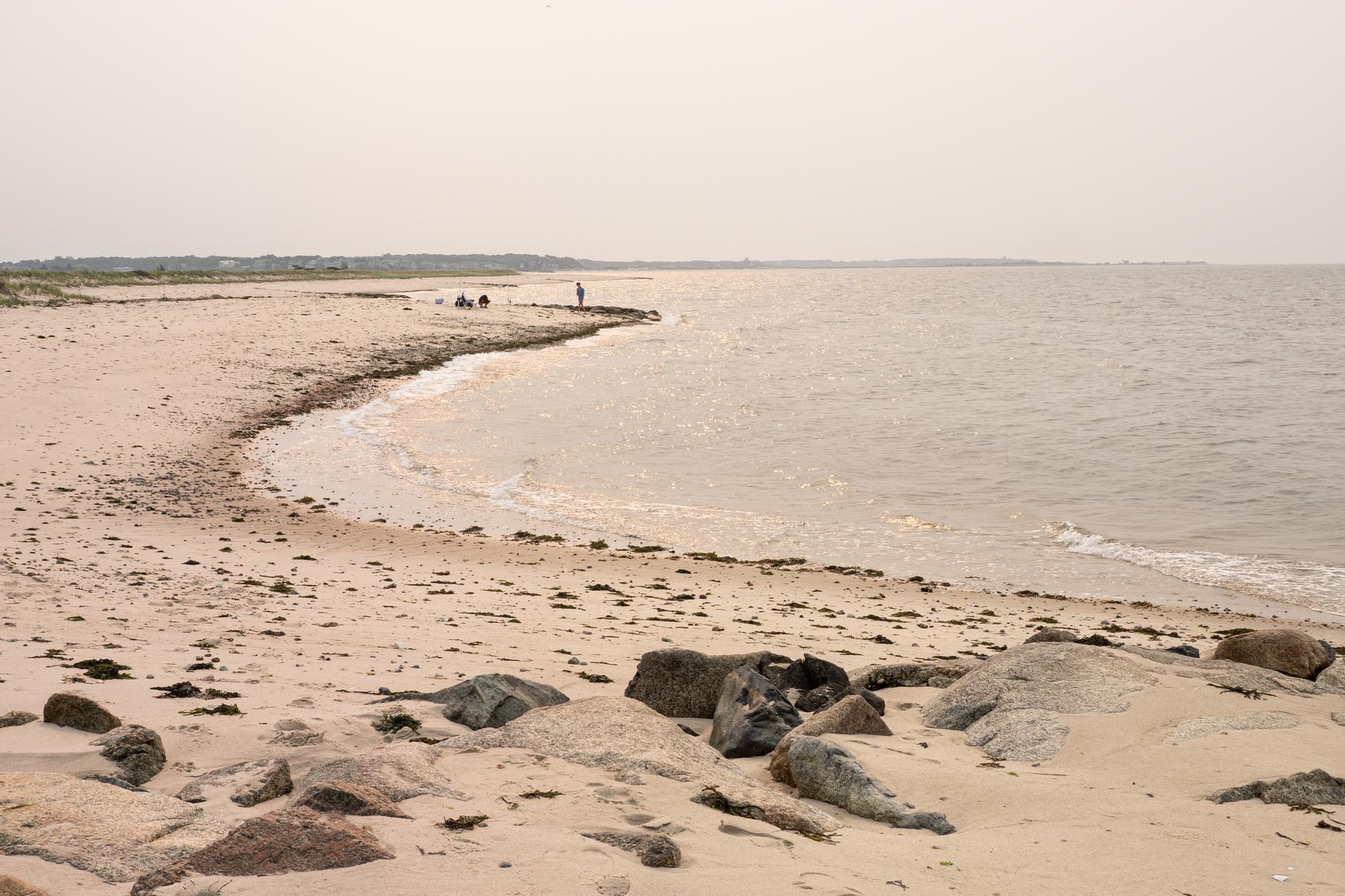
Above: Red haze from wildfire smoke from Minnesota and Canada, July 2026. Forest Beach, Chatham. Photo by Sue Machie. |
|
|
|
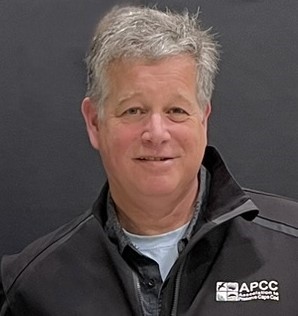
| Smoke Gets in Your Eyes by Andrew Gottlieb, Executive Director |
Remember back when the early talk about climate change predicted sweltering heat, long droughts interrupted by tropical downpours, and poor air quality driven by increased wildfire activity? Those predictions describe July on Cape Cod—this July actually. |
|
|
|
The debate is over. We are living in an altered climate and dealing with the changes that are already impacting our everyday existence. Staying inside because it was too hot or smoky to be outside is not exactly the summer experience most of us want to have, but conditions this month drove many inside just as a cold winter day would.
All of this is happening at a time when the federal government has walked away from any pretense of caring about this nation’s contributions to accelerating climate change. Even the state seems to be backing away from commitments to investing in energy efficiency through cuts to MassSave. Given these broader changes that seem beyond the reach of Cape Codders, pondering what is left to do is a fair question.
For us the answer is clear and straightforward. As I often told my kids when they were younger and upset about some grand injustice, control what you can control. If you have been reading here for long you know what is coming: We need to act locally on increasing land protection, resource restoration, investment in water quality improvement and doing more to make your yard an area that contributes to habitat sustainability and quality.
If Cape Codders do more to restore wetlands and marshes, we enhance our ability to adapt, mitigate and survive the extremes of temperature, storminess and flooding that are here and getting worse. If we reduce the nutrient load to our waters, ponds, bays, and wetlands, we will be better positioned to deal with increased temperature and less stressed than they would be otherwise. Land protected from development increases our resilience and buys us time from the worst effects of climate change. A yard not contaminated by chemical enhancements and populated by plants that support the species who call Cape Cod home will help those species survive despite all the other stress they endure.
We can do these things locally if we choose to—no matter what else is happening nationally or globally.
No one is coming to save our land, water, and other natural resources. If we want to preserve Cape Cod, it is up to us to do the grassroots work at the local level to make the changes we need.
We can help with that! If you are with us, then get involved. |
Ecosystem Restoration Program |
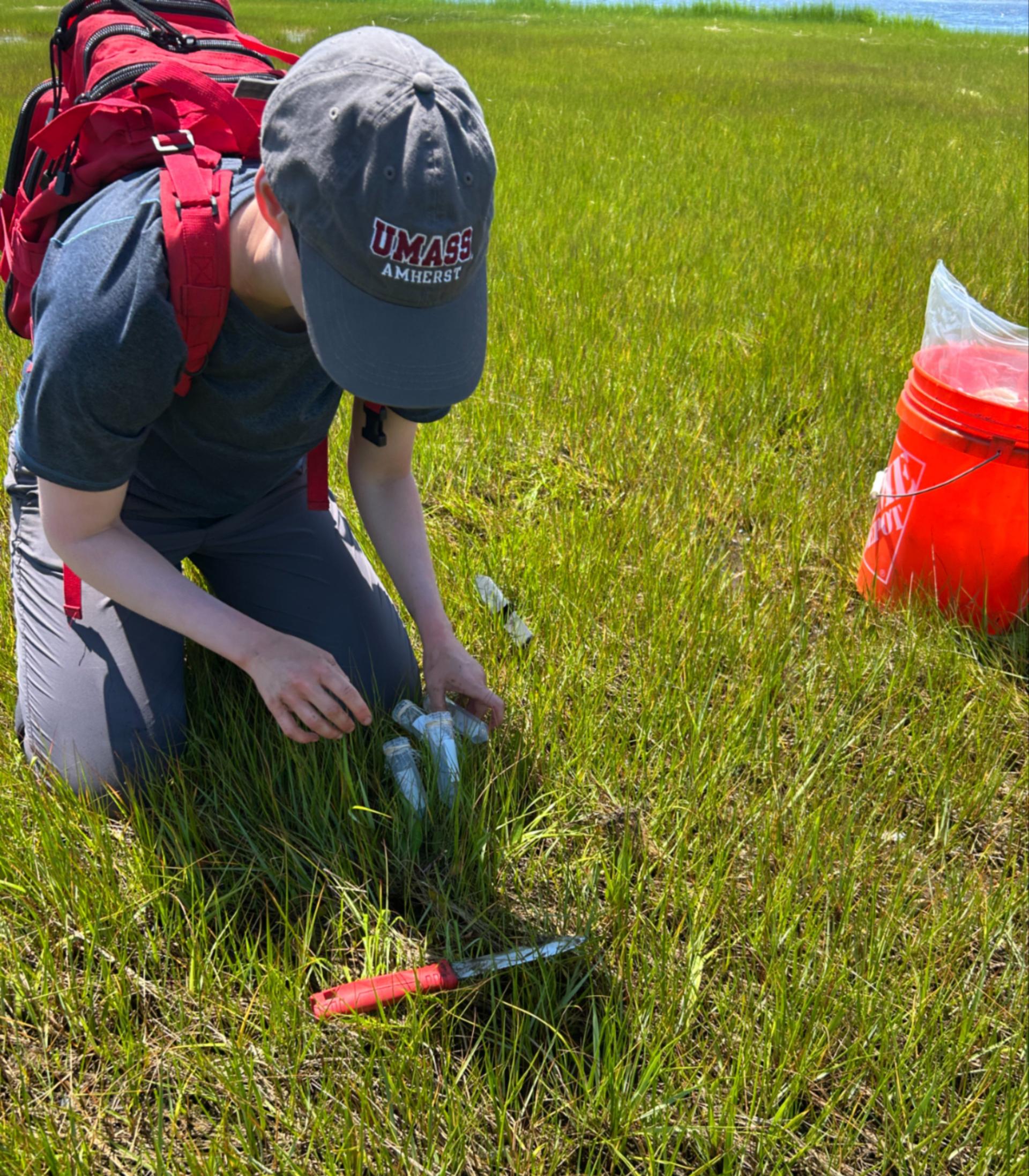
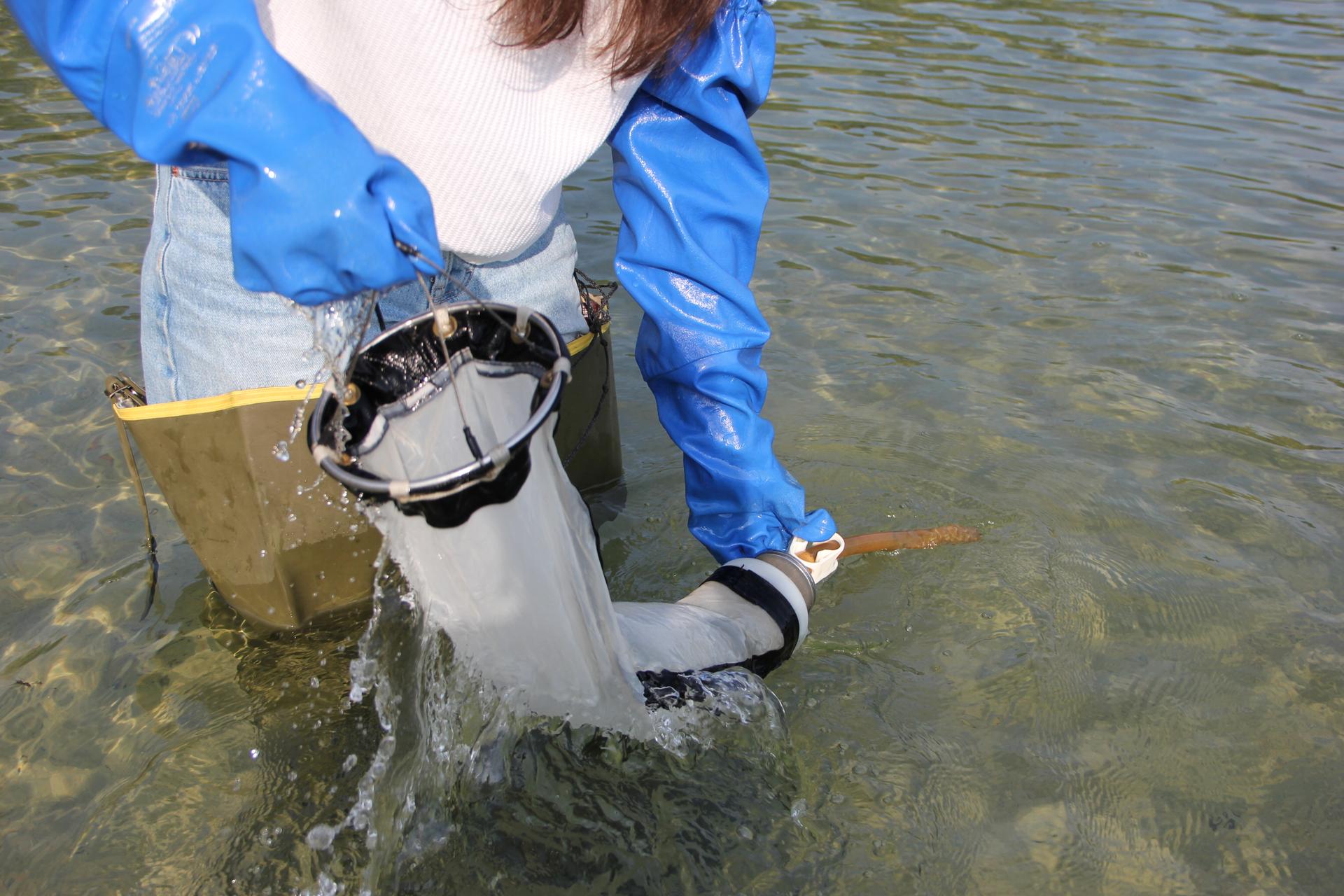
Above: Molly Autery, A{CC salt marsh specialist, deploys sediment traps near a monitoring location at Weir Creek. |
Monitoring Sediment at Weir Creek Salt Marsh
Sediment is essential to a healthy salt marsh. As it accumulates, it helps the marsh build elevation and provides the foundation where salt marsh plants take root and grow. Understanding how sediment moves through and settles within a marsh can reveal how well the system is keeping pace with changing water levels—and help guide future restoration and management decisions.
APCC recently installed turbidity sensors and sediment traps at Weir Creek salt marsh in Dennis to better understand sediment movement around an undersized tidal culvert. Turbidity sensors positioned in the main tidal channel upstream and downstream of the culvert measure the cloudiness of the water, which can indicate the amount of suspended sediment moving through the system. Sediment traps placed directly in the marsh measure how much of that material settles onto the marsh surface during each tidal cycle.
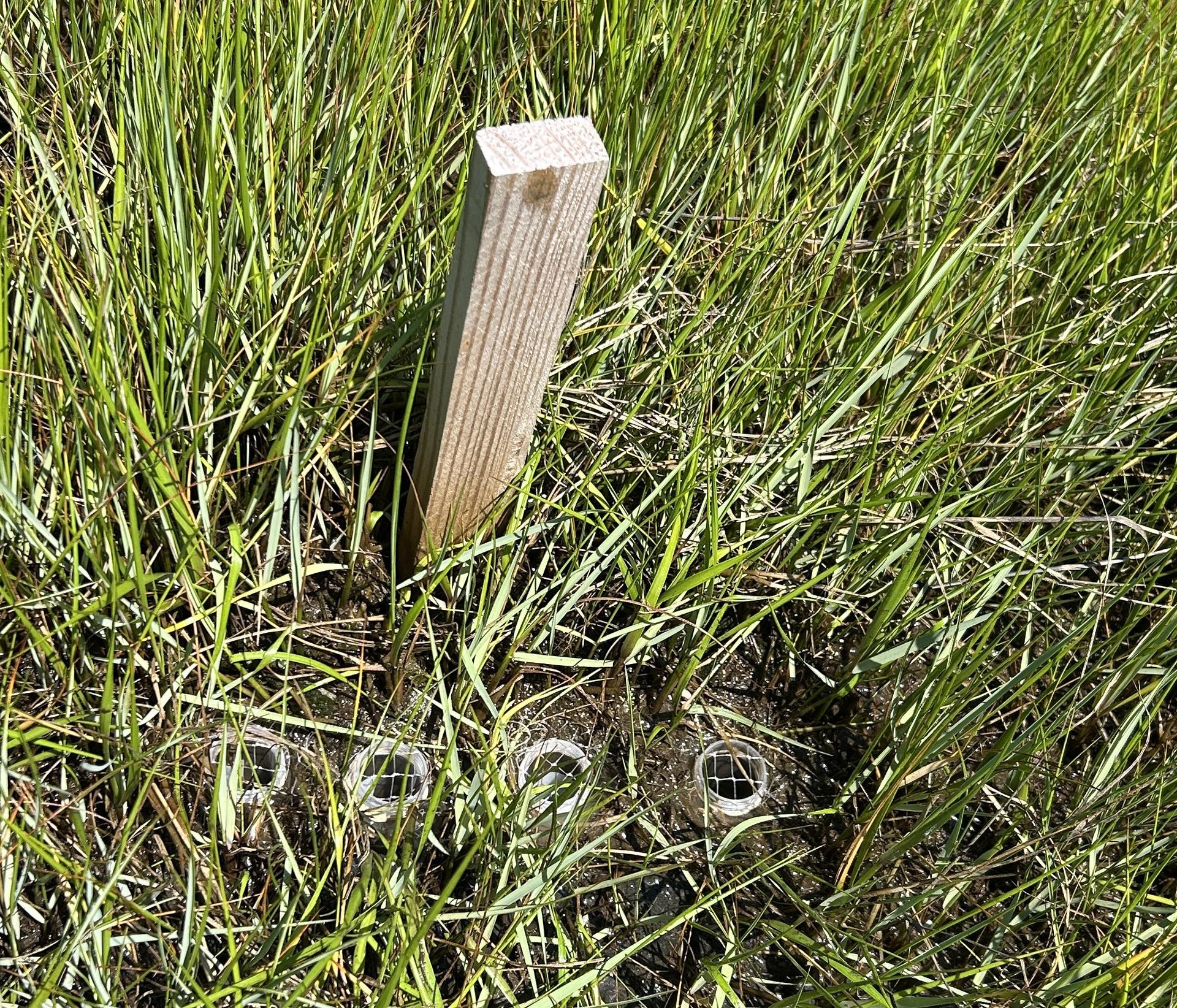
The traps are simple but effective monitoring tools. APCC’s Ecosystem Restoration Program team constructed them using 50-milliliter centrifuge tubes covered with a small piece of netting to keep out debris, snails, crabs, and other marsh visitors. Each tube was carefully inserted so its opening sits level with the marsh surface.
The traps will remain in place for approximately one month, allowing them to capture sediment deposition across a full lunar tidal cycle. Once collected, the samples will be capped, refrigerated, and transported to the University of Massachusetts Amherst Sediment and Coastal Dynamics Lab, where the accumulated material will be processed and analyzed.
This work builds on the expertise of APCC restoration Salt Marsh Specialist Molly, who earned both of her degrees from UMass Amherst and conducted undergraduate and graduate research in the Sediment Lab. Her research focused on salt marsh sedimentology and included extensive work with sediment traps and turbidity sensors. She is now applying that experience to expand APCC’s salt marsh monitoring capabilities.
APCC previously used sediment traps at Chase Garden Creek salt marsh in partnership with the Center for Coastal Studies. The success of that effort helped lay the groundwork for the Weir Creek monitoring and for expanding sediment studies to additional restoration sites across Cape Cod. By tracking how sediment moves through these systems, APCC can better understand marsh resilience, evaluate the effects of tidal restrictions, and develop restoration approaches that support healthy salt marshes over the long term. |
Above: Example of a sediment trap deployed at Chase Garden Creek. |
|
|
|
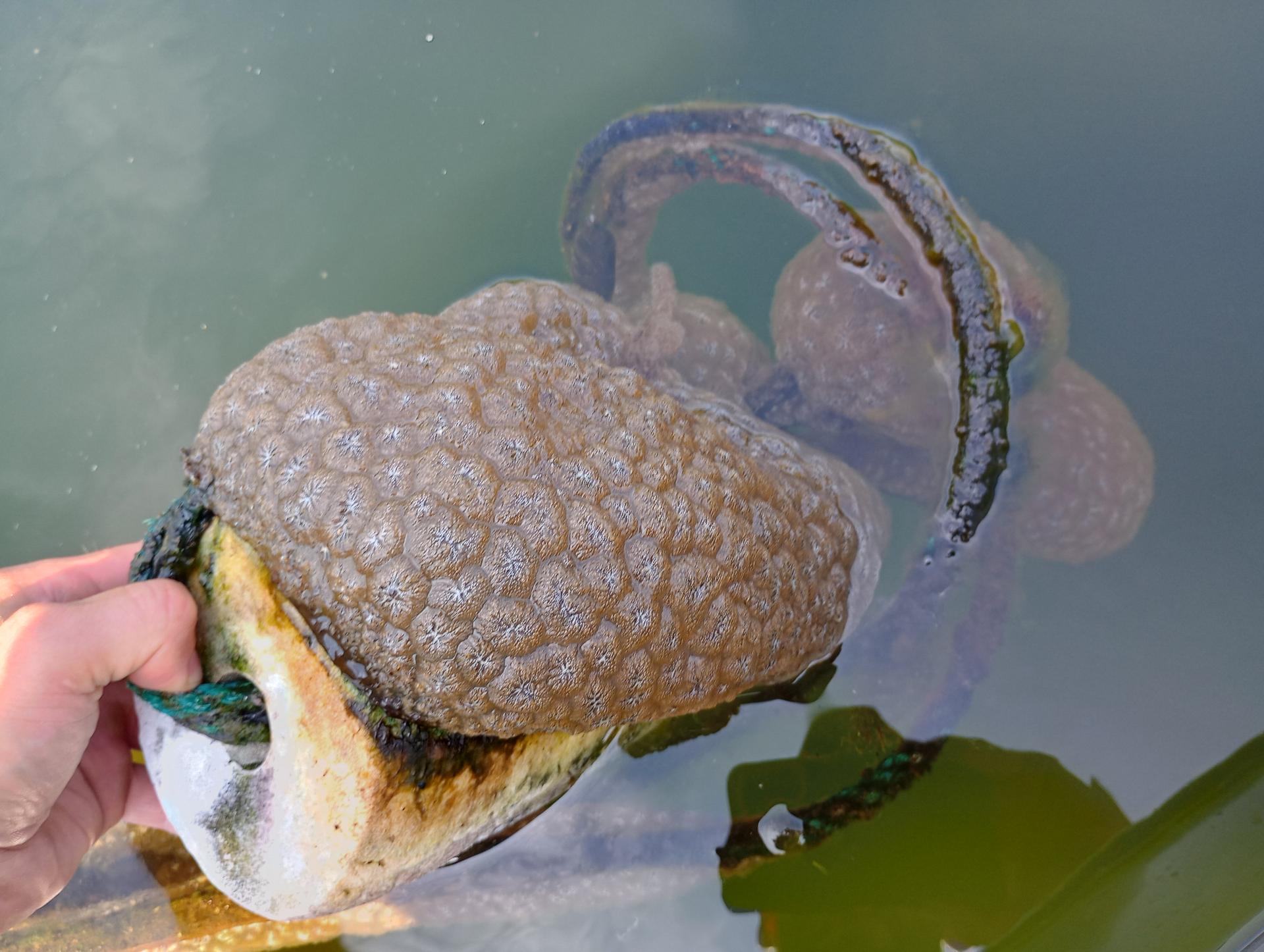
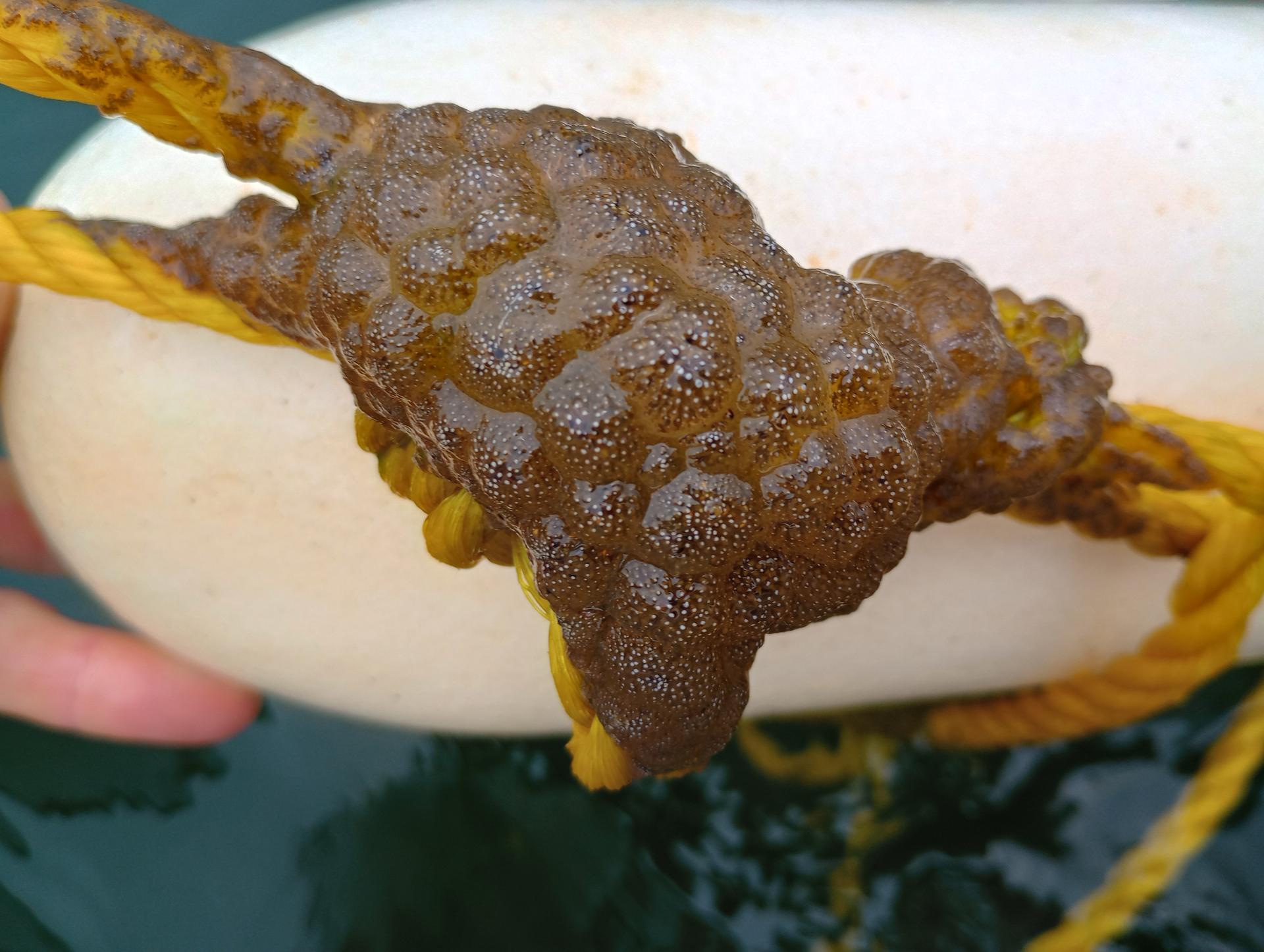
Bryo-who? Looking at this picture and the one below, what would your first guess be? Frog eggs? Coral? A mysterious blob of freshwater jelly? Good guesses, but all of them would be wrong. These photos show freshwater bryozoans, one of the coolest and most overlooked animals in our freshwater ecosystems.
Bryozoans are colonial invertebrates that are frequently found attached to buoy lines, dock pilings and other underwater surfaces. What looks like a single gelatinous mass is a colony made up of hundreds or even thousands of individual animals called zooids. Each zooid is a separate animal with its own digestive system, muscles and nervous system, yet they function together as a single colony. In some species, zooids can even specialize in different roles, such as feeding or protecting the colony.
Bryozoans are filter feeders, extending a crown of tiny tentacles to capture microscopic organisms suspended in the water. While bryozoans are more common in marine environments, a handful of species live in freshwater, making encounters like this especially exciting. Although freshwater and marine bryozoans are related, they look quite different. Marine bryozoans often form hard, crust-like colonies by incorporating calcium carbonate from seawater into their skeletons. Freshwater bryozoans, on the other hand, remain soft, gelatinous and blob-like.
As strange as they may look, bryozoans play an important role in maintaining healthy freshwater ecosystems. They are highly sensitive to environmental changes, making them excellent bioindicators of water quality. Their filter-feeding also helps remove microscopic organisms from the water, contributing to improved water clarity and overall ecosystem health. They may look like something straight out of The Blob but these fascinating colonies are an important part of our freshwater habitats.
PSA: As tempting as it may be to poke one, try to leave them undisturbed! These colonies are extremely delicate and can easily fall apart if handled. |
|
|
|
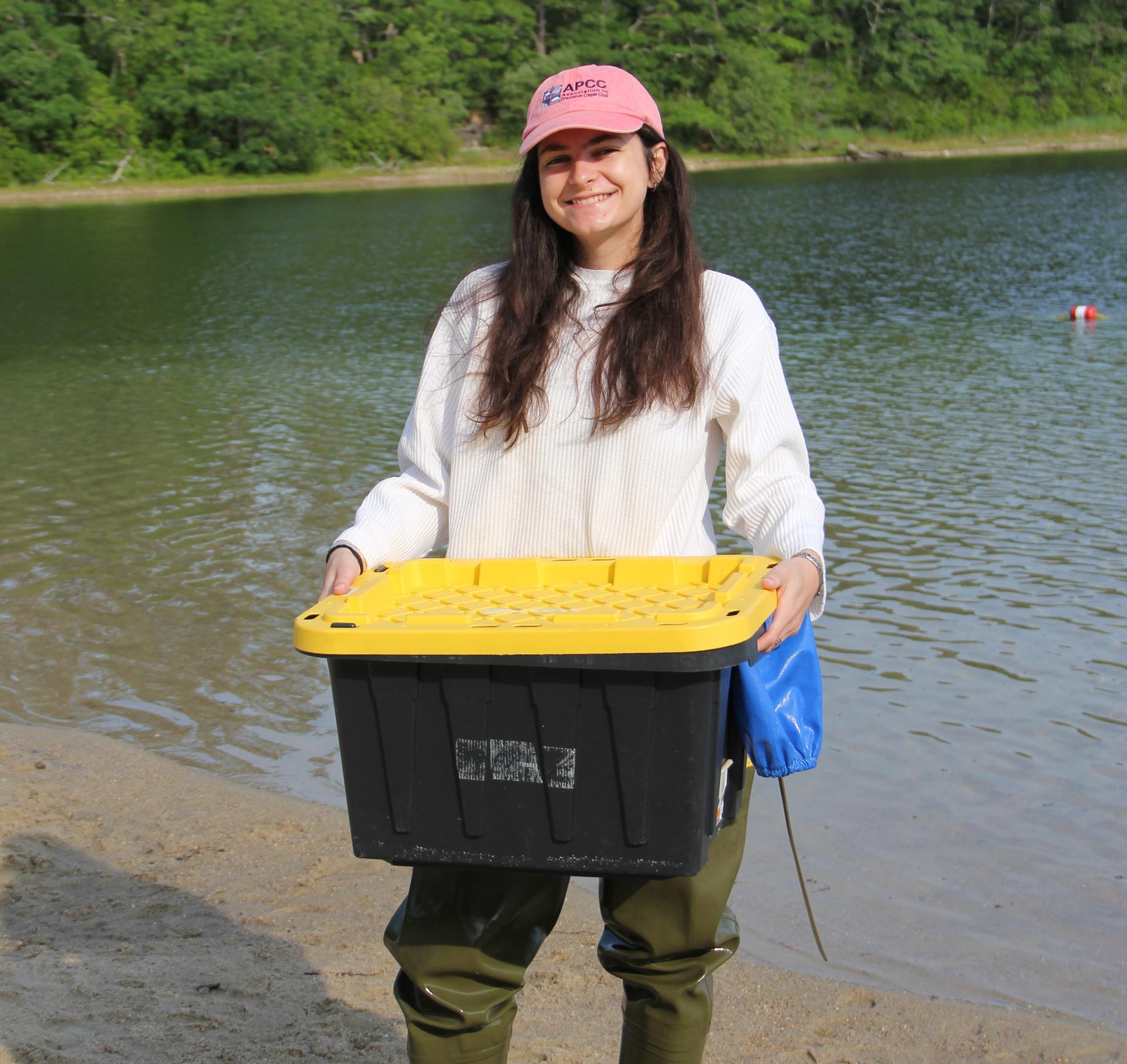
Nora Bowie is a second-year cyanobacteria monitoring program intern at APCC. Before joining APCC, Nora graduated from UMass Amherst with a degree in public health with a concentration in environmental health sciences and worked in the genetics department at Dana-Farber.
Her career interests ultimately shifted after a cyanobacteria presentation from Dr. Barry Rosen, a professor at Florida Gulf Coast University. The Cape Cod local now had a newfound curiosity in microecology and decided to apply to APCC’s Cyanobacteria Monitoring Program. “Maybe [APCC] could open other doors,” Nora said. Maybe this could be a stepping stone.” And that it has been.
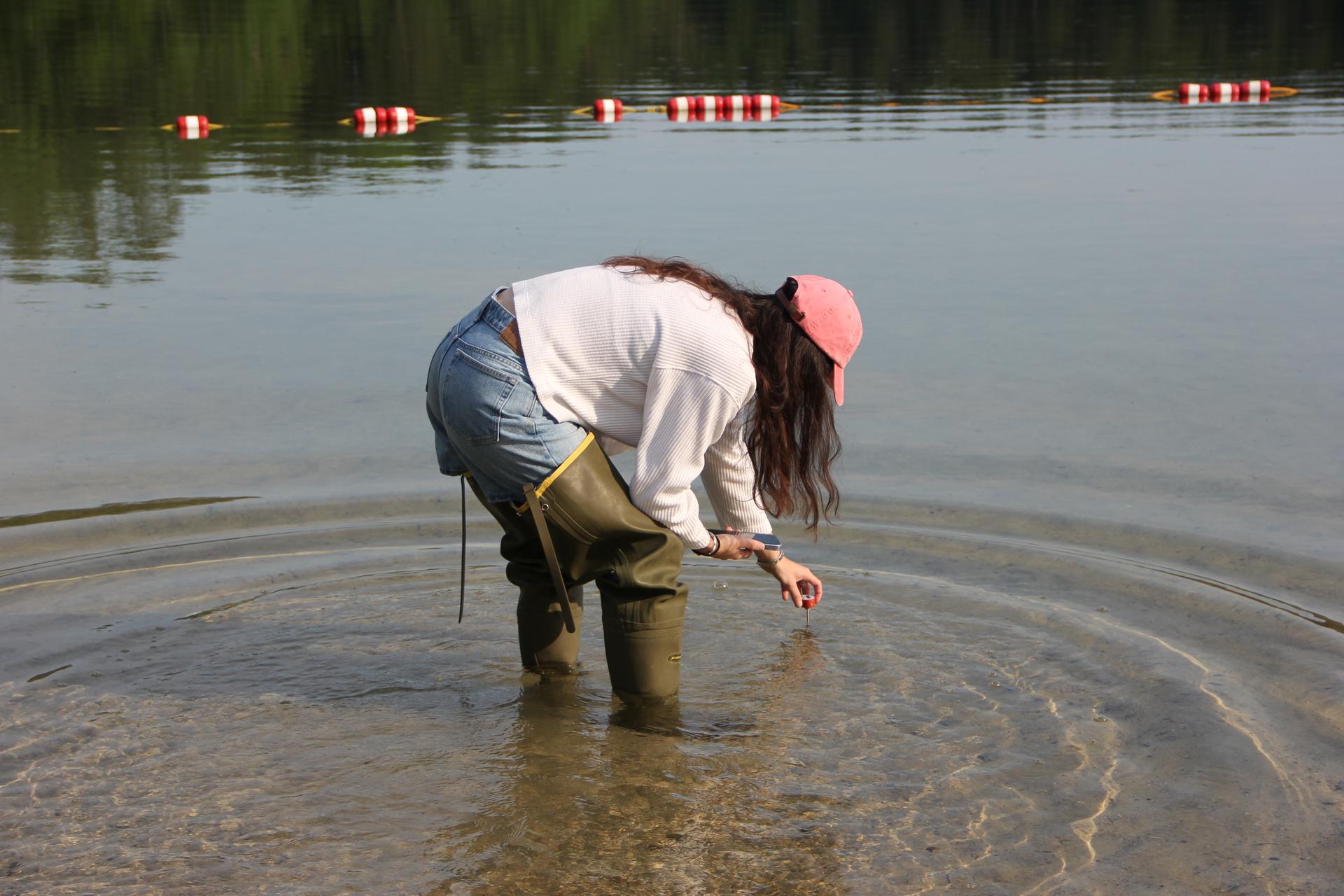
As a cyanobacteria intern, Nora gathers pond water samples alongside volunteers in the morning and processes samples in APCC’s testing facility in the afternoon. The analysis includes work such as filtering water samples, identifying cyanobacteria, pigment and toxin testing and data management.
Her favorite part of the job is discovering cyanobacteria species as well as microscopic photography. In addition, Nora “enjoys the taxonomy trying to differentiate if it's this species versus that species. I really like studying the behavior of the different cyanobacteria and algae.” As a creative project inspired by her work at APCC, Nora hopes to design a guide featuring cyanobacteria commonly found on Cape Cod. “I'd love to have a birding guide but microscopic.” With her passion for cyanobacteria and a breadth of research under her belt, Nora plans to pursue graduate school in microecology.
For more information about APCC's cyanobacteria monitoring program, click here. |
|
|
|
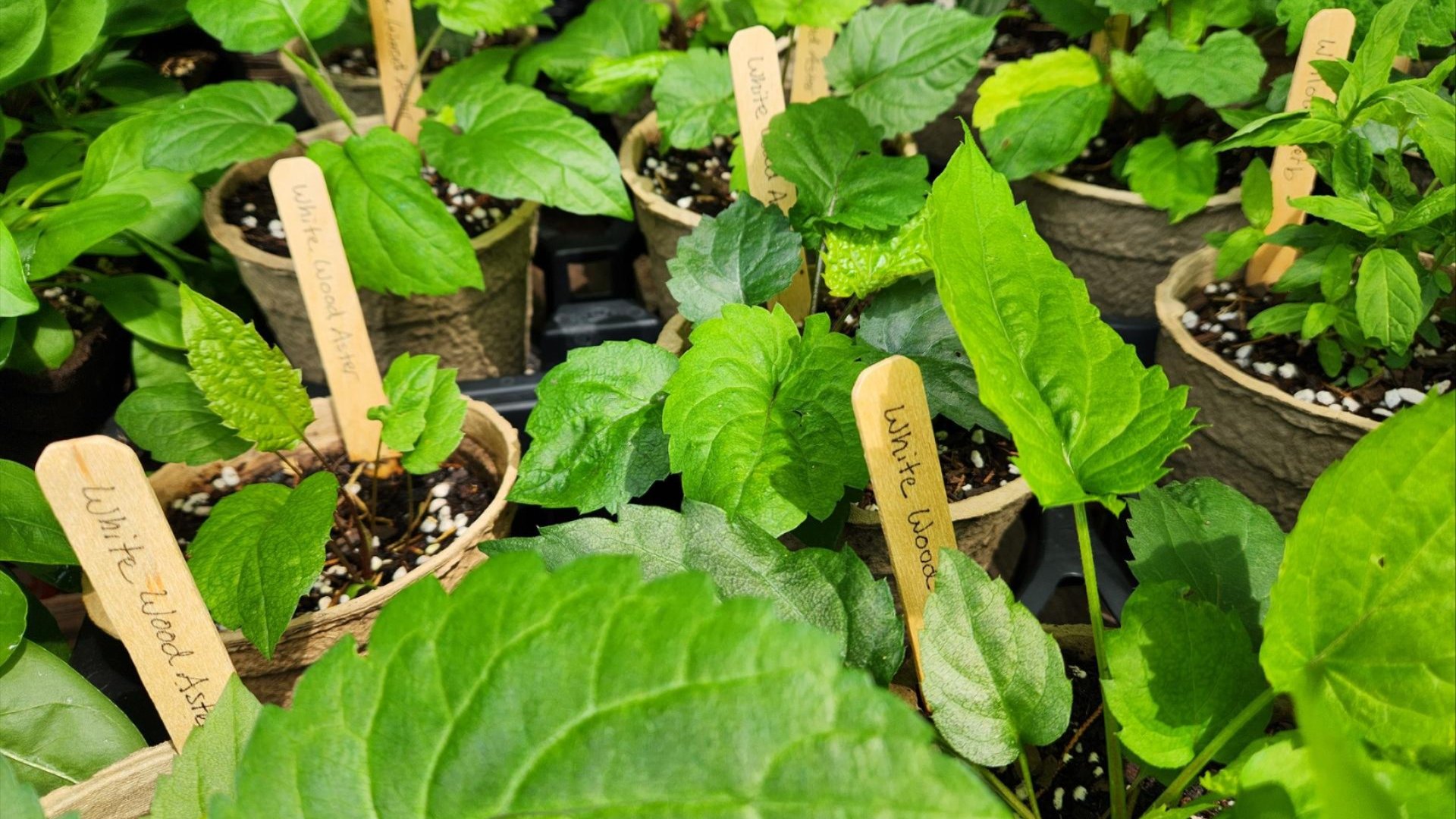
We have some native perennials for sale at the office, grown from seed, pesticide-free, peat-free potting soil, plastic-free pots. If you'd like to come and peruse, just shoot us an email. $10 per quart plus MA sales tax. Species include: Foxglove Beardtongue, Penstemon digitalis
Culver's Root, Veronicastrum virginicum Common Blue Violet, Viola sororia White Yarrow, Achillea millefolium Sundrops, Oenothera fruticosa Virginia Mountain Mint, Pynanthemum virginianum
Spotted Bee Balm, Monarda punctata New England Aster, Symphyotrichum novae-angliae White Wood Aster, Eurybia divaricata and more... |
Look What We Saw This Week in the Garden! |
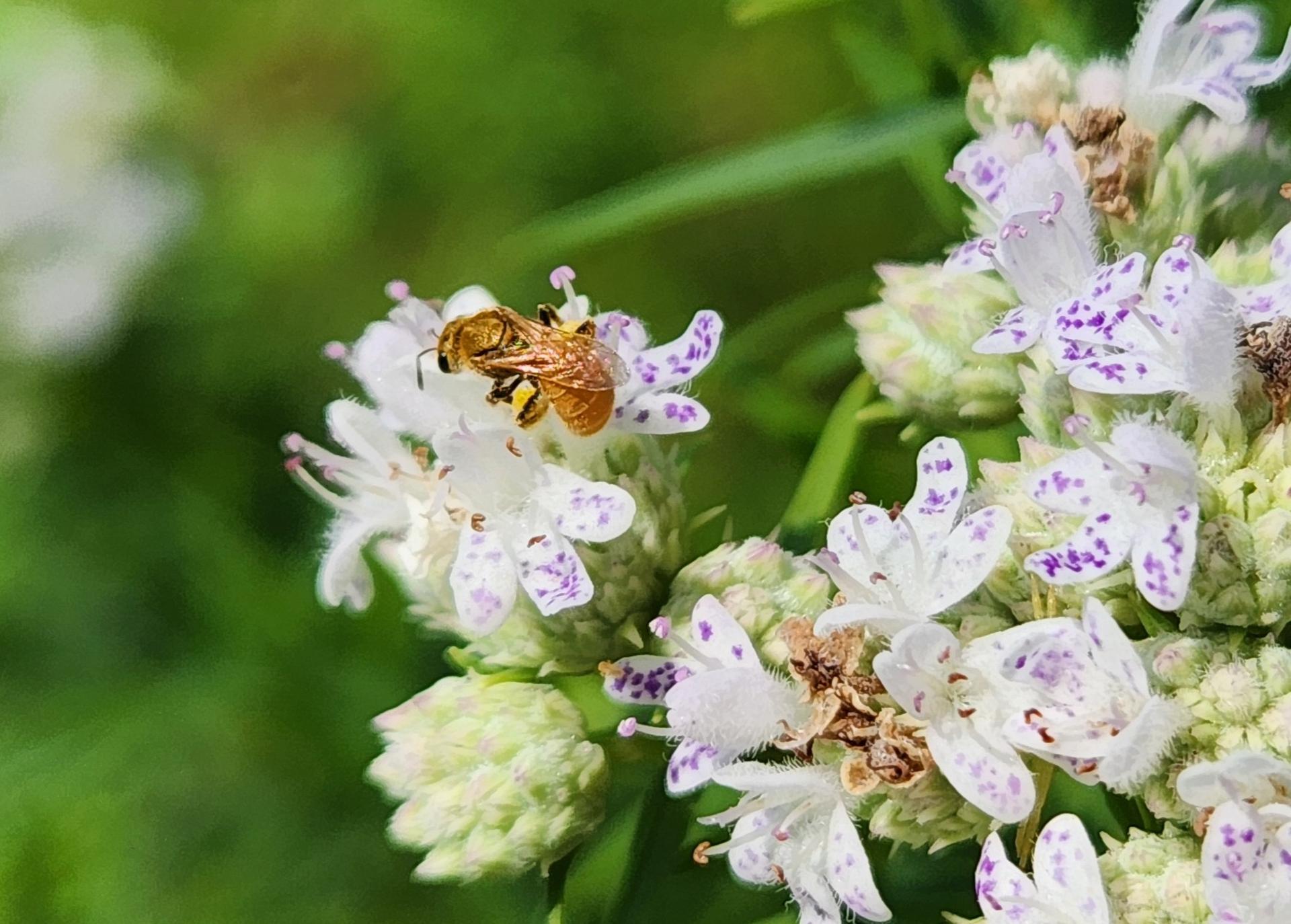
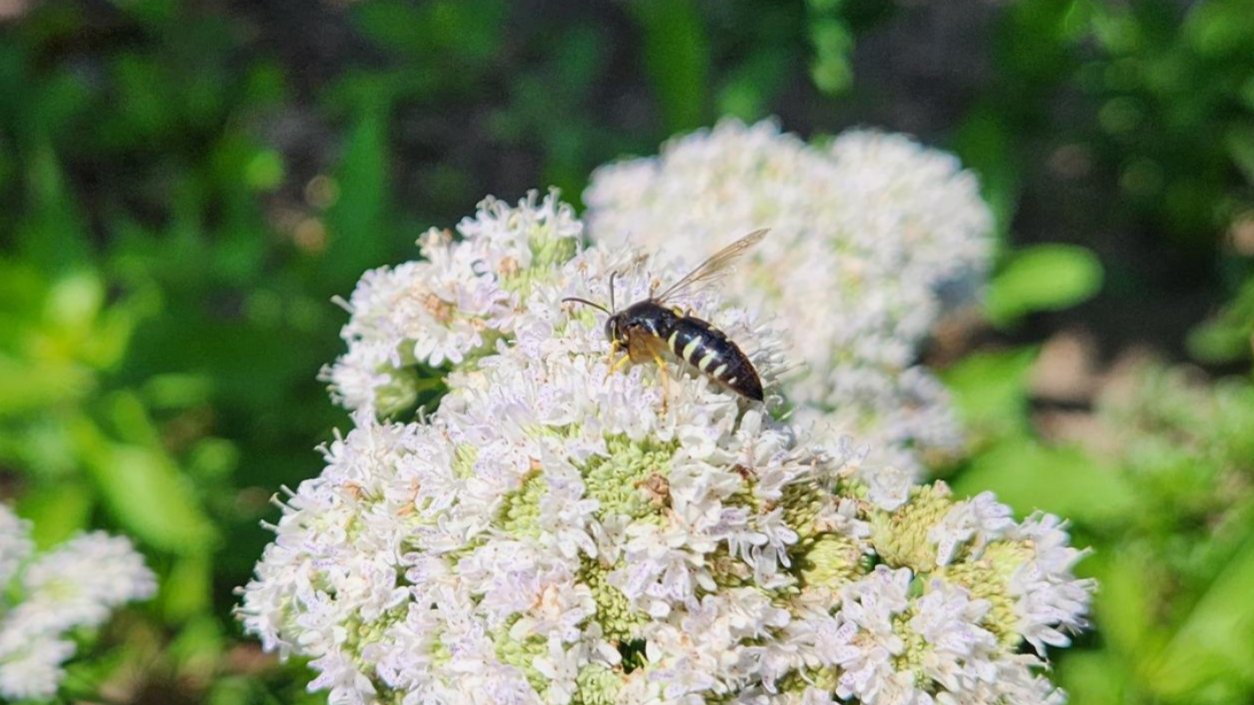
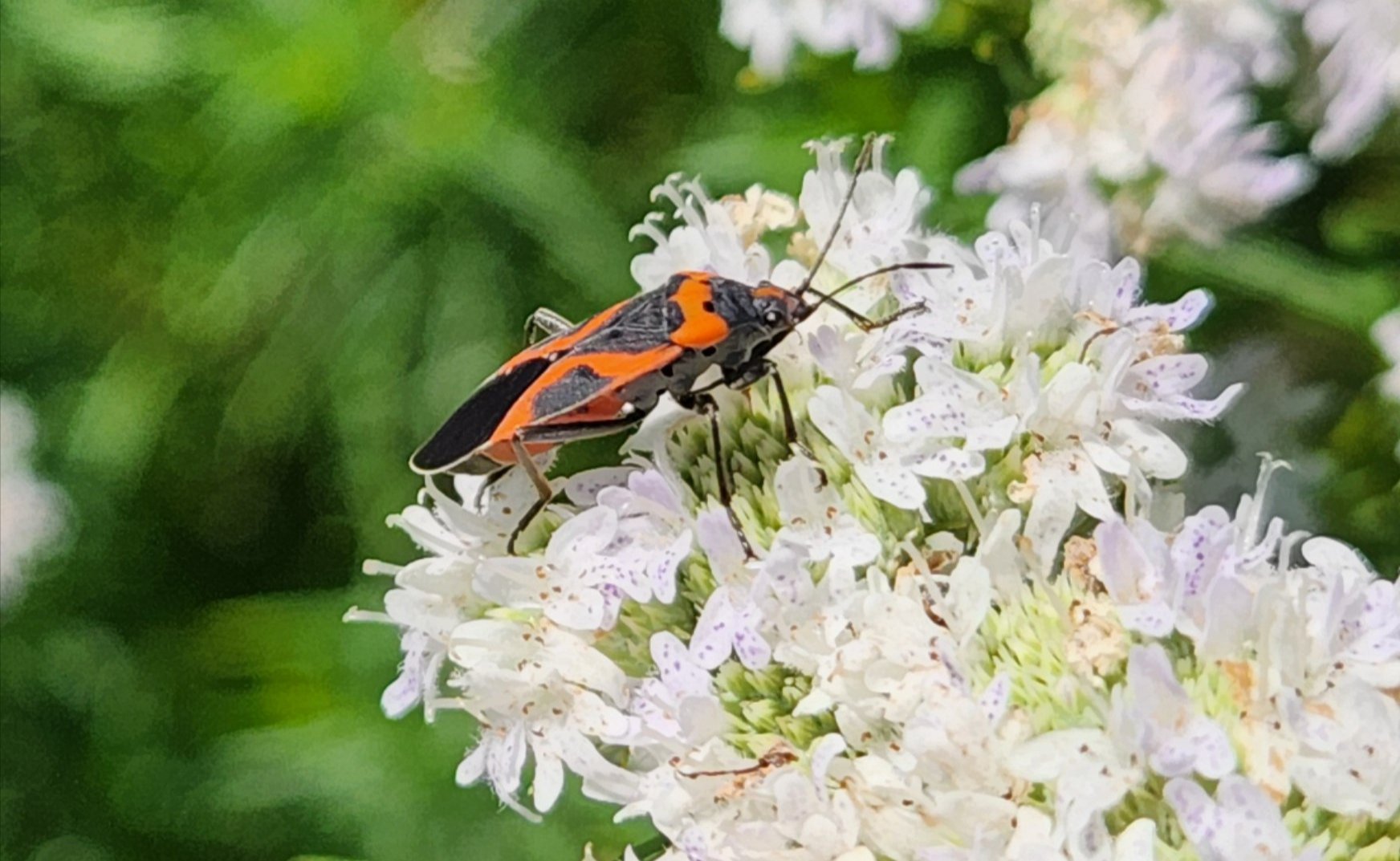
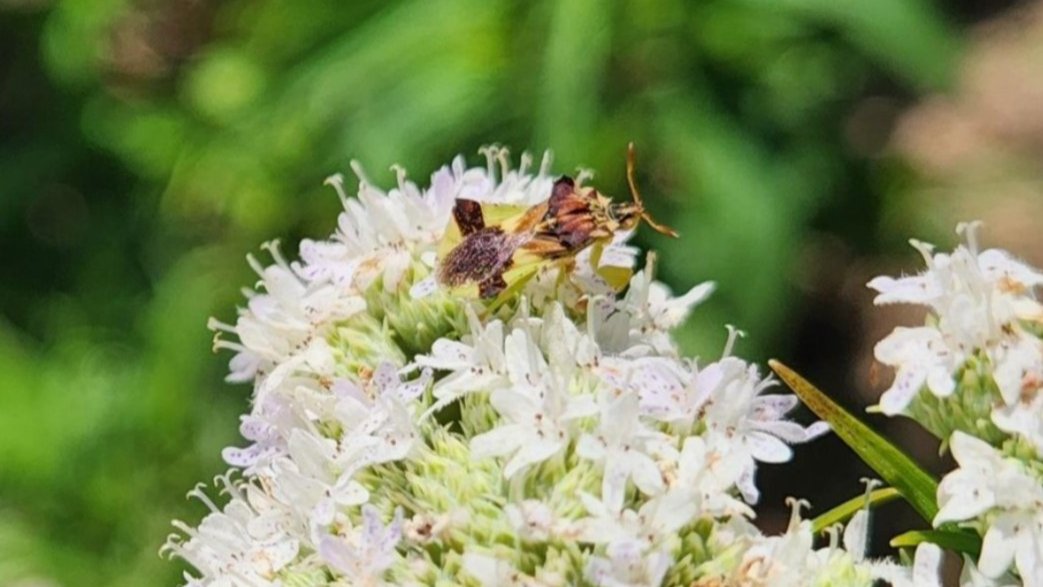
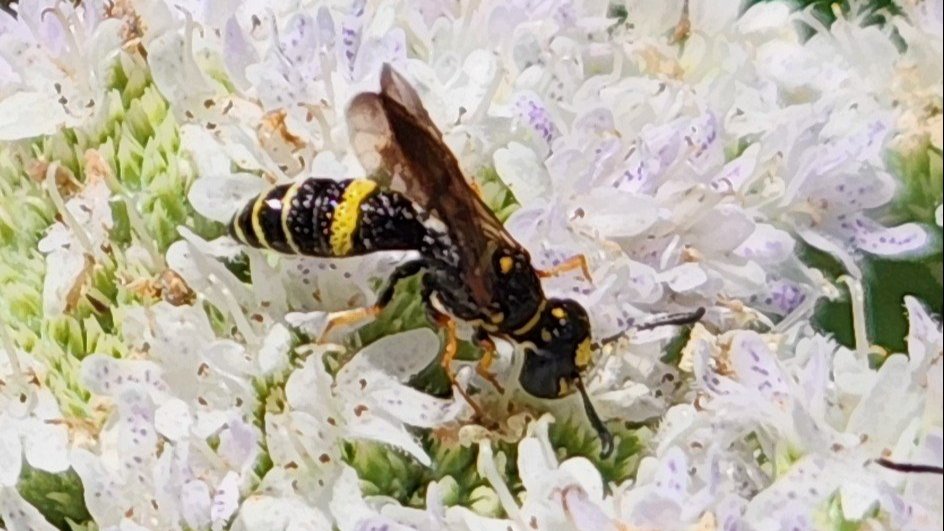
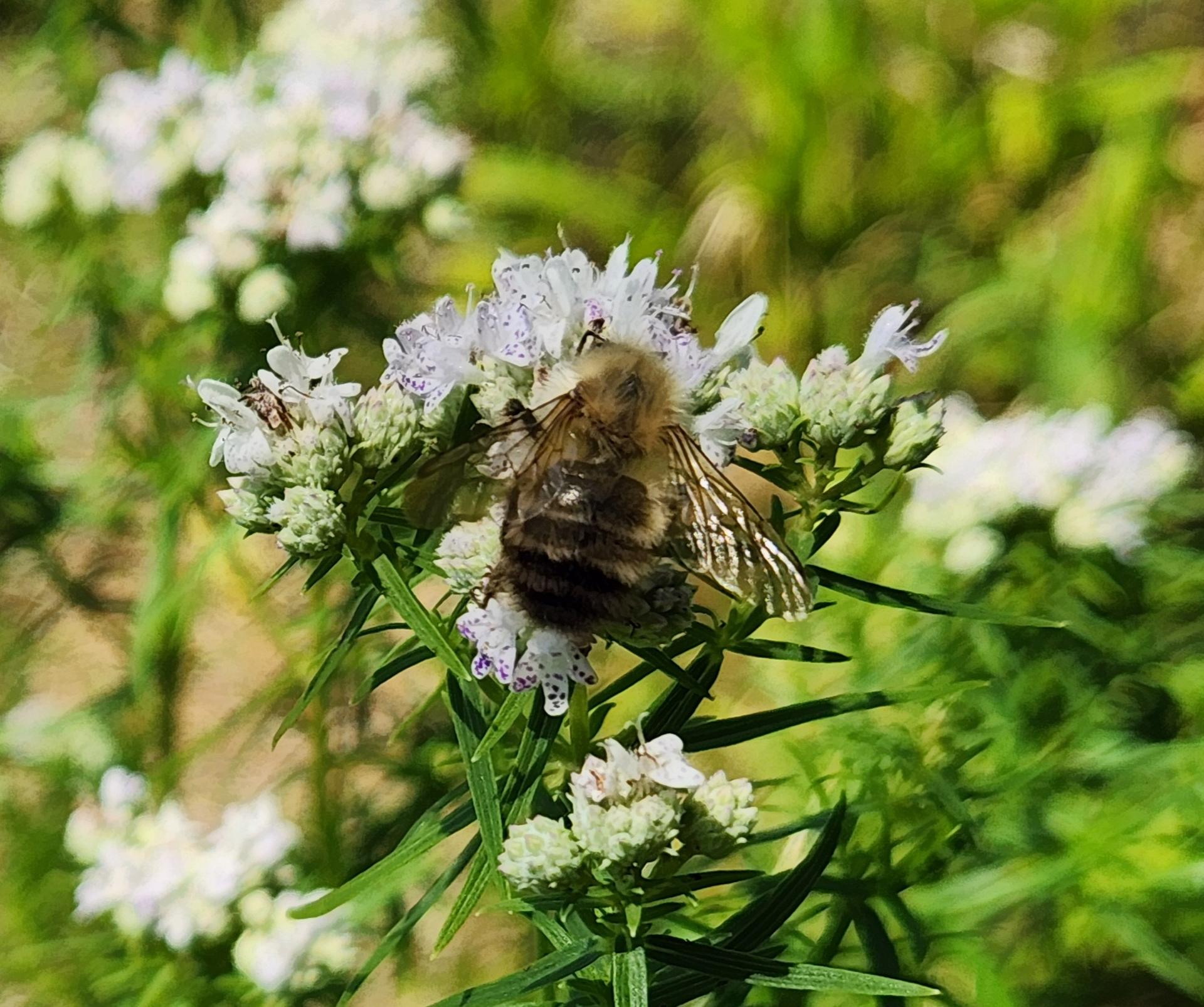
Our Virginia mountain mint is abuzz with activity, representing many different life cycles. Here are but a few of what we observed this week. Identification was determined by using i-Naturalist—identification corrections are welcome.
What have you seen in your garden? |
Above: Viereck's sweat bee, Lasioglossum vierecki—a tiny sand sweat bee commonly found in sandy areas in New England and beyond. |
Above: Four-banded stinkbug wasp, Bicyrtes quadrifasciatus. A solitary nester, the female adult wasp seeks out nectar for herself, but is hunting for a stinkbug to paralyze with a sting and carry to a burrow where she will lay an egg and close off the chamber. When the larval wasp emerges, it will have a fresh meal. |
Above: False milkweed bug, Lygaeus turcicus, primarily feeds on the seeds of false sunflower. In our landscape we have ox-eye sunflower, Heliopsis helianthoides. The false milkweed bug is commonly confused with other black and red or orange insects, like the (true) milkweed bug that eats milkweed seeds. |
Above: Jagged ambush bug, Phymata americana, feeds on a wide variety of prey, most often including small bees, moths, and flies. |
Above: Hump-backed beewolf, Philanthus gibbosus, according to i-Naturalist. This wasp is a kind of bee-hunting wasp and is the most common and widespread beewolf in North America. As an adult, it drinks nectar, but the female is in search of insect prey—most often bees to feed their young. |
Above: Perplexing bumble bee, Bombus perplexus |
|
|
|
|
APCC is proud to again participate in the Numbers for Nonprofits program for the Falmouth Road Race.
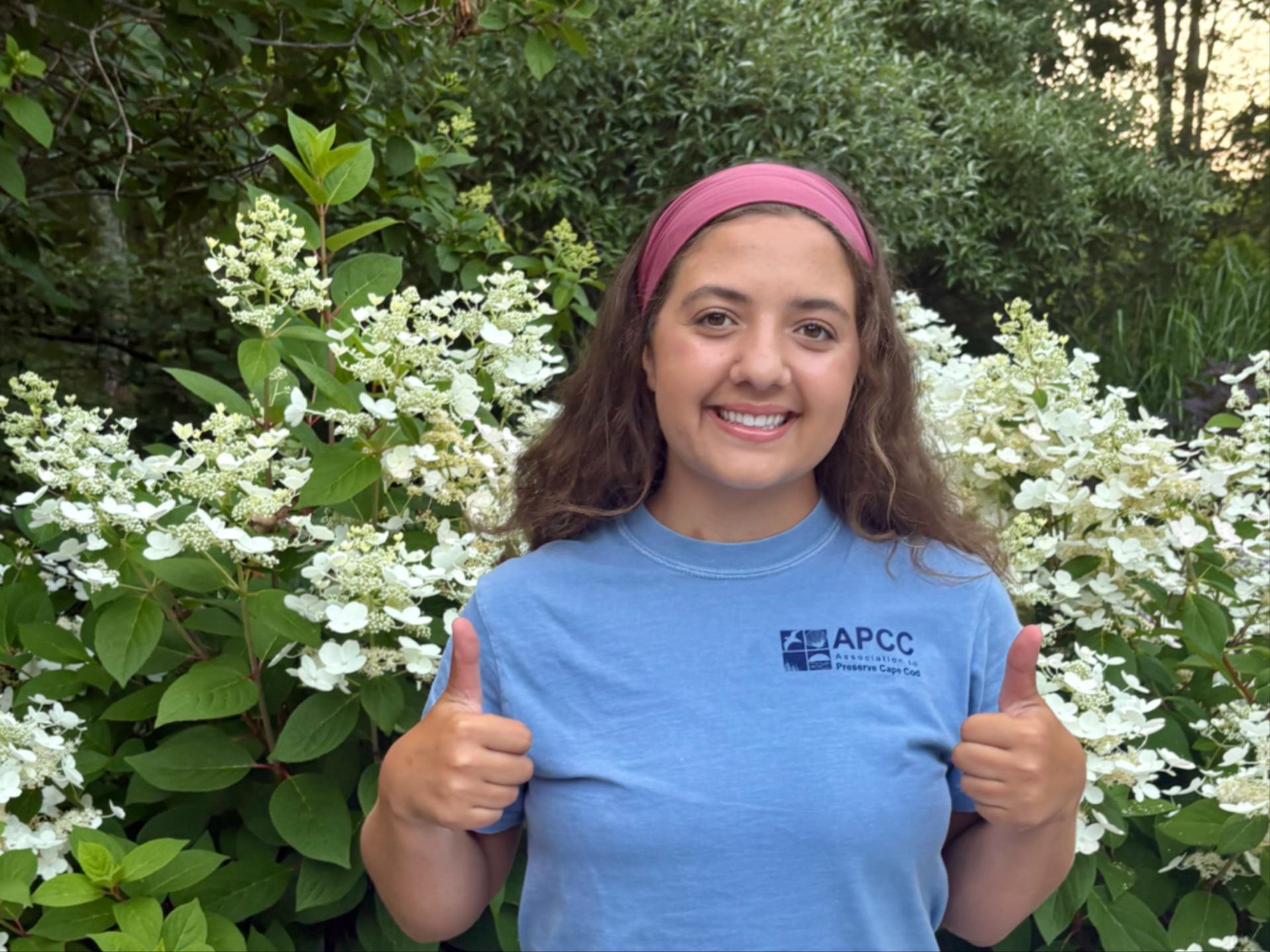
We have a team of five dedicated runners who are lacing up to support APCC’s work, and one of the team members is APCC Pond Technician May Lopopolo.
Help May and the team raise money to support APCC's work. CLICK HERE. |
|
|
|
Cape Cod Ponds Network Thursday, August 6th 6:00 - 8:00 p.m. |
|
|
|
|
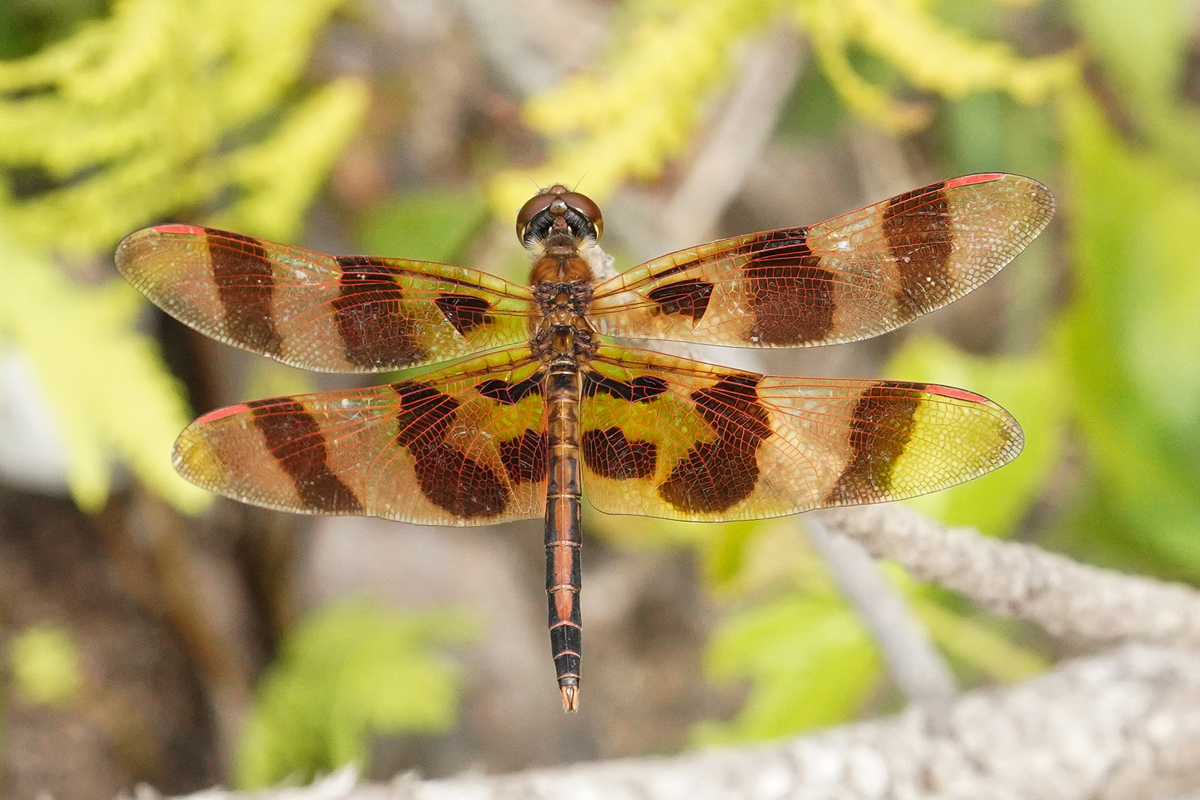
Join us for an in-person meeting of the Cape Cod Ponds Network at the Cape Cod Museum of Natural History in Brewster. Our featured speaker will be Blair Nikula:
An Introduction to Cape Cod Dragonflies & Damselflies |
|
|
|
Blair Nikula has been studying and photographing dragonflies and damselflies for over three decades. He co-authored the Stokes’ Beginner’s Guide to Dragonflies and Damselflies as well as A Field Guide to the Dragonflies and Damselflies of Massachusetts, and formerly co-edited Ode News, a newsletter about the odonates of southern New England. A native Cape Codder and life-long birder, he is a former regional editor for American Birds (now North American Birds), a past-president of the Cape Cod Bird Club, a former associate member of the Massachusetts Natural Heritage & Endangered Species Program Advisory Committee, and has often served on the Mass Avian Records Committee. He maintains two websites: capecodbirds.org and odenews.org.
|
If you've not yet signed up to be part of the Cape Cod Ponds Network, click the button below to stay informed. |
Cyanobacteria Monitoring Program 2026 |
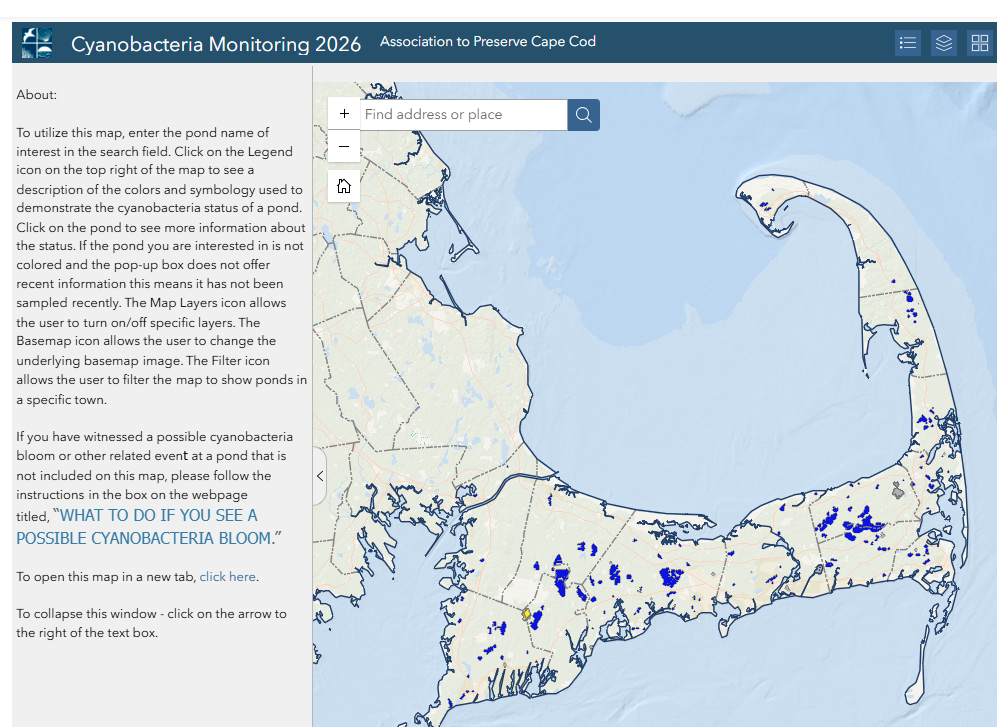
If you notice pond water is scummy or discolored and may have a strong odor, avoid contact. If you see what you think might be a suspicious cyanobacteria bloom, notify your local health department and send a photo to cyano@apcc.org noting the location, day and time. If you wish to receive an email when we detect a cyanobacteria bloom, SIGN UP HERE.
Our interactive map will have our most up-to-date findings at APCC.org/cyano. |
|
|
|
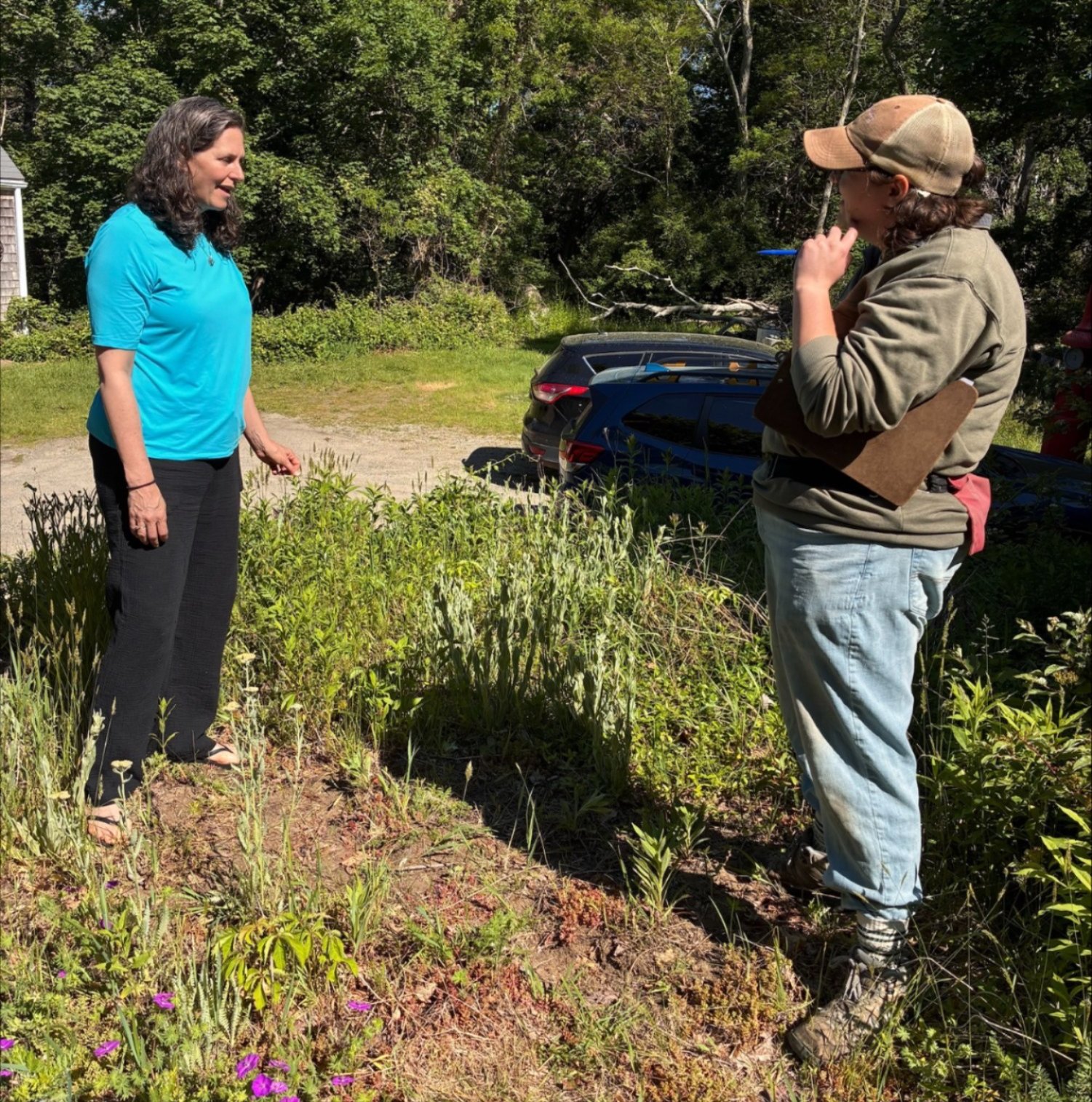
Above: Erin Camire, APCC ecolandscape program coordinator, meets with client. |
|
| |
|
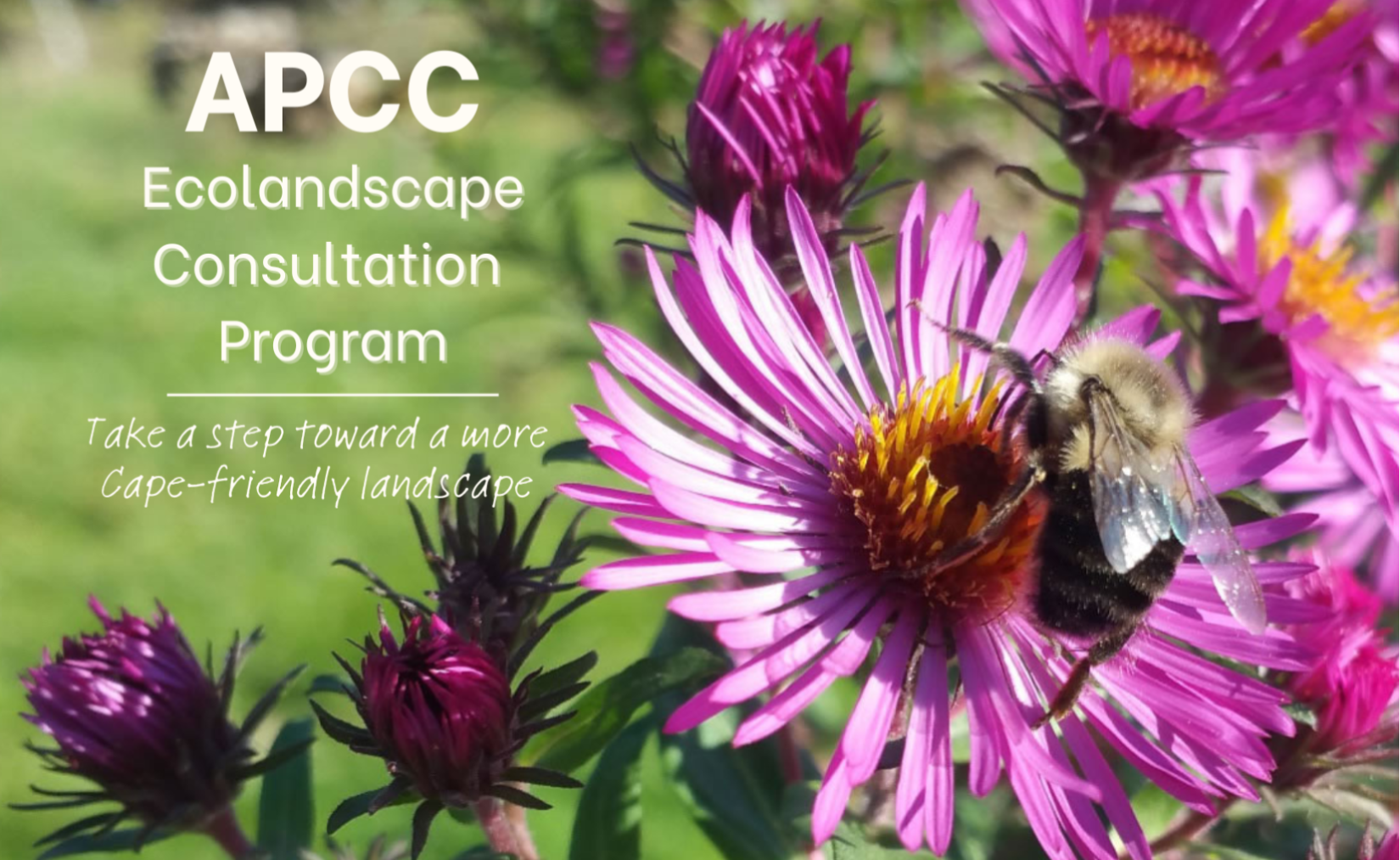
Ecolandscape Consultation Program Now booking appointments in August
If you want to make your yard friendlier to pollinators and wildlife, learn more about native plants and what will do well in your space. Learn about identifying and controlling invasive species and how to conserve water and protect the Cape’s water quality. We can help.
Fill out the form and Erin Camire, our ecolandscape program coordinator, will contact you via email to set up a day and time for the consultation at your residential property in any Cape town from Bourne to Provincetown.
The team will meet with you for an hour and a half, answer your questions, and send you a summary report. The fee is $350.
Read more here about the program and click on the "Get Started" button to schedule a consultation! |
Sign up to Volunteer with Team SOS here. Team SOS volunteers help distribute educational materials and work on town teams to support The Cape We Shape campaign efforts.
|
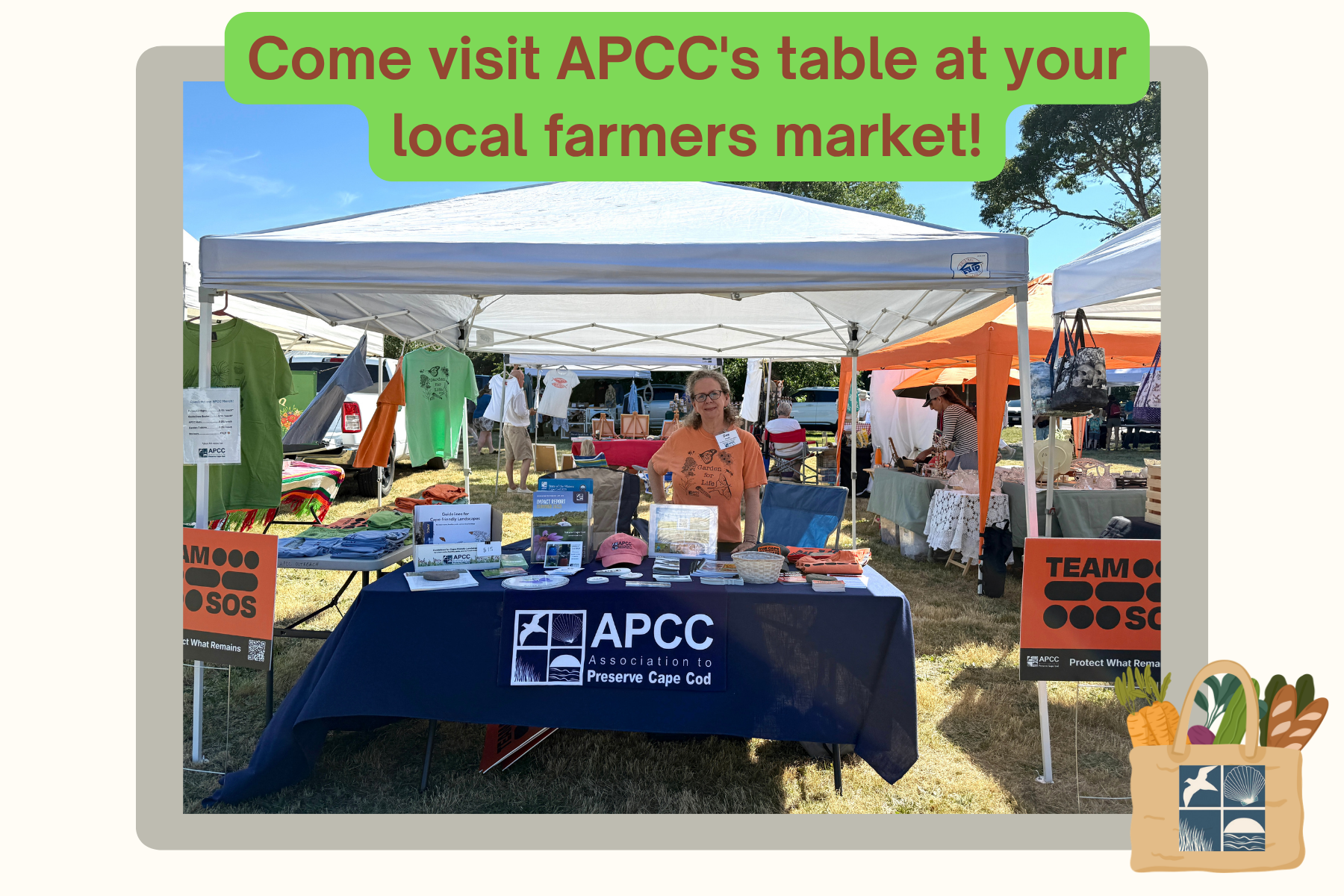
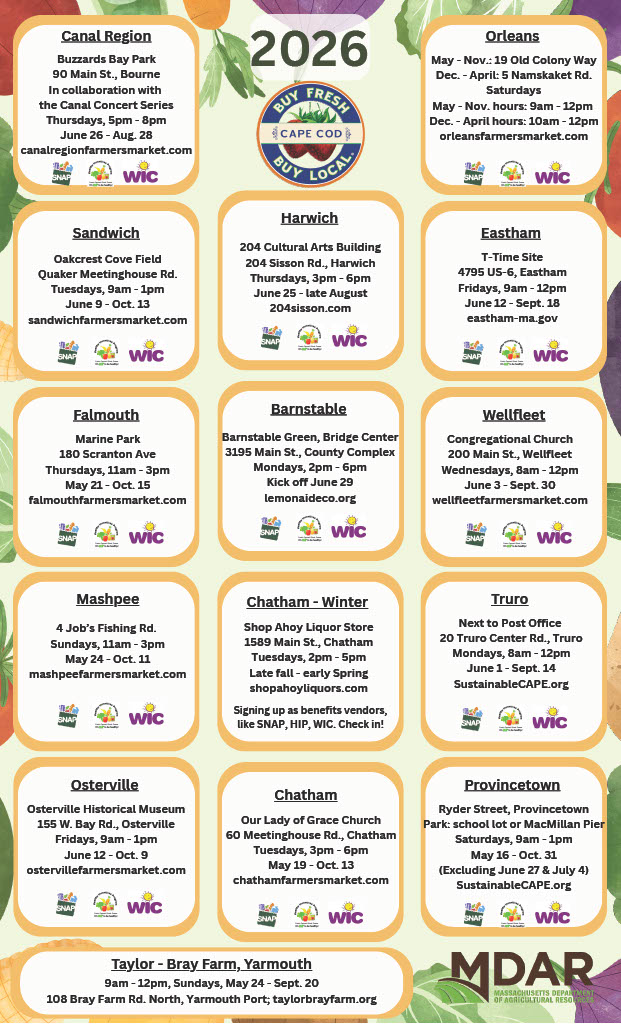
We are trying to be at as many farmers' markets as possible this season to talk about APCC programs, including The Cape We Shape. Below is a list of where and when you can support your local farmers. |
APCC is Partnering with Planetary Health Alliance
SAVE THE DATES Planetary Health Stories: A Community Arts & Storytelling Project Join us this fall for a two-part series that brings women together to share, through writing, poetry, art, and photography, what they are witnessing, grieving, and hoping for as climate change, biodiversity loss, pollution, and changes in food systems reshape the places they call home.
This project, led by Jennifer Rasmussen and Tatiana Camargo through the Planetary Health Alliance, gathers stories from communities around the world, showing how women and girls everywhere are feeling these changes, and how they're finding ways to grieve, cope, and create in response. The stories collected will become part of a collaborative book, which will serve as a reminder that personal memory and lived experience are just as powerful as science in helping us understand what's happening to our planet, and in connecting us to one another.
Part 1: Webinar
Thursday, September 10 | 5:30–6:30pm | Virtual
Facilitator Jennifer leads a one-hour orientation covering what planetary health means, the story behind this project, and what to expect at the in-person workshop, plus an introduction to the volunteer team.
Part 2: In-Person Workshop
Friday, September 18 | 10:00 am–12:00 pm | Koppel Center, APCC
A relaxed morning of open creative time: writing, drawing, painting, photography, fiber arts, or simply reflecting alongside natural objects you bring from home. Includes a grounding exercise, guided creative time with volunteer support, a written reflection, and a closing circle where participants can choose to share and reflect on their art. This series is open to all women – no artistic experience necessary. With permission, stories and artwork may be included (anonymously) in the Planetary Health Alliance collaborative book.
REGISTRATION COMING SOON |
|
|
|
A Cape-wide Conservation Event Calendar
|
The Compact of Cape Cod Conservation Trusts (“the Compact”) and its nonprofit members launched a new regional calendar of events. The Conservation Calendar includes programs across Cape Cod hosted by these groups. The goal of the calendar is to encourage visitors and residents to take part in nature and environmental events. You can always find the link to the calendar on APCC's website under News & Events.
|
If you are a farmer or someone who wants to grow native plants to sell, or you just want to be updated on the program's development, please submit the interest form that appears on our webpage. We will be sending periodic email notices of workshops and meetings.
Funding for the project is provided by Barnstable County and its Economic Development Council License Plate Grant Program through the Cape Cod Commission, the Kelley Foundation and private donors. |
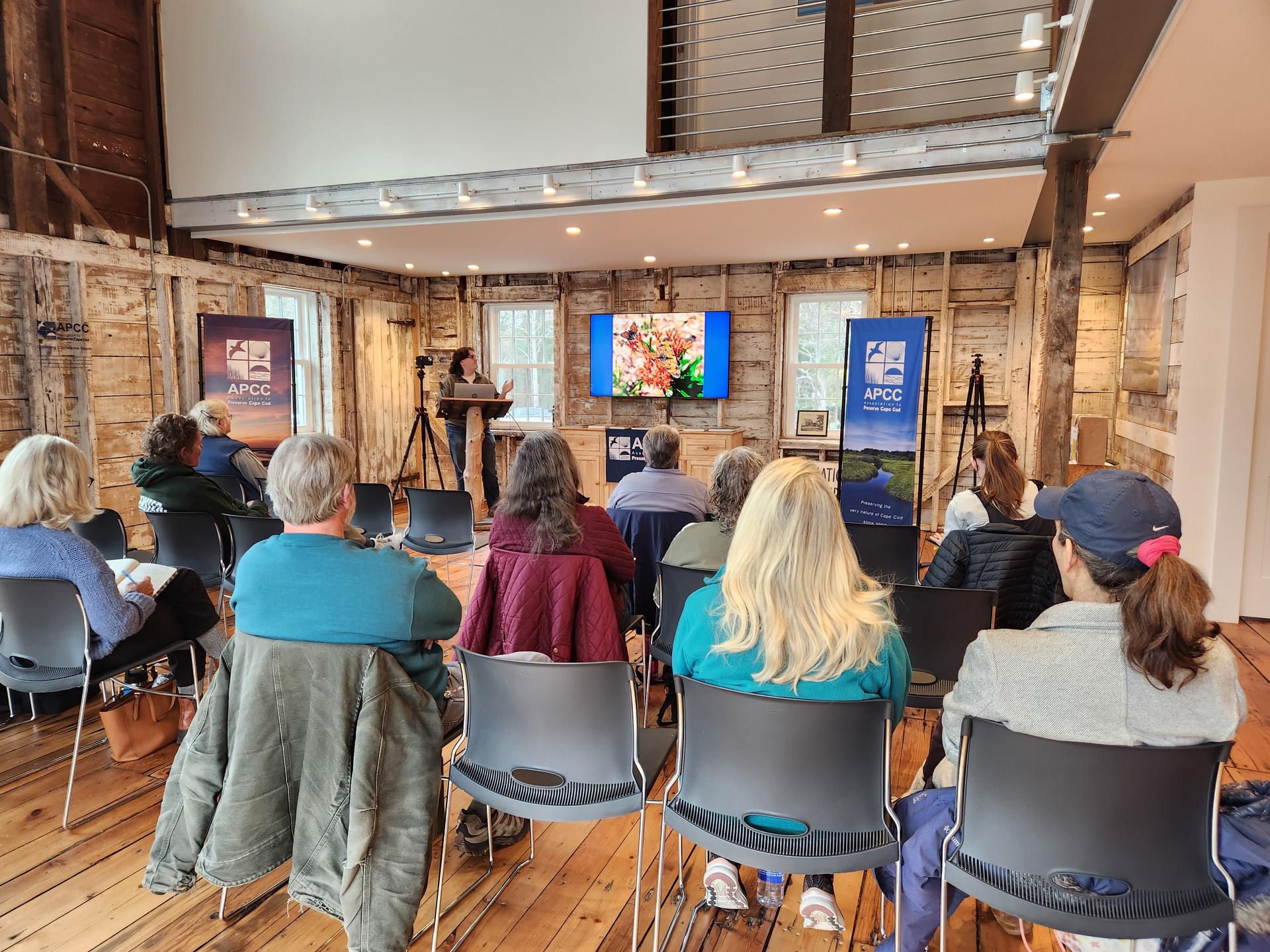
Ten talks for prospective growers as part of the Cape Cod Native Plant Growers' Cooperative program have been presented thus far, with more scheduled in the upcoming weeks. These past workshops can be viewed here: |
A Cape Cod Native Plant-selector ~ to help you choose the perfect native plants for your garden. |
|
|
|
Email kandres@apcc.org and we'll send you a CapeCodNativePlants.org decal. |
|
|
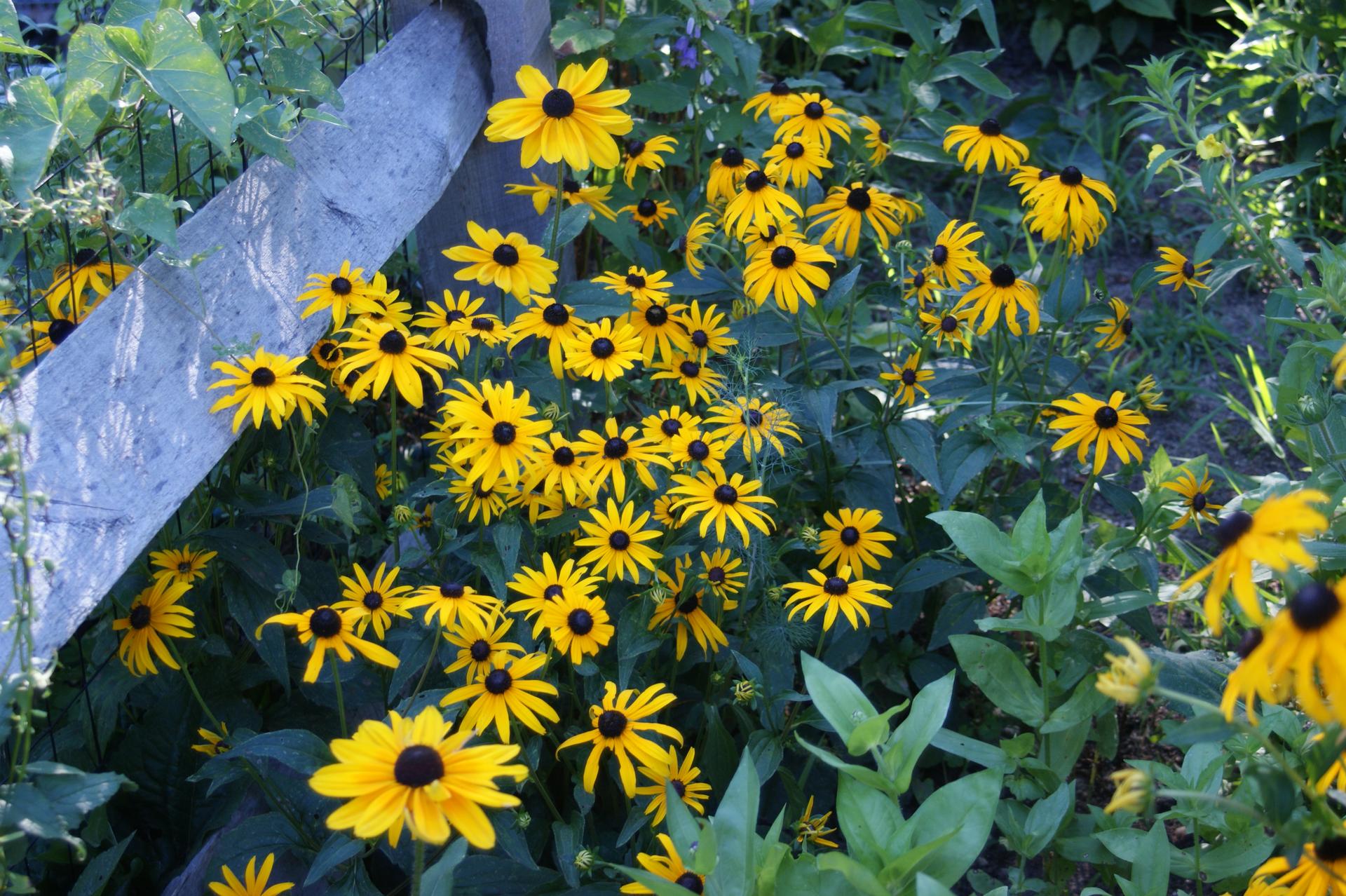
Black-eyed Susan Rudbeckia fulgida |
|
|
|
The purpose of CapeCodNativePlants.org is to help native plant enthusiasts select the right plant for the right place. While not all native plants presented here are indigenous to Cape Cod, they are suitable native species for Cape gardens and managed landscapes.
Why Native Plants? Many native plants are drought tolerant, salt tolerant, and thrive in the “thin” soils found on Cape Cod. Native plants are as attractive as any plant, and are reflective of the Cape’s natural beauty. By planting native species appropriate for Cape Cod, you can conserve water, avoid pesticide and fertilizer use, and support pollinators and birds.
|
|
|
|
|
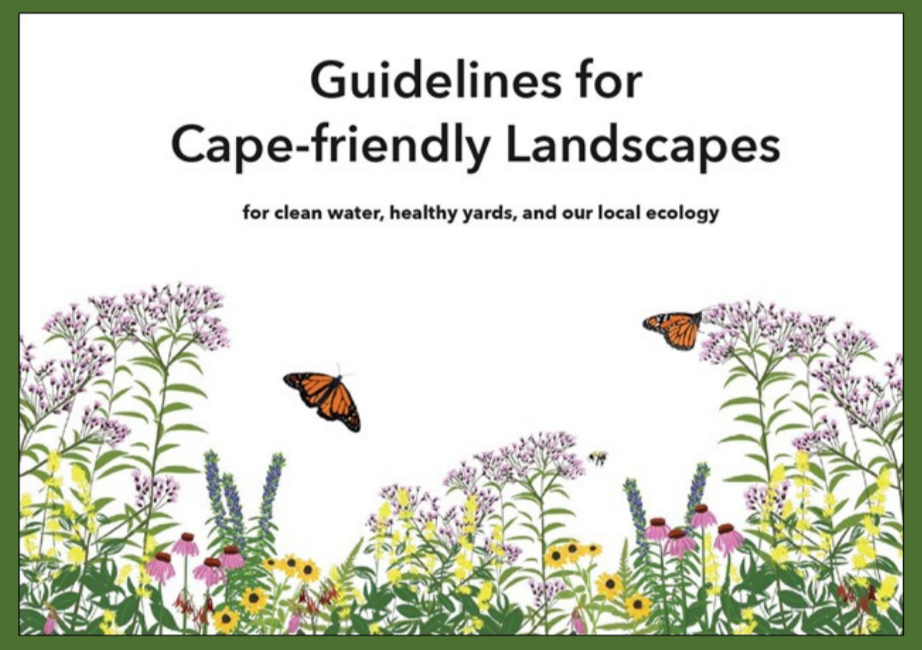
The Guidelines gives homeowners steps they can take in the design and maintenance of their properties that will support pollinators and birds, manage stormwater, conserve water, and protect the Cape's water quality. This 40-page booklet is beautifully illustrated by Marcy Ford with content that is easily digestible and supported by numerous resources for additional learning.
|
|
|
|
We are grateful for the several retail shops that are partnering with us to make this publication more widely available: Brewster Book Store, Birdwatchers General Store, Crocker Nurseries, Wellfleet Audubon Wildlife Sanctuary, Cape Abilities Farm, Cape Cod Museum of Natural History, the Cape Cod Lavender Farm, Heritage Museums and Gardens, Titcomb's Bookshop, Sea Howl Bookshop, Soares Flower Garden Nursery, Hyannis Country Garden, Orleans Whole Food Store, and Eight Cousins Bookshop.
Heard it makes a nice gift for a neighbor or for a housewarming or host(ess) gift!
If you are a retailer and would like to sell this publication at your store, please contact us. |
|
|
|
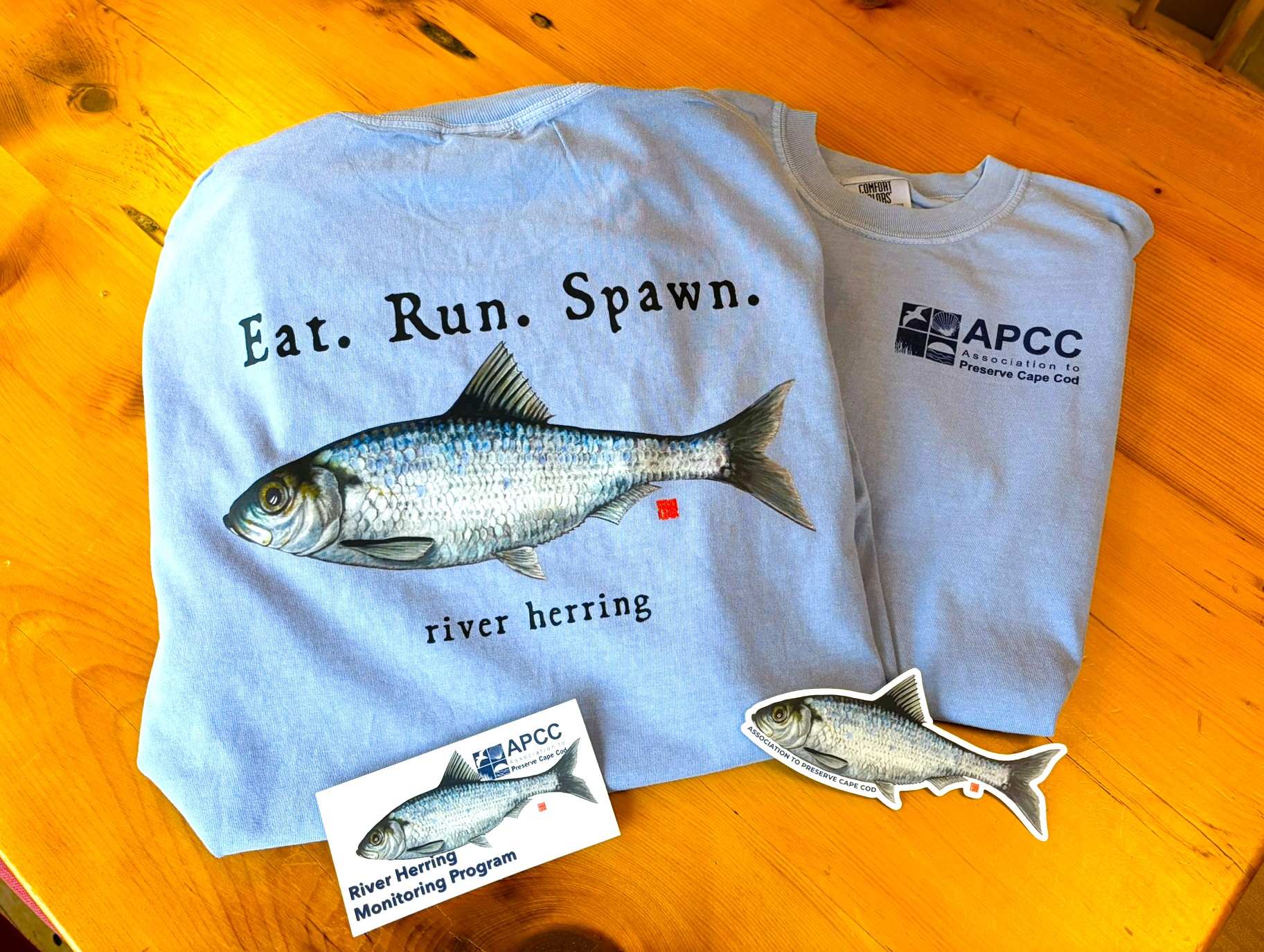
Celebrate the Run! Herring T's
color denim blue $30 - includes USPS delivery in the U.S. |
|
|
|
Team SOS T-shirts $30 - includes USPS delivery in the U.S. |
|
| The Cape We Shape $30 - includes USPS delivery in the U.S. |
|
|
|
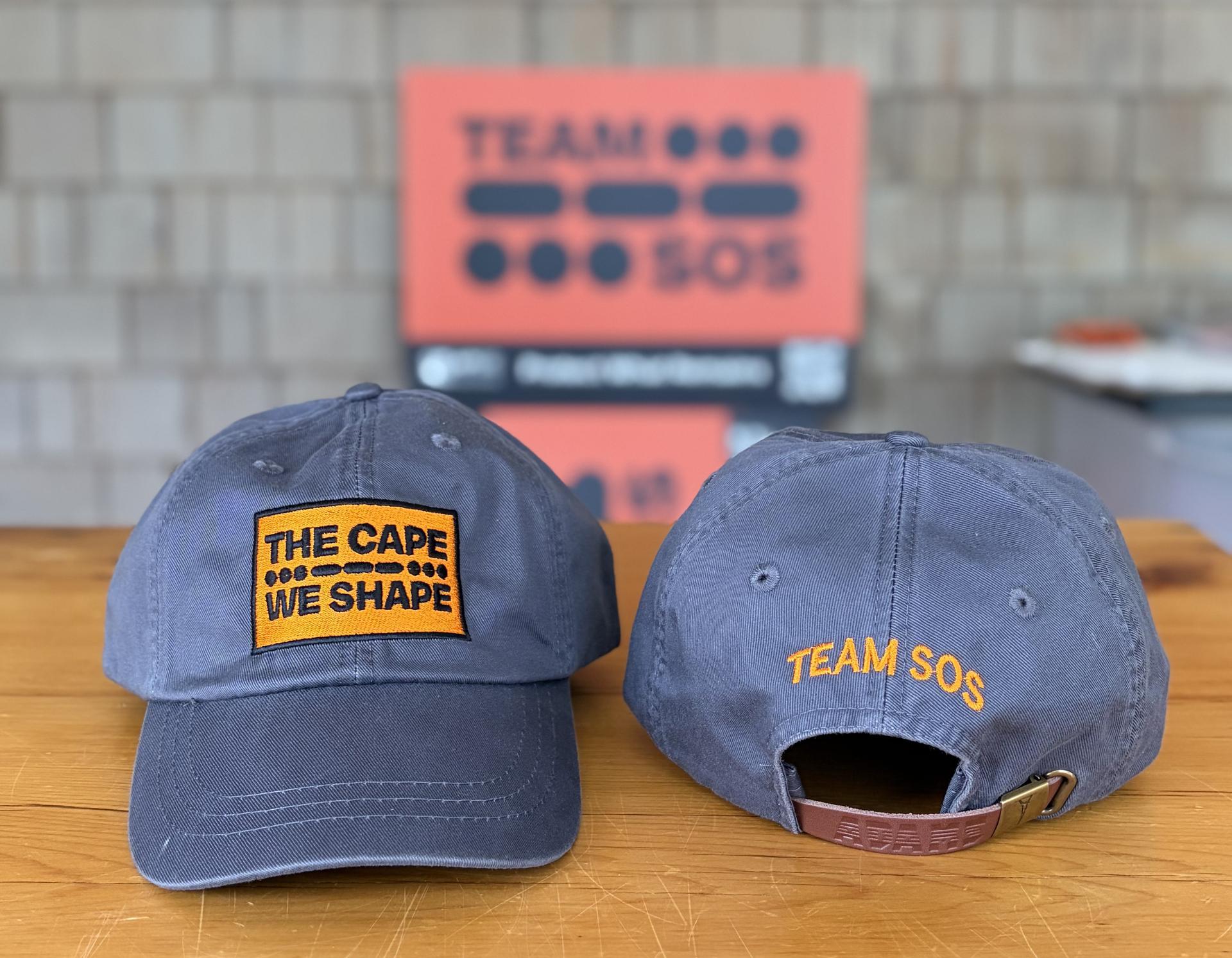
APCC caps $25 -includes USPS delivery in the U.S. |
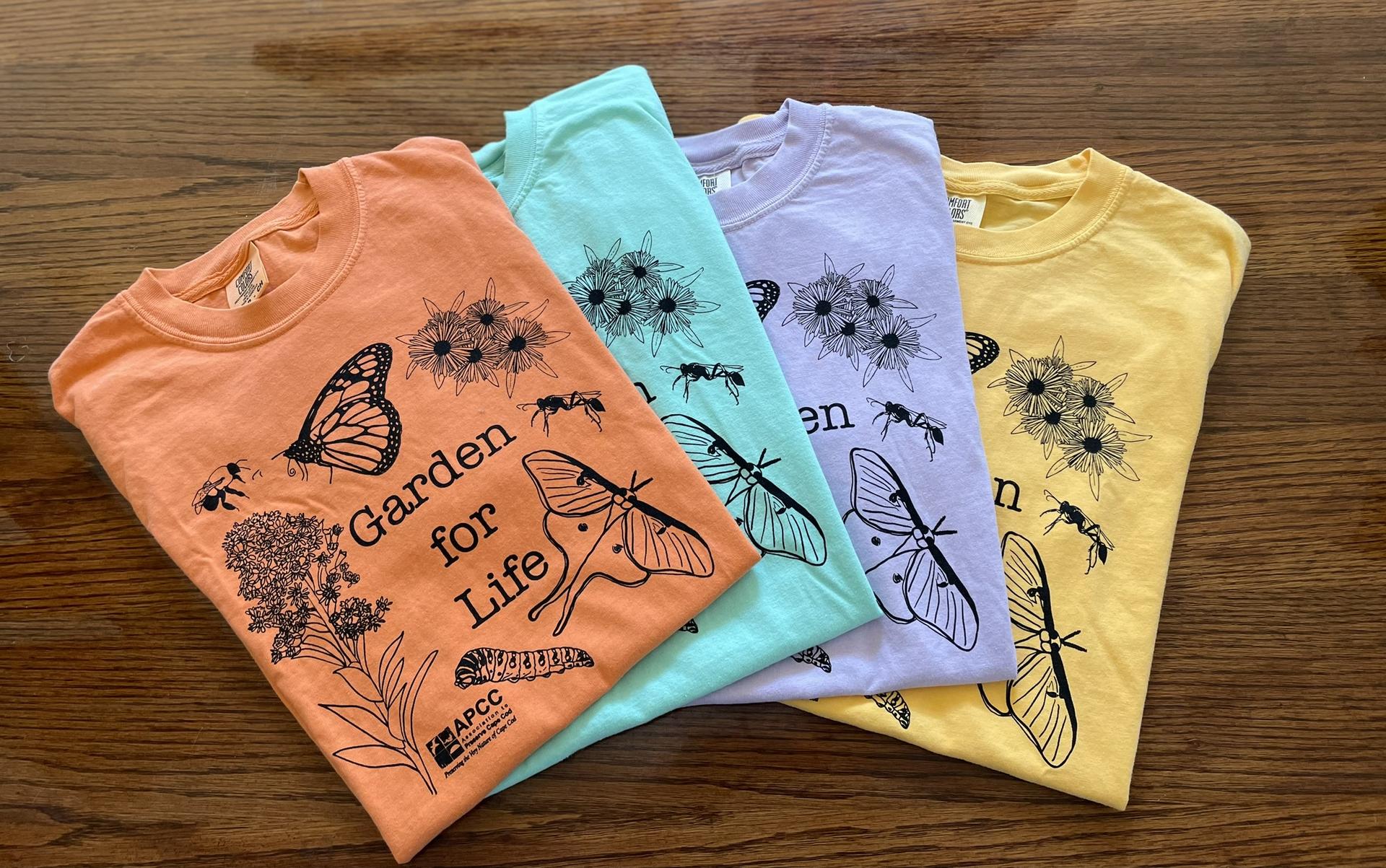
Garden for Life T's $30 -includes USPS delivery in U.S. |
|
|
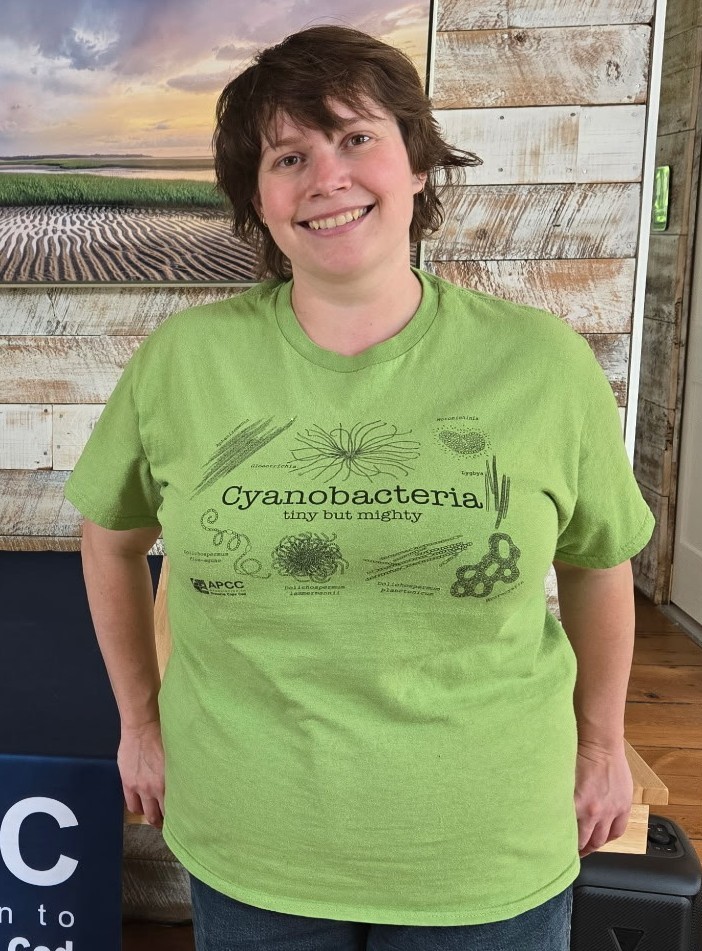
Cyanobacteria ~ tiny but mighty color kiwi $30 -includes USPS delivery in the U.S. |
|
|
|
| APCC eNewsletters
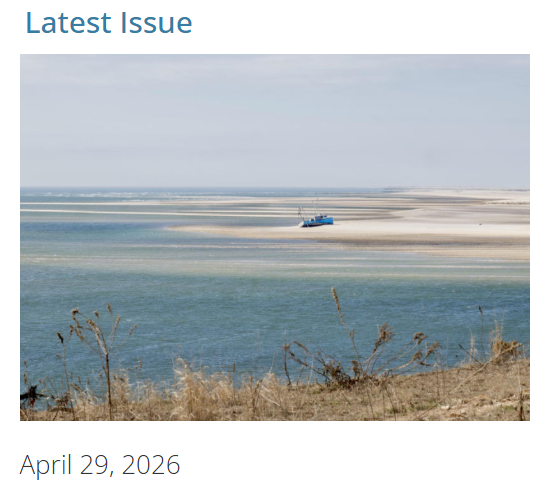
Our weekly newsletters are archived on our website and easily shared.
You can find past newsletters and share with your friends. Encourage others to sign up for future enewsletters HERE.
|
|
|
|
Are you thinking of going solar? We hope so! In partnership with E2 SOLAR in Dennis, APCC receives $500 for every solar installation when APCC is named as referral. |
|
|
|
| Thank you to the homeowners who just contracted to install solar panels through E2 Solar. May the sun always shine for you! |
|
|
|
Expressions Gallery, 578 Main Street, Chatham
CLICK HERE |
Expressions Gallery donates 20 percent of its profits to APCC's work. |
|
|
|
Thank you to our business sponsors! |
|
|
|
APCC is rated four stars by Charity Navigator,
2026 Platinum by Candid (formerly Guidestar). |
|
|
|
Our Contact Information
*{{Organization Name}}*
*{{Organization Address}}*
*{{Organization Phone}}*
*{{Organization Website}}*
*{{Unsubscribe}}* |
|
| |
|
|