Association to Preserve Cape Cod |
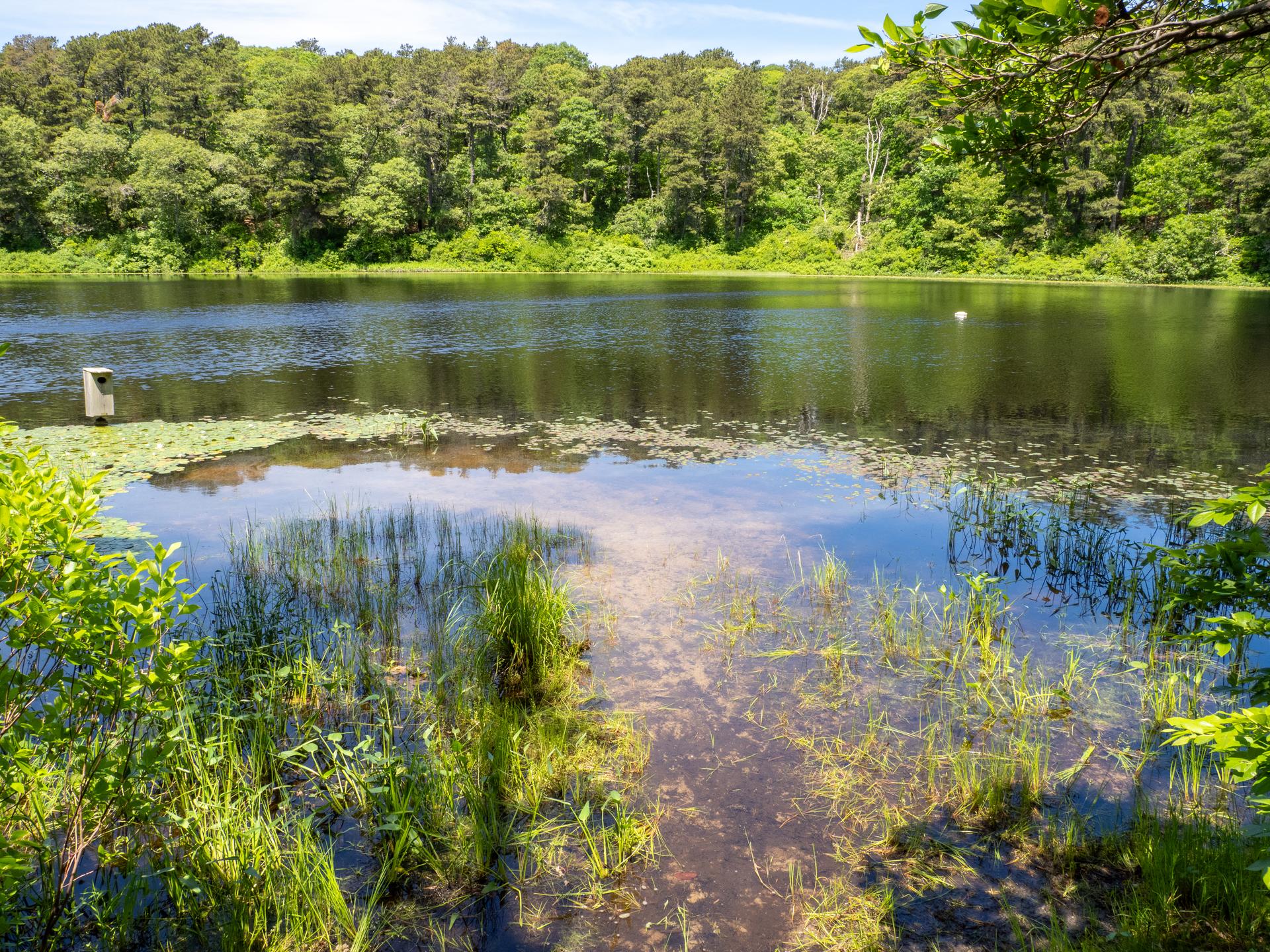
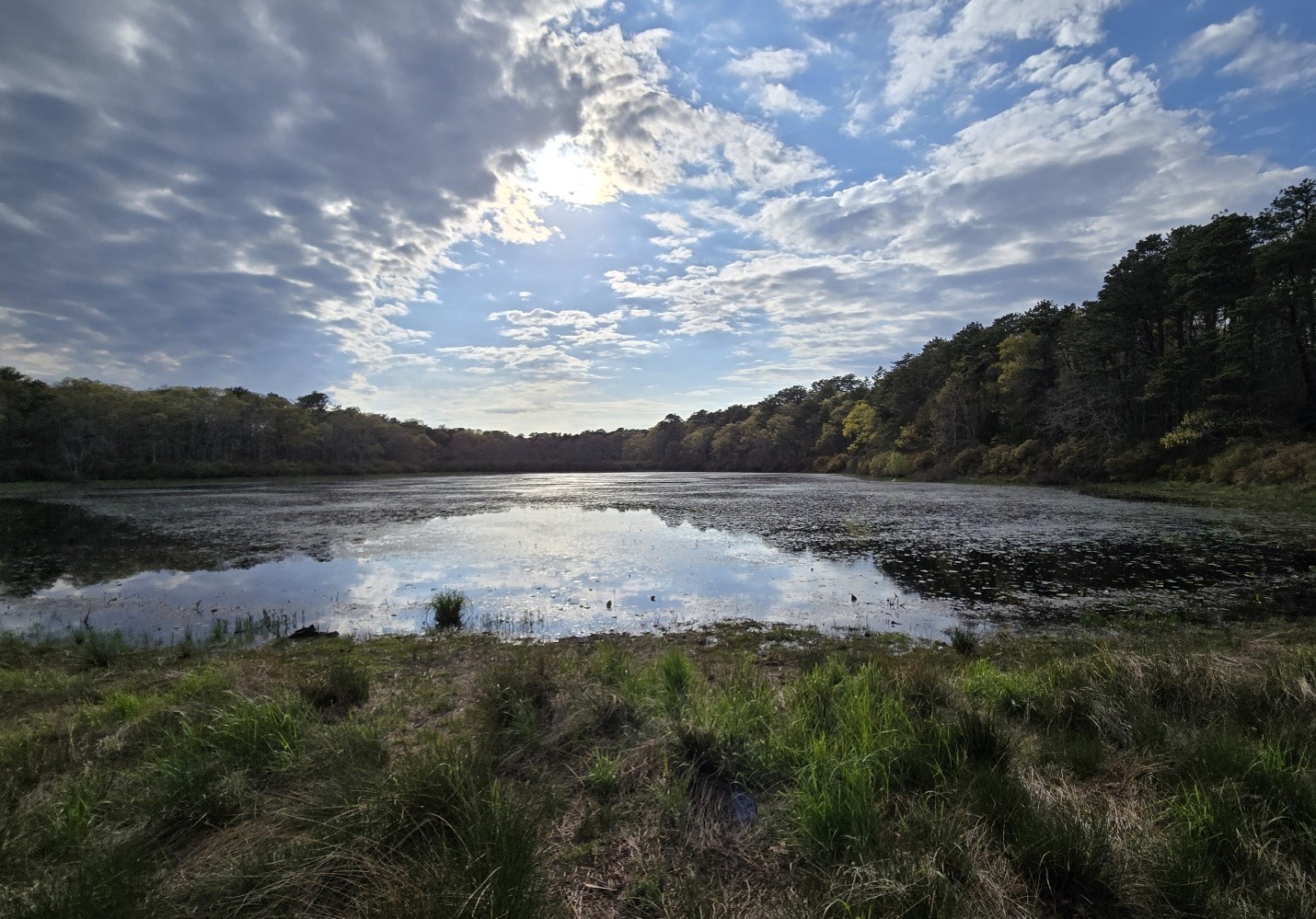
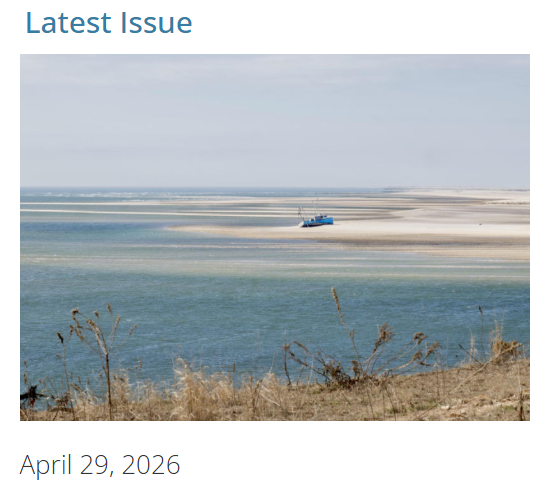
Above: Barclay Pond, Chatham. Photo by Sue Machie. |
|
|
|
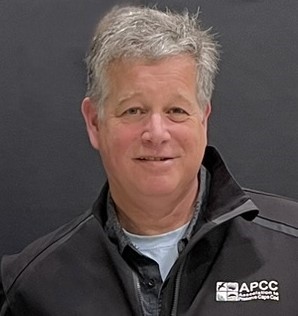
| Death, taxes and… ? by Andrew Gottlieb, Executive Director |
The answer could be a lot of things but for this purpose it is cyanobacteria. Along with the transition from cool spring to hot summer, we are starting to see the return of unwelcome but increasingly familiar cyanobacteria blooms. Along with providing yet another reminder that excess nutrients from poor wastewater treatment and fertilizers are degrading water quality, the prevalence of cyanobacteria blooms prompts a lot of confusion.
|
|
|
|
At high levels, certain cyanobacteria can produce neurotoxins that can sicken people and pets. Different species of cyanobacteria have different potential toxin profiles, and the dose exposure and size of the exposed body also matter.
One of the more confounding challenges of cyanobacteria is how they behave in the water column. Cyanobacteria can become buoyant, especially in the early morning and, when pushed by light morning breezes, can form a surface scum layer that is hard to ignore.
However, even when not buoyant and concentrated at the surface, the same amount of cyanobacteria can be there, more diffusely distributed through the water column. It is still present, but is harder to recognize. Wind can play a factor as well, pushing and concentrating cyanobacteria. But as we all know, the wind can change in an instant and concentrations of cyanobacteria can be redistributed around a pond over the course of a single day.
The pond I am fortunate enough to live near is in the midst of its now annual bloom cycle and my experience this past weekend was illustrative. On Friday, while the water in front of my house was clear, a friend at the downwind side of the pond sent me images of a thick cyanobacteria scum in front of her house. On Sunday this same person reported that the scum was gone. I checked my waterfront at 7:00 a.m. and saw no scum, but when I went back at 8:00 a.m., a significant scum had formed where a gentle breeze had pushed it. By 11:00 a.m. that same morning, the higher winds had cleared it out and things looked decent again.
The point here is that conditions change throughout the day and the unique characteristics of cyanobacteria behavior make it challenging to assess risk and to properly advise the public on best practices. One quick glance at a pond in one spot can give even an informed observer a deceiving sense of either comfort or fear. The take home is that once cyanobacteria start to show in quantity in a pond, the risk of exposure is heightened. Protecting ourselves requires each of us to become informed and thoughtful observers of conditions in a pond. Exercise caution in deciding if exposure to a pond during a bloom is right for you, your kids and your pets.
APCC’s cyanobacteria monitoring program and cyanobacteria webpage provide much of the information you will need to make an informed decision about your summer pond experience. APCC’s approach to monitoring and publicizing our results is to raise awareness without being alarmist and to provide people with the information needed to make good decisions in the face of uncertainty.
Over the long term, it is my fervent hope that through improvements in wastewater treatment, better stewardship of the land, the elimination of stormwater discharges to ponds, and the end of lawn fertilization we can improve pond quality and stop worrying about cyanobacteria blooms. Getting there will take a lot of work, but it’s also good to remind ourselves that the status quo is unacceptable and that we can change it. |
|
|
|
Ecosystem Restoration Program |
|
| |
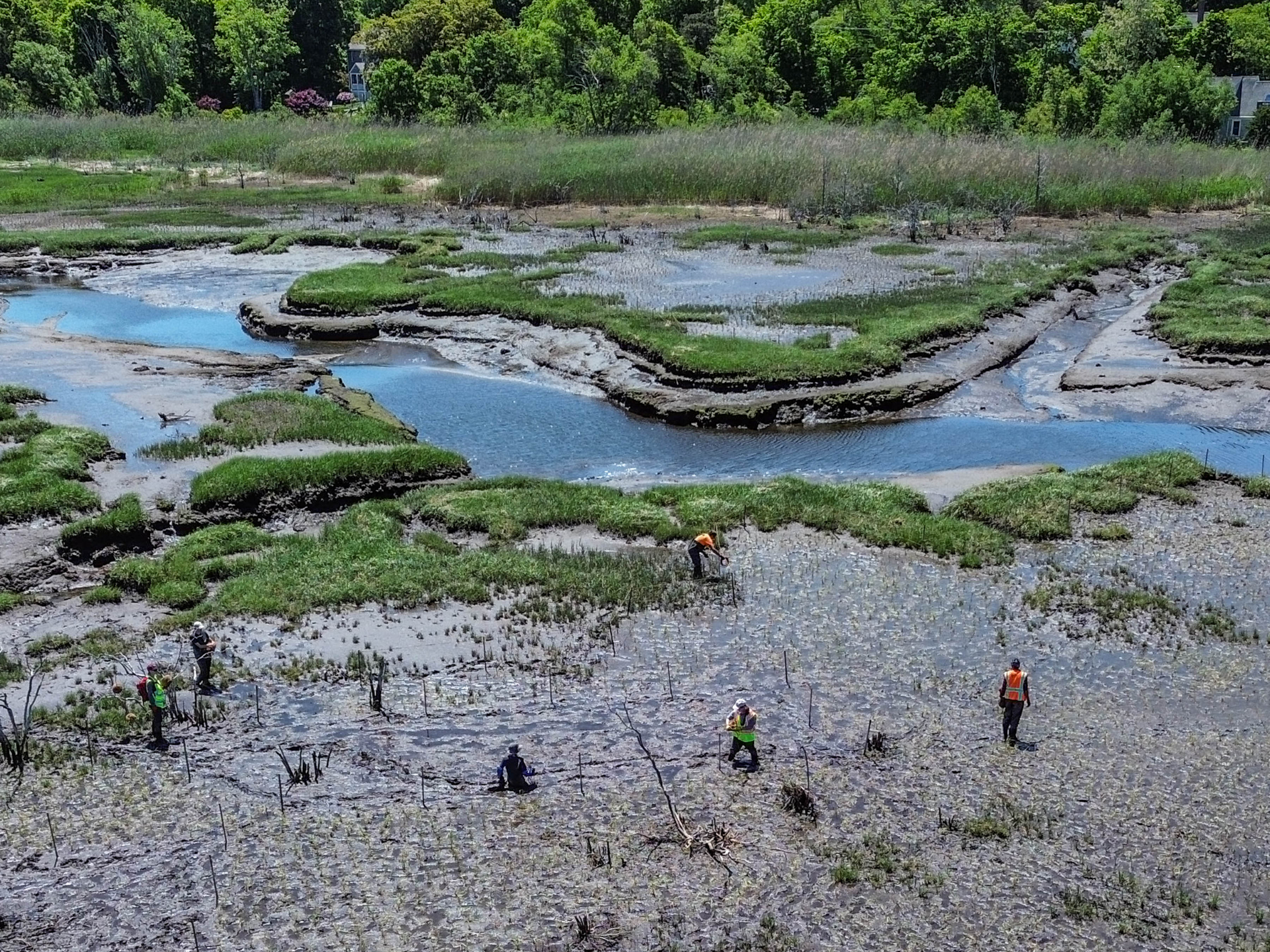
Above: Aerial drone photo capturing goose fencing installment across a bare area at Sesuit Creek, Dennis. Photo by Gerry Beetham. |
AmeriCorps Service Day Helps Salt Marsh Grasses Take Root |
This week, AmeriCorps Cape Cod members joined APCC and SumCo Eco-Contracting for a hands-on service day at Sesuit Creek in Dennis, helping protect newly planted native marsh grasses during the most vulnerable stage of restoration.
The work matters because getting these young plants established is what allows the marsh to begin healing. Newly planted grass plugs have small, fragile root systems and can be easily pulled from the mud by Canada geese. In just a few days, geese can heavily damage a newly planted area, setting back the restoration effort before the plants have a chance to take root.
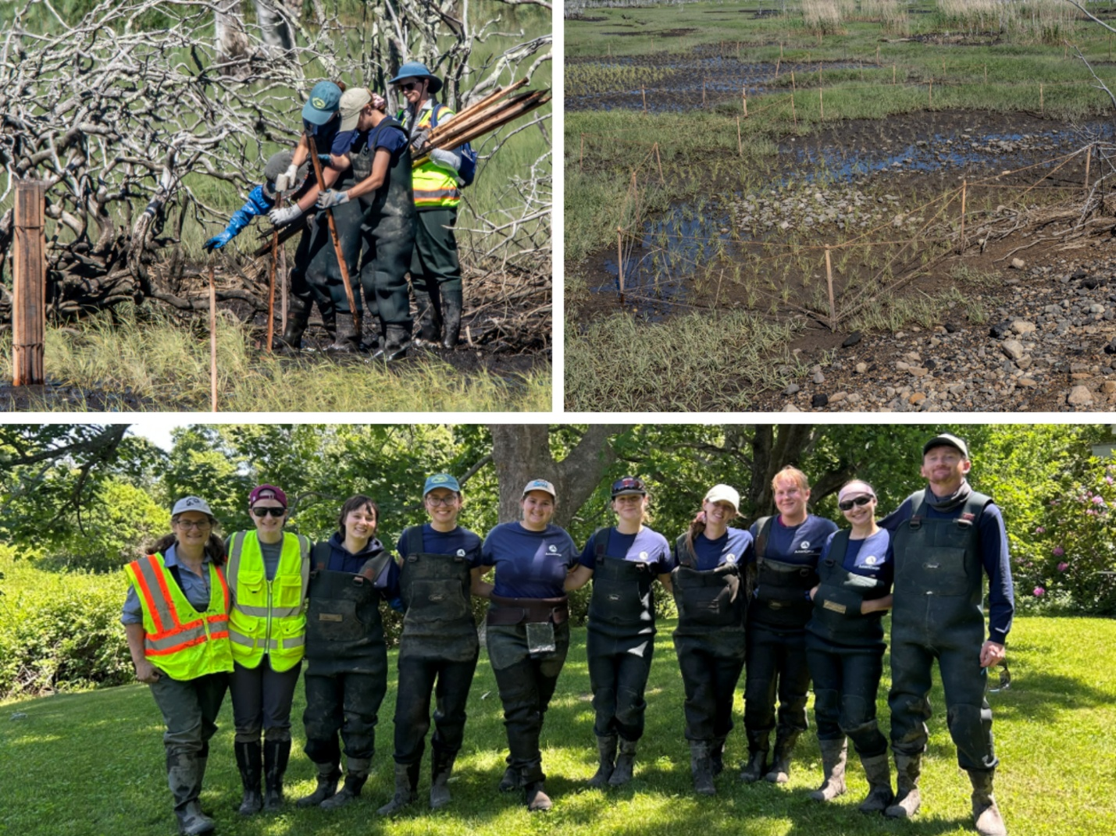
To give the new vegetation a better chance of survival, the crew installed goose-exclusion fencing around planted bare areas in the marsh. Using wooden stakes and crisscrossed jute twine, the team created low physical barriers designed to discourage geese from walking or landing inside the restoration plots. The fencing is temporary, but its role is important: protect the plants long enough for their roots to grow, spread, and begin stabilizing the shoreline naturally.
This kind of follow-up work is a critical part of successful restoration. Planting is only the beginning. Young vegetation also has to survive grazing, erosion, flooding, wave action, and other early stressors. Temporary protection can make the difference between a planting effort that struggles and one that becomes established enough to support long-term marsh recovery. At Sesuit Creek, the goal is to restore a healthier, more resilient salt marsh.
Once established, native marsh grasses help hold sediment in place, reduce erosion, improve water quality, and provide habitat for fish, shellfish, birds, and other wildlife. Their roots help bind the marsh together, strengthening the shoreline and improving its ability to absorb wave energy, flooding, and the impacts of sea level rise. By helping these grasses take root, we help support the long-term recovery of Sesuit Creek’s salt marsh and the natural protection it provides to the surrounding coastal community. The Sesuit Creek restoration project is funded by the Massachusetts Division of Ecological Restoration, the MassBays National Estuary Partnership, and private foundation grants. |
Above: Clockwise from top left: AmeriCorps members and APCC Lead Ecologist and Science Advisor Jordan Mora install wooden stakes for the goose exclusion fencing (photo credit: Gerald Beetham); Installed goose exclusion fencing protecting rows of newly planted grass plugs (photo credit: Gerald Beetham); AmeriCorps members and APCC staff pose for a photo after working in Sesuit Creek. |
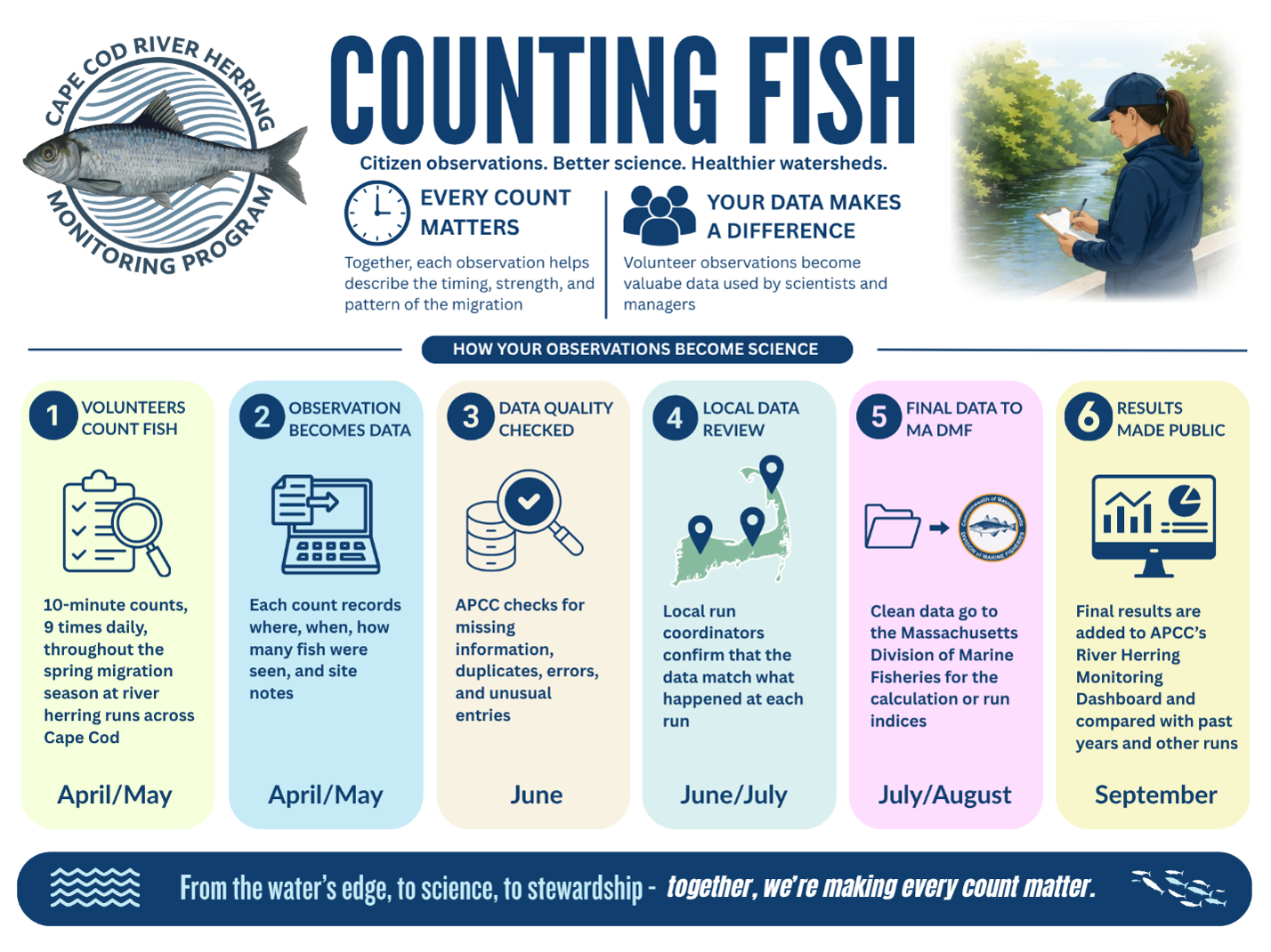
After the Count: How River Herring Observations Become Useful Science
Each spring, the story of Cape Cod’s river herring migration is recorded ten minutes at a time.
Volunteers stand beside streams, ponds, culverts, and fish ladders, watching for flashes of silver moving upstream. Some counts are busy, with fish moving steadily toward their spawning ponds. Others are quiet, with no fish observed at all.
But in river herring monitoring, zero is not nothing.
A zero count helps show when fish were not moving, or at least when they were not observed moving through a particular site. Those quiet counts help define the rhythm of the season just as much as the busy ones. Together, every observation helps describe the timing, strength, and pattern of the annual migration. When the counting season ends, another important phase begins: turning those observations into a reliable scientific record.
APCC’s river herring monitoring program brings together data from runs across Cape Cod. Each entry records where and when a count occurred, how many fish were seen, and other details that help describe conditions during the migration. On their own, these entries are individual snapshots. Carefully reviewed and organized, they become something more useful: a record that can help track annual migration patterns, compare results across years, and support restoration and stewardship decisions.
That review process takes time. APCC checks dates and times, confirms locations, reviews unusual entries, and looks for inconsistencies. These steps are not as visible as the spring migration itself, but they are essential. A missing value, duplicated count, incorrect time, or inconsistent site name can affect how the season is summarized and interpreted.
Clean, consistent data help ensure that annual summaries and long-term comparisons are based on the best available information.
This year, APCC is also working to connect river herring counts with water temperature data collected by HOBO temperature loggers at several monitoring sites. Water temperature can influence fish movement, especially in spring, when stream conditions can shift quickly from cold snaps to warm spells. By matching count intervals with nearby temperature records, APCC can begin to better understand how migration activity lines up with changing stream conditions.
The next step is to share the cleaned data sets with the individual run coordinators. This is an important quality-control step. Run coordinators know their sites well. They understand local conditions, volunteer coverage, unusual observations, and seasonal patterns that may not be obvious from the spreadsheet alone. Their review helps confirm that the data accurately reflect what happened at each run. After that review is complete, APCC sends the cleaned count observation data to the Massachusetts Division of Marine Fisheries. DMF uses the data to calculate the final run index, which allows each year’s migration to be compared with previous years and with other monitored runs. That index helps answer the question many volunteers, towns, and restoration partners ask at the end of each season: how did this year’s migration stack up?
Once APCC receives the results back from DMF, the data will be added to APCC’s River Herring Monitoring Dashboard, where they can be viewed alongside historical data from previous years and other monitored runs.
The field season may be short, but the value of the information collected by volunteers lasts much longer.
Each count—whether busy or quiet—becomes part of a larger picture of river herring migration across Cape Cod. The work begins at the water’s edge, with people watching patiently for fish. It continues through careful data review, local coordinator input, final analysis, and public sharing of the results. Ultimately, those ten-minute observations help guide future monitoring, restoration, and stewardship—one count at a time. |
|
|
|
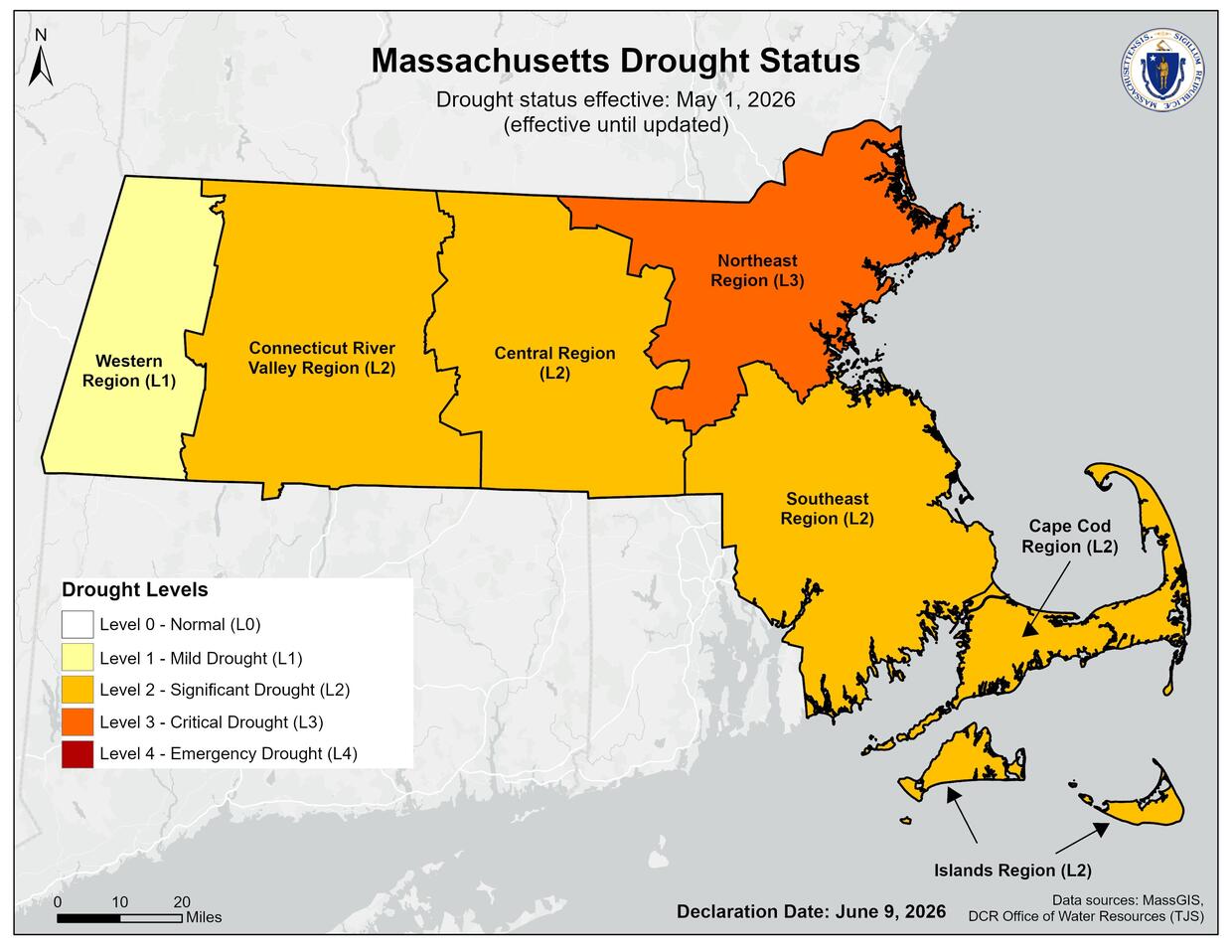
"June 9th, Energy and Environmental Affairs (EEA) Secretary Rebecca Tepper declared a Level – 2 Significant Drought in the Southeast, Cape Cod, and Islands Regions due to worsening dry conditions. The designation follows two years of below-average rainfall and declining streamflow and groundwater across the state, signaling worsening drought conditions and increasing stress on local water supplies." |
Above: Mill Pond, Yarmouth |
|
|
|
Groundwater and Drought
Have you ever wondered how Cape Cod’s freshwater kettle ponds stay full of water? The Cape's kettle ponds are not typically fed by streams or rivers. Rather, most are connected to groundwater—the water beneath our feet. Groundwater started as rainwater—precipitation soaking into the ground and filling the voids between the grains of sand and gravel, like water fills a sponge. Ponds also receive water directly from rain and melting snow.
Groundwater is not static; it slowly flows to the ocean. To visualize how water can flow freely underground, imagine digging a hole at the beach. Have you ever watched a hole partially fill in with water? That’s because the sand has spaces and pores that allow for water to flow through it. It is important to know and understand that the same groundwater that flows through the ponds on its route to the ocean, is also our drinking water supply.
Right now, Cape Cod is experiencing drought and our kettle ponds are running below normal water levels—an indicator that groundwater levels are low. Consequently, many towns currently have water conservation advisories in place. Water conservation efforts are always a good idea. Whether private or public water, it all comes from the same place—the aquifer under our feet. |
|
|
|
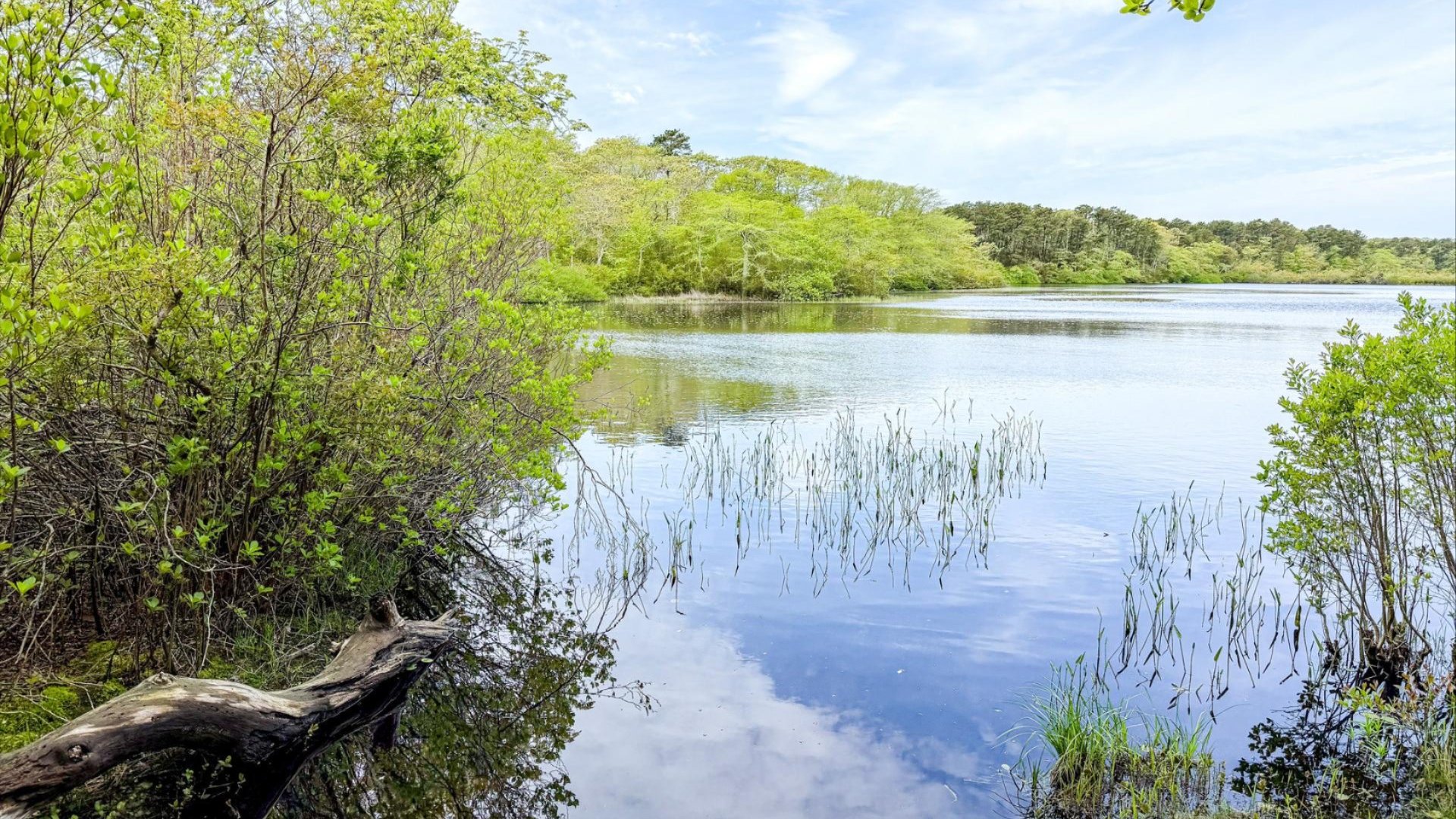
Above: Clapps Pond, Provincetown. Photo by Sue Machie. |
Cape Cod Ponds Network SAVE THE DATE! Thursday, August 6th 6-8 p.m. An in-person meeting of the Cape Cod Ponds Network at the Cape Cod Museum of Natural History in Brewster is in the works.
If you've not yet signed up to be part of the network, click the button below to stay informed. |
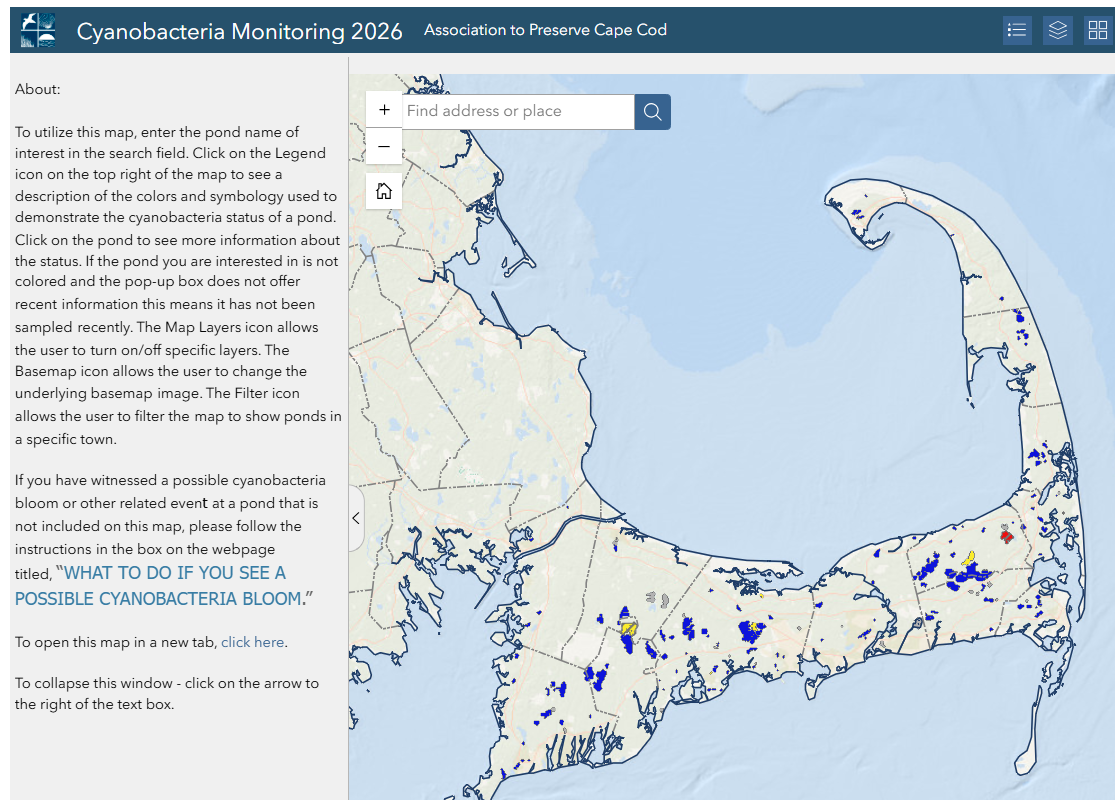
Cyanobacteria Monitoring Program 2026 |
|
|
|
If you notice pond water is scummy or discolored and may have a strong odor, avoid contact. If you see what you think might be a suspicious cyanobacteria bloom, notify your local health department and send a photo to cyano@apcc.org noting the location, day and time. If you wish to receive an email when we detect a cyanobacteria bloom, SIGN UP HERE.
Our interactive map will have our most up-to-date findings at APCC.org/cyano. |
|
|
|
Lookie what we found in APCC's living landscape! |
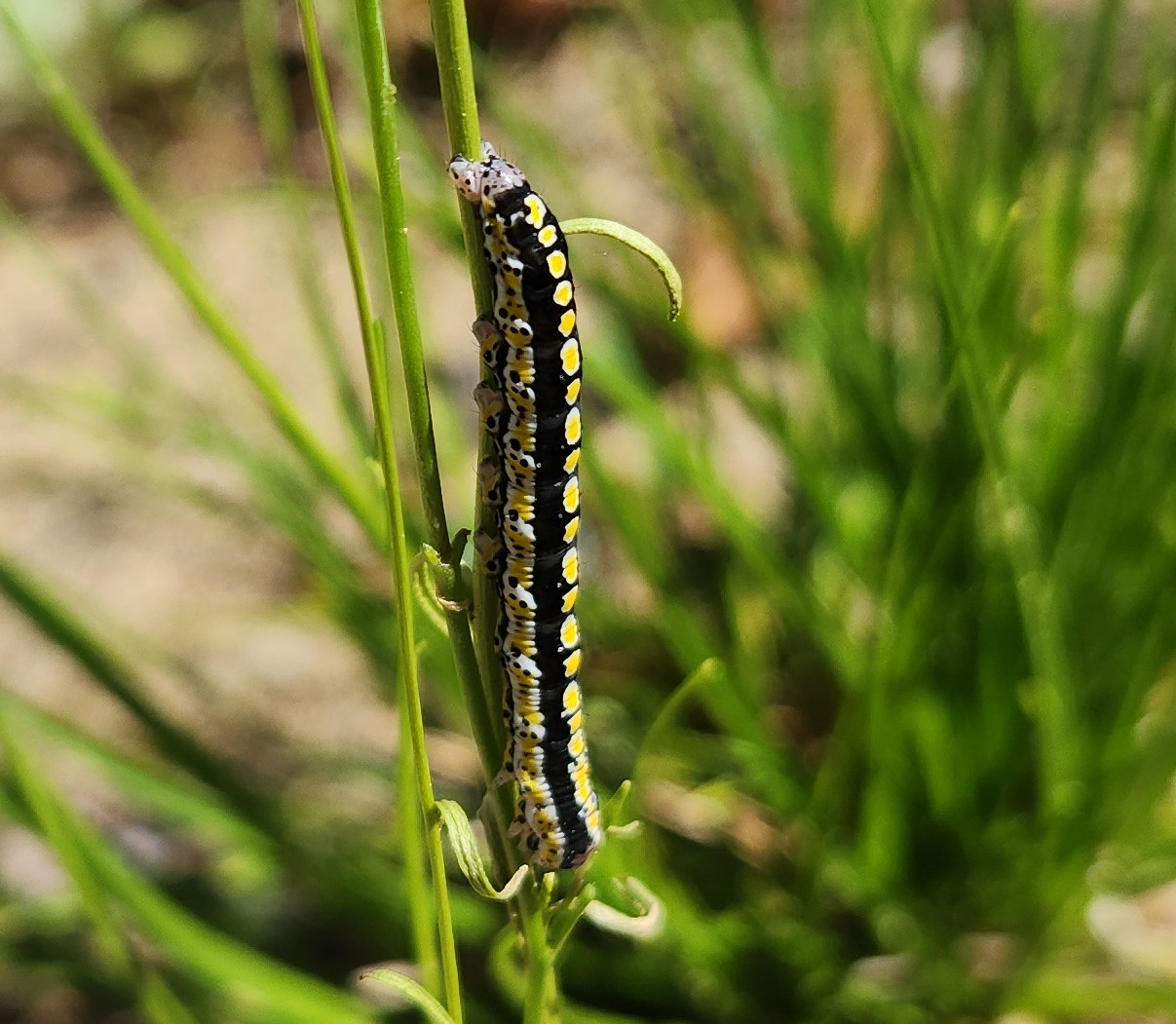
Above: Scribbled sallow caterpillar, Sympistis perscripta |
"Come quick! I found a cool caterpillar on the toadflax." Indeed! It turned out to be a very charismatic little caterpillar... and not one, but two. The toadflax stem relentlessly waved in the breeze, requiring some patience to get a picture.
We consulted books and websites for identification, and finally, we submitted to ButterfliesandMoths.org and got a quick response:
Thank you again for your submission of record 1425204 to the Butterflies and Moths of North America database on June 16, 2026. Your sighting has been accepted, and your regional coordinator has verified your submission as _Sympistis perscripta_. Your sighting is now represented on the map on the species page. The sighting details page is available here.
The caterpillar was identified as the scribbled sallow, Sympistis perscripta, an owlet moth.
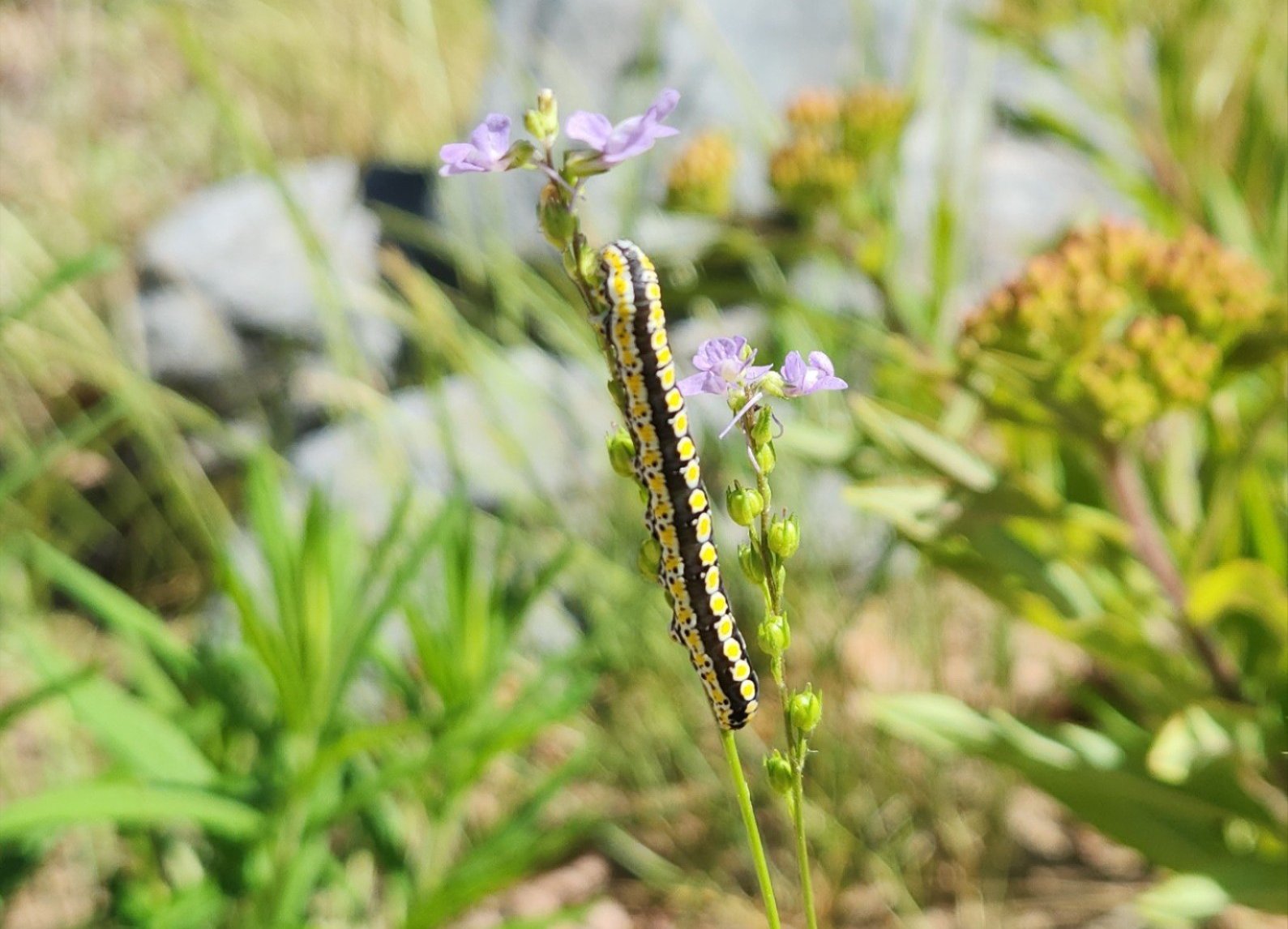
Both cats we observed were munching away on the old field toadflax, Nuttallanthus canadensis, planted by Erin Camire, APCC's ecolandscape program coordinator, from seed collected on site last year.
According to Native Plant Trust, oldfield-toadflax is a native annual or biennial that prefers highly disturbed areas with sandy soils. Its attractive light-blue to blue-violet flowers have a white throat and a nectar spur. What's in your garden? |
Above: The second scribbled sallow caterpillar sighted on the toadflax. |
|
|
|
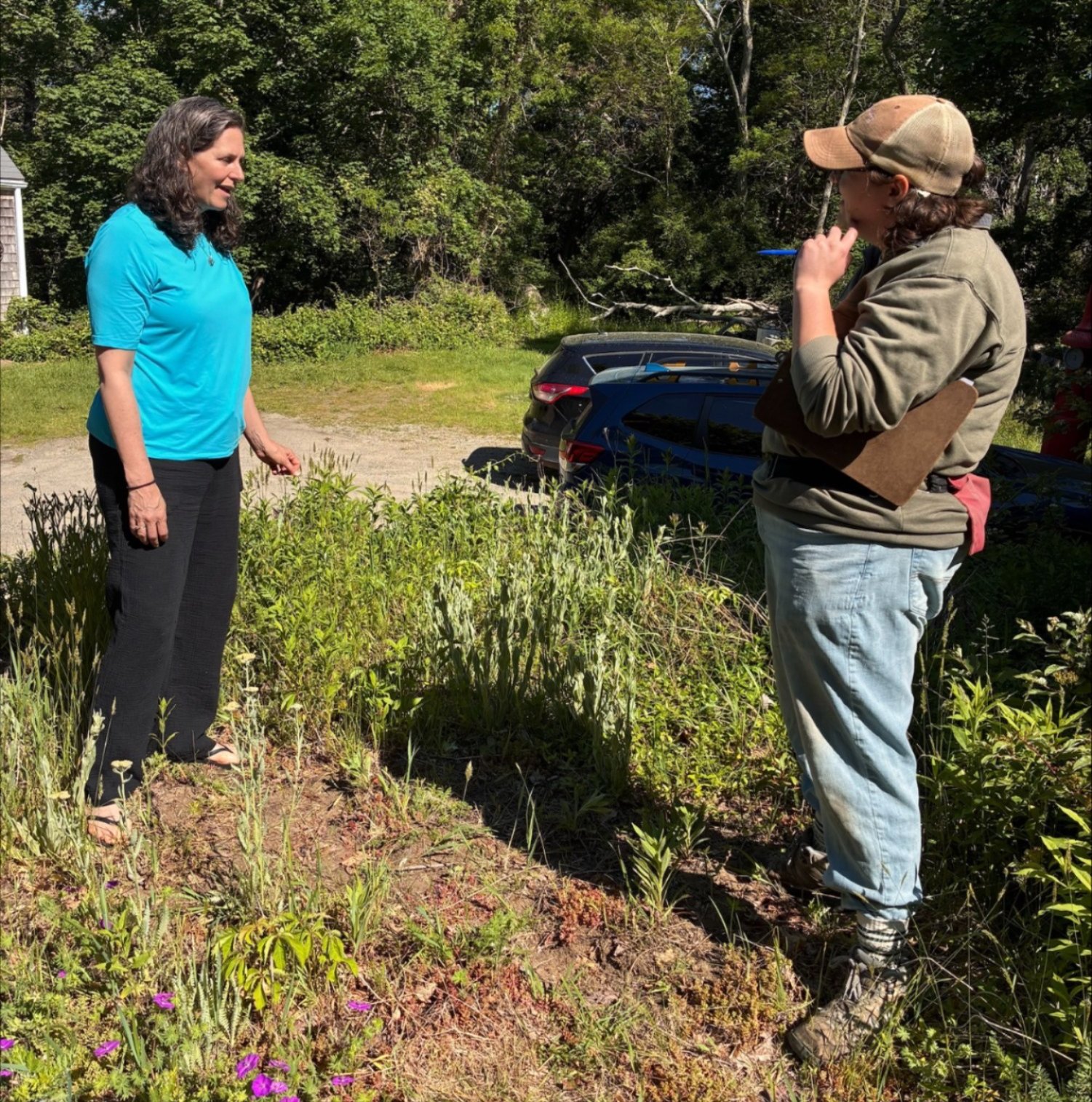
Above: Erin Camire, APCC ecolandscape program coordinator, meets with client. |
|
| |
|
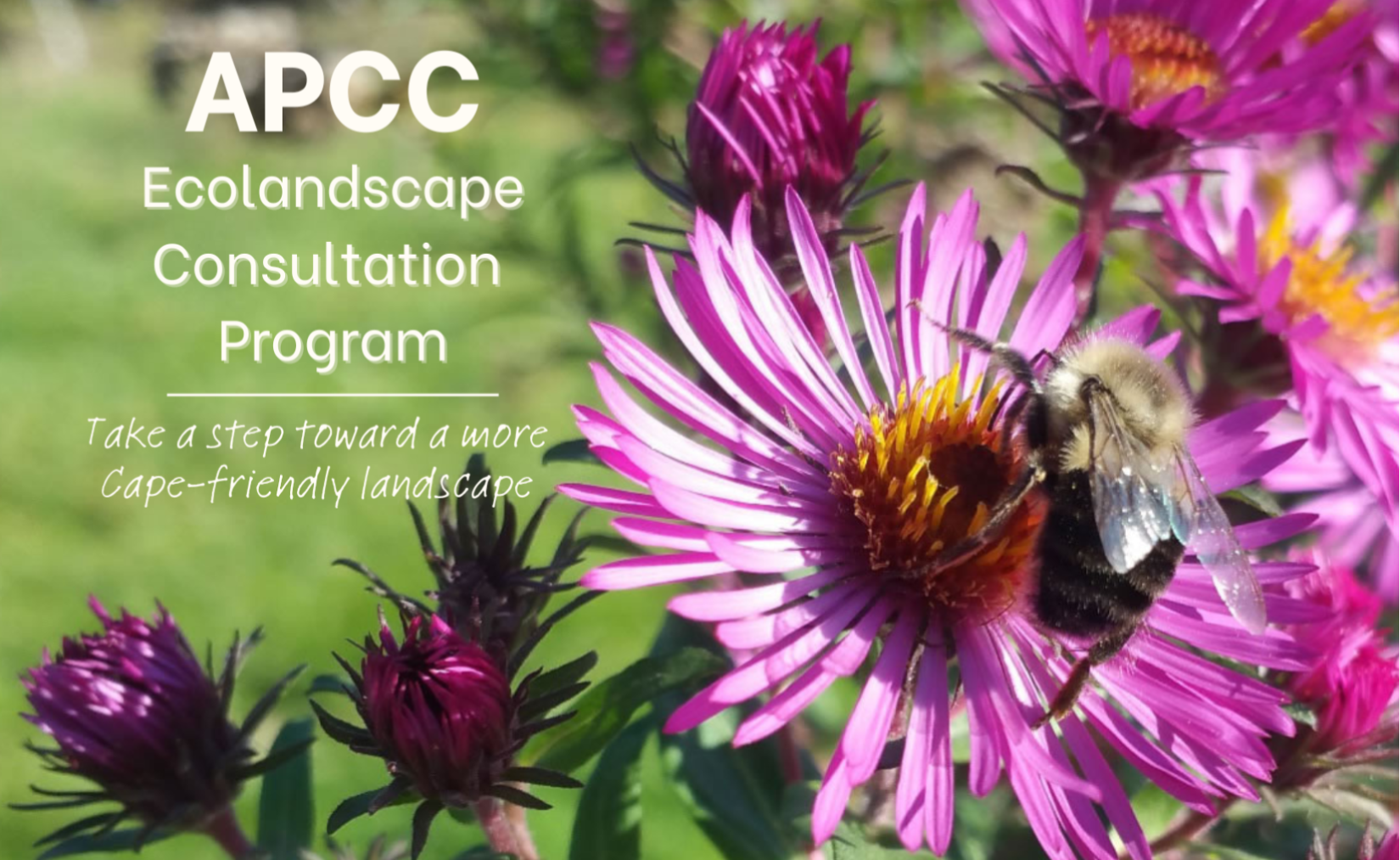
We are accepting appointments for our Ecolandscape Consultation Program
If you want to make your yard friendlier to pollinators and wildlife, learn more about native plants and what will do well in your space. Learn about identifying and controlling invasive species and how to conserve water and protect the Cape’s water quality. We can help. Fill out the form and Erin Camire, our ecolandscape program coordinator, will contact you via email to set up a day and time for the consultation at your residential property in any Cape town from Bourne to Provincetown. The team will meet with you for an hour and a half, answer your questions, and send you a summary report. The fee is $350.
Read more here about the program and click on the "Get Started" button to schedule a consultation! |
Sign up to Volunteer with Team SOS here. Team SOS volunteers help distribute educational materials and work on town teams to support The Cape We Shape campaign efforts.
|
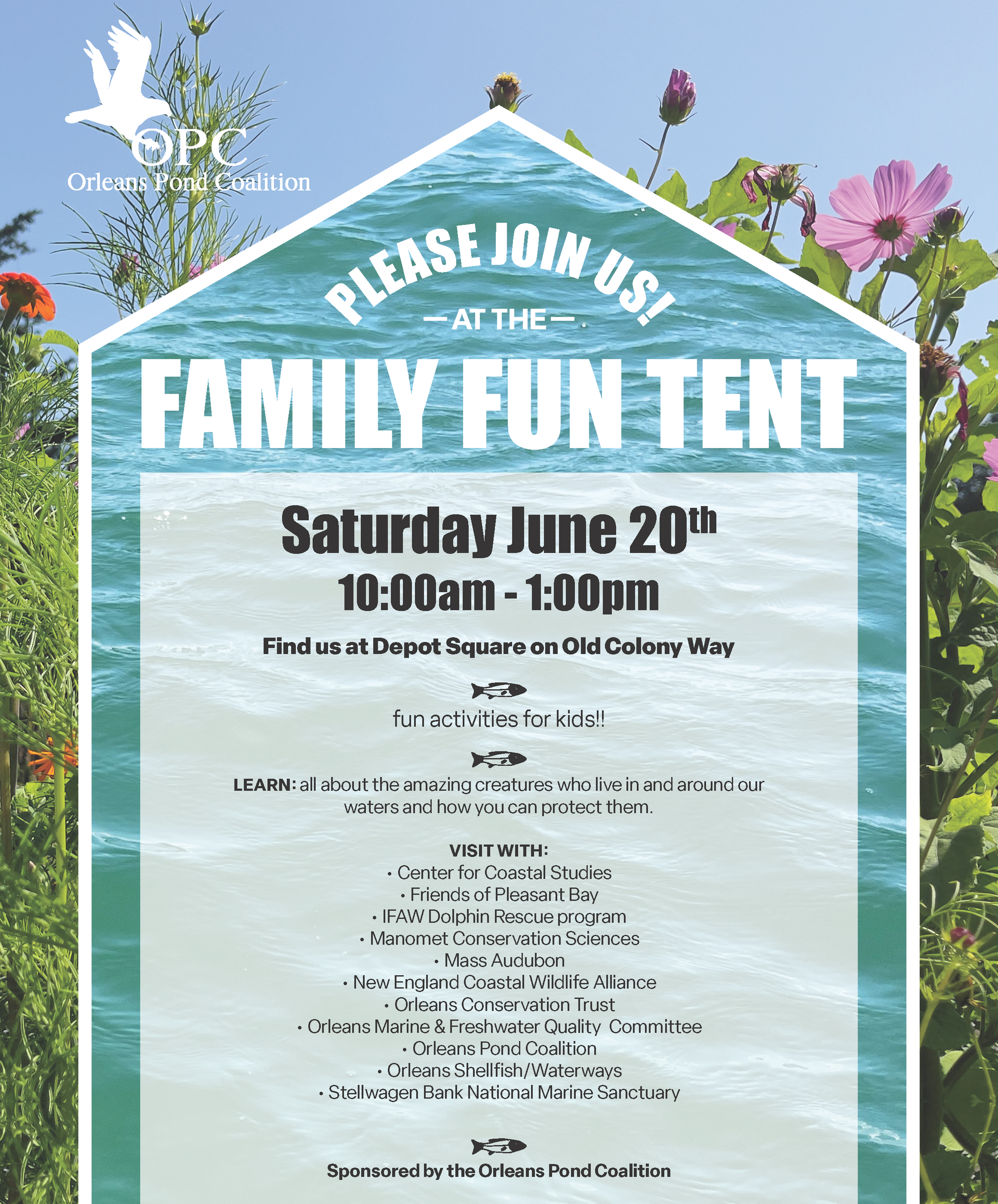
Join the Orleans Pond Coalition on Saturday, June 20 from 10 am to 1 pm
for our Summer Kick-off Family Fun Tent at Depot Square (on Old Colony Way). The theme this year is “protecting the animals that live in and rely on our waters.”
Please go to www.orleanspondcoalition.org for more information. We look forward to seeing you Saturday, June 20 from 10:00 a.m. to 1:00 p.m. at Depot Square in Orleans! |
|
|
|
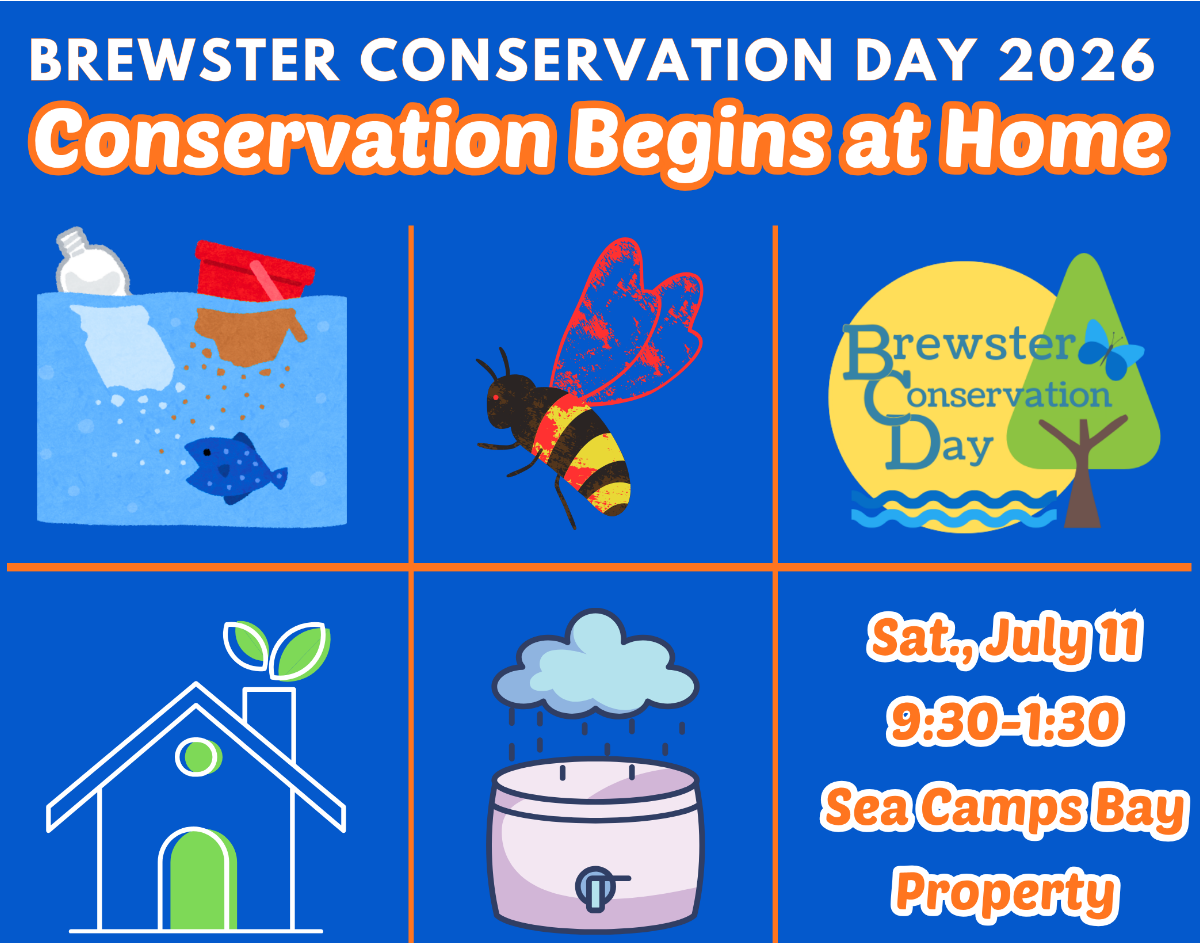
SAVE THE DATE: Brewster Conservation Day turns 15 this year, and Cape Cod’s best-loved conservation fair is promising to be better than ever. This free, fun, family event will take place on Saturday, July 11, from 9:30 a.m. to 1:30 p.m., at the Sea Camps Bay Property (3507 Main Street, Brewster), rain or shine. The theme for 2026 will be "Conservation Begins at Home," which will include tips and tools for the many ways we can all improve our conservation practices.
|
A Cape-wide Conservation Event Calendar |
The Compact of Cape Cod Conservation Trusts (“the Compact”) and its nonprofit members launched a new regional calendar of events. The Conservation Calendar includes programs across Cape Cod hosted by these groups. The goal of the calendar is to encourage visitors and residents to take part in nature and environmental events. You can always find the link to the calendar on APCC's website under News & Events.
|
If you are a farmer or someone who wants to grow native plants to sell, or you just want to be updated on the program's development, please submit the interest form that appears on our webpage. We will be sending periodic email notices of workshops and meetings.
Funding for the project is provided by Barnstable County and its Economic Development Council License Plate Grant Program through the Cape Cod Commission, the Kelley Foundation and private donors. |
Ten talks for prospective growers as part of the Cape Cod Native Plant Growers' Cooperative program have been presented thus far, with more scheduled in the upcoming weeks. These past workshops can be viewed here: |
A Cape Cod Native Plant-selector ~ to help you choose the perfect native plants for your garden. |
|
|
|
Email kandres@apcc.org and we'll send you a CapeCodNativePlants.org decal. |
|
|
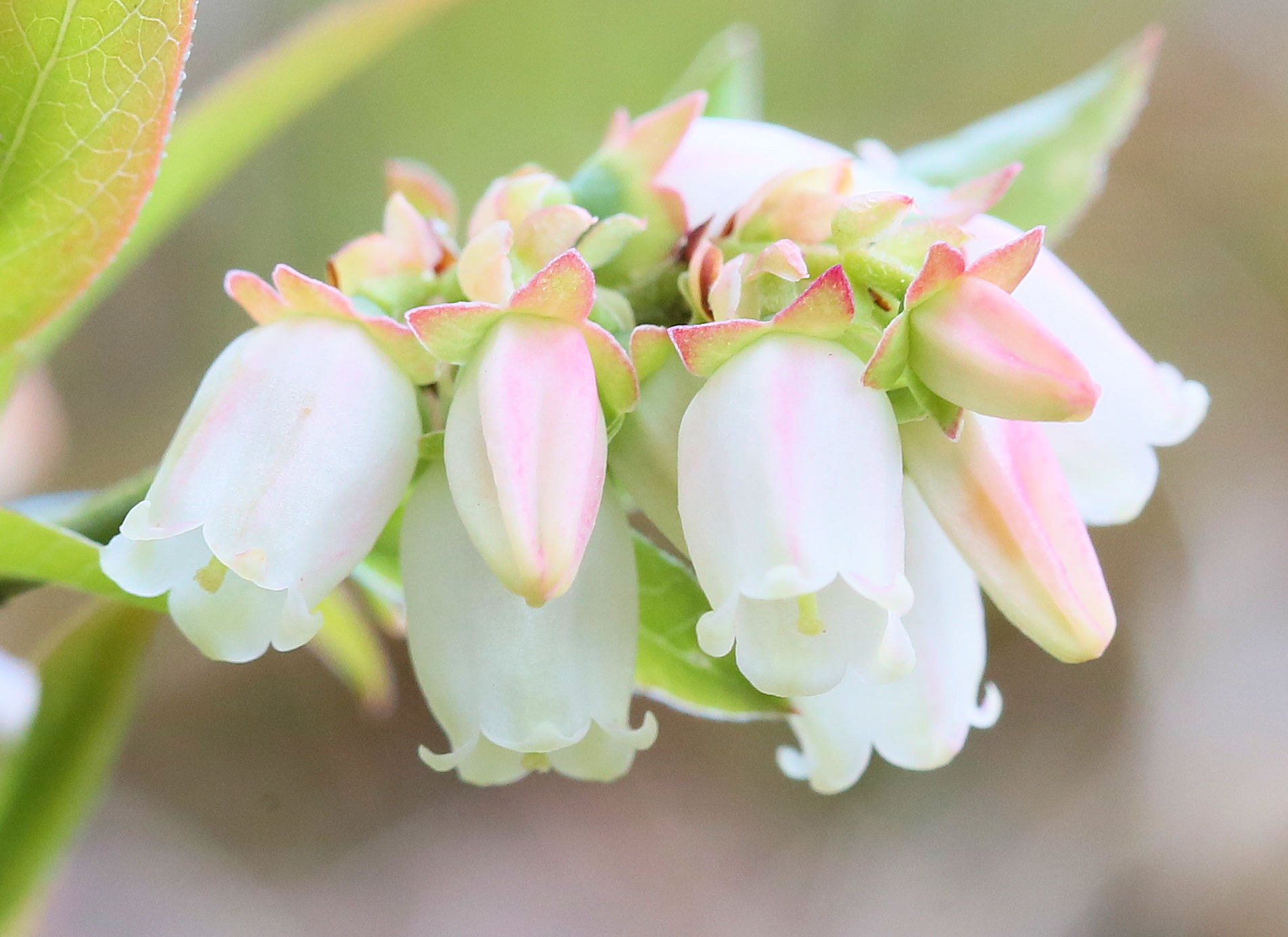
Above: Lowbush blueberry tiny bellflowers. Photo credit: Robert Gessing |
Lowbush Blueberry Vaccinium angustifolium |
|
|
|
The purpose of CapeCodNativePlants.org is to help native plant enthusiasts select the right plant for the right place. While not all native plants presented here are indigenous to Cape Cod, they are suitable native species for Cape gardens and managed landscapes.
Why Native Plants? Many native plants are drought tolerant, salt tolerant, and thrive in the “thin” soils found on Cape Cod. Native plants are as attractive as any plant, and are reflective of the Cape’s natural beauty. By planting native species appropriate for Cape Cod, you can conserve water, avoid pesticide and fertilizer use, and support pollinators and birds.
|
|
|
|
|
The Guidelines gives homeowners steps they can take in the design and maintenance of their properties that will support pollinators and birds, manage stormwater, conserve water, and protect the Cape's water quality. This 40-page booklet is beautifully illustrated by Marcy Ford with content that is easily digestible and supported by numerous resources for additional learning.
|
|
|
|
We are grateful for the several retail shops that are partnering with us to make this publication more widely available: Brewster Book Store, Birdwatchers General Store, Crocker Nurseries, Wellfleet Audubon Wildlife Sanctuary, Cape Abilities Farm, Cape Cod Museum of Natural History, the Cape Cod Lavender Farm, Heritage Museums and Gardens, Titcomb's Bookshop, Sea Howl Bookshop, Soares Flower Garden Nursery, Hyannis Country Garden, Orleans Whole Food Store, and Eight Cousins Bookshop.
Heard it makes a nice gift for a neighbor or for a housewarming or host(ess) gift!
If you are a retailer and would like to sell this publication at your store, please contact us. |
|
|
|
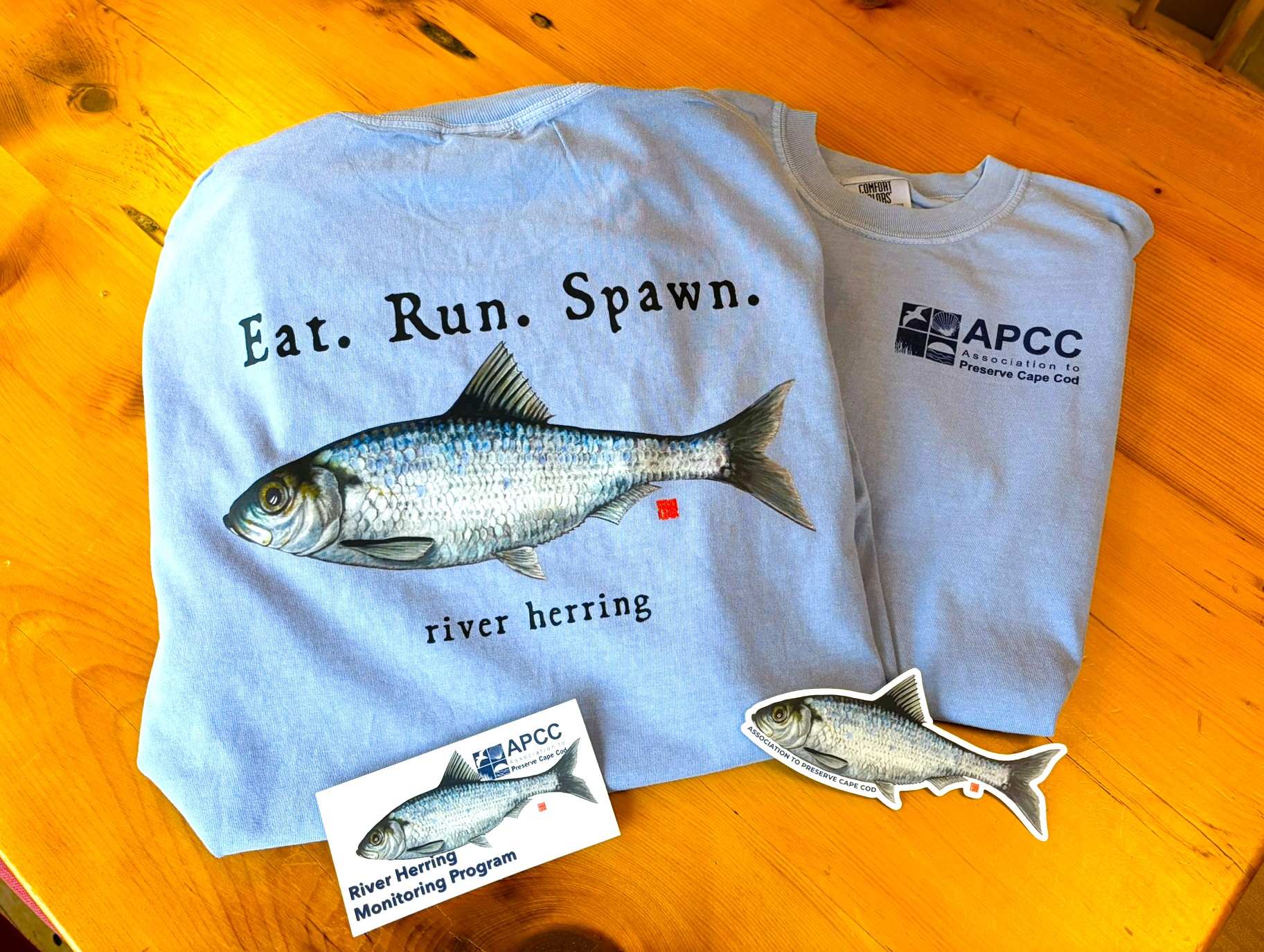
New Offering - Celebrate the Run! Herring T's
color denim blue $30 - includes USPS delivery in the U.S. |
|
|
|
Team SOS T-shirts $30 - includes USPS delivery in the U.S. |
|
| The Cape We Shape $30 - includes USPS delivery in the U.S. |
|
|
|
APCC caps $25 -includes USPS delivery in the U.S. |
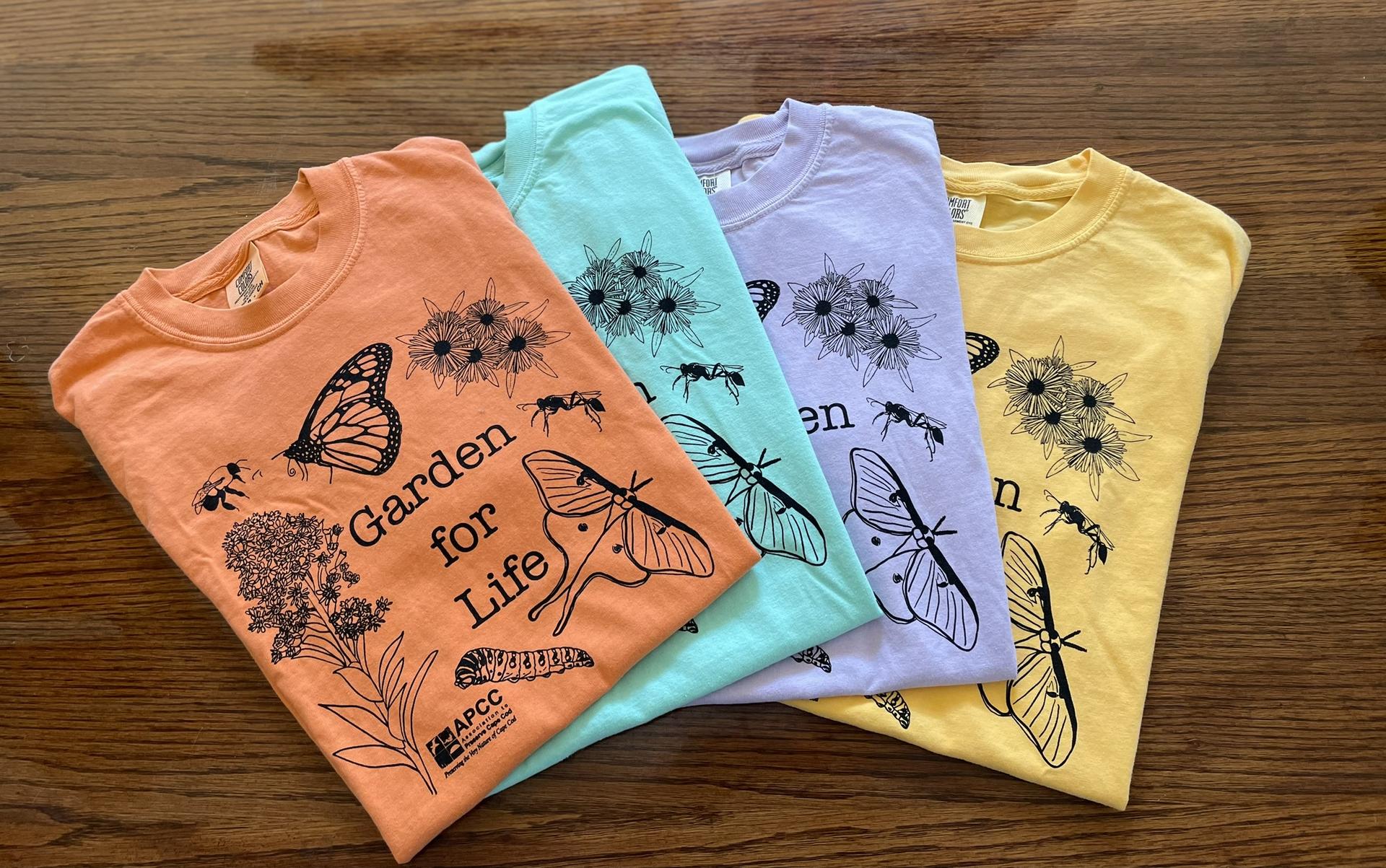
Garden for Life T's $30 -includes USPS delivery in U.S. |
|
|
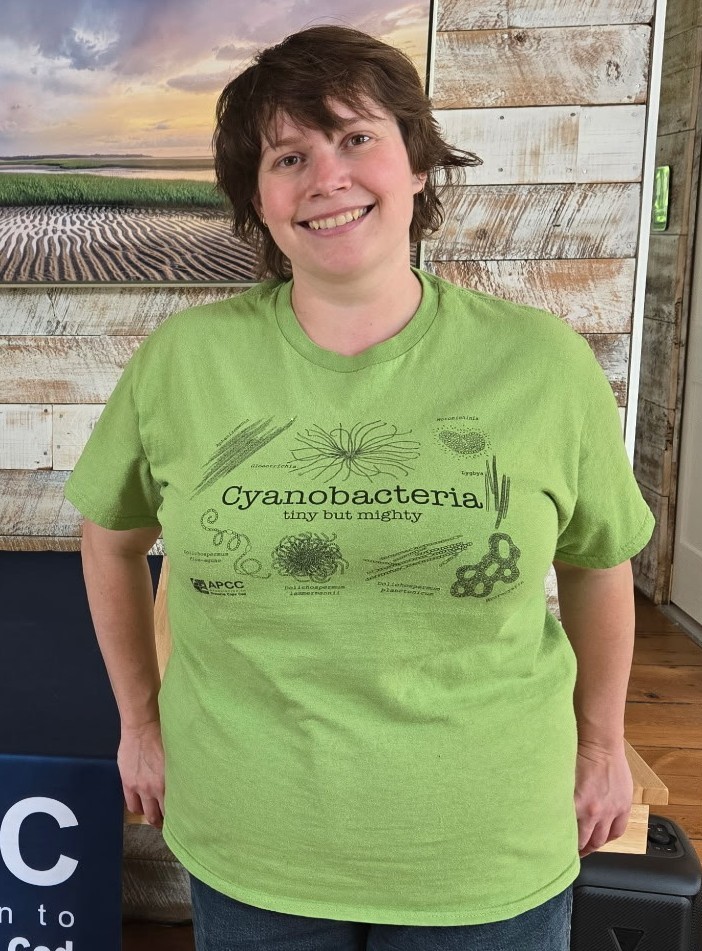
Cyanobacteria ~ tiny but mighty color kiwi $30 -includes USPS delivery in the U.S. |
|
|
|
|
APCC eNewsletters Our weekly newsletters are archived on our website and easily shared.
You can find past newsletters and share with your friends. Encourage others to sign up for future enewsletters HERE.
|
|
|
|
Are you thinking of going solar? We hope so! In partnership with E2 SOLAR in Dennis, APCC receives $500 for every solar installation when APCC is named as referral. |
|
|
|
| Thank you to the homeowners who just contracted to install solar panels through E2 Solar. May the sun always shine for you! |
|
|
|
Expressions Gallery, 578 Main Street, Chatham
CLICK HERE |
Expressions Gallery donates 20 percent of its profits to APCC's work. |
|
|
|
Thank you to our business sponsors! |
|
|
|
APCC is rated four stars by Charity Navigator,
2026 Platinum by Candid (formerly Guidestar). |
|
|
|
Our Contact Information
*{{Organization Name}}*
*{{Organization Address}}*
*{{Organization Phone}}*
*{{Organization Website}}*
*{{Unsubscribe}}* |
|
| |
|
|