Association to Preserve Cape Cod |
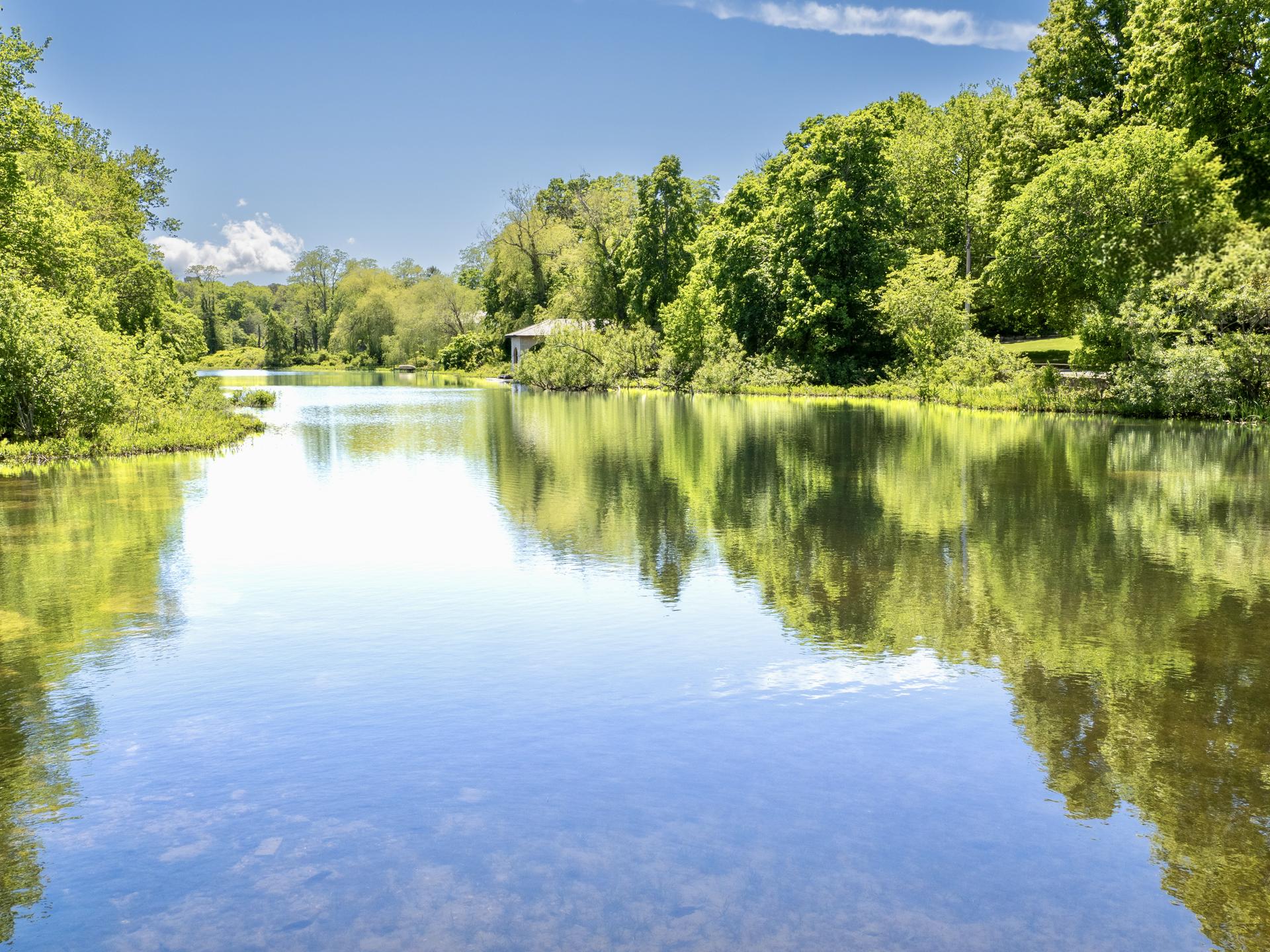
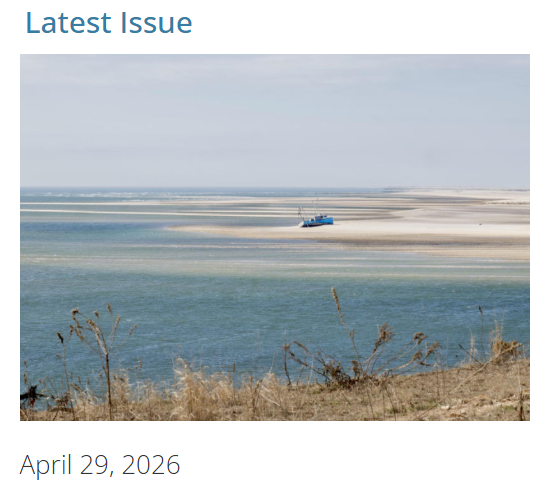
Above: Shawme Lake, Sandwich. Photo by Sue Machie. |
|
|
|
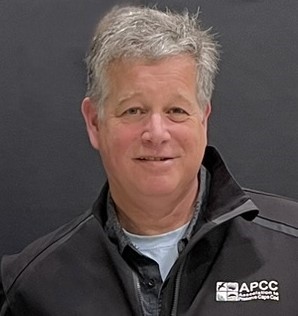
| Rally with Us! by Andrew Gottlieb, Executive Director |
The overwhelmingly positive reaction to The Cape We Shape campaign has validated one of our foundational assumptions. There is widespread public support for preserving at-risk sensitive open space essential to the protection of water quality and critical habitat. |
|
|
|
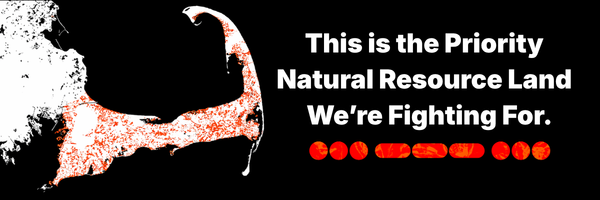
People are concerned about preserving the most important natural resource land we have left because they value its role in sustaining our collective quality of life—and because they know the pressure on the landscape is unrelenting.
For those of you who have expressed your interest in supporting The Cape We Shape campaign and for those of you who are campaign curious but not ready to commit, I encourage you to attend The Cape We Shape Rally on June 17 at The 204 – Cultural Arts Municipal Building, 204 Sisson Rd in Harwich. The Rally is intended to bring people together to hear and learn from the practitioners in the land trust community on about how they work and also from a panel of citizen activists who have figured out how to effectively make change in their communities.
The Rally will be a great place to learn from and connect with people in your community who share your interest in making Cape Cod a better place for all.
I hope to see you at the Rally. Bring a friend! |
|
|
|
Ecosystem Restoration Program |
|
|
|
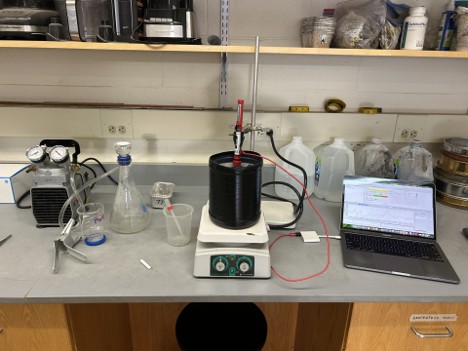
Above: Calibration materials ready for use at the UMass Amherst Sediment Dynamics Lab. One of the turbidity sensors measures water clarity in a water-sediment slurry, with readings monitored on a laptop. |
Measuring Sediment at Salt Marsh Restoration Sites |
Salt marshes are built, shaped, and sustained by sediment. Understanding how sediment moves through a marsh system is an important part of evaluating restoration opportunities, especially at sites where undersized culverts may restrict tidal flow and alter natural sediment transport.
As part of APCC’s salt marsh restoration monitoring work, Molly Autery, APCC’s salt marsh specialist, visited the Sediment and Coastal Dynamics Laboratory at the University of Massachusetts Amherst to calibrate turbidity sensors that will be deployed at Oyster Pond in Falmouth and Weir Creek in Dennis. This work is supported by a Massachusetts Department of Environmental Protection Salt Marsh Restoration and Monitoring Grant awarded to APCC.
APCC staff will place turbidity sensors upstream and downstream of the undersized culverts at both sites. These sensors measure turbidity, or how cloudy the water is. While turbidity provides a useful indication of how much sediment may be stirred up and moving with the tide, it does not directly measure how much sediment is suspended in the water.
That is where calibration comes in.
To connect the sensor readings to actual suspended sediment concentrations, Molly collected sediment samples from the upstream and downstream monitoring locations at Oyster Pond and Weir Creek and brought them to the UMass Amherst lab. There, the sediment samples were used to determine how much suspended sediment corresponded to a range of turbidity values. By plotting suspended sediment concentration against sensor readings, Molly and the lab team developed a site-specific relationship that can be used to translate turbidity data collected in the field into estimates of suspended sediment concentration.
In simpler terms, the calibration allows APCC to turn “how cloudy is the water?” into “how much sediment is moving through the marsh?”
That distinction matters. Sediment movement plays a major role in whether salt marshes can maintain their elevation, recover from past impacts, and keep pace with sea-level rise. By measuring suspended sediment upstream and downstream of undersized culverts, APCC can better understand how tidal restrictions may be affecting sediment delivery at Oyster Pond and Weir Creek—and how restoration could improve marsh function over time.
This collaboration between APCC and the UMass Sediment and Coastal Dynamics Laboratory grew out of the Massachusetts Department of Environmental Protection’s MassMarsh initiative, as well as Molly’s previous connection to the lab, where she conducted research during both her undergraduate and graduate studies. Together, this work brings field monitoring, laboratory science, and restoration planning into focus around one essential question: how can we help Cape Cod’s salt marshes persist into the future?
|
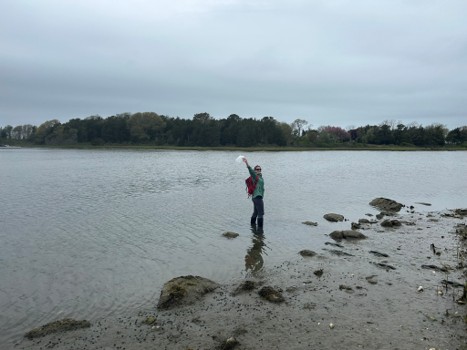
Above: Molly Autery , APCC salt marsh specialist, collects a sediment sample at Oyster Pond, Falmouth.. |
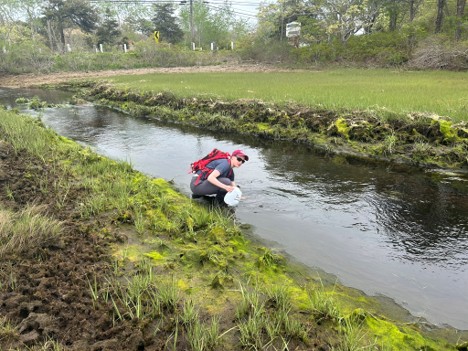
Above: Molly Autery, APCC salt marsh specialist, collects a sediment sample at Weir Creek, Dennis |
Ecosystem Restoration Program welcomes its summer intern |
|
|
|
|
Hi everyone! My name is Ryan Weinsier and I am a senior studying environmental and computer science at Brandeis University.
As a Western Mass native, it is exciting for me to get to discover and spend time in new types of habitats out here on the Cape. I am extremely passionate about land conservation and look forward to being able to combine my GIS and programming experience with environmental work! |
|
|
|
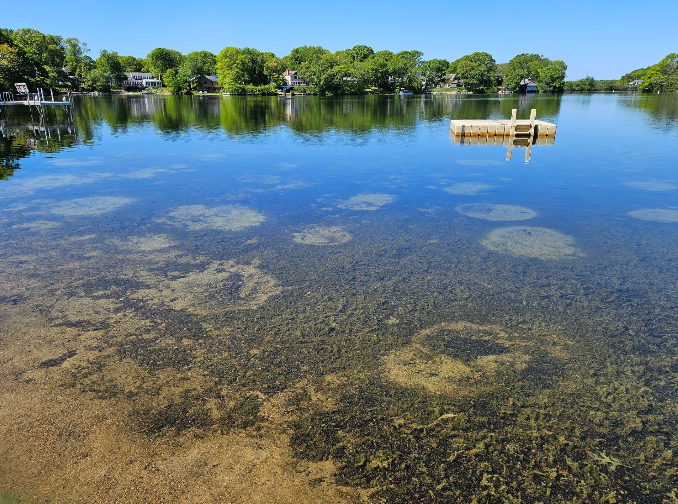
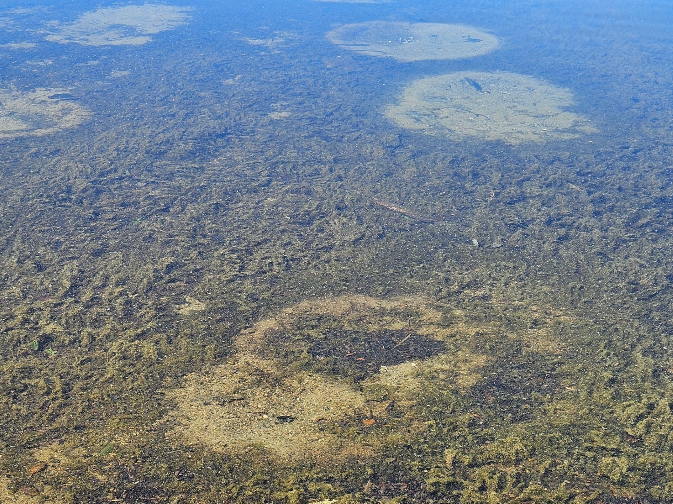
Above and below: Bearse Pond, Barnstable on June 2, 2026 |
The water continues to warm up, which means summer is just around the corner. Water temperatures are just beginning to be warm enough for the pumpkinseed sunfish of Cape Cod to begin getting active. As seen in the picture above from June 2nd at Bearse Pond in Barnstable, the males are cleaning out their nests, getting read for potential female mates.
Pumpkinseed sunfish nests are circular, saucer-shaped depressions dug into the sand, in a depth ranging from 6-12 inches. They are often clustered together in densely packed “colonies” that can contain around several to dozens of different nests.
The male will flap its big tail fins to push debris out of the nest to create a very visible, clear and circular crater. A clean and tidy nest is sure to attract a mate! Once the water gets a bit warmer, the male's colors will begin to get more vibrant to can catch the eyes of females. The male will show off his moves in a “courtship” dance by swimming in tight circles, making specific fin movements, and chasing her around the nest. Females may spawn in more than one nest and more than one female may use the same nest.
Young pumpkinseeds live on or near the shallow breeding ground and grow rapidly, reaching about two inches in the first year. Most pumpkinseeds mature and begin reproducing in their second or third year. Maximum age of the species is between
8-10 years.
Some pumpkinseed sunfish, due to severe environmental or biological limitations, experience stunted growth. Although they are sexually mature adults, they typically have small fins and don’t have the same nest making abilities as other sunfish. These runt sunfish are called “sneakers.” A sneaker will hang around the nest of a sunfish pair, waiting for an opportunity—usually as the female is laying eggs—and will swim in to fertilize the eggs before anyone notices... maybe to dodge the troubles of parenthood?
On the other hand, a full grown male sunfish is very caring. Just as small children love to run around, so do baby sunfish. And if they stray too far, the father will scoop the little guys up in his mouth and bring them back to the nest. They also often fan the eggs with their fins to brush sand and debris off of them. So much fascinating life within our freshwater ponds—if we only take a moment to observe. Consider participating in our Pond Watchers Bio-survey Program. Learn more here. See you on the ponds! |
|
|
|
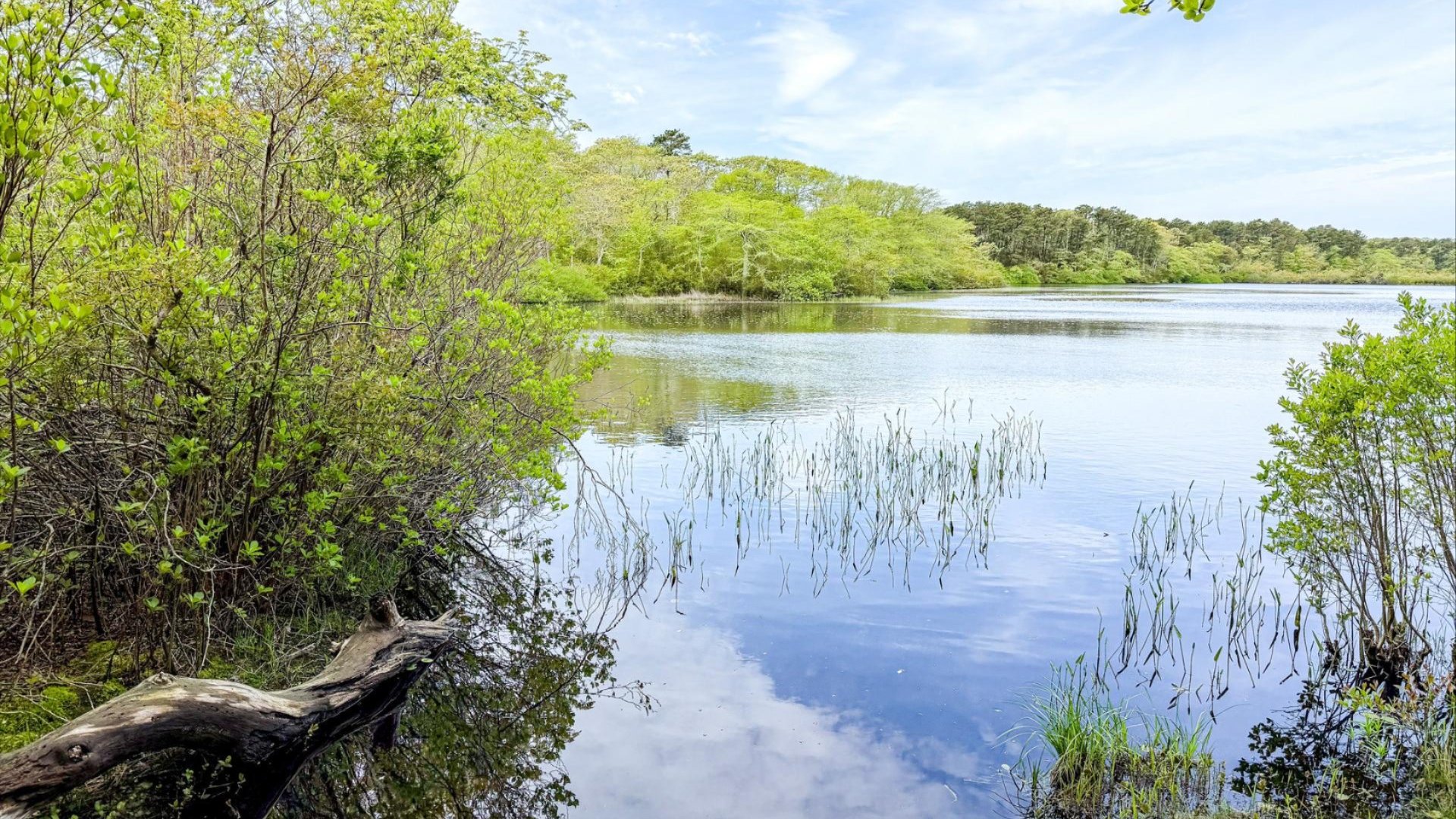
Above: Clapps Pond, Provincetown. Photo by Sue Machie. |
Cape Cod Ponds Network SAVE THE DATE! Thursday, August 6th
6-8 p.m. An in-person meeting of the Cape Cod Ponds Network at
the Cape Cod Museum of Natural History in Brewster is in the works. If you've not yet signed up to be part of the network, click the button below to stay informed. |
Cyanobacteria Monitoring Program 2026 |
| |
|
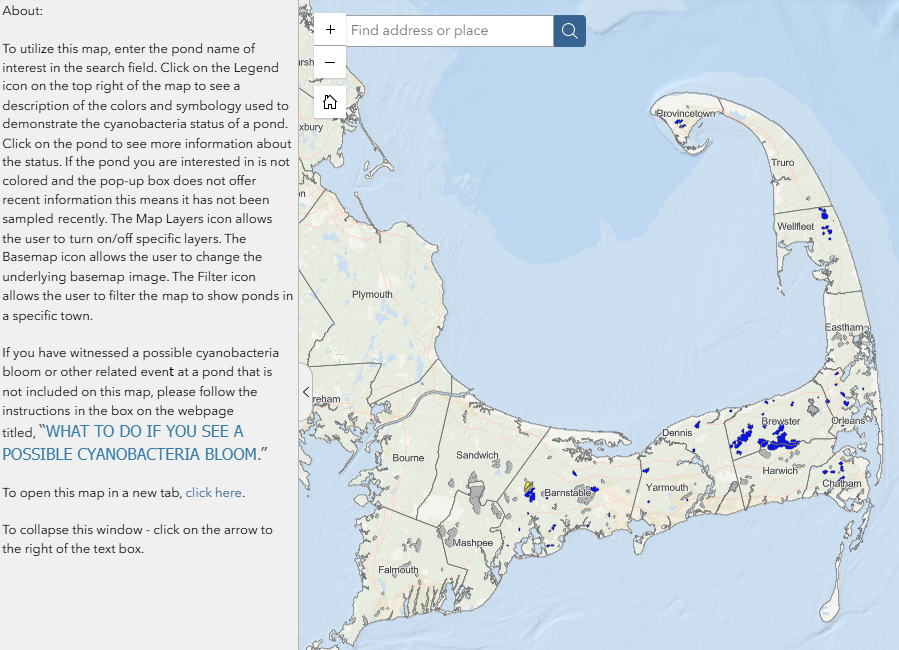
If you notice pond water is scummy or discolored and may have a strong odor, avoid contact. If you see what you think might be a suspicious cyanobacteria bloom, notify your local health department and send a photo to cyano@apcc.org noting the location, day and time. If you wish to receive an email when we detect a cyanobacteria bloom, SIGN UP HERE.
Our interactive map will have our most up-to-date findings at APCC.org/cyano. |
|
|
|
WOW—Another Stupendous Plant Sale!
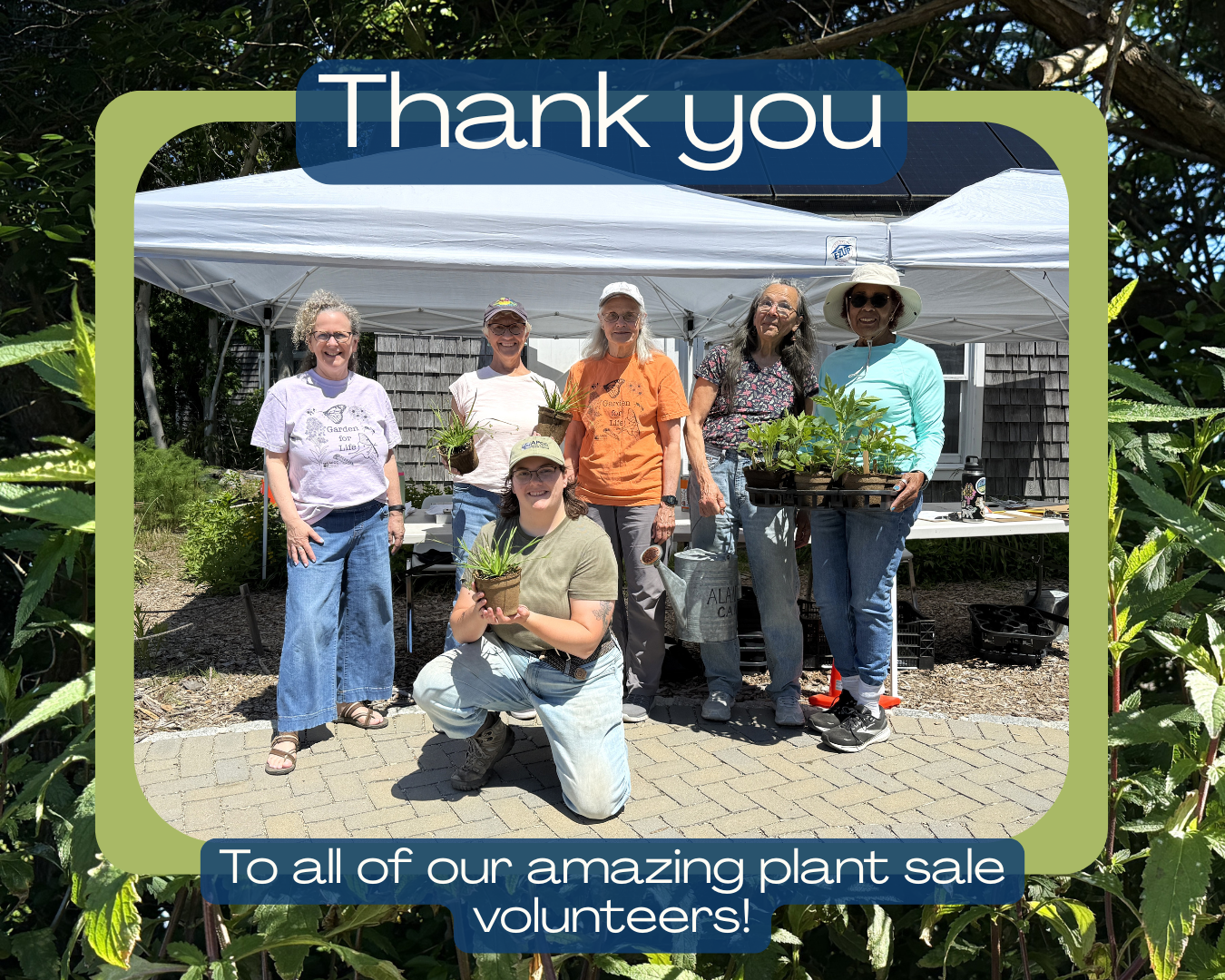
Thank you to all who purchased plants, and all of our volunteers that made it happen. We couldn't do it without our hardworking dedicated volunteers. We sold over 1,300 plants the morning of the first day of the sale!
We have some plants left for anyone who is interested: common blue violet, wild strawberry, Virginia mountain mint, slender-leaved mountain mint, mountain mint, grass-leaved goldenrod, sundrops, switchgrass, purple lovegrass, poverty grass, blue-stem goldenrod, big bluestem, blue vervain. If any of those are of interest to you, please reach out and let us know that you'd like to stop by and peruse. $10/qt plus tax. |
Above: (left to right) Dorria Marsh, APCC communications specialist, Karen Steuer, Erin Camire, APCC ecolandscape program coordinator, Sue Johnson, Emma Mills Brennan, and Meredith Harris, APCC board member and vice president. |
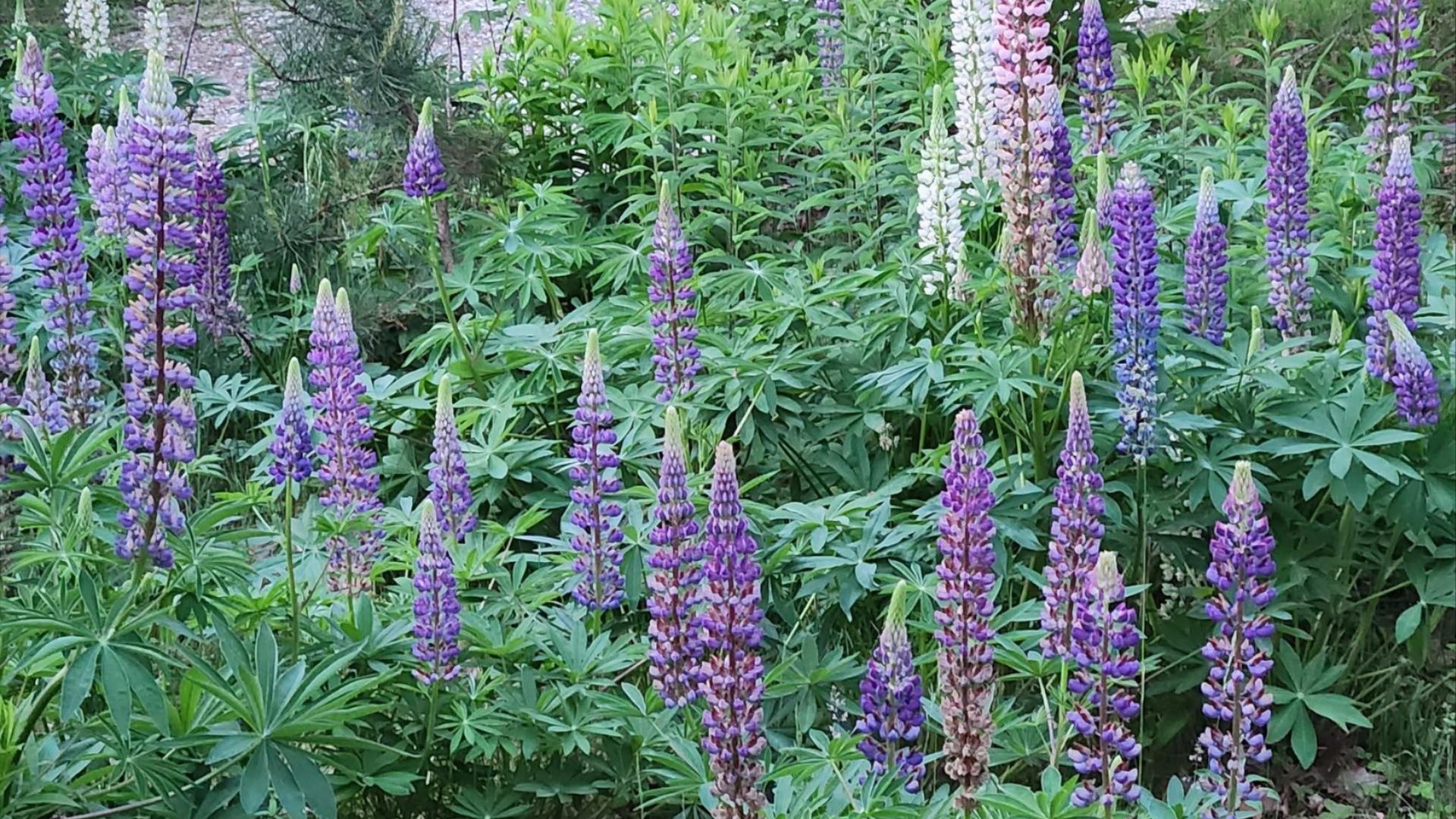
Lupines—you have to love them this time of year when they are in bloom... but what you are seeing is likely the big leaf lupine (Lupinus polyphyllus), which is NOT native to New England despite its growing prevalence along roadsides and gardens.
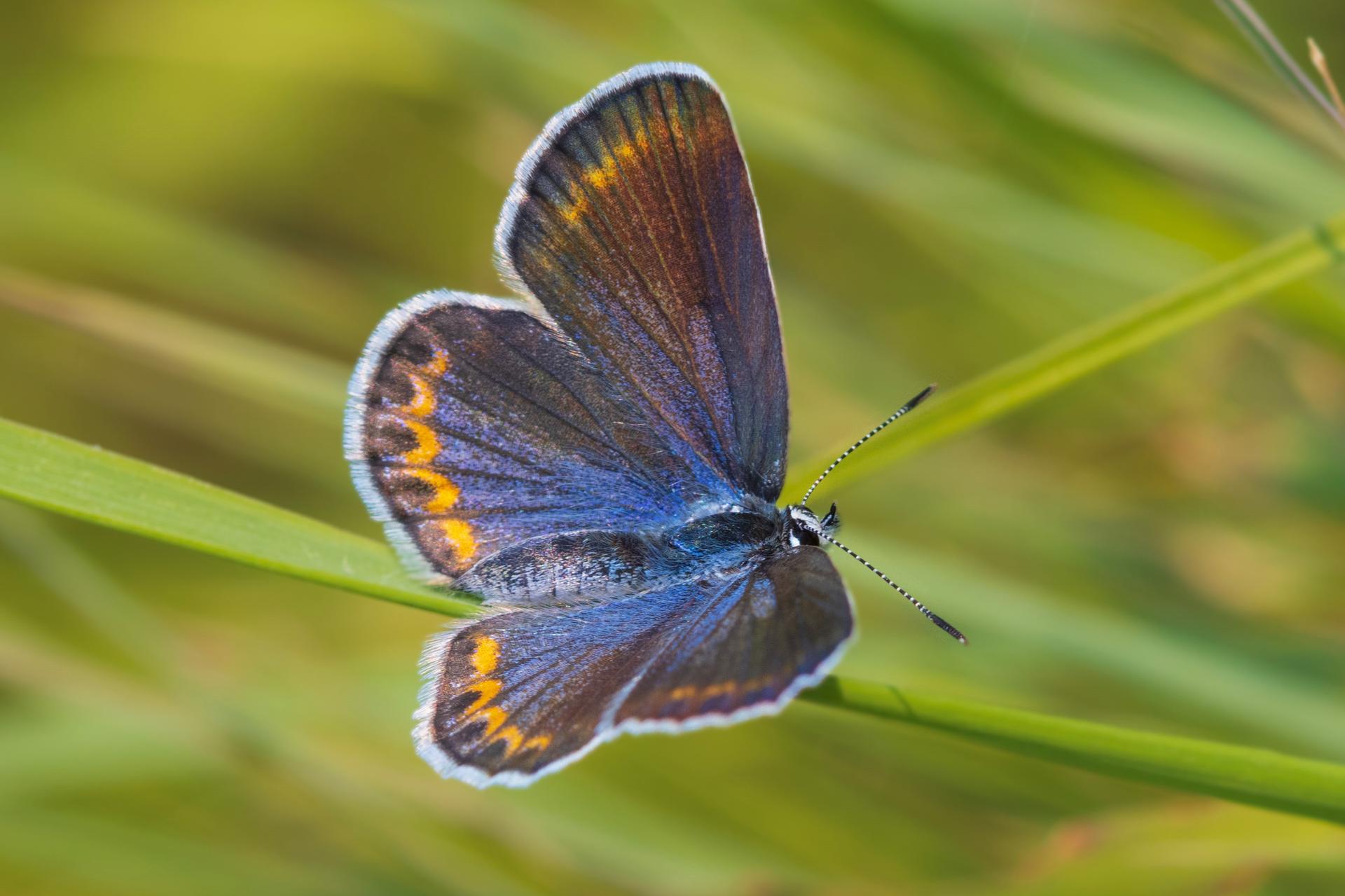
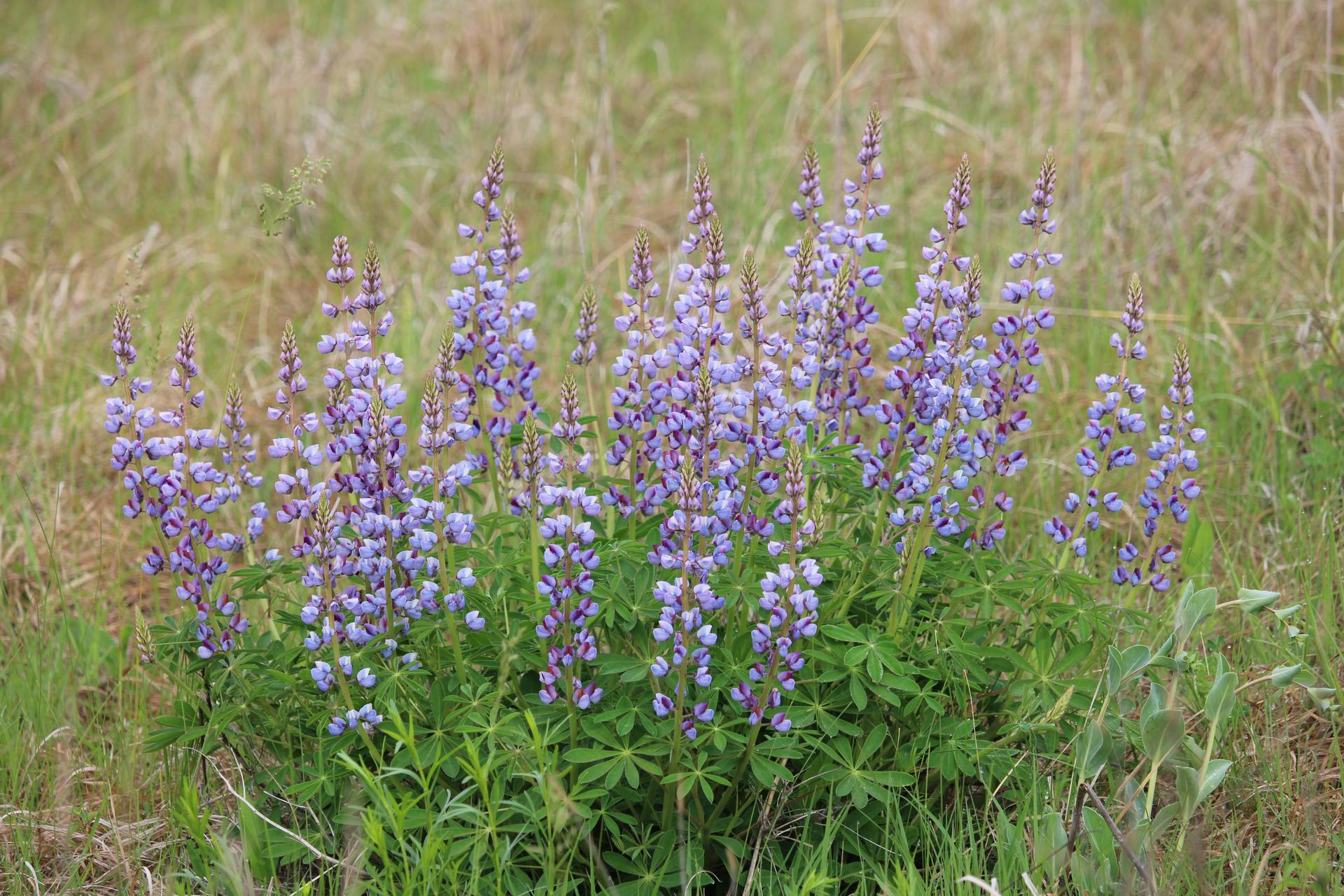
Our native lupine that is the host plant of the Karner butterfly is Lupinus perennis—a much more demure lupine. Read more here in this post from Tufts Pollinator Initiative: https://sites.tufts.edu/.../06/for-the-love-of-wild-lupine/
|
|
|
|
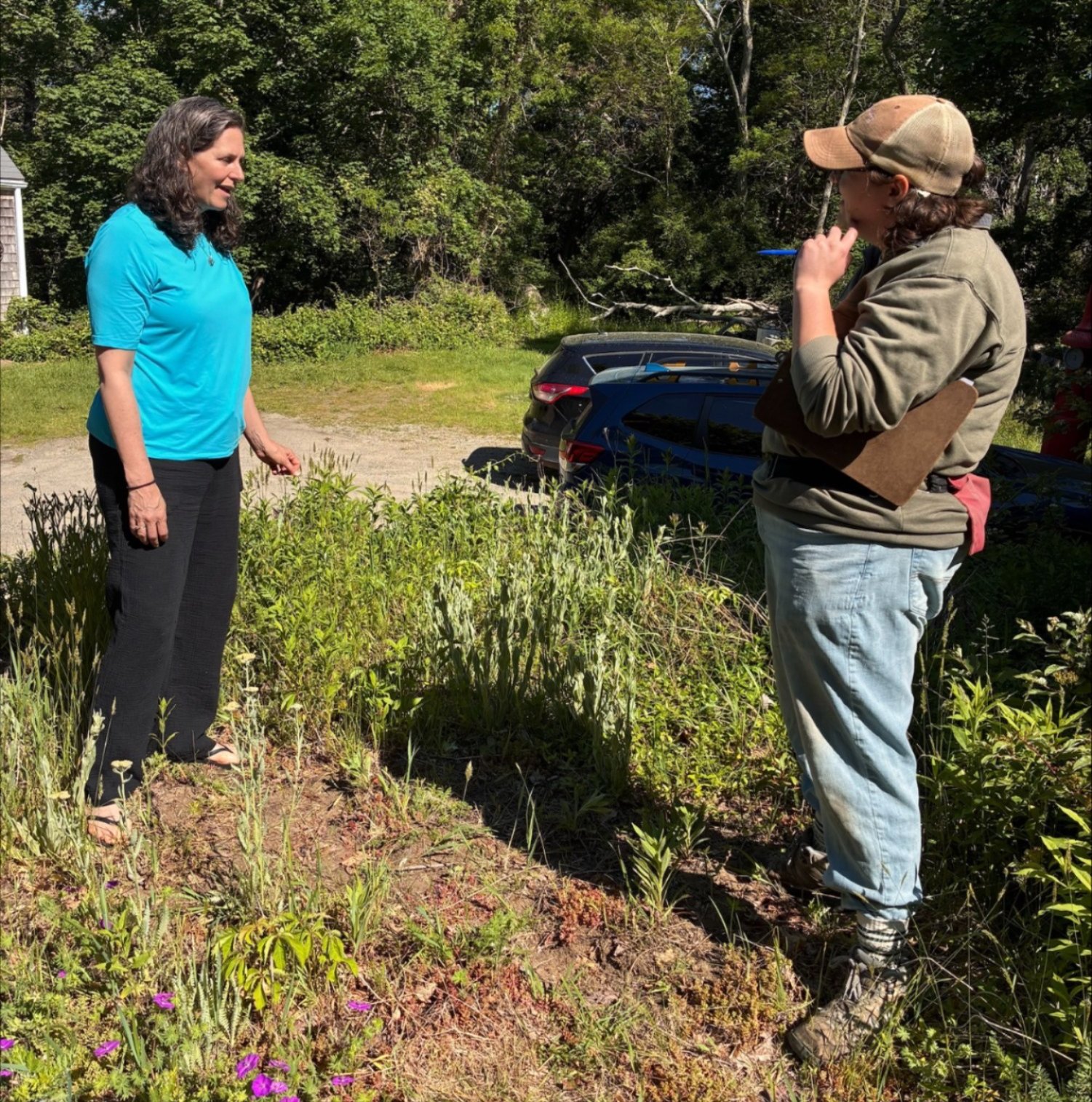
Above: Erin Camire, APCC ecolandscape program coordinator, meets with client. |
|
| |
|
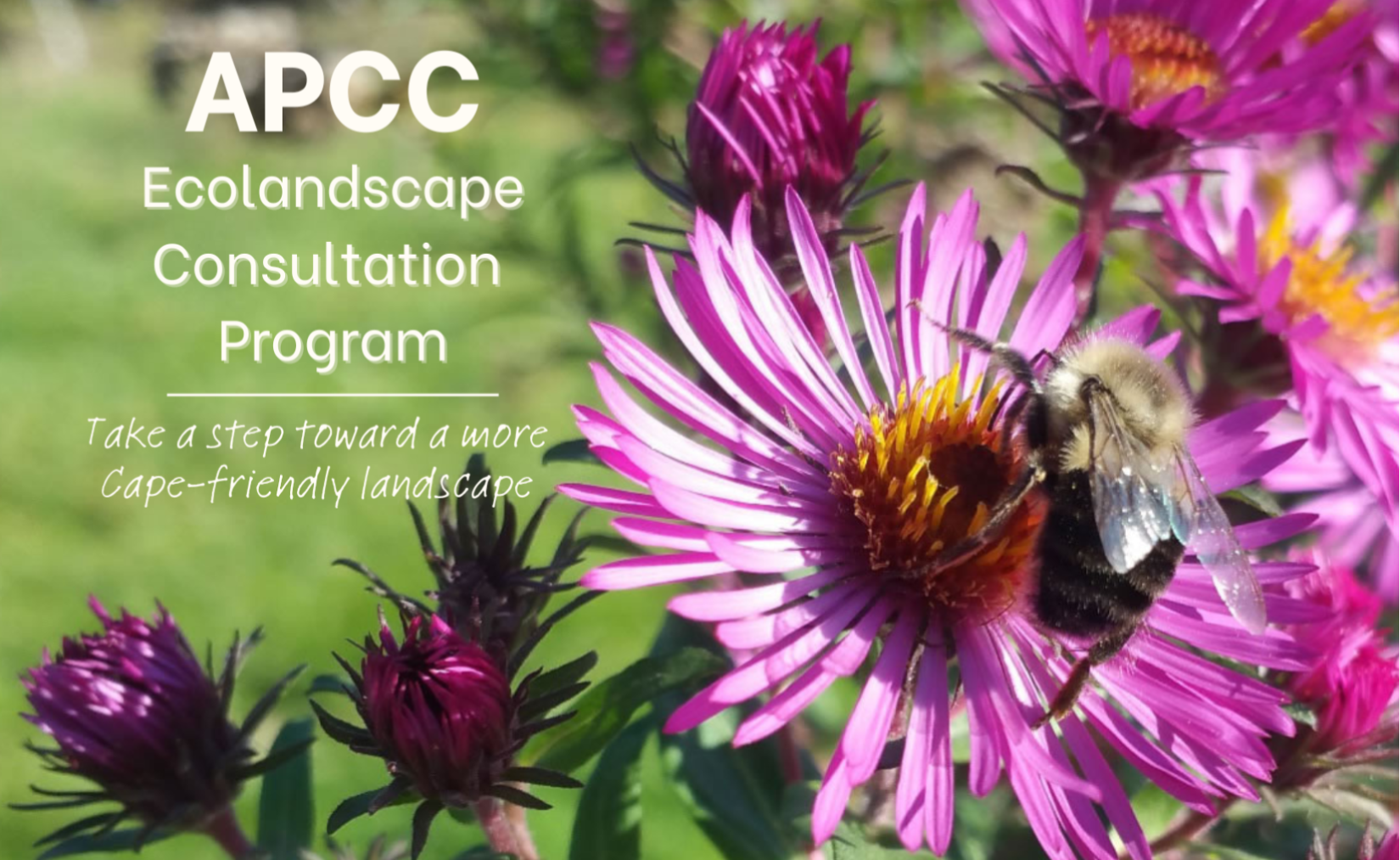
We are accepting appointments for our Ecolandscape Consultation Program
If you want to make your yard friendlier to pollinators and wildlife, learn more about native plants and what will do well in your space. Learn about identifying and controlling invasive species. Investigate , and how to conserve water and protect the Cape’s water quality, we can help. Fill out the form and Erin Camire, our ecolandscape program coordinator, will contact you via email to set up a day and time for the consultation at your residential property in any Cape town from Bourne to Provincetown. The team will meet with you for an hour and a half, answer your questions, and send you a summary report. The fee is $350.
Read more here about the program and click on the "Get Started" button to schedule a consultation! |
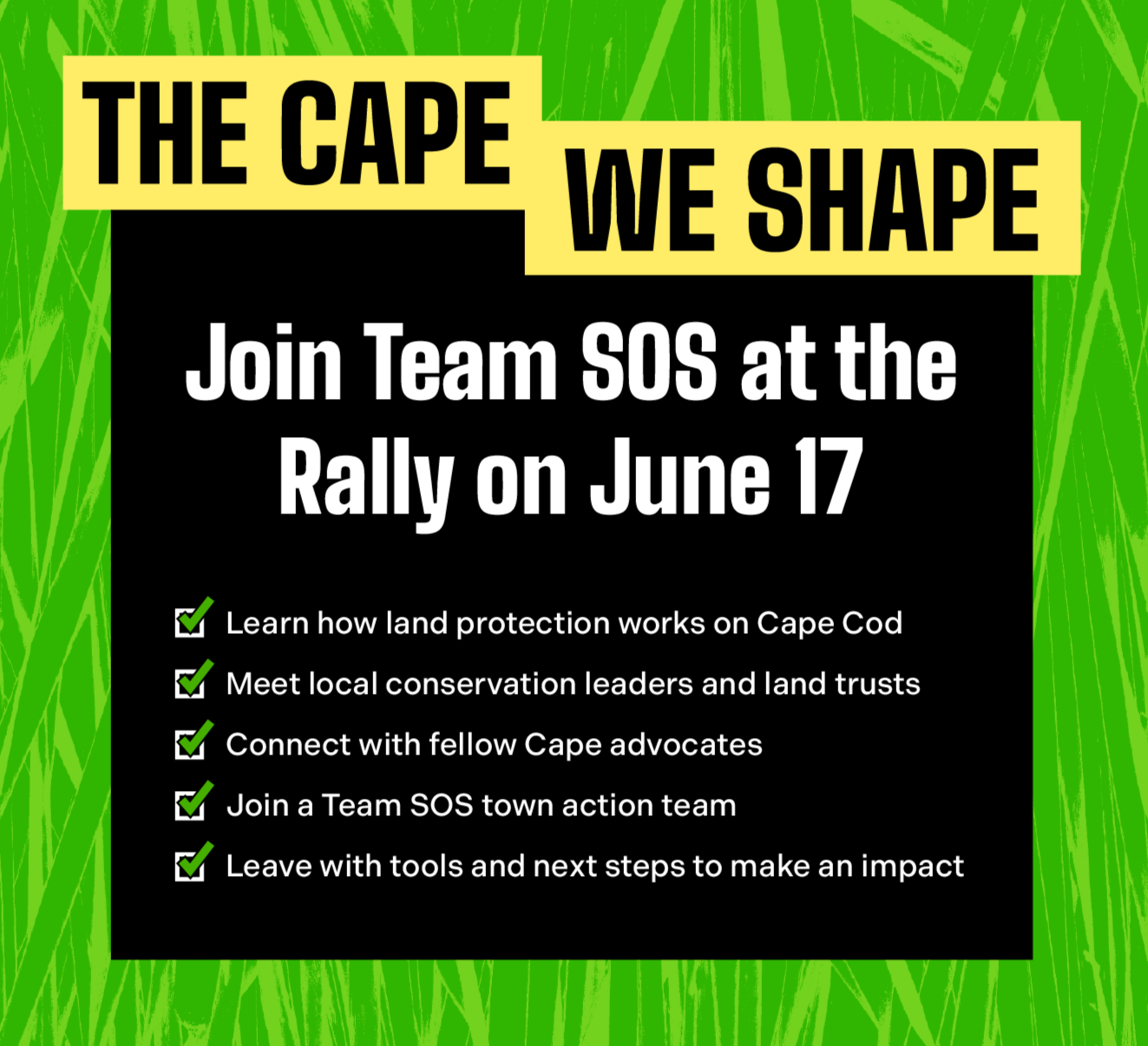
The Cape We Shape Rally Wednesday, June 17th
8:45 a.m. - 12:30 p.m. in Harwich
REGISTER HERE
Learn more about The Cape We Shape campaign and sign up to be part of Team SOS to engage in efforts to permanently protect the last undeveloped acres that have been identified as priority natural resource areas. As part of Team SOS, look for regular emails most Mondays to learn of news, next steps, and how you can help.
Come pick up campaign signs, flags, handouts, stickers at APCC's office in Dennis: email TeamSOS@apcc.org to arrange day and time. |
Sign up to Volunteer with Team SOS here. Team SOS volunteers help distribute educational materials and work on town teams to support The Cape We Shape campaign efforts.
|
|
|
|
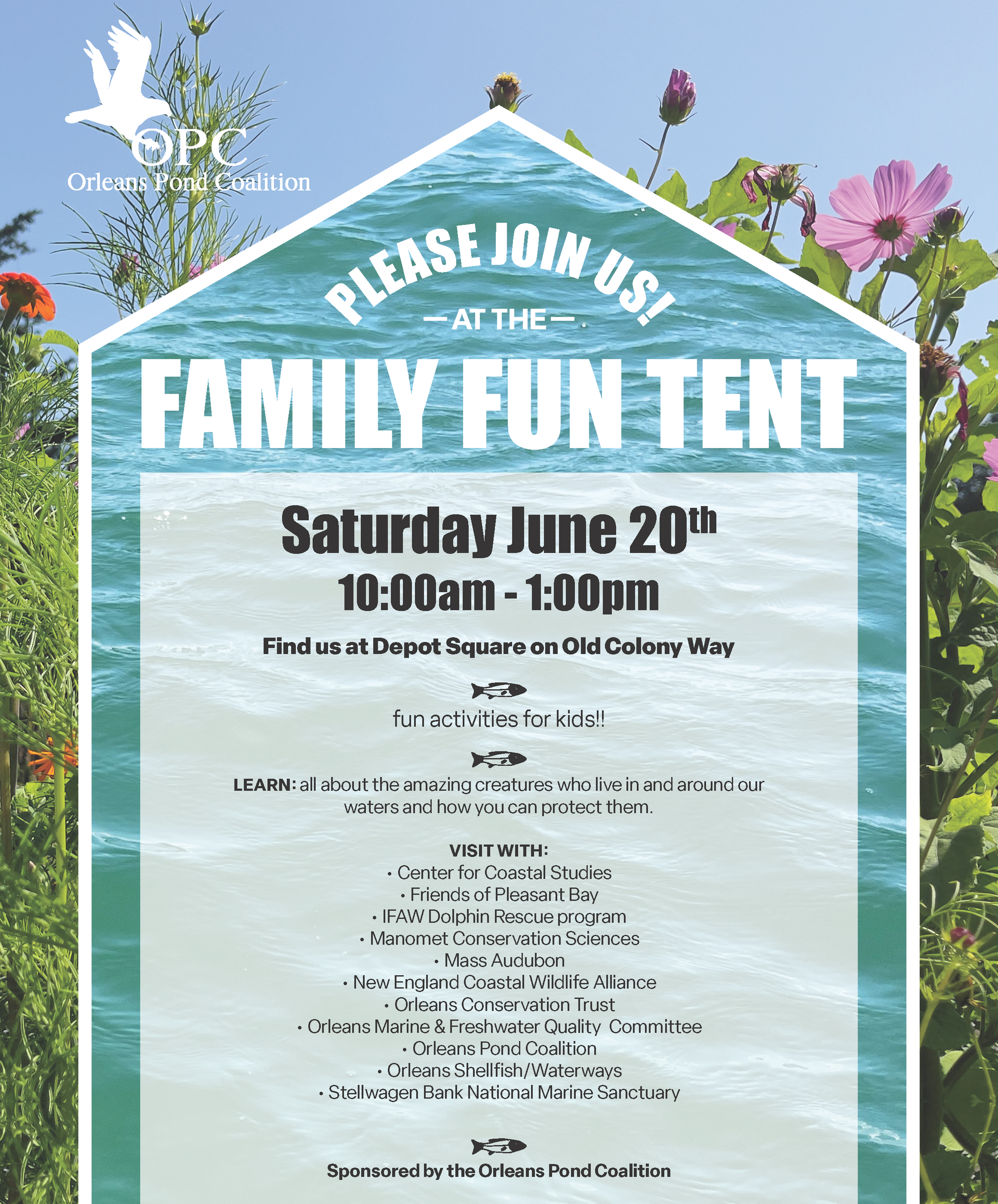
Join the Orleans Pond Coalition on Saturday, June 20 from 10 am to 1 pm
for our Summer Kick-off Family Fun Tent at Depot Square (on Old Colony Way). The theme this year is “protecting the animals that live in and rely on our waters.”
Please go to www.orleanspondcoalition.org for more information. We look forward to seeing you Saturday, June 20 from 10:00 a.m. to 1:00 p.m. at Depot Square in Orleans! |
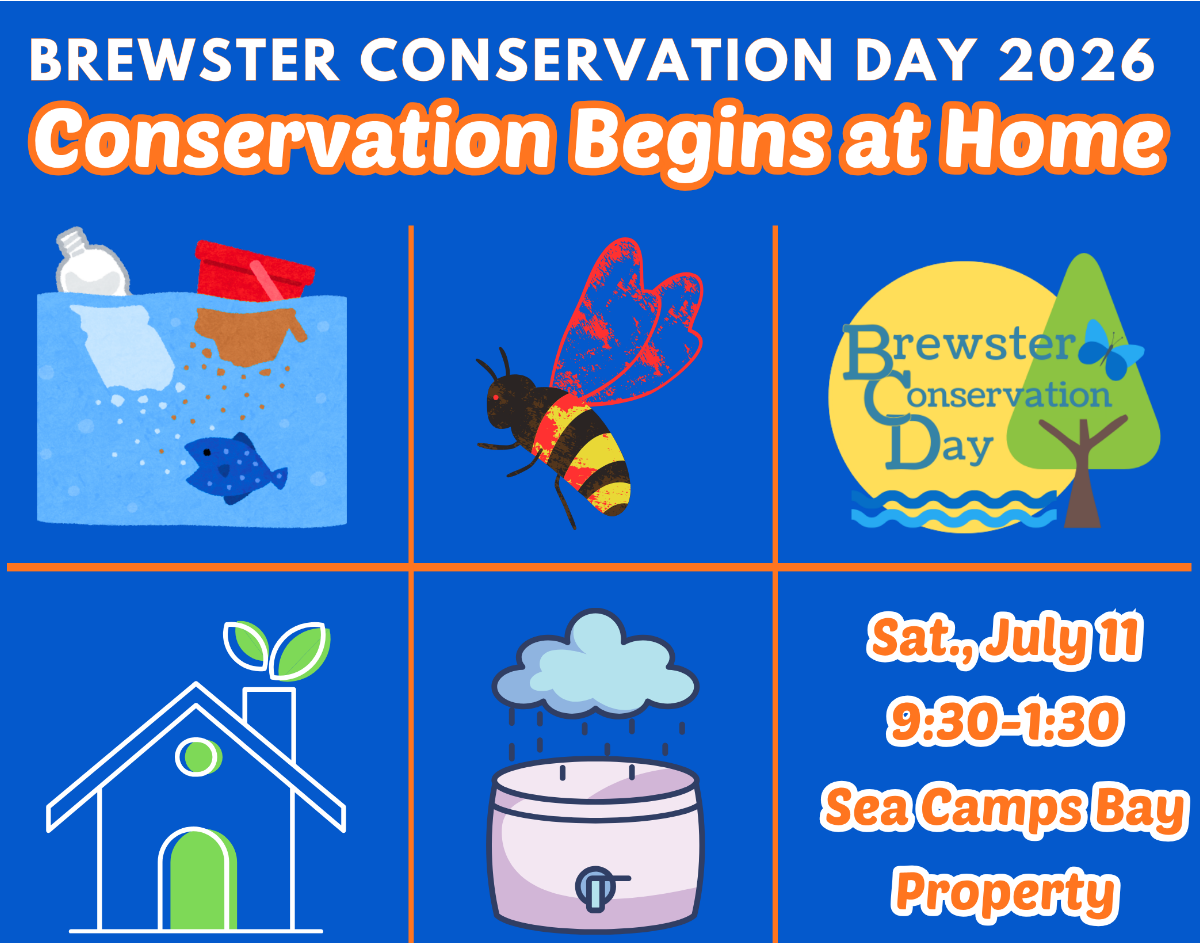
SAVE THE DATE: Brewster Conservation Day turns 15 this year, and Cape Cod’s best-loved conservation fair is promising to be better than ever. This free, fun, family event will take place on Saturday, July 11, from 9:30 a.m. to 1:30 p.m., at the Sea Camps Bay Property (3507 Main Street, Brewster), rain or shine. The theme for 2026 will be "Conservation Begins at Home," which will include tips and tools for the many ways we can all improve our conservation practices.
|
A Cape-wide Conservation Event Calendar |
The Compact of Cape Cod Conservation Trusts (“the Compact”) and its nonprofit members launched a new regional calendar of events. The Conservation Calendar includes programs across Cape Cod hosted by these groups. The goal of the calendar is to encourage visitors and residents to take part in nature and environmental events. You can always find the link to the calendar on APCC's website under News & Events.
|
If you are a farmer or someone who wants to grow native plants to sell, or you just want to be updated on the program's development, please submit the interest form that appears on our webpage. We will be sending periodic email notices of workshops and meetings.
Funding for the project is provided by Barnstable County and its Economic Development Council License Plate Grant Program through the Cape Cod Commission, the Kelley Foundation and private donors. |
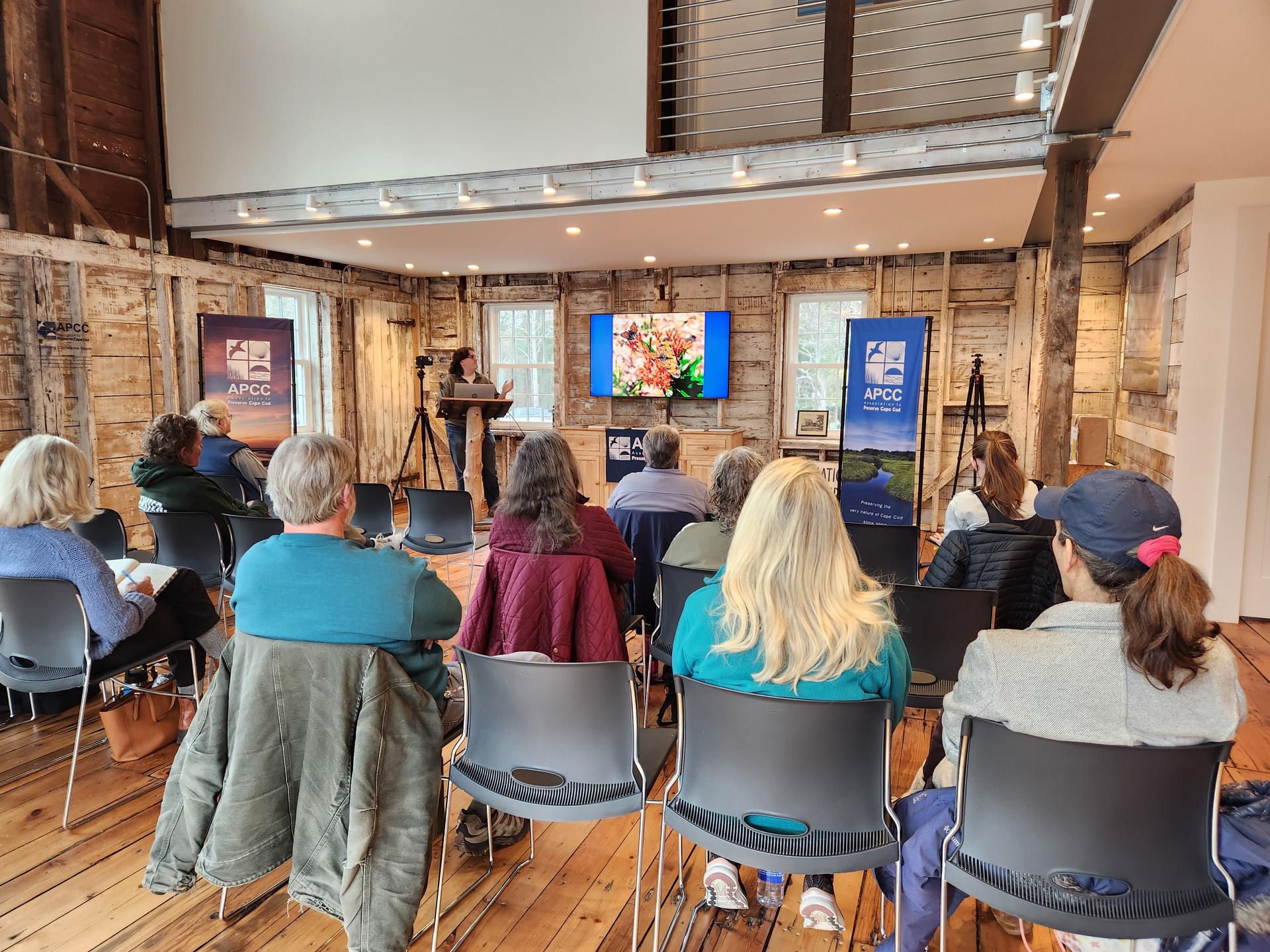
Ten talks for prospective growers as part of the Cape Cod Native Plant Growers' Cooperative program have been presented thus far, with more scheduled in the upcoming weeks. These past workshops can be viewed here: |
A Cape Cod Native Plant-selector ~ to help you choose the perfect native plants for your garden. |
|
|
|
Email kandres@apcc.org and we'll send you a CapeCodNativePlants.org decal. |
|
|
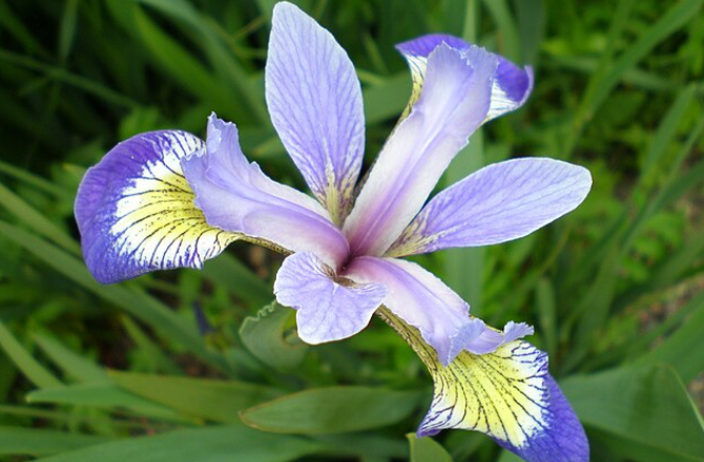
Photo credit: Jefficus / Wikimedia Commons / Public Domain |
Blue Flag Iris Iris versicolor |
|
|
|
The purpose of CapeCodNativePlants.org is to help native plant enthusiasts select the right plant for the right place. While not all native plants presented here are indigenous to Cape Cod, they are suitable native species for Cape gardens and managed landscapes.
Why Native Plants? Many native plants are drought tolerant, salt tolerant, and thrive in the “thin” soils found on Cape Cod. Native plants are as attractive as any plant, and are reflective of the Cape’s natural beauty. By planting native species appropriate for Cape Cod, you can conserve water, avoid pesticide and fertilizer use, and support pollinators and birds.
|
|
|
|
|
The Guidelines gives homeowners steps they can take in the design and maintenance of their properties that will support pollinators and birds, manage stormwater, conserve water, and protect the Cape's water quality. This 40-page booklet is beautifully illustrated by Marcy Ford with content that is easily digestible and supported by numerous resources for additional learning.
|
|
|
|
We are grateful for the several retail shops that are partnering with us to make this publication more widely available: Brewster Book Store, Birdwatchers General Store, Crocker Nurseries, Wellfleet Audubon Wildlife Sanctuary, Cape Abilities Farm, Cape Cod Museum of Natural History, the Cape Cod Lavender Farm, Heritage Museums and Gardens, Titcomb's Bookshop, Sea Howl Bookshop, Soares Flower Garden Nursery, Hyannis Country Garden, Orleans Whole Food Store, and Eight Cousins Bookshop.
Heard it makes a nice gift for a neighbor or for a housewarming or host(ess) gift!
If you are a retailer and would like to sell this publication at your store, please contact us. |
|
|
|
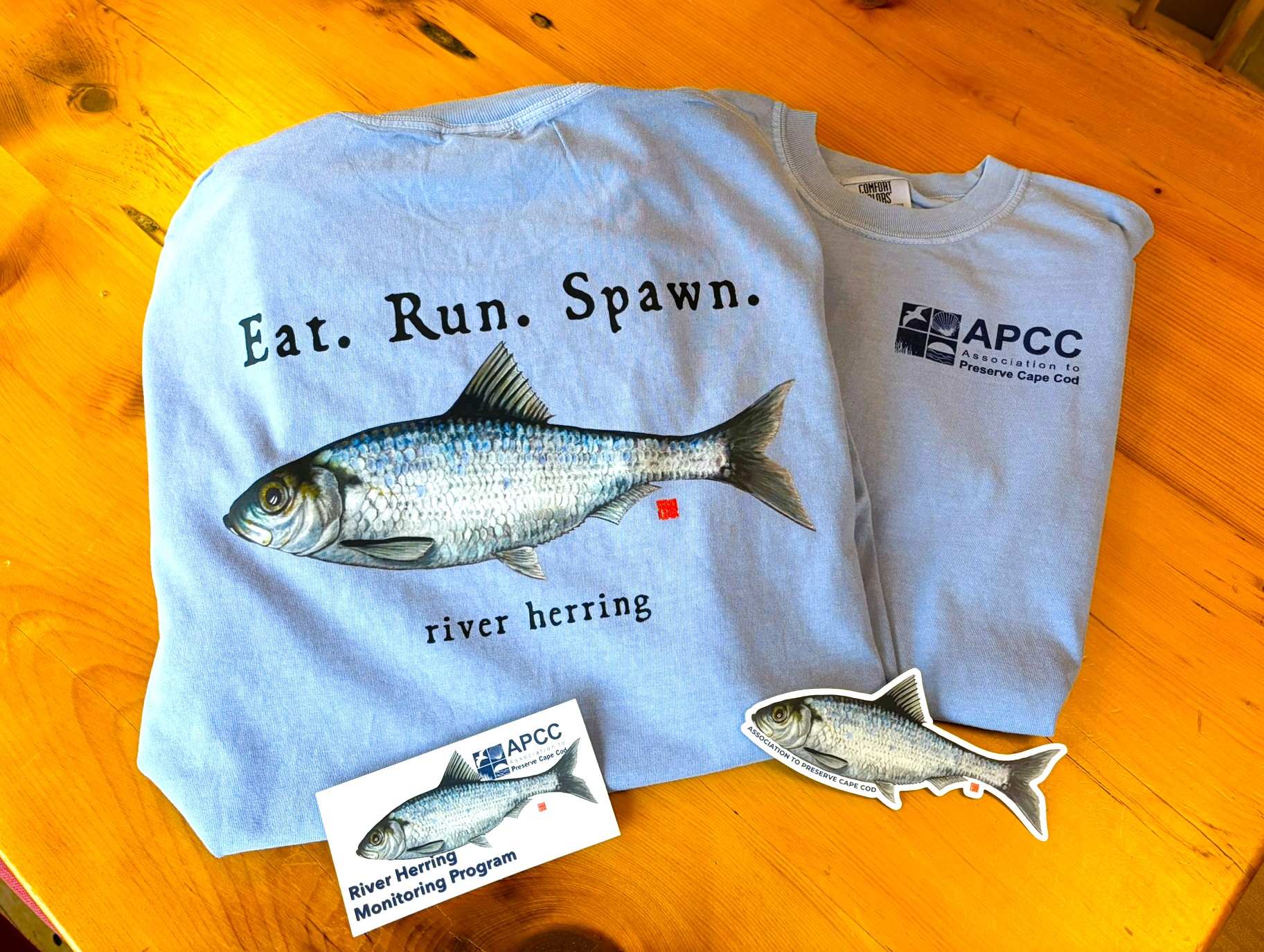
New Offering - Celebrate the Run! Herring T's
color denim blue $30 - includes USPS delivery in the U.S. |
|
|
|
Team SOS T-shirts $30 - includes USPS delivery in the U.S. |
|
| The Cape We Shape $30 - includes USPS delivery in the U.S. |
|
|
|
APCC caps $25 -includes USPS delivery in the U.S. |
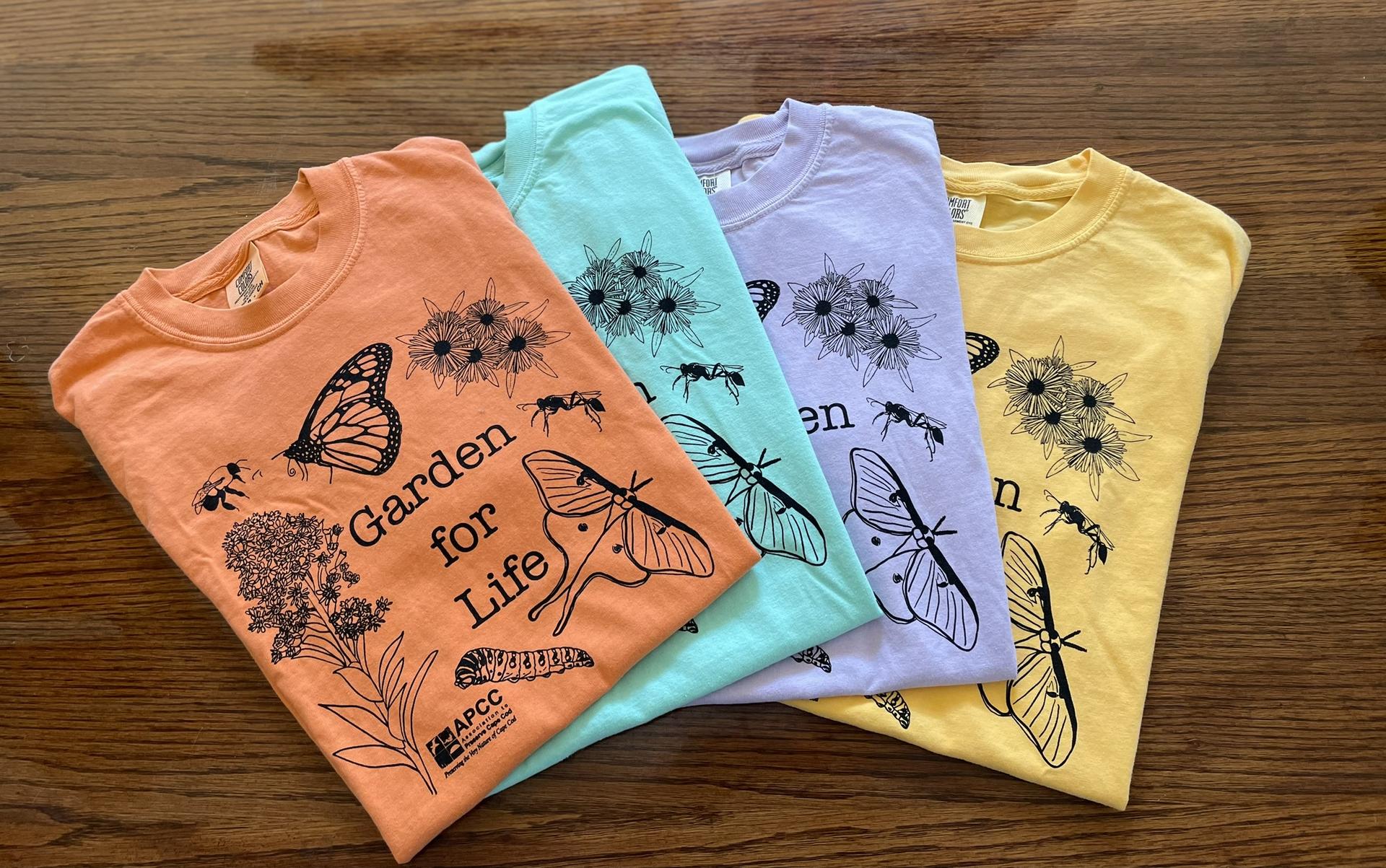
Garden for Life T's $30 -includes USPS delivery in U.S. |
|
|
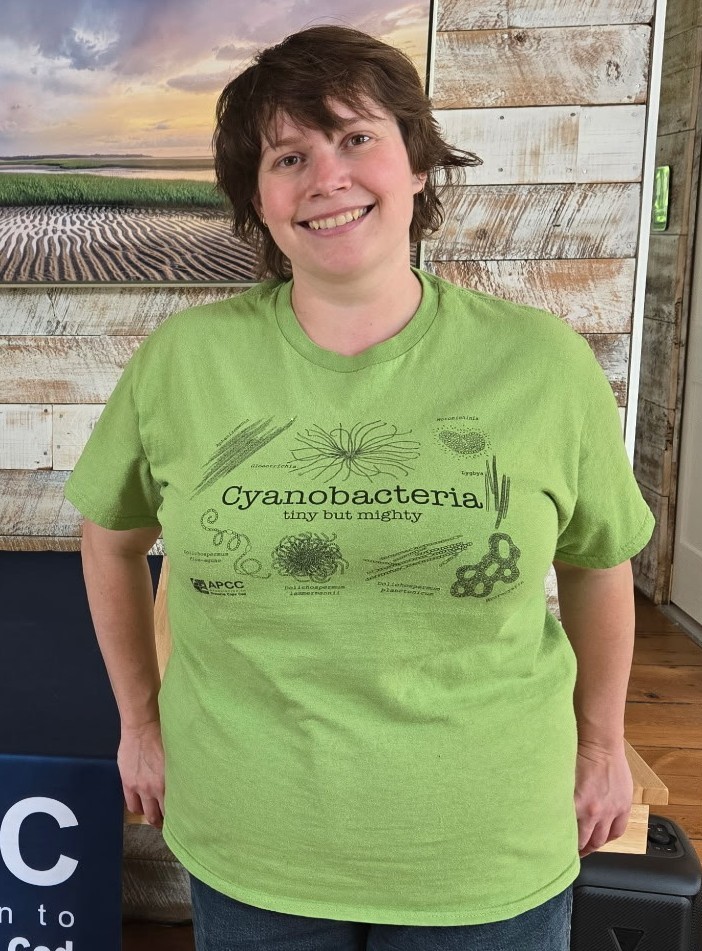
Cyanobacteria ~ tiny but mighty color kiwi $30 -includes USPS delivery in the U.S. |
|
|
|
|
APCC eNewsletters Our weekly newsletters are archived on our website and easily shared.
You can find past newsletters and share with your friends. Encourage others to sign up for future enewsletters HERE.
|
|
|
|
Are you thinking of going solar? We hope so! In partnership with E2 SOLAR in Dennis, APCC receives $500 for every solar installation when APCC is named as referral. |
|
|
|
| Thank you to the homeowners who just contracted to install solar panels through E2 Solar. May the sun always shine for you! |
|
|
|
Expressions Gallery, 578 Main Street, Chatham
CLICK HERE |
Expressions Gallery donates 20 percent of its profits to APCC's work. |
|
|
|
Thank you to our business sponsors! |
|
|
|
APCC is rated four stars by Charity Navigator,
2026 Platinum by Candid (formerly Guidestar). |
|
|
|
Our Contact Information
*{{Organization Name}}*
*{{Organization Address}}*
*{{Organization Phone}}*
*{{Organization Website}}*
*{{Unsubscribe}}* |
|
| |
|
|