Association to Preserve Cape Cod |
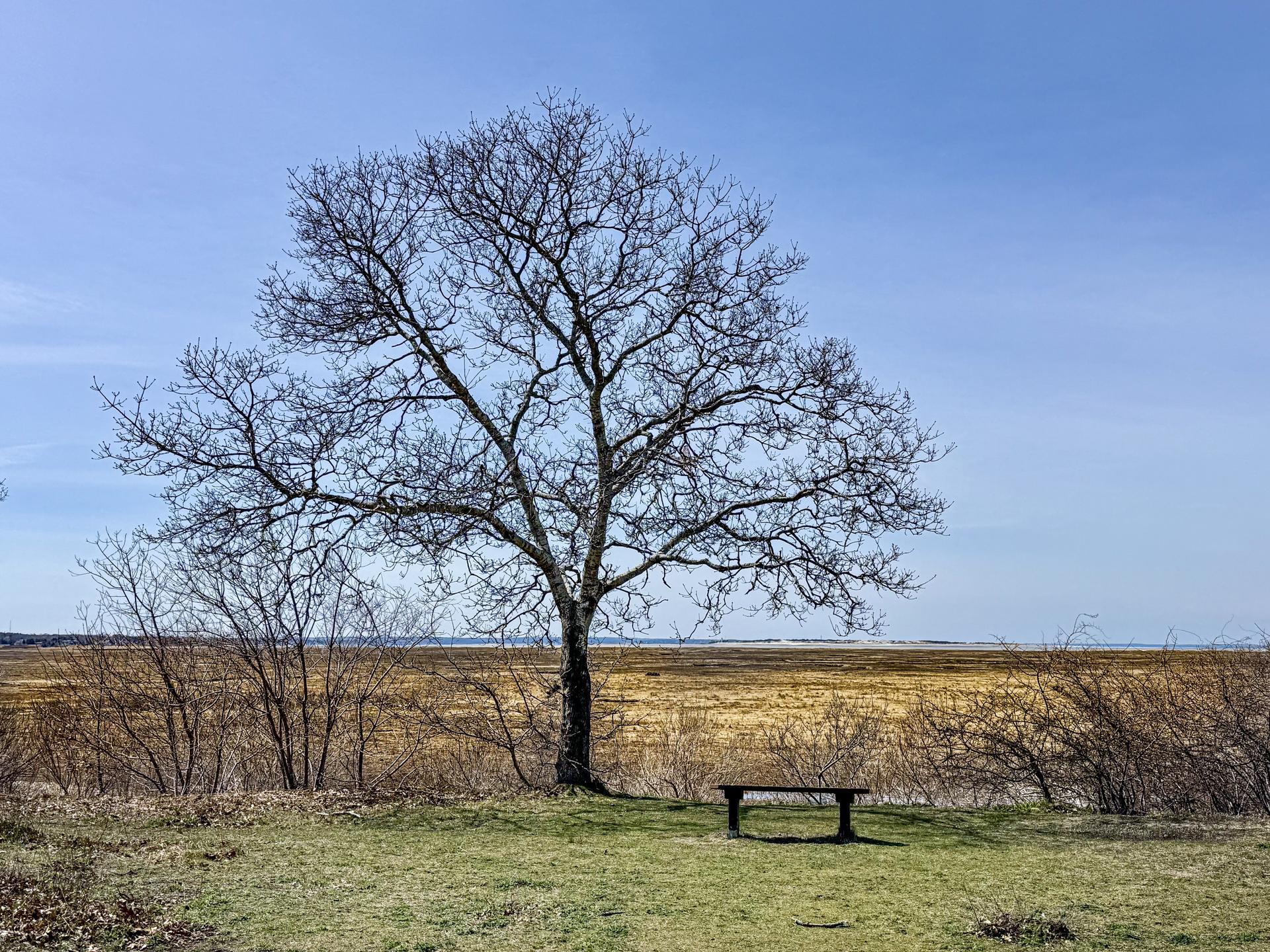
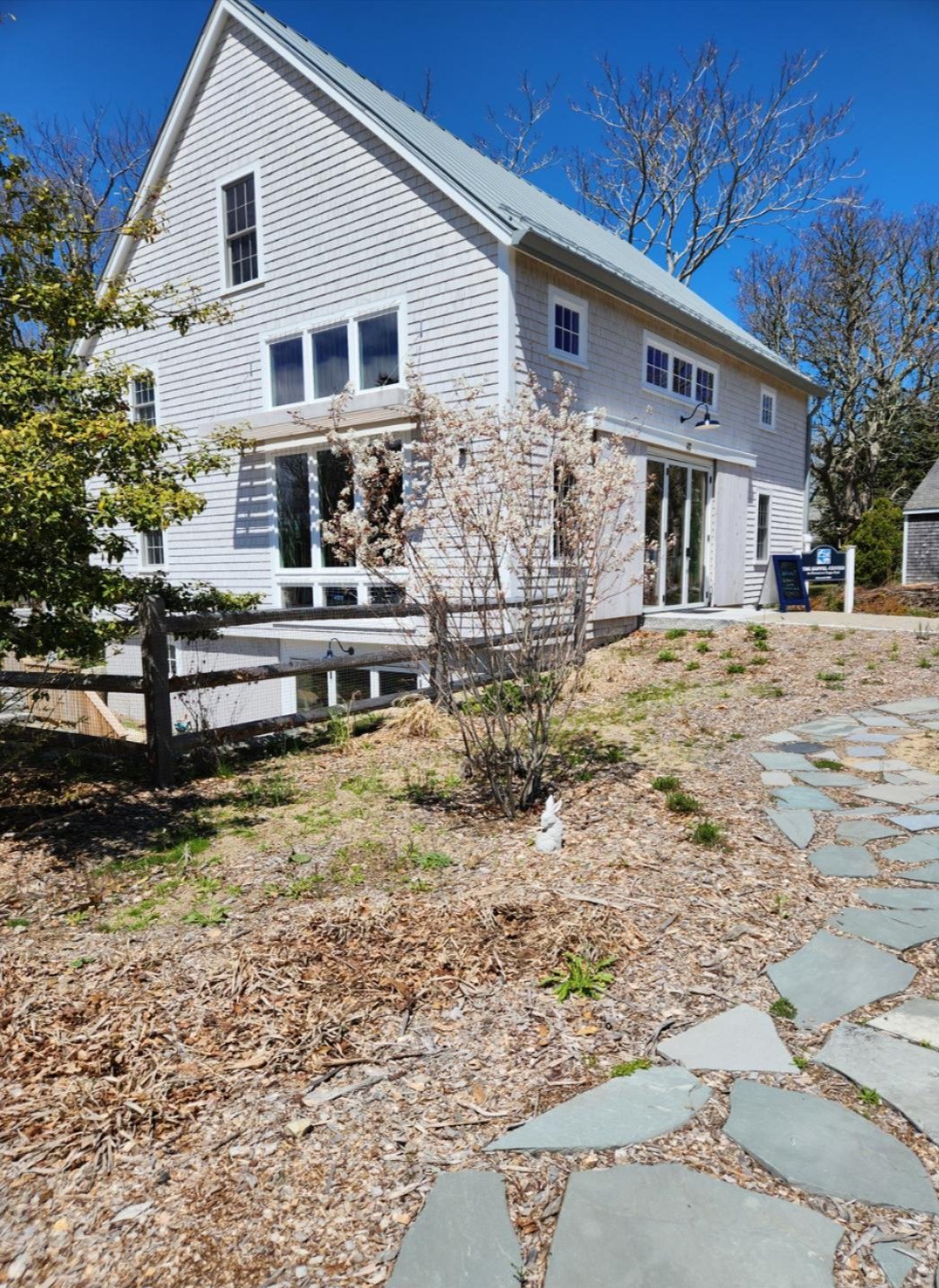
Above: Yarmouth Port. Photo by Sue Machie. |
|
|
|
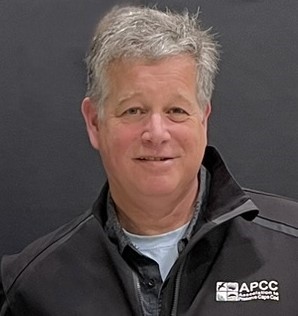
| Land Wins Big by Andrew Gottlieb, APCC Executive Director |
Spring 2026 town meetings have demonstrated the validity of the premise behind APCC’s The Cape We Shape campaign: When given the chance to act, voters will support the preservation of critical natural resources. Thanks to work in the trenches by local activists and land trusts, voters in several Cape towns were given the chance to say yes to protecting parcels that provide important water quality, habitat and recreational benefits to all of us.
|
|
|
|
These yes votes were not a surprise. The residents of Cape Cod have an intrinsic understanding that certain areas need to be protected for Cape Cod to remain a viable place to live, work and play. It is our intent to use The Cape We Shape campaign to help support and expand ongoing protection efforts going forward.
What was a surprise to me were some vitriolic responses to our emails encouraging support for the protection of critical lands. The Cape We Shape campaign inherently recognizes that additional development will occur; that is why the campaign focuses on protecting the most critical of the lands remaining. We recognize both the nuance and complexity of the competing public policy demands surrounding the debate on the future of the Cape. The push back to our advocacy was striking. A handful of people took the time to send responses that were angry and accusatory. Absent was any acknowledgement of that nuance and complexity, of the validity of views not their own.
The land preservation community is a voice that speaks for the betterment and preservation of not just the Cape’s resources but the people who live here and need clean water to drink, open spaces for recreation and a landscape that can withstand the challenges of a changing world.
We welcome the conversation with others seeking to also do good for the community. Collectively we enter these conversations unapologetic for our views, ready to roll up our sleeves to get to work. |
Ecosystem Restoration Program |
Above: APCC Salt Marsh Specialist Molly Autery presents poster at the 2026 New England Estuarine Research Society Annual Meeting in Plattsburgh, NY. |
|
|
|
APCC Attends New England Estuarine Research Society (NEERS) Annual Meeting in Plattsburgh, NY
Molly Autery, APCC salt marsh specialist, and Jordan Mora, APCC lead ecologist, attended the 2026 New England Estuarine Research Society Annual Meeting, hosted by SUNY Plattsburgh. Although many may not consider Lake Champlain an estuary, it was once part of the Atlantic Ocean before the glaciers receded over 10,000 years ago and is now considered an inland sea.
Key takeaways from the NEERS conference reflected a meaningful shift in both perspective and practice. A strong presence of Indigenous community voices underscored ongoing efforts to bridge cultural knowledge with ecological science, helping to address longstanding gaps between these perspectives.
While estuarine conferences have historically focused on “doom and gloom,” with long-term monitoring revealing widespread degradation, this year’s discussions offered a more balanced narrative—highlighting notable successes such as improved water quality in Boston Harbor and the restoration of oyster beds in the Hudson River. At the same time, presenters emphasized the importance of patience in restoration work, noting that recovery in salt marsh systems, particularly plant communities and processes like nutrient cycling, can unfold slowly as microbial communities gradually reestablish.
|
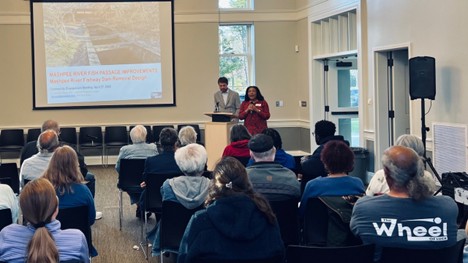
Above: Project engineer, Kris Houle, and Waquoit Bay National Estuarine Research Reserve Director Tonna-Marie Rogers speak during last Monday’s Mashpee River Restoration public meeting. |
Community Meeting Highlights Mashpee River Restoration at Route 130 On Monday, April 27th, APCC and its project partners welcomed community members to the Mashpee Public Library for a public meeting on the ongoing restoration of the Mashpee River at the Route 130 crossing.
The evening offered a chance to look closely at current design concepts, ask questions, and talk through what the project could mean for the river, Mill Pond, and the surrounding community. The discussion touched on fish passage, river health, public safety, and the long-term goal of restoring a more natural, connected river system.
Mill Pond remained an important focus of the conversation, with residents sharing thoughtful questions and perspectives about how the project may affect this familiar and valued part of Mashpee. Project partners also walked through the work completed to date, the alternatives that have been evaluated, and the next steps in design, permitting, and implementation. The meeting reinforced how important community input is to this process. As the project moves forward, APCC and its partners will continue working to balance ecological restoration, infrastructure needs, public safety, and the values of the Mashpee community. |
A Stronger Season Taking Shape for River Herring
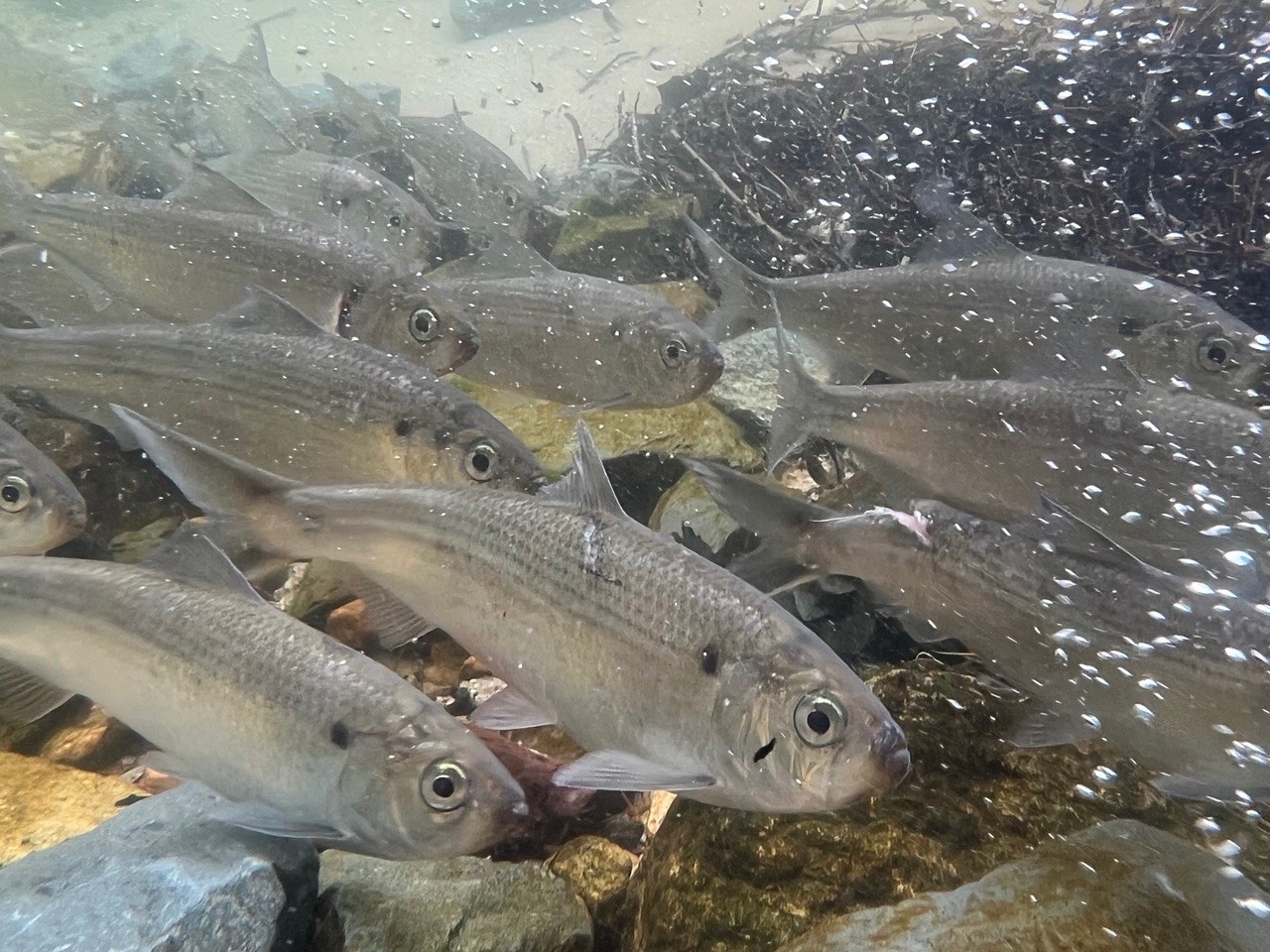
Across Cape Cod, this year’s river herring migration is showing encouraging momentum. The run started earlier and stronger than last year, and observations from multiple monitored runs suggest that 2026 is continuing to outpace 2025 at this point in the season.
At the Mashpee River, about 3,600 fish were observed over the entire 2025 season; this year, counts have already surpassed 5,000. At Stony Brook in Brewster, last year’s total of roughly 6,500 fish also has been eclipsed, with counts now approaching 20,000. Similar patterns are beginning to emerge at other runs, including Long Pond in Yarmouth. Looking within individual runs provides a clearer, more meaningful lens than broad totals alone. These comparisons highlight how each system is responding year to year—offering insight into timing, migration strength, and the broader dynamics shaping river herring movement across Cape Cod. The season is still unfolding, and the final outcome will take shape over the coming weeks. For now, the 2026 data should be viewed as provisional. Volunteer effort varies by day, weather, and timing, and the dataset has not yet undergone APCC’s full post-season quality review. Still, the mid-season signal is encouraging and aligns with what many coordinators, volunteers, and spectators have been seeing at the water’s edge: This year’s river herring run started earlier, built faster, and is shaping up to be stronger than last year. |
|
|
|
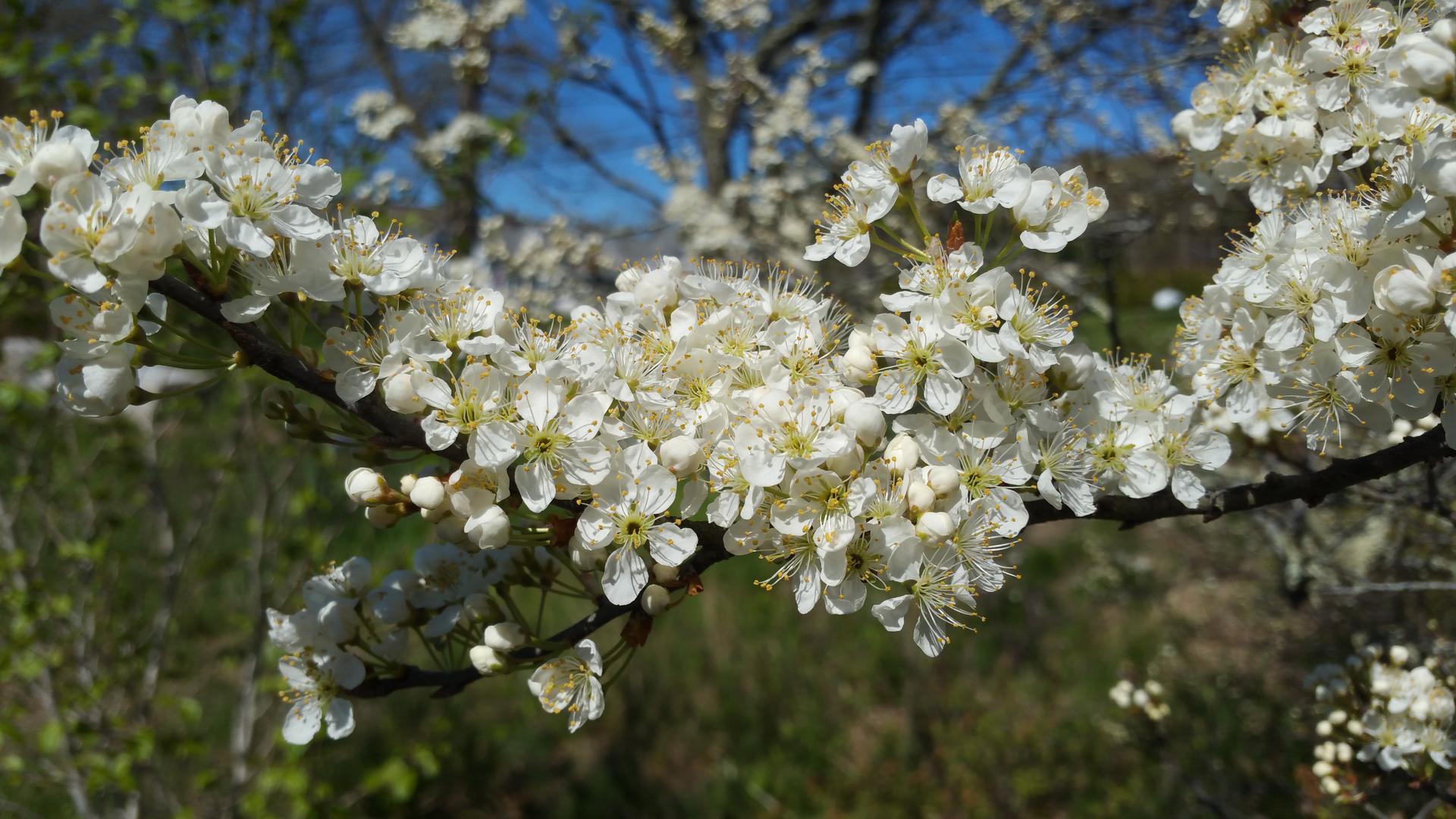
The Shadbush is Flowering! |
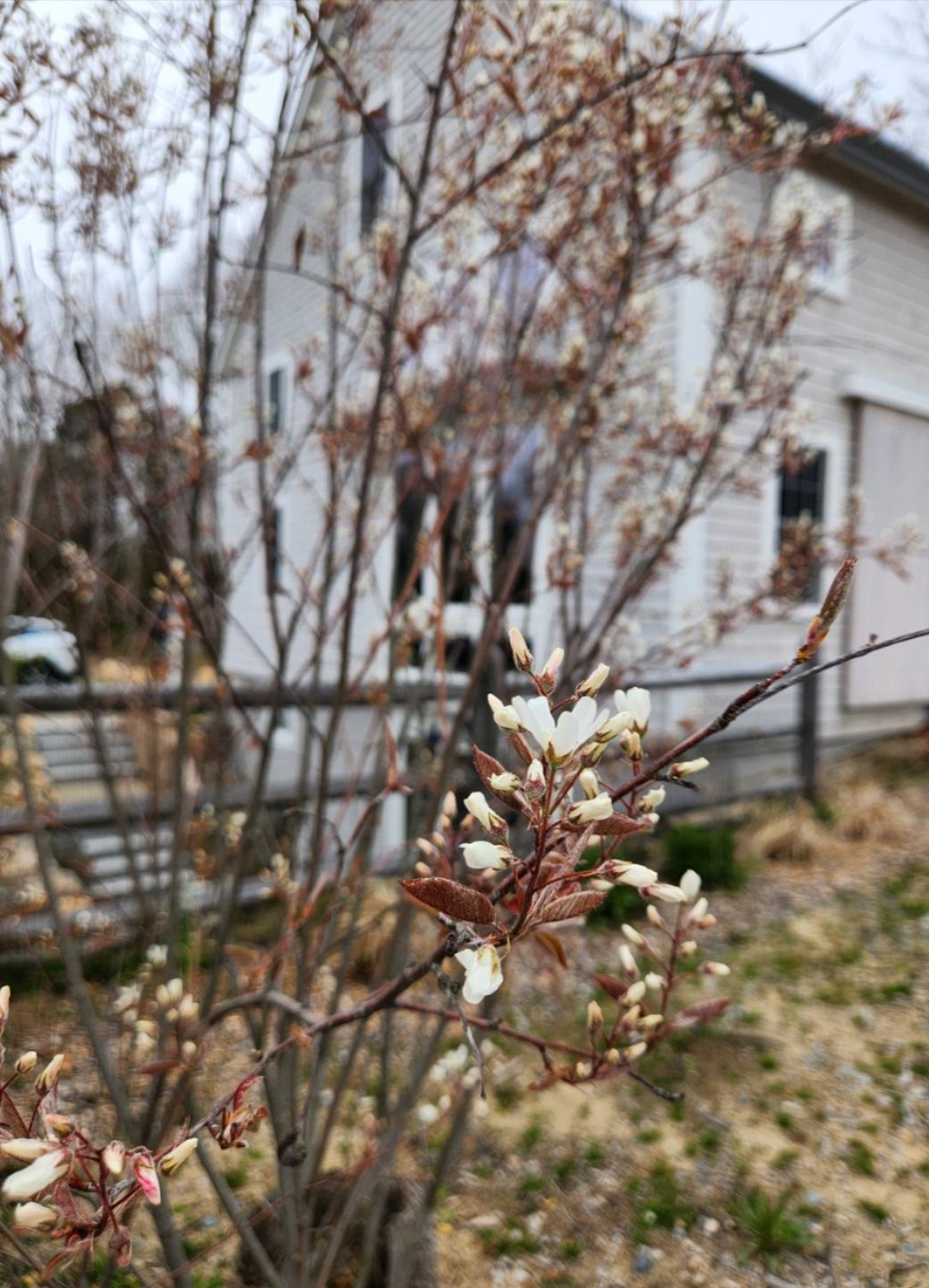
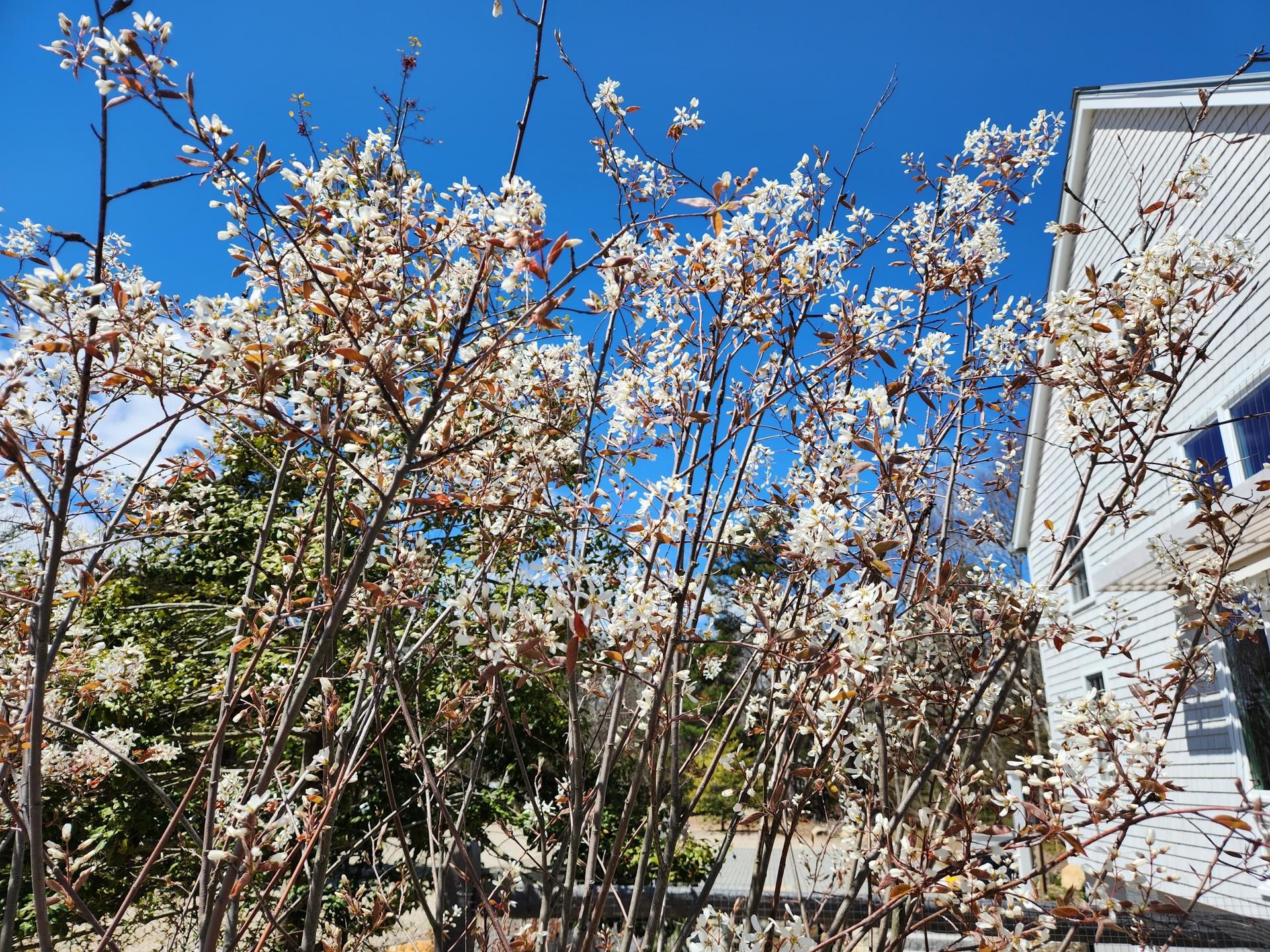
Amelanchier canadensis goes by many common names: shadbush, serviceberry, juneberry, and shadblow serviceberry. In the wild, you'll see it now flowering along woodland edges around the Cape. "Shad" refers to American shad, a fish that were once abundant on the Atlantic coast. On Cape Cod, the flowering shrub heralds the return of the river herring that live their adult lives in the ocean and move up estuaries to streams to reach the Cape's freshwater ponds to spawn each spring.
Shadbush provides an early spring nectar source for bees and butterflies, and an occasional host for viceroy, striped hairstreak, and tiger swallowtail butterflies. Its berries are relished by cardinals, waxwings, hairy woodpeckers, thrushes, catbirds, orioles, and robins, as well as squirrels and chipmunks.
|
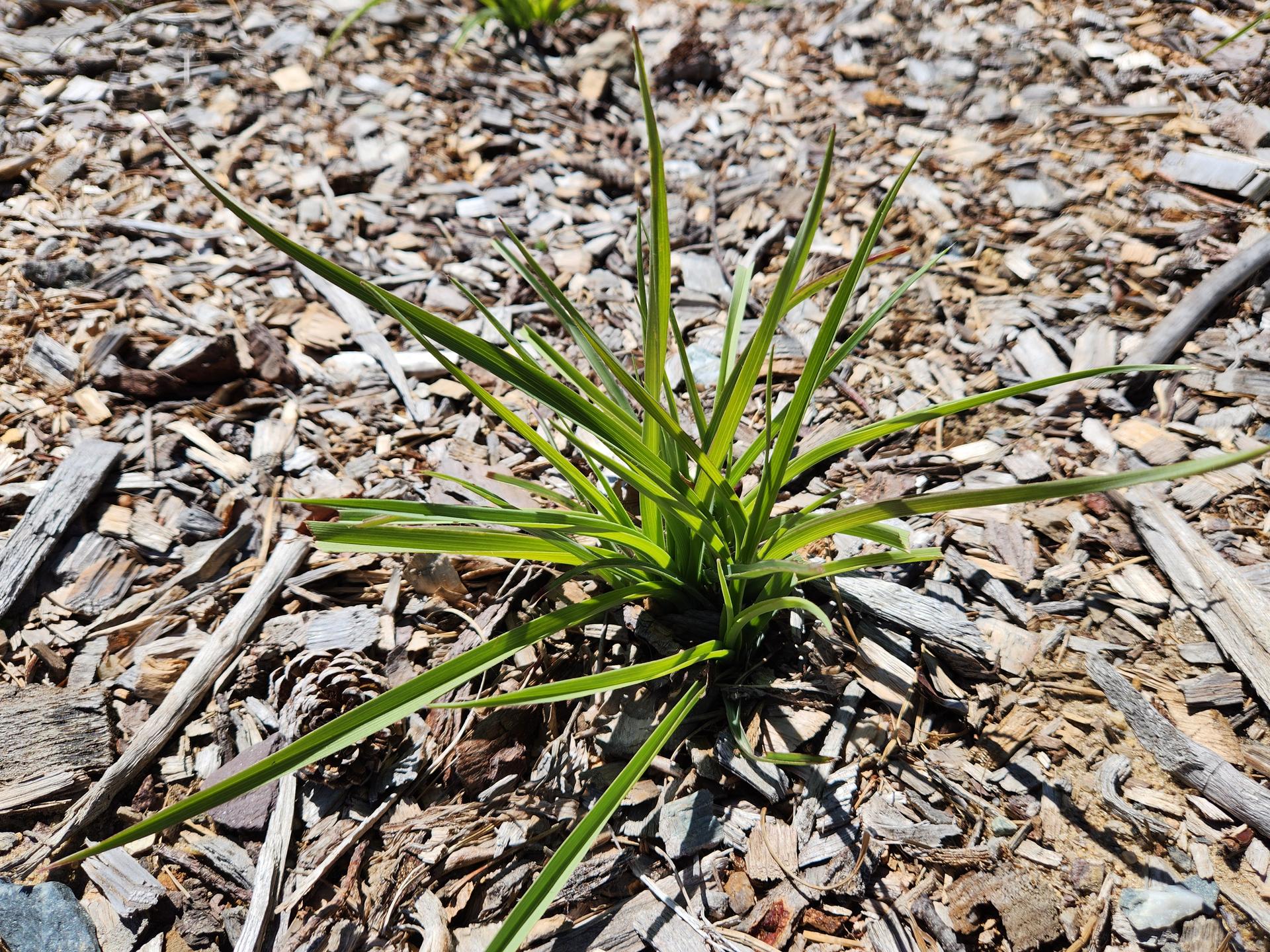
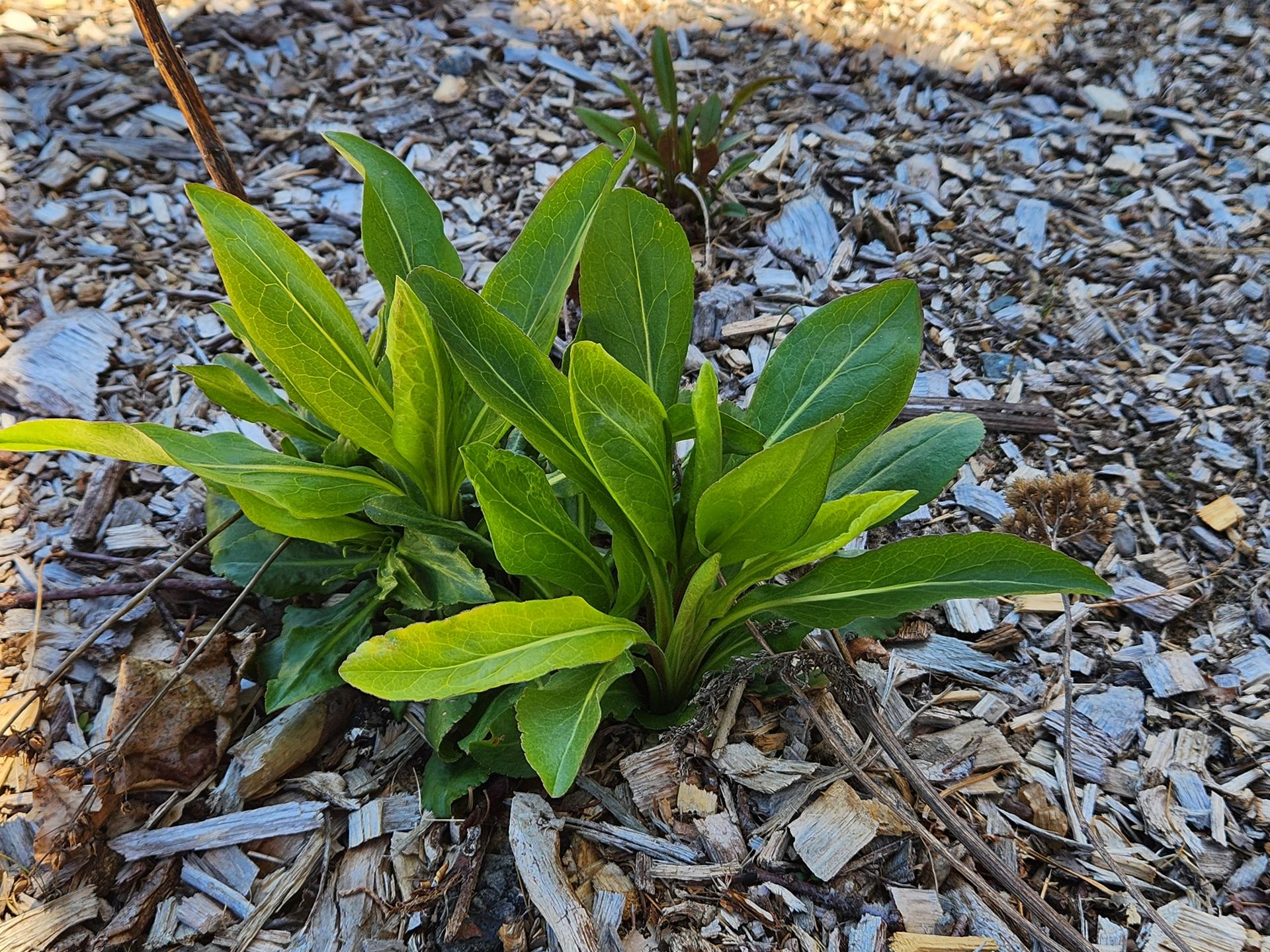
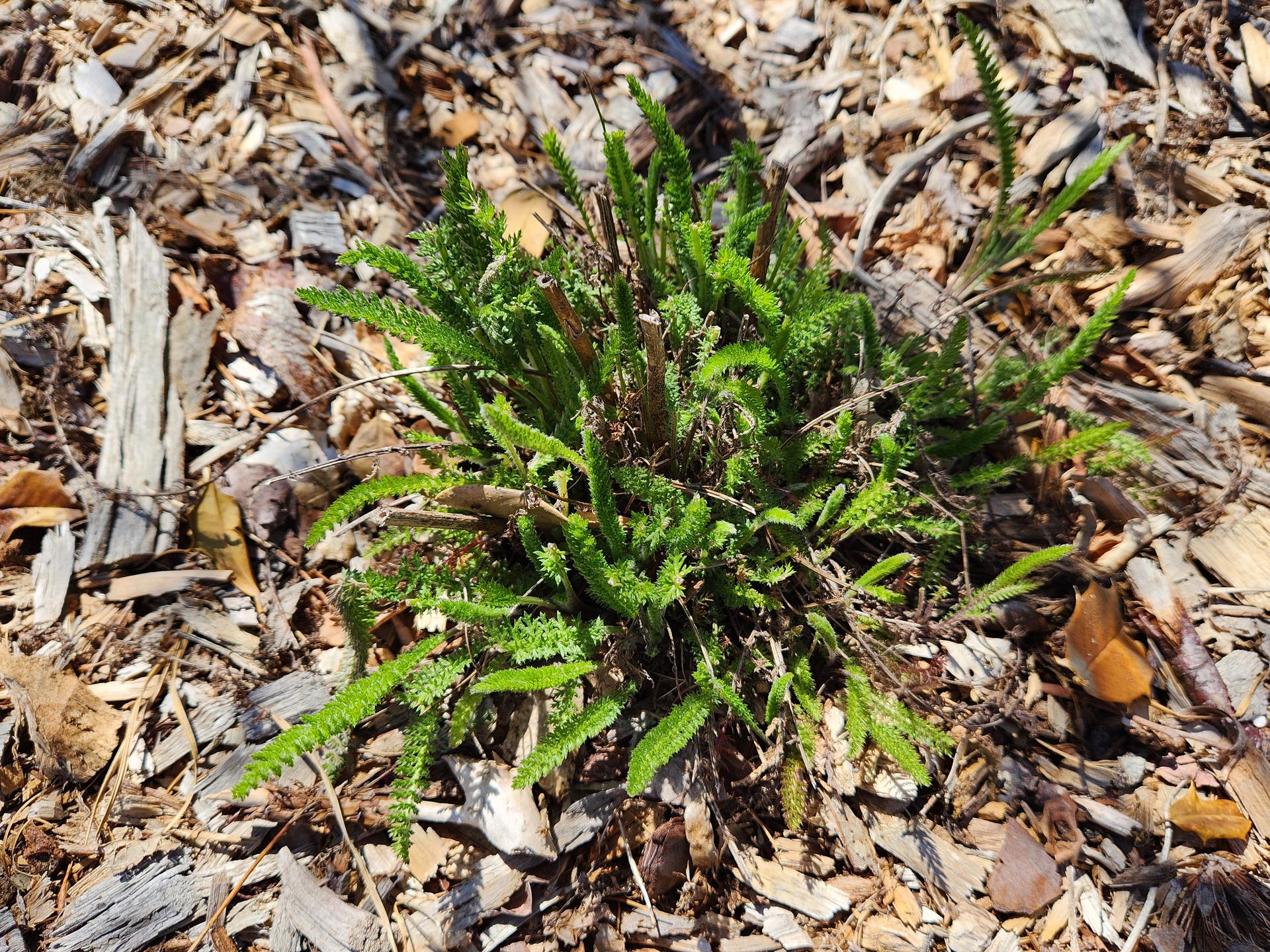
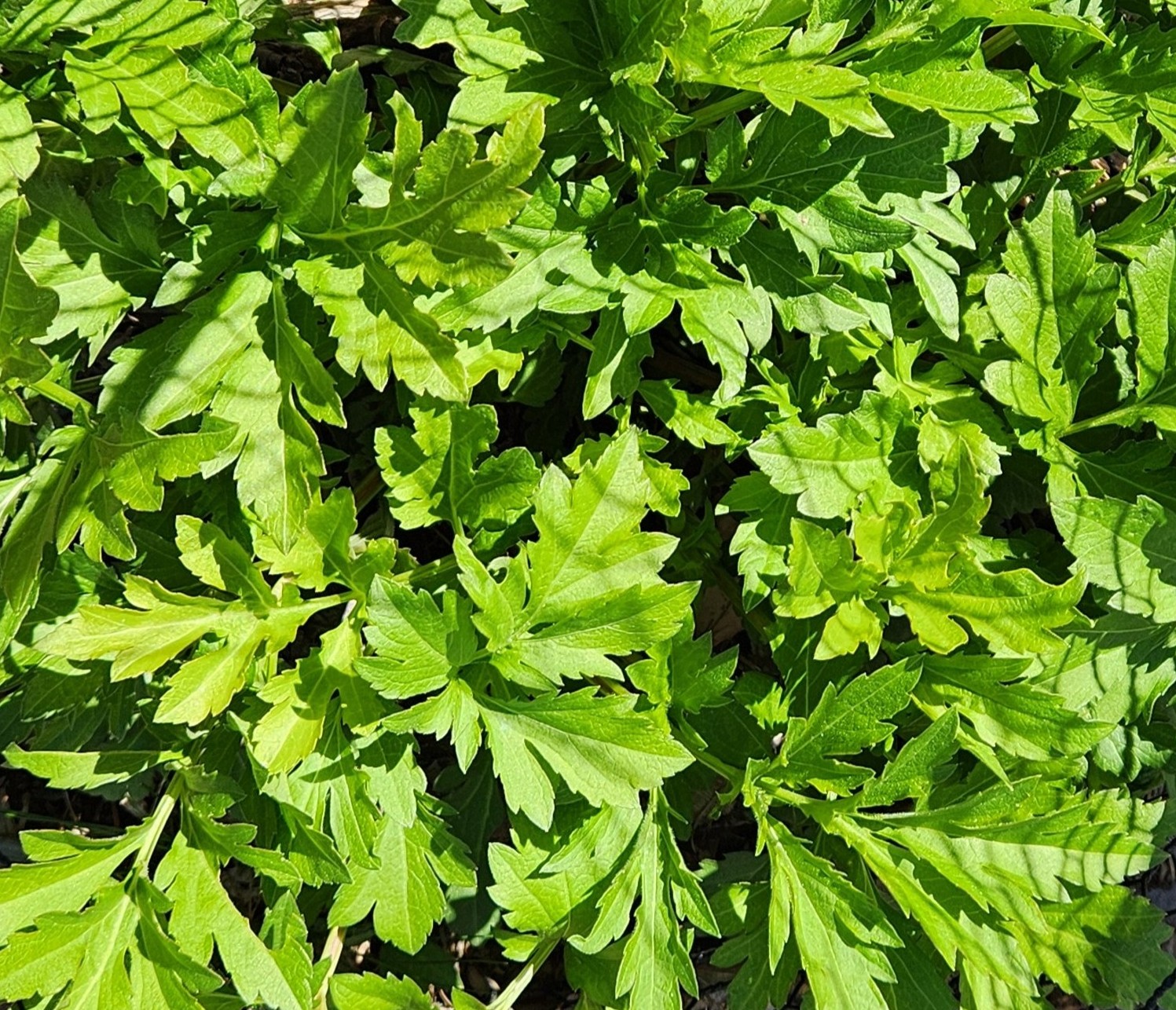
Perennials Preparing to Perform for Mother Nature |
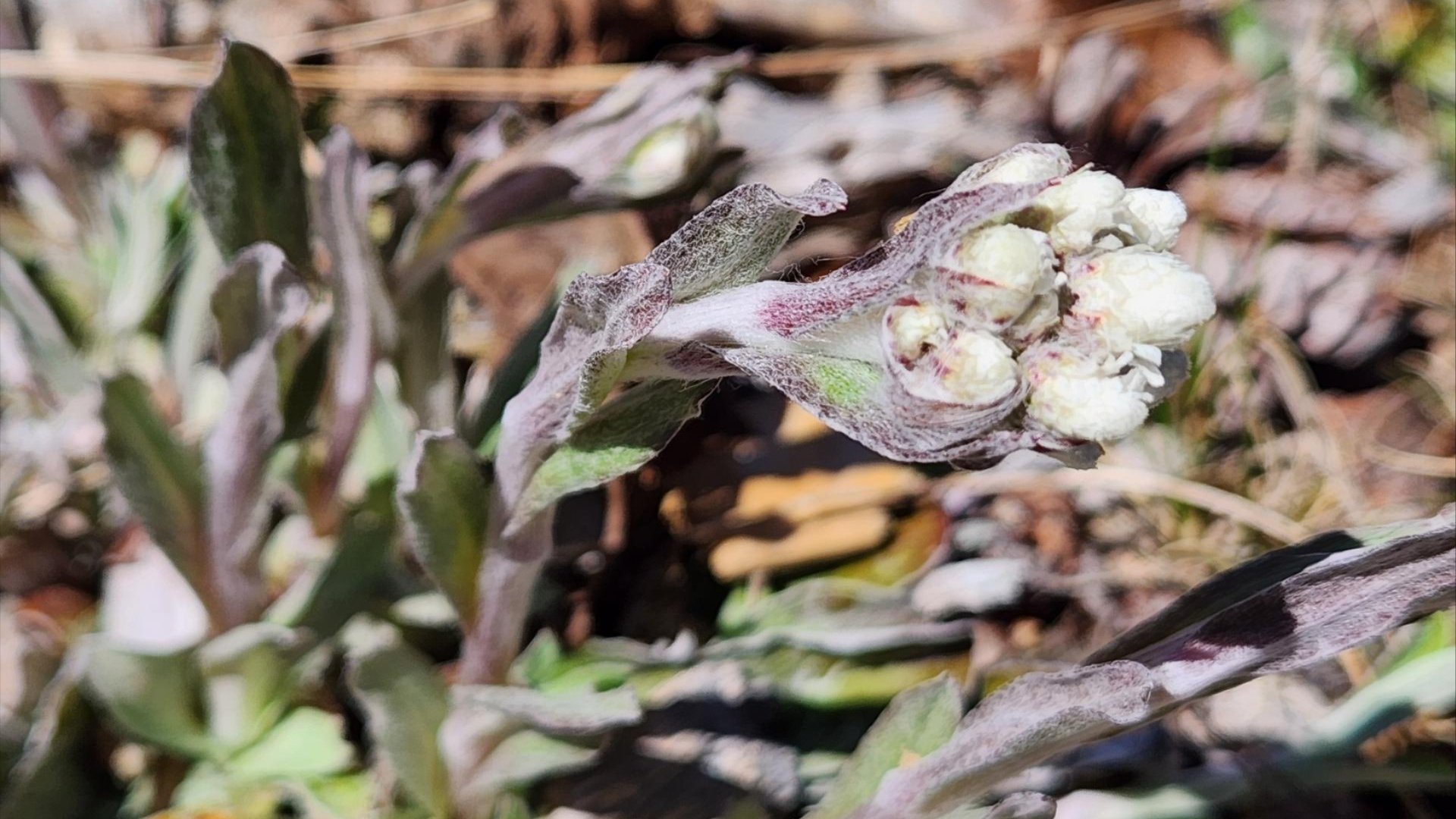
Above: Field pussytoes, Antennaria neglecta |
|
|
|
Above: Spiderwort, Tradescantia ohiensis |
|
| Above: Showy goldenrod, Solidago speciosa |
|
|
|
Above: Common yarrow, Achillea millefolium |
|
| Above: Cutleaf coneflower, Rudbeckia laciniata |
|
|
|
You've been asking when... |
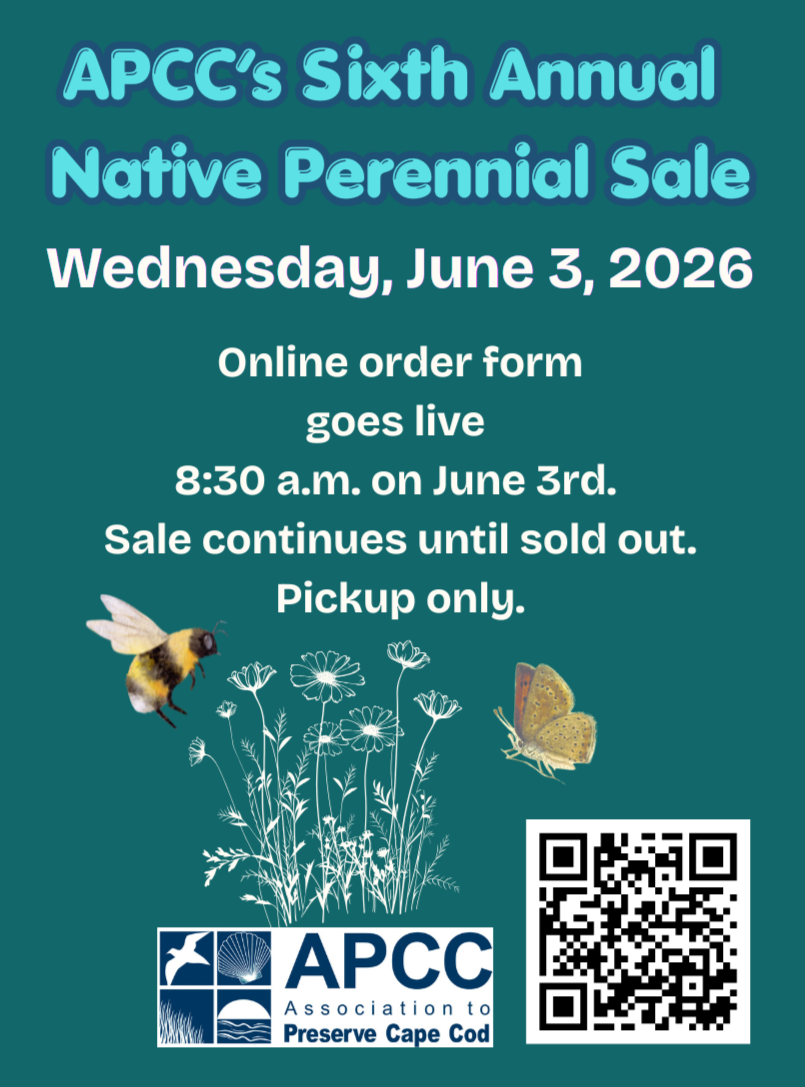
The plant sale webpage has a list of what we will have—over 30 species. You've got a few weeks to plan your purchase!
Please note, our plant sale is a bit different than most: Online orders only. Pickup by appointment at APCC’s headquarters, 482 Main St, Dennis, June 3-5. Sale goes live Wednesday, June 3rd at 8:30 a.m. Click here for more information.
|
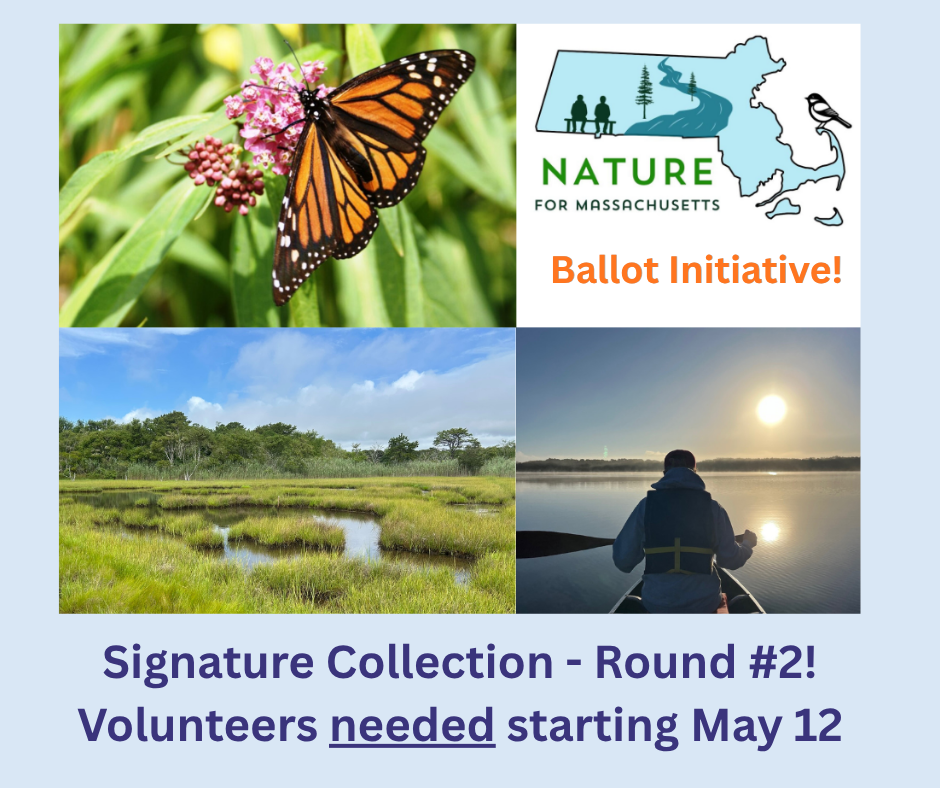
As a member of the Nature for Mass coalition, APCC is once again helping to collect signatures to put the Protect Water and Nature initiative on the ballot. If you would like to help us collect a second round of signatures in your town you can sign up to volunteer. Volunteer to collect signatures in your town–sign up here!
Nature for Massachusetts is a large and diverse coalition that seeks to create a dedicated, annual revenue stream to conserve water, land, urban greenspace, outdoor recreation access, and wildlife in Massachusetts.
The coalition is urging the State Legislature to pass the Nature for All bill (H.901/S.2571) to help address the threats our environment faces. But if lawmakers don’t act, the coalition is ready to bring this issue directly to voters through a 2026 ballot question. That’s why we’re collecting signatures to put the Protect Water and Nature initiative on the ballot, and we need your help this spring to get past the final hurdle.
To put this question in front of voters on the 2026 ballot, advocates need to collect over 100,000 signatures over two rounds of signature collection. We have already submitted over 90,000 certified signatures to the Secretary of State last fall. (Thank you, volunteers!) This spring, we need to collect 21,000 additional signatures. The timeline is much more condensed this time, which means our ramp will be much shorter than before - and we need all hands-on deck to get past this final hurdle. Ballots will be available for pick up starting May 12.
Email Dee at volunteer@apcc.org for more information.
Volunteer to collect signatures in your town – sign up here! |
Learn more about The Cape We Shape campaign and sign up to be part of Team SOS to engage in efforts to permanently protect the last undeveloped acres that have been identified as priority natural resource areas.
As part of Team SOS, look for regular emails most Mondays to learn of news,
next steps, and how you can help. If you are NOT getting our Monday update emails, please let us know and we will ensure you do. Come pick up campaign signs, flags, handouts, stickers at APCC's office in Dennis: email TeamSOS@apcc.org to arrange day and time.
We now have Team SOS t-shirts available for purchase ($25 with pickup). |
Attention Runners:
Run the 2026 Falmouth Road Race for APCC |
|
|
|
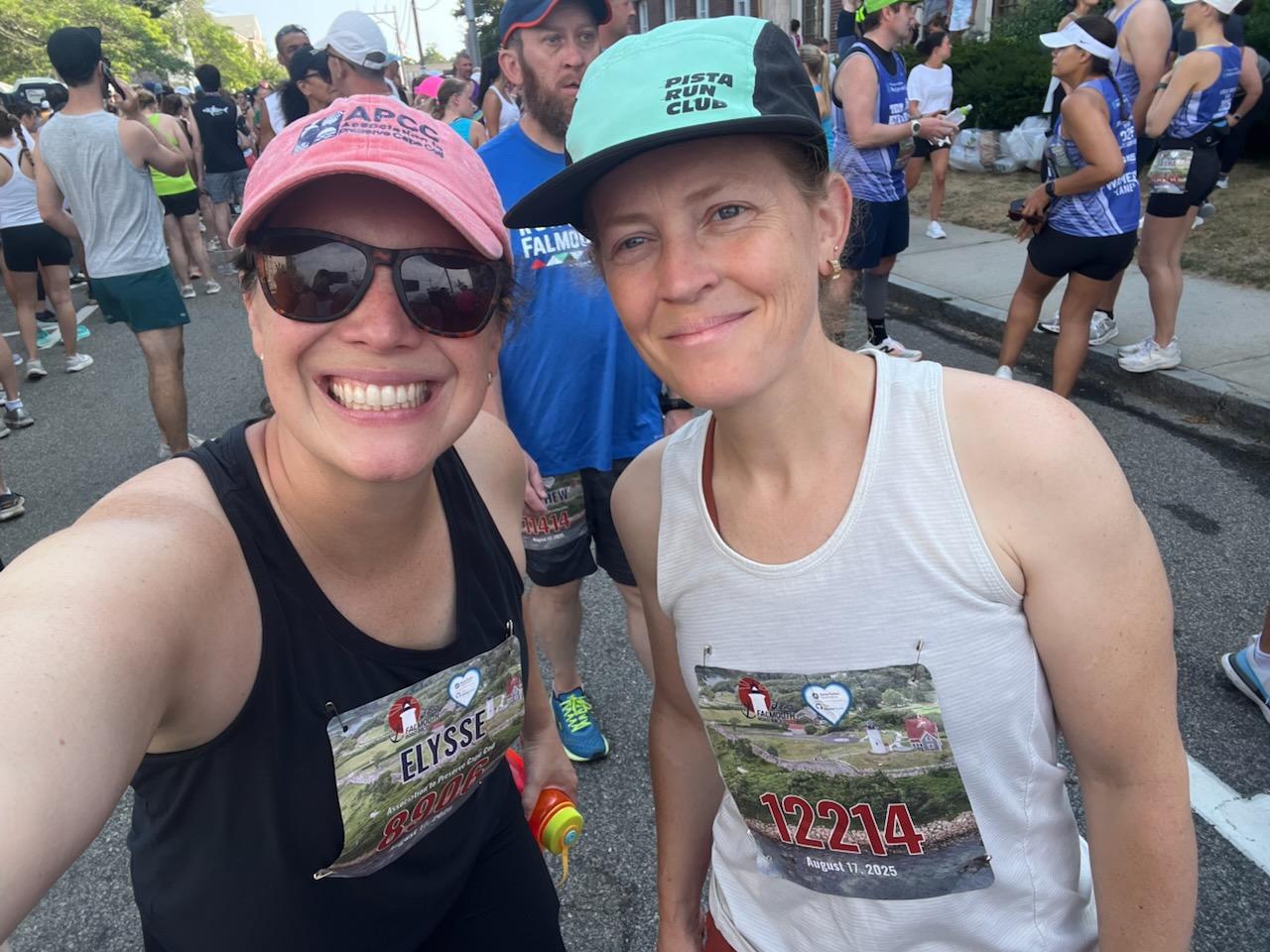
Above: Elysse Magnotto-Cleary, APCC president, and her friend Mary ran for APCC in 2025. |
|
|
APCC is thrilled to be a part of the "Numbers for Nonprofits" program for the 2026 Asics Falmouth Road Race, and we are currently accepting applications for this year's team. Team members will receive a guaranteed race entry, fundraising tips and tools, a fundraising web page, and support throughout the process. If you're interested in amplifying APCC's work in a fun and unique way,
please apply here.
Questions? Please reach out to runforapcc@gmail.com |
|
|
|
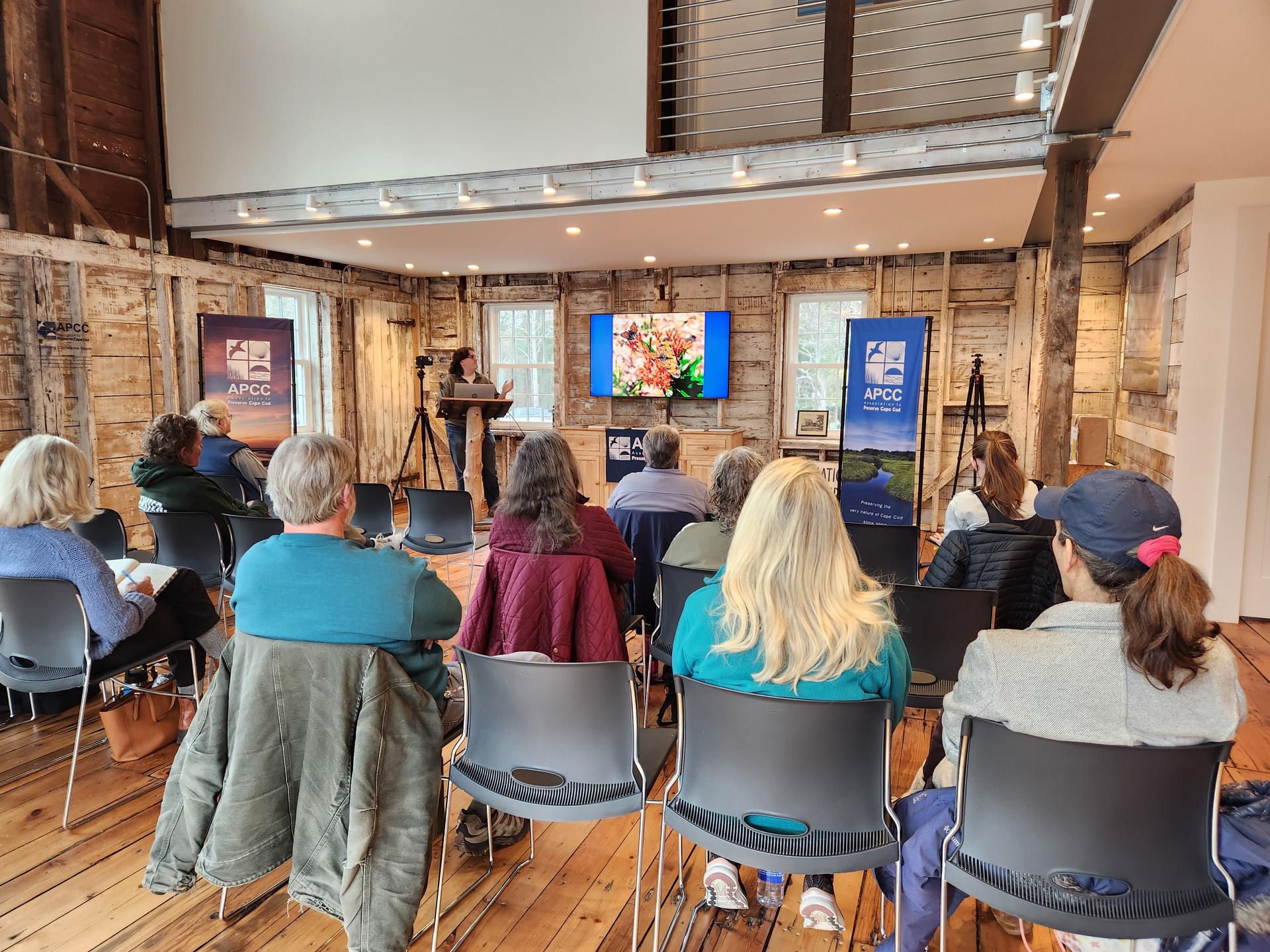
| Monitoring Pond Health on Cape Cod
with Julie Hambrook, Ph.D., APCC Pond & Cyanobacteria Program Manager Friday, May 8th
10:00 a.m. – 11:30 a.m. Hybrid: APCC Koppel Center, 482 Main St (Route 6A), Dennis and via Zoom |
|
|
|
Freshwater ponds are an important part of the quality of life on Cape Cod. APCC has developed several programs designed to measure water quality and provide information to the public.
Julie will provide an overview of APCC’s programs and the range of water quality indicators that our monitoring results provide and what they mean to the ecology of the pond. You will come away with a broader perspective of the water quality of Cape Cod ponds and what has been measured during our years of monitoring. |
A Cape-wide Conservation Event Calendar |
The Compact of Cape Cod Conservation Trusts (“the Compact”) and its nonprofit members launched a new regional calendar of events. The Conservation Calendar includes programs across Cape Cod hosted by these groups. The goal of the calendar is to encourage visitors and residents to take part in nature and environmental events. You can always find the link to the calendar on APCC's website under News & Events.
|
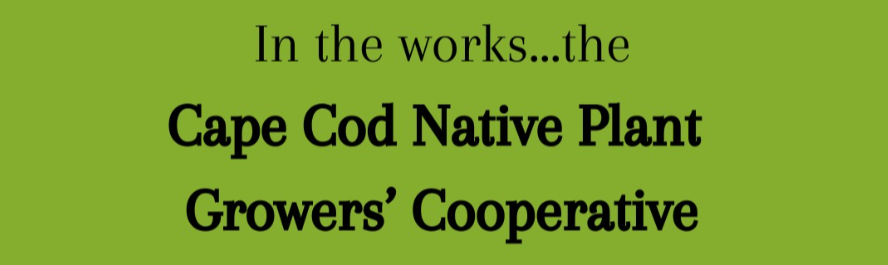
If you are a farmer or someone who wants to grow native plants to sell, or you just want to be updated on the program's development, please submit the interest form that appears on our webpage. We will be sending periodic email notices of workshops and meetings.
Funding for the project is provided by Barnstable County and its Economic Development Council License Plate Grant Program through the Cape Cod Commission, the Kelley Foundation and private donors. |
Ten talks for prospective growers as part of the Cape Cod Native Plant Growers' Cooperative program have been presented thus far, with more scheduled in the upcoming weeks. These past workshops can be viewed here: |
A Cape Cod Native Plant-selector ~ to help you choose the perfect native plants for your garden. |
|
|
|
Email kandres@apcc.org and we'll send you a CapeCodNativePlants.org decal. |
|
|
Beach Plum Prunus maritima |
|
|
|
The purpose of CapeCodNativePlants.org is to help native plant enthusiasts select the right plant for the right place. While not all native plants presented here are indigenous to Cape Cod, they are suitable native species for Cape gardens and managed landscapes.
Why Native Plants? Many native plants are drought tolerant, salt tolerant, and thrive in the “thin” soils found on Cape Cod. Native plants are as attractive as any plant, and are reflective of the Cape’s natural beauty. By planting native species appropriate for Cape Cod, you can conserve water, avoid pesticide and fertilizer use, and support pollinators and birds.
|
|
|
|
|
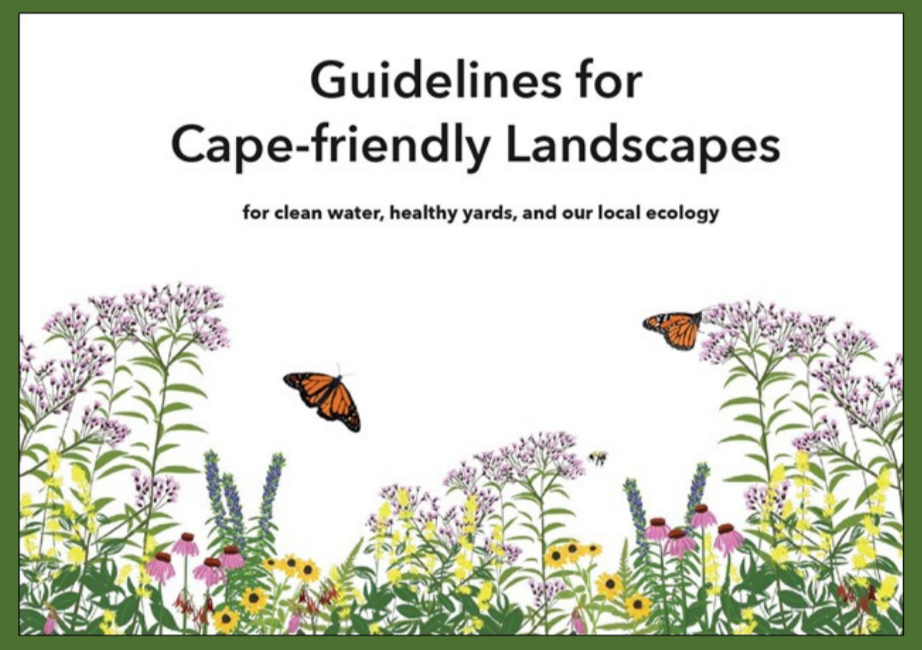
The Guidelines gives homeowners steps they can take in the design and maintenance of their properties that will support pollinators and birds, manage stormwater, conserve water, and protect the Cape's water quality. This 40-page booklet is beautifully illustrated by Marcy Ford with content that is easily digestible and supported by numerous resources for additional learning.
|
|
|
|
We are grateful for the several retail shops that are partnering with us to make this publication more widely available: Brewster Book Store, Birdwatchers General Store, Crocker Nurseries, Wellfleet Audubon Wildlife Sanctuary, Cape Abilities Farm, Cape Cod Museum of Natural History, the Cape Cod Lavender Farm, Heritage Museums and Gardens, Titcomb's Bookshop, Sea Howl Bookshop, Soares Flower Garden Nursery, Hyannis Country Garden, Orleans Whole Food Store, and Eight Cousins Bookshop.
If you are a retailer and would like to sell this publication at your store, please contact us. |
|
|
|
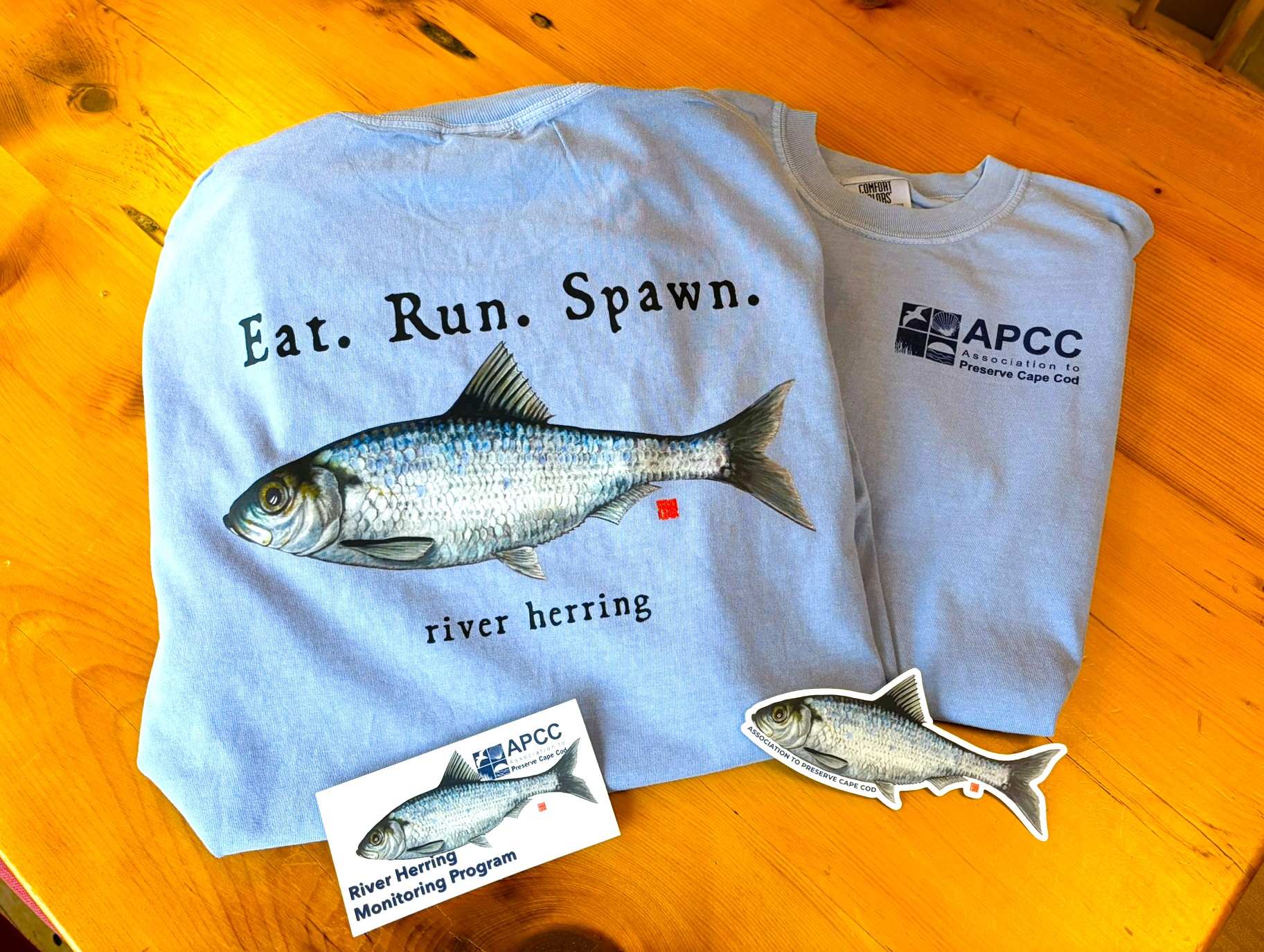
New Offering - Celebrate the Run! Herring T's
color denim blue $30 - includes USPS delivery in the U.S. |
Team SOS $30 - includes USPS delivery in the U.S. |
|
|
|
APCC caps $25
-includes USPS delivery in the U.S. |
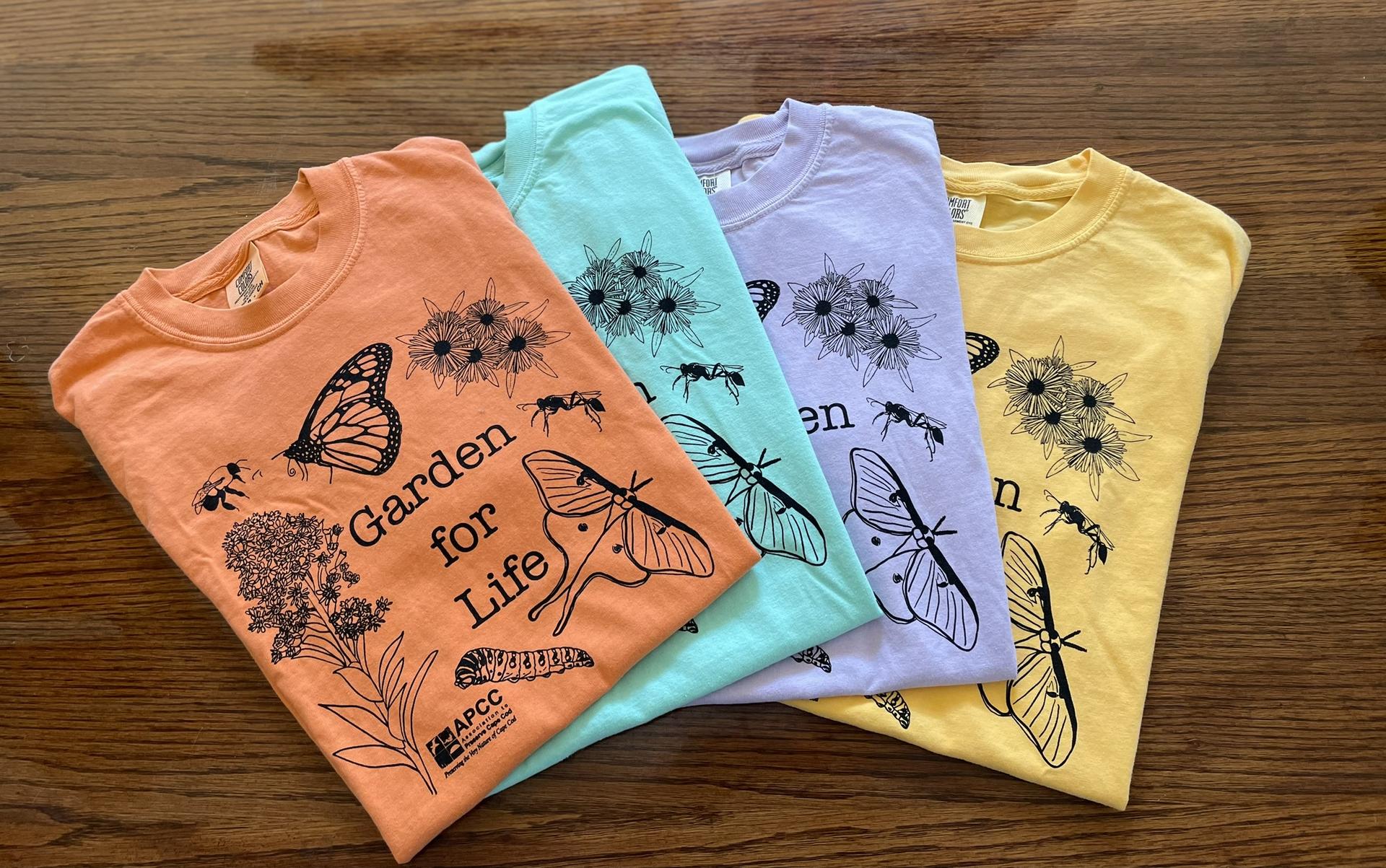
Garden for Life T's $30 -includes USPS delivery in U.S. |
|
|
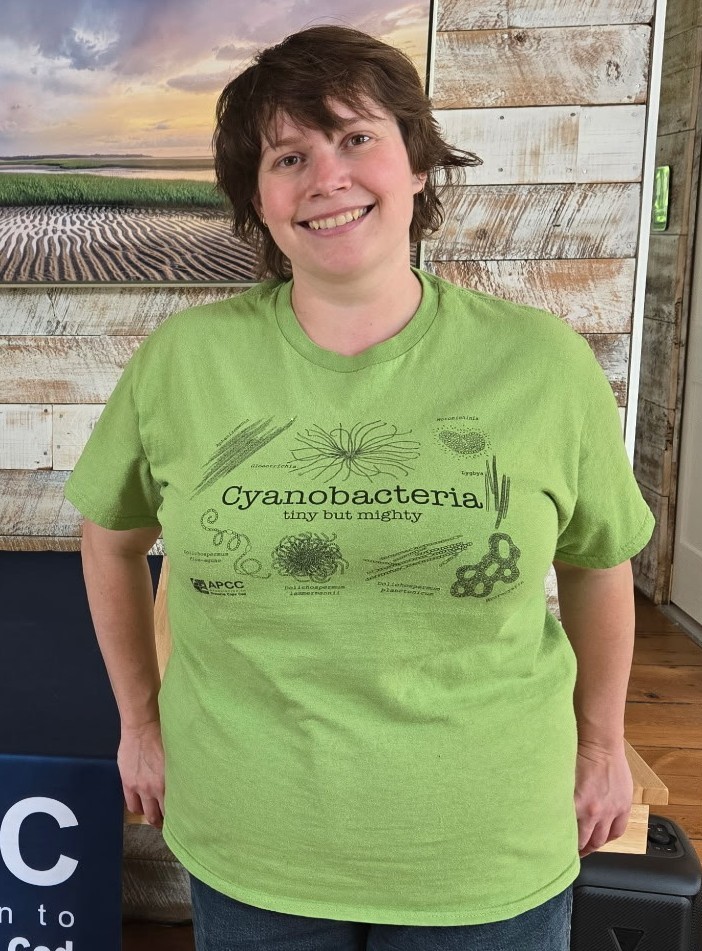
Cyanobacteria ~ tiny but mighty color kiwi $30 -includes USPS delivery in the U.S. |
|
|
|
|
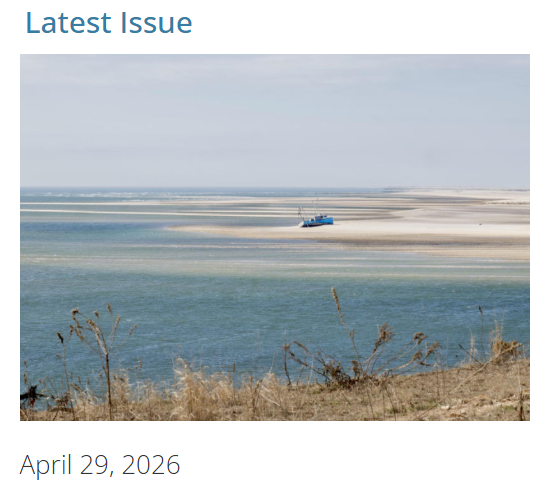
APCC eNewsletters Our weekly newsletters are archived on our website and easily shared.
You can find past newsletters and share with your friends. Encourage others to sign up for future enewsletters HERE.
|
|
|
|
Are you thinking of going solar? We hope so! In partnership with E2 SOLAR in Dennis, APCC receives $500 for every solar installation when APCC is named as referral. |
|
|
|
| Thank you to the homeowners who just contracted to install solar panels through E2 Solar. May the sun always shine for you! |
|
|
|
Expressions Gallery, 578 Main Street, Chatham
CLICK HERE |
Expressions Gallery donates 20 percent of its profits to APCC's work. |
|
|
|
Thank you to our business sponsors! |
|
|
|
APCC is rated four stars by Charity Navigator,
2026 Platinum by Candid (formerly Guidestar). |
|
|
|
Our Contact Information
*{{Organization Name}}*
*{{Organization Address}}*
*{{Organization Phone}}*
*{{Organization Website}}*
*{{Unsubscribe}}* |
|
| |
|
|