Association to Preserve Cape Cod |
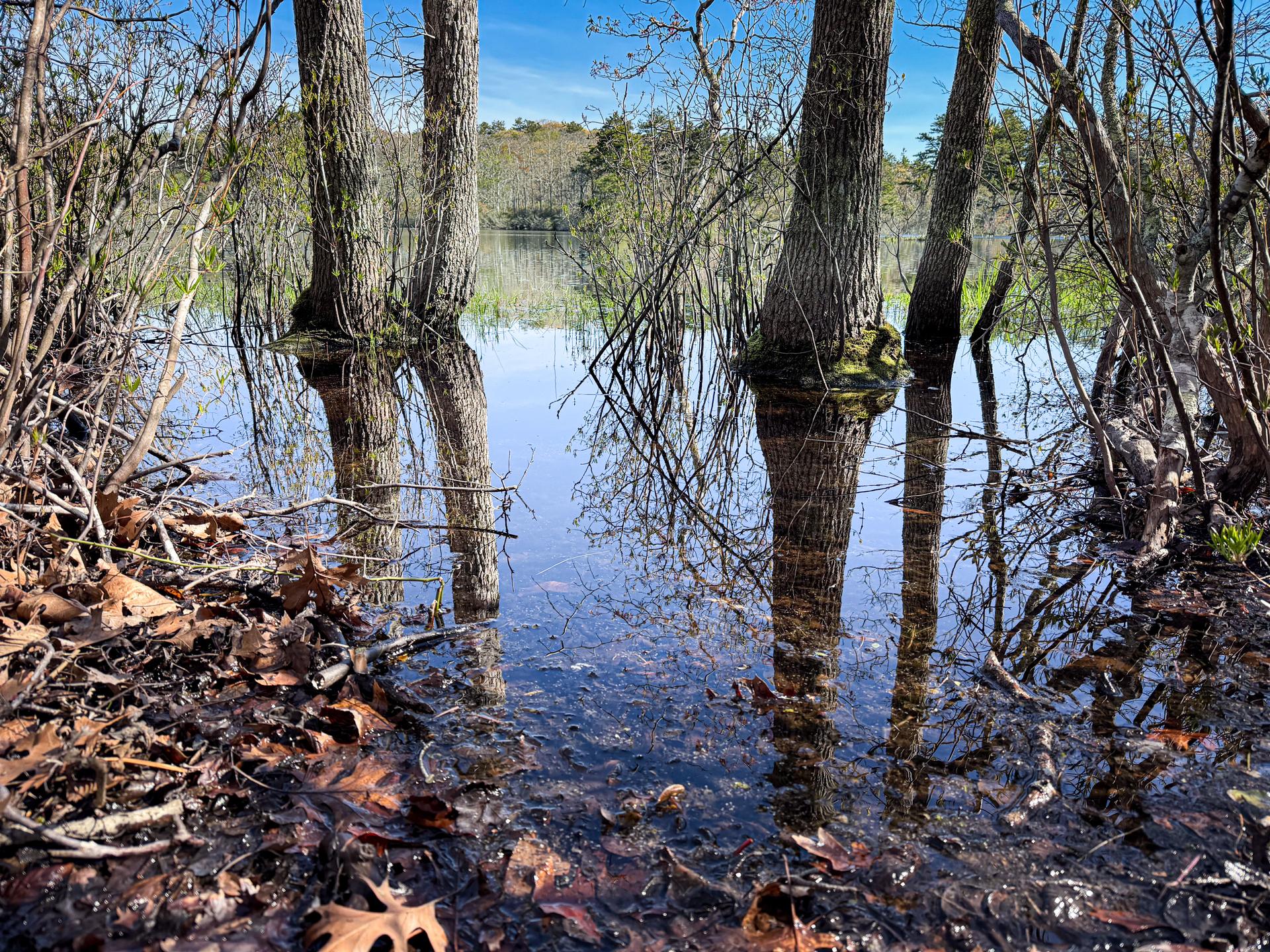
Above: Beech forest, Provincetown. Photo by Sue Machie. |
|
|
|
ADVOCACY
Recently, we asked you to take action on behalf of the Cape's unique and fragile environment by writing to your legislators regarding problematic language in the Senate's otherwise good "Mass Ready Act" (S. 3064) that threatens local wetland protections and wastewater management requirements.
APCC is also speaking up, joining with other Massachusetts environmental and health organizations to write to the Chairman of the House Committee on Ways and Means to strongly recommend that the House version of Mass Ready remove these harmful provisions and uphold the ability of municipalities to protect their water resources and prevent flood risks. Read the letter here.
State environmental standards are designed to establish a baseline (minimum) level of protection. For decades, the state has encouraged communities to protect their water supplies and floodplains further through local bylaws. The problematic language in the Mass Ready Act was added under the guise of promoting housing—municipalities (or groups of municipalities) that have zoning or land use policies that encourage the production of housing will receive preferential treatment when applying to discretionary and competitive grant programs.
However, this preferential treatment punishes municipalities like those on the Cape that have put in place local provisions needed to protect our sensitive water resources. If allowed to remain in the Mass Ready Act, these provisions would turn back the clock on local protections at a time when they are needed more than ever. Safe, resilient, and sustainable housing depends fundamentally on clean water, effective wastewater management, and protection from flooding and stormwater impacts. |
Ecosystem Restoration Program |
|
|
|
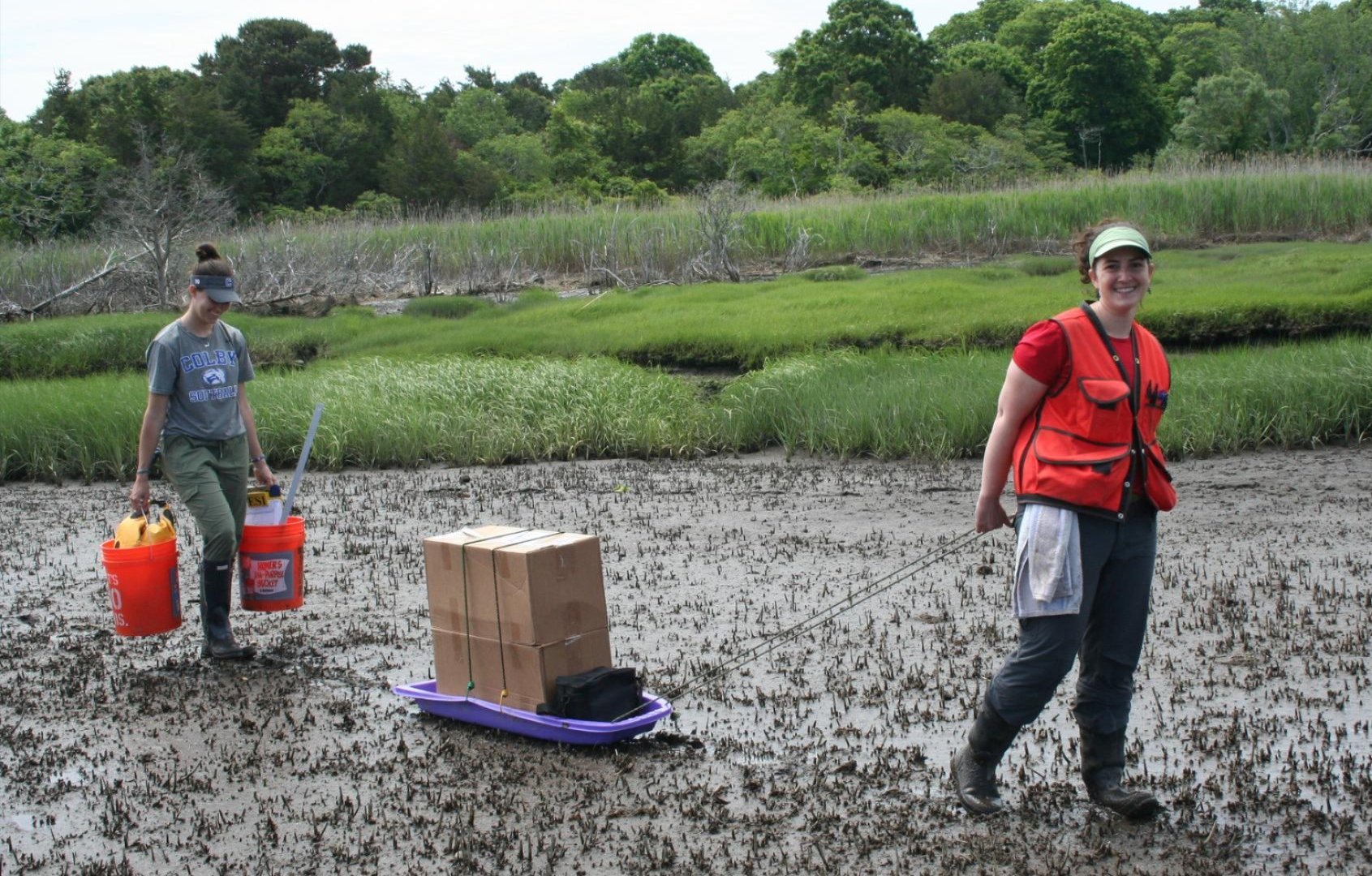
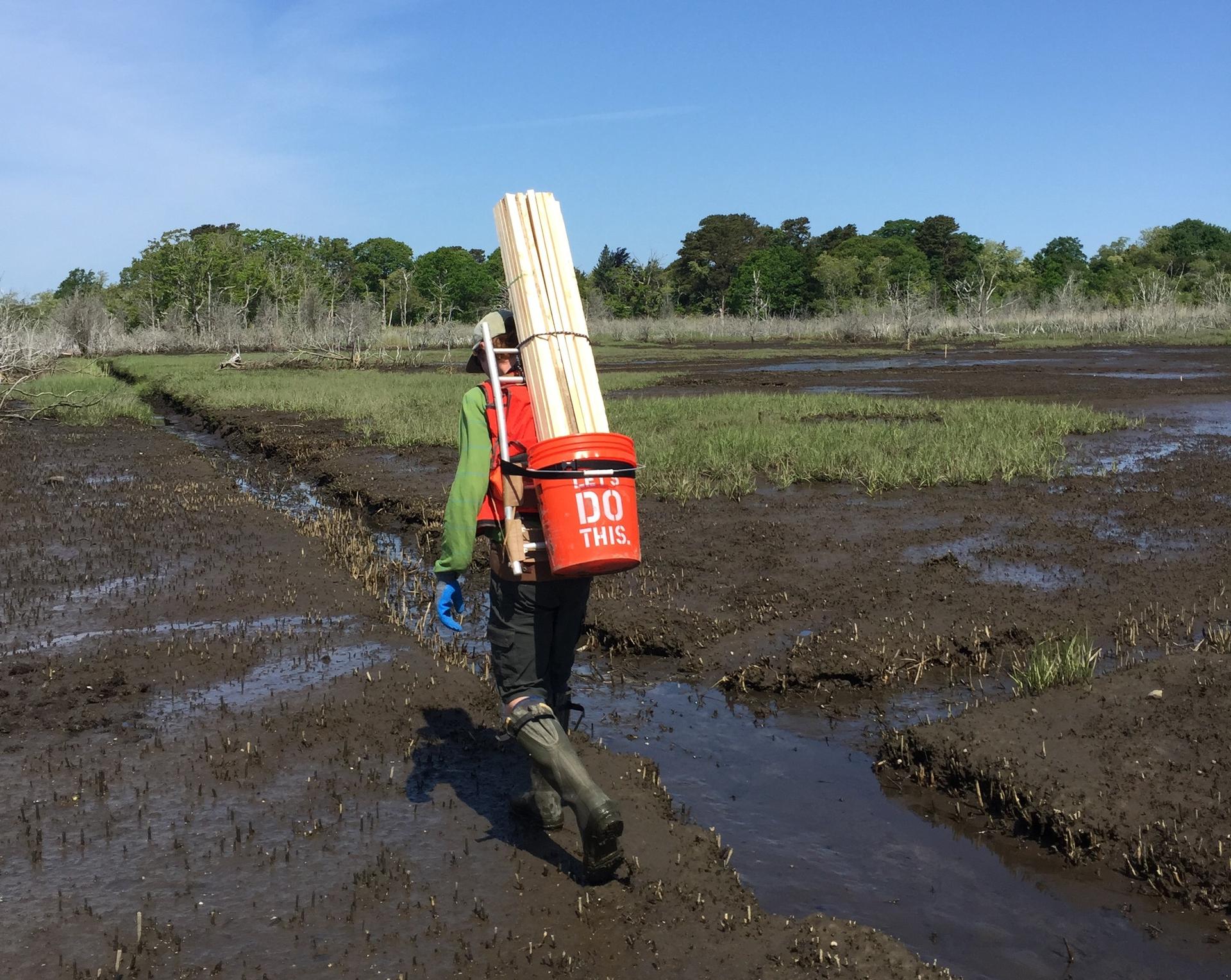
Above: Kathleen Mason, April Wobst (left), and Bryan Horsley (right) of APCC transporting plants and materials for the 2018 pilot planting study. |
How To Plant Over 90,000 Salt Marsh Plants Ninety-nine thousand plants on a truck, ninety-nine thousand plants
Take one down, pass it around, ninety-eight thousand plants…
One might wonder how do you move over 90,000 salt marsh plugs from the nursery into the salt marsh to plant? This is no easy task, particularly at sites like Sesuit Creek salt marsh where large persistent bare areas with no vegetation, remnant stems from dieback of the invasive Phragmites, and loose mucky soil makes transiting the marsh challenging at best.
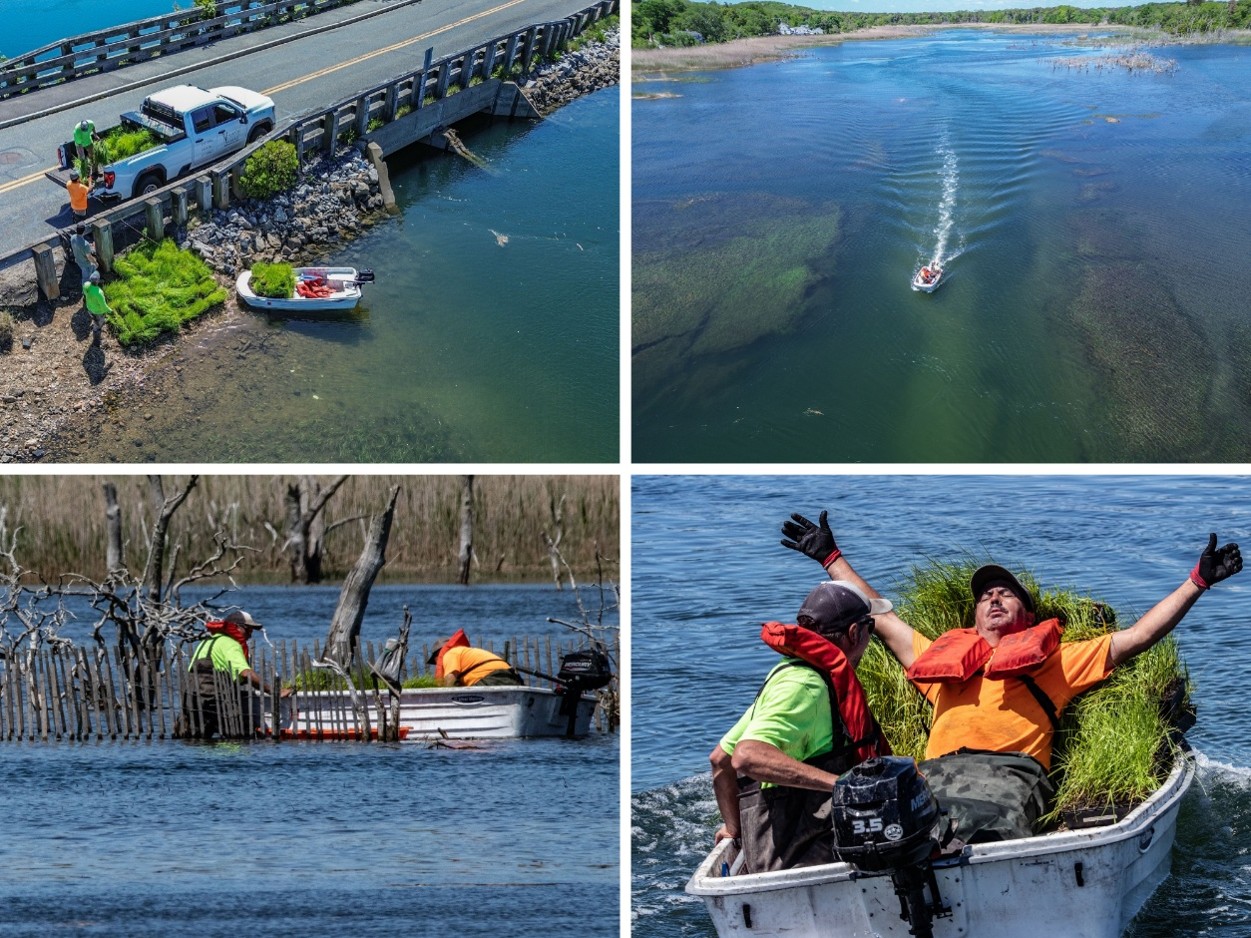
Back in 2018, for a pilot planting study, APCC staff and interns managed to move just over 300 plugs by hand with a sled and backpack. In the case of the ongoing work at Sesuit Creek salt marsh in Dennis, this is being done by jon boat. During high tides, the planting crew from SumCo Eco-Contracting load up a pickup truck with trays of plugs held in a temporary plant nursery at Dennis Conservation Land Trust and deliver them to the marsh adjacent to Bridge Street. Here they can stockpile around 100 trays and then shuttle them up the creek 30 trays at a time with two crew on the boat.
This method of moving plants onto the marsh allows for efficient delivery and allows the team to stockpile plants on the marsh in areas protected by temporary snow fencing. Then, during optimal planting periods around low tide, the team can focus on planting.
This effort has resulted in 54,200 (more than half) of the plants installed in the first three weeks!
This half million-dollar project, funded by the Massachusetts Division of Ecological Restoration, the MassBays National Estuary Partnership, and private foundation funding, seeks to jumpstart recovery of vegetation and elevation in the marsh and will be monitored by APCC over the next three years to understand the impact and share lessons learned with future projects. |
Above: SumCo planting crew transporting plants by boat to staging areas on the marsh and soaking up the sun… all in a good day’s work. Photos by Gerald Beetham. |
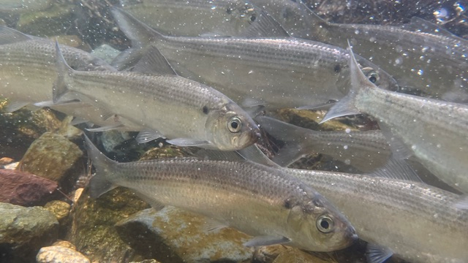
Above: River herring make their way up the Quashnet River in Mashpee. |
2026 River Herring Season Wrap-Up
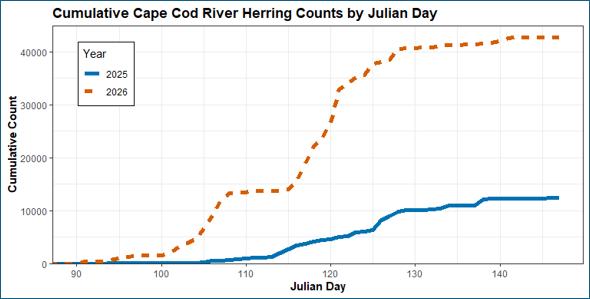
As the 2026 river herring monitoring season comes to a close, preliminary observations from across Cape Cod suggest that overall returns were higher than those documented in 2025. Many monitored runs experienced stronger migration activity this spring, with several systems showing substantial increases in cumulative counts compared to last year. In particular, runs like Stony Brook in Brewster experienced especially strong returns and periods of intense migration activity during the peak of the season.
|
Above: Preliminary cumulative river herring observations recorded through APCC’s monitoring network during the 2025 and 2026 migration seasons. Overall cumulative counts observed in 2026 exceeded those documented in 2025, although part of this increase likely reflects expanded participation in APCC’s online data entry system and increased volunteer monitoring coverage at several runs. Despite this important context, many runs experienced notably strong migration activity during the 2026 season.
|
It is important to note that part of this year’s increase likely reflects continued growth in APCC’s monitoring network itself. More runs are now utilizing APCC’s online data entry system, and many existing runs benefited from expanded volunteer coverage and more consistent monitoring effort throughout the season. Even with that important context, however, the overall signal from this spring remains encouraging: herring numbers were up at many locations across Cape Cod.
At the same time, it is equally important to recognize that this was not the experience everywhere. Some systems, including Trunk River in Falmouth, experienced noticeably lower returns this season despite strong volunteer participation and consistent monitoring effort. These differences serve as an important reminder that river herring populations can behave very differently from one watershed to another.
Even within a single season, migration timing and intensity can vary dramatically. Some runs experienced large pulses concentrated over short periods, while others saw more gradual or intermittent movement patterns spread across several weeks. Weather conditions, streamflow, water temperature, tidal dynamics, habitat conditions, and broader ocean survival factors may all play a role in shaping these outcomes.
While it is far too early to draw conclusions about the causes behind this year’s patterns, the season reinforces an important reality of river herring restoration and monitoring work: these runs are highly heterogeneous, both within individual rivers and across the region as a whole. A strong year at one run does not necessarily translate to similar outcomes elsewhere, and annual fluctuations are a natural part of these complex migratory systems.
APCC’s river herring monitoring program continues to be supported in part through funding from the MassBays National Estuary Partnership, whose partnership has helped strengthen regional monitoring capacity, improve data management, and support volunteer-based monitoring efforts across Cape Cod. Continued investment in collaborative monitoring programs like this remains critical for understanding and protecting these ecologically and culturally important fish runs.
Most importantly, none of this work would be possible without the incredible dedication of the hundreds of volunteers, coordinators, municipal partners, and organizations who contributed time and energy throughout the spring migration season. Their efforts continue to provide one of the most comprehensive pictures of river herring activity across Cape Cod and play a critical role in informing future restoration and conservation efforts.
|
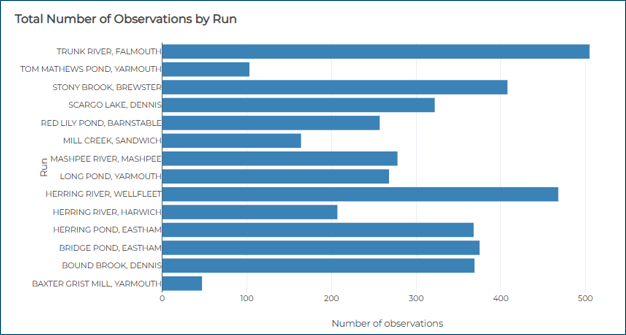
Above: Total number of volunteer monitoring observations submitted by run during the 2026 river herring season. Monitoring effort varied substantially among runs, reflecting differences in volunteer capacity, monitoring schedules, and run accessibility. Expanded volunteer participation and improved data coverage at several locations contributed to a more comprehensive regional picture of river herring activity across Cape Cod.
|
|
|
|
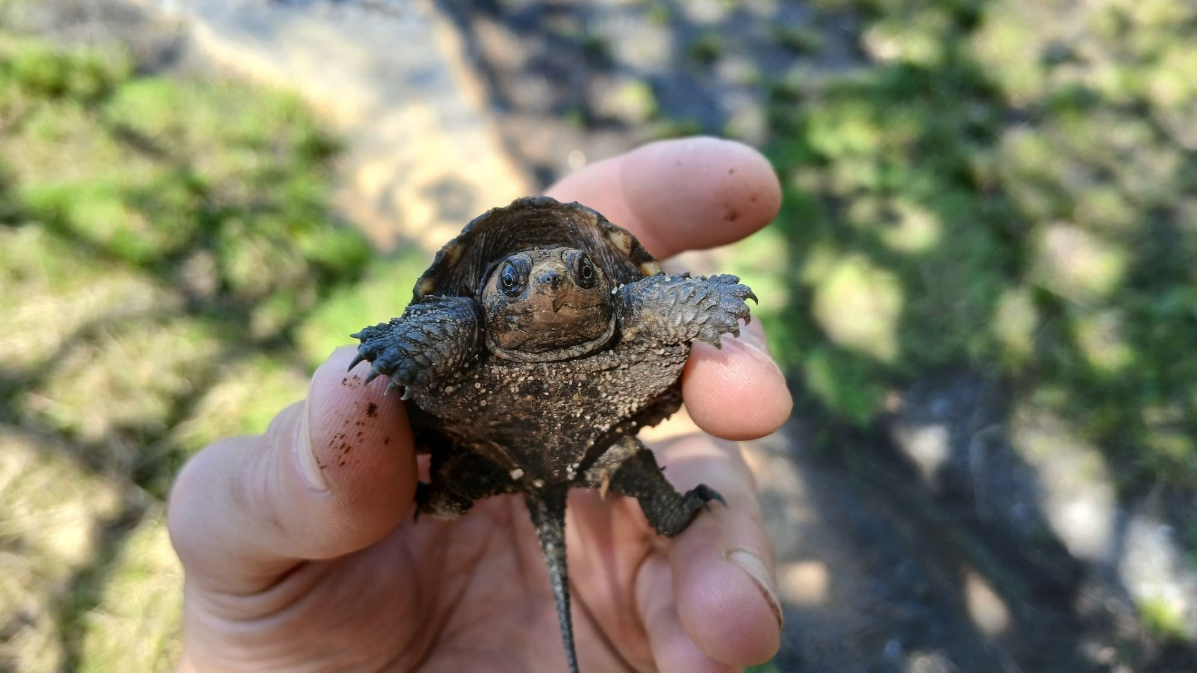
Above: Baby snapping turtle |
Little Shell, Big Heart What a wonderful time of year; mid-May marks the start of the turtle season on Cape Cod as the turtles start emerging from their winter hibernation. This little guy was found at West Reservoir in Harwich a couple weeks ago by our Senior Pond Monitoring Technician JT Percy.
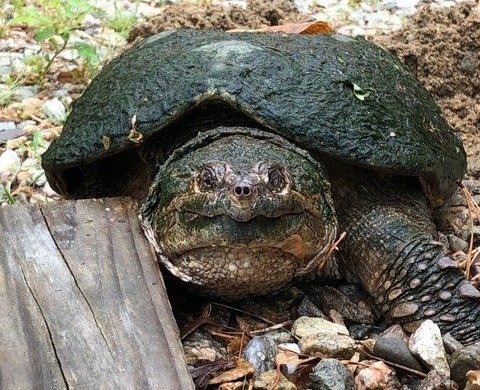
Snapping turtles are a native species to Cape Cod. You might say they are the vultures of the water because, in general, they feed on dead or dying fish and other decaying animals they find. Snappers can be found hanging out in the muddy, debris-filled bottoms of shallow, slow-moving streams or ponds.
However, this time of year, reproductive female turtles make their journey out of the water in search of an appropriate area where they will dig several holes before dropping their eggs, covering them with soil, and leaving them. Many turtles exhibit nest site fidelity, meaning they will return to the same location several years in a row. If you see a mother laying eggs, you may see her in subsequent years.
The hatchlings will emerge about 90 to 120 days later (August through October)—and they are on their own to find their way to nearest pond. If a snapping turtle is lucky enough to make it through the perilous danger of its youth, it's home free!
Once snapping turtles reach maturity, they have few natural predators and can generally live 20 to 50 years. Although they don’t have natural predators in their adult stage of life, there are some dangers still present. Roads are one of snapping turtles most frequent causes of mortality, and we encourage readers to stay vigilant during nesting season for crossing snappers.
If you see a snapping turtle on the road, only intervene if it is safe to do so. Try to guide the turtle with a long object like a broom. Guide the turtle off the road in the direction it is headed; they have strong instincts and know exactly where they want to go! Don’t pick up snapping turtles, especially larger ones. Unlike other turtles, they cannot fully retreat into their shells and if threatened they are able to extend their necks and give a serious snap!
Never pick up any turtle by the tail as it is part of the spine and can cause irreparable damage to the turtle.
Please, do not take any turtles home as pets—it is illegal.
Lastly, contact local wildlife professionals if you find a turtle that is injured or in high danger and you are uncertain what to do. Note the location, date and time, and contact Wild Care Cape Cod in Eastham or consult the Turtle Rescue League.
If you want an opportunity to check out these amazing creatures in the wild, consider becoming an APCC volunteer for the Regional Pond Monitoring Program and join APCC staff out on the ponds. The data we collect is valuable in gaining a better understand of the Cape's changing environmental conditions from year to year. There are June shifts still open!
Have fun pond watching and watch your toes around those snappers, folks! |
Above: Snapping turtle. Photo by Susan Baur |
APCC Welcomes Sadie Woodruff as Science Operations Coordinator |
|
|
|
|
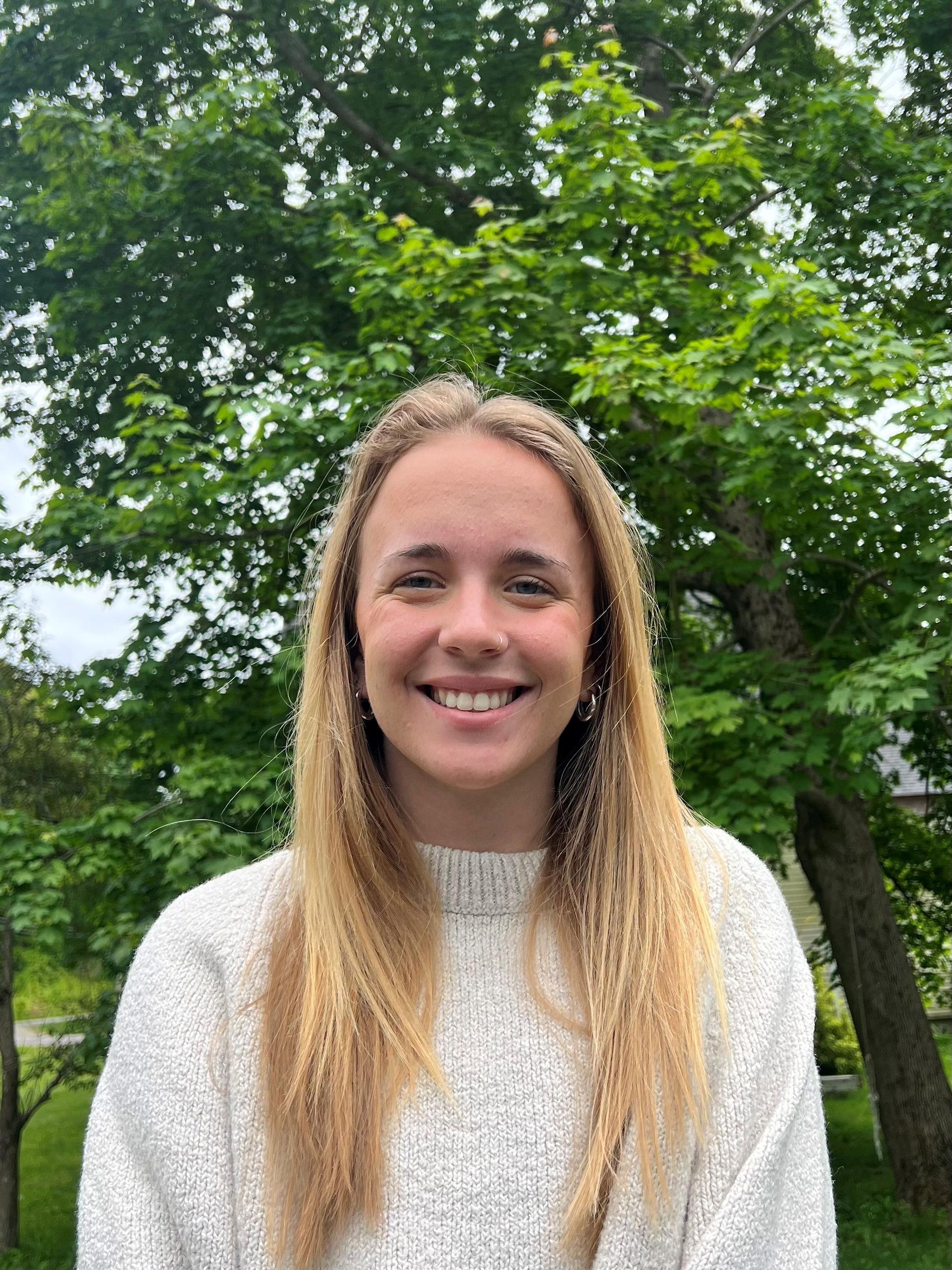
Sadie grew up in Midcoast Maine, where she developed a passion for lakes and aquatic ecosystems. She has experience working with both a local land trust and watershed association, leading interns and volunteers in the stewardship of natural resources.
Most recently, she conducted research with Bigelow Laboratory for Ocean Sciences, studying and modeling cyanobacteria blooms in Damariscotta Lake. Through these experiences, she developed extensive field and laboratory skills and a strong commitment to environmental conservation.
Sadie recently graduated from Wesleyan University with high honors, earning degrees in earth & environmental science and biology. She is excited to learn more about Cape Cod, contribute to APCC's mission, and connect with the local community. |
|
|
|
The Last of our Seasonal Interns Have Arrived! |
|
|
|
|
| Elise Mazeika, Cyanobacteria Intern
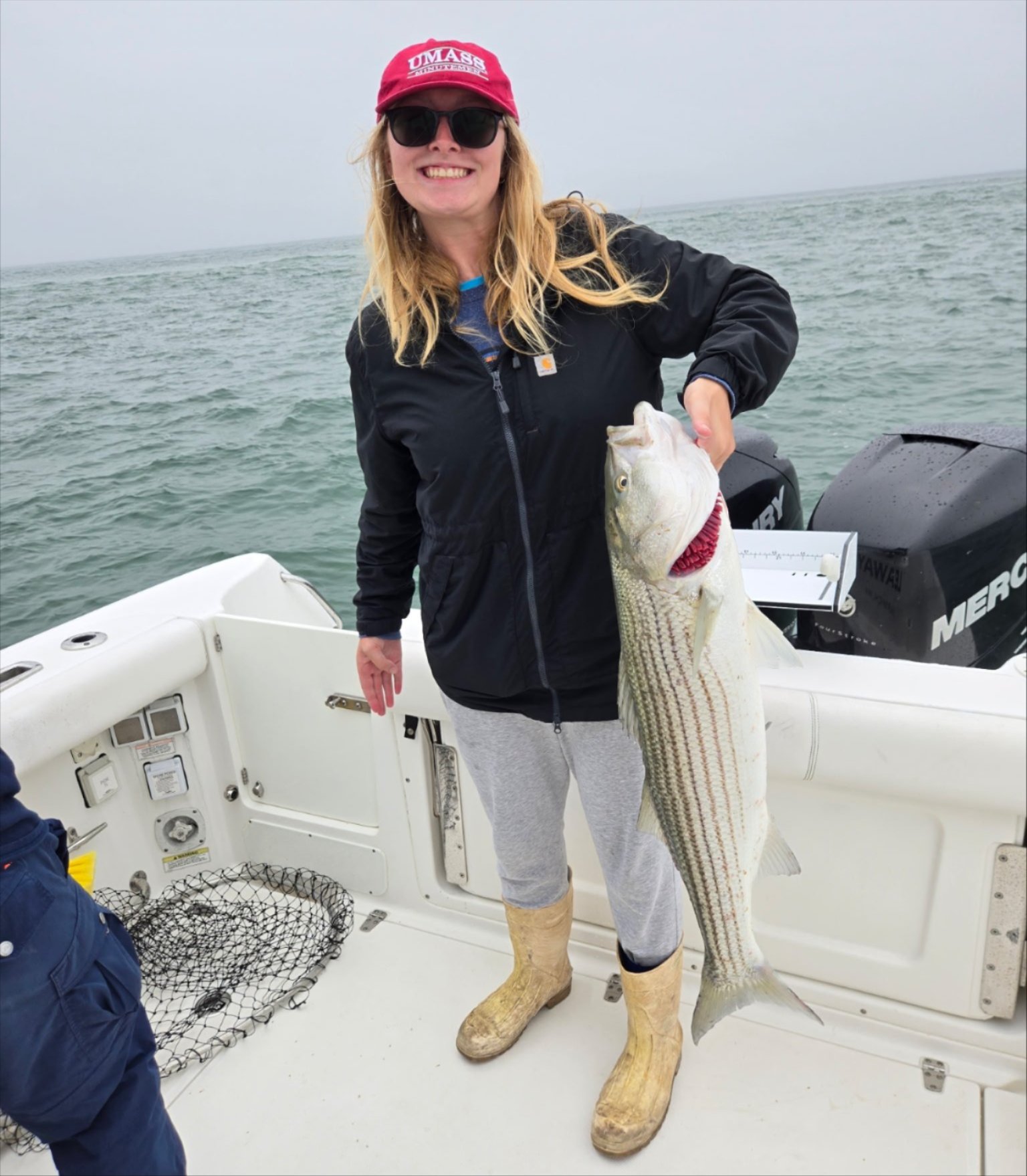
Hi, I am Elise Mazeika. I just graduated from the University of Rhode Island with a bachelor of science in marine affairs with a general business minor. I love spending time outdoors doing activities including fishing, boating, skiing and hiking. I used to work at Chatham Shellfish Company as an oyster farmer. I am excited to start as a cyanobacteria monitoring intern with the Association to Preserve Cape Cod. |
|
|
|
|
Michaela Ocko, Communications Intern |
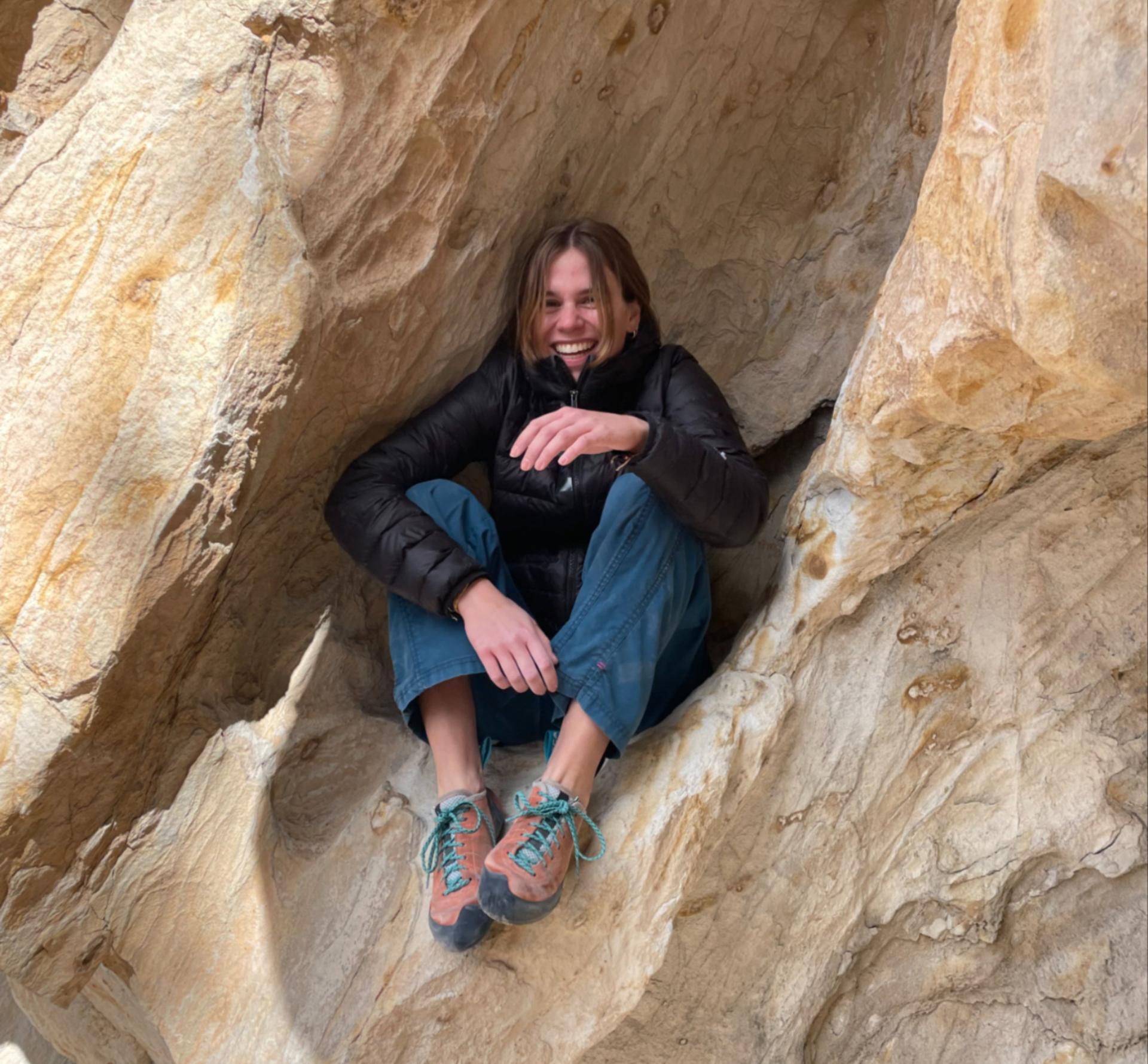
Hi! My name is Michaela Ocko. I am a rising senior at Colorado College studying environmental studies, journalism, and studio art. My passion for the outdoors and conservation has led me to explore storytelling through photography and digital media.
I am so excited to be joining APCC this summer as the communications intern, and I look forward to creating media to help promote conservation on the Cape. |
|
|
|
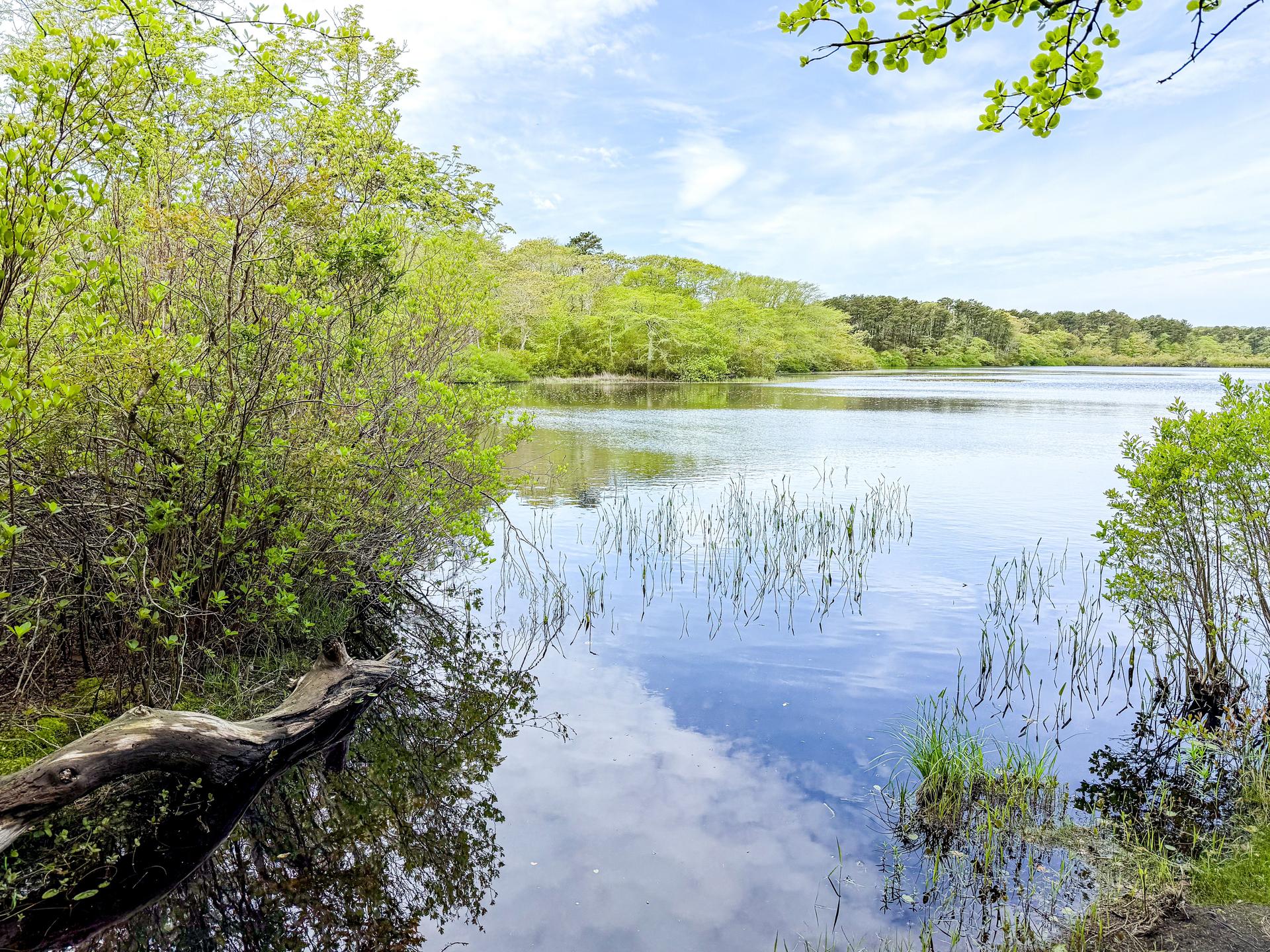
Above: Clapps Pond, Provincetown. Photo by Sue Machie. |
Cape Cod Ponds Network SAVE THE DATE! Thursday, August 6th
6-8 p.m. An in-person meeting of the Cape Cod Ponds Network at
the Cape Cod Museum of Natural History in Brewster is in the works. |
Cyanobacteria Monitoring Program 2026 |
|
|
|
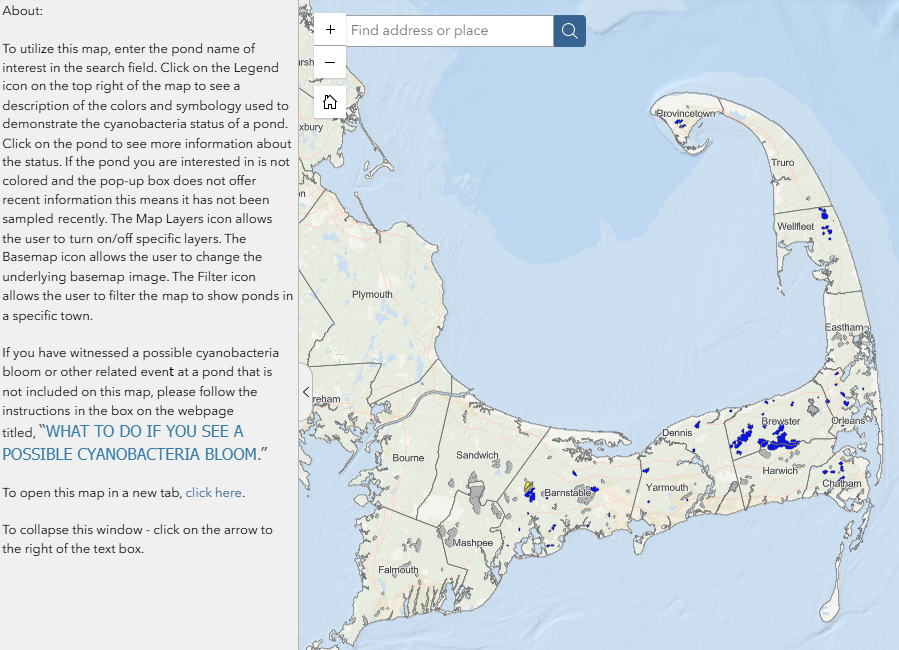
If you notice pond water is scummy or discolored and may have a strong odor, avoid contact. If you see what you think might be a suspicious cyanobacteria bloom, notify your local health department and send a photo to cyano@apcc.org noting the location, day and time. If you wish to receive an email when we detect a cyanobacteria bloom, SIGN UP HERE.
Our interactive map will have our most up-to-date findings at APCC.org/cyano. |
|
|
|
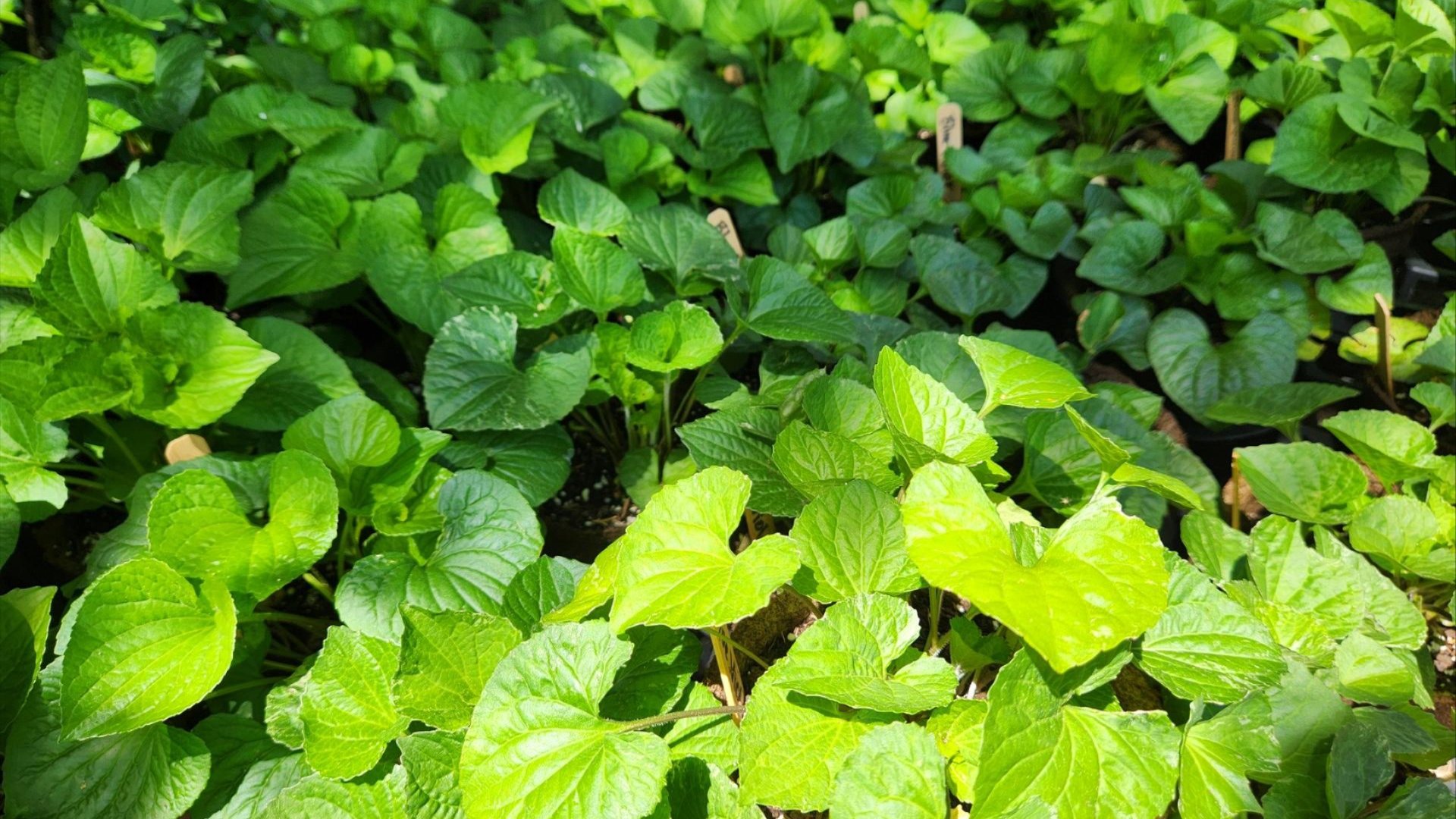
APCC's Annual Native Plant Sale
The sale commences this morning! Wednesday, June 3rd, at 8:30 a.m. Online order only. We will sell plants as long as we have plants to sell.
Once your order is placed and our volunteers have put your order together, we will call you and let you know if we've been able to fill your order in full or in part, and also to schedule your pickup time on Wed, Thurs, or Fri. (Please answer your phone.) Pay at pickup by credit card, Apple pay, check, or cash. |
|
|
|
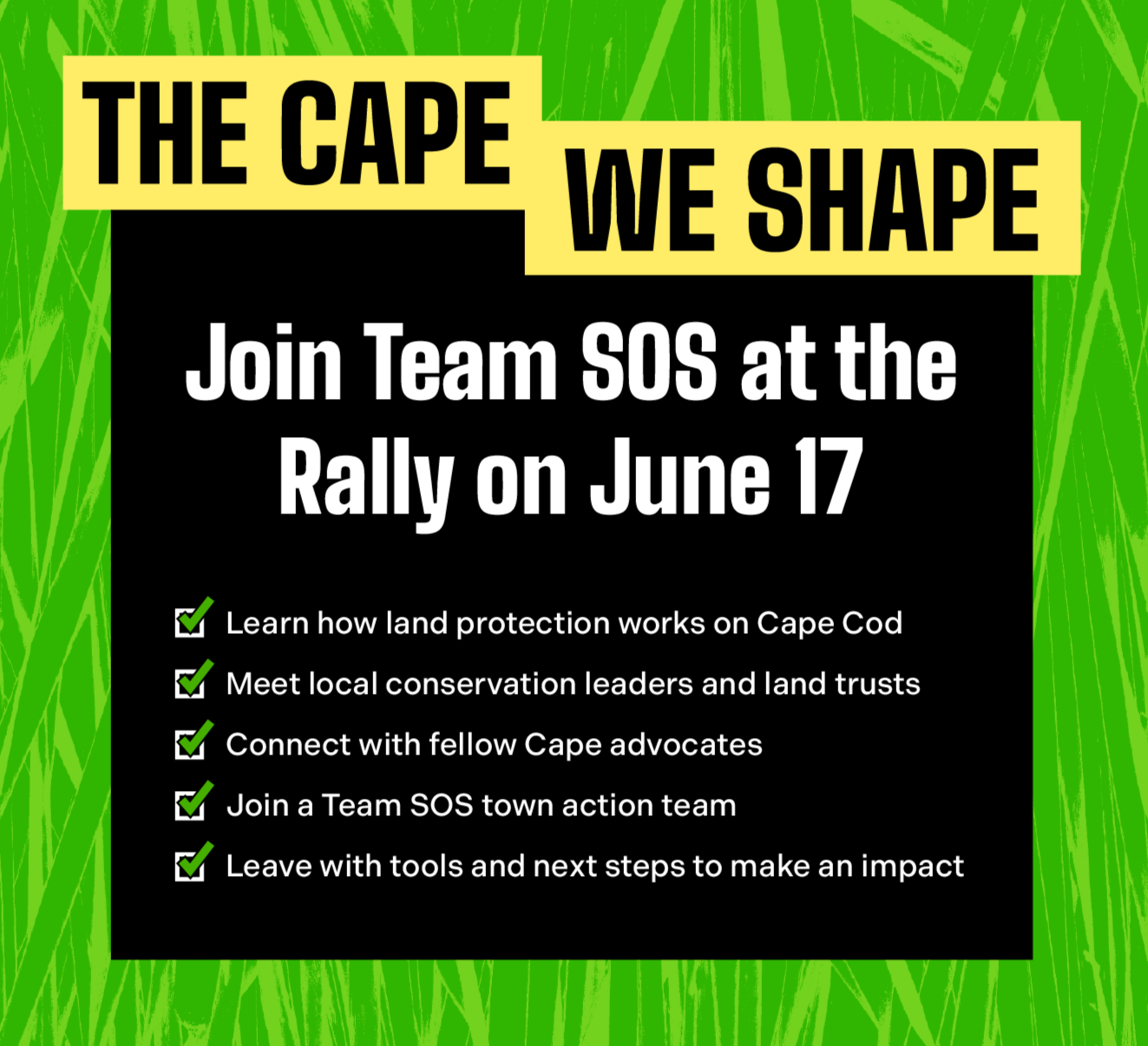
The Cape We Shape Rally
Wednesday, June 17th 8:45 a.m. - 12:30 p.m. in Harwich
REGISTER HERE
Learn more about The Cape We Shape campaign and sign up to be part of Team SOS to engage in efforts to permanently protect the last undeveloped acres that have been identified as priority natural resource areas. As part of Team SOS, look for regular emails most Mondays to learn of news, next steps, and how you can help.
Come pick up campaign signs, flags, handouts, stickers at APCC's office in Dennis: email TeamSOS@apcc.org to arrange day and time. |
Sign up to Volunteer with Team SOS here. Team SOS volunteers help distribute educational materials and work on town teams to support The Cape We Shape campaign efforts.
|
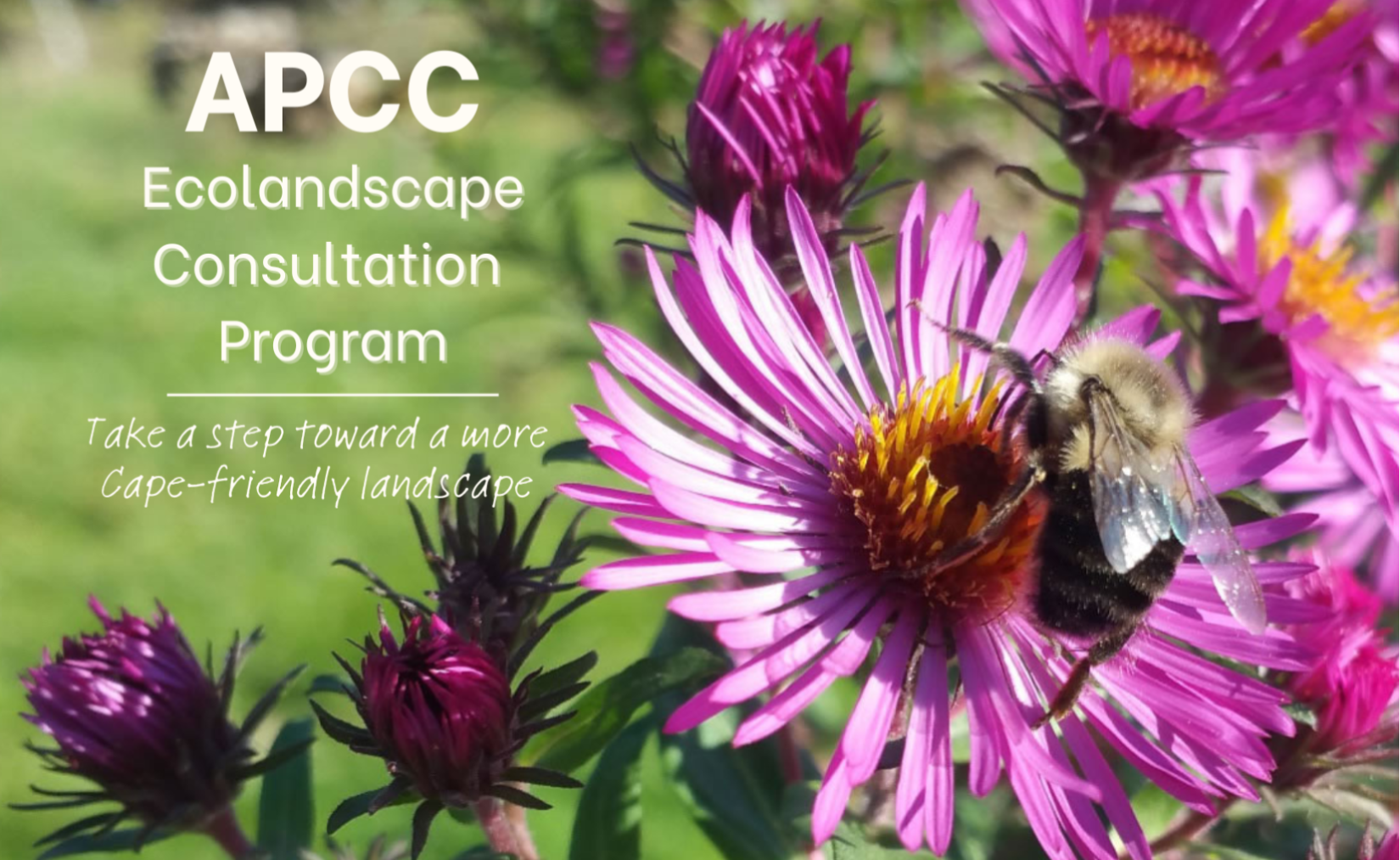
We are accepting appointments for our
Ecolandscape Consultation Program!
If you want to make your yard friendlier to pollinators and wildlife, learn more about native plants and controlling invasive species, and how to conserve water and protect the Cape’s water quality, we can help.
Fill out the form and Erin Camire, our ecolandscape program coordinator, will contact you via email to set up a day and time for the consultation at your residential property in any Cape town from Bourne to Provincetown.
The team will meet with you for an hour and a half, answer your questions, and send you a summary report. The fee is $350.
Read more here about the program and click on the "Get Started" button to schedule a consultation! |
|
|
|
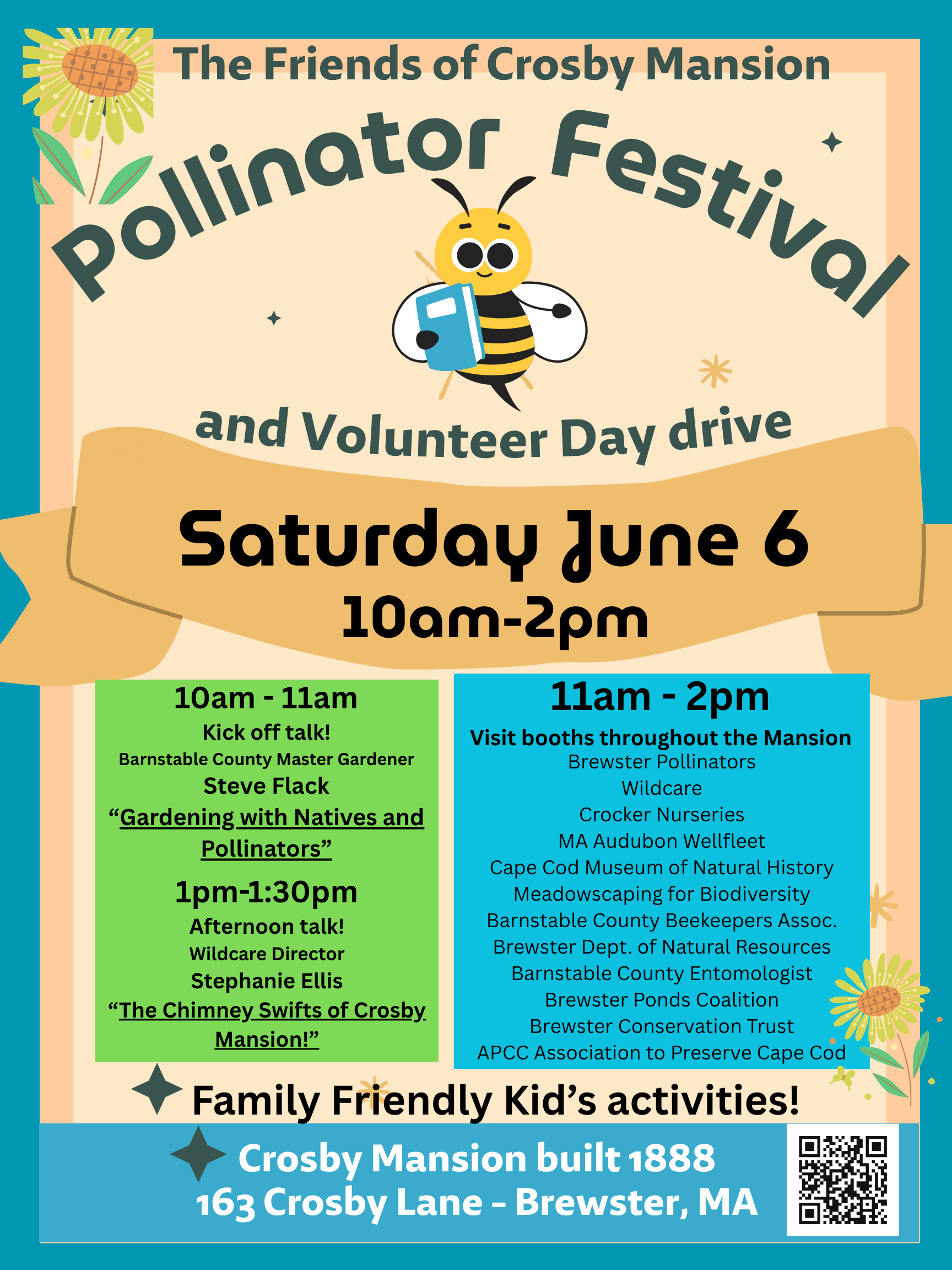
| Harwich Ponds Coalition Annual Meeting on Saturday, June 6 at 10 a.m.
at the Harwich Community Center |
|
|
|
Please come join us to hear an update on the work we are doing to protect our ponds in Harwich! Guest speakers include: Brian Baumgaertel from MASSTC to share some of the innovative work his organization is doing; Marie Chieppo from CFS Regenerative Design on ecological design for Cape friendly landscapes; and Michael Lach to share the latest HCT update on the great conservation and ecological restoration efforts in Harwich. |
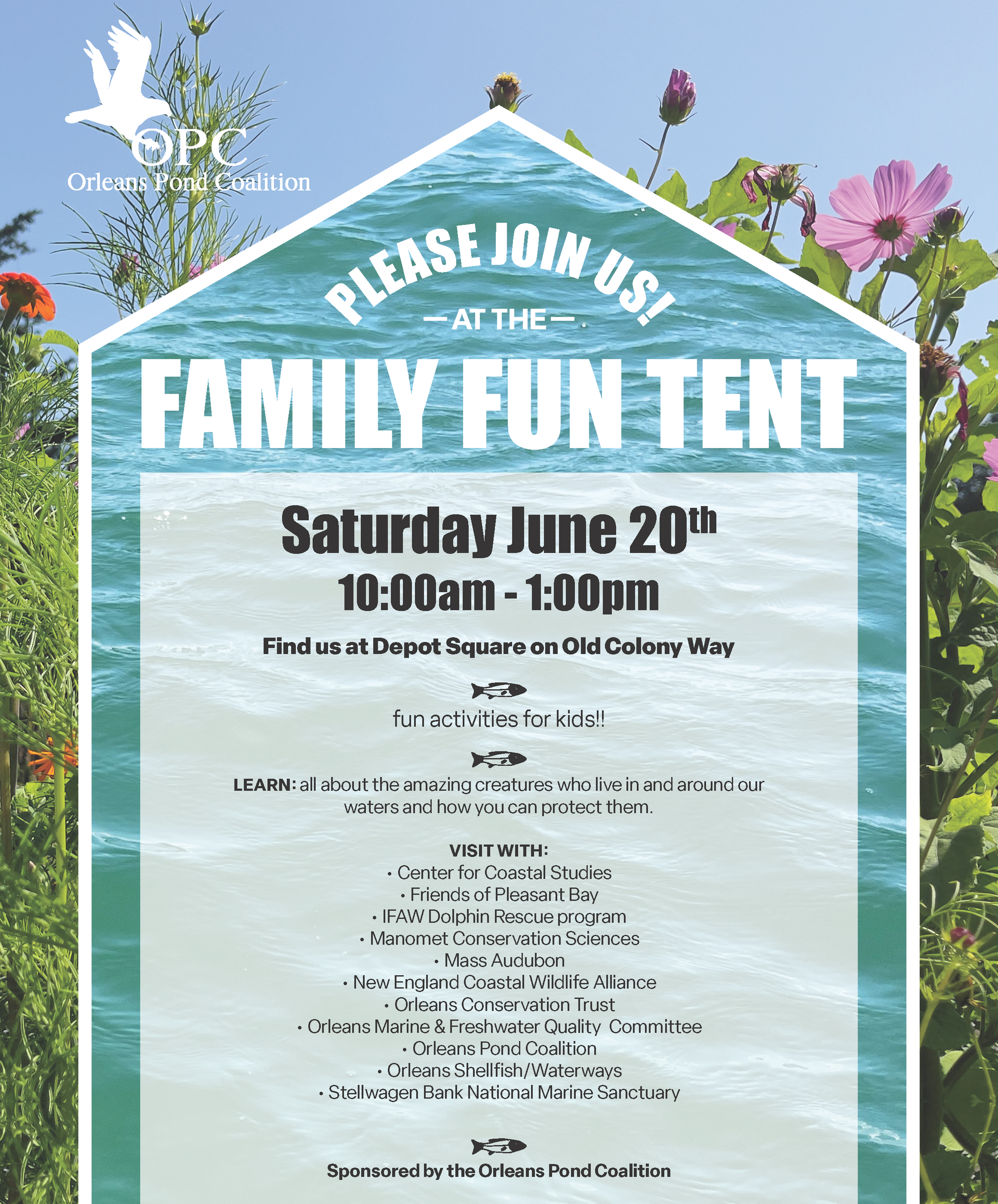
Join the Orleans Pond Coalition on Saturday, June 20 from 10 am to 1 pm for our Summer Kick-off Family Fun Tent at Depot Square (on Old Colony Way).
The theme this year is “protecting the animals that live in and rely on our waters.” Please go to www.orleanspondcoalition.org for more information. We look forward to
seeing you Saturday, June 20 from 10:00 a.m. to 1:00 p.m. at Depot Square in Orleans! |
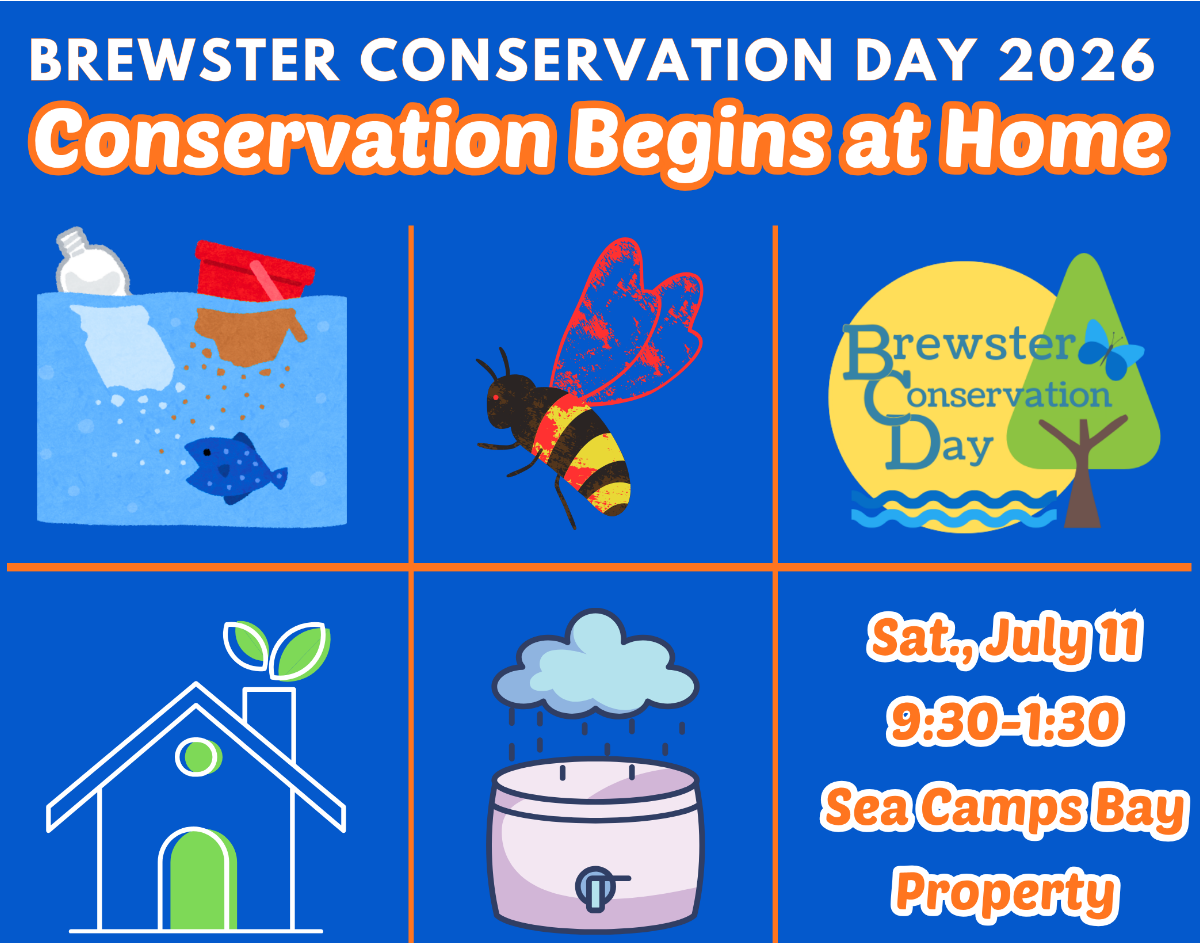
SAVE THE DATE: Brewster Conservation Day turns 15 this year, and Cape Cod’s best-loved conservation fair is promising to be better than ever. This free, fun, family event will take place on Saturday, July 11, from 9:30 a.m. to 1:30 p.m., at the Sea Camps Bay Property (3507 Main Street, Brewster), rain or shine. The theme for 2026 will be "Conservation Begins at Home," which will include tips and tools for the many ways we can all improve our conservation practices.
|
A Cape-wide Conservation Event Calendar |
The Compact of Cape Cod Conservation Trusts (“the Compact”) and its nonprofit members launched a new regional calendar of events. The Conservation Calendar includes programs across Cape Cod hosted by these groups. The goal of the calendar is to encourage visitors and residents to take part in nature and environmental events. You can always find the link to the calendar on APCC's website under News & Events.
|
If you are a farmer or someone who wants to grow native plants to sell, or you just want to be updated on the program's development, please submit the interest form that appears on our webpage. We will be sending periodic email notices of workshops and meetings.
Funding for the project is provided by Barnstable County and its Economic Development Council License Plate Grant Program through the Cape Cod Commission, the Kelley Foundation and private donors. |
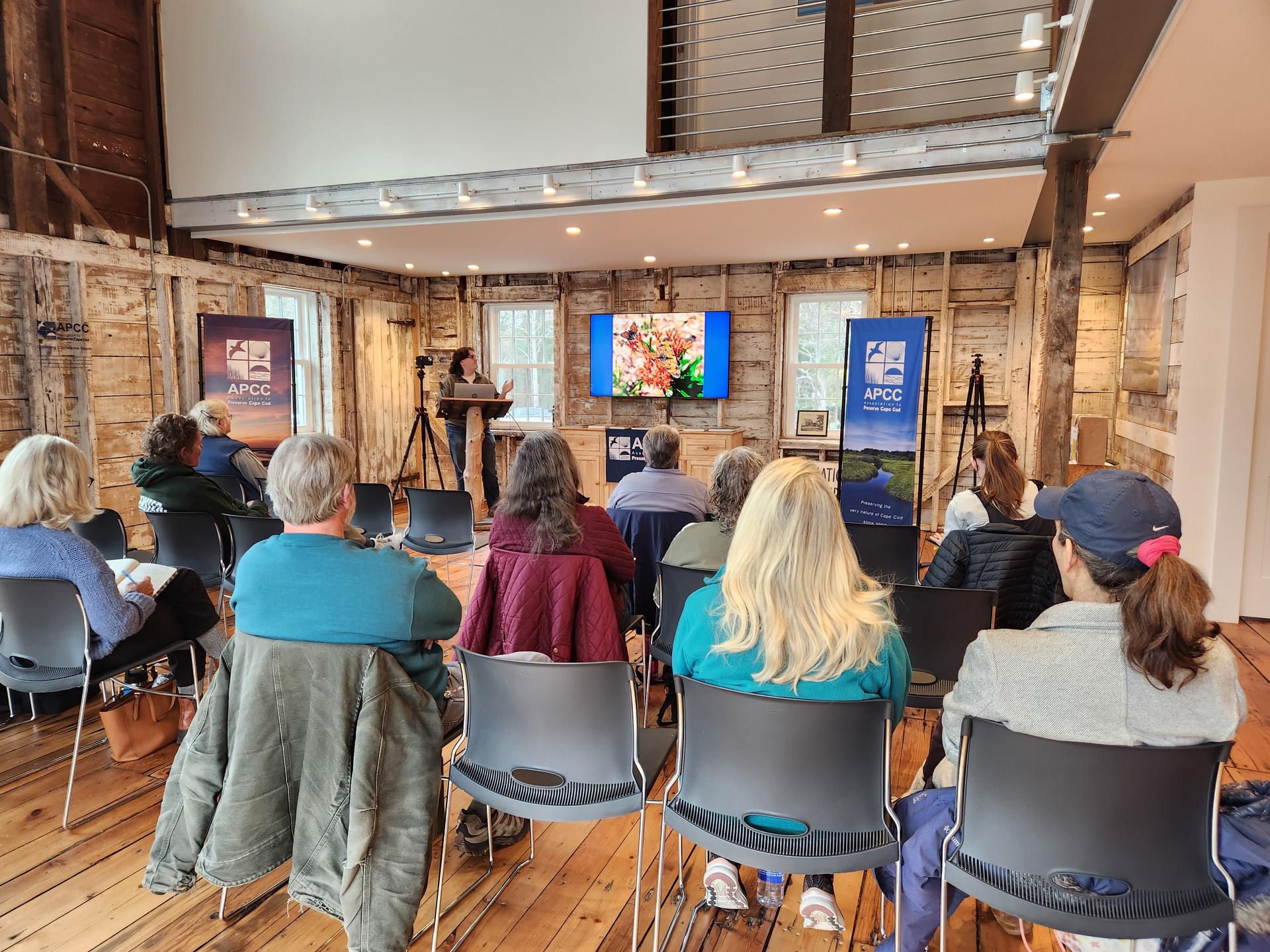
Ten talks for prospective growers as part of the Cape Cod Native Plant Growers' Cooperative program have been presented thus far, with more scheduled in the upcoming weeks. These past workshops can be viewed here: |
A Cape Cod Native Plant-selector ~ to help you choose the perfect native plants for your garden. |
|
|
|
Email kandres@apcc.org and we'll send you a CapeCodNativePlants.org decal. |
|
|
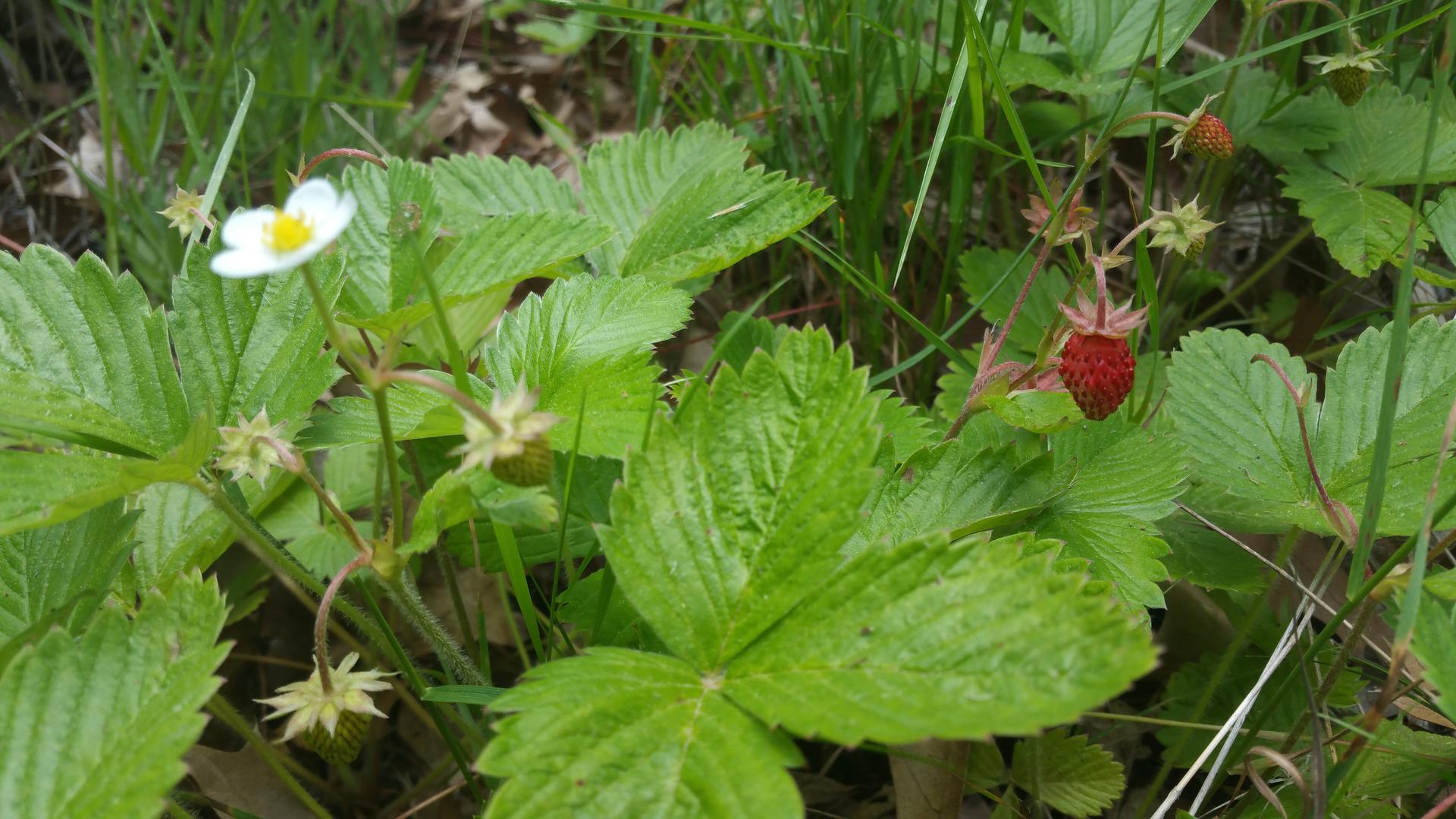
Wild Strawberry Fragaria virginiana |
|
|
|
The purpose of CapeCodNativePlants.org is to help native plant enthusiasts select the right plant for the right place. While not all native plants presented here are indigenous to Cape Cod, they are suitable native species for Cape gardens and managed landscapes.
Why Native Plants? Many native plants are drought tolerant, salt tolerant, and thrive in the “thin” soils found on Cape Cod. Native plants are as attractive as any plant, and are reflective of the Cape’s natural beauty. By planting native species appropriate for Cape Cod, you can conserve water, avoid pesticide and fertilizer use, and support pollinators and birds.
|
|
|
|
|
The Guidelines gives homeowners steps they can take in the design and maintenance of their properties that will support pollinators and birds, manage stormwater, conserve water, and protect the Cape's water quality. This 40-page booklet is beautifully illustrated by Marcy Ford with content that is easily digestible and supported by numerous resources for additional learning.
|
|
|
|
We are grateful for the several retail shops that are partnering with us to make this publication more widely available: Brewster Book Store, Birdwatchers General Store, Crocker Nurseries, Wellfleet Audubon Wildlife Sanctuary, Cape Abilities Farm, Cape Cod Museum of Natural History, the Cape Cod Lavender Farm, Heritage Museums and Gardens, Titcomb's Bookshop, Sea Howl Bookshop, Soares Flower Garden Nursery, Hyannis Country Garden, Orleans Whole Food Store, and Eight Cousins Bookshop.
If you are a retailer and would like to sell this publication at your store, please contact us. |
|
|
|
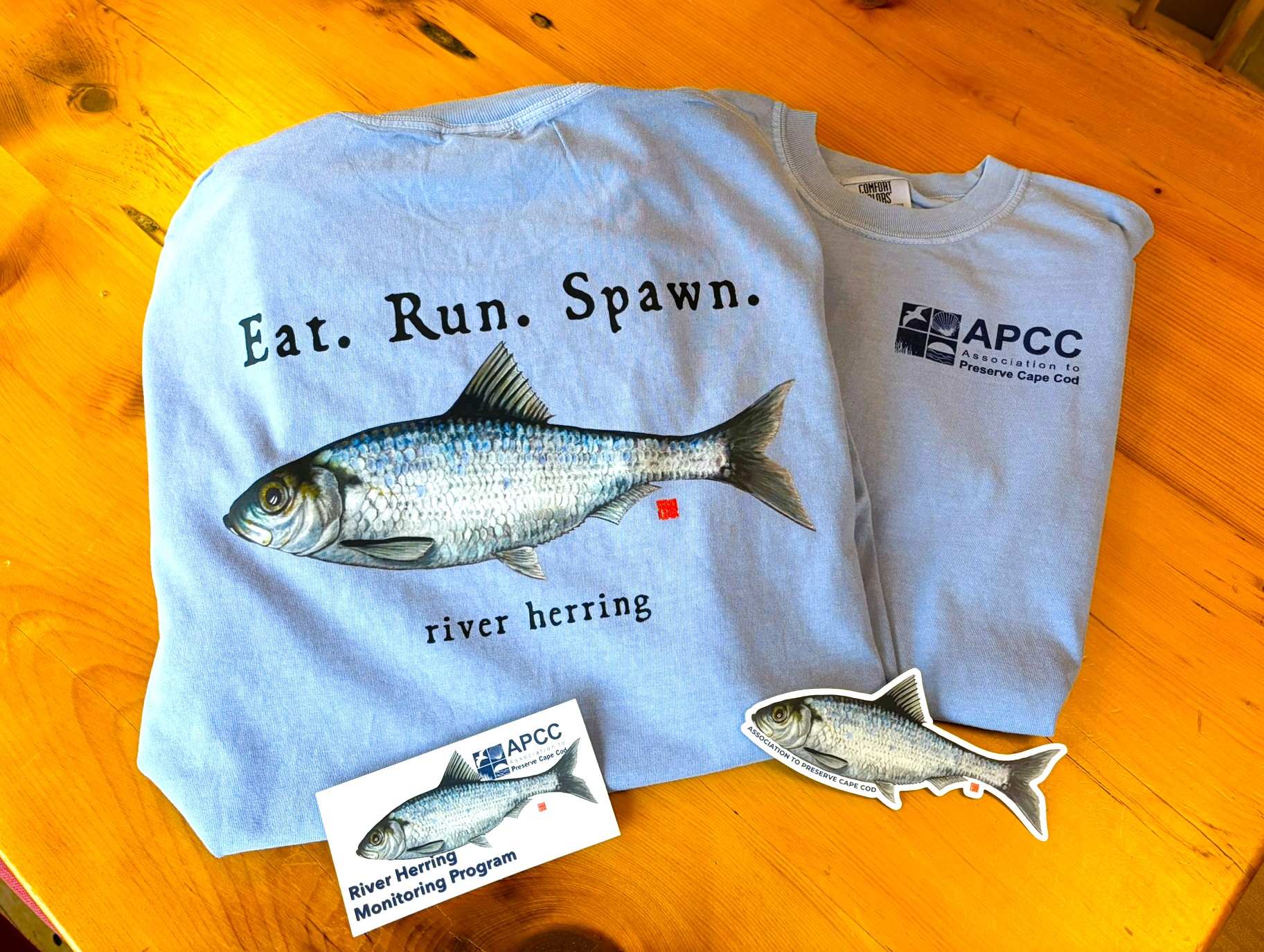
New Offering - Celebrate the Run! Herring T's
color denim blue $30 - includes USPS delivery in the U.S. |
|
|
|
Team SOS T-shirts $30 - includes USPS delivery in the U.S. |
|
| The Cape We Shape $30 - includes USPS delivery in the U.S. |
|
|
|
APCC caps $25 -includes USPS delivery in the U.S. |
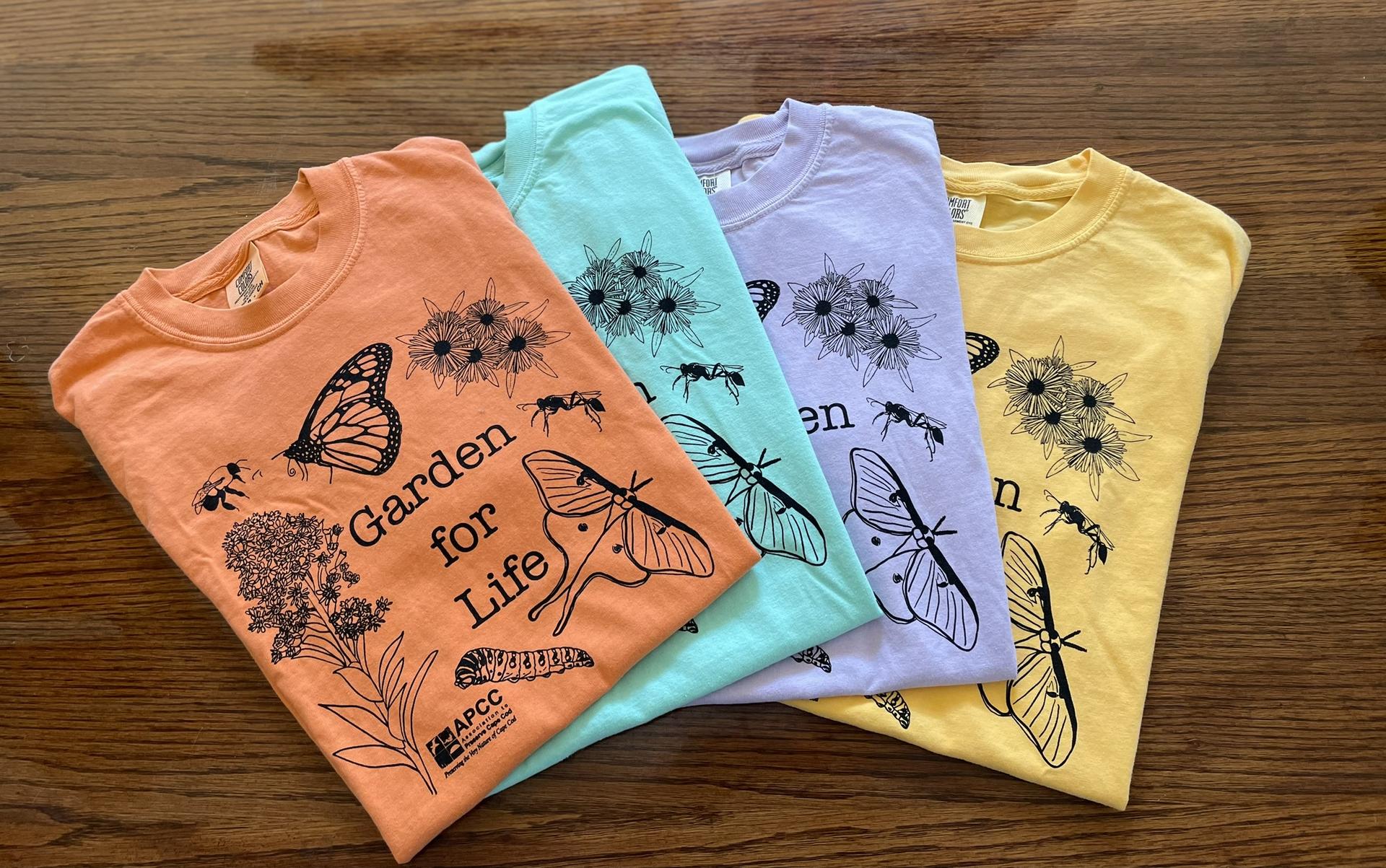
Garden for Life T's $30 -includes USPS delivery in U.S. |
|
|
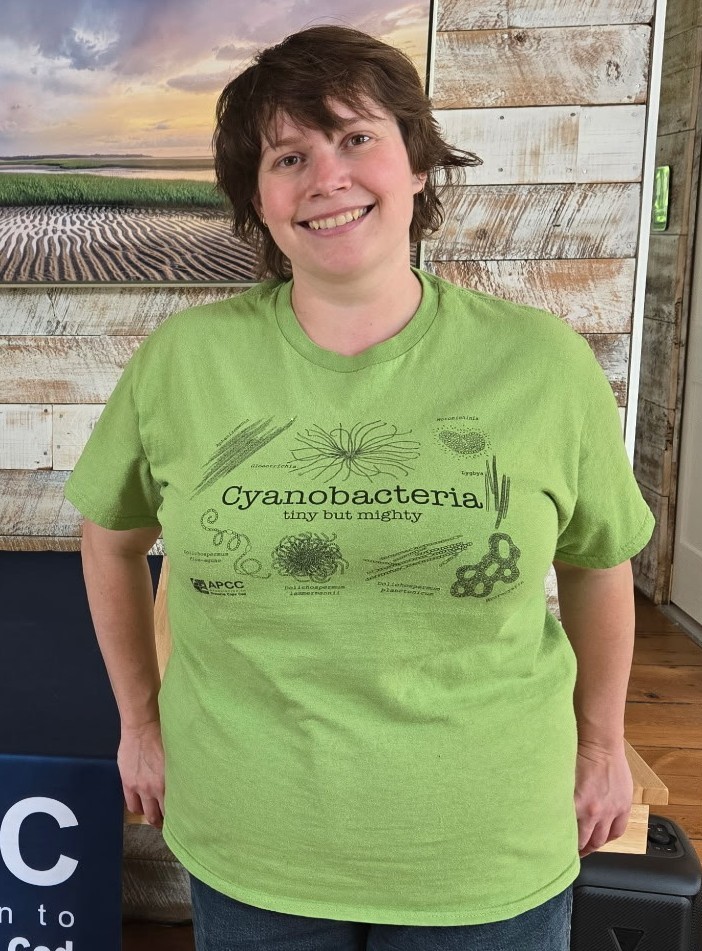
Cyanobacteria ~ tiny but mighty color kiwi $30 -includes USPS delivery in the U.S. |
|
|
|
|
APCC eNewsletters Our weekly newsletters are archived on our website and easily shared.
You can find past newsletters and share with your friends. Encourage others to sign up for future enewsletters HERE.
|
|
|
|
Are you thinking of going solar? We hope so! In partnership with E2 SOLAR in Dennis, APCC receives $500 for every solar installation when APCC is named as referral. |
|
|
|
| Thank you to the homeowners who just contracted to install solar panels through E2 Solar. May the sun always shine for you! |
|
|
|
Expressions Gallery, 578 Main Street, Chatham
CLICK HERE |
Expressions Gallery donates 20 percent of its profits to APCC's work. |
|
|
|
Thank you to our business sponsors! |
|
|
|
APCC is rated four stars by Charity Navigator,
2026 Platinum by Candid (formerly Guidestar). |
|
|
|
Our Contact Information
*{{Organization Name}}*
*{{Organization Address}}*
*{{Organization Phone}}*
*{{Organization Website}}*
*{{Unsubscribe}}* |
|
| |
|
|