Association to Preserve Cape Cod |
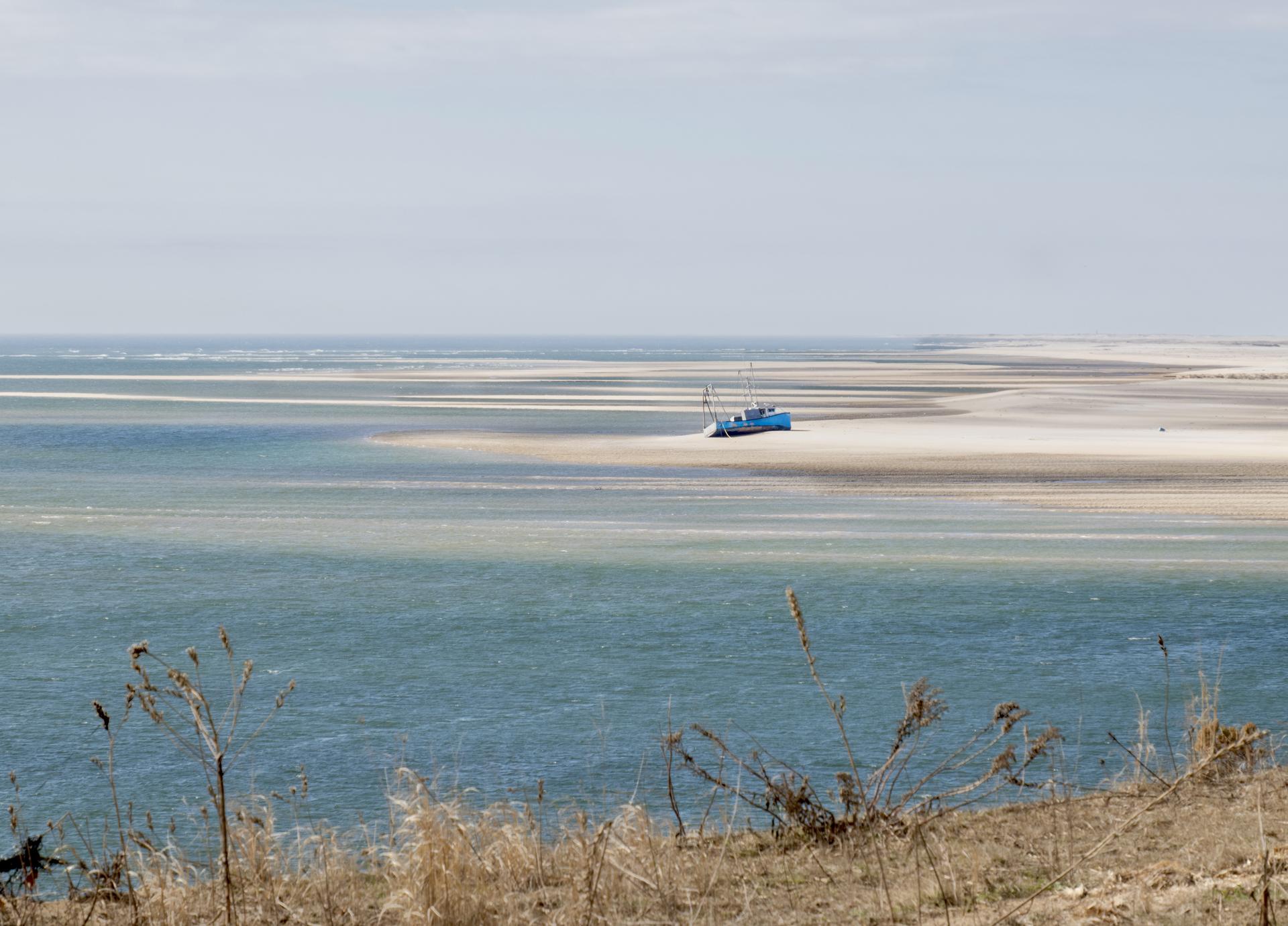
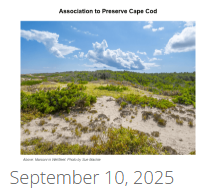
Above: Chatham. Photo by Sue Machie. |
|
|
|
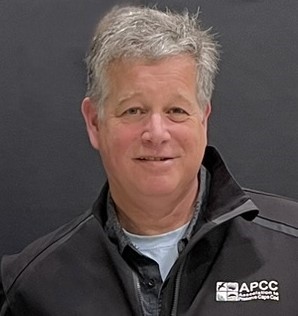
| Nothing Fixes Itself by Andrew Gottlieb, APCC Executive Director |
Democracy is neither self-actuating nor is it self-sustaining. Governance requires ongoing interest, awareness of the issues of the day, and a willingness to make the effort to show up and participate. |
|
|
|
While events at the national level can often seem beyond the reach of most of us, participation in local government requires little more than your willingness to walk into town meeting or your local polling place. A few hundred people will make all the decisions for most Cape towns at upcoming town meetings. Most local elections will attract 10-15 percent of eligible voters. Low levels of participation in local elections is a form of an apathy largely unique to American that we all possess the ability to easily rectify.
APCC is providing guidance to voters in each town where environmentally significant articles appear on town meeting warrants. Even if you feel disconnected to local politics or have never been to a town meeting, we hope you will take the information we are providing and use it to cast your votes.
Regardless of your presence, decisions that affect the environment of the Cape will be made at town meeting. Why rely on others to do the right thing on water quality, land protection, environmental resource restoration and limiting the release of toxins to the environment when you possess the liberty to cast your own vote? Town meetings and elections are a low-cost opportunity to both reconnect with your community and to act for a better environment. Make the effort and show up and vote. |
Ecosystem Restoration Program |
Stormwater Improvements Taking Shape at Mashpee-Wakeby Boat Ramp
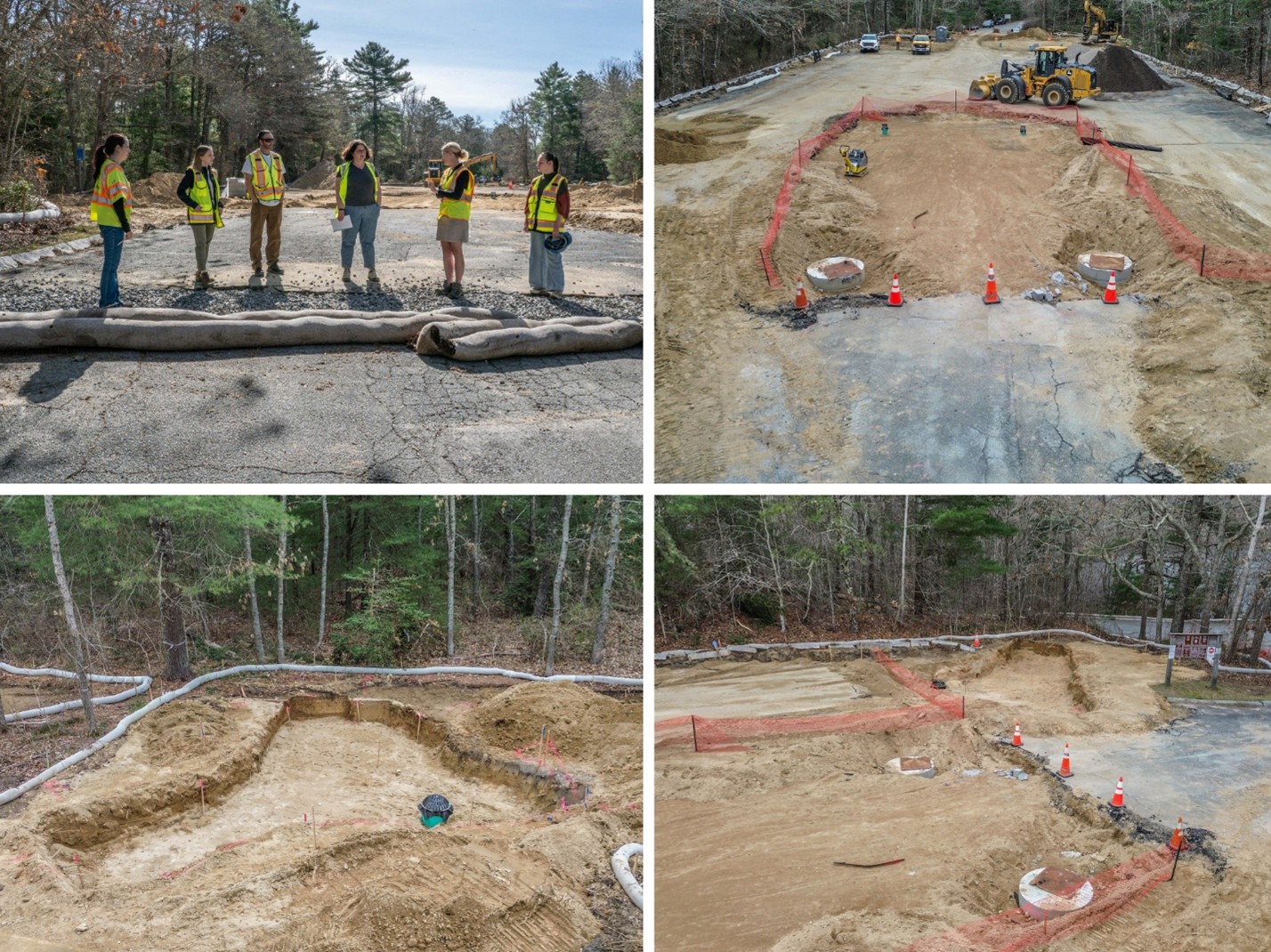
Over the past two weeks, construction crews have made significant progress on green stormwater improvements at the Mashpee-Wakeby boat ramp in Mashpee. At the center of the parking lot, underground infiltration chambers have been installed to capture and store stormwater runoff, allowing it to slowly soak back into the ground rather than flowing directly into Mashpee-Wakeby Pond. These systems play a key role in reducing pollutants like nutrients and bacteria, while helping to restore more natural water flow.
In addition to the underground work, bioretention areas at the four corners of the parking lot have been excavated and are beginning to take shape. These landscaped areas will be designed with specialized soils and native plantings that filter out pollutants as stormwater moves through them. Together with the infiltration chambers, these features will significantly reduce the amount of untreated runoff reaching the pond and nearby waterways.
As construction continues, the site will begin to look more complete with final grading, paving, and planting. Once finished, these improvements will not only protect water quality in Mashpee-Wakeby Pond, the Mashpee River, and downstream Popponesset Bay, but also improve the resilience and functionality of this heavily used public access point. |
|
|
|
This is why we plant native - supporting life in our landscape. Barren strawberry, Waldsteinia fragarioides, is flowering now and you'll see here a carpenter bee and sweat bee finding nectar.
What life is in your landscape? |
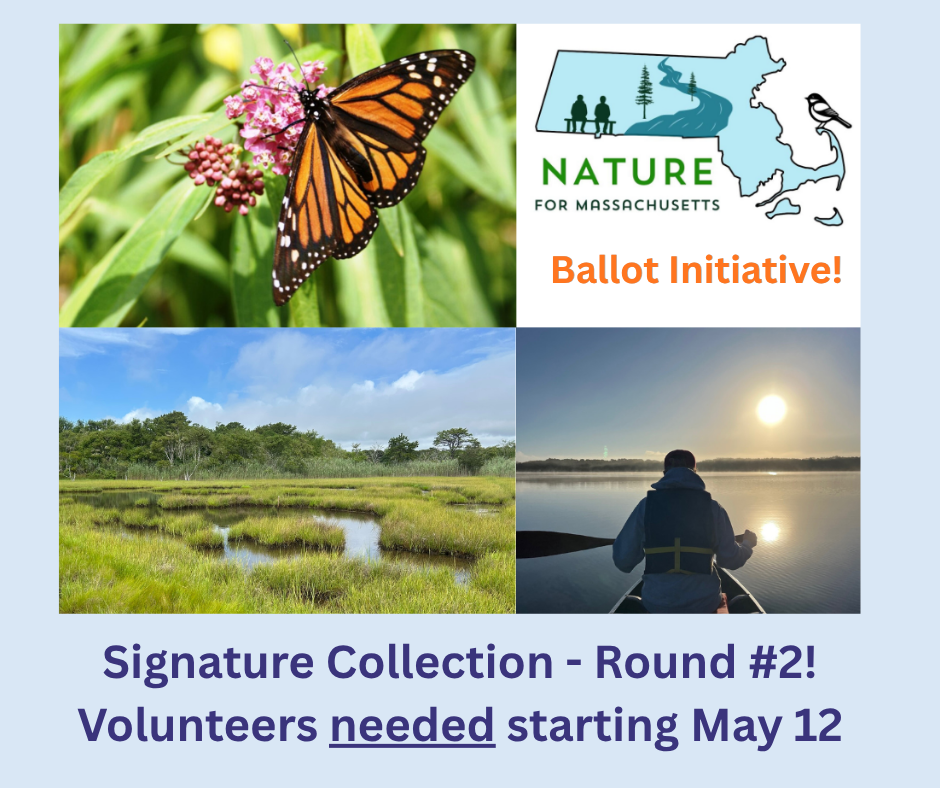
As a member of the Nature for Mass coalition, APCC is once again helping to collect signatures to put the Protect Water and Nature initiative on the ballot. If you would like to help us collect a second round of signatures in your town you can sign up to volunteer. Volunteer to collect signatures in your town–sign up here!
Nature for Massachusetts is a large and diverse coalition that seeks to create a dedicated, annual revenue stream to conserve water, land, urban greenspace, outdoor recreation access, and wildlife in Massachusetts.
The coalition is urging the State Legislature to pass the Nature for All bill (H.901/S.2571) to help address the threats we face. But if lawmakers don’t act, the coalition is ready to bring this issue directly to voters through a 2026 ballot question. That’s why we’re collecting signatures to put the Protect Water and Nature initiative on the ballot, and we need your help this spring to get past the final hurdle.
To put this question in front of voters on the 2026 ballot, advocates need to collect over 100,000 signatures over two rounds of signature collection. We have already submitted over 90,000 certified signatures to the Secretary of State last fall. (Thank you, volunteers!) This spring, we need to collect 21,000 additional signatures.
The timeline is much more condensed this time, which means our ramp will be much shorter than before - and we need all hands-on deck to get past this final hurdle.
Ballots will be available for pick up starting May 12.
Email Dee at volunteer@apcc.org for more information. Volunteer to collect signatures in your town – sign up here! |
|
|
|
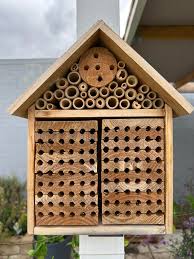
Why We’re Giving Bee Hotels a 1-Star Review |
Bee hotels have become a popular feature of an ecologically minded garden, often sold at nurseries as a way to provide a quaint home for many of our stem boring insect species. However, there are many downsides to these structures that are often left out of the conversation. But before we dive into the bad and the ugly of bee hotels, let’s talk about the ecological purpose they serve in the first place.
Around 30 percent of our native bee species, as well as many native beetles and moth species, are “stem borers” and spend the first part of their life cycle in a hollow, woody stem. During the summer, an adult female bee, (let’s go with a small carpenter bee, Ceratina spp., as an example), will select a dead, hollow stem left over from the previous year—often a broken raspberry cane or broken stem of sumac—as her nesting site. Over the course of hundreds, if not thousands of trips, she will first create a hard mud wall to enclose a cell, where she will then lay an egg, and stuff the rest of the cell with everything that larvae will need to eat to fully mature—pollen and nectar that provides a balanced mixture of proteins, lipids, and carbohydrates. She’ll then seal the cell with another mud wall, and start working on another cell right above it, doing as many as she can up the length of the stem.
This complex and fascinating life cycle is what launched the idea for bee hotels, a man-made structure of hollow stems often clustered in an ornamental shape, to hang or place somewhere within the garden. However, while well-intended, these structures can actually cause more harm than good. After a stem is used by a stem-nesting species, it is often too decayed to support another year of insect life. Bacteria and fungi have also made themselves at home, further helping with the natural process of decay. In a meadow, this limited lifespan is more than okay, because with each year there are new dead stems to make nests within.
This is the key factor that bee hotels are missing. These products are not sold or marketed as single year items, and thus year after year the stems in this hotel further decay, leading to increased bacterial and fungi presence, which can cause disease and even mortality to the insect eggs placed within these stems. Additionally, with such a centralized, and densely populated structure, diseases not only spread faster, so do issues of parasitism. Bee hotels exacerbate parasitism by clustering stem nests together, thereby making them an easy target.
If you’d like to support stem boring insects of all kinds in your landscape, ditch the bee hotels, and just leave the stems you already have. Perennials such as monarda, goldenrod, Joe-Pye weed, raspberries, and many others which leave a hollow stem behind are excellent habitat for these species.
Hopefully you already know to leave the stems and flower heads persist through the winter to support our overwintering birds. The spring is the best time to cut back the stems, but eave 8-24 inches to support stem boring species. What you have cut, either cut them up into smaller pieces and scatter them within your garden for nutrient cycling and as a natural mulch, or bundle them up and add them to a brush wall or brush pile.
For more specific management details, please consult the handout from biologist and author Heather Holm and the Xerces Society. And thank you for saving the stems to support the life cycles of many of our native insects. |
|
|
|
APCC out in the community... |
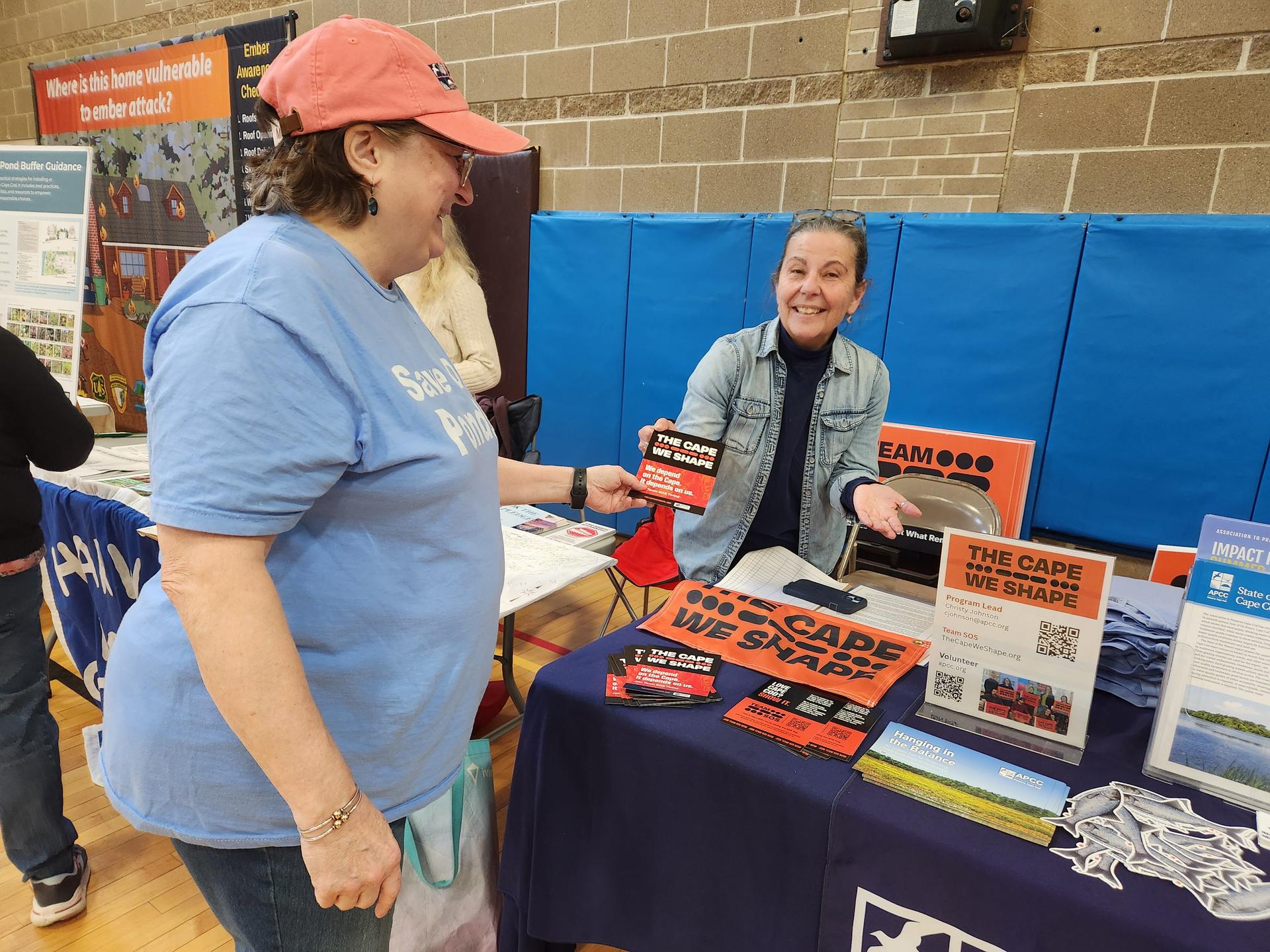
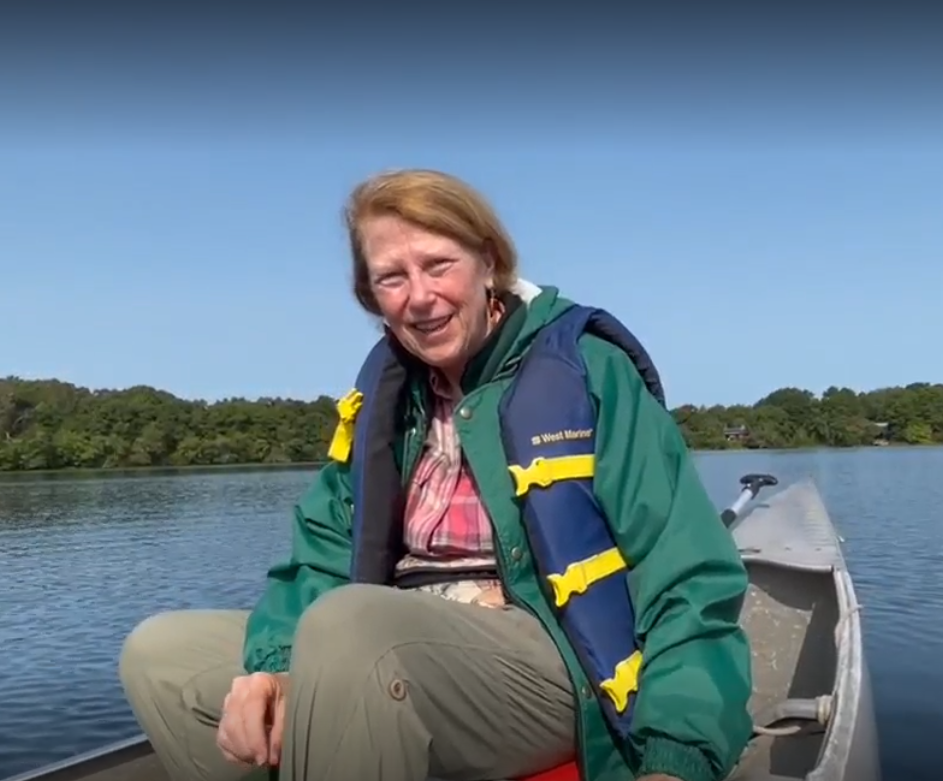
Above: APCC volunteer, Sue Carrai, and APCC education director, Kristin Andres staging a photo at the Harwich Health & Environment Fair |
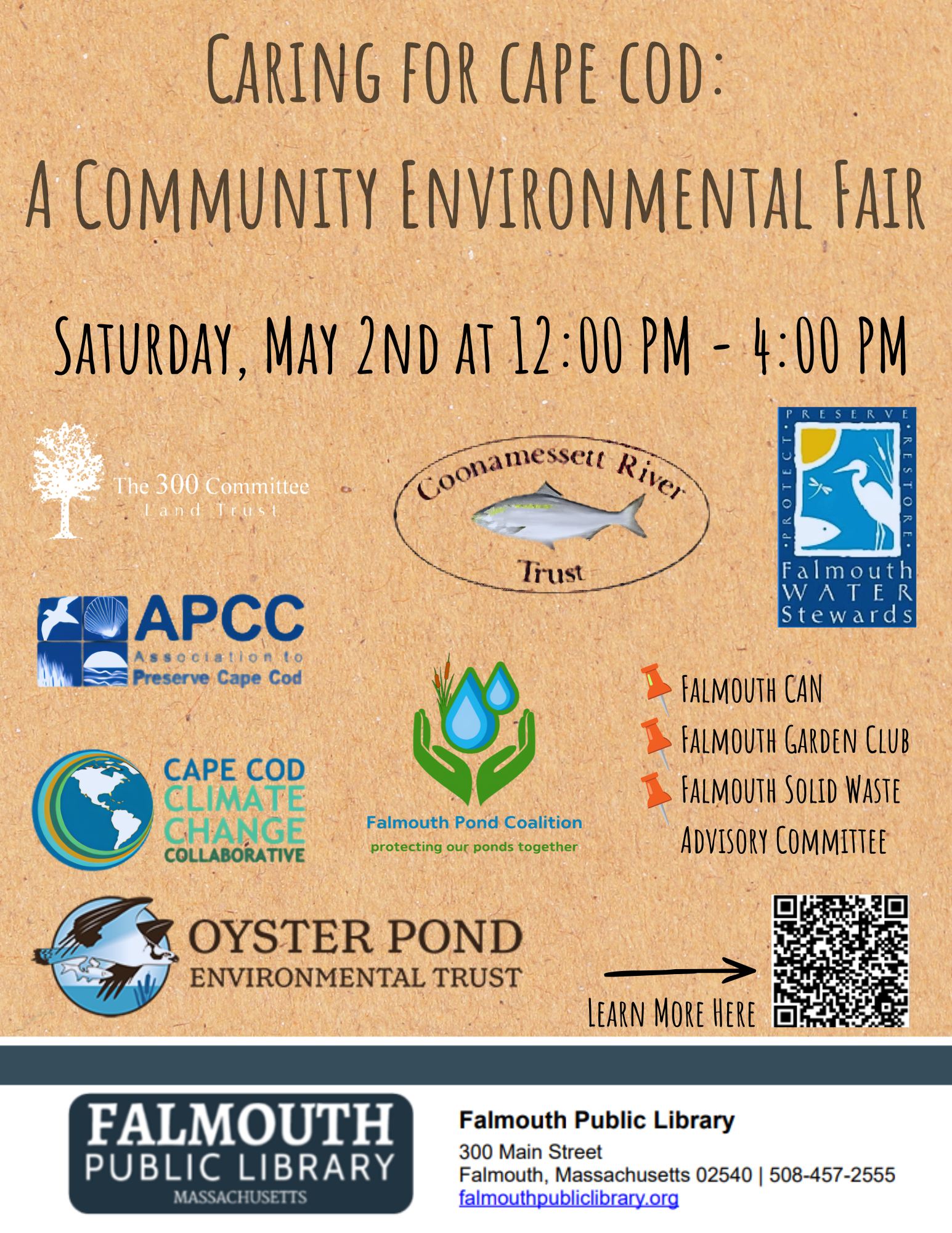
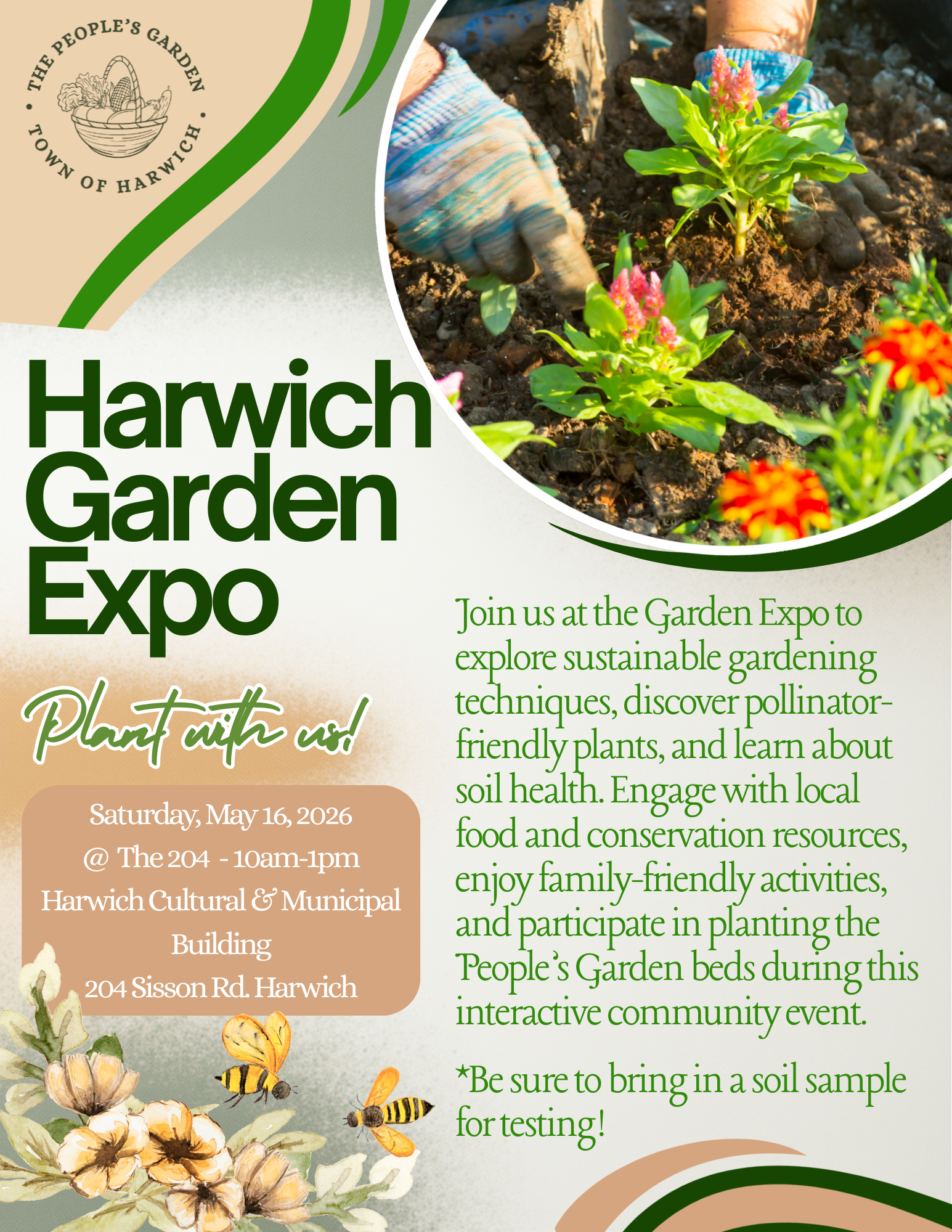
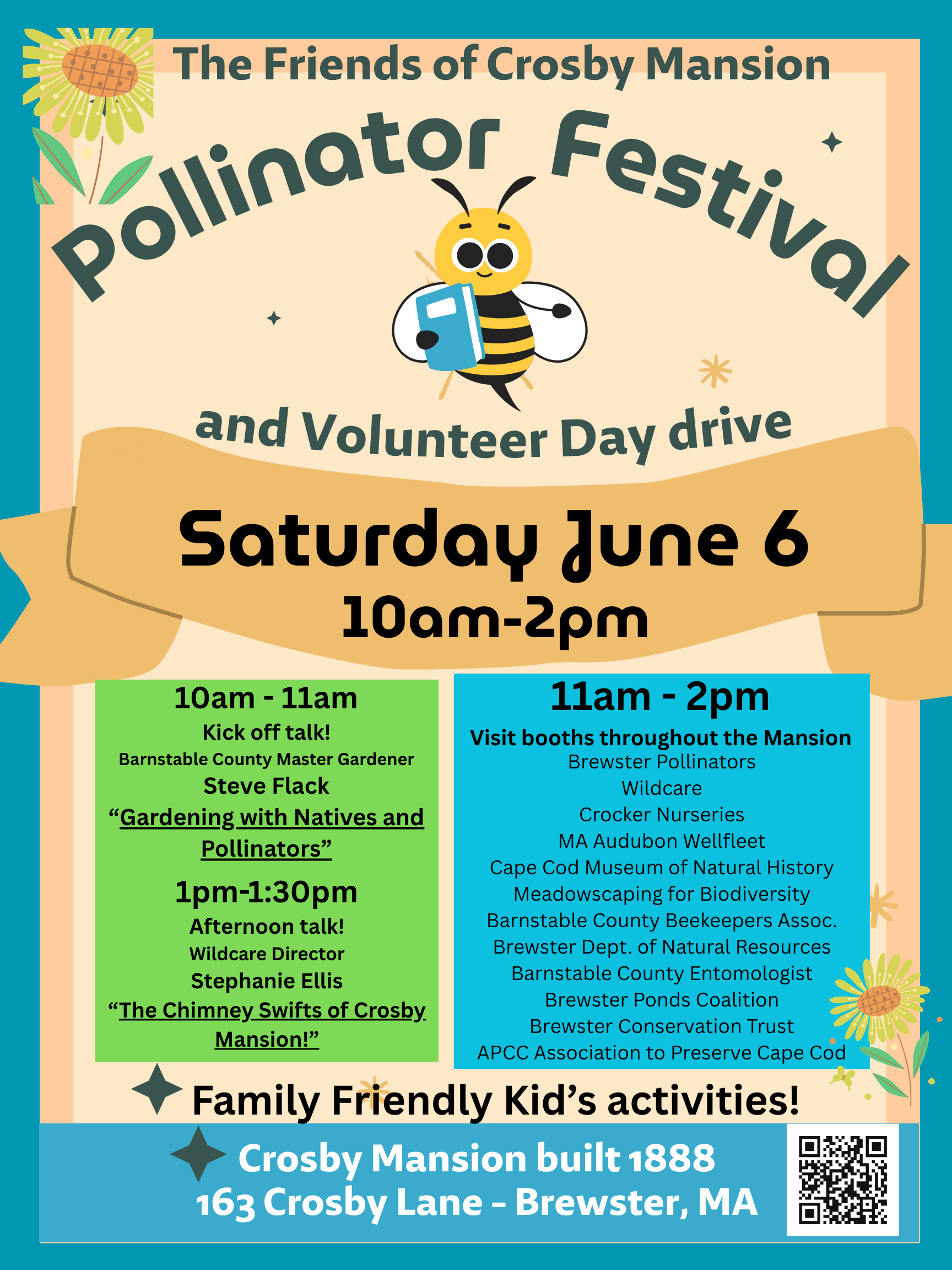
We've been visiting numerous events this spring, talking about APCC's programs and The Cape We Shape campaign. Most recently we were at Yarmouth Cleanup Day, Harwich Health & Environment Fair, and the Big Blue. |
|
|
|
Learn more about The Cape We Shape campaign and sign up to be part of Team SOS to engage in efforts to permanently protect the last undeveloped acres that have been identified as priority natural resource areas.
As part of Team SOS, look for regular emails most Mondays to learn of news,
next steps, and how you can help. If you are NOT getting our Monday update emails, please let us know and we will ensure you do. Come pick up campaign signs, flags, handouts, stickers at APCC's office in Dennis: email TeamSOS@apcc.org to arrange day and time.
We now have Team SOS t-shirts available for purchase ($25 with pickup). |
Volunteers are needed now! We are currently looking for volunteers to help with our spring event educational outreach tables. In many cases we are double booked and need an extra hand or two to help set up and staff our tables. This is a fun way to get involved and learn more about preservation and restoration projects happening all over the Cape. Come meet your neighbors and fellow conservationists!
APCC volunteer opportunities abound! There are so many ways you can participate as an APCC volunteer this spring. Sign up now to help join staff at one of our educational outreach tables, prepare for our annual native plant sale, get outside with the ecolandscape garden crew, or get involved with The Cape We Shape campaign. |
Attention Runners:
Run the 2026 Falmouth Road Race for APCC |
|
|
|
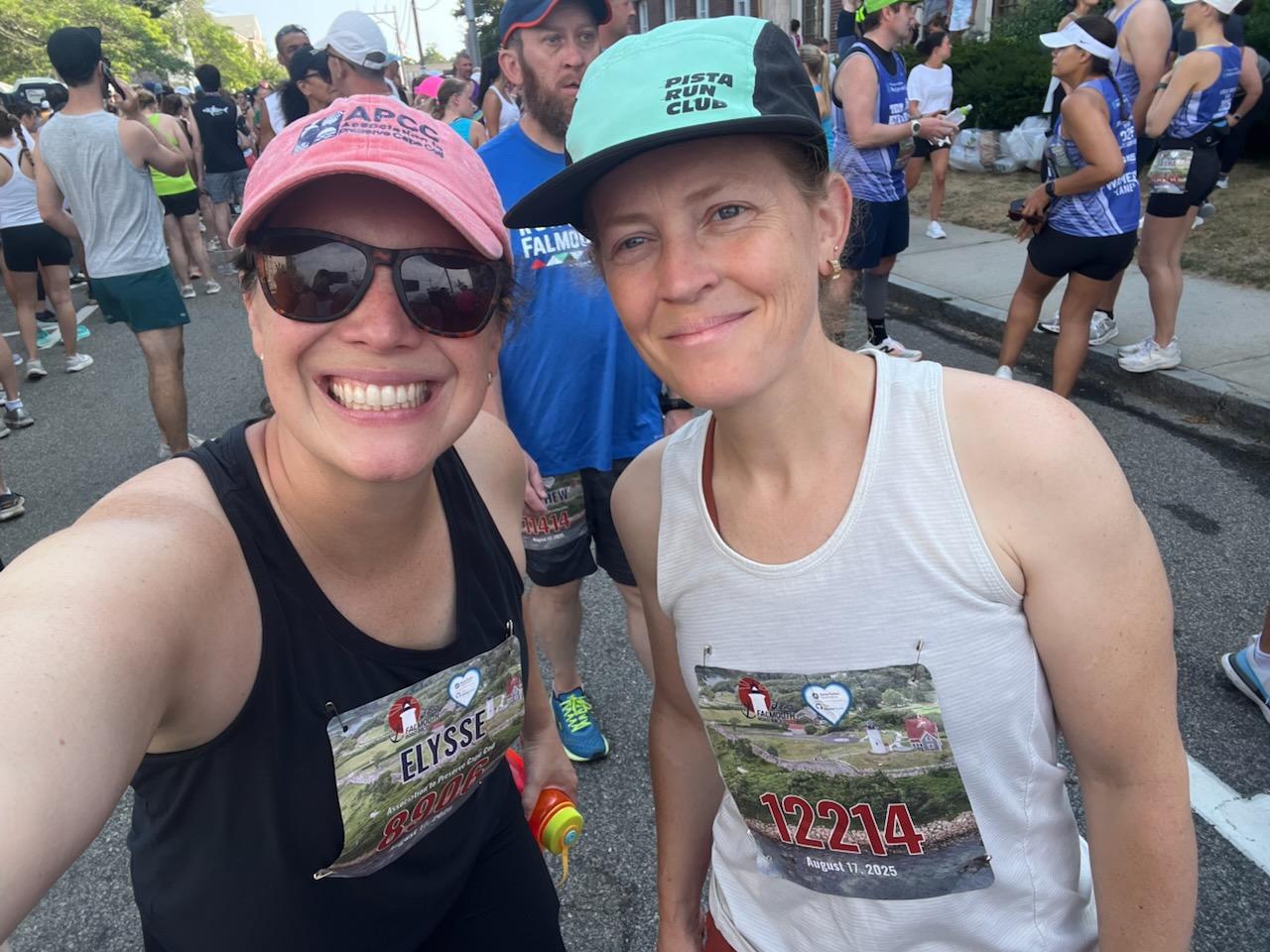
Above: Elysse Magnotto-Cleary, APCC president, and her friend Mary ran for APCC in 2025. |
|
|
APCC is thrilled to be a part of the "Numbers for Nonprofits" program for the 2026 Asics Falmouth Road Race, and we are currently accepting applications for this year's team. Team members will receive a guaranteed race entry, fundraising tips and tools, a fundraising web page, and support throughout the process. If you're interested in amplifying APCC's work in a fun and unique way,
please apply here.
Questions? Please reach out to runforapcc@gmail.com |
|
|
|
|
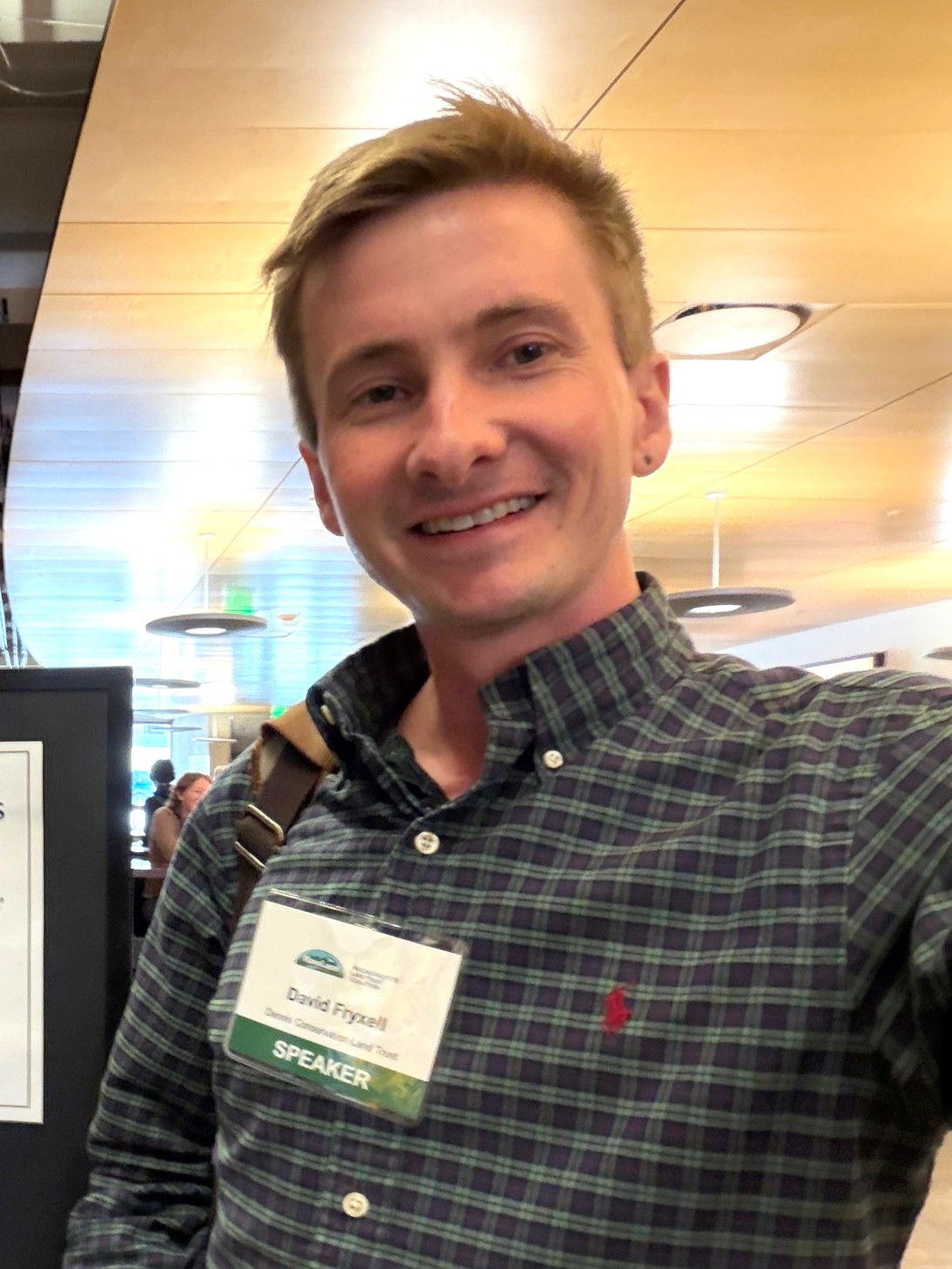
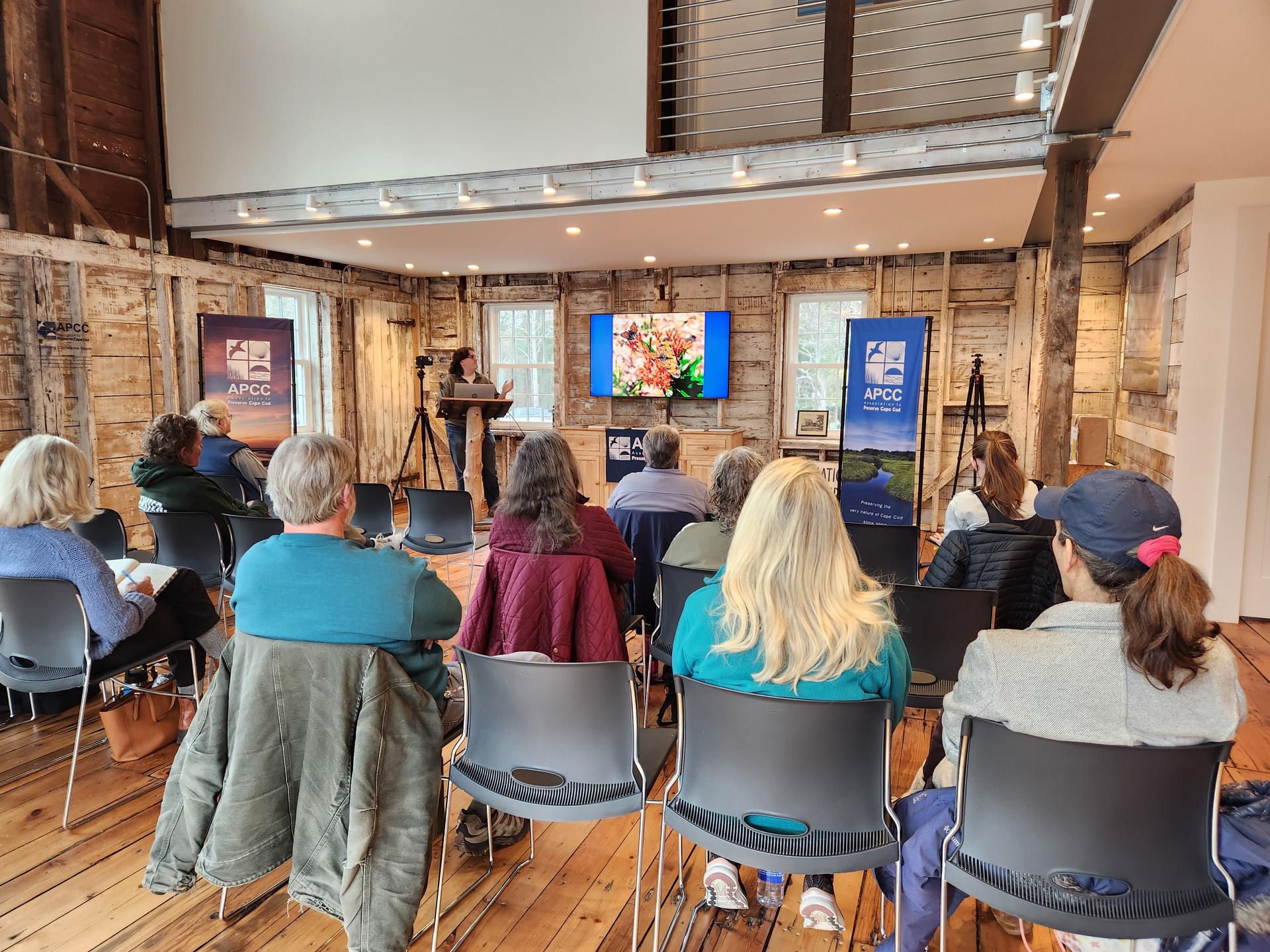
Pond Ecology Matters: Biodiversity and Its Role in Pond Health with Dave Fryxell, Ph.D., Dennis Conservation Land Trust Executive Director |
Friday, May 1st
1:00 - 2:30 p.m. At APCC's headquarters in the Koppel Center in Dennis and online via Zoom.
In this talk, Dave will explore how the plants, animals, and microscopic life within ponds shape their health, resilience, and function. Drawing on classic studies and compelling real-world, local examples, he will share stories that reveal how ponds both support and depend on the rich web of life they contain. Read more...
|
|
|
|
|
Monitoring Pond Health on Cape Cod with Julie Hambrook, Ph.D., APCC Pond & Cyanobacteria Program Manager Friday, May 8th
10:00 a.m. – 11:30 a.m. Hybrid: APCC Koppel Center, 482 Main St (Route 6A), Dennis and via Zoom |
|
|
|
Freshwater ponds are an important part of the quality of life on Cape Cod. APCC has developed several programs designed to measure water quality and provide information to the public.
Julie will provide an overview of APCC’s programs and the range of water quality indicators that our monitoring results provide and what they mean to the ecology of the pond. You will come away with a broader perspective of the water quality of Cape Cod ponds and what has been measured during our years of monitoring. |
A Cape-wide Conservation Event Calendar |
The Compact of Cape Cod Conservation Trusts (“the Compact”) and its nonprofit members launched a new regional calendar of events. The Conservation Calendar includes programs across Cape Cod hosted by these groups. The goal of the calendar is to encourage visitors and residents to take part in nature and environmental events. You can always find the link to the calendar on APCC's website under News & Events.
|
If you are a farmer or someone who wants to grow native plants to sell, or you just want to be updated on the program's development, please submit the interest form that appears on our webpage. We will be sending periodic email notices of workshops and meetings.
Funding for the project is provided by Barnstable County and its Economic Development Council License Plate Grant Program through the Cape Cod Commission, the Kelley Foundation and private donors. |
Ten talks for prospective growers as part of the Cape Cod Native Plant Growers' Cooperative program have been presented thus far, with more scheduled in the upcoming weeks. These past workshops can be viewed here: |
A Cape Cod Native Plant-selector ~ to help you choose the perfect native plants for your garden. |
|
|
|
Email kandres@apcc.org and we'll send you a CapeCodNativePlants.org decal. |
|
|
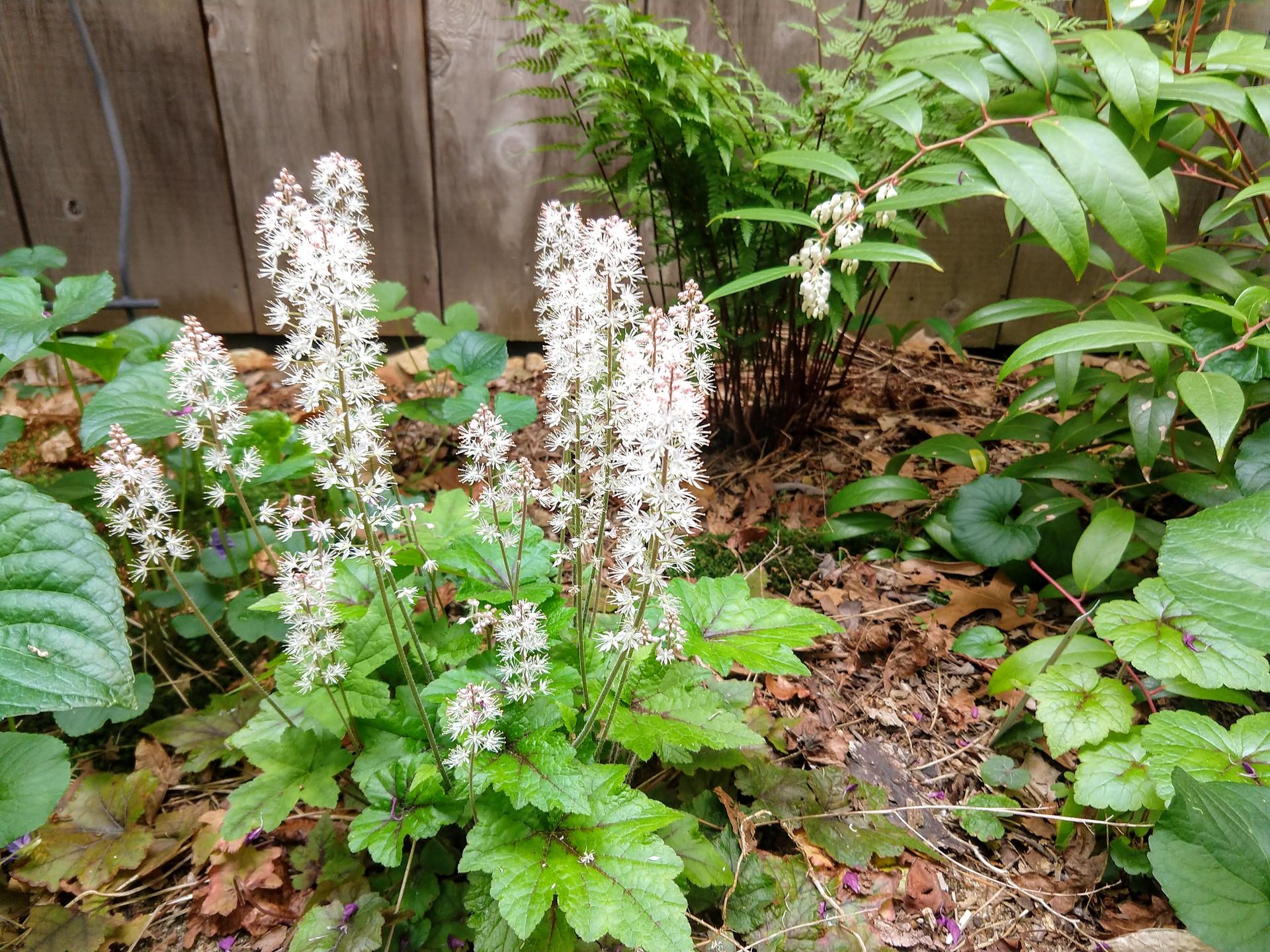
Foam Flower Tiarella cordifolia |
|
|
|
The purpose of CapeCodNativePlants.org is to help native plant enthusiasts select the right plant for the right place. While not all native plants presented here are indigenous to Cape Cod, they are suitable native species for Cape gardens and managed landscapes.
Why Native Plants? Many native plants are drought tolerant, salt tolerant, and thrive in the “thin” soils found on Cape Cod. Native plants are as attractive as any plant, and are reflective of the Cape’s natural beauty. By planting native species appropriate for Cape Cod, you can conserve water, avoid pesticide and fertilizer use, and support pollinators and birds.
|
|
|
|
|
The Guidelines gives homeowners steps they can take in the design and maintenance of their properties that will support pollinators and birds, manage stormwater, conserve water, and protect the Cape's water quality. This 40-page booklet is beautifully illustrated by Marcy Ford with content that is easily digestible and supported by numerous resources for additional learning.
|
|
|
|
We are grateful for the several retail shops that are partnering with us to make this publication more widely available: Brewster Book Store, Birdwatchers General Store, Crocker Nurseries, Wellfleet Audubon Wildlife Sanctuary, Cape Abilities Farm, Cape Cod Museum of Natural History, the Cape Cod Lavender Farm, Heritage Museums and Gardens, Titcomb's Bookshop, Sea Howl Bookshop, Soares Flower Garden Nursery, Hyannis Country Garden, Orleans Whole Food Store, and Eight Cousins Bookshop.
If you are a retailer and would like to sell this publication at your store, please contact us. |
|
|
|
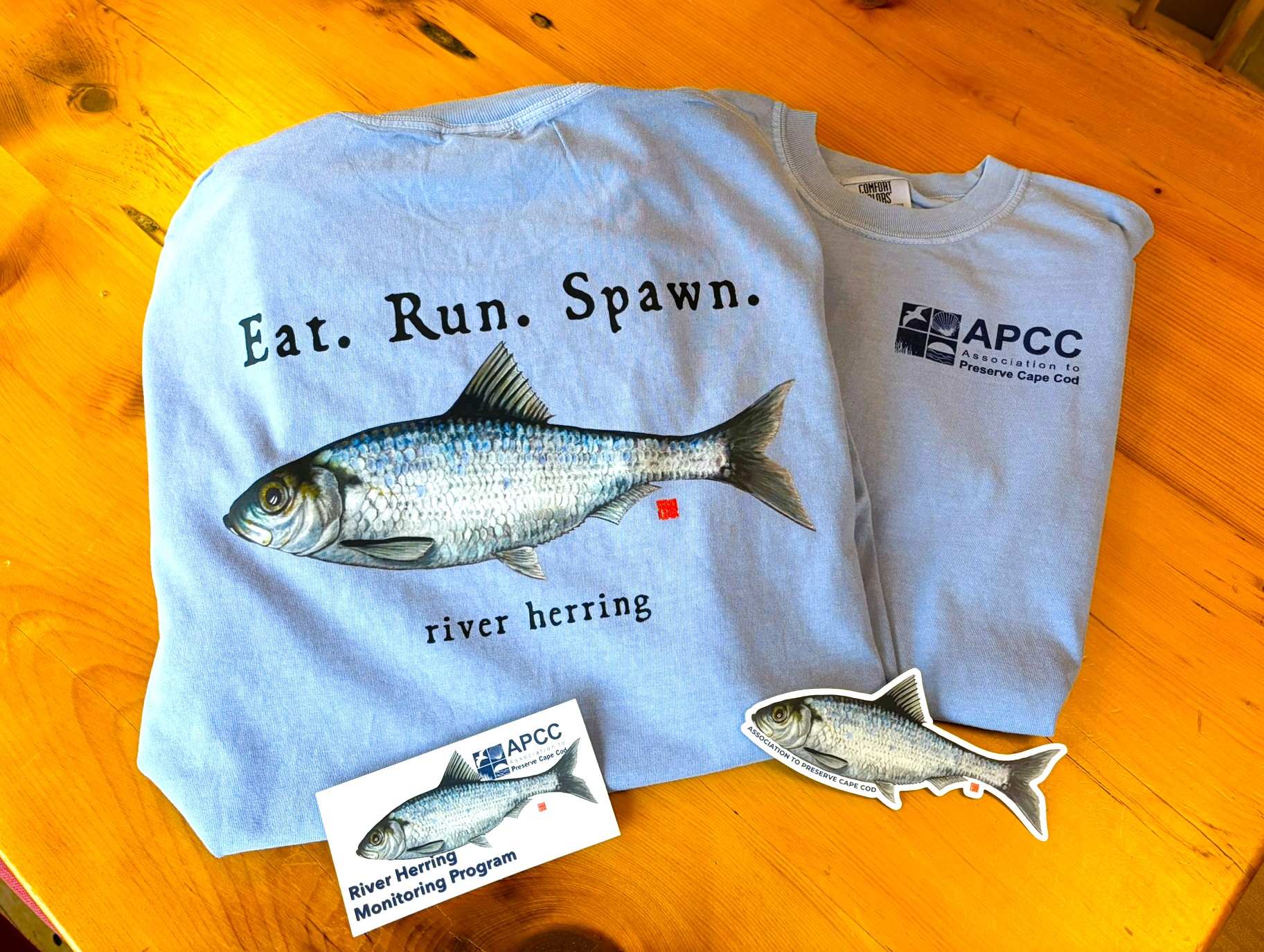
New Offering - Celebrate the Run! Herring T's
color denim blue $30 - includes USPS delivery in the U.S. |
Team SOS $30 - includes USPS delivery in the U.S. |
|
|
|
APCC caps $25
-includes USPS delivery in the U.S. |
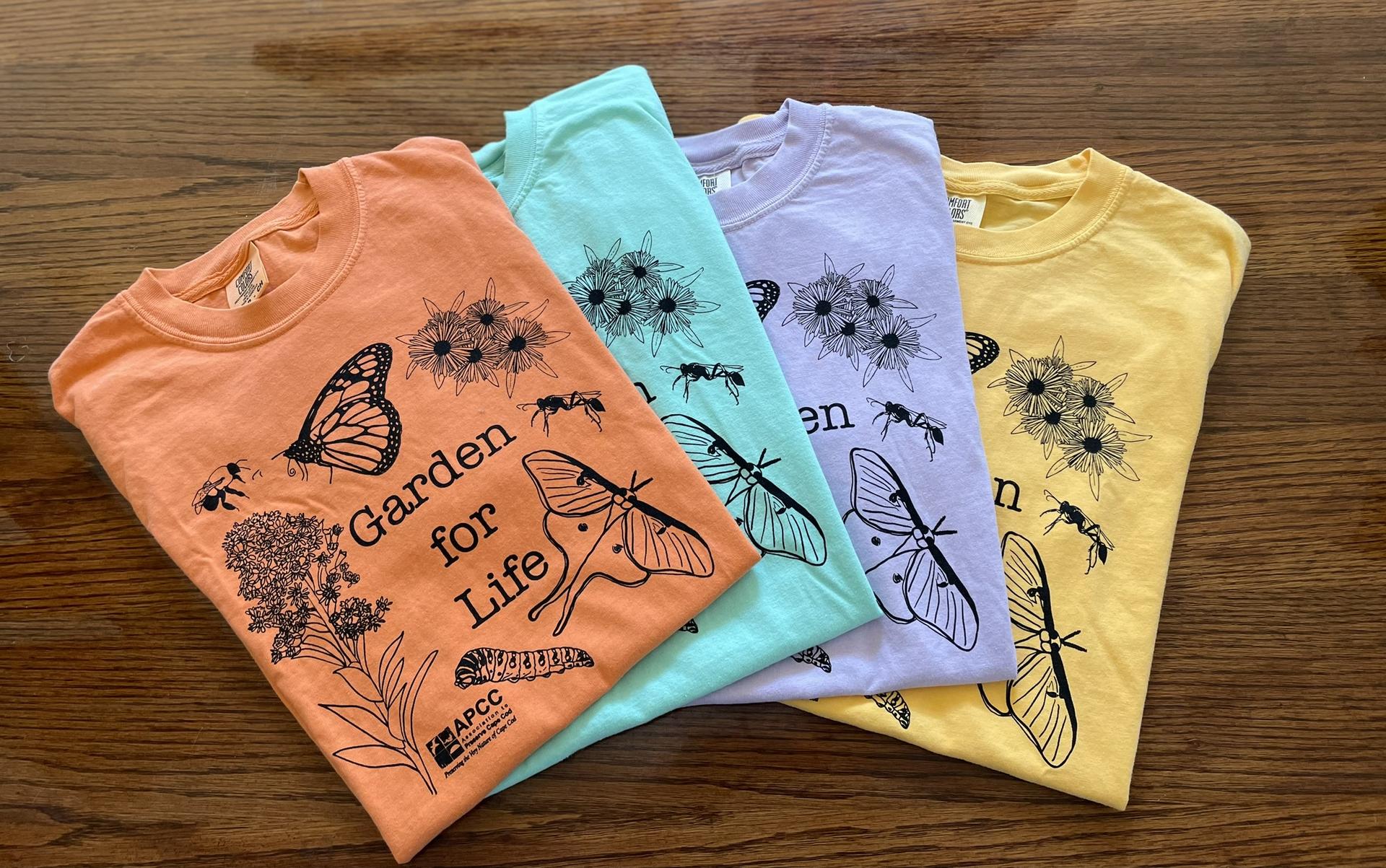
Garden for Life T's $30 -includes USPS delivery in U.S. |
|
|
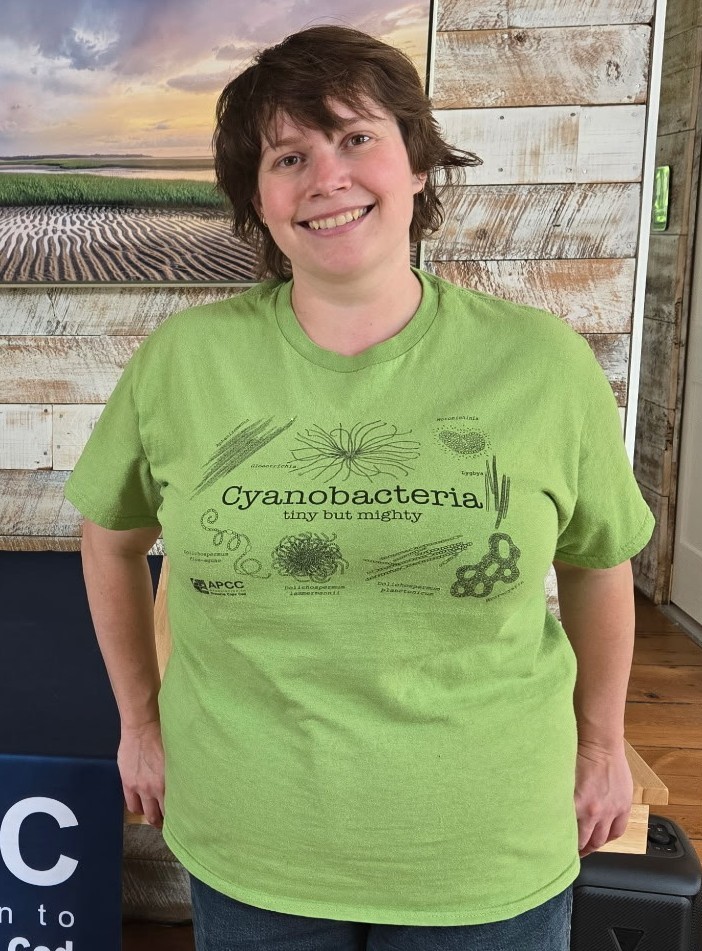
Cyanobacteria ~ tiny but mighty color kiwi $30 -includes USPS delivery in the U.S. |
|
|
|
|
APCC eNewsletters. Our weekly newsletters are archived on our website and easily shared.
You can find past newsletters and share with your friends. Encourage others to sign up for future enewsletters HERE.
|
|
|
|
Are you thinking of going solar? We hope so! In partnership with E2 SOLAR in Dennis, APCC receives $500 for every solar installation when APCC is named as referral. |
|
|
|
| Thank you to the homeowners who just contracted to install solar panels through E2 Solar. May the sun always shine for you! |
|
|
|
Expressions Gallery, 578 Main Street, Chatham
CLICK HERE |
Expressions Gallery donates 20 percent of its profits to APCC's work. |
|
|
|
Thank you to our business sponsors! |
|
|
|
APCC is rated four stars by Charity Navigator,
2025 Platinum by Candid (formerly Guidestar), and 2024 Top-Rated by GreatNonprofits. |
|
|
|
Our Contact Information
*{{Organization Name}}*
*{{Organization Address}}*
*{{Organization Phone}}*
*{{Organization Website}}*
*{{Unsubscribe}}* |
|
| |
|
|