Association to Preserve Cape Cod |
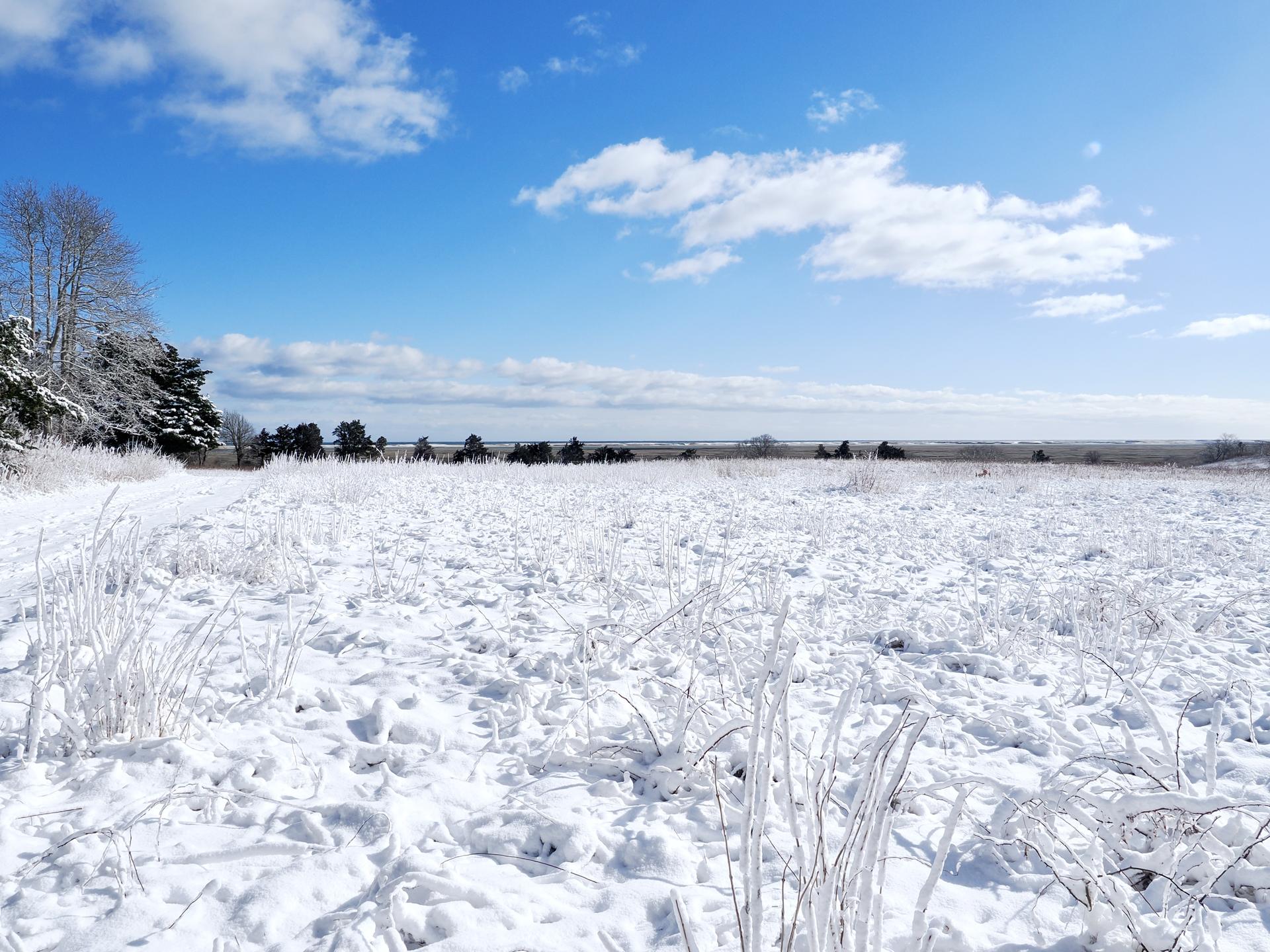
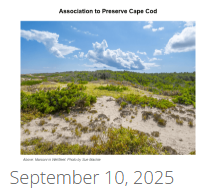
Above: Photo by Sue Machie |
|
|
|
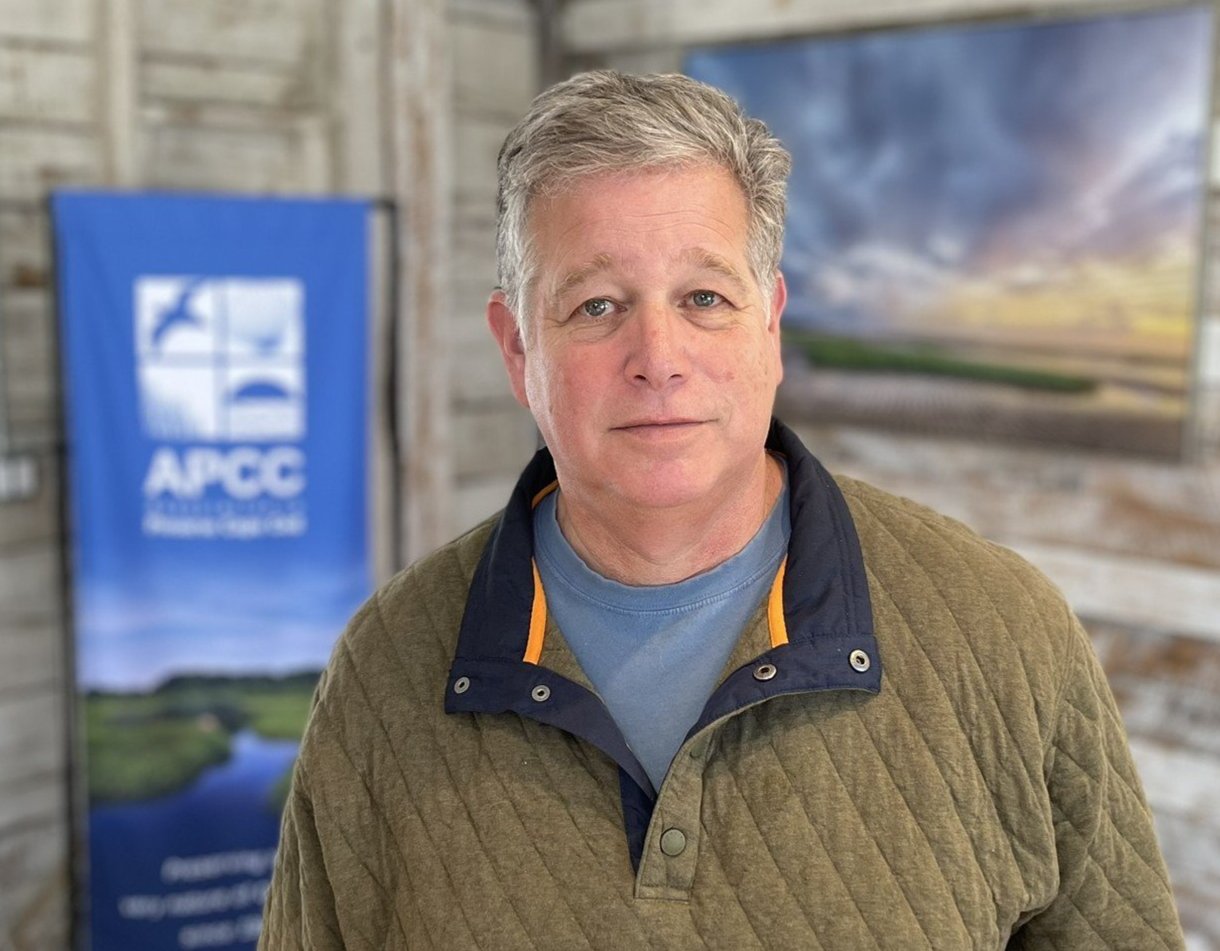
Admit It by Andrew Gottlieb, Executive Director |
The only way to solve a problem is to admit you have one. Admit it or not—America, we have a problem. I am referring to last week's repeal by EPA of the Endangerment Finding that removed the legal basis for regulating greenhouse gases. More than not—admitting that we have a problem when the EPA is denying the obvious reality—is the problem that the climate is rapidly warming and changing at a pace unprecedented in recorded human history.
|
|
|
What is telling about the repeal is that the EPA didn’t spend any real time arguing that the science is wrong, and probably did so knowing that no serious court would find that a preponderance of the evidence supported that view. Rather, the EPA made a series of legal arguments that the Clean Air Act did not authorize EPA to regulate greenhouse gasses. The EPA arguments run directly counter to a 2007 United States Supreme Court ruling that found that the authority, and obligation, to regulate emissions harmful to the climate was clear within the law. The EPA is taking direct aim at overturning settled precedent that the current leadership doesn’t like.
The EPA seems to be hoping that three of the dissenting voices from the 2007 decision who remain on the Court will be joined by at least two of the three Trump appointees to the Court to overturn 20 years of precedent and settled law. The fact that all five of the justices who voted to validate EPA’s Clean Air Act authority in 2007 are no longer on the Court makes plain the calculus behind the administration’s gambit. We have seen this movie before and it hasn’t been good, so there is real cause for concern here.
The laws of physics are what they are, regardless of how the Supreme Court rules. What this likely means is that Rome (and many other places) will burn while others flood as the United States fiddles. We will all pay the price no matter what the EPA spin tells you to believe. |
|
|
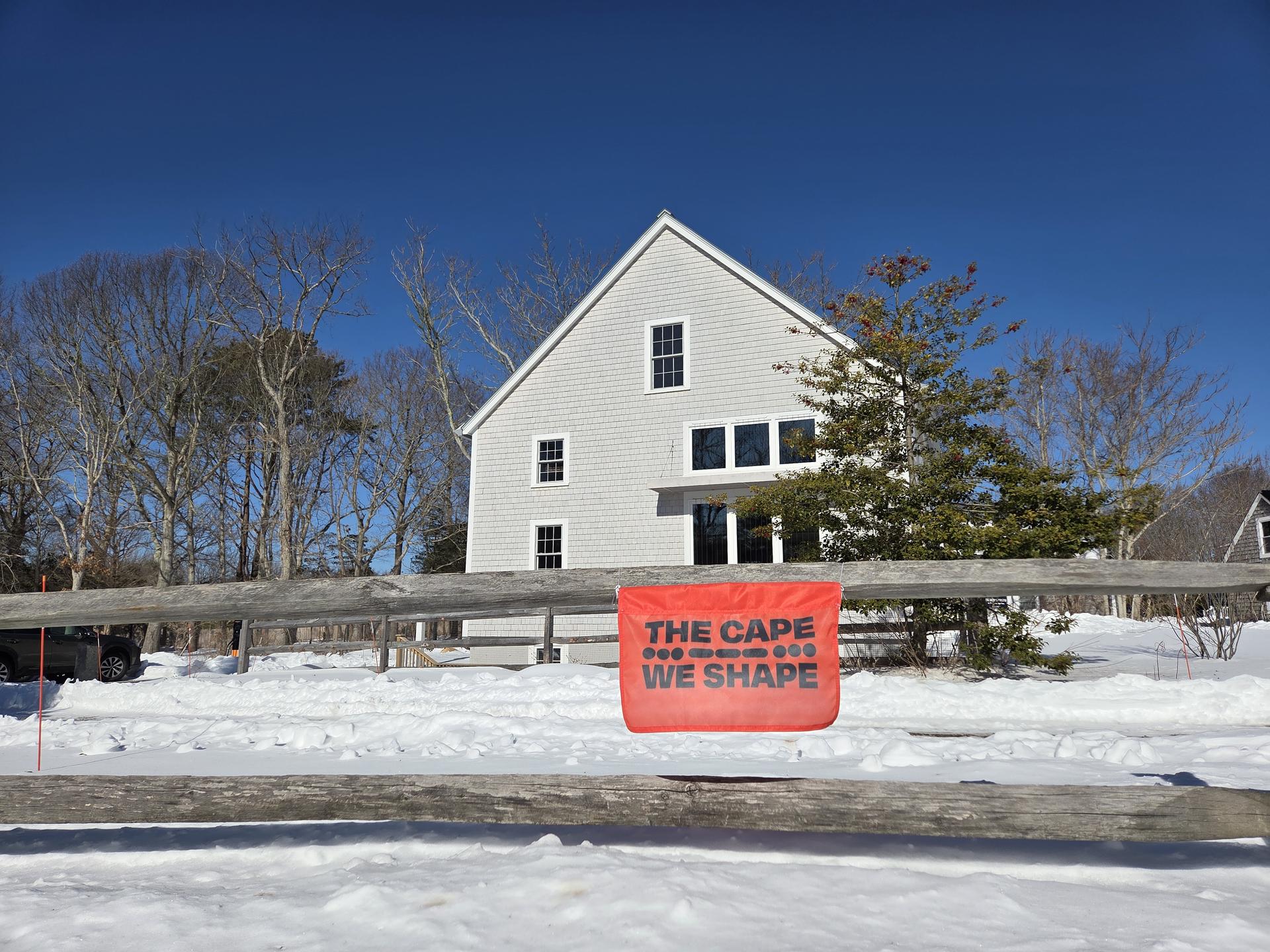
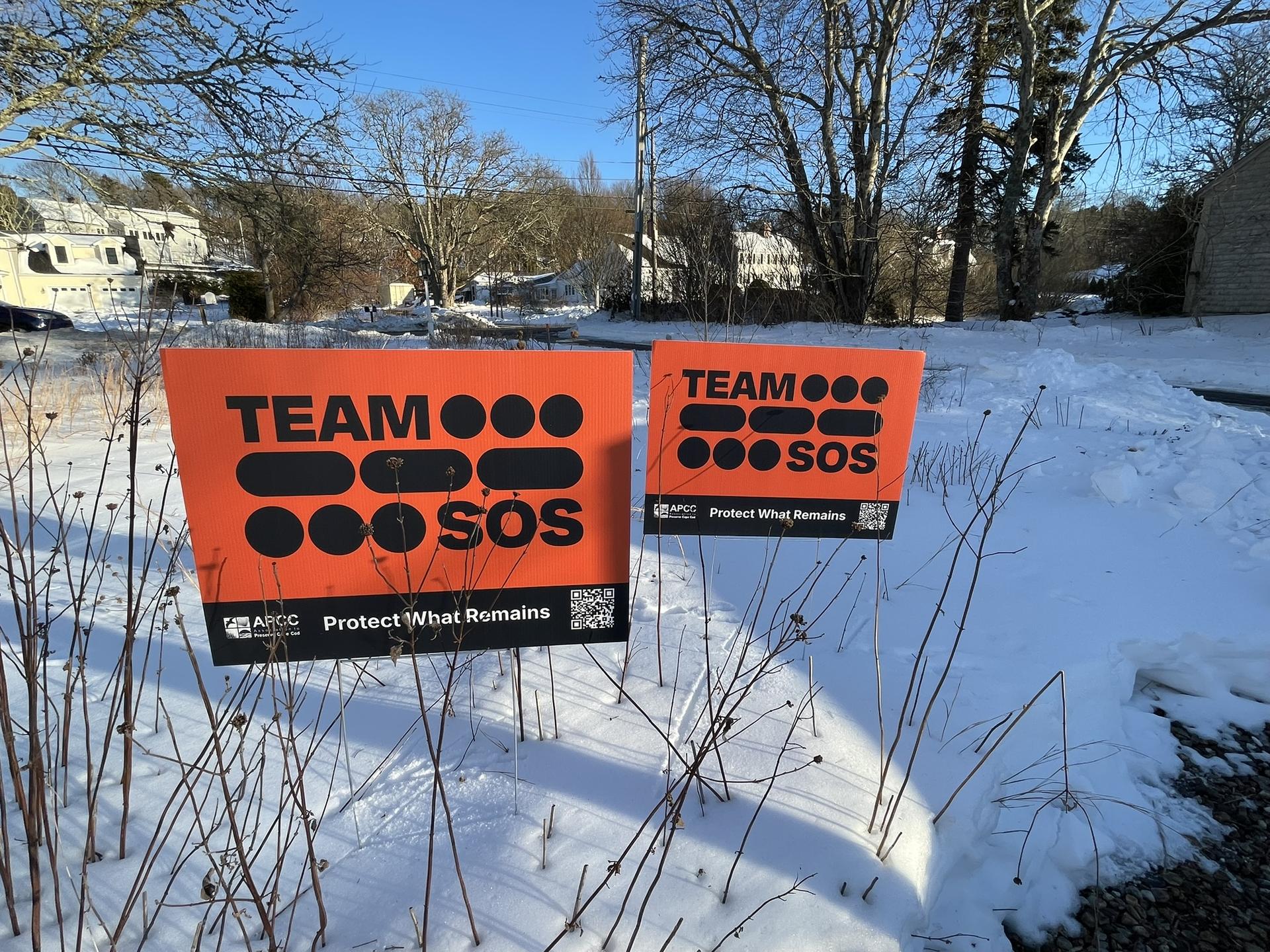
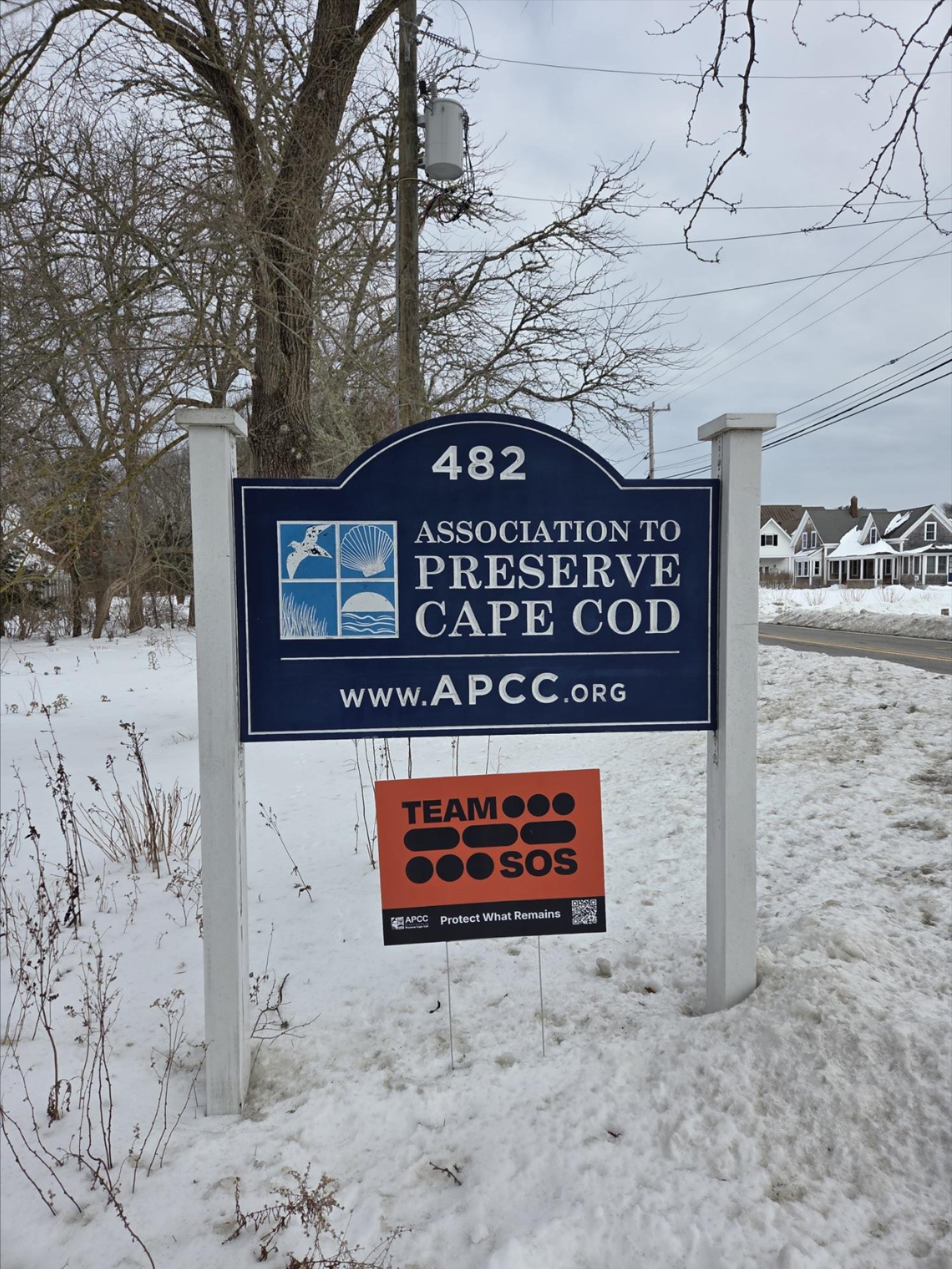
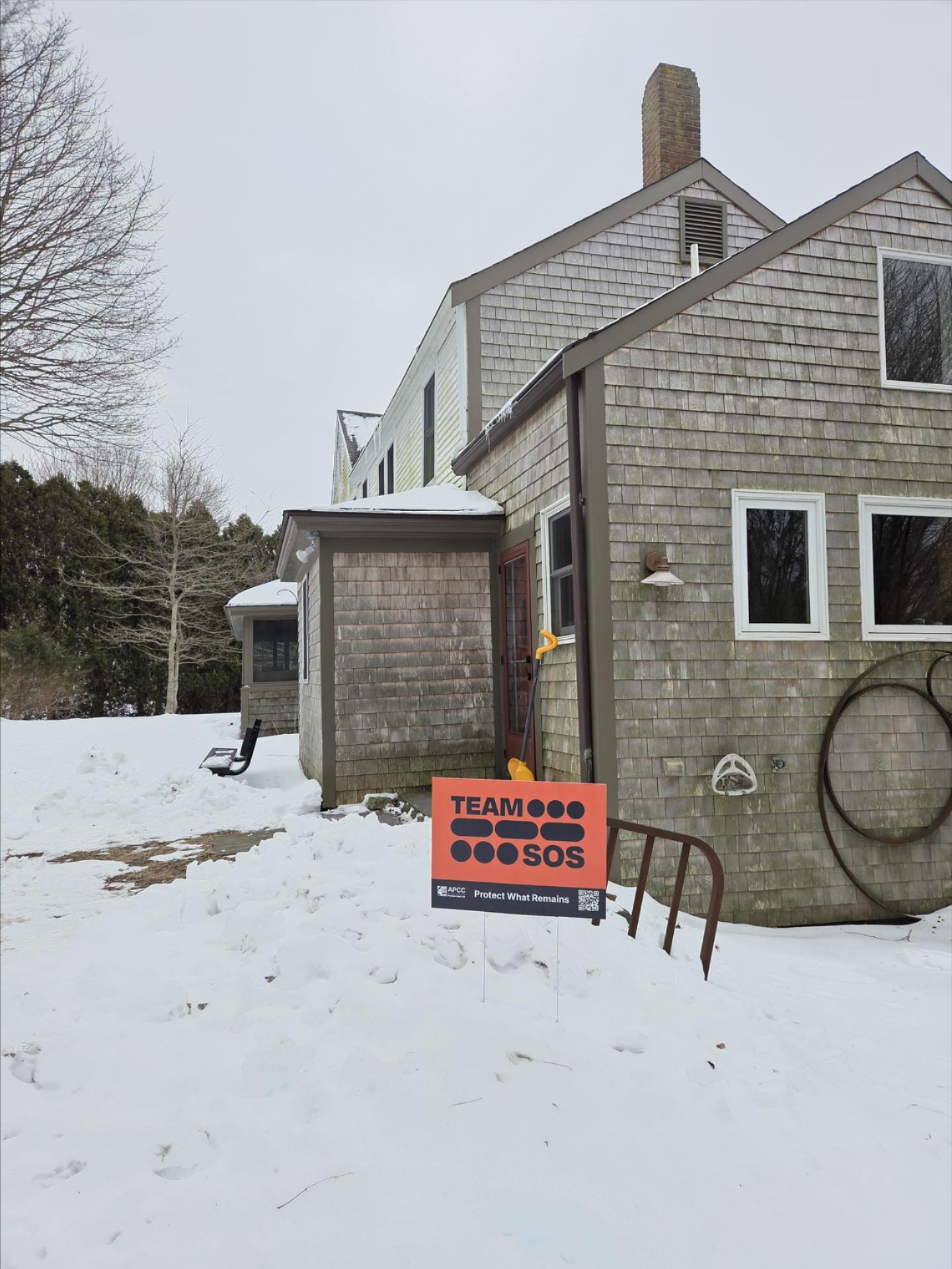
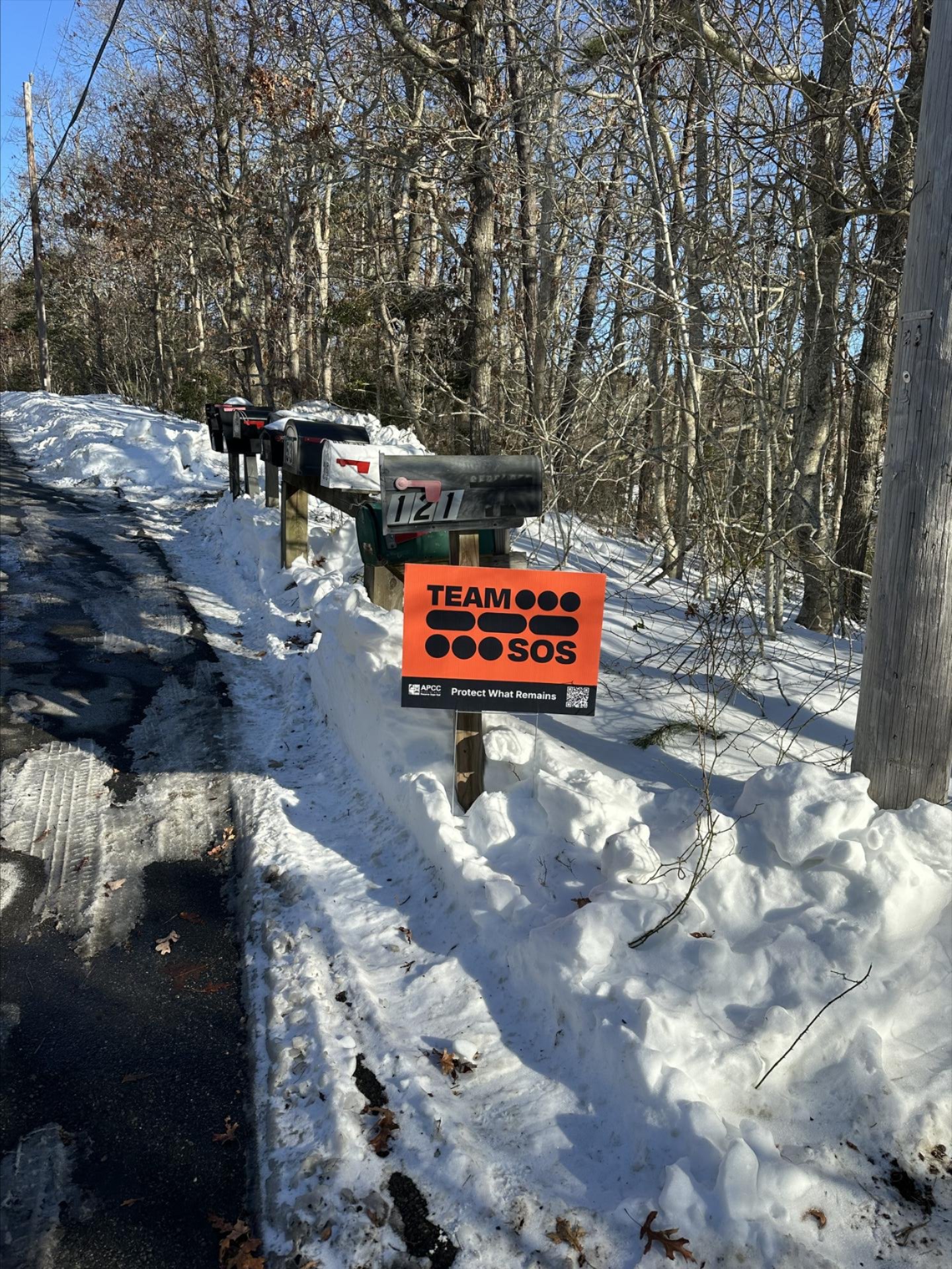
We're sounding the alarm around the Cape and raising the SOS flag. This moment isn't like any other. We're at a crossroads where we get to choose the Cape we shape, but only if we act now.
Here's how you can join the movement: raise the SOS flag with us.
To pick up a flag or yard sign at the APCC's office at 482 Main St., Dennis, MA 02638, email TeamSOS@apcc.org, and display it proudly—in your yard, window, vehicle, at trailheads, shop windows, libraries, or anywhere people gather.
Then snap a photo and post it on social media with #TheCapeWeShape #TeamSOS to inspire others in your community to join Team SOS. If you're not on social media, email your photo to TeamSOS@apcc.org for us to share in our newsletter and beyond. When we raise the SOS together—when each of us takes responsibility for our corner of the Cape—we send a powerful message: this place is worth protecting, and we're willing to show up for it. Because when we lose parts of the Cape, we all suffer the consequences. But when we protect it together, everyone wins. We depend on the Cape. It depends on us. |
|
|
Ecosystem Restoration Program |
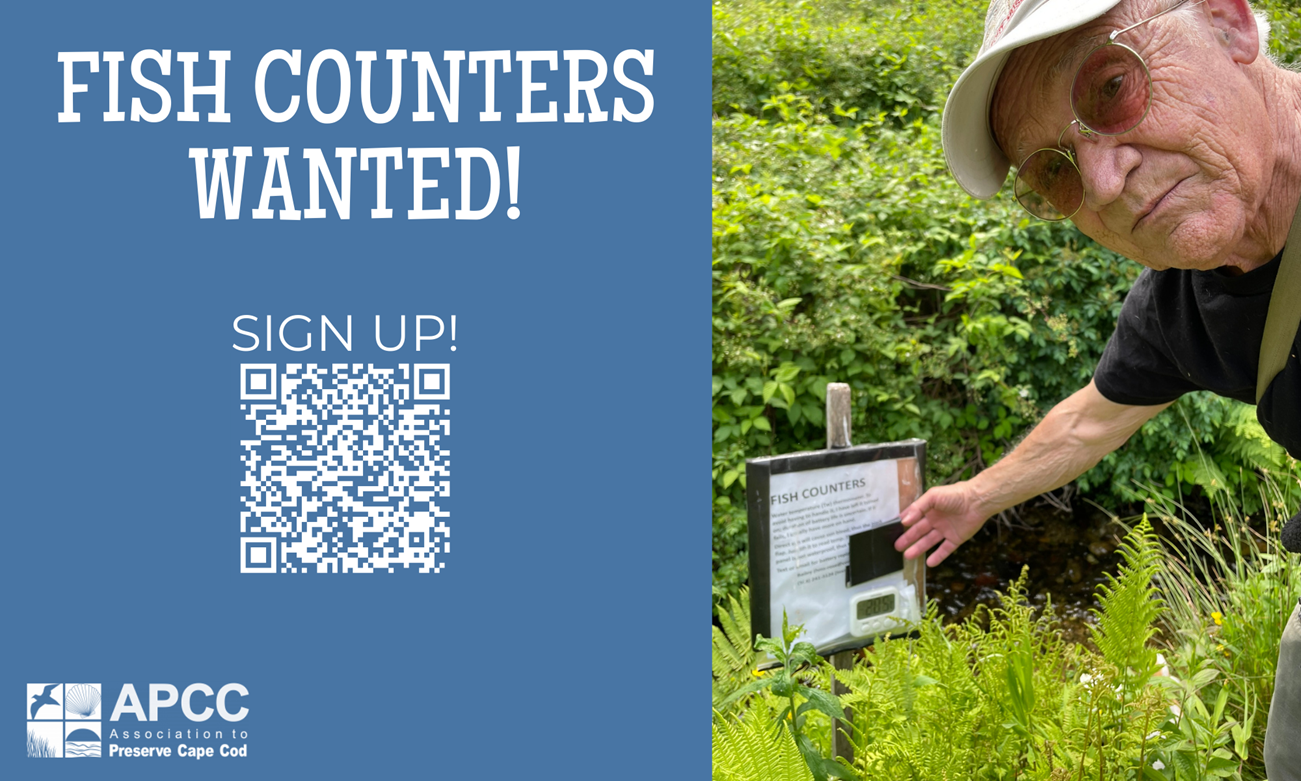
Above: Captain Richard Bailey, a seasoned volunteer at Wellfleet’s Herring River. |
Fish Counters Wanted: Cape Cod River Herring Runs Need You!
Spring is almost here, and we’re recruiting volunteers to help count river herring during their annual spawning migration. River herring—alewife (Alosa pseudoharengus) and blueback herring (A. aestivalis)—are small fish with an outsized role in the Atlantic coastal ecosystem. They feed a wide range of predators and carry ocean nutrients into freshwater ponds and streams, strengthening the ecosystems they pass through. Their spring return also holds deep cultural and local significance here on Cape Cod.
That’s where you come in. A short, consistent set of volunteer observations can turn a moment at the water’s edge into data that matters. Volunteer counts help track run strength over time, support fisheries management decisions, and document where fish passage or habitat restoration is needed—and whether restoration is working.
Counting is simple. During the season (typically early April through mid-June, depending on the run), volunteers complete quick 10-minute visual counts at a designated site and submit results through APCC’s web-based data entry system. You can contribute whenever you’re available, as often as a few times per week, as long as you’re comfortable walking on uneven terrain and spotting fish in moving water. If you’d like to join for Spring 2026, please sign up here. Once you sign up, we’ll follow up and connect you with a local coordinator. Trainings will be held in March, with dates posted as they’re finalized. |
|
|
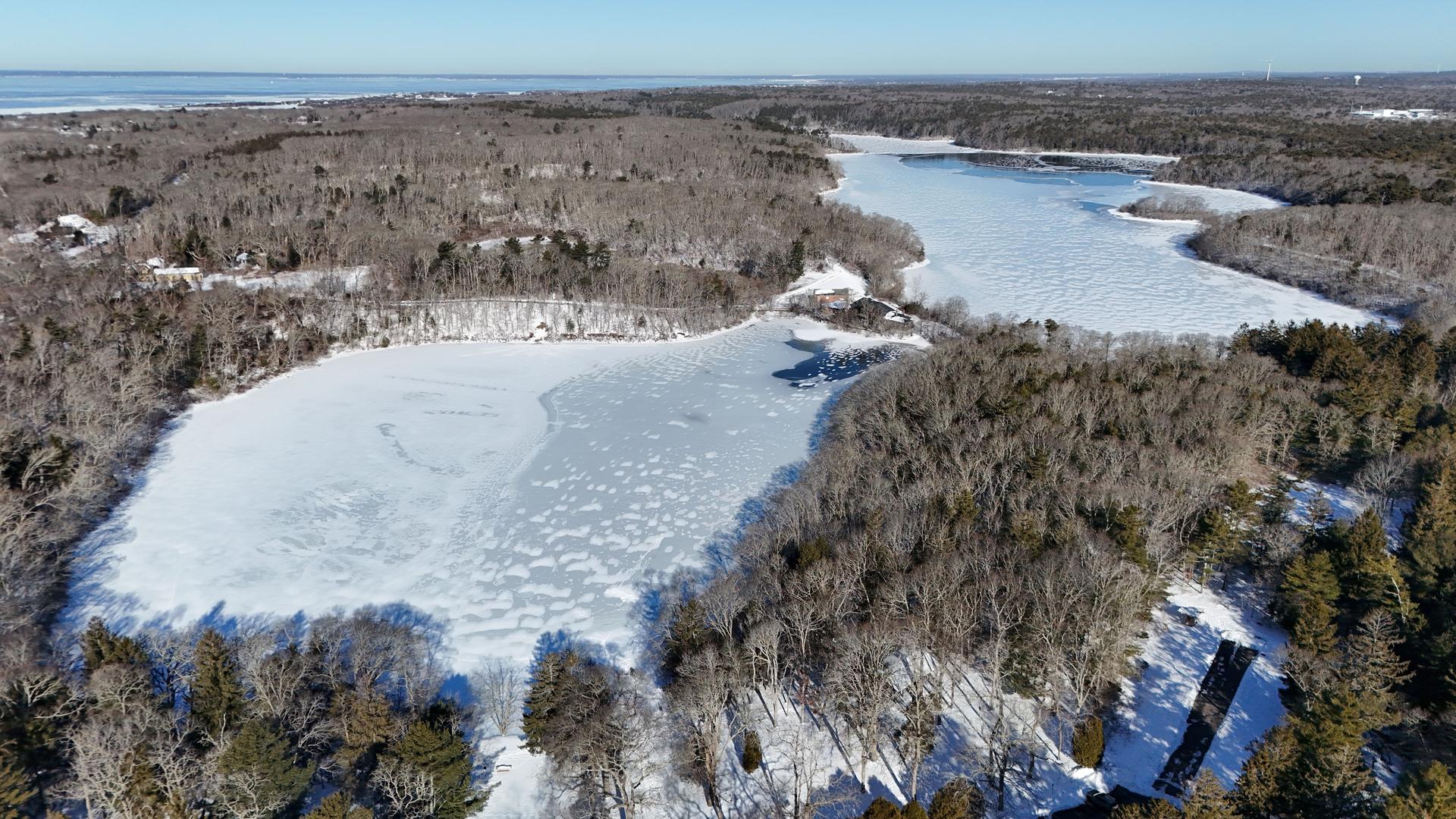
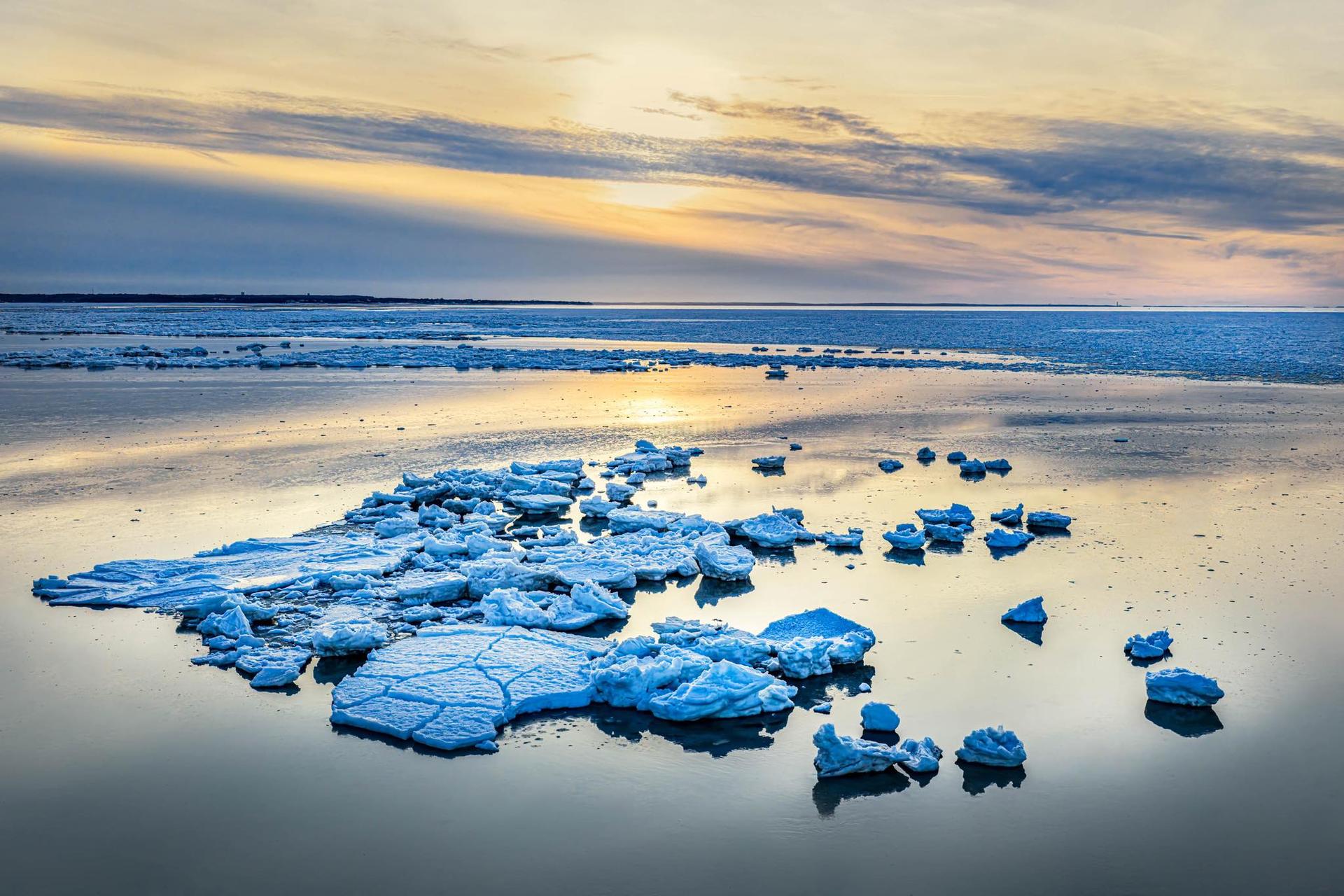
Above: Grews Pond, Falmouth |
Spring on the Horizon: Ice-Out on Cape Cod Ponds
Roughly 15,000 years ago, the Laurentide ice sheet retreated and shaped Cape Cod’s landscape, forming the beloved kettle ponds we know today. If you’ve walked along the coastline recently, it may feel as though we’ve slipped back into another ice age, with large “icebergs” scattered along the shore. These ice floes, or sheets of floating ice, form when bay water freezes rapidly and when sections of sea ice break apart and are pushed ashore by strong winds. While glaciers shaped the Cape's ponds thousands of years ago, their water levels today depend entirely on the weather patterns we experience each year and groundwater.
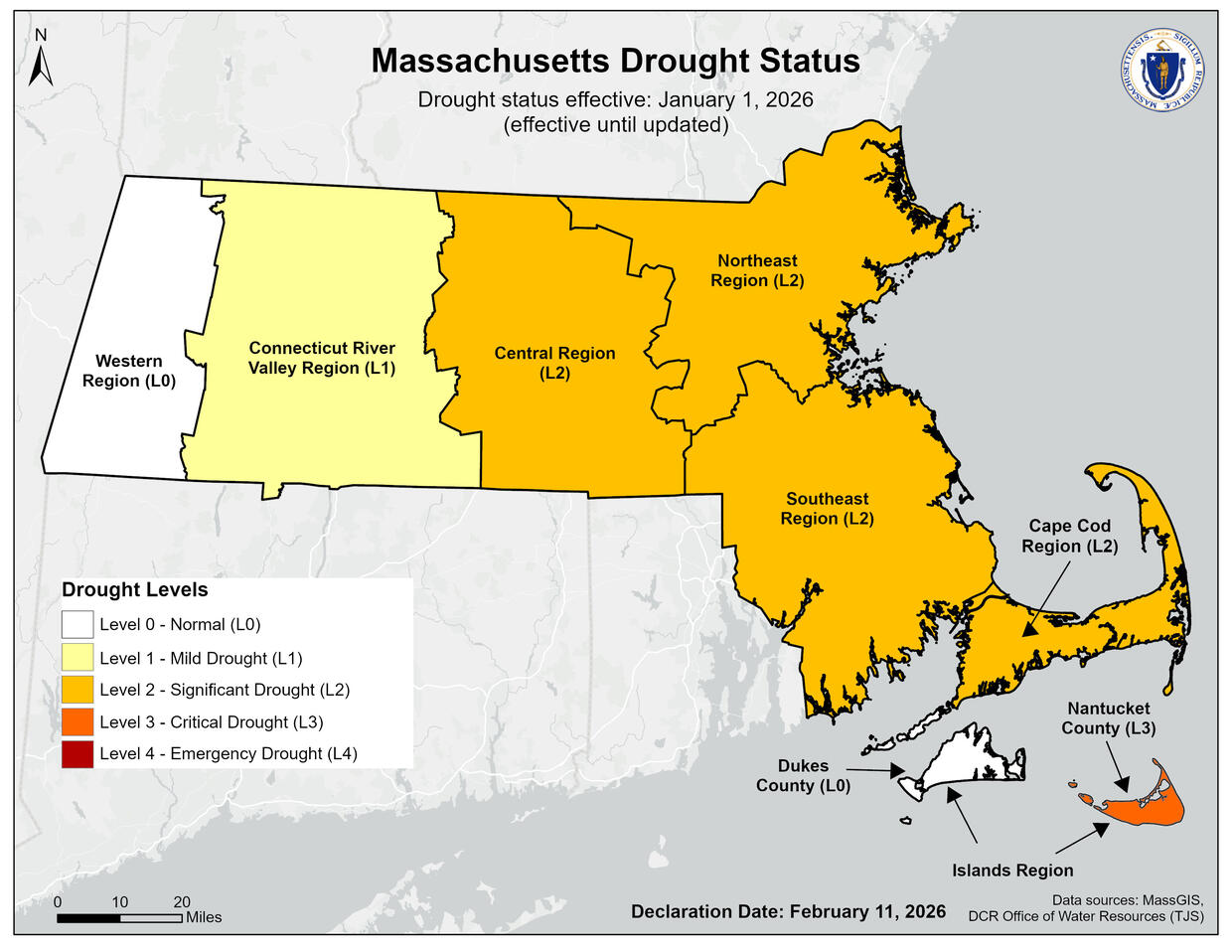
On February 11, Cape Cod was declared to be in a Level 2 - Significant Drought status. In January, the Cape received between 2 and 3.5 inches of precipitation, as well as a significant amount of snow. However, long-term deficits in precipitation that date back to 2024 continue to affect the region.
Record cold temperatures and frozen ground have further limited groundwater recharge, as snowmelt has been unable to soak into the soil. As a result, groundwater discharge into streams and ponds has been reduced. This ongoing drought has led to declining groundwater levels across nearly all regions of the state, along with lower water levels in lakes and ponds. Because our aquifer is recharged solely by precipitation—with about 60 percent of annual rainfall and snowmelt (approximately 27-inches per year) contributing to recharge—the ongoing drought serves as an important reminder to practice water conservation year-round.
Although daytime temperatures are gradually rising, nighttime lows at or below freezing mean pond ice will melt slowly. With the approach of the spring equinox and the sun sitting higher in the sky than it did in January, more direct solar energy will reach the ice surface and help speed the thaw.
The freshwater ponds monitoring team, as part of the Cape Cod Commission's Cape Cod Regional Pond Monitoring Program, begins its seasonal work in March. It will be exciting to see when conditions allow safe access to the ponds. So, here’s to a warm and steady transition into spring! |
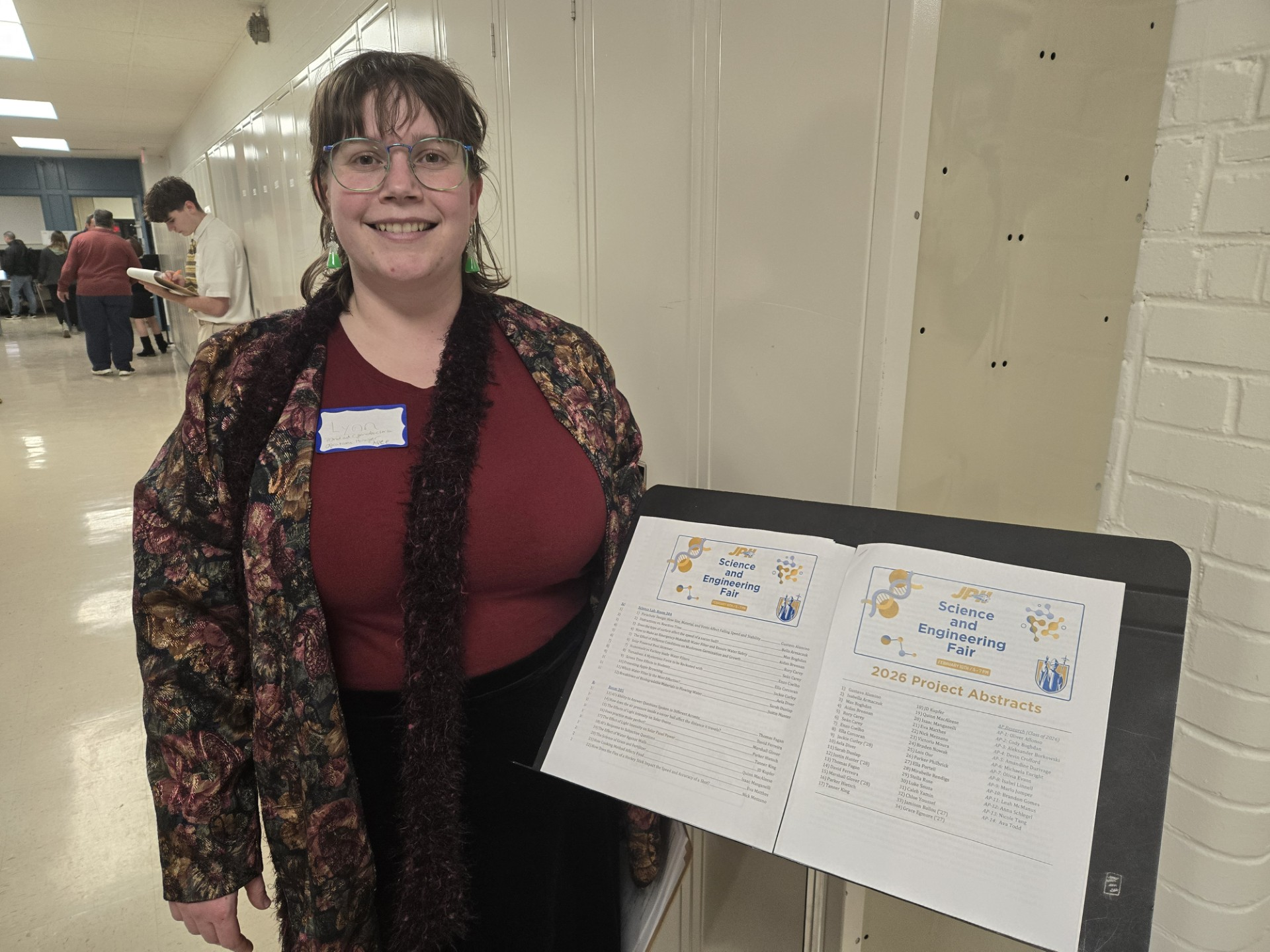
Above: Lynn Francis, APCC Pond and Cyanobacteria Operations Manager |
Future Scientists in the Making
Last week, two APCC staff members, Lynn Francis, pond and cyanobacteria operations manager, and May Lopopolo, pond technician, had the privilege of serving as judges at the Saint John Paul II Science and Engineering Fair. This year’s event featured 35 impressive projects, primarily from freshmen pre-AP biology students, covering a wide range of innovative topics. Each judge evaluated six projects, assessing the quality of the students’ work, their ability to clearly communicate their research and results, and their skill in accurately interpreting data. Students independently led their investigations, with guidance and periodic check-ins from their teachers. Project topics spanned from “The Effect of Light Intensity on Solar Panel Power” to “Is AI an Effective Study Tool?”—with many fascinating ideas in between.
While every student presented their research, not all were competing for advancement. For many students, this may have been their first opportunity to share their work with professionals in science and engineering fields. APCC staff were proud to serve not only as judges, but also as positive ambassadors—encouraging curiosity, confidence, and scientific exploration.
The fair also highlighted the AP research course, the second component of the AP capstone program. In this course, students dive deeply into an academic topic, problem, or idea of personal interest. Whether competing or simply sharing progress, all students demonstrated impressive dedication to the research process. The highest-scoring projects will go on to represent the school at the Southeast Regional Science and Engineering Fair on March 14, 2026, at Bridgewater State University. Up to 10 projects are expected to qualify. It was a meaningful opportunity for community engagement—and who knows? One of these bright young scientists may one day join the APCC team! |
|
|
Announcing APCC Seasonal Internships |
|
|
If you are a farmer or someone who wants to grow native plants to sell, or you just want to be updated on the program's development, please submit the interest form that appears on our webpage. We will be sending periodic email notices of workshops and meetings.
Funding for the project is provided by Barnstable County and its Economic Development Council License Plate Grant Program through the Cape Cod Commission, the Kelley Foundation and private donors. |
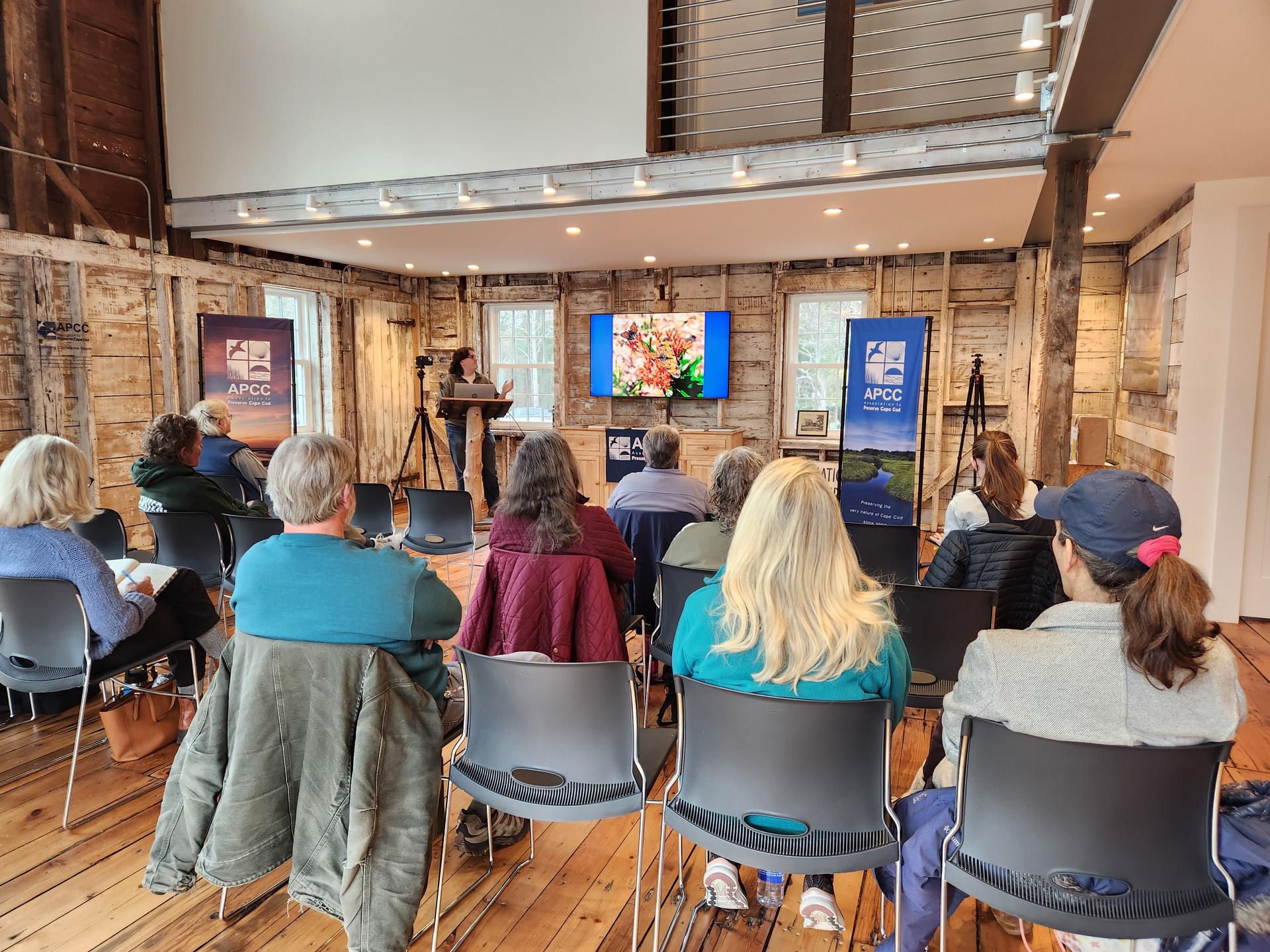
Nine talks for prospective growers as part of the Cape Cod Native Plant Growers' Cooperative program have been presented thus far, with more scheduled in the upcoming weeks. These past workshops can be viewed here:
Registration for upcoming talks can be found on our events page.
|
|
|
|
SAVE THE DATE Special Event: March 7, 2026
8:30 am-3:30 pm Tilden Arts Center, Cape Cod Community College
2240 Iyannough Rd, West Barnstable |
|
|
A Cape-wide Conservation Event Calendar |
The Compact of Cape Cod Conservation Trusts (“the Compact”) and its nonprofit members launched a new regional calendar of events. The Conservation Calendar includes programs across Cape Cod hosted by these groups. The goal of the calendar is to encourage visitors and residents to take part in nature and environmental events. You can always find the link to the calendar on APCC's website under News & Events.
|
A Cape Cod Native Plant-selector ~ to help you choose the perfect native plants for your garden. |
|
|
Email kandres@apcc.org and we'll send you a CapeCodNativePlants.org decal. |
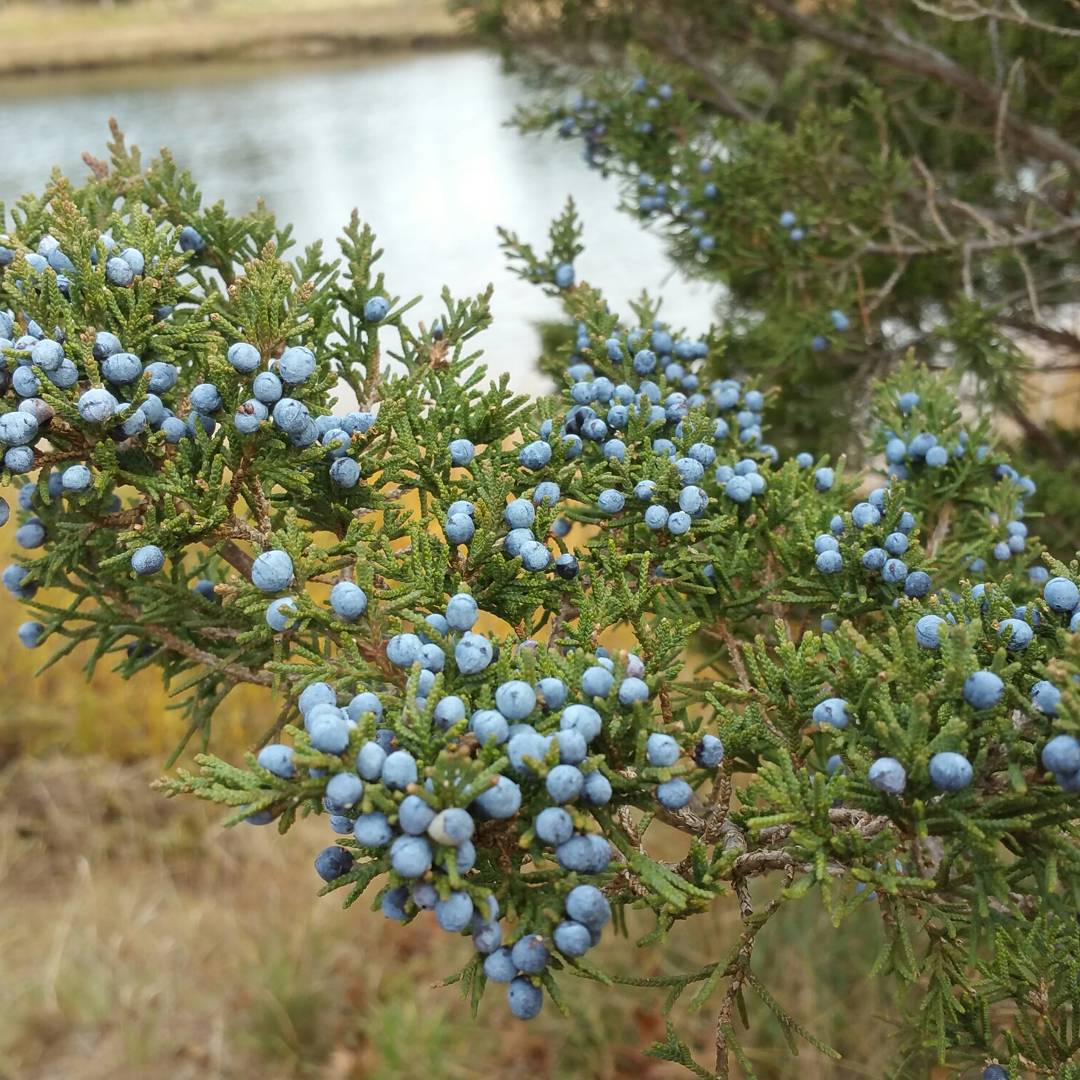
| Eastern Red Cedar Juniperus virginiana |
|
|
The purpose of this site, CapeCodNativePlants.org is to help native plant enthusiasts select the right plant for the right place. While not all native plants presented here are indigenous to Cape Cod, they are suitable native species for Cape gardens and managed landscapes.
Why Native Plants? Many native plants are drought tolerant, salt tolerant, and thrive in the “thin” soils found on Cape Cod. Native plants are as attractive as any plant, and are reflective of the Cape’s natural beauty. By planting native species appropriate for Cape Cod, you can conserve water, avoid pesticide and fertilizer use, and support pollinators and birds.
|
|
|
|
The Guidelines gives homeowners steps they can take in the design and maintenance of their properties that will support pollinators and birds, manage stormwater, conserve water, and protect the Cape's water quality. This 40-page booklet is beautifully illustrated by Marcy Ford with content that is easily digestible and supported by numerous resources for additional learning.
|
|
|
We are grateful for the several retail shops that are partnering with us to make this publication more widely available: Brewster Book Store, Birdwatchers General Store, Crocker Nurseries, Wellfleet Audubon Wildlife Sanctuary, Cape Abilities Farm, Cape Cod Museum of Natural History, the Cape Cod Lavender Farm, Heritage Museums and Gardens, Titcomb's Bookshop, Sea Howl Bookshop, Soares Flower Garden Nursery, and Eight Cousins Bookshop.
If you are a retailer and would like to sell this publication at your store, please contact us. |
|
|
APCC caps $25 -includes USPS deliver in the U.S. |
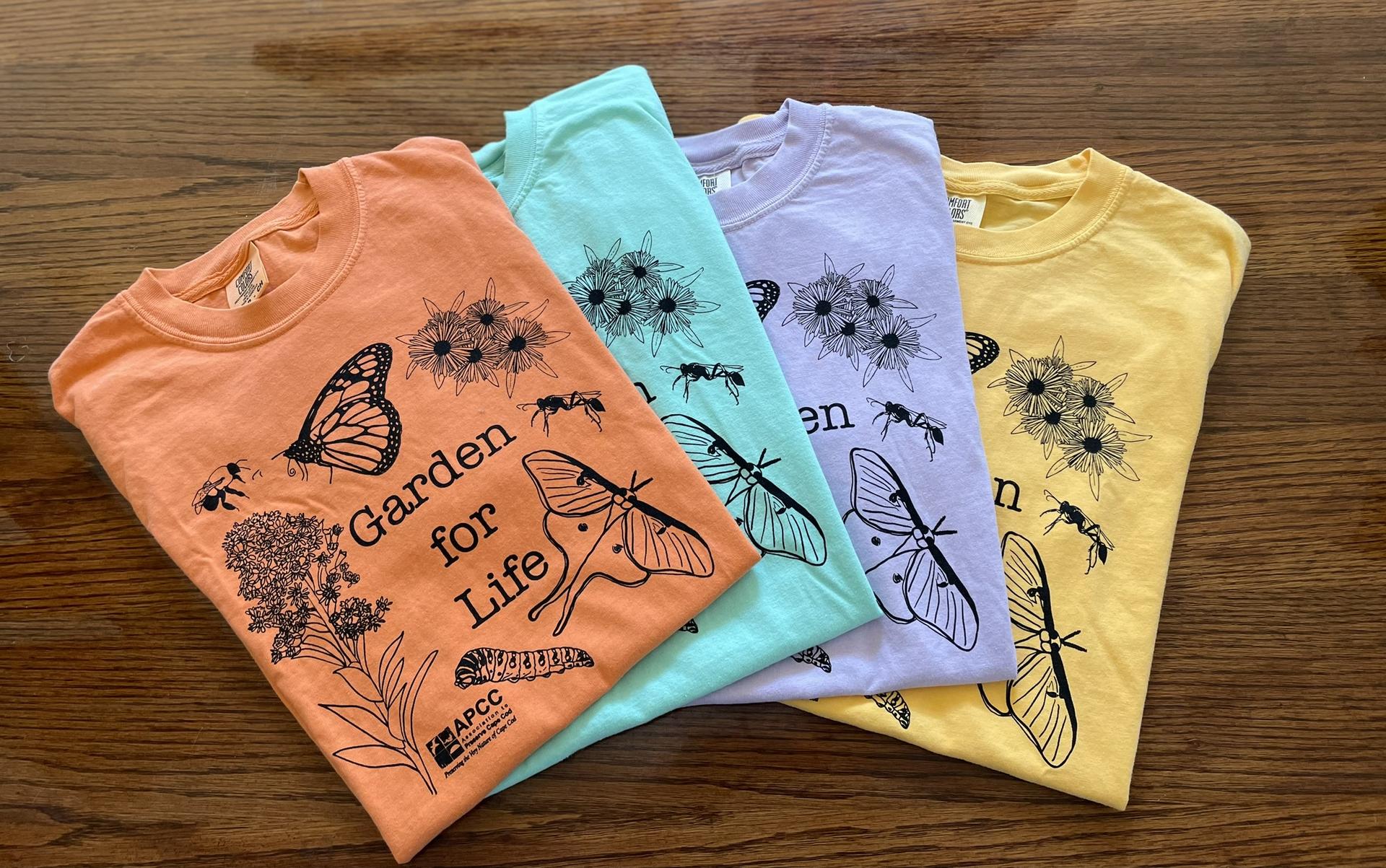
Garden for Life T's $30 -includes USPS delivery in U.S. |
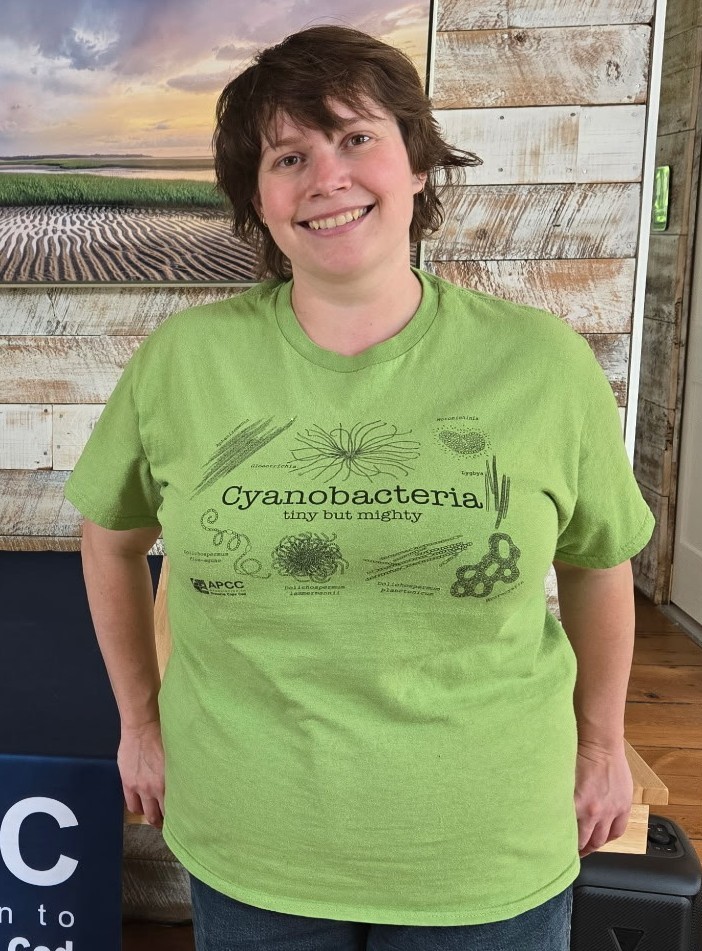
| Cyanobacteria ~ tiny but mighty color kiwi $30
-includes USPS delivery in the U.S. |
|
|
|
APCC eNewsletters. Our weekly newsletters are archived on our website and easily shared.
You can find past newsletters and share with your friends. Encourage others to sign up for future enewsletters HERE.
|
|
|
Are you thinking of going solar? We hope so!
In partnership with E2 SOLAR in Dennis, APCC receives $500 for every solar installation when APCC is named as referral. |
|
|
|
Thank you to the homeowners who just contracted to install solar panels through E2 Solar. May the sun always shine for you! |
|
|
Expressions Gallery, 578 Main Street, Chatham
CLICK HERE |
Expressions Gallery donates 20 percent of its profits to APCC's work. |
|
|
Thank you to our business sponsors! |
|
|
APCC is rated four stars by Charity Navigator, 2025 Platinum by Candid (formerly Guidestar), and 2024 Top-Rated by GreatNonprofits. |
|
|
Our Contact Information
*{{Organization Name}}*
*{{Organization Address}}*
*{{Organization Phone}}*
*{{Organization Website}}*
*{{Unsubscribe}}* |
| |
|
|