Association to Preserve Cape Cod |
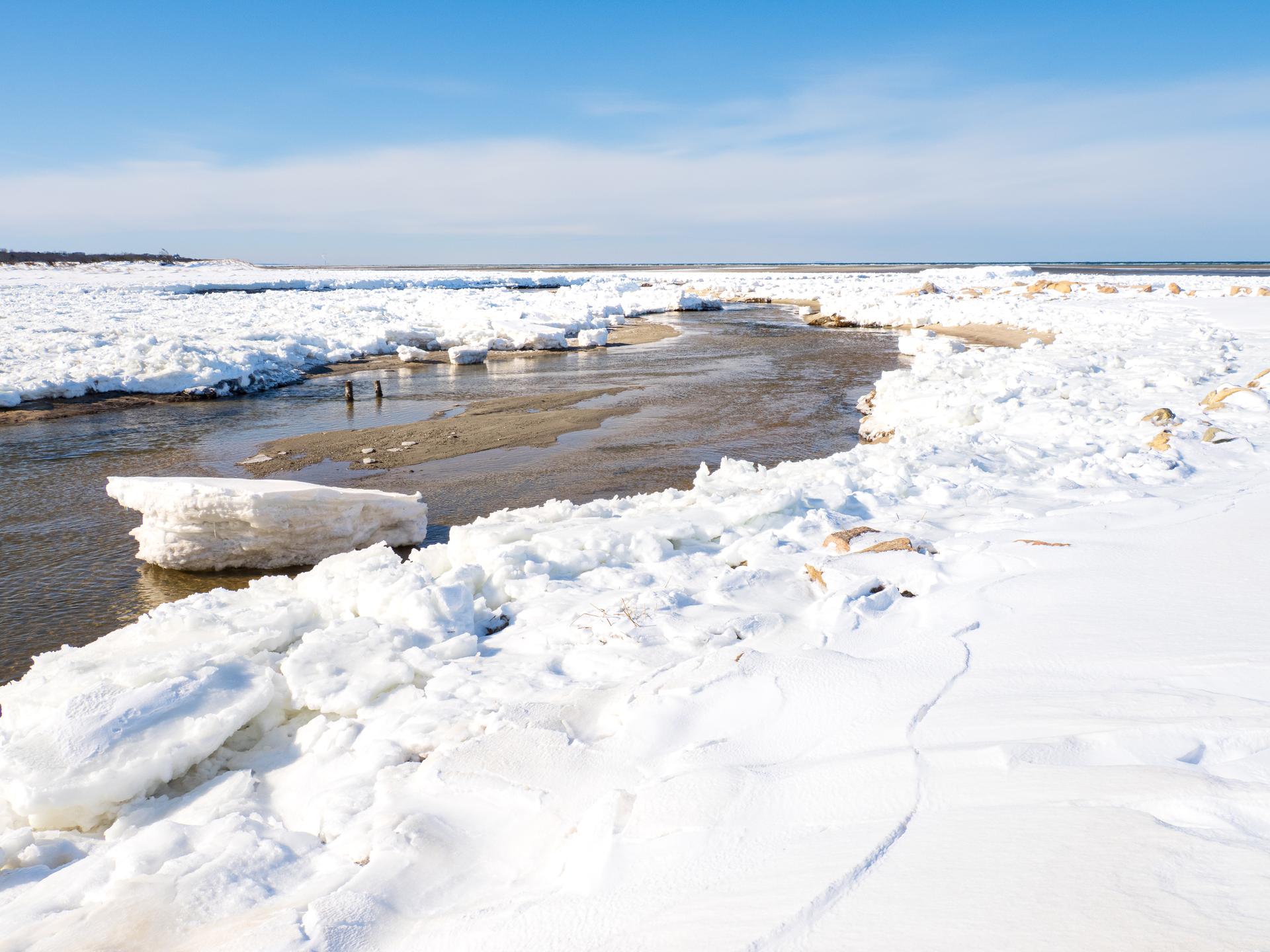
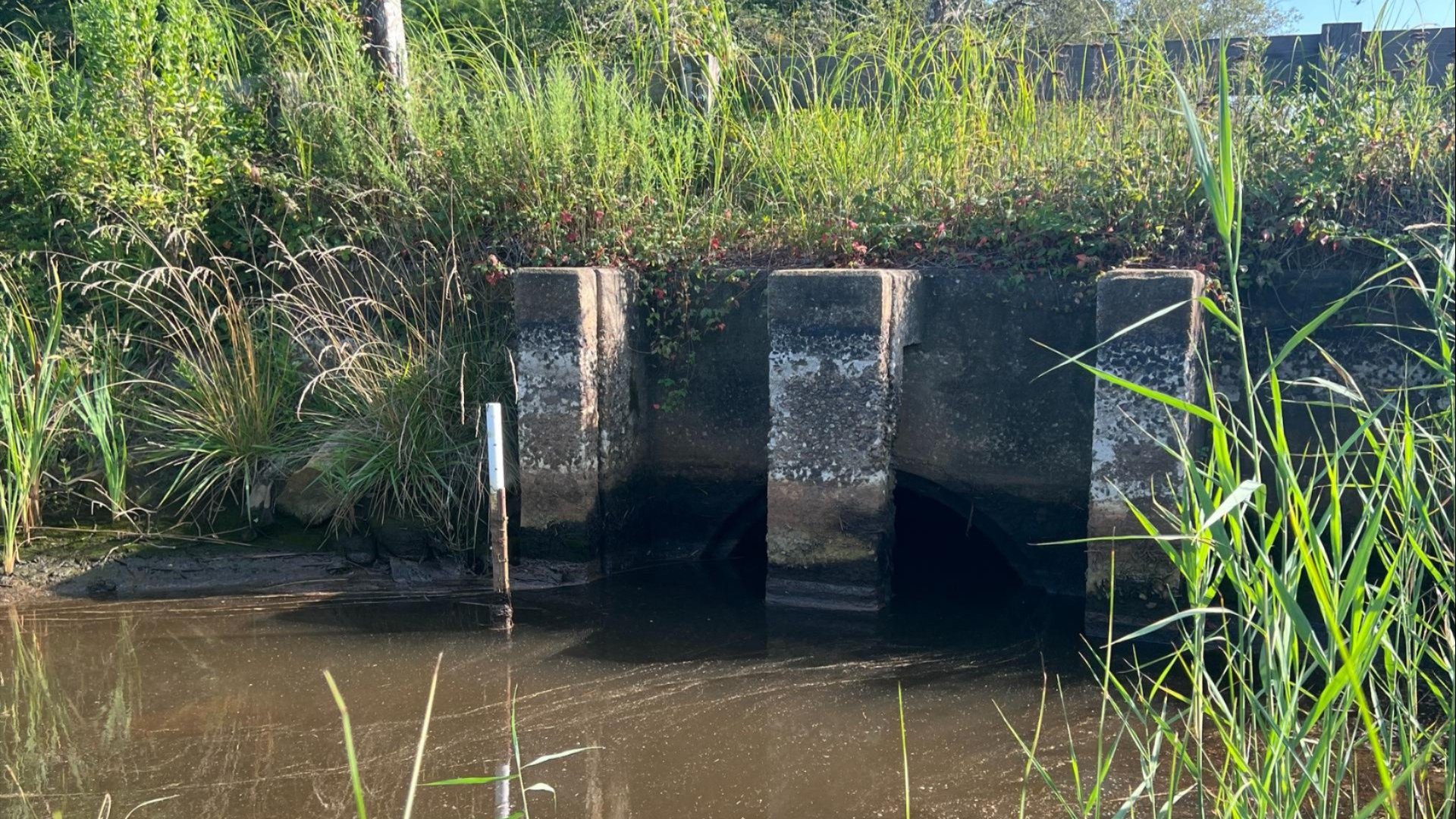
Above: Paine's Creek into Cape Cod Bay, Brewster. Photo by Sue Machie |
|
|
| What My Parents Taught Me by Andrew Gottlieb, Executive Director |
It is not hard, nor is it complicated. Some things are just wrong. Speak up. Contact your elected representatives in Congress. |
|
|
Advocacy
APCC Comments on MEPA review of The Reserve at Quashnet Valley. Read here. |
Ecosystem Restoration Program |
Fish Passage 101: From Dams and Culverts to Connected Streams |
Cape Cod’s streams look small, but they connect big places—and that connection is exactly what APCC’s Ecosystem Restoration Program works to protect and rebuild.
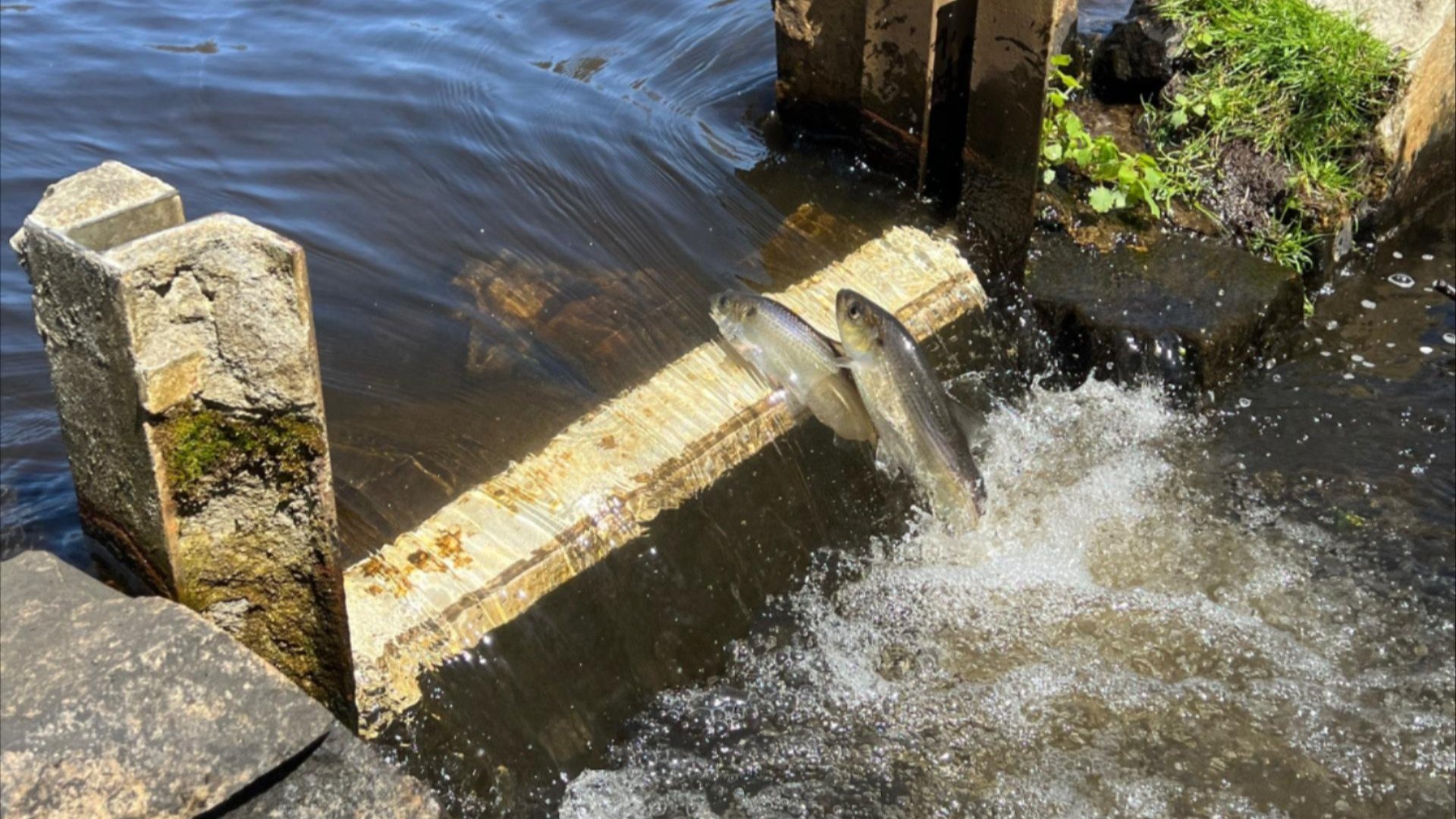
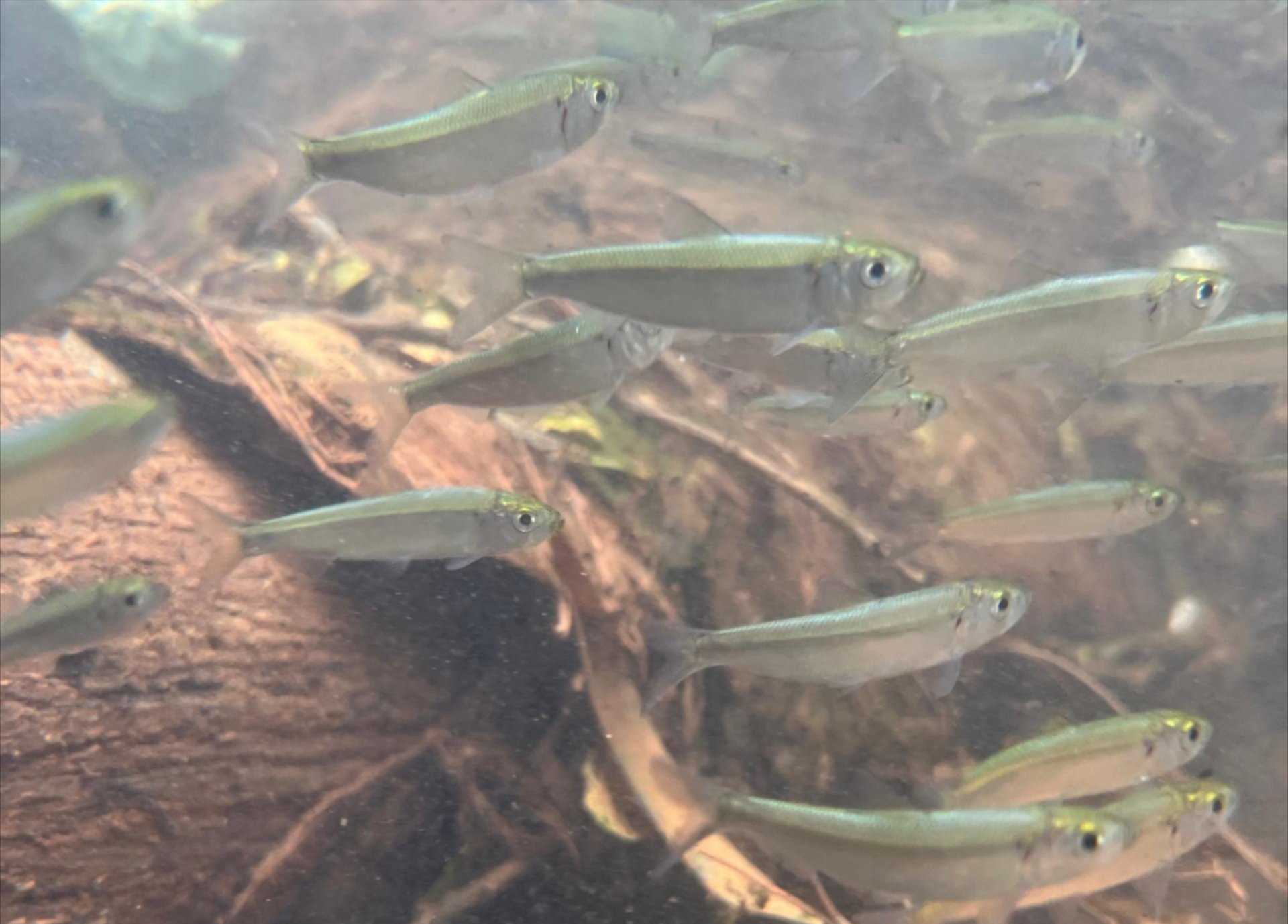
Every spring, river herring—alewife and blueback herring—leave the ocean and head upstream to spawn in ponds and wetlands. American eel also move inland, often traveling far upstream into small tributaries where they can grow for years. Brook trout depend on connected, coldwater habitat to reach spawning areas and to escape summer heat by finding cooler, groundwater-fed reaches. Many other diadromous species—fish that move between saltwater and freshwater during their lives—rely on these same routes.
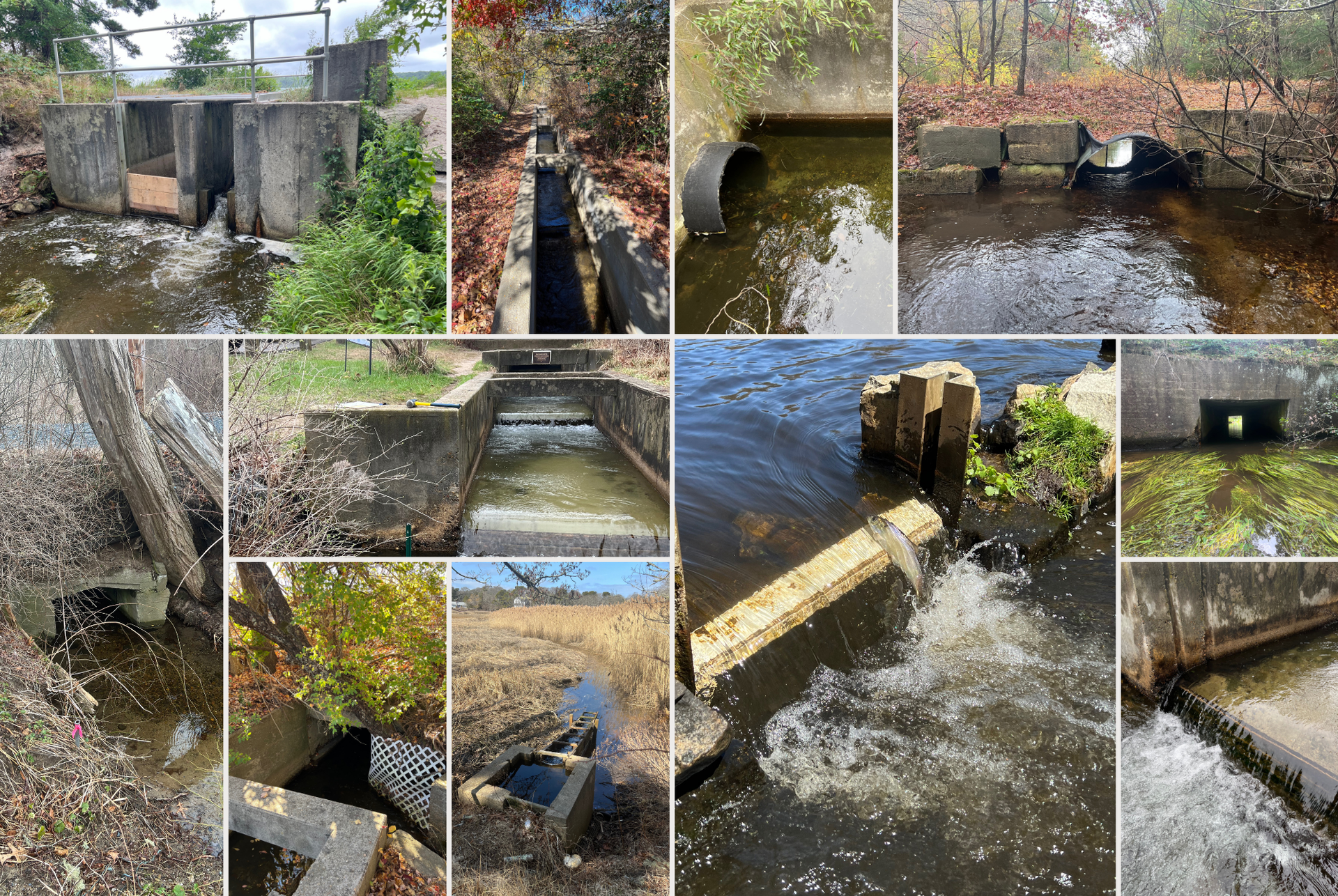
Fish passage is simply the ability of fish and other aquatic wildlife to move up and down a river when they need to. That movement isn’t a bonus; it’s part of how these species survive. When the path is blocked, fish can’t reach the places they need for spawning, feeding, or shelter. On Cape Cod, the most common blockers are dams and undersized or poorly set culverts. We also run into legacy barriers from historic cranberry farming—old dikes, flumes, water-control structures, and bog crossings—that can still pinch flows or block fish even when a bog is long out of production.
|
Dams are obvious barriers. Some block passage completely. Others force fish into a narrow, stressful route where they may be delayed, exhausted, or picked off by predators. Dams also change what the river is: water backed up behind a dam slows and spreads out, creating artificial ponds or impoundments that can warm in summer and lose oxygen. That matters for river herring during migration and for brook trout, which need cold, well-oxygenated water. Dams can also disrupt the natural movement of sediment and gravel that forms good habitat downstream.
|
Culverts can create real barriers at road crossings because they force a stream through a narrow opening that may be perched above the streambed. If a culvert is undersized or set incorrectly, water can end up being too shallow or too fast for fish to pass, and the outlet can form a drop many fish can’t get over. Narrow culverts also clog more easily—leaves, sticks, and sediment can collect at the inlet, reducing flow, backing water up, and sometimes turning a passable crossing into a temporary blockage, especially during storms. This is especially common at older bog crossings, where small pipes and aging control structures weren’t designed with fish passage in mind.
When barriers stack up across a watershed, they don’t just slow fish down—they shrink the river’s usable habitat. River herring runs can drop when adults can’t reach spawning ponds (or juveniles can’t get back out), eels can lose access to years of upstream rearing habitat, and brook trout can get boxed into warmer reaches, cut off from the cold refuges they need to make it through summer heat and drought.
|
The good news is that fish passage problems can be fixed, and the goal is straightforward: make a stream crossing or former dam site work more like a natural stream. Sometimes that means removing an obsolete dam. Sometimes it means building a nature-like passage, so fish can move without a sudden drop or fast chute. For culverts, it often means replacing an undersized pipe with a wider structure that matches the natural stream channel, so depths and speeds stay closer to normal, and the streambed continues through the crossing.
This is where APCC’s work connects end-to-end. The Ecosystem Restoration Program partners with towns, agencies, and local groups to identify barriers, design solutions, and move projects toward construction—whether that’s dam removal, culvert replacement and right-sized road crossings, or river channel restoration. In parallel, APCC’s River Herring Monitoring Program tracks how runs are doing year to year, working with volunteers and run coordinators to collect consistent observations that help answer a simple question: Are fish able to move, and are populations responding?
At APCC, improving fish passage is a practical way to restore healthier rivers. When we reconnect streams, we’re helping fish complete their life cycles, improving habitat and water quality, and making Cape Cod’s watersheds more resilient for the long run.
|
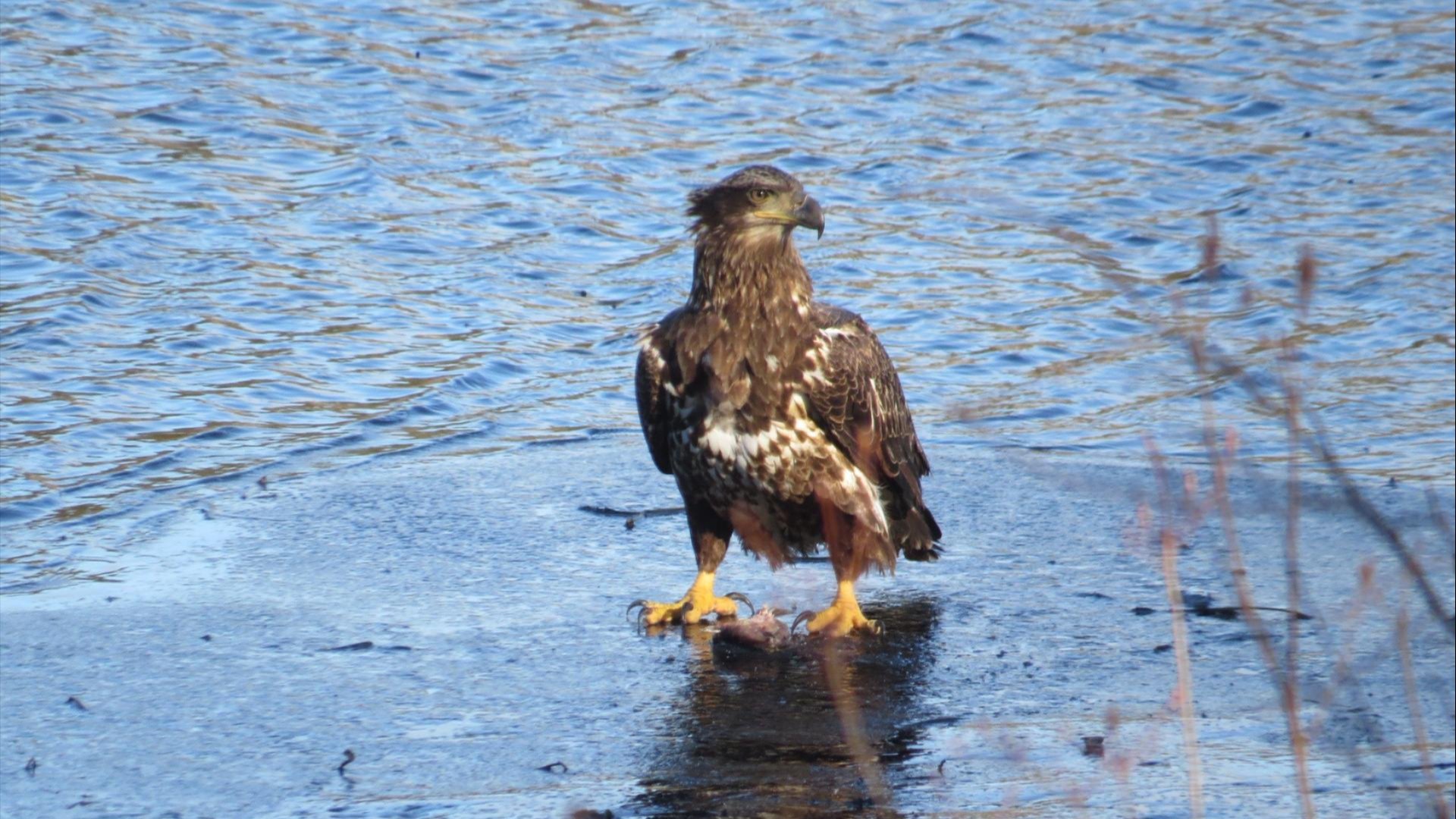
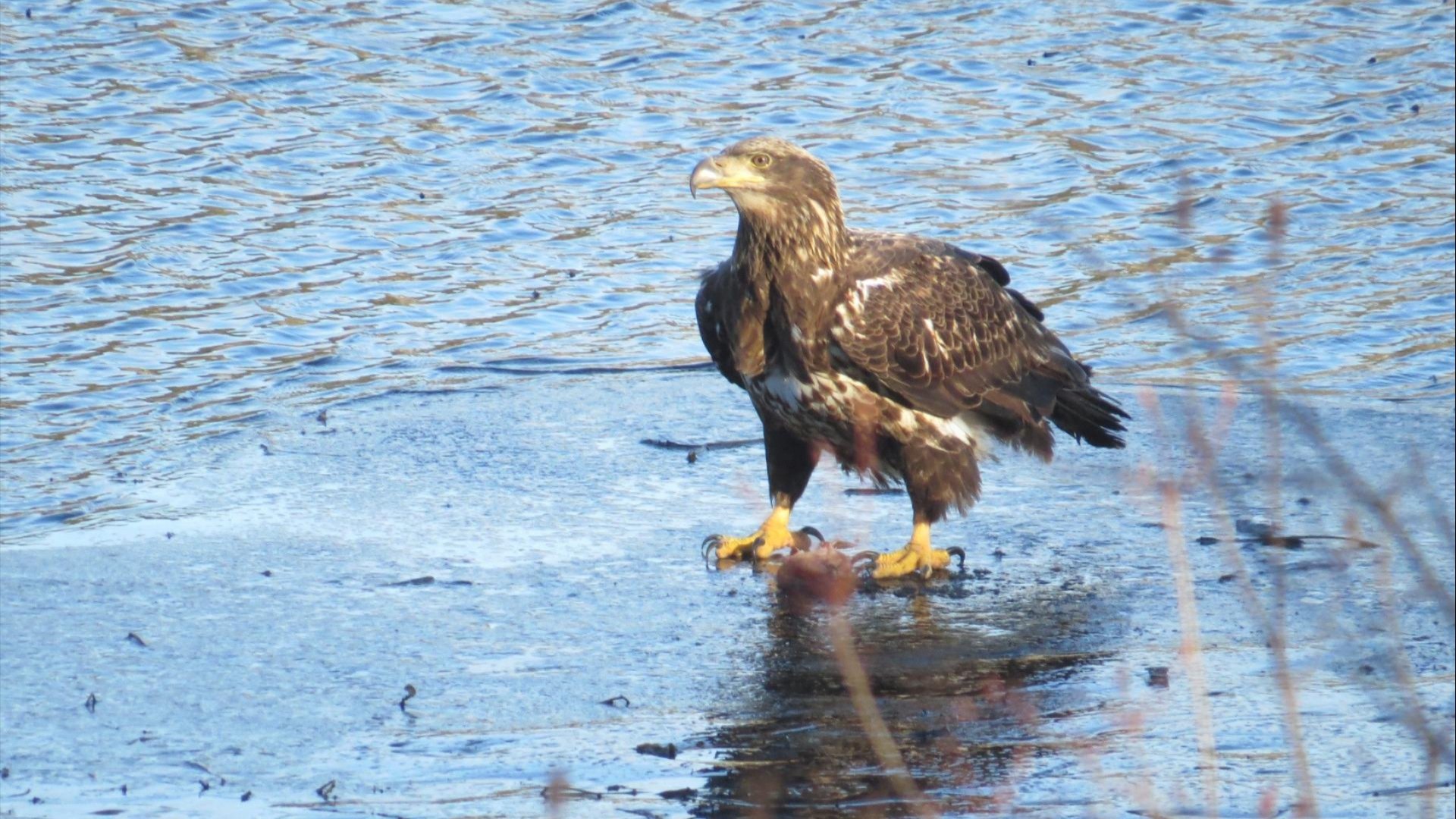
Above and below: Immature bald eagle. Photos by Judith Bruce. |
Judith Bruce writes: Shoal Pond in Orleans seems to come alive with wildlife in winter! Maybe it’s just more visible with leaves down, but I got to watch a red tailed hawk take out a grey squirrel at the shoreline last week. Shortly after, a mature bald eagle flew over the pond, and then a few days ago, this guy hung out long enough for a photo." |
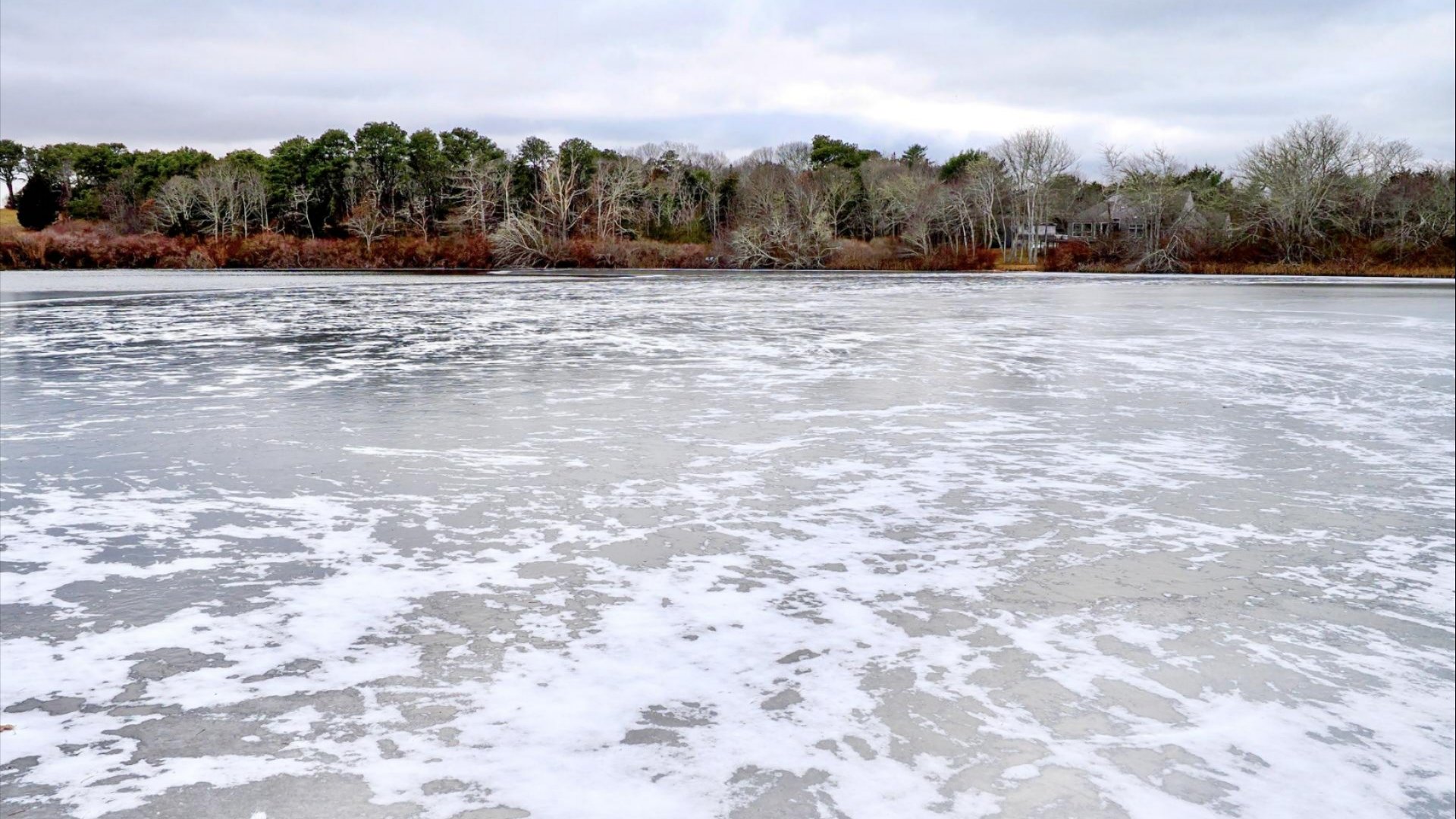
Above: Jemima Pond, Eastham. Photo by Sue Machie |
Under The Ice - Water Temperatures
In the spring and summer months, stratification occurs in freshwater bodies of water. Stratification is the process of water separating into layers based on density, temperature, and oxygen levels. This process typically occurs in late spring into summer as sunlight warms surface waters, making it less dense. But ponds can inversely stratify in the winter.
Photosynthetic organisms can produce oxygen with sunlight. Deeper into the water column, temperatures drop, water becomes denser, and oxygen is scarce. During the winter months, some freshwater ponds will inversely stratify. As surface waters cool and ice forms, the coldest water stays near the surface, while slightly warmer; denser water settles in the bottom. These stable layers prevent the mixing of oxygen and nutrients. Once spring arrives and the ice melts, the pond will begin to mix again. Inverse stratification can be more prominent in ponds that are completely frozen over compared to ponds with partial ice cover where wind can mix the water column. |
What's All This About Winter Sowing? |
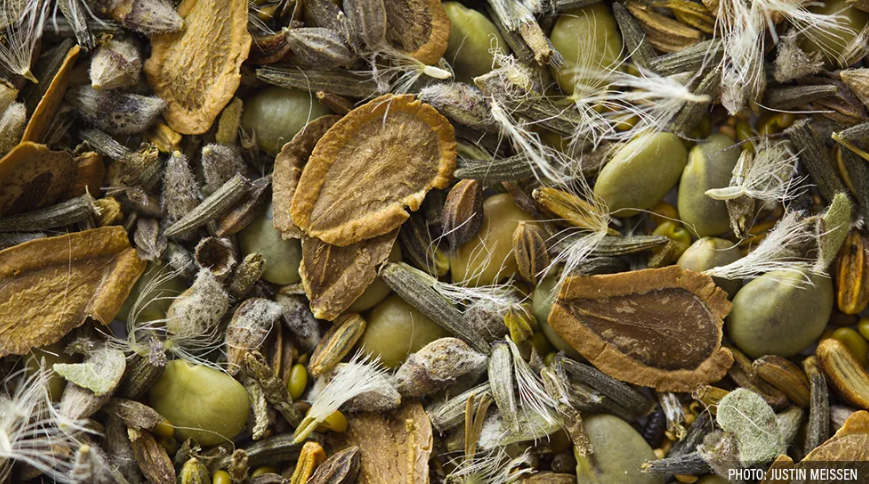
Have you ever wondered why we sow native plants in the middle of winter? If they aren’t going to grow until early summer, what is the point of getting them in soil now? The answer has to do with the complex adaptations of these plants to the places they evolved.
Plants native to the Cape have spent generations adapting themselves perfectly to our climate, and that includes an understanding that when winter rolls in, they should not be trying to grow. That is why even when mature seeds develop in the fall, they have been evolutionarily programmed not to sprout right away. Instead, they sit and wait, in a process called stratification. (And now you know two definitions of stratification!) This adaptation ensures that native plant seeds stay tucked away through the harsh winter weather and only sprout once the air and the soil begin to warm for spring.
How long winter needs to last for seeds to germinate is a wide-ranging number, and that is why it is crucial to understand germination codes. Unfortunately, not all sources use the same codes, but typically codes B or C, which will then be followed by a number: i.e. B(60), indicates that the given species needs a stratification period.
It is important to note that while the number of days may change in a stratification period between species, most species native to Cape Cod will require a colder period in order to sprout, because any plant growing on the Cape quickly learns why the beaches clear out at the end of fall! Seeds collected in the fall, stored in a warm location through the winter, and then sowed in warm summer weather will not germinate, or at least not with high rates. That is because these seeds are not equipped with mechanisms to count days, they only possess the ability to gauge temperatures, and with no cold period, these seeds have still not received the proper signals to germinate.
Some propagators may use a freezer to artificially stratify seeds. This method is helpful if you have a greenhouse or indoor space to grow plants outside of our natural growing season. But thankfully, native plant seeds are perfectly adapted to be sowed outside during the winter, no freezer space needed. This is why you may come across a great variety of seed sowing workshops this time of year, and we implore you to attend one for yourself to learn more about the nature of seeds, and how you can start growing your own native plants, right in your own yard. Germination codes: Prairie Moon and Wild Seed Project |
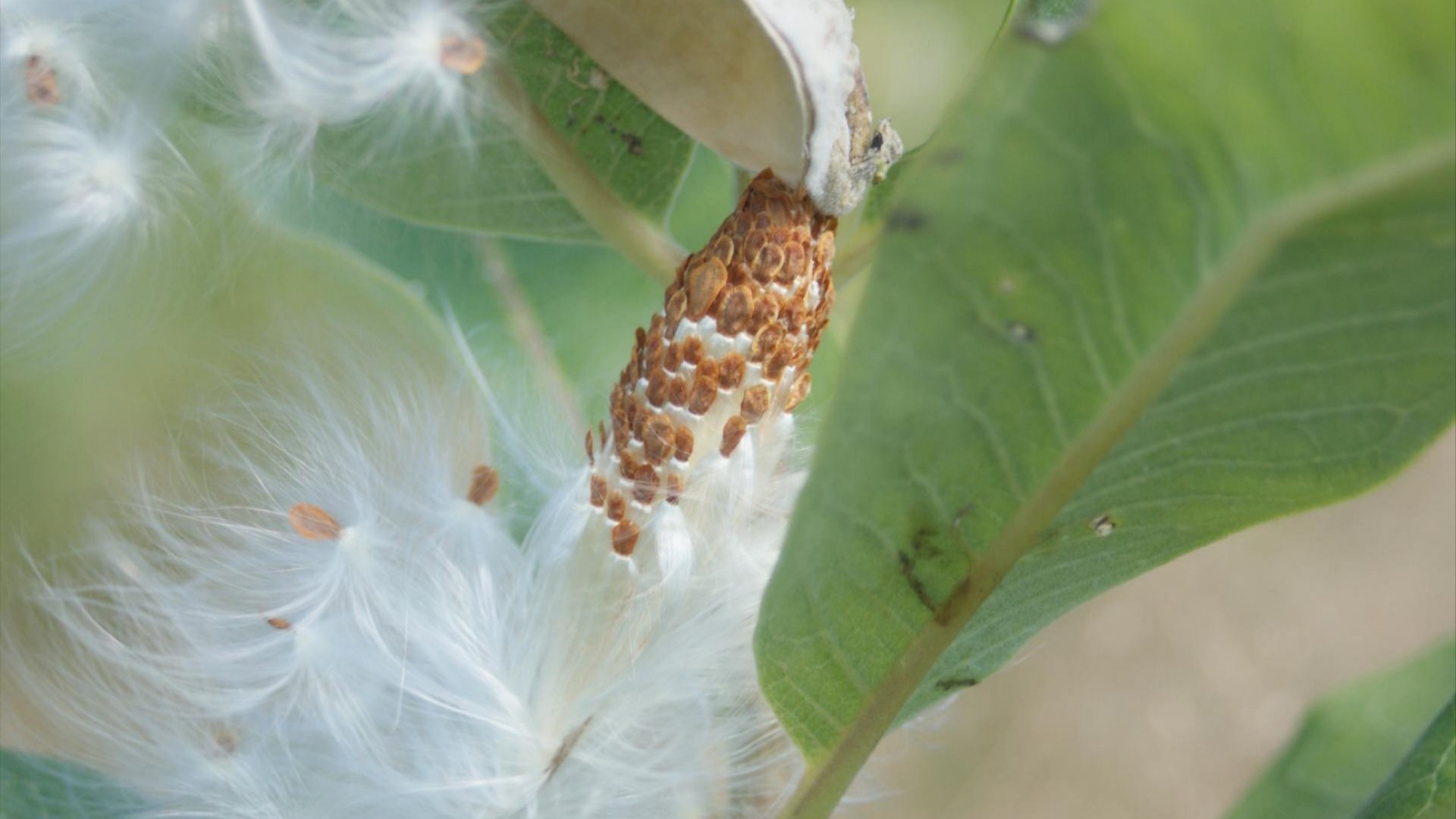
Above: Common milkweed, Asclepias syriaca, fall release of seeds from the pod |
|
|
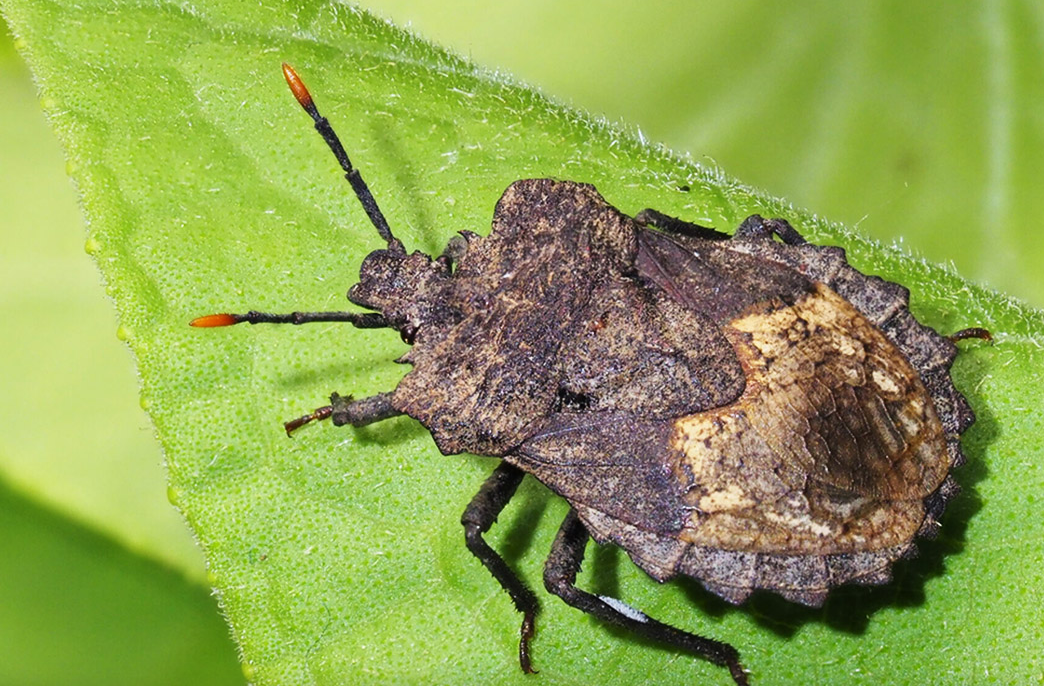
Above: A Japanese stinkbug Megymenum gracilicorne protects her eggs with symbiotic fungi.Minoru Moriyama/AIST |
"Insects have long relied on microbes to help them survive. Ambrosia beetles carry fungi to provide food when they burrow into trees, for example. And rove beetles protect their eggs and larvae from spiders by coating them with deadly bacteria. Now, scientists have found a new way that tiny organisms help their insect hosts: Fungi coat the eggs of stinkbugs, creating a shield that protects the embryos from parasitic wasps, researchers report today in Science." (Science.org) See a stinkbug laying her eggs on this Facebook reel.
|
|
|
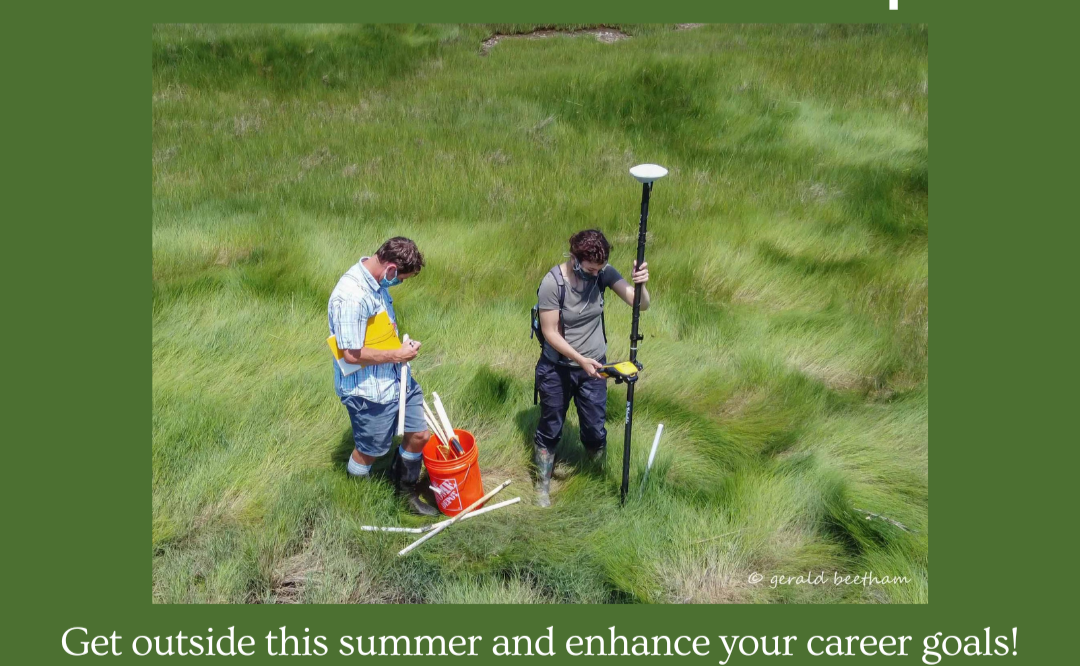
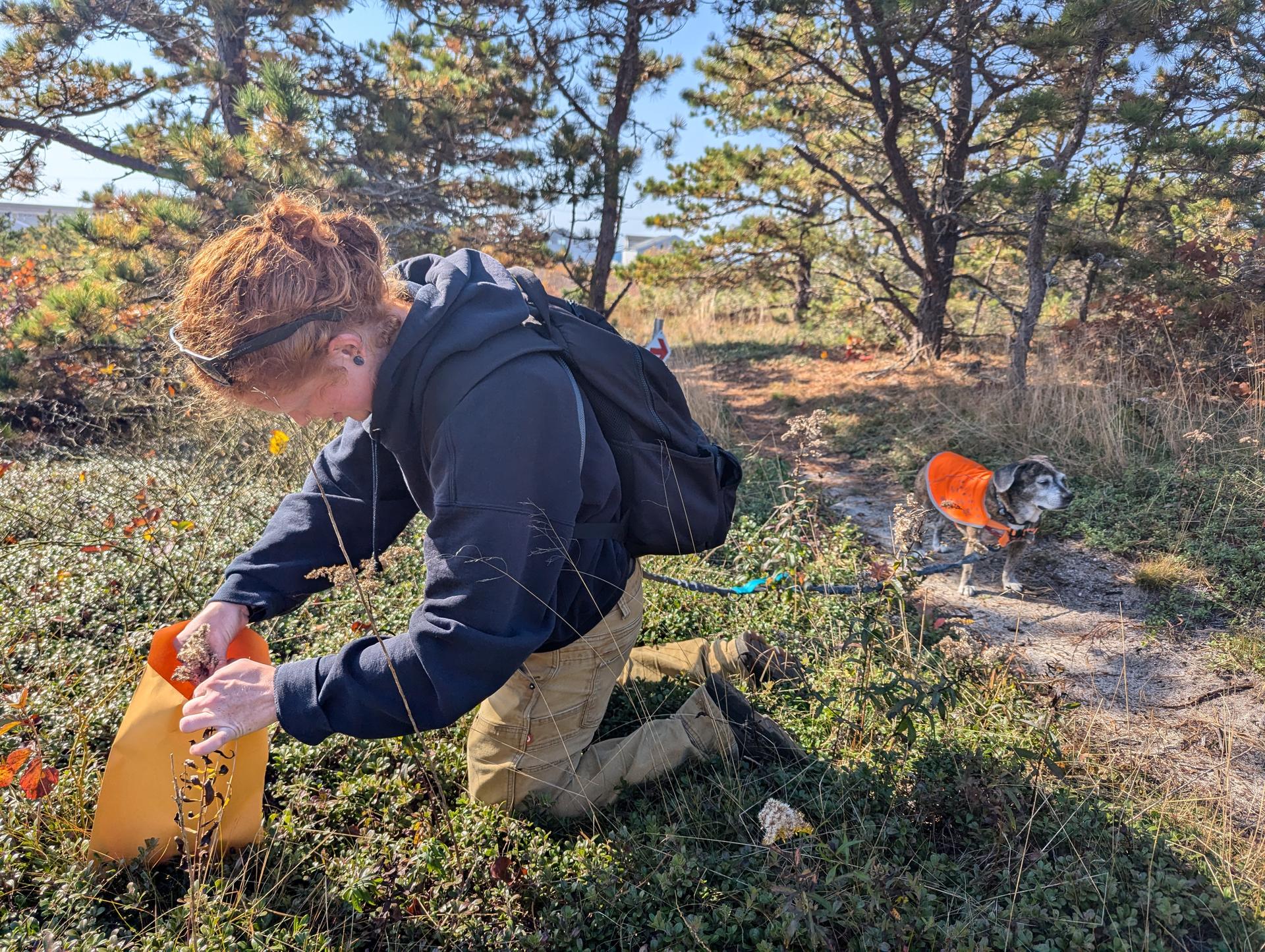
Announcing APCC Seasonal Internships |
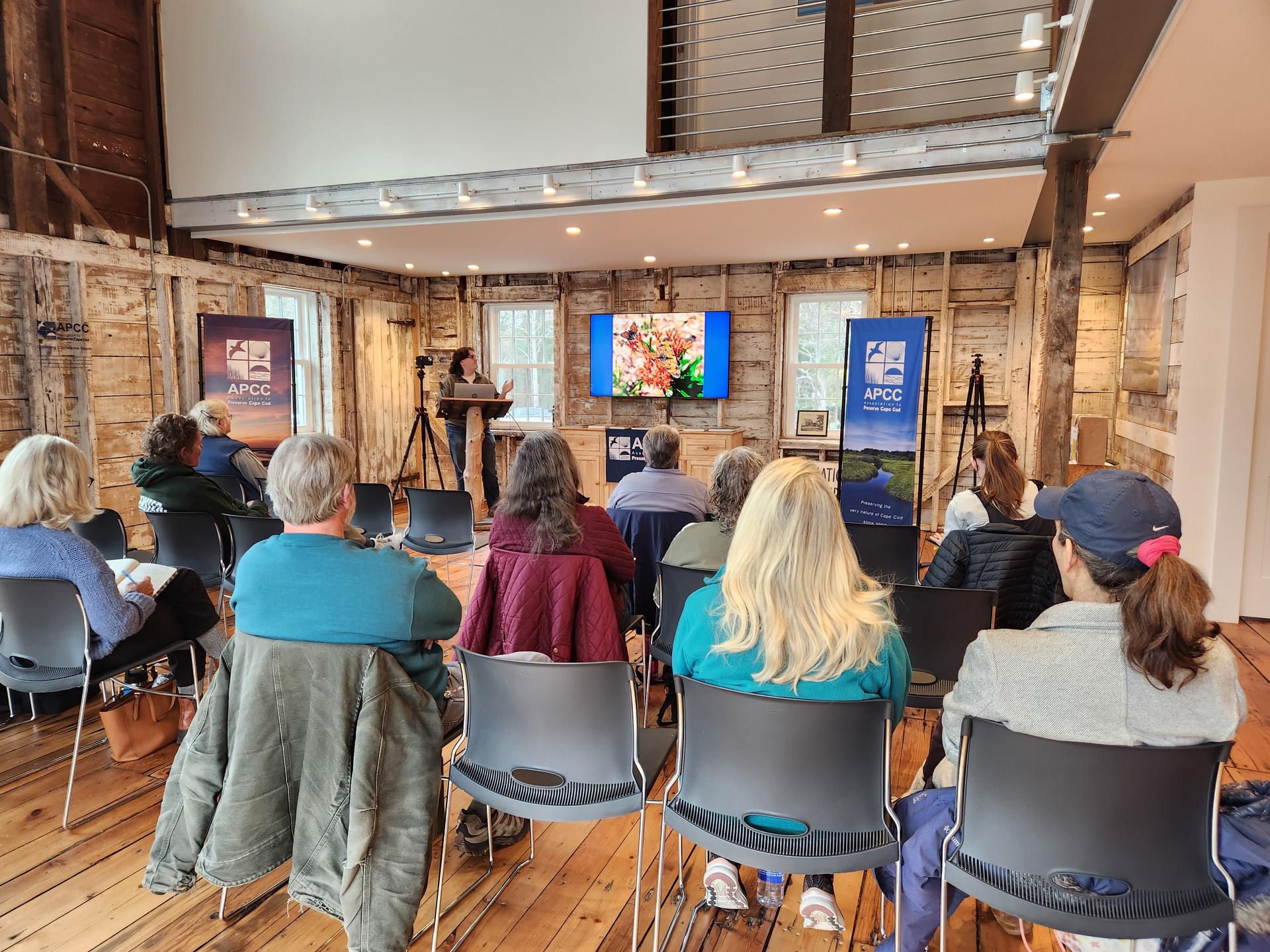
UPCOMING EVENTS HOSTED BY APCC |
Native Plant Propagation for Professionals |
Thursday, January 29, 2026
1:00 p.m. – 3:00 p.m. Hybrid Presentation
Native Plant Trust’s Nursery Technician Peri Bergquist will give an overview of the plant production at Nasami Farm Nursery. They specialize in growing plugs of native plants from seeds of known ecotype. Topics will include common germination requirements, winter sowing, seedling biology, propagation methods, tips for specific species, propagation timeline, and troubleshooting common problems. Participants will leave with a list of common species, their germination codes and growing tips.
This talk is offered as part of the Cape Cod Native Plant Growers’ Cooperative Program to provide information to prospective growers. The program is made possible by funding from the Cape Cod and Islands License Plate Grant program and the Kelley Foundation. |
|
|
| Growing Native Seeds and Plants
with the Rhode Island Wild Plant Society Friday, January 30th 1:00 p.m. to 3:00 p.m. Hybrid Event
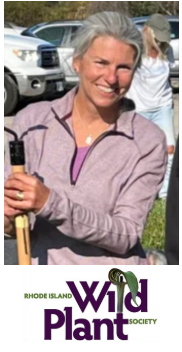
Sue Theriault has been a propagator with the Rhode Island Wild Plant Society since 2018 and is currently the RIWPS vice president. She is the leader of the society's ecotypic seed program known as ReSeeding Rhode Island, which was initiated in 2022 to create a local, sustainable source of native seeds in RI. In her talk, Sue will focus on how RIWPS grows plants for its spring and fall sales, sharing both successes and mistakes, and how ecotypic seed is produced for you to access and grow yourself.
|
|
|
This talk is offered as part of the Cape Cod Native Plant Growers’ Cooperative Program to provide information to prospective growers. The program is made possible by funding from the Cape Cod and Islands License Plate Grant program and the Kelley Foundation. |
If you are a farmer or someone who wants to grow native plants to sell, or you just want to be updated on the program's development, please submit the interest form that appears on our webpage. We will be sending periodic email notices of workshops and meetings.
Funding for the project is provided by Barnstable County and its Economic Development Council License Plate Grant Program through the Cape Cod Commission and the Kelley Foundation. |
Four talks for prospective growers as part of the Cape Cod Native Plant Growers' Cooperative program have been presented thus far, with several scheduled in the upcoming weeks. These past workshops can be viewed here:
Registration for upcoming talks can be found on our events page.
|
Upcoming Events Hosted by Others |
A Cape-wide Conservation Event Calendar |
The Compact of Cape Cod Conservation Trusts (“the Compact”) and its nonprofit members launched a new regional calendar of events. The Conservation Calendar includes programs across Cape Cod hosted by these groups. The goal of the calendar is to encourage visitors and residents to take part in nature and environmental events. You can always find the link to the calendar on APCC's website under News & Events.
|
|
|
A Cape Cod Native Plant-selector
~ to help you choose the perfect native plants for your garden. |
|
|
Email kandres@apcc.org and we'll send you a CapeCodNativePlants.org decal. |
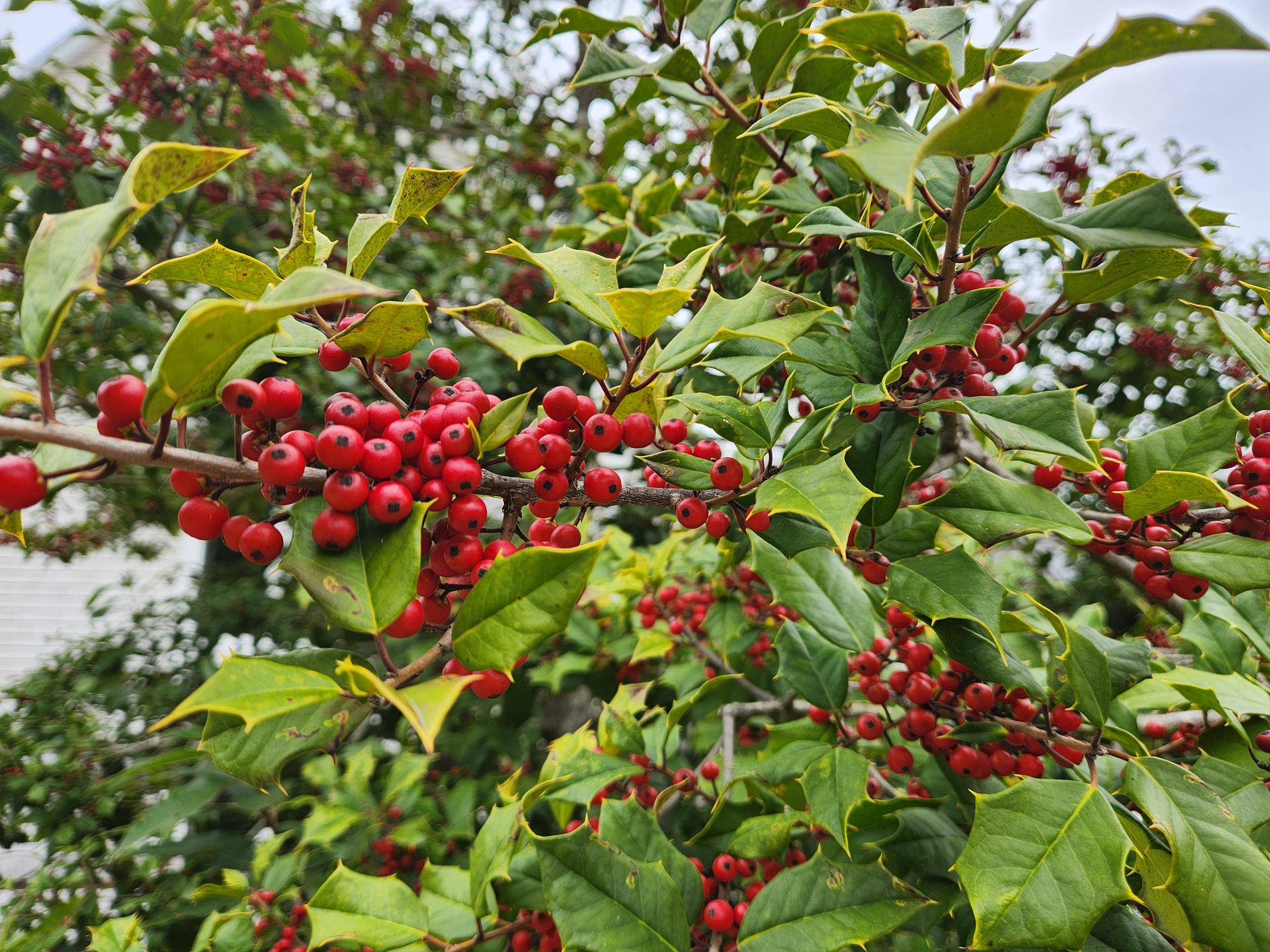
| American Holly
Ilex opaca |
|
|
|
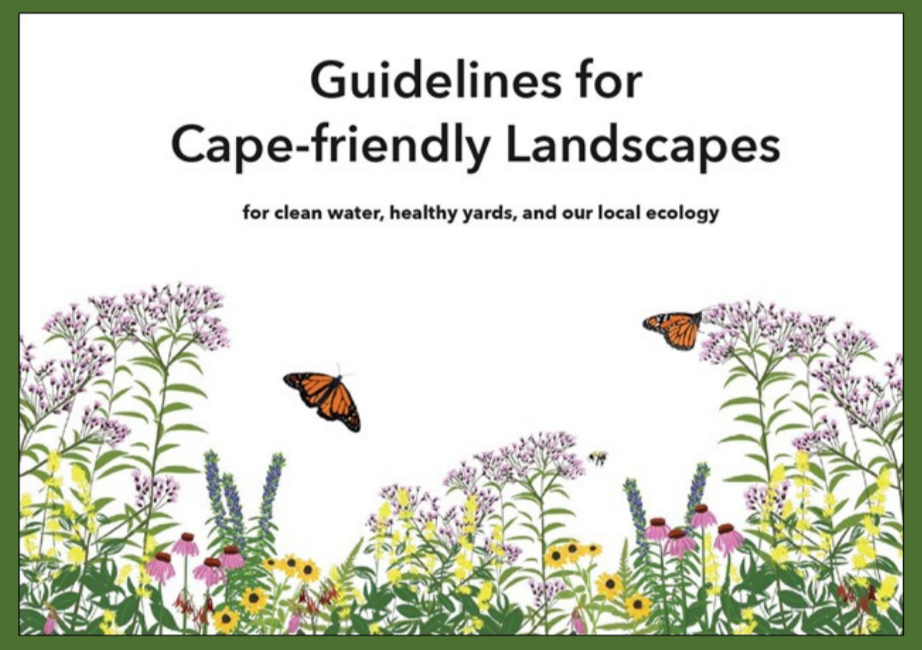
The Guidelines gives homeowners steps they can take in the design and maintenance of their properties that will support pollinators and birds, manage stormwater, conserve water, and protect the Cape's water quality. This 40-page booklet is beautifully illustrated by Marcy Ford with content that is easily digestible and supported by numerous resources for additional learning.
|
|
|
We are grateful for the several retail shops that are partnering with us to make this publication more widely available: Brewster Book Store, Birdwatchers General Store, Crocker Nurseries, Wellfleet Audubon Wildlife Sanctuary, Cape Abilities Farm, Cape Cod Museum of Natural History, the Cape Cod Lavender Farm, Heritage Museums and Gardens, Titcomb's Bookshop, Sea Howl Bookshop, Soares Flower Garden Nursery, and Eight Cousins Bookshop.
If you are a retailer and would like to sell this publication at your store, please contact us. |
|
|
APCC caps $25 -includes USPS deliver in the U.S. |
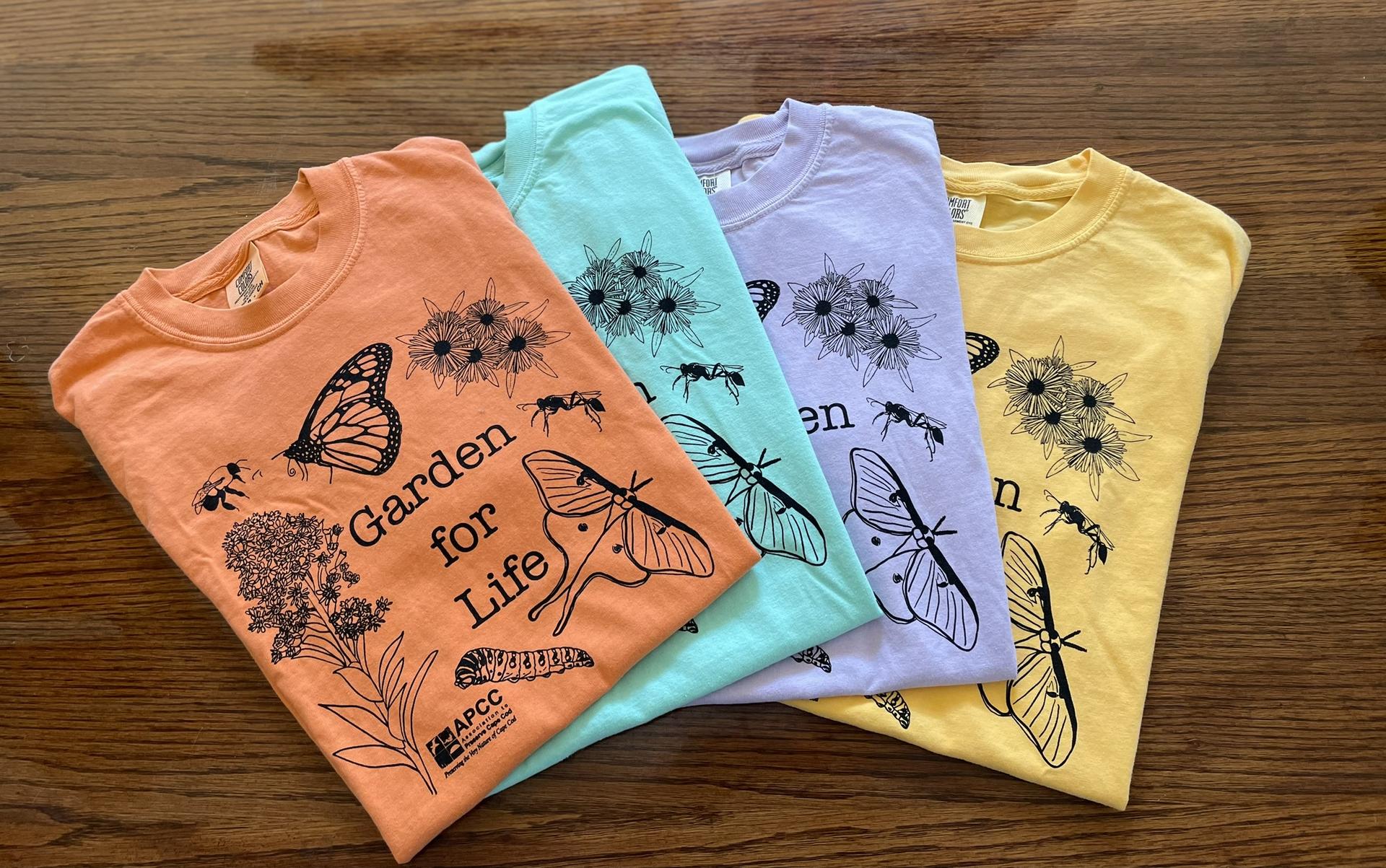
Garden for Life T's $30 -includes USPS delivery in U.S. |
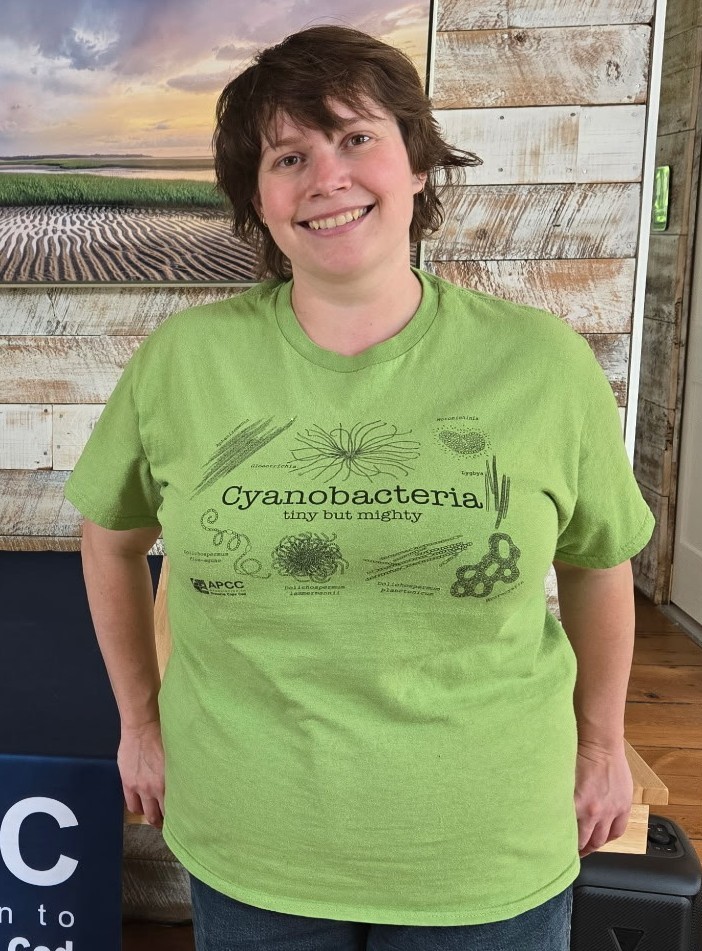
| Cyanobacteria ~ tiny but mighty color kiwi $30
-includes USPS delivery in the U.S. |
|
|
|
APCC eNewsletters. Our weekly newsletters are archived on our website and easily shared.
You can find past newsletters and share with your friends. Encourage others to sign up for future enewsletters HERE.
|
|
|
Are you thinking of going solar? We hope so!
In partnership with E2 SOLAR in Dennis, APCC receives $500 for every solar installation when APCC is named as referral. |
|
|
|
Thank you to the homeowners who just contracted to install solar panels through E2 Solar. May the sun always shine for you! |
|
|
Expressions Gallery, 578 Main Street, Chatham
CLICK HERE |
Expressions Gallery donates 20 percent of its profits to APCC's work. |
|
|
Thank you to our business sponsors! |
|
|
APCC is rated four stars by Charity Navigator,
2025 Platinum by Candid (formerly Guidestar), and 2024 Top-Rated by GreatNonprofits. |
|
|
Our Contact Information
*{{Organization Name}}*
*{{Organization Address}}*
*{{Organization Phone}}*
*{{Organization Website}}*
*{{Unsubscribe}}* |
| |
|
|