Association to Preserve Cape Cod |
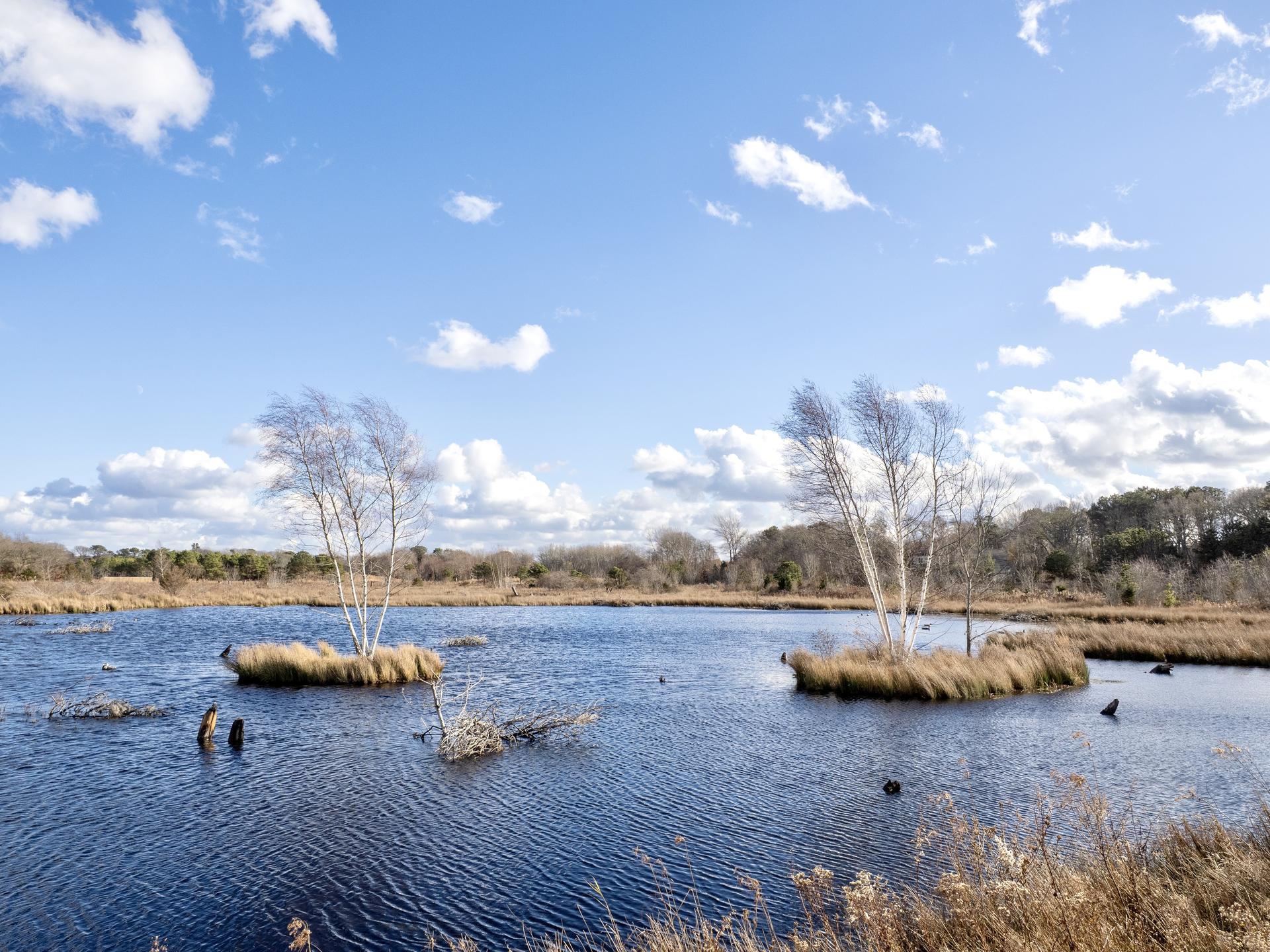
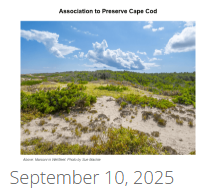
Above: Cold Brook, Harwich. Photo by Sue Machie |
APCC Welcomes New Advocacy Director, Christy Johnson |
|
|
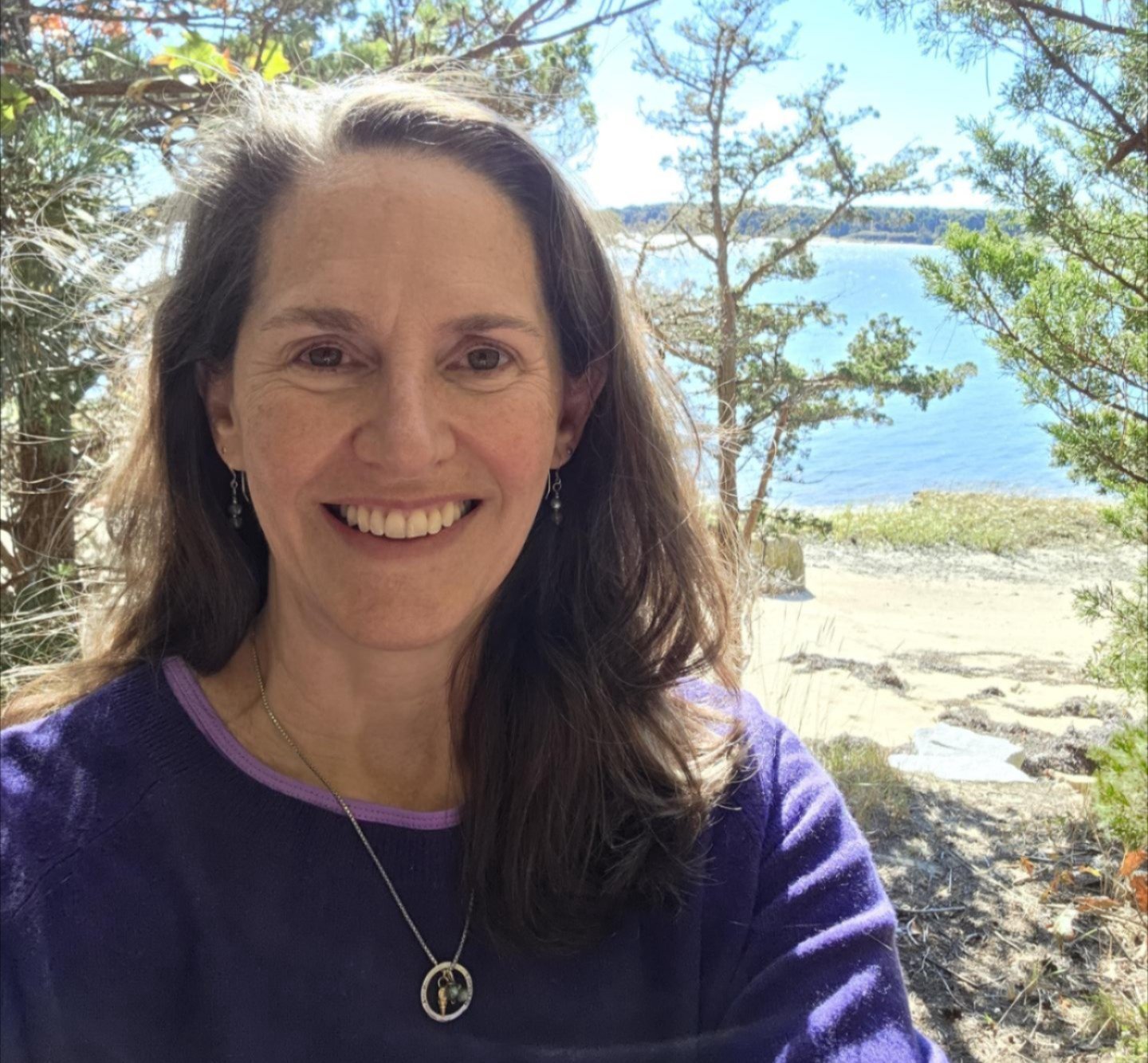
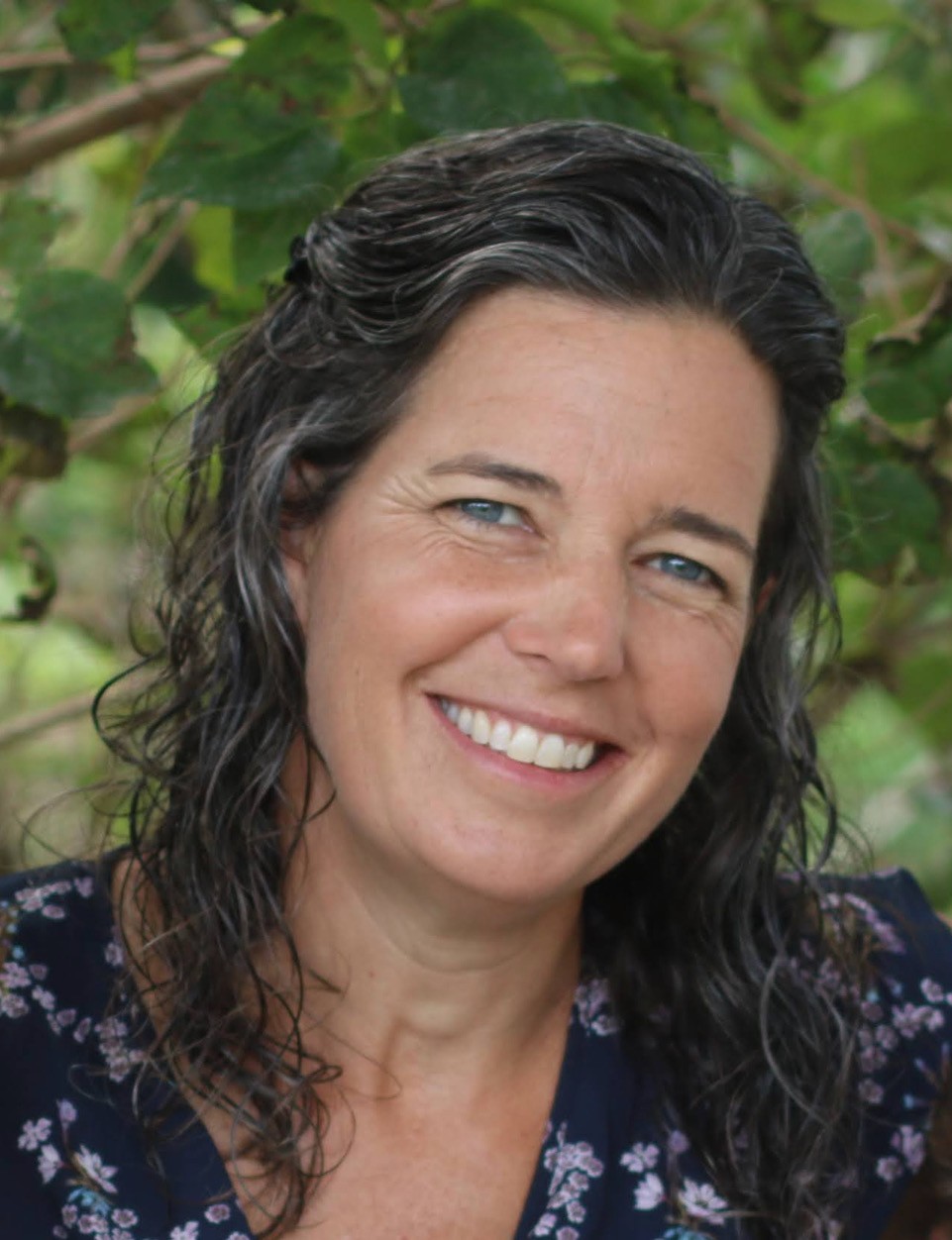
| APCC is pleased to welcome Christy Johnson as the director of advocacy.
Christy comes to APCC with decades of senior environmental policy experience after a long career at USAID, where she worked on forestry, biodiversity conservation, global climate change, and other natural resource issues in the Latin America and Caribbean region. Before joining USAID, she advised Senator Joe Lieberman (D-CT) on environmental issues. Christy has a masters in regional planning and a Ph.D. in forest ecology, and conducted field research in Brazil, Chile, and Puerto Rico. She has lifelong connections to Cape Cod and is excited for the opportunity to contribute to its future. |
|
|
While we are thrilled with all that Christy brings to APCC, her arrival signals the close of APCC's Assistant Director Don Keeran’s years of exceptional service with his imminent retirement at the end of the year (more on that later). |
Thank You APCC Volunteers! |
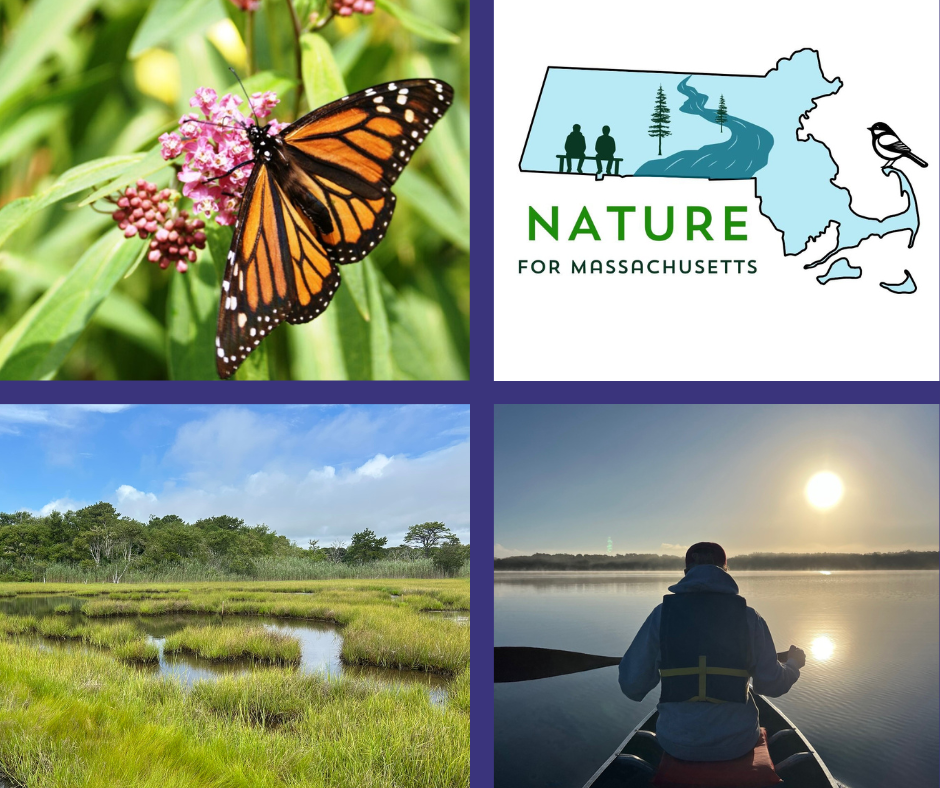
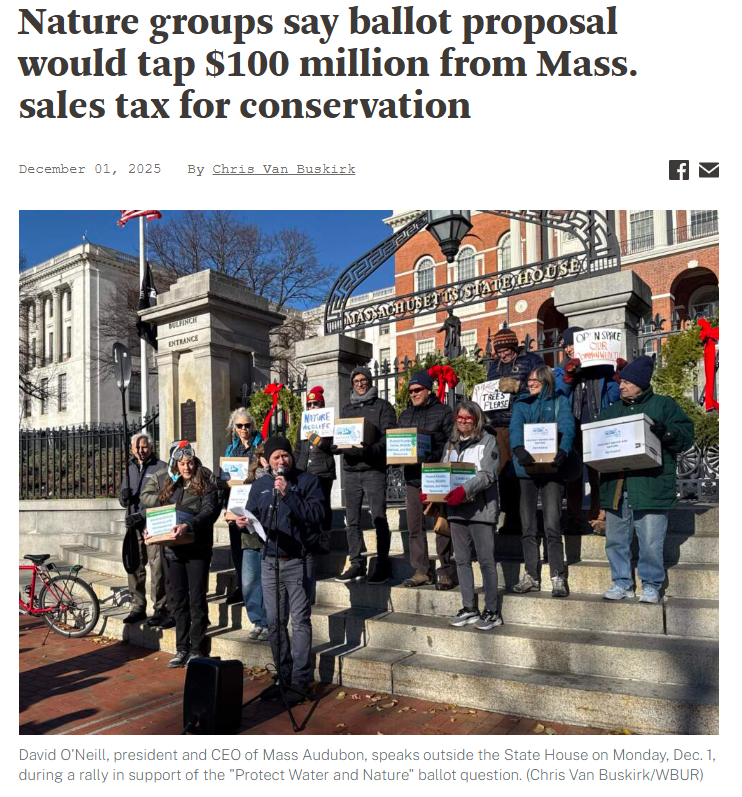
With your help, the Nature For Massachusetts coalition of environmental, conservation, and community organizations collected more than 75,000 signatures to advance the "Protect Water and Nature" ballot initiative toward the 2026 statewide ballot. The ballot would set aside revenue from the existing state sales tax on sporting goods to protect and conserve water and nature. That means $100 million each year to support the conservation and restoration of water and natural areas in Massachusetts. Learn more about the initiative here.
Great job, APCC volunteers! With your help, APCC was one of the top three contributors to this amazing coalition of environmental, conservation, and community organizations. Your efforts helped the coalition collect significantly more than the required 74,574 signatures to advance the "Protect Water and Nature" ballot initiative toward the 2026 statewide ballot.
Thank you to all of the dedicated volunteers, who contributed to this milestone by collecting signatures from your neighbors, at farmers’ markets, festivals, trailheads, and community spaces! The signatures were submitted to the secretary of state's office in Boston this past Monday. Read more from WBUR here.
|
APCC Ecosystem Restoration Program |
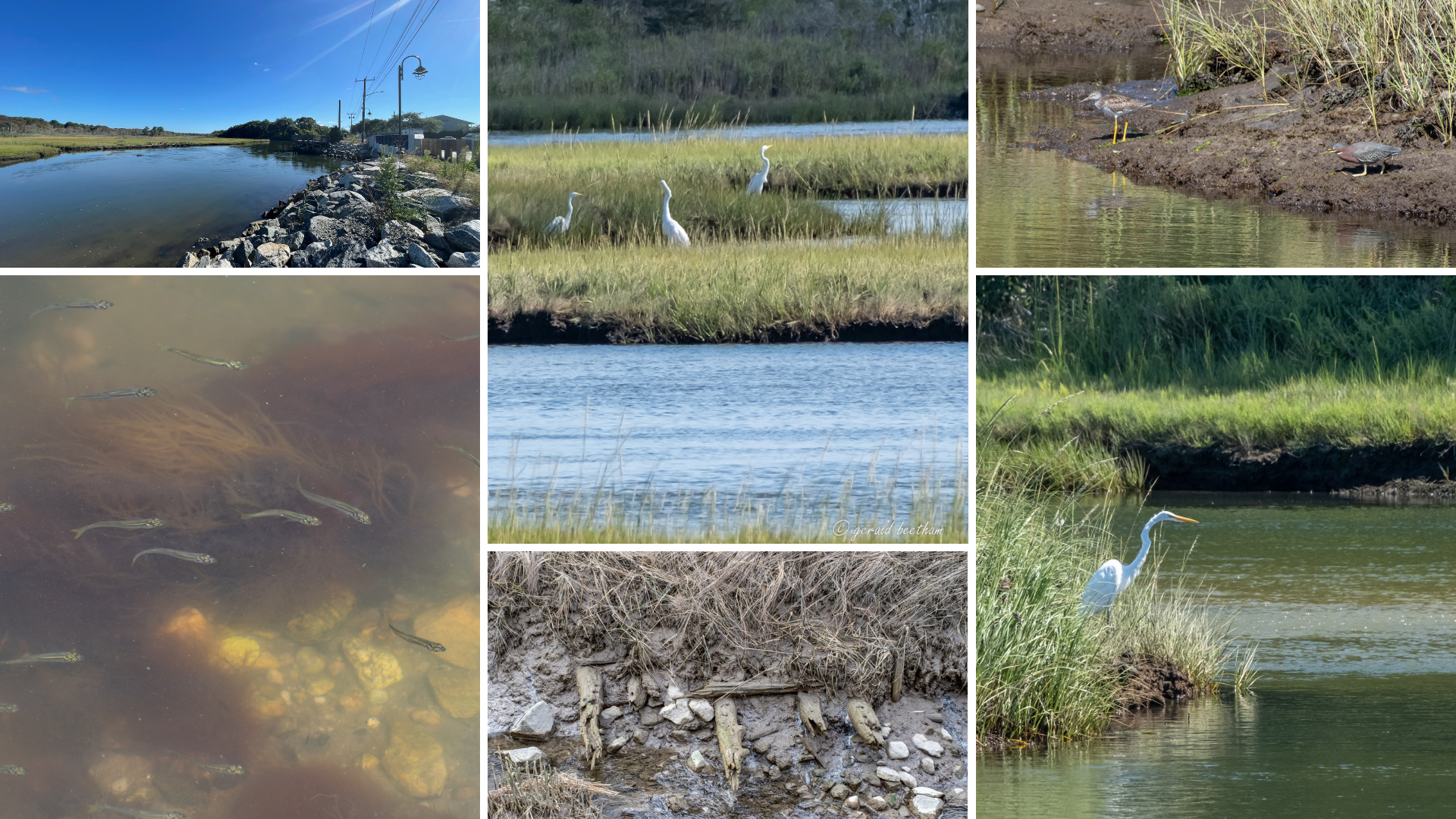
Above: Salt marsh scenes collected from Cape Cod. Photo credits: Gerry Beetham and Cristina Kennedy (DER) |
Why Restoring Salt Marshes Matters More Than Ever
Salt marshes are among the most valuable—and vulnerable—ecosystems on our coastline. These vibrant habitats do far more than meet the eye. They act as natural storm buffers, absorbing wave energy and protecting nearby communities from flooding and erosion. They serve as nurseries for commercial and recreational fish, supporting local economies and the region’s fishing heritage. And they help keep our waters clean by filtering nutrients and pollutants before they reach sensitive bays, estuaries, and groundwater supplies.
Despite their importance, New England’s salt marshes are under increasing pressure. Decades of human land-use practices—from historical agricultural manipulation to modern development—have altered their natural structure. Changes to hydrology, reduced vegetation, and lowered marsh elevation all limit a marsh’s ability to perform its vital functions and to adapt to accelerating sea level rise.
That’s why restoration is essential. Rebuilding the natural components of a salt marsh—its hydrology, plant communities, and elevation—helps revive ecosystem health and resilience. With thoughtful planning and innovative restoration approaches, we can protect these critical landscapes and ensure they continue to safeguard our coastal communities for generations to come.
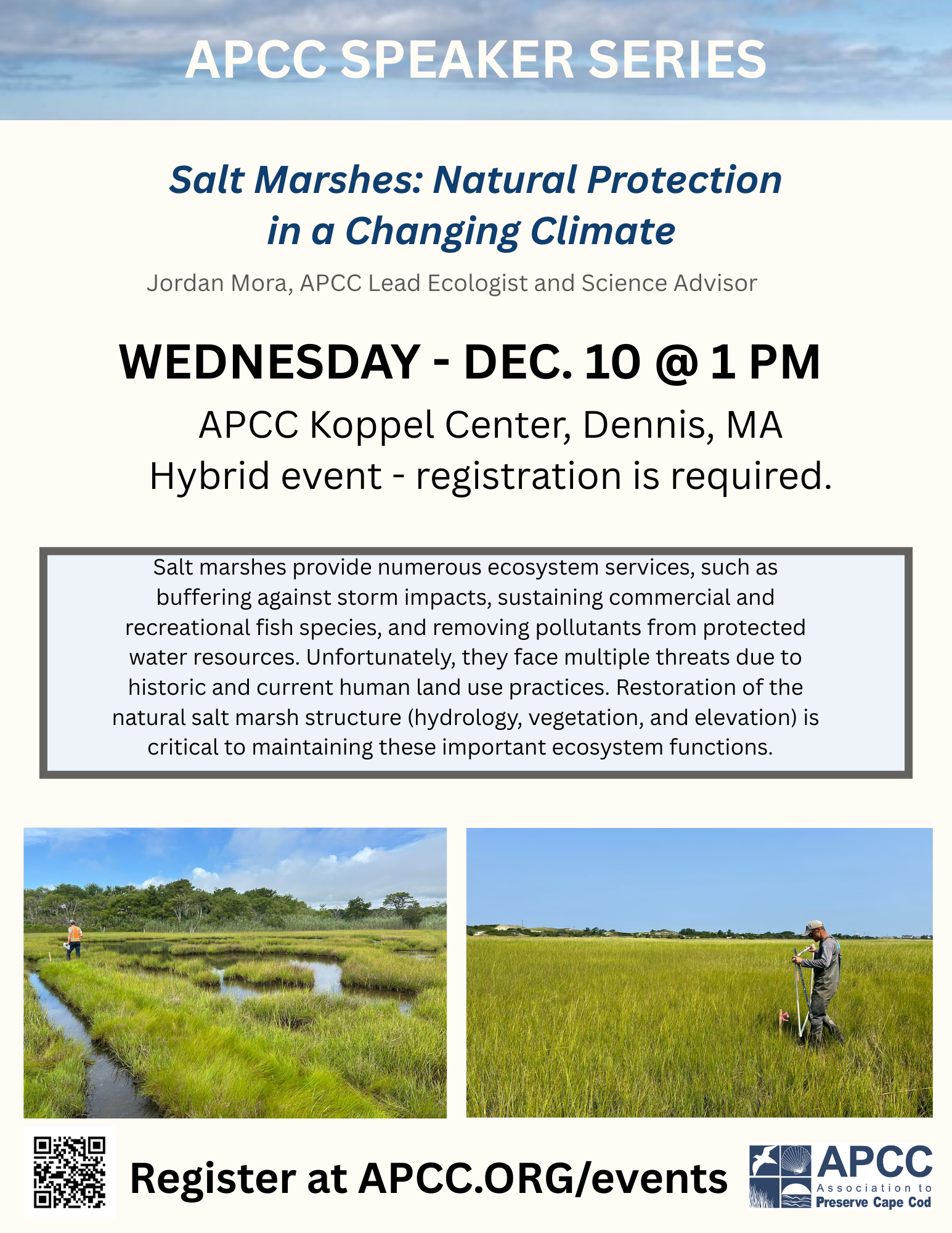
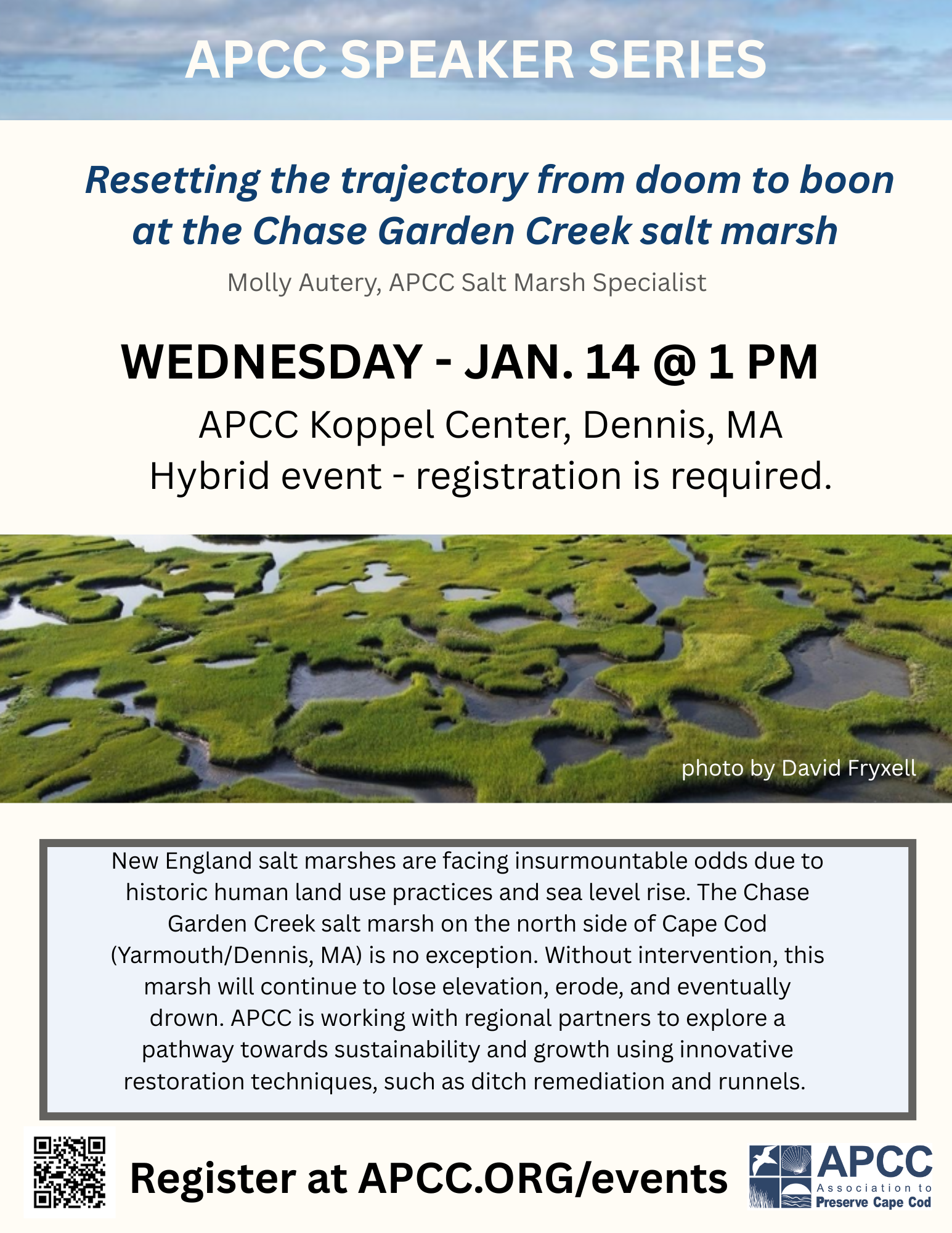
Please join us on Wednesday, December 10th, at 1:00 p.m. at the Koppel Center (or online via Zoom) to learn more about how salt marshes protect our cultural heritage and livelihoods—and how resetting them on a course toward recovery and resilience can safeguard our coastal future. Register here.
|
|
|
Pond Species Spotlight: Bryozoans |
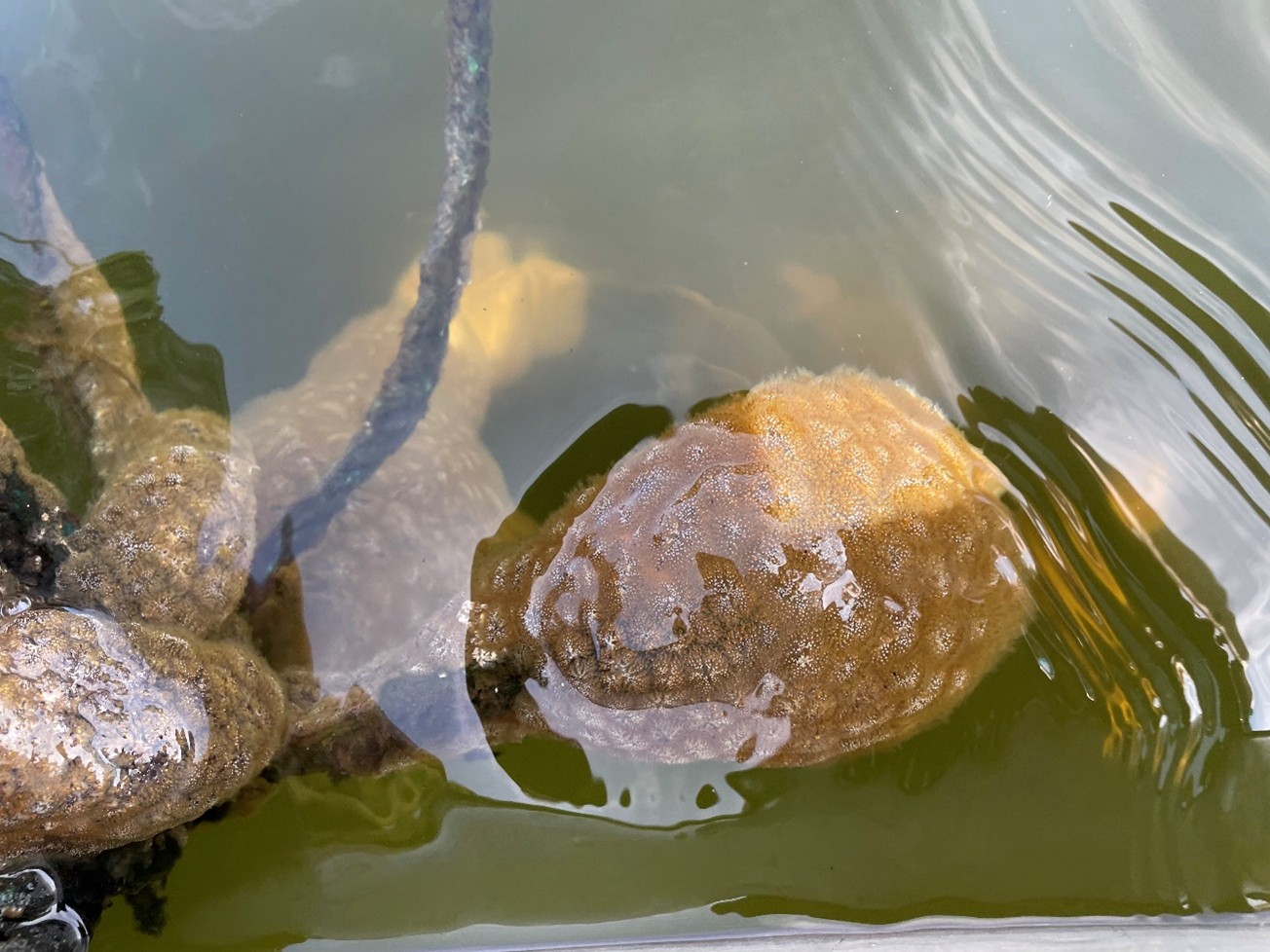
Above: Bryozoan colonies attached to Cape Cod Regional Pond Monitoring buoy line in Bridge Pond, Eastham |
If you’ve ever noticed a jelly-like blob stuck to a branch, a dock post or maybe a buoy line, like the one pictured, you may have spotted a freshwater bryozoan colony. These colonies are made of many tiny animals living together and filtering small particles from the water. They’re unusual and easy to overlook, but they play a helpful role in keeping ponds clean during the warmer months.
By December, most colonies have begun to break down for the season. As they do, they leave behind small, durable structures called statoblasts. These are the bryozoans’ winter survival strategy—little capsules that can withstand cold temperatures, drying, and even a trip through the digestive system of a duck if one happens to pick them up. Once released into the pond, statoblasts settle into the sediment or cling to plants and debris, waiting out the winter.
The colonies won’t reappear until spring, when temperatures rise and light levels increase. The statoblasts will develop into new colonies, eventually forming the jelly-like clusters. So, even though the ponds feel quiet this time of year, they’re already holding the next generation of bryozoans—another reminder that a lot is happening beneath the surface, even in winter. |
|
|
Cape Cod Pond Watchers Bio-survey Program
~ a training video on how to use the Survey123 app to log your observations in pondside! |
| |
|
| TODAY!
Wednesday, December 3rd 10:00 a.m. Virtual only Soil Science Simplified with The Organic Mechanic! Mark Highland, president of The Organic Mechanic, discusses peat-free potting soils and soil amendments to increase beneficial soil biology and plant health. Bring your questions for a lively discussion. |
|
|
This talk is offered as part of the Cape Cod Native Plant Growers’ Cooperative Program to provide information to prospective growers. The program is made possible by funding from the Cape Cod and Islands License Plate Grant program and the Kelley Foundation. |
|
|
| Friday, December 5th 10:00 a.m. in person at the Koppel Center, Dennis or virtual via Zoom Ecotypes, Ecoregions, and Restoration Agriculture
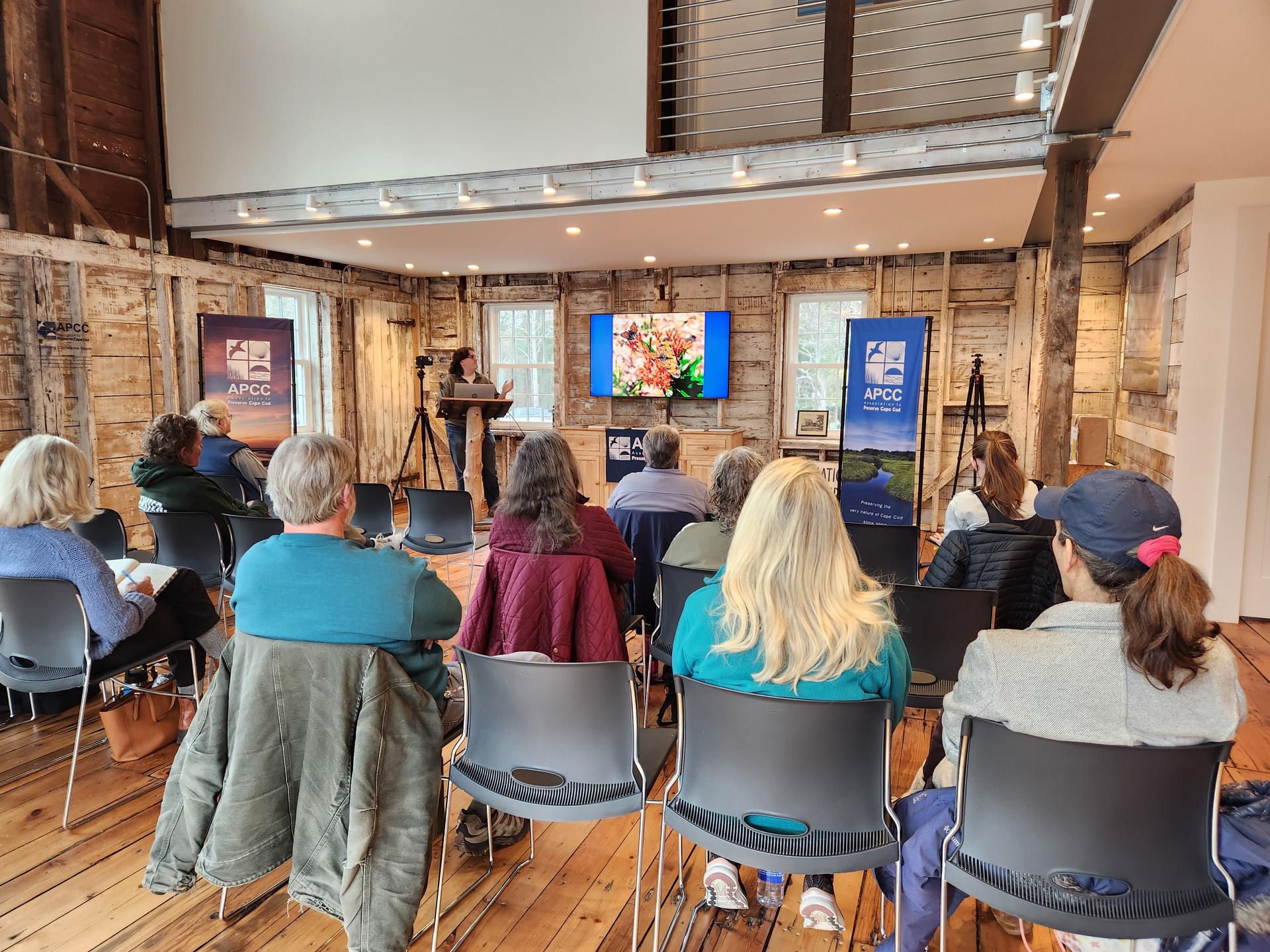
Our speaker, Dina Brewster, co-founder of the Ecotype Project, will introduce a framework for developing both a supply and demand chain for ecotypic native plants. The talk will include a step-by-step guide to building seed production and native plant production into a working farm’s calendar year. In addition to a discussion of seed growing and plant propagation, Dina will introduce her work as a seed grower in the Northeast Seed Collective – a farmer-led seed company that operates out of her farm.
|
|
|
This talk is offered as part of the Cape Cod Native Plant Growers’ Cooperative Program to provide information to prospective growers. The program is made possible by funding from the Cape Cod and Islands License Plate Grant program and the Kelley Foundation. |
|
|
A Cape-wide Conservation Event Calendar |
The Compact of Cape Cod Conservation Trusts (“the Compact”) and its nonprofit members launched a new regional calendar of events. The Conservation Calendar includes programs across Cape Cod hosted by these groups. The goal of the calendar is to encourage visitors and residents to take part in nature and environmental events. You can always find the link to the calendar on APCC's website under News & Events.
|
If you are a farmer or someone who wants to grow native plants to sell, or just want to be updated on the program's development, please submit an interest form that appears on our webpage. We will be sending periodic email notices of workshops and meetings.
Funding for the project is provided by Barnstable County and its Economic Development Council License Plate Grant Program through the Cape Cod Commission and the Kelley Foundation. |
Two talks for prospective growers as part of the Cape Cod Native Plant Growers' Cooperative program have been presented thus far, with several scheduled in the upcoming weeks. Past workshops can be viewed here:
Registration for upcoming talks can be found on our events page. Here are the two happening this week: -
TODAY, Wednesday, December 3rd at 10:00 a.m.: Soil Science Simplified with The Organic Mechanic! Register for the Zoom link. This is a virtual presentation only.
- Friday - December 5th at 10:00 a.m.: Ecotypes, Ecoregions, and Restoration Agriculture. Attend either in person at the Koppel Center in Dennis or online. Register here.
|
|
|
The Woolly Bear–Harbinger of Winter Weather?
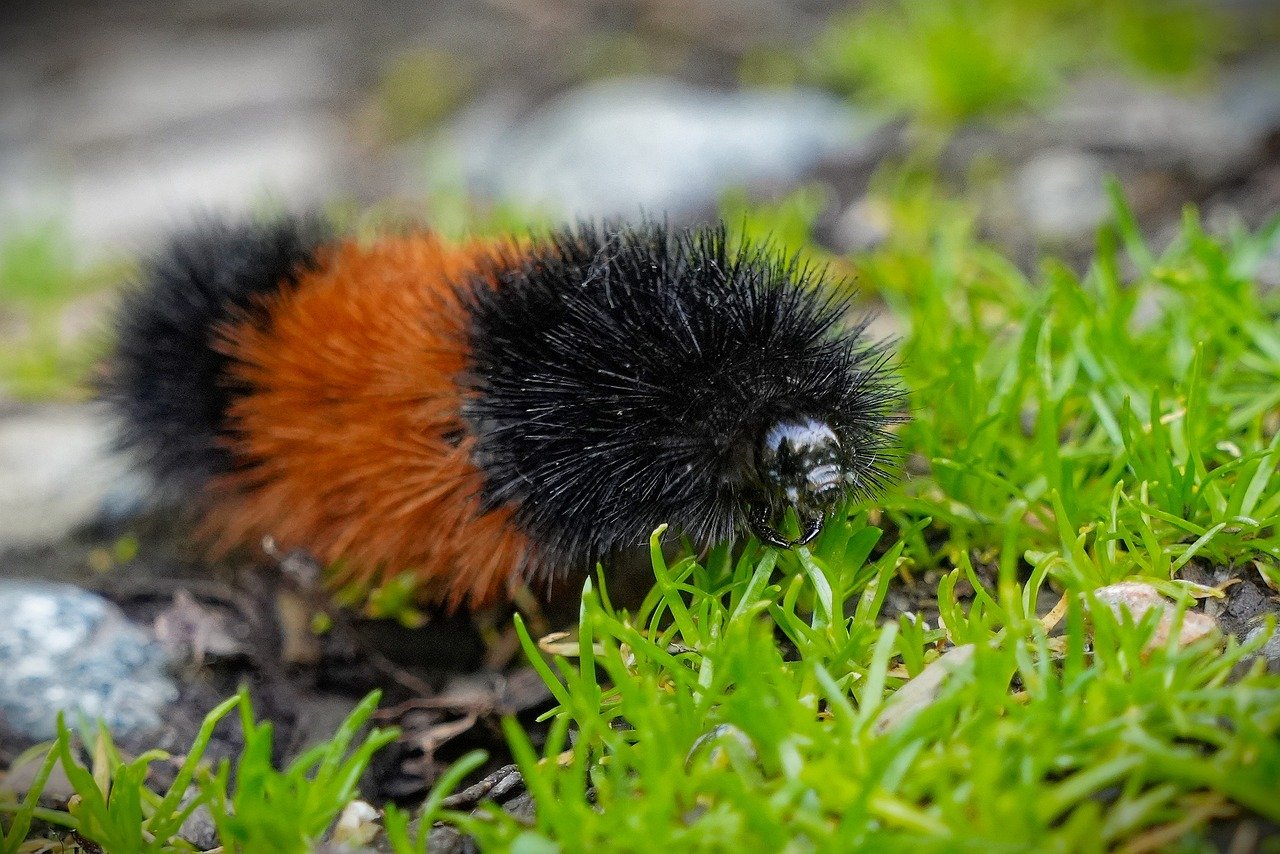
Familiar to most of us is the furry black and orange-brown woolly bear caterpillar commonly seen this time of year. Such an endearing name, woolly bear; the label no doubt comes from its appearance and hibernating habit. Its Latin name is Pyrrharctia isabella. Woolly bears can be quite conspicuous crossing roads and driveways (and some of us have been known to safely swerve to avoid running over them).
The folklore associated with the woolly bear caterpillar claims the coloring of the caterpillar can predict the severity of the coming winter. If the orange-brown center band is wide, a mild winter is thought to be ahead. Conversely, if the center band is narrow, well, let’s say you better fill the oil tank, stack the firewood and provision the pantry!
The woolly bear caterpillar became especially well known following a 1948 study by Dr. C. H. Curran, curator of insects at the American Museum of Natural History in New York City, who attempted to prove this correlation between weather and caterpillar color. He spent eight years sampling the woolly bears each fall, but it wasn’t a serious scientific study and many years later the question remains. What we do know is that the band of orange-brown hairs actually relates to the age of the caterpillar. The further along the caterpillar is to the pupal stage, the wider the orange-brown center segments will be.
The woolly’s bristly hairs, called setae, serve a couple of beneficial purposes. The banded colors serve as a warning to predators that the caterpillar is not especially tasty, and if that proves not to be enough of a deterrent, a mouth full of bristles will prove it! Secondly, the coarse hairs capture water droplets which in turn readily freeze, basically encrusting the caterpillar and regulating the worm’s temperature over the winter. Without this adaptation, repeated freeze and thaw of the larval body would be taxing on the woolly worm’s energy resources.
Mature woolly bears search for overwintering sites under bark or inside cavities of rocks or logs where they will hibernate. They produce a chemical called a cryo-protectant which is sort of an antifreeze substance that also serves to safeguard the caterpillar’s tissue cells against damage from freezing. In the spring, they wake up and resume eating. When ready to pupate, the woolly worm will create a fuzzy cocoon with silk and its hairs where it will transform into a full-grown moth.
|
|
|
|
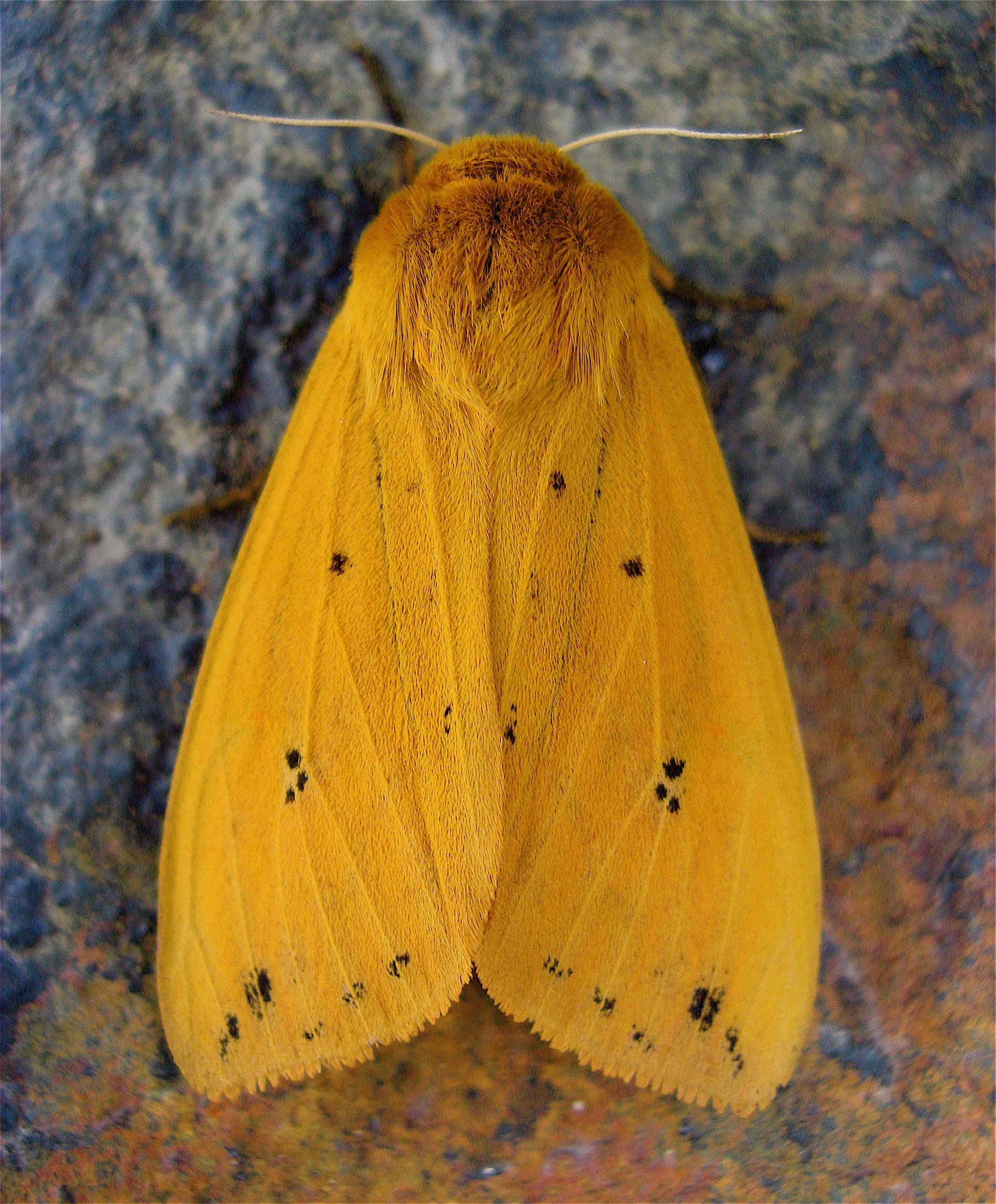
The woolly bear is the larval stage of the Isabella tiger moth, which is in the family of Arctiidae. There are 250 species of tiger moths in North America. Tiger moths are unusual in that they have the ability to vocalize to attract their mates. Ultrasonic sound is produced through an organ on their thorax that vibrates. The Isabella tiger moth is a common, medium-sized moth with a stout body and yellowish-orange to cream-colored wings spotted with black. The adult moth feeds on nectar of flowering plants.
Isabella tiger moths lay their eggs on a wide variety of green plants during the warm months of July and August, where the caterpillars will emerge and begin feeding. While some caterpillars are known for having selective eating habits, the woolly worms are generalists. This means they feed on most any plant, like grasses, weeds and wildflowers. Neither the adult moth nor the woolly worm is considered a pest. In the web of life, the Isabella tiger moth and its larva are in turn predated on by parasitic wasps, mantids, birds and flies, which control their population.
|
|
|
Hmm, is the woolly bear the groundhog of winter? While there is no direct correlation to the winter weather to come, just seeing the little fuzzy caterpillars serves as an announcement of the change in seasons.
If you’ve got a woolly bear lover in your life, the Caterpillar Lab, an educational nonprofit in New Hampshire, has all things caterpillars to promote these charismatic creatures, including a bumper sticker: You guessed it—“I brake for Woolly Bears.” |
©The above article, written by APCC education director, Kristin Andres, appeared in the Cape Cod Chronicle. |
A Cape Cod Native Plant-selector
~ to help you choose the perfect native plants for your garden. |
|
|
Email kandres@apcc.org and we'll send you a CapeCodNativePlants.org decal. |
| Photo credit: Craig Macdonald |
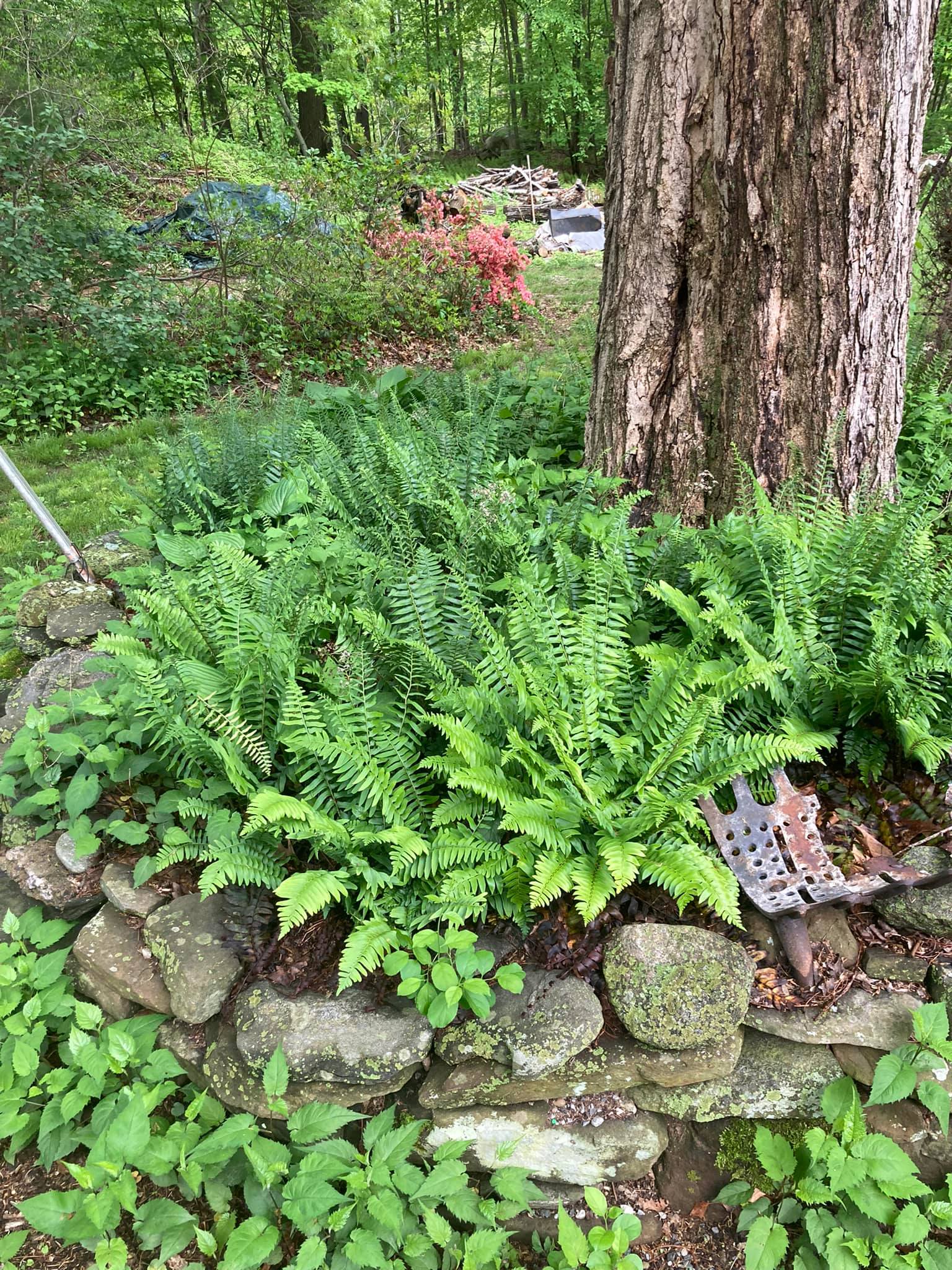
Christmas Fern Polystichum acrostichoides |
|
|
|
The Guidelines gives homeowners steps they can take in the design and maintenance of their properties that will support pollinators and birds, manage stormwater, conserve water, and protect the Cape's water quality. This 40-page booklet is beautifully illustrated by Marcy Ford with content that is easily digestible and supported by numerous resources for additional learning.
|
|
|
We are grateful for the several retail shops that are partnering with us to make this publication more widely available: Brewster Book Store, Birdwatchers General Store, Crocker Nurseries, Wellfleet Audubon Wildlife Sanctuary, Cape Abilities Farm, Cape Cod Museum of Natural History, the Cape Cod Lavender Farm, Heritage Museums and Gardens, Titcomb's Bookshop, Sea Howl Bookshop, Soares Flower Garden Nursery, and Eight Cousins Bookshop.
If you are a retailer and would like to sell this publication at your store, please contact us. |
|
|
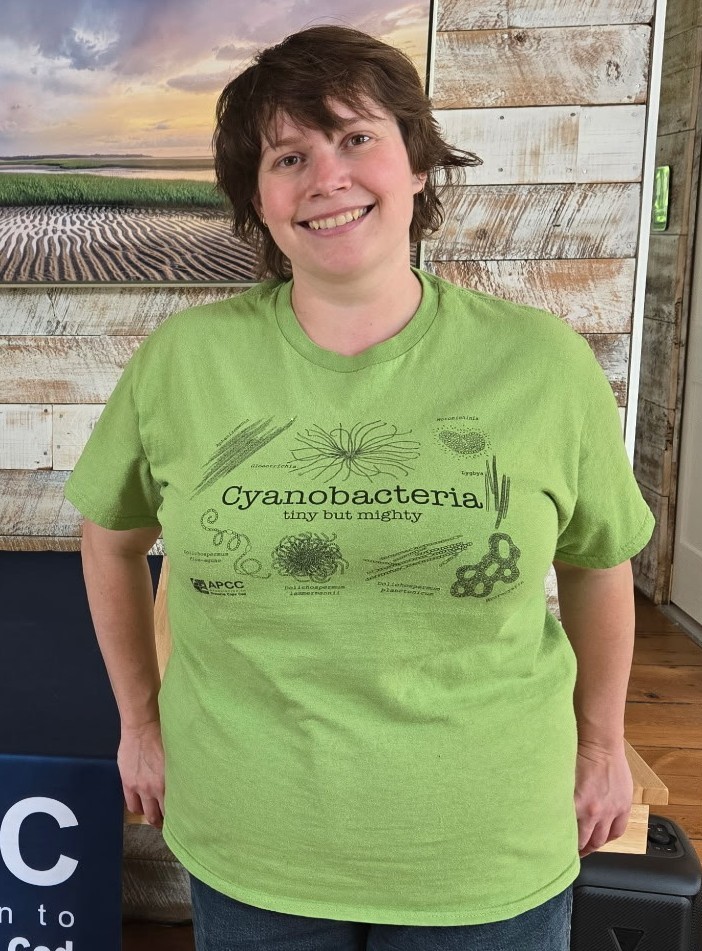
| Cyanobacteria ~ tiny but mighty
color kiwi $30 includes USPS shipping |
|
|
APCC caps
$25 -includes USPS deliver in the U.S. |
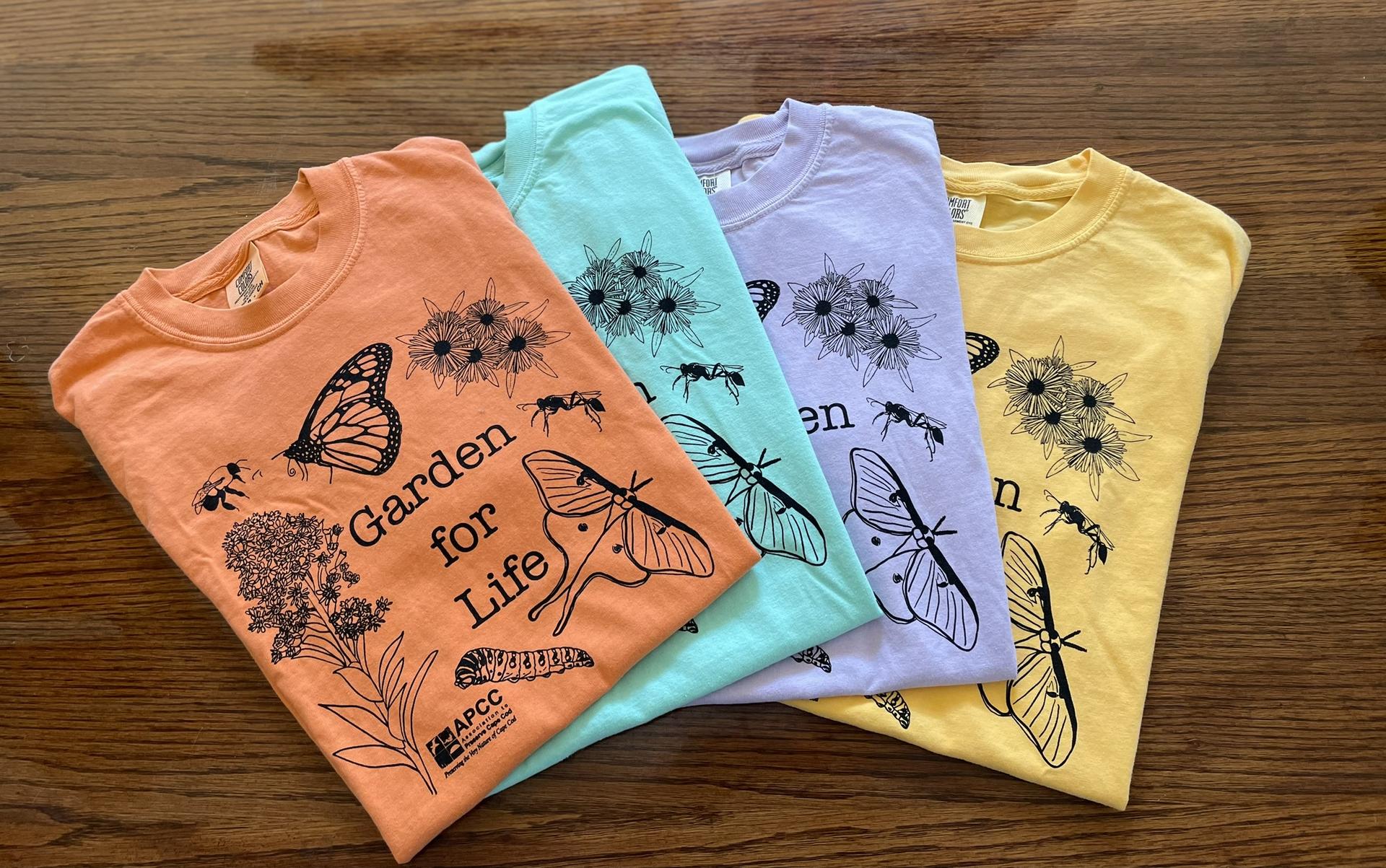
| Garden for Life T's $30 -includes USPS delivery in U.S. |
|
|
|
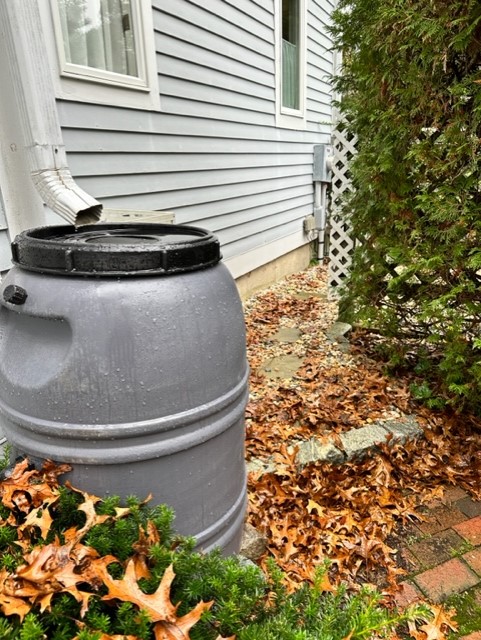
Rain Barrels for Cape Cod
Order online from Upcycle Products $122 each includes shipping to your door APCC receives a portion of the proceeds.
These are 55 gallon, repurposed food barrels. For more information, click here. |
|
|
| APCC eNewsletters.
Our weekly newsletters are archived on our website and easily shared.
You can find past newsletters and share with your friends. Encourage others to sign up for future enewsletters HERE.
|
|
|
Are you thinking of going solar? We hope so!
In partnership with E2 SOLAR in Dennis, APCC receives $500 for every solar installation when APCC is named as referral. |
|
|
|
Thank you to the homeowners who just contracted to install solar panels through E2 Solar. May the sun always shine for you! |
|
|
Expressions Gallery, 578 Main Street, Chatham
CLICK HERE |
Expressions Gallery donates 20 percent of its profits to APCC's work. |
|
|
Thank you to our business sponsors! |
|
|
APCC is rated four stars by Charity Navigator,
2025 Platinum by Candid (formerly Guidestar), and 2024 Top-Rated by GreatNonprofits. |
|
|
Our Contact Information
*{{Organization Name}}*
*{{Organization Address}}*
*{{Organization Phone}}*
*{{Organization Website}}*
*{{Unsubscribe}}* |
| |
|
|