Association to Preserve Cape Cod |
Above: Photo by Sue Machie |
|
|
| Walk the Talk by Andrew Gottlieb, APCC Executive Director |
Every so often events conspire to give people a chance to put their actions behind their words. The recently announced findings of the hearing officer recommending that the Massachusetts Department of Environmental Protection’s denial of the application by Holtec to discharge wastewater to Cape Cod Bay is one such opportunity. We are all watching Holtec’s next move. History and Holtec's recent behavior all indicate that Holtec will not do the right thing and drop its single-minded pursuit to use Cape Cod Bay as a dumping ground.
|
|
|
Talk, unless backed up by action, is cheap. Back in 2022, Kris Singh, CEO and founder of Holtec, said the following at a Senate hearing in Plymouth chaired by U.S. Sen. Ed Markey: “I said we will not dump contaminated water anywhere. I also said that the water is not contaminated by its definition, but we will not discharge any water in the Cape Cod Bay unless we have major stakeholder concurrence.” After that statement, Holtec was denied permission to discharge by MassDEP. Holtec appealed that denial and is now facing a hearing officer’s recommendation that the appeal be dismissed based in part on a finding that the discharge water is in fact contaminated wastewater, which is prohibited by the Ocean Sanctuaries Act.
Holtec now has a choice. It can give meaning and credibility to the words of CEO Singh by accepting the denial, forgo additional appeals and dispose of the wastewater legally and responsibly. Or it can continue serial appeals that give it time to continue to induce evaporation by heating the water so that long before the appeals are done the water and its contaminants evaporate into the air breathed by the residents of southeast Massachusetts and the Cape.
I am pretty sure that additional appeals, more induced evaporation and continued obfuscations from Holtec are in our future. It doesn’t have to be that way. Let’s see what Holtect does. Let’s be clear that Holtec doing the right thing here would be the surprise. We hope for the best, but are prepared for more of what we have experienced to date from Holtec. |
|
|
Advocacy at Work
APCC recently submitted written comments to the Massachusetts Environmental Policy Act Office stating our opposition to proposed changes to development review regulations. The changes would streamline the permitting process for housing and mixed-use development projects by scaling back environmental protection standards, even for projects proposed in environmentally sensitive locations. Read APCC’s comments.
|
|
|
APCC Ecosystem Restoration Program |
Childs River Restoration, Years After Construction: Data, Gratitude, and a River Coming Back to Life
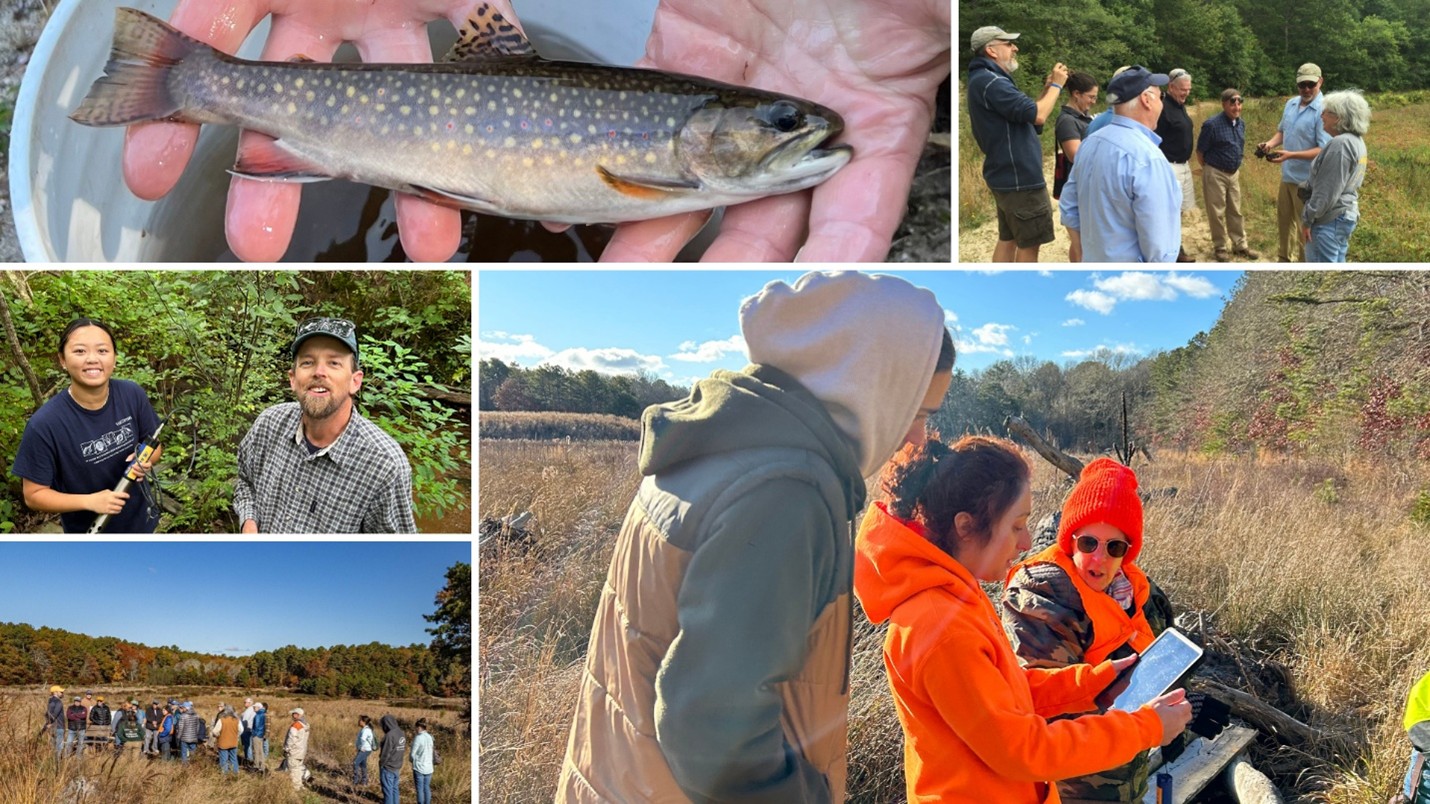
Waquoit Bay National Estuarine Research Reserve’s boathouse was packed on a sunlit, windy afternoon this past week as partners, volunteers, and neighbors gathered to celebrate the Childs River restoration—years after the former cranberry bogs and impoundments were removed and a reconstructed channel was reconnected into a living river corridor. Hosted by WBNERR, with coordination and assistance from APCC and the Falmouth Rod & Gun Club, the event had three aims: celebrate progress, thank the people who made it possible, and share the results from APCC’s Three-Year Post-Construction Monitoring Report (2022–2024)—funded by the Massachusetts Division of Ecological Restoration and now available on our website.
What the river is telling us
APCC’s new report knits together three years of post-construction data and observations. The headline: The system is trending in the right direction. Highlights shared at the event included: -
Cooler, more stable summer temperatures. Restored shading, groundwater inputs, and free-flowing conditions are reducing thermal stress during critical months—good news for native cold-water species like brook trout.
- Habitat structure is back. Wood features, riffles, and pools are creating diverse niches for aquatic insects, fish, and other wildlife.
- Fish and wildlife use. Monitoring and observations show increasing use by native brook trout and clearer passage through former bottlenecks and blockages.
- Native vegetation recovery. Wet meadow and riparian plants are re-establishing, stabilizing banks and fueling the food web.
-
Reconnected flow & improved water quality for fish: A sinuous channel with regular floodplain access now spreads high flows and boosts storm resilience. Post-restoration water quality data show cooler summers, higher dissolved oxygen, and moderated pH.
Why the years post-construction matter
Restoration doesn’t end at ribbon-cutting; it begins the long work of stewardship. Rivers and wetlands need time to sort, settle, and grow into their new geometry, and they do best when people keep watch: seasonal monitoring, invasive control, trail care, and adaptive tweaks after storms. By designing for natural processes—and then measuring how those processes unfold—we’re seeing a system that adapts and gains strength. Childs River’s recovery isn’t a single metric; it’s a pattern emerging over time, guided by steady hands on the ground.
Partners in every sense
This effort reflects many steady hands: the Falmouth Rod & Gun Club and the Sporting, Safety, Conservation & Education Fund—the original visionaries and ongoing stewards of the project; APCC supporting grant management and providing technical assistance; WBNERR and its volunteers for monitoring and support; local and state partners for design and construction; and the Mashpee/Falmouth community for championing a healthier river corridor.
Rooted in that early vision and carried forward through steady stewardship—seasonal monitoring, invasive management, trail care, and education—the Childs River continues to move in the right direction. |
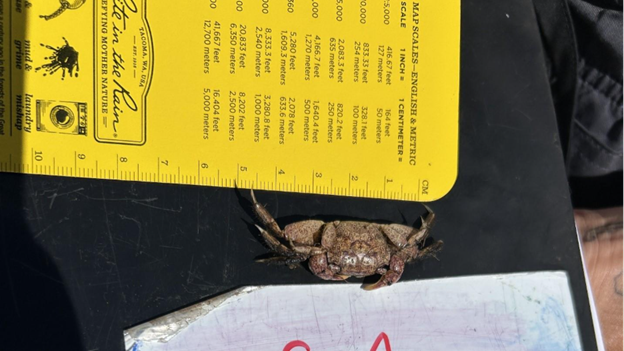
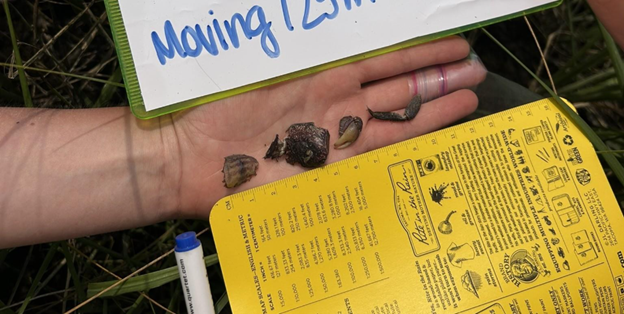
Above: Dead purple marsh crab specimen observed at a monitoring station in Weir Creek salt marsh, Dennis |
Tracking Purple Marsh Crabs on Cape Cod Salt Marshes |
This summer, APCC surveyed Oyster Pond (Falmouth), Weir Creek (Dennis), and Chase Garden Creek (Yarmouth) to assess crab impacts on the salt marsh, with a focus on the native purple marsh crab, Sesarma reticulatum.
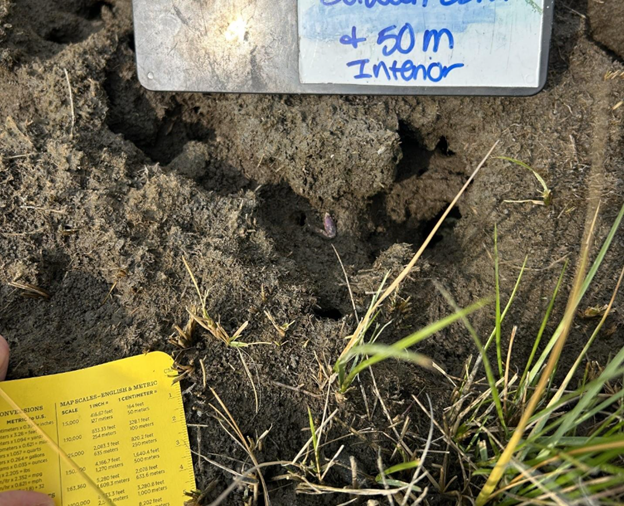
Unmistakable with its reddish-purple hue and square carapace, the purple marsh crab grazes on marsh grasses and digs deep, connected burrows. In typical numbers, it’s part of a healthy ecosystem. But when crab populations surge, the combination of heavy grazing and burrowing can strip vegetation, accelerate erosion, and weaken a marsh’s ability to keep pace with sea-level rise. What we found: At Oyster Pond and Weir Creek, we documented live and dead crabs and patches of shredded/clipped vegetation—clear signs of activity. During this round, Chase Garden Creek showed no concerning signals.
Why it matters for restoration: Knowing where purple marsh crab pressure is high shapes design choices. Projects that inadvertently create long stretches of exposed creek bank can offer new foraging and burrowing habitat, increasing erosion risk right where banks need stability.
What’s next: APCC will continue seasonal monitoring to track crab activity, vegetation response, and erosion hot spots, and will adjust restoration tactics as needed to protect the resilience of Cape Cod’s salt marshes. |
Above: Pieces of dead purple marsh crab found near a monitoring station in Oyster Pond salt marsh, Falmouth |
Above: Suspected herbivory (consuming of vegetation) and burrowing by purple marsh crab at Oyster Pond, Falmouth |
|
|
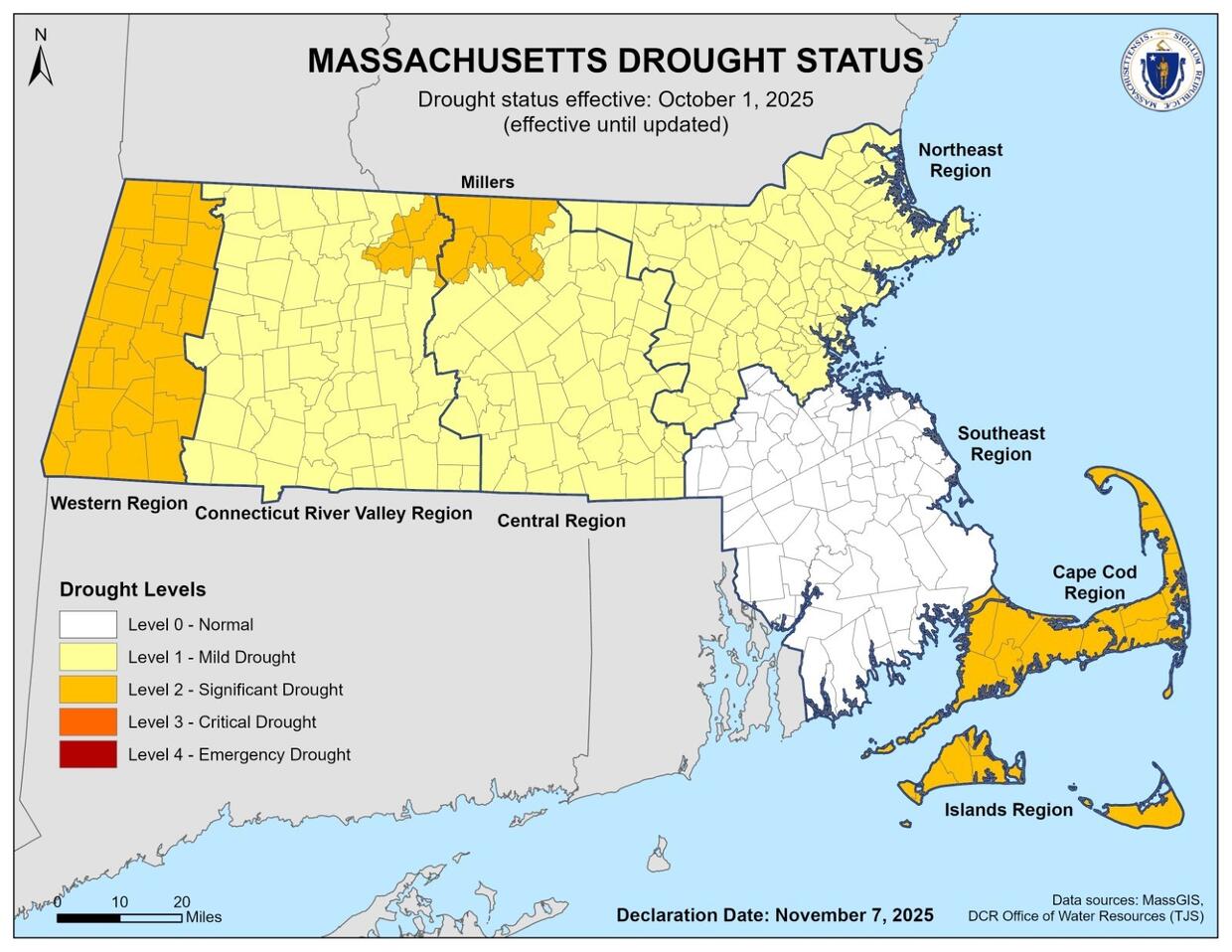
Cape Cod remains in Level 2 - Significant Drought |
"During October, Massachusetts received rainfall ranging from 3 to 10 inches, with the Southeast Region seeing the highest totals. However, when looking back over the past 3 to 6 months, many areas still show deficits in precipitation. The forecasted rainfall will continue to bring relief to most regions of the state. The current drought, which began in 2024, has had significant impacts on the natural environment, including the drying of streams in nearly all regions, lower water levels in lakes and ponds resulting in exposed banks, and impeding fish passage out to the ocean." For Regions in Level 2 – Significant Drought Residents and Businesses: -
Minimize overall water use;
- Limit outdoor watering to hand-held hoses or watering cans, to be used only after 5 p.m. or before 9 a.m.;
- Follow local water use restrictions;
-
Fix indoor leaks, such as from toilets, faucets, and showers, which result in more than 60 percent of indoor use; and,
- For larger buildings and businesses, conduct water audits to identify areas of leaks and potential water conservation opportunities.
|
|
|
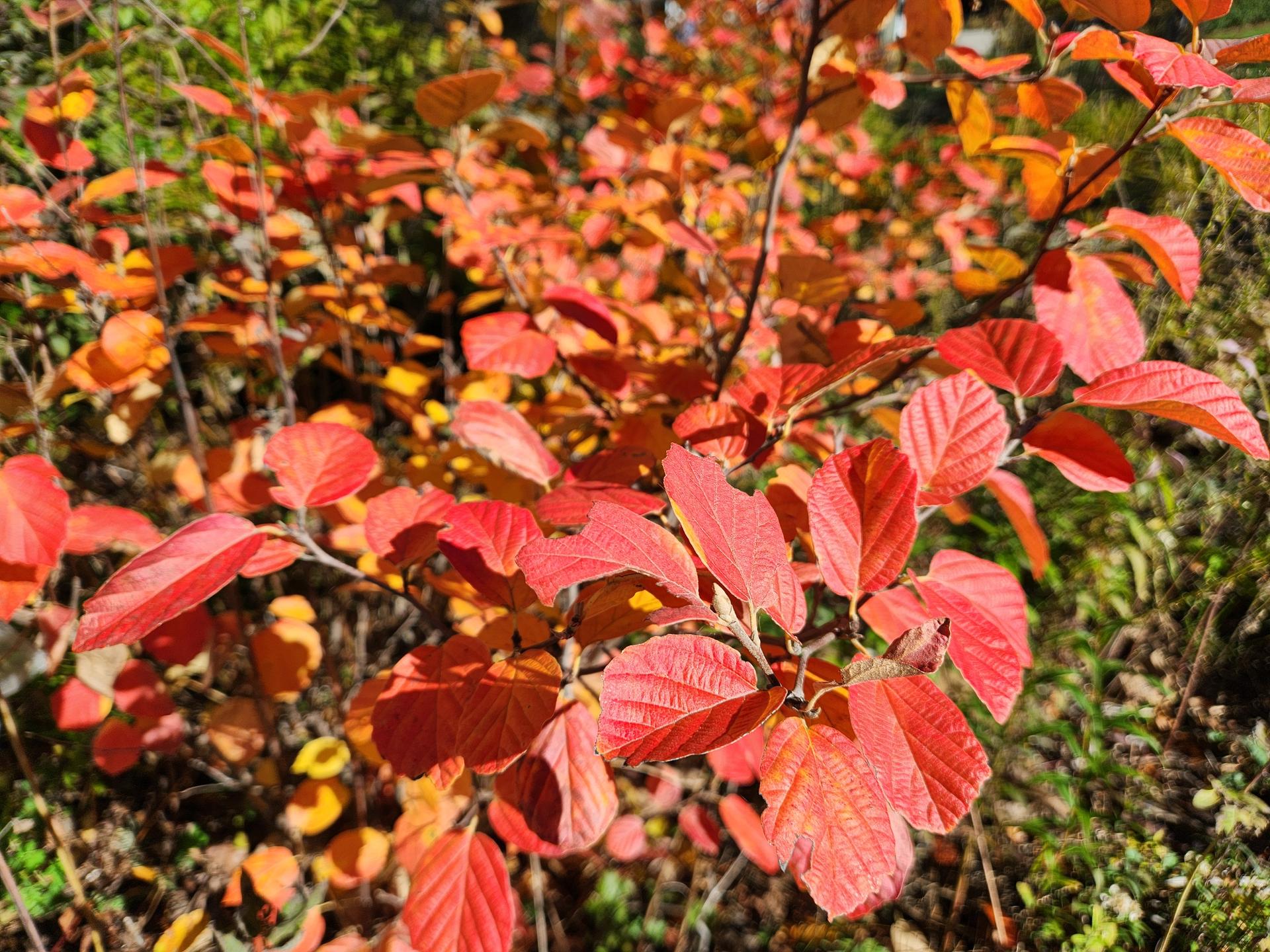
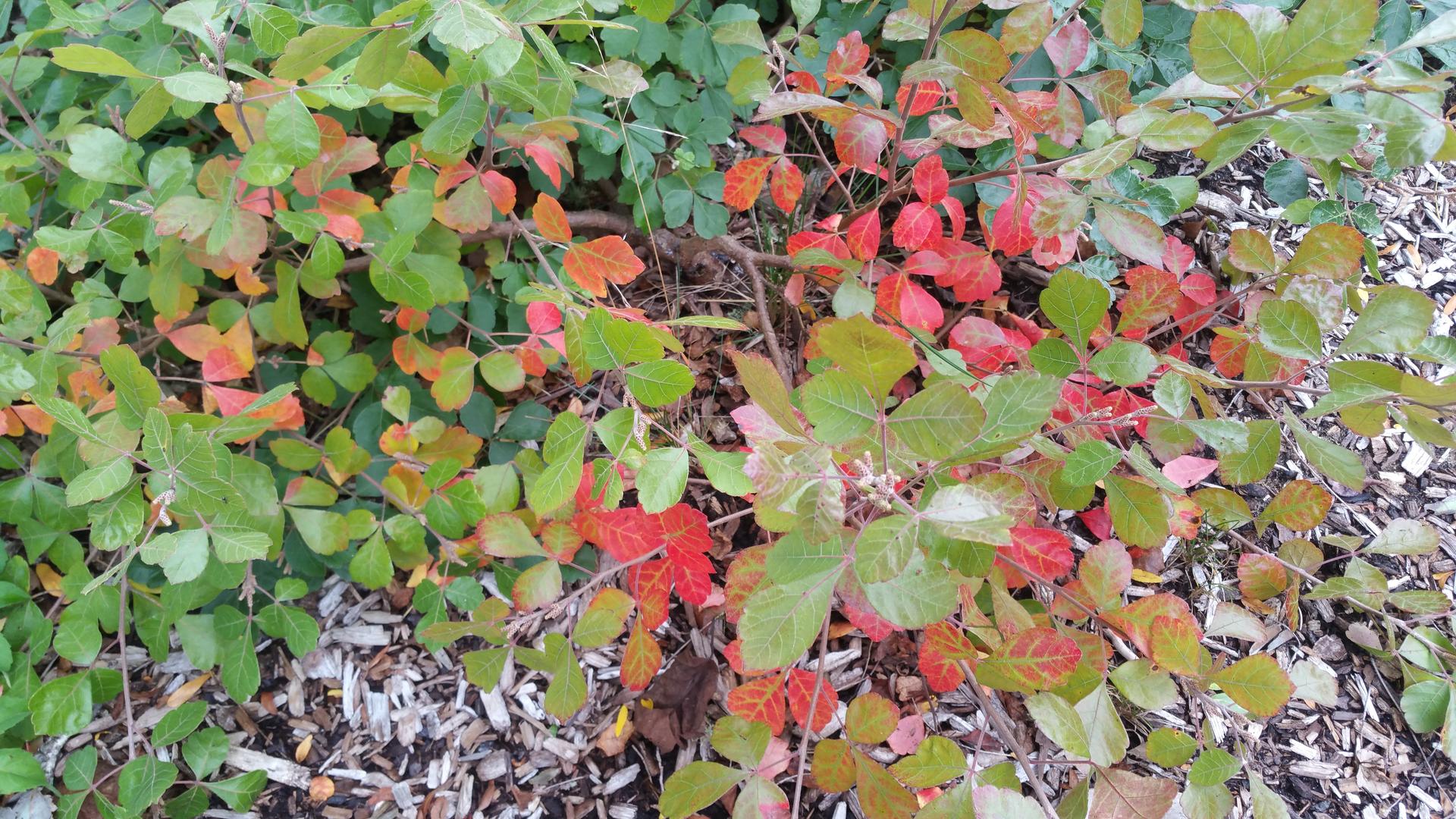
While most trees this fall lacked their typical New England fall color, the dwarf witch alder, Fothergilla gardenii, is showing off in our landscape. This is a native to southern states, but does well here on Cape Cod. In the spring, it has bottle-brush white flowers that support pollinators.
|
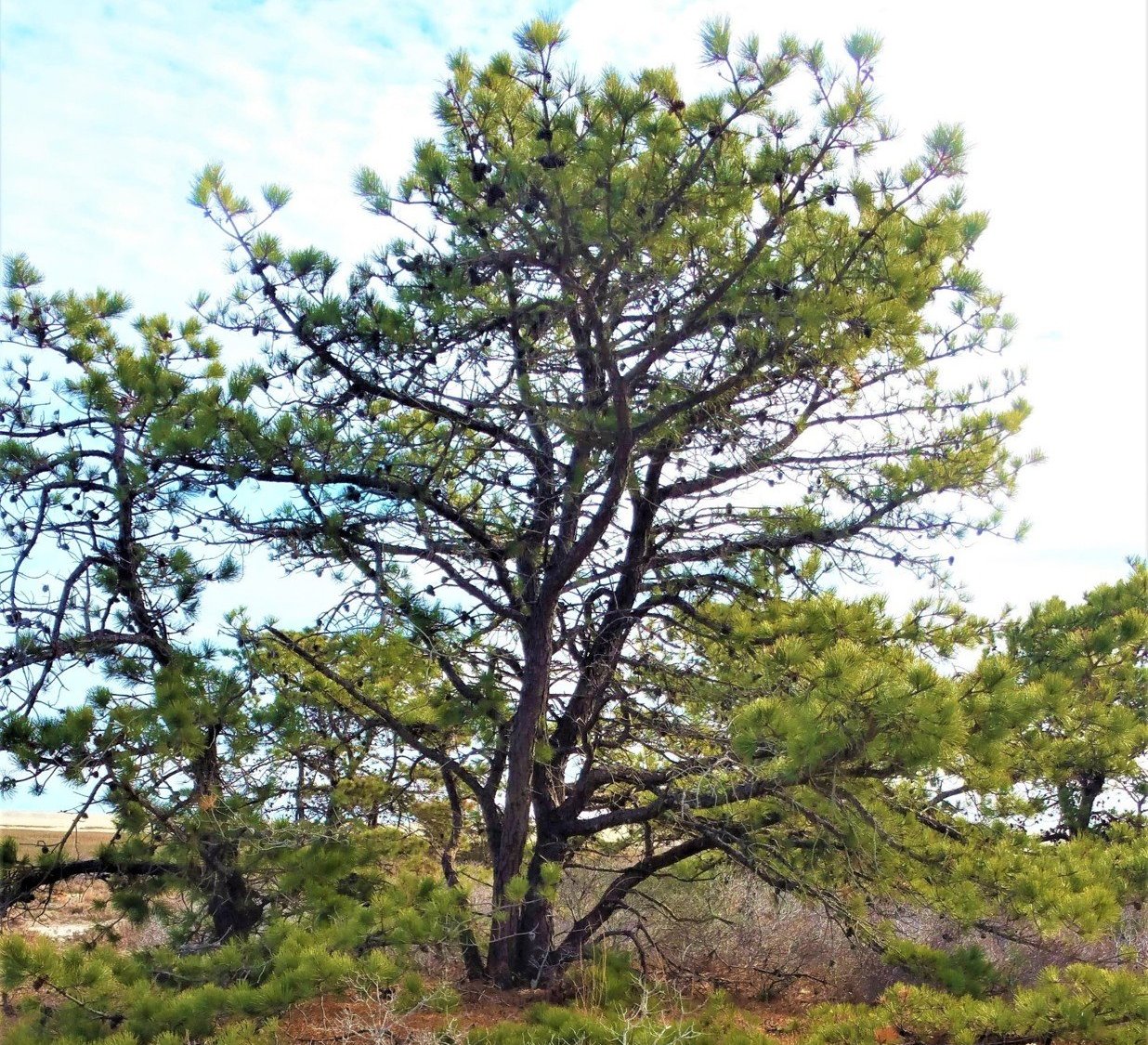
Species Spotlight ~ Pitch Pine, Pinus rigida |
Above: Pitch pines are well-adapted to the Cape's nutrient-poor soils. |
We take pitch pines for granted, perhaps because pitch pines and oaks are what we see throughout much of the Cape where naturally occurring vegetation still remains. The reason we see a lot of them is that these pitch pines and oaks are the Cape's natural landscape—remnants of the Atlantic coastal pine barrens ecosystem. And they are the trees that are able to survive in the Cape's sandy, dry, and nutrient-poor soils and tolerate the salt spray winds.
Some people are irritated by the pitch pine’s lack of ornamental form and "messy" needles that shed. Most pitch pine-detesters recite an urban myth, which is that pitch pine trees don’t belong here on Cape Cod—that they were planted here following the colonists’ deforestation of the Cape. Further, when pitch pines are slated for removal, a common refrain is: "They’re gonna die anyway, and they aren't good for anything." Au contraire!
In fact, researchers have documented that, “For at least 9000 years before European settlement, woody vegetation dominated by Pinus rigida [Pitch Pine] and Quercus spp. [Oak] covered much of eastern Cape Cod's sand plains (Winkler 1985, Parshall et al. 2002).” While it is true that the Cape was deforested in the mid-19th century, when the fields were later abandoned the oaks and pines readily reclaimed the arid poor sandy soils.
Pitch pines are found from Maine to Georgia. The pitch pine was an important tree during the days of wooden ships. Its coarse-grained wood is only moderately strong, but contains a significant amount of resin. Consequently, the wood resists decay, which makes it particularly useful for ship building and for rough construction, fencing, crates, wood pulp and fuel.
Given the best of conditions, pitch pines have been known to live for 200 years.
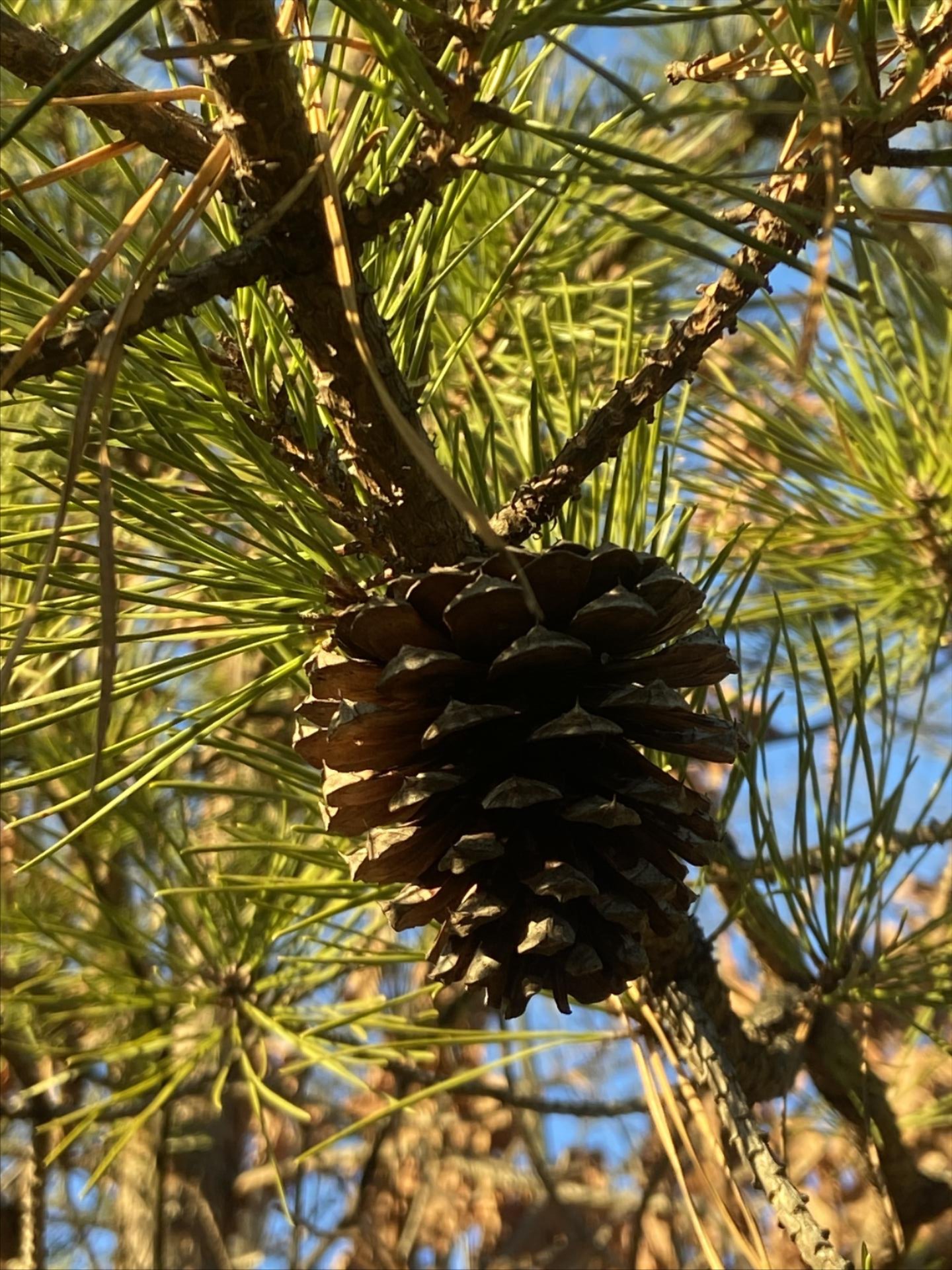
Pitch pines are a food source for wildlife. Seeds found in the cones are an important source of food for squirrels, quail, and small birds, such as the tufted titmouse, brown creeper, nuthatch, and the black-capped chickadee. Deer and rabbits browse young sprouts and seedlings.
The pines provide nesting habitat. When dead, the standing trees become snags—standing dead wood where numerous animals and birds (woodpeckers, screech owls, etc.) make use of the trunk for shelter and feeding stations. |
|
|
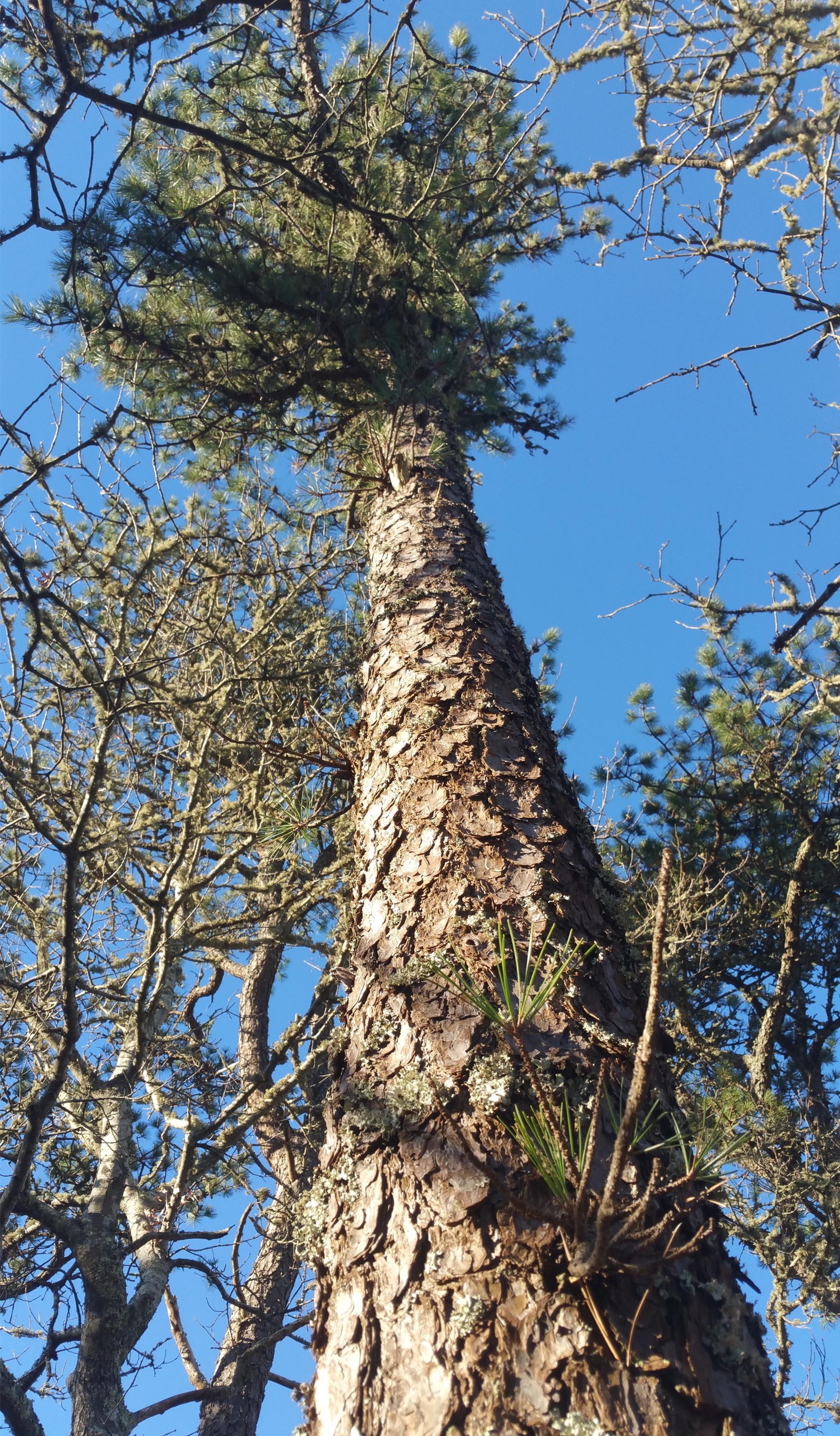
Above: Pitch pine has thick bark—a fire adaptation. |
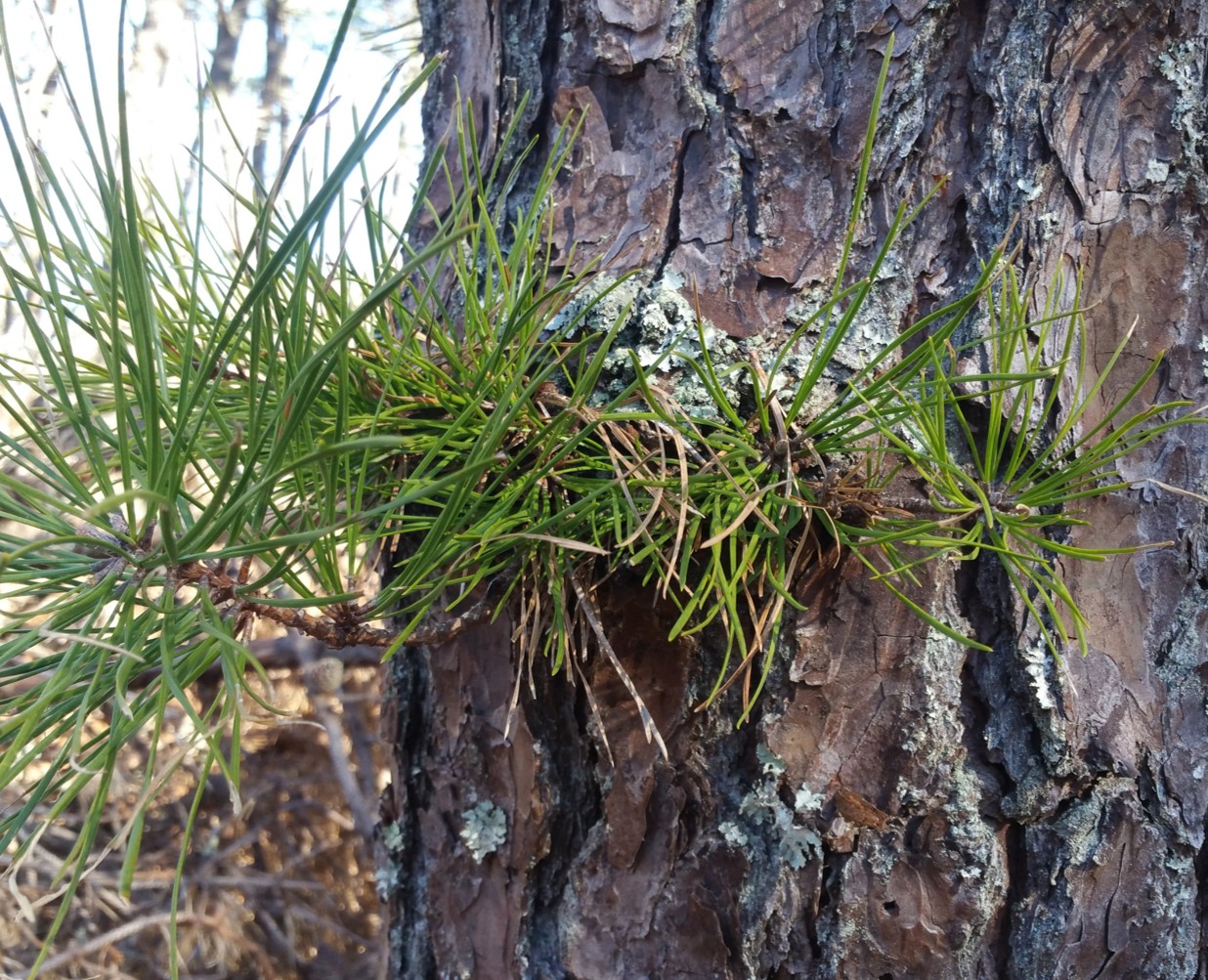
| Above: Dormant buds are beneath the bark on the trunk, ready to sprout after a fire or damage to the crown. |
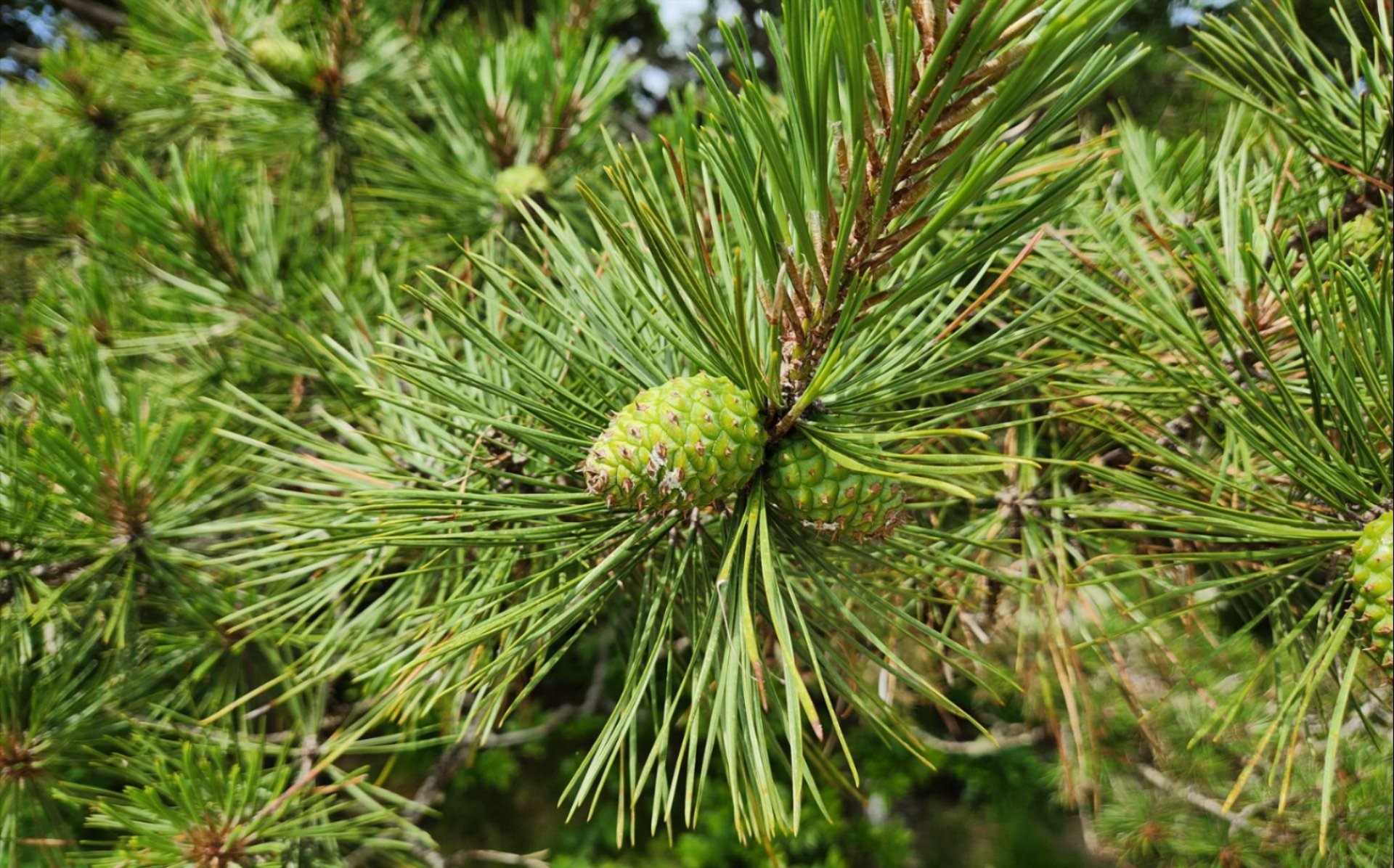
Above: Its pine cones provide nutritious seeds for birds and small mammals. |
|
|
|
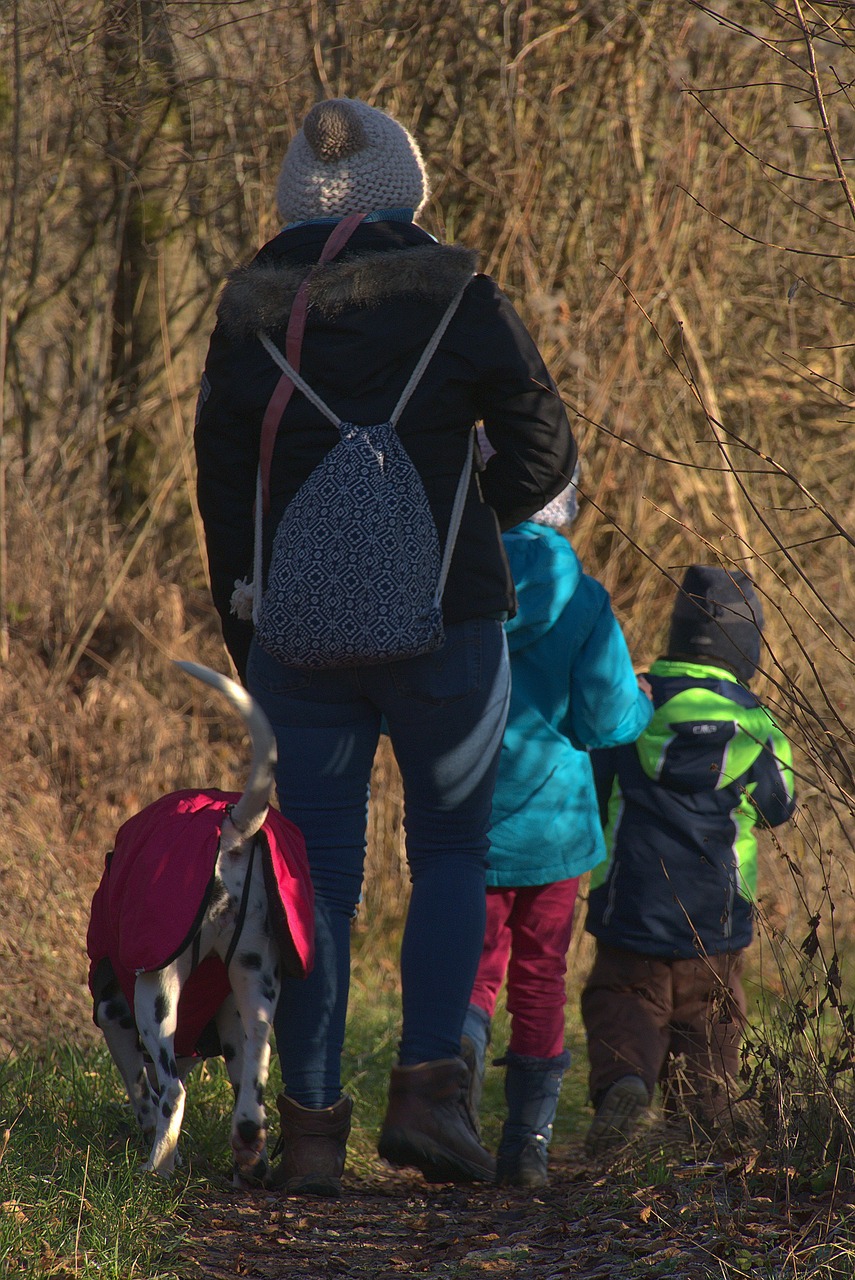
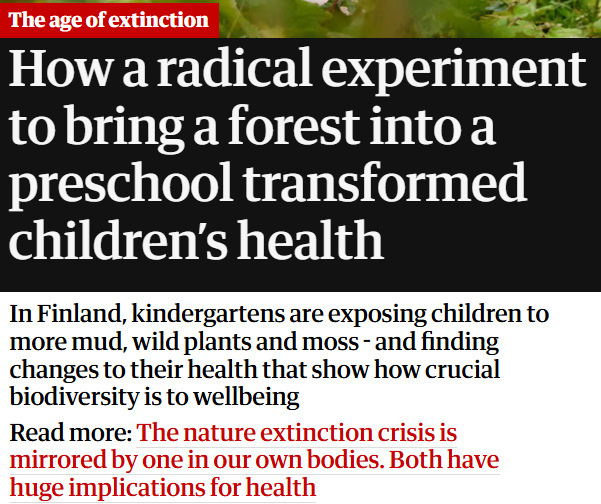
"Increasingly, scientists are learning that our health is intimately linked to our surroundings, and to the ecological health of the world around us. The first 1,000 days of human life – when the brain and body are most rapidly developing – are considered particularly crucial.
"Scientists think one of the reasons so many people now have allergies is because they were not exposed to microbes that occur naturally in the environment at a young age. The “old friends” hypothesis says humans evolved alongside microbes in air, plants and soil. The body can exchange useful microbes (bacteria and fungi, for example) with the natural world to stay healthy." Read more.
|
|
|
American Bullfrog, Lithobates catesbeianus |
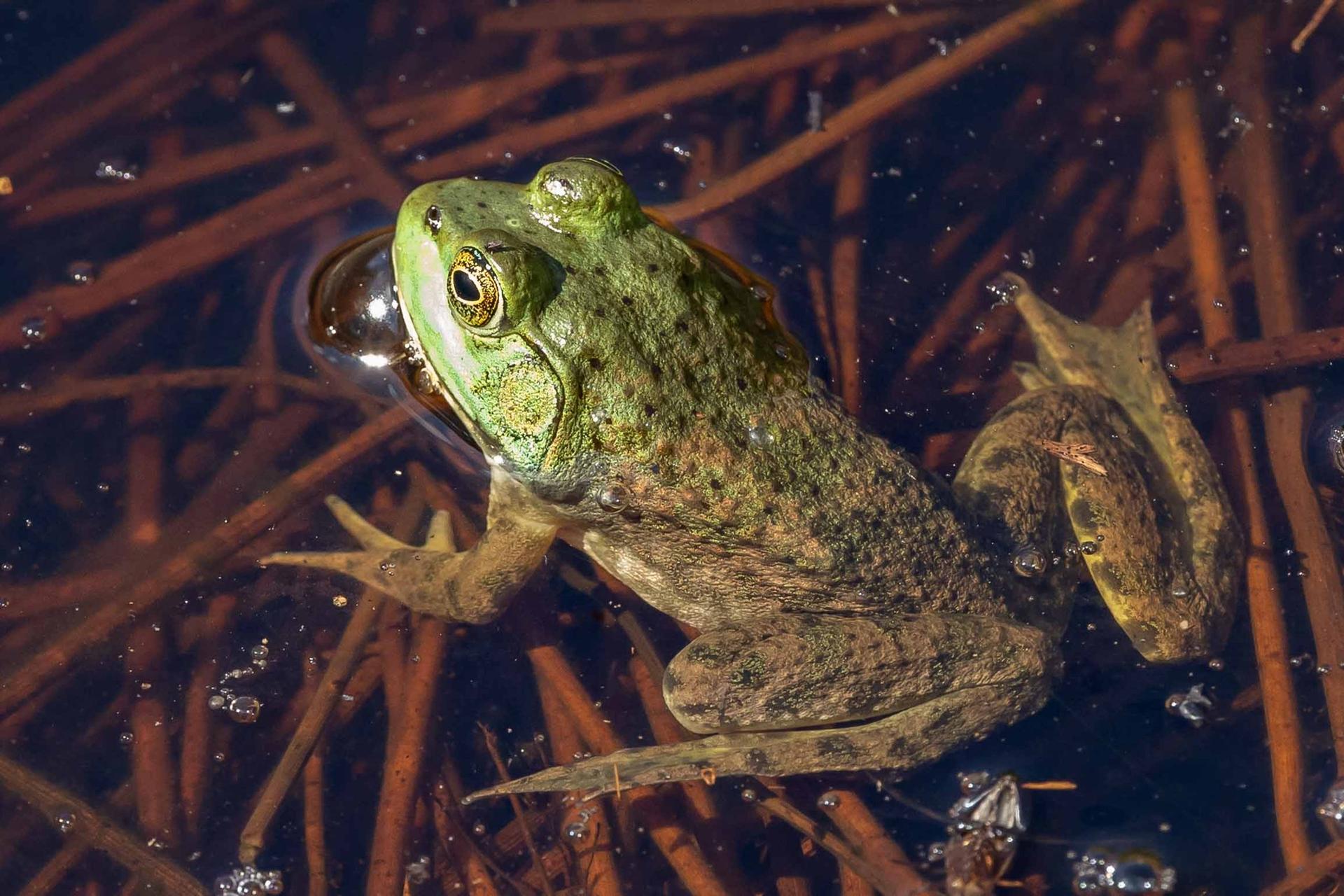
Above: Bullfrog. Photo by Gerald Beetham |
On Cape Cod, the big, deep calls of the American bullfrog are mostly a memory by November. These frogs, some of the largest in our ponds, have spent the summer feeding, calling along pond edges and mating, but as temperatures drop, they begin preparing for the colder months.
By late fall, bullfrogs move to the bottom of ponds and wetlands, often hiding in mud or under leaves and debris. They enter a state called brumation, where their metabolism slows dramatically. They don’t eat during this time and move very little, surviving the winter by absorbing oxygen directly through their skin while staying underwater. When spring arrives and the water warms, they’ll emerge once again to feed, call, and continue their life cycle.
Even when the ponds look quiet, bullfrogs, along with many other critters, are still there under the surface—another reminder that life in Cape Cod’s freshwater habitats continues year-round. | |
|
Cape Cod Pond Watchers Bio-survey Program
~ a training video on how to use the Survey123 app to log your observations in pondside! |
| |
|
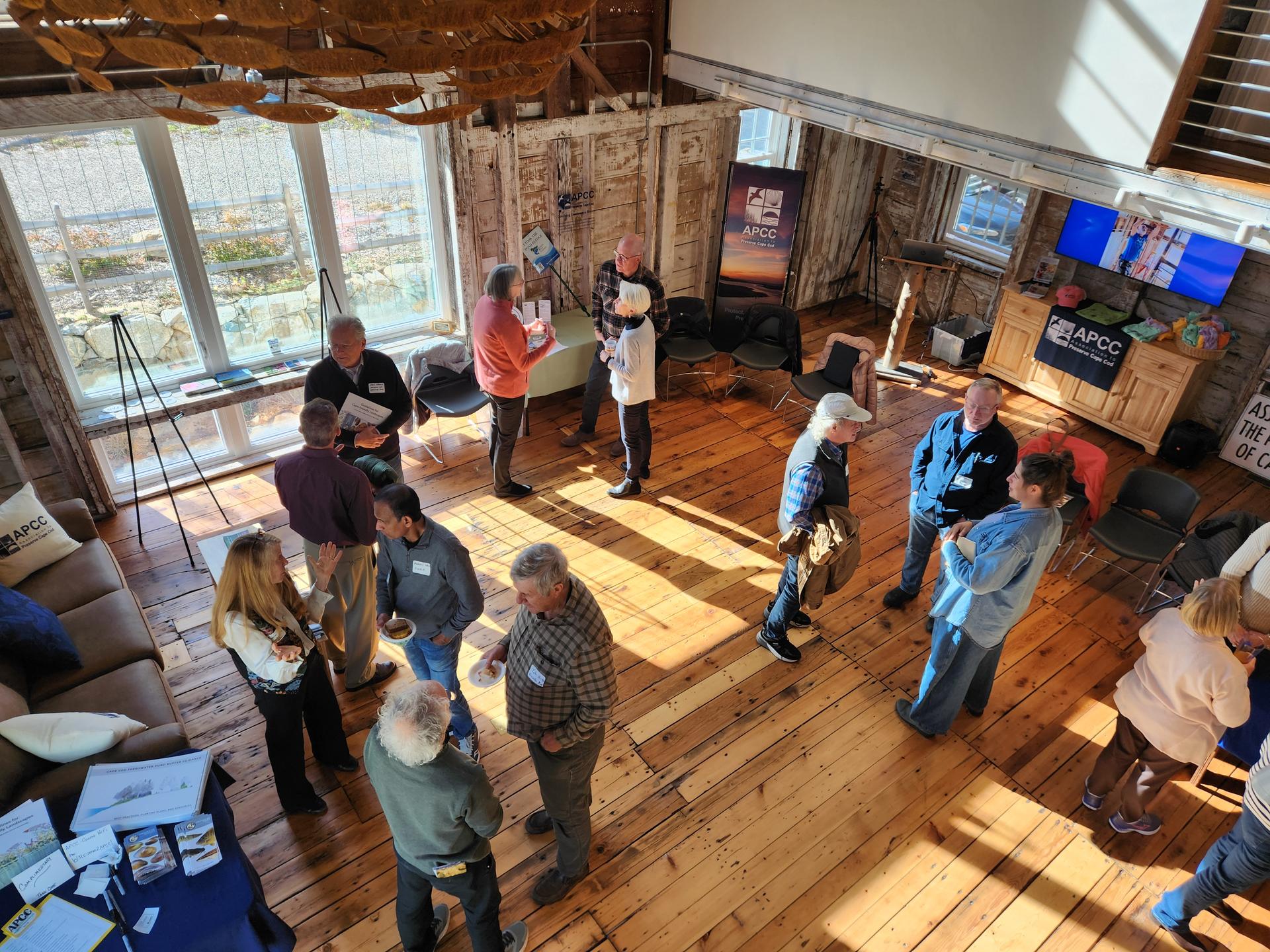
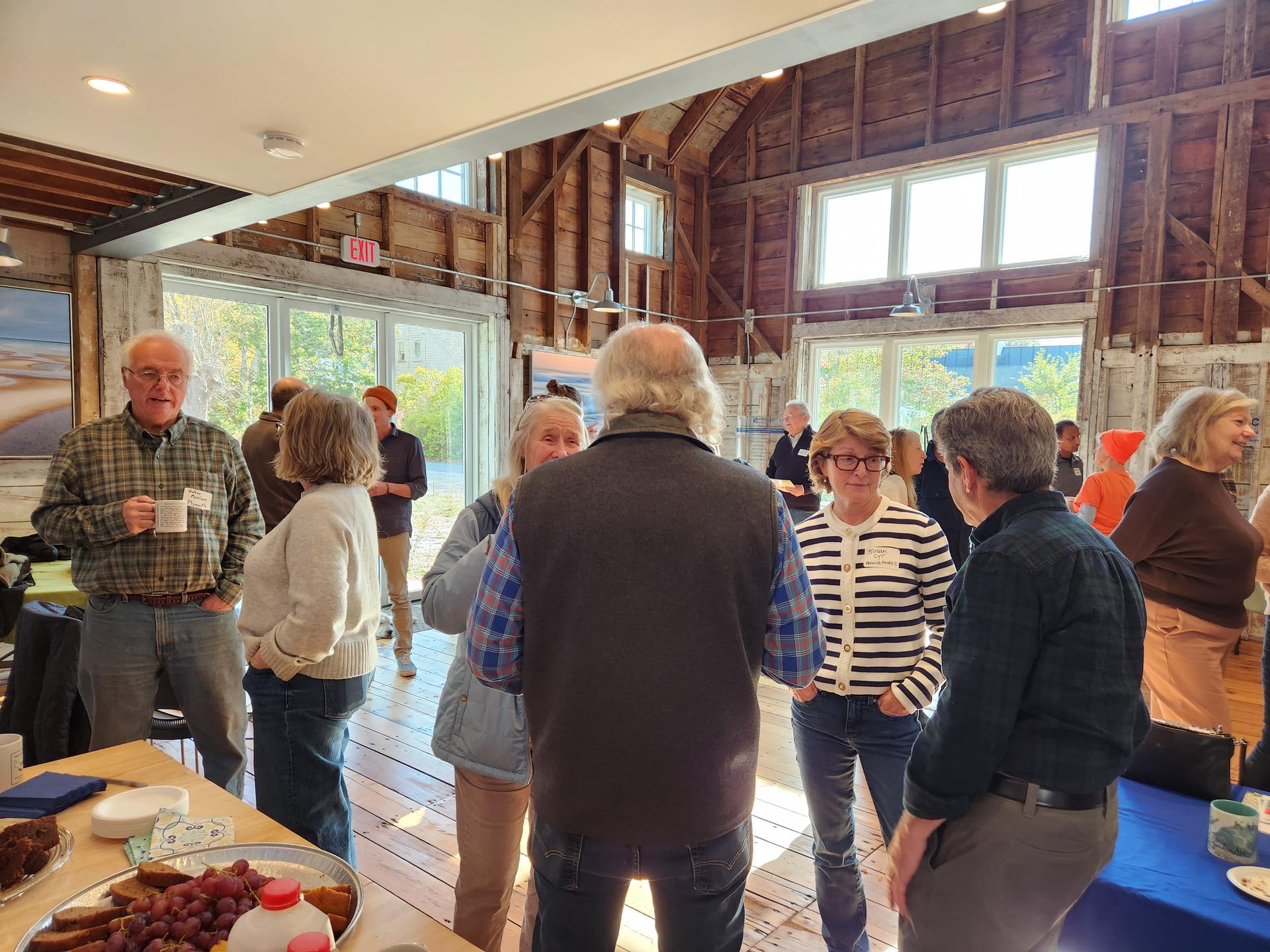
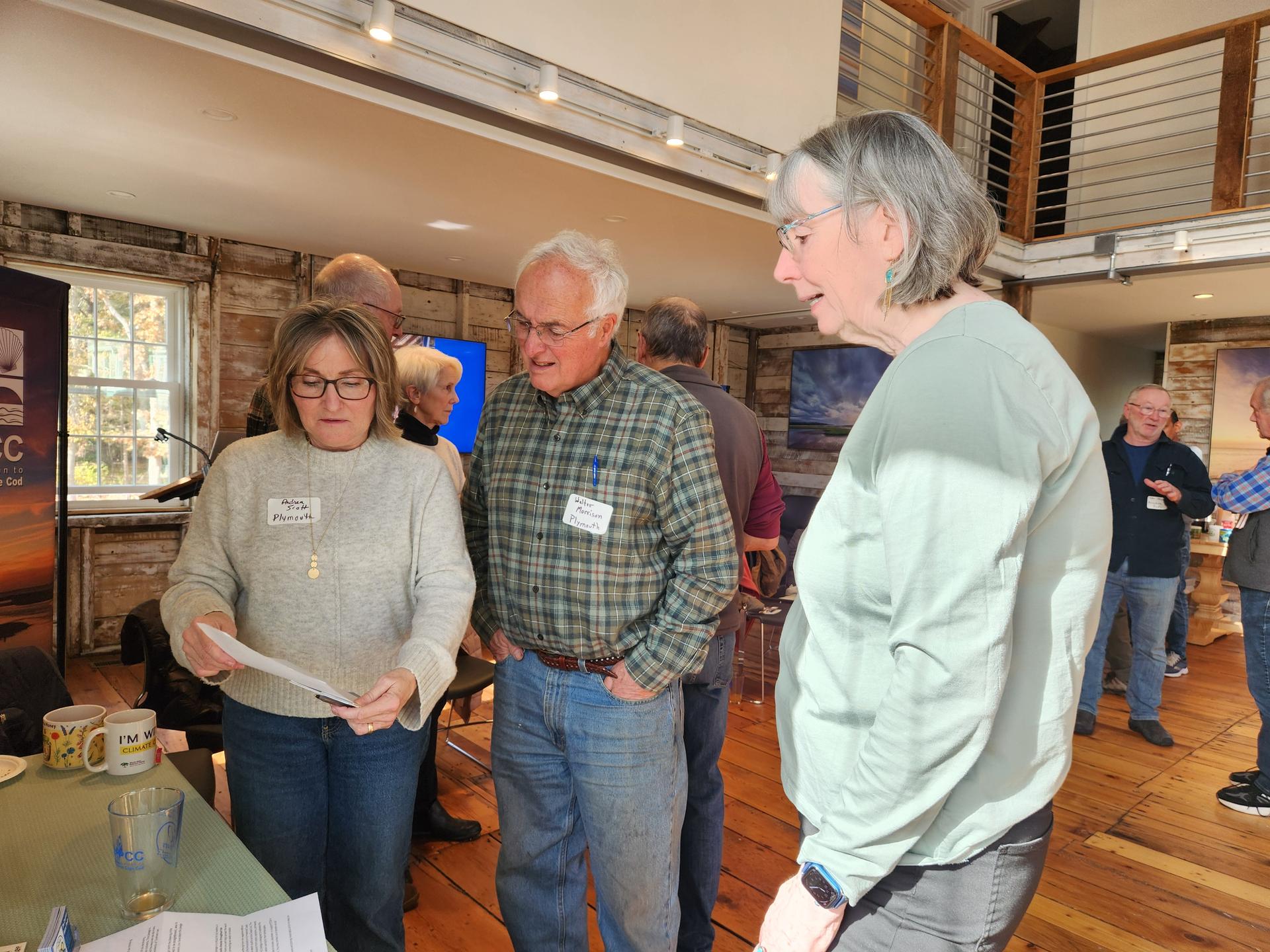
Cape Cod Ponds Network was hosted by APCC at the Koppel Center for an in-person networking session. Pond groups from Plymouth to the outer Cape were represented! |
|
|
A Cape-wide Conservation Event Calendar |
The Compact of Cape Cod Conservation Trusts (“the Compact”) and its nonprofit members launched a new regional calendar of events. The Conservation Calendar includes programs across Cape Cod hosted by these groups. The goal of the calendar is to encourage visitors and residents to take part in nature and environmental events. You can always find the link to the calendar on APCC's website under News & Events.
|
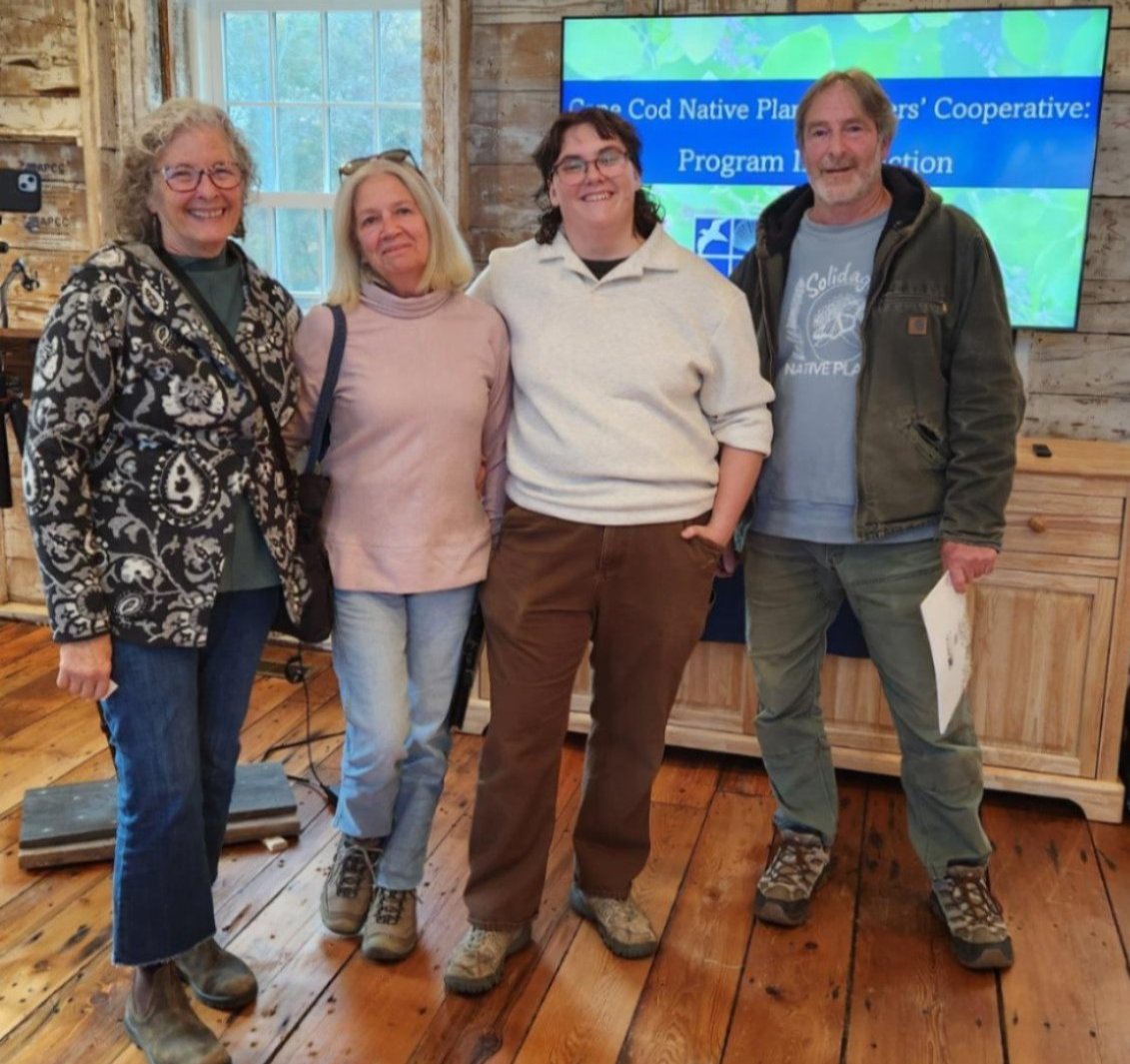
Above (left to right): Master gardeners, Kathy Warburton and Charlotte Kreutzer, APCC's ecolandscape program coordinator, Erin Camire, and Steve Lynch of Solidago Native Plants. |
APCC's Ecolandscape Program Coordinator Erin Camire delivered a presentation giving an introduction to the Cape Cod Native Plant Growers' Cooperative program last week to prospective growers. It was a hybrid event. Those who attended in person had a lively discussion and opportunity to connect with other attendees. |
If you are a farmer or someone who wants to grow native plants to sell, or just want to be updated on the program's development, please submit an interest form that appears on our webpage. We will be sending periodic email notices of workshops and meetings.
Funding for the project is provided by Barnstable County and its Economic Development Council License Plate Grant Program through the Cape Cod Commission. |
|
|
A Cape Cod Native Plant-selector
~ to help you choose the perfect native plants for your garden. |
|
|
Email kandres@apcc.org and we'll send you a CapeCodNativePlants.org decal. |
| Fragrant Sumac Rhus aromatica |
|
|
|
The Guidelines gives homeowners steps they can take in the design and maintenance of their properties that will support pollinators and birds, manage stormwater, conserve water, and protect the Cape's water quality. This 40-page booklet is beautifully illustrated by Marcy Ford with content that is easily digestible and supported by numerous resources for additional learning.
| |
|
We are grateful for the several retail shops that are partnering with us to make this publication more widely available: Brewster Book Store, Birdwatchers General Store, Crocker Nurseries, Wellfleet Audubon Wildlife Sanctuary, Cape Abilities Farm, Cape Cod Museum of Natural History, the Cape Cod Lavender Farm, Heritage Museums and Gardens, Titcomb's Bookshop, Sea Howl Bookshop, Soares Flower Garden Nursery, and Eight Cousins Bookshop.
If you are a retailer and would like to sell this publication at your store, please contact us. |
|
|
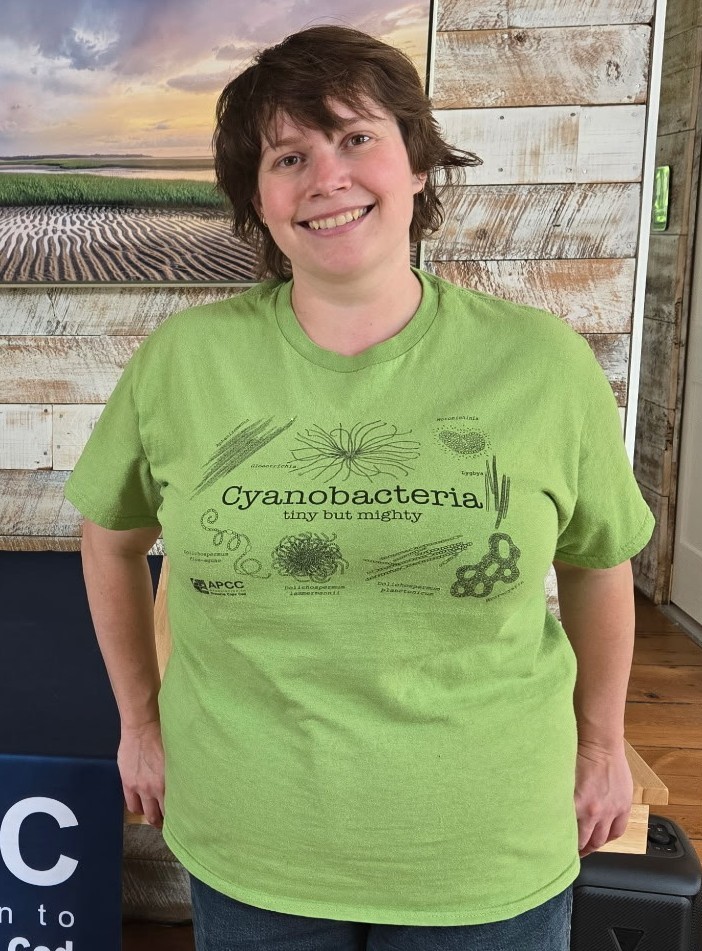
| Cyanobacteria ~ tiny but mighty
color kiwi $30 includes USPS shipping |
|
|
APCC caps
$25 -includes USPS deliver in the U.S. |
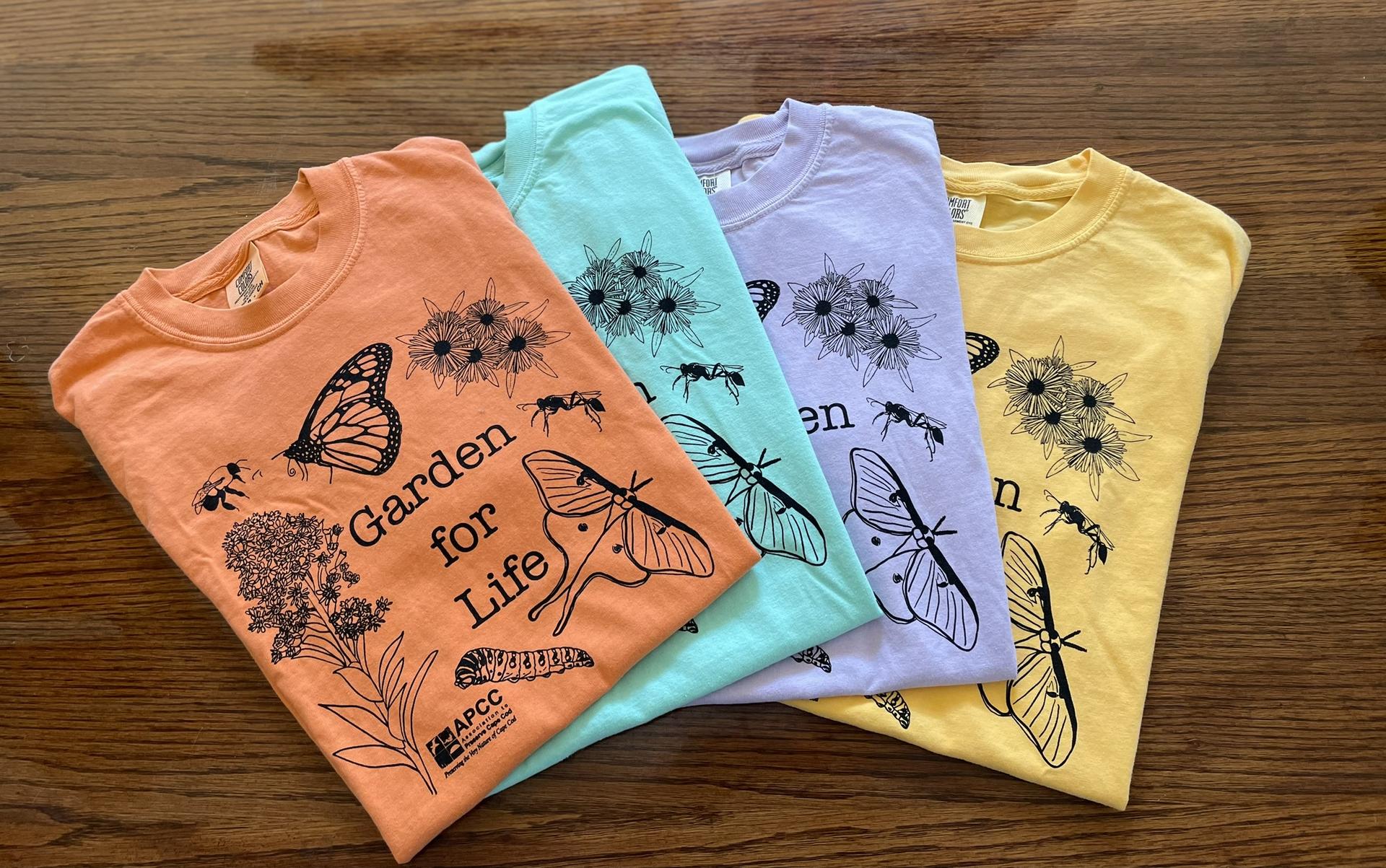
| Garden for Life T's $30 -includes USPS delivery in U.S. |
|
|
|
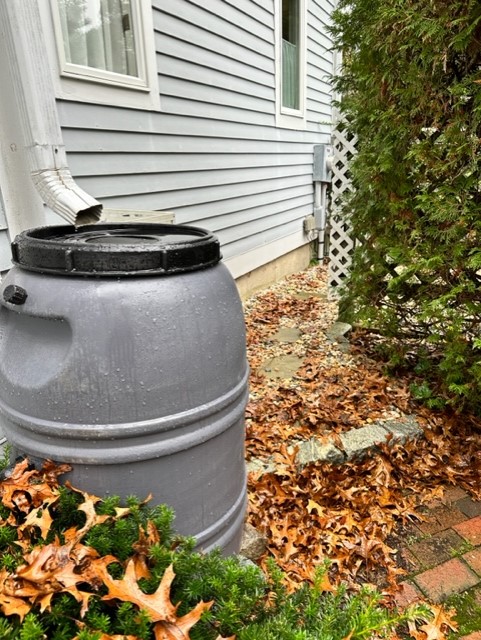
Rain Barrels for Cape Cod
Order online from Upcycle Products $122 each includes shipping to your door APCC receives a portion of the proceeds.
These are 55 gallon, repurposed food barrels. For more information, click here. |
|
|
| APCC eNewsletters.
Our weekly newsletters are archived on our website and easily shared.
You can find past newsletters and share with your friends. Encourage others to sign up for future enewsletters HERE.
|
|
|
Are you thinking of going solar? We hope so!
In partnership with E2 SOLAR in Dennis, APCC receives $500 for every solar installation when APCC is named as referral. |
|
|
|
Thank you to the homeowners who just contracted to install solar panels through E2 Solar. May the sun always shine for you! |
|
|
Expressions Gallery, 578 Main Street, Chatham
CLICK HERE |
Expressions Gallery donates 20 percent of its profits to APCC's work. |
|
|
Thank you to our business sponsors! |
|
|
APCC is rated four stars by Charity Navigator,
2025 Platinum by Candid (formerly Guidestar), and 2024 Top-Rated by GreatNonprofits. |
|
|
Our Contact Information
*{{Organization Name}}*
*{{Organization Address}}*
*{{Organization Phone}}*
*{{Organization Website}}*
*{{Unsubscribe}}* |
| |
|
|