Association to Preserve Cape Cod |
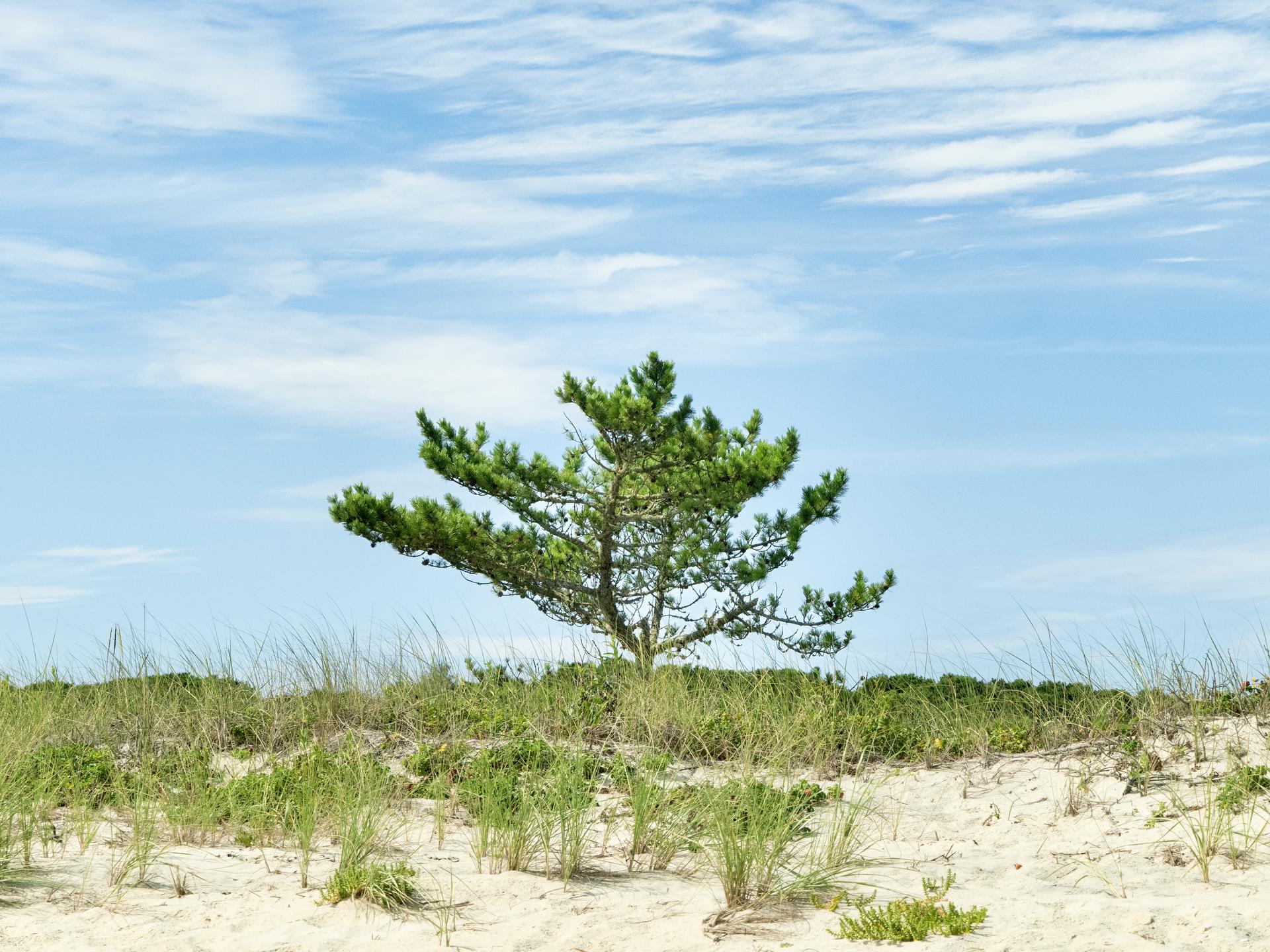
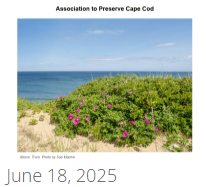
Above: Photo by Sue Machie |
|
|
| A Farewell by Andrew Gottlieb, Executive Director |
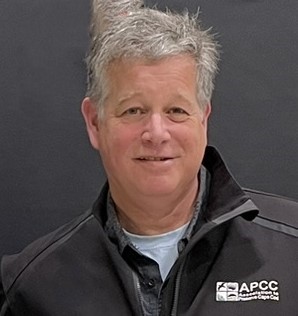
A sure sign of the coming end of summer is the departure back to school of our summer interns. APCC has had a long tradition of summer interns making major contributions to the field work that so dominates our summers. The summer of 2025 was no exception as our interns monitored almost 140 ponds, expanded our wetland monitoring capabilities, supported our landscape initiatives, restored the landscape around the Koppel Center, and engaged the veterinarian community in our efforts to protect pets from cyanobacteria toxicity. But as much as we valued the tangible benefits and achievements of this group, their youthful energy, commitment and optimism were a part of the legacy of this wonderful group of future environmental leaders.
|
|
|
Our 2025 interns, Emma Acri, Caroline Berney, Sullivan Gaffney, Tina Hennig, Sophie Corsaro, Nora Bowie, Alan Ives, and Lydia Rheinhardt, are as strong a group as we have had in my eight years at APCC. This group brought the mix of seriousness of purpose, skill and good humor that you hope to find in any group where collaboration and the ability to retain grace under pressure are important. APCC asks a lot of our interns, and we expect them to represent us well with our membership and the public. I have heard from a lot of people that had the chance to engage with the interns in the field and at our office that they easily met and exceeded our expectations.
One of my favorite features of our intern program is that many of them return to APCC for a second summer or as employees. Those that don’t come back to us often venture into productive environmental careers in other workplaces and apply the lesson learned at APCC to the betterment of the broader environment. It is with mixed emotions then that we say "goodbye and thank you" to this talented group, but any sadness is tempered by the knowledge that we all benefited from our time together.
|
|
|
| Healey-Driscoll Administration Launches
Nation-Leading Biodiversity Conservation Goals for Massachusetts |
|
|
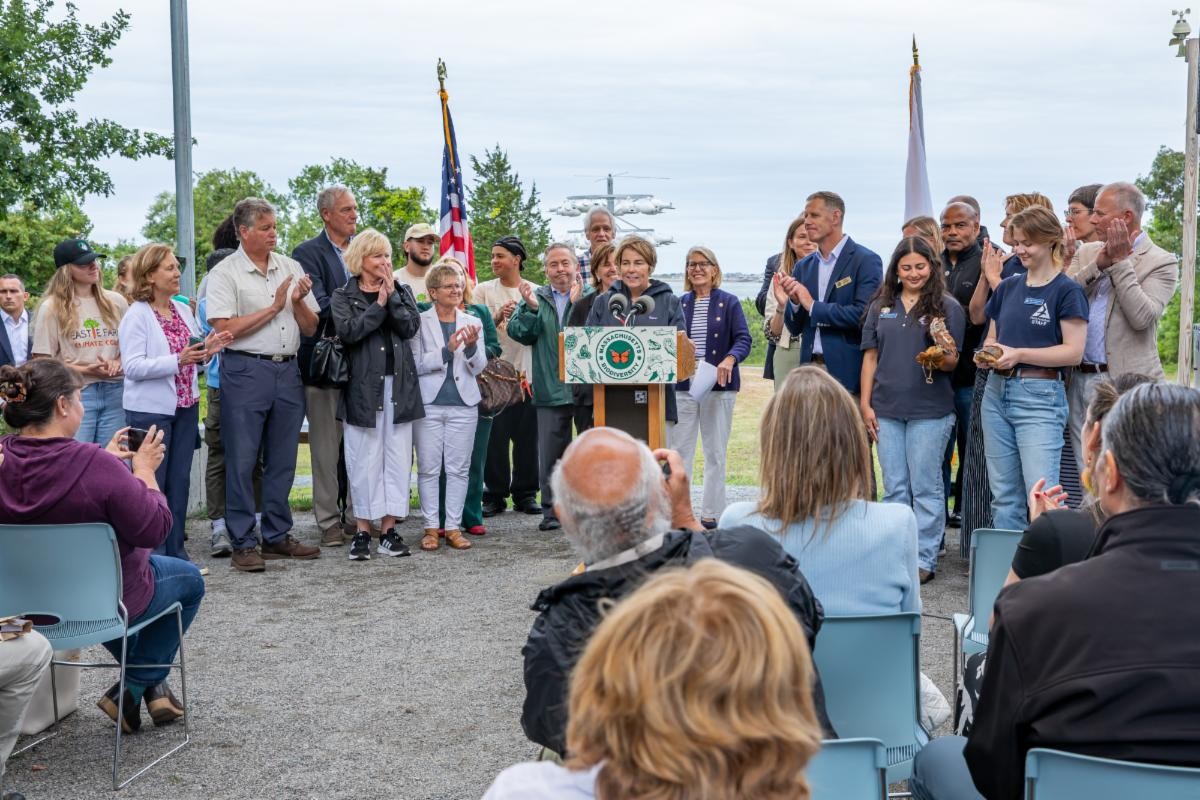
APCC was proud to be invited to take part in an announcement on Cape Cod for a major initiative launched by the Healey-Driscoll administration to protect, preserve and restore biodiversity in Massachusetts. This first-of-its-kind program sets target dates for achieving benchmarks to safeguard biodiversity in every region of the state. Below is an excerpt of a message from the Massachusetts Department of Fish and Game that describes the initiative.
"Last week, Massachusetts Department of Fish & Game was thrilled to join Governor Maura Healey, Executive Office of Energy & Environmental Affairs Secretary Rebecca Tepper, and key partners to announce nation-leading Biodiversity Conservation Goals for the Commonwealth! This ambitious, whole-of-government approach charts a path forward to halt and reverse biodiversity loss and invest in nature to sustain our health and well-being, food security, economy, and way of life.
Called for by Governor Maura Healey's Executive Order No. 618, this is the first time a state has comprehensively set biodiversity targets for 2030, 2040, and 2050, including for coastal and marine habitats. Notably, this plan commits to doubling the pace of land protection to achieve 30% by 2030 and 40% by 2050 and restoring 75% of our most important habitats for wildlife by 2050.
To kick off this initiative, we also announced the new public-private Massachusetts Biodiversity Partnership to drive innovation and build momentum, with Mass Audubon as our first partner.
Thank you to over 250 key partners and supporters who joined the us to celebrate this historic achievement! Special thanks to Mass Audubon for hosting us at Long Pasture Wildlife Sanctuary in Barnstable, MA. Explore the goals, read the press release, and watch the livestream.
This ambitious, 25-year plan sets four key goals—Protect, Restore, Sustain, and Connect—each with specific strategies for action, timelines for implementation, core commitments, and foundations for success." APCC enthusiastically supports the Healey-Driscoll administration's efforts! |
APCC Ecosystem Restoration Program |
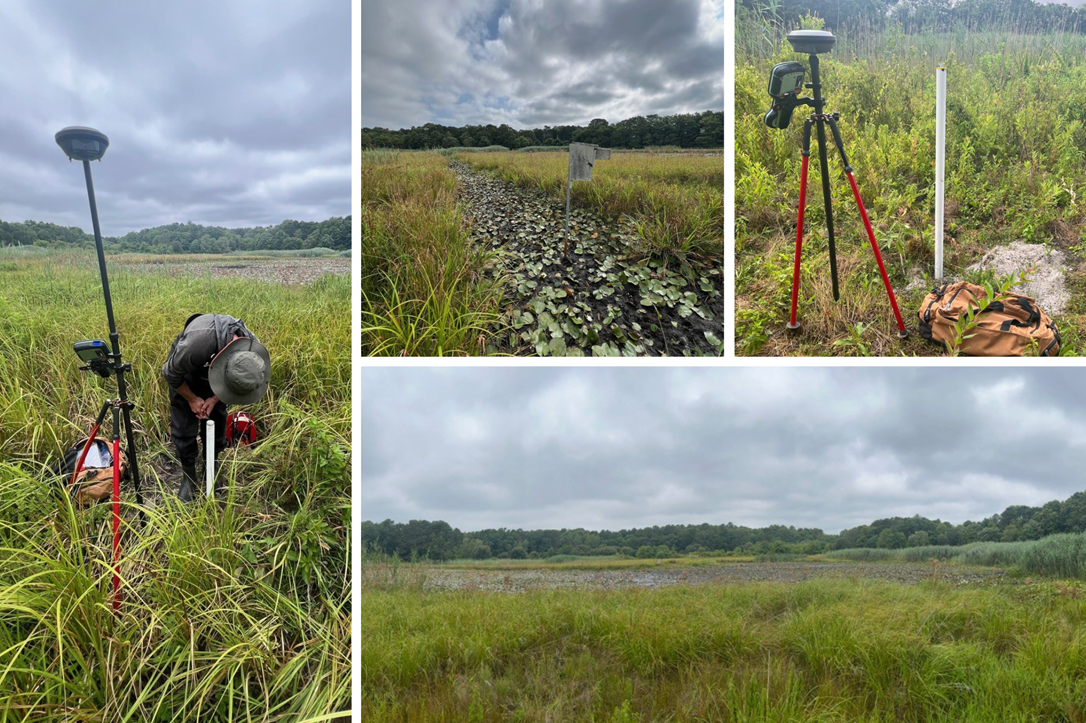
Above: Austin Cahill (Tighe & Bond) services a piezometer installed at Washburn Pond along the Mashpee River (left). Also shown are an old cranberry irrigation ditch running through the wetland (top center), a real-time kinematic (RTK) unit positioned next to a groundwater well to capture its precise height and location (upper right), and a panoramic view of the Washburn Pond wetland (bottom). |
What Lies Beneath: Tracking Groundwater in a Wetland |
Most people driving along Great Neck Road North in Mashpee probably pass Washburn Pond without a second thought. It’s not really a pond—it’s a permanently flooded cranberry bog, fed both by groundwater and by surface water from the Mashpee River. River water flows into the shallow bog, warms in the impoundment during the summer months, and then re-enters the river at the southern end through a culvert under Great Neck Road. This seasonal warming raises temperatures in a stretch of river that should remain cold, creating summer conditions too warm to support native brook trout. Addressing this issue is a key part of our ongoing Mashpee River restoration project.
While the bog’s outflow affects the river, the pond itself depends on groundwater to maintain water levels. To study this, APCC and Tighe & Bond are using piezometers—narrow wells installed in the pond that measure groundwater levels over time. Using a water level meter—a long tape with a sensor that beeps when it touches water—we’re tracking how groundwater rises and falls with rain, drought, and seasonal shifts. These measurements reveal how the bog maintains its water balance and provide insight into how it might respond if inflows from the river were altered.
Washburn Pond is more than water and measurements. Deer are often spotted wading along the edges, birds skim the surface, and frogs and other wildlife thrive in the shallow waters. Piezometers help scientists understand the movement of water beneath these visible signs of life, showing how groundwater supports the wetland ecosystem.
By monitoring groundwater in Washburn Pond, we will gain crucial insight into how the bog functions and how it interacts with the river system, providing a foundation for understanding and protecting both the wetland and coldwater brook trout habitat downstream. |
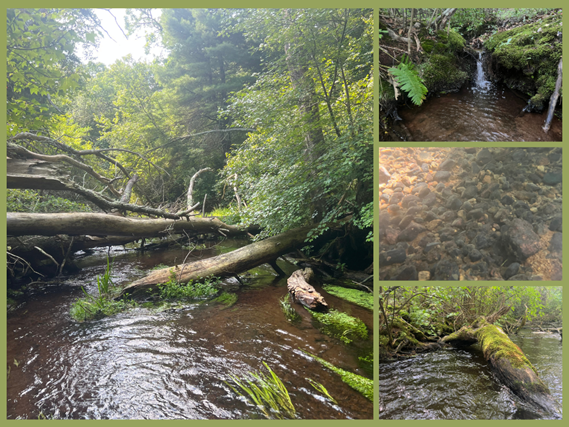
Above: Scenes from the lower Mashpee River, including groundwater springs feeding the lower reaches (top right), examples of the clean gravel substrate characteristic of this section (middle right), and instream woody debris that adds critical cover and habitat for aquatic life (lower left and right). |
Restoring What Remains: The Mashpee River’s Split Identity |
Cape Cod is best known for its saltwater bays and sandy beaches. But inland, rare coldwater streams still flow—fed by groundwater springs, shaded by forests, and cool enough to support wild brook trout. These streams are few and fragmented, yet they offer a glimpse of the Cape’s natural past: clean water, native fish, and intact ecological processes.
The Mashpee River is one of them. Flowing from Mashpee and Wakeby Ponds to Popponesset Bay, it’s a river of contrasts. In its lower reaches, it remains remarkably healthy—a rare stronghold for coldwater species. But upstream, the story is different: a river reshaped by a century of cranberry farming, now struggling to function as a natural stream. Upper River: A Legacy of Cranberry Farming
The upper Mashpee, accessible near former bogs off Great Neck Road, reveals the impacts of land use over time. For generations, the river was straightened, impounded, and diverted to support cranberry production. Wetlands were drained. Streams became ditches. Water control structures reshaped natural flow.
Though farming has ceased, its imprint remains. This stretch lacks depth, shade, and structure. Outdated dams and fish ladders block or slow fish passage. During summer, exposed channels warm quickly, creating stressful—and often lethal—conditions for coldwater species like brook trout. Migratory herring are especially vulnerable in these shallow, sunlit areas, where predators like herons and osprey can easily hunt them. It’s a system disconnected from its past—and from its future—unless restored.
Fortunately, restoration is underway. Current projects aim to remove barriers, restore natural meanders, and reconnect the river to its floodplain—rebuilding habitat complexity, improving fish passage and water quality, and reviving the ecological integrity of the upper Mashpee. Lower River: A Coldwater Stronghold
Near Ashers Path, the Mashpee River winds through a forested valley protected by The Trustees’ Mashpee River Reservation. Here, the river still resembles what it once was: spring-fed, shaded, and rich with life.
Cold groundwater enters the stream from dozens of unseen sources—some bubbling up directly from the riverbed, others trickling down the steep hillsides in cascading rivulets that weave through moss and roots before reaching the main channel. These springs provide a steady infusion of cool, oxygen-rich water year-round. Paired with the deep shade cast by the surrounding beech tree forest, temperatures are kept cold and stable, even during summer heat waves.
The river flows over clean gravel riffles and into deep, tree-lined pools—ideal habitat for brook trout and migratory fish. These gravel beds are more than scenic—they’re critical for trout reproduction. Brook trout build their nests, or redds, by clearing depressions in loose gravel where they lay their eggs. For these spawning sites to succeed, the gravels must stay clean, well-oxygenated, and free of fine sediment. The Mashpee’s strong groundwater input and natural flow regime help maintain those conditions, keeping gravel flushed and cool throughout the year.
Each spring, tens of thousands of river herring also move through this reach—part of one of the largest herring runs on Cape Cod. Their success depends on steady flows, intact banks, and deep resting pools that offer refuge from predators.
Another defining feature is wood—fallen trees, root wads, and submerged logs that span the channel, shape the flow, and carve out undercut banks. This structure creates complexity—forming coldwater refuges, hiding places, and slow-water pockets where trout can feed and rest. It also provides cover for migrating herring, shielding them from osprey, herons, and otters.
Unlike many Cape streams, the lower Mashpee never lost its wood, meanders, or forested buffers. It remains one of the region’s most intact freshwater ecosystems—a rare example of what’s still possible when a river is left to function naturally, fed by cold, clear springs and flowing over the clean gravels that trout need to spawn. Why It Matters
The Mashpee River tells two stories: one of resilience, and one of recovery. The lower river stands as a rare example of what a healthy coldwater stream can still look like on Cape Cod. The upper river, altered and impaired, reflects the legacy of land use that has reshaped so many freshwater systems across the region.
But that legacy isn’t permanent. Restoration efforts on other Cape streams—like the Quashnet, Coonamessett, and Childs Rivers—have shown what’s possible. When natural flow is restored and habitat complexity rebuilt, coldwater species return.
With protected lands and committed partners, the Mashpee is poised to follow that path—reconnecting its fragmented halves and rebuilding a coldwater legacy from source to sea. |
APCC's Pond Programs <º/,}}}}}}}=<{ <º/,}}}}}}}=<{ |
Intern Spotlight in APCC's Cyanobacteria Program—Emma Acri |
|
|
Cape Cod Pond Watchers Bio-survey Program
~ a training video on how to use the Survey123 app to log your observations in pondside! |
| |
|
APCC's Cyanobacteria Monitoring Program |
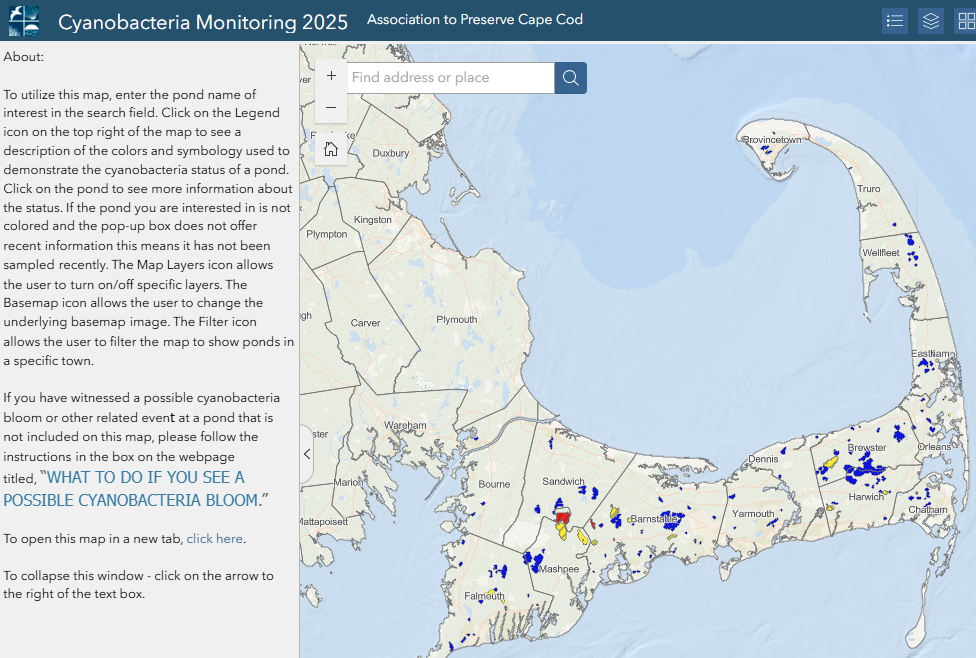
"When in doubt, stay out." High concentrations of potentially toxic cyanobacteria were detected in several ponds last week, at levels that are of concern for pets and children who are more susceptible due to ingestion. |
|
|
|
Check on the status of your favorite pond on our interactive map. If you see what appears to be a bloom, take a picture, note the day, location, and time and notify the local health department, and email to cyano@apcc.org.
Sign up for cyanobacteria email alerts.
Please note: The cyanobacteria alert is only sent out when a concern is first identified at a pond. All updates following this initial notice are shared on APCC’s interactive map. |
|
|
Ecolandscape Consultation Program - End of Season Gathering |
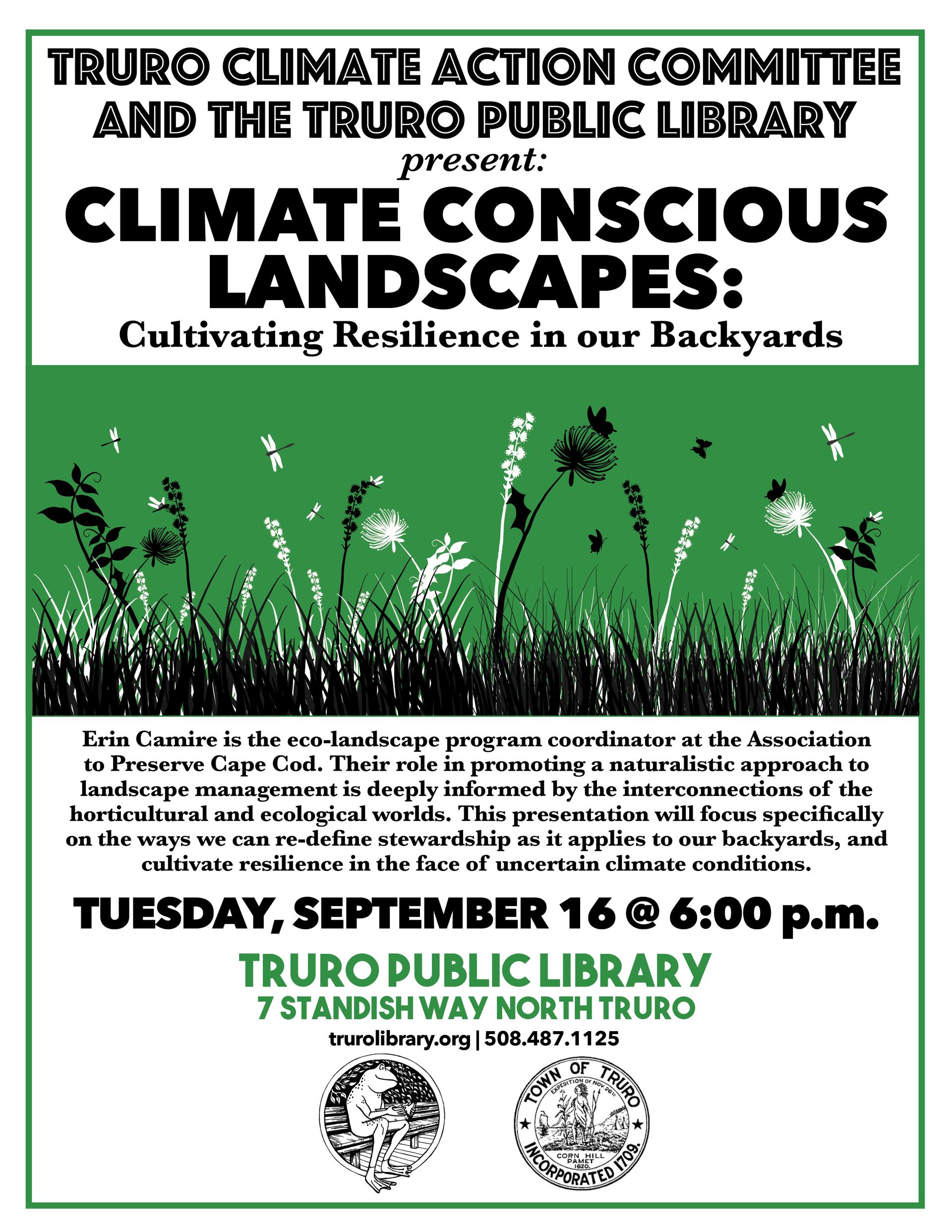
Erin Camire, APCC's ecolandscape program coordinator, gave a short presentation to those assembled at the Koppel Center last Friday. You may view the recording below. |
This week in APCC's Living Landscape |
|
|
Partridge pea, Chamaecrista fasciculata, is a native annual. Like all peas, it is a nitrogen-fixing plant and readily grows in disturbed soils—a good starter in a meadow seed mix. We seeded it directly in areas impacted by construction with the renovation of the barn. The open simple flowers are welcoming and beloved by generalist common eastern bumble bee, Bombus impatiens, as you can see in this video clip. We absolutely love how it has brought life to an otherwise lifeless area.
From the bold yellow flowers, peas develop, which are food for turkeys (and bob white quail, if populations still exist somewhere on Cape Cod). The pods turn a lovely brown and will ultimately burst to release the seed, which may result in partridge pea appearing the following year, provided it is not shaded out by other plants. |
Botanize a bit with Erin Camire, APCC's ecolandscape program coordinator, in the video below. A short clip from a walk at Eddy Bay Trail in Brewster. |
|
|
| APCC's Annual Meeting
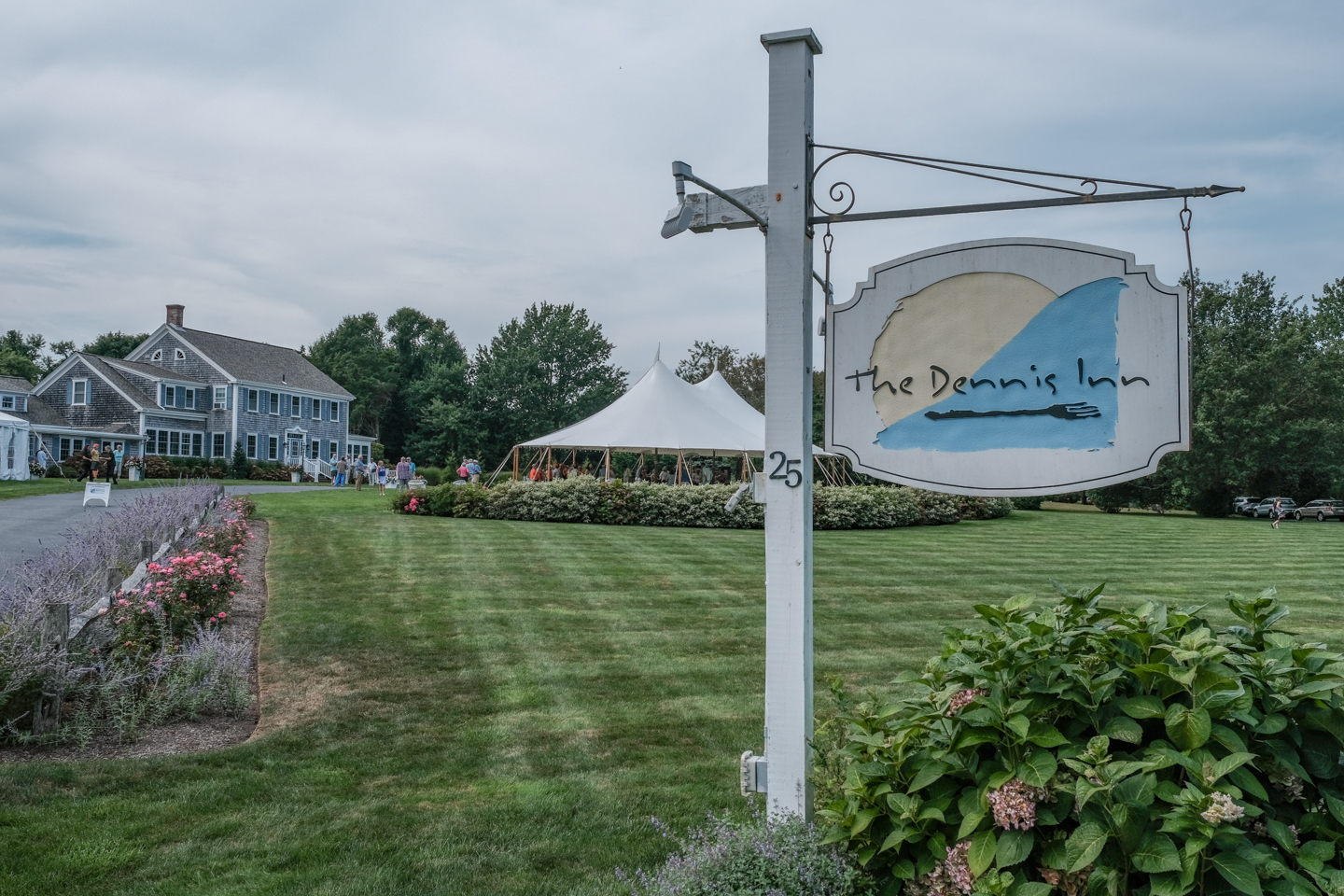
~ Sunday, September 14th at 12:00 p.m. at the Dennis Inn |
|
|
| Brewster Ponds Coalition hosts
Old Ladies Against Underwater Garbage Brewster Ladies Library, 1822 Main St
Wednesday, September 10th 2:00 - 3:30 p.m.
Susan Baur will captivate attendees with the efforts of this energetic group of ladies who swim in Cape Cod's freshwater ponds collecting trash. This free event is open to the public; please register HERE.
This summer has been a busy one for the group, aka OLAUG, with more than 20 dives scheduled throughout the Cape. Although some planned dives have been complicated by cases of cyanobacteria, it's been a banner year for trash. As Susan says, "Every dive is an adventure and gives us another story to tell." You will be captivated by OLAUG's adventures! |
|
|
A Cape-wide Conservation Event Calendar |
The Compact of Cape Cod Conservation Trusts (“the Compact”) and its nonprofit members launched a new regional calendar of events. The Conservation Calendar includes programs across Cape Cod hosted by these groups. The goal of the calendar is to encourage visitors and residents to take part in nature and environmental events. You can always find the link to the calendar on APCC's website under News & Events.
|
If you are a farmer or someone who wants to grow native plants to sell, or just want to be updated on the program's development, please submit an interest form that appears on our webpage. We will be sending periodic email notices of workshops and meetings.
Funding for the project is provided by Barnstable County and its Economic Development Council License Plate Grant Program through the Cape Cod Commission. |
|
|
A Cape Cod Native Plant-selector
~ to help you choose the perfect native plants for your garden. |
|
|
Email kandres@apcc.org and we'll send you a CapeCodNativePlants.org decal. |
|
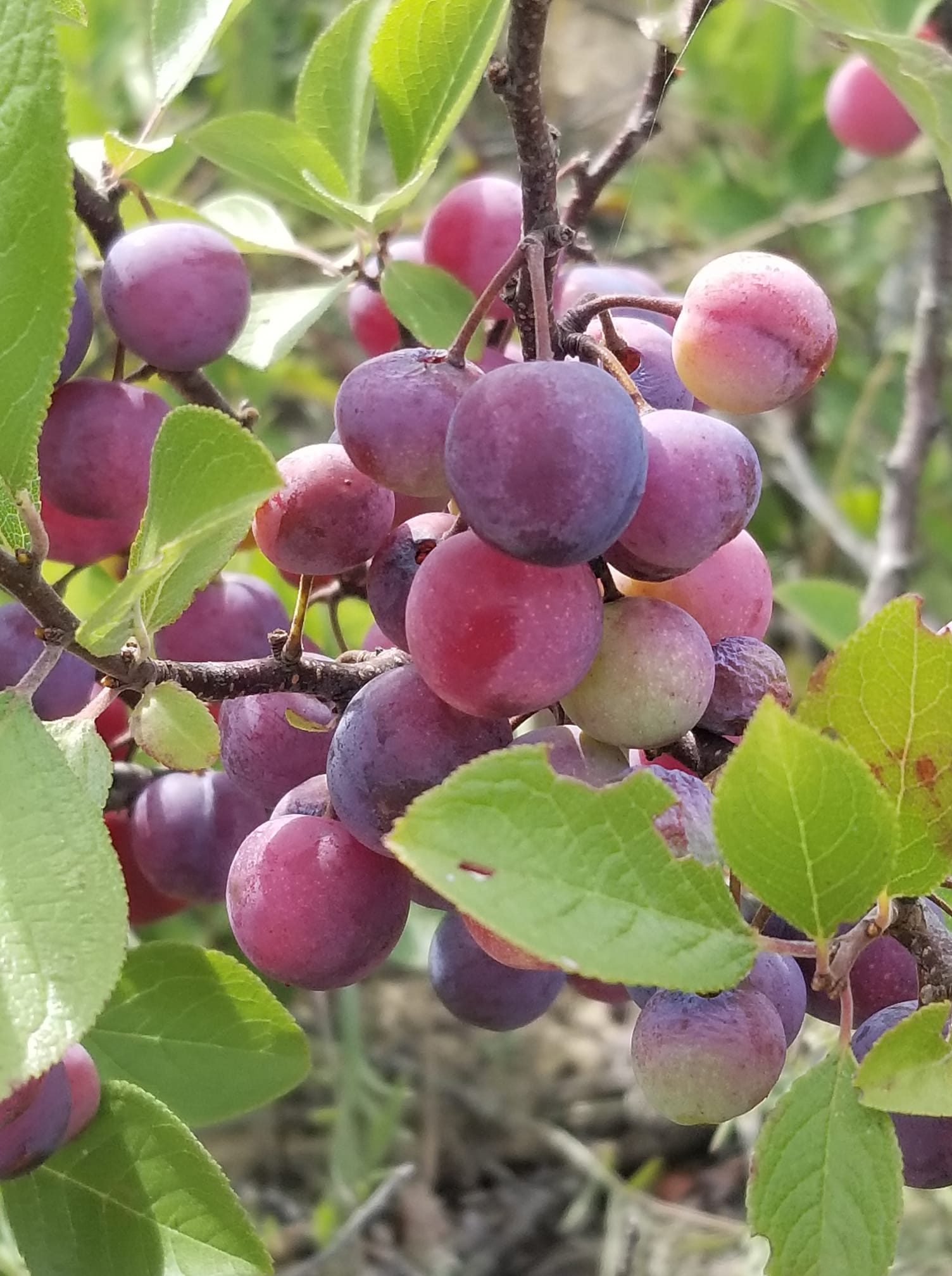
Beach Plum Prunus maritima |
|
|
The Guidelines gives homeowners steps they can take in the design and maintenance of their properties that will support pollinators and birds, manage stormwater, conserve water, and protect the Cape's water quality. This 40-page booklet is beautifully illustrated by Marcy Ford with content that is easily digestible and supported by numerous resources for additional learning.
|
We are grateful for the several retail shops that are partnering with us to make this publication more widely available: Brewster Book Store, Birdwatchers General Store, Crocker Nurseries, Wellfleet Audubon Wildlife Sanctuary, Cape Abilities Farm, Cape Cod Museum of Natural History, the Cape Cod Lavender Farm, Heritage Museums and Gardens, Titcomb's Bookshop, Sea Howl Bookshop, Soares Flower Garden Nursery, and Eight Cousins Bookshop.
If you are a retailer and would like to sell this publication at your store, please contact us. |
|
|
| NEW! T's
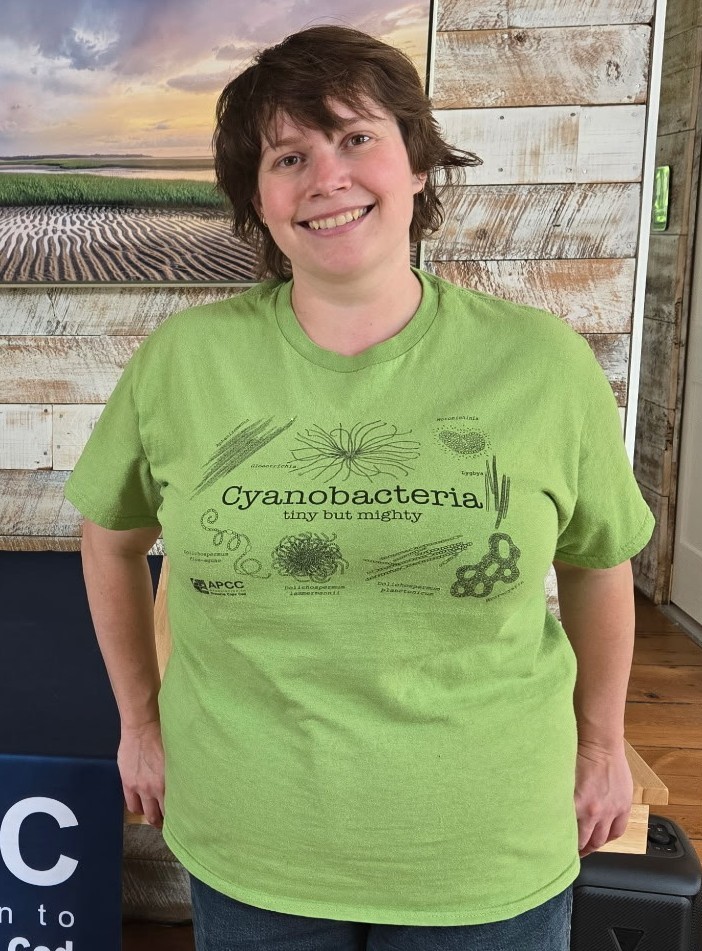
Cyanobacteria ~ tiny but mighty color kiwi $30 includes USPS shipping |
|
|
APCC caps $25 -includes USPS deliver in the U.S. |
|
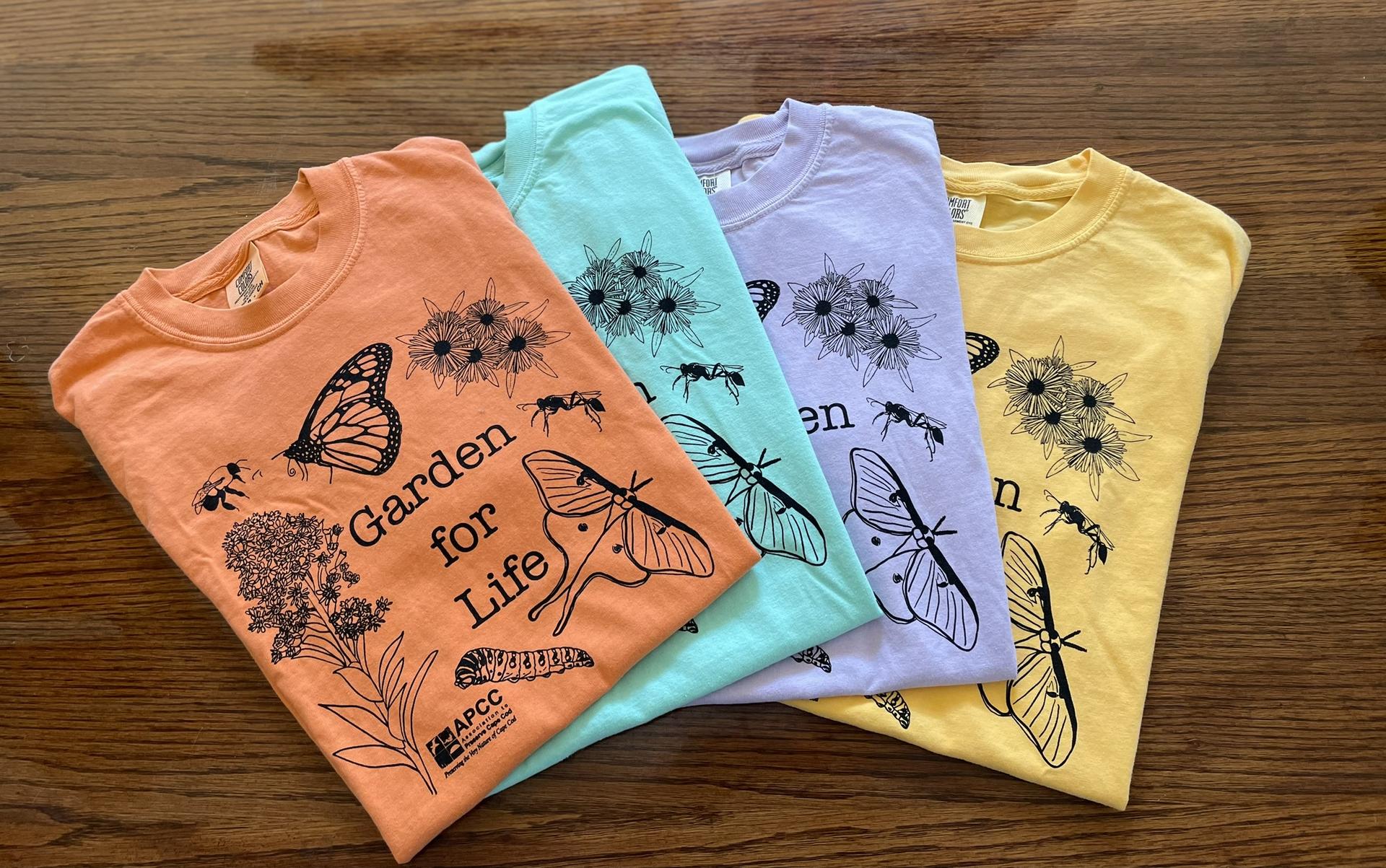
Garden for Life T's
$30 -includes USPS delivery in U.S. |
|
|
|
Rain Barrels for Cape Cod
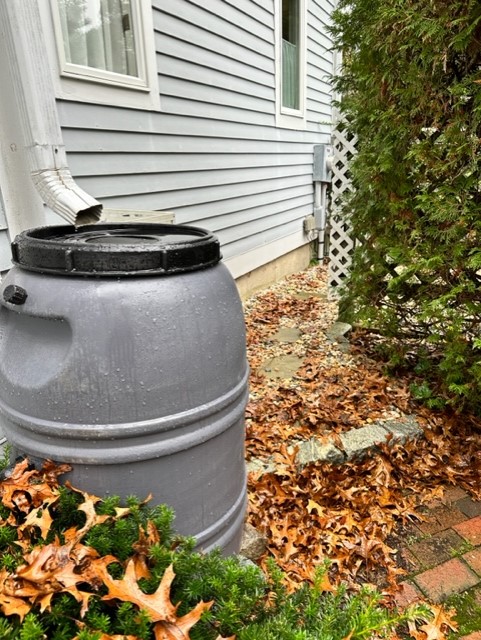
Order online from Upcycle Products $122 each includes shipping to your door APCC receives a portion of the proceeds.
These are 55 gallon, repurposed food barrels. For more information, click here. |
|
|
| APCC eNewsletters.
Our weekly newsletters are archived on our website and easily shared.
You can find past newsletters and share with your friends. Encourage others to sign up for future enewsletters HERE.
|
|
|
Are you thinking of going solar? We hope so!
In partnership with E2 SOLAR in Dennis, APCC receives $500 for every solar installation when APCC is named as referral. |
|
|
|
Thank you to the homeowners who just contracted to install solar panels through E2 Solar. May the sun always shine for you! |
|
|
Expressions Gallery, 578 Main Street, Chatham
CLICK HERE |
Expressions Gallery donates 20 percent of its profits to APCC's work. |
|
|
Thank you to our business sponsors! |
|
|
APCC is rated four stars by Charity Navigator,
2024 Platinum by Candid (formerly Guidestar), and 2024 Top-Rated by GreatNonprofits. |
|
|
Our Contact Information
*{{Organization Name}}*
*{{Organization Address}}*
*{{Organization Phone}}*
*{{Organization Website}}*
*{{Unsubscribe}}* |
| |
|
|