Association to Preserve Cape Cod |
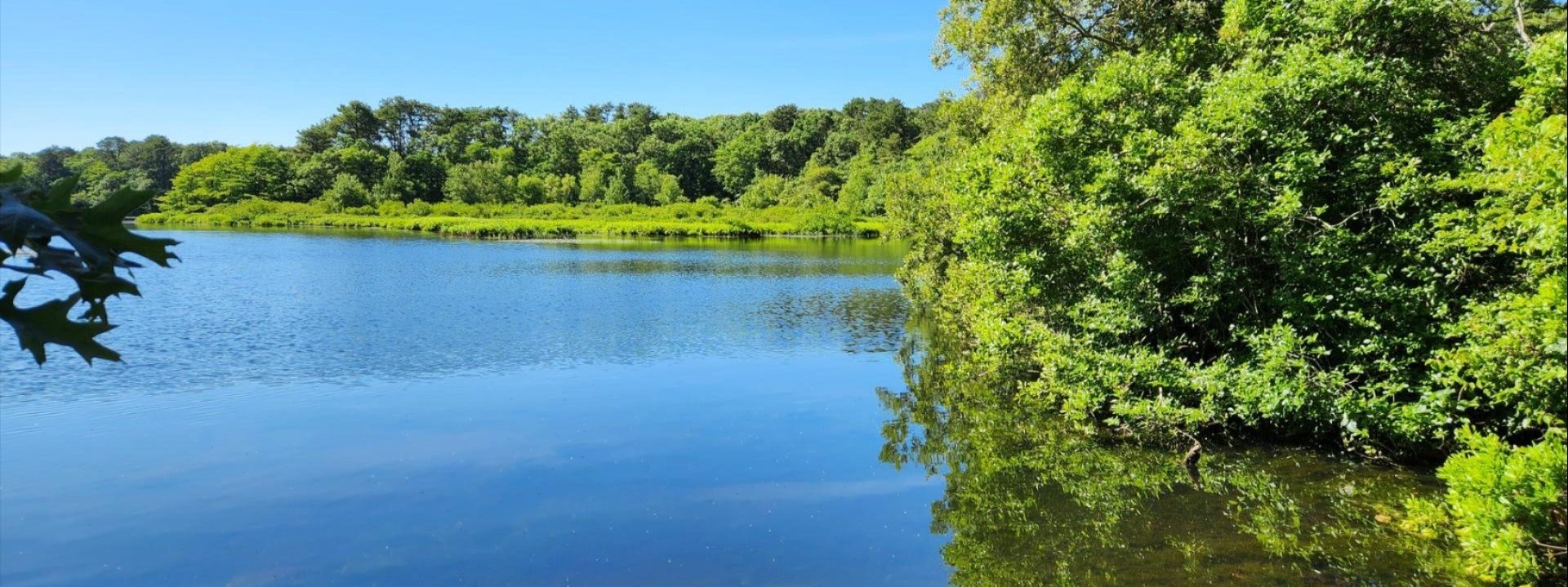
Above: Photo by Sue Machie |
|
|
|
The Devil Never Sleeps by Andrew Gottlieb, Executive Director
As previously mentioned, constant vigilance is needed to ensure lasting and durable protections, hard fought for, are respected and preserved. Someone looking to make a quick score using public resources always has their eye on that body of water or tract of land we all thought would never be exploited. Our collective job as protectors of natural resources is to remain ever vigilant to ensure that which is protected remains so.
|
|
|
With the foregoing in mind, APCC looks forward to participating as an intervenor in Holtec International’s appeal of the Massachusetts Department of Environmental Protection’s denial of its permit to discharge industrial wastewater into Cape Cod Bay. DEP rightfully denied Holtec’s permit application as not allowed under a plain reading of the state’s Ocean Sanctuaries Act. Holtec looks at Cape Cod Bay as a cheap and easy place to dump industrial wastewater associated with the decommissioning of the Pilgrim Nuclear Power Station. The Ocean Sanctuaries Act prohibits such a discharge, and APCC has invested significant resources in supporting DEP’s upholding of the basic tenants of the act.
The case is being heard this week and is expected to consume four full days. While we don’t expect a decision until close to the end of the year, we will update our readers once the hearing has concluded. In the meantime, stay alert to this and other efforts to undo protections you thought were lasting and durable. Bad things happen when no one is paying attention. |
The topic today—the annual practice of wood mulching large expanses of landscape beds, so that each plant, tree or shrub, stands alone. In the world of landscape design, it must be said that the use of wood mulch rates very low on the scale of creativity. Understandably, it appeals to those with neatnik tendencies, but it’s not how plants grow naturally: Plants are living organisms—not living room furniture. It’s time to rethink the wood mulch mania.
Here are some things to ponder if you are looking for a reason to kick the wood mulch this year: -
No matter the color you choose, (what DO they use to make it black, red, or orange) the colored mulch is likely made from pallets. Now, you may think that is a good reuse of all of those pallets. However, not knowing where the pallets came from, or what their earlier purpose was, there’s a good chance they have been treated with fungicides or may have been contaminated with any number of things you don’t want in your yard. Pallets that contain pressed wood likely contain formaldehyde. So, you just don’t know what’s in that wood mulch!
- There is hemlock mulch, and the dark hemlock mulch comes from places well north of Cape Cod—with a big carbon footprint that’s really unnecessary.
- As the bark mulch decomposes, it robs the soil of nutrients. Over time, with each year’s refreshment of mulch, this can result in compaction and loss of important air flow and water infiltration to plant roots.
- The yearly application of mulch smothers root systems. Around trees—you’ve seen this—the buildup of years of mulch into mounds around the tree trunk that is mockingly called in the ecolandscape world: “mulch volcanoes.” This is bad for the tree as it covers the root flare and invites decay. If you value your trees, don't do this.
-
If you are interested in supporting pollinators, then know that covering the ground heavily with wood mulch reduces the availability of areas for native bees and other beneficial insects that need to use the subsurface of the soil to nurture their next generation as they are accustomed to doing.
Guess what? There are alternatives to the wood mulch craze!
Leave the leaves—they provide soil protection in the winter, help existing plants in the landscape by retaining some soil moisture while keeping valuable air circulation. The leaves and those little invisible soil organisms are part of nature’s recycling system of nutrients.
If you don’t have leaves, opt for local leaf mulch for moisture retention and to add a bit more organics to our sandy soils.
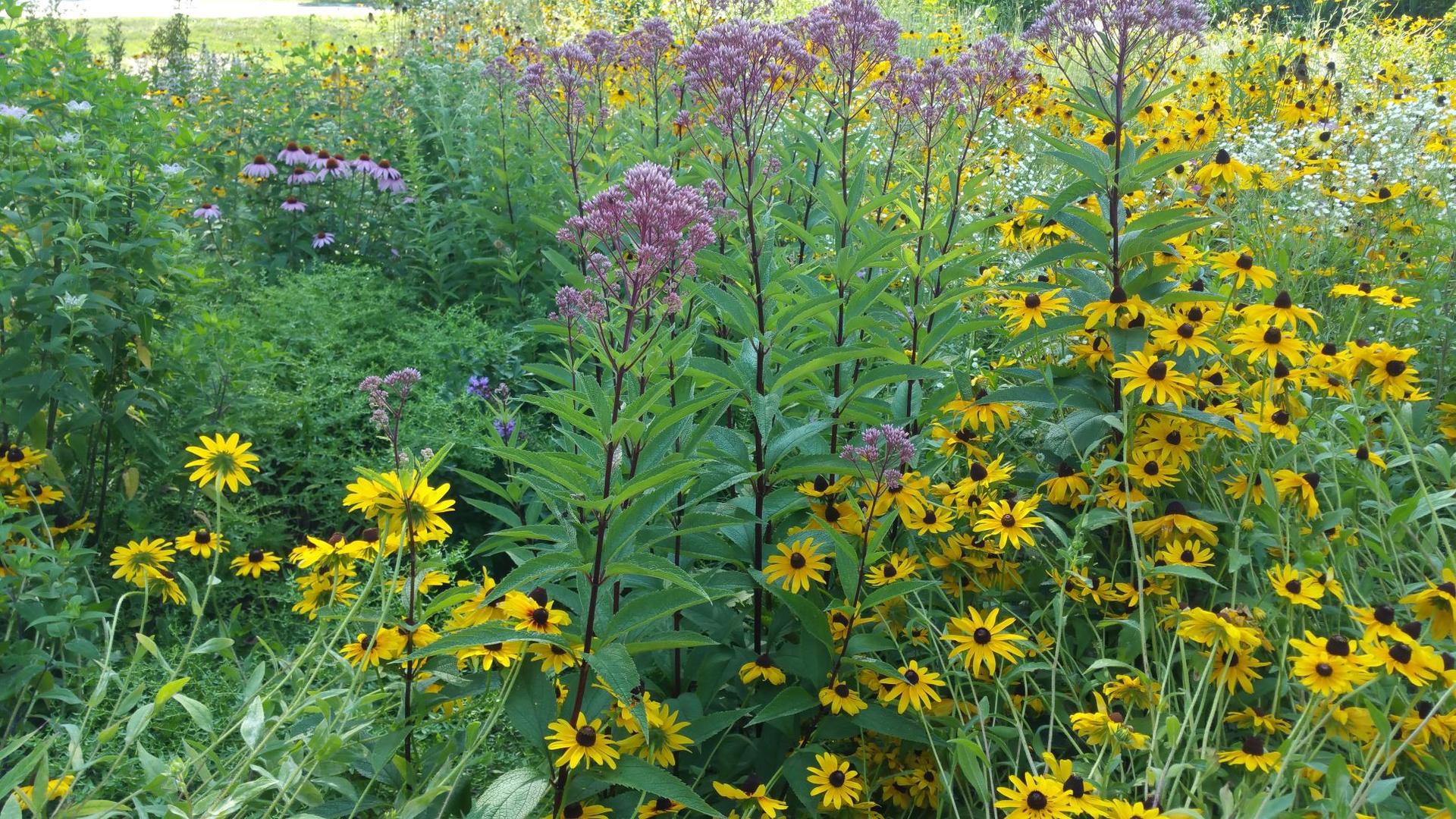
Plant more plants. Plant in layers. There are lots of native ground covers that will help to cover the ground—not like living room carpet perhaps, but enough to serve nature’s purpose of filling in the voids with what you want and not leaving it up to nature (remember, nature abhors a vacuum). Examples of native plants that will cover the ground include barren strawberry, wild strawberry, Pennsylvania sedge (and other sedges), bearberry, wild ginger, white wood aster, self heal, and others that readily fill low garden real estate. Provided they are planted in the location of their liking, they can all help fill in the gaps.
Around trees, plant shade plants—native plants that will serve as soft landings for insects for which the tree may be a host plant. When the insect moves to the next stage of development, they often drop to the ground where they hide under foliage or leaves to complete their life cycle, a naturalized area will give them the ability to do that.
More plants will make your landscape more interesting. Choose native species that support pollinators. Skip the wood mulch—save yourself some money and with your savings put in more plants (perennials, shrubs, and trees). But you say you’re afraid you’ll miss the smell of bark mulch that you associate with spring? Okay, so maybe you have to just do less this year as a way to moderate your wood mulch obsession. The important part is that you are thinking about it and making some change with nature in mind.
With less (or no) mulch this year, you’ll have some free cash in your landscape budget, so for ideas of what native plants you might want to add to your yard that do well on Cape Cod, check out CapeCodNativePlants.org. |
Ecolandscape Consultation Program |
|
|
If you desire to make your yard friendlier to pollinators and wildlife, learn more about native plants and controlling invasive species, and how to conserve water and protect the Cape’s water quality, we can help.
APCC’s Ecolandscape Consultation program is aimed at helping homeowners make their landscapes more ecologically friendly by providing site-specific assessments and oodles of information for the DIYers or those that want to be more informed to hire the right landscape contractor. While we are not landscape designers or engineers, we do have the passion, experience, knowledge, and loads of resources to offer guidance to help you achieve your goals for a Cape-friendly yard.
|
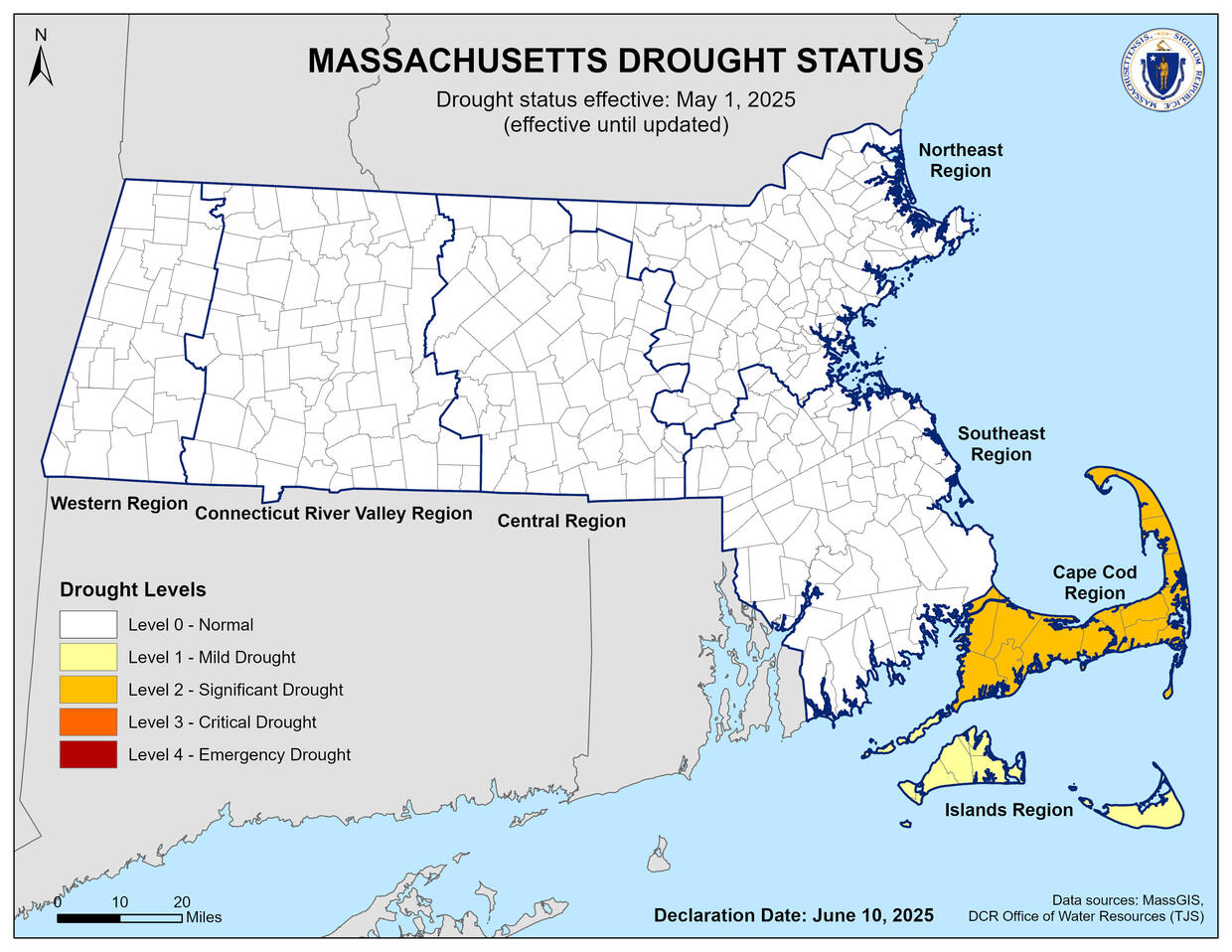
Despite the rain, we remain in a Level 2 - Significant Drought on the Cape. The Cape and Islands received less rainfall than the rest of the state: 3 to 6-inches.
Water conservation is important and many towns have instituted outdoor watering bans. What you can do: -
Minimize overall water use and be particularly mindful of indoor water use.
- Follow local water use restrictions
- Fix indoor leaks, such as from toilets, faucets, and showers, which result in more than 60 percent of indoor use.
|
APCC Ecosystem Restoration Program |
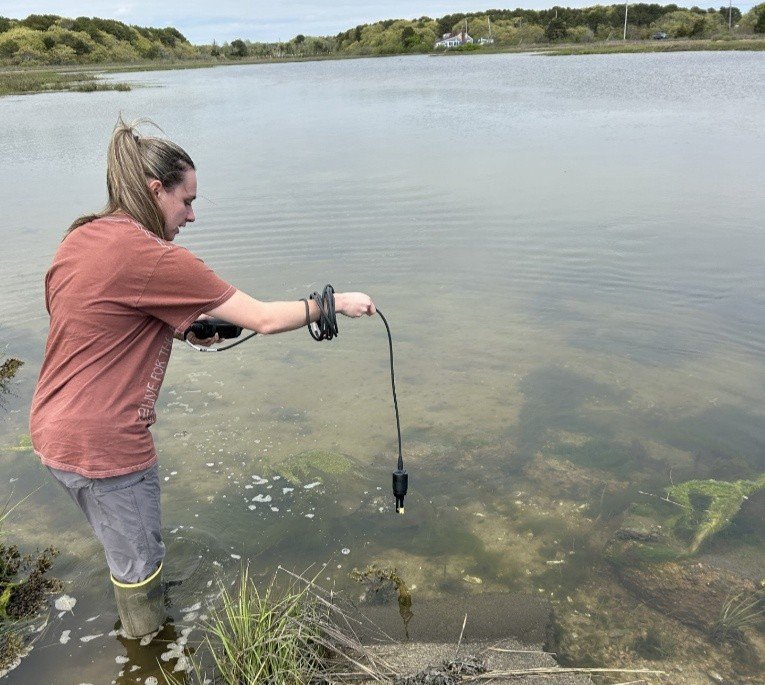
Above: Hannah Brown, APCC restoration coordinator, uses a sensor to monitor water quality at Weir Creek. |
A Busy, Exciting Summer in the Marsh: APCC’s 2025 Salt Marsh Monitoring Program
The Ecological Restoration Program’s (ERP) salt marsh monitoring season is underway and shaping up to be a busy summer. APCC staff, joined by summer intern, Jake Risch, will be collecting data, testing new tools and approaches, and working with volunteers to support salt marsh restoration across Cape Cod.
This summer, ERP staff will be focused on four sites: Sesuit Creek (Dennis, MA), Weir Creek (Dennis, MA), Oyster Pond (Falmouth, MA), and Chase Garden Creek (Dennis and Yarmouth, MA). At each location, they’re monitoring key environmental indicators—such as tidal flow, salinity, and temperature—using a suite of in-field sensors.
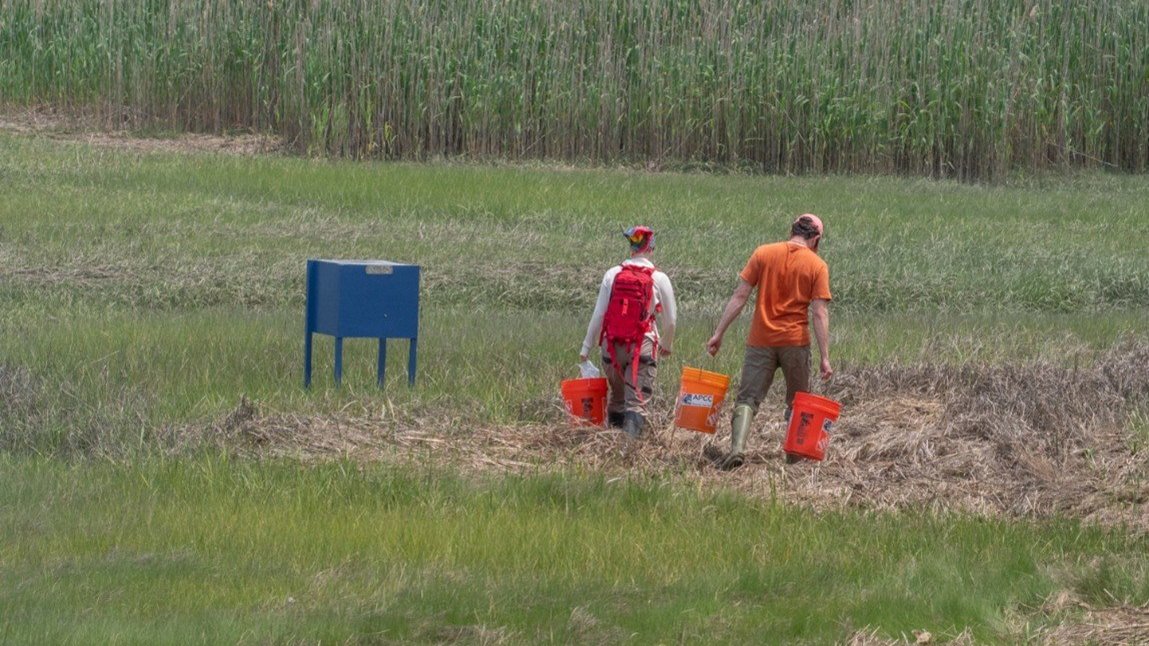
The team will also collect sediment samples from some of our marshes, using a specialized tool to extract a small portion of peaty marsh material. These samples will be analyzed to measure sediment characteristics like organic content (how “plant-rich” or “mineral-rich” the sediment is), grain size (how large or small the bits of mineral sediment are), and density.
ERP staff are also on the lookout for marsh crabs—including fiddler, green, and purple crabs—whose burrowing and grazing habits can damage vegetation and destabilize sediment. Signs of crab herbivory and activity will be documented across all sites this season. There is no “one size fits all approach” to restoration, and APCC’s salt marsh monitoring program ensures we understand the unique circumstances at each marsh. The data collected this summer will play a critical role in shaping restoration strategies and strengthening our work with partners across the region. |
Above: Molly Autery, APCC salt marsh specialist (left), and Jake Rish, APCC ecosystem intern (right), carry supplies at Sesuit Creek salt marsh to collect sediment samples. Photo by Gerald Beetham. |
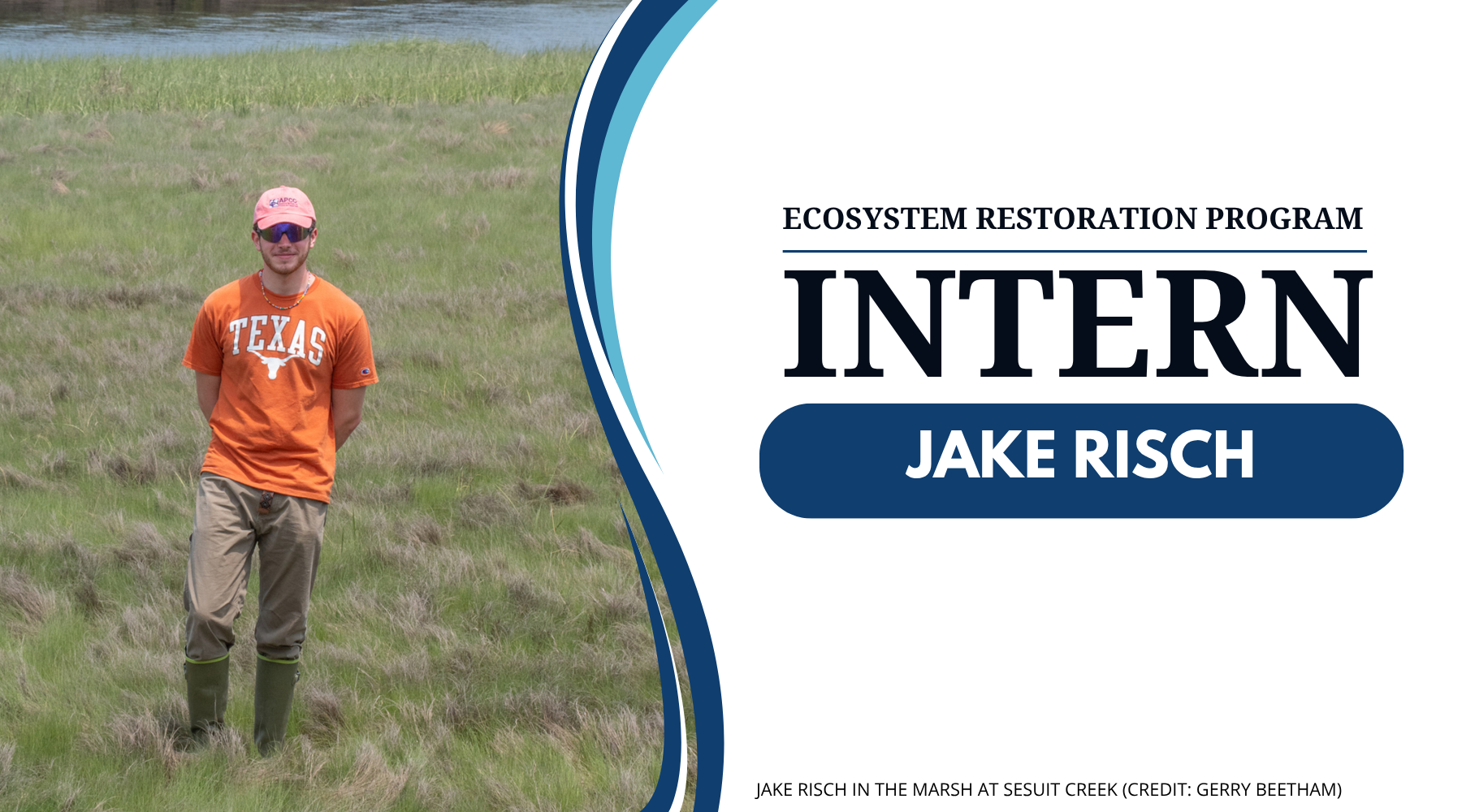
APCC is excited to announce that Jake Risch joined the Ecosystem Restoration Program team on June 2nd as a program intern. Jake will assist the team in conducting pre- and post-restoration monitoring of salt marshes across Cape Cod, including water level monitoring, sediment sampling, and crab monitoring. Jake is a recent graduate of the Boston University (BU) Marine Program with a B.A. in Marine Science. At BU, Jake spent time conducting similar field work in marsh systems at Plum Island as well as researching microplastic presence on intertidal seaweed for an honors thesis. He is excited to get outside and continue building on his field experience in coastal New England.
|
Cyanobacteria Monitoring Program |
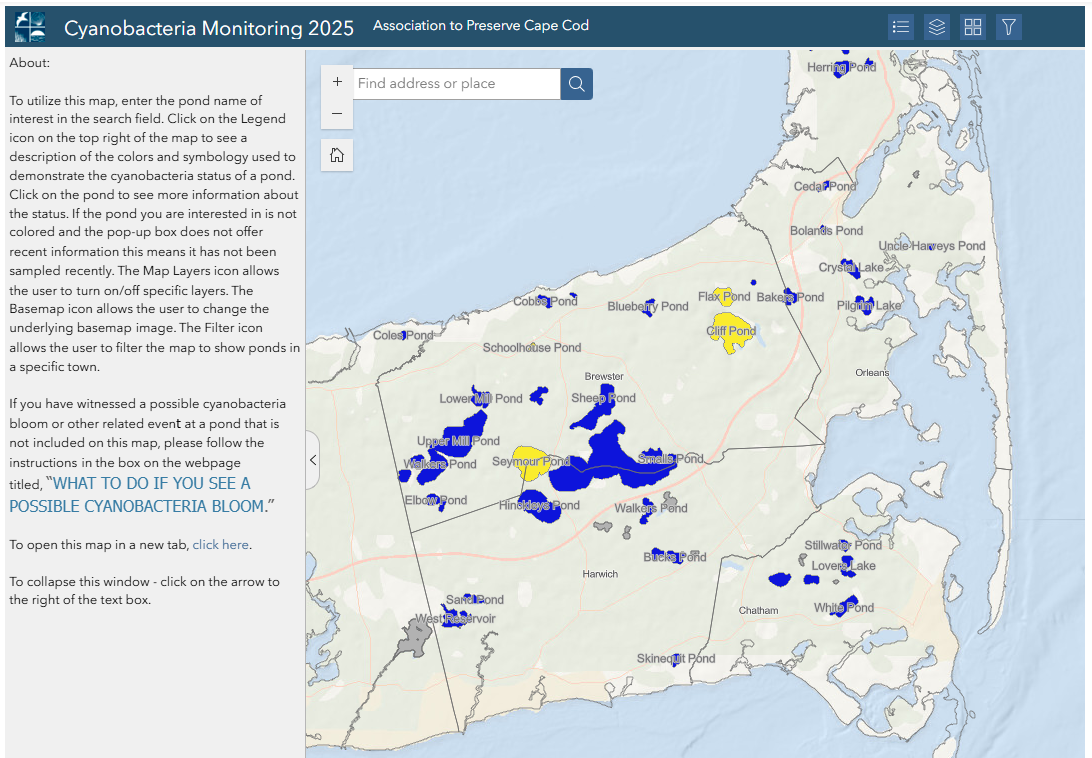
The monitored ponds on the cyano map appear colored as blue, yellow, or red. If you click on the pond, a popup box appears, which will provide you with relevant information about the most recent sampling results.
Of the some 890 ponds across Cape Cod, we monitor 130-150 during the season—in large thanks to the invaluable assistance of volunteers coordinated by many pond associations, and to our summer internship program. The current list of ponds being monitored for cyanobacteria in 2025 is posted on the cyano webpage. (Sorry, we have filled our capacity for adding ponds to the monitoring program, but if you see a bloom, take a picture, note the date, time and location, and email cyano@apcc.org and we will check it out.)
Stay tuned as we get out to all the ponds we are monitoring this season in the next couple weeks! |
"When in doubt, stay out." High concentrations of potentially toxic cyanobacteria were detected in several ponds last week, at levels that are of concern for pets and children who are more susceptible due to ingestion. This week as of June 10, we identified potentially toxic cyanobacteria blooms in Cliff and Flax Ponds in Brewster. |
The monitoring program for many ponds has begun. Check on the status of your favorite pond on our interactive map.
If you see what appears to be a bloom, take a picture, note the day, location, and time and notify the local health department, and email to cyano@apcc.org.
Sign up for cyanobacteria email alerts. |
|
|
Pond Weed Watchers Workshops Scheduled |
Learn how you can help prevent the spread of invasive weeds
in Cape Cod’s freshwater ponds.
To support our pond groups, APCC is hosting two freshwater aquatic plant identification workshops that will be conducted by a representative of the Massachusetts Department of Conservation & Recreation (DCR) Lakes and Ponds Program. The first is in June; the same workshop will be repeated in July. Each session is limited to 20 people. Where: The Koppel Center at APCC's headquarters 482 Main Street (Route 6A), Dennis 02638
When: Friday, June 13th, 10:00 a.m. - 12:00 p.m.
OR Friday, July 18th, 10:00 a.m. - 12:00 p.m. This workshop is designed to assist and encourage local pond groups to monitor their ponds for the presence of invasive plants and to develop a removal plan if an infestation is found. Early identification and intervention of invasive plant species is key before it becomes established in a lake or pond.
Seating is limited. In person only. Registration required. |
Another Pond-related Workshop, Hosted by APCC |
|
|
|
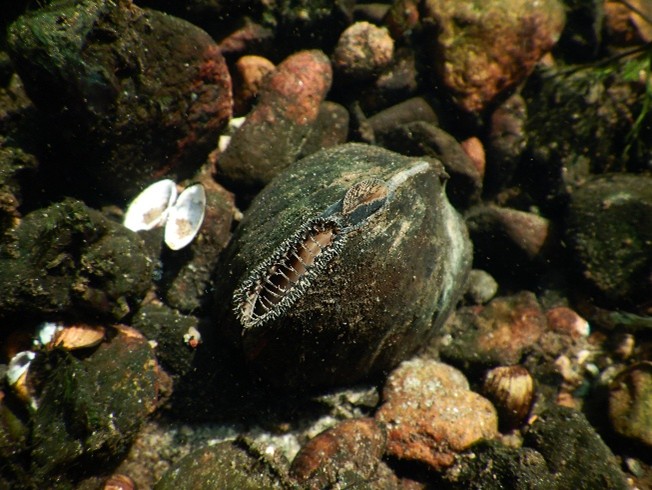
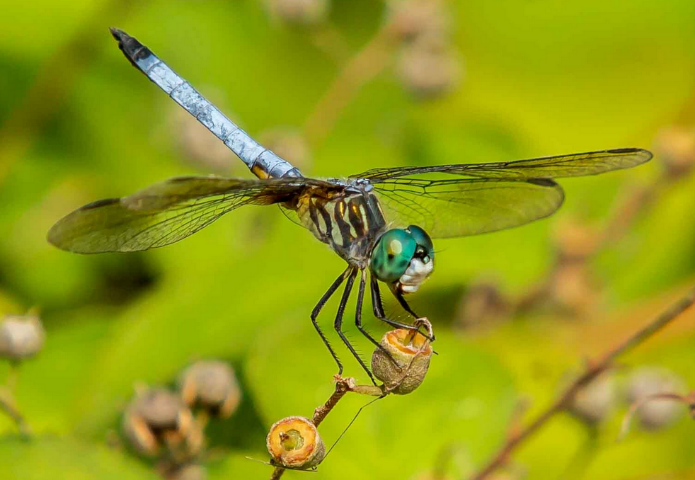
Mussels, Dragonflies, and Damselflies
with Jason Carmignani, Ph.D., aquatic ecologist, Natural Heritage & Endangered Species Program, Mass Division of Fisheries & Wildlife Friday, June 27th 10:00 – 11:30 a.m. This is a hybrid event at APCC’s headquarters at the Koppel Center 482 Main St (Rte 6A), Dennis 02638 Seating is limited, but our virtual attendance is unlimited.
Registration required. |
|
|
What do mussels, dragonflies and damselflies have in common? They all are inhabitants of freshwater ponds and are bioindicators of pond health. They also all have wild and crazy life cycles! Join us for this expert’s presentation where he will reveal the watery world of these creatures. And get answers to questions, such as: How many different kinds of freshwater mussels can be found on Cape Cod? What’s a dragon versus a damsel and which ones are common and threatened on Cape Cod?
This event is brought to you as part of APCC’s Cape Cod Pond Watcher’s Bio-survey Program, that encourages you to visit a pond near you and take some time to observe and report your findings. As a citizen scientist, the data will serve to provide greater knowledge of the biology of the Cape’s some 890 freshwater ponds. |
|
|
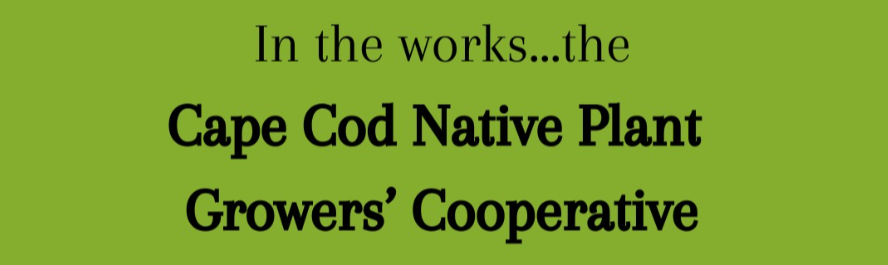
If you are a farmer or someone who wants to grow native plants to sell, or just want to be updated on the program's development, please submit an interest form that appears on our webpage. We will be sending periodic email notices of workshops and meetings.
Funding for the project is provided by Barnstable County and its Economic Development Council License Plate Grant Program through the Cape Cod Commission. |
|
|
| Harwich Ponds Coalition
~ Protecting and advocating for Harwich ponds and freshwater resources Annual Kickoff Meeting Saturday, June 14, 10:00 a.m. at the Harwich Community Center |
|
|
Guest speakers on our expert panel represent the following organizations: -
APCC
- Harwich Conservation Trust
- Town of Harwich
- Conservation Department
- Board of Health
- Dept. of Natural Resources
Come join us and learn more about how you can make a positive impact on our ponds—starting with our Pond Pledge! |
|
|
A Cape-wide Conservation Event Calendar | |
|
The Compact of Cape Cod Conservation Trusts (“the Compact”) and its nonprofit members launched a new regional calendar of events. The Conservation Calendar includes programs across Cape Cod hosted by these groups. The goal of the calendar is to encourage visitors and residents to take part in nature and environmental events. You can always find the link to the calendar on APCC's website under News & Events.
|
|
|
A Cape Cod Native Plant-selector
~ to help you choose the perfect native plants for your garden. |
|
|
Email kandres@apcc.org and we'll send you a CapeCodNativePlants.org decal. |
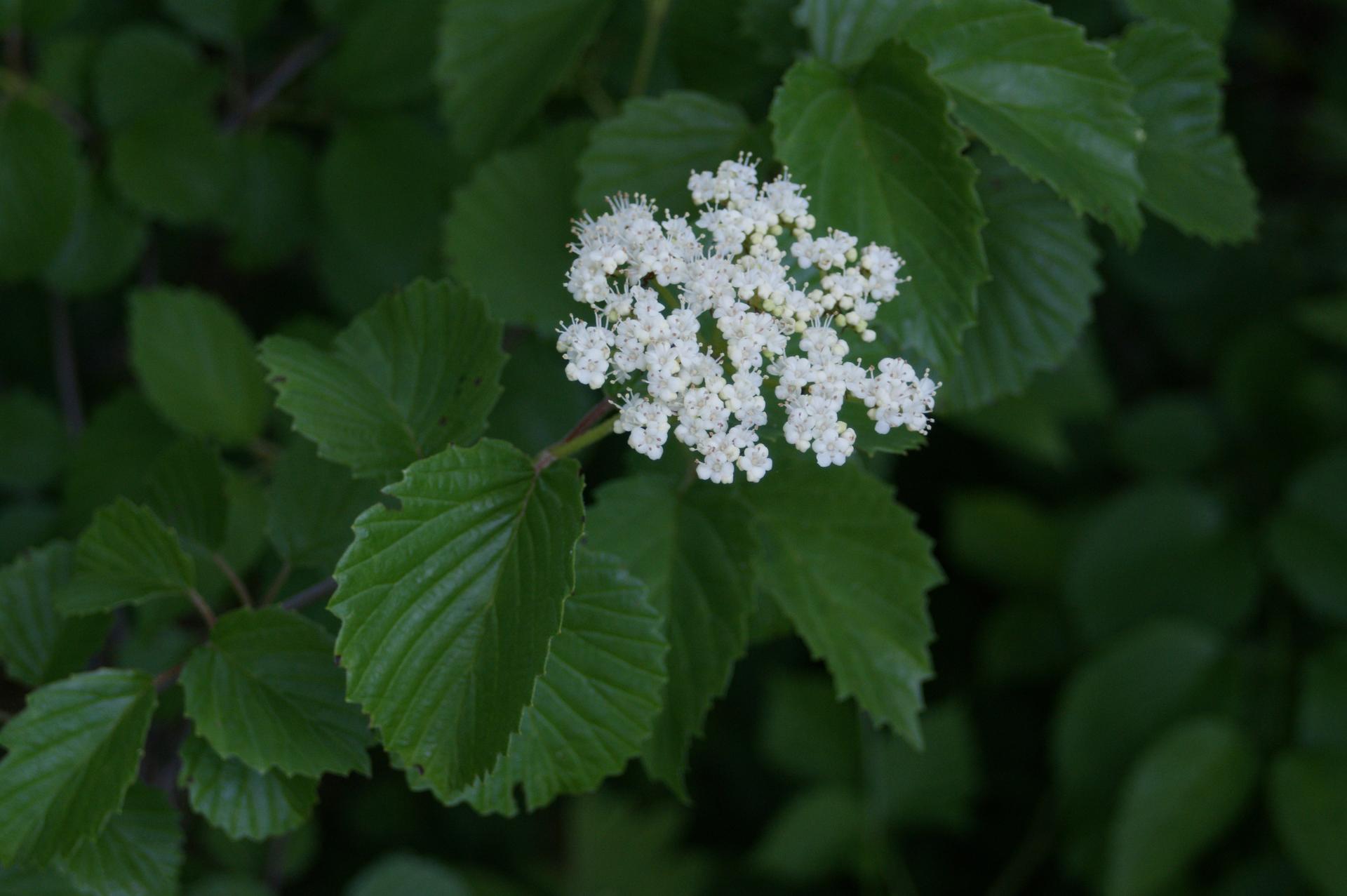
| Arrowwood Viburnum dentatum |
|
|
The Guidelines gives homeowners steps they can take in the design and maintenance of their properties that will support pollinators and birds, manage stormwater, conserve water, and protect the Cape's water quality. This 40-page booklet is beautifully illustrated by Marcy Ford with content that is easily digestible and supported by numerous resources for additional learning.
|
We are grateful for the several retail shops that are partnering with us to make this publication more widely available: Brewster Book Store, Birdwatchers General Store, Crocker Nurseries, Wellfleet Audubon Wildlife Sanctuary, Cape Abilities Farm, Cape Cod Museum of Natural History, the Cape Cod Lavender Farm, Heritage Museums and Gardens, Titcomb's Bookshop, Sea Howl Bookshop, Soares Flower Garden Nursery, and Eight Cousins Bookshop.
If you are a retailer and would like to sell this publication at your store, please contact us. |
|
|
APCC caps
$25 -includes USPS deliver in the U.S. |
|
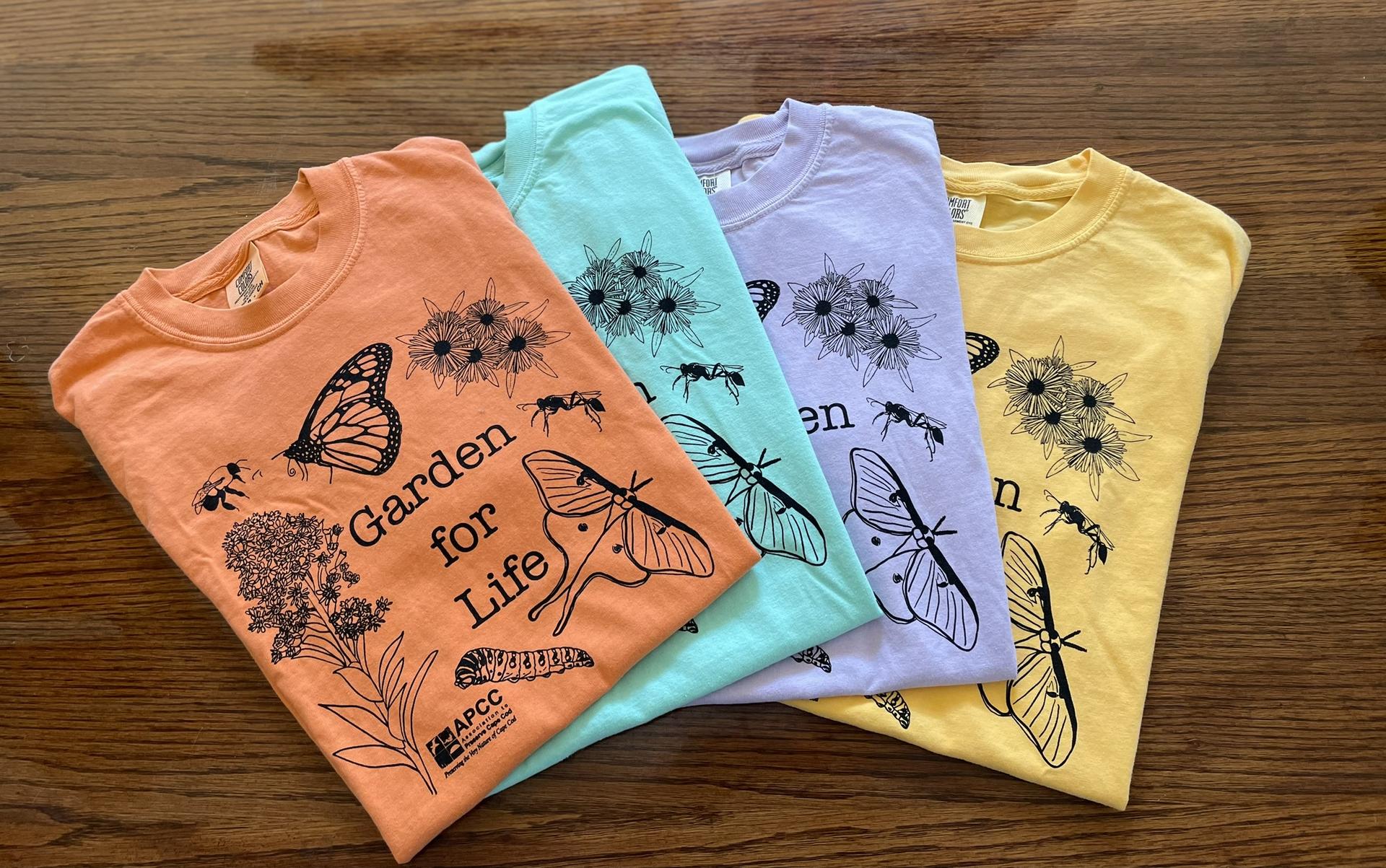
Garden for Life T's
$30 -includes USPS delivery in U.S. |
|
|
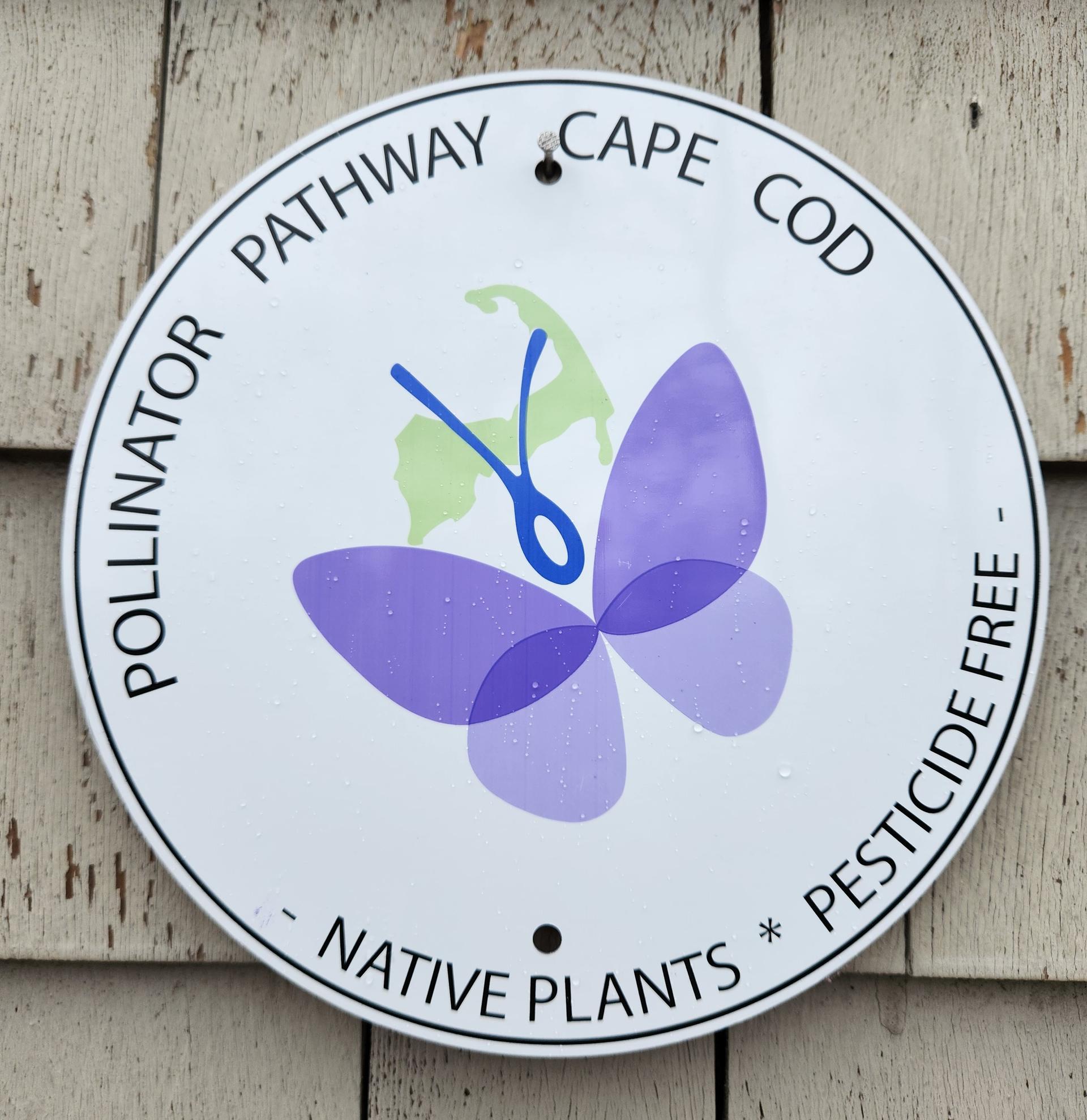
The Pollinator Pathway Cape Cod is a group of organizations promoting native plants and pollinator-friendly land care practices to create a boat load of safe oases for our native bees, butterflies and a whole host of other pollinators that are crucial to the health of our ecosystems.
Join us! It's easy. There are no fees. You just need to pledge to ADD native plants, SUBTRACT a little lawn, AVOID yard chemicals, especially pesticides, and LEAVE the leaves. And, help us spread the word. Please get on the map to show your support of pollinators on Cape Cod!
You can purchase the 9-inch aluminum Pollinator Pathway Cape Cod sign at Hyannis Country Garden, Crocker Nurseries, Brewster Book Store, Orleans Conservation Trust, and Cape Abilities Farm.
If you are a retailer, and you would like to sell the signs, you can order online here, or email pollinators@apcc.org. |
| |
| Rain Barrels for Cape Cod
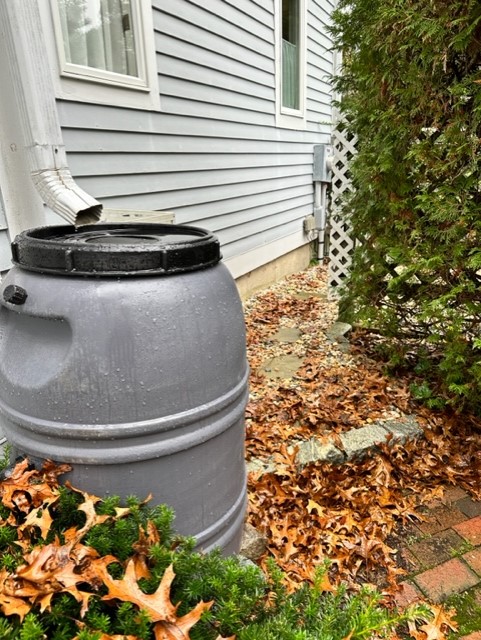
Order online from Upcycle Products $122 each includes shipping to your door 55 gallon, repurposed food barrels Keep a barrel out of a landfill, and capture some free rainwater. APCC receives a portion of the proceeds. For more information, click here. |
|
|
|
APCC eNewsletters.
Our weekly newsletters are archived on our website and easily shared.
You can find past newsletters and share with your friends. Encourage others to sign up for future enewsletters HERE.
|
|
|
Are you thinking of going solar? We hope so!
In partnership with E2 SOLAR in Dennis, APCC receives $500 for every solar installation when APCC is named as referral. |
|
|
| Thank you to the homeowners who just contracted to install solar panels through E2 Solar.
May the sun always shine for you! |
|
|
Expressions Gallery, 578 Main Street, Chatham CLICK HERE |
Expressions Gallery donates 20 percent of its profits to APCC's work. |
|
|
Thank you to our business sponsors! |
|
|
APCC is rated four stars by Charity Navigator, 2023 Platinum by Candid (formerly Guidestar), and 2024 Top-Rated by GreatNonprofits. |
|
|
Our Contact Information
*{{Organization Name}}*
*{{Organization Address}}*
*{{Organization Phone}}*
*{{Organization Website}}*
*{{Unsubscribe}}* |
| |
|
|