Association to Preserve Cape Cod |
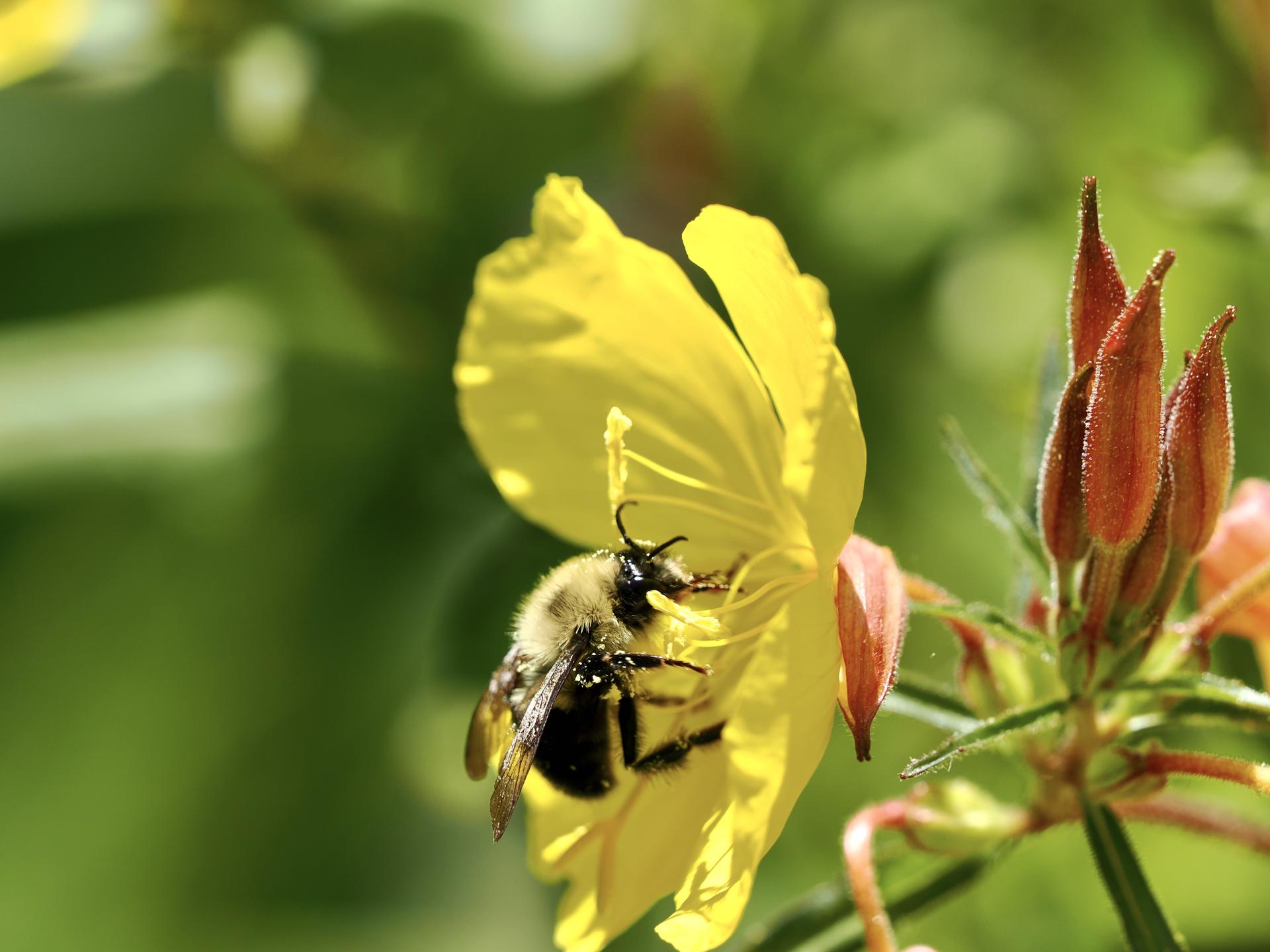
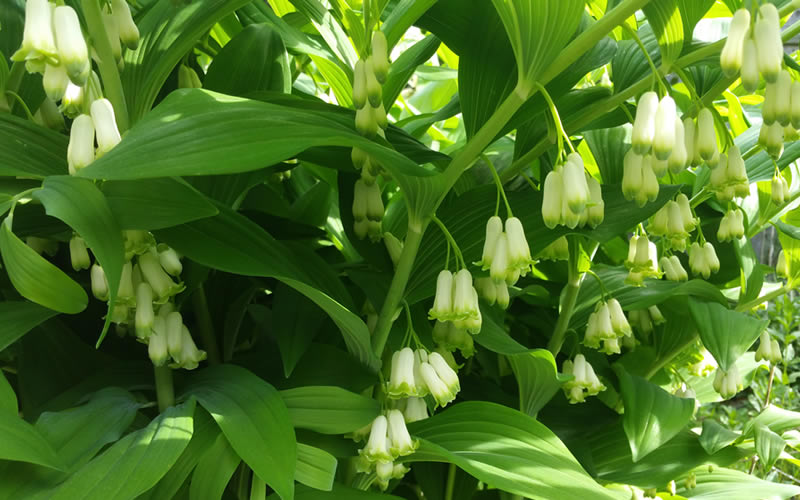
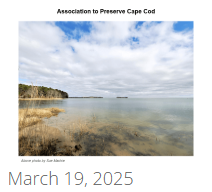
Above: Star Flowers. Photo by Sue Machie |
|
|
|
Don't Sleep to Soundly by Andrew Gottlieb, Executive Director
Conservation efforts require constant vigilance. Unlike the developer who wins when their project is completed, those of us interested in the protection of natural resources can never rest because our battle is never over. The land we protect and the air and water we clean remain, almost by definition, an attractive target for private exploitation. While there are some safeguards offered to public land under Article 97 of the Massachusetts Constitution, a large amount of publicly-owned land does not benefit from these protections and is in the crosshairs of developers looking for places to build. Towns are under increasing pressure to turn public lands over for development and that trend is only likely to get worse.
|
|
|
Even lands with Article 97 protections remain under threat; the biggest and most recent example came with an admission by representatives of the Massachusetts National Guard just this month. In a refreshing moment of candor, the Guard revealed under questioning at a Citizens Advisory Council meeting that it intends on continuing to pursue the construction of a multipurpose machine gun range on Article 97 lands at Joint Base Cape Cod. While the Guard’s previous decade-long pursuit of this project ended in September of 2024, our respite appears brief.
The same is true as Holtec continues to eye Cape Cod Bay as a disposal site for its wastewater from the decommissioning of the Pilgrim nuclear plant. Again, just this past week under questioning at the meeting of the public oversight panel, Holtec admitted that its already extended schedule for commencing final clean-up of the facility in 2031 is predicated on overturning the denial of its permit to discharge. The appeal of further despoiling the public resource of Cape Cod Bay for profit is too great for Holtec to plan to dispose of the contaminated wastewater in a more responsible, and legal, manner.
Nationally, there is talk of selling public lands for private development, reopening ocean sanctuaries to exploitation, and weakening regulatory standards to make it easier to use public spaces, long thought to be protected, for waste disposal and increased air and water emissions. Taken together, these local and national examples are evidence of the insatiable hunger to use, exploit and degrade public resources for purposes counter to their highest and best use as conservation lands that support the environmental quality upon which we all rely.
The point here is that those of us concerned with the preservation of our natural world can never rest. We must be ready to win the next battle while remaining ever mindful of looking over our shoulders to maintain the gains we have made in the past. Collectively, our work is not done and it never will be. APCC is in it for the long haul and we need you to be as well. |
Cyanobacteria Monitoring Program |
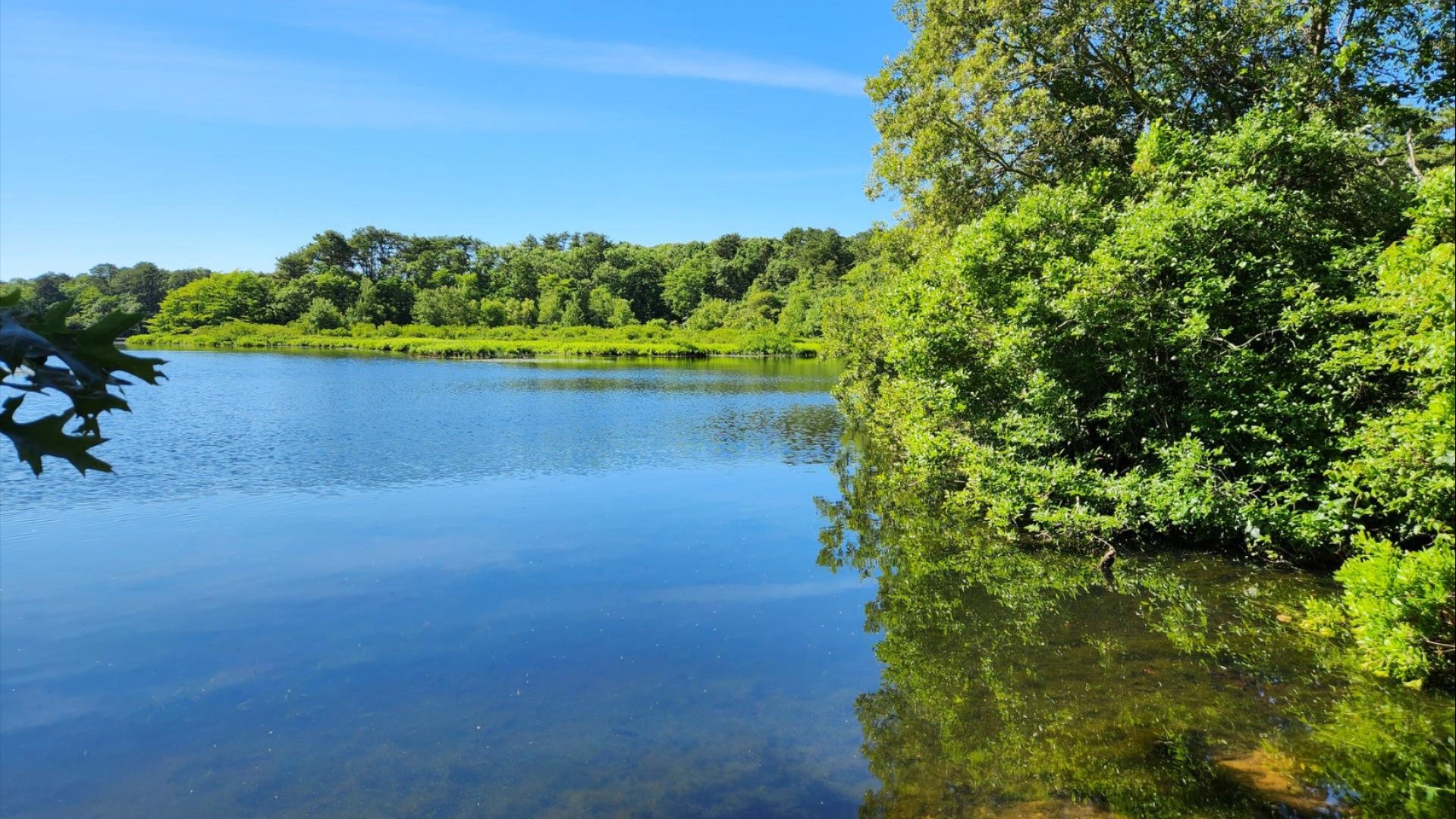
"When in doubt, stay out." Just before the holiday weekend, the town of Barnstable posted pet advisories at Hamblin Pond in Marstons Mills and Bearse Pond in Centerville. |
|
|
The monitoring program for many ponds has begun this week. Check on the status of your favorite pond on our interactive map.
If you see what appears to be a bloom, take a picture, note the day, location, and time and notify the local health department, and email to cyano@apcc.org.
Sign up for cyanobacteria email alerts. |
Cyanobacteria Monitoring Program interns receive special training to kick off the 2025 program |
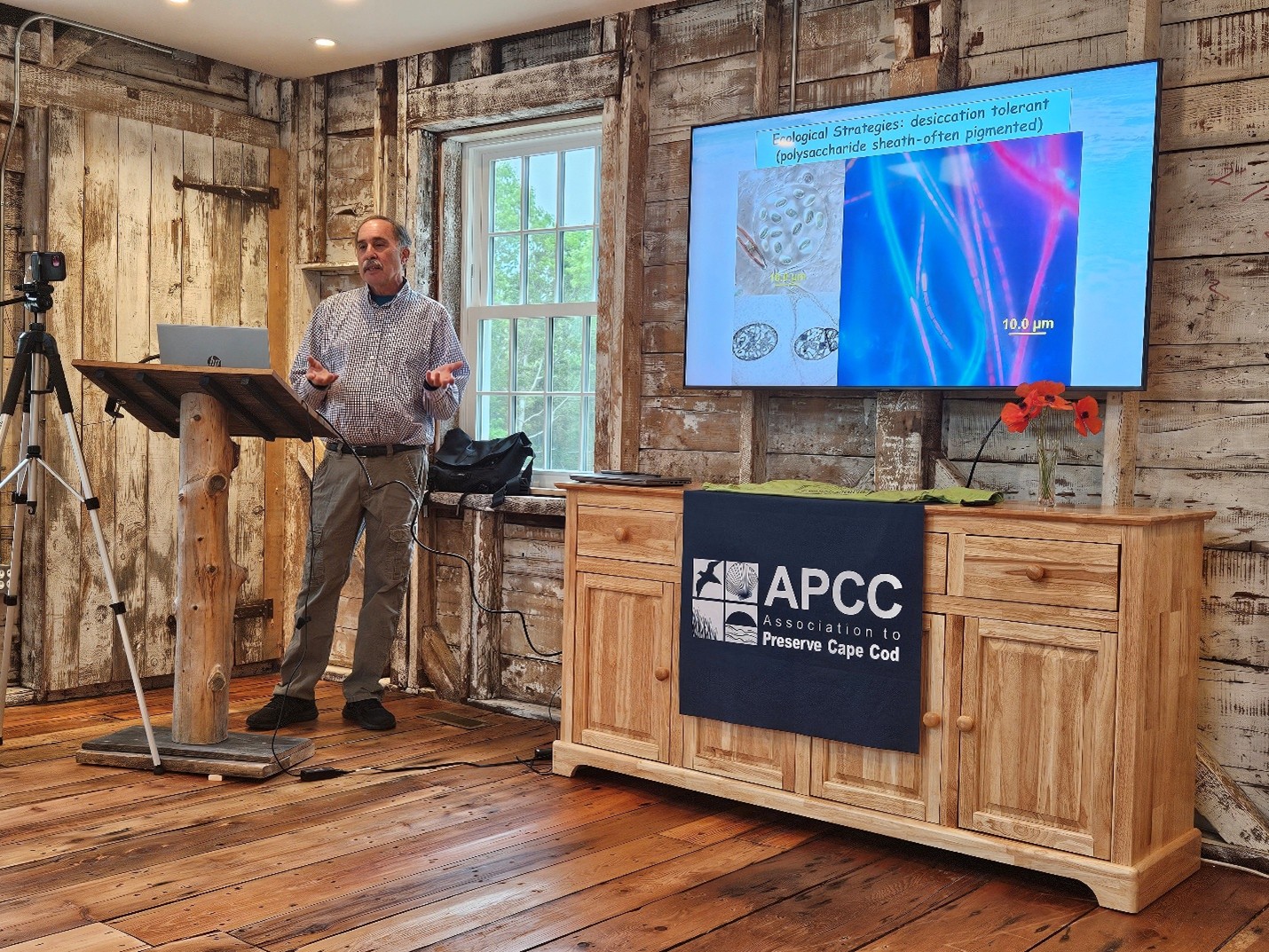
APCC hosted Dr. Barry Rosen of Florida Gulf State University, who introduced cyanobacteria by describing the many processes that these fascinating single-celled organisms developed since they appeared on the planet over 3.5 billion years ago. Cyanobacteria strategies for success include special pigments for absorbing light, gas vesicles for buoyancy, nitrogen fixation, and shapes that reduce grazing pressure. In addition, he introduced the different types of cyanobacteria toxins, how they affect people and animals, and which genera are known to produce them.
|
Above: Dr. Rosen gives interns a lesson on microscopy in the pond program workspace in the Koppel Center. |
Ecosystem Restoration Program |
Above: MassWildlife biologist Adam Kautza electrofishes the Childs River (left); taking a length measurement of a captured brook trout (middle); Steve Hurley holds a brook trout (right). |
Tracking Recovery:
Ongoing Monitoring of the Childs River Restoration
This past week, APCC staff joined Adam Kautza and his team from MassWildlife, along with a group of volunteers, for the bi-annual electrofishing survey of the Childs River in East Falmouth. Among the group was retired state fisheries biologist and current APCC board member Steve Hurley, whose decades of work have helped shape brook trout restoration across the region. While the survey didn’t turn up large numbers of brook trout, there was a strong showing of untagged one-year-olds. These young fish point to successful spawning in recent years—clear evidence that trout are not only surviving, but continuing to reproduce in the river.
The Childs River, which flows through Falmouth and Mashpee into Waquoit Bay, has long been shaped by human activity. Over the past two centuries, industries such as milling and cranberry farming supported local livelihoods and defined the landscape. These uses, while important to the region’s history, also altered the river’s natural flow—introducing dams, ditches, and water control structures that gradually fragmented habitat and reduced stream connectivity. These changes contributed to declines in native species, including the once-thriving sea-run brook trout.
The restoration of the Childs River, completed in fall 2021, was spearheaded by the Falmouth Rod and Gun Club, whose leadership and vision were instrumental in launching the effort. Working with APCC, and many other partners, the club helped guide a project that removed barriers to fish passage, rebuilt the river channel, replaced the undersized Carriage Shop Road culvert, and reconnected wetlands and floodplains. The goal was to restore coldwater habitat, support fish passage, and improve the river’s long-term ecological resilience.
Now, after four years of post-restoration monitoring, results are positive. Brook trout have responded quickly, with signs of successful spawning and multi-year survival. Data from water sampling and fish surveys point to improved streamflow, cooler temperatures, higher dissolved oxygen levels, and better spawning substrate. Native wetland plant diversity has also increased—another key indicator of ecosystem recovery.
Later this summer, APCC and partners will release a detailed three-year monitoring report, funded by the Massachusetts Division of Ecological Restoration, sharing findings on fish populations, water quality, and habitat conditions. The report will highlight not only the return of brook trout, but also the broader ecological gains made possible through this long-term investment in river restoration. |
Above: Crews planting native plants in the bioretention area at Scargo beach. Photo by Gerald Beetham |
Planting at Scargo Lake
Last week, crews completed planting at Dr. Lord’s Road Scargo Lake town beach as part of the green stormwater remediation project taking place. Native vegetation was installed in the bioretention area and around the new porous pavement parking lot. The bioretention area (an engineered rain garden), along with porous parking area, were designed to filter and manage stormwater runoff. The plants will help stabilize soil, enhance the removal of pollutants, provide habitat, and support pollinators.
A diverse mix of native grasses, shrubs, and trees were planted, including sweetfern, little bluestem grass, rose milkweed, silky dogwood, and northern bayberry. All species are native to Barnstable County and were carefully selected to thrive in this environment.
Construction at this site was completed by J.W. Dubis & Sons with planting by the subcontractor, O’Leary Landscaping. The town of Dennis and Horsley Witten Group engineers provided oversight and their technical expertise, while APCC’s restoration team provided project and grant management. This project has been funded by the Massachusetts Office of Coastal Zone Management Coastal Habitat and Water Quality Grants, a private foundation grant, the town of Dennis, and the MassBays National Estuary Partnership. |
Above: Crews planting native plants in the bioretention area at Scargo beach. Photo by Gerald Beetham |
|
|
Counting to the Finish: Why Late-Season Data Matters
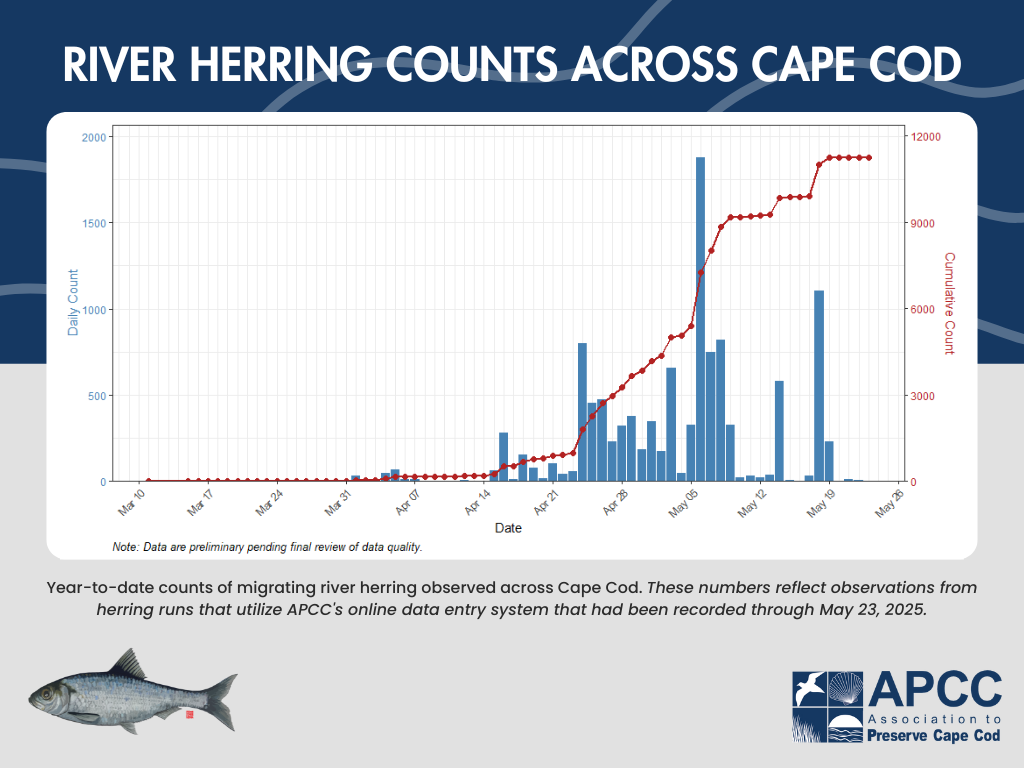
River herring migrations are still underway across Cape Cod, but the pace has noticeably slowed. After weeks of strong upstream movement by alewives and blueback herring, the activity in many rivers has diminished—a clear sign that the peak of the spawning season is behind us. More recently, volunteers have begun to observe adult herring moving in the opposite direction, returning to the sea after completing their journey to spawn. These out-migrations mark the beginning of the end for this year’s run.
Still, the work is far from over. Counting to the finish means seeing the season through—not just recording peak days when fish are abundant, but also documenting the quieter days that follow. Low or zero counts may not seem eventful, but they’re vital to building a full picture of run timing and run size. These late-season observations help determine when the migration truly ends and allow us to refine our estimates for each river system.
Volunteers are encouraged to continue monitoring through June 15—or until your run coordinator gives you the signal to stop. Maintaining consistent data collection during this final stretch ensures that we don’t miss late-moving fish or misjudge the duration of the run. Every shift, no matter how uneventful, adds valuable information that contributes to our long-term conservation and management goals. To all the volunteers who have helped make this monitoring season a success—thank you. Your efforts, whether during the height of the run or at its quiet close, are critical to protecting and restoring these iconic fish and the ecosystems they support. We’re nearly there—let’s count to the finish, together! |
|
|
Pond Weed Watchers Workshops Scheduled |
Learn how you can help prevent the spread of invasive weeds
in Cape Cod’s freshwater ponds.
To support our pond groups, APCC is hosting two freshwater aquatic plant identification workshops that will be conducted by a representative of the Massachusetts Department of Conservation & Recreation (DCR) Lakes and Ponds Program. The first is in June; the same workshop will be repeated in July. Each session is limited to 20 people. Where: The Koppel Center at APCC's headquarters 482 Main Street (Route 6A), Dennis 02638
When: Friday, June 13th, 10:00 a.m. - 12:00 p.m.
OR Friday, July 18th, 10:00 a.m. - 12:00 p.m. This workshop is designed to assist and encourage local pond groups to monitor their ponds for the presence of invasive plants and to develop a removal plan if an infestation is found. Early identification and intervention of invasive plant species is key before it becomes established in a lake or pond.
Seating is limited. Registration required. |
Another Pond-related Workshop, Hosted by APCC |
|
|
|
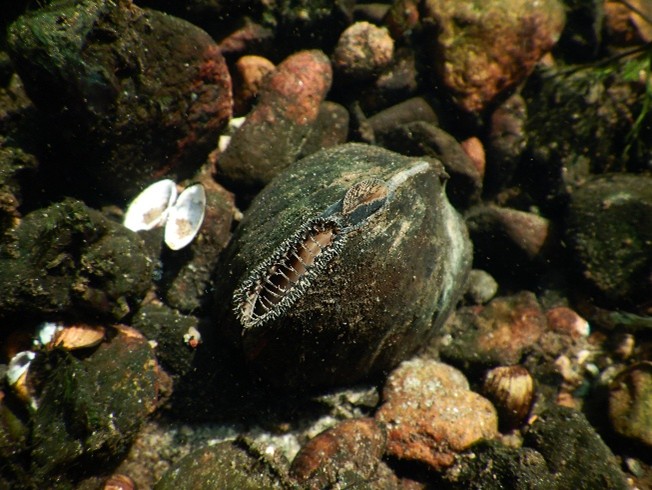
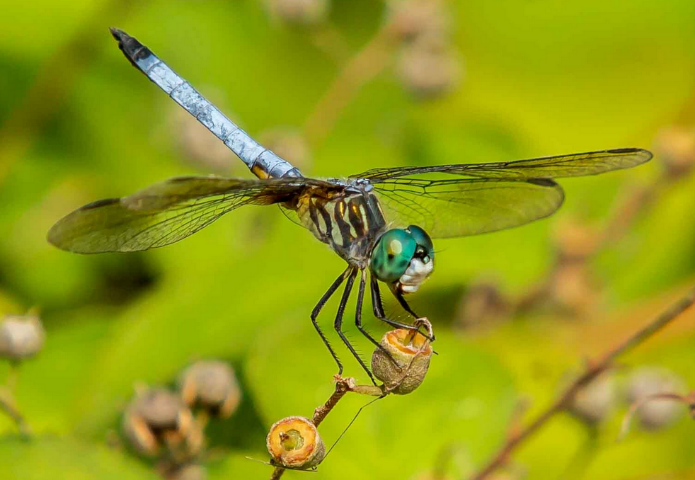
Mussels, Dragonflies, and Damselflies
with Jason Carmignani, Ph.D., aquatic ecologist, Natural Heritage & Endangered Species Program, Mass Division of Fisheries & Wildlife Friday, June 27th 10:00 – 11:30 a.m. This is a hybrid event at APCC’s headquarters at the Koppel Center 482 Main St (Rte 6A), Dennis 02638 Seating is limited, but our virtual attendance is unlimited.
Registration required. |
|
|
What do mussels, dragonflies and damselflies have in common? They all are inhabitants of freshwater ponds and are bioindicators of pond health. They also all have wild and crazy life cycles! Join us for this expert’s presentation where he will reveal the watery world of these creatures. And get answers to questions, such as: How many different kinds of freshwater mussels can be found on Cape Cod? What’s a dragon versus a damsel and which ones are common and threatened on Cape Cod?
This event is brought to you as part of APCC’s Cape Cod Pond Watcher’s Bio-survey Program, that encourages you to visit a pond near you and take some time to observe and report your findings. As a citizen scientist, the data will serve to provide greater knowledge of the biology of the Cape’s some 890 freshwater ponds. |
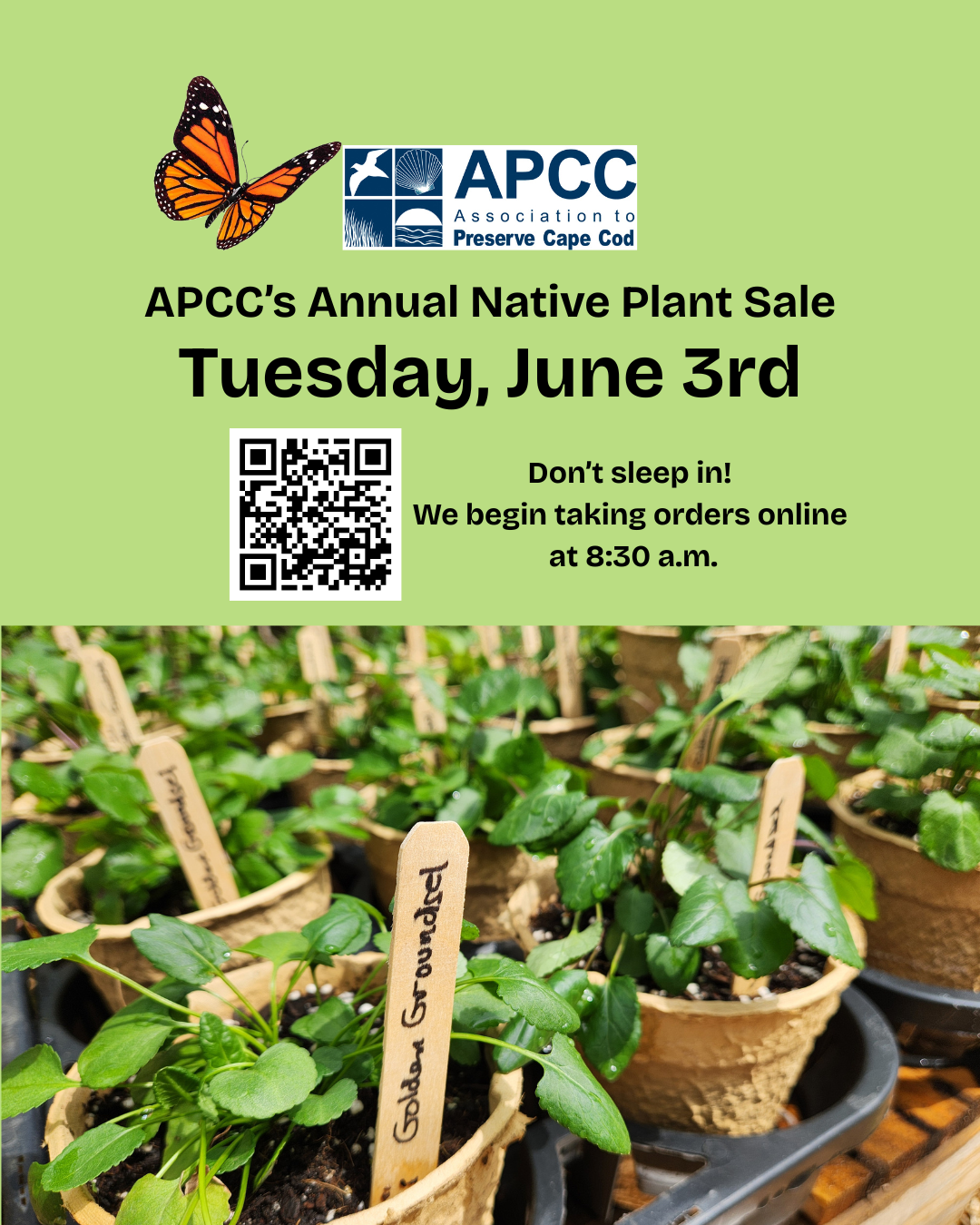
Get ready... APCC's ANNUAL PLANT SALE goes live on Tuesday, June 3rd at 8:30 a.m. |
Online orders only.
Pickup by appointment at APCC’s headquarters, 482 Main St, Route 6A, Dennis 02638 CLICK HERE for the list of species Perennials are 1-quart size pots
$10 each plus MA sales tax. Payment accepted at time of pickup: Credit Card, Apple Pay, Cash, Check accepted. Pickups will be scheduled for Wednesday, Thursday, and Friday (June 4 – 6) during our office hours: 8:30 a.m.– 4:30 p.m.—only. |
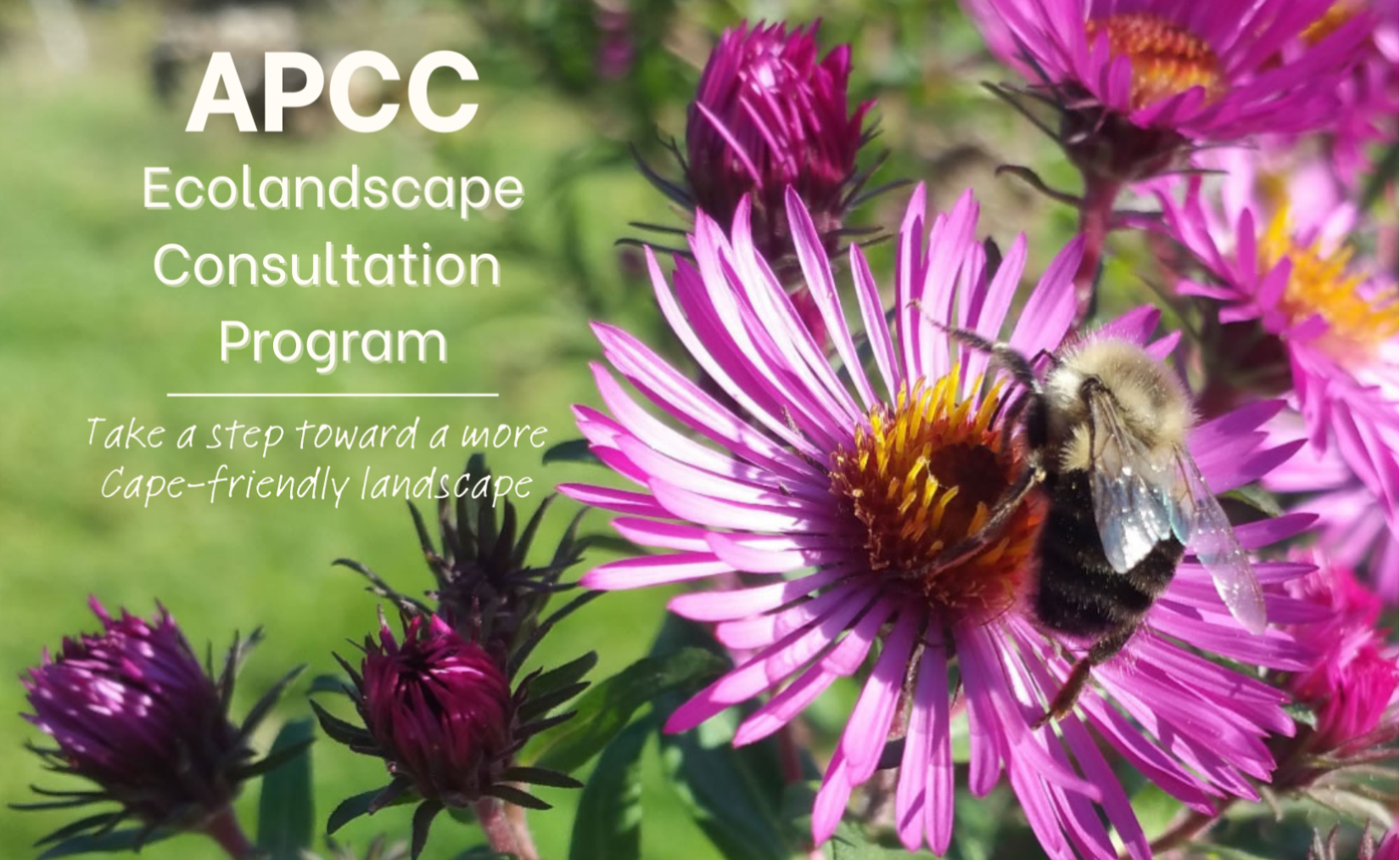
Ecolandscape Consultation Program |
|
|
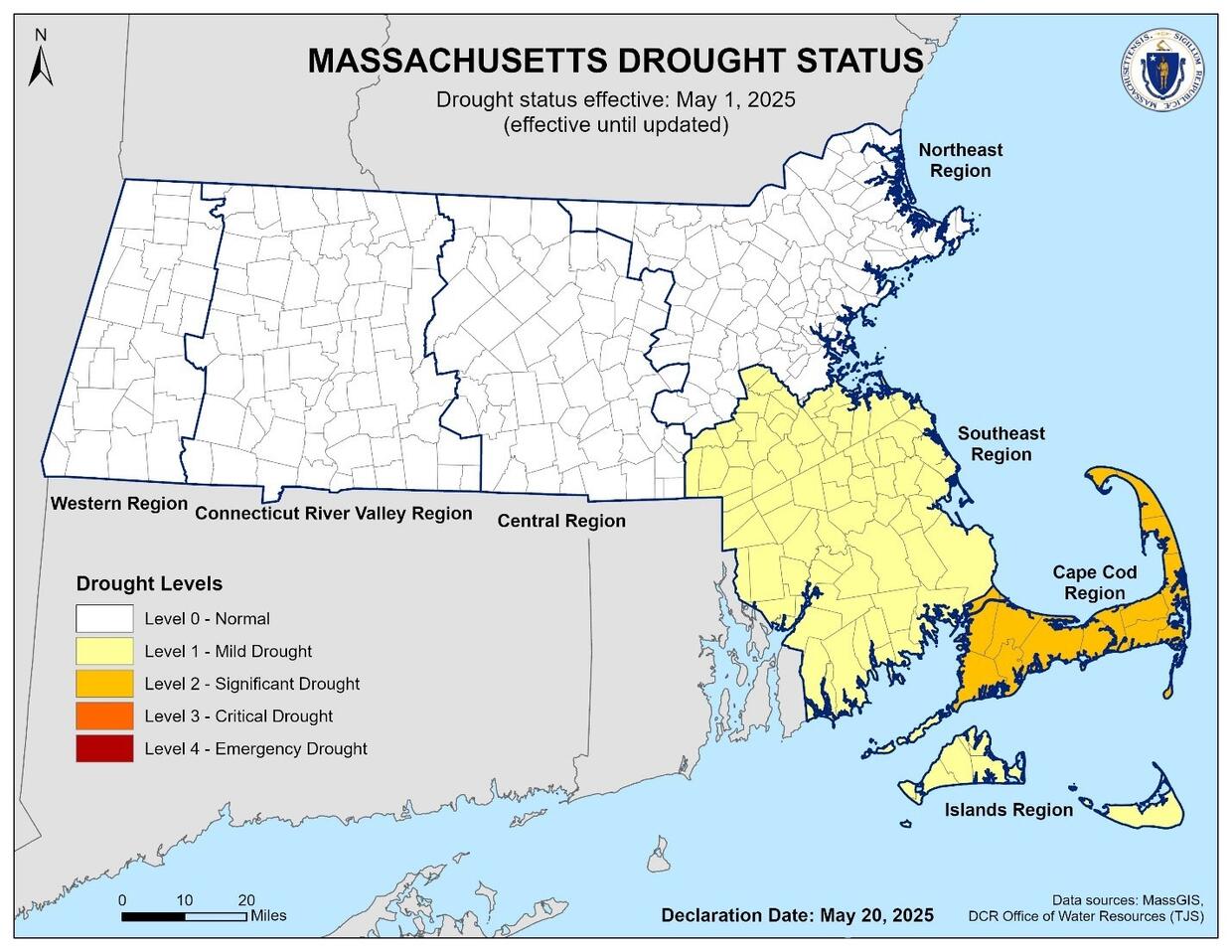
Drought Status for Cape Cod - Level 2, Significant Drought |
As of May 20th, the commonwealth has announced that Cape Cod remains in a level 2 significant drought. Our groundwater levels are still low and largely depend on replenishment from precipitation in the fall and winter months, so we may be in this for the long haul. The message is: Do your best to conserve water—it's always a good idea.
Steps you can take: - Minimize overall water use and be particularly mindful of indoor water use.
-
Follow local water use restrictions for outdoor usage.
- Fix indoor leaks, such as from toilets, faucets, and showers, which result in more than 60 percent of indoor use;
-
For larger buildings and businesses, conduct water audits to identify areas of leaks and potential water conservation opportunities.
- Avoid washing of hard surfaces (sidewalks, patios, driveways, siding); personal vehicle or boat washing.
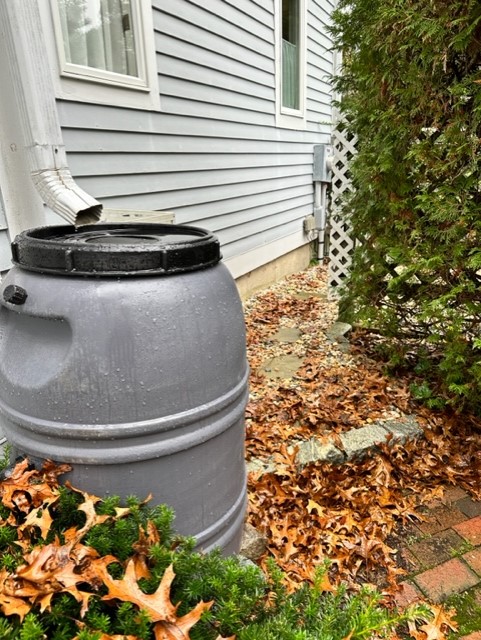
- Harvest rain from your gutter downspout with a rain barrel or several rain barrels.
|
If you are a farmer or someone who wants to grow native plants to sell, or just want to be updated on the program's development, please submit an interest form that appears on our webpage. We will be sending periodic email notices of workshops and meetings.
Funding for the project is provided by Barnstable County and its Economic Development Council License Plate Grant Program through the Cape Cod Commission. |
|
|
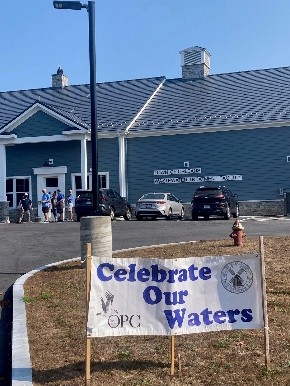
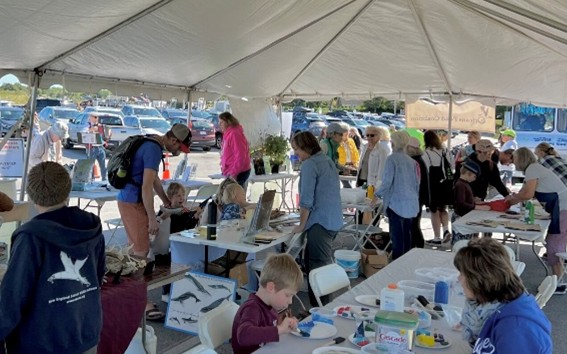
Friday, 3:15 – 5:00 p.m. - 30-minute tours of the Orleans’ new state of the art wastewater treatment facility. Space is limited and pre-registration is required. This is a great opportunity to learn more about how our town is working to protect our waters. Saturday, 9:30 a.m. to 12:30 p.m. - ‘Under the tent’ in Depot Square at the corner of Old Colony Way and Main St., across from the Hot Chocolate Sparrow. The theme is water quality and testing. Learn more about our waters. Come see the scope of testing programs performed by many dedicated organizations and hands-on demonstrations of testing tools and devices.
Partners under the tent include: the Friends of Pleasant Bay, the Marine and Fresh Water Quality Committee, the Shellfish/Waterways Committee, the Association to Preserve Cape Cod, the Center for Coastal Studies, Silent Spring/STEEP, the Mass Oyster Project, the Orleans Open Space Committee, Pollinator Pathway Cape Cod, Old Ladies Against Underwater Garbage, and the Nauset Regional High School Green Club. We are also pleased to welcome Orleans Eco-Art, which will offer fun, creative and eco-friendly activities for families.
|
|
|
|
Native Plants and Pollinators |
Saturday, June 7th, 9:00 a.m. - 11:00 a.m.
Kristin Andres, APCC's associate director for education, will take us on a journey through the natural world, uncovering a hidden life of insects that you didn’t know existed, but that drives our ecosystem. The insect world includes specialists and generalists that together form the foundation of our food web; by ensuring that we provide the native plants they need, we gain better food production as well as more beauty in the garden.
Hosted by Resilient Roots at Fuller Farm. |
|
|
|
Harwich Ponds Coalition ~ Protecting and advocating for Harwich ponds and freshwater resources Annual Kickoff Meeting Saturday, June 14, 10:00 a.m.
at the Harwich Community Center |
|
|
Guest speakers on our expert panel represent the following organizations: - APCC
- Harwich Conservation Trust
- Town of Harwich
- Conservation Department
-
Board of Health
- Dept. of Natural Resources
Come join us and learn more about how you can make a positive impact on our ponds—starting with our Pond Pledge! |
|
|
A Cape-wide Conservation Event Calendar |
|
|
The Compact of Cape Cod Conservation Trusts (“the Compact”) and its nonprofit members launched a new regional calendar of events. The Conservation Calendar includes programs across Cape Cod hosted by these groups. The goal of the calendar is to encourage visitors and residents to take part in nature and environmental events. You can always find the link to the calendar on APCC's website under News & Events.
|
|
|
A Cape Cod Native Plant-selector
~ to help you choose the perfect native plants for your garden. |
|
|
Email kandres@apcc.org and we'll send you a CapeCodNativePlants.org decal. |
| King Solomon's Seal
Polygonatum biflorum |
|
|
The Guidelines gives homeowners steps they can take in the design and maintenance of their properties that will support pollinators and birds, manage stormwater, conserve water, and protect the Cape's water quality. This 40-page booklet is beautifully illustrated by Marcy Ford with content that is easily digestible and supported by numerous resources for additional learning.
|
We are grateful for the several retail shops that are partnering with us to make this publication more widely available: Brewster Book Store, Birdwatchers General Store, Crocker Nurseries, Wellfleet Audubon Wildlife Sanctuary, Cape Abilities Farm, Cape Cod Museum of Natural History, the Cape Cod Lavender Farm, Heritage Museums and Gardens, Titcomb's Bookshop, Sea Howl Bookshop, Soares Flower Garden Nursery, and Eight Cousins Bookshop.
If you are a retailer and would like to sell this publication at your store, please contact us. |
|
|
APCC caps
$25 -includes USPS deliver in the U.S. |
|
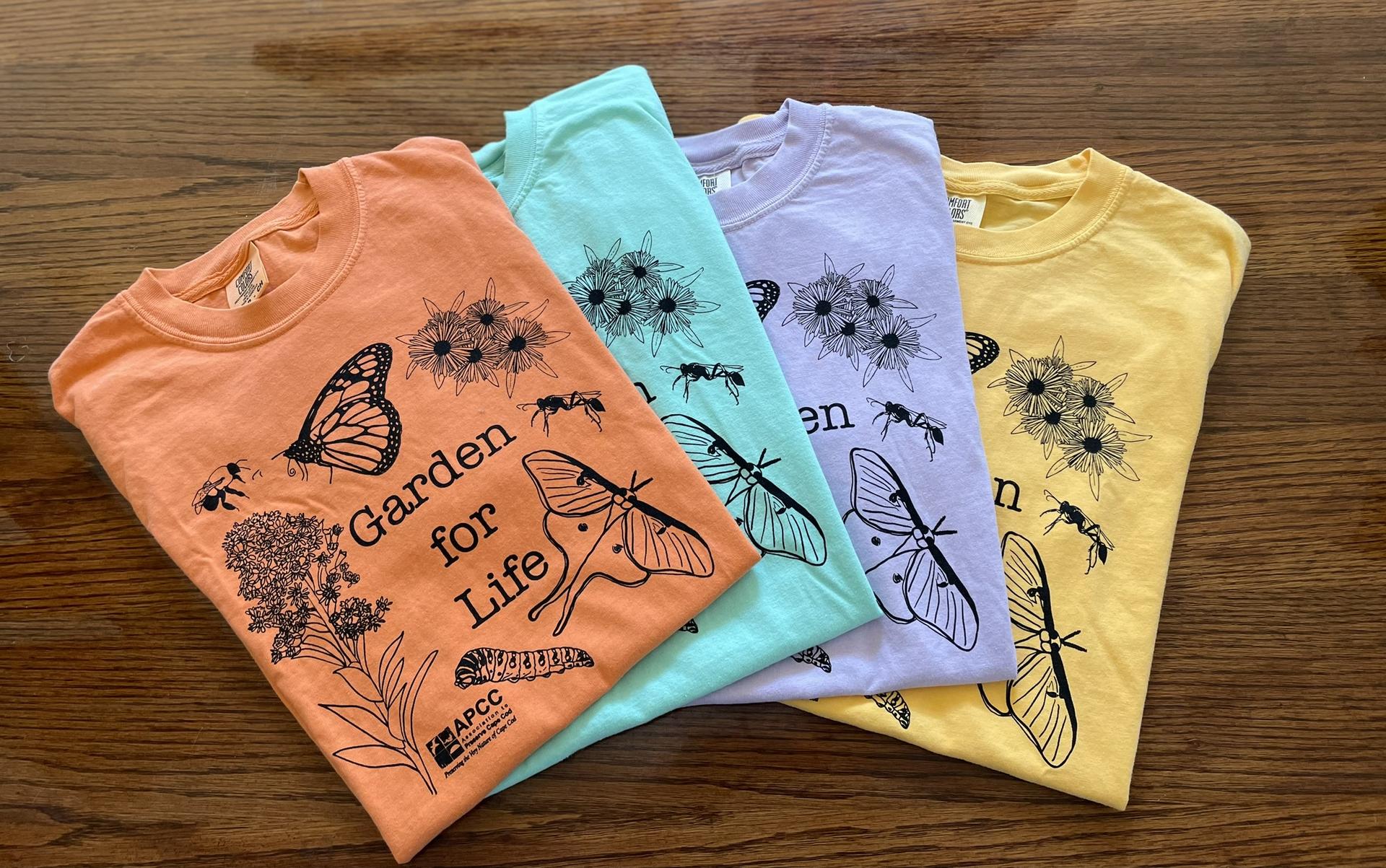
Garden for Life T's
$30 -includes USPS delivery in U.S. |
|
|
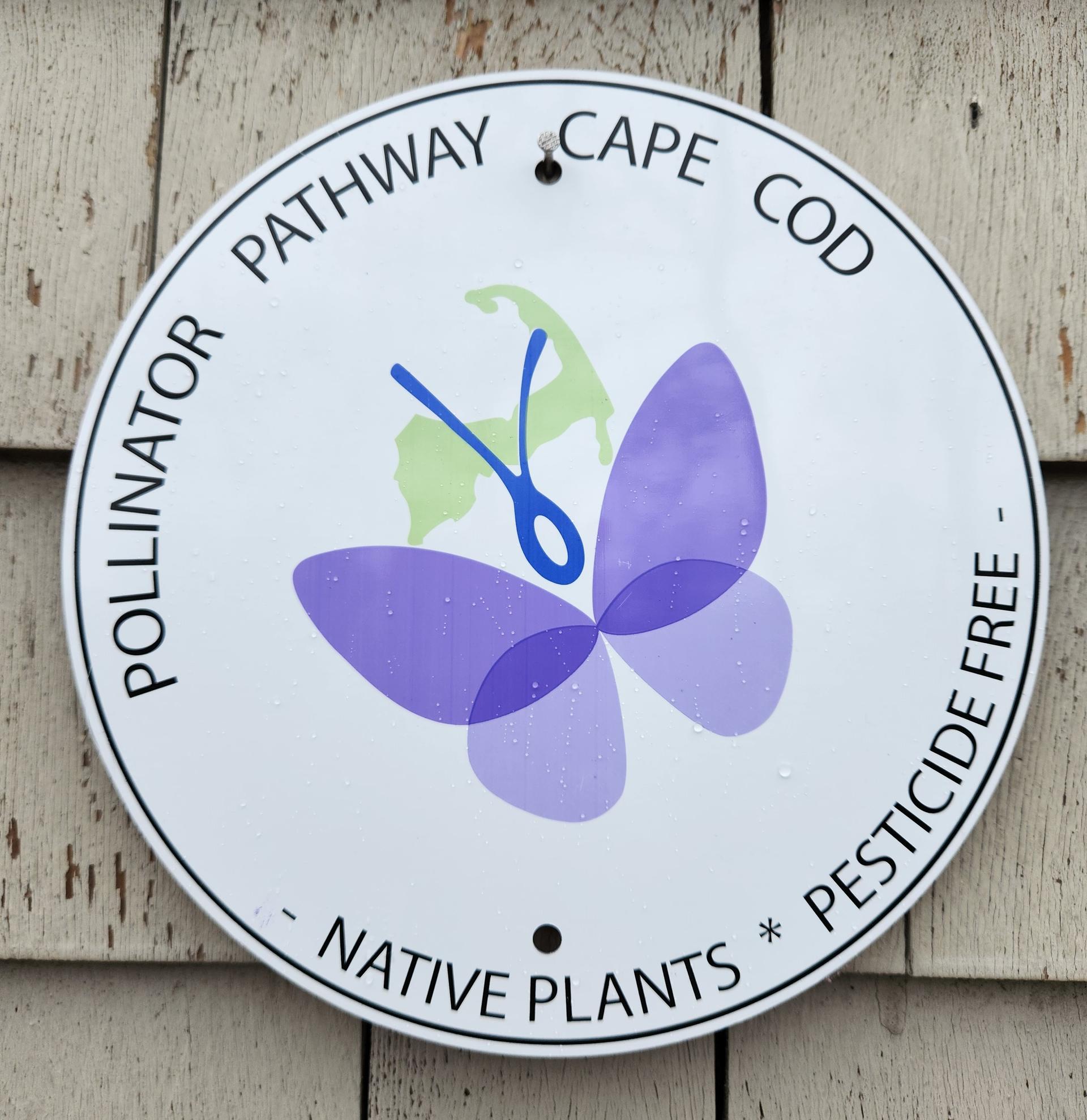
The Pollinator Pathway Cape Cod is a group of organizations promoting native plants and pollinator-friendly land care practices to create a boat load of safe oases for our native bees, butterflies and a whole host of other pollinators that are crucial to the health of our ecosystems.
Join us! It's easy. There are no fees. You just need to pledge to ADD native plants, SUBTRACT a little lawn, AVOID yard chemicals, especially pesticides, and LEAVE the leaves. And, help us spread the word. Please get on the map to show your support of pollinators on Cape Cod!
You can purchase the 9-inch aluminum Pollinator Pathway Cape Cod sign at Hyannis Country Garden, Crocker Nurseries, Brewster Book Store, Orleans Conservation Trust, and Cape Abilities Farm.
If you are a retailer, and you would like to sell the signs, you can order online here, or email pollinators@apcc.org. |
| |
| Rain Barrels for Cape Cod
Order online from Upcycle Products $122 each includes shipping to your door 55 gallon, repurposed food barrels Keep a barrel out of a landfill, and capture some free rainwater. APCC receives a portion of the proceeds. For more information, click here. |
|
|
|
APCC eNewsletters.
Our weekly newsletters are archived on our website and easily shared.
You can find past newsletters and share with your friends. Encourage others to sign up for future enewsletters HERE.
|
|
|
Are you thinking of going solar? We hope so!
In partnership with E2 SOLAR in Dennis, APCC receives $500 for every solar installation when APCC is named as referral. |
|
|
| Thank you to the homeowners who just contracted to install solar panels through E2 Solar.
May the sun always shine for you! |
|
|
Expressions Gallery, 578 Main Street, Chatham CLICK HERE |
Expressions Gallery donates 20 percent of its profits to APCC's work. |
|
|
Thank you to our business sponsors! |
|
|
APCC is rated four stars by Charity Navigator, 2023 Platinum by Candid (formerly Guidestar), and 2024 Top-Rated by GreatNonprofits. |
|
|
Our Contact Information
*{{Organization Name}}*
*{{Organization Address}}*
*{{Organization Phone}}*
*{{Organization Website}}*
*{{Unsubscribe}}* |
| |
|
|