Association to Preserve Cape Cod |
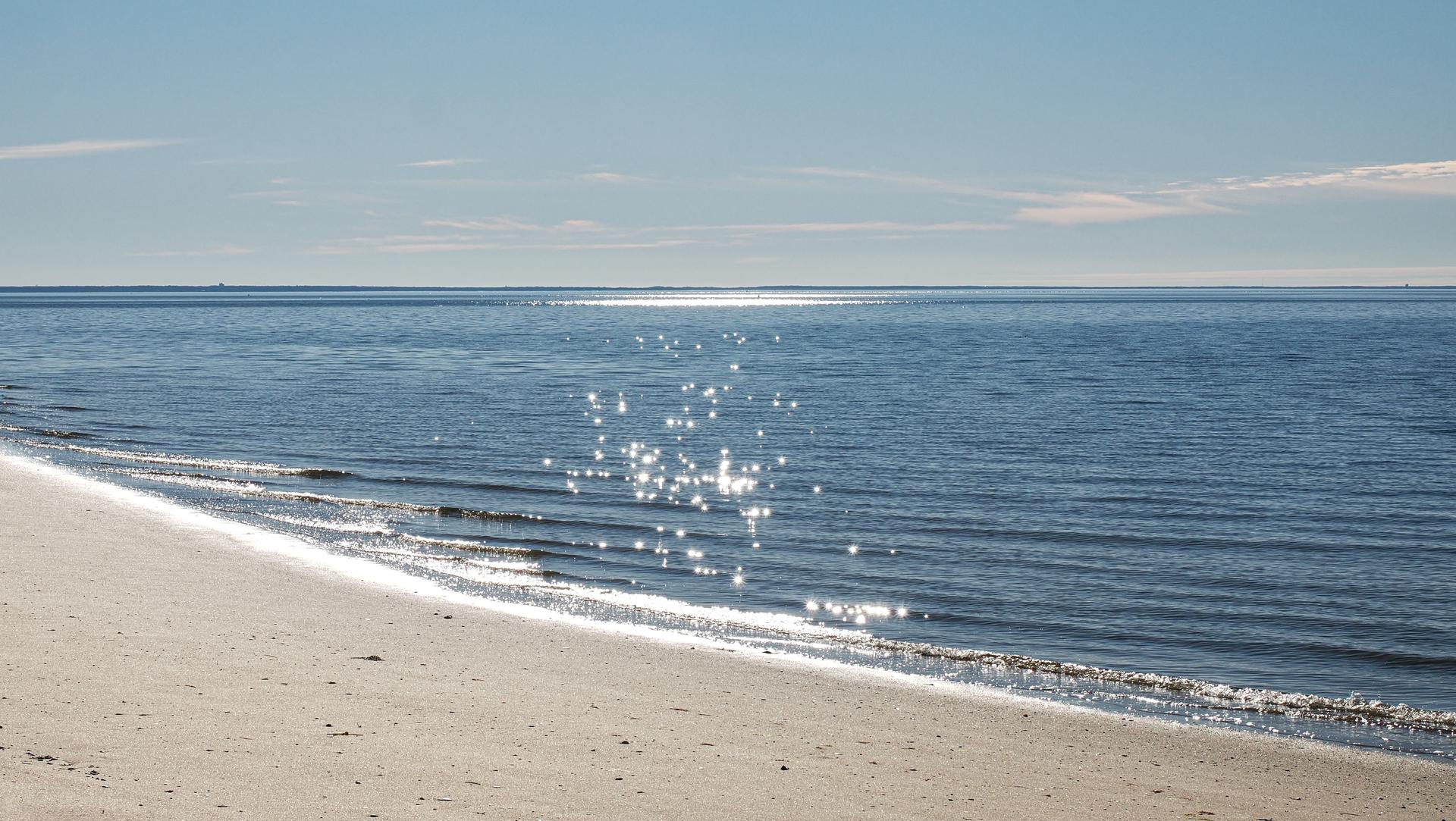
Above: Photo by Sue Machie |
|
|
| The Cape is Different by Andrew Gottlieb, Executive Director |
The headline around the Healey administration's release of its housing plan is that Massachusetts needs to create almost a quarter million homes to address a chronic housing shortage. That’s a lot of housing. On its face, this is a call to build our way out of a housing problem that is currently a drag on our economy, and which will have a greater impact the longer it remains unaddressed. But, as with all complex public policy matters, one-size-fits-all solutions are rarely the answer. There are a lot of layers to this issue, and the root causes of housing scarcity—and therefore, the solutions—vary by region.
|
|
|
Simply put, the assessment and proposed plan do not lead one to the conclusion that Cape Cod should try to build its way out of the affordable housing problem we face. In fact, a strategy that focusses exclusively on creating additional housing will increase many of the existing problems the Cape confronts: poor water quality, excessive traffic, fragmented critical habitats and a loss of open space. A build-our-way-out-of-it strategy will exacerbate, not solve, the affordability problem.
For Cape Cod, the takeaway is not that there aren’t enough housing units, but that the conversion of what had been year-round units into luxury seasonal housing for non-year-round residents and short-term rentals has distorted the market. Housing policies should be focused on targeting these trends instead of promoting the volume of new housing construction that is more appropriate in other the areas of the state.
The primary task to address the needs of the Cape is to preserve the affordability of our existing starter home stock and take steps to ensure that is available to the year-round resident. The problem here is that it is no one’s job on Cape Cod to develop and implement a strategy that preserves and makes more readily available the year-round housing stock the region requires. That needs to change, as it has in other places like Aspen that face similar distorted housing markets like ours.
The time has come to solve our housing problem by committing to preserving the affordability of the housing already built instead of pretending that more building will solve our problems. It never has on Cape Cod, and repeating the errors of our ways does not offer much hope of a better outcome for either those in need of affordable housing or the environment. |
Federal Funding Update: APCC was finally able to access the federal payment system to begin to draw down NOAA grant funds contractually obligated to APCC. Access to the payment system immediately followed a federal court ruling that the administration was out of compliance with a prior court ruling ordering contractually obligated funds to be released. However, the administration has appealed the order, so reinstatement of the freeze remains the administration’s clear intent. While pleased to be able to be paid for work legally authorized, APCC remains concerned about the administration’s commitment to honoring these long-term project contracts and will proceed cautiously until the court and political proceedings play themselves out. |
APCC Ecosystem Restoration Program |
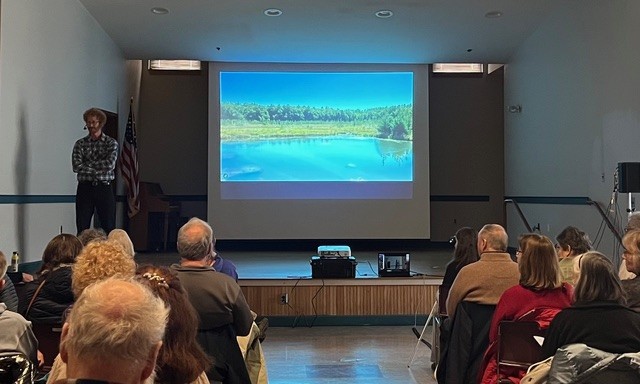
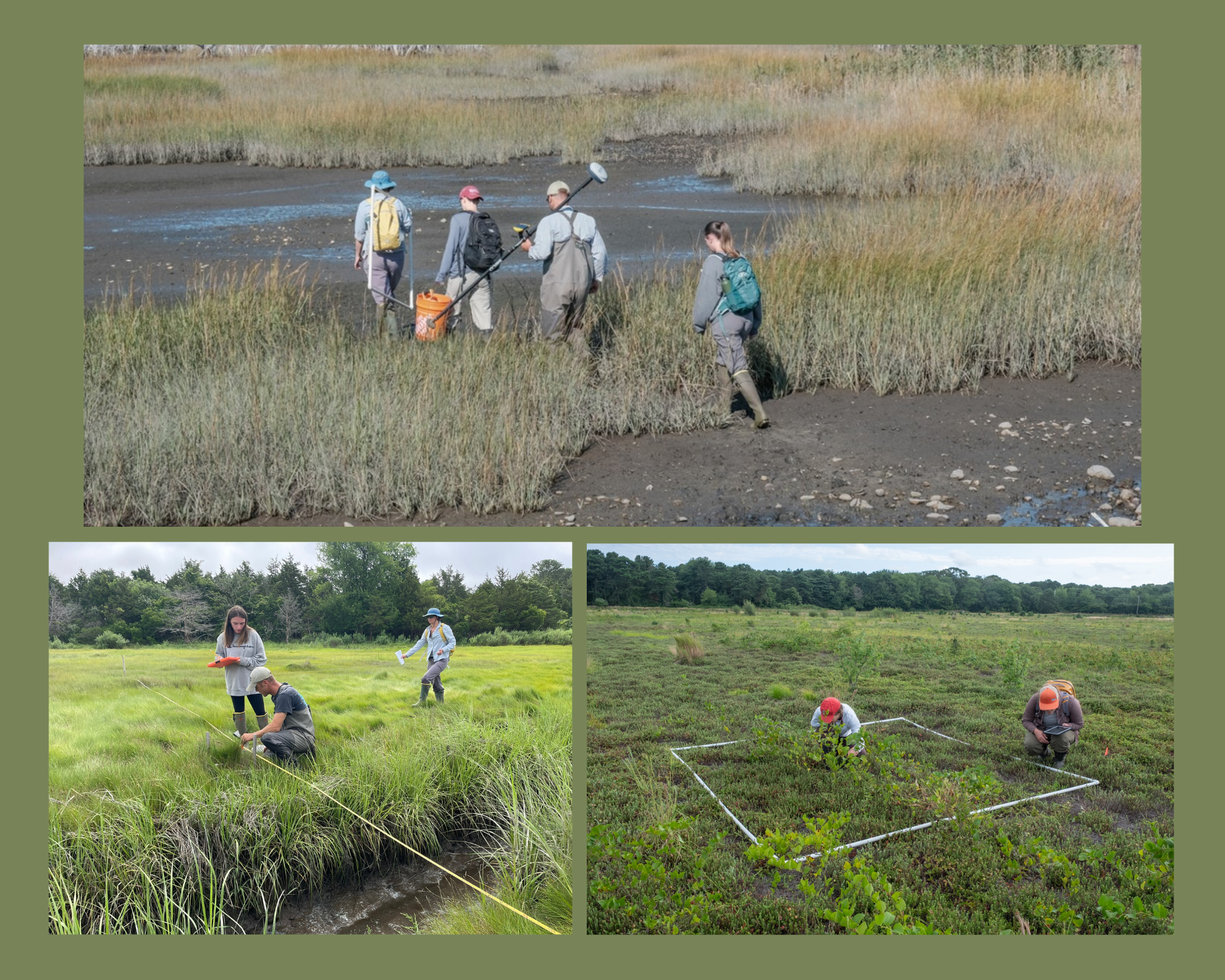
A dusting of snow outside the Harwich Community Center provided a stark contrast to the vibrant discussion within, where a packed house listened intently as Nick Nelson outlined a vision for the Hinckleys Pond–Herring River Headwaters Project. Nelson is a respected leader in river and aquatic ecosystem restoration with Inter-Fluve, the contracted engineering firm. Nick presented a compelling case for a holistic and multi-objective approach to the eco-restoration of retired cranberry bogs, one that addresses a range of community needs while revitalizing a vibrant natural ecosystem.
The project, a partnership between the Harwich Conservation Trust, Inter-Fluve, the Brown family, APCC, and other key stakeholders, tackles the complex challenge of rewilding the former cranberry bogs bracketing Hinckley's Pond. Nelson explained how projects such as this one offer alternatives for cranberry farmers looking to exit the business due to market volatility and the increasing pressures of a changing climate to restore a retired bog to a more functional natural wetland. Ecological restoration, he argued, provides a viable and beneficial pathway for those seeking to transition from the industry, allowing them to preserve their land while simultaneously contributing to the health of the ecosystem. But the project's ambitions extend beyond simply returning the land to its natural state.
Nelson emphasized the importance of designing an eco-restoration project to meet a variety of objectives. On Hinckley's Pond at the headwaters of the Herring River, this includes not only restoring vital wetland functions and increasing nitrogen uptake—crucial for improving water quality—but also creating all-abilities access to the natural beauty of the area. He explained how these seemingly disparate goals can be integrated through careful planning and design, creating a space that is both ecologically healthy and accessible to all members of the community. This multifaceted approach maximizes the project's benefits and ensures its long-term relevance.
Nelson also addressed the important task of managing public expectations, particularly during the often-disruptive construction phase. Using the nearby Cold Brook restoration as a case study, he illustrated how the initial stages of such projects, with their heavy machinery and significant landscape alteration, can appear visually jarring. Nelson stressed clear communication and public engagement to maintain community understanding and support. He emphasized that ecological restoration is a journey, not an instant fix, and transparency about the necessary, even less aesthetically pleasing, steps is critical for long-term success.
The project has been financially supported from multiple sources, including the Harwich Conservation Trust, which received funding from the Southeast New England Program, U.S. Environmental Protection Agency through an agreement with Restore America’s Estuaries, and the Brown family. APCC has provided funds received from private foundations and a federal grant (award NA24NMFX463C0065-T1-01) from the NOAA Restoration Center, U.S. Department of Commerce. Due to the federal funding freeze, both sources of project support are on hold, putting the project in jeopardy.
For those who missed the presentation, it can be viewed here. |
You speak up and your elected officials respond! To date, a big thank you to Sen. Fernandes, Rep. Vieira, Rep. Xiarhos, and Rep. Luddy, who have signed on to cosponsor the state bill, An Act Restricting the Use of Rodenticides in the Environment.
The bill has been filed in the House by Rep. James Hawkins (HD.1721) and Senate by Sen. Michael Moore (SD.1447). These bills would phase out the use of second generation anticoagulant rodenticides (SGARs) in Massachusetts, and need support from as many legislators as possible to gain some momentum. Ask your legislator to cosponsor the bills.
|
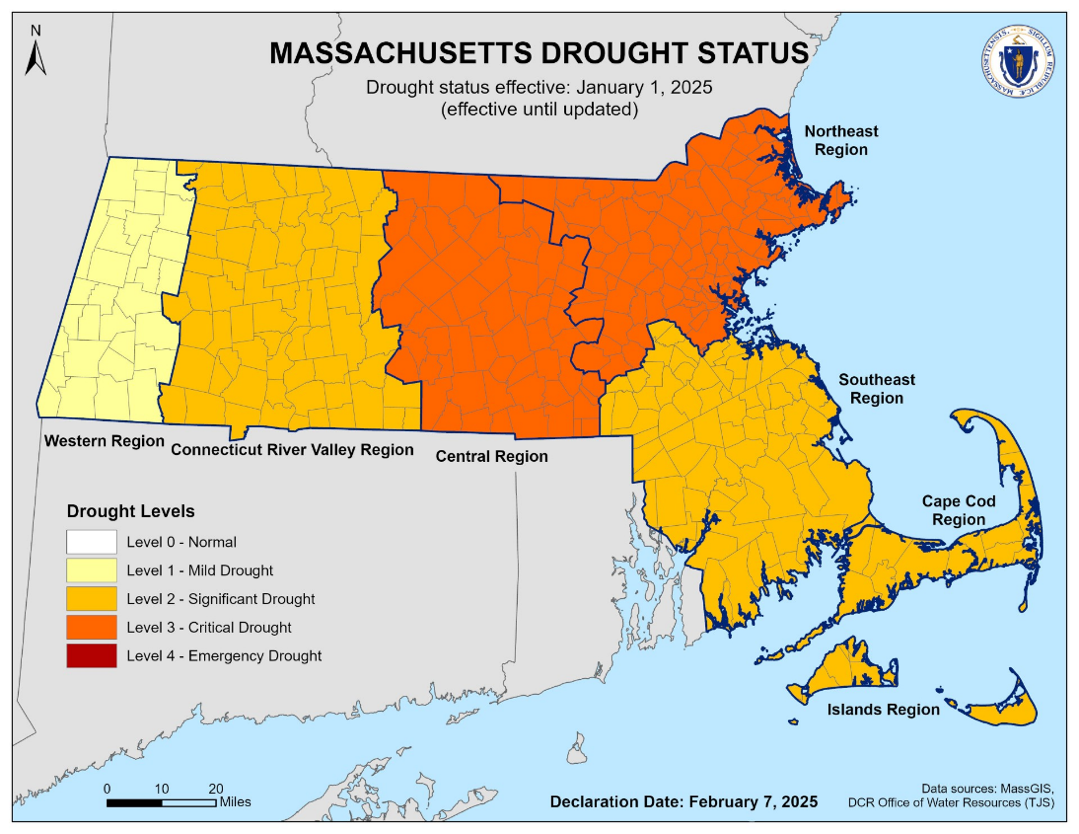
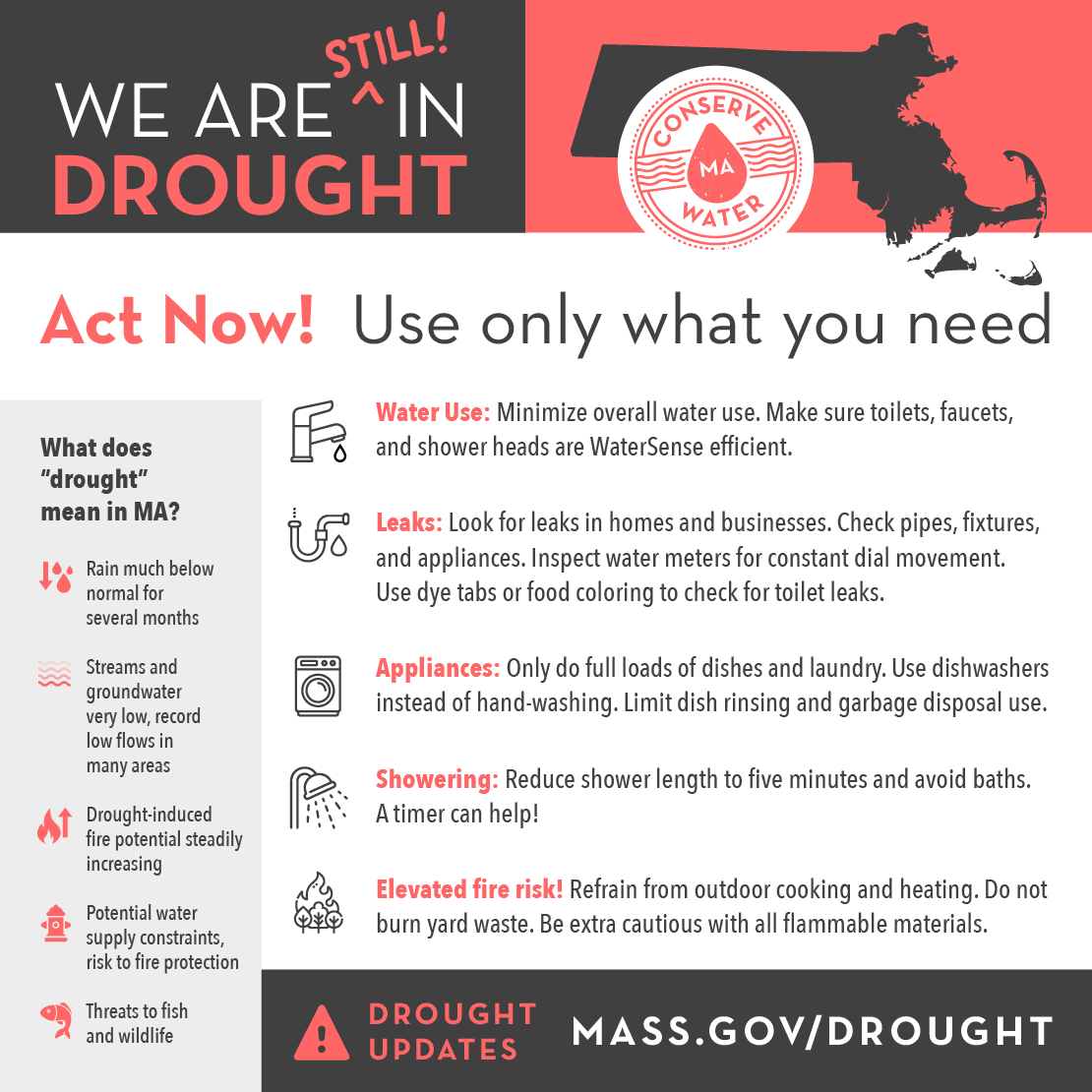
Believe it or not, we are in a Level 2 – Significant Drought! |
APCC visits with students at the annual Youth Climate Summit |
|
|
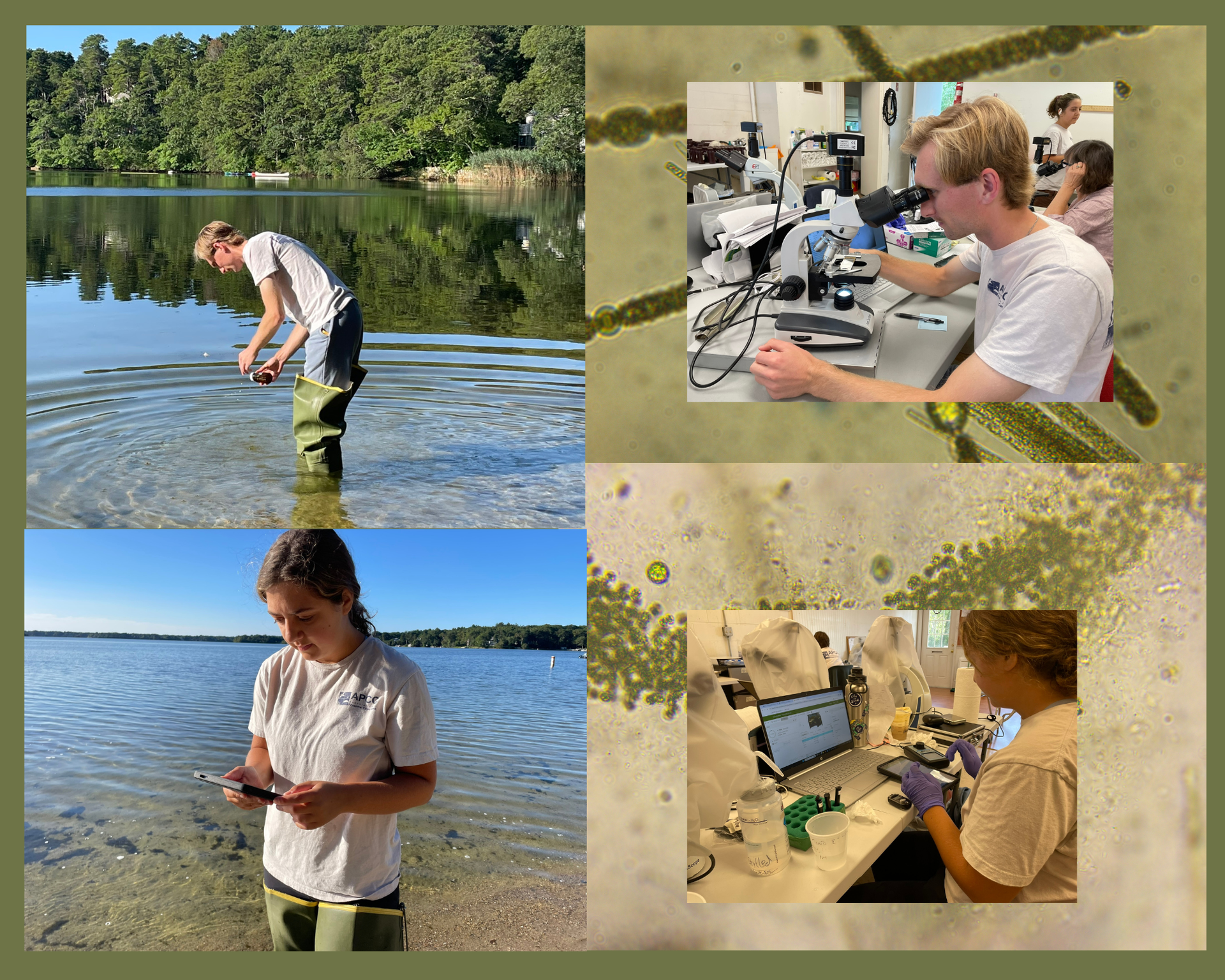
Last week APCC staff members, JT Percy, Lynn Francis, and Dee Marsh, attended the Mass Audubon's Youth Climate Summit Cape Cod in Harwich, MA. The youth climate leaders welcomed 70 students from across Cape Cod for the annual event. Lynn and JT talked with students about their work with APCC's Cape Cod Freshwater Pond Program, and the data that provides APCC with information that will help us support the health of Cape Cod's water resources.
The annual summit provides a great opportunity for students to gain a better understanding of climate science, strengthen their leadership skills, and work alongside passionate changemakers to protect biodiversity across all ecosystems.
The summit included a keynote address from Massachusetts State Senator Julian Cyr on the importance of youth engagement in climate policy, followed by a full day of activities where teens explored topics like coastal resilience, sustainable housing, and community-based climate solutions. Teens connected to create their own climate action plans, outlining specific issues and how they’ll drive change. It was an inspiring event filled with young leaders and big ideas! They are working to "Shape the future together—one action at a time!"
Cape Cod youth can learn more about how to get involved in the Youth Climate Leadership Program at Mass Audubon. |
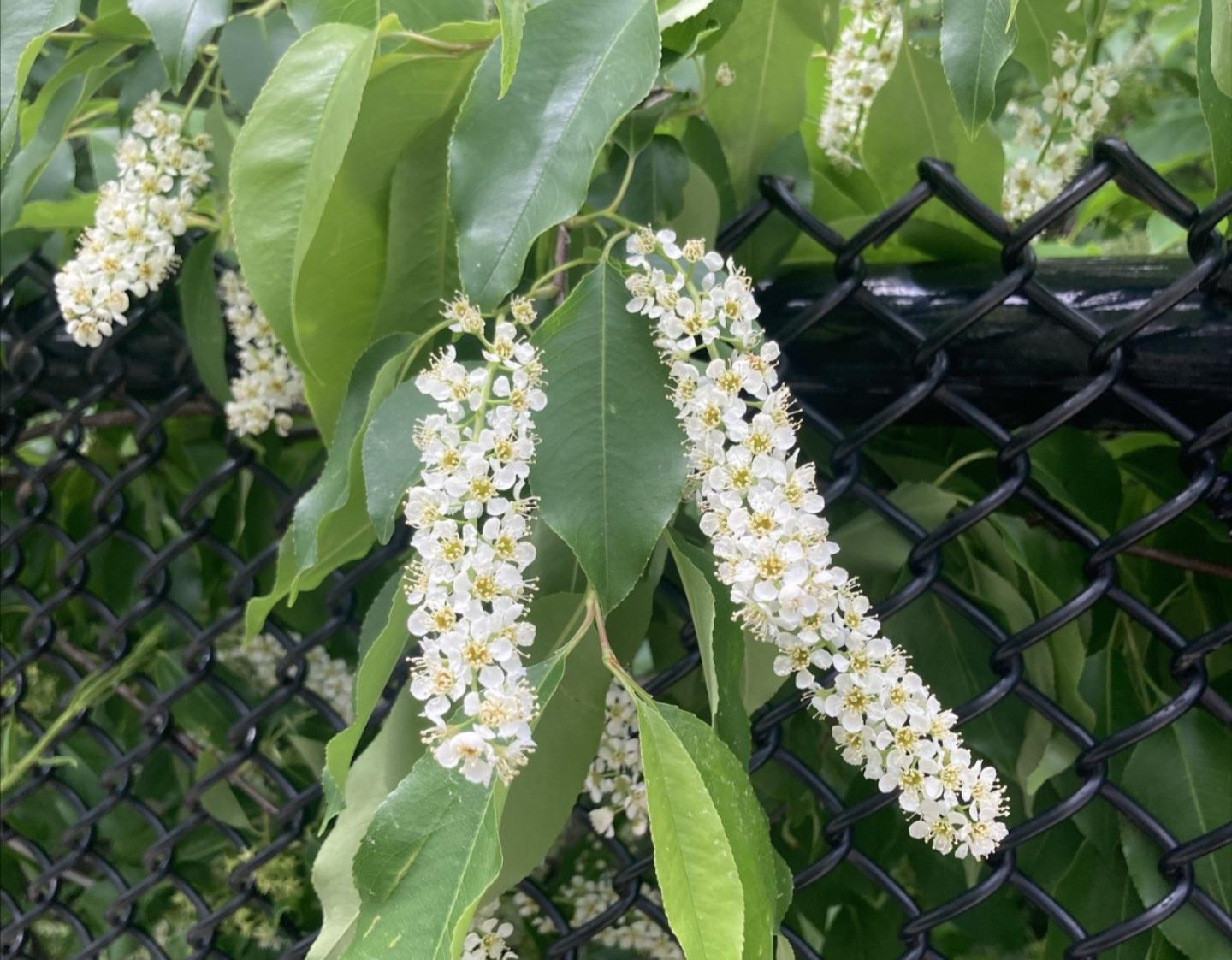
Above: Black cherry in flower. Photo credit: Awinch1001, CC BY-SA 4.0 , via Wikimedia Commons |
Celebrating Black Cherry, Prunus serotina |
One of our indigenous tree species that goes underappreciated is black cherry. Often seen as a weedy tree because it has a rather gnarly look about it, black cherry is especially important to pollinators. The small white flowers form a dense pendulum that sticks out above the leaves and are visited by a large variety of native bees and other pollinating insects like flies. (That's right—flies! We don’t often consider flies when we think of pollination, but there are an incredible number of species that rely on nectar as a food source and provide pollination service.)
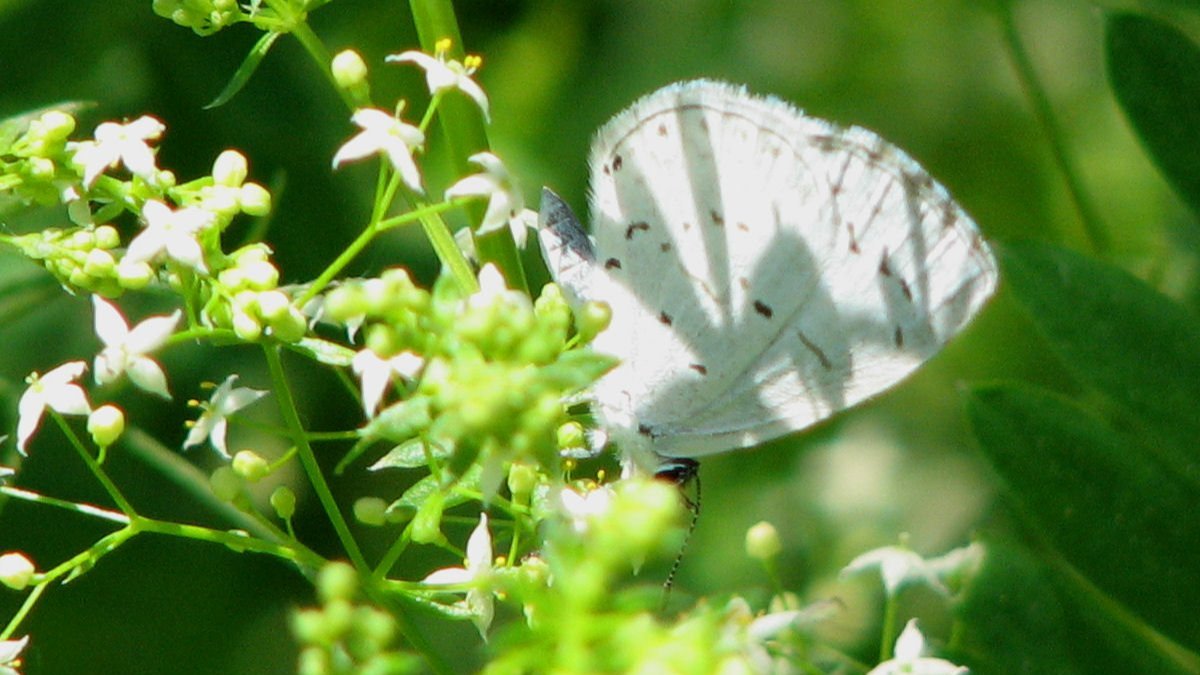
Aside from the rich pollinator benefits black cherries provide, this tree is also a larval host to a great number of insect species. A larval host is a plant species on which insects will lay their eggs, and once the eggs hatch, the larvae feed on the foliage of the plant. This is a critical part of an insect’s lifecycle and so providing host plants, as well as pollinator friendly species, is extremely important for our landscapes. A few butterfly species that rely on black cherry as a host plant include the eastern tiger swallowtail, viceroy, and cherry gall azure.
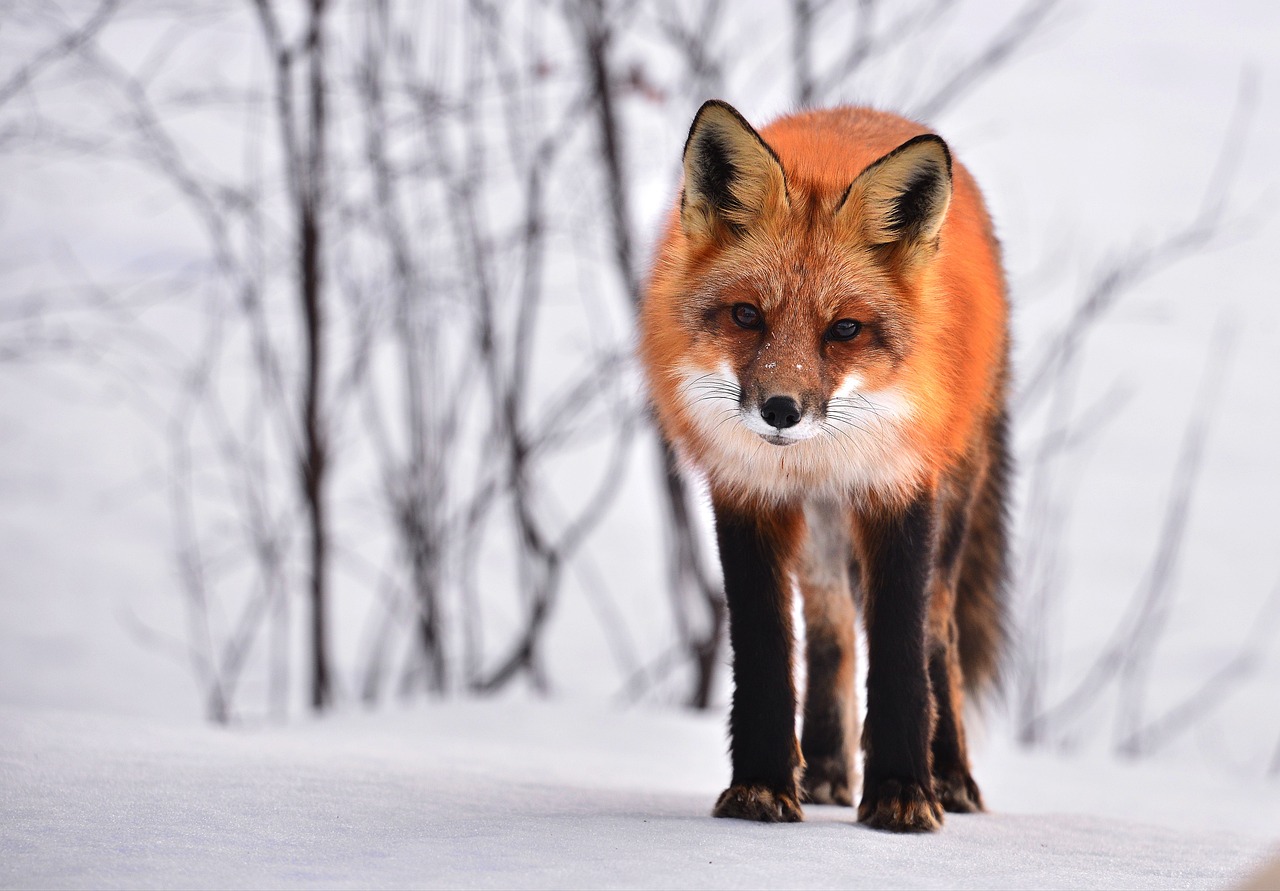
The benefits of black cherry don’t end here, as we still haven’t discussed the fruit. Throughout summer, this species produces small black fruit, which are an important source of food for a variety of birds such as eastern bluebirds, mockingbirds and cedar waxwings. Additionally, wild turkeys are known to partake in low hanging fruits, as well as red foxes, raccoons, and opossums.
All and all, Prunus serotina is an incredibly important species on the Cape, which provides numerous benefits to a wide array of species. Having this tree as a part of your landscape, be it in a naturalized or ornamental setting, creates a domino effect of benefits to the surrounding flora and fauna. |
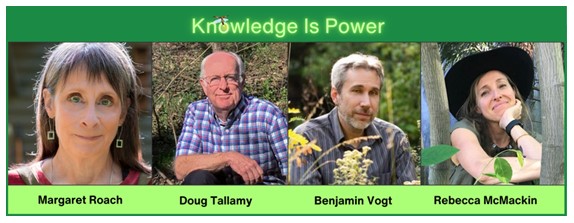
Knowledge Is Power: Ecological Answers that Can Spark Change |
A panel discussion with the leaders in the ecological landscape movement: CLICK HERE for the recording. |
|
|
River Herring Monitoring Volunteers Needed |
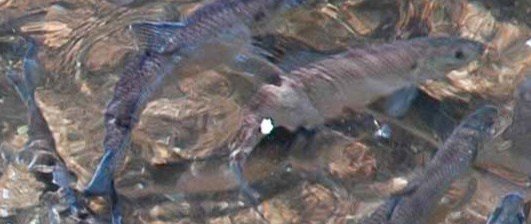
With spring approaching, volunteers are needed for 2025 river herring monitoring season at multiple runs across Cape Cod, including Brewster, Centerville, Dennis, Falmouth, Mashpee, Sandwich, and Yarmouth.
Herring counts provide critical data to help protect these keystone fish species and assess habitat restoration needs. Volunteers must be able to travel to their sites, navigate uneven terrain, and visually identify fish. Counts take just 10 minutes and occur several times a week from April 1 to June 15.
If you are interested, please sign up here: APCC’s River Herring Volunteer Signup Training sessions will be held in March.
More details are available on the Herring Hub website. |
Cape Cod Natural History Conference, Saturday, March 8, 2025
APCC has been accepted to present and have a poster at the annual Cape Cod Natural History Conference, hosted by Mass Audubon. It's another great lineup and the event is an important networking opportunity! Registration required. Don't miss it. |
APCC Seeks Seasonal Interns |
|
|
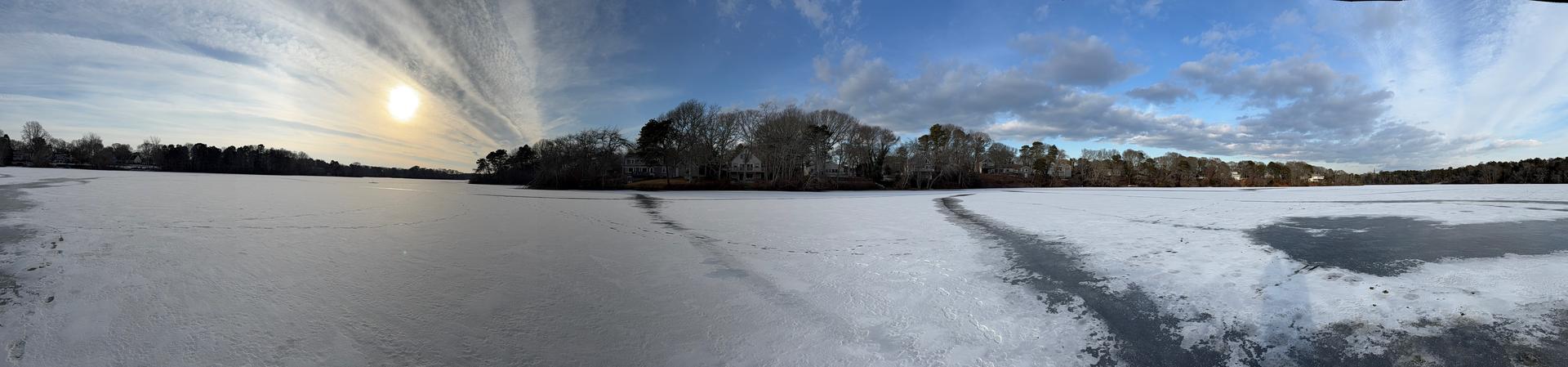
Above: Long Pond, South Yarmouth. Photo by Lee Ann O'Connor. |
SAVE THE DATE ~ Next meeting of the Cape Cod Ponds Network via Zoom on
Wednesday, February 26 at 4:30 p.m.
If you've signed up for the Ponds Network, you'll receive an email with the Zoom link. If you'd like to receive Ponds Network emails, sign up here.
|
|
|
A Cape-wide Conservation Event Calendar
|
|
|
The Compact of Cape Cod Conservation Trusts (“the Compact”) and its nonprofit members launched a new regional calendar of events. The Conservation Calendar includes programs across Cape Cod hosted by these groups. The goal of the calendar is to encourage visitors and residents to take part in nature and environmental events. You can always find the link to the calendar on APCC's website under News & Events.
|
A Cape Cod Native Plant-selector ~ to help you choose the perfect native plants for your garden. |
|
|
Email kandres@apcc.org and we'll send you a CapeCodNativePlants.org decal. |
|
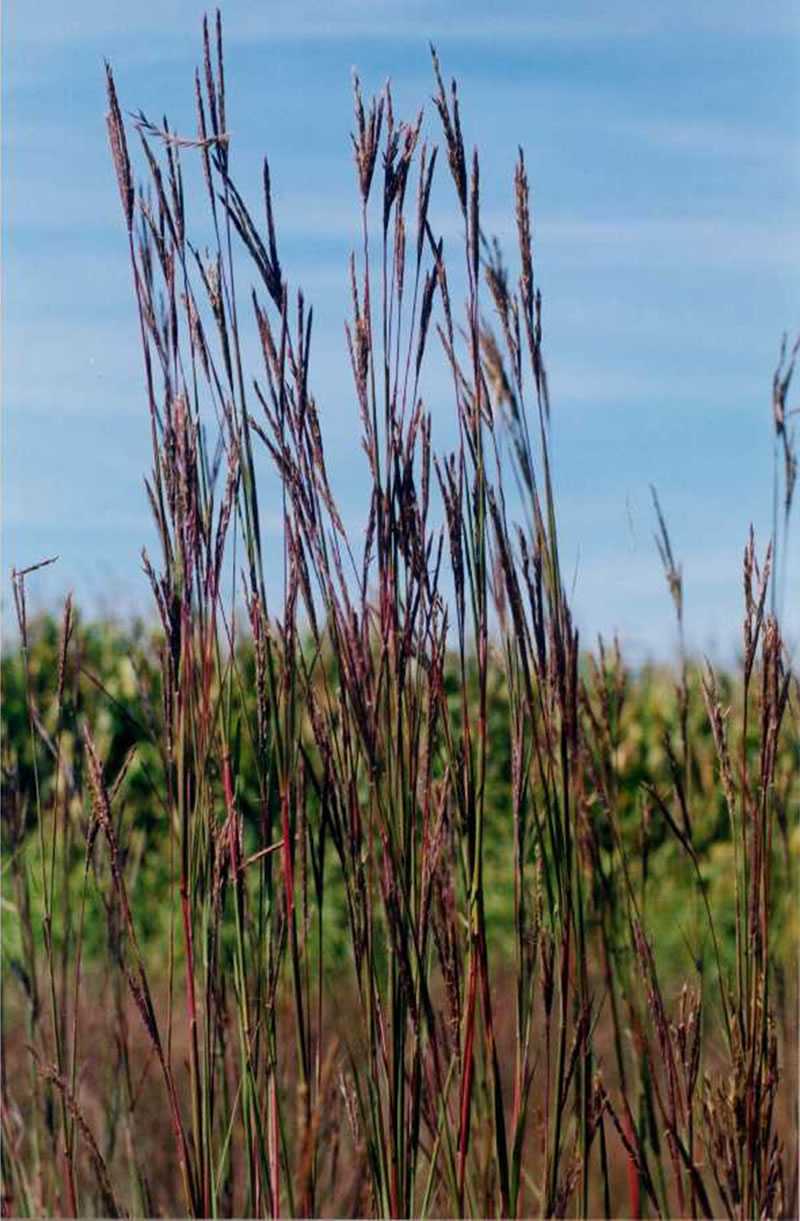
Big Bluestem
Andropogon gerardii | |
|
The Guidelines gives homeowners steps they can take in the design and maintenance of their properties that will support pollinators and birds, manage stormwater, conserve water, and protect the Cape's water quality. This 40-page booklet is beautifully illustrated by Marcy Ford with content that is easily digestible and supported by numerous resources for additional learning.
|
We are grateful for the several retail shops that are partnering with us to make this publication more widely available: Brewster Book Store, Birdwatchers General Store, Crocker Nurseries, Wellfleet Audubon Wildlife Sanctuary, Cape Abilities Farm, Cape Cod Museum of Natural History, the Cape Cod Lavender Farm, Heritage Museums and Gardens, Titcomb's Bookshop, Sea Howl Bookshop, Soares Flower Garden Nursery, and Eight Cousins Bookshop.
If you are a retailer and would like to sell this publication at your store, please contact us. |
|
|
| Available for online purchase and shipping in the U.S. is free: APCC caps $25
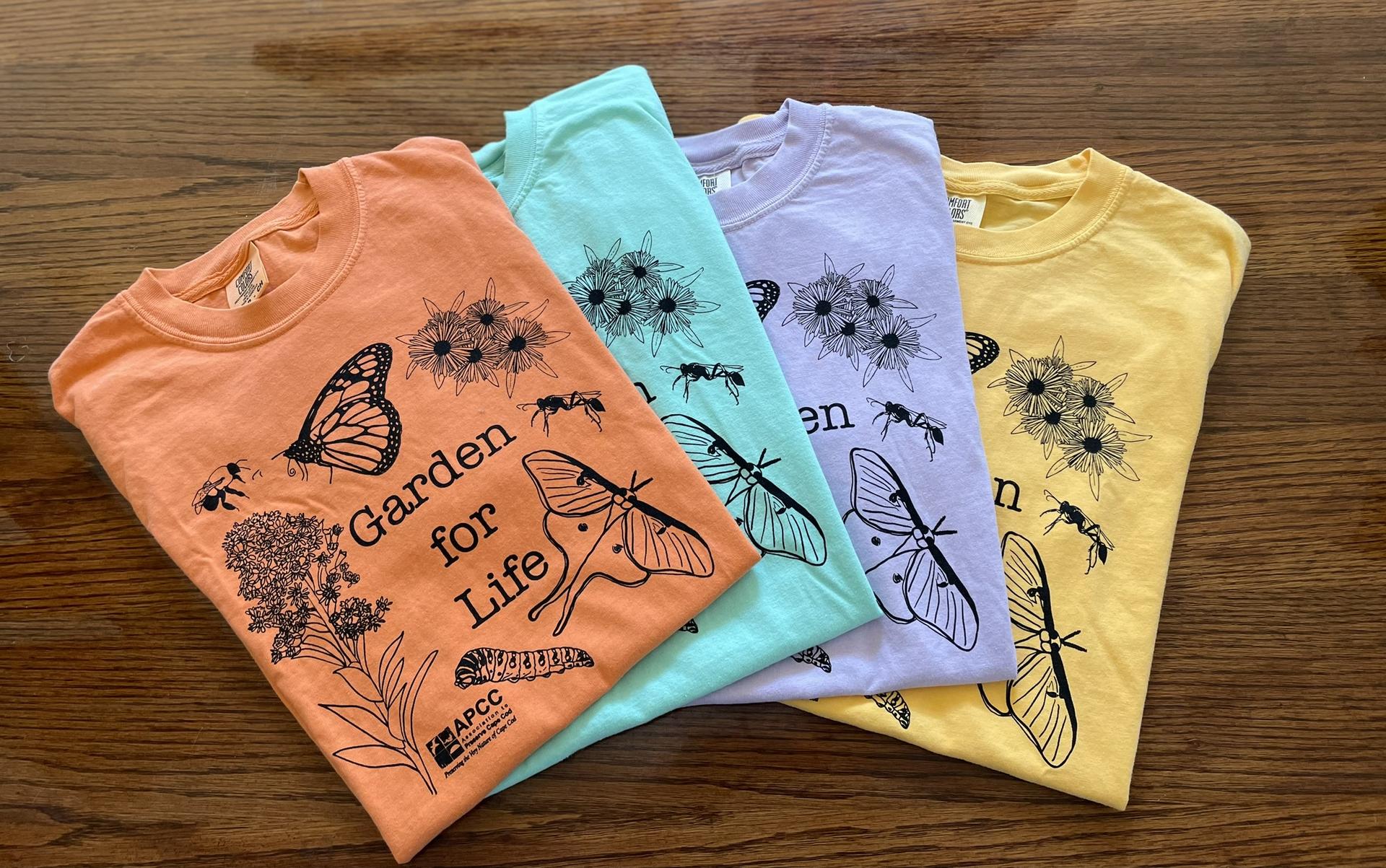
+++++++++++++++++ Garden for Life T's $30
Click here
for more information and to order. |
|
|
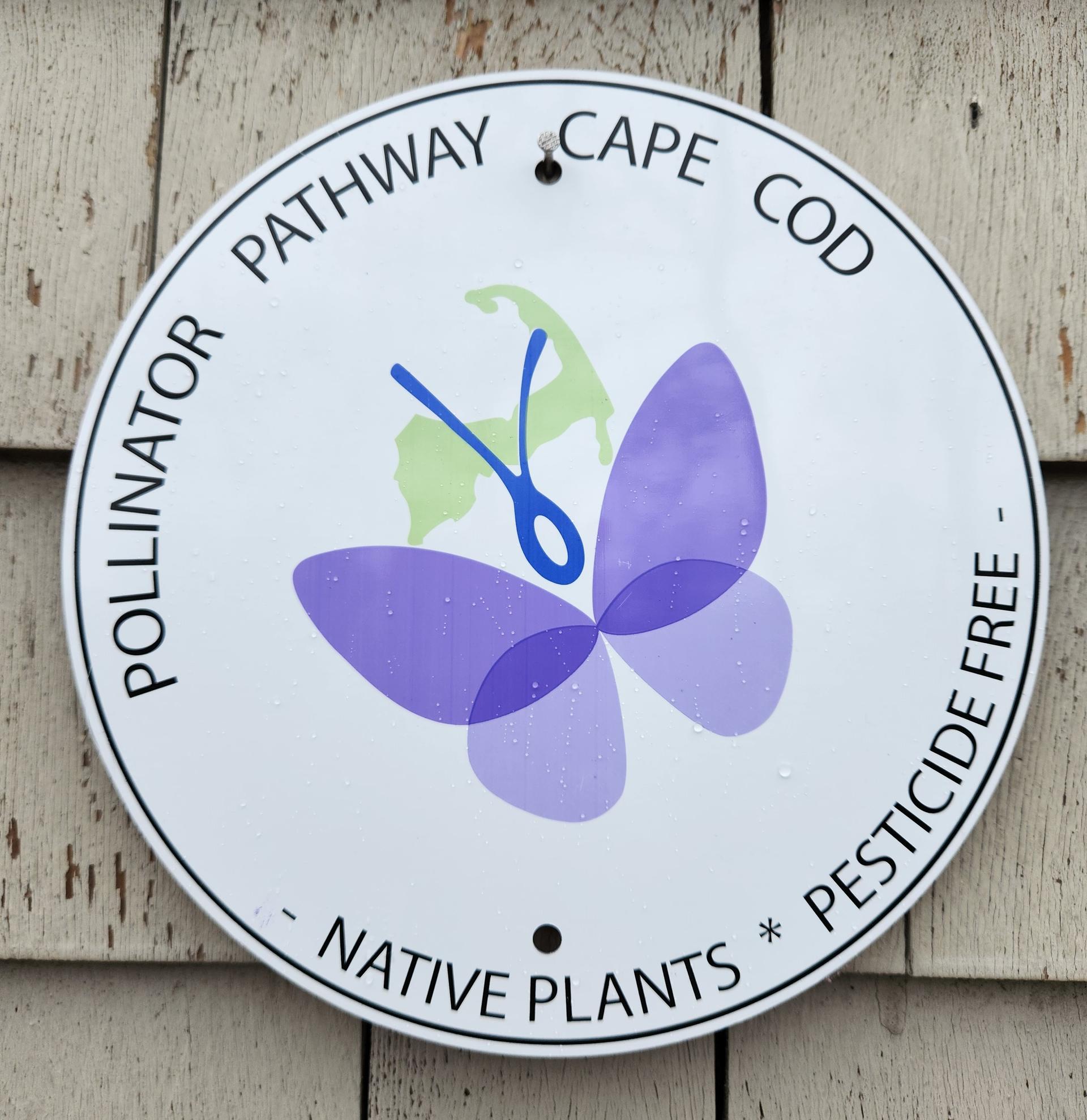
The Pollinator Pathway Cape Cod is a group of organizations promoting native plants and pollinator-friendly land care practices to create a boat load of safe oases for our native bees, butterflies and a whole host of other pollinators that are crucial to the health of our ecosystems.
Join us! It's easy. There are no fees. You just need to pledge to ADD native plants, SUBTRACT a little lawn, AVOID yard chemicals, especially pesticides, and LEAVE the leaves. And, help us spread the word. Please get on the map to show your support of pollinators on Cape Cod!
You can purchase the 9-inch aluminum Pollinator Pathway Cape Cod sign at Hyannis Country Garden, Crocker Nurseries, Brewster Book Store, Orleans Conservation Trust, and Cape Abilities Farm.
If you are a retailer, and you would like to sell the signs, you can order online here, or email pollinators@apcc.org. |
|
|
|
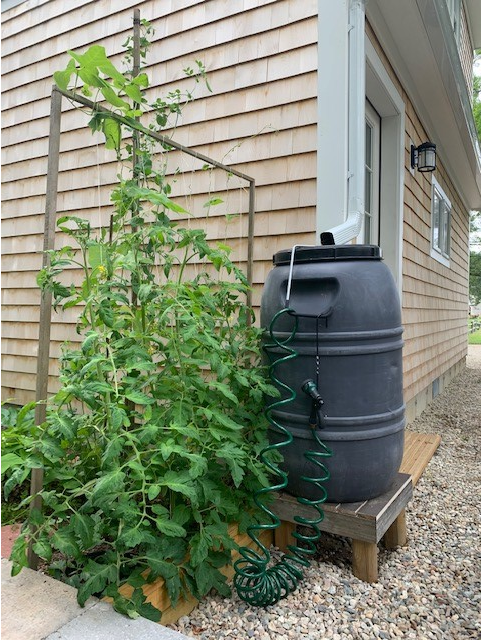
Rain Barrels for Cape Cod Order online from Upcycle Products
$122 each includes FedEx shipping to your door
55 gallon, repurposed food barrels Keep a barrel out of a landfill, and capture some free rainwater.
APCC receives a portion of the proceeds. For more information, click here. |
|
|
| APCC eNewsletters.
Our weekly newsletters are archived on our website and easily shared.
You can find past newsletters and share with your friends. Encourage others to sign up for future enewsletters HERE.
|
|
|
Are you thinking of going solar? We hope so!
In partnership with E2 SOLAR in Dennis, APCC receives $500 for every solar installation when APCC is named as referral. |
|
|
| Thank you to the homeowners who just contracted to install solar panels through E2 Solar.
May the sun always shine for you! |
|
|
Expressions Gallery, 578 Main Street, Chatham CLICK HERE |
Expressions Gallery donates 20 percent of its profits to APCC's work. |
|
|
Thank you to our business sponsors! |
|
|
APCC is rated four stars by Charity Navigator, 2023 Platinum by Candid (formerly Guidestar), and
2024 Top-Rated by GreatNonprofits. |
|
|
Our Contact Information
*{{Organization Name}}*
*{{Organization Address}}*
*{{Organization Phone}}*
*{{Organization Website}}*
*{{Unsubscribe}}* |
| |
|
|