Association to Preserve Cape Cod |
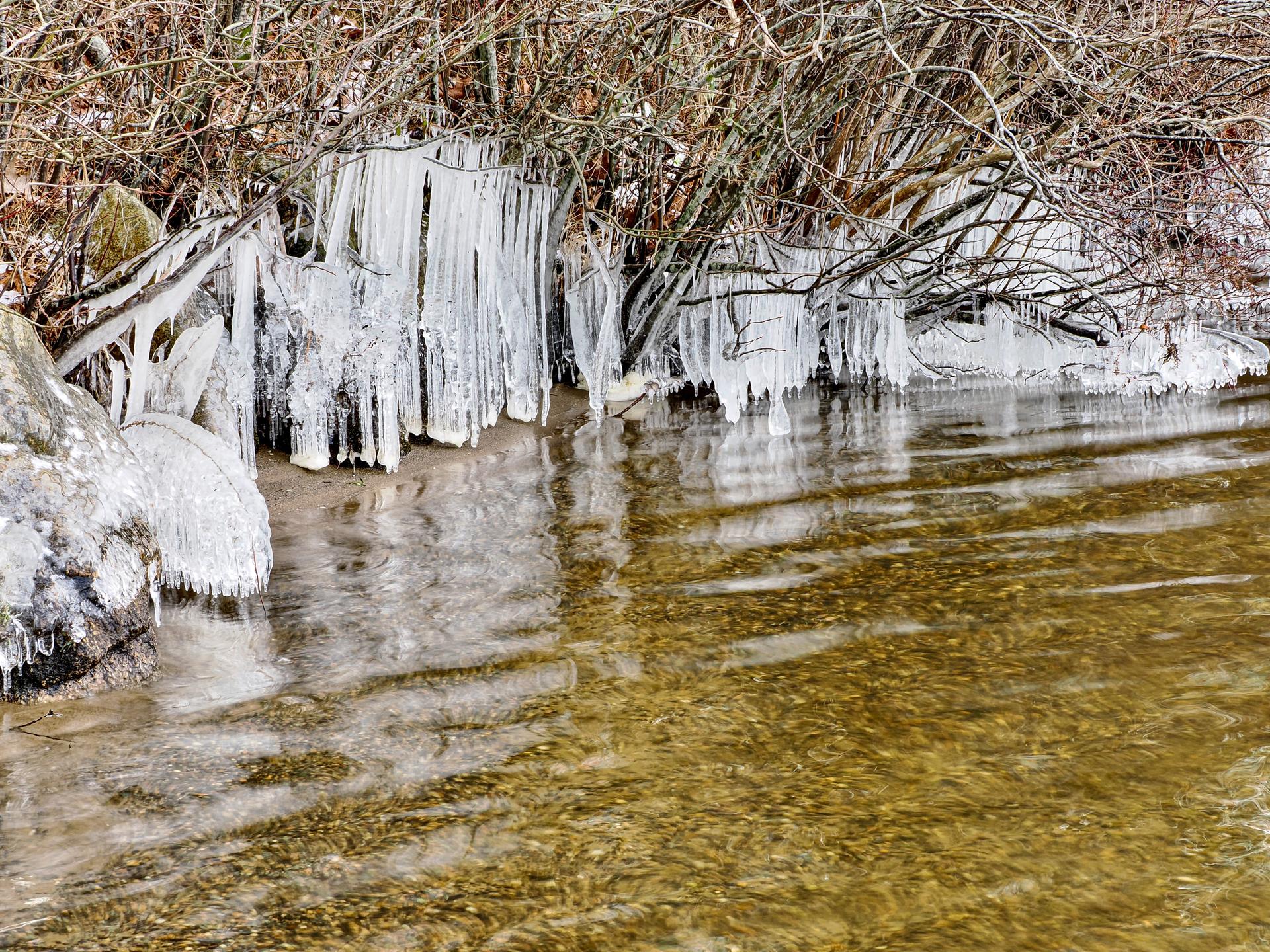
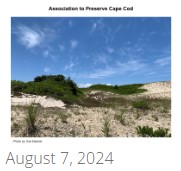
Above photo by Sue Machie | |
|
| Future Forecast by Andrew Gottlieb, Executive Director |
I don’t know what the future holds; no one does. How else can you explain people pinning their hopes on the Minnesota Vikings (playoff losers to the Rams)? That said, we all take and consider the information we have and run it through our own biased view of the world to form a mix of hopes, fears and expectations about what is to come. From there we act. Sometimes it works out, other times, not so much. |
|
|
Big changes are coming with the new federal administration. What will really happen is not yet clear.
The Trump campaign featured promises to pull back from efforts to slow climate change, increase the development of fossil fuels, increase exploitation of public lands, reduce environmental regulation, and a whole bunch of other things that will increase the pressure exerted on the environment of Cape Cod. The shifting of funding priorities likely spells the end of the kind of significant federal investment in resource restoration relied upon to fund the sizeable NOAA grants APCC was awarded in 2024.
While APCC has no meaningful control over what the incoming administration will do, we retain our voice and our own judgement about how to behave and to engage. While the specifics will come with time, APCC’s approach will be to encourage and support positive federal initiatives. But when it comes to harmful initiatives and environmental rollbacks, we will criticize that which warrants criticism.
APCC does control where we put our energy. Our plan for 2025 is to focus the bulk of our energy on local initiatives and work with our partners and Cape Cod towns and state government to deliver a better environment. As previously stated, we remain unwavering on our need to protect the Cape’s drinking water, to restore and protect our ponds and bays, to maintain natural open spaces, to heal impaired wetland resources, and equip people to live here more harmoniously with our environment.
APCC is committed to preventing the abuse of our remaining natural resources as a dumping ground for waste. APCC is prepared to fight for smarter development rules and land use polices to prevent a repetition of the housing development mistakes that have caused both our ecological and housing affordability problems. Venerable former Harvard hockey coach, Bill Cleary, when asked how his team would prepare to play a particularly formidable opponent, would respond, “Let them worry about us.” That philosophy and approach is especially valid right now. APCC does a lot of things very well and we are going to work with our membership to get done what there is to get done locally. What we will not allow ourselves to do is to become caught up in a preemptive self-reinforcing doom loop of anticipating and responding to real and perceived bad acts by the administration. There is only so much time and energy to expend in the day, week, year or frankly the remainder of our lives. We choose to spend our time working toward a better environment and not allowing ourselves to become ineffective by being consumed by things beyond our control. |
Diving Into the River Herring Stock Assessment |
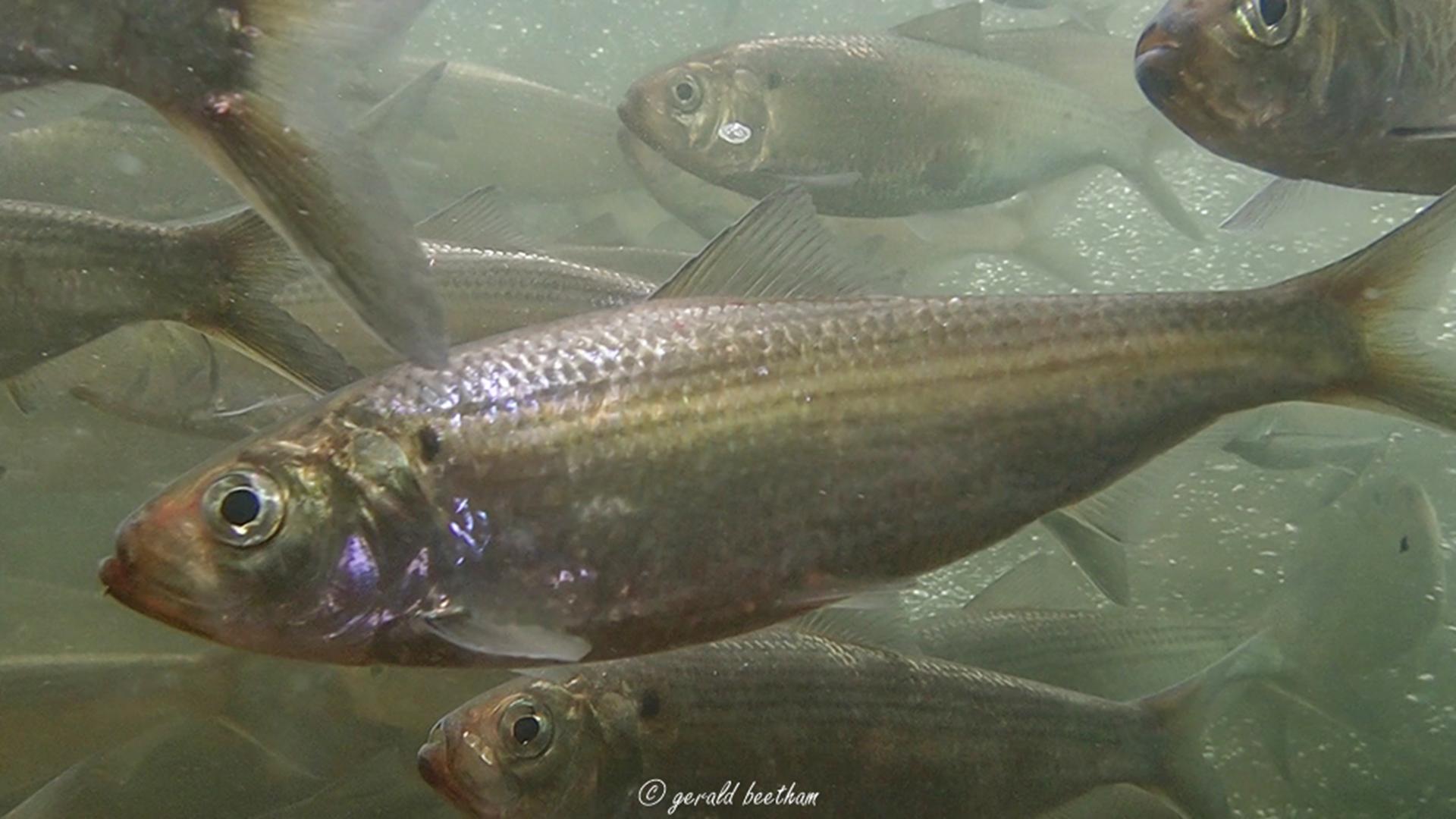
River herring, including alewife and blueback herring, are a cornerstone of marine and coastal ecosystems. As forage fish, they nourish a diverse food web, supporting predators like striped bass, osprey, seals, and dolphins. During their annual spawning migrations, they transport essential nutrients from the ocean into freshwater systems, enriching these ecosystems and benefiting aquatic life.
Beyond their ecological role, river herring are vital to coastal communities. For centuries, river herring have sustained local fisheries and provided a vital food source for generations. In many coastal communities, their runs hold deep cultural and historical significance, often tied to traditional fishing practices and cherished community events.
This past fall, the Atlantic States Marine Fisheries Commission released a new assessment of river herring populations along the Atlantic coast. This assessment included data on both alewife and blueback herring, aiming to understand coastwide population trends and status for fishery management purposes. As this was a benchmark assessment, it included a full evaluation of available data sources and analytical approaches. It represents the best available science on the regional status of river herring.
Key Findings -
Coastwide Depletion: Overall, river herring populations are much lower than historical levels. Human activities like fishing, dams, and climate change are significantly impacting their productivity.
-
Population Trend Data: The assessment didn't find many significant changes in population size over the past 15 years. However, there are indications that alewife and blueback herring abundance might be slightly higher now than in 2009. Localized trends may vary from the coastwide trends.
-
Cape Cod Results: Two runs from Cape Cod were evaluated in the stock assessment–Stony Brook in Brewster and the Herring River in Wellfleet. No significant trends were found in either run.
-
High Mortality Rates: More than half of the river herring populations are experiencing excessive death rates due to fishing and natural causes, preventing them from recovering.
-
Reduced Fishing Pressure: Currently, total river herring removals from all fisheries are less than three million pounds per year, a tiny fraction of what was caught in the mid-1900s.
Beyond the Assessment
To be included in the stock assessment, volunteer-run counts needed 10 years of consistent data collected using the same method. Additionally, at least 10 percent of the observations had to show evidence of river herring. While only two herring runs on Cape Cod met these criteria for this most recent assessment, the data collected at the other monitored sites across Cape Cod are still informative.
Using these data, APCC has created an interactive map. This tool lets users explore how the size of herring runs vary across the Cape and over time. The map shows values calculated by the Massachusetts Division of Marine Fisheries based on data collected by volunteers.
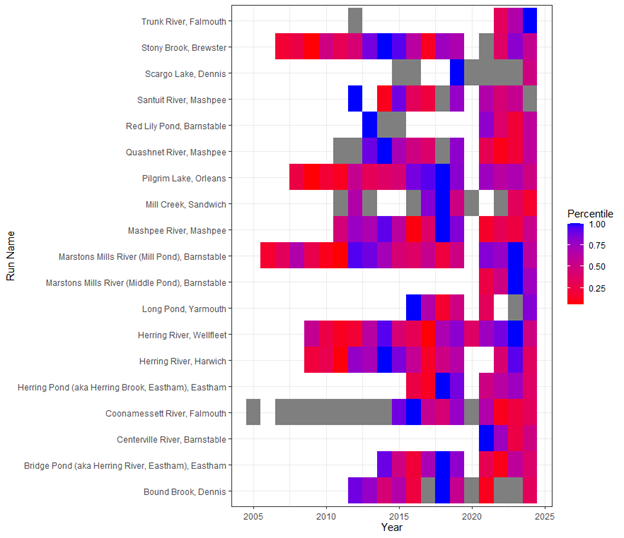
We’ve also analyzed how the size of herring runs has varied over time by looking at percentile distributions (Figure 1 below). Percentiles help us understand how something compares to everything else in a group–for example, how large is this year’s run relative to past years? While the data for some herring runs don’t go back very far, this analysis provides a valuable overview of herring populations across Cape Cod. Like the broader regional assessment, we see a mixed picture: Some rivers are showing signs of recovery, while others continue to struggle. |
Above: Figure 1 Heatmap showing how river herring indices vary across Cape Cod over time. The colors ramp from red (low numbers of herring) to blue (high numbers of herring). Gray cells indicate years where there weren't enough data to calculate a reliable herring run index for that river. The data comes from volunteer observations and was analyzed by the Massachusetts Division of Marine Fisheries (MA DMF). Percentiles have been calculated from the MA DMF run indices.
|
Bud ID – Black Oak Part II by Erin Camire, Ecolandscape Program Coordinator |
Welcome back, everyone, to part two of black oak bud identification. We’ll be picking up right where we left off last time, so please refresh yourself if necessary, and let’s get right into it.
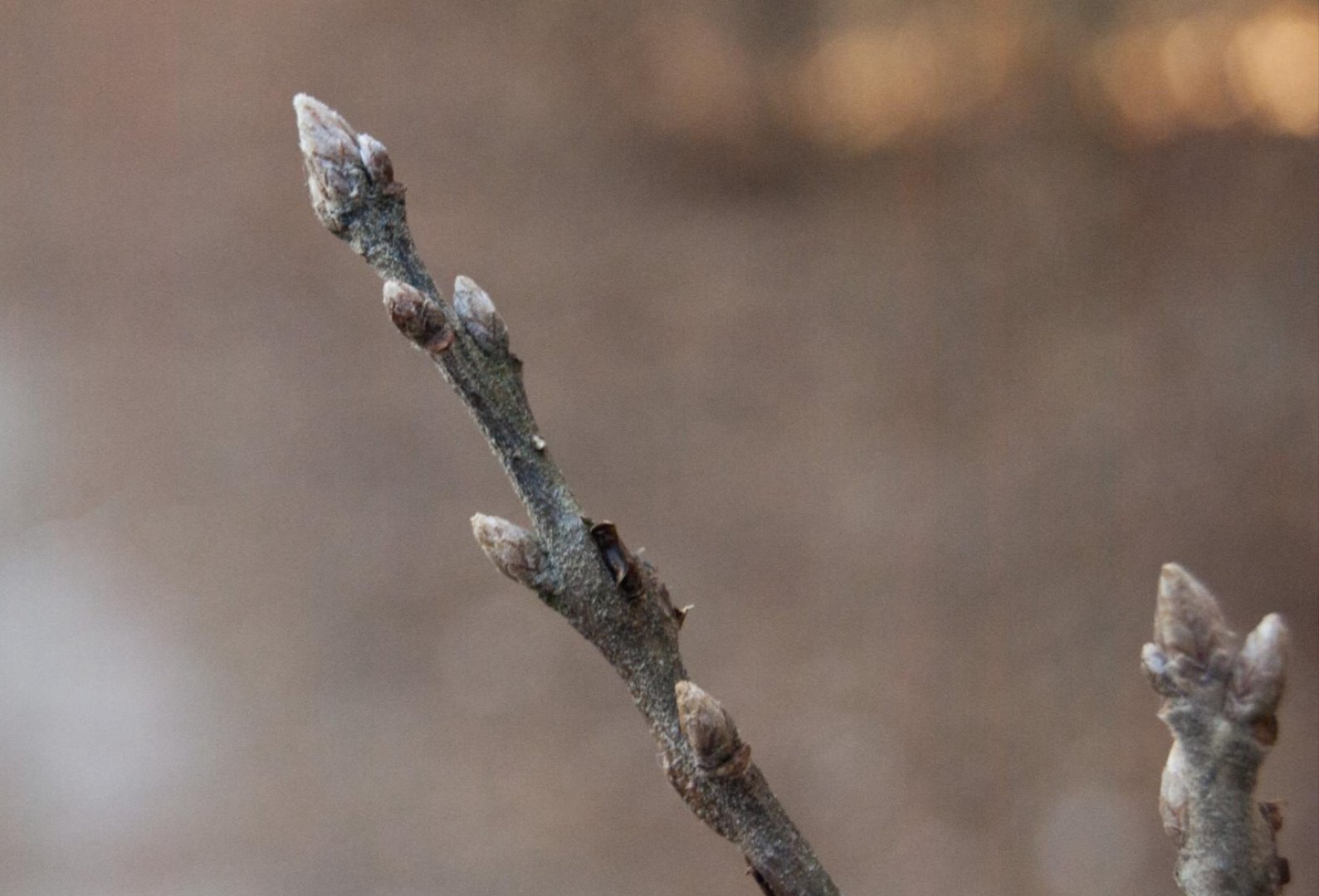
Now that you know one way to tell a few of the oaks apart, let’s talk about the features many oaks share, so that you can easily get from an unidentified fuzzy bud to knowing you’re in the oak genus. This feature is of course bud placement. As mentioned in my original article diving into bud placement, oaks showcase a unique feature with their terminal bud, or should I say buds, because this feature is terminal bud clusters. Again, unseen to us, the tree is well aware which of these buds is the true terminal bud, and the others are just on stand-by. But to our eyes, the end of each oak branch features a prominent club of multiple buds, all squeezed together. Finding this feature is a pretty good sign you’re looking at one of the oaks.
As far as leaf scars go, I don’t find them all that useful for black oak, or any of the oaks. They are pretty standard, simply sitting under next year’s bud. Additionally, oaks don’t have prominent lenticels to keep an eye out for. I should clarify that oaks do of course have lenticels, but they are extremely similar in color to the bark, and just don’t grab my attention as something to look out for. However, one thing to note with all oaks is marcescence, the phenomena of trees and shrubs holding onto their leaves though winter, instead of dropping them in the fall. Hopefully this survival strategy will be abundantly obvious as you approach the tree, but if you are focused on a single branch, remember to look up and around yourself. Find and compare other branches from the same tree and see how they differ. If you can help it, never identify a species based on one twig, especially not the oaks. Let me explain why.
Oaks are known for their genetic variability, and furthermore, their ability to consistently interbreed and hybridize with other species in their genera, which complicates identification.* If you find that the twig you have in your hand matches 90 percent with my description, but not all the way, don’t start sweating the small stuff, stick to key features that you know won’t change, like bud scales, branch arrangement, or bud placement. And always, always, always look and compare multiple branches, and look to find the similarities.
This is why I leave a general description of the bud for last. I often see bud identification guides start with a general overview of the bud shape, size, and color, but I’ve never liked this. Buds are highly variable, and additionally, most buds between vastly different species will share similar shapes and colors. A typical black oak bud description would say they are tan to light brown in color, generally egg shaped with a sharp, stout point, and that are around a quarter of an inch in length. From that description alone you could probably guess that it came from a plant, but not much more than that. But if I explain that black oak buds are large and typically tan in color, feature imbricate scales, moderate to strong pubescence and large terminal bud clusters, now you’ve got a better idea. This is why we covered all the bud features in such detail earlier, because they are the crux of proper bud description.
With this knowledge now under your belt, I hope you feel confident identifying a black oak the next time you stumble across one. Next time, we’ll be looking into another oak, this time red oak (Quercus rubra), to compare and contrast how the two are different. *Kremer, A. and Hipp, A.L. (2020), Oaks: an evolutionary success story. New Phytol, 226: 987-1011. https://doi.org/10.1111/nph.16274 |
|
|
Spotlight on Rodenticides, They're Poison! |
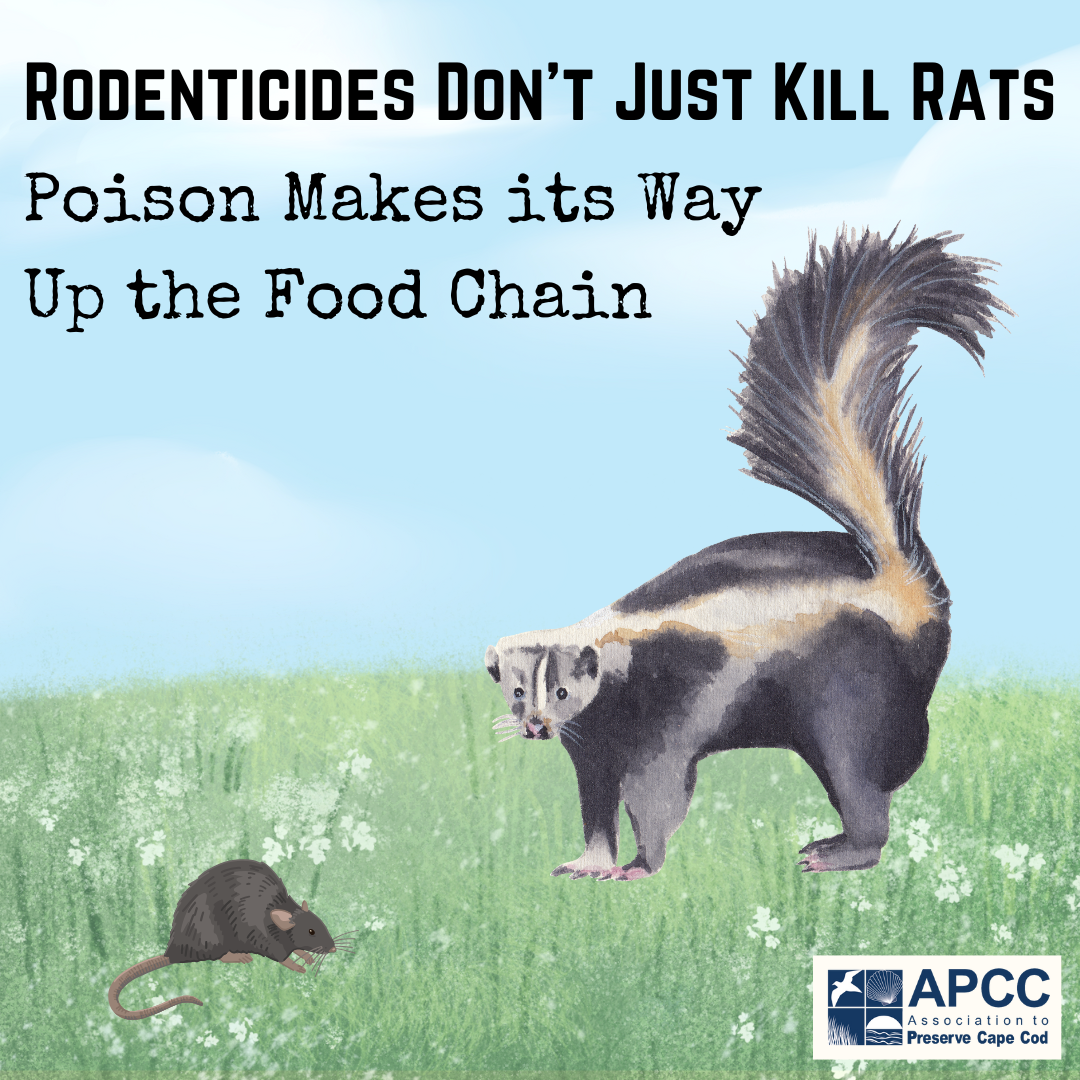
Anticoagulant Rodenticides are having an unacceptable impact on our wildlife, particularly birds of prey and other predators. |
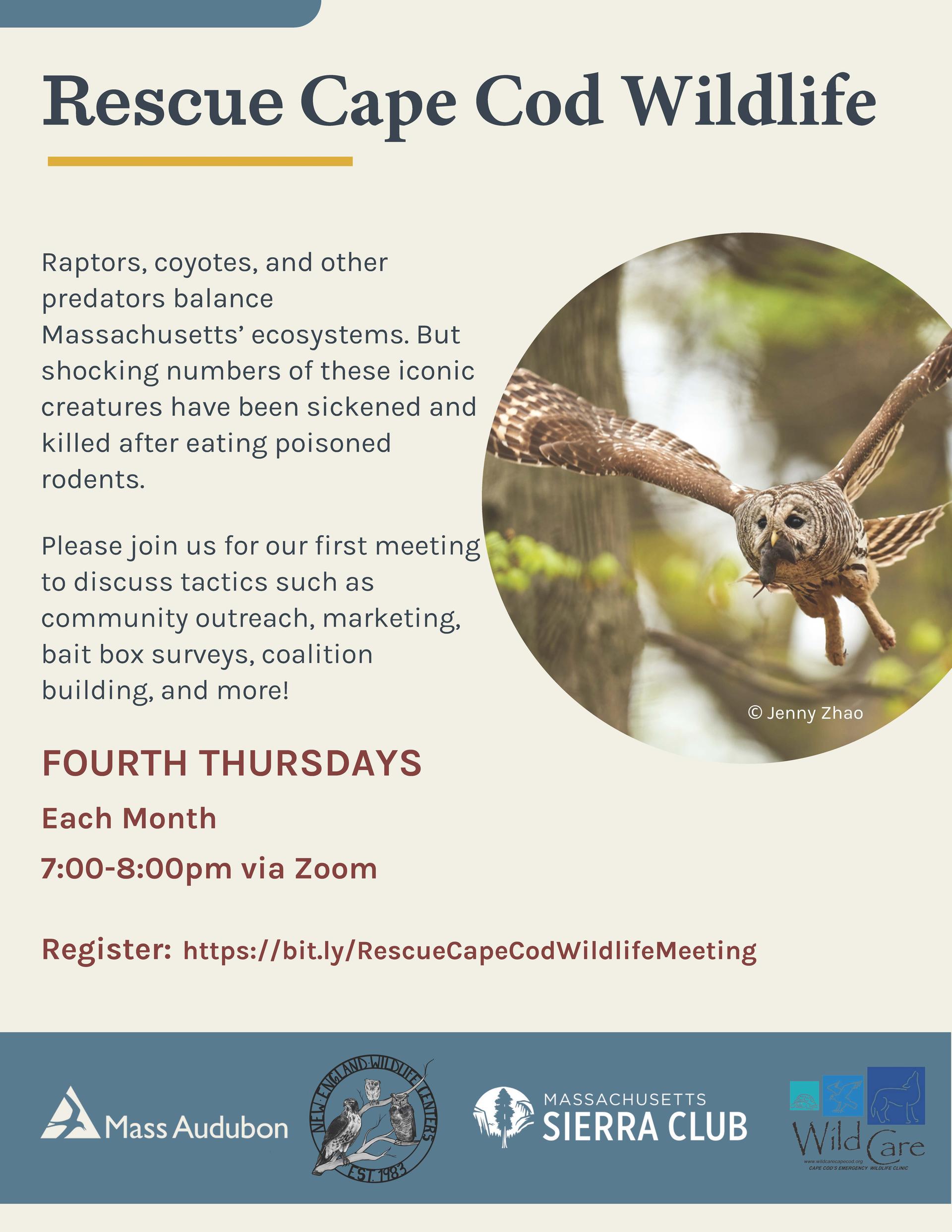
Do you have a contract with a pest control service to control rodents? Do you know what methods they are using? If it's bait boxes that contain rat poison, have them removed—all of them. There are other alternatives. Your contractor may be using them according to the regulations, but that's the problem. The regulations need to be changed. In fact, we believe as many do, there should be a state ban on their use.
|
|
|
A Cape-wide Conservation Event Calendar |
|
|
The Compact of Cape Cod Conservation Trusts (“the Compact”) and its nonprofit members launched a new regional calendar of events. The Conservation Calendar includes programs across Cape Cod hosted by these groups. The goal of the calendar is to encourage visitors and residents to take part in nature and environmental events. You can always find the link to the calendar on APCC's website under News & Events.
|
A Cape Cod Native Plant-selector ~ to help you choose the perfect native plants for your garden. |
|
|
Email membership@apcc.org and we'll send you a CapeCodNativePlants.org decal. |
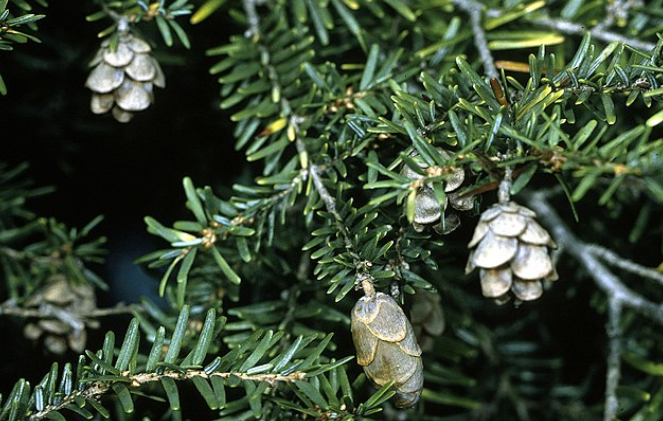
| Photo by Tintazul / Wikimedia Commons / Public Domain |
Eastern Hemlock Tsuga canadensis |
|
|
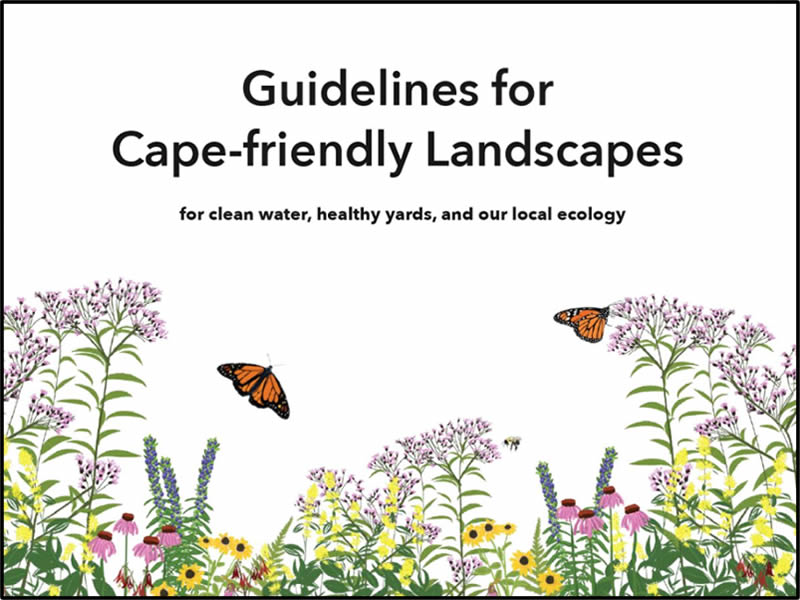
Guidelines for Cape-friendly Landscapes - an APCC publication |
The Guidelines gives homeowners steps they can take in the design and maintenance of their properties that will support pollinators and birds, manage stormwater, conserve water, and protect the Cape's water quality. This 40-page booklet is beautifully illustrated by Marcy Ford with content that is easily digestible and supported by numerous resources for additional learning.
|
Thank you for this important book! Hopefully everyone of us with a yard will read it and put it to use! - Vicky Titcomb of Titcomb Bookshop |
We are grateful for the several retail shops that are partnering with us to make this publication more widely available: Brewster Book Store, Birdwatchers General Store, Crocker Nurseries, Wellfleet Audubon Wildlife Sanctuary, Cape Abilities Farm, Cape Cod Museum of Natural History, the Cape Cod Lavender Farm, Heritage Museums and Gardens, Titcomb's Bookshop, Sea Howl Bookshop, Soares Flower Garden Nursery, and Eight Cousins Bookshop.
If you are a retailer and would like to sell this publication at your store, please contact us. |
|
|
| Available for online purchase and shipping in the U.S. is free: APCC caps $25
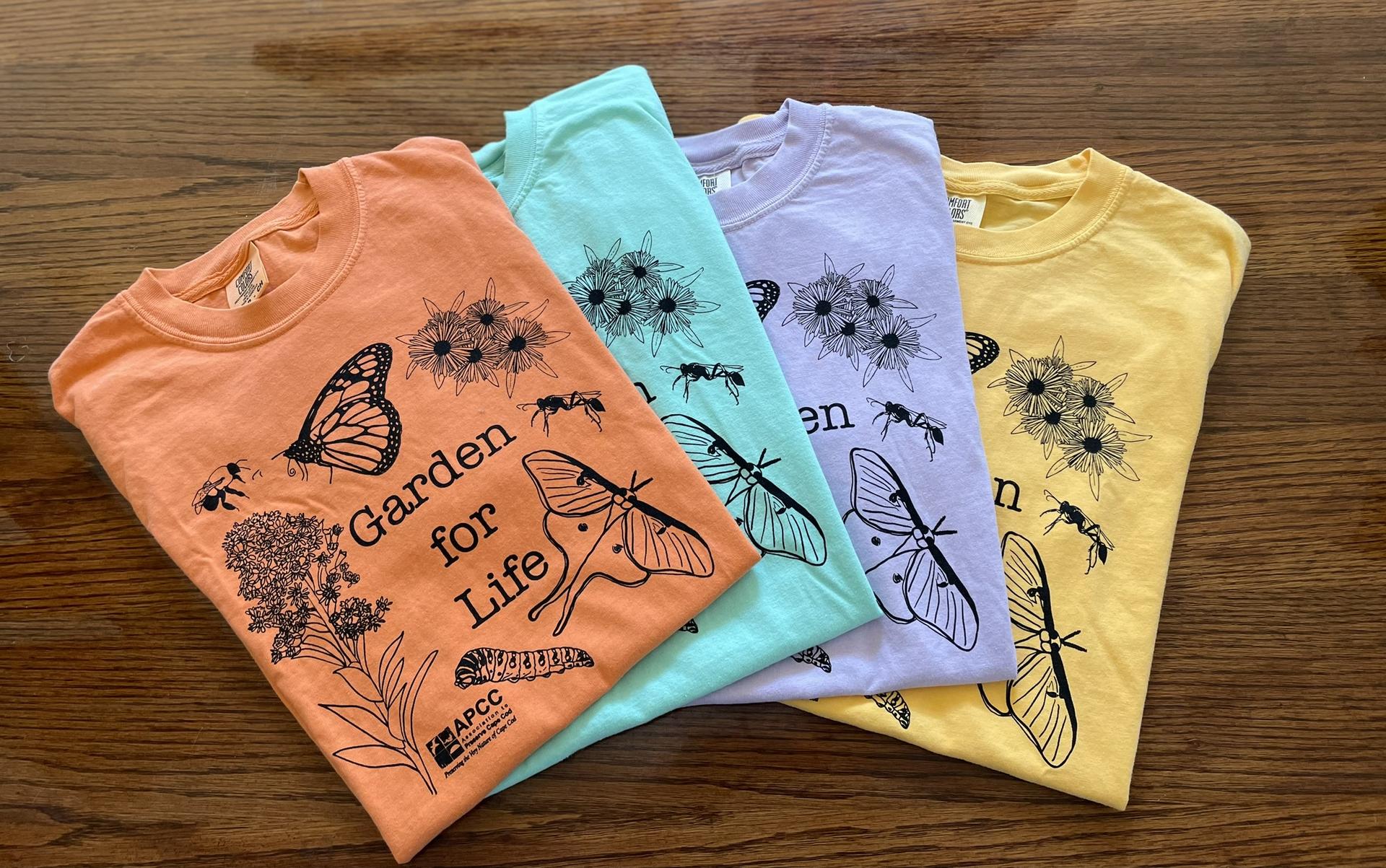
+++++++++++++++++ Garden for Life T's $30
Click here
for more information and to order. |
|
|
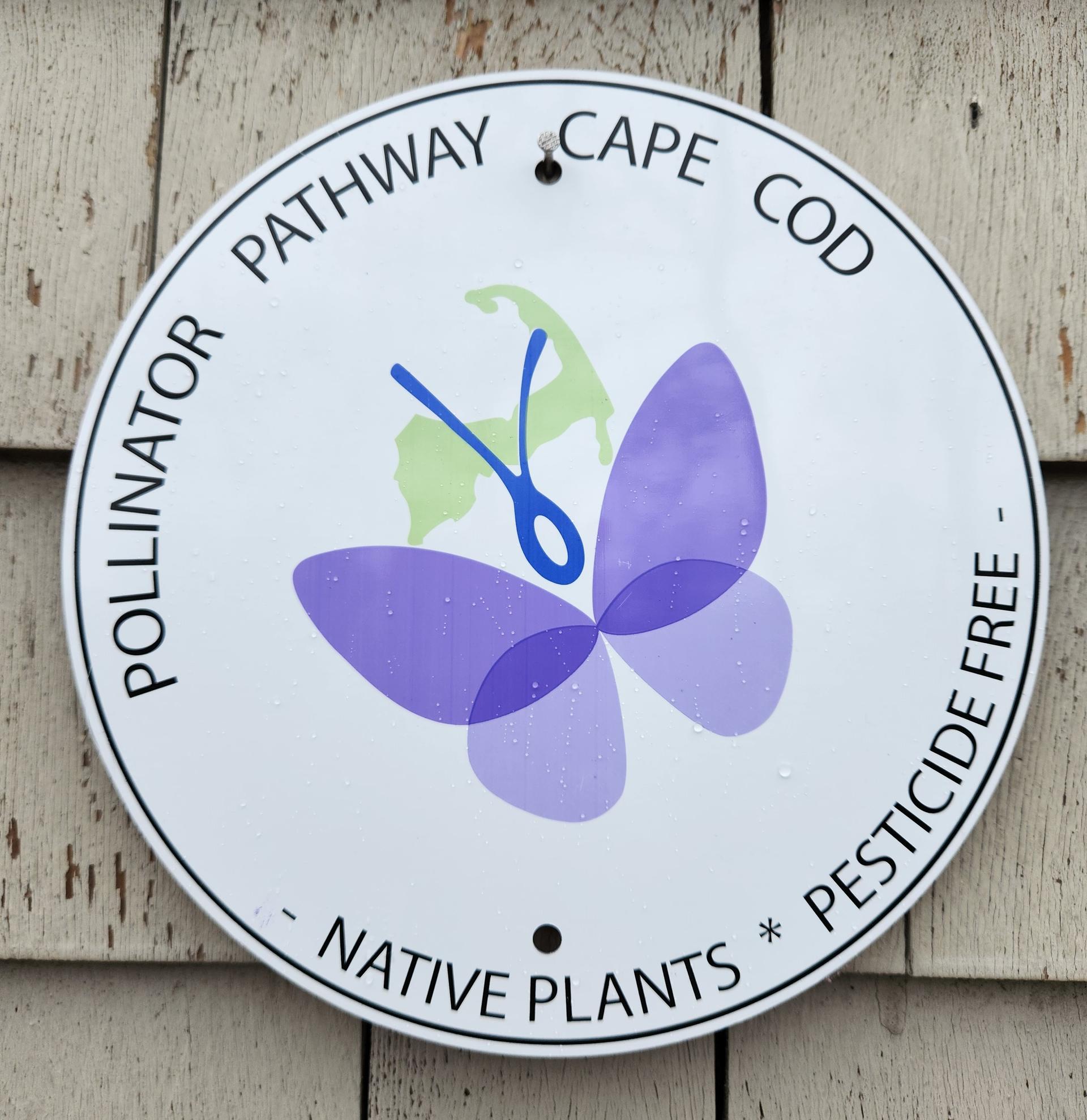
The Pollinator Pathway Cape Cod is a group of organizations promoting native plants and pollinator-friendly land care practices to create a boat load of safe oases for our native bees, butterflies and a whole host of other pollinators that are crucial to the health of our ecosystems.
Join us! It's easy. There are no fees. You just need to pledge to ADD native plants, SUBTRACT a little lawn, AVOID yard chemicals, especially pesticides, and LEAVE the leaves. And, help us spread the word. Please get on the map to show your support of pollinators on Cape Cod!
You can purchase the 9-inch aluminum Pollinator Pathway Cape Cod sign at Hyannis Country Garden, Crocker Nurseries, Brewster Book Store, Orleans Conservation Trust, and Cape Abilities Farm.
If you are a retailer, and you would like to sell the signs, you can order online here, or email pollinators@apcc.org. |
|
|
|
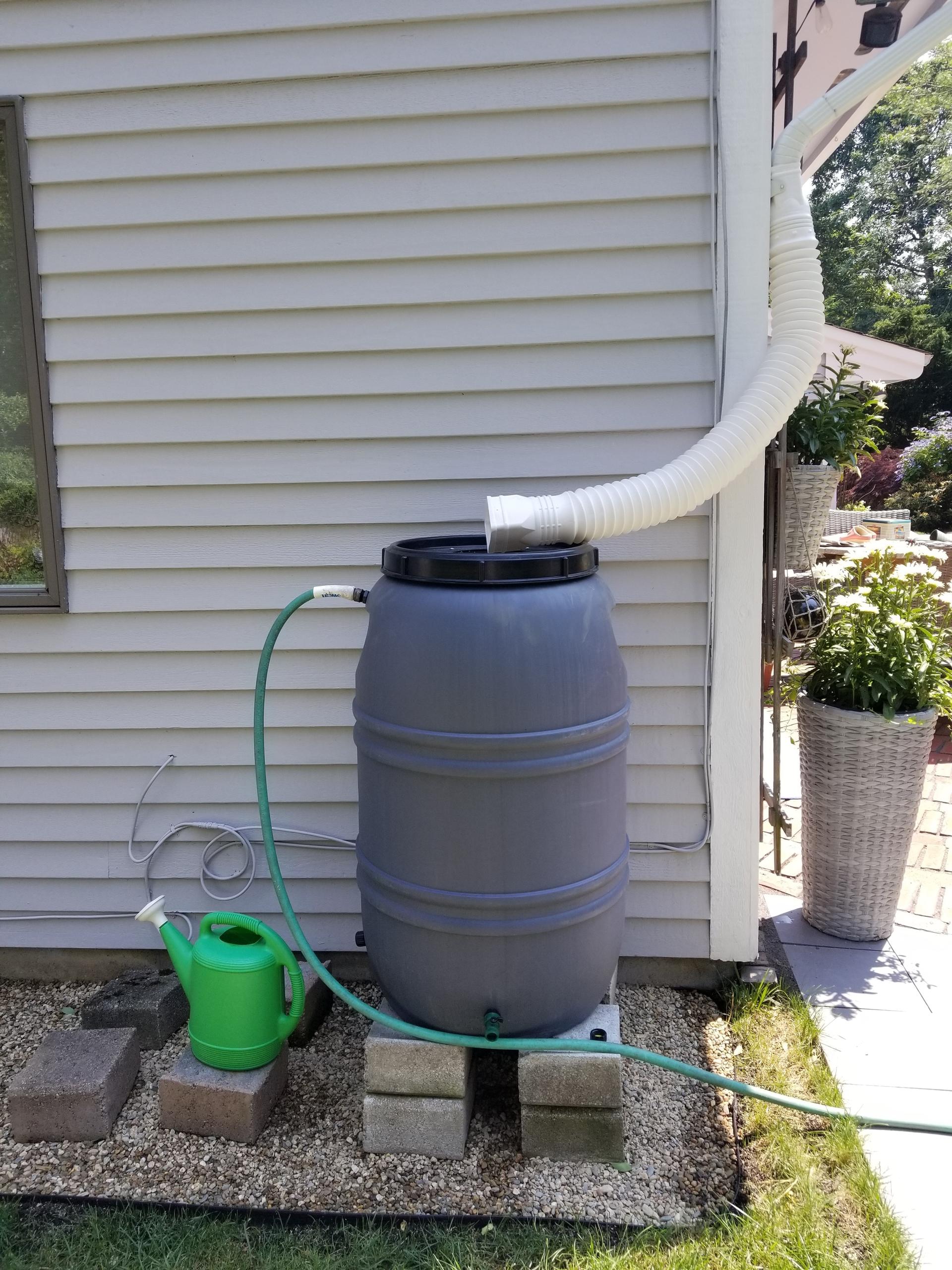
Rain Barrels for Cape Cod Order online from Upcycle Products
$122 each includes FedEx shipping to your door
55 gallon, repurposed food barrels Keep a barrel out of a landfill, and capture some free rainwater.
APCC receives a portion of the proceeds. For more information, click here. |
|
|
| APCC eNewsletters.
Our weekly newsletters are archived on our website and easily shared.
You can find past newsletters and share with your friends. Encourage others to sign up for future enewsletters HERE.
|
|
|
Are you thinking of going solar? We hope so!
In partnership with E2 SOLAR in Dennis, APCC receives $500 for every solar installation when APCC is named as referral. |
|
|
| Thank you to the homeowners who just contracted to install solar panels through E2 Solar.
May the sun always shine for you! |
|
|
Expressions Gallery, 578 Main Street, Chatham CLICK HERE |
Expressions Gallery donates 20 percent of its profits to APCC's work. |
|
|
Thank you to our business sponsors! |
|
|
APCC is rated four stars by Charity Navigator, 2023 Platinum by Candid (formerly Guidestar), and
2024 Top-Rated by GreatNonprofits. |
|
|
Our Contact Information
*{{Organization Name}}*
*{{Organization Address}}*
*{{Organization Phone}}*
*{{Organization Website}}*
*{{Unsubscribe}}* |
| |
|
|