Association to Preserve Cape Cod |
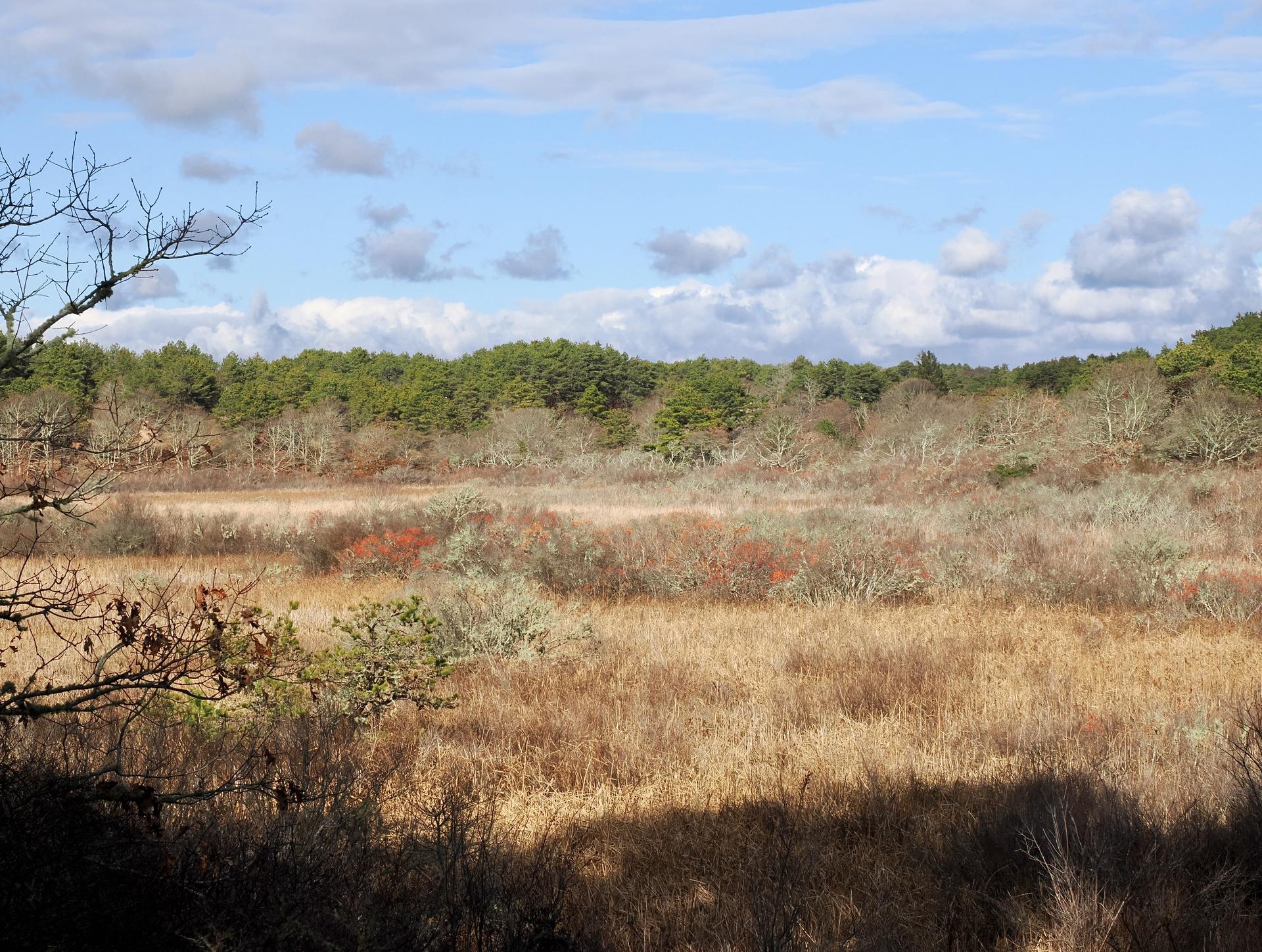
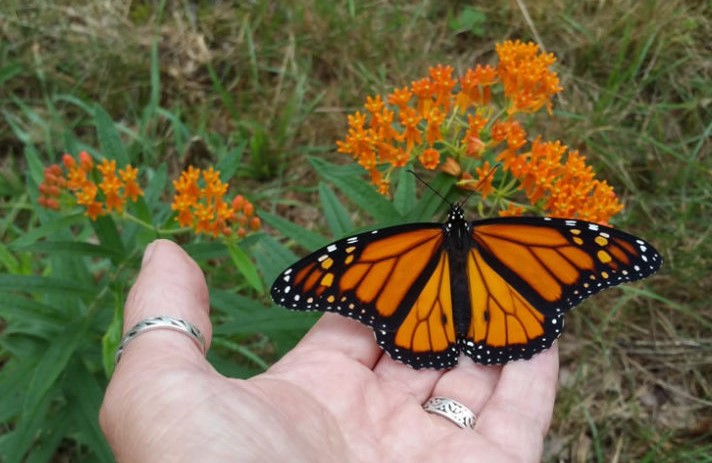
Above photo by Sue Machie |
|
|
|
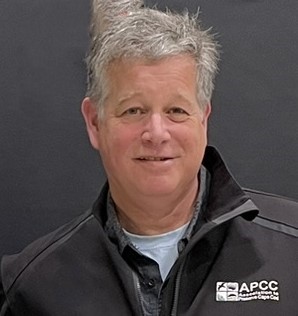
Read the Water by Andrew Gottlieb, Executive Director |
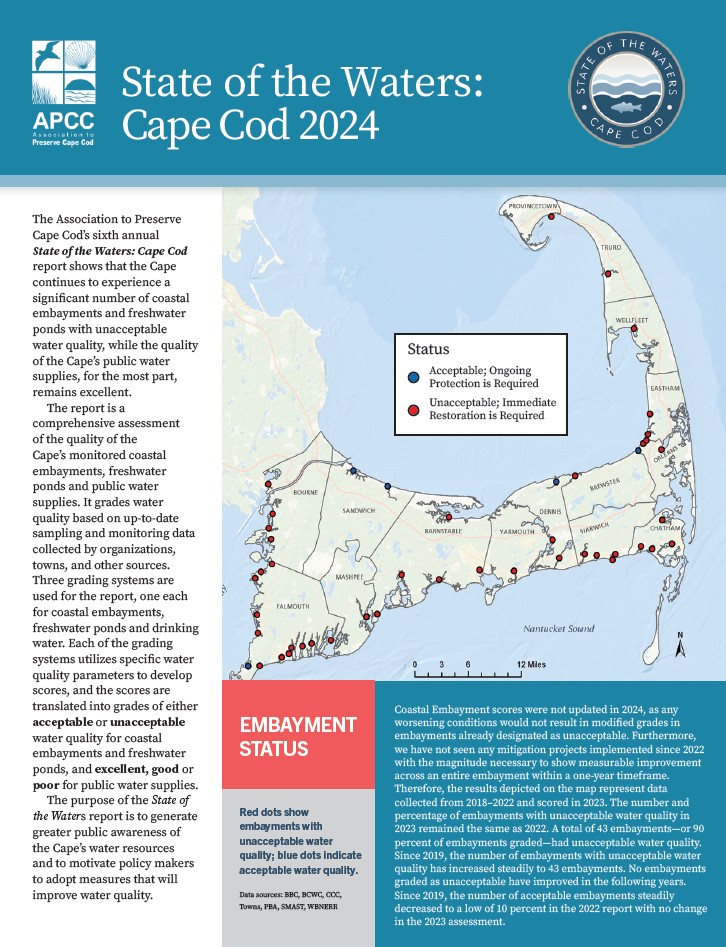
APCC’s 6th annual State of the Waters: Cape Cod report is now live and, as usual, our findings reveal a lot about the work remaining to become better stewards of our water resources. At the highest level, the story remains the same: Excess nutrients from septic waste, stormwater and fertilizers are degrading our fresh and salt surface waters. These problems have been, to some degree at least, known for some time. Our surface waters have been exhibiting signs of decline for decades. It is only recently that we have finally begun really paying attention and developing the data that provides insight into the scope of the decline and the path toward restoration.
|
|
|
The results are these: persistently terrible water quality in 90 percent of our embayments, more than half our ponds (for which we have water quality data) are exhibiting signs of decline, and only our drinking water is of high quality. |
|
|
|
Stepping back, a few messages jump out. The first may be counterintuitive. The Cape has figured out how to move forward restoring its estuaries. The financing tools that make town investments in collection and advanced treatment affordable are wildly effective in motivating town voters to move forward with these necessary projects. The last few years have seen previously reluctant towns experience overwhelming voter support for major wastewater treatment projects. The path here is clear and the challenge is maintaining momentum so that new project phases are added every few years to expand these core projects. As projects come online and reduce nutrient loading to the groundwater, the downgradient estuaries will begin to recover. It will take a while for future State of the Waters updates to reflect improvement, but it will come.
|
|
|
The picture is less encouraging and the hill to climb is much steeper for ponds. It is clear our ponds are suffering. We are with ponds where we were as a region 20 years ago with estuaries. By the eye test, we know that ponds are degraded, but we do not yet have all the data needed to advance the political will needed to make the changes in wastewater management and land use to reverse the pond health decline our reports are documenting. No town on the Cape has a comprehensive plan to address the needs of their freshwater ponds and some towns still embrace the fantastical notion that they have no freshwater pond problem at all.
The challenge here for all of us concerned with freshwater quality is to aggressively elevate the commitment to freshwater pond restoration to the level that is now the norm for our estuaries. Residents must demand that their town officials expand and rethink their nutrient management plans to expressly include improvement of freshwaters as a goal.
APCC will continue to press for the resources to continue the Barnstable County funded Freshwater Initiative that will run out of money at the end of 2025. This critical program must be continued in the future. The ongoing use of ponds as the destination for untreated stormwater must stop. APCC is working with many towns and partners on improving stormwater management, but more needs to be done. APCC will be at the forefront, driving progress here in 2025 and beyond.
The ongoing and needless use of pesticides, fertilizers and herbicides is damaging our ponds, and this is one example of the power of individual action. Forget the quickly ignored New Year resolutions to lose weight or to spend less time on useless social media and commit yourself to eliminating the use of fertilizers and other chemicals on your yard. We have lots of useful tips on how to manage your property more in harmony with nature (Guidelines for Cape-friendly Landscapes; fact sheets). APCC will continue to emphasize better land use decisions, but our success depends on your actions. So, let’s go!
Our water quality directly reflects the priorities we set and how we behave. Your precious waters are screaming at us all that we need to do a better job. What are we waiting for? |
|
|
Sustainable Solutions: Update on the Scargo Lake
Stormwater Project |
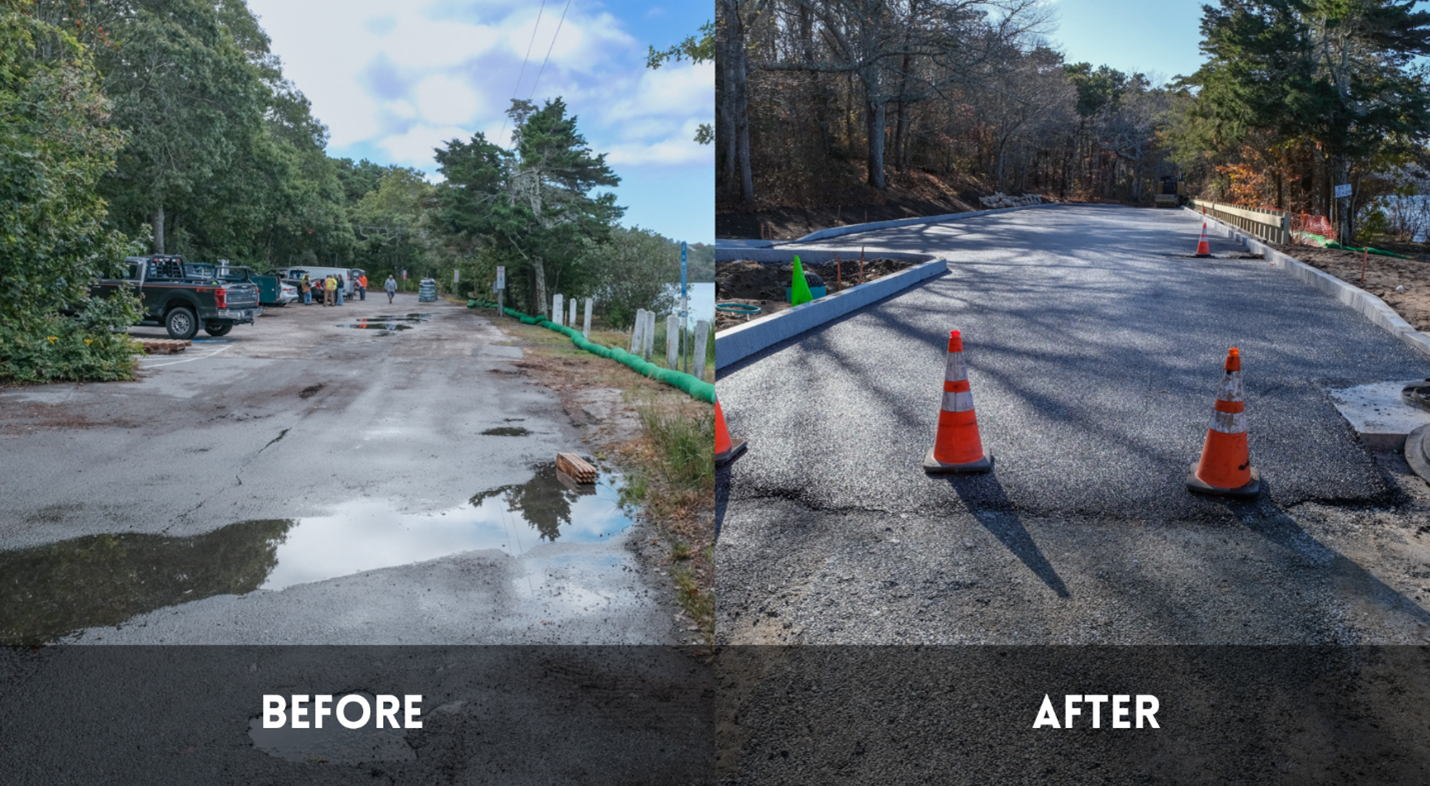
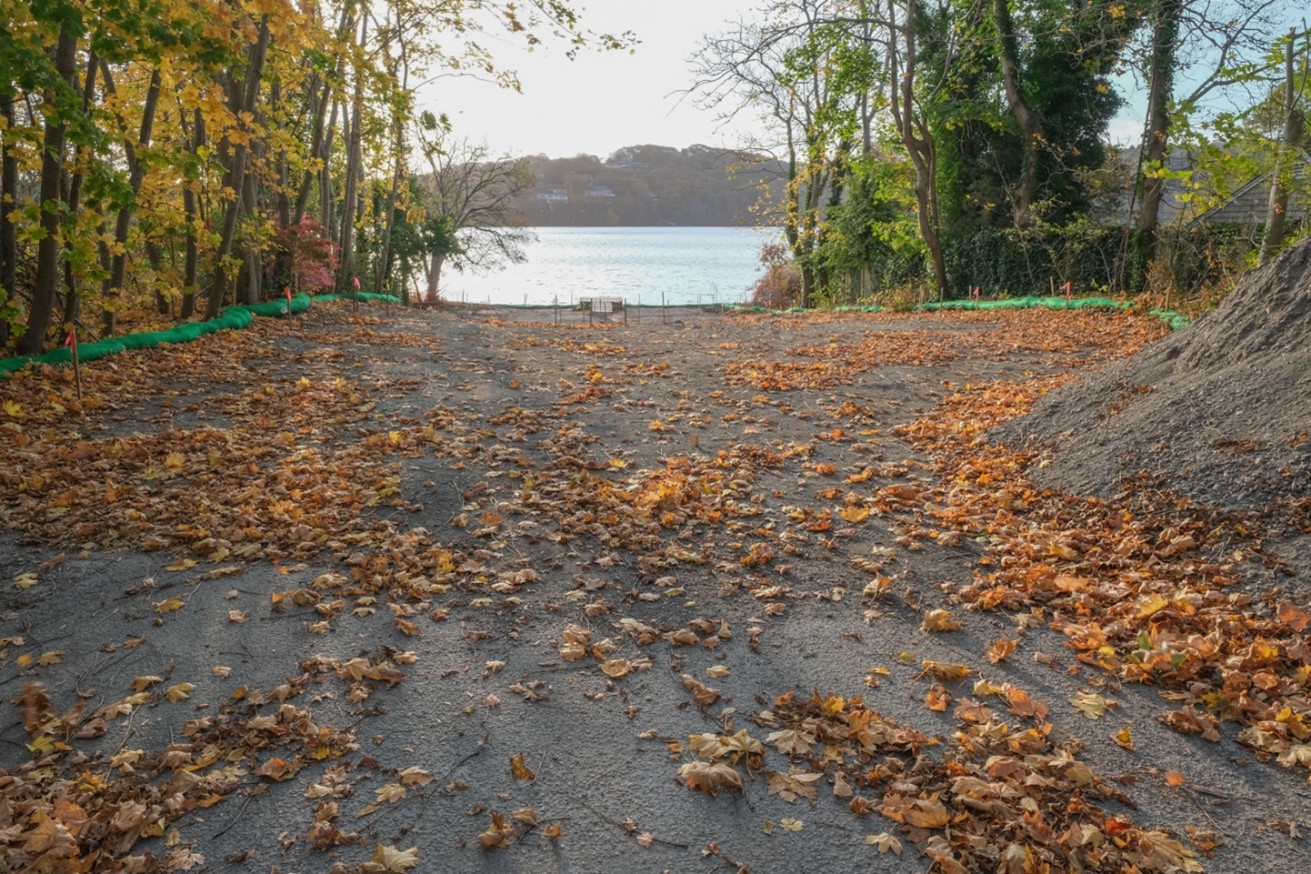
Above: Before and after comparison of the Dr. Lord’s parking lot at Scargo Lake Beach in October before construction and after the binder course of porous pavement was finished on November 22. |
Great progress is being made on the Scargo Lake Stormwater Project. As part of a Cape-wide plan to improve stormwater treatment at public boat ramps and landings, stormwater retrofits at Scargo Lake Beach parking lot and Scargo Landing in Dennis are under construction and will be completed in the spring of 2025.
In late November, after underground drainage structures were put in place at Scargo Lake Beach off Dr. Lord’s Road, the parking lot was paved using porous pavement. Porous pavement is like typical asphalt except it is a coarser mix that, when poured, creates void spaces that allow for water to filter through and is laid atop several inches of compacted stone. Since there is a limited amount of space at this site, the project team opted to include porous pavement here to tackle stormwater runoff as soon as rain hits the pavement.
On typical impervious pavements, rain will collect and flow over or runoff the top of the pavement, picking up pollutants and carrying them into storm drains, or in this case, the adjacent waterbody. Now, coupled with an underground drainage system and a bioretention area (effectively an engineered rain garden), the porous pavement will allow rainwater to infiltrate or soak into the ground over time where it is treated, protecting Scargo Lake from receiving polluted stormwater runoff from Dr. Lord’s Road and the parking lot.
Because of the need to finish installing the porous pavement at the Scargo Lake Beach parking lot before temperatures dropped this winter, work at Scargo Landing off Route 6A has largely been on pause. Now that porous paving is complete, the construction team is installing the stormwater management system at this site, which includes underground infiltration chambers and a bioretention area. In late winter and early spring 2025, the bioretention areas at both sites will be landscaped and planted.
Construction at these sites is being completed by J.W. Dubis with oversight from the town of Dennis. The engineers at Horsley Witten Group provide additional oversight and expertise, while APCC’s restoration team helps with project management. This project has been funded by Massachusetts Office of Coastal Zone Management Coastal Habitat and Water Quality Grants as part of the Cape Cod Boat Ramp Stormwater Project, together with a private foundation grant, the town of Dennis, and the MassBays Partnership.
APCC’s work on stormwater management aims to not only complete projects like the one at Scargo Lake, but to build capacity and networks for future projects that protect water quality on Cape Cod. Read more about APCC’s stormwater management projects across the Cape in this recent Enterprise article.
|
Above: Scargo Landing has been surveyed and prepped with erosion control for construction to begin in December. |
|
|
| APCC MassBays Regional Service Provider since 2006 |
|
|
APCC has served as the MassBays Regional Service Provider for the Cape Cod region since 2006. APCC is one of five regional service providers working to identify regional priorities and support the goals of the MassBays National Estuary Partnership.
In 2024, April Wobst, APCC’s ecosystem restoration program manager, was appointed to the role of regional coordinator for the Cape. As regional coordinator, April responds to local needs, convenes stakeholders and decision makers, provides technical and hands-on assistance, and conducts education and outreach to engage volunteers and inform community members about the importance of coastal ecosystems.
APCC is currently working on multiple projects supported by MassBays including: construction of two green infrastructure stormwater management systems at boat ramps along Scargo Lake to improve water quality and habitat for river herring (Dennis); improvement of the Sesuit Creek salt marsh through adaptive management and planting of native salt marsh grass (Dennis); assessment and planning for salt marsh restoration at Chase Garden Creek (Dennis/Yarmouth); coordination with local and regional partners on assessment, planning and prioritization of projects to restore salt marshes, streams, herring runs, and retired cranberry bogs; and management of the volunteer herring monitoring program for Cape Cod.
Established under Section 320 of the Clean Water Act in 1987, the National Estuary Program (NEP) is an EPA program to protect and restore the water quality and ecological integrity of estuaries of national significance. MassBays was named an estuary of national significance in1990 and is one of 28 National Estuary Programs (NEPs) in the U.S. and one of two in Massachusetts. Today, MassBays envisions a network of healthy and resilient estuaries, and sustainable ecosystems that support life and communities dependent upon them. The MassBays study area includes 45 estuaries within more than 50 communities along the 1,100 miles of coast from Salisbury on the New Hampshire border to Provincetown at the tip of Cape Cod.
MassBays' Ecohealth Tracking Tool is a gateway for the public, scientists, and policy makers to access information about coastal habitats, the water quality conditions that sustain healthy habitats, and the many benefits these habitats provide. Information about habitats in the bays and threats to their health helps MassBays take action to improve conditions.
You can read more about MassBays NEP projects and progress toward improving health across the bays on their website at massbays.org. You can follow MassBays on Instagram, Facebook, and Linkedin. Sign up to receive MassBays quarterly newsletter here.
|
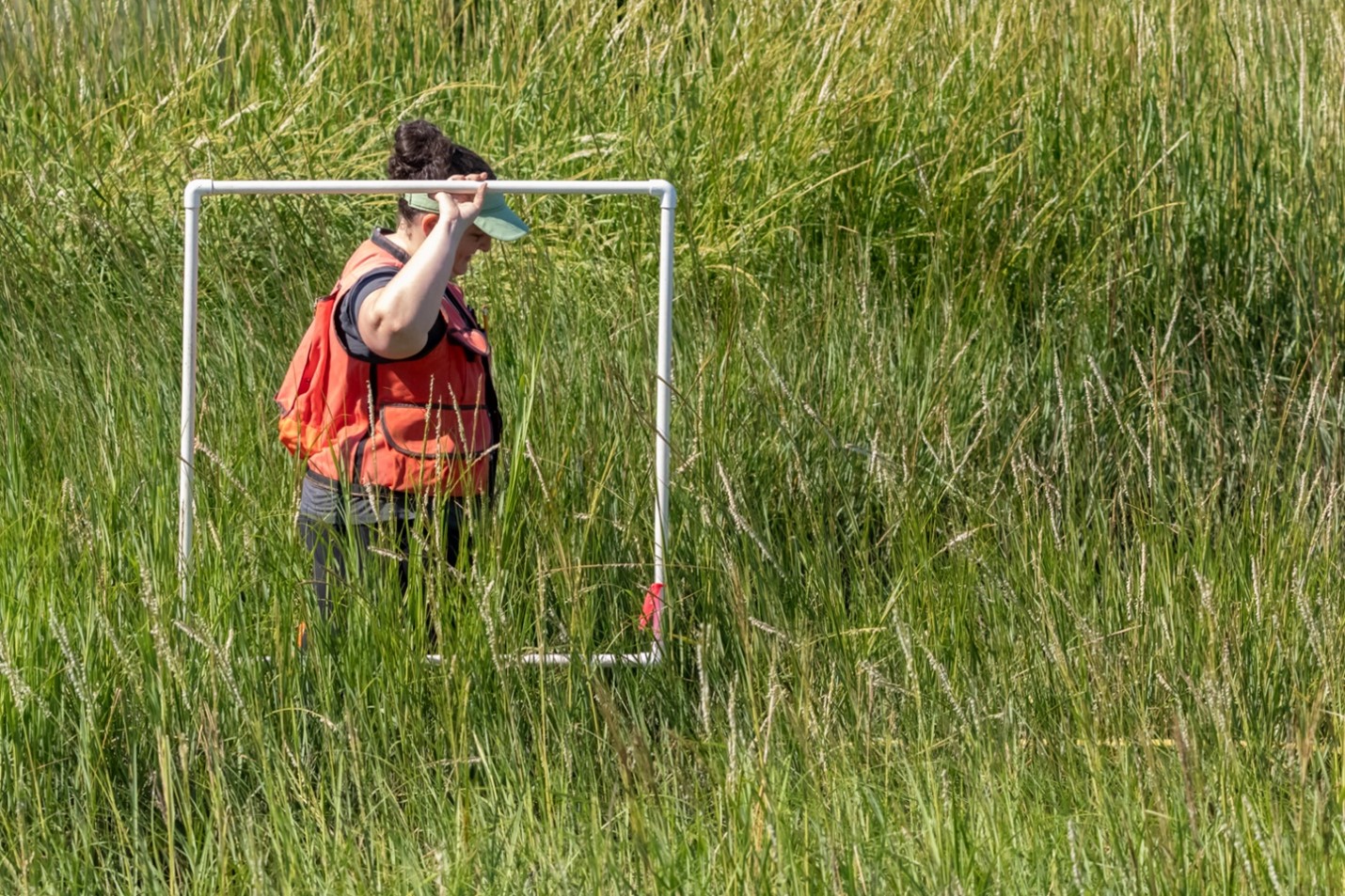
Above: April Wobst, APCC restoration program manager and MassBays regional coordinator for Cape Cod, surveying vegetation at Sesuit Creek salt marsh in August 2024. |
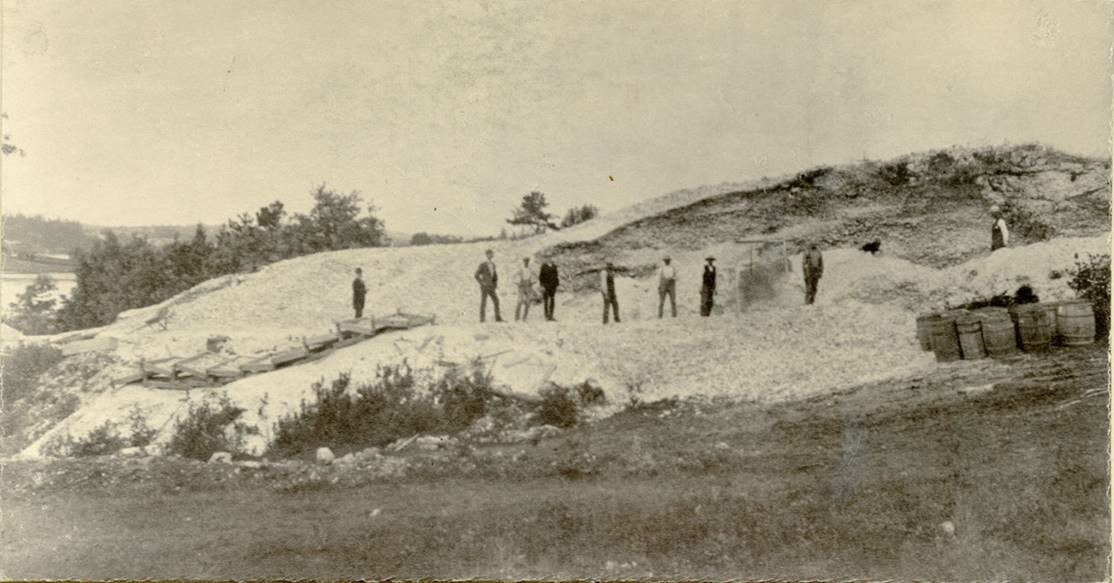
Above: Whaleback shell mound - Courtesy of the Peabody Museum of Archaeology and Ethnology, Harvard University, PM #2004.29.874 |
Picture this: the ocean bottom along the entire eastern coast paved with oysters.
Historically, reefs of oysters existed along the entire eastern seaboard. Since oysters were something the Europeans were familiar with and valued as food, they commented on the abundance of shellfish they found. Samuel De Champlain, in his second voyage in 1606, wrote that he found oyster beds in Chatham harbor and that all of the harbors, bays and coastlines south of Portland, Maine to Cape Cod were filled with a variety of fish and shellfish, “principally oysters.” In an early 1800 reference book, Chatham is referred to as “Oyster Island Harbour.”
The robust oyster populations were further evidenced by the discovery of massive shell middens. Some of the shell heaps measured 30 feet deep. Shellfish, particularly oysters, have always been an important food source to the native people. It was said that oyster shells found in the great shell middens of Damariscotta, Maine measured some 15 inches in length—that’s a big oyster!
But by the 1800s, much of the oyster beds had been decimated along the east coast from New Jersey north to Maine due to their value. Oysters were a commodity. As early as the printing of an 1884 natural history book on invertebrates, it was stated that oyster beds were clearly in decline and pointed out the loss of historic beds of significant size north of Cape Cod to Prince Edward Isle.
Oyster reefs naturally develop by colonizing oysters that are the result of each season’s new spat adhering to existing shells. The formation of this mass of shells creates secure habitat, not only for oysters, but numerous other marine invertebrates. Juvenile fish benefit from oyster reefs as refuge from predators and as a place to source food. Another important ecosystem service provided by oyster reefs is their ability to attenuate wave energy, providing quiescent waters for seagrass development and serving as a buffer to shorelines from the erosive energy of storms. But oyster reefs have become one of the most globally threatened marine habitats, as we’ve lost well over 85 percent of them.
|
Operation Restoration - Oyster
Here's a short film (14 min) that tells the story of this ecosystem restoration effort led by the Massachusetts Oyster Project through the lens of citizens, scientists, students, and government officials. Oysters are remarkable creatures, capable of filtering up to 50 gallons of water each day, making them a keystone species essential for protecting coastlines, marine life, and overall ocean health. Healthy oyster beds also slow incoming waves, helping to prevent erosion and flooding along the shore.
|
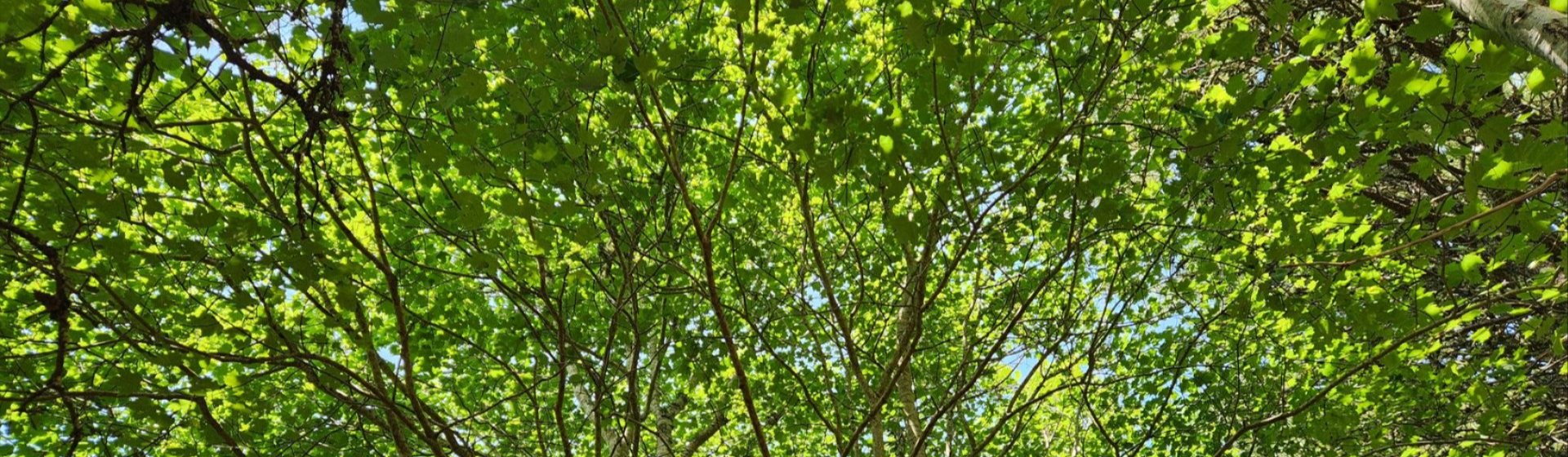
It's called a Miyawaki forest, a method of forest restoration developed by Akira Miyawaki, a Japanese botanist and an expert in plant ecology. The first Miyawaki forest in the U.S. Northeast was planted in North Cambridge in the fall of 2021. If you are wondering to yourself, what is a Miyawaki forest, you are probably not the only reader with this question. Read more here, and then watch the video below.
|
|
|
Part III, Basics of Bud IDs: Bud Placement by Erin Camire, APCC Eco-audit Program Manager |
Welcome back to the next article on bud terminology, this time around we’ll be talking about bud placement. So, without further ado, let’s dive right in.
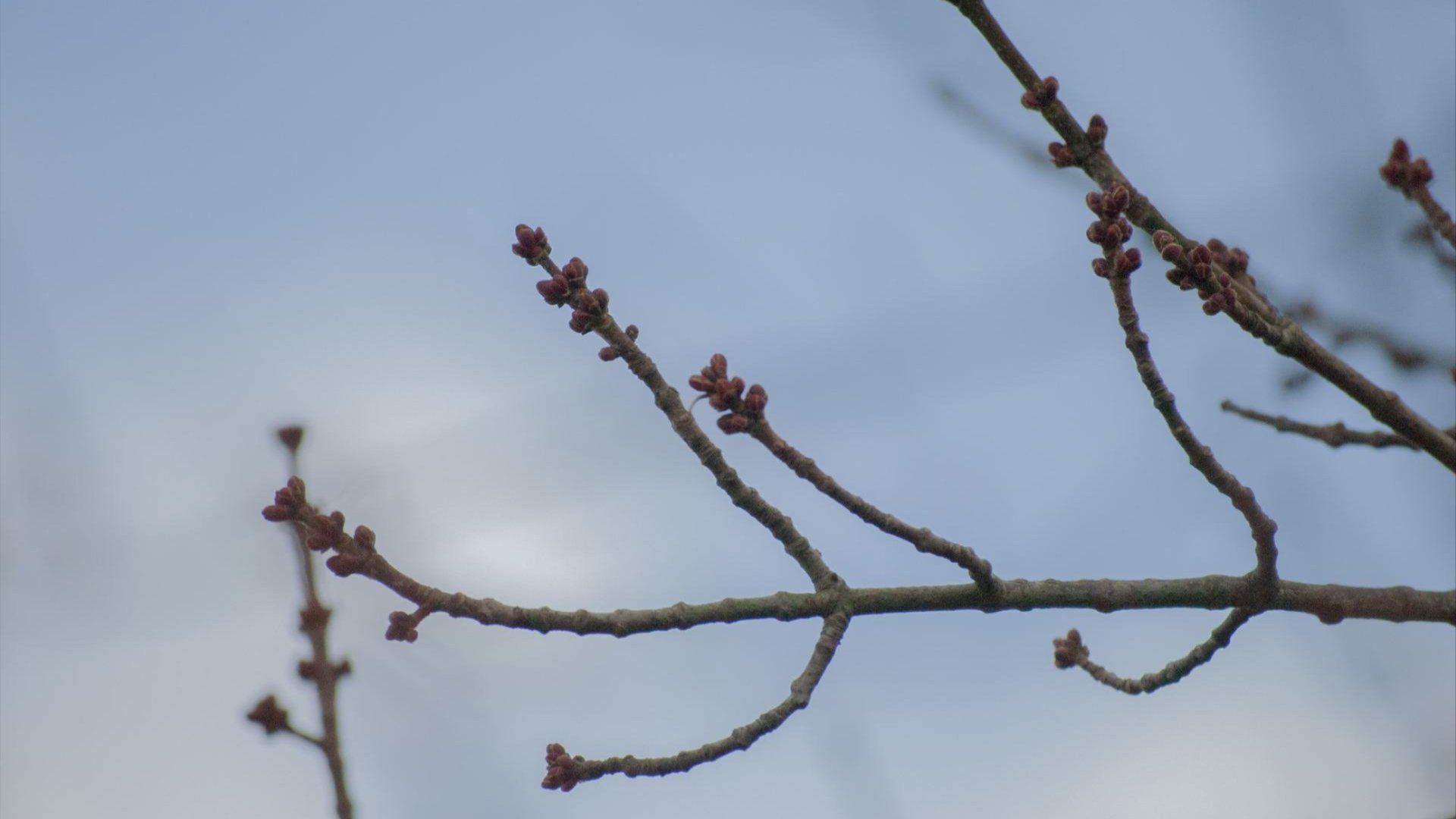
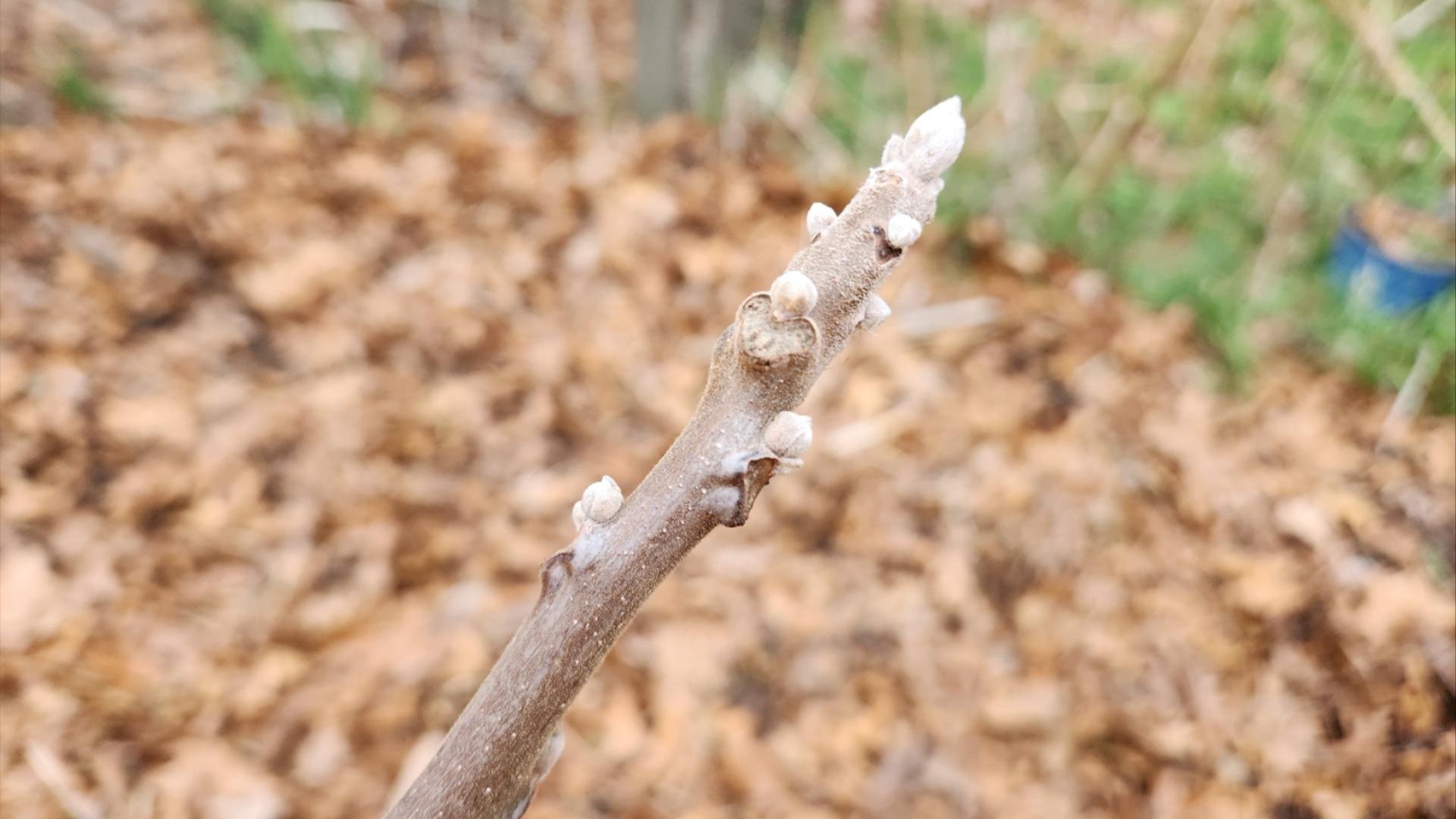
We’ve already talked about branching patterns and how they relate to buds, but this particular feature is a bit different, as it refers to if a bud is placed at the end of the stem, or along the sides. The bud at the tip of the twig is typically bigger and features its own characteristic features, which buds farther down the stem may not possess. This final bud on the stem is called the terminal bud, while the smaller buds farther down the stem are referred to as lateral buds. Another interesting feature about bud placement is that occasionally you can come across false terminal buds. This is caused when the natural end of a twig is damaged, by browse, frost, etc., and withers away, creating a new end to the branch. When this occurs, a lateral bud will kick into action and start growing to become the next terminal bud. But if you encounter a twig at this weird middle stage, where the lateral bud has not fully transitioned to a terminal bud, some characteristic features may be missing; this is why it’s important to look at more than one twig from the same plant.
Additionally, some plants have a built-in contingency plan if they lose their terminal buds. Most notable on oak species, the terminal bud will actually be a cluster of multiple buds. Unseen to us, the plant knows which of these buds is the true terminal growth point, but it produces what we call secondary and even tertiary buds in case the primary bud is damaged.
Other tree species, like ash, don’t feature terminal bud clusters, but still have smaller, sometimes even microscopic, secondary and tertiary buds. These backup buds are particularly useful for trees that leaf out early in spring, as this is a high-risk/high-reward strategy for plants. They’re able to start the growing season sooner, meaning they can accumulate more energy to grow and produce seeds, but they risk a late spring frost, which could cost them their first flush of leaves.
A late spring frost is a serious risk to plants, as the first flush of growth in spring represents the very small amount of reserves a plant has left over from an entire winter of fasting; losing it means a plant needs to pull resources from other areas to replenish itself. This causes a plant to lower its defenses to insect or fungi attacks, and could put the individual at a serious disadvantage for the rest of the season. The evolution of plants that chose to take this risk resulted in the creation of secondary and tertiary buds that are ready to spring into action if the primary buds face damage.
|
|
|
Spotlight on Rodenticides, They're Poison! |
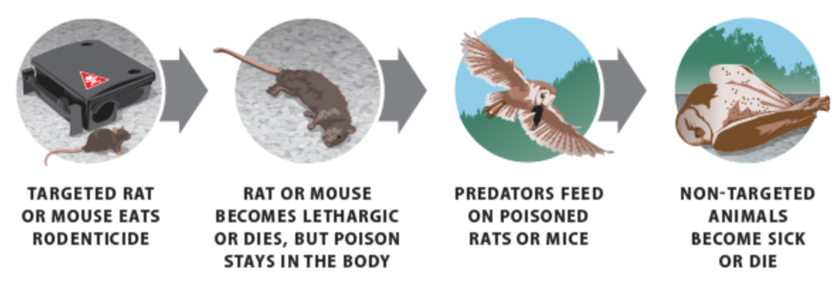
Second Generation Anticoagulant Rodenticides (SGARs) are a type of poison used for rodent control that work by stopping the blood clotting processes, causing lethal hemorrhage. SGARs have been extensively used for rodent control, allowing secondary exposure and poisonings in non-target wildlife species, such as birds of prey that mainly feed on rodents or small birds. Learn more about the effects of these poisons on Massachusetts wildlife (MSPCA). While SGARs are prohibited for residential consumer purchase in the Commonwealth, commercial use is allowed for licensed pesticide companies. Seek other alternatives!
|
Above graphic sourced from https://www2.gov.bc.ca/gov/content/environment/pesticides-pest-management/legislation-consultation/rodenticide-ban |
In 2022, a total of 533,000 lbs. (>265 TONS) of Second-Generation Anticoagulant Rodenticides (SGARs) were used in the Commonwealth of Massachusetts. These are poisons used by commercial pesticide companies. Nontarget species are being impacted by these poisons. Save Arlington Wildlife has a list of frequently asked questions with eye-opening answers. |
Do you have a contract with a pest control service to control rodents? Do you know what methods they are using? If it's bait boxes that contain rat poison, have them removed—all of them. There are other alternatives. Your contractor may be using them according to the regulations, but that's the problem. The regulations need to be changed. In fact, we believe as many do, there should be a state ban on their use.
If you want to help take action, sign up with MA Audubon here. |
|
|
A Cape-wide Conservation Event Calendar |
|
|
The Compact of Cape Cod Conservation Trusts (“the Compact”) and its nonprofit members launched a new regional calendar of events. The Conservation Calendar includes programs across Cape Cod hosted by these groups. The goal of the calendar is to encourage visitors and residents to take part in nature and environmental events. You can always find the link to the calendar on APCC's website under News & Events.
|
A Cape Cod Native Plant-selector ~ to help you choose the perfect native plants for your garden. |
|
|
Email membership@apcc.org and we'll send you a CapeCodNativePlants.org decal. |
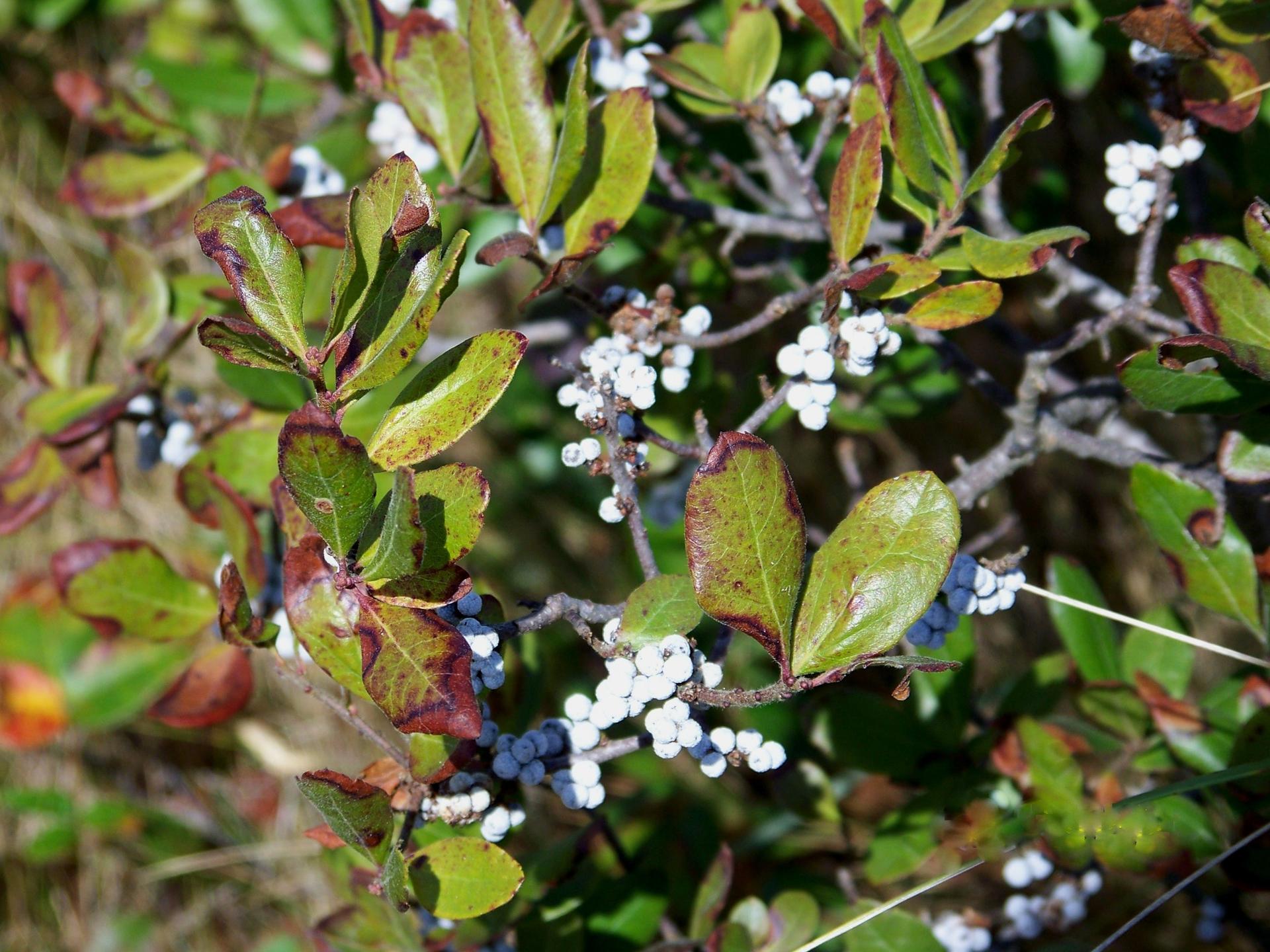
| Bayberry
Morella caroliniensis |
|
|
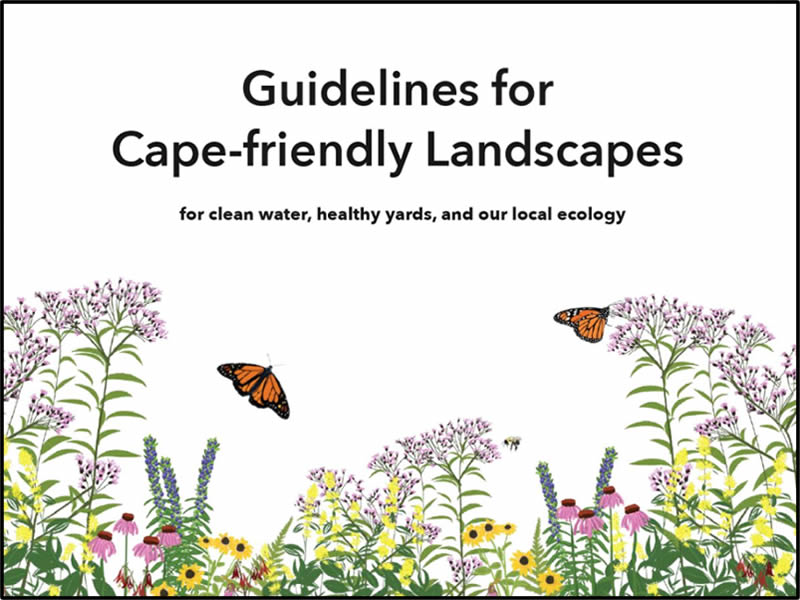
Guidelines for Cape-friendly Landscapes - an APCC publication |
The Guidelines gives homeowners steps they can take in the design and maintenance of their properties that will support pollinators and birds, manage stormwater, conserve water, and protect the Cape's water quality. This 40-page booklet is beautifully illustrated by Marcy Ford with content that is easily digestible and supported by numerous resources for additional learning.
|
Thank you for this important book! Hopefully everyone of us with a yard will read it and put it to use! - Vicky Titcomb of Titcomb Bookshop |
We are grateful for the several retail shops that are partnering with us to make this publication more widely available: Brewster Book Store, Birdwatchers General Store, Crocker Nurseries, Wellfleet Audubon Wildlife Sanctuary, Cape Abilities Farm, Cape Cod Museum of Natural History, the Cape Cod Lavender Farm, Heritage Museums and Gardens, Titcomb's Bookshop, Sea Howl Bookshop, Soares Flower Garden Nursery, and Eight Cousins Bookshop.
If you are a retailer and would like to sell this publication at your store, please contact us. |
|
|
| If you support our work,
consider giving a gift of an APCC Membership
to your favorite environmentalist!
See the gift options here. |
|
|
| Available for online purchase and shipping in the U.S. is free: APCC caps $25
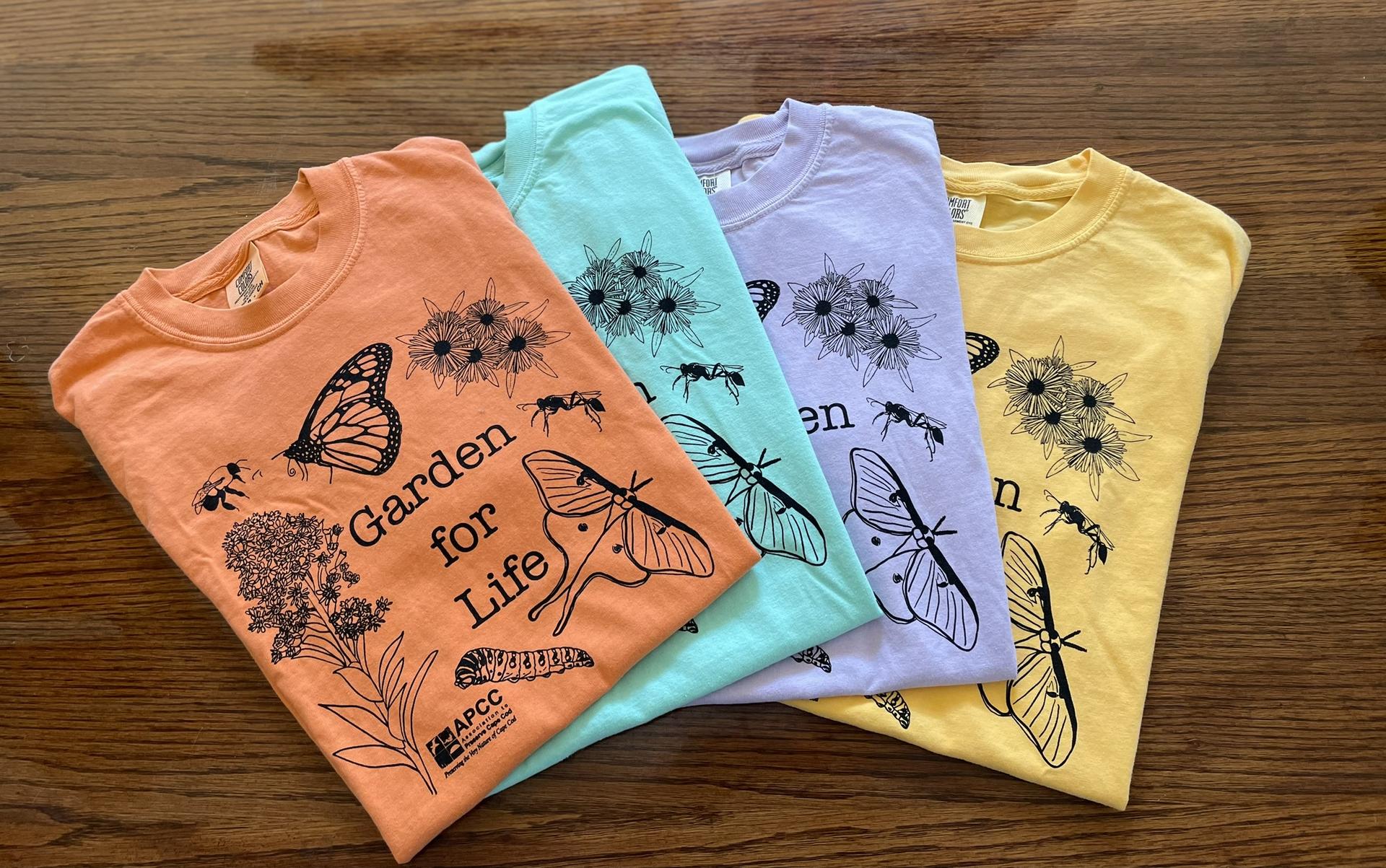
+++++++++++++++++ Garden for Life T's $30
Click here
for more information and to order. |
|
|
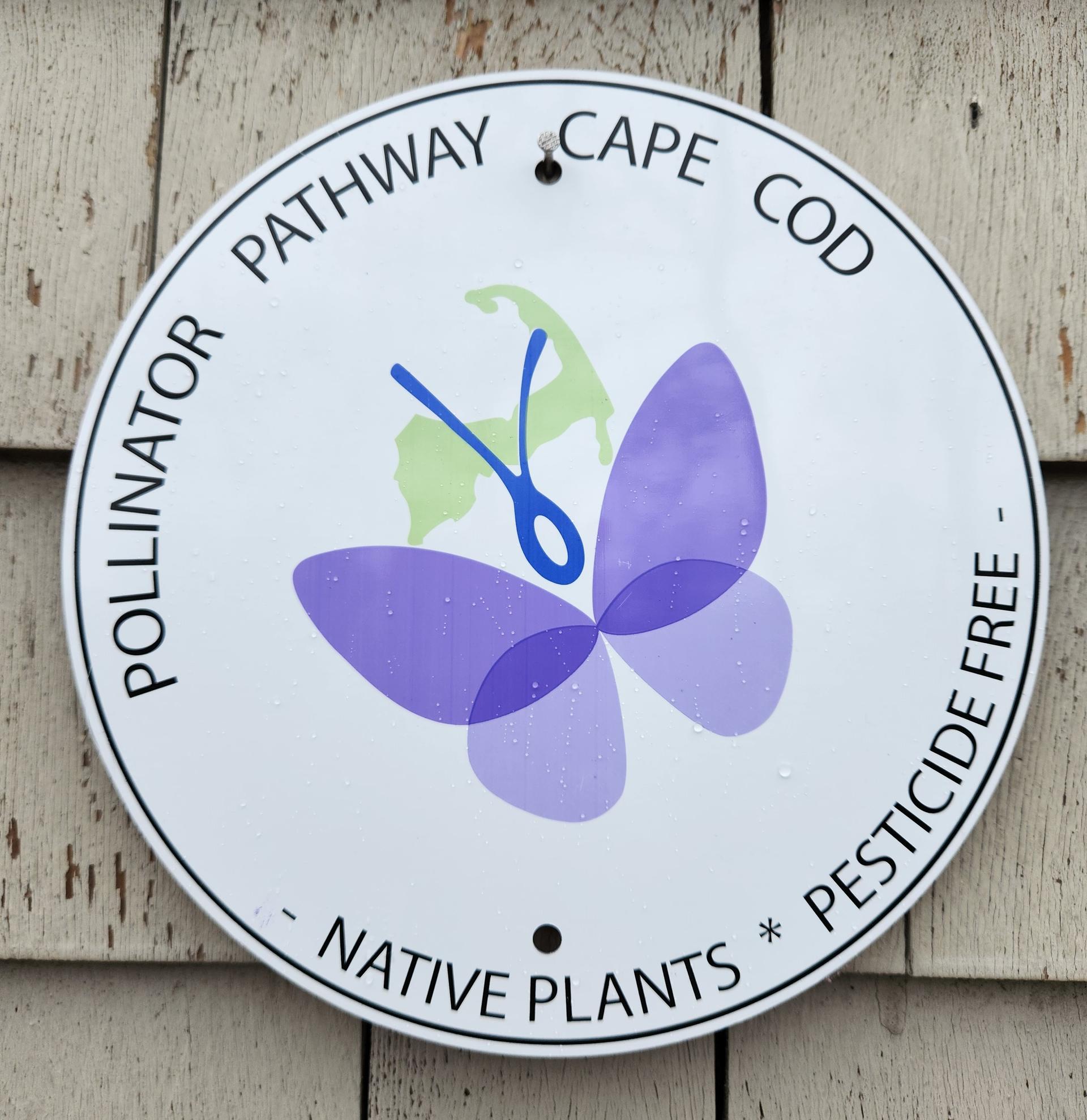
The Pollinator Pathway Cape Cod is a group of organizations promoting native plants and pollinator-friendly land care practices to create a boat load of safe oases for our native bees, butterflies and a whole host of other pollinators that are crucial to the health of our ecosystems.
Join us! It's easy. There are no fees. You just need to pledge to ADD native plants, SUBTRACT a little lawn, AVOID yard chemicals, especially pesticides, and LEAVE the leaves. And, help us spread the word. Please get on the map to show your support of pollinators on Cape Cod!
You can purchase the 9-inch aluminum Pollinator Pathway Cape Cod sign at Hyannis Country Garden, Crocker Nurseries, Brewster Book Store, Orleans Conservation Trust, and
Cape Abilities Farm. If you are a retailer, and you would like to sell the signs, you can order online here, or email pollinators@apcc.org. |
|
|
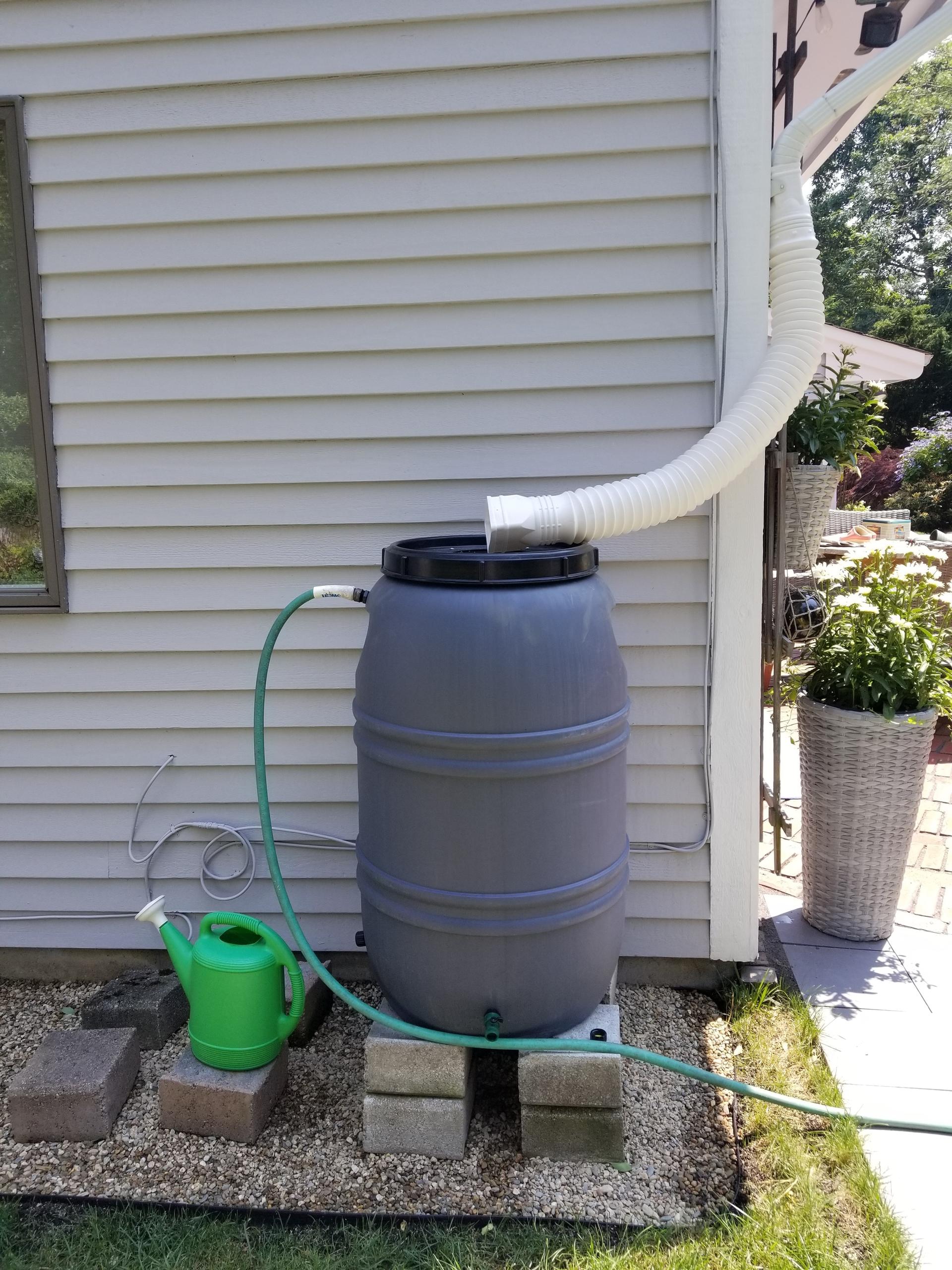
| Rain Barrels for Cape Cod Order online from Upcycle Products $122 each includes FedEx shipping to your door 55 gallon, repurposed food barrels Keep a barrel out of a landfill, and capture some free rainwater. APCC receives a portion of the proceeds.
For more information, click here. |
|
|
| APCC eNewsletters.
Our weekly newsletters are archived on our website and easily shared.
You can find past newsletters and share with your friends. Encourage others to sign up for future enewsletters HERE.
|
|
|
Are you thinking of going solar? We hope so!
In partnership with E2 SOLAR in Dennis, APCC receives $500 for every solar installation when APCC is named as referral. |
|
|
| Thank you to the homeowners who just contracted to install solar panels through E2 Solar.
May the sun always shine for you! |
|
|
Expressions Gallery, 578 Main Street, Chatham CLICK HERE |
Expressions Gallery donates 20 percent of its profits to APCC's work. |
|
|
Thank you to our business sponsors! |
|
|
APCC is rated four stars by Charity Navigator, 2023 Platinum by Candid (formerly Guidestar), and
2024 Top-Rated by GreatNonprofits. |
|
|
Our Contact Information
*{{Organization Name}}*
*{{Organization Address}}*
*{{Organization Phone}}*
*{{Organization Website}}*
*{{Unsubscribe}}* |
| |
|
|