Association to Preserve Cape Cod |
|
|
| A Pivot by Andrew Gottlieb, APCC Executive Director |
The national election results promise seismic changes on many fronts, not the least of which will be the federal approach to environmental regulation and protection. You may celebrate or dread what is to come, but what we seemingly all can agree about that is that big changes are looming. APCC will be adapting our strategy and tactics, but not our core beliefs, goals and objectives, to the new realities we face. Our commitment to clean air, clean water and healthy ecosystems here on Cape Cod remains steadfast. How we approach achieving these objectives will change out of necessity and a clear-eyed assessment of where opportunities to influence outcomes have shifted.
|
|
|
APCC’s focus remains applying our time, energy and resources to activities with the greatest potential to influence and drive actual change and improvement to the environmental of Cape Cod. That focus will remain the same as the calendar turns to 2025. What is different is that our assessment of the federal government remaining an ongoing partner in our efforts to pursue and finance better environmental outcomes has changed. While APCC has successfully pursued a strategy of attracting significant federal investment in support of our resource restoration, stormwater and water pollution control efforts, it is our assessment that those interests are best served by pivoting to a greater pursuit of, and reliance on, local, regional and state resources.
Similarly successful, our advocacy has generated important protections for Cape Cod ranging from the creation of the Cape and Islands Water Protection Fund, to blocking the use of Cape Cod Bay as a dumping ground, to protecting the Upper Cape Water Supply Reserve from needless contamination, and to increased commitments by towns to water quality improvement and land protection. Our advocacy will remain heavily focused locally.
Working tirelessly, we have built and strengthened relationships and connections with our membership, local partnering organizations, and local, regional and state officials. The majority of our energy in the immediate future will be to work within this network to push a local agenda focused on water quality improvement, enhanced land protection, resource restoration and enhancing the public’s ability to live in greater harmony with nature.
Our focus on the grants and contracts that support a lot of our work will concentrate on state and regional resources because that is where the action will be in the foreseeable future. Rest assured that when the situation calls for it and where our voice can make a difference, APCC will, as we always have, work on national issues that impact Cape Cod.
One of the cornerstones of our strategic plan is our ability to be nimble in the choice of strategies to achieve our goals. As we plan for 2025, we are staying true to the principles that have helped us be an effective and productive advocate for the Cape. Getting results has always been what we have been about, and we remain as committed to being a difference-maker as we have ever been. Making a difference is needed now more than ever. You can count on us, and we are counting on you sticking with us through these challenging times.
|
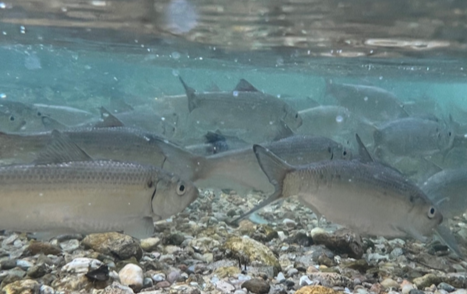
Above: River herring make their way up the Quashnet River in Mashpee on their way to the spawning habitat in Johns Pond. |
2024 Cape Cod River Herring Update |
This past week several staff from APCC attended the River Herring Network annual meeting in Weymouth, MA. The River Herring Network is a community of river herring conservationists and managers working to facilitate communication among stakeholders, strengthen community engagement, and ultimately increase the numbers of alewife and blueback herring in the waters of Massachusetts.
The annual meeting featured updates from the Massachusetts Division of Marine Fisheries on a variety of topics. Attendees learned about the latest stock assessment and population trends for river herring in Massachusetts, as well as ongoing efforts to restore their habitat. An update was given on Amendment 10 to the Atlantic Herring Fishery Management Plan, which aims to include measures to protect river herring and shad while at sea. Additionally, several research projects were highlighted, including studies on the impact of herbicides on river herring pond habitat and the innovative use of artificial intelligence to count river herring populations.
The annual meeting also provides an opportunity for APCC to share the results of the 2024 Cape Cod river herring monitoring efforts with the larger community. These data are the result of countless hours of dedicated work by partner organizations, municipalities, and volunteers across Cape Cod. The key results from the 2024 Cape Cod river herring monitoring: -
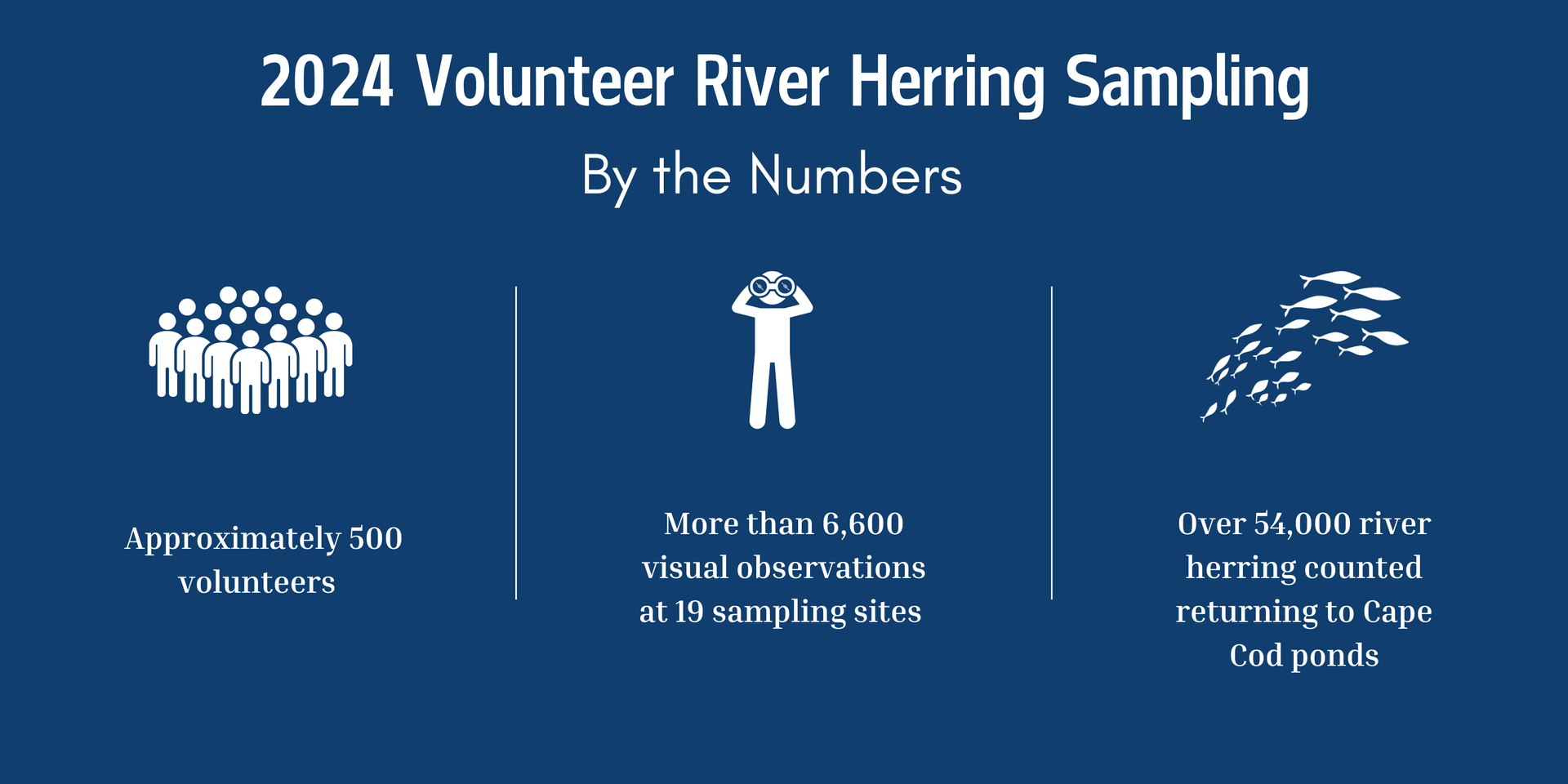
Monitoring effort: There were more than 6,600 observations collected by over 500 volunteers across Cape Cod in 2024. The 2024 sampling effort was slightly greater than the 2023 effort.
-
The raw data: Over 54,000 returning herring were observed at 19 different sites. The overall number of observed herring across all sites declined compared to 2023.
-
Run size indices: MA Division of Marine Fisheries uses the raw observations to calculate run size indices using a mathematical model. The model accounts for the number and timing of observations and provides a relative index of population trends over time. While six of the monitored runs experienced increases over 2023 run estimates, the median percent change across all runs was minus 28 percent, indicative of overall declines in 2024.
- Overall status: The 2024 herring run indices are below the long-term averages for most sites, indicative of depleted populations.
Our dedicated volunteers are making a significant impact on understanding and protecting Cape Cod's vital herring populations. While longer-term data are needed to definitively identify trends, each year of consistent and sustained fish counts adds to our knowledge base. By adhering to a consistent methodology, our volunteer programs are generating valuable data for fishery scientists and managers. The more years we dedicate to these efforts, the more comprehensive our understanding of fish populations becomes.
APCC remains committed to monitoring river herring populations and collaborating with partners to implement effective conservation and restoration strategies. With the support of the MassBays National Estuary Partnership, in our role as the Cape Cod regional service provider, we'll continue to advance these vital initiatives.
The success of our monitoring program hinges on the dedication of our volunteers and the willingness of partner groups to share their data. By working together and sharing knowledge, we can protect and restore these essential fish populations. We look forward to another productive year in 2025! |
Above: Summary of the 2024 Cape Cod volunteer river herring sampling. |
Get Bug-Savvy! What's that Bug? |
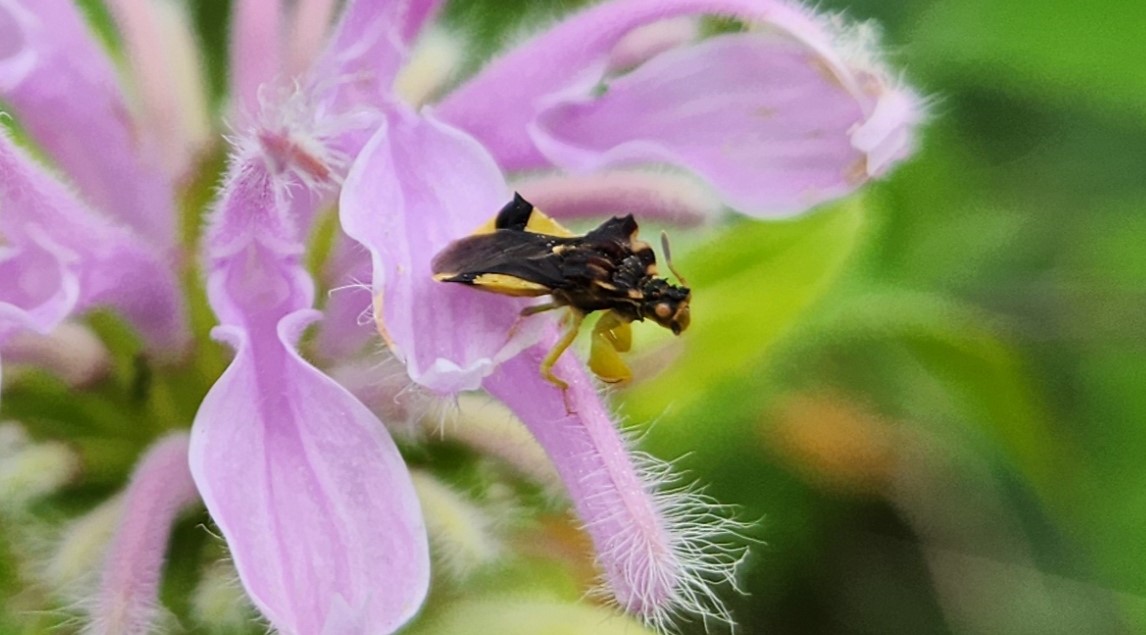
Ambush bugs are often found on goldenrod plants waiting for their prey, however this one was captured in a photo on a flower of wild bergamot. These insects have distinctive clubbed antennae, setting them apart from other invertebrates. They come in various colors, including white, yellow, brown, green, and some are spotted.
Although they can fly, these bugs typically rely on their forelegs to capture prey. Ambush bugs are fascinating insects that possess unique hunting techniques and specialized features, such as hooked forelegs and an expanded abdomen. Their method of predating is a little gruesome, but it doesn't make them a bad bug. In fact, they play a significant role in controlling garden pests and serve as natural alternatives to chemical pesticides.
Observing and understanding insects and other invertebrates in your yard can help create a healthy, thriving local food web. |
An article from Entomology Today: Curious People Lead the Way in Catching New Invasive Species
Excerpt: First detections of many significant invasive insects have been made by members of the public. In the case of the first-ever observation of Asian long-horned beetle (Anoplophora glabripennis) in the United States, a resident of Brooklyn, New York, noticed unusual damage on maple trees in his neighborhood in 1996. He then caught an adult beetle, which he reported and provided to the New York City Department of Parks and Recreation.
The moral: Stay curious! |
From Cape Wildlife Center:
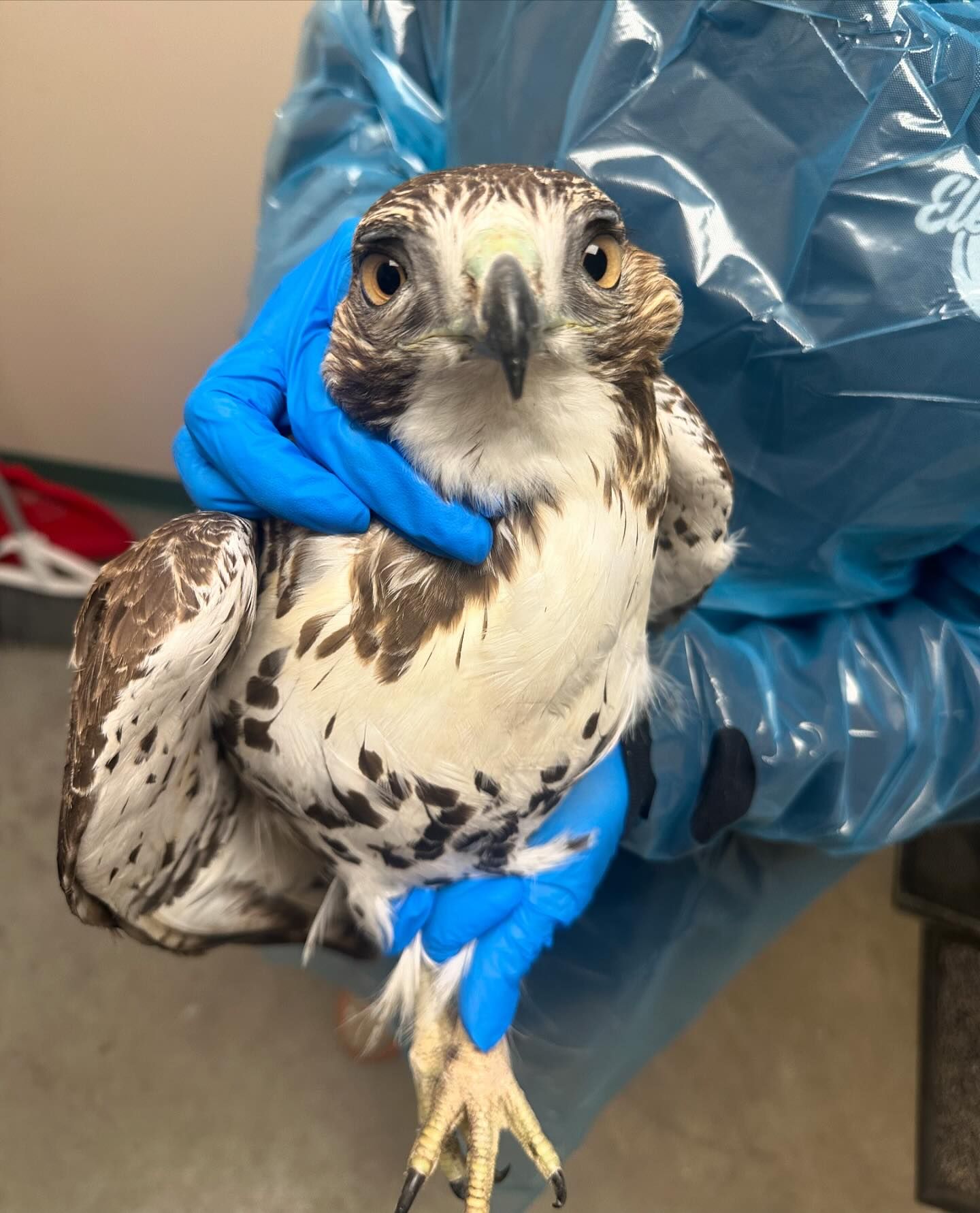
...the hawk likely collided with a building or a nearby vehicle. His wing is severely swollen, and his body is covered in significant bruising. He is also very weak and ataxic, all telltale signs of anticoagulant rodenticide poisoning. A clotting test revealed his blood had not clotted even after two hours, leading us to strongly suspect the presence of this dangerous class of toxins.
We’ve begun treatment preemptively while we await confirmation from the laboratory. This hawk will stay with us through the winter as he recovers. It will take months for his body to clear enough of the poison from his tissues to function normally again. In the meantime, he will require ongoing veterinary care, including medications to help his blood clot.
If you need to manage rodents this season, please avoid using second-generation anticoagulant rodenticides (SGARs)! These poisons cause immense suffering for wildlife and can harm pets, too. Safer alternatives exist! |
Rewilding Your Land: Blessing of the Bees - a TEDx talk by wild bee expert, Sam Droege, with the USGS |
|
|
A Cape-wide Conservation Event Calendar |
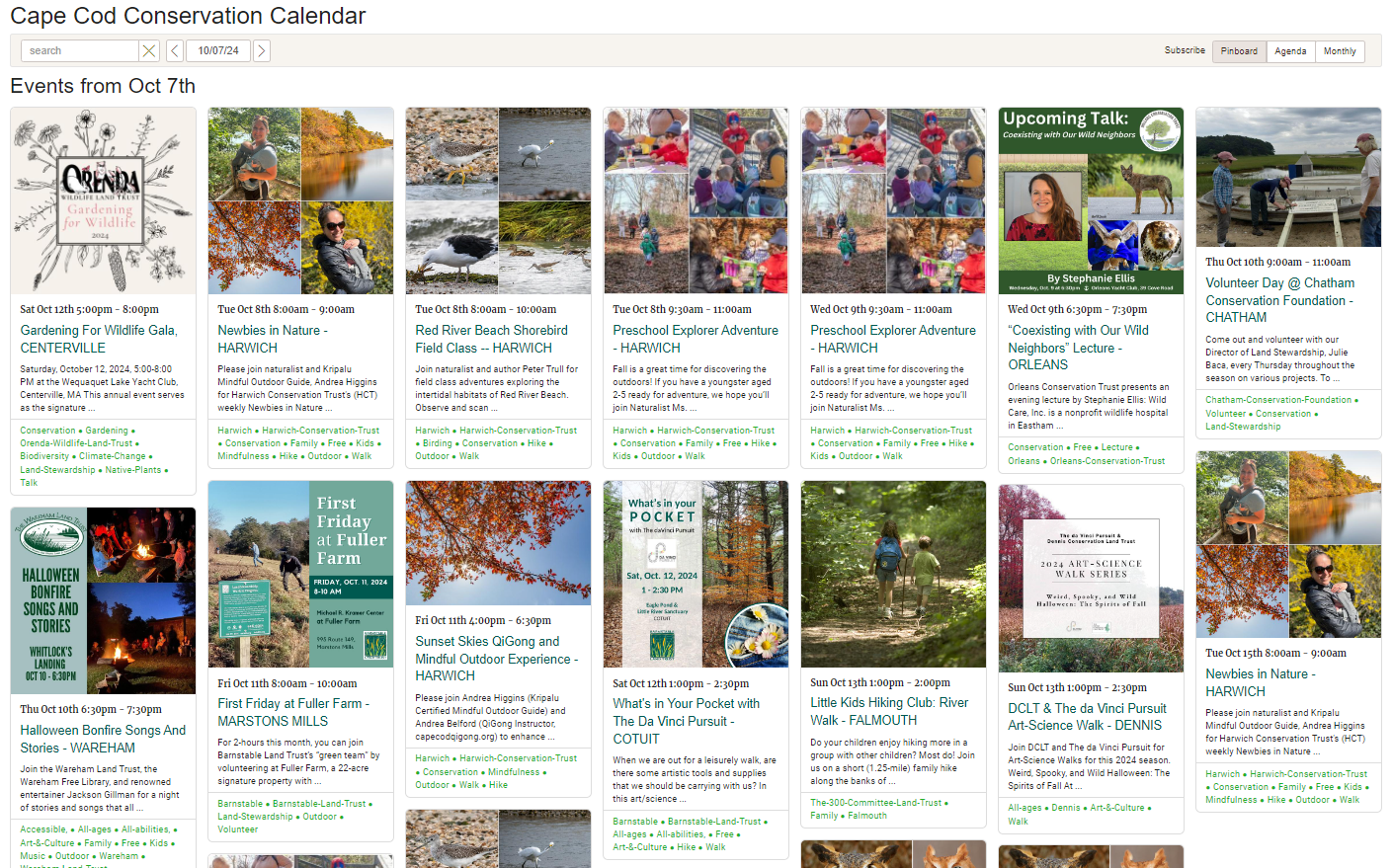
The first-of-its-kind calendar highlights regional nature programs |
|
|
The Compact of Cape Cod Conservation Trusts (“the Compact”) and its nonprofit members are excited to launch a new regional calendar of events. The Conservation Calendar includes programs across Cape Cod hosted by these groups. The goal of the calendar is to encourage visitors and residents to take part in nature and environmental events.
Powered by the “Communications Cohort,” an informal group of dedicated community outreach volunteers and professional staff co-led by the Barnstable Land Trust and APCC, this initiative illustrates the powerful impact of nonprofit collaborations. Events can be sorted by date, town, organization, and type and is constantly being updated. |
A Cape Cod Native Plant-selector
~ to help you choose the perfect native plants for your garden. |
|
|
Email membership@apcc.org and we'll send you a CapeCodNativePlants.org decal. |
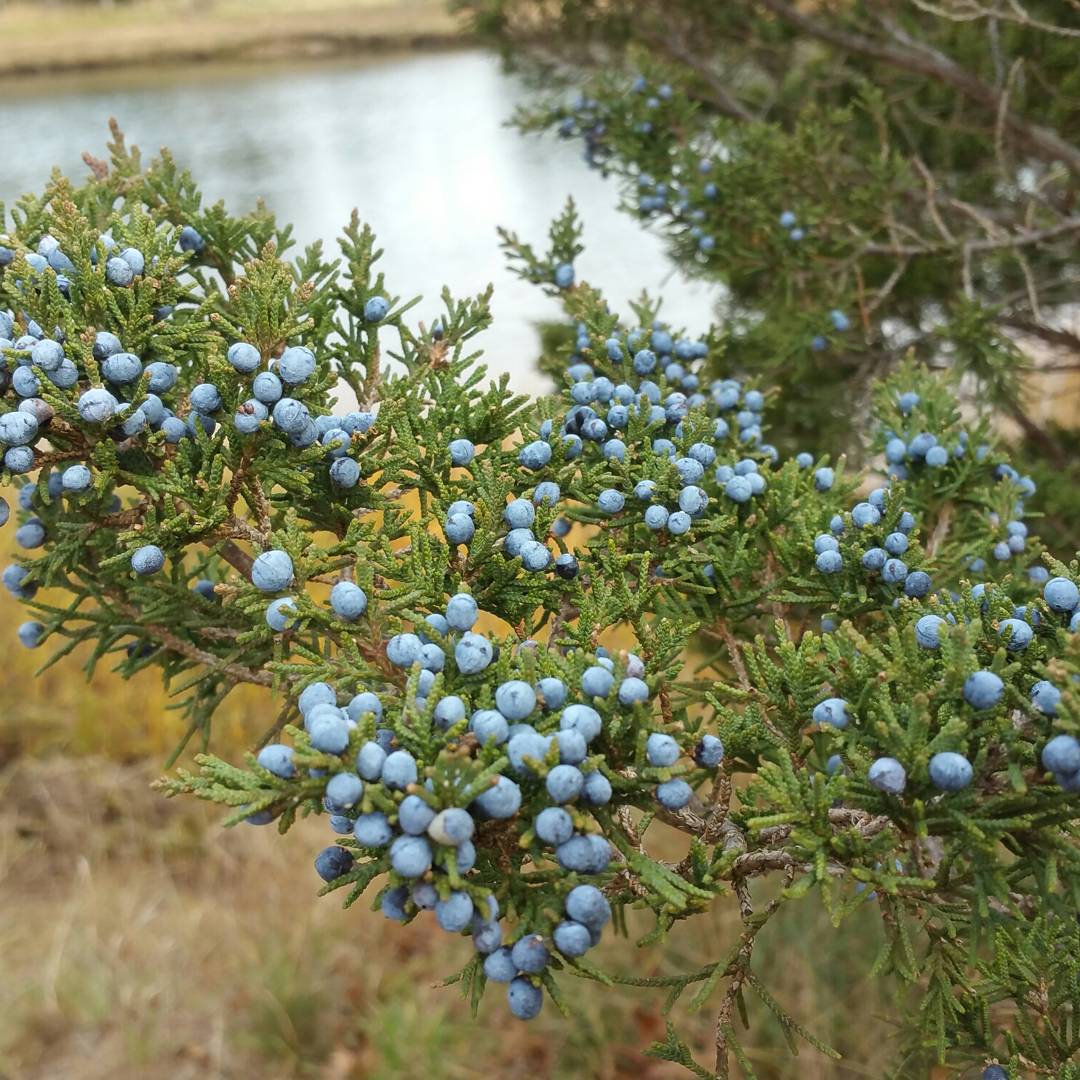
| Eastern Red Cedar
Juniperus virginiana |
|
|
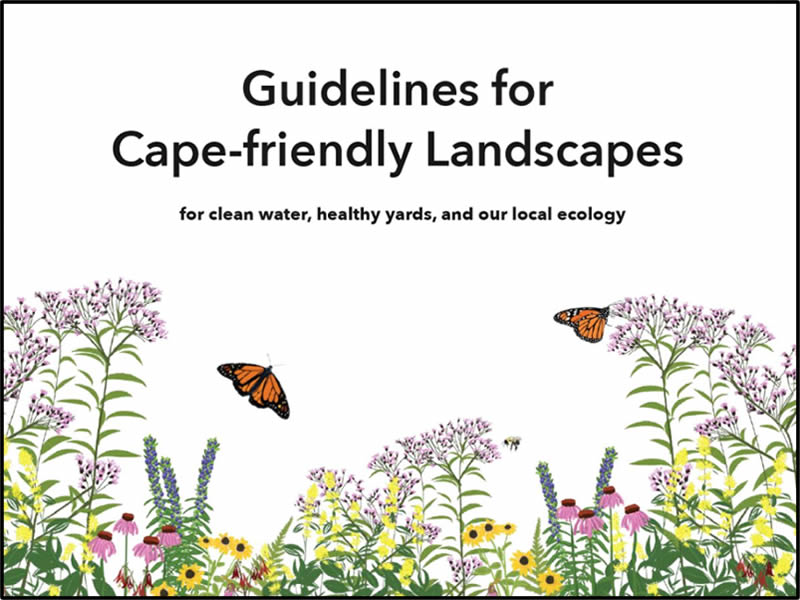
Guidelines for Cape-friendly Landscapes - an APCC publication |
The Guidelines gives homeowners steps they can take in the design and maintenance of their properties that will support pollinators and birds, manage stormwater, conserve water, and protect the Cape's water quality. This 40-page booklet is beautifully illustrated by Marcy Ford with content that is easily digestible and supported by numerous resources for additional learning.
|
Thank you for this important book! Hopefully everyone of us with a yard will read it and put it to use! - Vicky Titcomb of Titcomb Bookshop |
We've enjoyed creating it and hope it will help you with ideas to help you steward your piece of Cape Cod and maybe foster an environmental ethic in the decisions we all make in our own managed landscapes. Get your copy here—and maybe one for a friend?
|
We are grateful for the several retail shops that are partnering with us to make this publication more widely available: Brewster Book Store, Birdwatchers General Store, Crocker Nurseries, Wellfleet Audubon Wildlife Sanctuary, Cape Abilities Farm, Cape Cod Museum of Natural History, the Cape Cod Lavender Farm, Heritage Museums and Gardens, Titcomb's Bookshop, Sea Howl Bookshop, Soares Flower Garden Nursery, and Eight Cousins Bookshop.
If you are a retailer and would like to sell this publication at your store, please contact us. |
|
|
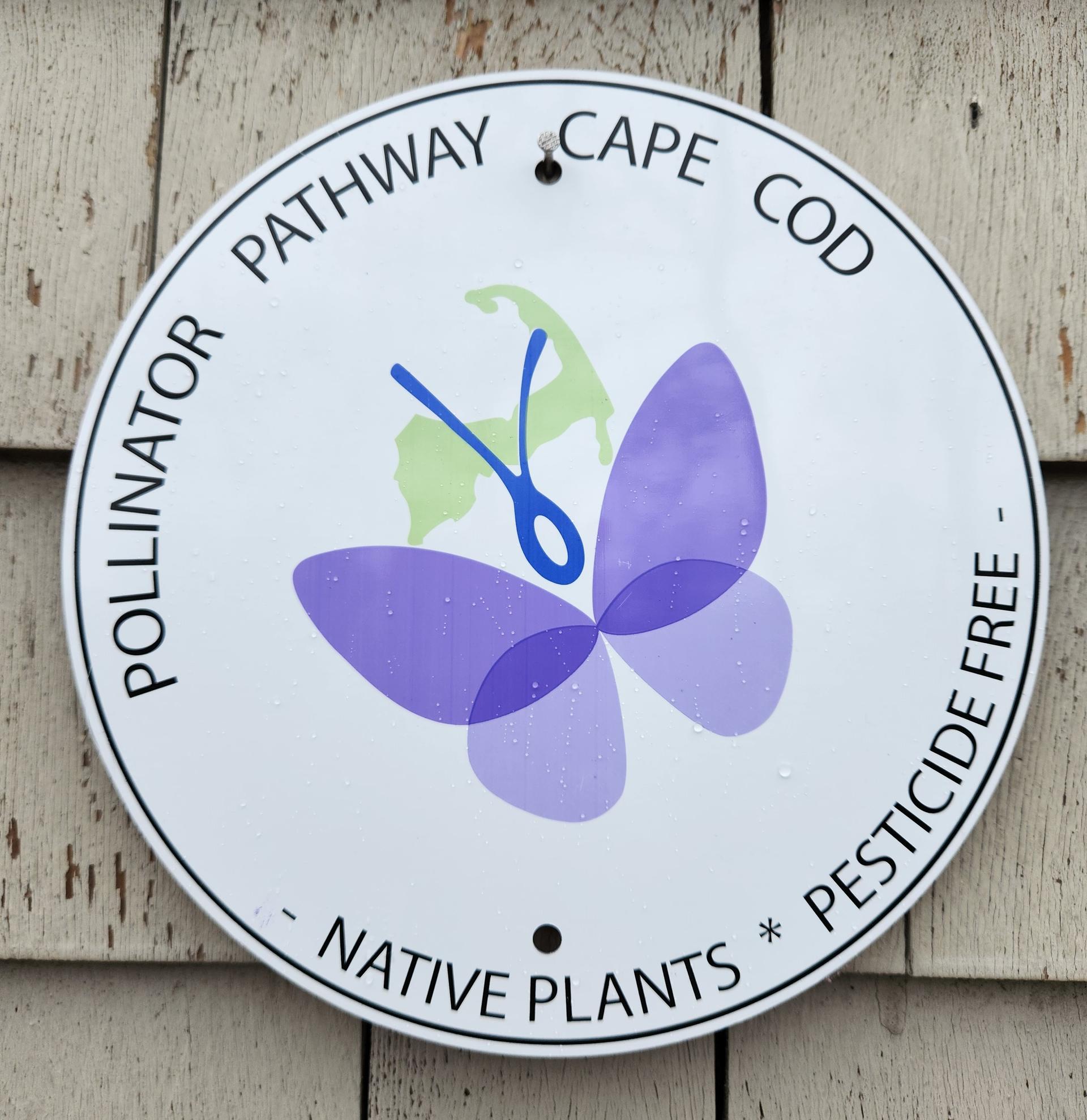
The Pollinator Pathway Cape Cod is a group of organizations promoting native plants and pollinator-friendly land care practices to create a boat load of safe oases for our native bees, butterflies and a whole host of other pollinators that are crucial to the health of our ecosystems.
Join us! It's easy. There are no fees. You just need to pledge to ADD native plants, SUBTRACT a little lawn, AVOID yard chemicals, especially pesticides, and LEAVE the leaves. And, help us spread the word. Please get on the map to show your support of pollinators on Cape Cod!
You can purchase the 9-inch aluminum Pollinator Pathway Cape Cod sign at Hyannis Country Garden, Crocker Nurseries, Brewster Book Store, Orleans Conservation Trust, and
Cape Abilities Farm. If you are a retailer, and you would like to sell the signs, you can order online here, or email pollinators@apcc.org. |
|
|
|
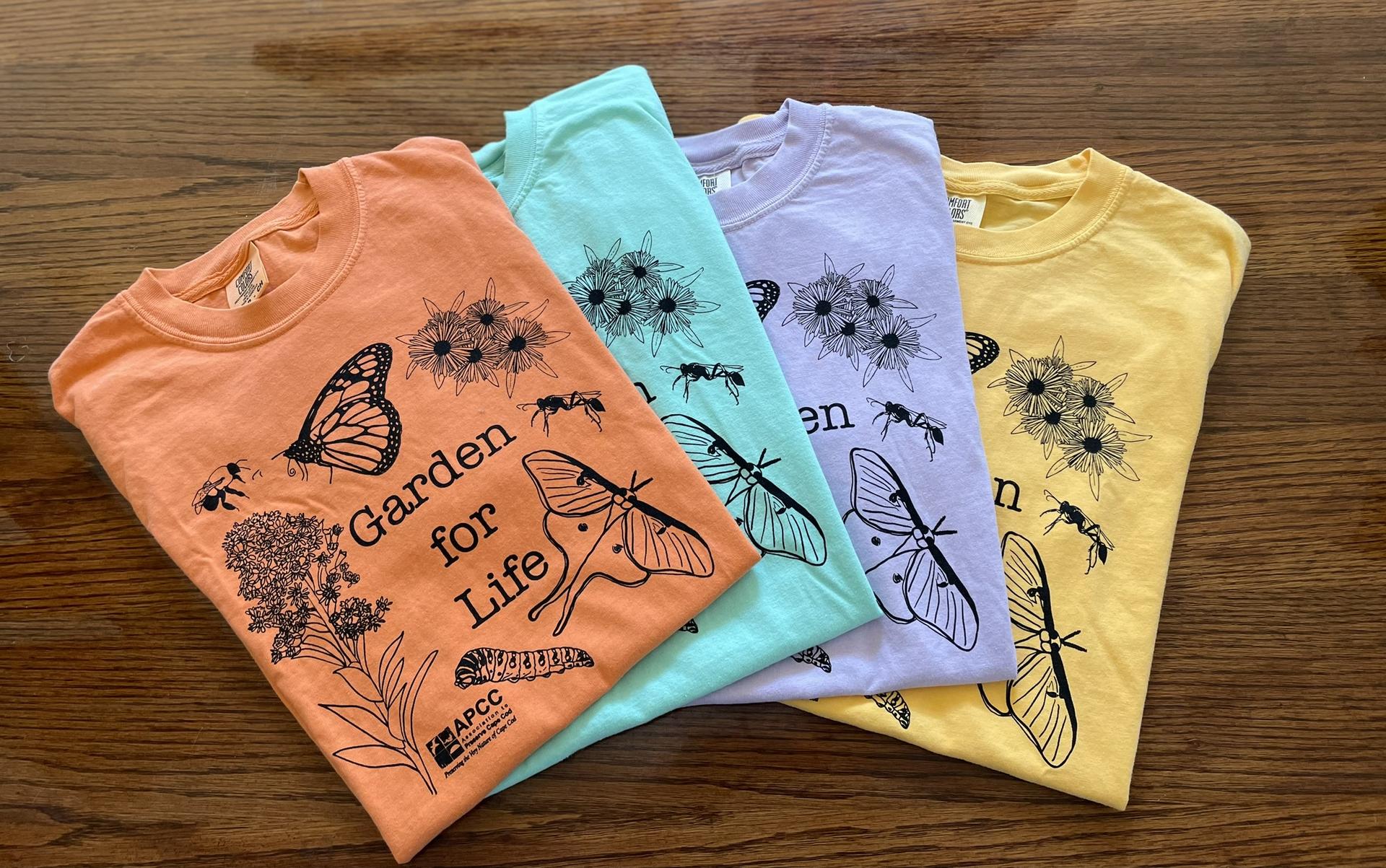
Available for online purchase: APCC caps $25 includes shipping & handling +++++++++++++++++ Garden for Life T's $30 including shipping & handling Click here
for more information and to order. This is just one great way to show your support for APCC's work. |
|
|
|
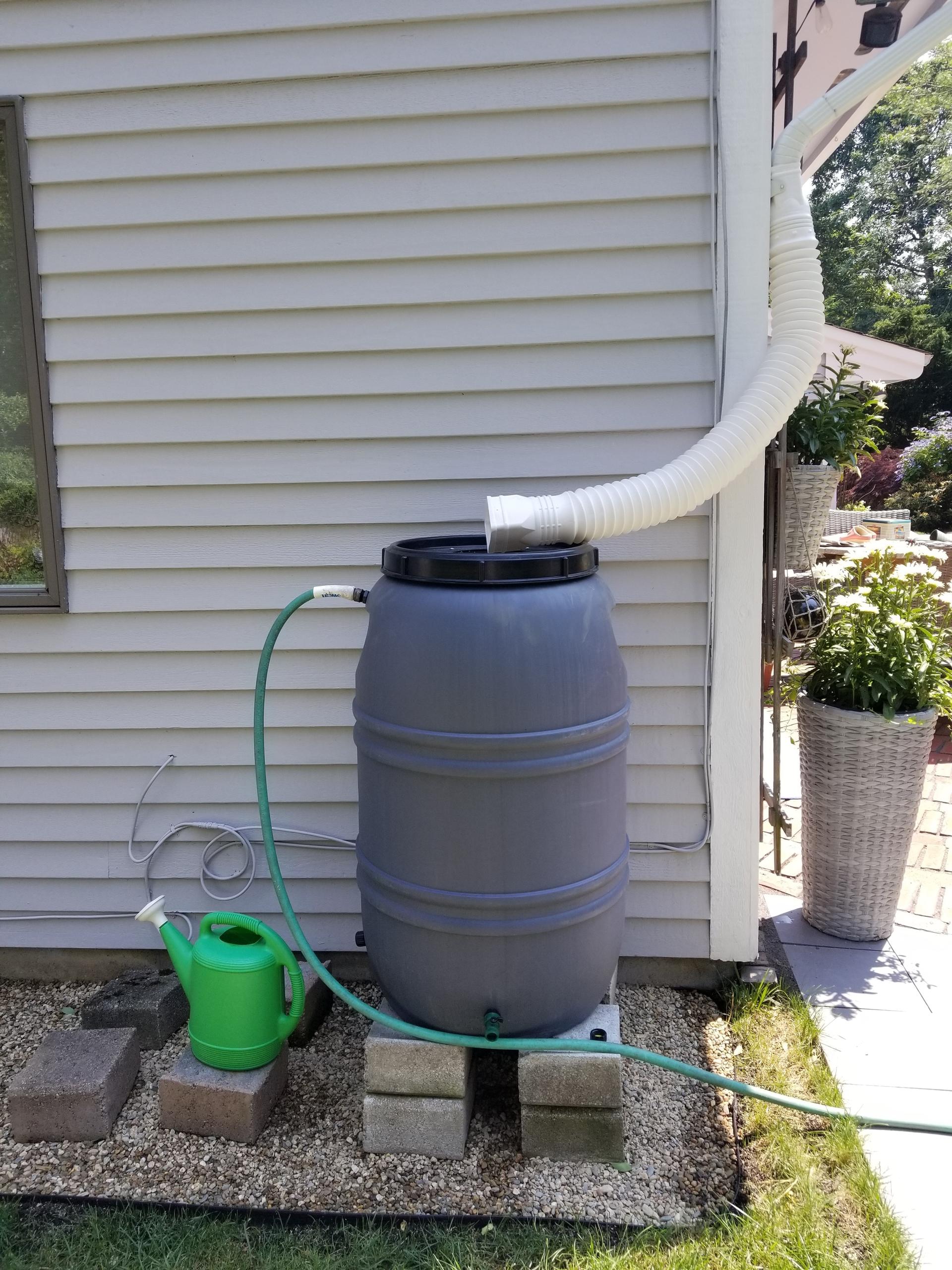
Rain Barrels for Cape Cod Order online from Upcycle Products
$122 each includes FedEx shipping to your door
55 gallon, repurposed food barrels Keep a barrel out of a landfill, and capture some free rainwater.
APCC receives a portion of the proceeds. For more information, click here. |
|
|
| APCC eNewsletters.
Our weekly newsletters are archived on our website and easily shared.
You can find past newsletters and share with your friends. Encourage others to sign up for future enewsletters HERE.
|
|
|
Are you thinking of going solar? We hope so!
In partnership with E2 SOLAR in Dennis, APCC receives $500 for every solar installation when APCC is named as referral. |
|
|
|
Thank you to the homeowners who just contracted to install solar panels through E2 Solar. May the sun always shine for you! |
|
|
Expressions Gallery, 578 Main Street, Chatham
CLICK HERE |
Expressions Gallery donates 20 percent of its profits to APCC's work. |
|
|
Thank you to our business sponsors! |
|
|
APCC is rated four stars by Charity Navigator, 2023 Platinum by Candid (formerly Guidestar), and
2024 Top-Rated by GreatNonprofits. |
|
|
Our Contact Information
*{{Organization Name}}*
*{{Organization Address}}*
*{{Organization Phone}}*
*{{Organization Website}}*
*{{Unsubscribe}}* |
| |
|
|