Association to Preserve Cape Cod |
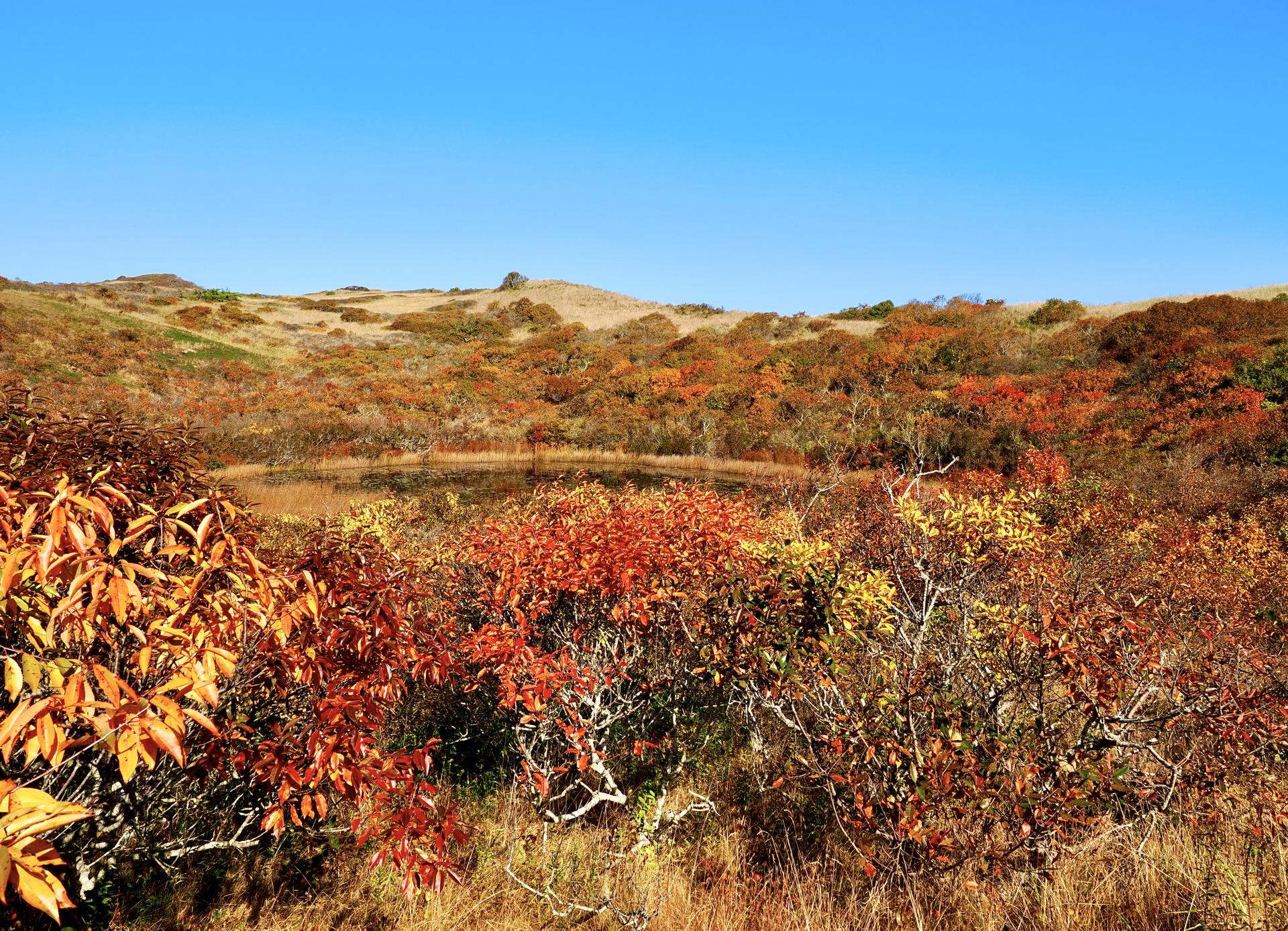
Relishing a Cape Cod autumn, Bearberry Hill Lake, Truro. Photo by Sue Machie |
|
|
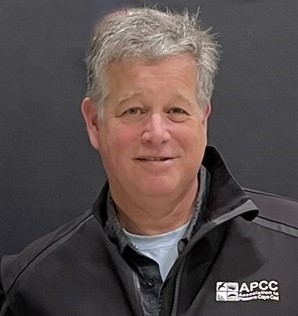
| Vote by Andrew Gottlieb, APCC Executive Director |
The stakes are high. The choices are stark. The outcome will have profound implications on our immediate and long-term future. The options are not equivalent, the choice matters perhaps more than any time ever in American history. Sitting this one out would be a violation of our duty as citizens to participate and raise our voices about who we are and what we strive to be as a nation. |
|
|
It is not too late to vote early in person this week, or on Tuesday, November 5. Vote as if your life depends on it. It just might. |
There is a ballot question, #7, appearing only on the ballots of the outer Cape town's regarding the proposed offshore wind leases to the east of the Cape. The question is theoretical as this issue is not properly before the legislature, but nonetheless, it is causing some heated debate. This ballot question is largely an exercise in symbolism. As APCC reads it: A yes vote is a pro-wind vote, and a no vote is anti-wind. APCC has no formal position on the question.
APCC did write a comment letter to BOEM (Bureau of Ocean Energy Management) on the proposed leases and raised the types of issues we typically have raised for further consideration and analysis as the leases and specific projects move forward. However, our letter was not an expression of concern or opposition as it was characterized to be on the website hosted by opponents of Q7. The curators of the website are unknown to APCC, and they did not seek our permission or input into how APCC's position should be characterized. APCC asked for it to be removed from their site to avoid the creation of an impression of opposition to the offshore leases, a position that we have not taken. The reference to APCC has been removed.
|
APCC Ecosystem Restoration Program |
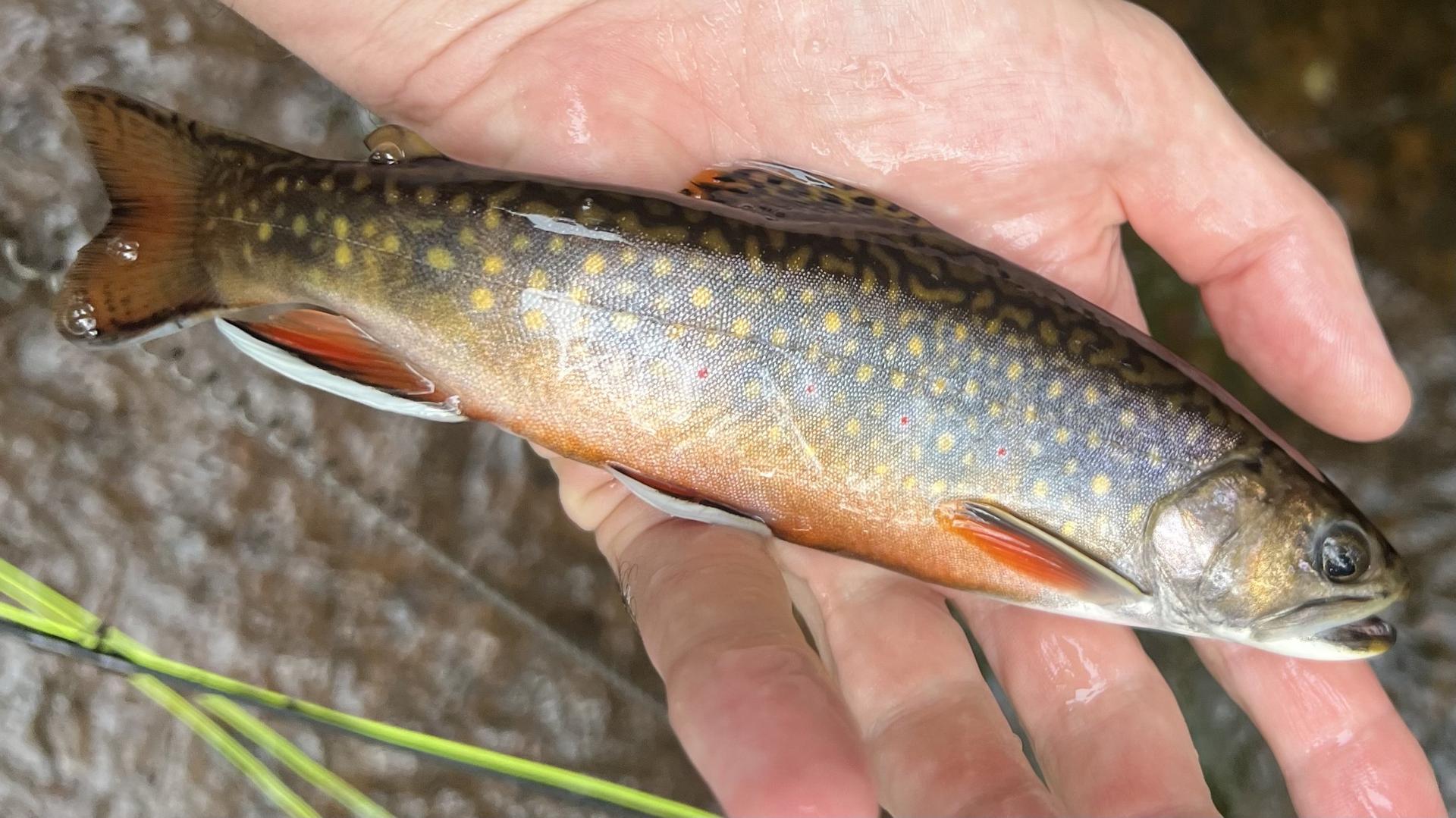
Above: A Mashpee River brook trout. | A Delicate Balance: Beech Trees and Brook Trout
Ecology, the study of the relationships between organisms and their environment, offers countless fascinating insights. An example close to home on Cape Cod is the delicate balance between beech trees and trout. American beech trees, Fagus grandifolia, play a pivotal role in maintaining the health of the Mashpee River. Their dense canopies provide essential shade, regulating water temperature and preventing the excessive growth of aquatic plants in the river below. These conditions are ideal habitat for brook trout, Salvelinus fontinalis, a sensitive species that thrives in cool, clear waters of the Cape’s spring-fed coastal streams. However, a new threat to the native brook trout looms: beech leaf disease.
|
|
|
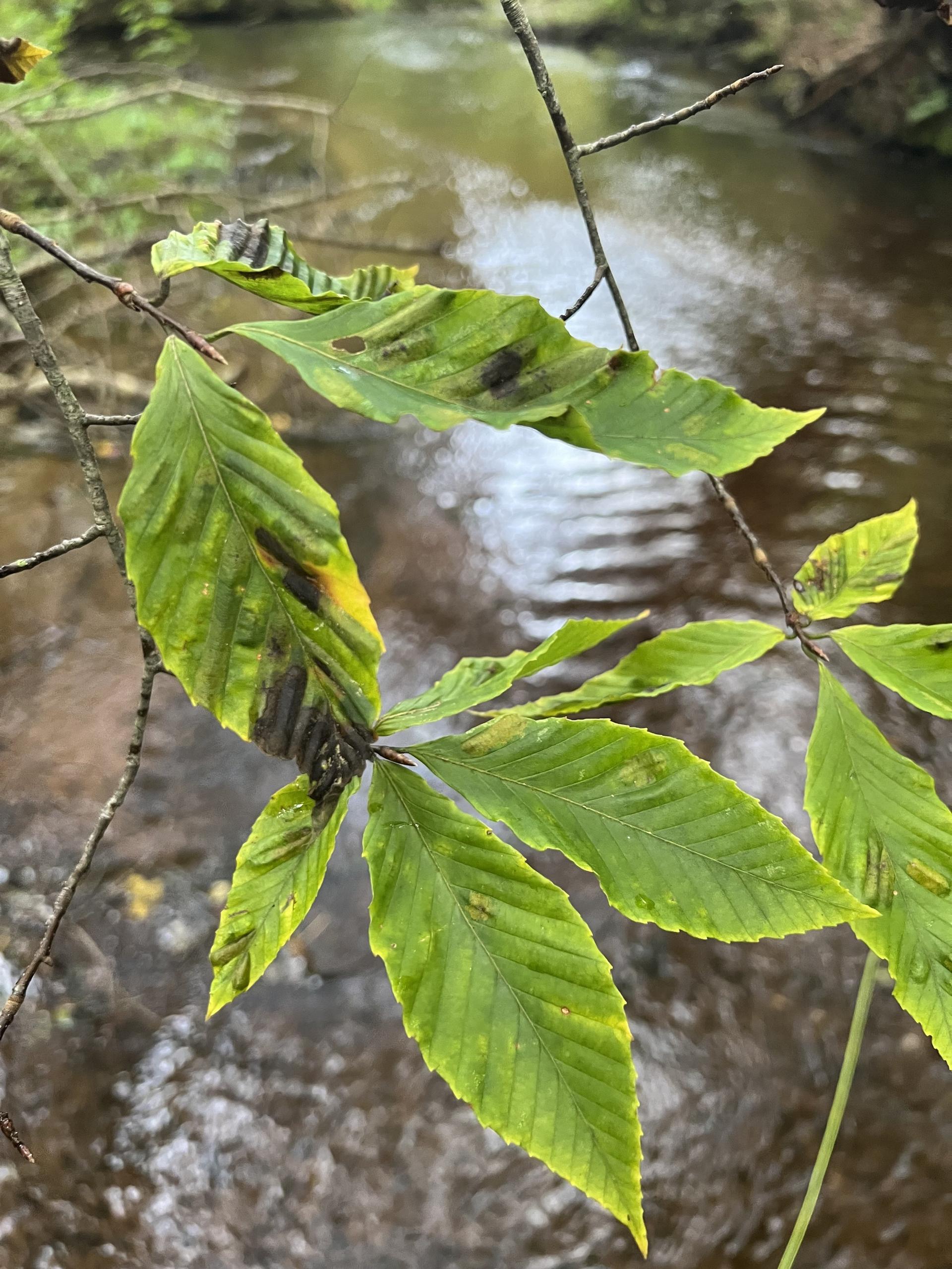
Beech leaf disease is caused by a non-native nematode. This microscopic roundworm infects leaf buds and may be responsible for causing the disease directly, or by carrying harmful fungus or bacteria. The nematode appears to be spread by wind, rain, or birds—the exact mechanism of the disease's transmission is poorly understood. The disease damages the leaves before they fully develop, rendering them useless to the tree. The beech tree must then shed these unproductive leaves, wasting valuable energy. This weakened state makes the tree more susceptible to secondary pests and diseases, ultimately increasing the risk of mortality.
|
| Above: Leaves of an American beech showing signs of disease. |
|
|
The signs of beech leaf disease are unmistakable: dark bands disfigure the leaves, foliage twists and shrivels, and leaves prematurely fall. As the disease advances, the tree's canopy thins, disrupting the delicate balance of the river ecosystem. With less shade to cool the water and inhibit aquatic vegetation growth below, the river becomes increasingly inhospitable. The water warms, and fine sediment becomes trapped in the vegetation, smothering the gravel beds that are so critical for brook trout feeding and spawning.
|
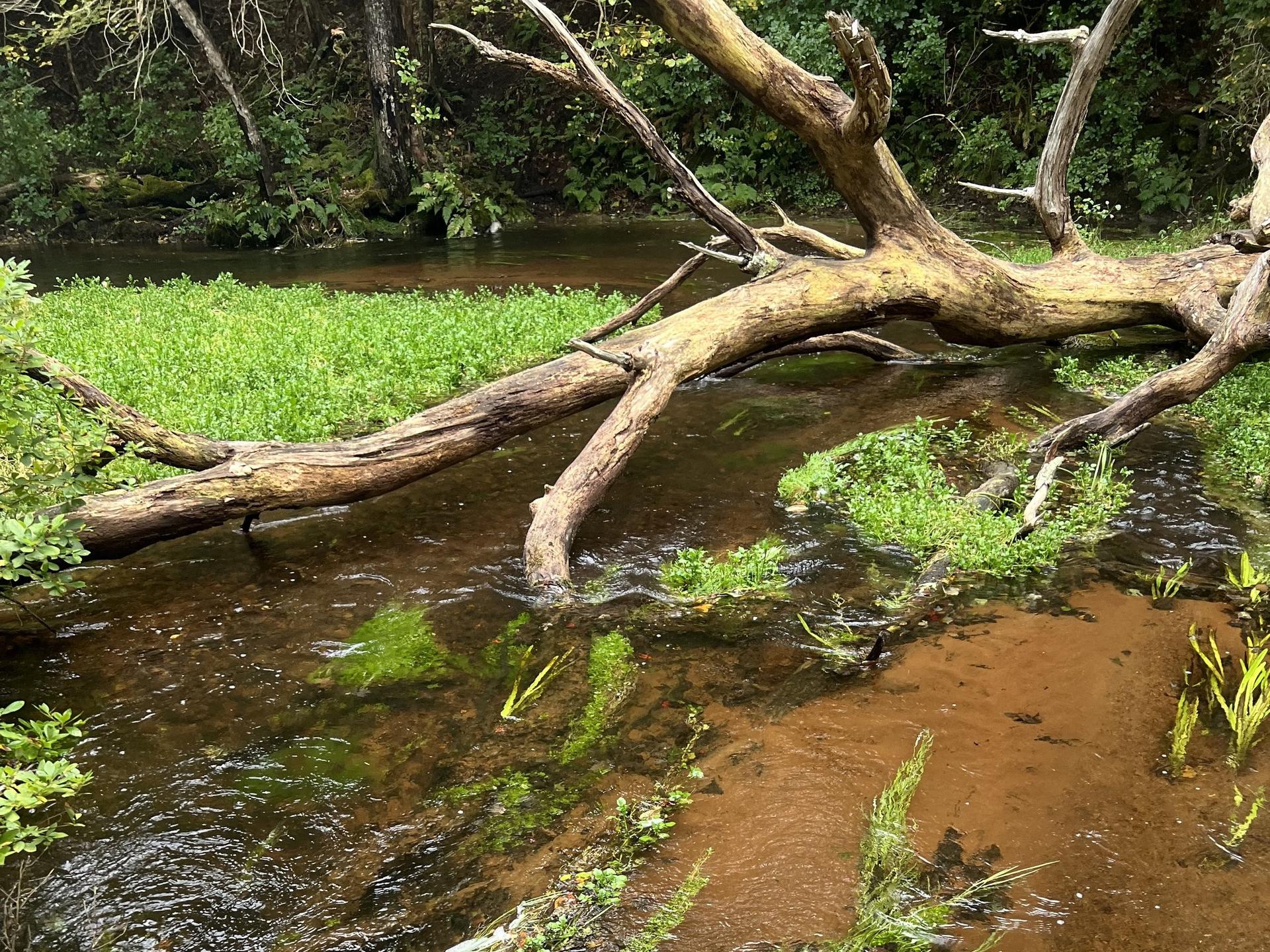
Above: Aquatic vegetation growing thick in a section of Mashpee River that has lost its tree canopy. |
The long-term impact of beech leaf disease on Cape Cod remains uncertain. As this relatively new threat continues to spread, it’s difficult to predict its ultimate toll on the Cape’s forests. While some trees may exhibit remarkable resilience, others may succumb swiftly to the disease's assault. The future of beech leaf disease casts a shadow on the Mashpee River's brook trout population. While other trees may eventually fill the gaps left by dying beeches, their ability to provide the same ecological benefits remains unclear. Brook trout, as sensitive indicators of river health, will likely feel the effects of these changes.
As APCC turns our attention to restoring the health of the Cape’s rivers it’s important that we keep a watchful eye on the interconnected web of native species that depend on each other. |
Spotlight on a Cyanobacteria Monitoring Program Partner ~
Brewster Ponds Coalition |
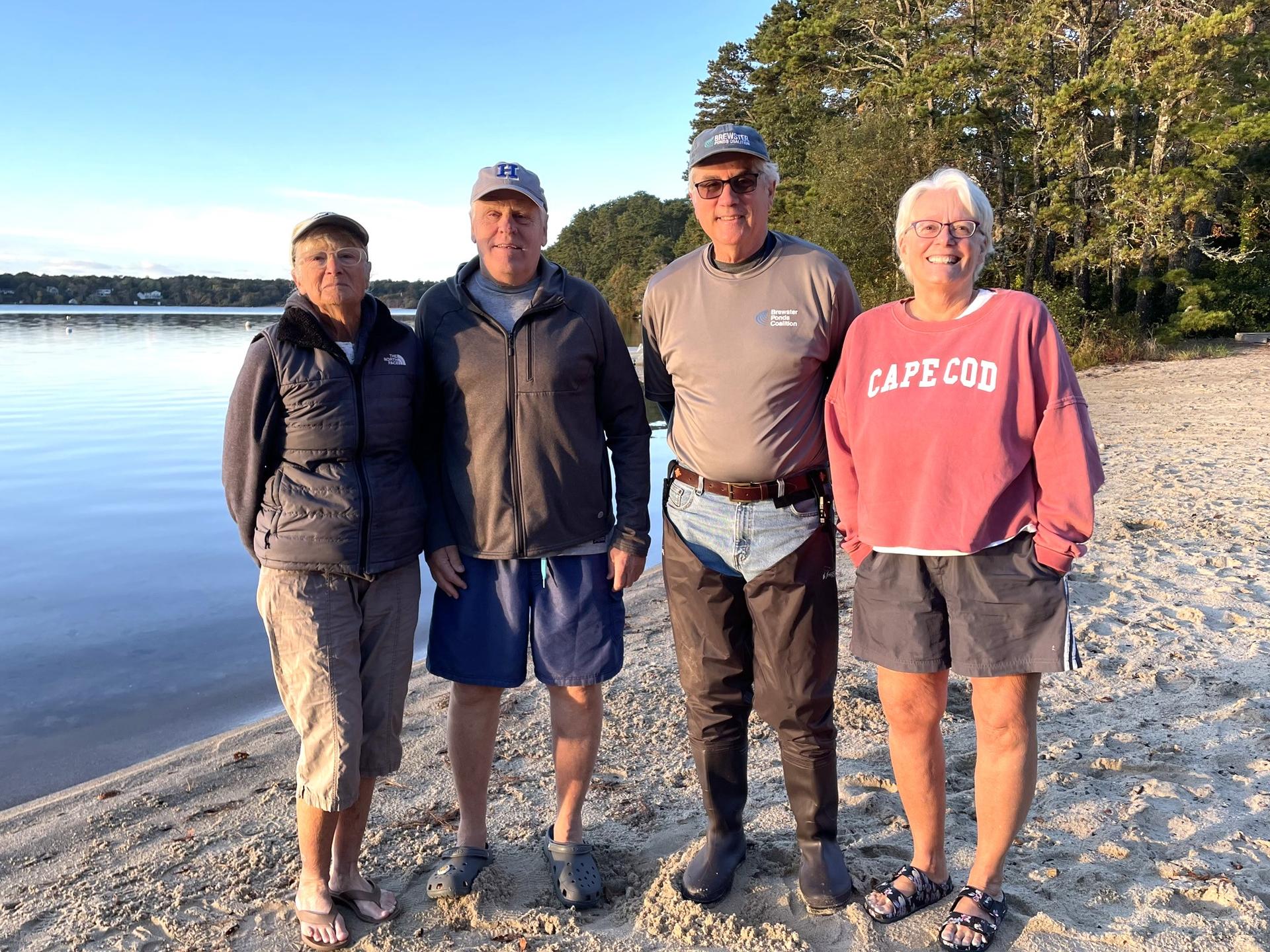
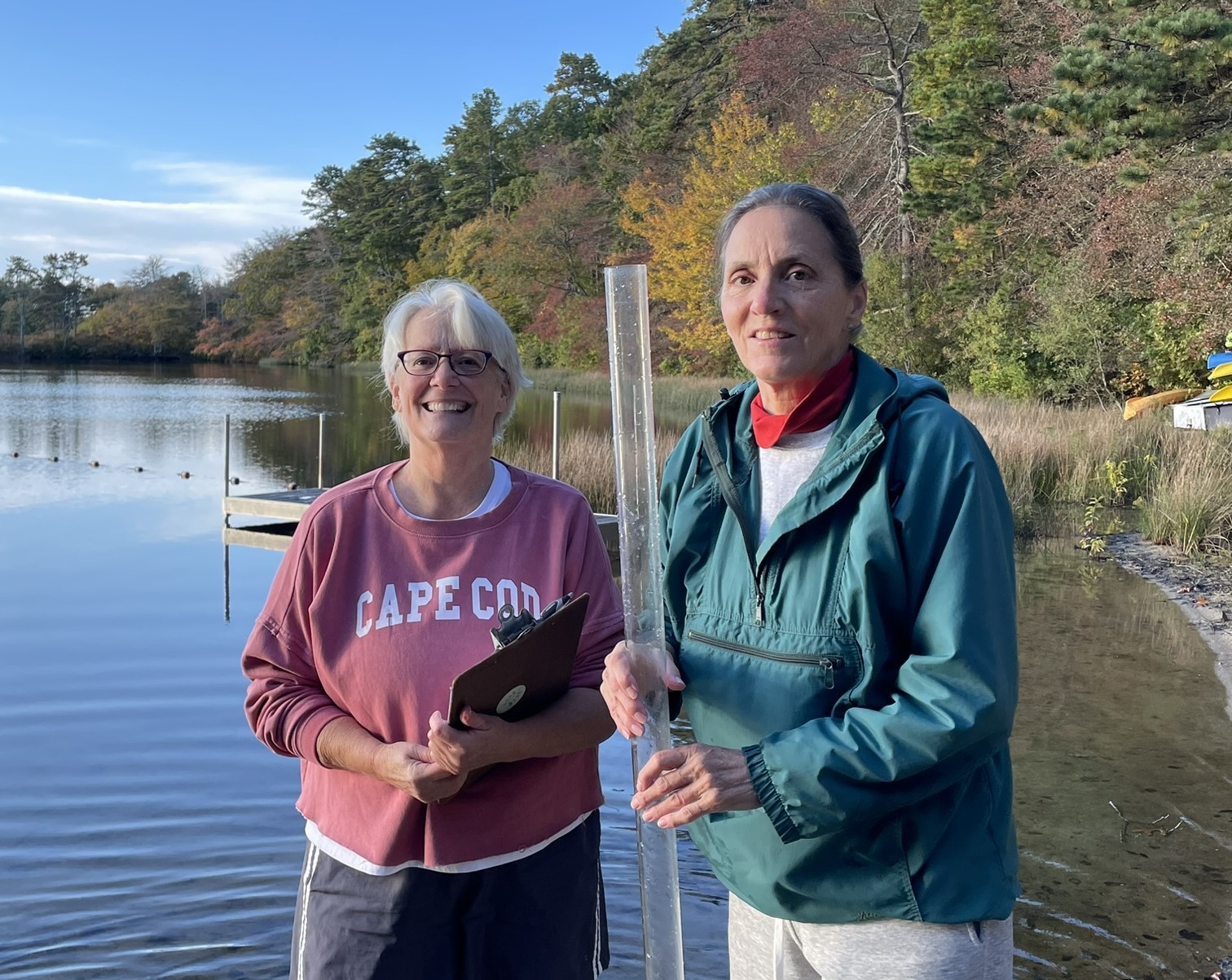
Above left to right: Jill Maraghy, Bruce Johnson, Ron Essig, and Karyn Frey |
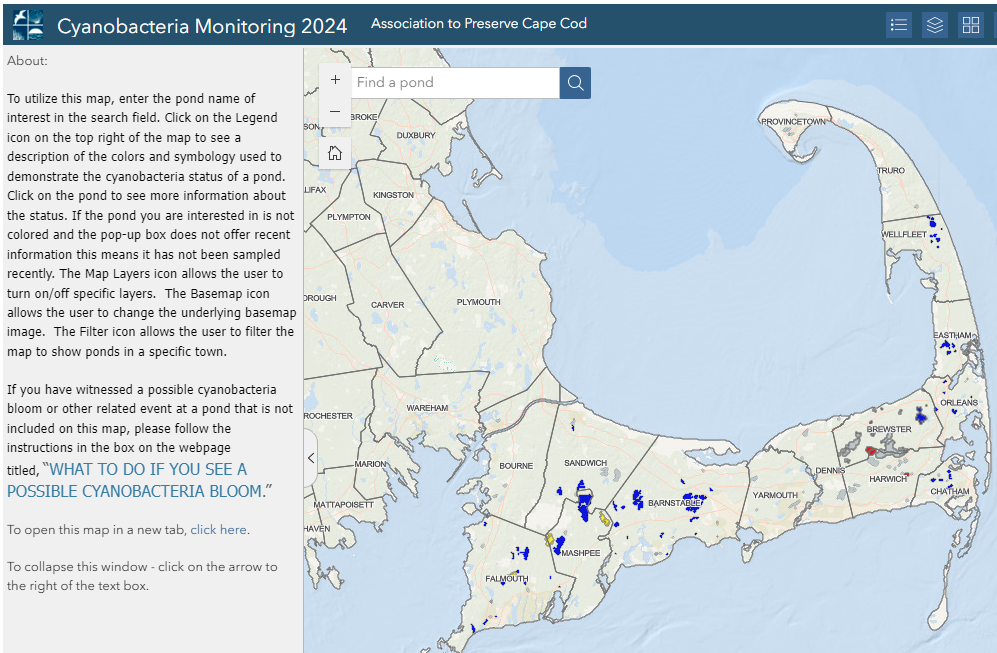
The Brewster Ponds Coalition (BPS) is a volunteer organization whose mission is protecting and improving the health of Brewster's ponds through science, education and advocacy. This year, 56 BPC volunteers collected cyanobacteria samples.
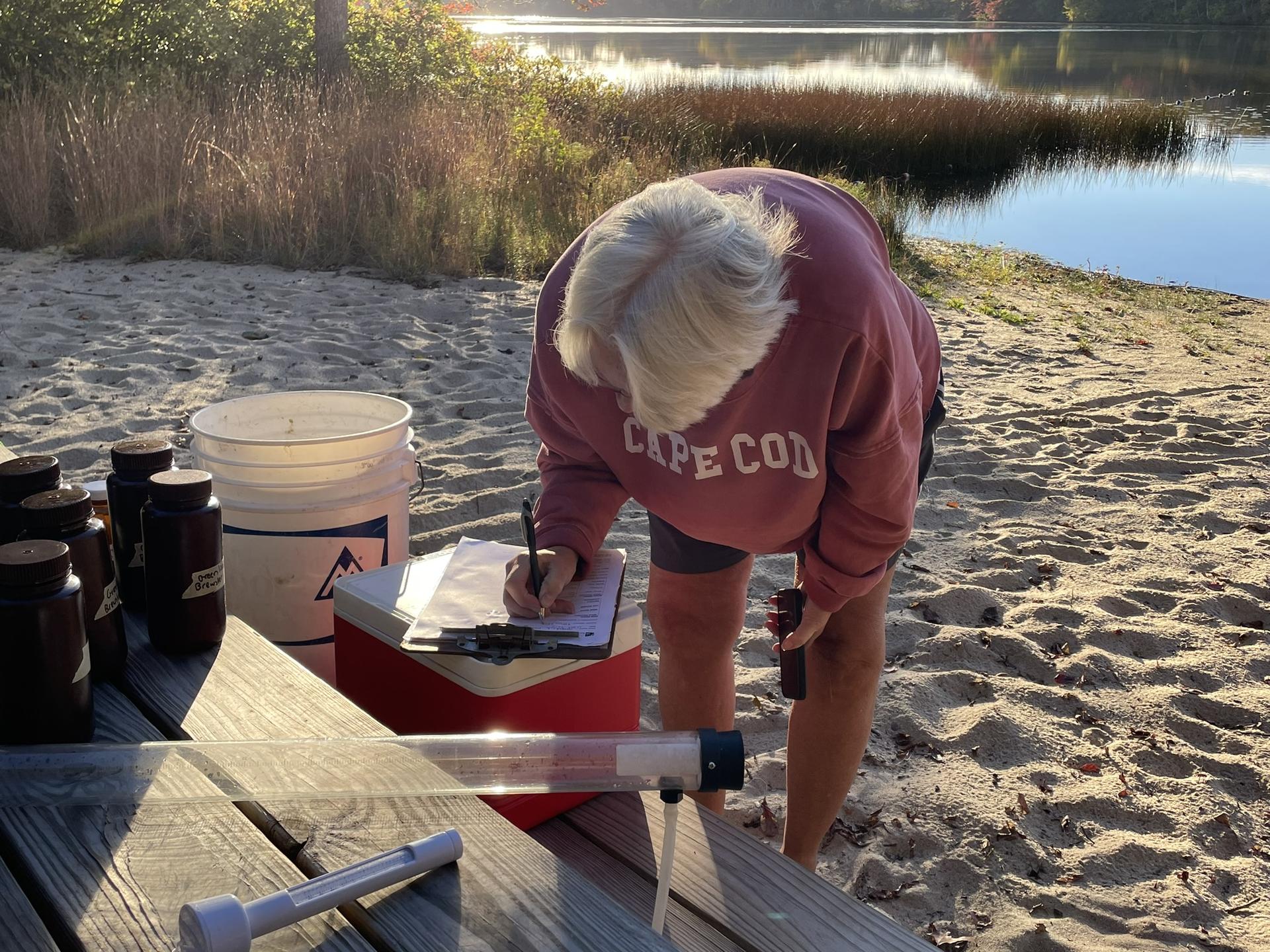
BPC monitors for cyanobacteria primarily to protect the health of visitors to Brewster ponds. Other benefits are to contribute to the relatively new science of cyanobacteria and to provide hands-on experiences for citizens to learn about pond ecology.
More information is at brewsterponds.org/citizen-science.html or via email Ron Essig at ron.essig@brewsterponds.org |
|
|
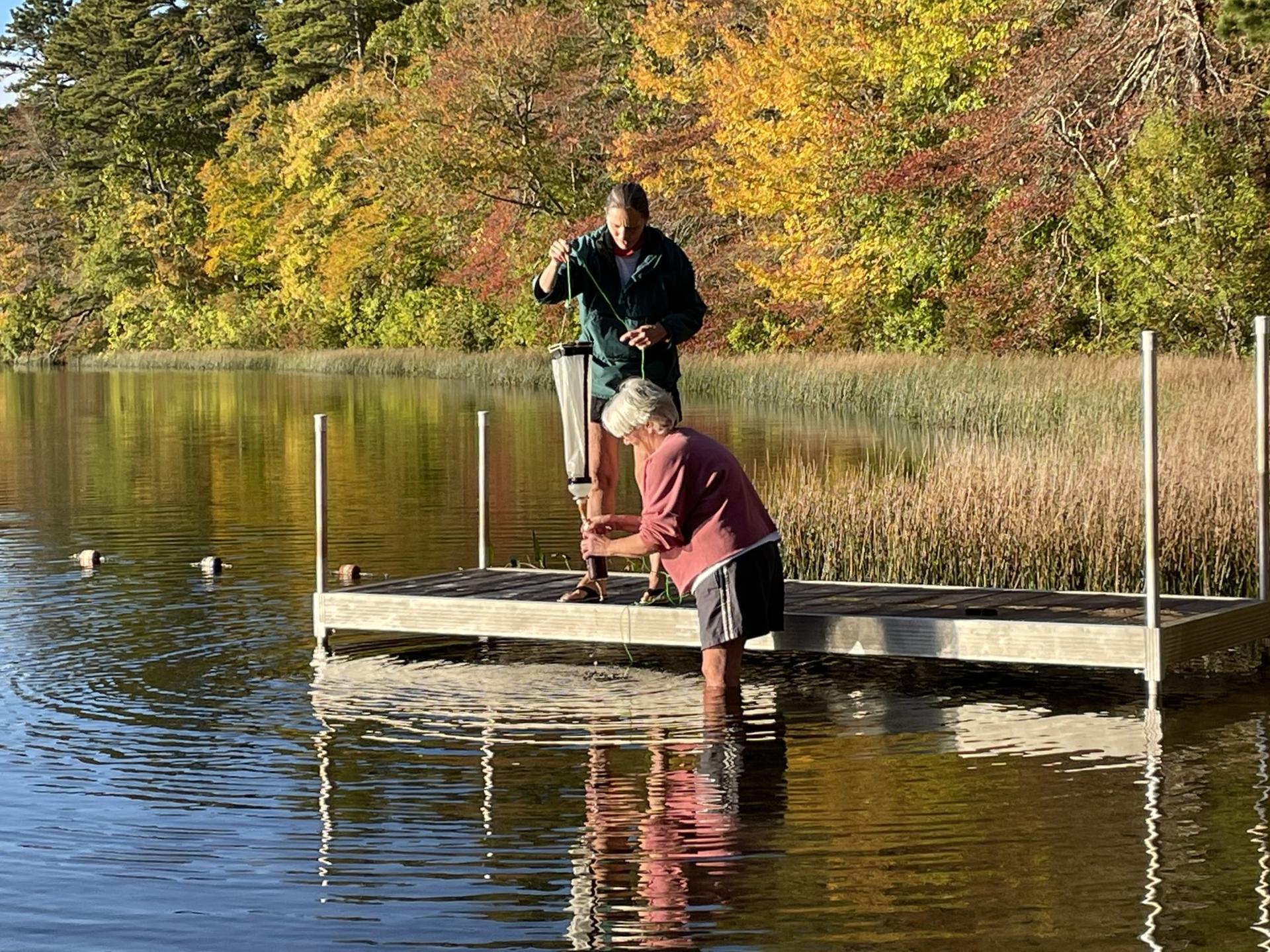
Above: Karyn Frey (left) and Kristi Dondlinger (right) | Pollinator Pathway Cape Cod |
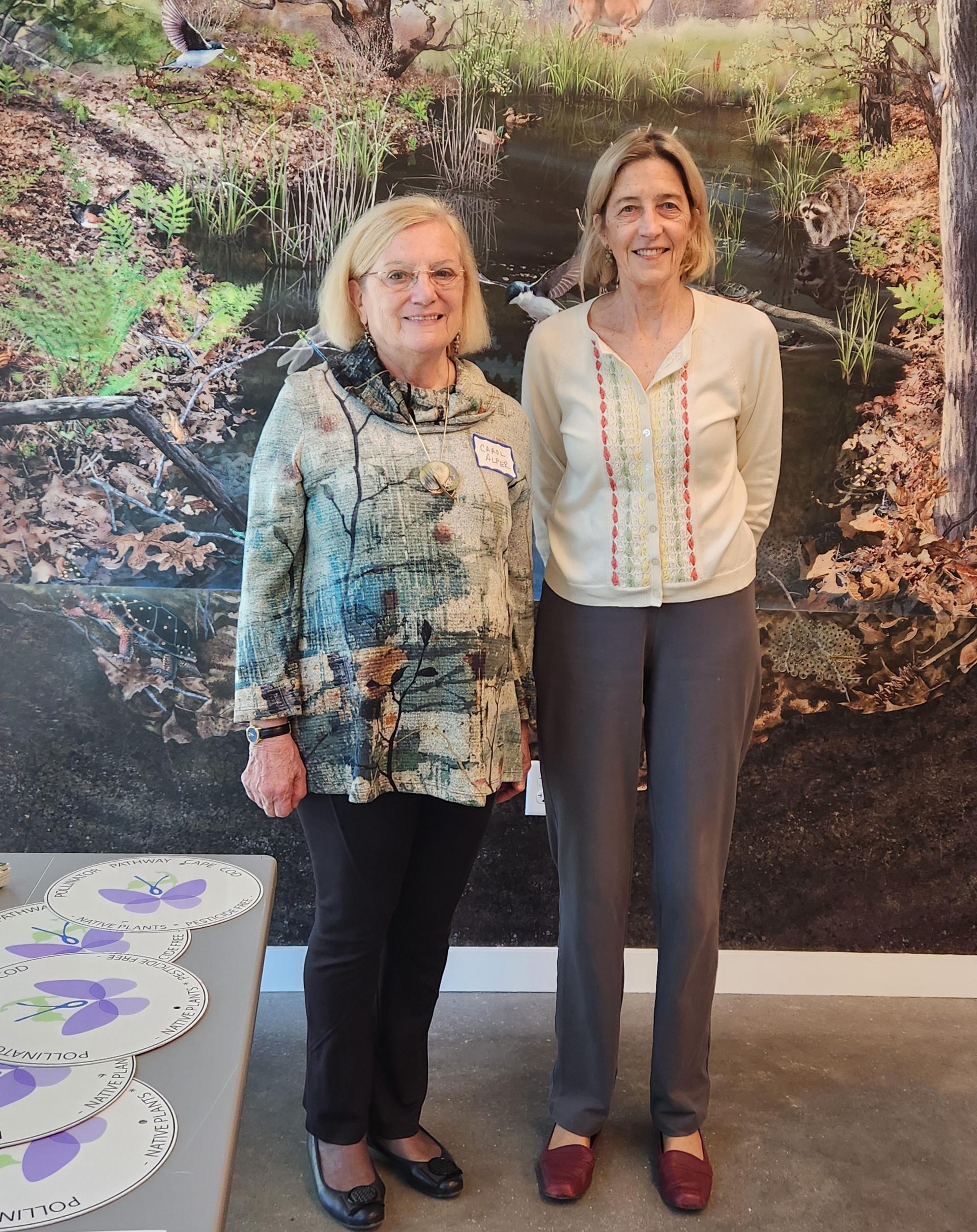
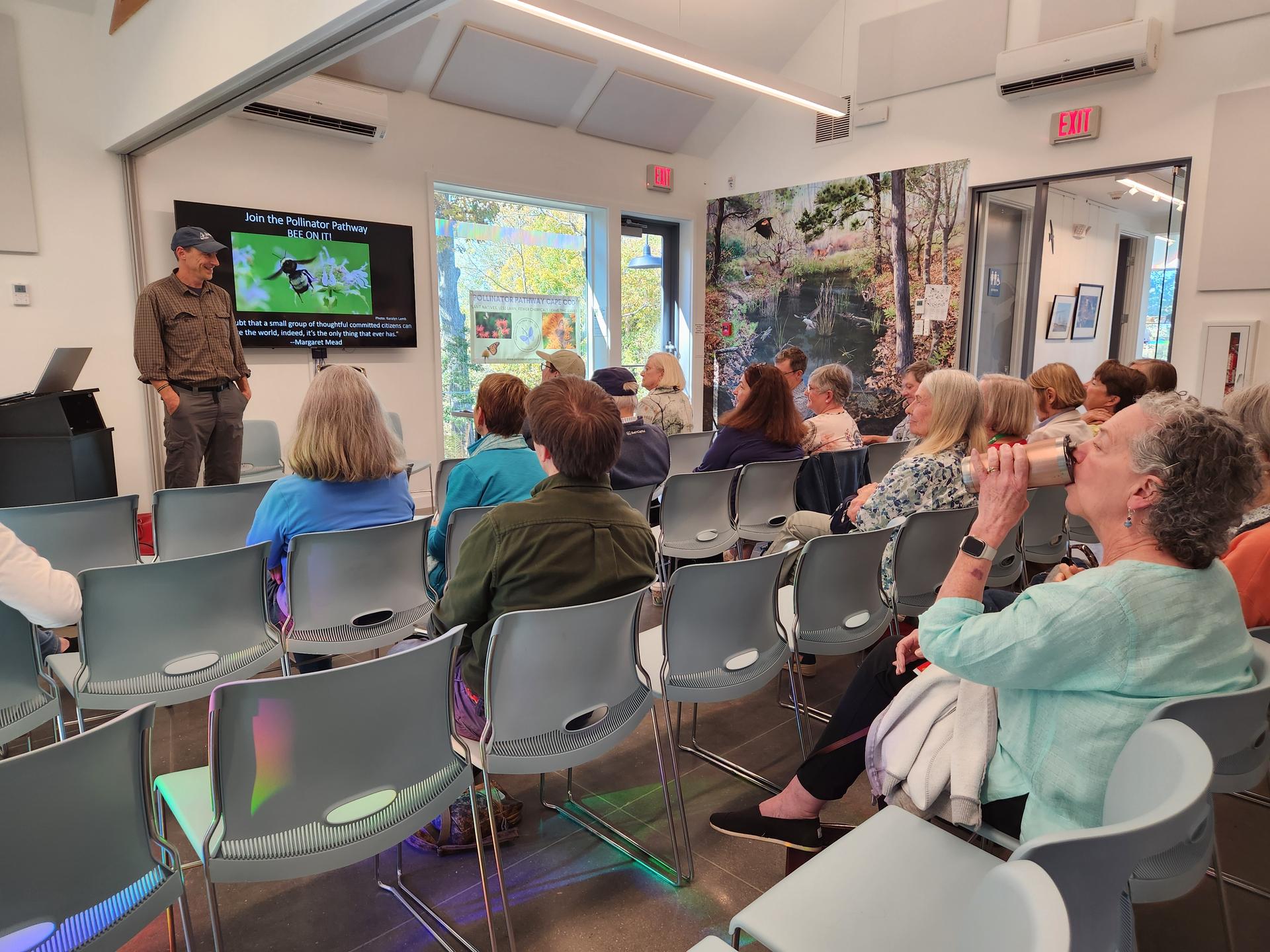
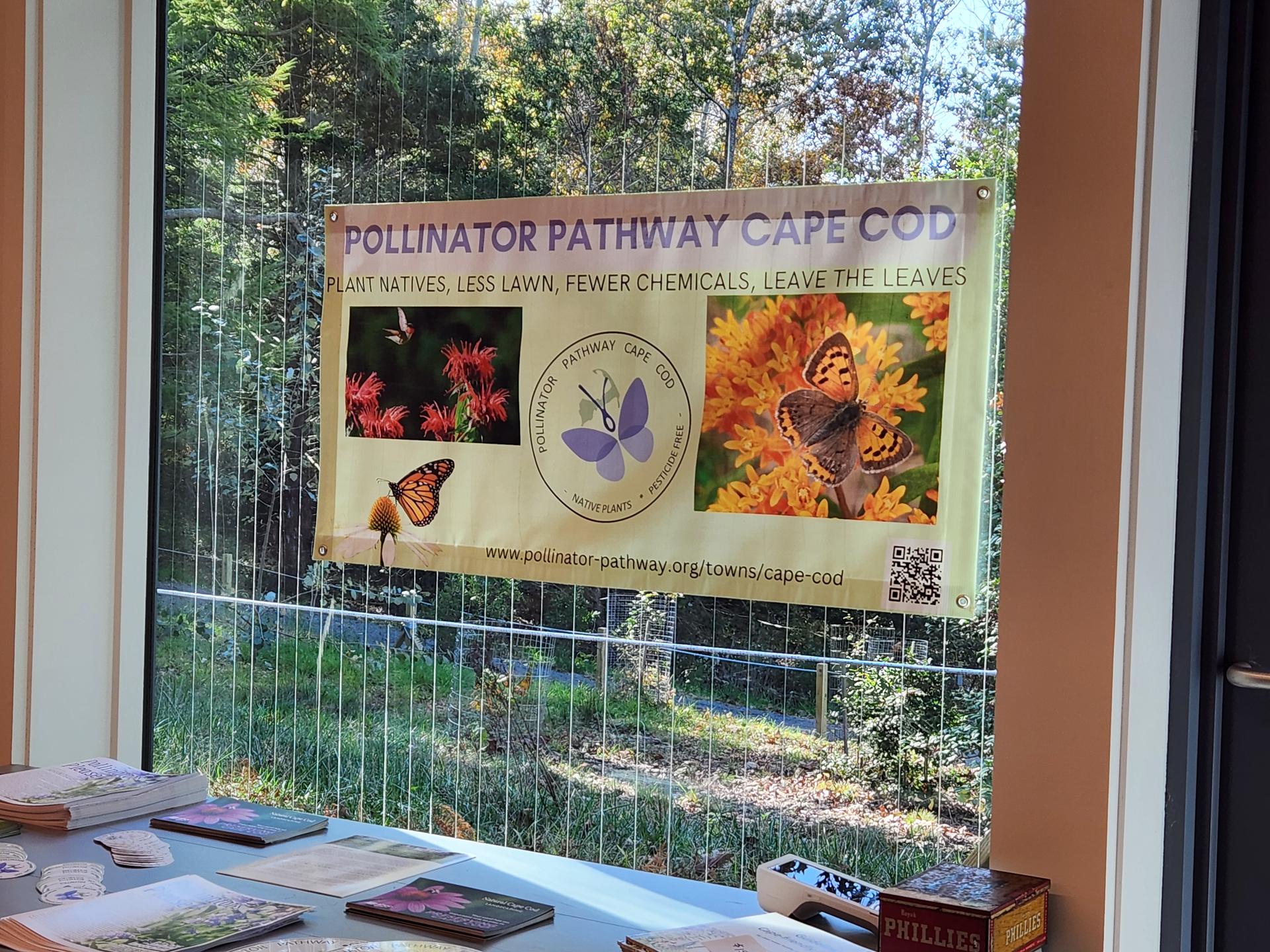
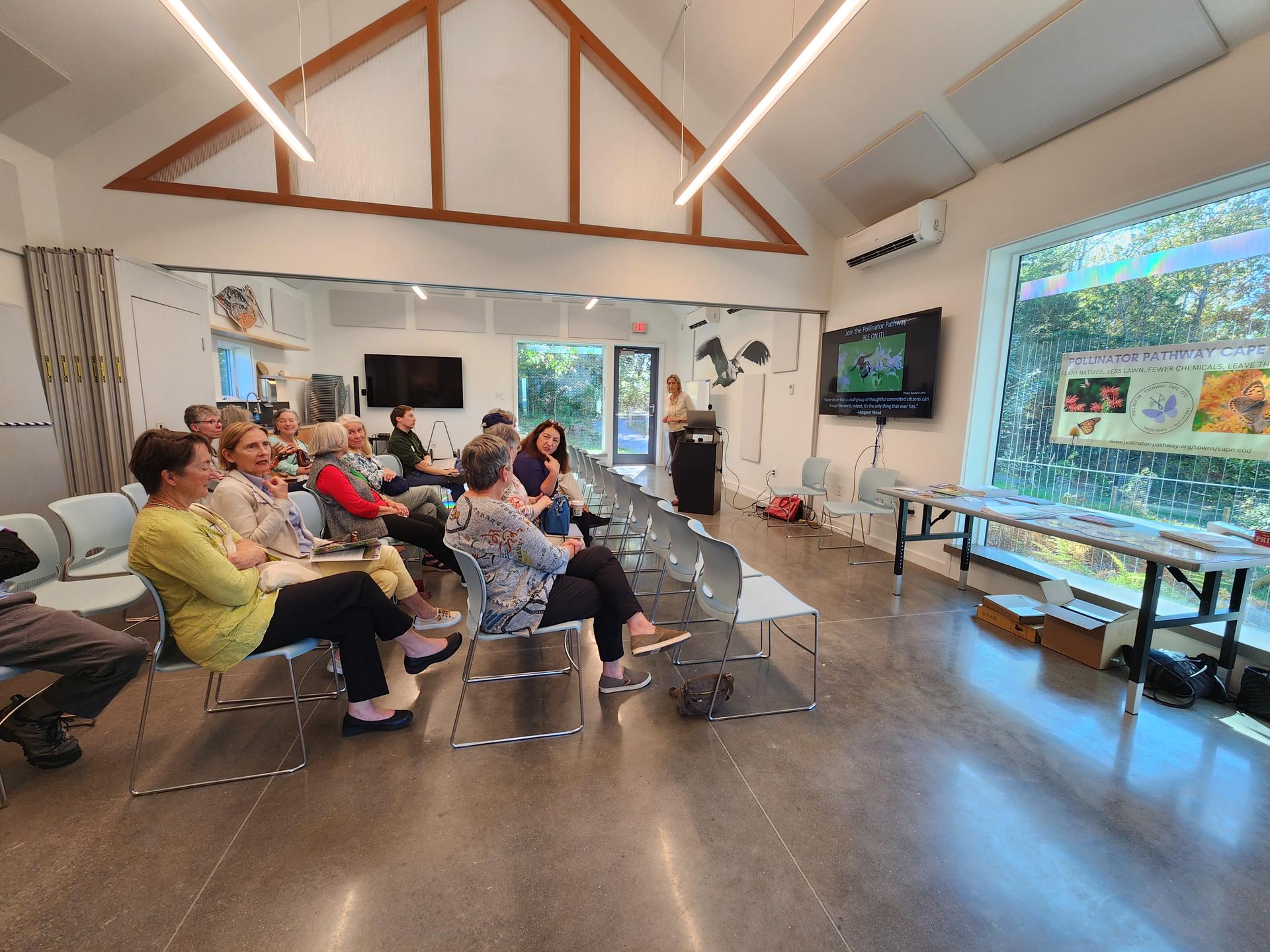
It was Pollinator Pathway Cape Cod's annual in-person meeting last Wednesday. We enjoyed the Long Pasture MA Audubon venue for catching up and hearing a presentation by Donna Merrill, founder of Pollinator Pathway Northeast. For more information about the pathway, CLICK HERE. |
|
|
Above: Carol Alper, Chair of Pollinator Pathway Cape Cod Steering Committee (left) and Donna Merrill of Pollinator Pathway Northeast (right) |
| |
|
A Cape-wide Conservation Event Calendar |
The first-of-its-kind calendar highlights regional nature programs |
|
|
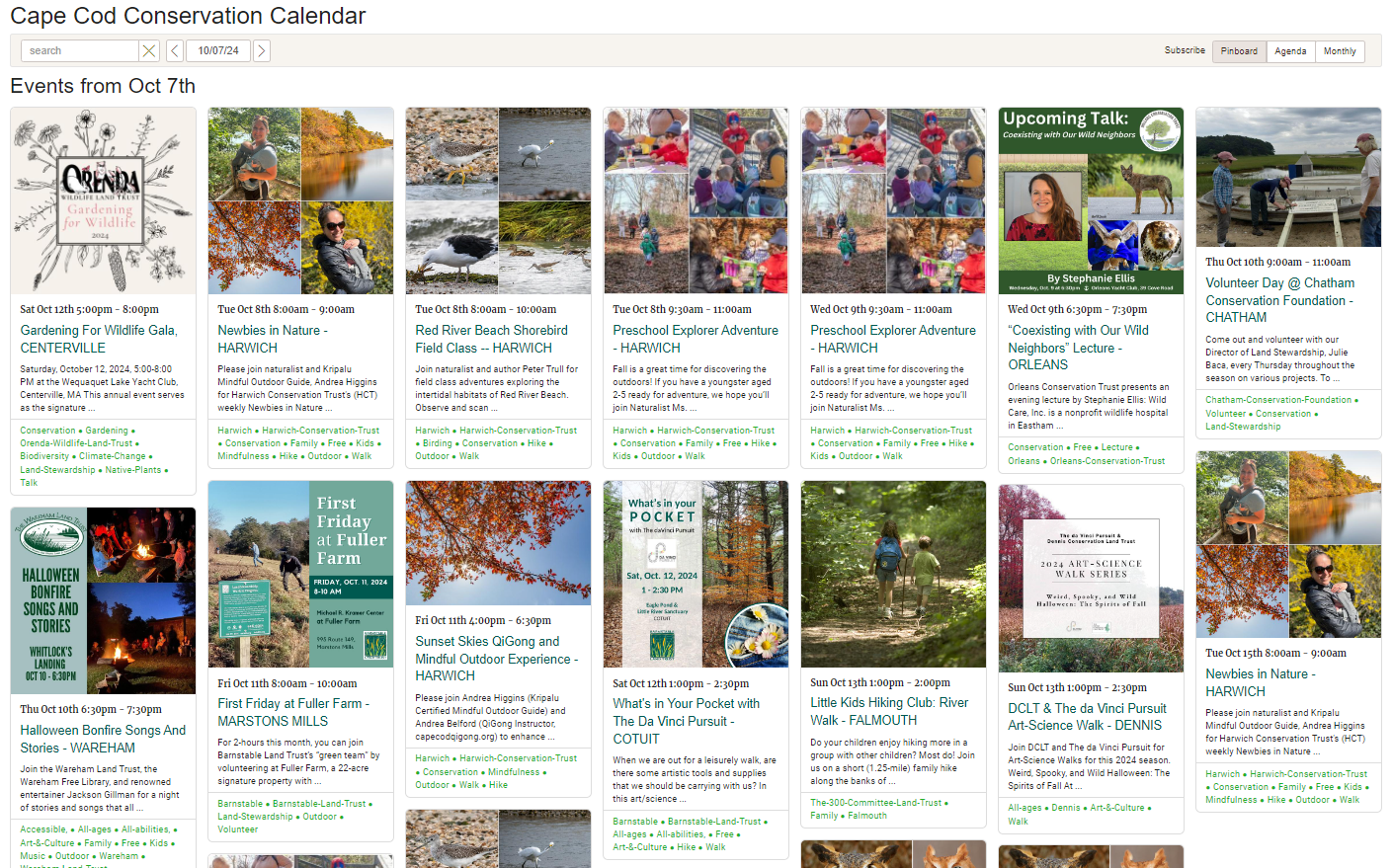
The Compact of Cape Cod Conservation Trusts (“the Compact”) and its nonprofit members are excited to launch a new regional calendar of events. The Conservation Calendar includes programs across Cape Cod hosted by these groups. The goal of the calendar is to encourage visitors and residents to take part in nature and environmental events.
Powered by the “Communications Cohort,” an informal group of dedicated community outreach volunteers and professional staff co-led by the Barnstable Land Trust and APCC, this initiative illustrates the powerful impact of nonprofit collaborations. Events can be sorted by date, town, organization, and type and is constantly being updated. |
A Cape Cod Native Plant-selector
~ to help you choose the perfect native plants for your garden. |
|
|
Email membership@apcc.org and we'll send you a CapeCodNativePlants.org decal. |
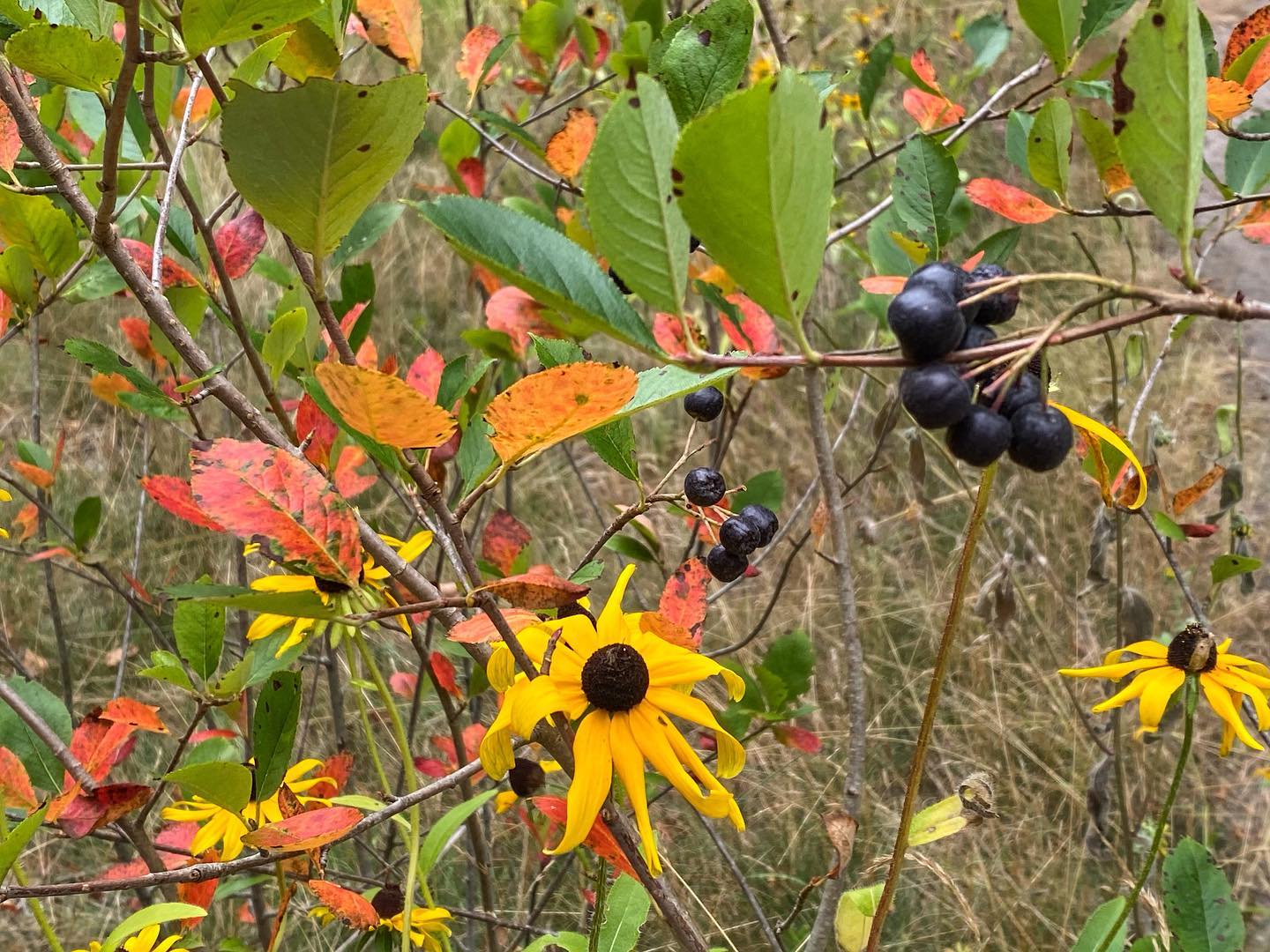
| Black Chokeberry
Aronia melanocarpa |
|
|
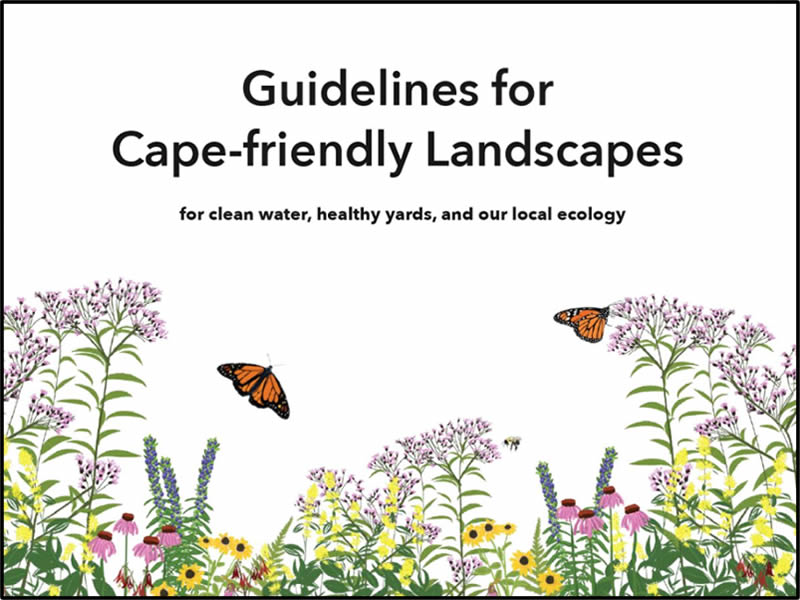
Guidelines for Cape-friendly Landscapes - an APCC publication |
The Guidelines gives homeowners steps they can take in the design and maintenance of their properties that will support pollinators and birds, manage stormwater, conserve water, and protect the Cape's water quality. This 40-page booklet is beautifully illustrated by Marcy Ford with content that is easily digestible and supported by numerous resources for additional learning.
|
Thank you for this important book! Hopefully everyone of us with a yard will read it and put it to use! - Vicky Titcomb of Titcomb Bookshop |
We've enjoyed creating it and hope it will help you with ideas to help you steward your piece of Cape Cod and maybe foster an environmental ethic in the decisions we all make in our own managed landscapes. Get your copy here—and maybe one for a friend?
|
We are grateful for the several retail shops that are partnering with us to make this publication more widely available: Brewster Book Store, Birdwatchers General Store, Crocker Nurseries, Wellfleet Audubon Wildlife Sanctuary, Cape Abilities Farm, Cape Cod Museum of Natural History, the Cape Cod Lavender Farm, Heritage Museums and Gardens, Titcomb's Bookshop, Sea Howl Bookshop, Soares Flower Garden Nursery, and Eight Cousins Bookshop.
If you are a retailer and would like to sell this publication at your store, contact Kristin at kandres@apcc.org. |
|
|
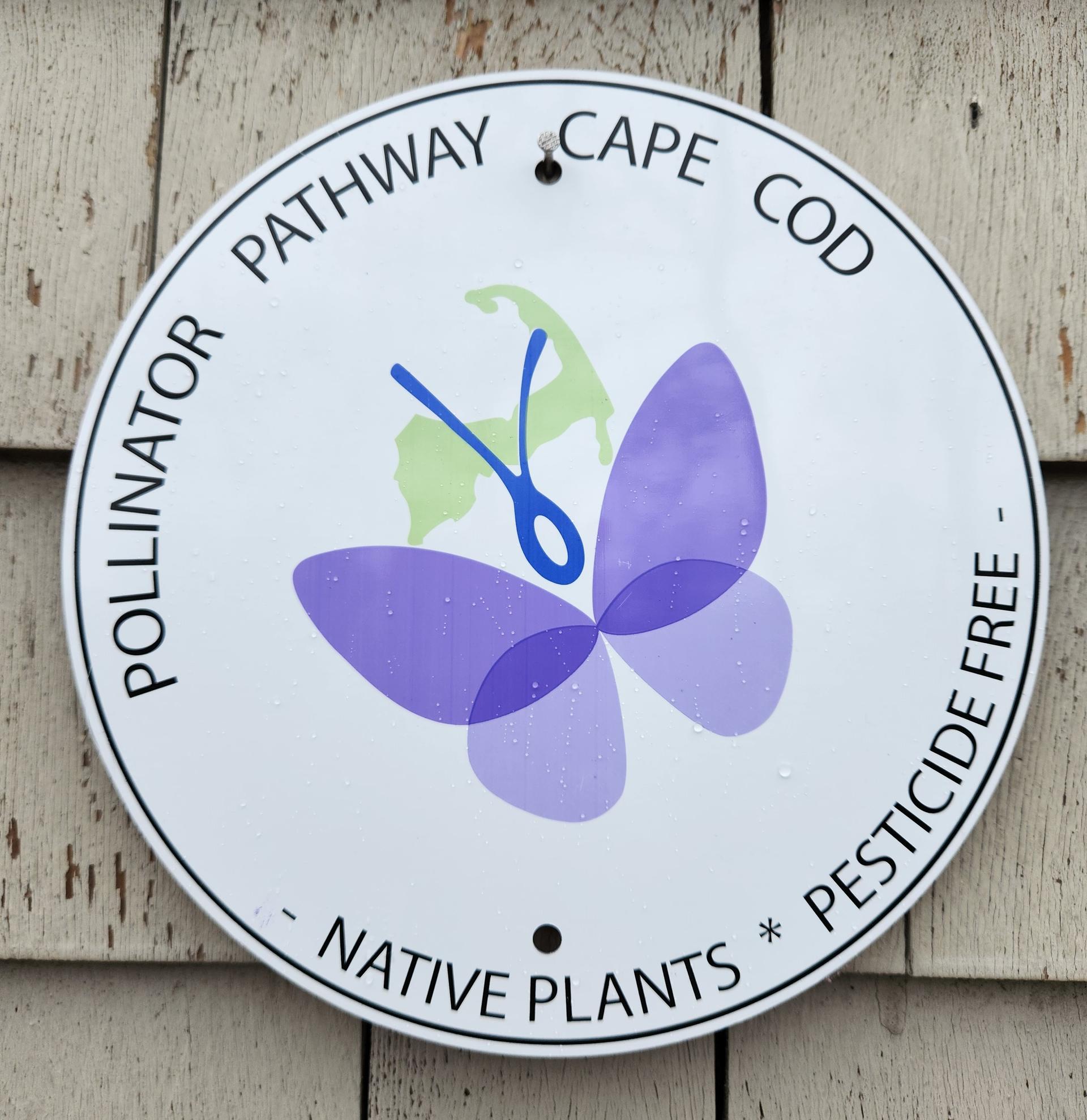
The Pollinator Pathway Cape Cod is a group of organizations promoting native plants and pollinator-friendly land care practices to create a boat load of safe oases for our native bees, butterflies and a whole host of other pollinators that are crucial to the health of our ecosystems.
Join us! It's easy. There are no fees. You just need to pledge to ADD native plants, SUBTRACT a little lawn, AVOID yard chemicals, especially pesticides, and LEAVE the leaves. And, help us spread the word. Please get on the map to show your support of pollinators on Cape Cod!
You can purchase the 9-inch aluminum Pollinator Pathway Cape Cod sign at Hyannis Country Garden, Crocker Nurseries, Brewster Book Store, Orleans Conservation Trust, and
Cape Abilities Farm. If you are a retailer, and you would like to sell the signs, you can order online here, or email pollinators@apcc.org. |
|
|
|
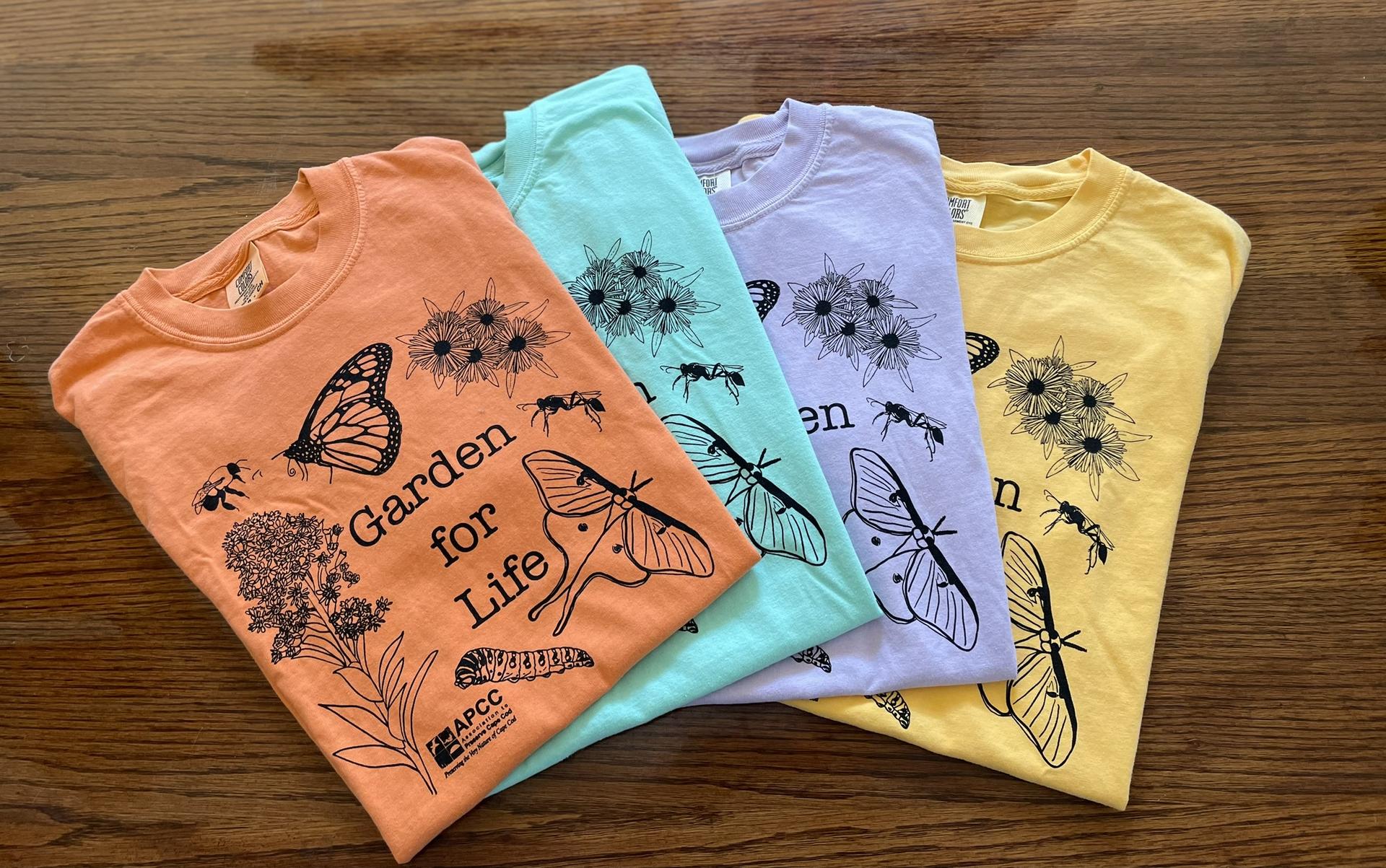
Available for online purchase: APCC caps $25 includes shipping & handling +++++++++++++++++ Garden for Life T's $30 including shipping & handling Click here
for more information and to order. This is just one great way to show your support for APCC's work. |
|
|
|
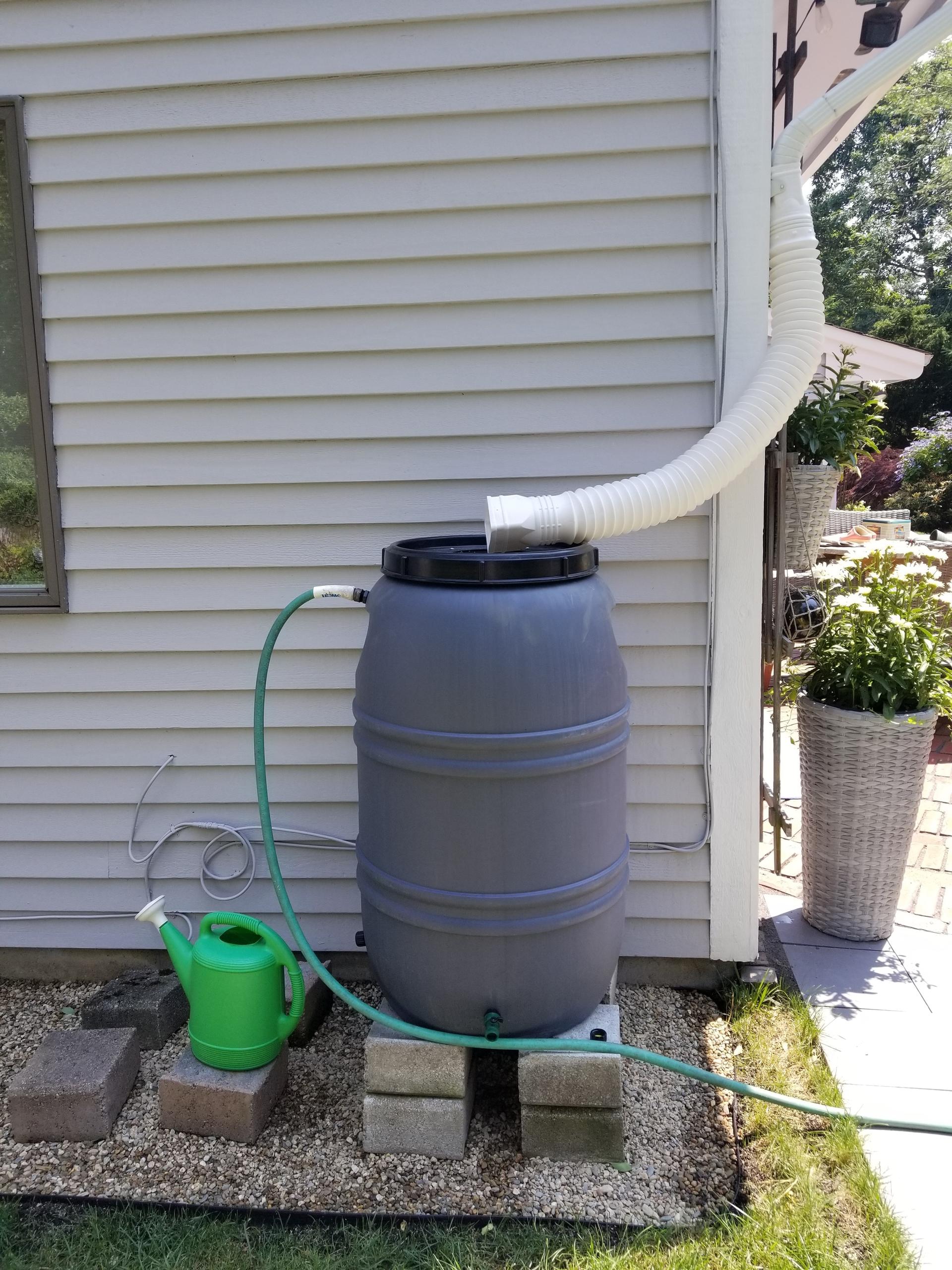
Rain Barrels for Cape Cod Order online from Upcycle Products
$122 each includes FedEx shipping to your door
55 gallon, repurposed food barrels Keep a barrel out of a landfill, and capture some free rainwater.
APCC receives a portion of the proceeds. For more information, click here. |
|
|
| APCC eNewsletters.
Our weekly newsletters are archived on our website and easily shared.
You can find past newsletters and share with your friends. Encourage others to sign up for future enewsletters HERE.
|
|
|
Are you thinking of going solar? We hope so!
In partnership with E2 SOLAR in Dennis, APCC receives $500 for every solar installation when APCC is named as referral. |
|
|
|
Thank you to the homeowners who just contracted to install solar panels through E2 Solar. May the sun always shine for you! |
|
|
Expressions Gallery, 578 Main Street, Chatham
CLICK HERE |
Expressions Gallery donates 20 percent of its profits to APCC's work. |
|
|
Thank you to our business sponsors! |
|
|
APCC is rated four stars by Charity Navigator and 2023 Platinum by Candid (formerly Guidestar). |
|
|
Our Contact Information
*{{Organization Name}}*
*{{Organization Address}}*
*{{Organization Phone}}*
*{{Organization Website}}*
*{{Unsubscribe}}* |
| |
|
|