Association to Preserve Cape Cod |
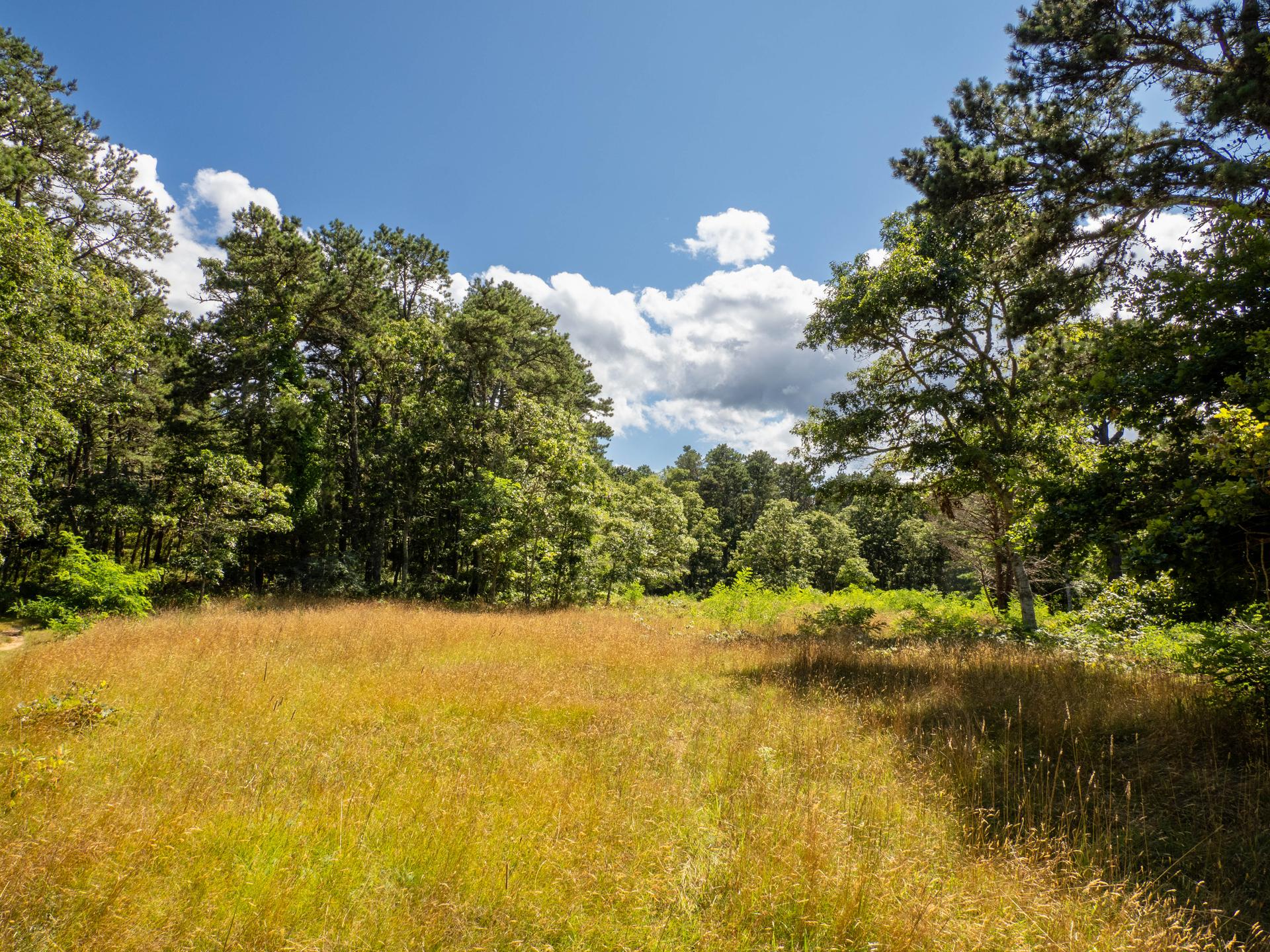
"Mother's Bog" Photo credit: Sue Machie |
|
|
|
This is Huge by Andrew Gottlieb, APCC's Executive Director |
September is starting with a bang. APCC has been awarded $15 million from the National Oceanic and Atmospheric Administration’s Transformational Habitat Restoration and Coastal Resilience Grant to support planning, design, and implementation of five wetland restoration projects on Cape Cod. APCC has spent the past 50 years building our scientific expertise, capacity, and partnerships, to be able to develop, fund and implement major projects like these. This award is the culmination of much of that effort and will support the environmental and clean water initiatives we continue to advocate for on Cape Cod.
|
|
|
Building on our successful partnership-based approach, APCC’s Ecosystem Restoration Program will lead this effort, working in close collaboration with the Mashpee Wampanoag Tribe, Waquoit Bay National Estuarine Research Reserve (WBNERR), the Harwich Conservation Trust, the Compact of Cape Cod Conservation Trusts, the towns of Dennis, Mashpee, and Falmouth, and other local and regional partners engaged on these projects. Collectively, the project partners have leveraged an additional $5.25 million in funding to complete this work.
The funding will support salt marsh restoration at Weir Creek in Dennis and Oyster Pond in West Falmouth, along with river and cranberry bog restoration at Hinckley's Pond in Harwich, Red Brook on the Mashpee/Falmouth border, and the upper Quashnet River in Mashpee. These projects also are intended to complement priority fish passage restoration supported by the USDA Natural Resources Conservation Service and the Cape Cod Conservation District. This includes replacement or improvement of the fish passage structure at John’s Pond on the Quashnet River upstream of the former bogs, as well as four structures along the Herring River in Harwich both upstream and downstream of Hinckley's Pond. Together these projects will restore habitat, connectivity and improve resilience from the headwaters to our coastal estuaries.
Funding of this nature is truly transformative. Multi-year funding of this scale is unique and hard to come by. At APCC our goal is to fill critical gaps in capacity and funding, and this award secures funding to support these five projects over the next four years to see them through to completion. The long-term goal of the project is to collectively restore an estimated 220 acres of wetland habitat, 181 acres of pond habitat, and 2.2 miles of river and shoreline habitat.
We are especially proud that APCC’s project was the only one selected by NOAA in Massachusetts and represents roughly 5 percent of the funds awarded nationally. This award reflects the recognition locally and now nationally that APCC’s Ecosystem Restoration Program is second to none and delivers quality projects on time and on budget. More than anything else, this award enables APCC and its partners to deliver meaningful environmental improvement to important resources on Cape Cod.
|
APCC Ecosystem Restoration Program |
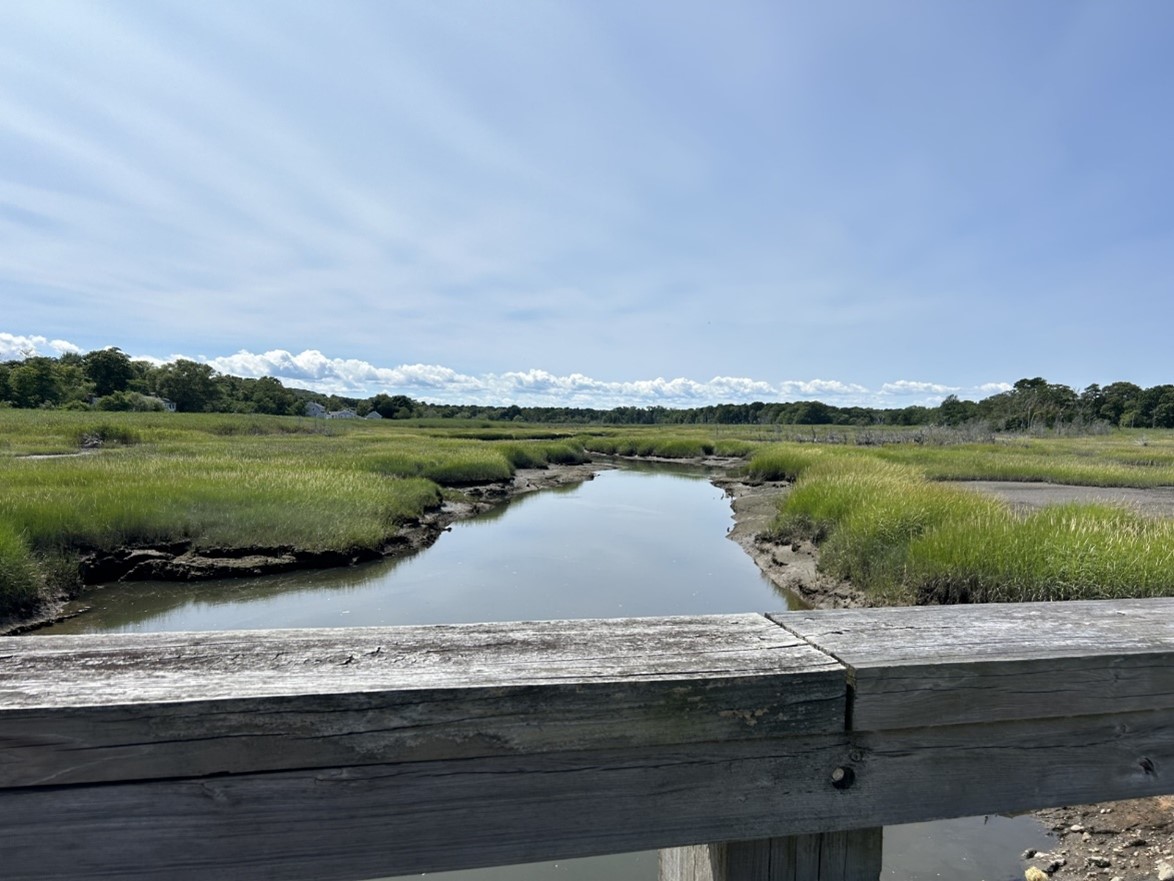
Above: Sesuit Creek Salt Marsh in Dennis, MA tidally restored in 2008 |
Vegetation Monitoring at Sesuit Creek Salt Marsh
Healthy vegetation is an important part of a healthy salt marsh ecosystem. The vegetation that grows in a marsh is highly salt tolerant, capable of surviving the constant tidal influence. Some common vegetation species present in marshes across Cape Cod include Spartina alterniflora, a smooth cordgrass, Spartina patens, a thin and pointy cordgrass, and Distichlis spicata, a tufted and branching saltgrass. Vegetation helps stabilize the marsh with its underground network of roots and rhizomes.
In 2018, with funding from the MA Division of Ecological Restoration, APCC completed a pilot planting Spartina alterniflora to help jumpstart revegetation of bare areas of the marsh at Sesuit Creek in Dennis. This August, APCC’s Ecological Restoration Program staff visited the marsh to monitor the progress of the plantings. During the field visit, the team measured the height of the Spartina alterniflora stems, took photos of our planted plots, estimated the percent cover of vegetation present in each plot, measured the elevation of each plot, and made other observations about the marsh, such as the presence of wildlife (crabs, birds, etc.), to compare with previous years of monitoring.
All of these data will help inform plans for additional planting at this site proposed for spring of 2025. Our work here will help this and other salt marsh restoration projects in planning for adaptive management of restoration to maximize the benefits of restore, make our salt marshes more resilient to the impacts of climate change and continue to support the human and ecological communities that rely on them. |
Above: Spartina alterniflora in one of the pilot planting plots monitored in August 2024 |
This video by Lower Cape TV takes a regional look at the ripple effects of these restorations that trickle into the local economy and what they mean to future generations. Where are the challenges and the barriers to these projects? And why is the drive to nurture our nature so strong on Cape Cod? Featured is APCC's own restoration program coordinator, April Wobst. |
Cyanobacteria Monitoring Program |
|
|
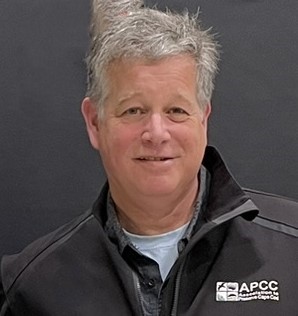
| Welcome back, Meri Ratzel, for the 2024 fall season!
My name is Meri Ratzel, and I am returning to my third year monitoring with the cyanobacteria program. I assist the program in late season monitoring after students are returning to their university programs. I am a non-traditional student trained in marine algae identification. I was trained through independent study with Dr. Robert Edgar in diatom identification at Harvard's Herbarium and in marine phycology at Cornell's program at the Isle of Shoals. I will be returning to school this fall at Cape Cod Community College to begin obtaining a formal degree in Biological Sciences, with the intent of becoming a phycological taxonomist.
|
|
|
Stories from the Landscape |
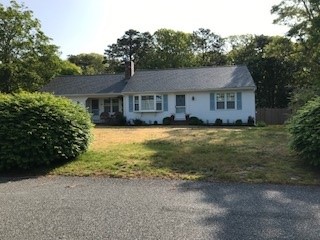
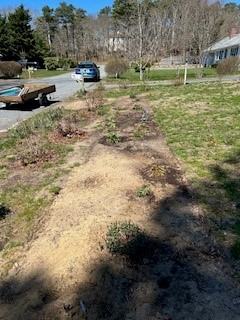
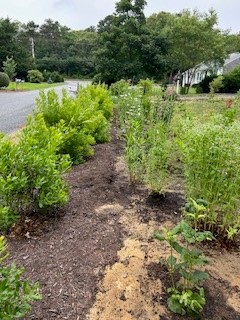
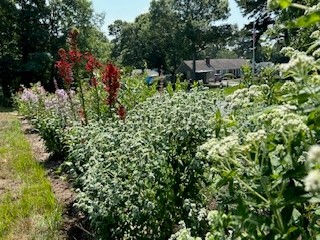
Margaret writes: I have spoken with you a couple of times over the last year and wanted to thank you for all your tips that you’ve given me for the native planting. You said to send you photos and this spring I have finally accomplished something to share. I have managed to stop using fertilizer and insecticides (it’s been four years now altogether), and have lessened my water use. Not an easy thing to do here on the Cape with such sandy soil, but I think I’ve amazed my neighbors and hope to encourage them to follow suit.
I cheated a bit with a couple of foxgloves, but most of the rest are all native. The hedge in the front is all bayberry now. I am trying something similar to an English border, but with all Cape Cod natives flowing towards my house. The bayberry hedge will hide the perennials as they grow in the spring, making the yard look neater for my neighbors. I am already taking cuttings to root for next year making the border wider.
Thanks for your inspiring advice, Margaret |
|
|
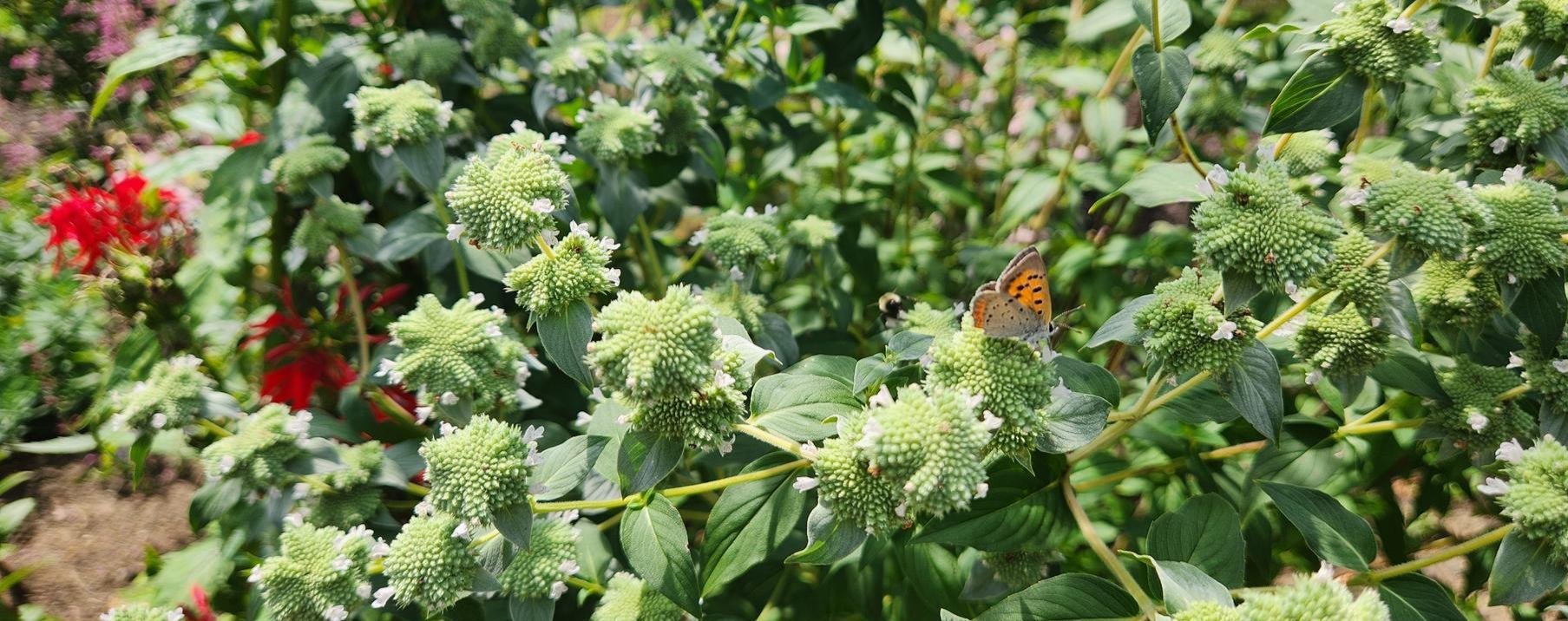
Above: This summer—full of pollinators! |
Thursday, September 12, 2024 at 12:00 p.m. The Everyday Conservationist: Nurturing Nature at Home
with Danae Wolfe |
|
|
|
Climate change and biodiversity loss are creating existential threats to people and nature. But we can help. In this presentation, you’ll learn about how traditional landscape management is contributing to climate change and biodiversity loss and discover small steps we can all take in our own backyards and communities to steward our landscapes for nature and wildlife.
REGISTER HERE. |
|
|
Danae Wolfe is an award-winning conservation photographer, writer, educator, and TEDx speaker focused on fostering appreciation and stewardship of backyard bugs and wildlife. Ever the pragmatic, she believes that everyone has the power to make a difference in combating climate change and biodiversity loss. Danae was the 2022 recipient of the Garden Communicators International Emergent Communicator award, and her work has been featured in various outlets, including CNN, The American Gardener magazine, and Nature Conservancy Magazine. Through her community conservation initiative, Chasing Bugs, Danae has reached global audiences with science-based education about the importance of gardening for biodiversity and has inspired gardeners to appreciate the beauty of our natural world and embrace their role in its protection.
|
Take Action to protect the Upper Cape Water Supply Reserve |
|
|
If you've already written the governor, thank you! |
The Massachusetts National Guard, acting through the Massachusetts Military Division, is once again seeking bids to construct a multipurpose machine gun range (MPMGR) on top of the Upper Cape Water Supply Reserve.
Please write Governor Healey today
and demand that she direct her staff to cancel this bid solicitation.
Please use the state's contact form to send the governor a message (see the link to the state's website below). Here's a sample message you can copy and paste into the comments box on the state form:
Dear Gov. Healey,
I am writing to urge you to use your authority in putting a stop to the multipurpose machine gun range proposed for the Upper Cape Water Supply Reserve. I am very concerned about the Massachusetts National Guard’s recent transparent efforts to prevent existing project funds from expiring on September 30 by opening up another bidding process and securing a construction contract. A construction contract signed before October 1 would enable the Guard to continue to try to force the MPMGR on Cape Cod residents who are justifiably concerned that the project threatens the Upper Cape’s only source of drinking water.
This action by the Guard to advance contracting of the project is a further breach of the public trust and the commitment by your administration—which was agreed to by the Guard—that the project would not move forward until the U.S. Environmental Protection Agency has completed its work on the Sole Source Aquifer study and the state’s Environmental Management Commission has reviewed the project. Please use your authority as governor to order the bidding process to stop and to put a halt to this ill-conceived project. Thank you.
Link to state's website: https://www.mass.gov/info-details/email-the-governors-office#email-the-governor-&-lt.-governor-using-this-form- We'd like to exceed 1,000 emails to Governor Healey, demanding that she ensure this project does not go forward. |
|
|
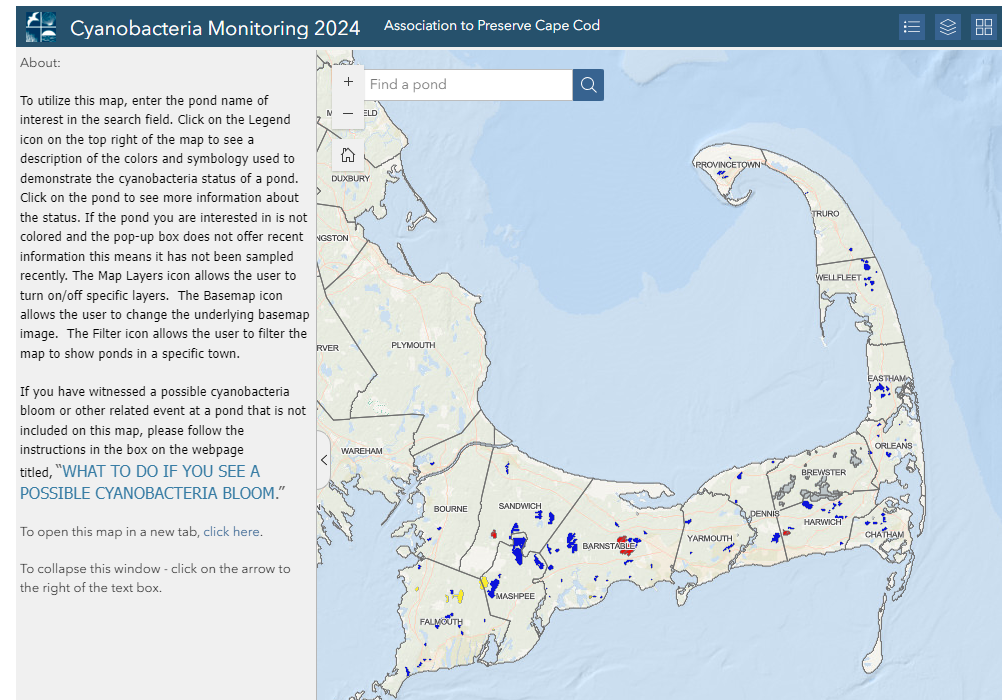
APCC's Cyanobacteria Monitoring Program |
|
|
Guidelines for Cape-friendly Landscapes - an APCC publication |
|
|
The Guidelines gives homeowners steps they can take in the design and maintenance of their properties that will support pollinators and birds, manage stormwater, conserve water, and protect the Cape's water quality. This 40-page booklet is beautifully illustrated by Marcy Ford with content that is easily digestible and supported by numerous resources for additional learning.
|
Thank you for this important book! Hopefully everyone of us with a yard will read it and put it to use! - Vicky Titcomb of Titcomb Bookshop |
We've enjoyed creating it and hope it will help you with ideas to help you steward your piece of Cape Cod and maybe foster an environmental ethic in the decisions we all make in our own managed landscapes. Get your copy here—and maybe one for a friend?
|
We are grateful for the several retail shops that are partnering with us to make this publication more widely available: Brewster Book Store, Birdwatchers General Store, Crocker Nurseries, Wellfleet Audubon Wildlife Sanctuary, Cape Abilities Farm, Cape Cod Museum of Natural History, the Cape Cod Lavender Farm, Heritage Museums and Gardens, Titcomb's Bookshop, Sea Howl Bookshop, Soares Flower Garden Nursery, and Eight Cousins Bookshop.
If you are a retailer and would like to sell this publication at your store, contact Kristin at kandres@apcc.org. |
|
|
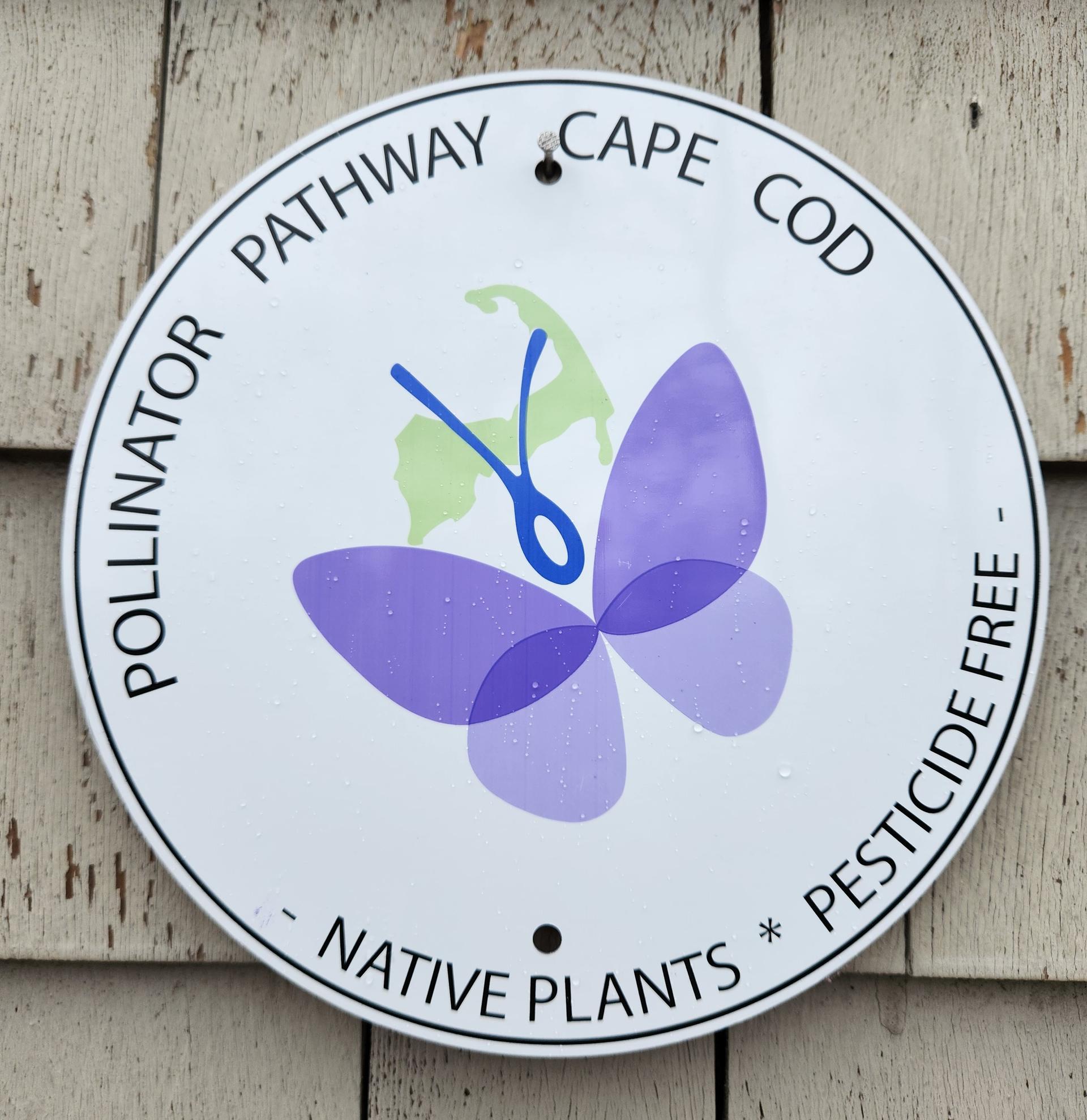
The Pollinator Pathway Cape Cod is a group of organizations promoting native plants and pollinator-friendly land care practices to create a boat load of safe oases for our native bees, butterflies and a whole host of other pollinators that are crucial to the health of our ecosystems.
Join us! It's easy. There are no fees. You just need to pledge to ADD native plants, SUBTRACT a little lawn, AVOID yard chemicals, especially pesticides, and LEAVE the leaves. And, help us spread the word. Please get on the map to show your support of pollinators on Cape Cod!
You can purchase now your 9-inch aluminum Pollinator Pathway Cape Cod sign at Hyannis Country Garden, Crocker Nurseries, Brewster Book Store, Orleans Conservation Trust, and
Cape Abilities Farm.
If you are a retailer, and you would like to sell the signs, you can order online here, or email pollinators@apcc.org. |
|
|
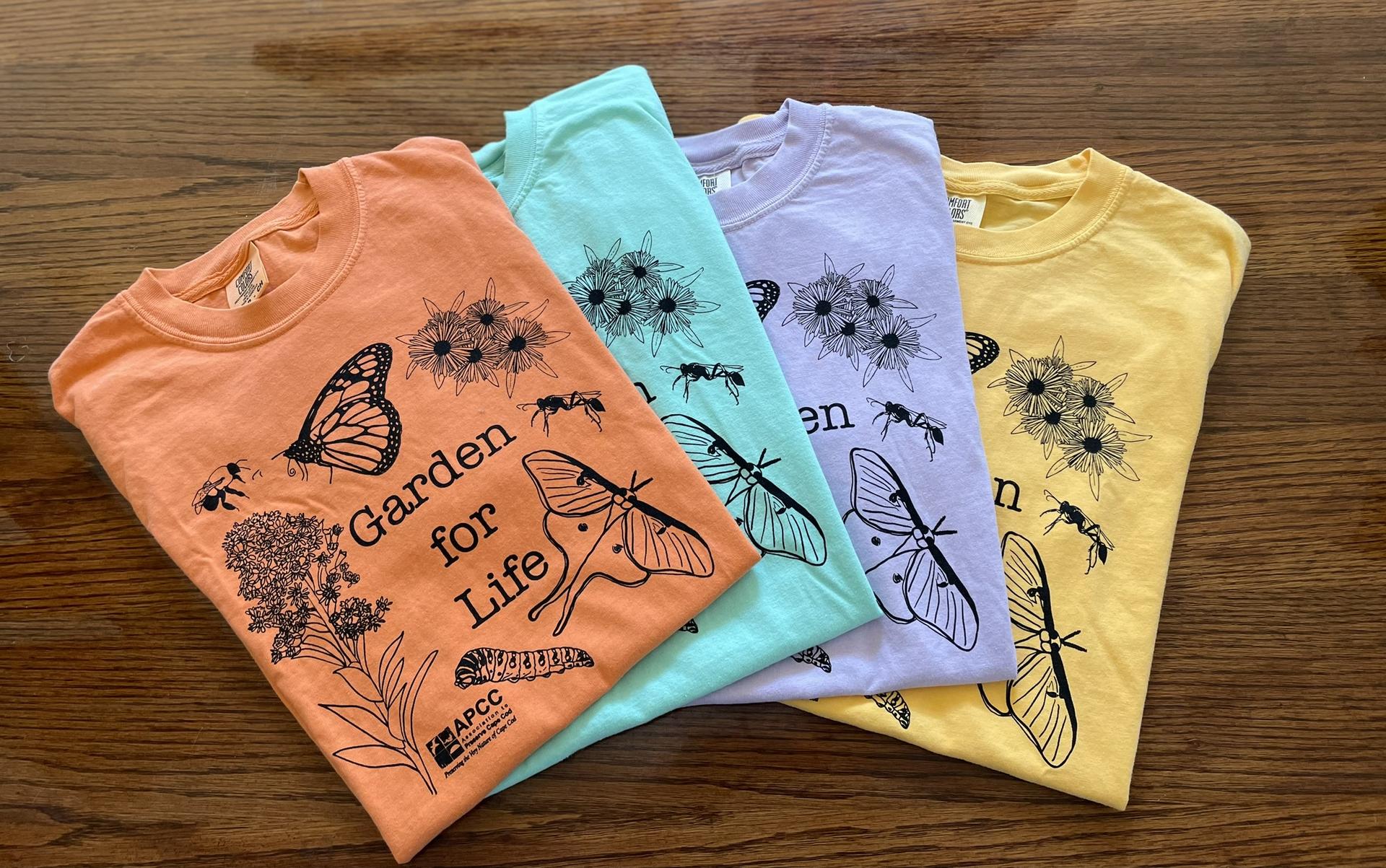
| Available for online purchase: APCC caps $25 includes shipping & handling +++++++++++++++++ Garden for Life T's $30 including shipping & handling Click here
for more information and to order. This is just one great way to show your support for APCC's work. |
|
|
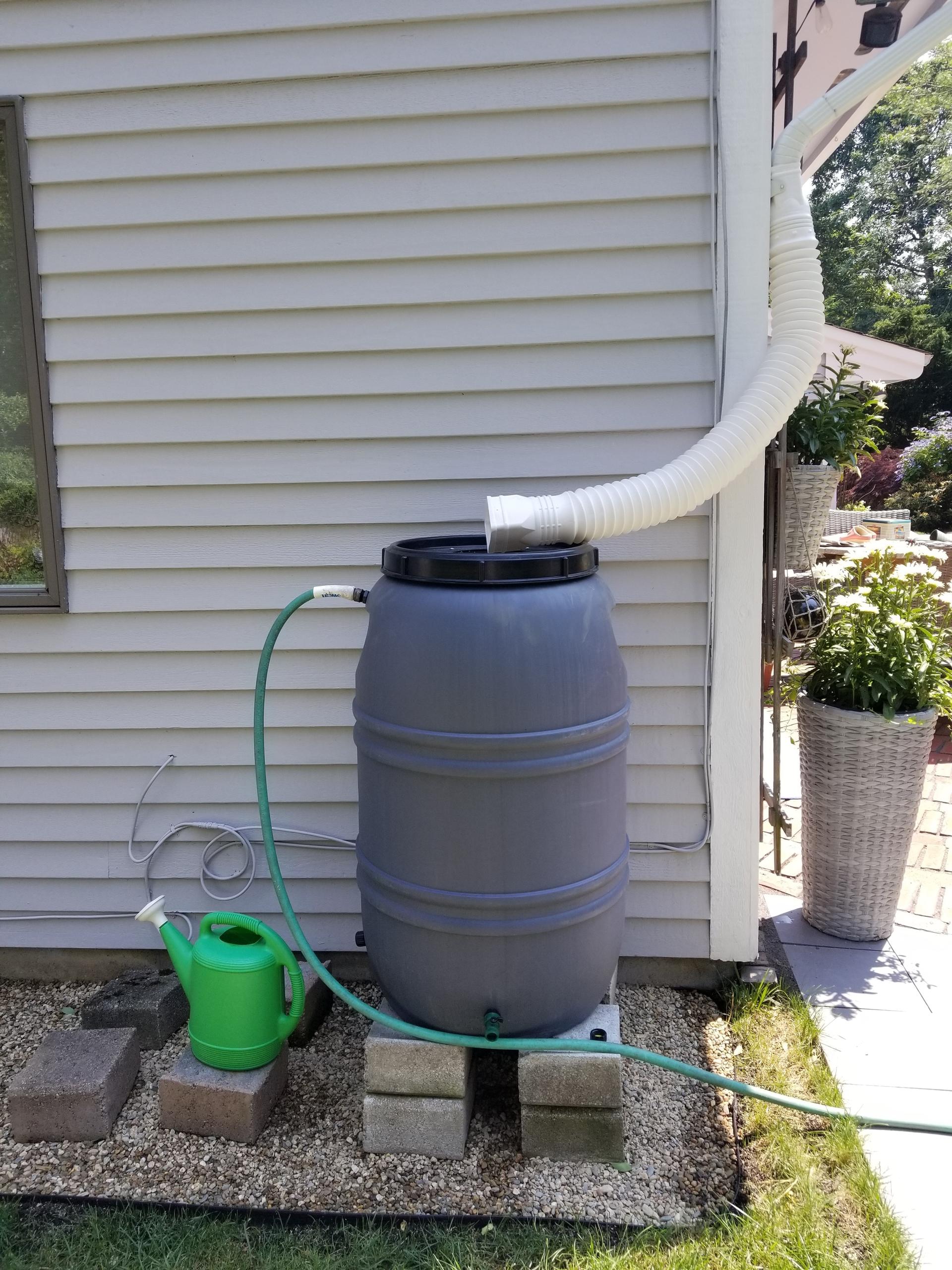
| Rain Barrels for Cape Cod Order online from Upcycle Products
$122 each includes FedEx shipping to your door
55 gallon, repurposed food barrels Keep a barrel out of a landfill, and capture some free rainwater.
APCC receives a portion of the proceeds. For more information, click here. |
|
|
A Cape Cod Native Plant-selector ~ to help you choose the perfect native plants for your garden. |
|
|
Email membership@apcc.org and we'll send you a CapeCodNativePlants.org decal. |
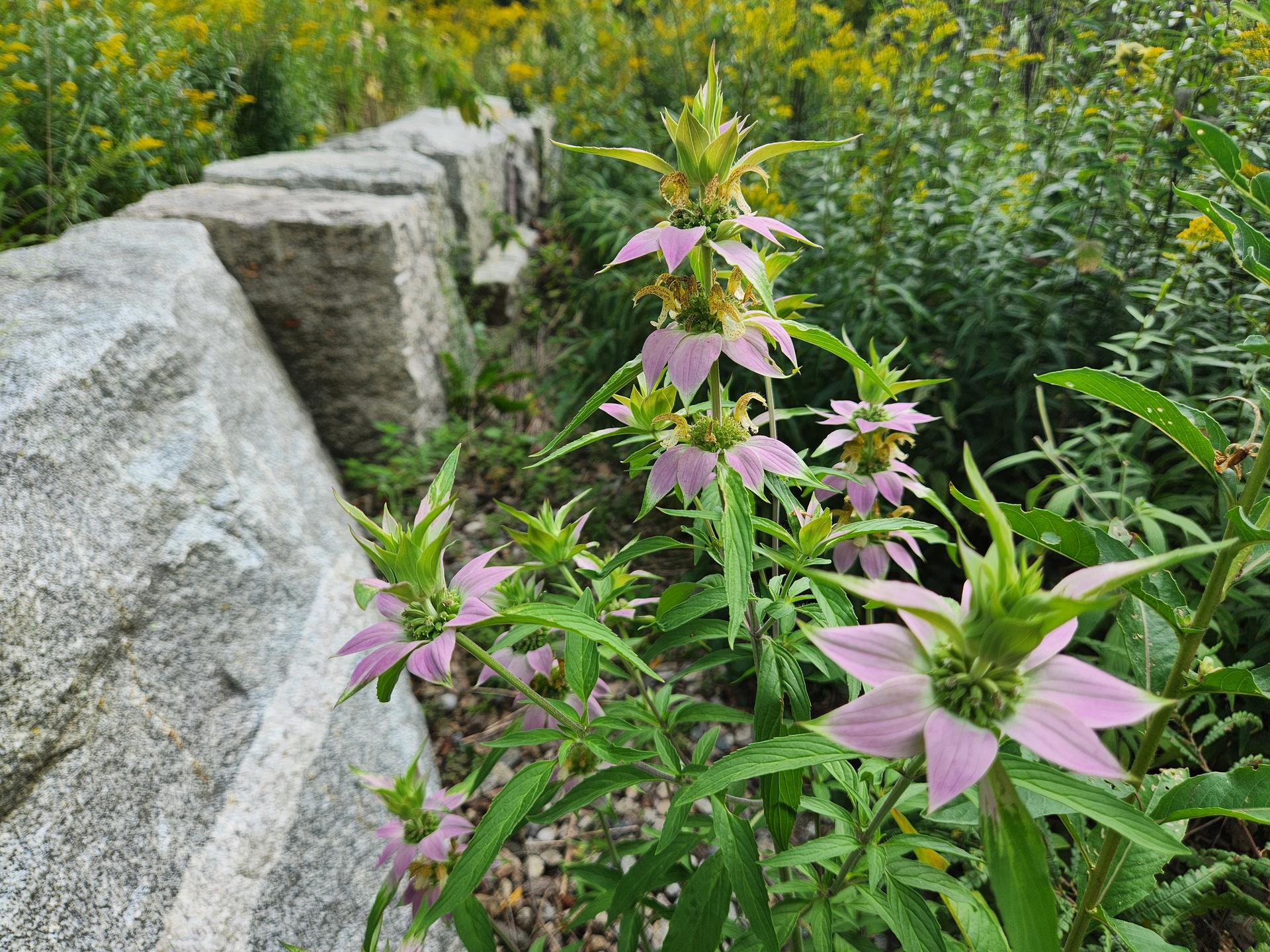
| Spotted Bee Balm Monarda punctata |
|
|
| APCC eNewsletters.
Our weekly newsletters are archived on our website and easily shared.
You can find past newsletters and share with your friends. Encourage others to sign up for future enewsletters HERE.
|
|
|
Are you thinking of going solar? We hope so!
In partnership with E2 SOLAR in Dennis, APCC receives $500 for every solar installation when APCC is named as referral. |
|
|
|
Thank you to the homeowners who just contracted to install solar panels through E2 Solar. May the sun always shine for you! |
|
|
Expressions Gallery, 578 Main Street, Chatham
CLICK HERE |
Expressions Gallery donates 20 percent of its profits to APCC's work. |
|
|
Thank you to our business sponsors |
|
|
APCC is rated four stars by Charity Navigator and 2023 Platinum by Candid (formerly Guidestar). |
|
|
Our Contact Information
*{{Organization Name}}*
*{{Organization Address}}*
*{{Organization Phone}}*
*{{Organization Website}}*
*{{Unsubscribe}}* |
| |
|
|